Stanza · Audio guide
Musée Carnavalet Audio Guide
A place to remember. A story to take with you.
Musée Carnavalet is a museum dedicated to the history of Paris. It chronicles the city's evolution from prehistoric times to the present day through its vast collections.
Download Stanza, then search for “Musée Carnavalet”.
About the tour
One guide. Your kind of visit.
Musée Carnavalet is a museum dedicated to the history of Paris. It chronicles the city's evolution from prehistoric times to the present day through its vast collections.
Ready when you are.
- 01Get the free Stanza app.
iOS & Android
- 02Find your guide.
“Musée Carnavalet”
- 03Download before you go.
Works offline
Audio guide / 19 narrated stops
Inside the guide
Get to know a few of the stories before you go. Open a stop to read more.
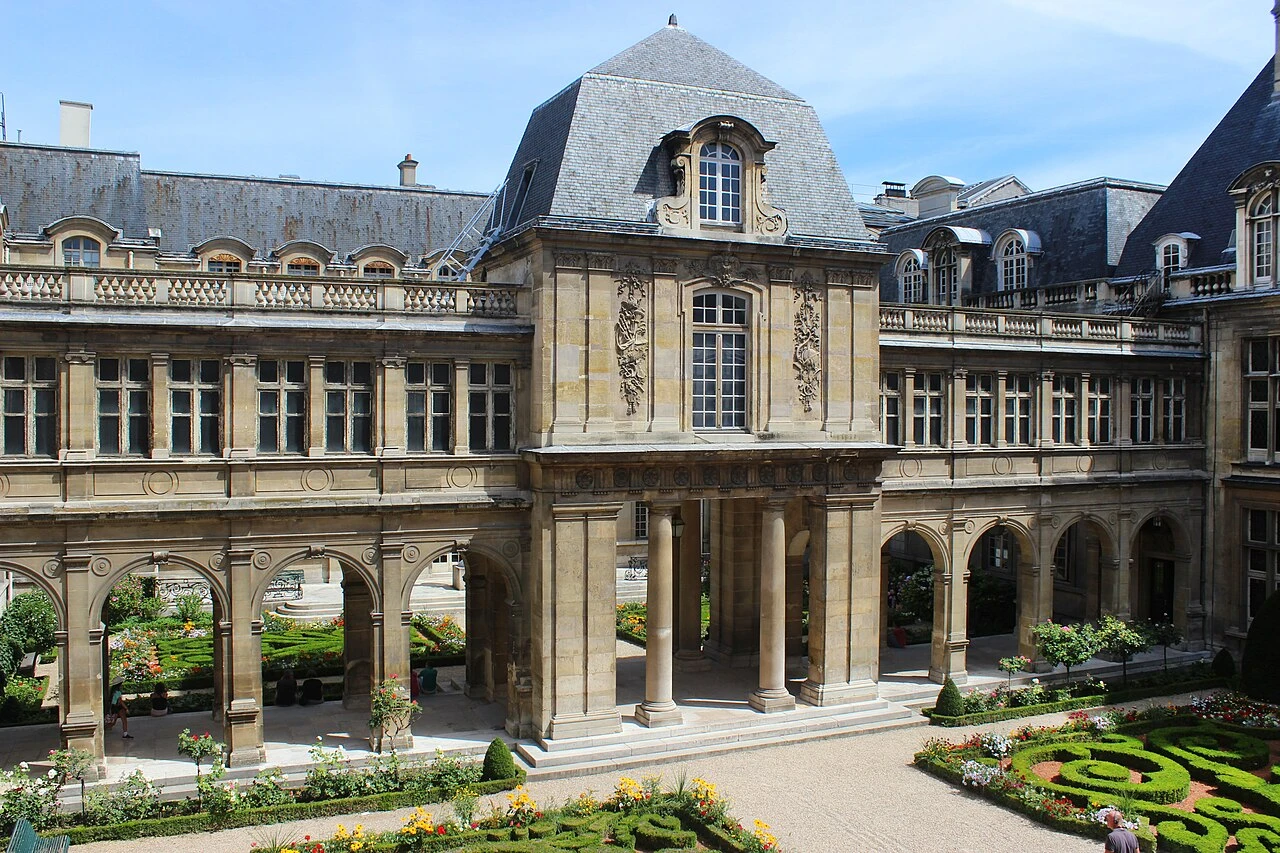
01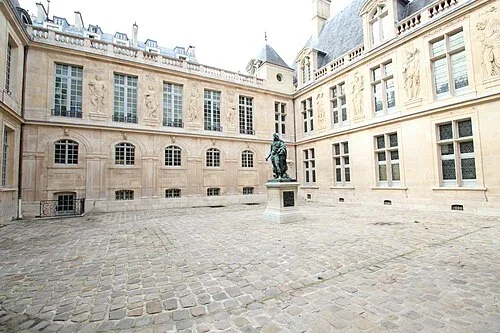 Cour Louis XIV: The Renaissance Courtyard
The Courtyard of Louis XIV
The stone walls around this cobbled courtyard belong to a townhouse from the Renaissance. Today the building holds Paris's history museum, and its name has an unusual origin. In 1578 the house was bought by a widow, Madame de Kernevenoy. Her late husband had served at the court of Henry the Second. Her Breton name was hard for Parisians to say, so over time it became Carnavalet. The carving is where the Renaissance shows most clearly. The facade and doorways were lavishly decorated by the sculptor Jean Goujon and his workshop. Goujon's workshop also carved reliefs of the Four Seasons, and much of this Renaissance sculpture can still be seen today. A bronze king stands on a stone base in the courtyard.
Photo: Lionel Allorge · CC BY-SA 3.0
02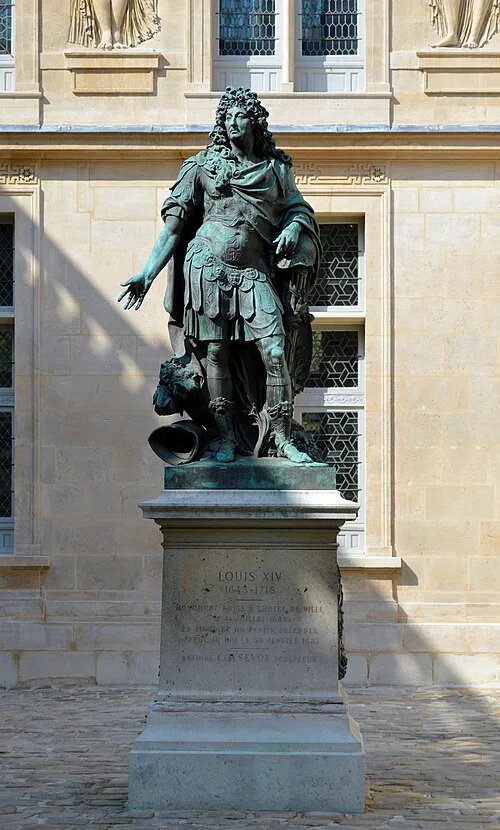 Cour Louis XIV: The Renaissance Courtyard
Statue of Louis XIV by Antoine Coysevox
The green-surfaced figure of Louis the Fourteenth is the work of the sculptor Antoine Coysevox. He is shown in the costume of a Roman emperor, with a cloak draped over his shoulders. Most royal statues in Paris were destroyed during the Revolution. This one survived, and it is among the very few images of the king to do so. Before the Revolution it stood in front of the Hôtel de Ville. It was moved to this museum in 1890. The Roman dress fits the king's plans for the city. He promised to do for Paris what Augustus did for Rome. In 1670 he tore down the old city walls and gates. He replaced them with four triumphal arches. Two of them survive, the Porte Saint-Martin and the Porte Saint-Denis.
Photo: DimiTalen · CC0
03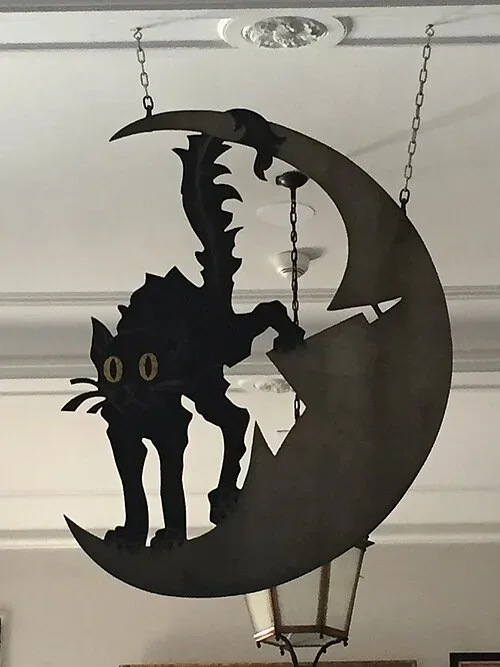 The Historic Shop Signs Gallery
Sign of the Le Chat Noir Cabaret (1881)
Two galleries in this museum display the signs that hung in front of Paris shops in the eighteenth and nineteenth centuries. Each sign showed the trade or product inside. The collection includes signs from wigmakers, locksmiths and makers of eyeglasses. This one is a black cat, cut out in silhouette, clinging to the curve of a crescent moon. Its back is arched, and its yellow eyes look straight out. The sign hangs from two chains. The cat is the emblem of Le Chat Noir, a cabaret in Montmartre. In 1881 that cabaret was a popular meeting place for artists.
Listen in the appPhoto: Christelle Molinié · CC BY-SA 4.0
04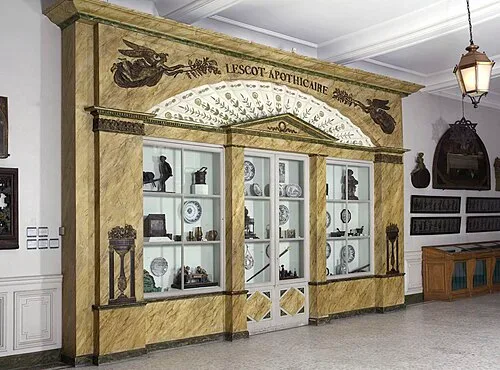 The Historic Shop Signs Gallery
Lescot Apothicaire Shopfront
Apothicaire is the French word for apothecary, a seller of medicines and remedies. This shop front did two jobs at once, as a sign and as a window. The name Lescot-Apothicaire is painted across the top, above an arched panel. Below, glazed cabinets hold blue and white plates beside small objects. The pilasters beside them are painted to look like yellow marble. Winged figures are painted at the top corners.
Listen in the appAnonymousUnknown author · CC0
05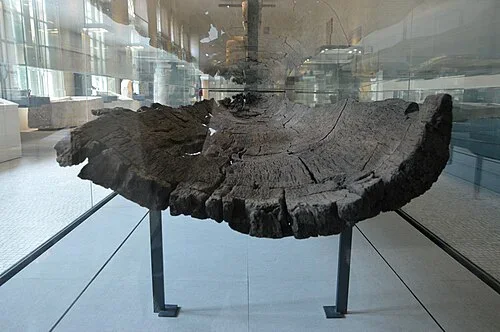 Subterranean Vaults: Prehistoric Bercy and Gallo-Roman Lutetia
Neolithic Pirogue (Dugout Canoe)
Its makers hollowed this long, narrow canoe out of a single tree trunk, about 2700 BC. The canoe belongs to the Neolithic, the New Stone Age. Its dark, weathered wood rests on two metal supports. It was found in the early 1990s, along with several canoes that were even older. When it was found, the site lay beside a branch of the Seine that has since vanished. Other finds from the same period include clay cooking pots, necklaces of otter teeth and carved female figures. Julius Caesar first described Lutetia, the settlement that became Paris, in 52 BC. More than two thousand years separate the canoe from that writing.
Listen in the appPhoto: Spanish Castle Magic · Public domain
06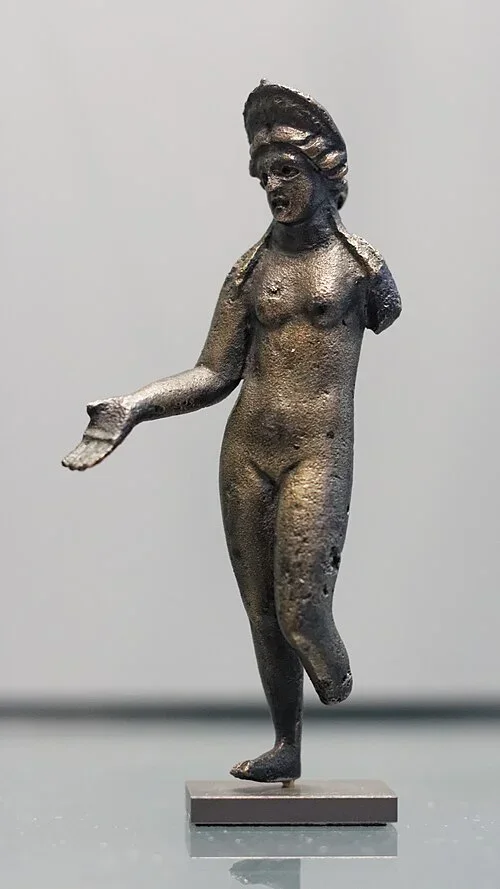 Subterranean Vaults: Prehistoric Bercy and Gallo-Roman Lutetia
Bronze Figure of Venus with a Diadem
This small bronze Venus is among the museum's Roman finds from Lutetia, the town that stood where Paris now is. Two large Roman cemeteries there proved a rich source of finds for the museum. The southern one is the Pierre Nicole necropolis, near Val-de-Grâce. It was the most important during the High Empire, the early centuries of Roman imperial rule. It stayed in use until the fourth century AD. Digging there began in 1870 and went on for about a century. Some four hundred tombs came out of the ground, with furniture, sculpture and inscriptions. The Gobelins cemetery, in the Faubourg Saint-Marcel, was smaller and used later, in the Low Empire. Its most valuable find was a set of surgical instruments from the third century AD. The Venus stands nude, with one arm reaching out and the hand broken away. Her hair is piled under a headdress known as a diadem.
Listen in the appPhoto: Coyau · CC BY-SA 3.0
07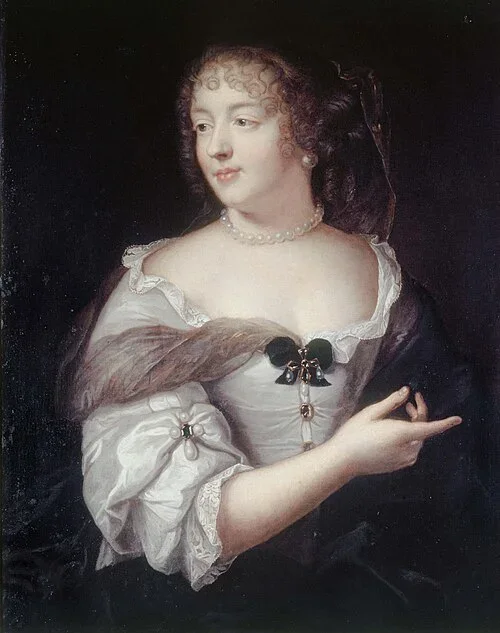 Hôtel Carnavalet First Floor: The World of Madame de Sévigné
Portrait of the Marquise de Sévigné
Claude Boislève bought this house in 1654. He was an intendant, a senior royal official. He hired the architect François Mansart to remodel the house in the new classical style. Mansart raised the street front and the two wings by a full storey. He also added classical sculpture to the main front. Boislève was too closely tied to a powerful royal official who was accused of misusing royal funds to build his own palace. So in 1662 the house was taken from him and sold at auction. In 1677 the new owner rented the house to Madame de Sévigné. She lived there until her death in 1696. Her letters to her daughter give a detailed picture of social and cultural life in Paris at the time. A portrait said to show her, painted around 1665, has pearls at the throat and a dark gown.
Listen in the appPhoto: Pyb · Public domain
08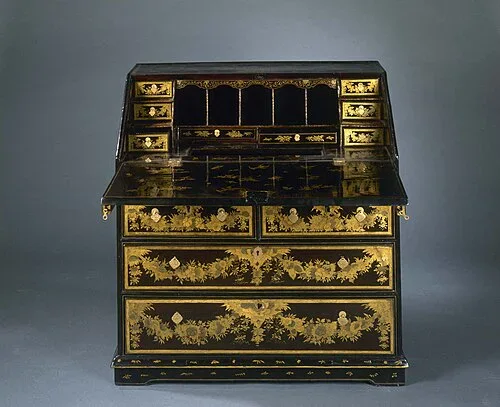 Hôtel Carnavalet First Floor: The World of Madame de Sévigné
Writing Desk Associated with Madame de Sévigné
Louis the Fourteenth set up royal workshops for cabinet-making, tapestries and decorative objects. Their work was meant to furnish royal palaces and the homes of wealthy Parisians. This writing desk is associated with Madame de Sévigné, who lived in this house. Its black lacquer is decorated with gold scrolls. When the sloping flap is lowered, it makes a writing surface. Above it sit rows of small drawers and compartments. Gold garlands run across the wide lower drawers.
Listen in the appAnonyme, ebéniste · CC0
09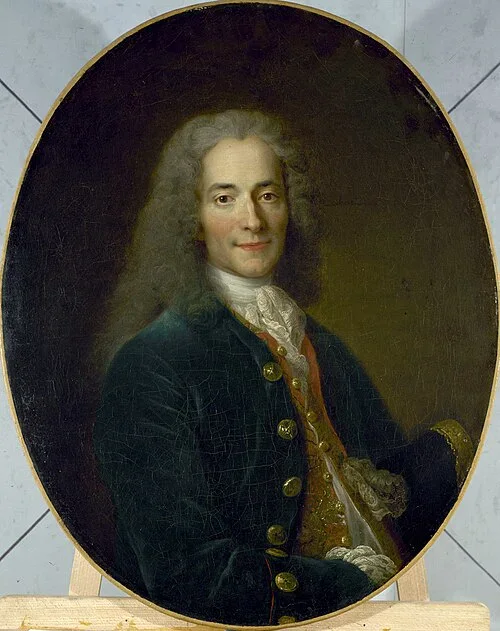 Enlightenment Salons and Neoclassical Design
Portrait of Voltaire by Nicolas de Largillière
Voltaire, the writer and philosopher, looks out from this oval portrait. He wears a grey wig, a dark green coat with gold buttons, and white lace at the throat. Near the end of his life, Voltaire stayed at the Paris home of the Marquis de Villette, on the Quai de Conti. He died there in May 1778. Another object in the museum is tied to his stay. The Marquis had an armchair made for him. Today it is displayed in the Salon of Philosophers. The chair is carved and gilded oak, with cushions of velour, a soft cloth close to velvet. Movable shelves of wood and iron held his books and papers. The chair could be rolled from room to room.
Listen in the appNicolas de Largillière · CC0
10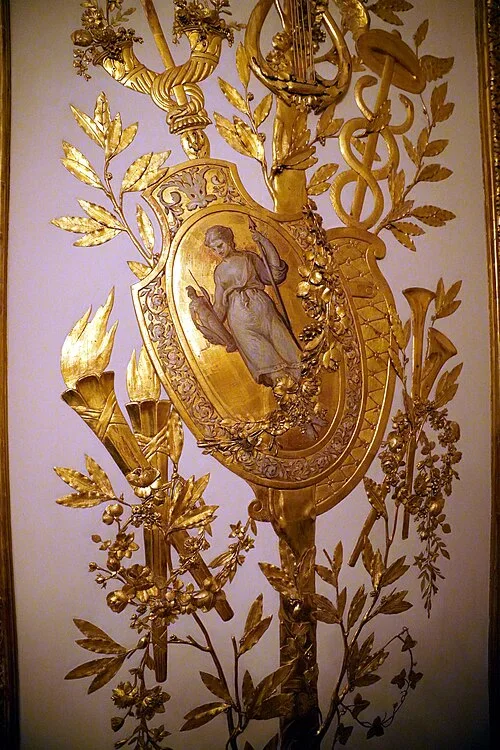 Enlightenment Salons and Neoclassical Design
Gilded Woodwork Panel, Salon d'Uzès
The Salon d'Uzès was the main room for entertaining guests in the Hôtel d'Uzès, a mansion on rue Montmartre. The room dates from 1767. The architect Claude-Nicolas Ledoux designed the room and planned its woodwork. The room is neoclassical, a style that looked back to ancient Greece and Rome, and this panel is full of their symbols. A lyre rises at the top, beside a staff. Flaming torches sit low on the left, among laurel leaves and clusters of fruit. At the centre, an oval medallion shows a standing woman in a long robe. She is identified as the Greek goddess Athena. The room is also known for its doors, each carved with an animal for a continent, from an alligator for America to a horse for Europe.
Listen in the appPhoto: Gérald Garitan · CC BY-SA 4.0
- 11
The Tennis Court Oath, 20 June 1789, by Jacques-Louis David
A hall full of raised arms, and the hunger and anger behind the political break of 1789.
- 12
Model of the Bastille Carved from a Stone of the Prison
A model carved from a stone of the Bastille, and the government that sent miniature copies across France.
- 13
Farewell of Louis XVI to His Family, 20 January 1793
A farewell scene painted in a dim room, and the Temple tower where the royal family was held.
- 14
The Seizing of the Louvre, 29 July 1830, by Jean-Louis Bézard
A street battle at the Louvre in July 1830, and the uprising that forced a king into exile.
- 15
Door from the Former Hôtel de Ville with Medusa Mascaron
A carved door said to come from the Hôtel de Ville, and the fire that destroyed the city hall and its collection.
- 16
Fouquet Jewellery Shop Interior by Alphonse Mucha (1901)
An Art Nouveau jewellery shop rebuilt inside the museum, with a peacock glowing in its round window.
- 17
La Pâtisserie Gloppe by Jean Béraud (1889)
A pastry shop full of mirrors and top hats, painted by a meticulous observer of Paris society.
- 18
Sculpted Architectural Detail with Ship Emblem
A carved pediment with a sailing ship, and a museum enlarged with the remains of demolished buildings.
- 19
Formal Parterre Garden
A garden of clipped boxwood scrolls, and the wings and courtyards that closed around it in the twentieth century.
Musée Carnavalet
Frequently asked questions
How much does the guide cost?
Free app download. Listed guide price: $1.99. Guide price shown in the app. Audio guide only. Venue admission is separate.
Can I listen without internet?
Yes. Download the guide’s audio, images, and maps in the app before your visit. Your downloaded content is then available offline.
Can I listen in my language?
This audio guide is available in 15 languages, including English.
Do I need to follow a schedule?
No. This is a self-guided experience. Choose your stops, pause whenever you like, and return to a story at your own pace.
At your own pace
Explore Musée Carnavalet.
Download Stanza, then search for “Musée Carnavalet”.
Free app download · Guide price shown in the app
Keep exploring
Nearby audio guides
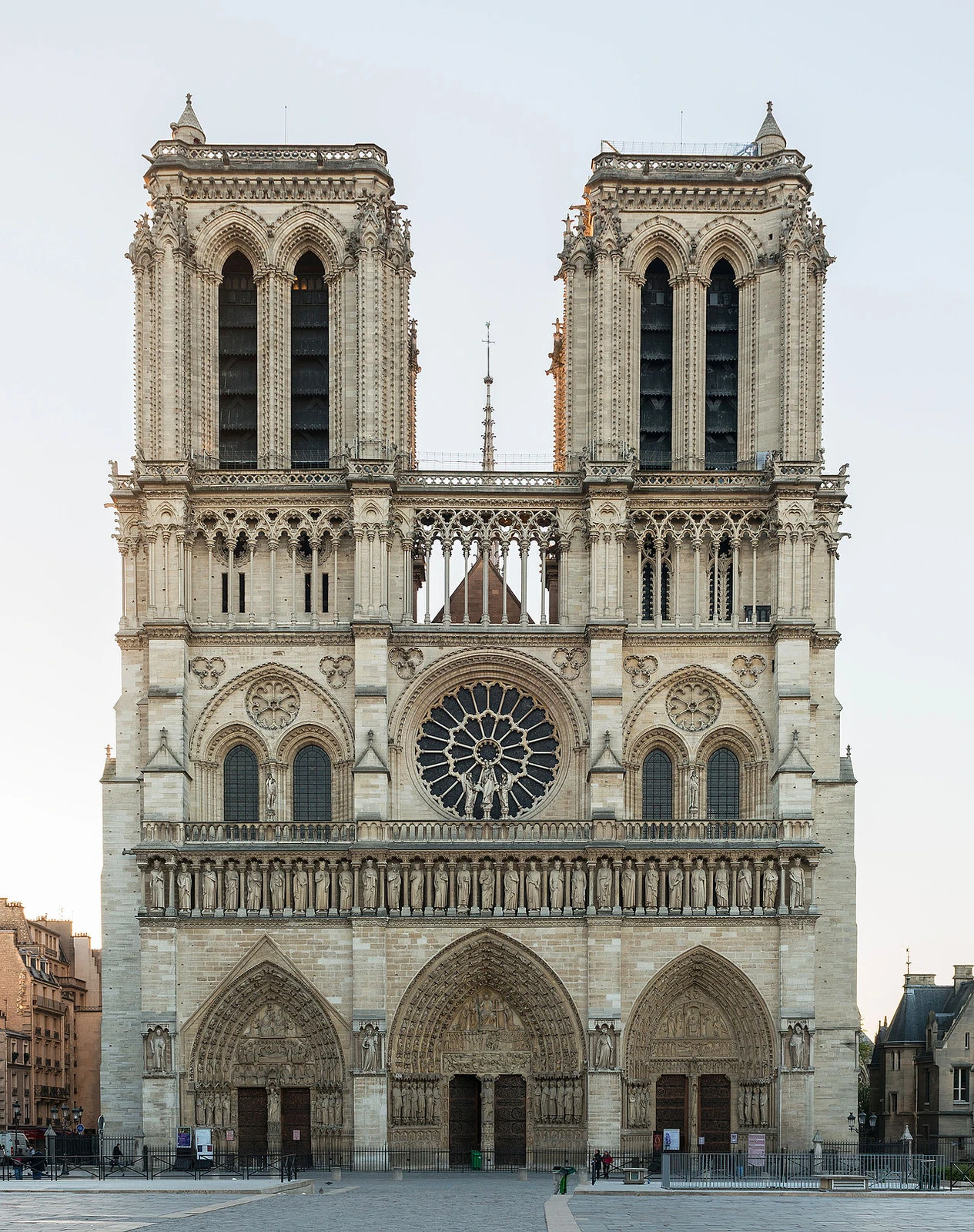
Paris · 1 km
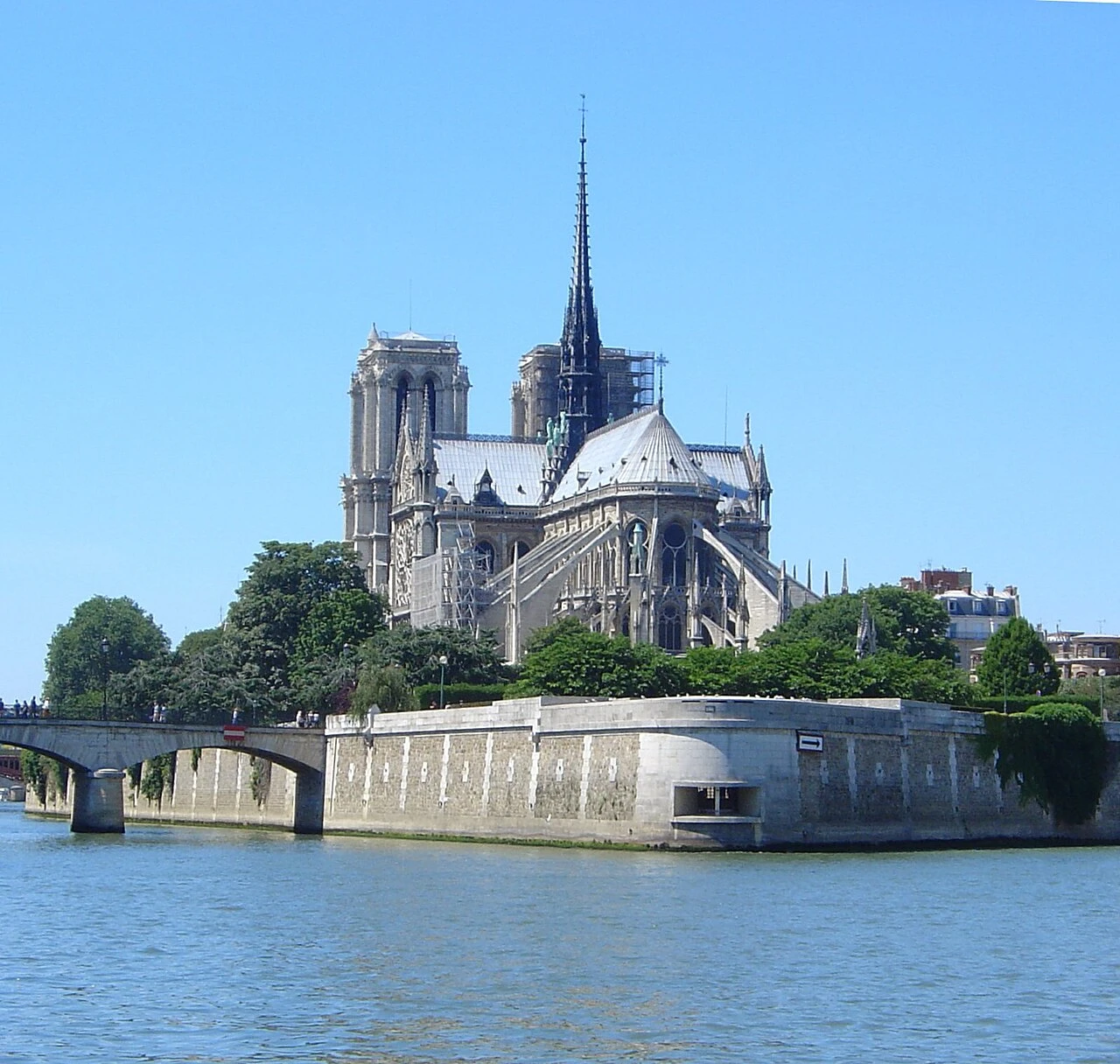
Notre-Dame de Paris
Content & sources
DXR · CC BY-SA 3.0
Paris · 1 km
Île de la Cité
Content & sources
David Monniaux · CC BY-SA 3.0
Paris · 1 km
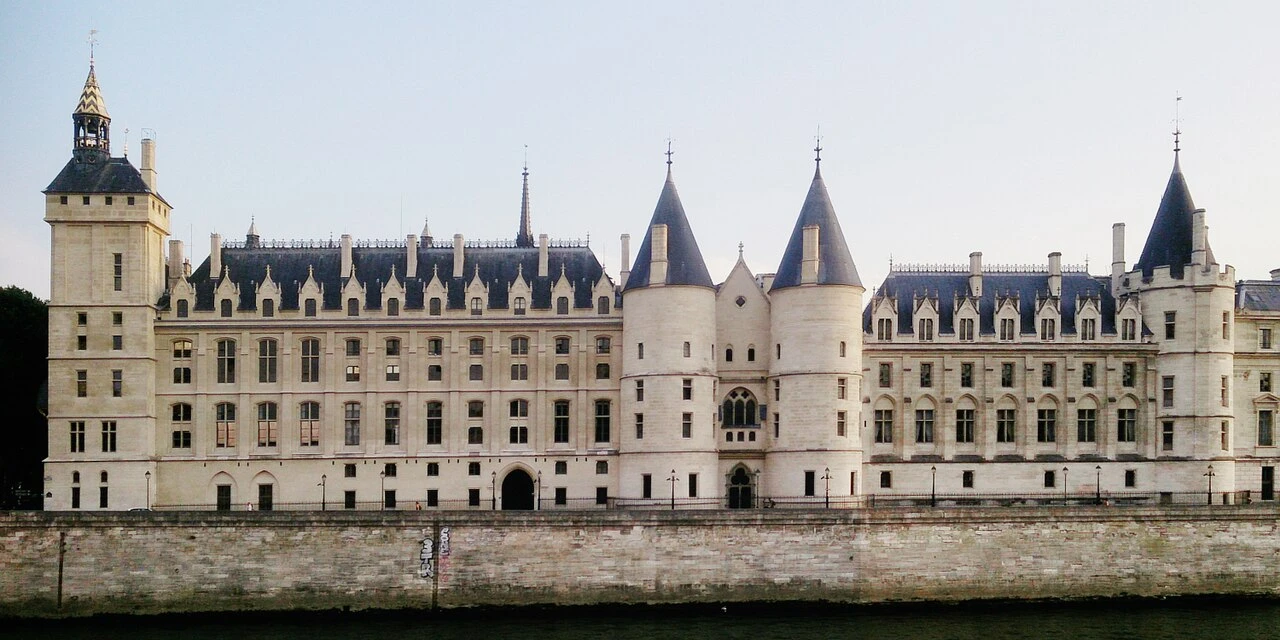
Conciergerie
Content & sources
Photo: Xandru · CC BY-SA 4.0
Paris · 1 km
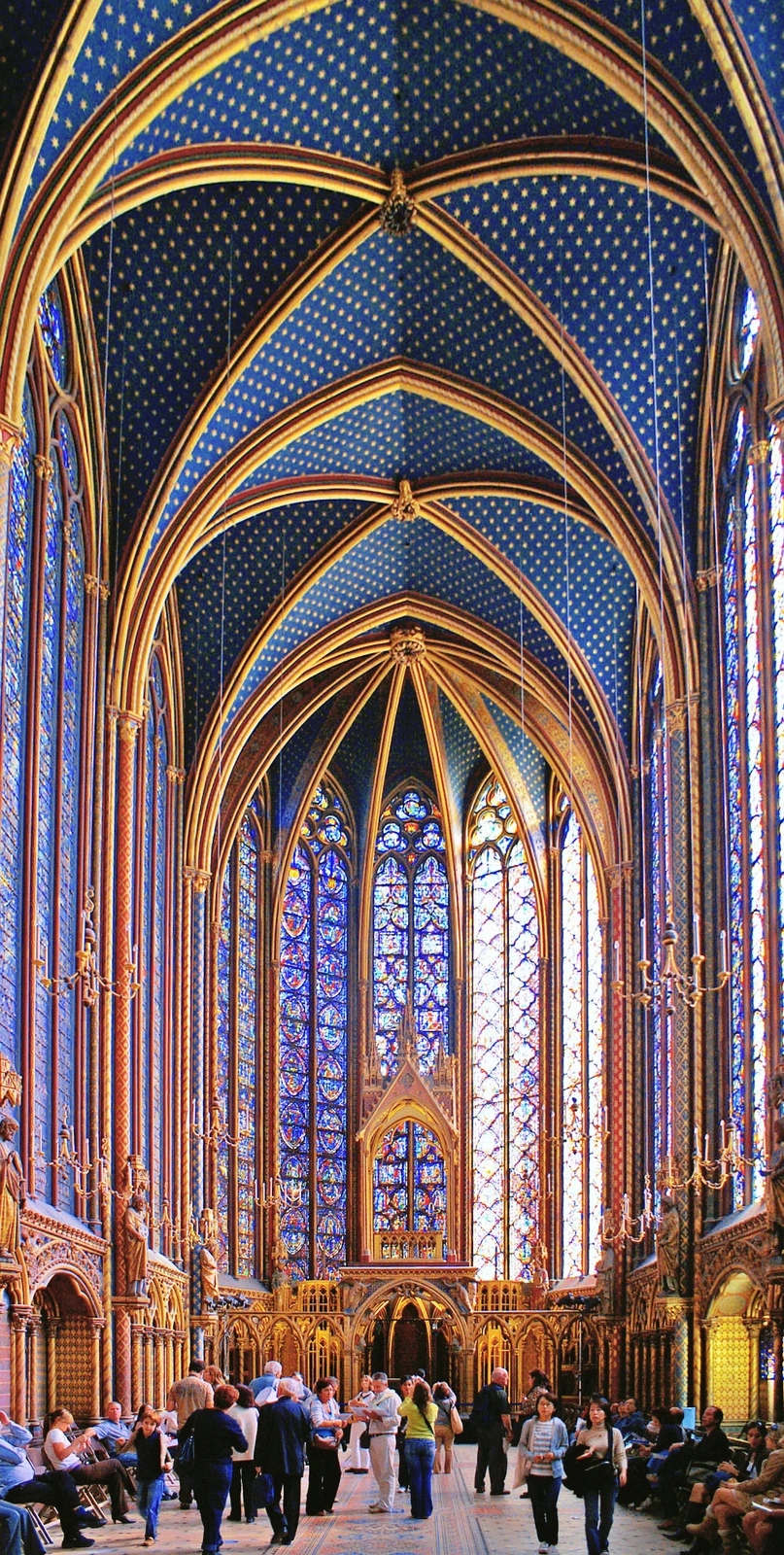
Sainte-Chapelle
Content & sources
Didier B (Sam67fr) · CC BY-SA 2.5