Stanza · Audio guide
Cathédrale Notre-Dame de ParisAudio guide
A place to remember. A story to take with you.
Notre-Dame de Paris is a medieval Catholic cathedral located on the Île de la Cité in Paris, France. It is renowned for its Gothic architecture, stained glass, and numerous sculptures, serving as one of the…
Download Stanza, then search for “Cathédrale Notre-Dame de Paris”.
About the tour
One guide. Your kind of visit.
Notre-Dame de Paris is a medieval Catholic cathedral located on the Île de la Cité in Paris, France. It is renowned for its Gothic architecture, stained glass, and numerous sculptures, serving as one of the most famous landmarks in the city.
Ready when you are.
- 01Get the free Stanza app.
iOS & Android
- 02Find your guide.
“Cathédrale Notre-Dame de Paris”
- 03Download before you go.
Works offline
Audio guide / 26 narrated stops
Inside the guide
Get to know a few of the stories before you go. Open a stop to read more.
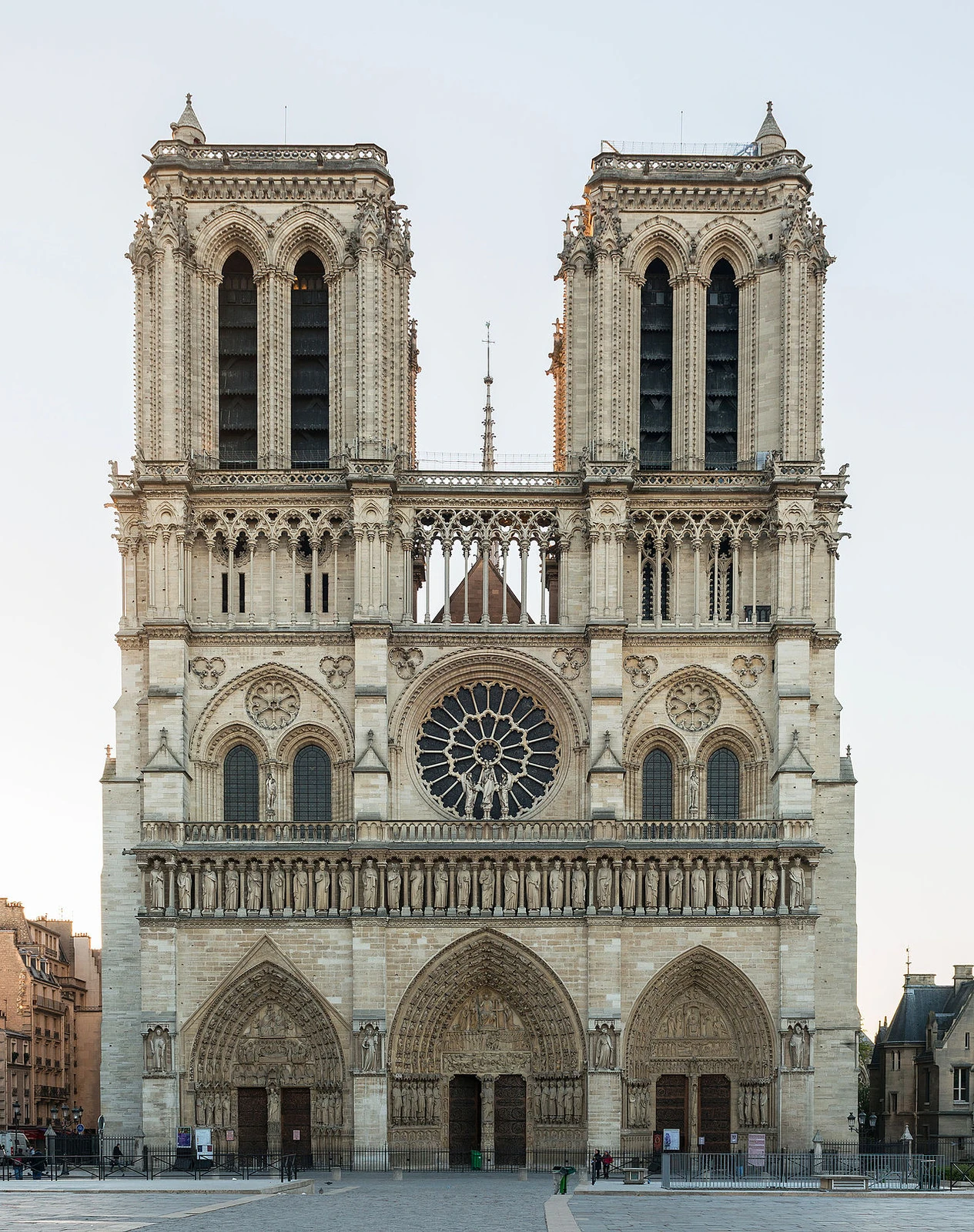
01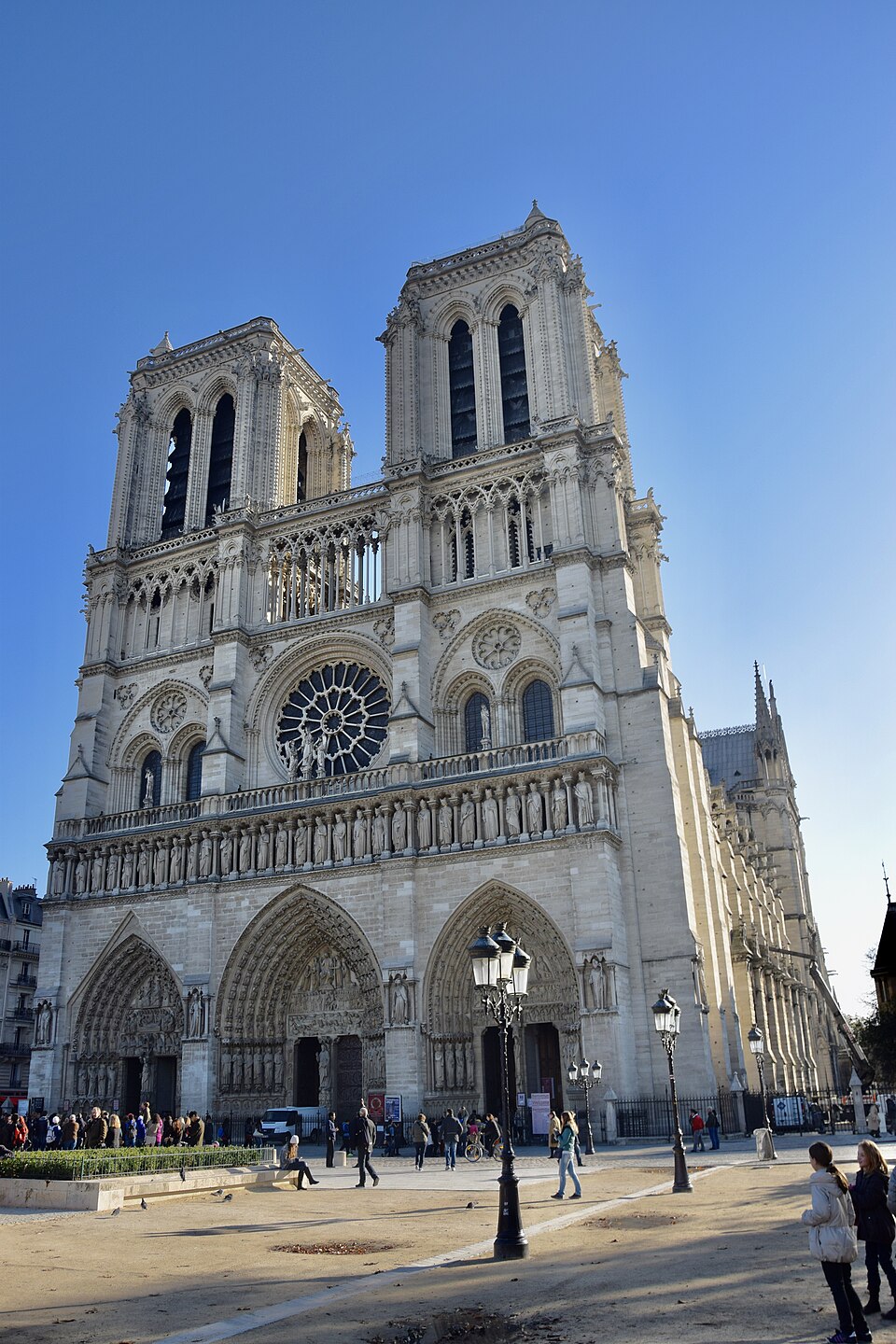 The Parvis and Point ZeroThe West Façade
Welcome to the start of our tour. Standing before you is the iconic West Façade, widely considered the defining face of French Gothic architecture. The first stone of this massive project was laid in 1163, beginning a construction process that would span nearly two centuries. As you look up, the scale of the cathedral is truly humbling. Its twin towers soar to a height of 69 meters, while the building itself stretches back 128 meters. This façade was designed to be much more than just a beautiful entrance; it functioned as a 'Poor Man’s Bible.' In an age when most people could not read or write, the intricate stone carvings and sculptures told the stories of the faith in a visual language that everyone could understand. Every row of figures and every carved archway offered a lesson in theology and history. As we move closer, we will explore the different stories hidden within these walls, which have stood as a silent witness to the history of Paris for over eight hundred years.
Ank Kumar · CC BY-SA 4.0
02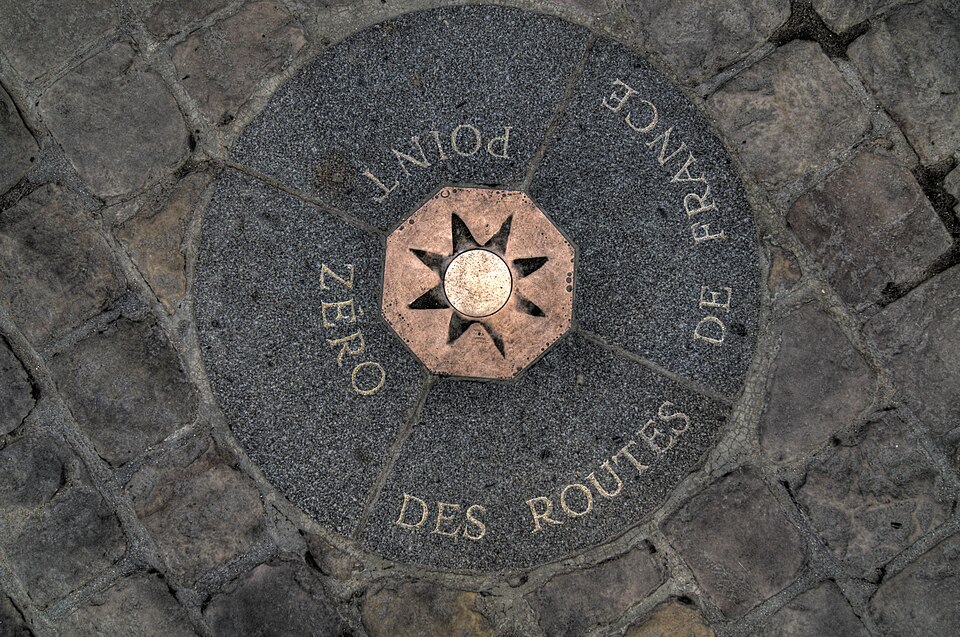 The Parvis and Point ZeroThe Point Zero Marker
Notice the bronze star set into the pavement of the parvis, the open square in front of the cathedral. This is the Point Zero marker, the official geographic center of Paris. Since 1924, this spot has served as the reference point from which all road distances in France are measured. If you see a sign on a highway in Marseille or Lyon telling you how many kilometers it is to Paris, it is counting the distance to this exact star. Beyond its administrative function, Point Zero has become a site of modern folklore. A local tradition suggests that if you step on the star, or better yet, spin around on it, you are destined to return to Paris one day. It is a quiet, humble contrast to the towering stone walls of the cathedral, yet it anchors the building to the very geography of France. It reminds us that for centuries, all roads have truly led to Notre-Dame.
Serge Melki · CC BY 2.0
03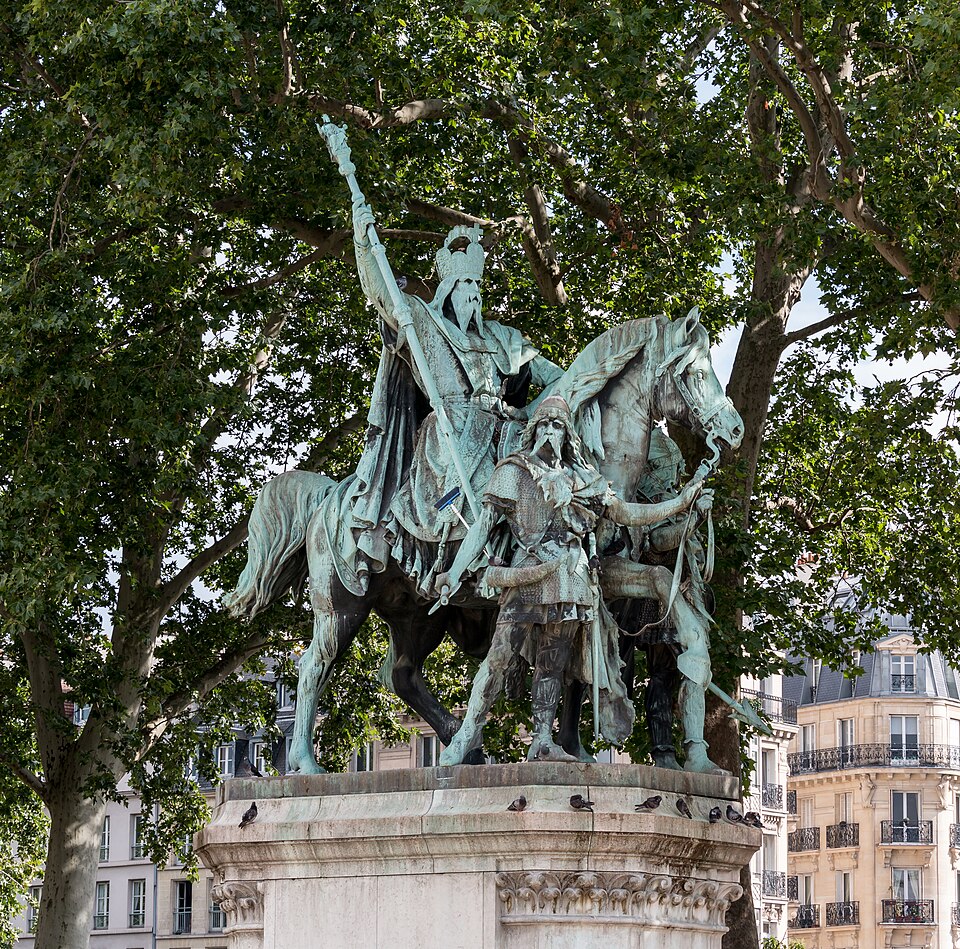 The Parvis and Point ZeroStatue of Charlemagne
Standing on the cathedral grounds is a large bronze statue depicting Charlemagne, the Emperor of the Romans, flanked by his trusted guards. This monument serves as a powerful visual bridge between the authority of the Church and the history of French royalty. While Notre-Dame is primarily a place of religious worship, it has also functioned as a grand stage for the French state for nearly a millennium. Because of its immense symbolic weight, the cathedral was chosen as the site for some of France's most significant royal events. Perhaps most famously, it was here in 1804 that Napoleon Bonaparte stood before the altar to crown himself Emperor of the French, a moment that forever linked his legacy with this medieval masterpiece. This statue reminds us that the history of the cathedral and the history of the nation are inseparable; the power of the crown and the sanctity of the cross have shared this space through centuries of change, revolution, and restoration.
Listen in the appDietmar Rabich · CC BY-SA 4.0
04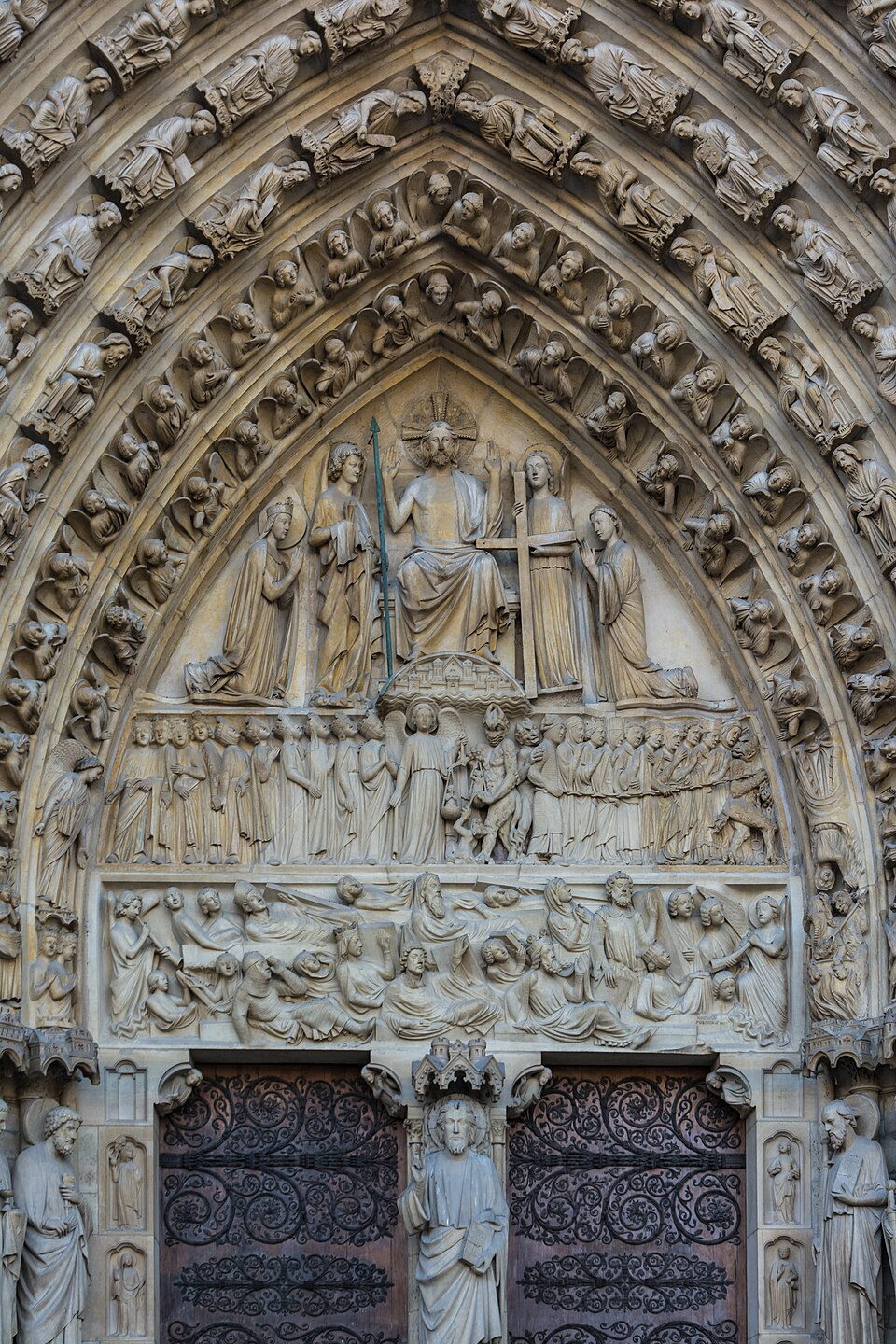 The West Façade PortalsPortal of the Last Judgment
Looking at the central doorway, you are facing the Portal of the Last Judgment. This area serves as a stern reminder of the transition from life to eternity. You can read the story in levels, starting from the bottom. At the lowest level, you can see the dead rising from their graves at the sound of the trumpet. Just above them, in the middle level, the Archangel Michael is depicted holding a set of scales to weigh the souls of the deceased. To his right, a persistent demon is shown trying to tip the scales in his favor, attempting to cheat his way to another soul. At the very top, Christ sits in glory, surrounded by angels and saints. If you look closely at the figures on either side of the doorway, you will see a stark contrast in emotion. On the left, the 'blessed' are shown with serene, peaceful expressions as they are guided toward heaven. On the right, the 'damned' are depicted in a state of terror and anguish. It is a masterpiece of storytelling that has greeted every visitor who has passed through these doors for centuries.
Listen in the appPhoto: Uoaei1 · CC BY-SA 4.0
05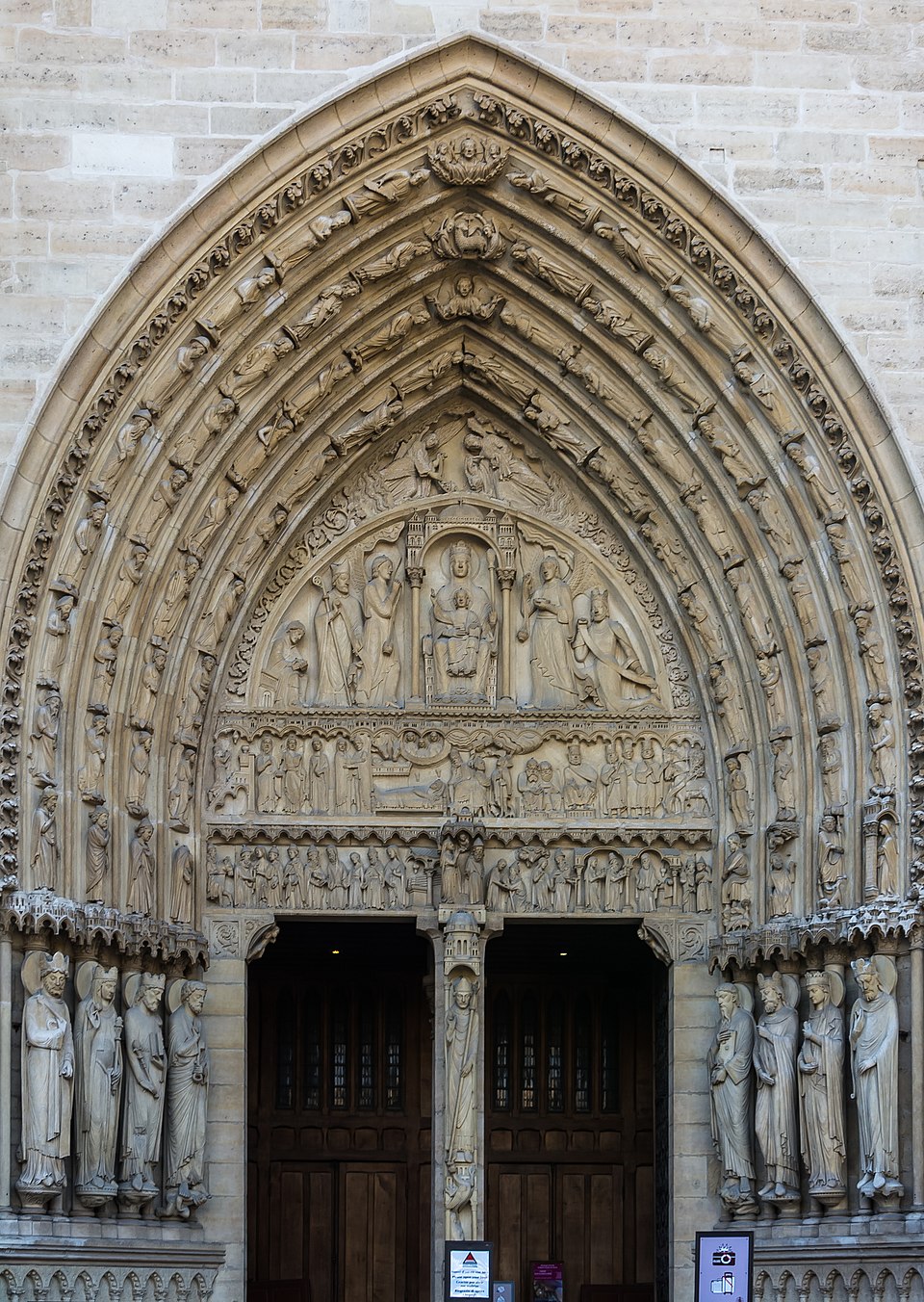 The West Façade PortalsPortal of Saint Anne
The portal on the right side is dedicated to Saint Anne, the mother of the Virgin Mary. This section of the façade is particularly fascinating to historians because it features 'recycled' sculptures. Many of the carvings you see here, especially in the upper parts, were taken from an earlier 12th-century church that stood on this site before the current cathedral was built. This makes these some of the oldest artworks in the entire building. The central scene shows the Virgin Mary enthroned with the Christ child on her lap. However, notice the figures flanking her. On one side is King Louis VII, and on the other is the Bishop of Paris. This composition was highly significant at the time of its creation. By placing the king and the bishop alongside the holy family, the church was making a clear statement about the divine union of church and state. It portrayed the earthly rulers as the protectors and servants of the divine, a message that helped solidify the social order of medieval France.
Listen in the appPhoto: Uoaei1 · CC BY-SA 4.0
06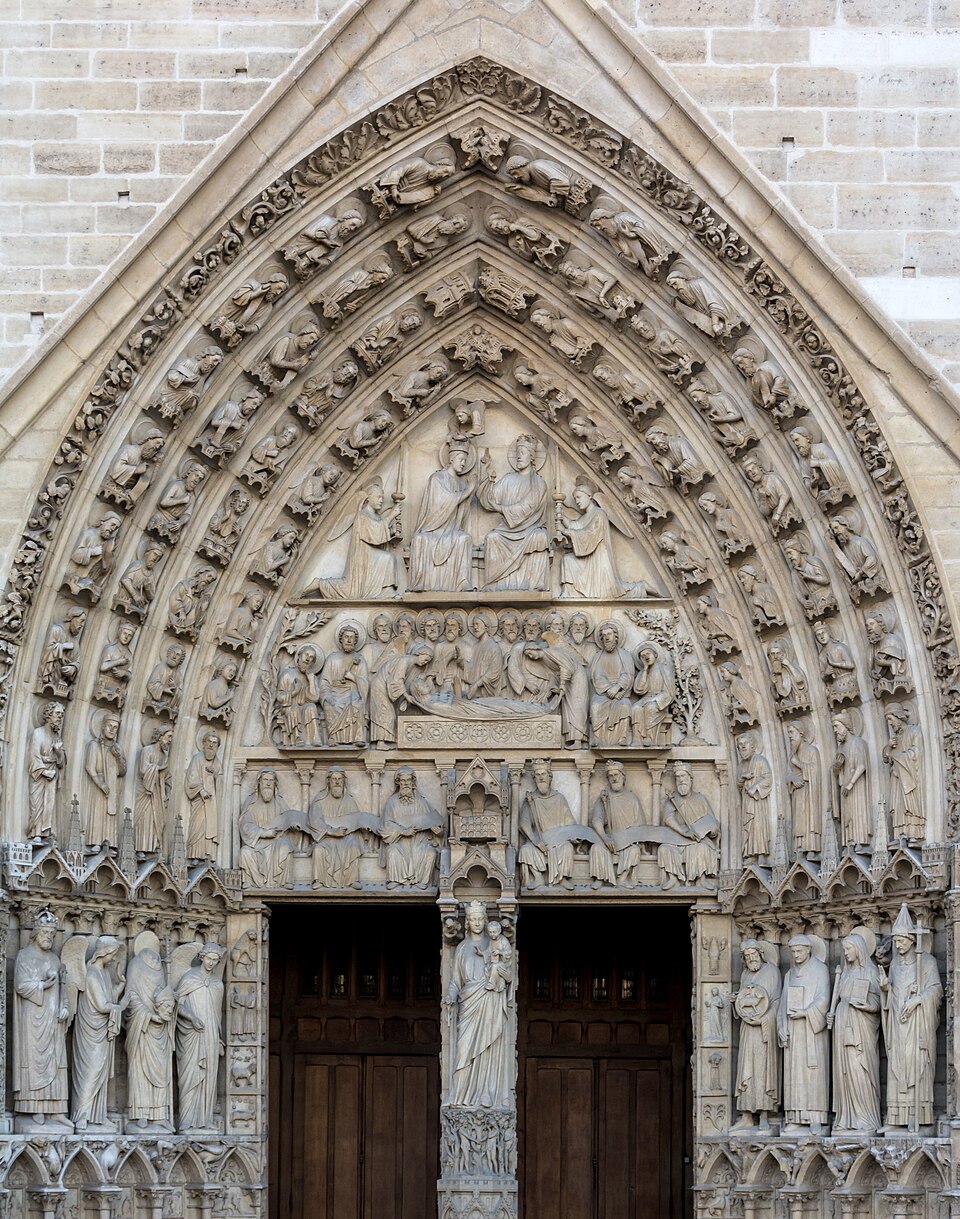 The West Façade PortalsPortal of the Virgin
On the left side of the façade is the Portal of the Virgin, which focuses on the later life of Mary. The storytelling here is split into two main scenes. The lower panel depicts the death of Mary, showing her lying on a bed while the apostles gather around her. Interestingly, the Ark of the Covenant is also shown, symbolizing Mary’s role as the vessel for the divine. In the upper panel, the scene shifts to heaven. Here, an angel is shown placing a crown upon Mary’s head, officially naming her the Queen of Heaven. This portal is central to the identity of the building, as the cathedral’s very name, 'Notre-Dame de Paris,' translates to 'Our Lady of Paris.' For the medieval faithful, Mary was seen as the ultimate intercessor between humanity and the divine, and this portal celebrated her as the patroness of the city. The intricate carvings here represent the peak of 13th-century craftsmanship, with soft, flowing lines that give the stone a sense of life and movement.
Listen in the appUoaei1 · CC BY-SA 4.0
07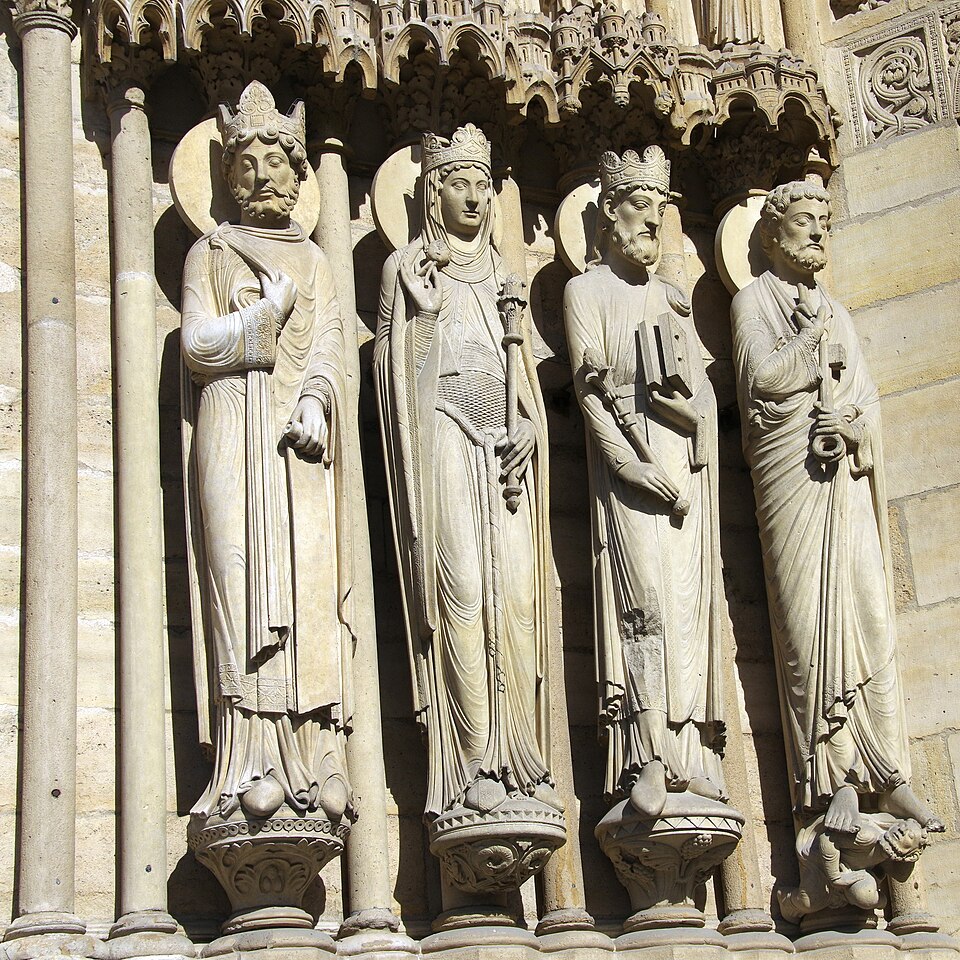 The West Façade PortalsGothic Statue Details
Looking closely at the figures flanking the doorways, you can see the unique 'column statue' style. Unlike statues that stand in niches or on pedestals, these figures are carved directly from the same block of stone as the pillar itself, making them an integral part of the building's structure. This style was a major innovation of the Gothic period, blending art and engineering into a single, cohesive form. It is important to know that what you see today are modern replicas. During the turmoil of the French Revolution in the late 1700s, many of the cathedral’s original medieval statues were mistakenly identified as symbols of the monarchy rather than religious figures. In the anti-religious fervor of the time, the original sculptures were pulled down and destroyed. The figures you see now were painstakingly recreated during the massive 19th-century restoration of the cathedral. They were designed to match the surviving fragments and historical descriptions, allowing us to see the façade as it was originally intended to look in the Middle Ages.
Listen in the appDonald Judge from England · CC BY 2.0
08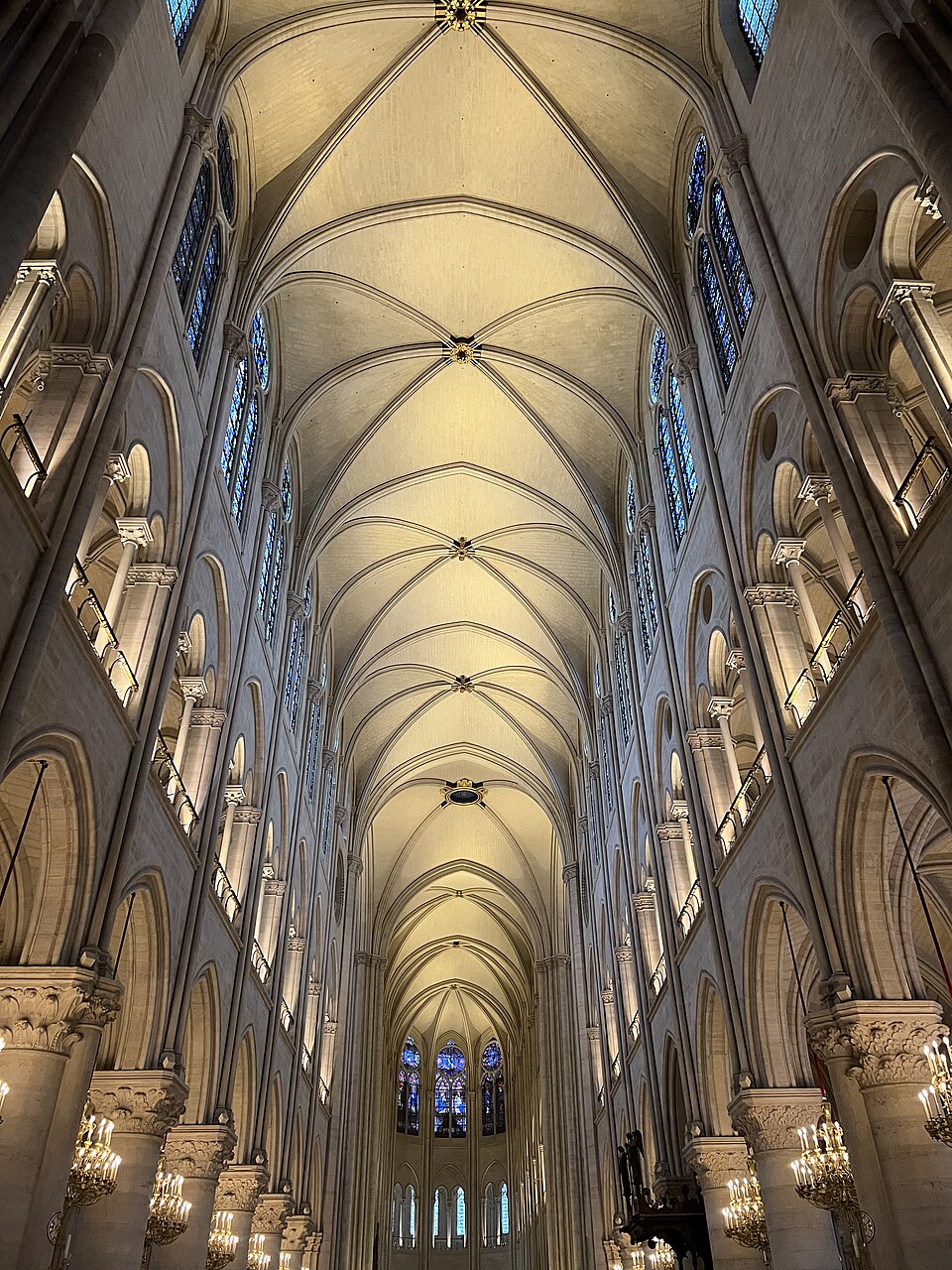 The Nave and Great OrganThe Gothic Nave
Stepping inside the cathedral, the first thing you may notice is the soaring height of the ceiling and the warm, blonde tone of the stone walls. This bright appearance is a result of a meticulous cleaning process that took place following the devastating fire in 2019. The nave is the central part of the church, designed to accommodate a vast number of people; at its peak, this space can hold up to 9,000 worshippers. Look up at the ceiling to see the rib vaults, one of the most important inventions in Gothic architecture. You will see the stone ribs forming 'X' shapes across the ceiling. This was not just for decoration; these ribs acted as a skeleton, distributing the immense weight of the stone roof down into the pillars rather than pushing directly out against the walls. This structural cleverness allowed the walls to be much thinner and taller than in previous styles, creating the 'soaring' effect that makes you feel small and insignificant. This sense of verticality was intentional, designed to draw the eyes of the faithful upward toward the heavens.
Listen in the appUnknown author · Public domain
09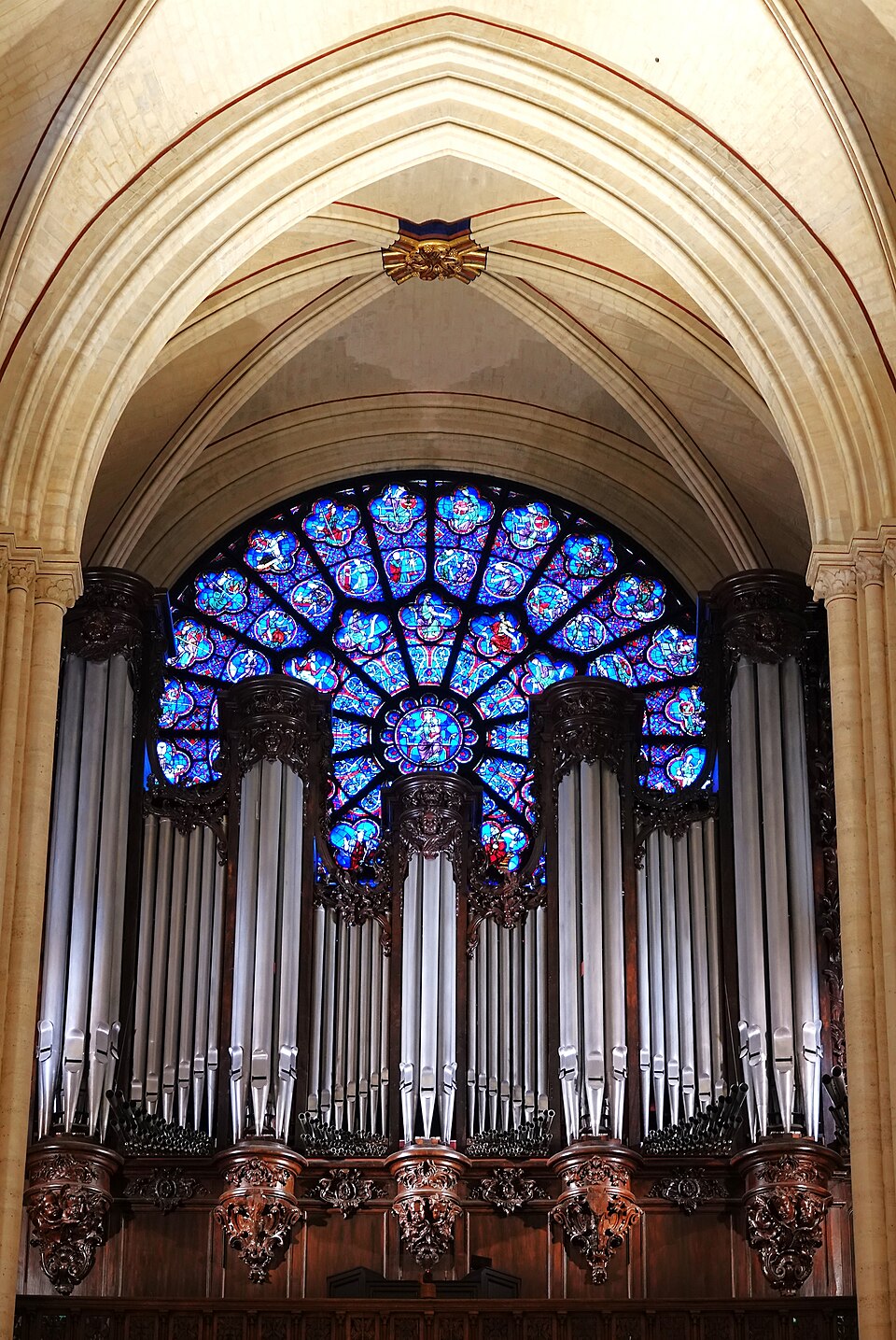 The Nave and Great OrganThe Great Organ
If you look back toward the entrance, you will see the Great Organ. This is not just any instrument; it is one of the largest in the world, boasting approximately 8,000 individual pipes. Since its installation, it has been the voice of the cathedral, filling the massive stone vaults with music for every major event in Parisian history. The organ's survival of the 2019 fire is considered nearly miraculous. While the fire itself did not reach the instrument, the organ was blanketed in toxic lead dust as the cathedral's roof melted away. The heat also caused massive fluctuations in humidity, which is dangerous for delicate wooden instruments. Following the disaster, the organ underwent a monumental four-year restoration. Thousands of pipes were removed, one by one, to be cleaned and repaired by specialist craftsmen. Now fully restored, it stands once again as a symbol of resilience, ready to accompany future generations through the most solemn and celebratory moments of their lives.
Listen in the appPhoto: Ibex73 · CC BY 4.0
10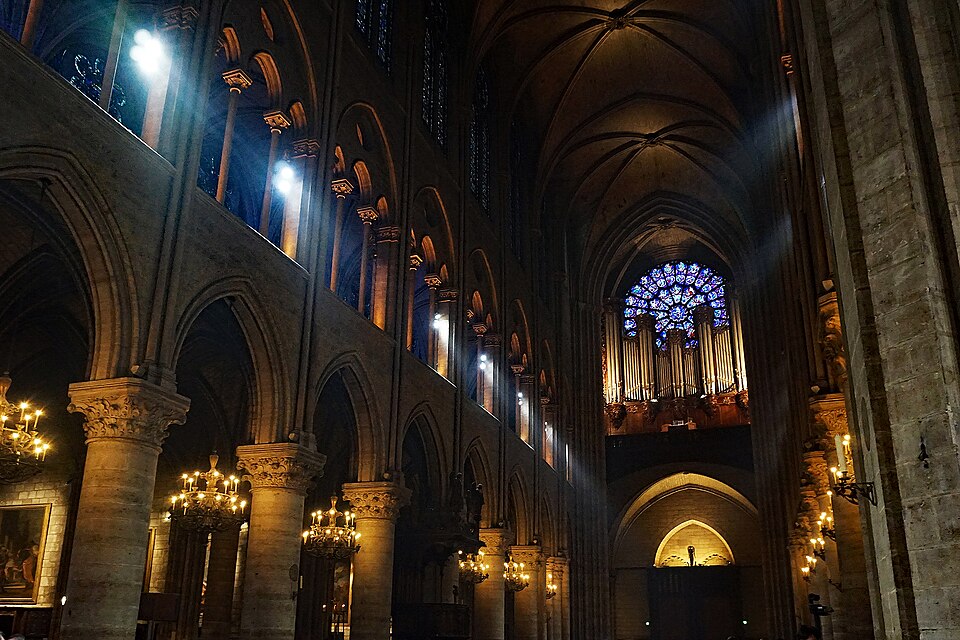 The Nave and Great OrganThe Interior Lights
The atmosphere within the cathedral is defined by its light. Huge chandeliers hang from the ceiling, casting a warm glow, while beams of natural light filter down from the high windows. In Gothic theology, light was seen as a physical representation of the divine. The goal of the cathedral’s architects was to maximize the amount of light inside the building, a task that was revolutionary for the time. This 'wall of light' was made possible by the innovation of flying buttresses, which you can see from the outside. By using these external supports to take the weight of the roof, the architects were able to cut massive openings into the upper walls for windows. Without the buttresses, the walls would have collapsed under the weight. This engineering feat transformed what would have been a dark, heavy stone box into a luminous, airy space where the boundaries between the interior and the exterior seem to blur. As the sun moves across the sky, the mood of the nave shifts constantly, with colors from the stained glass dancing across the stone pillars.
Listen in the appMariordo (Mario Roberto DurГЎn Ortiz) · CC BY-SA 4.0
Cathédrale Notre-Dame de Paris
Frequently asked questions
How much does the guide cost?
Free app download. Listed guide price: $2.99. Guide price shown in the app. Audio guide only. Venue admission is separate.
Can I listen without internet?
Yes. Download the guide’s audio, images, and maps in the app before your visit. Your downloaded content is then available offline.
Can I listen in my language?
Stanza supports 15 languages. Check the app for the languages available for this guide.
Do I need to follow a schedule?
No. This is a self-guided experience. Choose your stops, pause whenever you like, and return to a story at your own pace.
At your own pace
Explore Cathédrale Notre-Dame de Paris.
Download Stanza, then search for “Cathédrale Notre-Dame de Paris”.
Free app download · Guide price shown in the app
Keep exploring
Nearby audio guides
Paris
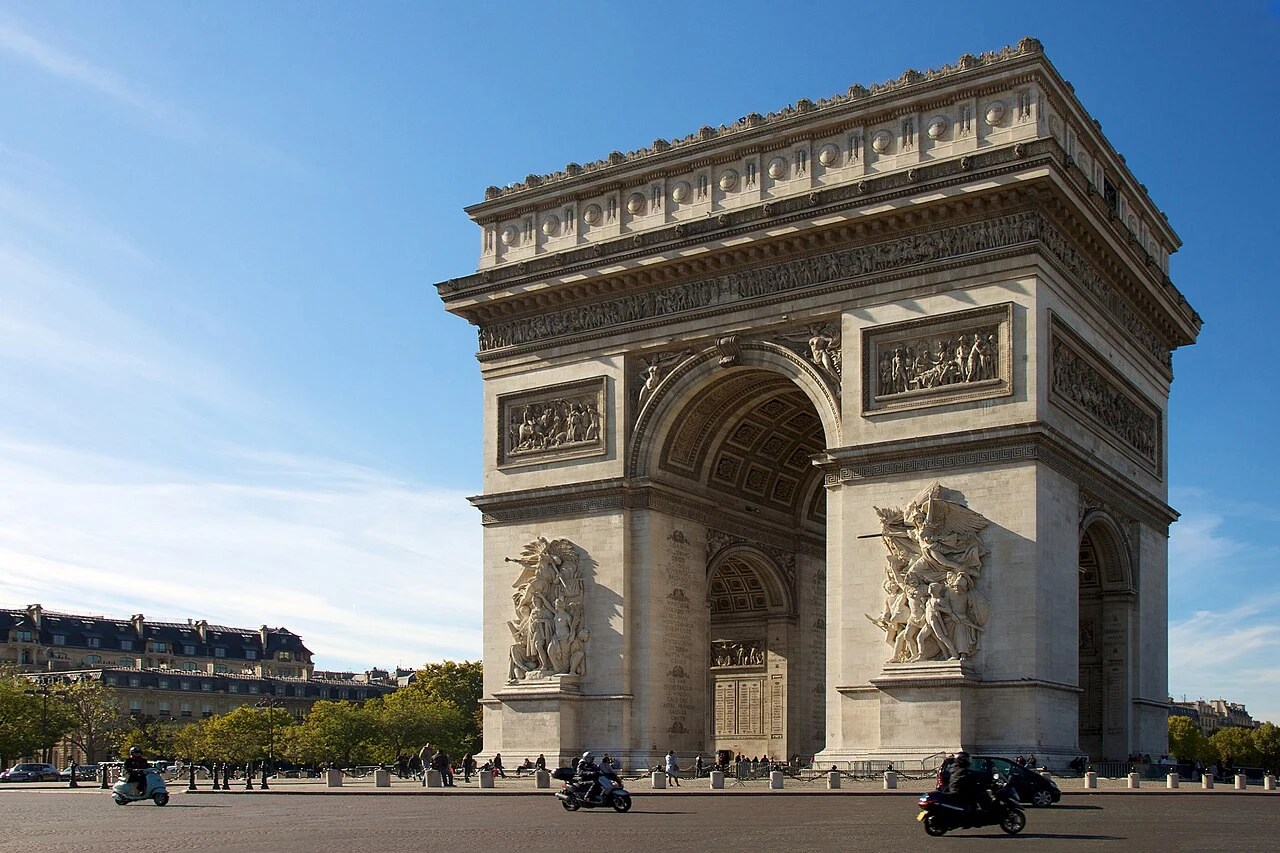
Arc de Triomphe de l'Étoile
Content & sources
Jiuguang Wang · CC BY-SA 2.0
Paris
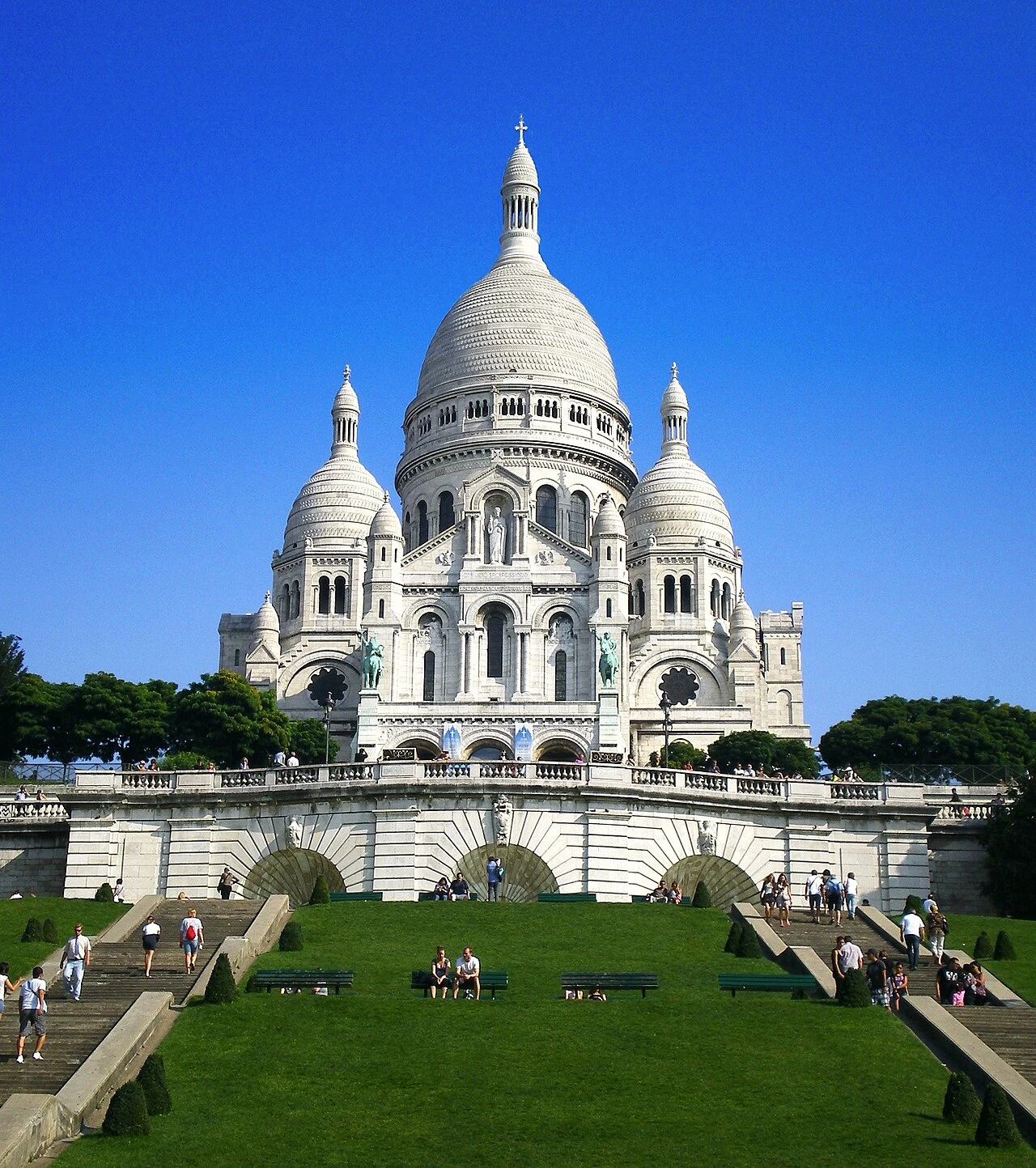
Basilique du Sacré-Cœur de Montmartre
Content & sources
Tonchino · CC BY-SA 3.0
Paris
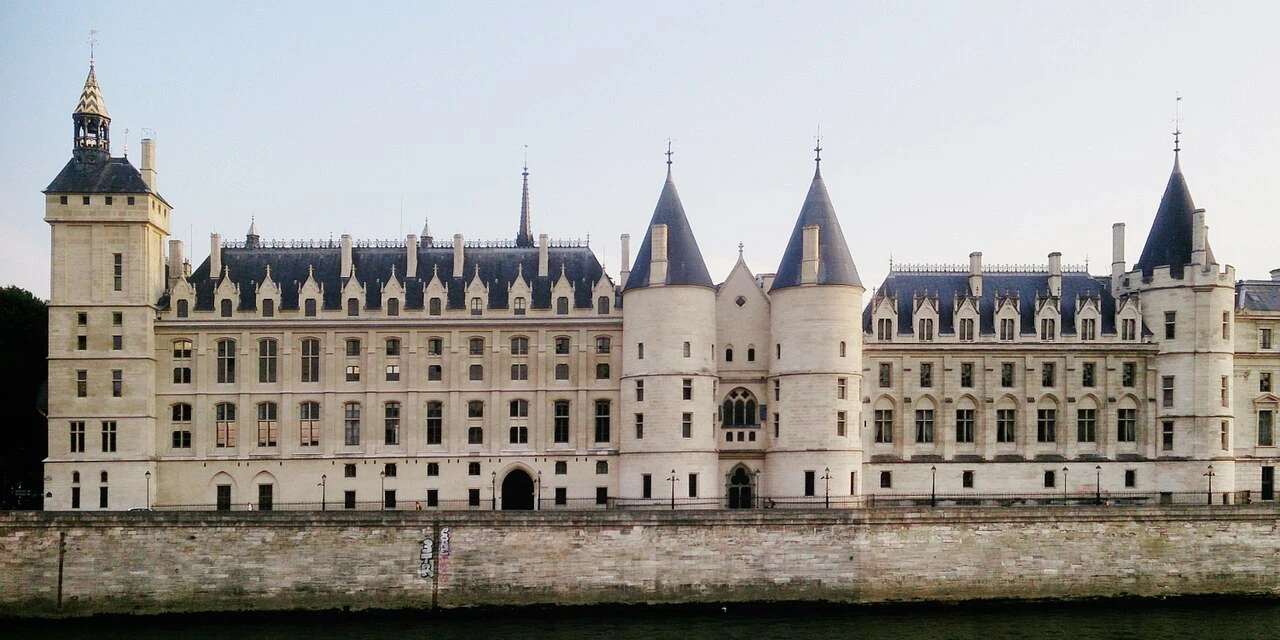
Conciergerie
Content & sources
Photo: Xandru · CC BY-SA 4.0
Paris
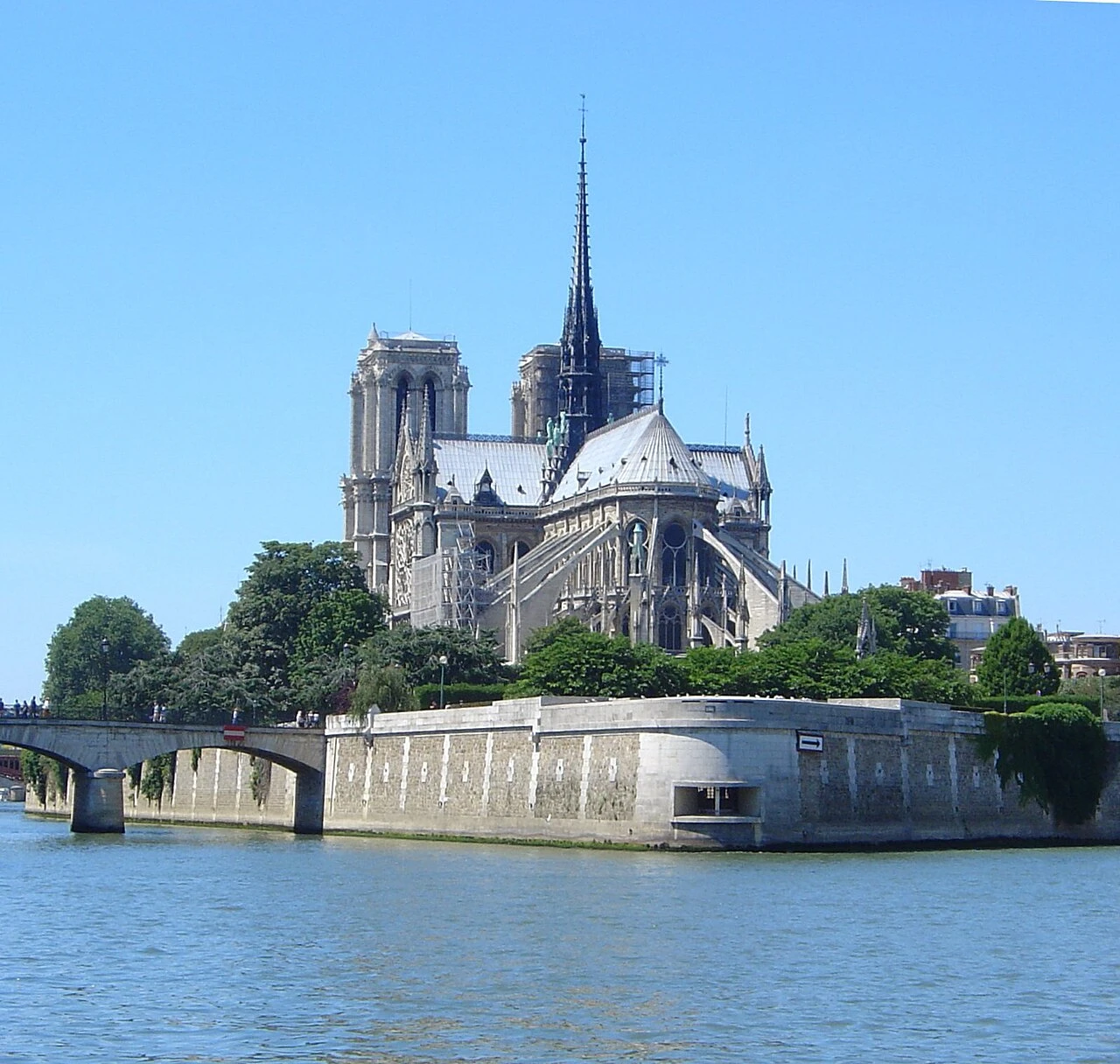
Île de la Cité
Content & sources
David Monniaux · CC BY-SA 3.0