Stanza · Audio guide
Arc de Triomphe Audio guide
A place to remember. A story to take with you.
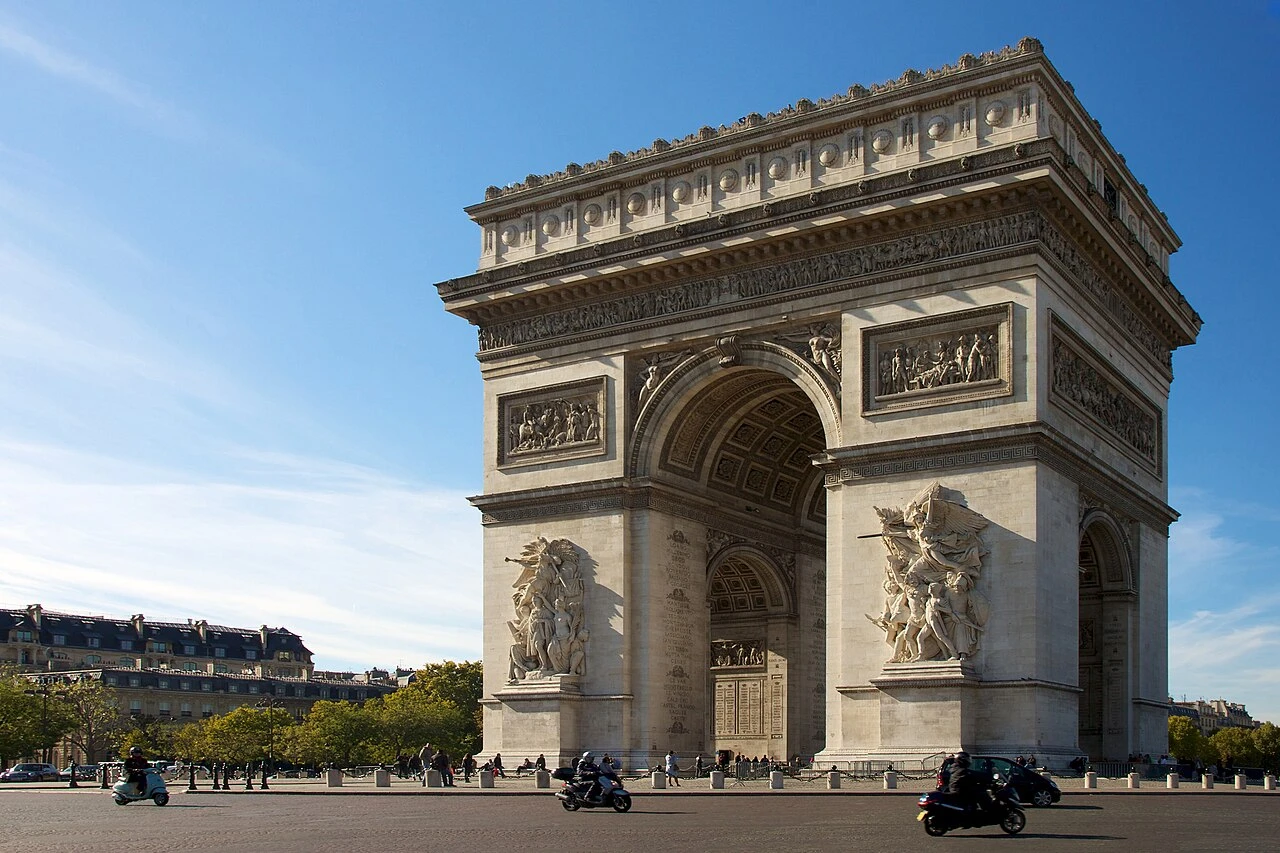
A monumental triumphal arch in Paris, France, commissioned by Napoleon to honor those who fought for France. It stands at the center of Place Charles de Gaulle, at the western end of the Champs-Élysées.
Download Stanza, then search for “Arc de Triomphe”.
About the tour
One guide. Your kind of visit.
A monumental triumphal arch in Paris, France, commissioned by Napoleon to honor those who fought for France. It stands at the center of Place Charles de Gaulle, at the western end of the Champs-Élysées.
Ready when you are.
- 01Get the free Stanza app.
iOS & Android
- 02Find your guide.
“Arc de Triomphe”
- 03Download before you go.
Works offline
Audio guide / 16 narrated stops
Inside the guide
Get to know a few of the stories before you go. Open a stop to read more.
01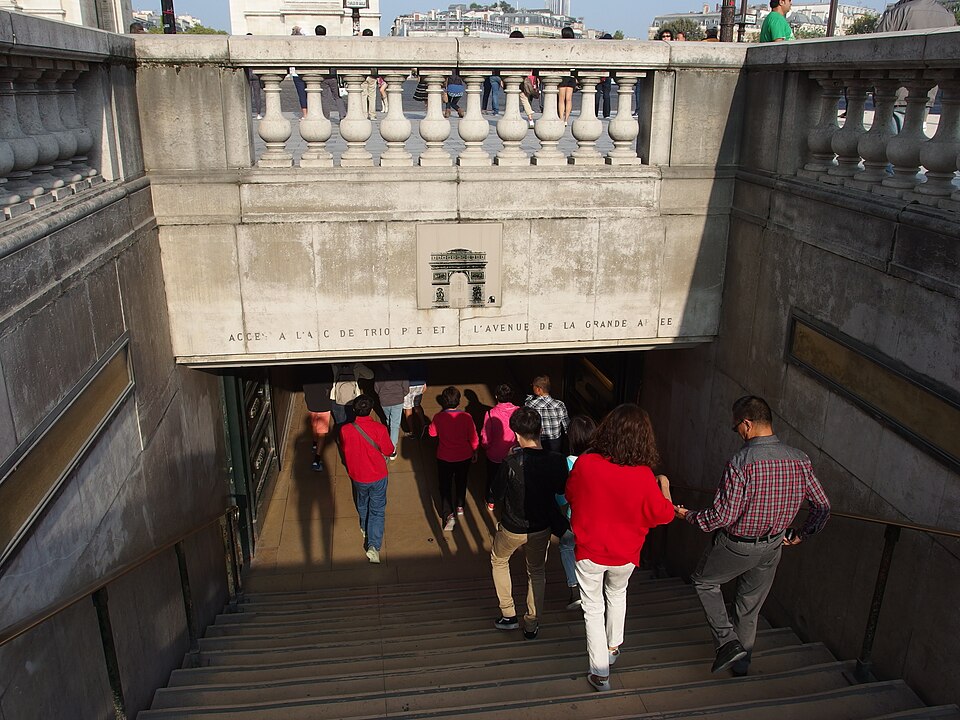 The Threshold of HistoryThe Underground Entrance
Welcome to the Arc de Triomphe! Before you can stand beneath its massive stone arches, you must pass through this pedestrian tunnel. Please do not attempt to cross the traffic circle above on foot; the Place de l’Étoile is one of the busiest and most dangerous intersections in Paris, and crossing it at street level is strictly illegal. This tunnel provides a safe and necessary passage to the monument's base. As you walk, consider the history of the structure ahead. It was commissioned by Napoleon I on August 15, 1806—his birthday—following his great victory at Austerlitz. He intended it to be a grand monument dedicated to the 'Grand Armée,' the men of the French army. However, construction was a lengthy and difficult process. It took thirty years to finish, surviving changes in regime and architectural delays. It wasn't until 1836, during the reign of King Louis-Philippe I, that the arch was finally inaugurated. This tunnel represents the threshold between the modern city and a site steeped in the triumphs and tragedies of the nineteenth and twentieth centuries.
Guilhem Vellut from Annecy, France · CC BY 2.0
02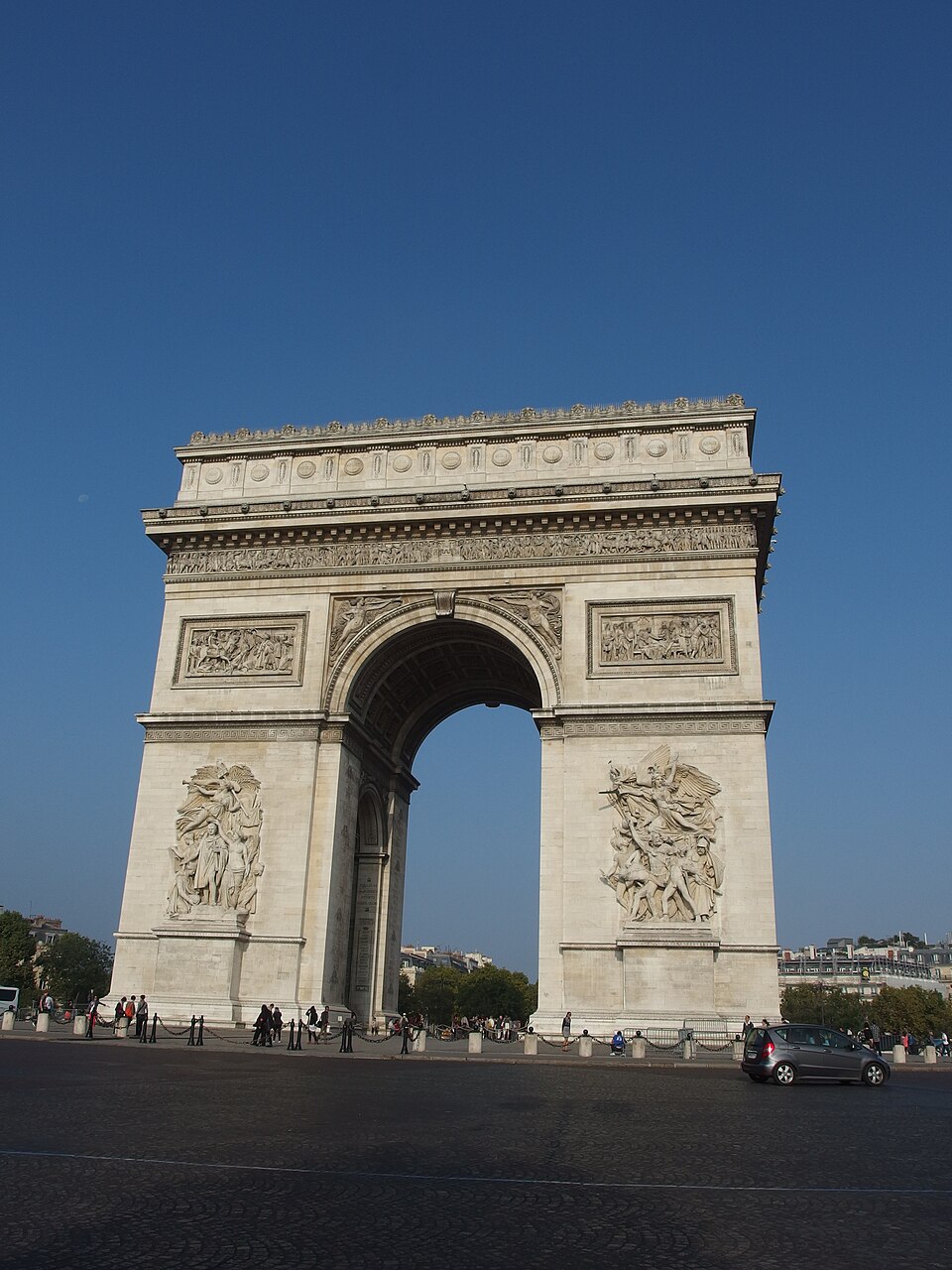 The Threshold of HistoryThe Grand Facade
Looking up at the monument, the architectural scale is staggering. This structure stands 49.54 meters tall and is estimated to weigh approximately 100,000 tonnes, supported by foundations that reach 8 meters into the earth. The architect, Jean-François Chalgrin, drew his inspiration from the ancient Roman Arch of Titus. However, he transformed the classical concept into something much larger and more imposing, reflecting the neoclassical style that dominated early nineteenth-century France. A fascinating moment in its history occurred in 1810. Napoleon was preparing to marry Marie-Louise of Austria and wanted to lead his new bride through the arch. At the time, the stone construction was only a few meters high. To fulfill the Emperor's wish, a full-scale wooden mock-up covered in painted canvas was erected on the site. This "dummy" arch allowed the wedding procession to pass through the intended silhouette of the monument. It would be another twenty-six years before the final stone version reached completion, but that temporary structure gave the people of Paris their first glimpse of the monumental vision we see today.
Guilhem Vellut from Annecy, France · CC BY 2.0
03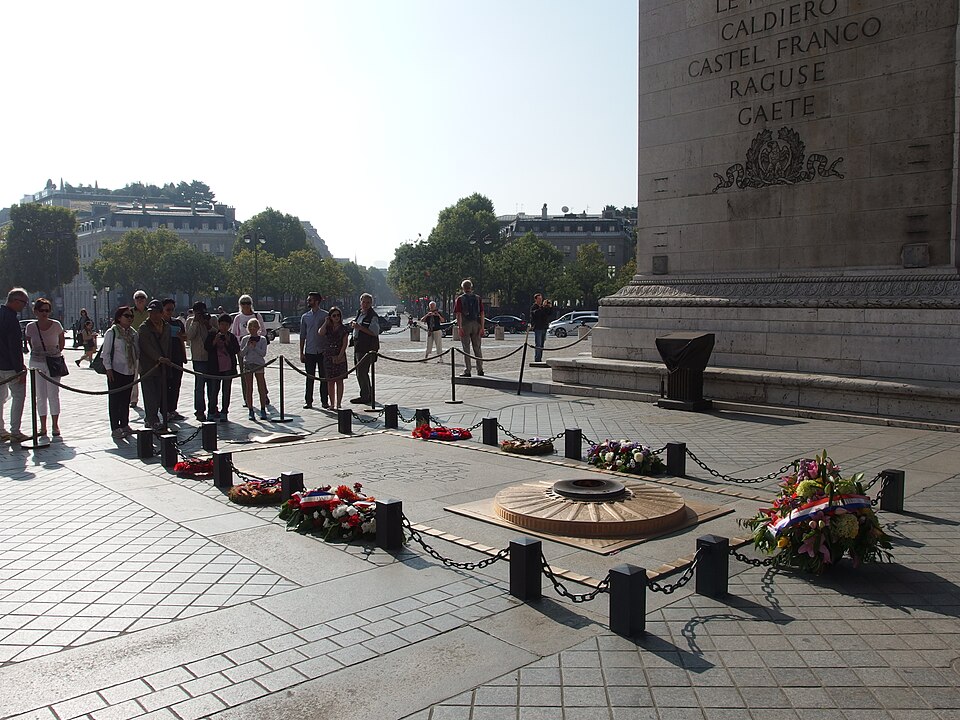 The National MemorialTomb of the Unknown Soldier
Moving to the center of the arch at ground level, the atmosphere shifts from architectural awe to somber reflection. Here lies the Tomb of the Unknown Soldier. It contains the remains of an unidentified French serviceman from World War I, buried here on Armistice Day in 1920. This single soldier represents the 1.3 million French people who lost their lives during that devastating conflict. Notice the protective perimeter formed by black metal chains and the plaque that marks the site. This area has long been a place of national vigil. In 1885, decades before the soldier was buried here, the arch played a central role in the funeral of the great writer Victor Hugo. The entire monument was draped in black crepe, and Hugo's body lay in state right here, guarded by a final vigil before he was moved to the Panthéon. Today, the tomb serves as a permanent reminder of the human cost of war. It is a site where world leaders and ordinary citizens alike come to pay their respects to the nameless individuals whose sacrifices helped shape the course of history.
Listen in the appGuilhem Vellut from Annecy, France · CC BY 2.0
04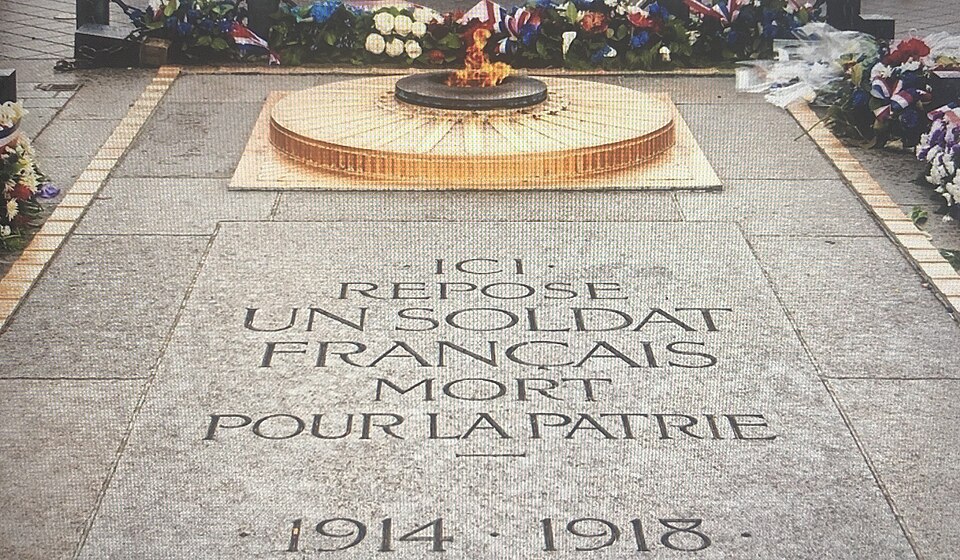 The National MemorialThe Eternal Flame
At the head of the Tomb of the Unknown Soldier, a flame burns perpetually. This is the Eternal Flame, first lit on November 11, 1923, by André Maginot. Remarkably, it has never been extinguished in the century since it was first sparked. Every day, regardless of the weather, a tradition known as the 'Ravivage' or rekindling ceremony takes place precisely at 6:30 PM. Veteran associations and members of the public gather here to perform this ritual, ensuring the light of memory continues to burn. The presence of this flame represents a significant shift in the purpose of the Arc de Triomphe. When Napoleon commissioned the monument, it was intended as a celebration of military conquest and imperial glory. However, through the addition of the tomb and this flame after the horrors of World War I, the arch transformed into a national symbol of remembrance and reconciliation. It no longer just celebrates the generals who led the charge, but honors the common soldier and the enduring spirit of the nation. The flame serves as a silent, flickering heartbeat for the city of Paris.
Listen in the appPhoto: Lacie485 · CC BY-SA 4.0
05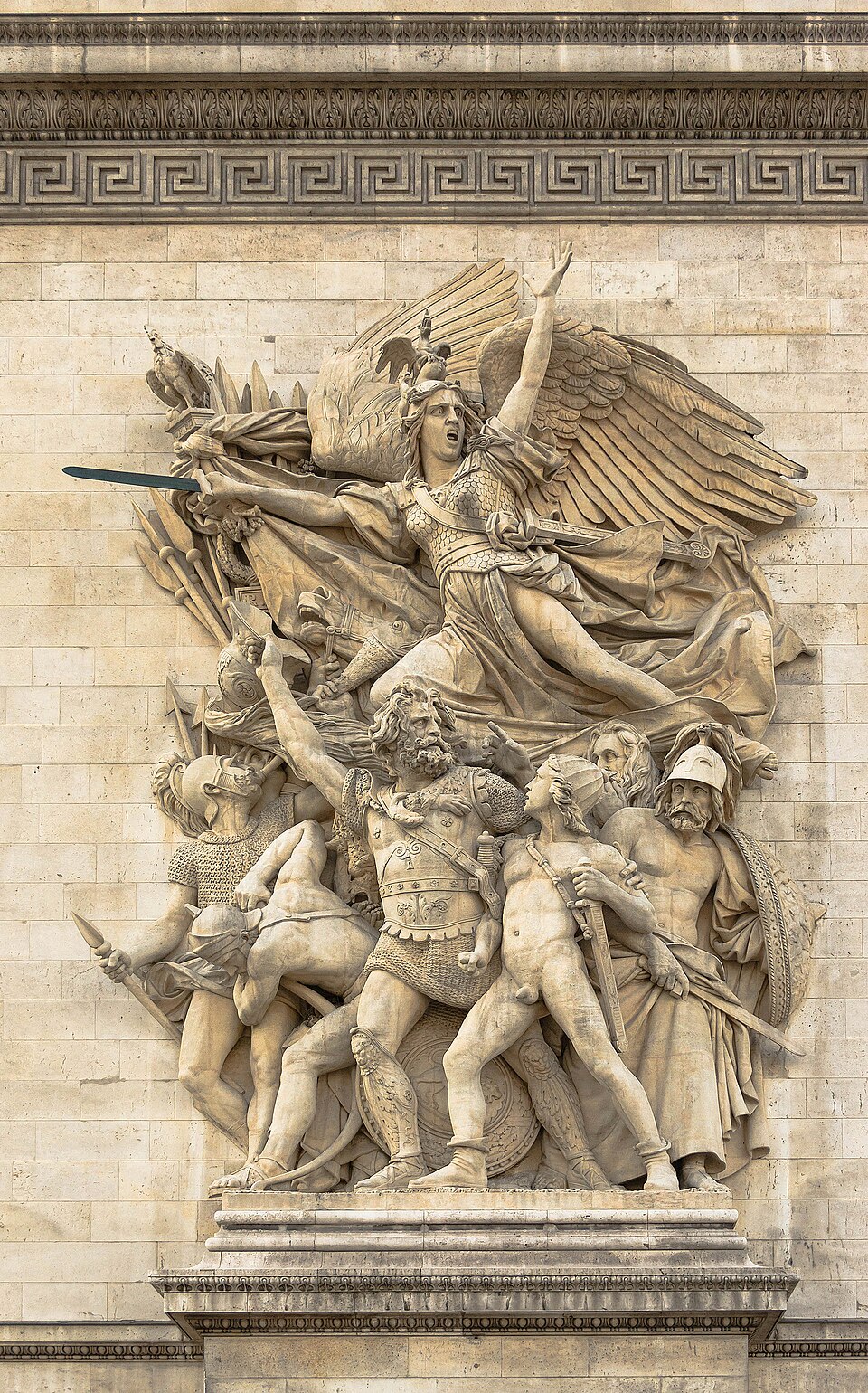 The Heroic PillarsThe Departure of the volunteers of 1792
This is the most famous of the four sculptural groups decorating the pillars of the arch, officially titled 'The Departure of the Volunteers of 1792' but popularly known as 'La Marseillaise.' Created by the sculptor François Rude, it depicts the French people rising to defend their new republic against foreign invasion. At the top, the winged figure of Liberty—also representing the Genius of War—is captured in a moment of intense motion. Her mouth is wide open in a fierce scream, a call-to-arms intended to inspire the soldiers below. There is a haunting legend associated with this specific sculpture. On the very day the Battle of Verdun began in 1916—one of the longest and most costly battles of World War I—the sword held by the figure of Liberty allegedly broke off. This was immediately interpreted by many as a dark omen for the nation. Whether it was a coincidence or a symbolic fracture, the story highlights the deep emotional connection Parisians feel toward these carvings. The intense, dramatic realism of the figures marked a departure from traditional classical styles, perfectly capturing the revolutionary fervor that the arch was built to commemorate.
Listen in the appPhoto: Jebulon · CC0
06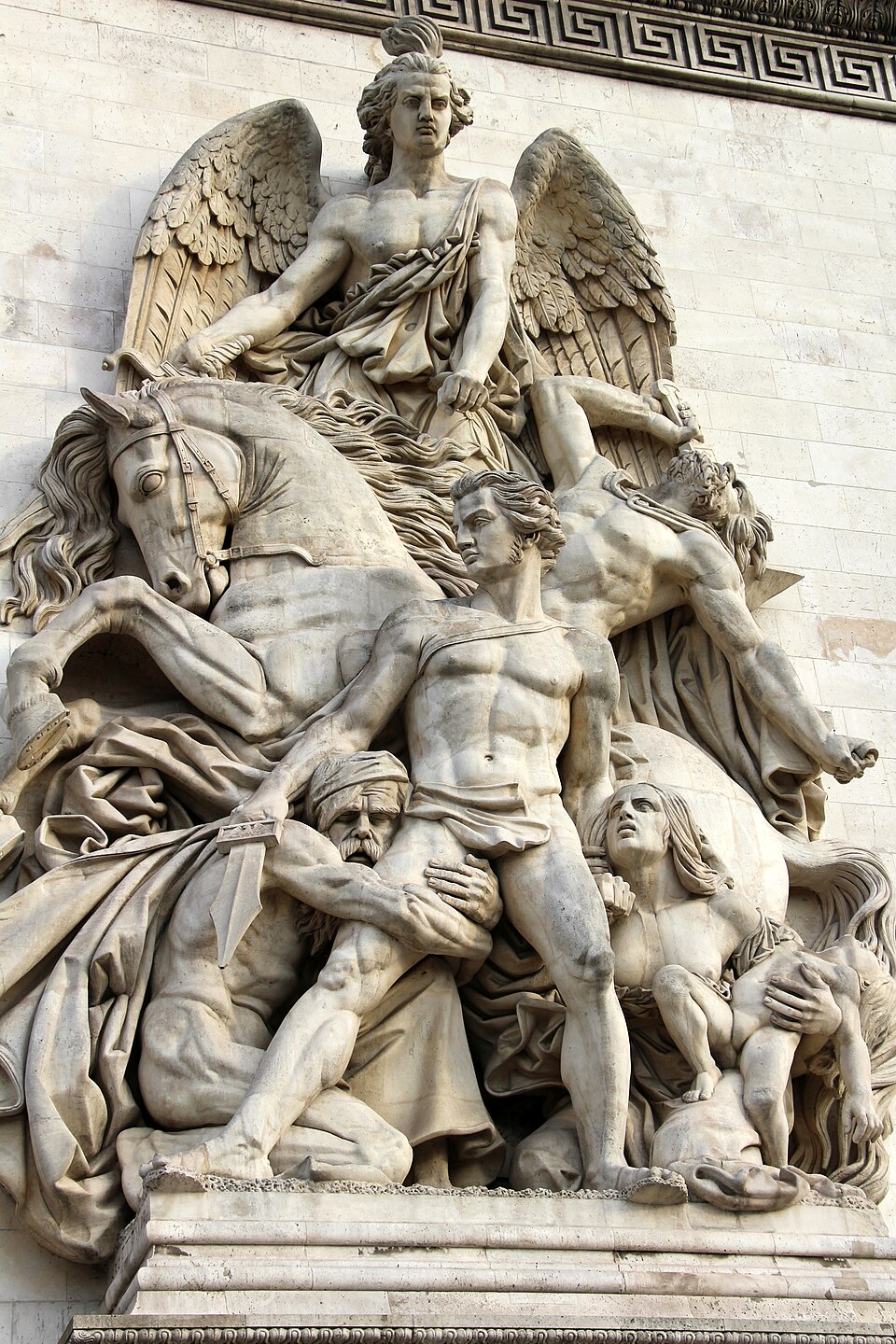 The Heroic PillarsThe Resistance of 1814
Looking at this sculptural group, you will notice a distinct change in tone. This work, titled 'The Resistance of 1814,' depicts the defense of French soil against the Sixth Coalition forces during the final years of the Napoleonic Empire. Unlike the celebratory and triumphant depictions elsewhere on the monument, this scene focuses on the grim reality of defending one's homeland. The central figure is a naked soldier, symbolizing the purity and vulnerability of the citizen-soldier, standing firm to protect his wife and child who huddle behind him. Above the family, a winged spirit of resistance hovers, urging the defender onward. This sculpture highlights the transition from imperial expansion to the desperate protection of the French capital. The figures are tightly grouped, creating a sense of urgency and intimacy that contrasts with the grand, sweeping gestures found in other reliefs. It serves as a reminder that the history of the arch is not only one of victories on distant battlefields, but also one of resilience and the protection of the civilian population during times of encroaching conflict.
Listen in the appFred Romero from Paris, France · CC BY 2.0
07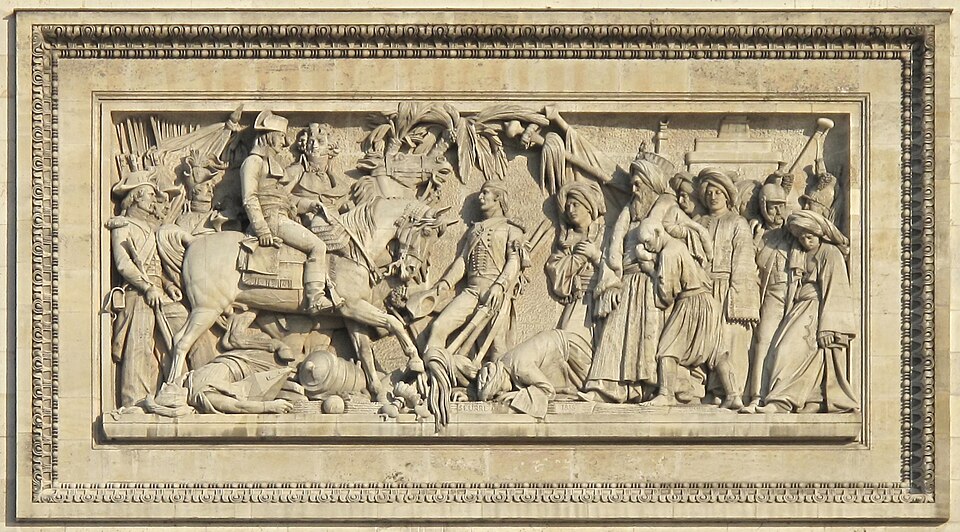 The Stone CanvasThe Battle of Aboukir Relief
Positioned in the rectangular panel above the main sculptural groups, this relief depicts the Battle of Aboukir, fought in 1799. It commemorates one of Napoleon Bonaparte’s significant victories during his Egyptian campaign, where the French army defeated the Ottoman forces. The scene is a classic example of the 'Heroic' style of the era, designed to emphasize the dignity of the victor and the submission of the vanquished. You can see the Turkish pasha, Mustafa, being presented to Napoleon as he surrenders his sword, a symbolic gesture of defeat. There are six such large rectangular reliefs positioned around the upper sections of the arch, each depicting a key event from the French Revolutionary or Napoleonic Wars. These carvings were intended to provide a narrative history of the era's military achievements. The level of detail in the figures and their traditional dress is meant to convey the exotic and high-stakes nature of the Mediterranean campaign. By placing these specific historical moments high on the pillars, the architects ensured that every angle of the monument would tell a story of French power and strategic success.
Listen in the appTangopaso · Public domain
08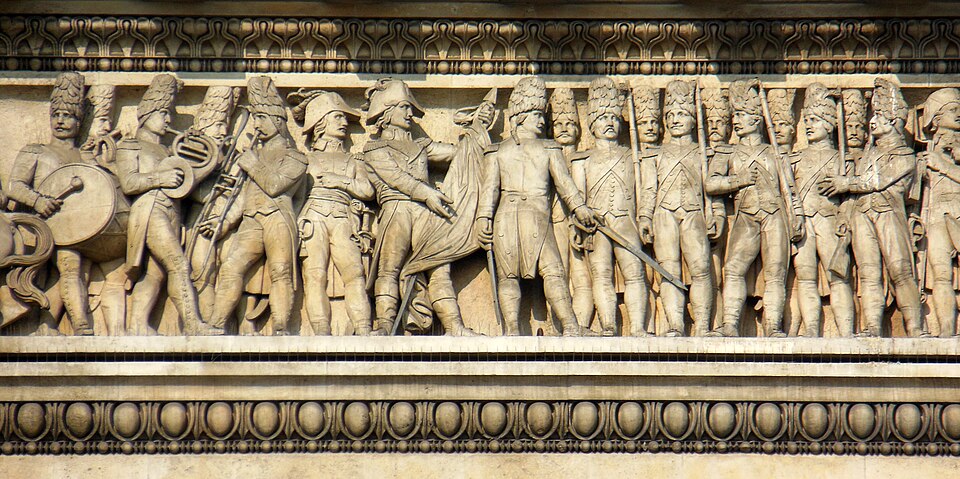 The Stone CanvasThe Great Frieze
Direct your eyes to the very top of the monument, just below the attic. Encircling the entire structure is a continuous band of carving known as the Great Frieze. This remarkable feat of stone-crafting is nearly 150 meters long. It depicts the departure and the triumphant return of the French armies. Because it wraps around all four sides of the arch, it creates a sense of perpetual movement, as if the soldiers are marching endlessly around the monument. The logistical challenge of creating such a massive, uninterrupted narrative was immense. Thousands of individual figures—soldiers, horses, and musicians—are crowded into the scene, each carved with distinct features and equipment. The artists had to ensure that the proportions remained consistent as the frieze transitioned around the corners of the arch. This density of figures provides a panoramic view of the logistical reality of nineteenth-century warfare, from the organized ranks of infantry to the baggage trains that followed them. It serves as a detailed historical record of the Grand Armée, elevated high above the city as a permanent testament to their endurance and service.
Listen in the appPhoto: MM · CC BY-SA 3.0
09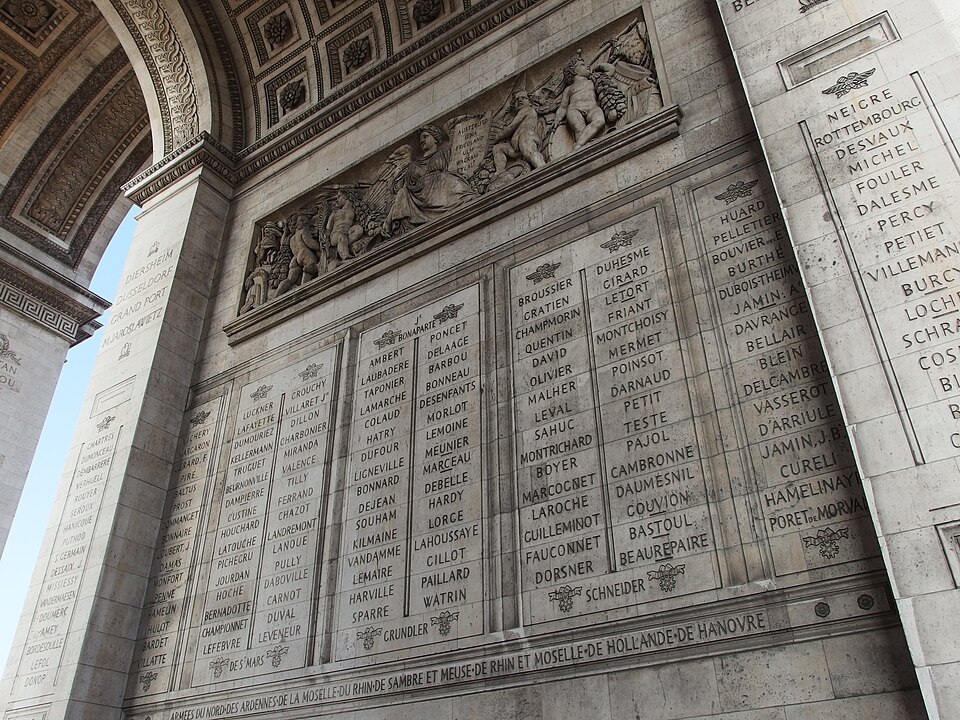 Under the Great VaultThe Pillar of Names
As you move into the space beneath the main arch, take a moment to examine the interior pillars. These walls are covered in rows of names and places, serving as a massive stone roll of honor. In total, there are 660 names of military leaders and 158 major battles from the French Revolutionary and Napoleonic Wars engraved here. It is a comprehensive record of the people who led the nation's forces during one of its most turbulent and expansive periods. There is a poignant detail to look for: some of the names are underlined. This signifies that those individuals died on the field of battle. Seeing the names grouped together highlights the sheer scale of the officer corps and the breadth of the conflicts, which stretched from the shores of Egypt to the plains of Russia. For many families in the nineteenth century, seeing a relative's name inscribed here was a source of immense pride and a permanent memorial to their sacrifice. The pillars transform the arch from a generic monument of victory into a specific, personal archive of the men who fought for the Empire and the Republic.
Listen in the appGuilhem Vellut from Annecy, France · CC BY 2.0
10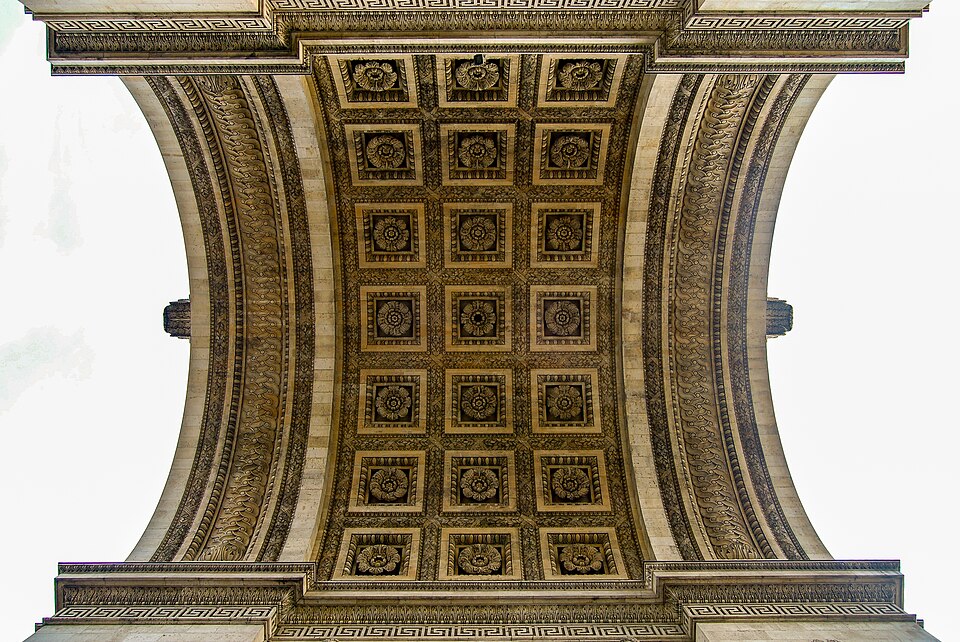 Under the Great VaultThe Vaulted Ceiling
Cast your gaze directly upward into the central vault of the arch. The ceiling is decorated with rose-patterned coffers, a classic Roman architectural feature that adds a sense of lightness and elegance to the massive stone structure. The central opening is truly vast, reaching a height of 29 meters and a width of nearly 15 meters. This soaring space was designed to create an impression of grandeur and openness for the parades that would pass beneath it. One of the most extraordinary events in the arch's history took place in this very space in 1919. A pilot named Charles Godefroy, frustrated that aviators were not allowed to fly in the official victory parade, decided to stage his own tribute. He flew his biplane directly through the opening of the arch. It was an incredibly dangerous and illegal feat, as the wingspan of his plane left only a few meters of clearance on either side. Images of the tiny aircraft framed by the massive stone vault became iconic, symbolizing the daring spirit of the early pioneers of flight and providing a unique moment of modern history for this nineteenth-century monument.
Listen in the appRafael Lemieszek · CC BY-SA 4.0
Arc de Triomphe
Frequently asked questions
How much does the guide cost?
Free app download. Listed guide price: $0.99. Guide price shown in the app. Audio guide only. Venue admission is separate.
Can I listen without internet?
Yes. Download the guide’s audio, images, and maps in the app before your visit. Your downloaded content is then available offline.
Can I listen in my language?
This audio guide is available in 15 languages, including English.
Do I need to follow a schedule?
No. This is a self-guided experience. Choose your stops, pause whenever you like, and return to a story at your own pace.
At your own pace
Explore Arc de Triomphe.
Download Stanza, then search for “Arc de Triomphe”.
Free app download · Guide price shown in the app
Keep exploring
Nearby audio guides
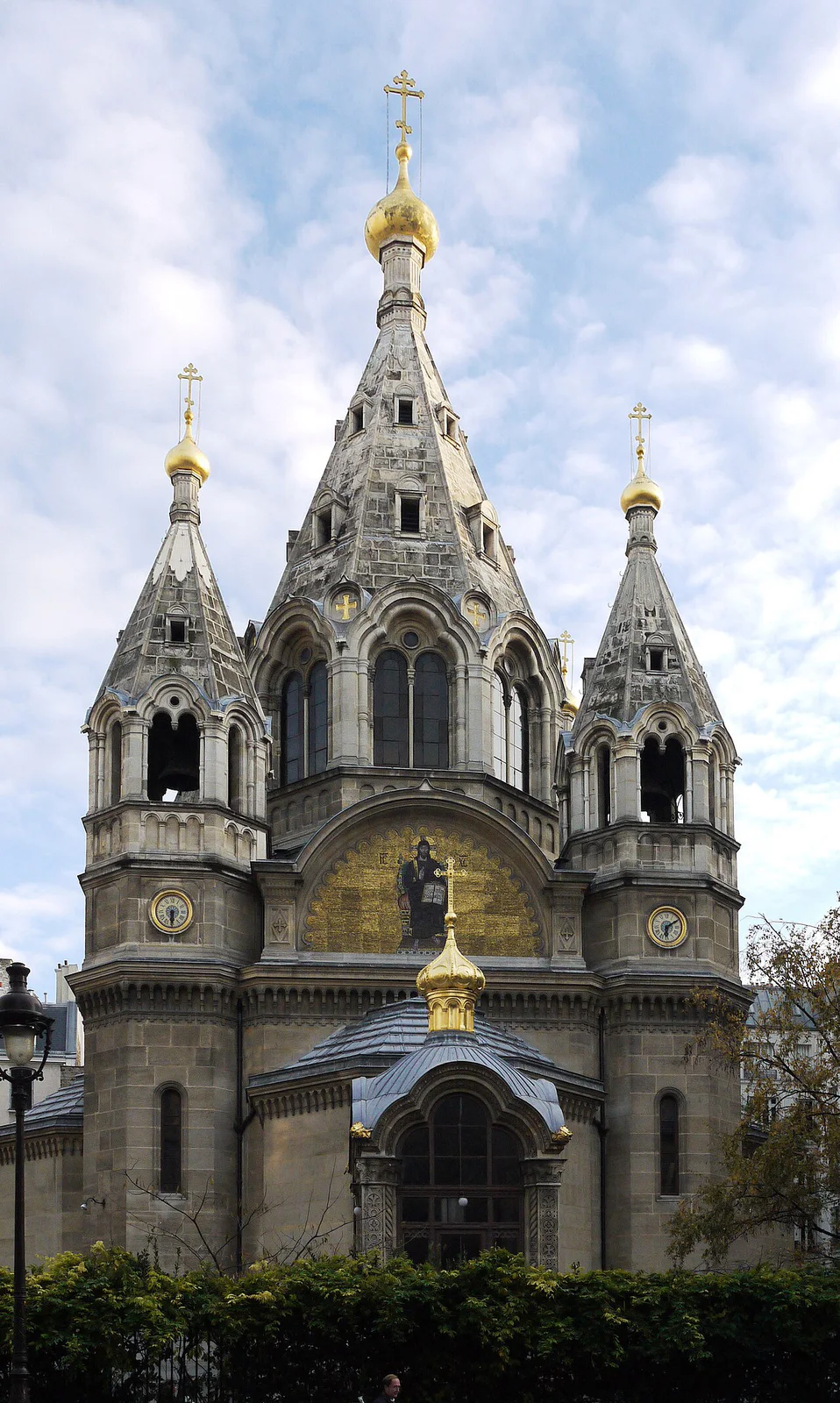
Paris · 1 km
Cathédrale Saint-Alexandre-Nevsky de Paris
Content & sources
Photo: Pline · CC BY-SA 3.0
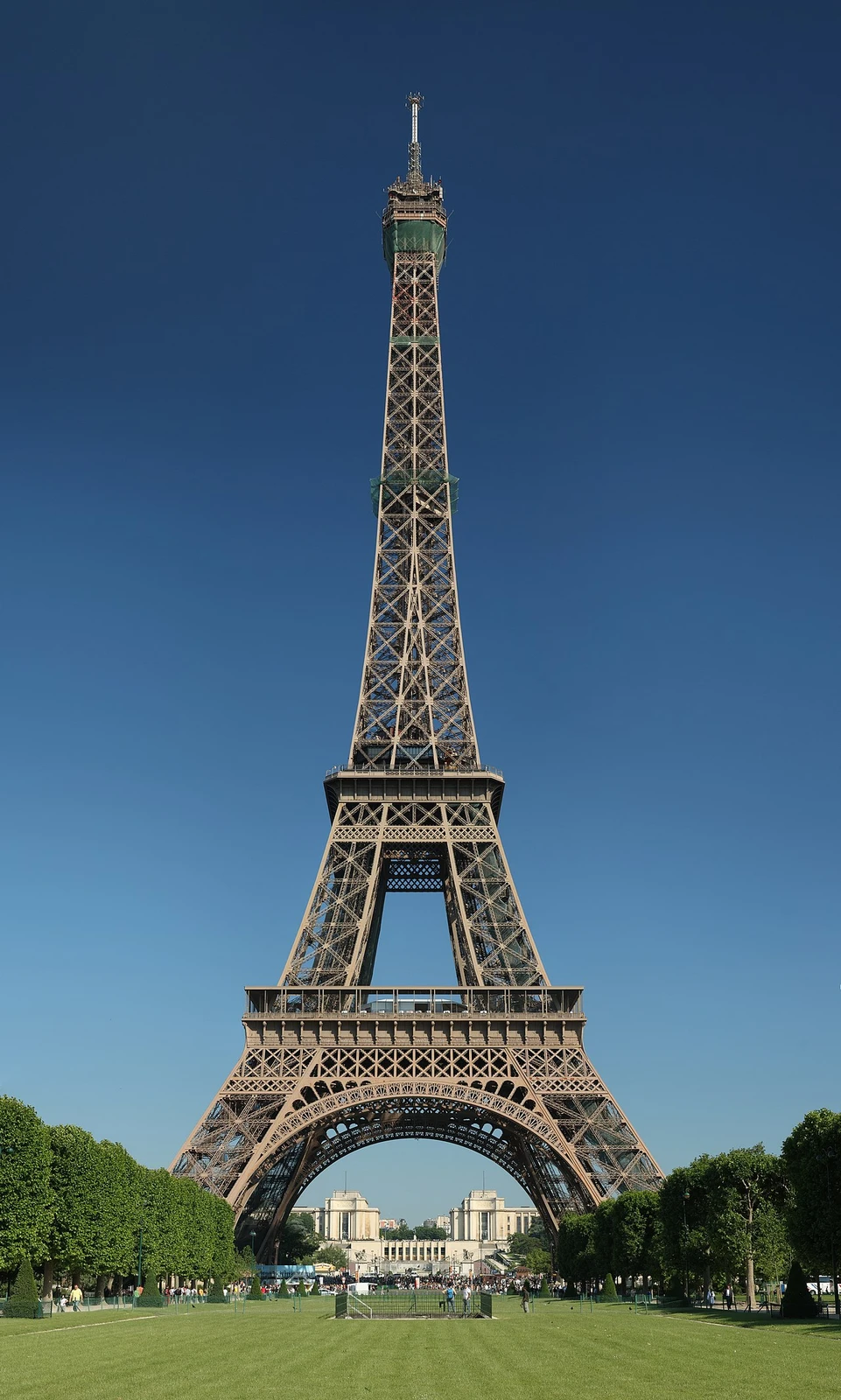
Paris · 2 km
Eiffel Tower
Content & sources
Benh LIEU SONG · Public domain
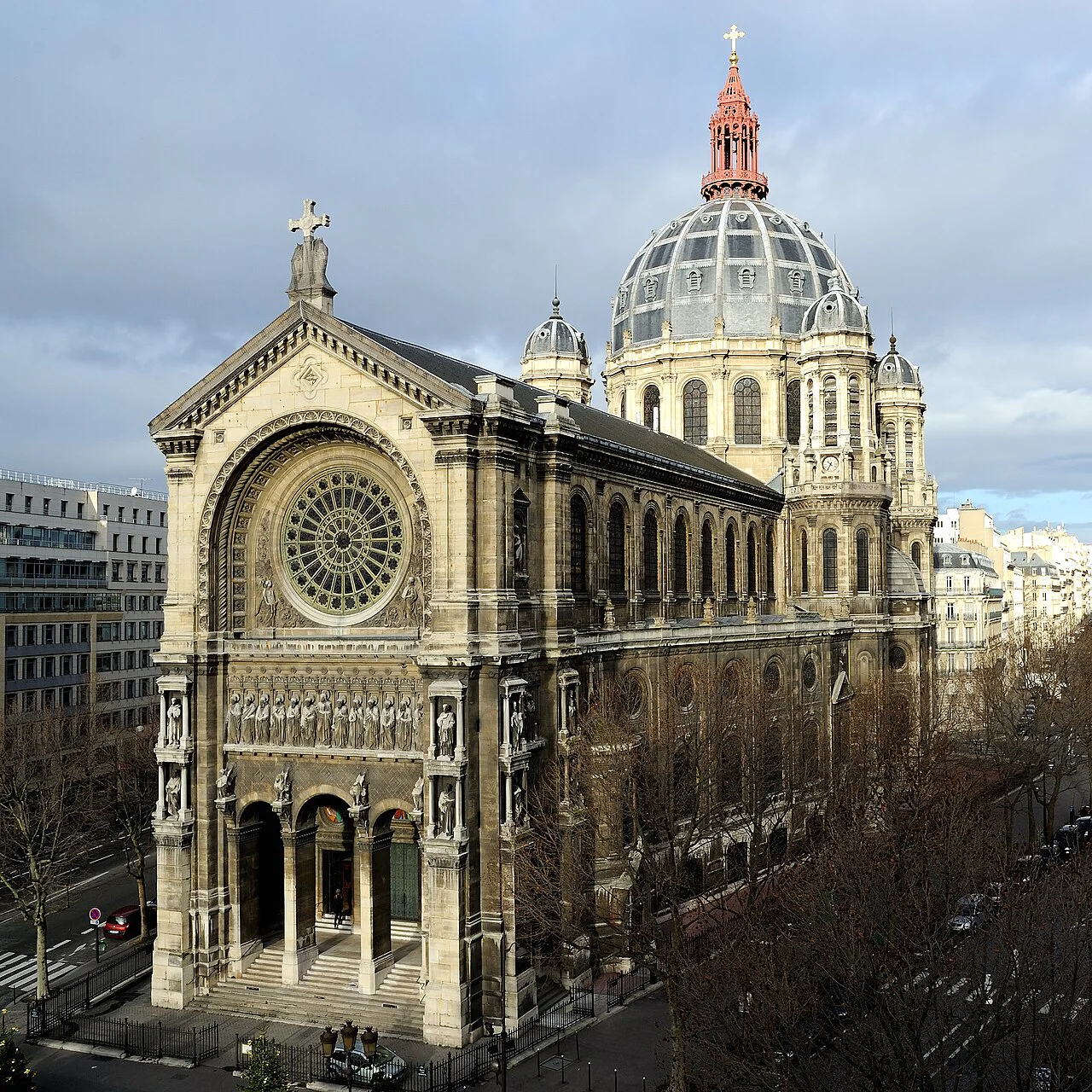
Paris · 2 km
Église Saint-Augustin de Paris
Content & sources
Photo: Saffron Blaze · CC BY-SA 3.0
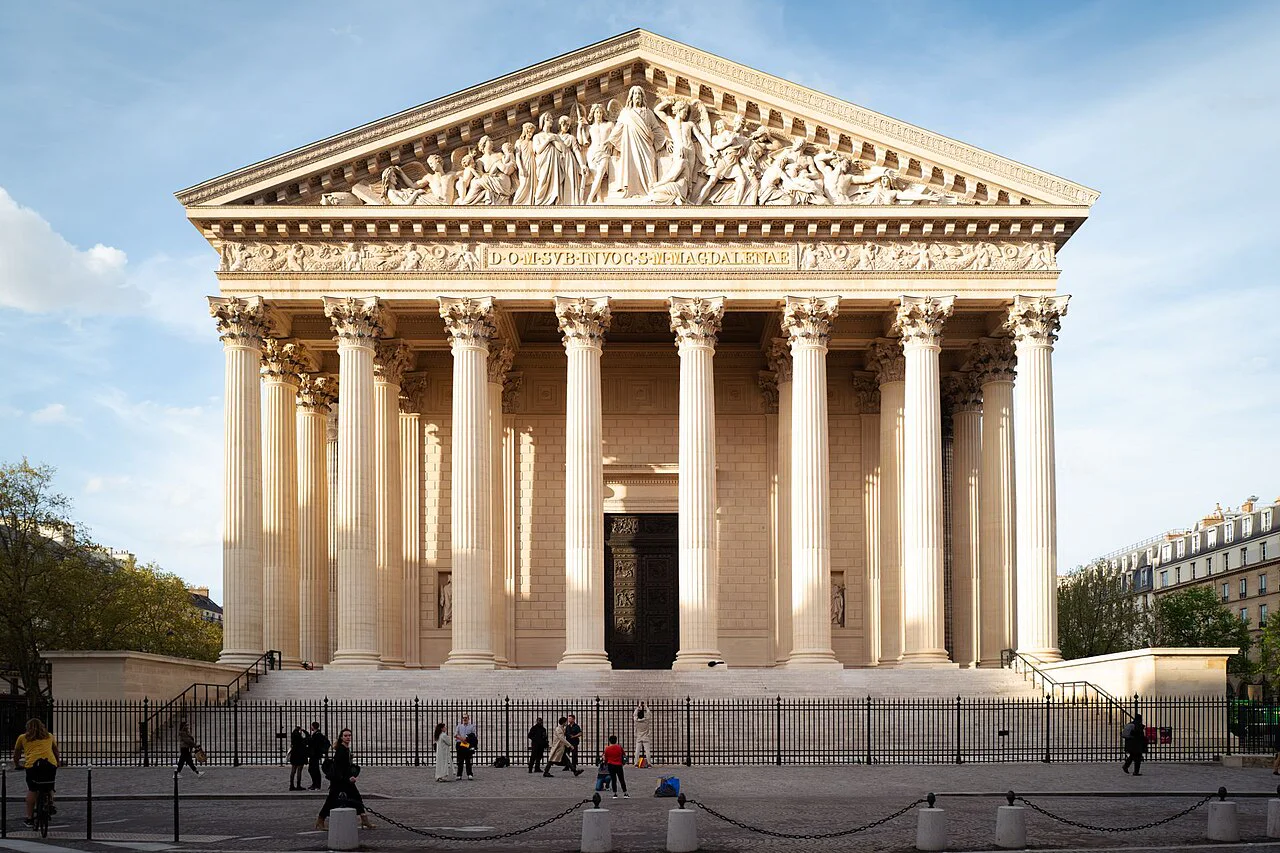
Paris · 2 km
Église de la Madeleine
Content & sources
Callaway Kosine – de Suzannet · CC BY 3.0