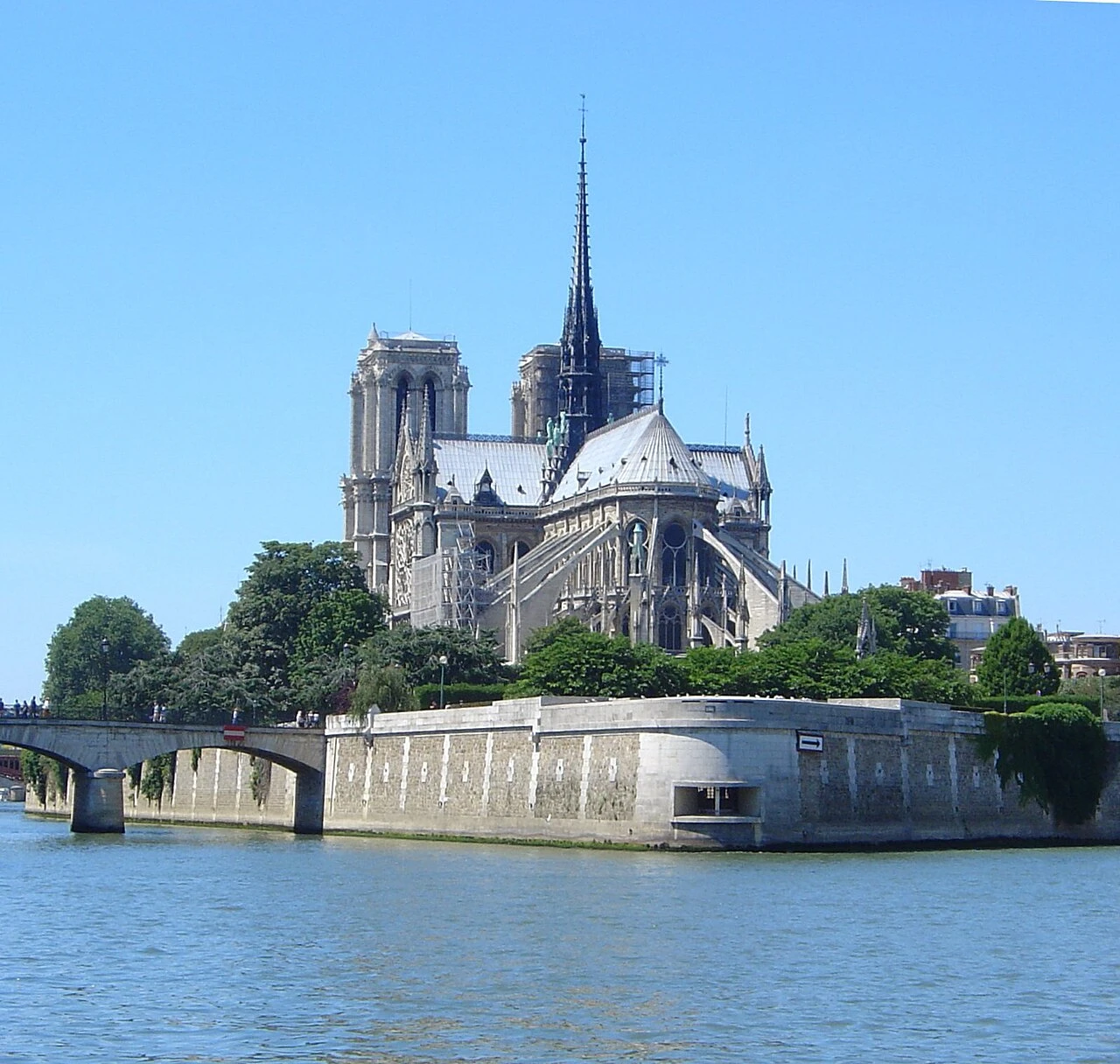
Stanza · Audio guide
Île de la CitéAudio guide
A place to remember. A story to take with you.
A natural island in the Seine river that serves as the historical heart of Paris, home to iconic landmarks like Notre-Dame Cathedral and Sainte-Chapelle. It is considered the birthplace of the city and its…
Download Stanza, then search for “Île de la Cité”.
About the tour
One guide. Your kind of visit.
A natural island in the Seine river that serves as the historical heart of Paris, home to iconic landmarks like Notre-Dame Cathedral and Sainte-Chapelle. It is considered the birthplace of the city and its medieval foundation.
Ready when you are.
- 01Get the free Stanza app.
iOS & Android
- 02Find your guide.
“Île de la Cité”
- 03Download before you go.
Works offline
Audio guide / 39 narrated stops
Inside the guide
Get to know a few of the stories before you go. Open a stop to read more.
01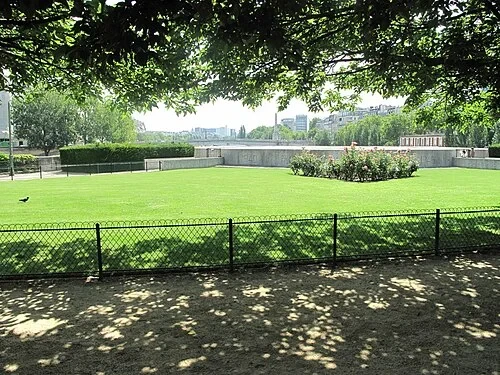 Deportation Martyrs MemorialMemorial to the Martyrs of the Deportation
Designed by architect Georges-Henri Pingusson in 1962, this garden was carefully constructed to isolate you from the surrounding city streets. As you walk along the paths, notice how the low concrete walls frame the grass, directing your eyes down toward the river. From this angle, the triangular tip of the island points down the Seine like the prow of a massive stone ship. This serene, open-air green space is intentionally juxtaposed with the stark, underground chambers beneath your feet. Pingusson designed the entire layout to serve as a prelude, gradually preparing visitors for the descent into the subterranean memorial dedicated to the thousands of people deported from France during World War II. The quiet rustle of the leaves and the gentle flow of the river provide a reflective atmosphere before you transition from the bright, open garden to the somber depths below.
Tangopaso · Public domain
02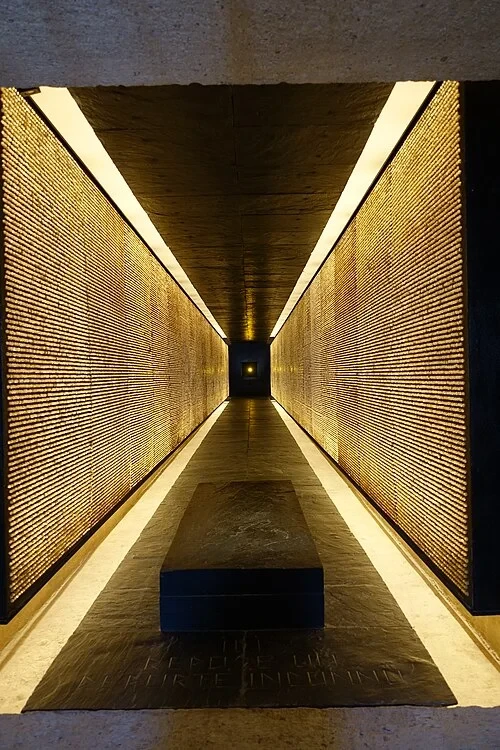 Deportation Martyrs MemorialThe Crypt of Lights
Stepping inside this dimly lit, narrow corridor, the space immediately tightens, creating an intentional feeling of isolation. The rough concrete walls are lined with two hundred thousand individual glass crystals, each one illuminated from within to represent a single person deported to Nazi concentration camps. Architect Georges-Henri Pingusson designed this claustrophobic passage to mimic the cramped, suffocating reality of a prison corridor, forcing visitors to walk in a quiet, single-file line. At the very end of this dark, unyielding tunnel, a single golden light shines in the distance, offering a quiet focal point in the darkness. There are no elaborate sculptures or grand proclamations here. Instead, the monument relies on the sheer, silent weight of these thousands of glowing points to convey the immense scale of the tragedy. Walk slowly through the passage, observing how the glittering crystals stretch continuously into the shadows.
Guilhem Vellut from Paris, France · CC BY 2.0
03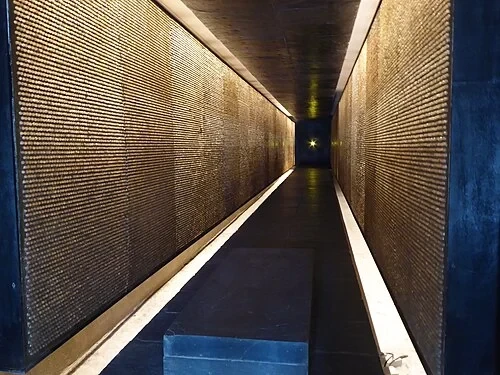 Deportation Martyrs MemorialThe Tomb of the Unknown Deportee
Positioned in the center of this long, quiet corridor is a dark slab of polished stone. Carved into its surface is a solemn French inscription that translates to: 'They descended into the mouth of the earth and did not return.' Beneath this slab lie the ashes of an unknown deportee recovered from the Neustadt concentration camp, interred here in 1962 to serve as a symbolic resting place for all victims of the deportations. At the far end of the corridor, a single barred opening allows a slim shaft of natural light to cut through the heavy gloom. Looking through the iron bars, you can see the rushing waters of the River Seine flowing just outside. This contrast was highly deliberate, keeping the beautiful, active city of Paris visible to the eye but entirely out of reach behind thick concrete and metal barriers, mirroring the isolation experienced by those imprisoned.
Listen in the appPhoto: Ardfern · CC BY-SA 4.0
04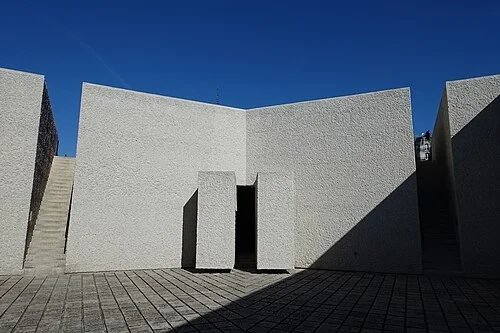 Deportation Martyrs MemorialThe Memorial Courtyard
Towering walls of rough-textured, white concrete rise to frame this open-air courtyard, creating an atmosphere of absolute isolation. A deep, narrow slit cuts through the heavy stone structures, serving as the quiet entrance down into the memorial. Architect Georges-Henri Pingusson intentionally designed these high, blank barriers to obscure any view of the historic monuments, bridges, and riverbanks that make Paris famous. Once inside, the lively city disappears, leaving only a geometric block of the sky framed overhead. The thick, textured walls also serve an acoustic purpose, muffling the rumbling street traffic to create a quiet, reflective space. On one side, steep and narrow concrete stairs descend directly into the dark, underground chambers. Every architectural element here works to transition you away from the lively streets of the modern capital, focusing your attention entirely on the somber history commemorated within this enclosed, unyielding space.
Listen in the appGuilhem Vellut from Paris, France · CC BY 2.0
05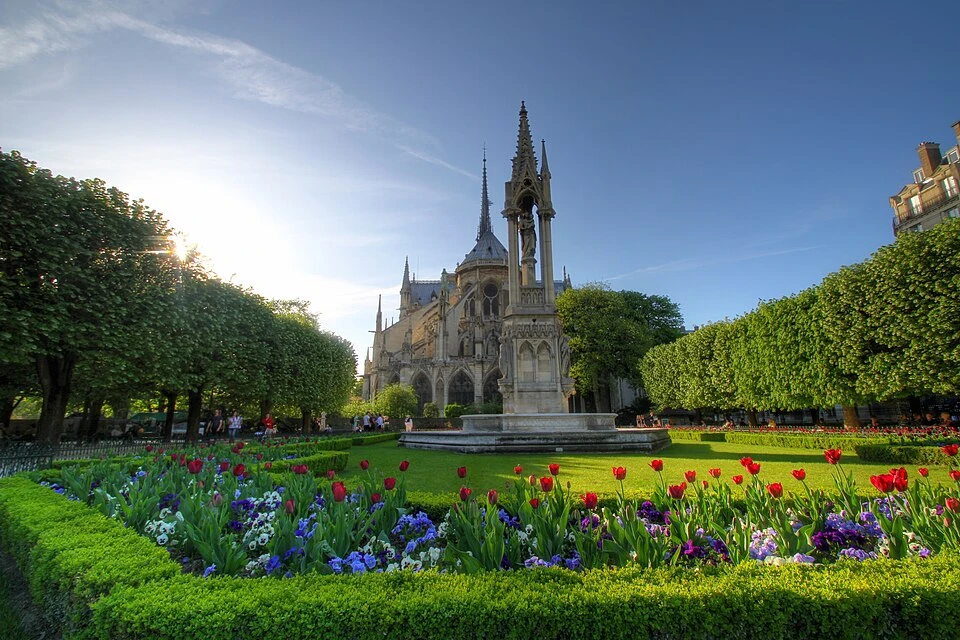 Square Jean XXIIIJohn XXIII Square
Named in honor of Pope John XXIII, this public park was created in 1844 on a plot of land with a turbulent history. Previously, this site was occupied by the grand Archbishop's Palace, which was completely ransacked and burned to the ground by angry crowds during the July Revolution of 1830. Rather than rebuilding the residence, city planners chose to establish a peaceful green sanctuary. From the manicured lawns, you can enjoy an unobstructed view of Notre-Dame's rear facade, highlighted by its massive flying buttresses. These elegant stone arches sweep outward from the main structure like giant ribs, a revolutionary feat of medieval engineering designed to distribute the immense weight of the cathedral's high roof. By taking the pressure off the walls, these supports allowed medieval builders to construct taller, thinner structures and fill them with the giant stained-glass windows that the cathedral is famous for today.
Listen in the appChris Waits · CC BY 2.0
06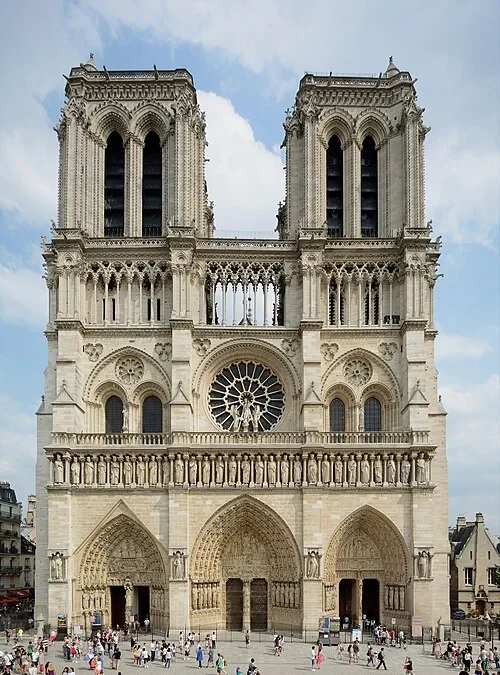 Notre-Dame de ParisNotre-Dame Cathedral
Completed over centuries, the grand western facade of Notre-Dame is dominated by its matching twin towers and a massive circular rose window. Just above the three monumental entry portals, look for the Gallery of Kings, a horizontal row containing twenty-eight stone statues. These figures actually depict the ancient Kings of Judah, but during the chaos of the French Revolution in the late eighteenth century, angry mobs mistook them for former French monarchs. The crowds dragged the statues down into the square and publicly decapitated them. It was not until 1977 that many of the original stone heads were rediscovered, buried deep inside a nearby bank basement during excavations. Below this gallery, the three deep-set portals feature thousands of intricate carvings. In the medieval era, when most of the population was illiterate, these detailed stone reliefs functioned as a visual bible, telling stories of salvation, judgment, and saints to everyone who entered.
Listen in the appPhoto: P e z i · CC BY-SA 3.0
07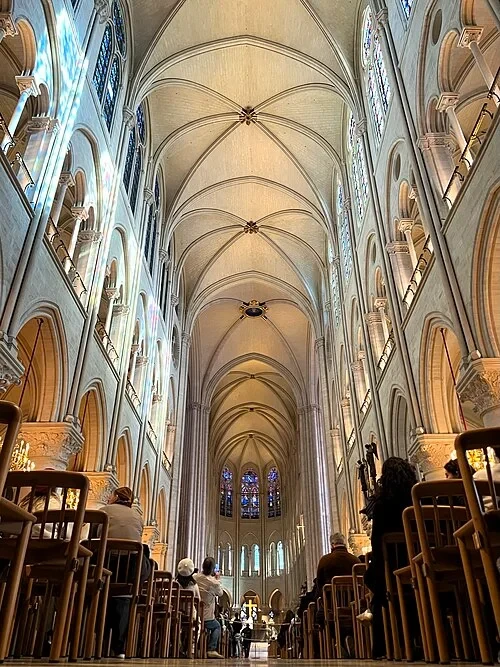 Notre-Dame de ParisThe Nave of Notre-Dame
Spanning the length of the cathedral, the main nave features soaring ribbed vaulting overhead, meticulously cleaned and restored following the devastating fire of 2019. The immense interior is designed to guide the eyes of visitors naturally upward toward the vaulted ceilings, creating a sense of grand scale. Light streaming through the high clerestory windows bathes the newly cleaned, white limestone walls in a spectrum of soft, shifting colors. Construction on this massive structure began in 1163 under the direction of Bishop Maurice de Sully, a project so ambitious that it required the demolition of an entire neighborhood of medieval houses to clear the necessary space. The innovative six-part rib vaults used by the builders distributed weight more efficiently, allowing the ceiling to reach an unprecedented height of thirty-five meters. This architectural achievement set a new standard for Gothic design across Europe, demonstrating the incredible possibilities of medieval stone engineering.
Listen in the appPhoto: Wozart · CC0
08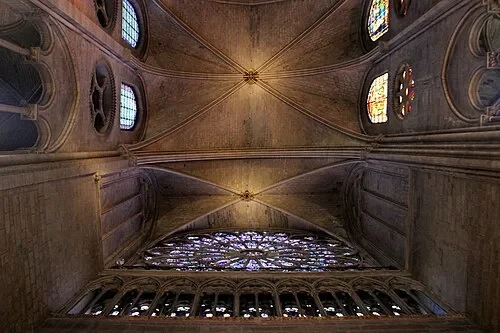 Notre-Dame de ParisThe Vaults and South Rose Window
Look straight up to see the intricate junction where the heavy stone ribs converge in the center of the ceiling. This system of Gothic rib vaulting was a major structural breakthrough, redirecting the massive weight of the roof downward into the thick supporting columns rather than pushing outward against the walls. Directly below these towering vaults sits the great Rose Window, filled with thousands of shimmering glass pieces. Many of these delicate fragments date back to the thirteenth century, having remarkably survived multiple revolutions, two world wars, and the devastating cathedral fire of 2019. During that recent blaze, the historic glass was saved by the quick, precise work of Parisian firefighters, who continuously sprayed cool water onto the exterior stone frames to prevent them from cracking under the extreme heat. The survival of these colorful glass panes preserves one of the most complete examples of medieval craftsmanship left in the city.
Listen in the appMiguel Hermoso Cuesta · CC BY-SA 3.0
09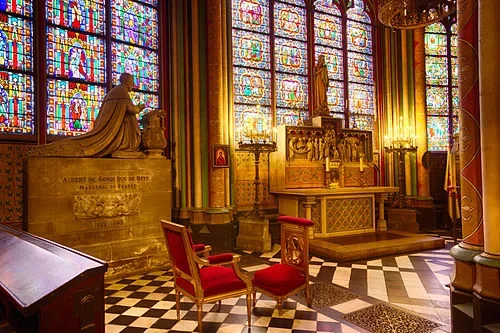 Notre-Dame de ParisChapel of Our Lady of the Seven Sorrows
This quiet side chapel is dominated by the elaborate marble monument of Albert de Gondi, a powerful sixteenth-century Marshal of France. The sculpture depicts him kneeling in perpetual prayer atop a large, decorative stone tomb. Behind the altar, painted walls and stained glass windows fill the space with deep color. During the medieval and Renaissance periods, these perimeter chapels were rented out or donated to wealthy noble families and prominent merchant guilds. In exchange for funding the construction, upkeep, and decoration of these spaces, these wealthy patrons secured private masses for their souls and highly coveted burial sites located close to the main altar. The columns in this chapel are decorated with vivid, reconstructed geometric patterns in red, blue, and gold. This bright paint reflects the original, highly colorful appearance of the cathedral's medieval interior, which was far more vibrant than the bare, gray stone walls we typically associate with Gothic churches today.
Listen in the appMiguel Mendez from Malahide, Ireland · CC BY 2.0
10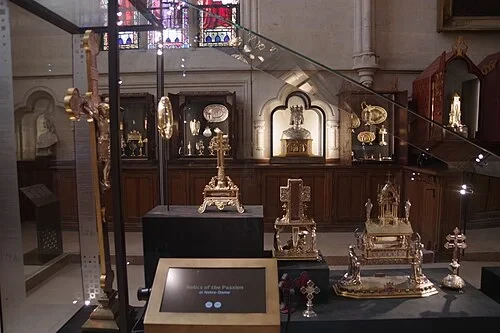 Notre-Dame de ParisThe Treasury of Notre-Dame
The secure glass cases of the treasury display a collection of precious gold and silver reliquaries. For centuries, this room was used to guard the cathedral's most sacred treasures, including the famous Crown of Thorns. King Louis IX purchased this relic from the Byzantine Emperor in the thirteenth century, paying a sum that far exceeded the entire cost of building the nearby Sainte-Chapelle. During the devastating fire of 2019, these invaluable artifacts were saved from destruction by a human chain of brave firefighters, police officers, and cathedral staff who rushed into the smoke-filled building to carry them to safety. Among the most notable objects on display is the intricate, gold-plated reliquary bust positioned in the central display case. This highly detailed metal sculpture was crafted to hold and protect historic bones, demonstrating the incredible skill of Paris's historic goldsmiths who worked to honor the saints through their craft.
Listen in the appPhoto: AlSepPhoenix · CC BY-SA 4.0
Île de la Cité
Frequently asked questions
How much does the guide cost?
Free app download. Listed guide price: $3.99. Guide price shown in the app. Audio guide only. Venue admission is separate.
Can I listen without internet?
Yes. Download the guide’s audio, images, and maps in the app before your visit. Your downloaded content is then available offline.
Can I listen in my language?
Stanza supports 15 languages. Check the app for the languages available for this guide.
Do I need to follow a schedule?
No. This is a self-guided experience. Choose your stops, pause whenever you like, and return to a story at your own pace.
At your own pace
Explore Île de la Cité.
Download Stanza, then search for “Île de la Cité”.
Free app download · Guide price shown in the app
Keep exploring
Nearby audio guides
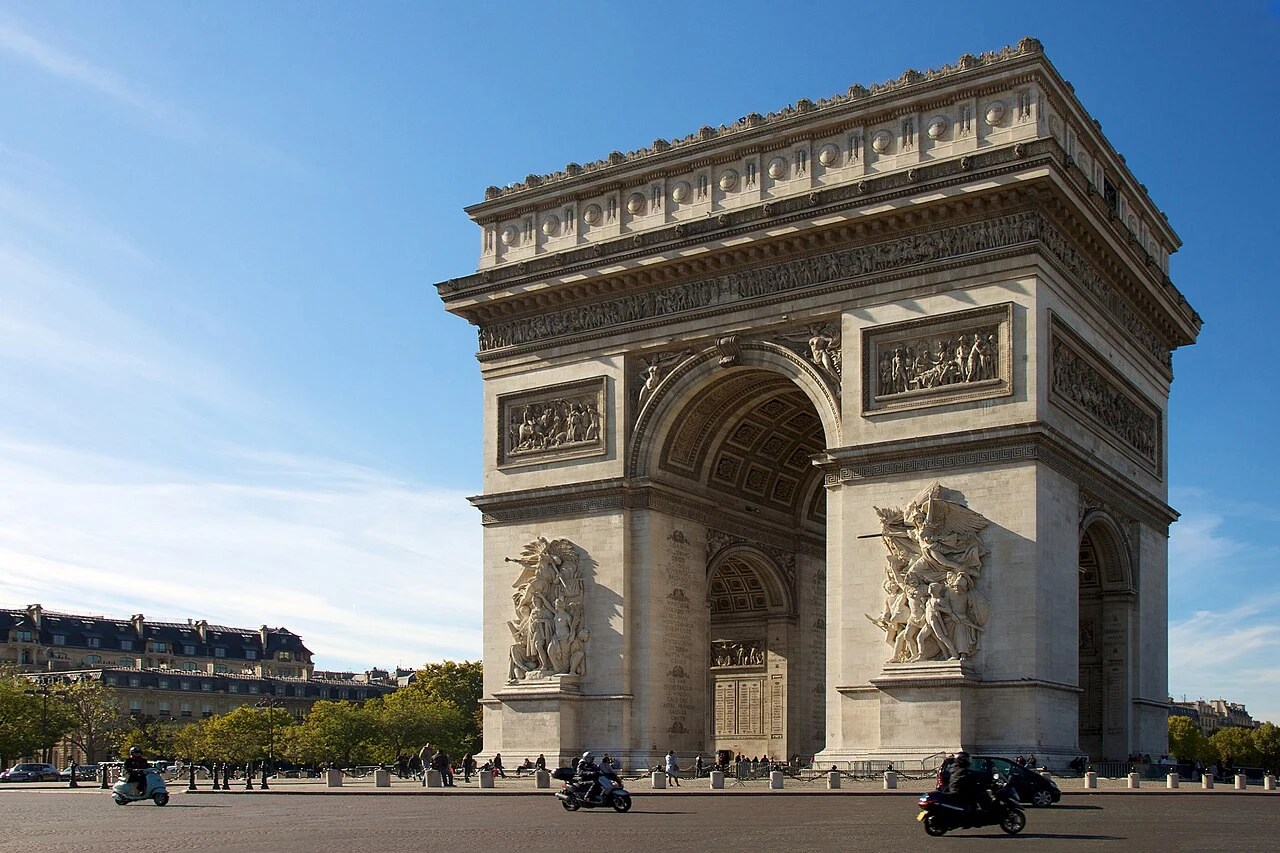
Paris
Arc de Triomphe de l'Étoile
Content & sources
Jiuguang Wang · CC BY-SA 2.0
Paris
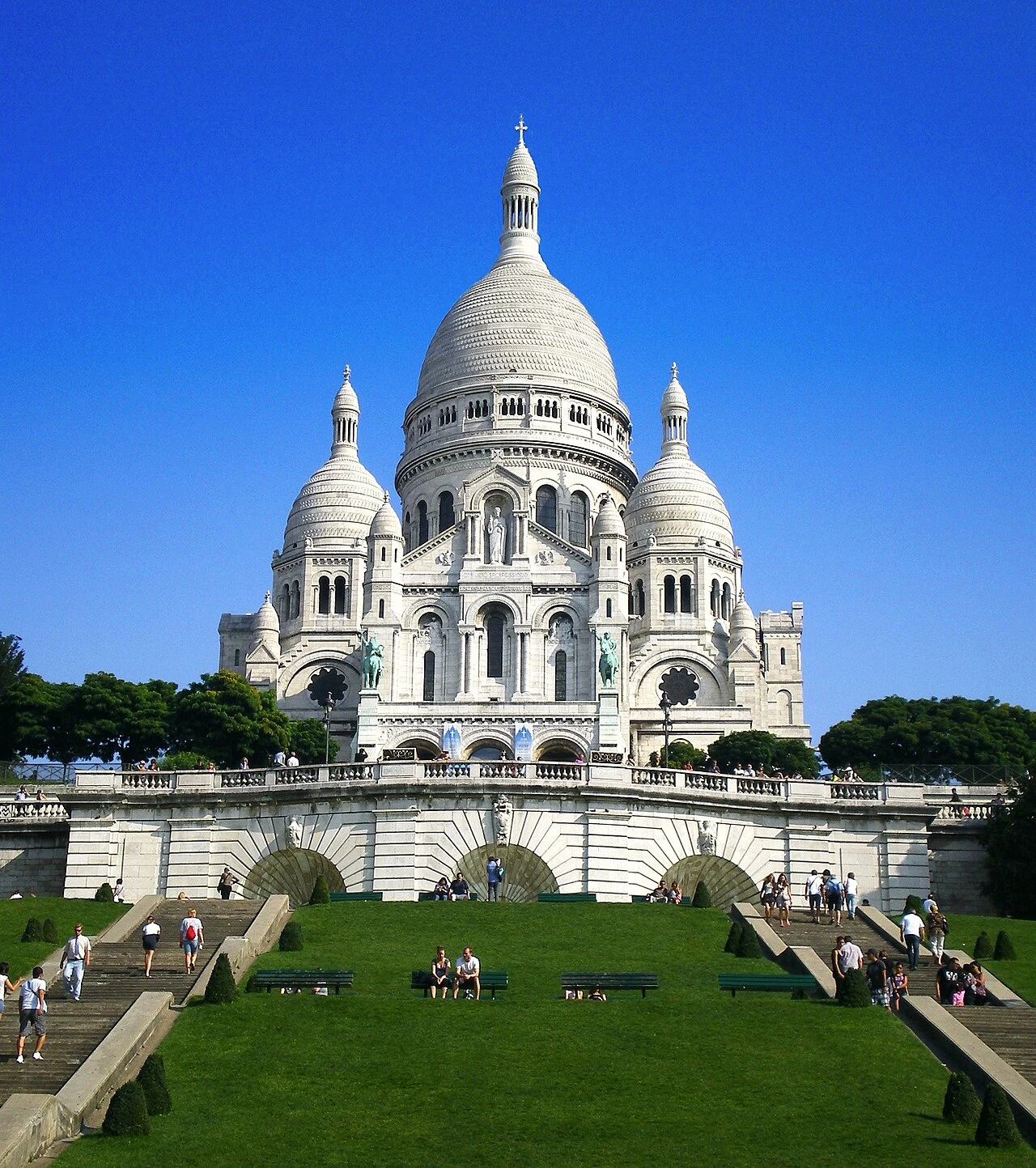
Basilique du Sacré-Cœur de Montmartre
Content & sources
Tonchino · CC BY-SA 3.0
Paris
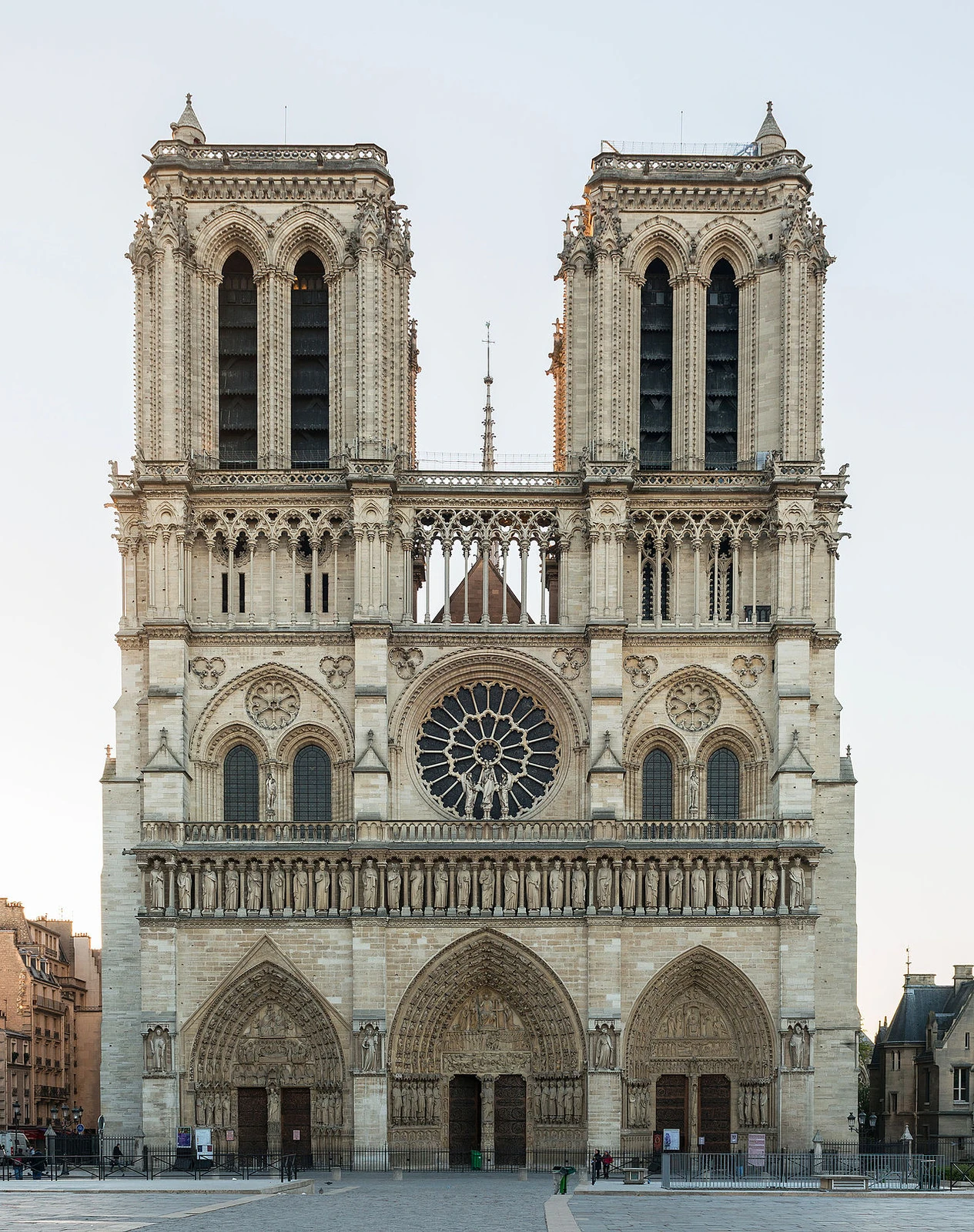
Cathédrale Notre-Dame de Paris
Content & sources
DXR · CC BY-SA 3.0
Paris
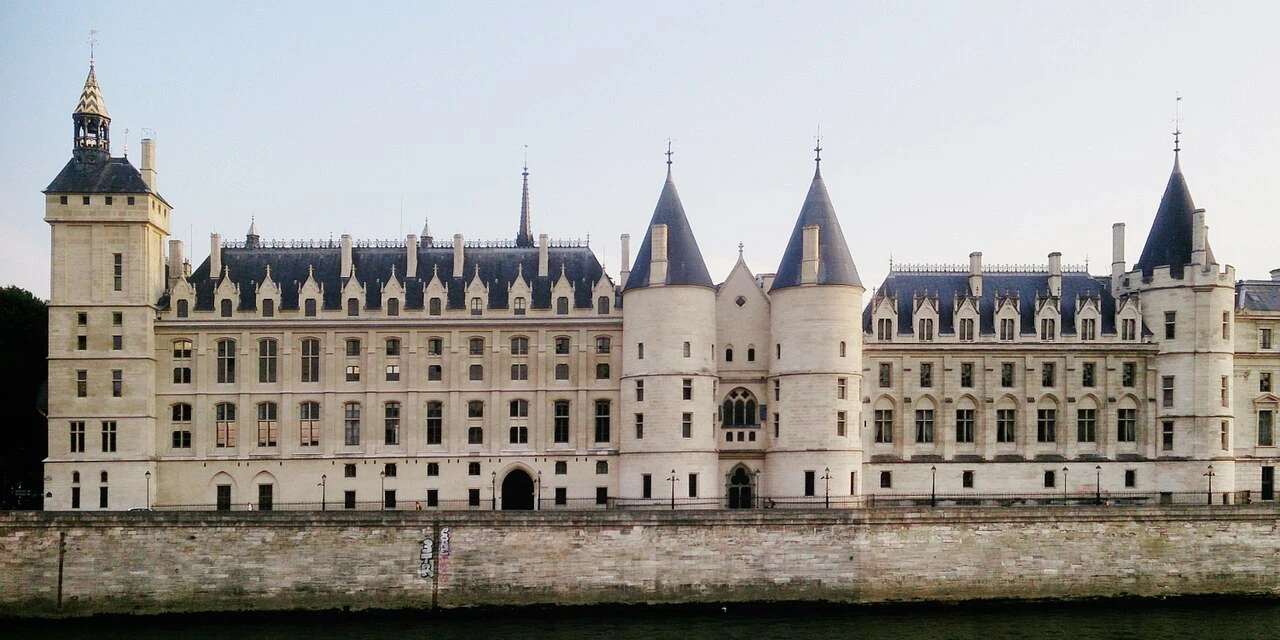
Conciergerie
Content & sources
Photo: Xandru · CC BY-SA 4.0