Stanza · Audio guide
Eiffel TowerAudio guide
A place to remember. A story to take with you.
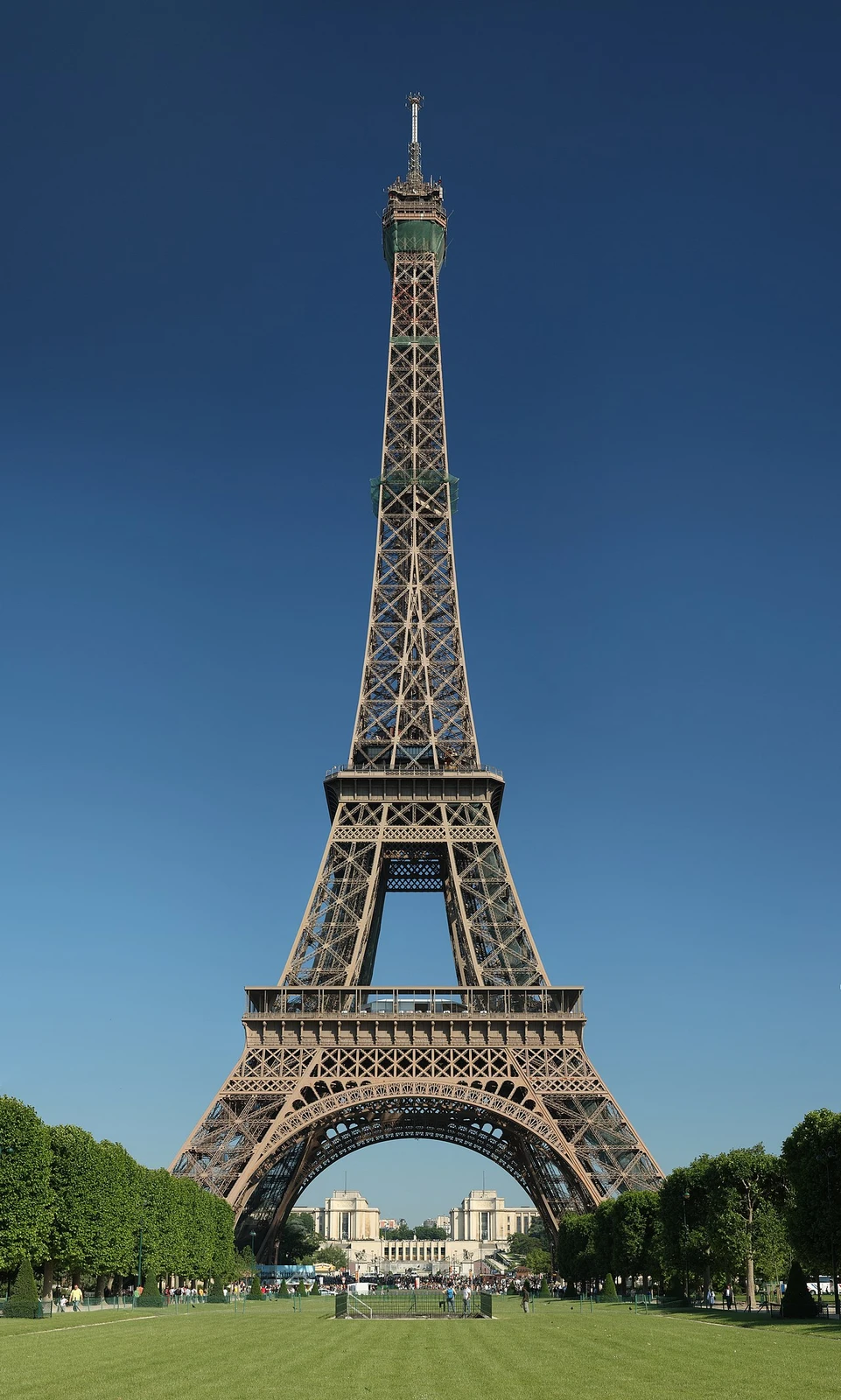
An iconic wrought-iron lattice tower located on the Champ de Mars in Paris, France.
Download Stanza, then search for “Eiffel Tower”.
About the tour
One guide. Your kind of visit.
An iconic wrought-iron lattice tower located on the Champ de Mars in Paris, France.
Ready when you are.
- 01Get the free Stanza app.
iOS & Android
- 02Find your guide.
“Eiffel Tower”
- 03Download before you go.
Works offline
Audio guide / 16 narrated stops
Inside the guide
Get to know a few of the stories before you go. Open a stop to read more.
01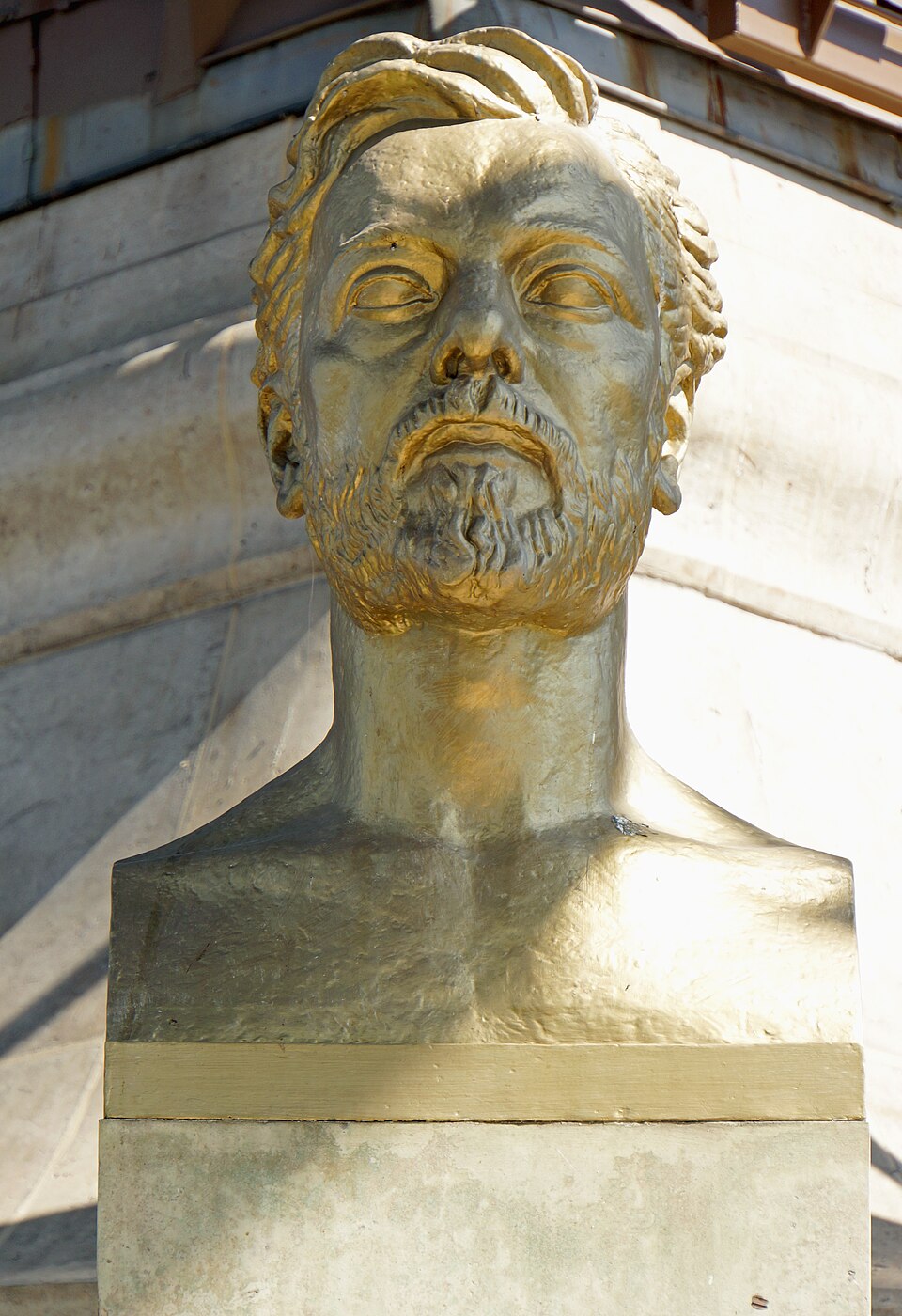 The Esplanade: Standing Beneath the GiantGustave Eiffel
Welcome to the Eiffel Tower, the enduring symbol of Paris and a masterpiece of 19th-century engineering. As you begin your visit, you are looking at a bust of Gustave Eiffel, the visionary entrepreneur whose name is forever linked with this monument. However, the tower’s creation was a true collaborative effort. While Eiffel spearheaded the project and provided the funding, the architectural aesthetic was largely the work of Stéphen Sauvestre. Meanwhile, the complex structural concepts and mathematical calculations that allowed the tower to stand so tall were developed by engineers Maurice Koechlin and Émile Nouguier. This grand monument was originally conceived as the monumental entrance gateway for the 1889 World's Fair, an event held to celebrate the centennial of the French Revolution. At the time of its completion, it was the tallest man-made structure in the world, a title it held for over four decades. As you stand here, imagine the immense scale of the project: it was a daring statement of French industrial power and scientific progress that transformed the skyline of Paris forever.
Dennis G. Jarvis · CC BY-SA 2.0
02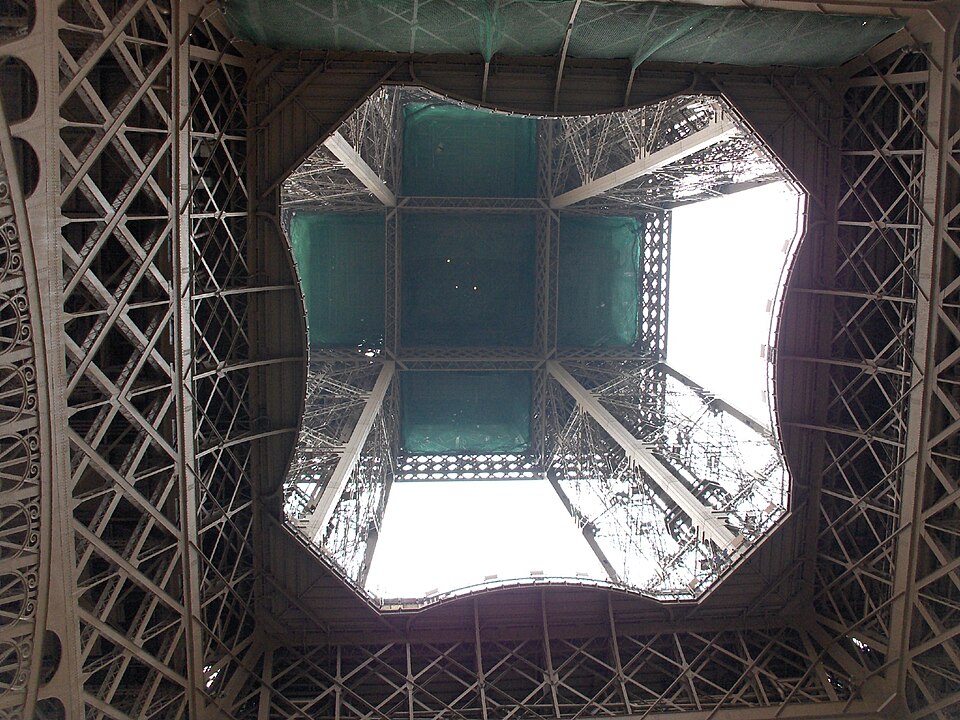 The Esplanade: Standing Beneath the GiantThe Iron Belly
Step into the center of the esplanade and look directly upward. This perspective, often called 'the iron belly,' reveals the dizzying complexity of the tower's lattice work. From here, the sheer scale of the engineering becomes overwhelming. You are standing beneath 10,100 tonnes of puddled iron, supported by a perfect square base that measures exactly 125 meters on each side. Every beam and cross-brace you see is held together by rivets—precisely 2,500,000 of them. In a feat of logistical brilliance, about 42 percent of these rivets were installed right here on-site during construction. The rest were hammered in at the factory in Levallois-Perret. Notice how the iron seems to weave together like a giant, industrial lace. This open-work design wasn't just for show; it was essential for allowing the wind to pass through the structure, preventing the massive tower from being toppled by the fierce gusts that sweep across the Seine. It is a moment to appreciate the precision required to align thousands of pre-fabricated parts with millimetric accuracy.
aannaque · CC BY 3.0
03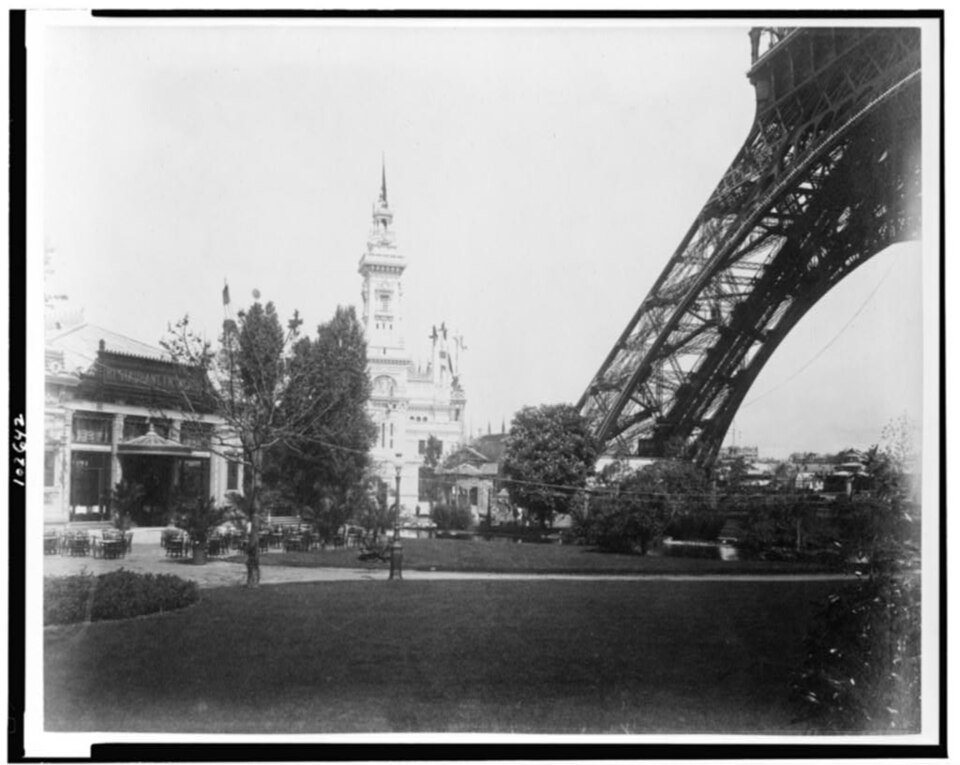 The 1889 World's Fair & Puddled IronThe 1889 World's Fair
Looking at this vintage image, we are transported back to 1889, the year the tower opened to the public. In this scene, you can see the stark contrast between the industrial, modern lines of the tower and the more traditional, ornate pavilions of the World's Fair surrounding it. It is difficult to imagine now, but this 'Iron Lady' was never meant to be a permanent fixture. According to the original contract, the tower was intended to stand for only 20 years, after which it was scheduled for demolition. Critics of the era were vocal, calling it a 'hollow candlestick' and a 'monstrous' blemish on the city's classical beauty. However, the tower served as a magnificent gateway for the fair, drawing millions of visitors who were eager to experience the future of construction. The pavilions seen in the background represent the architectural styles of the late 19th century, making the tower's exposed iron skeleton look even more radical by comparison. It was a bold gamble on the future of materials and design, proving that iron could be just as monumental as stone or marble.
Listen in the appPhoto: Alfvanbeem · CC0
04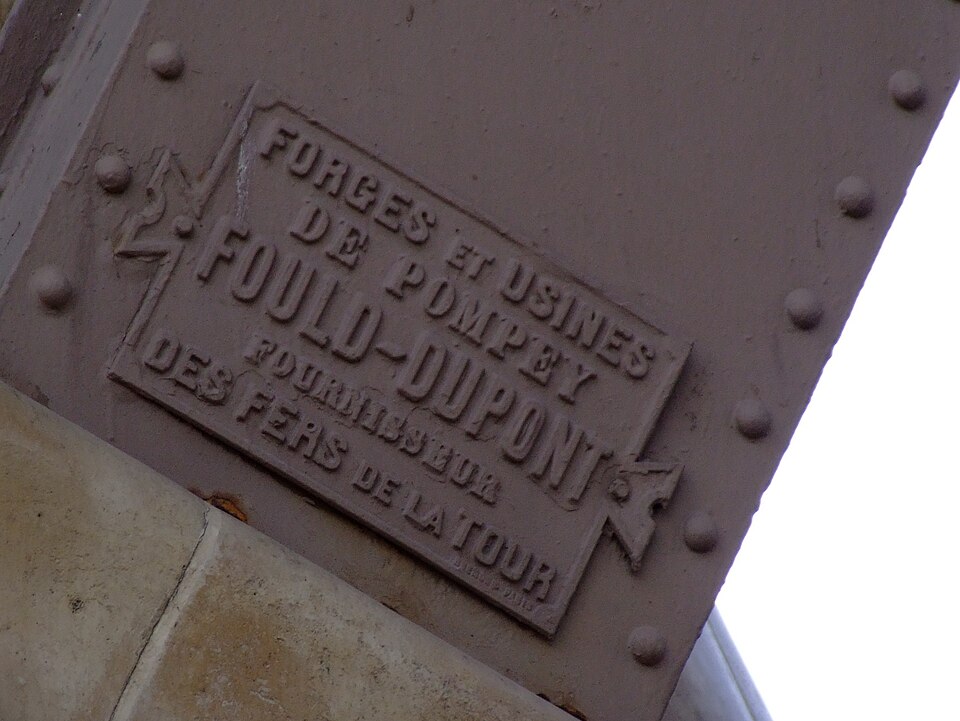 The 1889 World's Fair & Puddled IronPuddled Iron Plaque
Take a moment to notice this unassuming plaque on the structure. It identifies the 'Forges et Usines de Pompey' as the supplier of the tower's primary material: puddled iron. At the time of construction, puddled iron was a revolutionary choice. Unlike traditional cast iron, which can be brittle, puddled iron is created through a refining process that removes impurities, resulting in a material that is significantly more flexible and durable. This flexibility was the secret to the tower's success. It allowed engineers to design 18,038 separate iron parts that could be assembled with 'Meccano-like' precision. Each part was specifically designed for its location and arrived on-site ready to be riveted into place. Because the iron is so resilient, the structure can actually expand and contract with the temperature, growing up to 15 centimeters taller in the heat of a summer day. This plaque is a tribute to the industrial craftsmanship of the 19th century, honoring the workers in the Lorraine region who forged the bones of Paris’s most famous landmark.
Listen in the appPhoto: Alfvanbeem · CC0
05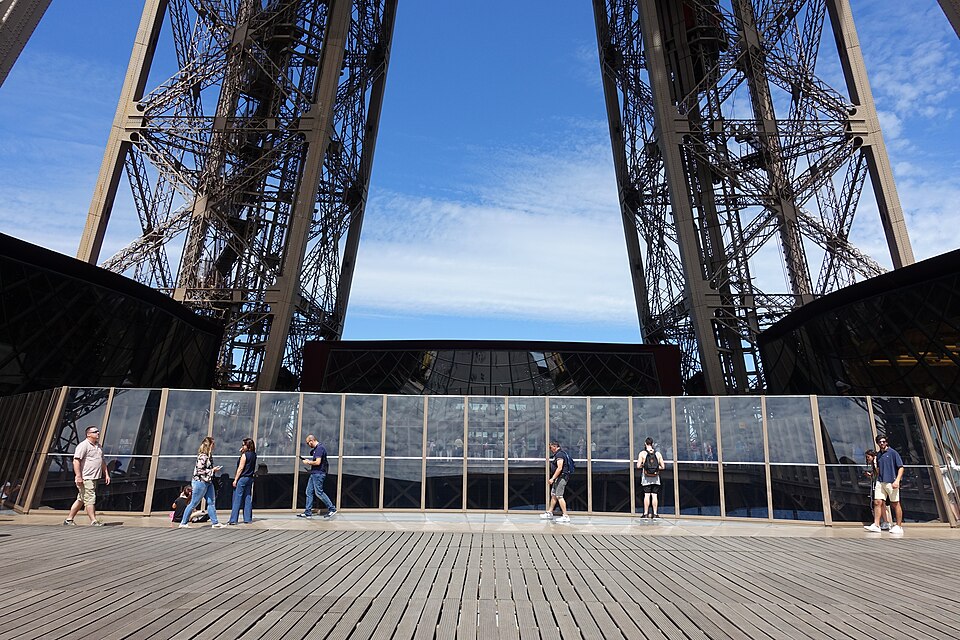 The First Floor: Science and VertigoThe First Floor Glass Experience
On the first floor, a modern renovation has introduced a feature that offers a completely different perspective on the tower’s height. As you walk across the transparent glass panels, you are suspended 57 meters above the esplanade. Looking straight down, the people in the queues below look like tiny dots, and the symmetrical patterns of the base become clear. It is a dizzying, 'vertigo' experience that gives you a visceral sense of the void beneath your feet. While the higher levels of the tower offer wide, sweeping panoramic views of the entire city, this level is unique because it connects you directly to the activity on the ground. You can see the intricate lattice work surrounding you while simultaneously feeling the thrill of being suspended in mid-air. This floor was designed to be a transparent and open space, allowing light to flood through the center of the tower. It serves as a reminder that the tower is not just a solid object, but a complex, airy structure that interacts with the space it occupies.
Listen in the appFernando Losada RodrГguez · CC BY-SA 4.0
06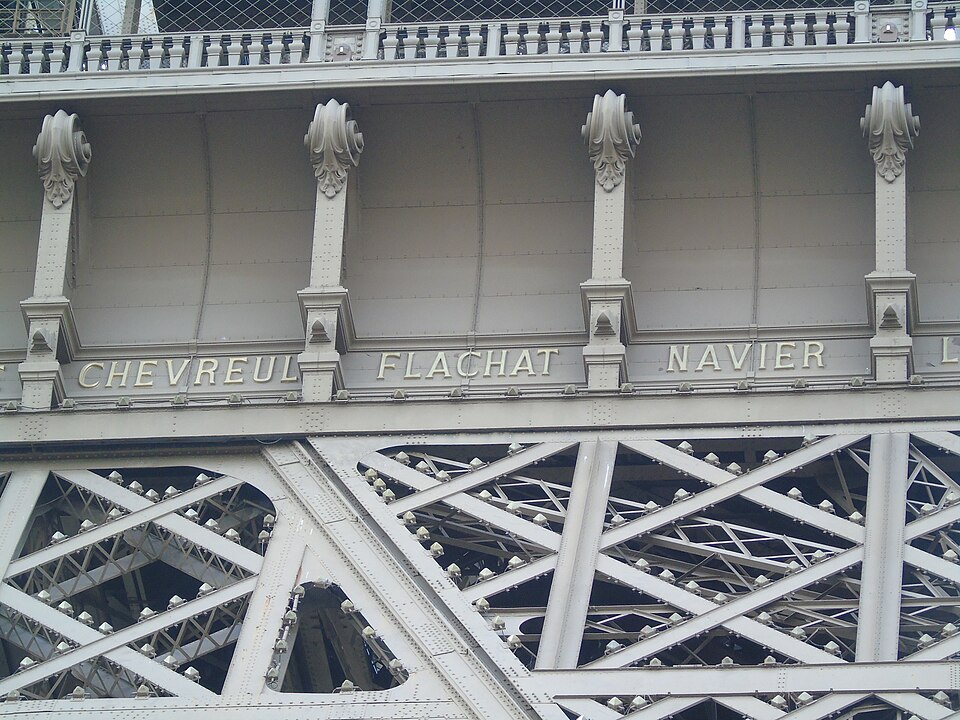 The First Floor: Science and VertigoThe 72 Names Frieze
Just below the first-floor gallery, you may notice a series of names engraved in large, gold letters. This is the '72 Names Frieze,' featuring the names of prominent French scientists, engineers, and mathematicians from the 18th and 19th centuries. Gustave Eiffel chose to engrave these names as a strategic move to defend his creation. At the time, the tower faced intense backlash from the Parisian elite, including famous writers like Guy de Maupassant and Alexandre Dumas fils, who signed a manifesto calling it a 'useless eyesore.' By turning the tower into a monument to science and progress, Eiffel made it harder for critics to demand its destruction. The names include famous figures like Foucault, Ampère, and Lavoisier. The frieze was originally painted over in the early 20th century but was restored to its former golden glory during renovations in the late 1980s. It stands as a reminder that the tower was conceived not just as a work of art, but as a functional laboratory for scientific research, from meteorology to aerodynamics, which eventually secured its long-term survival.
Listen in the appFernando Losada RodrГguez · CC BY-SA 4.0
07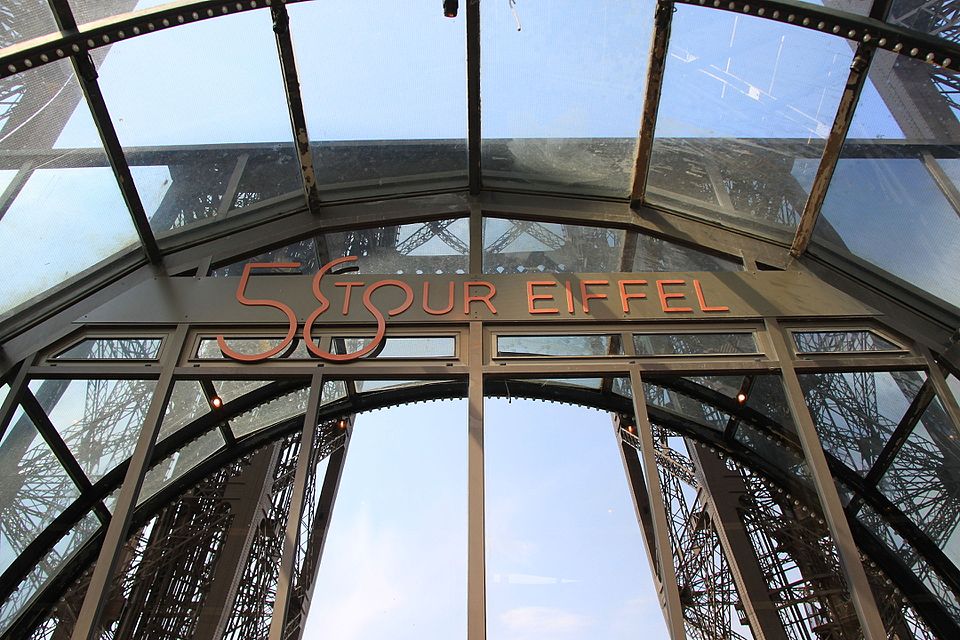 The First Floor: Science and VertigoFirst Floor Dining
The first floor of the tower is more than just an observation deck; it is a bustling social hub that has evolved significantly over the years. From the very beginning during the 1889 Fair, this level was designed to host the public in grand style, featuring four massive international restaurants and even a theater. Today, the modern dining and social spaces continue that tradition, offering visitors a place to relax and absorb the atmosphere of the monument. This level demonstrates that the tower was never intended to be a cold, industrial object to be viewed only from a distance. Instead, Gustave Eiffel envisioned it as a living space within the city. Over the decades, these rooms have seen everything from high-society galas to scientific lectures. As you look through the large windows toward the Parisian skyline, you can imagine the countless conversations and celebrations that have taken place within these iron walls. It remains one of the most unique social environments in the world, where the engineering of the past meets the vibrant life of modern Paris.
Listen in the appCristian Bortes from Cluj-Napoca, Romania · CC BY 2.0
08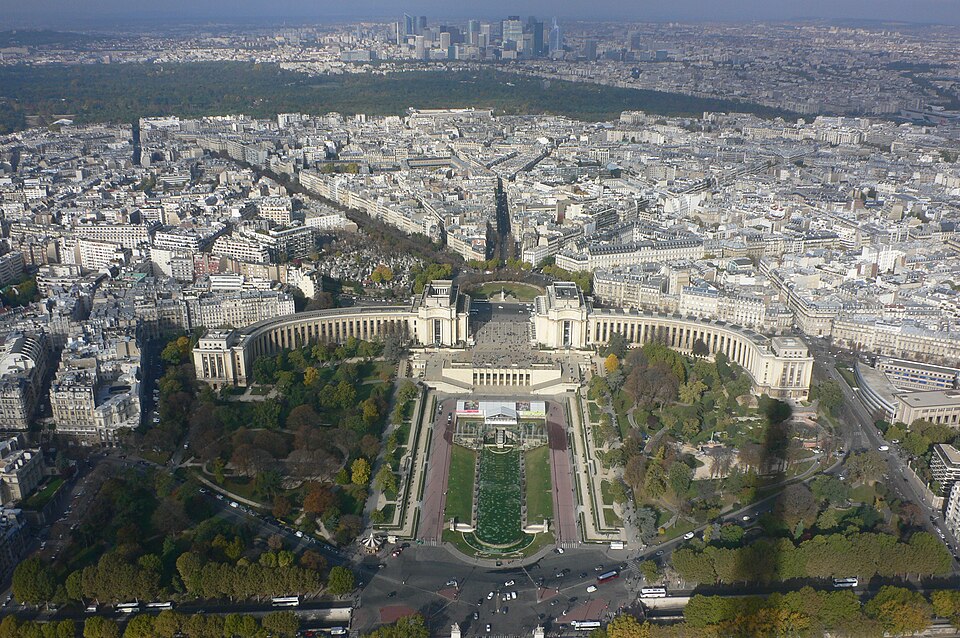 The Second Floor: The Photographer's ViewTrocadéro View
As you look across the Seine toward the Trocadéro and the Palais de Chaillot, you are experiencing what many consider the best view in Paris. While the summit is higher, the second floor is at the ideal height for recognizing the city's landmarks. From here, you can see the radiating avenues that define the city's layout, a result of the 19th-century renovations by Baron Haussmann. Directly across the river, the Trocadéro gardens lead the eye toward the arched Palais de Chaillot. Looking further into the distance, you can spot the unmistakable silhouette of the Arc de Triomphe and the modern skyscrapers of La Défense district. The height of this level allows you to appreciate the architectural details of individual buildings while still seeing the grand scale of the metropolis. It provides a sense of orientation that is often lost at the very top, where the city can start to look like a distant miniature. This perspective highlights the harmony between the 19th-century iron of the tower and the classical stone of the surrounding city.
Listen in the appHeather Cowper from Bristol, UK · CC BY 2.0
09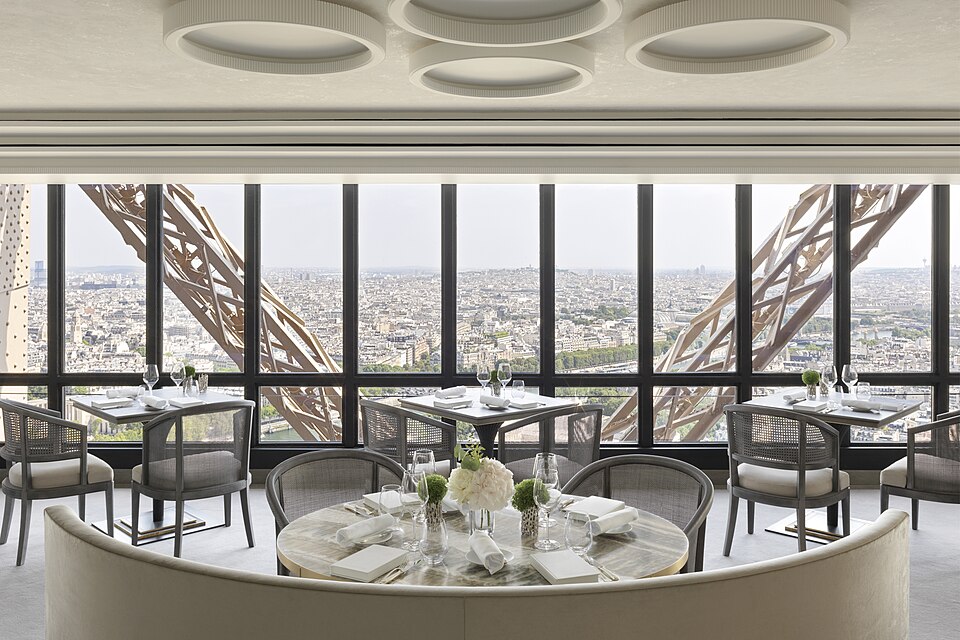 The Second Floor: The Photographer's ViewLe Jules Verne
The second floor is home to Le Jules Verne, one of the most exclusive dining experiences in the world. What makes this space truly remarkable is how the interior architecture integrates with the tower itself. The iron lattice work of the structure is not hidden; instead, it frames the views of the city, creating an intimate connection between the diners and the 'Iron Lady.' Large glass windows allow natural light to filter through the iron beams, casting intricate shadows across the dining room. This creates an environment where you feel as though you are part of the machine, suspended high above the streets of Paris. The restaurant's name pays homage to the famous French author, and its design reflects a sense of adventure and elegance. It is a place where the industrial history of the monument meets the sophistication of French gastronomy. For many, dining here is not just about the food, but about the unique sensation of being inside a piece of history while looking out over the 'City of Light.'
Listen in the appStephan Juillard · CC BY-SA 4.0
10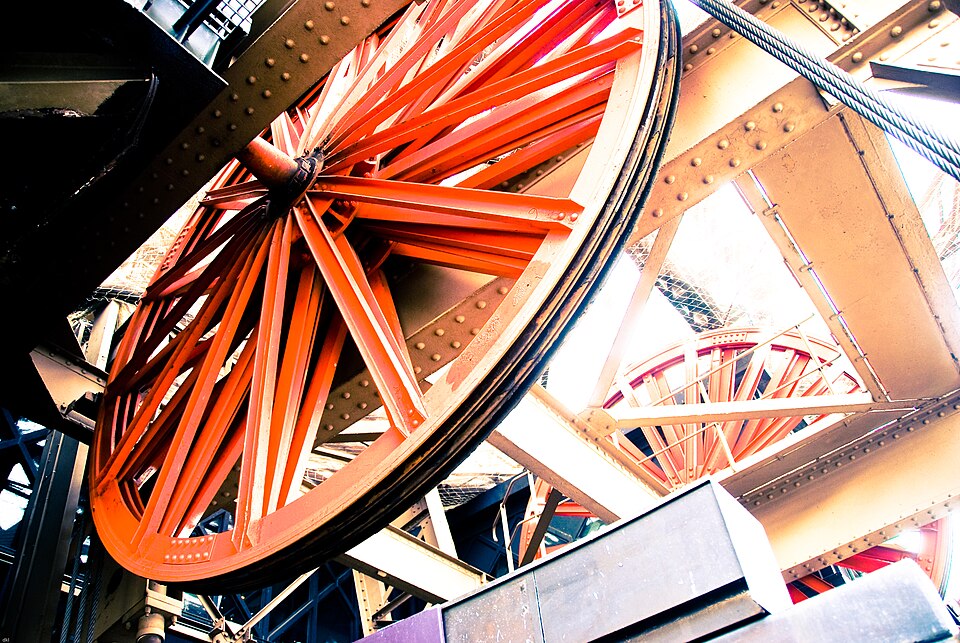 The Ascent: 19th-Century EngineeringThe Hydraulic Wheels
Beneath the public areas, the tower houses incredible feats of hidden engineering, like these massive reddish-orange wheels. These are part of the complex elevator system required to navigate the tower's unique geometry. Unlike standard elevators that move straight up and down, these lifts must follow the dramatic curve of the tower's legs. This presented a significant challenge for 19th-century engineers. The solution was a sophisticated hydraulic system. While the elevators have been modernized over the years, some of the machinery still utilizes the same principles established during the original construction. These wheels guide the cables that pull the cars up the incline. The vibrant color makes the machinery easy to identify within the industrial interior. Maintaining this system requires specialized knowledge, as it combines historic mechanical engineering with modern safety standards. It is a testament to the longevity of Eiffel's design that such a complex movement, once considered nearly impossible, still carries thousands of people safely to the heights every single day.
Listen in the appgadgetdude · CC BY 2.0
Eiffel Tower
Frequently asked questions
How much does the guide cost?
Free app download. Listed guide price: $1.99. Guide price shown in the app. Audio guide only. Venue admission is separate.
Can I listen without internet?
Yes. Download the guide’s audio, images, and maps in the app before your visit. Your downloaded content is then available offline.
Can I listen in my language?
Stanza supports 15 languages. Check the app for the languages available for this guide.
Do I need to follow a schedule?
No. This is a self-guided experience. Choose your stops, pause whenever you like, and return to a story at your own pace.
At your own pace
Explore Eiffel Tower.
Download Stanza, then search for “Eiffel Tower”.
Free app download · Guide price shown in the app
Keep exploring
Nearby audio guides
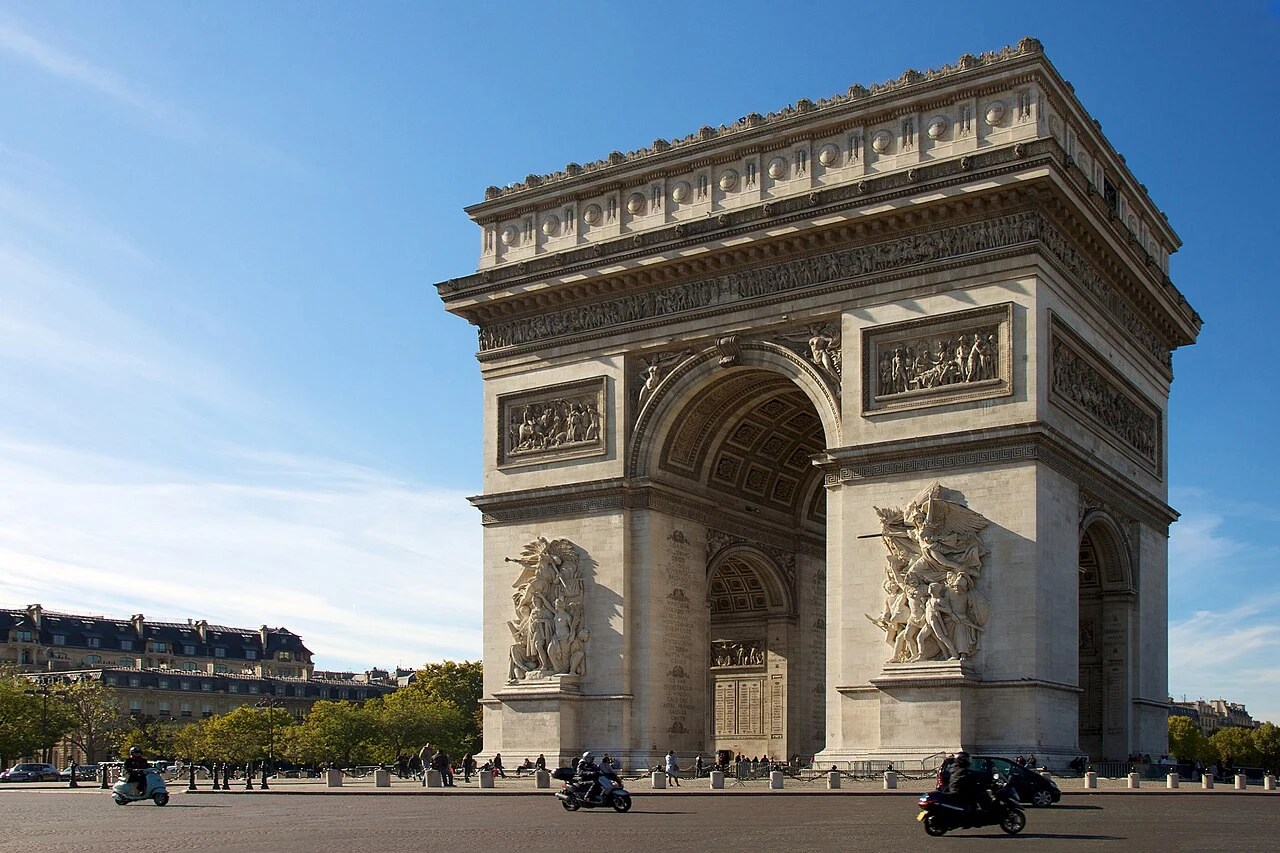
Paris
Arc de Triomphe
Content & sources
Jiuguang Wang · CC BY-SA 2.0
Paris
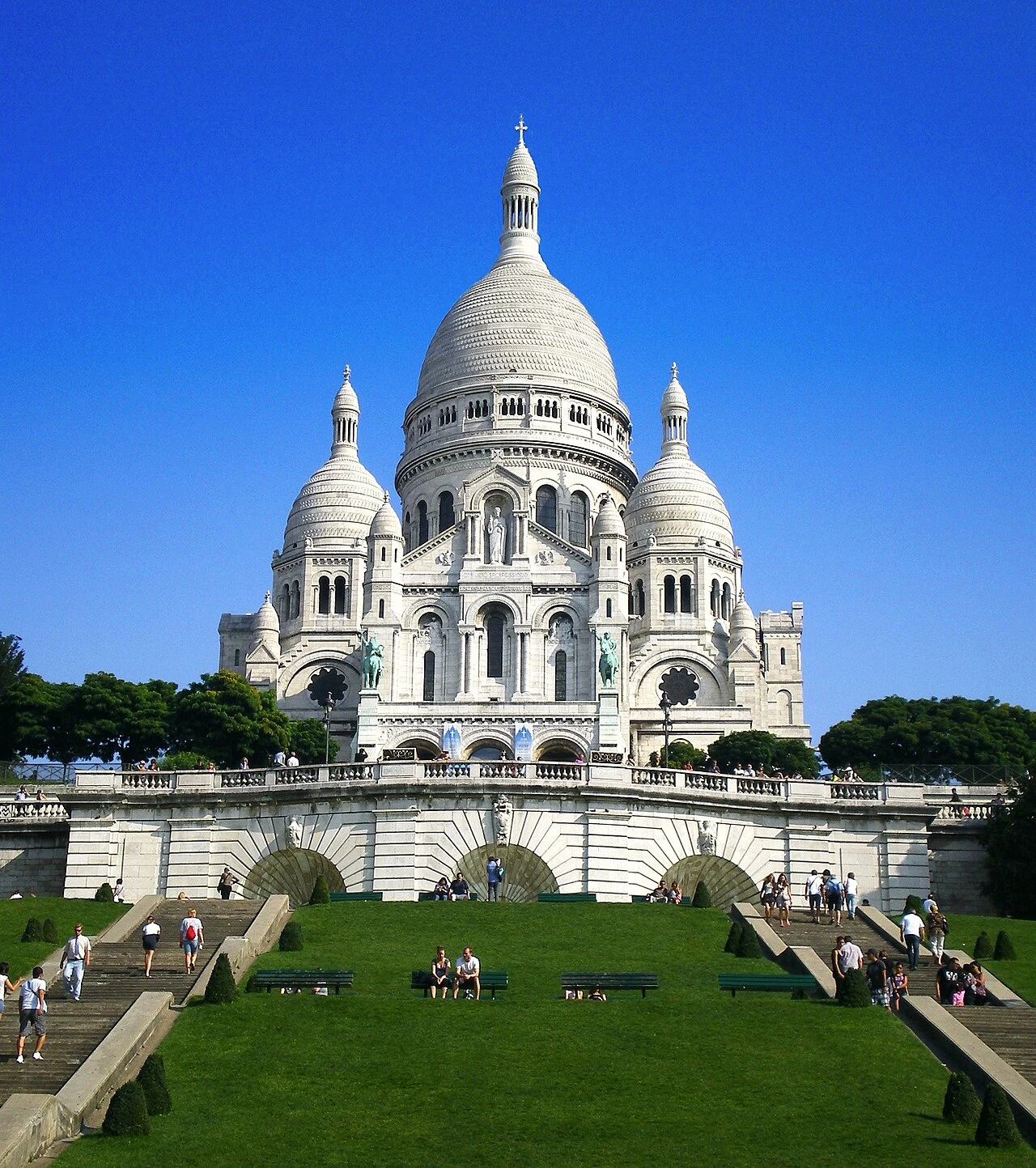
Sacré-Cœur Basilica
Content & sources
Tonchino · CC BY-SA 3.0
Paris
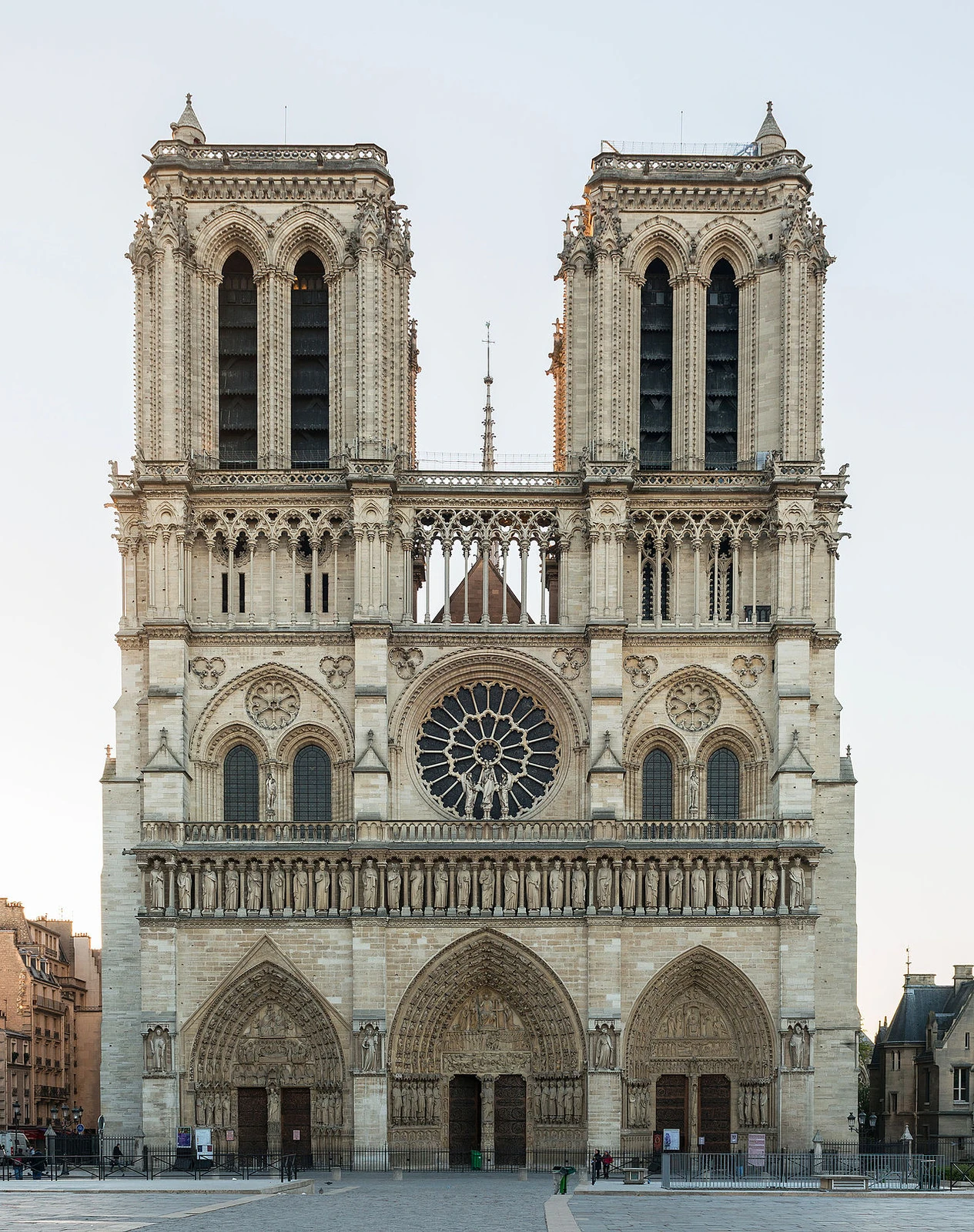
Notre-Dame de Paris
Content & sources
DXR · CC BY-SA 3.0
Paris
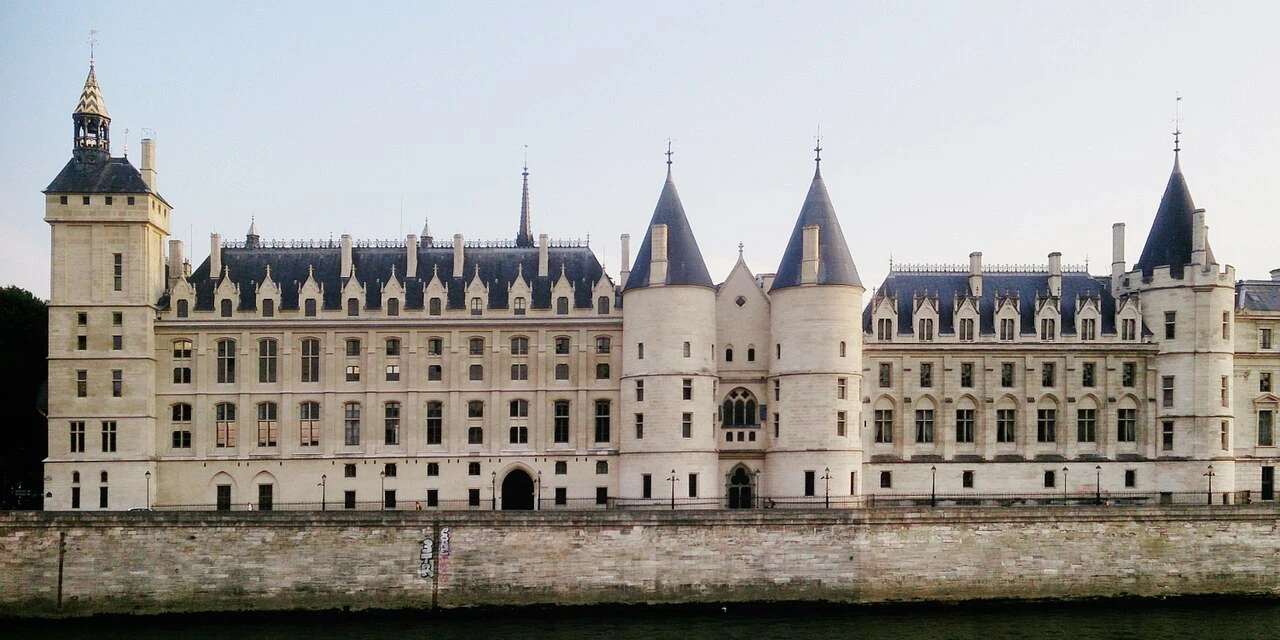
Conciergerie
Content & sources
Photo: Xandru · CC BY-SA 4.0