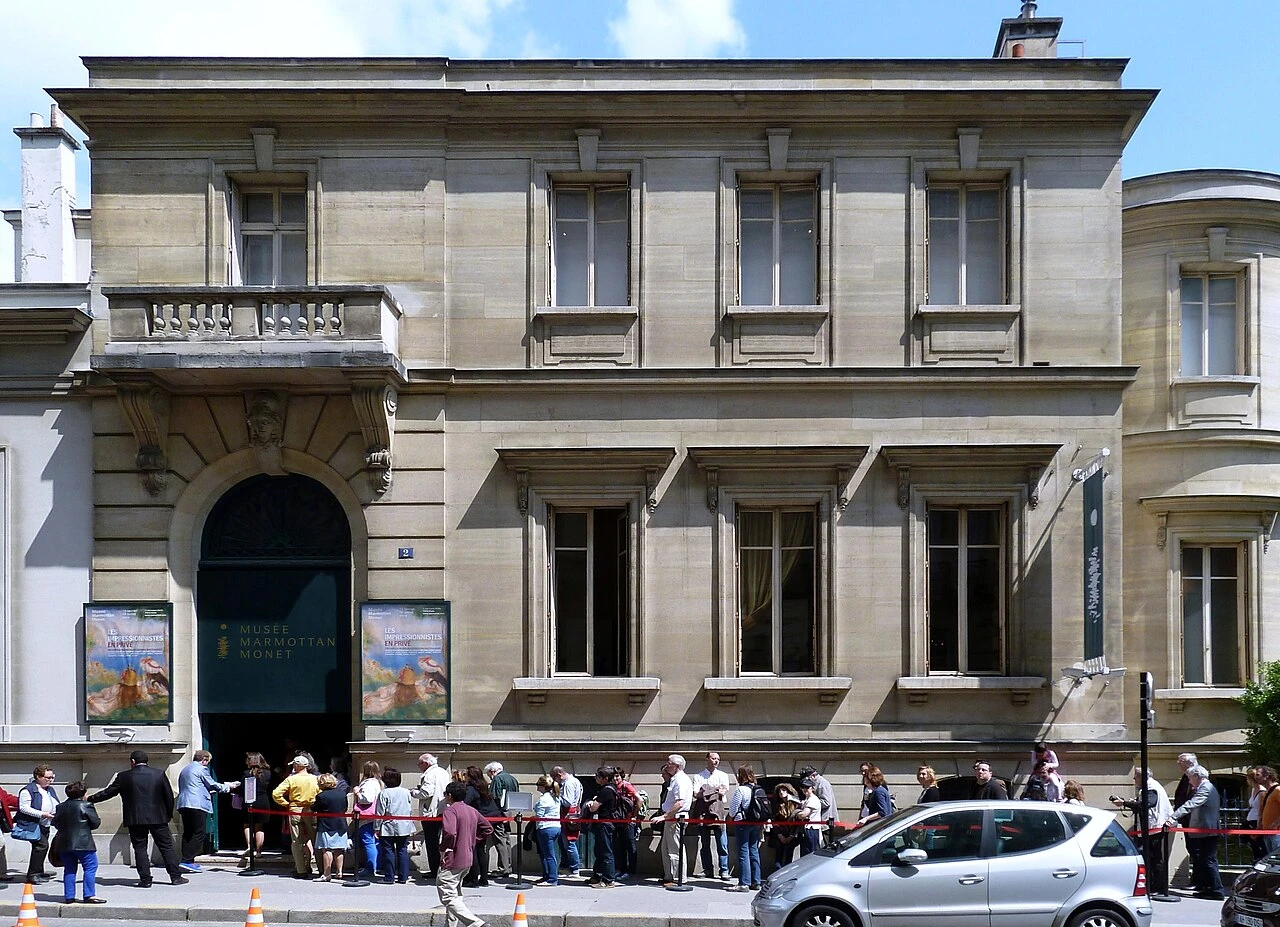
Stanza · Audio guide
Musée Marmottan Monet Audio Guide
A place to remember. A story to take with you.
The Musée Marmottan Monet is an art museum in Paris, France, primarily known for its extensive collection of Impressionist and Post-Impressionist works by Claude Monet, Berthe Morisot, Edgar Degas, and…
Download Stanza, then search for “Musée Marmottan Monet”.
About the tour
One guide. Your kind of visit.
The Musée Marmottan Monet is an art museum in Paris, France, primarily known for its extensive collection of Impressionist and Post-Impressionist works by Claude Monet, Berthe Morisot, Edgar Degas, and others. It houses Monet's 'Impression, Sunrise', which gave the Impressionist movement its name.
The Musée Marmottan Monet guide tells the stories of 25 artworks, including Impression, Sunrise (Claude Monet), Eugène Manet on Isle of Wight (Berthe Morisot), Train in the Snow (Claude Monet), Pont de l'Europe, gare Saint-Lazare (Claude Monet), The Studio of Abel de Pujol (Adrienne Marie Louise Grandpierre-Deverzy), Diogenes (Jules Bastien-Lepage), Eugène Manet and His Daughter in the Garden at Bougival (Berthe Morisot), and Self-Portrait (Berthe Morisot). 1 of the most famous are longer stories that move across the picture detail by detail, set to music. Every artwork is free to hear in the Stanza app until 1 January.
Ready when you are.
- 01Get the free Stanza app.
iOS & Android
- 02Find your guide.
“Musée Marmottan Monet”
- 03Download before you go.
Works offline
Audio guide / 25 artworks
Inside the guide
Get to know a few of the stories before you go. Open a stop to read more.
01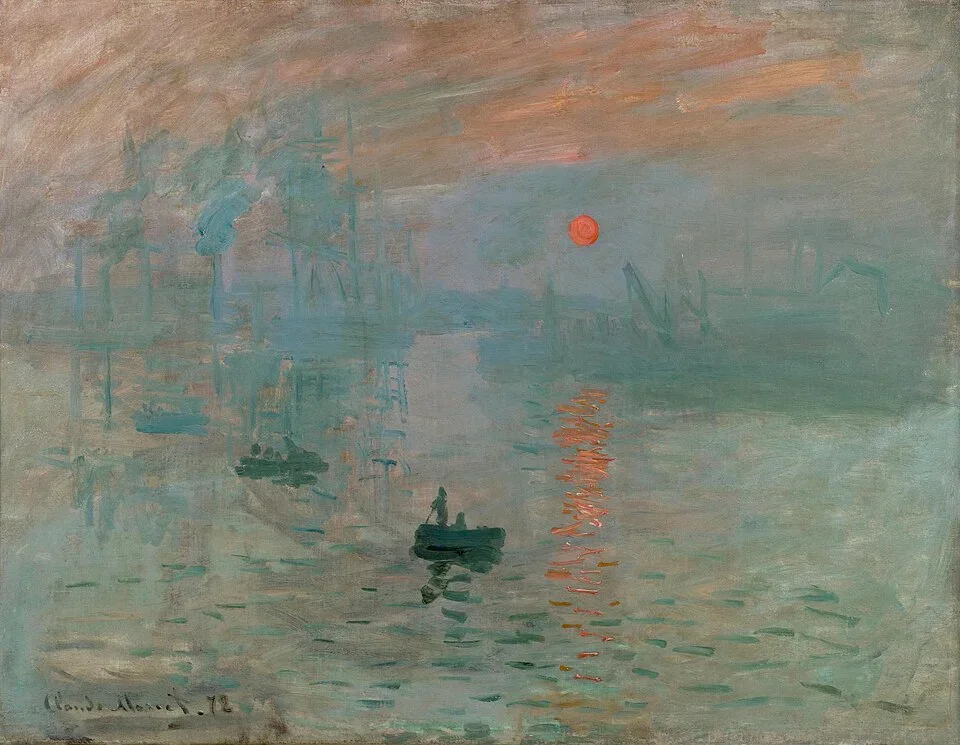
Impression, Sunrise
You could fall asleep inside this picture. Grey and green water. A pink sky. Hardly a hard edge. It feels like the quietest morning in the world. Impression, Sunrise, by Claude Monet. And the quiet is a trick. Start with the sun. A small red disc, hanging in the haze. Here is the strange part. Measured with a light meter, it is the same brightness as the sky around it. Only its colour makes it burn. Take the colour away, and the sun almost disappears. Below it, short orange strokes tremble down the water, broken like light on a moving sea. Now a small dark boat. One figure stands and rows, another sits close by. They are among the darkest shapes in the picture. Two people, perhaps fishermen, out on the water before the day has properly begun. Now go left, into the haze. Those thin shapes are not trees. They are masts and smokestacks. Steamships, breathing smoke into the dawn. Monet even left out the houses that stood on that side of the jetty, so nothing would hide them. On the right, cranes and masts, drawn in a few strokes of blue green. Not a sleepy village at all, but Le Havre, his hometown, a thriving port. France had just lost a war, and here was a harbour busy with industry. It was a real morning, too. It seems to be the thirteenth of November, 1872, around twenty five to eight. When the catalogue needed a title, he said it could hardly pass for a view of Le Havre. So, Impression. A critic used that word to mock the painters. They took it for themselves. Now look again at that sleepy morning. The port is already awake, and the mist is hiding it.
Listen in the appClaude Monet · Public domain
02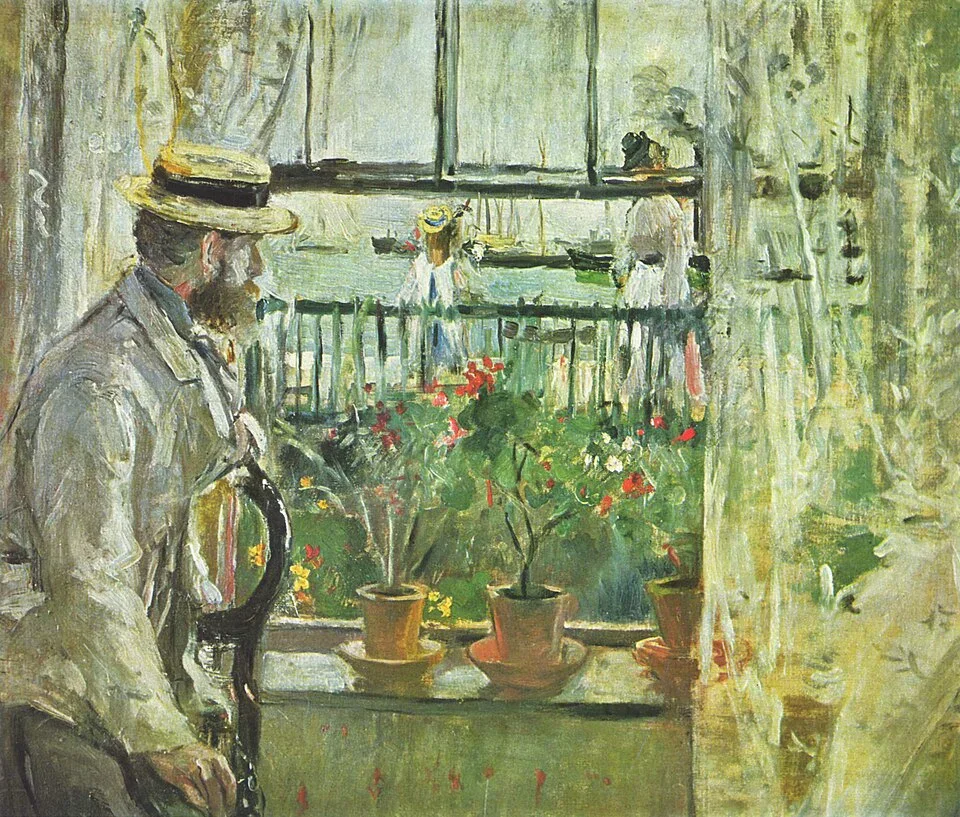
Eugène Manet on Isle of Wight
A man sits at a hotel window, watching two women in white walk past. It looks like a quiet holiday scene. It is one. But consider where the painter stands. Berthe Morisot painted this on her honeymoon, in 1875, in Cowes on the Isle of Wight. The man is Eugène Manet, whom she had just married. And she painted him from inside their hotel room, behind a thin curtain. As a woman, she was far less free to set up her easel in the streets and the port below. So the whole island reaches her through this one window. Eugène is free to come and go. She stays in, and paints the one man she may paint, in the one place she may work. Beyond him, boats rest in the harbor, part of that outside world she sees only from here.
Listen in the appBerthe Morisot · Public domain
03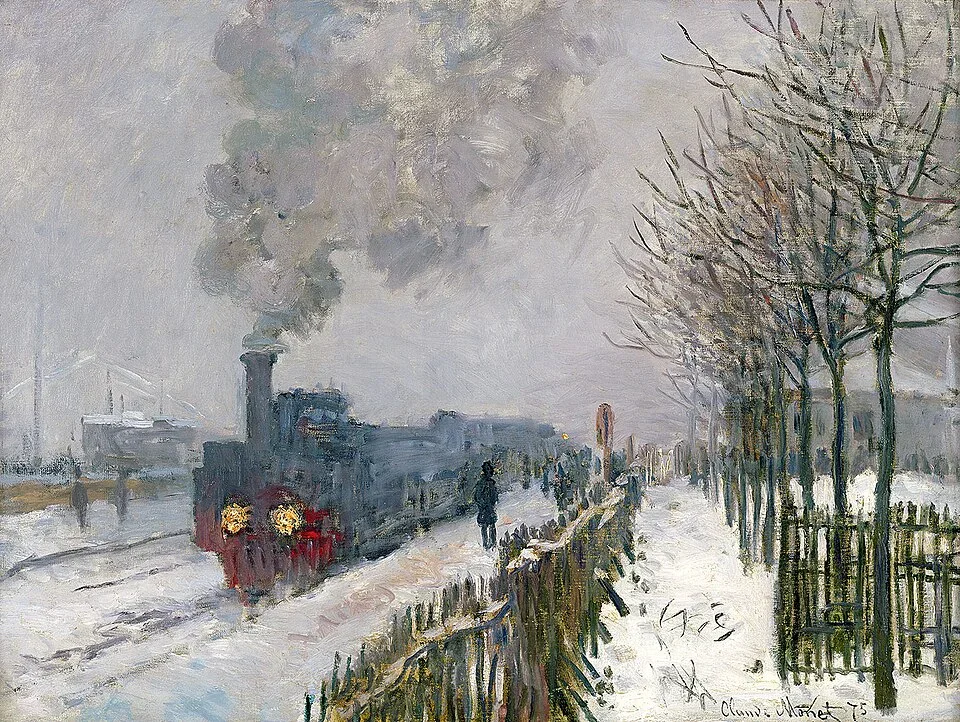
Train in the Snow
A train sits still at a station, and yet the whole picture seems to move. The tracks, the fence and the row of trees all run toward one point, and the dark engine follows them. Its smoke pours out and melts into a sky as grey as the snow on the ground, with a hint of purple in it. At the front of the engine, a red light burns against all that white. On the platform, travelers wait to board, and a signal man stands by the stop sign, ready for departure. Monet painted this at Argenteuil, the station where he caught his own train into Paris. Through the winter of 1874 to 1875 he stood on that platform, watching the trains come through the snow, and painted them as they arrived.
Listen in the appClaude Monet · Public domain
04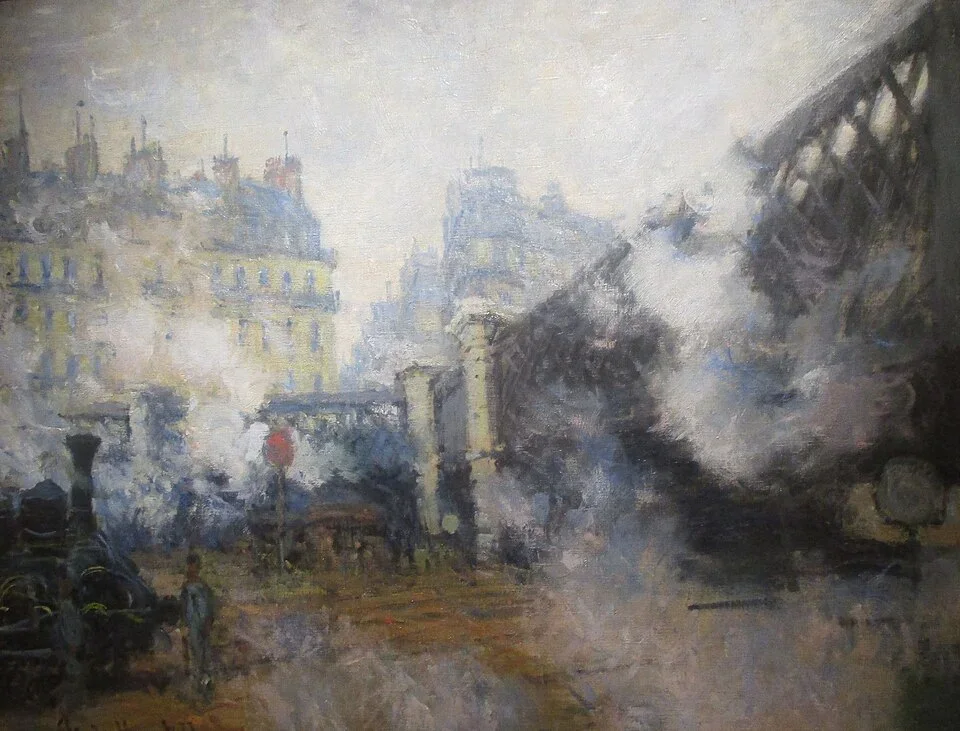
Pont de l'Europe, gare Saint-Lazare
The steam is the main character here. It drifts up between the tall houses and wraps around the bridge of stone and iron that crosses the tracks below. A locomotive is arriving, running under the bridge from left to right, and its cloud meets the daylight and dissolves. In 1877 Monet rented a flat near this station, because he wanted to paint the sun playing on the steam. But the clouds from departing trains were so thick that nothing could be seen. So he fixed it. He put on his best clothes, straightened his cuffs, and walked into the station swinging a cane with a gold handle. He asked for the director of the western railway, and announced himself as the painter Claude Monet. Trains were held back. Platforms were closed. Engines were loaded with extra coal, so they puffed out exactly the steam he wanted. The scene looks caught in a moment, but it was staged, and painted afterward in his studio. Even the steam obeyed him.
Listen in the appClaude Monet · Public domain
05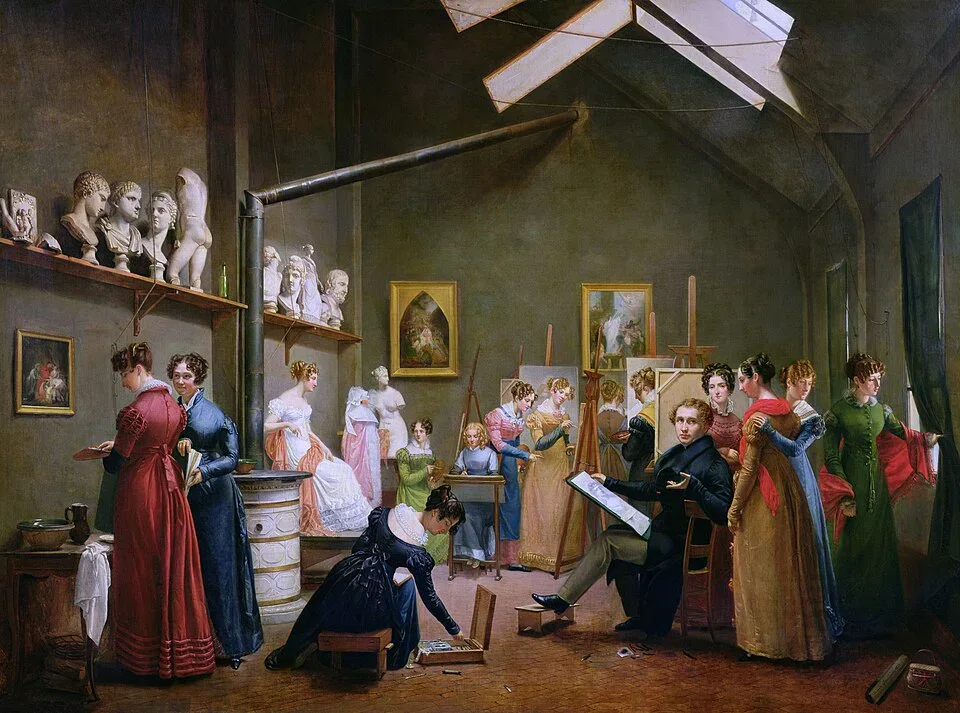
The Studio of Abel de Pujol
One of the women holds out her sketch, and the master, Abel de Pujol, is judging it. She and the others here are his students, taught in a class kept separate from the men. Notice the model posing for them, fully dressed. The men studied the nude body, so women could not, and that kept them out of history painting, the kind that mattered most. Even the sculptures obey the rule. On a shelf a male torso has been turned around, decorously, and the torso of Aphrodite beside the model has that area covered. Over by the window, two women gaze outside. One has an arm around the other, but her thoughts seem to be somewhere else, away from this room. The painter, Adrienne Grandpierre-Deverzy, taught in this studio herself, and after Pujol died in 1861 she took it over. She showed this picture at the Paris Salon in 1822, and a great collector bought it. Then it was forgotten for years, until 1976, when it came back as the cover of an exhibition on women artists.
Listen in the appAdrienne Marie Louise Grandpierre-Deverzy · Public domain
06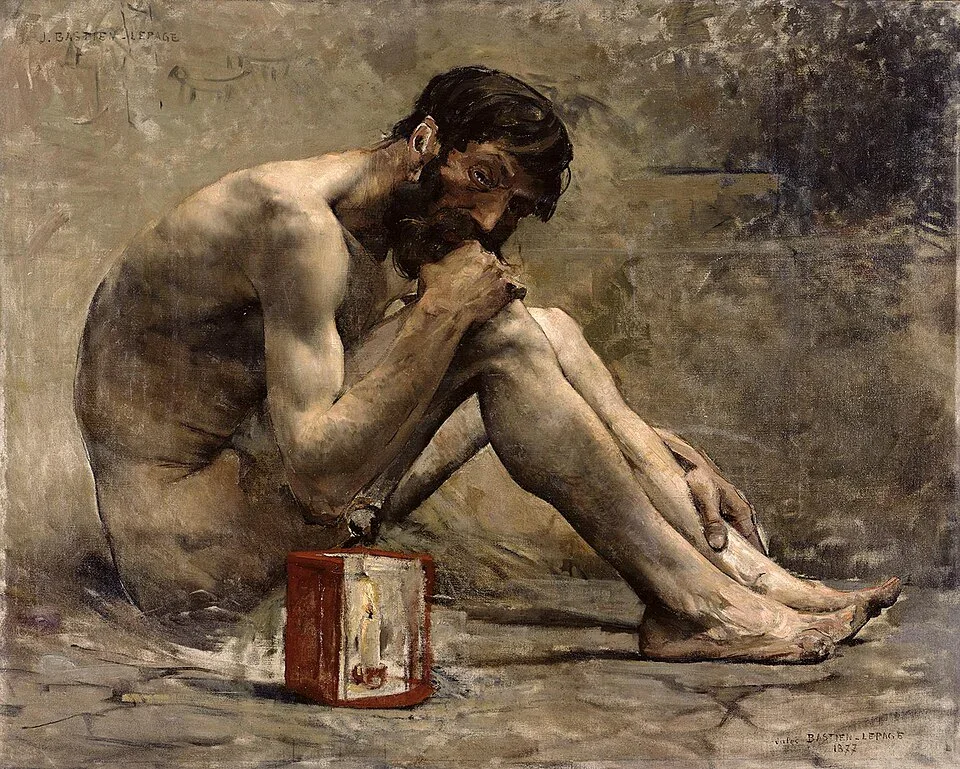
Diogenes
A naked man sits huddled against a wall, knees drawn up near his beard, one hand resting on his ankle, the other on his knee. At first he could be a beggar. He is not. This is Diogenes, the philosopher of ancient Greece. In front of him, on the ground, sits a red lantern with a lit candle inside. In a picture made almost entirely of beiges and browns, that red is the only color anywhere. It had to be, because the lantern is his sign. By daylight he carried it through the city, looking for a wise man, and he never found one. Jules Bastien-Lepage painted this in 1877, and he turns the philosopher's dark gaze toward you, still searching.
Listen in the appJules Bastien-Lepage · Public domain
07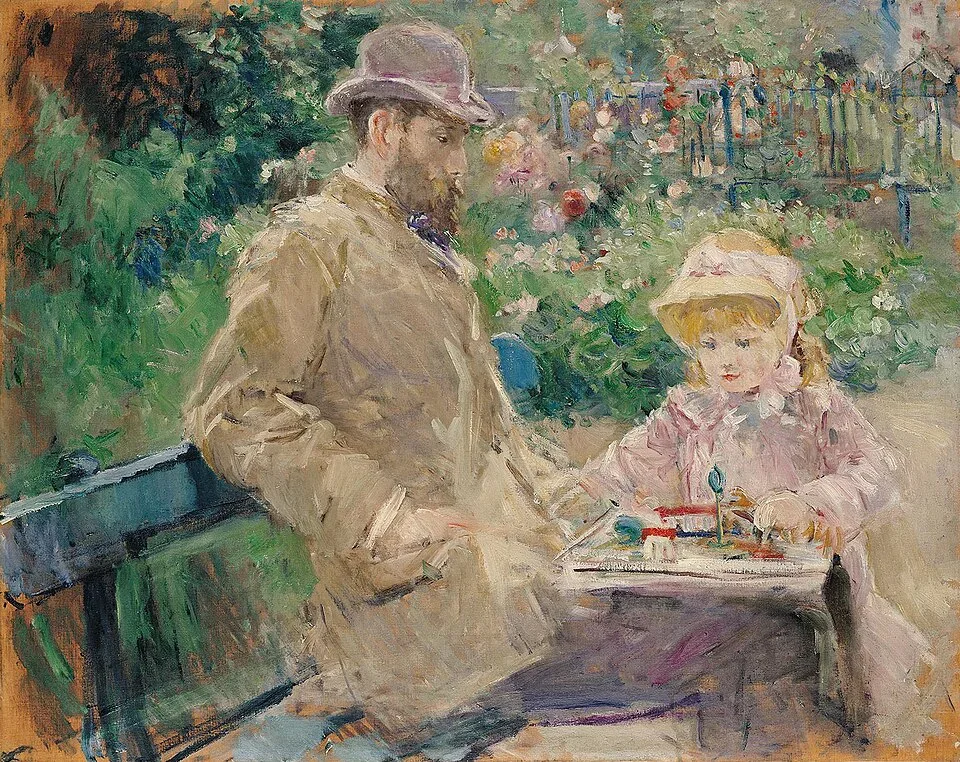
Eugène Manet and His Daughter in the Garden at Bougival
A little girl in pink plays with a set of building blocks, and she has set them up on her father's lap. He sits on a garden bench in profile, hat on, watching the toy with her. Around them a garden at Bougival is in flower. This is Berthe Morisot's own family. The man is Eugène Manet, brother of the painter Édouard. He was a painter too, but his own work never found the fame of his brother's or his wife's, so he put his energy into supporting hers instead. In 1881 she turned that quiet partnership into a picture, painting him at ease with their daughter Julie. Julie would grow up to be a painter herself.
Listen in the appBerthe Morisot · Public domain
08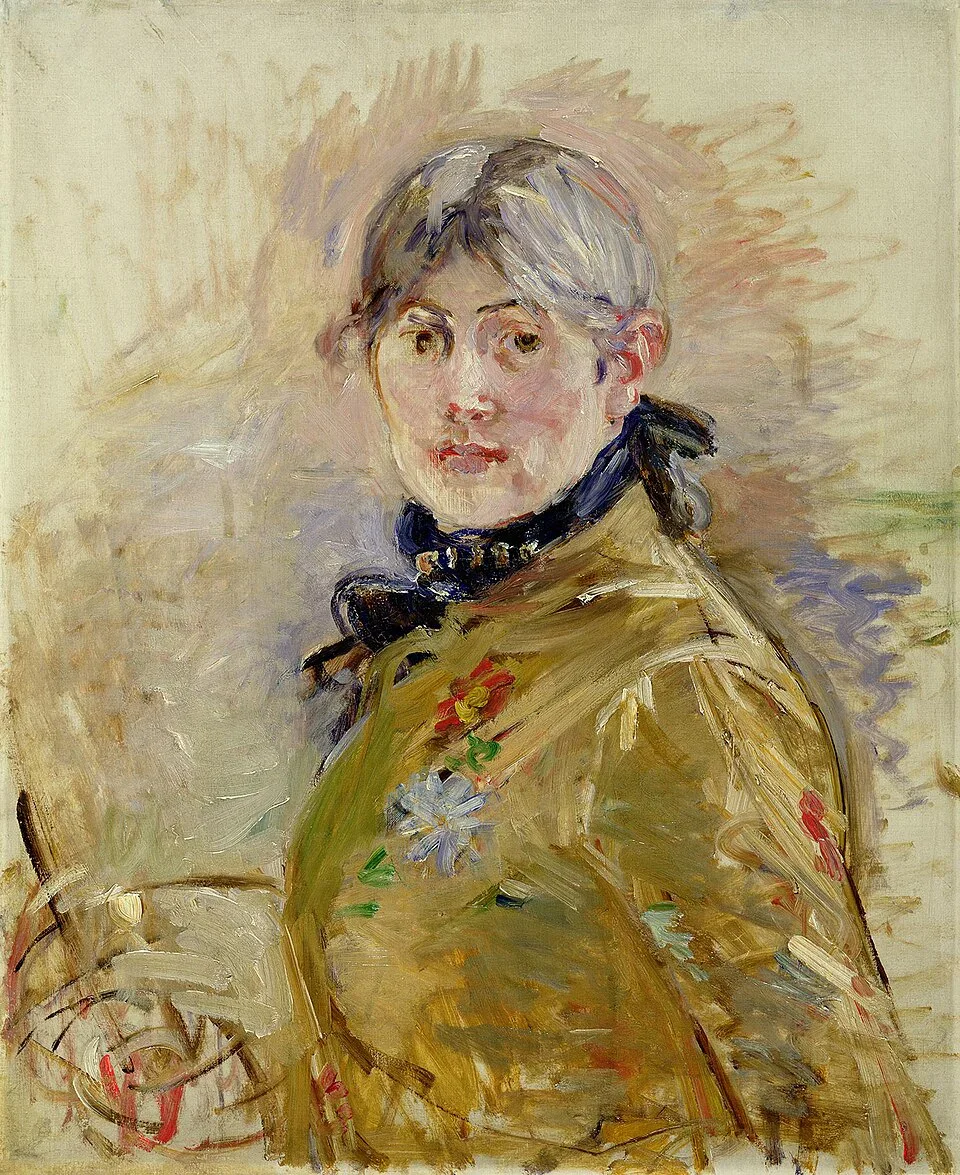
Self-Portrait
Two small flowers sit in the buttonhole of a yellow jacket. The jacket belongs to Berthe Morisot, and she is painting herself in 1885. She turns her head toward you, a black scarf at her neck, and looks straight out of the picture. In her right hand she holds a palette and a brush, her working tools. That is what this portrait is really about. Morisot had once shown her paintings at the official Paris Salon. Then in 1874 she joined the Impressionists, the painters the Salon had rejected, and she stayed with them through almost all of their exhibitions. Here she stands as one of them, a painter with her brushes, meeting your eye. Behind her the cream background darkens around her figure, with a few touches of color. She is both painter and subject.
Listen in the appBerthe Morisot · Public domain
09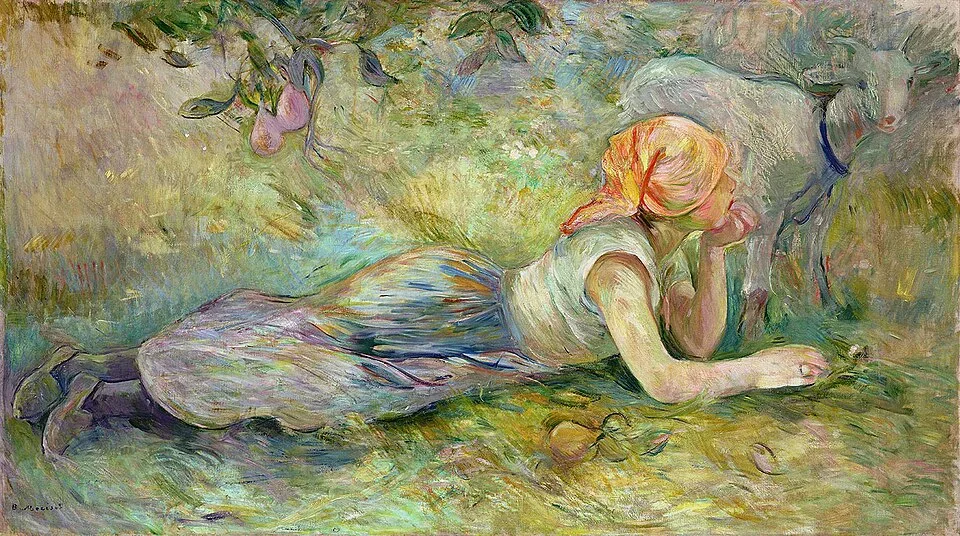
Reclining Shepherdess
A girl lies in the grass on her stomach, chin resting on her left hand, looking at something you cannot see. Under a pear tree, a few pears beside her, and next to her a small goat. A shepherdess in the grass is an old idea in painting, a kind of dream of country life. But this girl is real. She was Gabrielle Dufour, a school friend of the painter's daughter Julie. Berthe Morisot painted her in 1891 at Mézy-sur-Seine, west of Paris, in a white blouse and lilac skirt, with an orange scarf on her head. The goat stays beside her, doing its part. Gabrielle is somewhere else entirely, watching whatever caught her eye.
Listen in the appBerthe Morisot · Public domain
10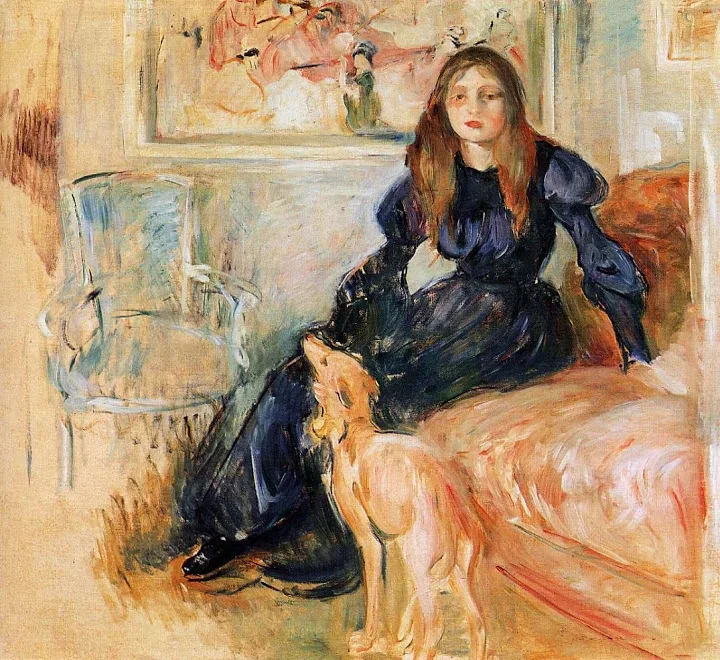
Julie Manet and her Greyhound, Laertes
A girl sits on a sofa with a greyhound beside her, and her right hand rests on the dog. Her dress is dark, and the dark is the point. She is in mourning. Her father, Eugène Manet, died in 1892, and this was painted the year after. The dog is called Laertes, and he was not bought for her. The poet Stéphane Mallarmé gave him to her, a friend's gift to a house that had lost its father. And the hand behind the brush was not a hired portraitist's. Berthe Morisot was painting her own daughter, in the year after the family's loss. Painted by her own mother.
Listen in the appBerthe Morisot · Public domain
- 11
Paule Gobillard Painting, by Berthe Morisot
Berthe Morisot · 1887
- 12
At the Ball, by Berthe Morisot
Berthe Morisot · 1875
- 13
Portrait of Julie Manet
Pierre-Auguste Renoir · 1894
- 14
Vetheuil in the Fog
Claude Monet · 1879
- 15
The Tuileries (Study)
Claude Monet · 1876
- 16
On the Beach at Trouville
Claude Monet · 1870
- 17
Monet that reads
Pierre-Auguste Renoir · 1873
- 18
Berthe Morisot
Édouard Manet · 1873
- 19
The Cherry Tree
Berthe Morisot · 1891–1893
- 20
Portrait of Mademoiselle Victorine de Bellio
Pierre-Auguste Renoir · 1892
- 21
The Piano Lesson
Gustave Caillebotte · c. 1879
- 22
White and yellow chrysanthemums. Petit Gennevilliers garden
Gustave Caillebotte · 1893
- 23
Portrait of Madame Claude Monet, by Auguste Renoir
Pierre-Auguste Renoir · c. 1873
- 24
Portrait of Claude Monet, by Carolus-Duran
Carolus-Duran · 1867
- 25
Landscape with bird catcher
Peter Paul Rubens · c. 1625–1640
Musée Marmottan Monet
Frequently asked questions
How much does the guide cost?
Free app download. Free until 1 January. Listed guide price: $1.99. Audio guide only. Venue admission is separate.
Can I listen without internet?
Yes. Download the guide’s audio, images, and maps in the app before your visit. Your downloaded content is then available offline.
Can I listen in my language?
In English for now. More languages soon.
Do I need to follow a schedule?
No. This is a self-guided experience. Choose your stops, pause whenever you like, and return to a story at your own pace.
Which artworks are in the Musée Marmottan Monet audio guide?
25 artworks, including Impression, Sunrise (Claude Monet), Eugène Manet on Isle of Wight (Berthe Morisot), Train in the Snow (Claude Monet), Pont de l'Europe, gare Saint-Lazare (Claude Monet), The Studio of Abel de Pujol (Adrienne Marie Louise Grandpierre-Deverzy), Diogenes (Jules Bastien-Lepage), Eugène Manet and His Daughter in the Garden at Bougival (Berthe Morisot), and Self-Portrait (Berthe Morisot). The full list is on this page.
Is this the museum’s official audio guide?
No. Stanza is an independent audio guide app and is not affiliated with Musée Marmottan Monet. Museum admission is separate.
At your own pace
Explore Musée Marmottan Monet.
Download Stanza, then search for “Musée Marmottan Monet”.
Free app download · Guide price shown in the app
Keep exploring
Nearby audio guides
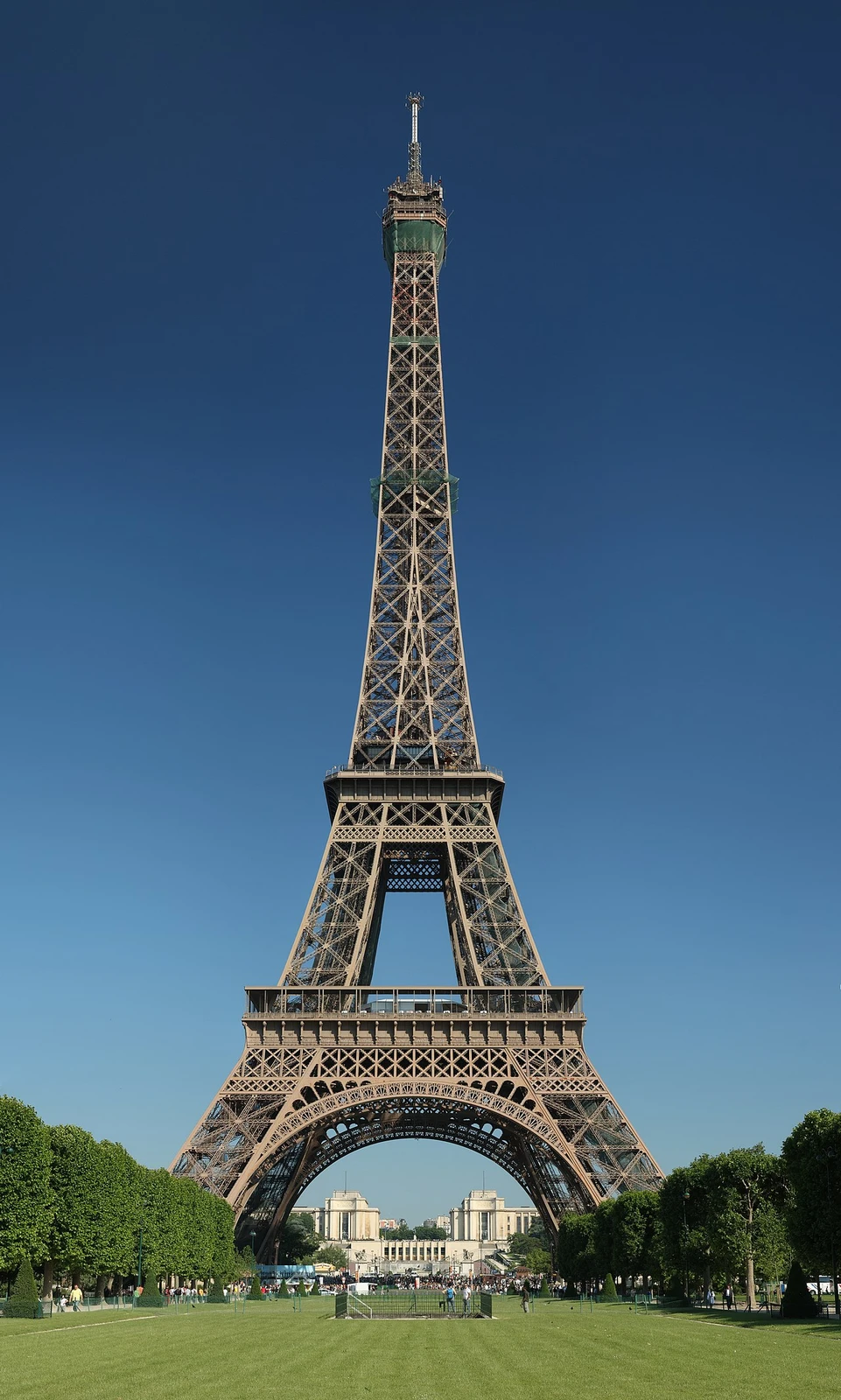
Paris · 2 km
Eiffel Tower
Content & sources
Benh LIEU SONG · Public domain
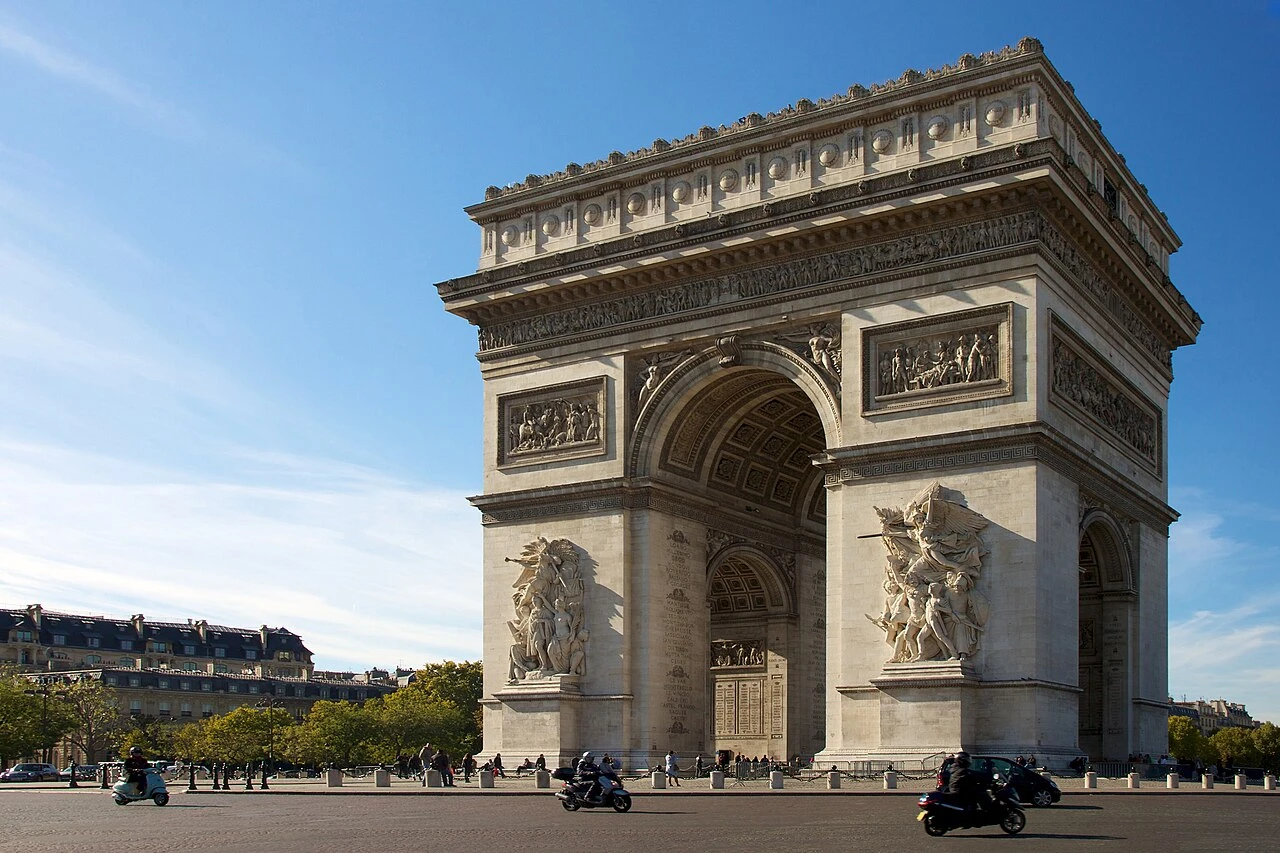
Paris · 3 km
Arc de Triomphe
Content & sources
Jiuguang Wang · CC BY-SA 2.0
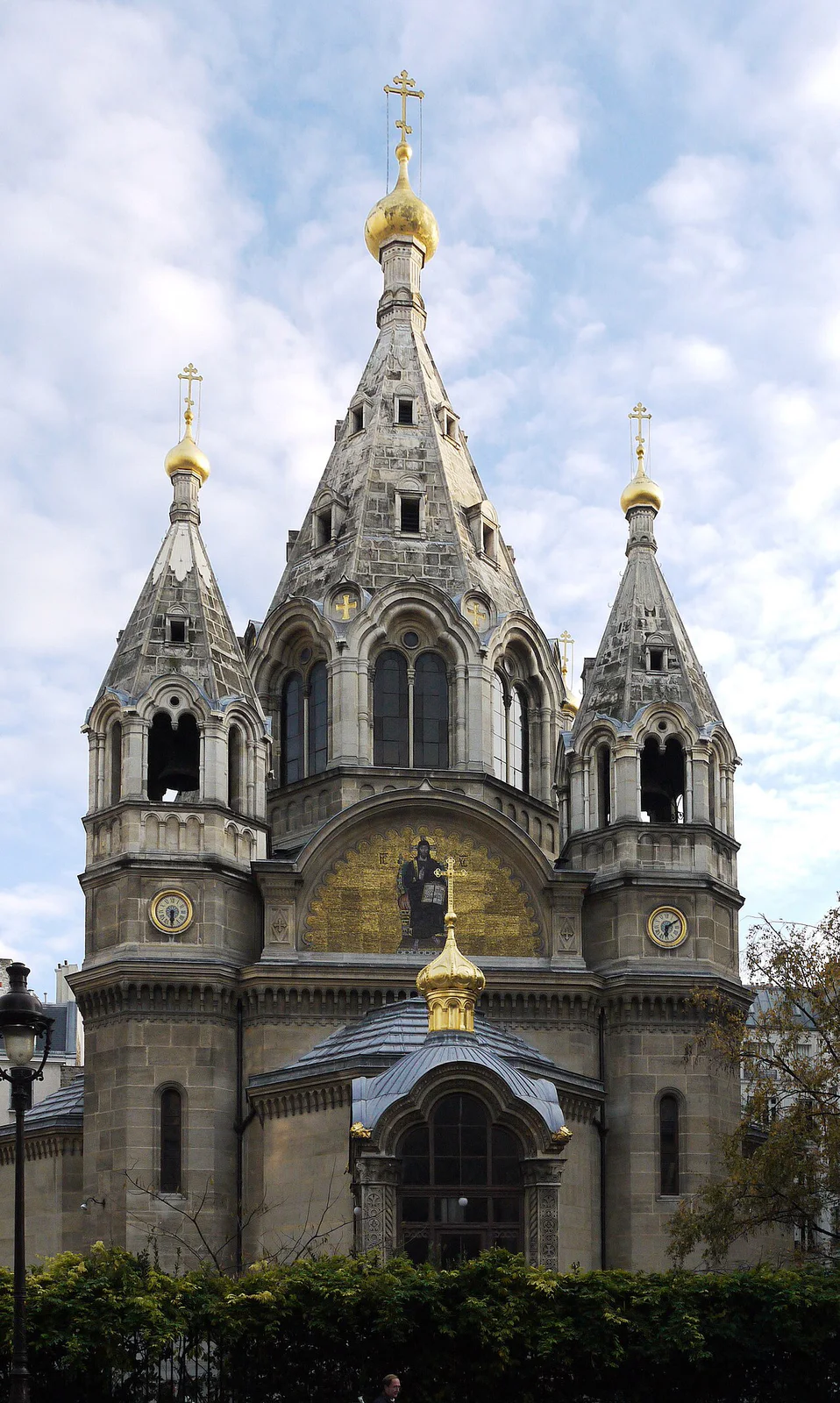
Paris · 3 km
Cathédrale Saint-Alexandre-Nevsky de Paris
Content & sources
Photo: Pline · CC BY-SA 3.0
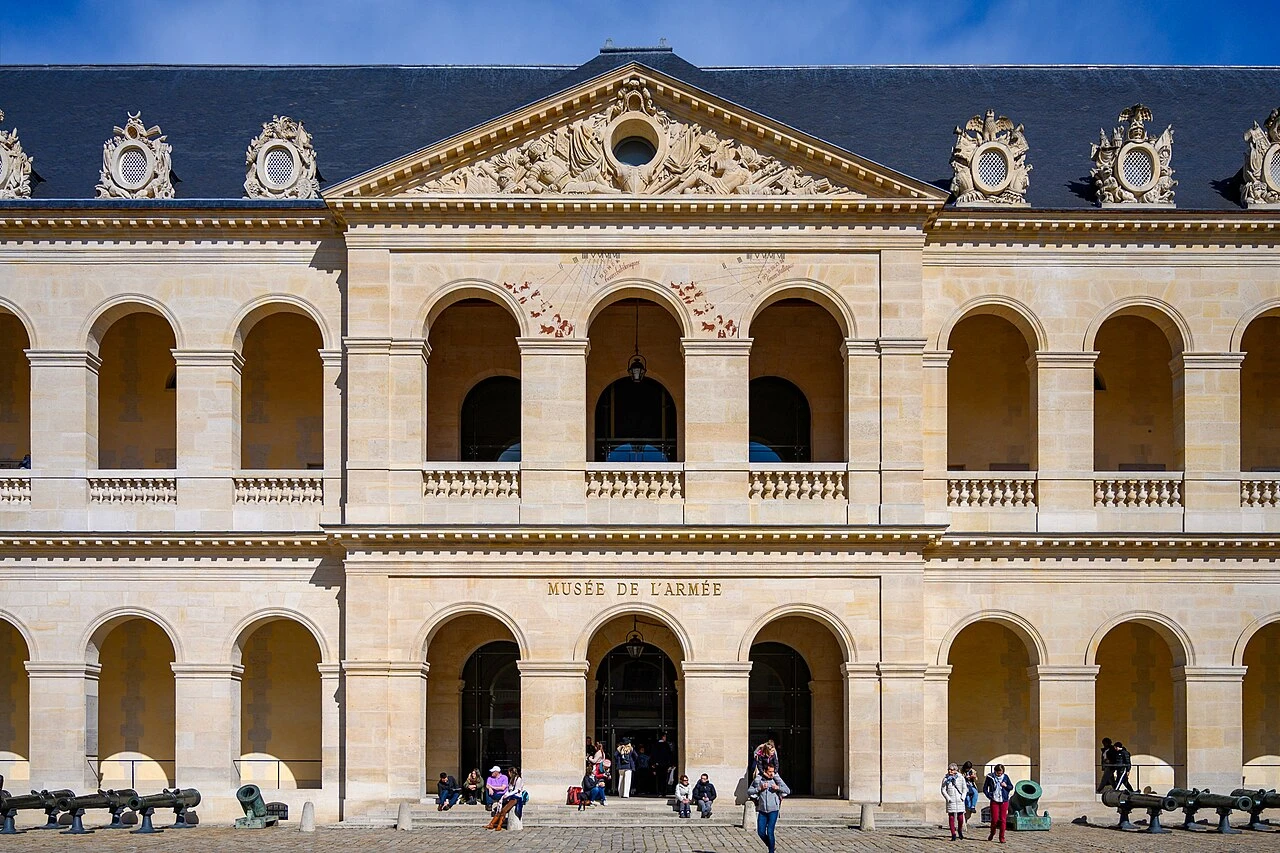
Paris · 3 km
Musée de l'Armée
Content & sources
xiquinhosilva from Cacau · CC BY 2.0
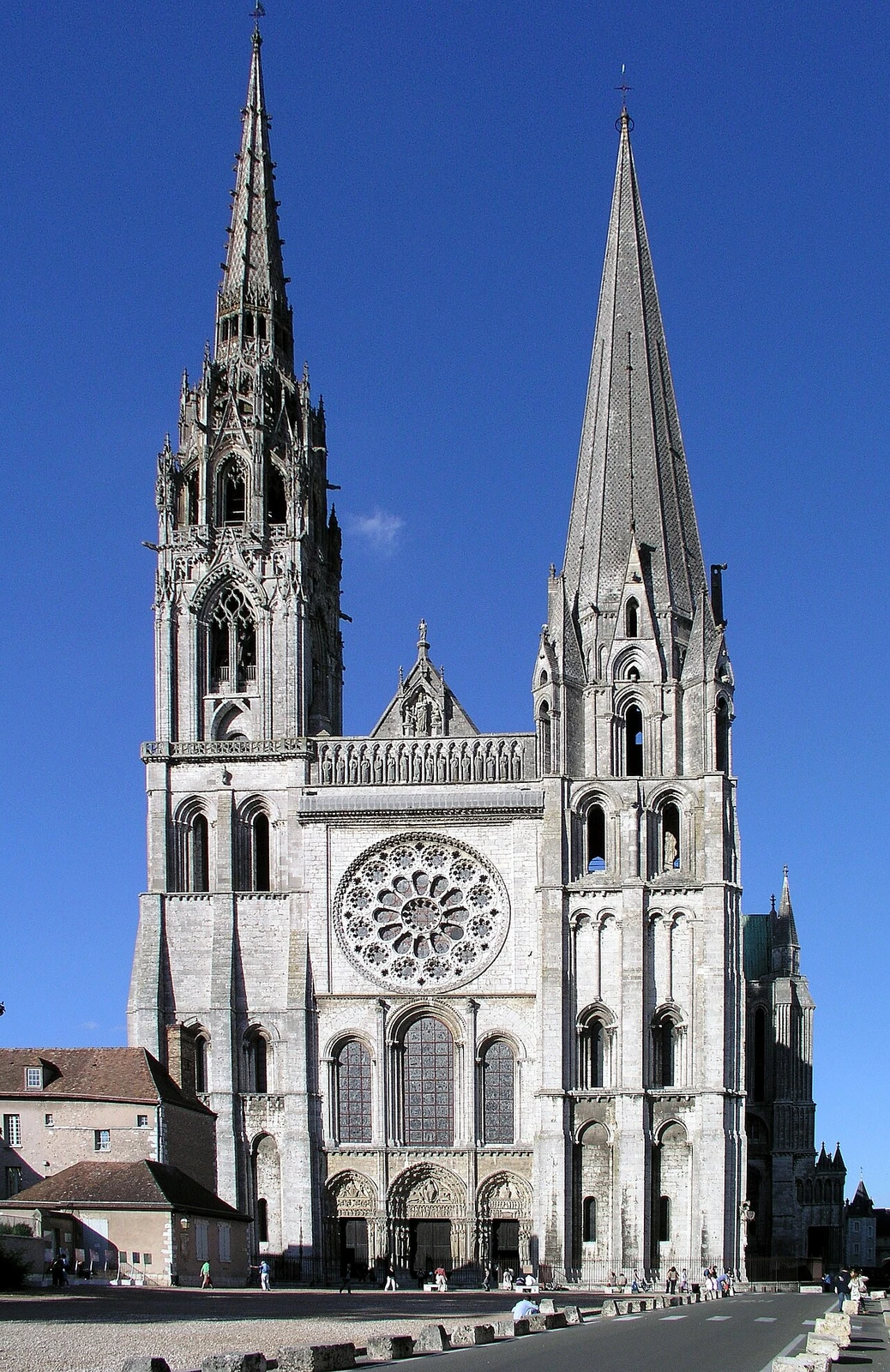
Chartres · 73 km
Chartres Cathedral
Content & sources
BT · Public domain
Art museums
More art museum audio guides
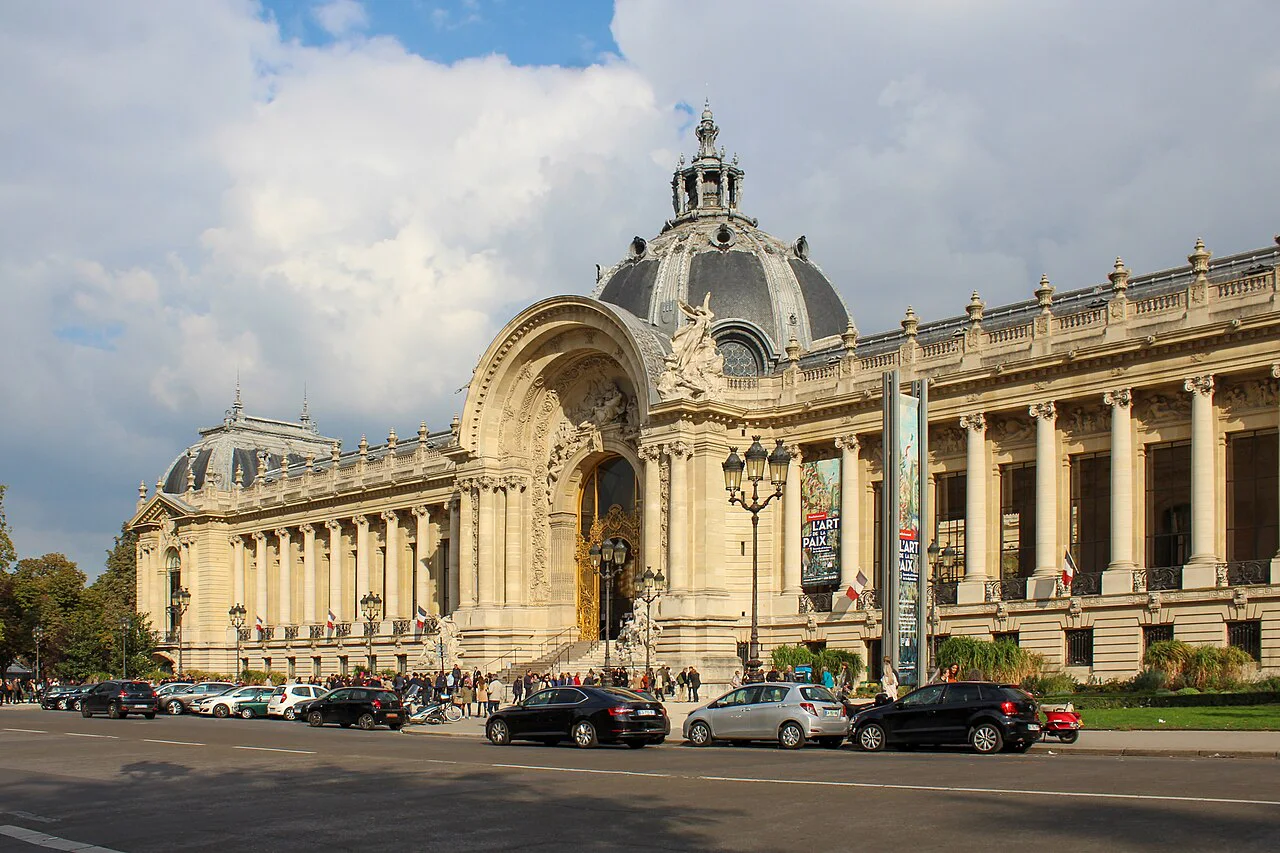
Paris · 77 artworks
Petit Palais
Content & sources
Chabe01 · CC BY-SA 4.0
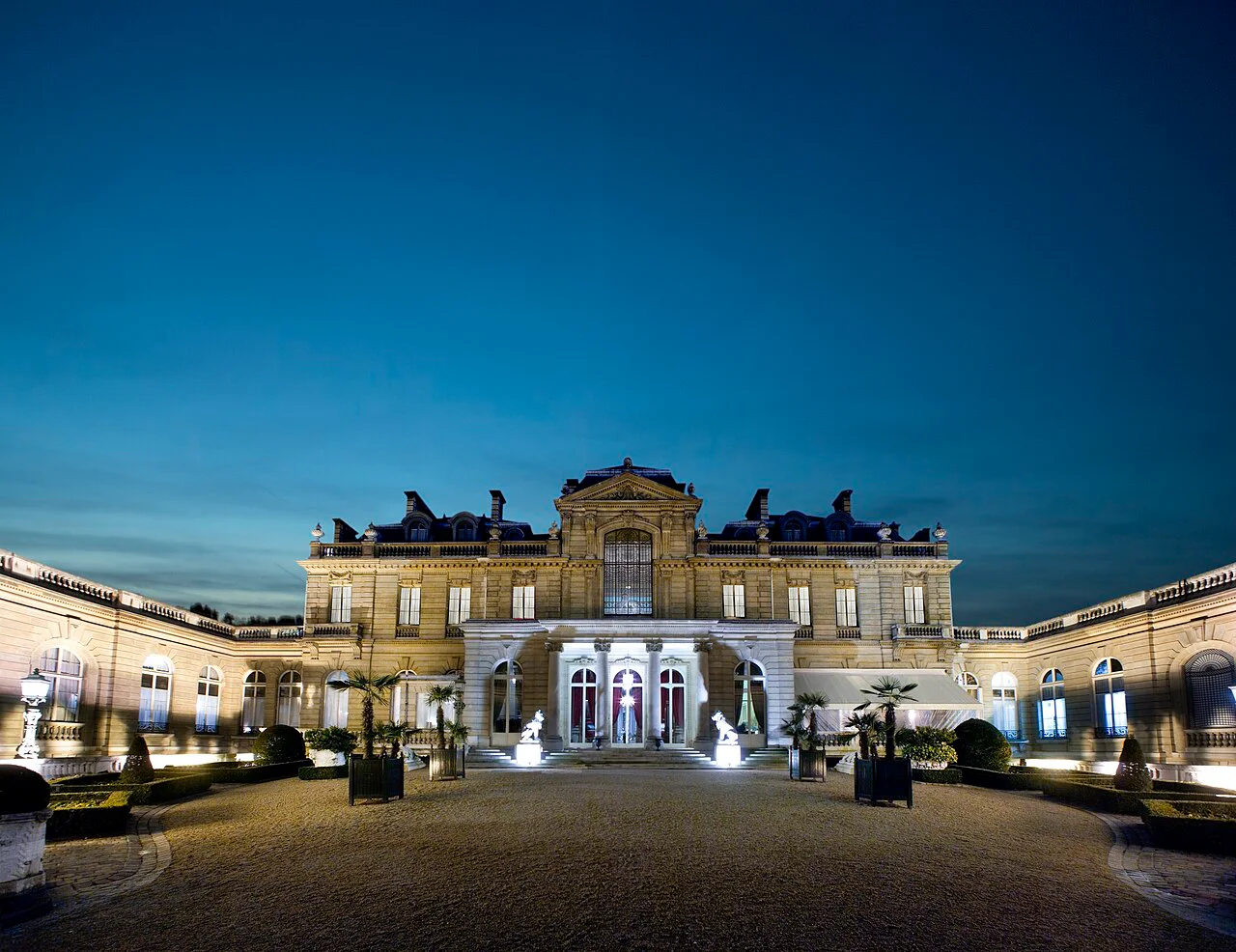
Paris · 24 artworks
Musée Jacquemart-André
Content & sources
Christophe Recoura · CC BY-SA 3.0
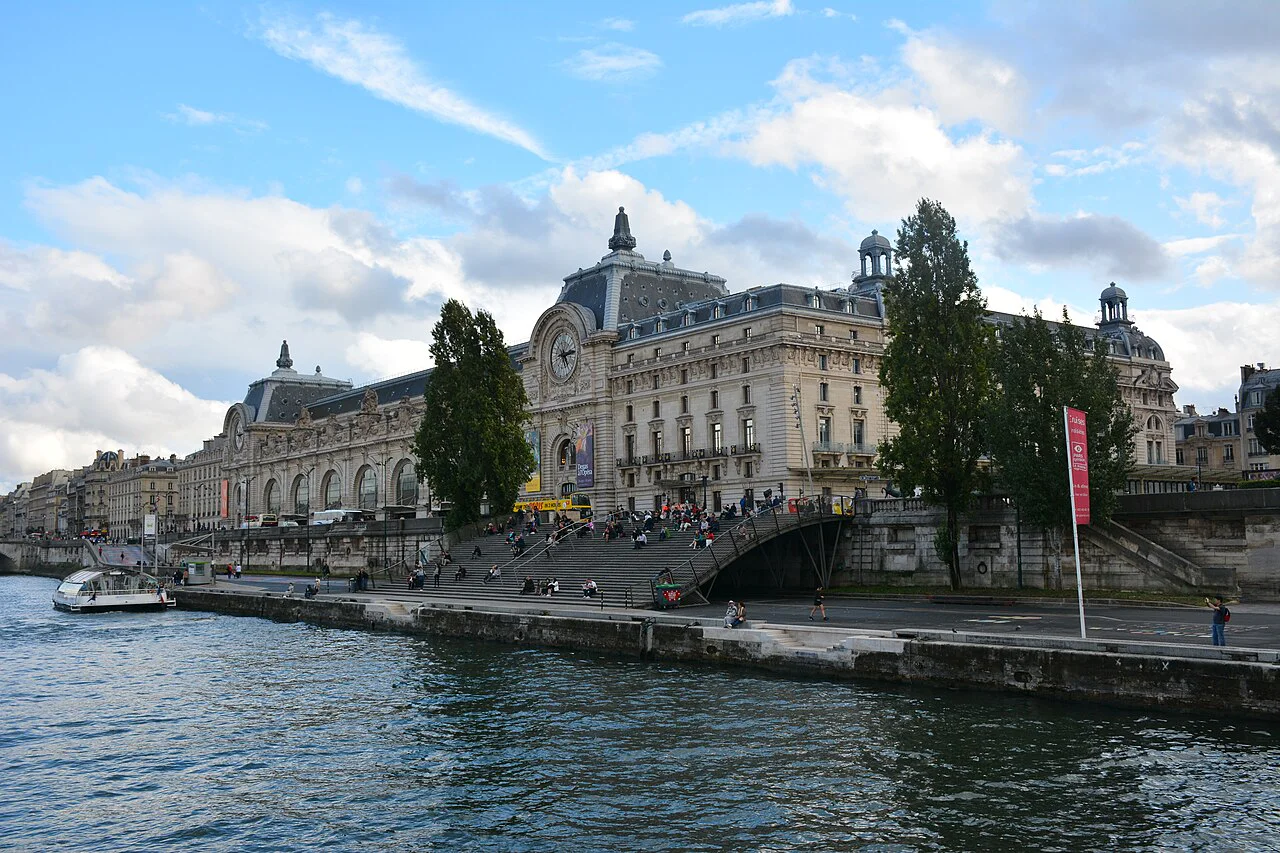
Paris · 462 artworks
Musée d'Orsay
Content & sources
Cheng-en Cheng from Taichung City, Taiwan · CC BY-SA 2.0
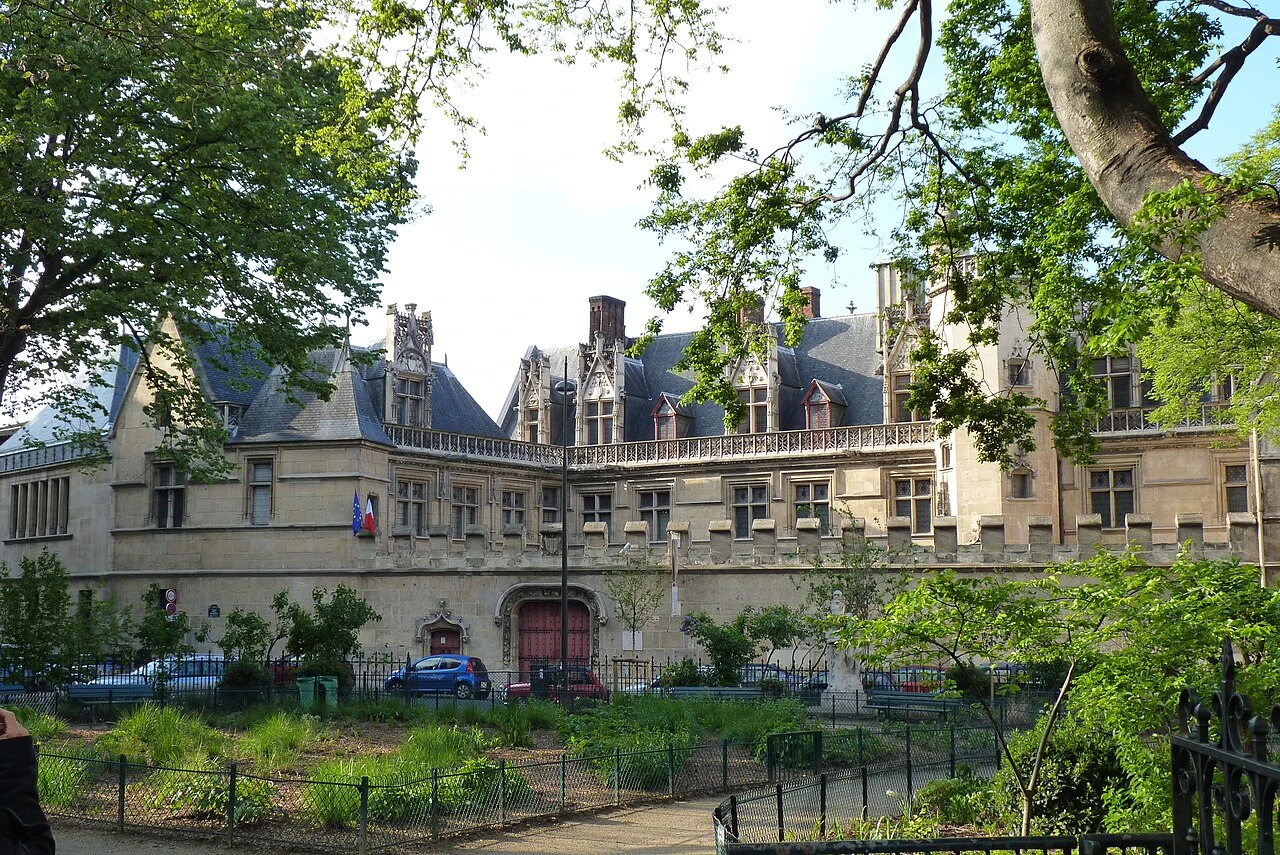
Paris · 29 artworks
Cluny Museum
Content & sources
ctj71081 · CC BY-SA 2.0
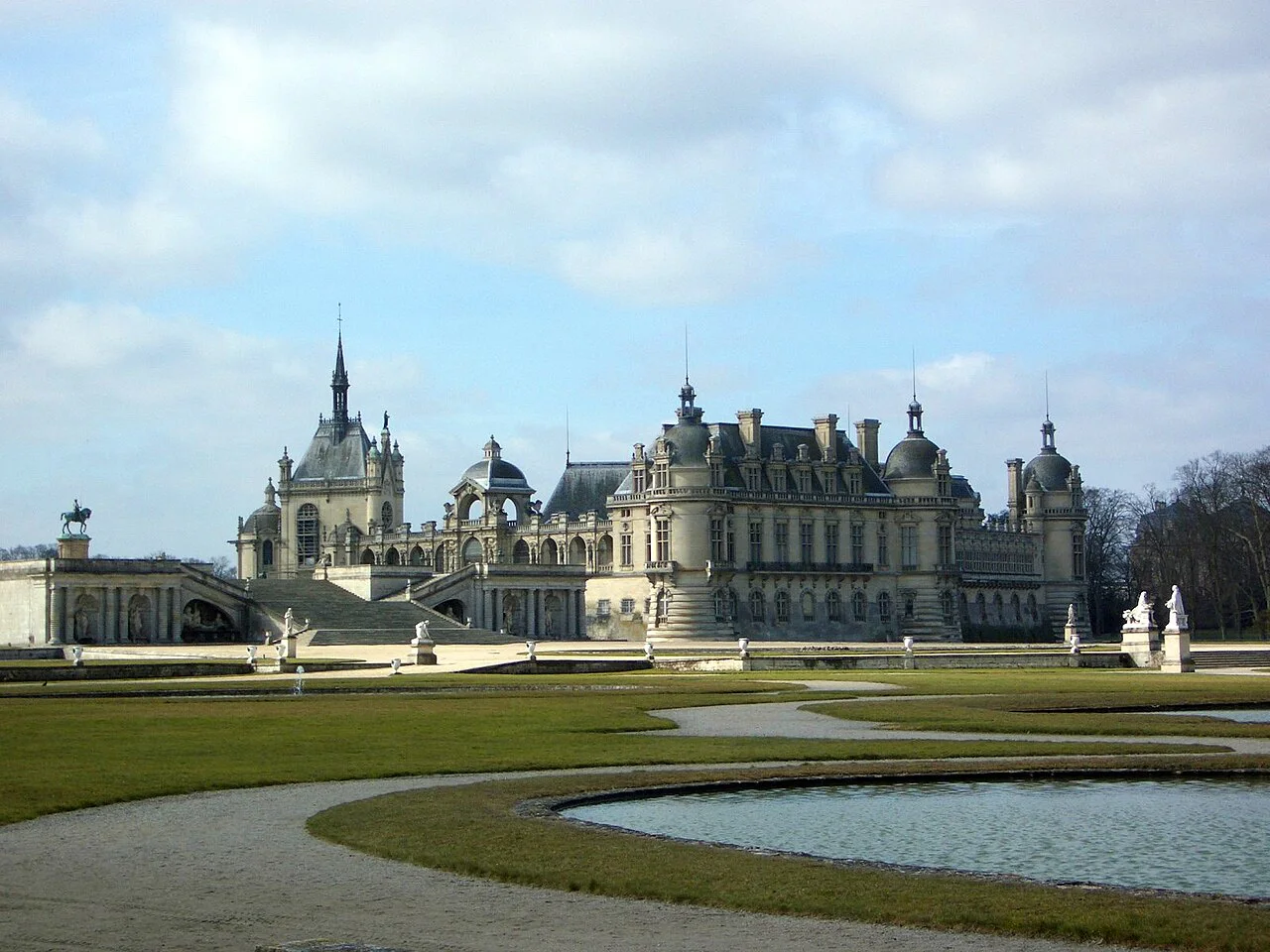
Chantilly · 60 artworks
Musée Condé
Content & sources
Craig Patik (Patik) · Public domain
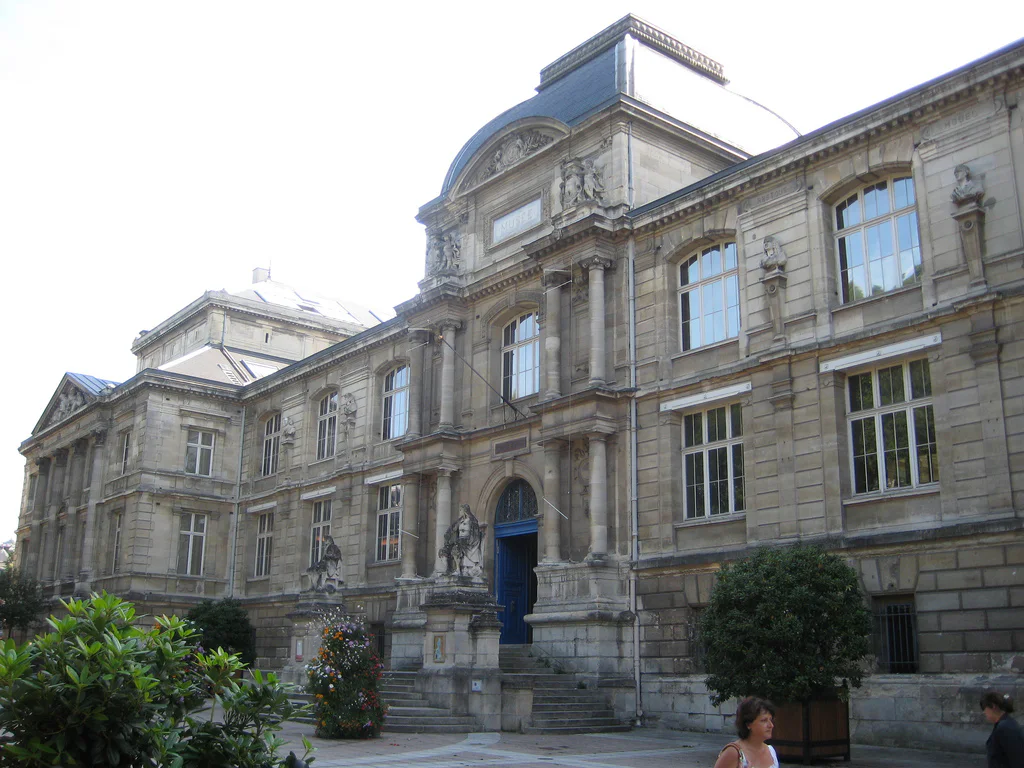
Rouen · 45 artworks
Musée des Beaux-Arts de Rouen
Content & sources
Allie_Caulfield · CC BY 2.0