Stanza · Audio guide
Petit Palais Audio Guide
A place to remember. A story to take with you.
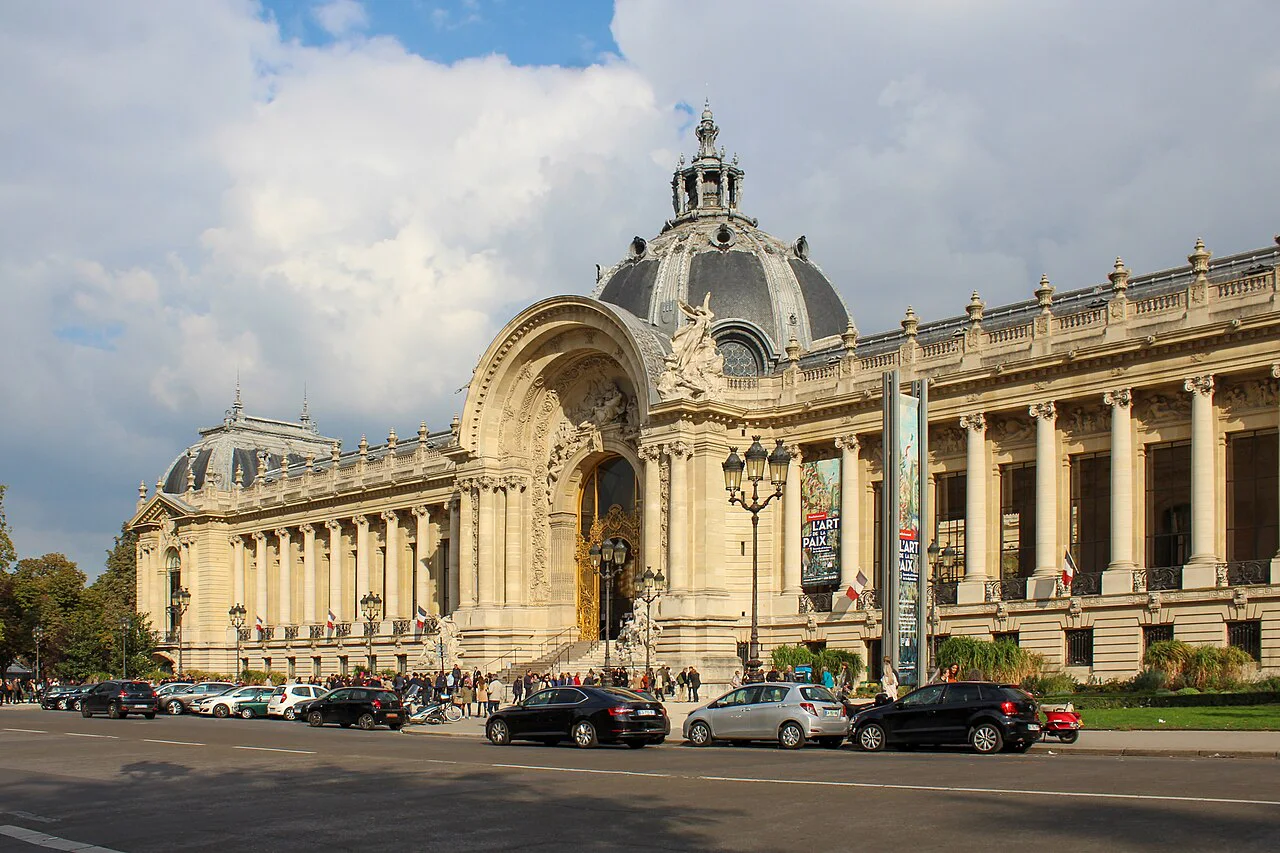
The Petit Palais is an art museum located in the 8th arrondissement of Paris, France. It is the building that houses the Museum of Fine Arts of the City of Paris.
Download Stanza, then search for “Petit Palais”.
About the tour
One guide. Your kind of visit.
The Petit Palais is an art museum located in the 8th arrondissement of Paris, France. It is the building that houses the Museum of Fine Arts of the City of Paris.
The Petit Palais guide tells the stories of 77 artworks, including The Death of Leonardo da Vinci (Jean-Auguste-Dominique Ingres), Portrait of Ambroise Vollard (Paul Cézanne), Young Ladies Beside the Seine (Gustave Courbet), The Death of Seneca (Jacques-Louis David), Self-Portrait with a Black Dog (Gustave Courbet), Three Bathers (Paul Cézanne), Portrait of Ambroise Vollard in a Red Headscarf (Pierre-Auguste Renoir), and Henry IV Receiving the Spanish Ambassador (Jean-Auguste-Dominique Ingres). Every artwork is free to hear in the Stanza app until 1 January.
Ready when you are.
- 01Get the free Stanza app.
iOS & Android
- 02Find your guide.
“Petit Palais”
- 03Download before you go.
Works offline
Audio guide / 77 artworks
Inside the guide
Get to know a few of the stories before you go. Open a stop to read more.
01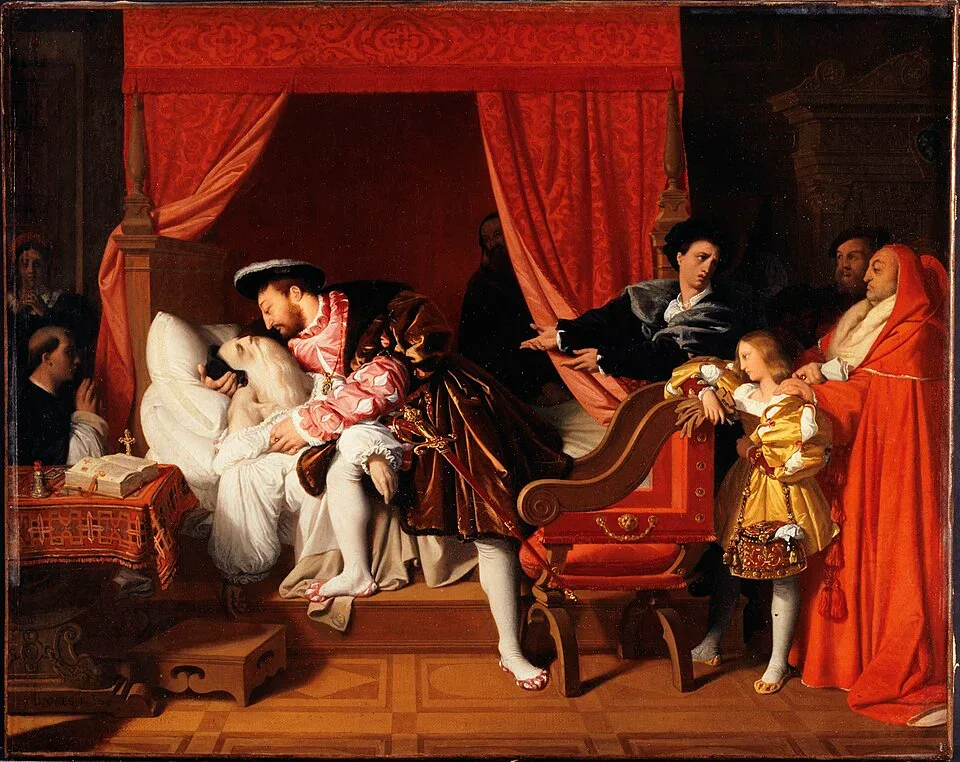
The Death of Leonardo da Vinci
On the dying man's chest, just where a flower might be pinned, there is a small medal. It is the Order of Saint Michael, an honour given for achievement in art or learning, one that also made its holder noble. Ingres placed it there after his death, and so raised him into the nobility at the very moment he is shown breathing his last. The man holding his head is Francis the First, king of France. His gloves are off, and his face is close to the dying man's. A chair lies tipped where he has just leapt up, to show how sudden the death was. It began with one line in Vasari's Lives of the Artists, saying the king held the artist's head to soothe his pain. In truth, on the second of May, 1519, Francis and his court were at Saint Germain en Laye, far from Leonardo's house at Amboise. The tenderness is invented. The French ambassador in Rome, Blacas, commissioned it under Louis the Eighteenth, as part of a plan to honour the old kings. A king shown as humble and generous suited that plan. So did a genius raised into nobility. Whether its painter believed Leonardo's royal patrons had failed to reward him, we do not know.
Listen in the appJean-Auguste-Dominique Ingres · Public domain
02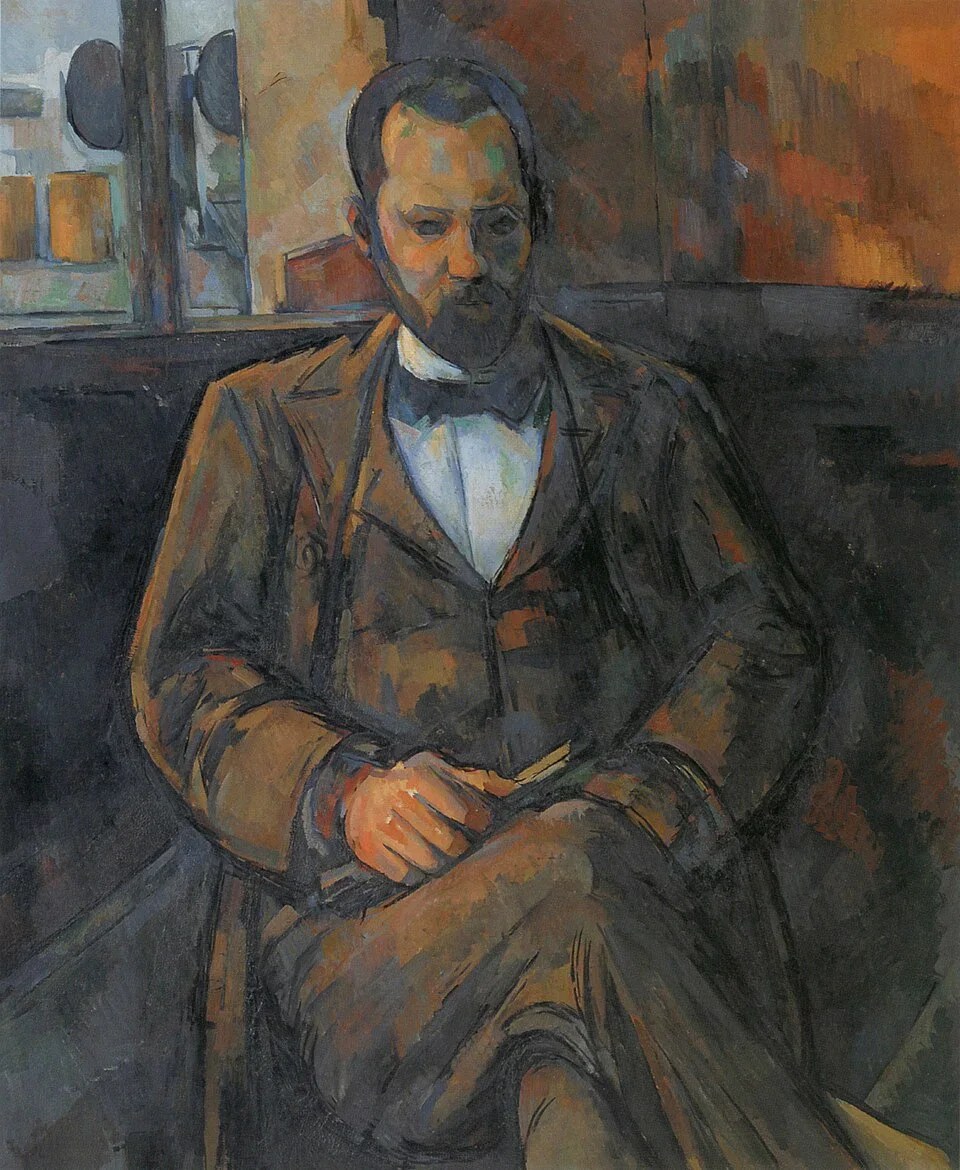
Portrait of Ambroise Vollard
He is trying not to move, and he has been at it for hours, with hours still to go. A man balances on a stool set on a platform. One leg is crossed over the other, one hand rests on a book in his lap, the other is in his pocket. Light from a window on the left falls across him. He arrived about eight in the morning and may stay as late as half past eleven at night, across one hundred and fifteen sittings. The man is Vollard, the dealer who in 1895 gave an unknown painter his first solo show and made his name. This is the only portrait Vollard ever commissioned. Yet when he shifts, Cézanne tells him he must sit like an apple, because an apple does not move. Vollard's stare is blank, as if worn out by those hours. His face is built from round forms, as in the painter's still lifes of fruit, and he paints only what he can see, not the man's mood or standing. Notice his right hand. Two small patches are bare canvas, so faint you could miss them. Vollard asked about them. The painter said he needed to return to the Louvre and study the Old Masters. Guessing at the tone, he explained, might mean painting the whole canvas again. The patches were never filled in. Vollard kept the unfinished portrait all his life, and when he died he left it to the Petit Palais.
Listen in the appPaul Cézanne · Public domain
03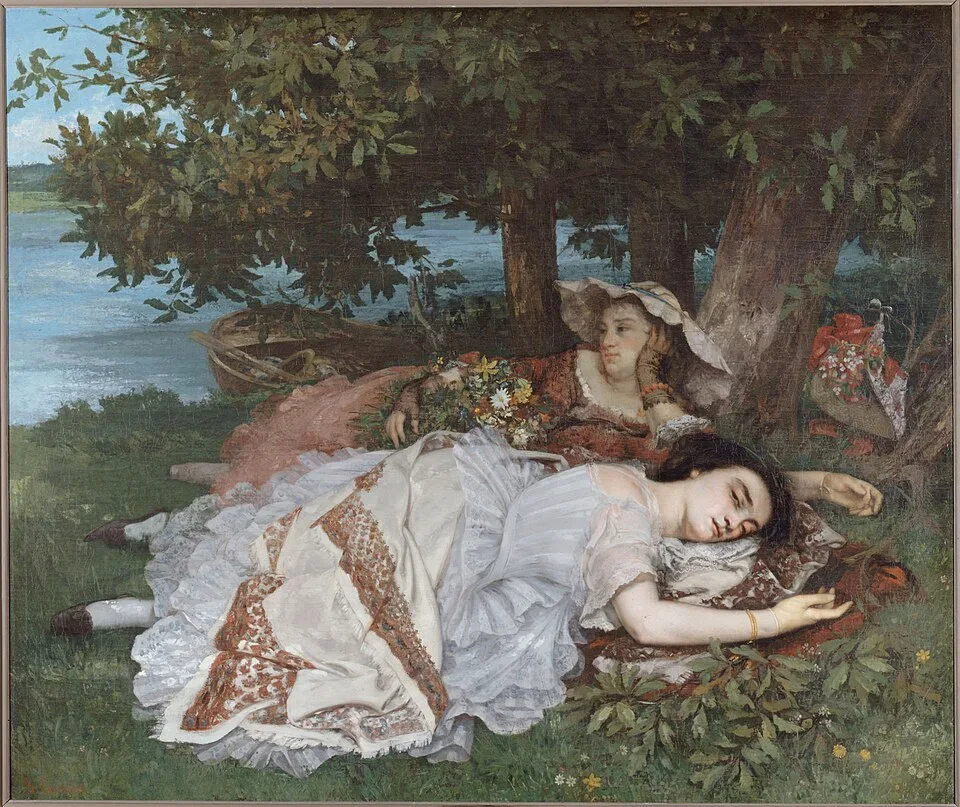
Young Ladies Beside the Seine
Two women fill a canvas this big, and when it went up at the Paris Salon in 1857, it caused a scandal. An ordinary summer afternoon on this scale broke the rules of art. Courbet liked to provoke. There they are, right across the front, lying in the grass under the trees at the water's edge. The first wears a patterned white dress. She lies on her stomach, bare head on a cloth, her eyes half closed. The second is in red, holding a bouquet. She wears a hat, and her head rests on her hand as she looks away toward the river. He painted their faces and postures exactly as they are, and that frankness is what the realism rests on. The full title calls it summer, and calls them young unmarried women. City dwellers, come to cool off by the water on a summer day. He had made his name painting ordinary people on this grand scale, and here they are women of his own time. In the upper left corner, the other bank of the Seine appears, and a boat lies moored with a hat and some fabrics in it. That stretch of river, and people at ease along it, is what the Impressionists would celebrate a generation later.
Listen in the appPhoto: Pyb · Public domain
04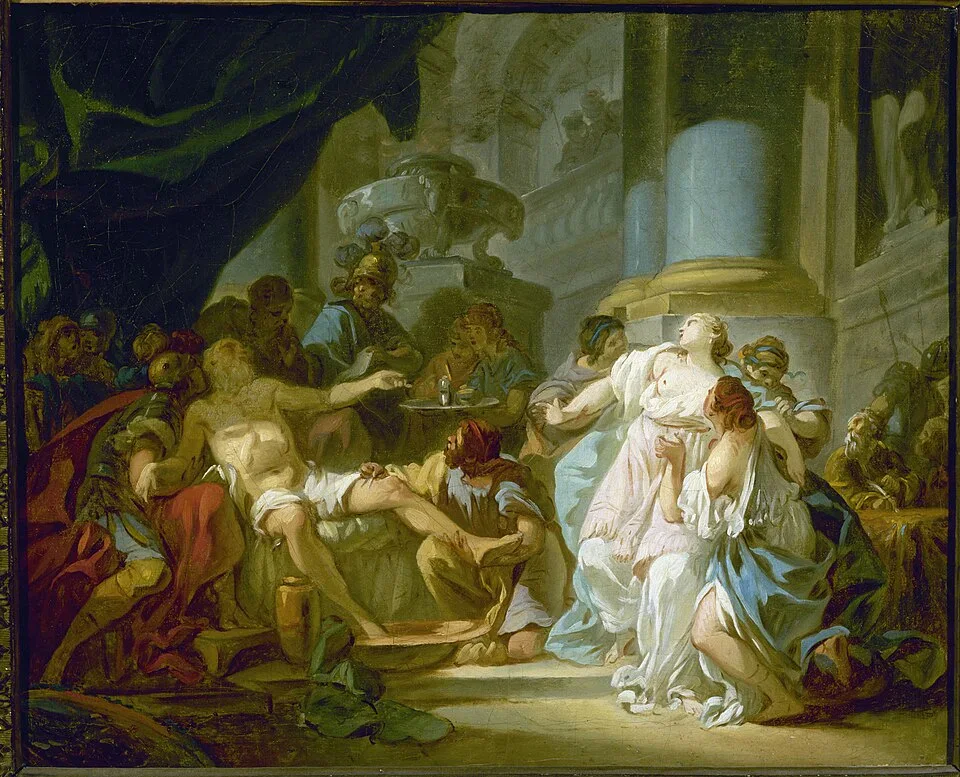
The Death of Seneca
Where is the stillness you would expect from a Stoic facing death? Arms rise. Figures gesture in alarm. Seneca opens the veins in his arms, accepting a sentence from the emperor Nero, though it was unjustly ordered. His wife Paulina is on the right, being led away. She tried to die with him, and was stopped at Nero's command only after she had lost consciousness. A disciple writes down the philosopher's last words, and a centurion sent by Nero is there to witness the death. David has made it a storm of feeling, more a farewell than a death. The jury turned it down and gave the prize to Pierre Peyron, whose Seneca was simpler and darker, closer to ancient models. And the next year, that same classicism of Peyron's partly inspired David's next painting. This was the third time he tried for that prize. The Academy had set the subject, Seneca's death as Tacitus told it.
Listen in the appJacques-Louis David · Public domain
05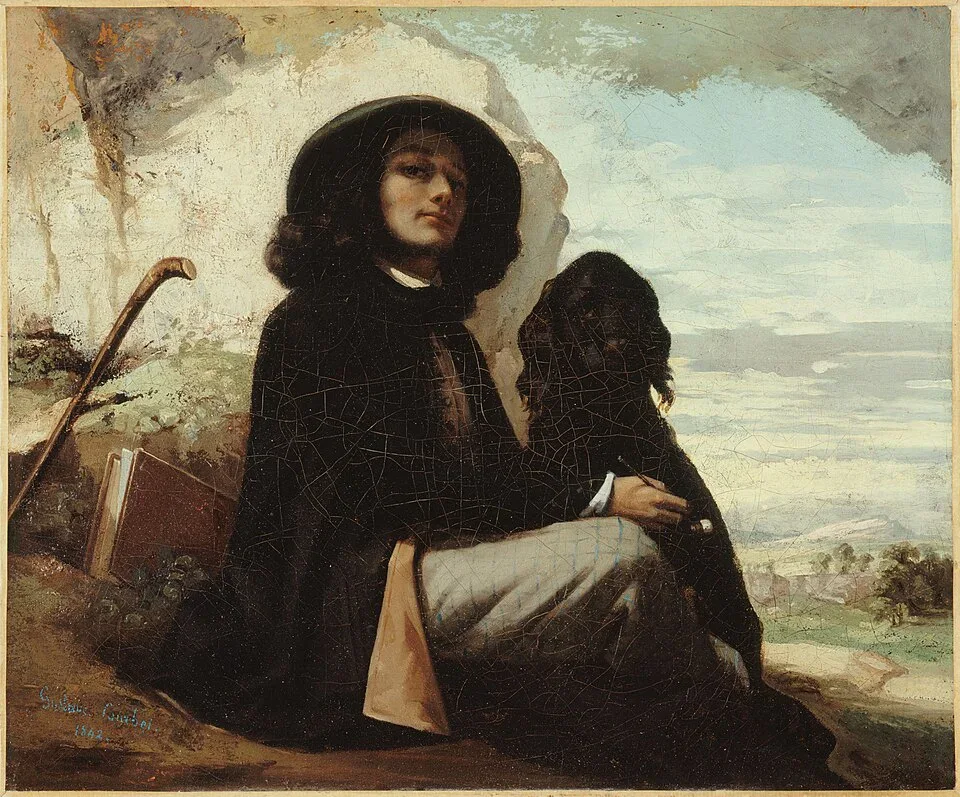
Self-Portrait with a Black Dog
A young man in a hat sits on the ground with a black dog beside him. He leans on a large rock, holds a pipe, and looks out at you. Behind him a book and a cane lie in the grass. Far off, a valley of trees and hills opens under a blue, cloudy sky. The young man is Courbet himself. He gave the hand in the foreground real weight, and his look is full of determination. He dressed the part of the bohemian artist, in a black cape edged with light, striped trousers and long hair. The spaniel beside him was a gift, given only a short while before. The valley behind him is from his own region, but it is partly imagined. In 1844 he sent three paintings to the Paris Salon, on his fourth attempt, and only this one was accepted. It hung at the Louvre under the title Portrait of the Author, among the first of his works to get in. The figure is painted from below, with the viewer placed beneath it. Whether he meant the picture for above a door is not known.
Listen in the appPhoto: Pyb · Public domain
06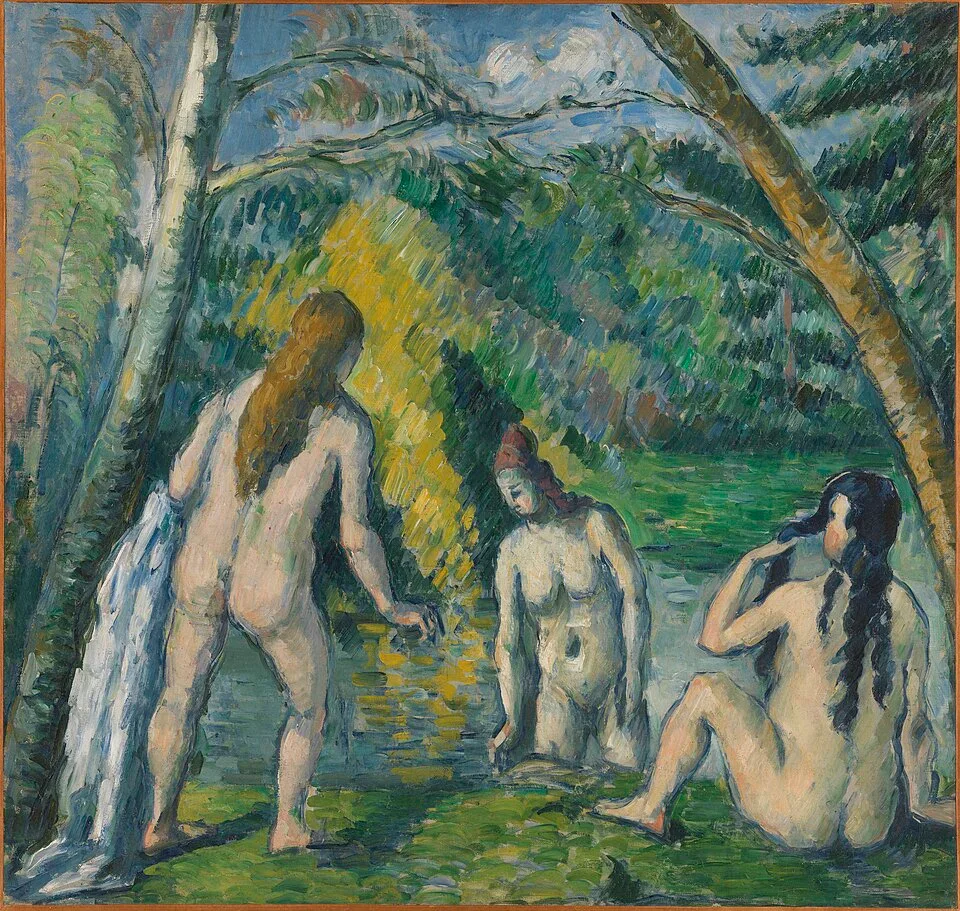
Three Bathers
Matisse wanted this painting for himself. In 1899 he bought it from the dealer Ambroise Vollard at a high price, and he kept it for more than thirty years. He was a painter too, and at his own academy he used it to teach his students. He said he drew his faith and his perseverance from it. In 1936 he gave it to the Petit Palais. These bathers are not there for beauty. Cézanne set them down in short slanting strokes, laid one beside the next, until their bodies turned solid and stocky. He painted some two hundred bathers across his life, always after the structure beneath. The three figures rise together like a pyramid, held between two trees, one at each side. The canvas is almost square, a shape chosen to make the scene feel dense and full.
Listen in the appPhoto: Pyb · Public domain
07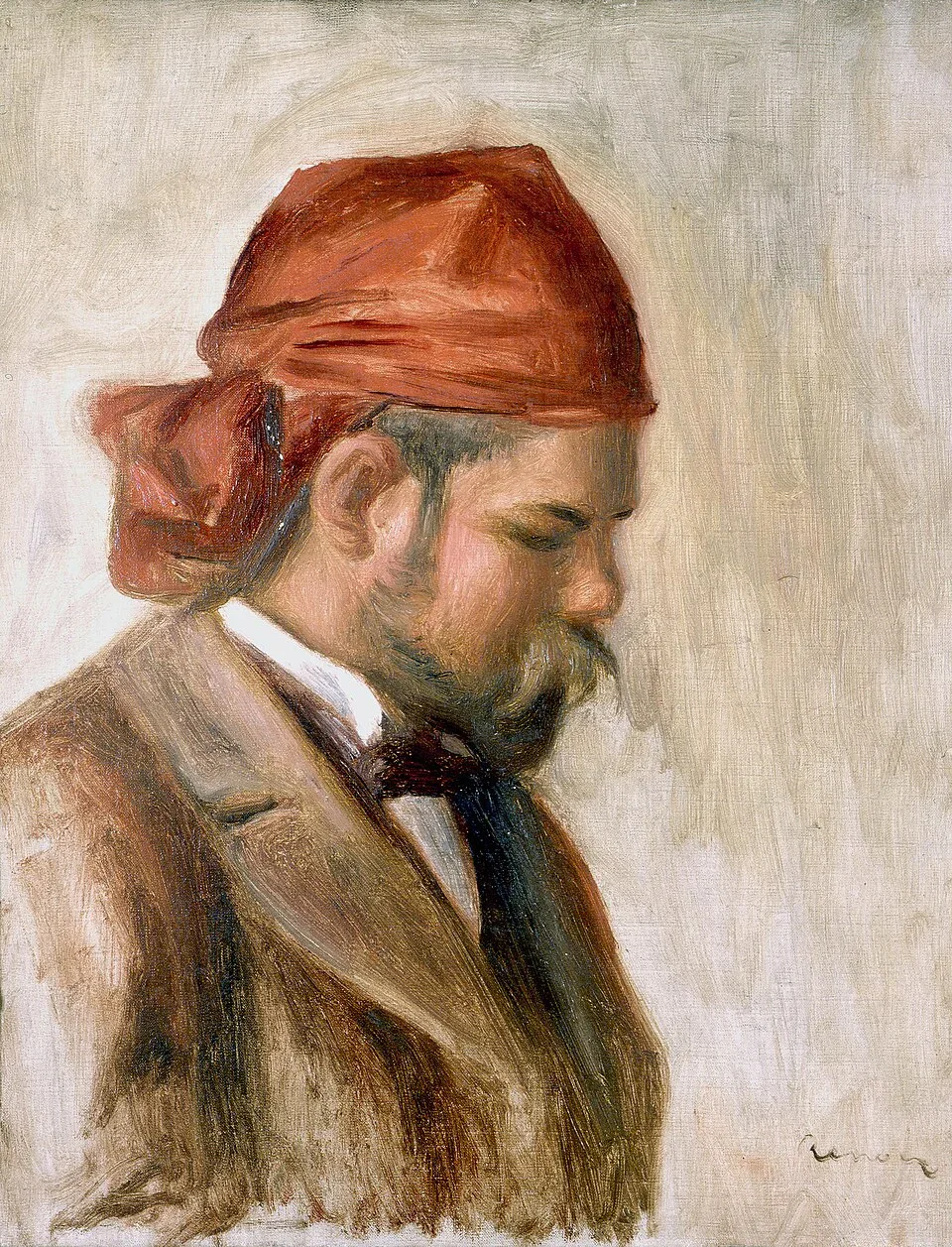
Portrait of Ambroise Vollard in a Red Headscarf
At the back of his neck, the red scarf is tied in a knot. It is the one detail that tells you where he came from. The scarf points to Réunion, the Indian Ocean island where Vollard grew up. Everything else in the portrait shows the dealer. He is a large bald man in profile, in a brown wool suit, with his eyes cast down. Vollard was Renoir's dealer, and he did not mind sitting for a portrait. Other painters of the time painted him as well. Renoir painted him at least two more times, once in an ordinary suit and once dressed as a matador.
Listen in the appPierre-Auguste Renoir · Public domain
08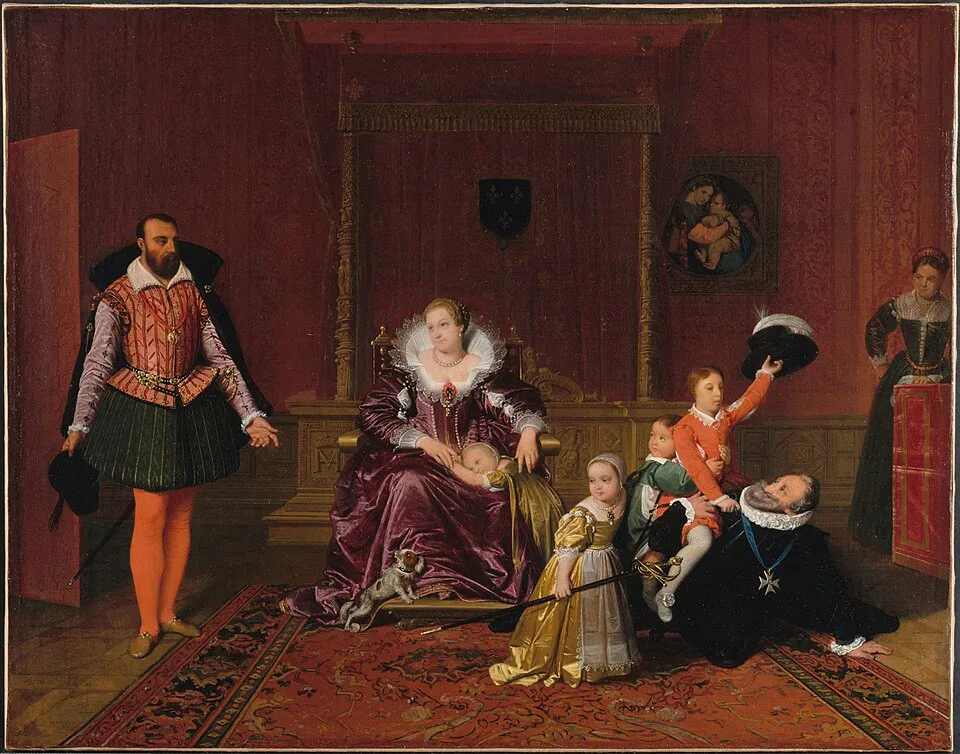
Henry IV Receiving the Spanish Ambassador
A king on the floor, with two children riding on his back and another holding his sword. That is how Ingres answered a request for a picture of Henry the Fourth. In 1817 he was living in Rome on a scholarship. The French ambassador there, the Count of Blacas, asked him for the work. This picture belongs to a fashion then spreading in France, small episodes from medieval and Renaissance history. Here he shows the king in the middle of a game. The future Louis the Thirteenth waves his father's plumed hat, and Gaston d'Orléans clings to his brother. The Spanish ambassador arrives, and Henry is caught by surprise. At the centre, Marie de Medici sits with one of her daughters and a little dog. A second picture was planned to go with it. It would show the Duke of Sully tearing up a promise of marriage the king had written. Apart from a few drawings, it was never painted. Above the crawling king hangs Raphael's Madonna della Seggiola, a painting the painter thought highly of. He had used its image twice before, as a print in a portrait and on the carpet of Napoleon the First on his imperial throne.
Listen in the appJean-Auguste-Dominique Ingres · Public domain
09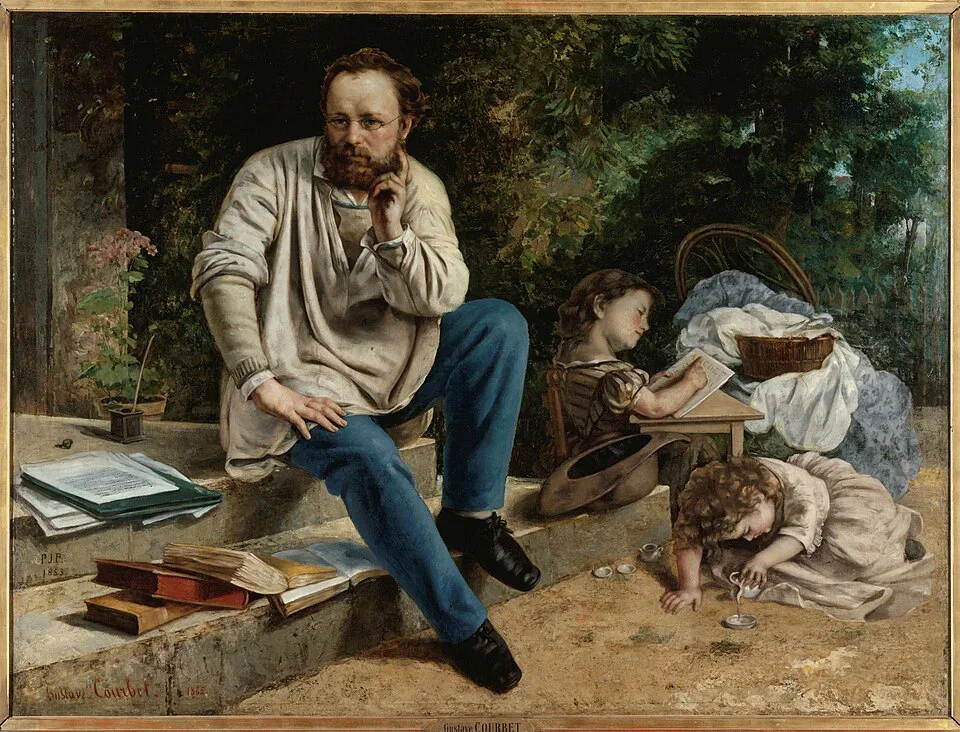
Proudhon and His Children
His left hand on his face, his right on his leg, a man sits on the steps of the Paris apartment where he lived. To his left, his two daughters. One reads, the other plays. On the steps are four books, a pencil case and a manuscript. It looks like a picture made after a death. Pierre Joseph Proudhon, the philosopher, died on the twentieth of January 1865. But Courbet knew his friend was ill, and shortly before Proudhon died, he began a series of portraits of him. There is something carved into the stone beneath the manuscript. Look closely and you can make out the letters P J P, and 1853. Proudhon's wife Euphrasia seems to have been in the picture at first, where the work basket and the wicker armchair covered with cloth now sit. Just before his own large exhibition in 1867, Courbet painted over her and put those objects in her place.
Listen in the appPhoto: Pyb · Public domain
10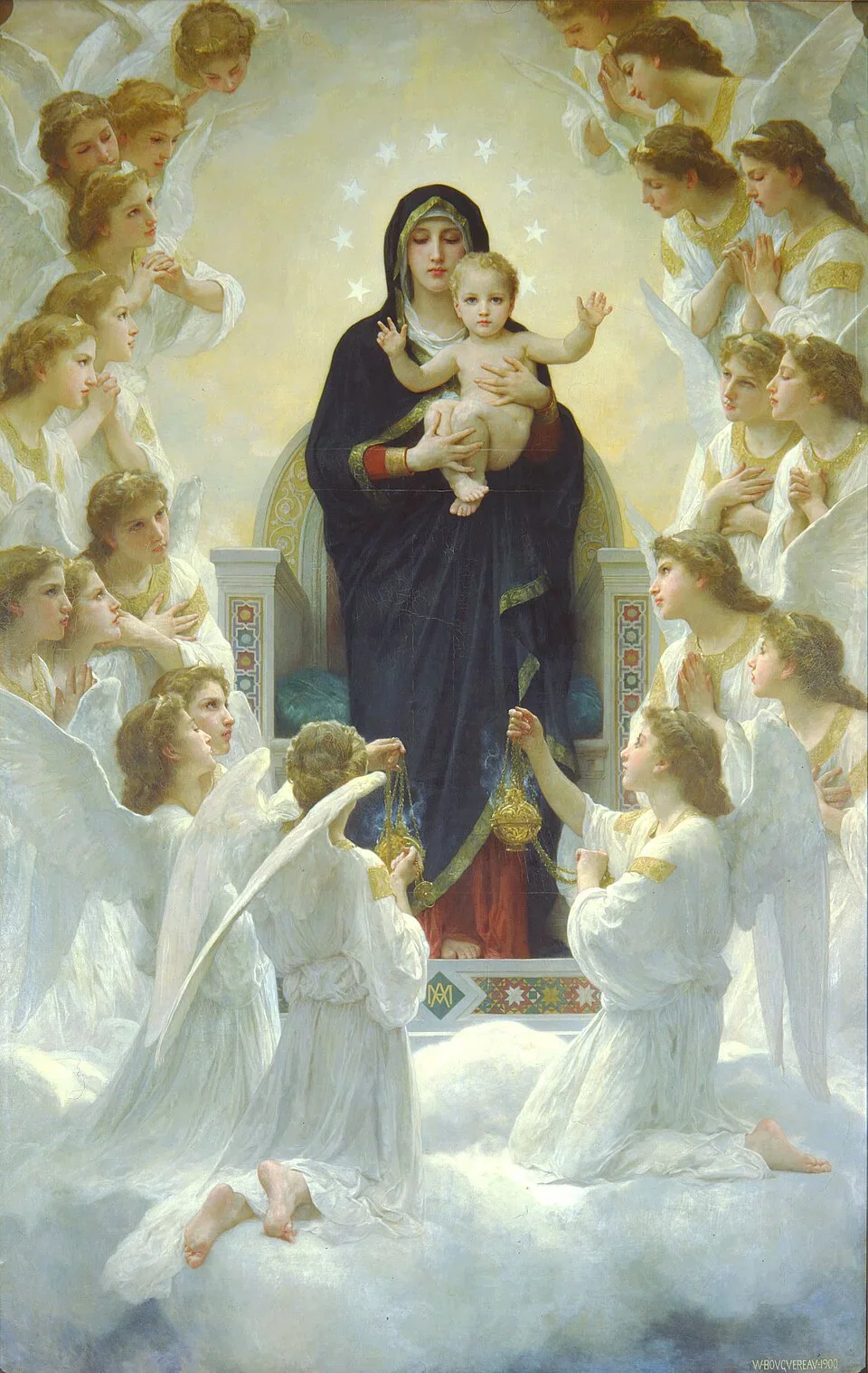
The Virgin With Angels
Bouguereau wanted an altarpiece in the old Italian manner he loved. The throne behind the Virgin is where that wish shows most clearly. Byzantine patterns cover it, with stones of many colors, a reference to the mosaics of Ravenna. The whole arrangement goes back to Cimabue and Duccio. He took the Renaissance masters as his models, though he made his picture more sentimental than theirs. All his career he worked in that same traditional style, even after Impressionism had taken hold. In 1900 he showed the picture at the World Exposition in Paris, one example of the religious painting on display there. After that, appreciation for it fell. Interest in Bouguereau returned in the nineteen eighties. The picture has been in the Petit Palais since 1983.
Listen in the appWilliam-Adolphe Bouguereau · Public domain
- 11
Madonna and Child with Saints
Andrea Mantegna · c. 1490–1500
- 12
In a Park
Berthe Morisot · c. 1874
- 13
The Chess players
Honoré Daumier · 1863–1867
- 14
Avenue of Chestnut Trees in La Celle-Saint-Cloud
Alfred Sisley · 1865
- 15
Afternoon tea
Marie Bracquemond · 1880
- 16
Alphonse de Toulouse-Lautrec-Monfa Driving his Mail-Coach in Nice
Henri de Toulouse-Lautrec · 1880–1881
- 17
In You Rejoices
Frantzeskos Kavertzas · 1615–1648
- 18
The Four Seasons: Spring
Paul Cézanne · c. 1860–1861
- 19
The Four Seasons:Summer
Paul Cézanne · c. 1860–1861
- 20
The Four Seasons: Autumn
Paul Cézanne · c. 1860–1861
- 21
Sunset on the Seine at Lavacourt, in winter
Claude Monet · 1880
- 22
Bara
Jean-Jacques Henner · 1882
- 23
Combat devant l'Hôtel de Ville le 28 juillet 1830
Jean Victor Schnetz · 1833
- 24
Gloria Victis
Antonin Mercié · 1872–1874
- 25
Landscape with the Port of Santa Marinella
Claude Lorrain · 1637–1638
- 26
The Emigrants
Honoré Daumier · c. 1852–1855
- 27
Le jour des funérailles - Scène du Maroc
Jean-Joseph Benjamin-Constant · 1889
- 28
The Good Samaritan
Aimé Morot · 1880
- 29
Saint Thomas Preaching During a Storm
Ary Scheffer · 1823
- 30
Lamartine in front of the Town Hall of Paris rejects the red flag
Henri Félix Emmanuel Philippoteaux · c. 1848
- 31
The Vale of Tears
Gustave Doré · 1883
- 32
The Victors of the Bastille in Front of the Hôtel de Ville
Paul Delaroche · c. 1835
- 33
L'Œuvre de la Goutte de Lait
Henri Jules Jean Geoffroy · 1901
- 34
Virgin and Child
Giovanni Battista Cima da Conegliano · 1495–1497
- 35
Portrait of Ambroise Vollard with a cat
Pierre Bonnard · c. 1924
- 36
The Birth of Venus
Henri Gervex · 1907
- 37
Self-portrait in Oriental Dress
Rembrandt · 1631
- 38
Old Man with a Stick
Paul Gauguin · 1888
- 39
Van Dyck in London
Camille Roqueplan · 1837
- 40
Armed Peace, PPS3385(03)
Jules Coutan · 1887
- 41
The Dream of the Doctor
Albrecht Durer · c. 1498
- 42
Halles
Léon Augustin Lhermitte · 1889
- 43
The Republic
Jean-Léon Gérôme · 1848
- 44
The interrupted song
Frans van Mieris the Elder · 1671
- 45
Mme Emma-Marie Allouard-Jouan
John Singer Sargent · c. 1882
- 46
Cheval brun à l'écurie
Théodore Géricault · 1818
- 47
Morisot - Young girl with low-cut dress, flower in her hair, 1893
Berthe Morisot · 1893
- 48
Bicycle at Le Vésinet
Léon Comerre · 1903
- 49
Paris 8th - Petit Palais - Museum of Fine Arts - Bacchante (Auguste Clésinger) 02
Auguste Clésinger · 1847–1848
- 50
Young woman playing the mandora
Edgar Maxence · 1910
- 51
Autumn, Portrait of Lydia Cassatt
Mary Cassatt · 1880
- 52
Portrait of Madame Edgard Stern
Carolus-Duran · 1889
- 53
The Music (Music Party)
Mary Cassatt · 1874
- 54
Grimaces and Misery - The Acrobats
Fernand Pelez · 1888
- 55
Bathing
Mary Cassatt · 1910
- 56
Eve
Jules Dalou · 1866
- 57
Henri Martin - Group of lovers
Henri-Jean Guillaume Martin · 1932–1935
- 58
The Death of Seneca
Jacques-Louis David · 1773
- 59
Portrait of Juliette Courbet
Gustave Courbet · 1844
- 60
Firefighters running to a fire
Gustave Courbet · 1850–1851
- 61
Portrait of Mademoiselle de Lancey
Carolus-Duran · 1876
- 62
Jérôme de La Lande
Jean-Honoré Fragonard · 1767–1768
- 63
Portrait of Zélie Courbet
Gustave Courbet · c. 1842
- 64
Three Bathers
Gustave Courbet · 1865–1869
- 65
Alexander and Bucephalus
Giovanni Battista Tiepolo · 1757–1760
- 66
Petit Palais-Museum of Fine Arts of the City of Paris - Conversation in Arcachon - Pierre Bonnard 1926
Pierre Bonnard · c. 1926–1930
- 67
Marietta
Jean-Baptiste Camille Corot · 1843
- 68
Portrait of Jean Carriès in his studio
Louise Catherine Breslau · 1886
- 69
Breton woman with a bouquet (Huelgoat)
Paul Sérusier · 1892–1893
- 70
The Tapestry (The Five Weavers) - Paul Sérusier
Paul Sérusier · 1924
- 71
The Servant or At the barrier, PPP5023
Eva Gonzalès · c. 1865–1870
- 72
Partridge in a Niche
Nicolas de Largillière · c. 1680–1685
- 73
Danaë and the Shower of Gold
Léon Comerre · 1908
- 74
Arab women on a walk, drawing by Etienne Dinet 1895
Nasreddine Dinet · 1895
- 75
The bread carrier - Jules Félix Coutan
Jules Coutan · 1882
- 76
Knitter with pink stockings
Paul Sérusier · 1920
- 77
Combat of the Giaour and the Pasha
Eugène Delacroix · 1835
Petit Palais
Frequently asked questions
How much does the guide cost?
Free app download. Free until 1 January. Listed guide price: $1.99. Audio guide only. Venue admission is separate.
Can I listen without internet?
Yes. Download the guide’s audio, images, and maps in the app before your visit. Your downloaded content is then available offline.
Can I listen in my language?
In English for now. More languages soon.
Do I need to follow a schedule?
No. This is a self-guided experience. Choose your stops, pause whenever you like, and return to a story at your own pace.
Which artworks are in the Petit Palais audio guide?
77 artworks, including The Death of Leonardo da Vinci (Jean-Auguste-Dominique Ingres), Portrait of Ambroise Vollard (Paul Cézanne), Young Ladies Beside the Seine (Gustave Courbet), The Death of Seneca (Jacques-Louis David), Self-Portrait with a Black Dog (Gustave Courbet), Three Bathers (Paul Cézanne), Portrait of Ambroise Vollard in a Red Headscarf (Pierre-Auguste Renoir), and Henry IV Receiving the Spanish Ambassador (Jean-Auguste-Dominique Ingres). The full list is on this page.
Is this the museum’s official audio guide?
No. Stanza is an independent audio guide app and is not affiliated with Petit Palais. Museum admission is separate.
At your own pace
Explore Petit Palais.
Download Stanza, then search for “Petit Palais”.
Free app download · Guide price shown in the app
Keep exploring
Nearby audio guides
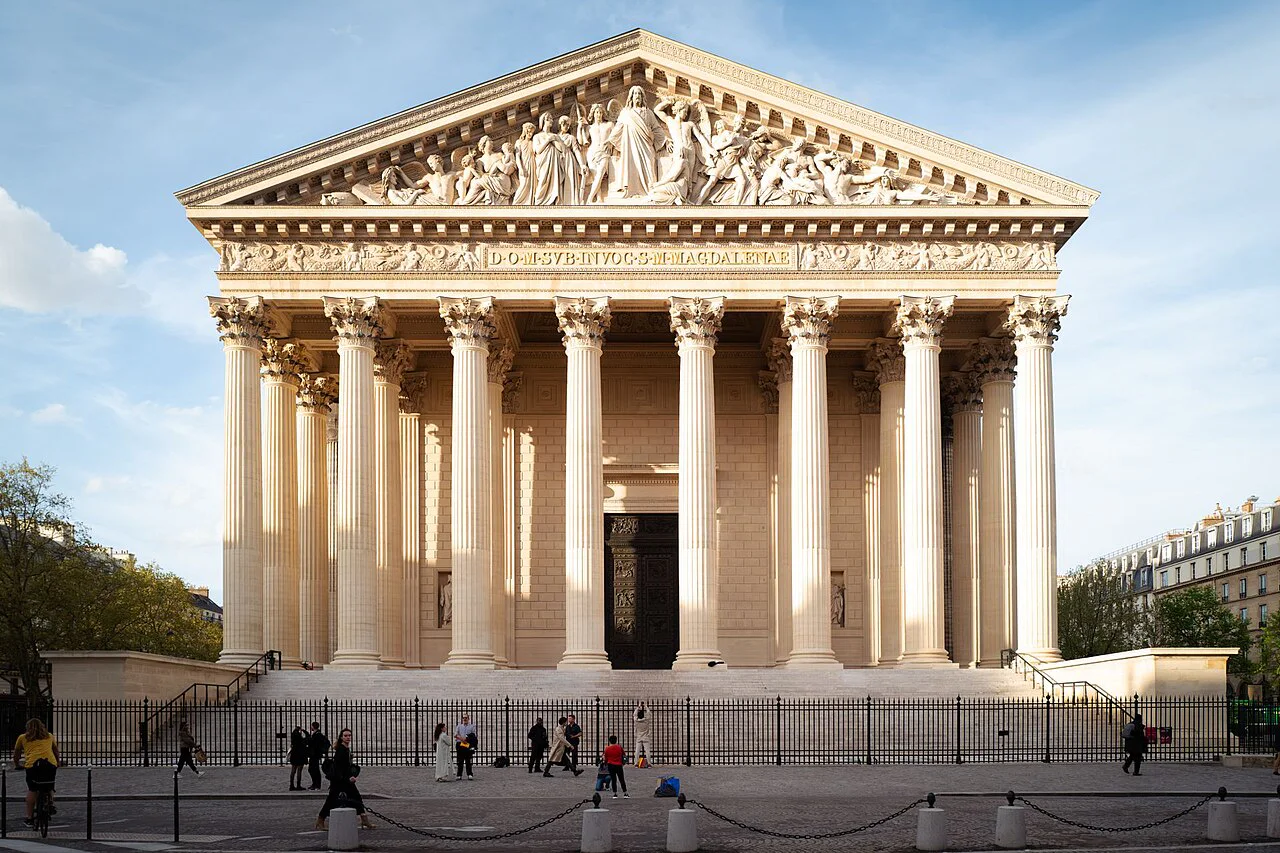
Paris · 1 km
Église de la Madeleine
Content & sources
Callaway Kosine – de Suzannet · CC BY 3.0
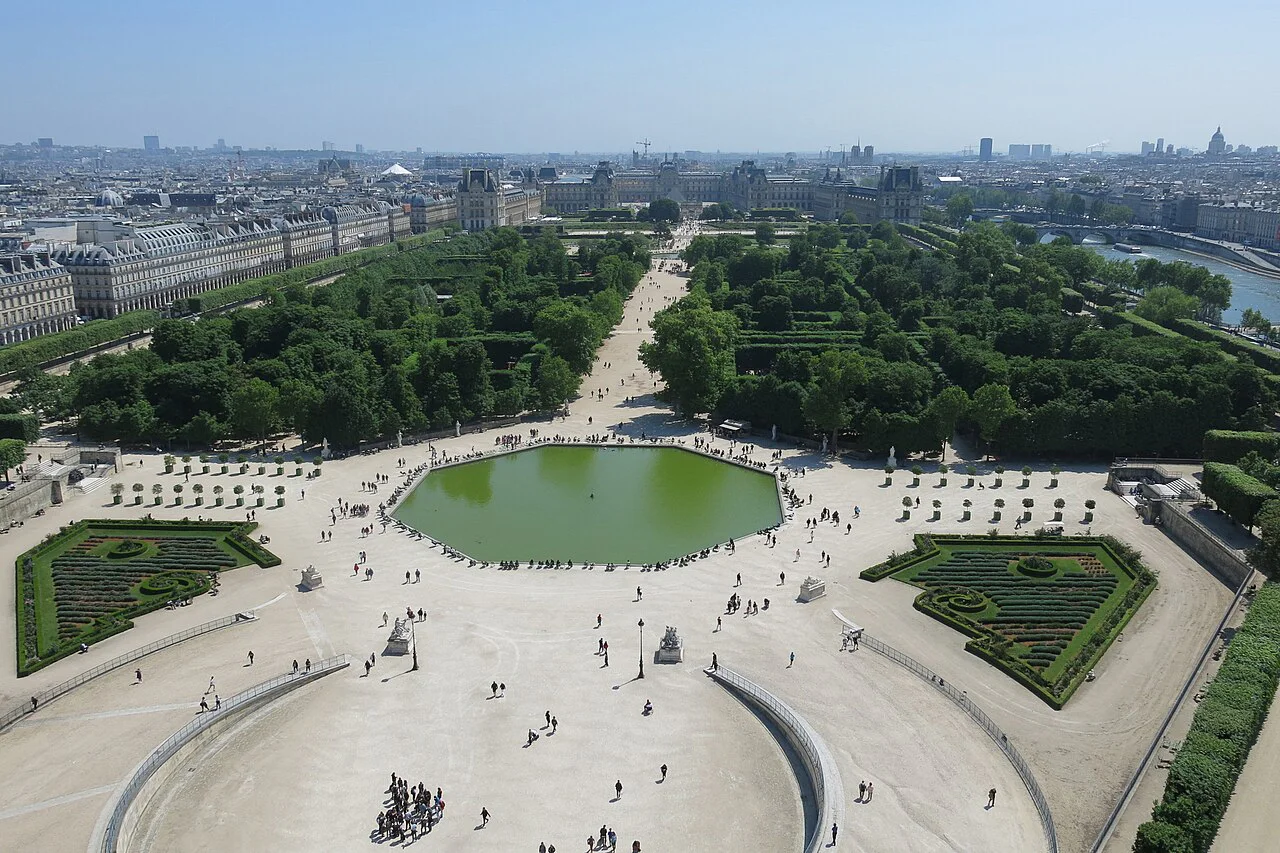
Paris · 1 km
Jardin des Tuileries
Content & sources
Tangopaso · Public domain
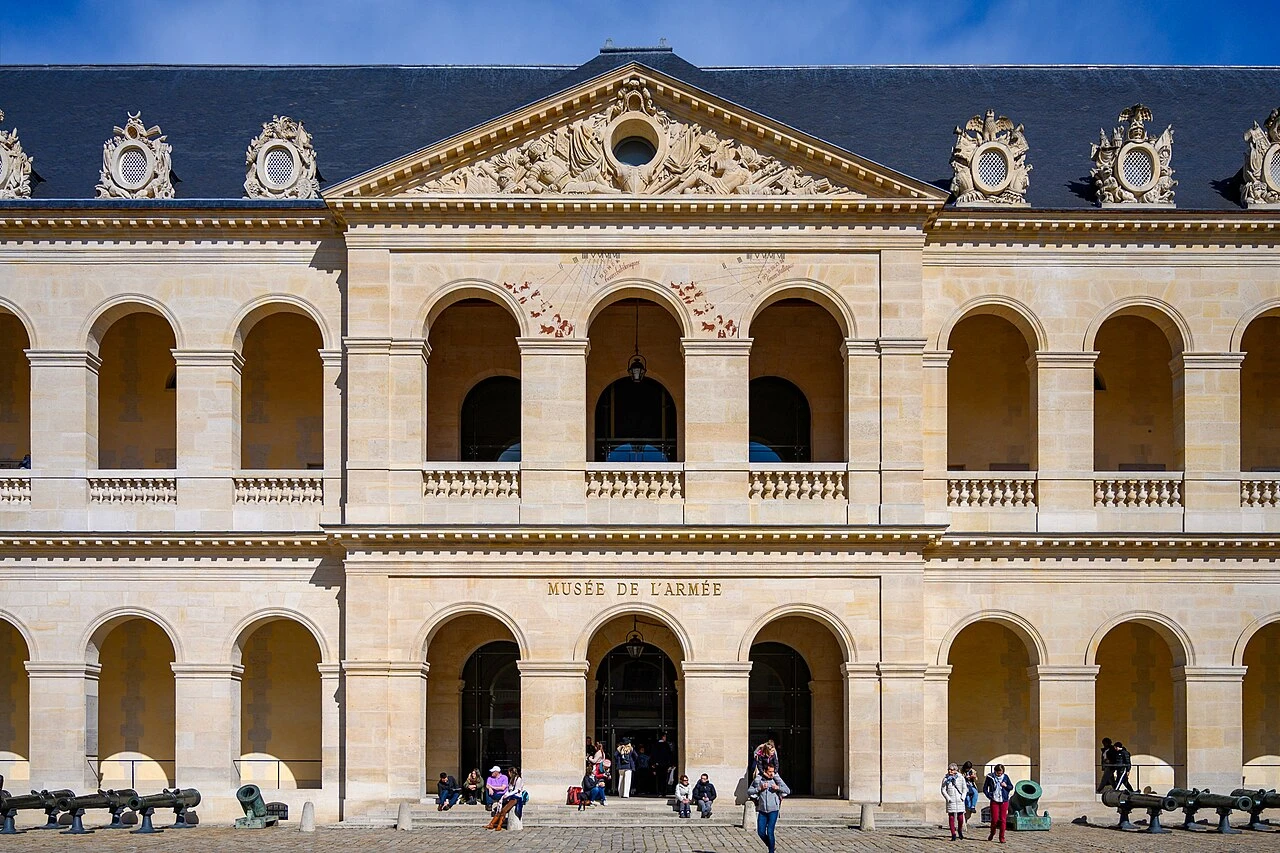
Paris · 1 km
Musée de l'Armée
Content & sources
xiquinhosilva from Cacau · CC BY 2.0
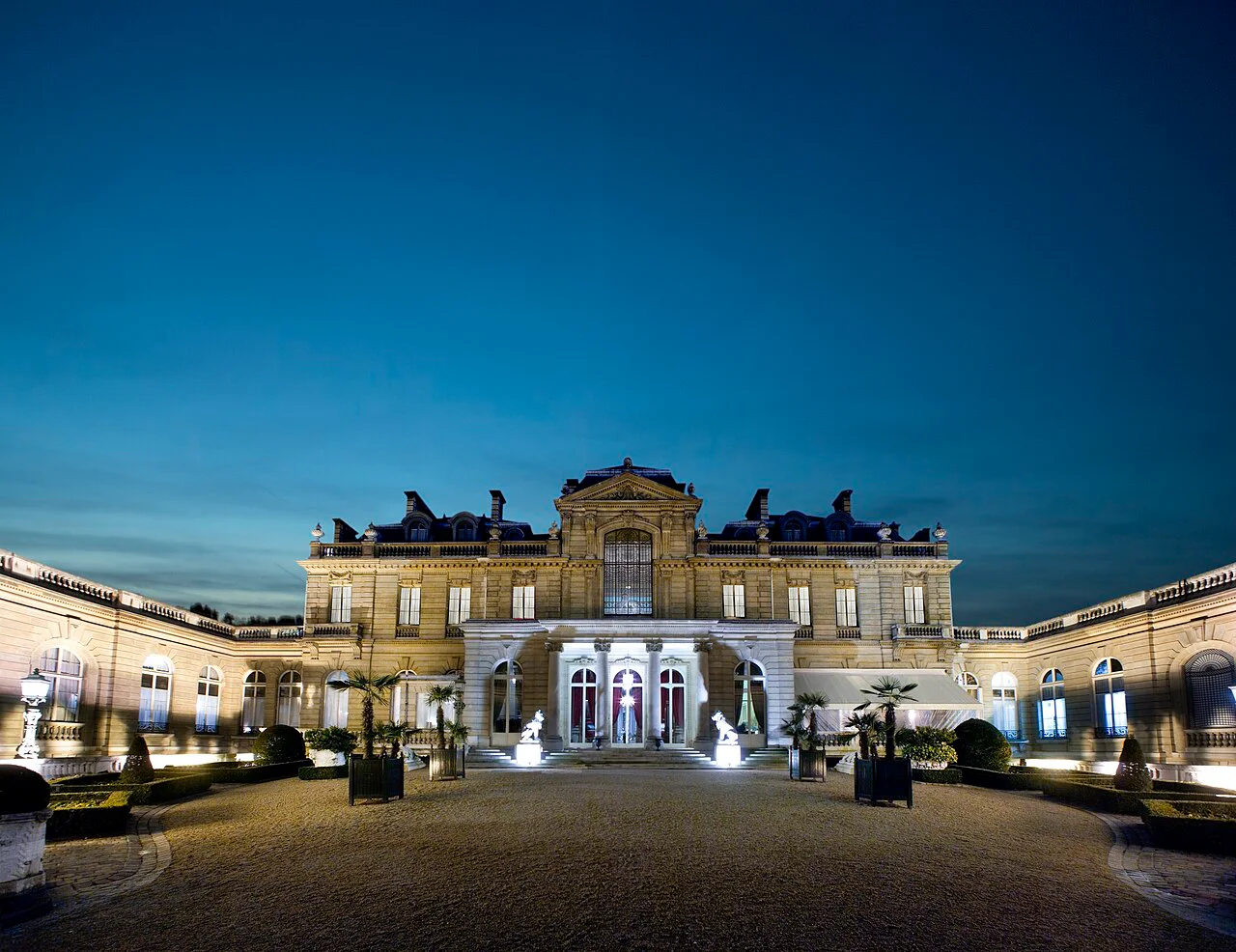
Paris · 1 km
Musée Jacquemart-André
Content & sources
Christophe Recoura · CC BY-SA 3.0
Art museums
More art museum audio guides
Paris · 24 artworks
Musée Jacquemart-André
Content & sources
Christophe Recoura · CC BY-SA 3.0
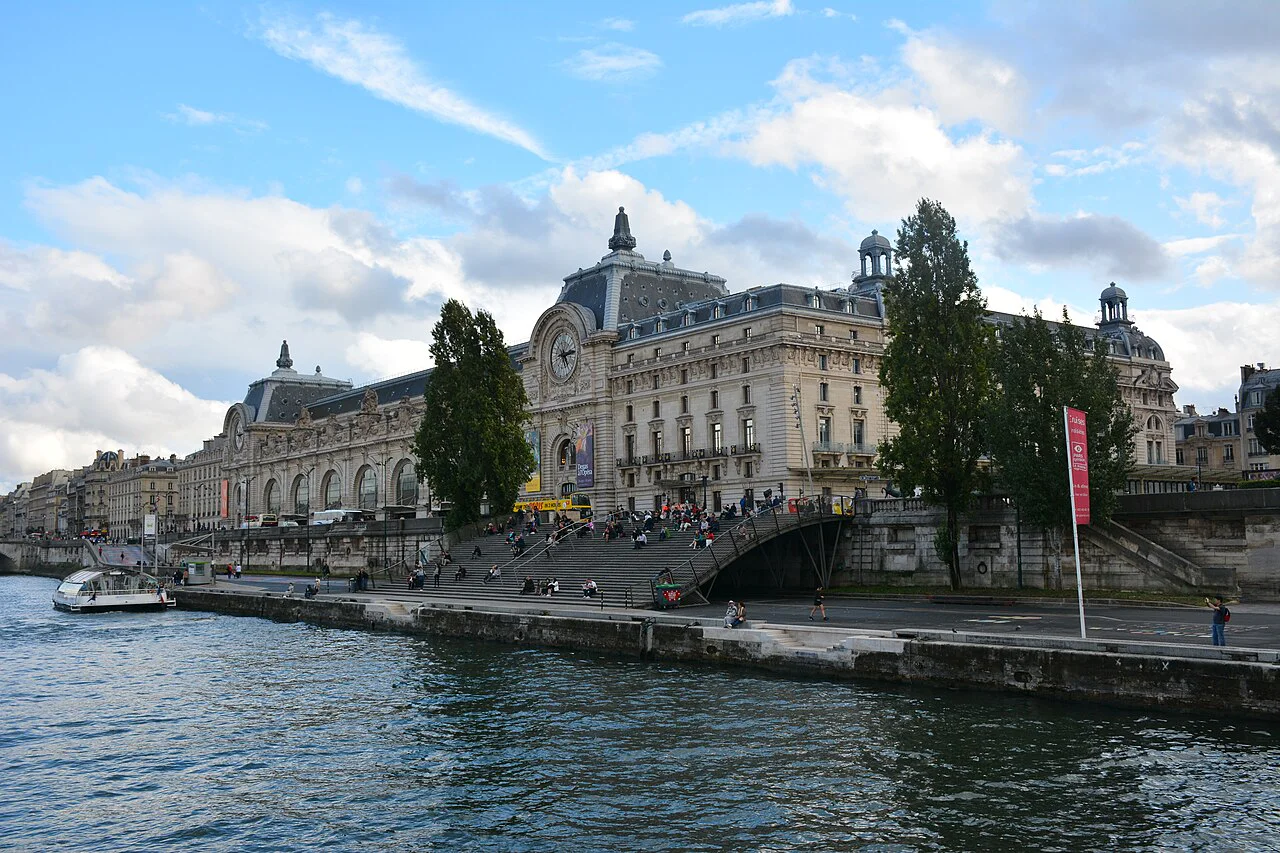
Paris · 205 artworks
Musée d'Orsay
Content & sources
Cheng-en Cheng from Taichung City, Taiwan · CC BY-SA 2.0
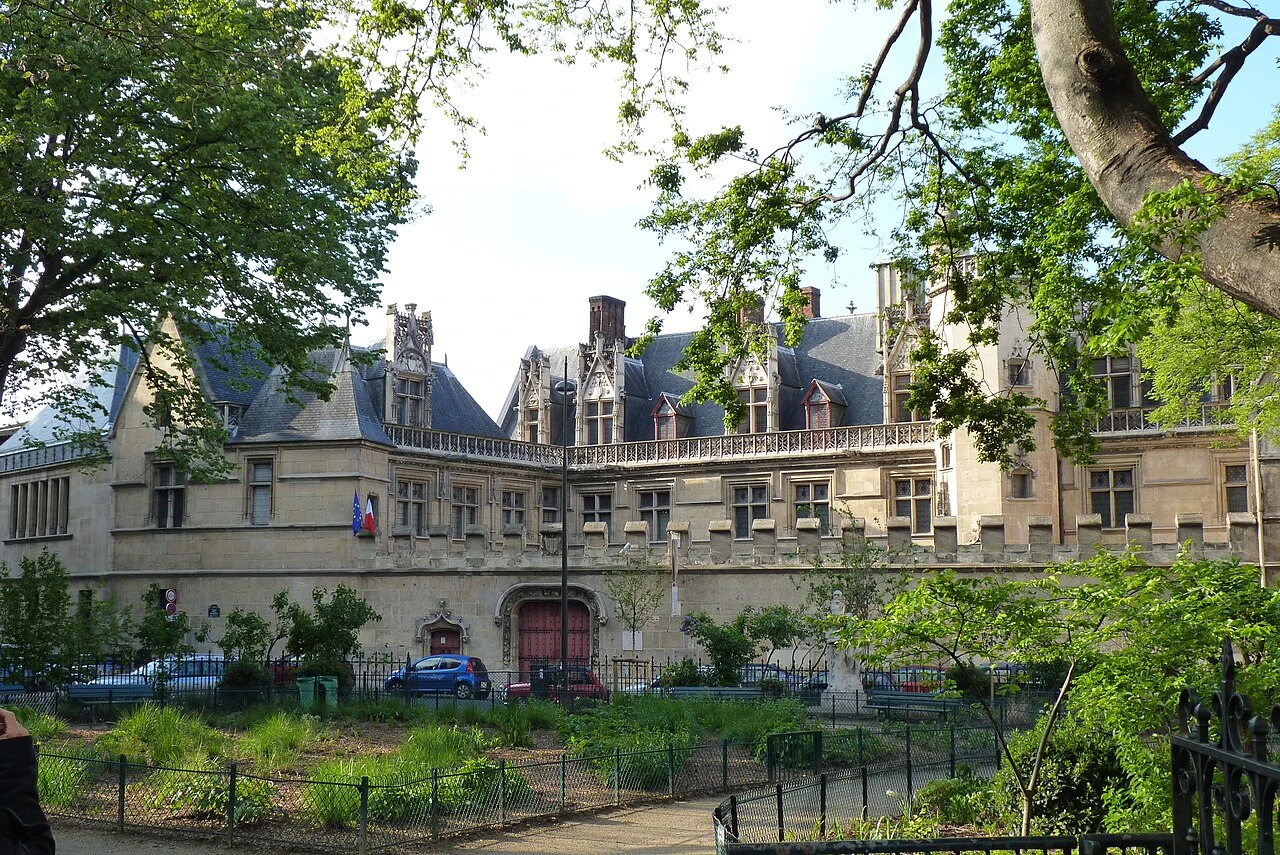
Paris · 29 artworks
Cluny Museum
Content & sources
ctj71081 · CC BY-SA 2.0
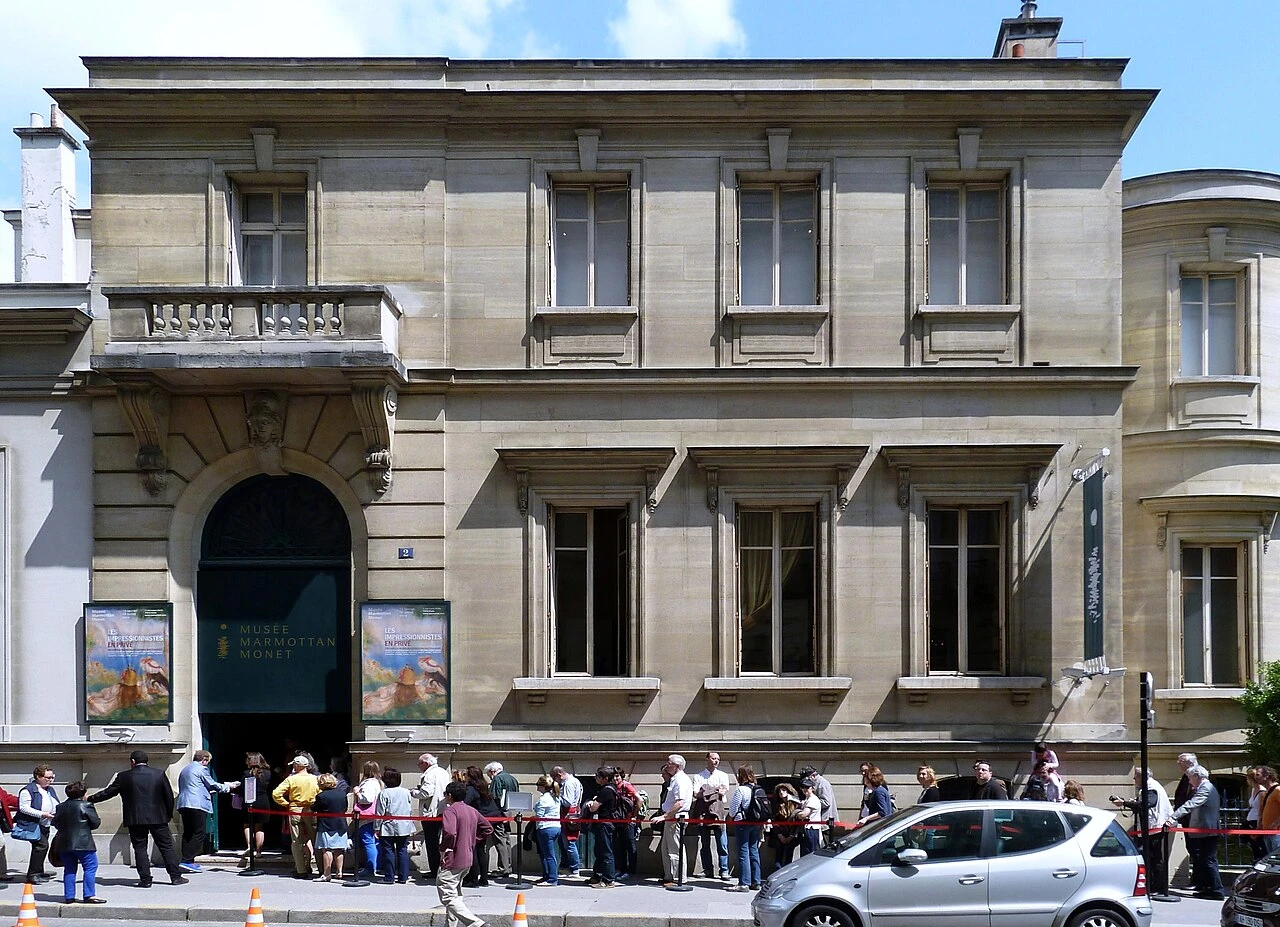
Paris · 25 artworks
Musée Marmottan Monet
Content & sources
PIERRE ANDRE LECLERCQ · CC BY-SA 4.0
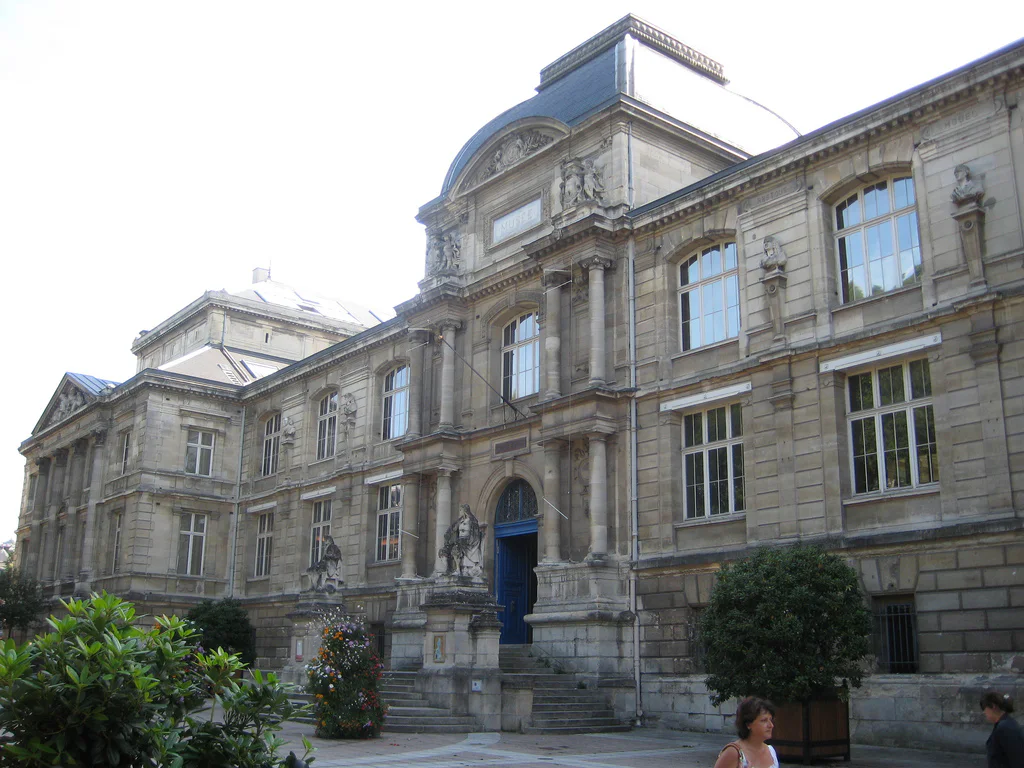
Rouen · 45 artworks
Musée des Beaux-Arts de Rouen
Content & sources
Allie_Caulfield · CC BY 2.0
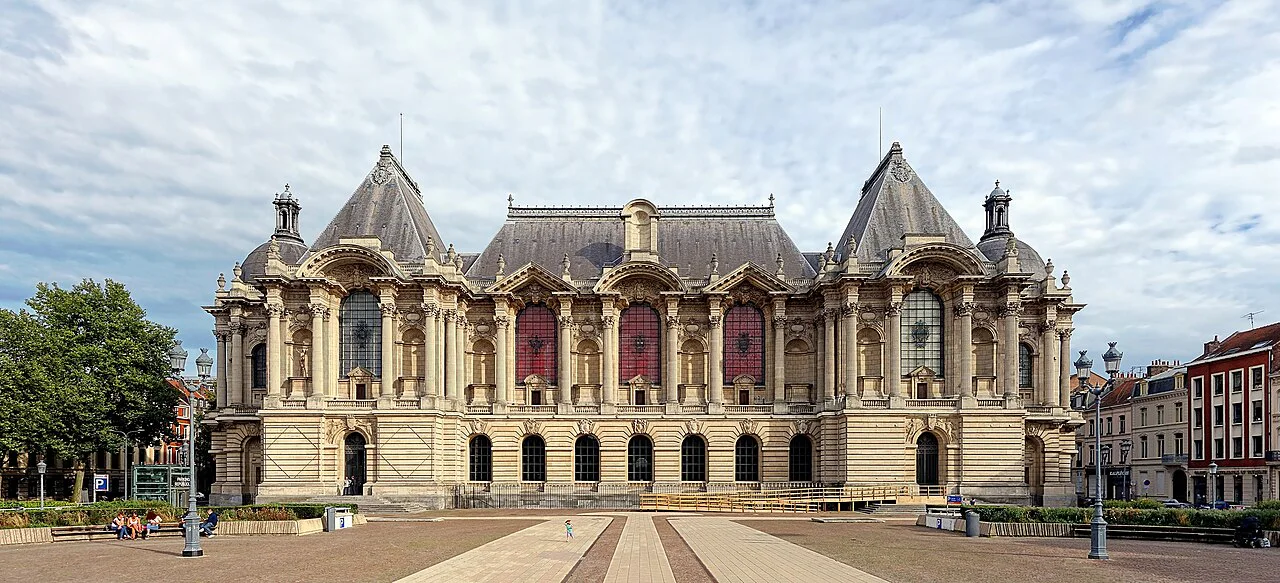
Lille · 96 artworks
Palais des Beaux-Arts de Lille
Content & sources
Photo: Velvet · CC BY-SA 3.0