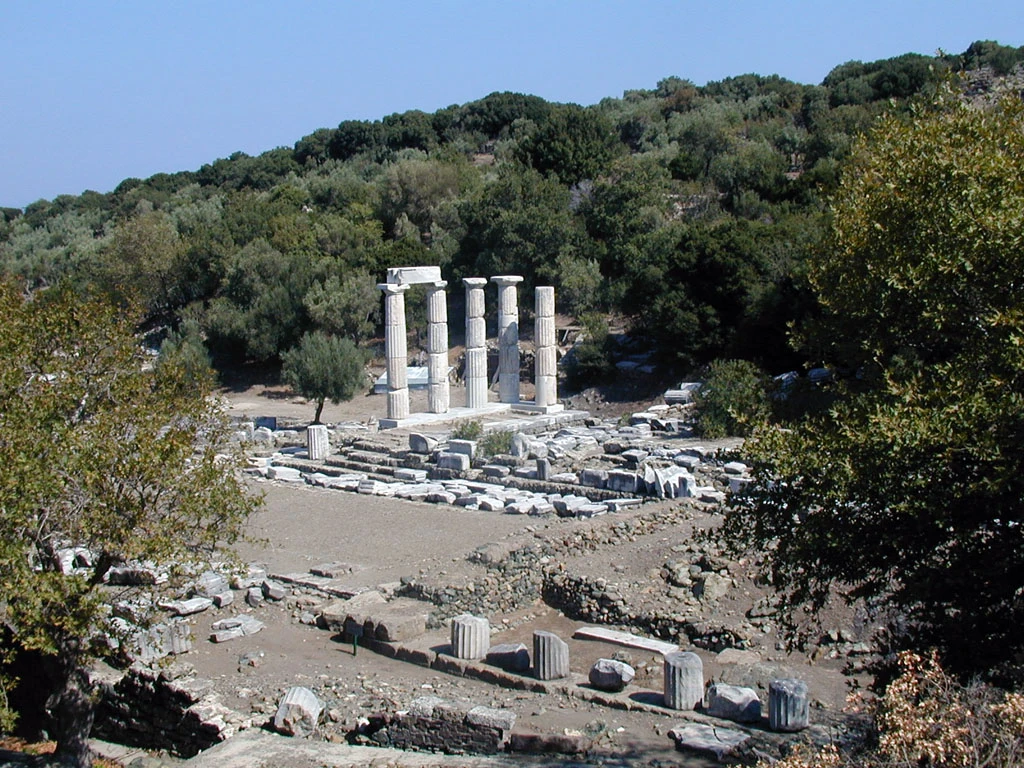
 Stanza / Audio guide
Stanza · Audio guide
Sanctuary of the Great GodsAudio guide
A place to remember. A story to take with you.
The Sanctuary of the Great Gods is a major ancient religious complex on the island of Samothrace famous for its mystery cult. It features the ruins of several temples and buildings, including the site where…
Download Stanza, then search for “Sanctuary of the Great Gods”.
About the tour
One guide. Your kind of visit.
The Sanctuary of the Great Gods is a major ancient religious complex on the island of Samothrace famous for its mystery cult. It features the ruins of several temples and buildings, including the site where the Winged Victory of Samothrace was discovered.
Ready when you are.
- 01Get the free Stanza app.
iOS & Android
- 02Find your guide.
“Sanctuary of the Great Gods”
- 03Download before you go.
Works offline
Audio guide / 26 narrated stops
Inside the guide
Get to know a few of the stories before you go. Open a stop to read more.
01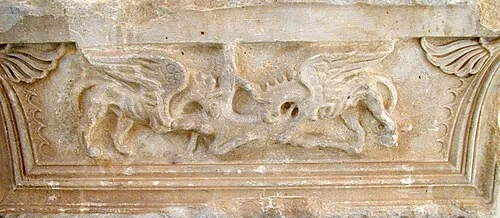 Propylon of Ptolemy IIThe Griffin of the Gateway
Welcome to the Sanctuary of the Great Gods. We begin our journey at the Propylon, the massive ceremonial entrance that once served as the threshold between the mundane world and this sacred valley. Take a look at this large stone block where a mythical griffin is carved with remarkable precision. These creatures, possessing the body of a lion and the wings of an eagle, were the traditional symbolic guardians of the sanctuary, standing watch over the entrance to protect the holy grounds from those not meant to enter. This specific stone was part of a grand gateway built around 280 BC. It was a lavish gift from the Egyptian King Ptolemy II, intended to immediately impress pilgrims arriving from across the Mediterranean. Notice how the carving is quite sharp and deep; ancient architects designed it this way so the details would remain clearly visible from a distance as visitors approached. Passing through this gate was a transformative experience, signaling to every ancient traveler that they had officially entered the realm of the Great Ones.
No machine-readable author provided. Marsyas assumed (based on copyright claims). · CC BY-SA 3.0
02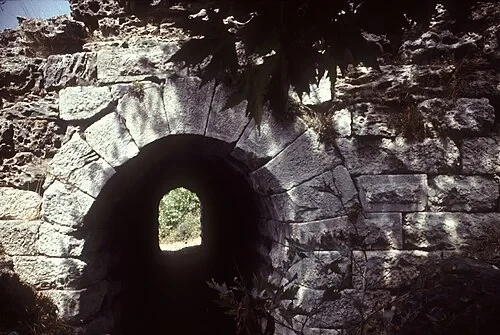 Propylon of Ptolemy IIThe Ancient Torrent Bridge
Notice the massive stones forming a curved span over the dry creek bed. This is one of the oldest surviving arched bridges in all of Greece, a remarkable feat of ancient engineering. Thousands of years ago, a mountain torrent rushed through this spot, especially during the rainy seasons. Pilgrims arriving for the summer festivals had to cross this specific bridge to reach the ritual grounds tucked further into the valley. The construction of the bridge is fascinating because the stones are wedged together without any mortar or cement. The structure relies entirely on the precision of the cuts and the downward pressure of the arch itself to stay standing. It has survived earthquakes and floods for over two thousand years using this simple physical principle. This bridge served as both a physical and a symbolic crossing point. Once a pilgrim stepped over the water flowing beneath these stones, they were officially standing on sacred land, leaving the secular world behind to face the mysteries that awaited them in the temples ahead.
Photo: Zde · CC BY 4.0
03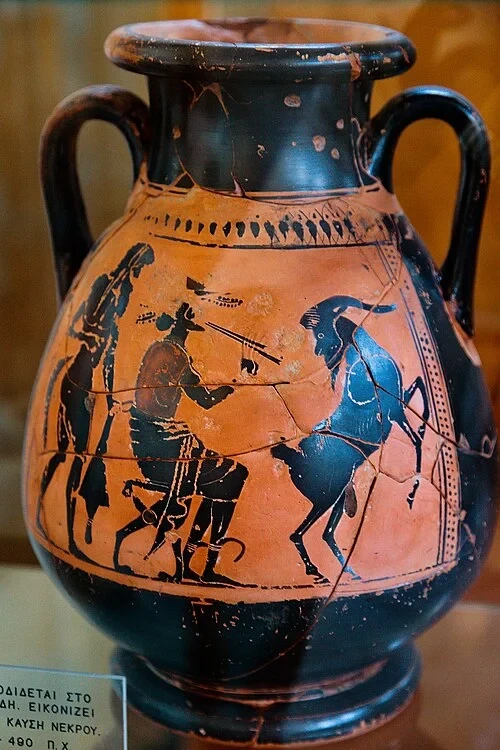 Southern NecropolisThe Satyr’s Offering
This black-figured pottery vessel is known as a pelike, a type of jar typically used to store wine or precious oils. It features a detailed depiction of a satyr, the half-man, half-goat companion of Dionysus. Notice the Satyr's energetic, almost frantic pose as he plays the aulos, or double flute. This wild energy reflects the ecstatic nature of the music and dance that were central to the Samothracian cults. Many items like this were recovered from the Southern Necropolis, the ancient cemetery located just outside the city walls. Families often left these vases as gifts for their deceased loved ones. There was a strong belief that participating in the secret mystery rituals performed here would guarantee a person a significantly happier and more protected life in the underworld. The presence of the satyr on a funerary gift reminds us that the rituals here weren't just somber prayers; they involved vibrant music, dance, and a deep connection to the untamed forces of nature. The pottery survived in fragments but was carefully reassembled to reveal this window into ancient belief.
Listen in the appDeyan Vasilev ( Dido3 ) · CC BY-SA 3.0
04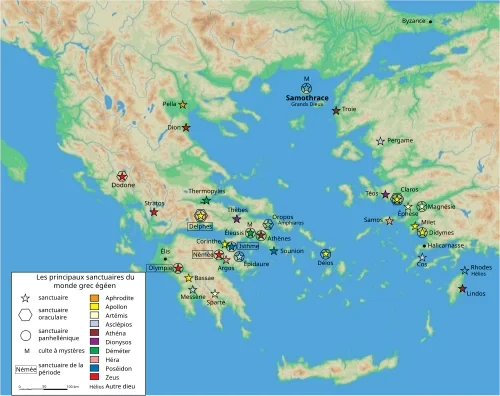 Entrance ComplexSanctuary of the Great Gods
Looking at this map helps explain why such an isolated, rugged island became one of the most famous religious centers in the Greek world. Samothrace sits directly on the primary ancient shipping lanes connecting the Black Sea with the Mediterranean. In an era when sea travel was incredibly dangerous, this island was a vital landmark for sailors. These mariners were the primary worshippers at the sanctuary; they believed the Great Gods had unique power to protect them from the shipwrecks and violent storms common in the North Aegean. The map reveals the island's strategic importance. While cities like Delphi were centers for politics and Olympia was the home of athletics, Samothrace was the place people traveled to when they were genuinely terrified of the sea. Famous figures from across the ancient world, including the parents of Alexander the Great, came here to be initiated. The wealth generated by these thousands of pilgrims funded the magnificent marble buildings whose ruins we see today. The sanctuary flourished precisely because it offered spiritual security to those braving the unpredictable waves of the ancient world.
Listen in the appMarsyas · CC BY 2.5
05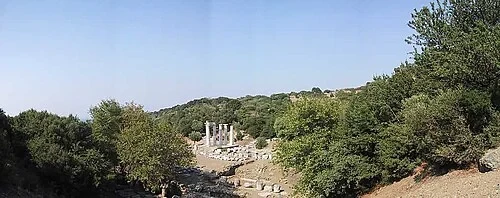 Dedication of Philip III and Alexander IVSanctuary of the Great Gods
Observe the way the sanctuary is organized across three distinct, steep terraces designed to manage the island's difficult mountain terrain. Unlike the famous Parthenon in Athens, which sits high on a visible hill to be seen from miles away, the ruins here are tucked deep into a natural valley. This layout was a very deliberate choice by the ancient architects. The Great Gods of Samothrace were chthonic deities, meaning they were gods associated with the earth, the springs, and the dark mysteries of the underworld. Because of this connection to the earth, the sanctuary was built 'down' into the landscape, nestled between the slopes of Mount Saos. This creates a sense of enclosure and secrecy, fitting for a site dedicated to mystery rituals that were strictly forbidden to be discussed with outsiders. The natural valley acted as a theater, focusing the attention of the worshippers inward toward the rituals being performed on the lower levels. As you look across the terraces, you can see how the white marble structures would have contrasted sharply against the dark, wooded slopes of the mountainside.
Listen in the appAgon S. Buchholz (user asb) · CC BY-SA 3.0
06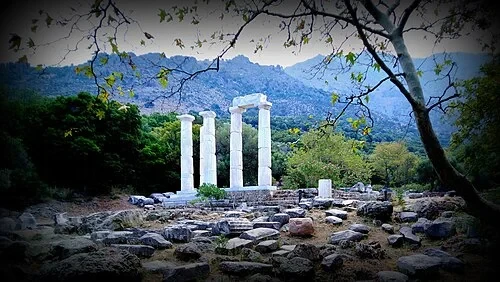 Sacred Way and Ionic PorchThe Columns of the Hieron
Rising against the backdrop of the mountains are five standing Doric columns that belong to the Hieron. This building was the 'Holy of Holies,' the most restricted and sacred part of the entire sanctuary complex. While many parts of the site were open to general visitors, only those who had already passed the first level of initiation and achieved a specific spiritual status were permitted to step inside this building. The marble used for these massive pillars didn't come from Samothrace itself. It was quarried on the nearby island of Thasos and transported here by ship, a significant logistical feat given the weight of the stone and the rough seas. The columns are carved in the Doric style, recognizable by their sturdy proportions and simple, unadorned tops. When you look at their height against the jagged peaks of Mount Saos, you get a true sense of the monumental scale of construction the ancients achieved in such a remote, vertical location. The Hieron was designed to be imposing, a physical manifestation of the power of the gods worshipped within its windowless walls.
Listen in the appAris Vlastos · CC BY-SA 4.0
07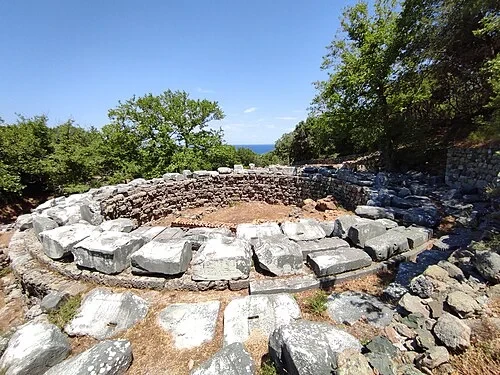 Rotunda of Arsinoe IIRotunda of Arsinoe II
This massive circular stone foundation belongs to the Rotunda of Arsinoe II. Built between 288 and 270 BC, it was the largest enclosed circular building in the ancient Greek world, spanning a diameter of twenty meters. Such a structure was an architectural marvel for its time, pushing the boundaries of what was possible with stone and timber. The project was funded by Queen Arsinoe II of Egypt, one of the most influential and powerful women of the Hellenistic age. She had a personal connection to the island, having fled here for safety during a period of violent and deadly royal family infighting in Macedonia. She dedicated this magnificent space to be used for ritual banquets and as a permanent place of refuge for those seeking the protection of the Great Gods. The sheer size of the foundation stones gives you an idea of the building's weight. It wasn't just a temple; it was a statement of royal power and a gift of gratitude from a queen who had survived the chaotic politics of her era.
Listen in the appPhoto: PLAKLE · CC BY-SA 4.0
08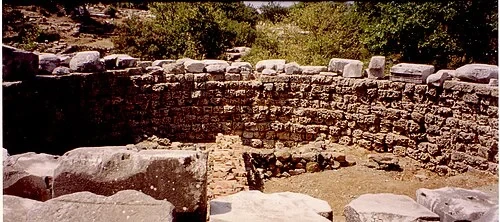 Rotunda of Arsinoe IIInside the Great Rotunda
Though only the foundations and scattered blocks remain today, try to visualize the interior of the Rotunda as it appeared two thousand years ago. Inside the circular hall, the walls were decorated with elaborate stone carvings and fine decorative elements. One of the most impressive features was the roof; it was supported by a highly sophisticated timber frame that spanned the entire twenty-meter width without the need for any central support pillars. This created a vast, open interior space that would have felt incredibly airy and grand. The floor was originally covered in slabs of fine marble, reflecting the light from high-placed openings. This circular hall served as a prestigious gathering place for elite guests to feast during the Great Samothracian Festival held every summer. Imagine the scene during the height of the festivities: the sound of music, the smell of roasted meat, and the presence of diplomats and kings from across the Greek world, all gathered in this unique round room. It was a place where the social and the sacred overlapped, reinforcing the sanctuary's status as a premier destination for the ancient Mediterranean elite.
Listen in the appPhoto: Kalogeropoulos · CC BY-SA 3.0
09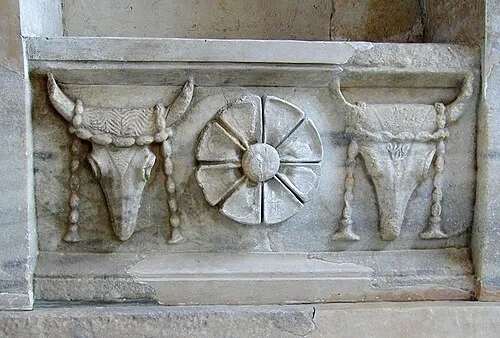 Rotunda of Arsinoe IIThe Bull’s Head Frieze
Along the decorative band that once sat near the top of the Rotunda walls, you can see these fascinating carvings known as 'bucrania.' They depict the skulls of sacrificed bulls, realistically draped with ritual garlands and flowers. These carvings are far more than just decoration; they are a permanent visual record of the actual animal sacrifices that took place in the open-air courtyards nearby. Bull sacrifice was a central and highly visible part of the worship here at Samothrace. The blood of the animals was considered a powerful offering to the gods of the earth. Between the bull skulls, you will notice 'rosettes'—carvings shaped like stylized flowers. In the context of the sanctuary, these rosettes likely symbolized life, fertility, and the concept of rebirth, contrasting with the imagery of death represented by the skulls. This combination of life and death symbols reflects the core themes of the mystery cult, which promised initiates a better existence after their time on earth. The level of detail in the garlands shows the skill of the stone carvers who worked to make these rituals immortal in marble.
Listen in the appNo machine-readable author provided. Marsyas assumed (based on copyright claims). · CC BY-SA 3.0
10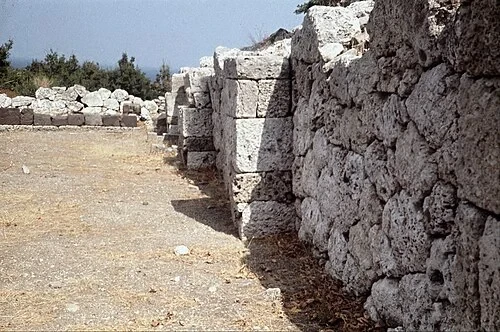 AnaktoronThe Walls of the Sacristy
These walls showcase a style called 'polygonal' masonry. Look closely at how the stones are cut into irregular, many-sided shapes that fit together perfectly, almost like a giant three-dimensional puzzle. These specific walls date back to approximately 500 BC, making them some of the oldest surviving structures on the entire site. This building originally served as the sacristy, a critical storage area for the sacred ritual objects, vestments, and the official records of those who had been initiated into the mysteries. While this style of building looks decorative, it was actually a highly practical engineering choice. The irregular, interlocking shapes of the stones were much better at absorbing the shock of earthquakes compared to standard rectangular blocks, which tended to slide or collapse more easily. This is why these walls are still standing while many later, more 'modern' buildings have fallen. The precision required to carve these stones without mortar is staggering; even today, you can barely fit a thin blade between the joints. These walls represent the early foundation of the sanctuary’s wealth and religious importance, long before the massive marble temples were constructed.
Listen in the appPhoto: Zde · CC BY 4.0
Sanctuary of the Great Gods
Frequently asked questions
How much does the guide cost?
Free app download. Listed guide price: $3.99. Guide price shown in the app. Audio guide only. Venue admission is separate.
Can I listen without internet?
Yes. Download the guide’s audio, images, and maps in the app before your visit. Your downloaded content is then available offline.
Can I listen in my language?
Stanza supports 15 languages. Check the app for the languages available for this guide.
Do I need to follow a schedule?
No. This is a self-guided experience. Choose your stops, pause whenever you like, and return to a story at your own pace.
At your own pace
Explore Sanctuary of the Great Gods.
Download Stanza, then search for “Sanctuary of the Great Gods”.
Free app download · Guide price shown in the app
Keep exploring
Nearby audio guides
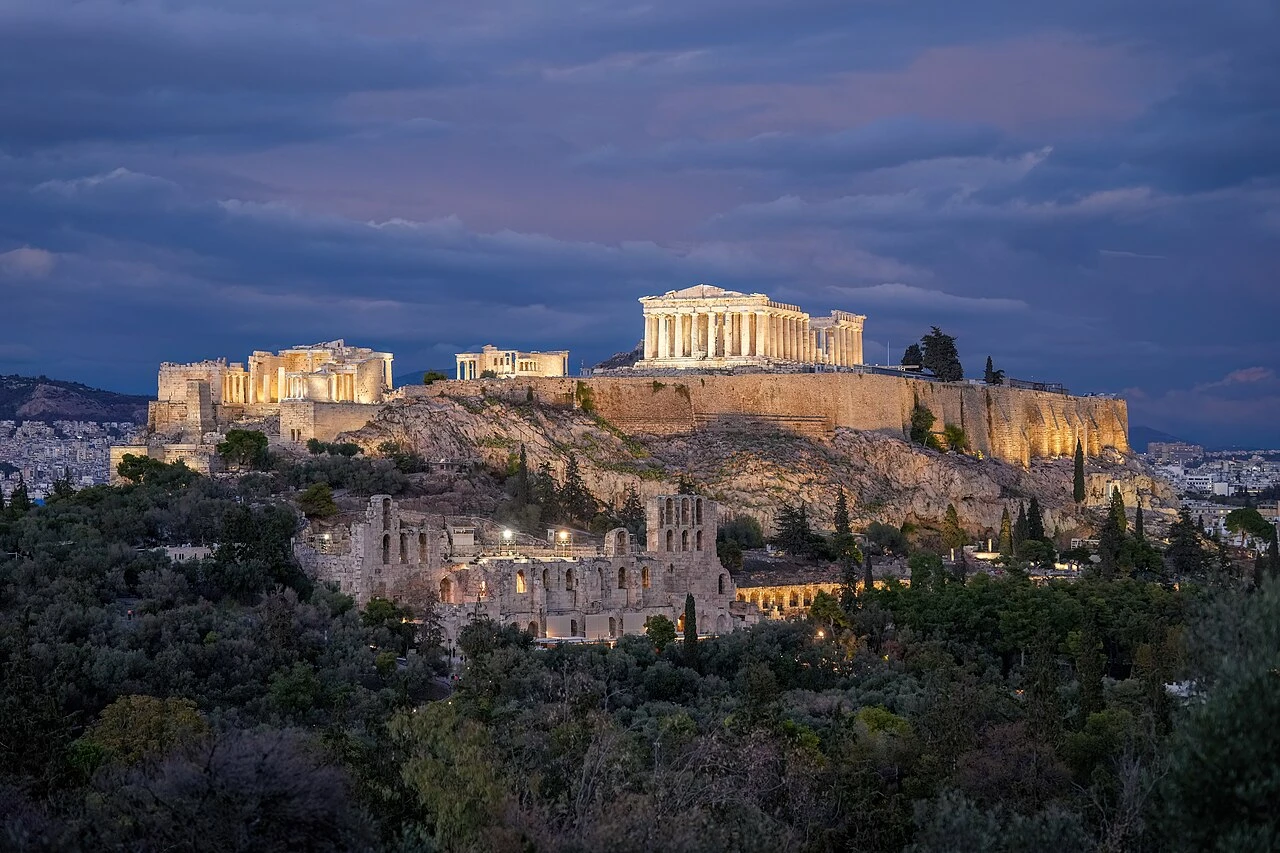
Athens
Acropolis of Athens
Content & sources
Photo: Giles Laurent · CC BY-SA 4.0
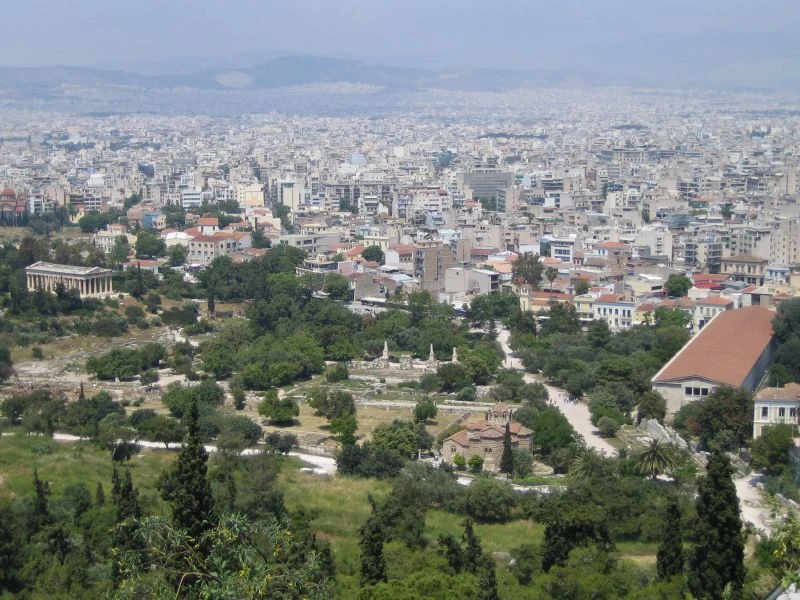
Athens
Ancient Agora of Athens
Content & sources
https://www.flickr.com/people/jonezes/ · CC BY-SA 2.0
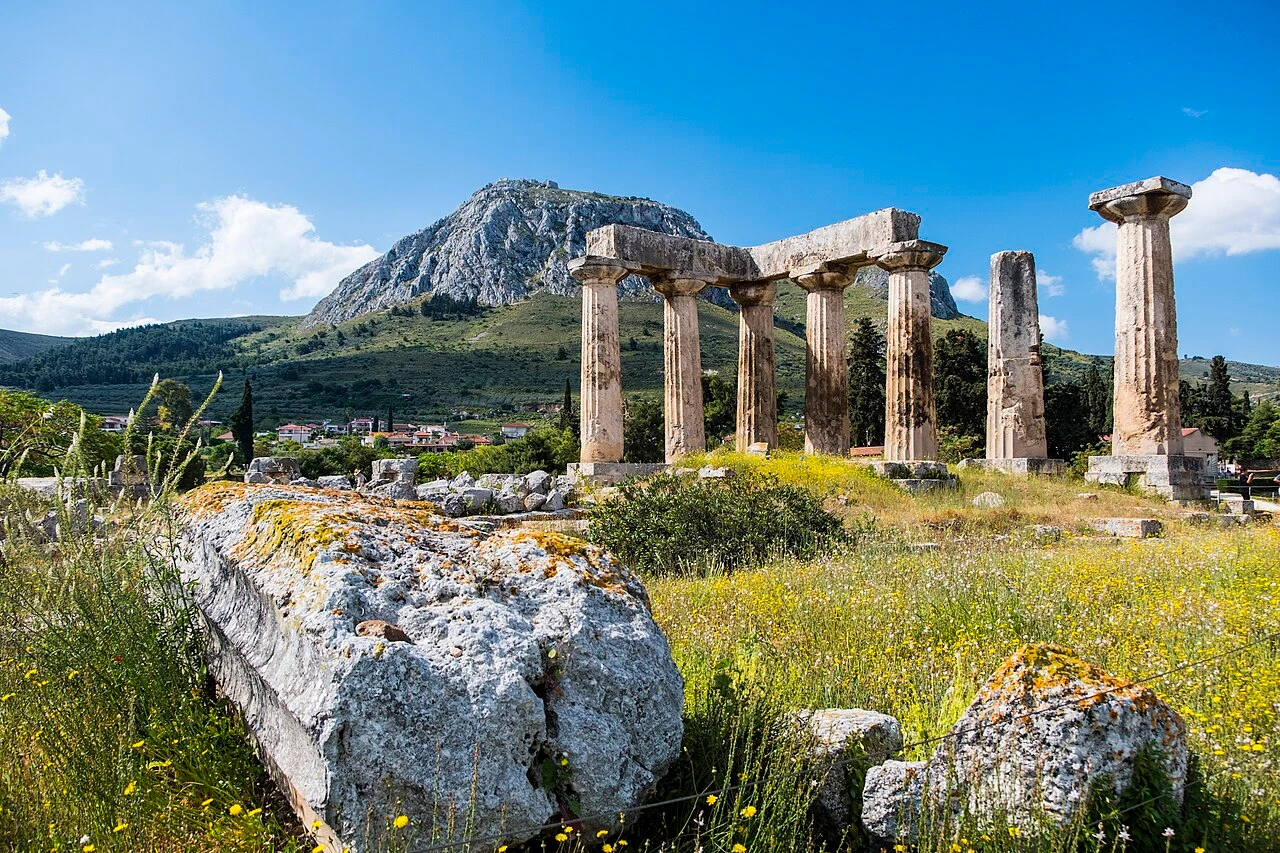
Municipal Unit of Corinth
Ancient Corinth
Content & sources
Davide Mauro · CC BY-SA 4.0
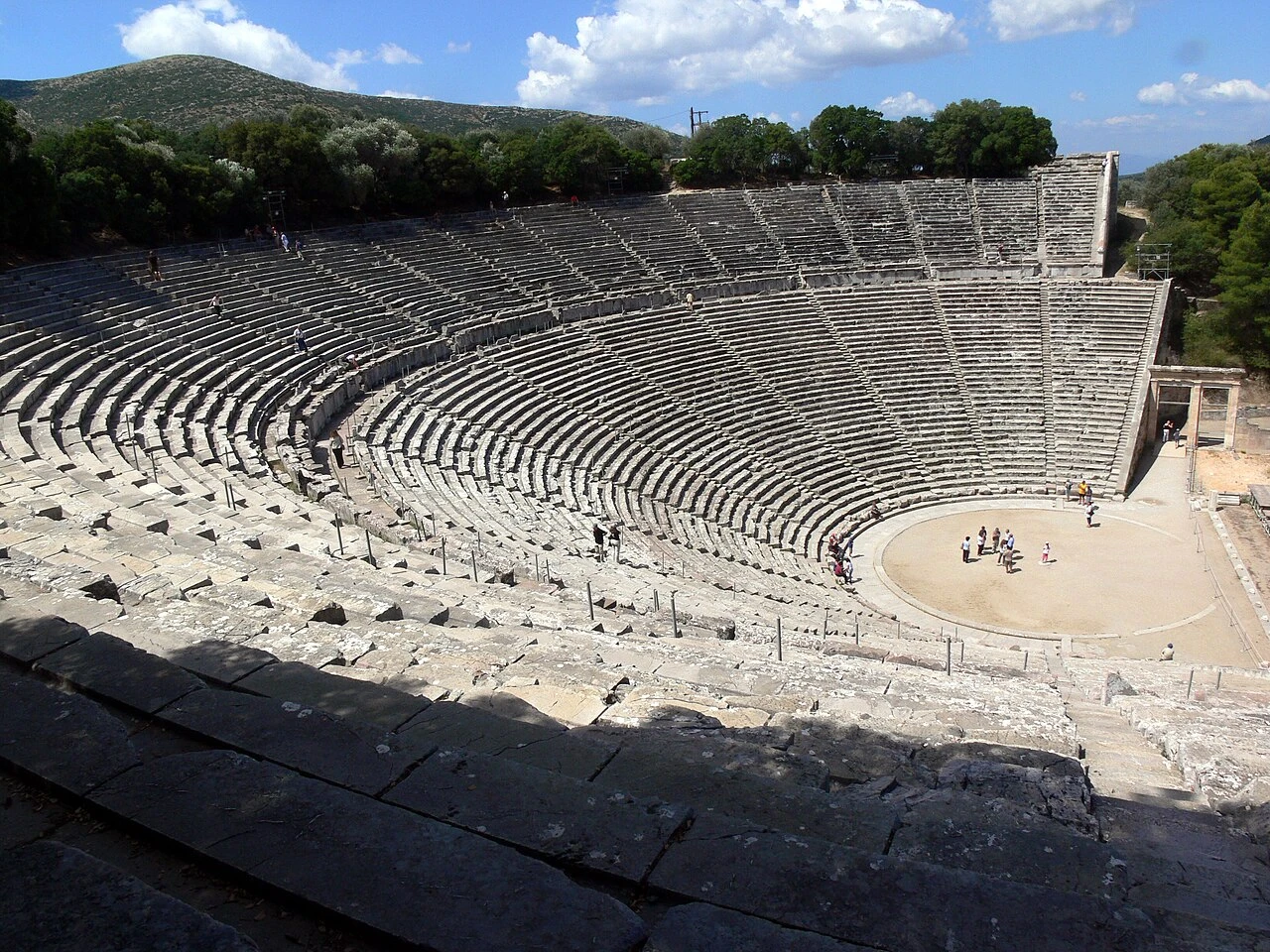
Municipal Unit of Asklipieio
Ancient Epidaurus
Content & sources
Photo: Fingalo · CC BY-SA 2.0 de