Stanza · Audio guide
Eger Castle Audio Guide
A place to remember. A story to take with you.
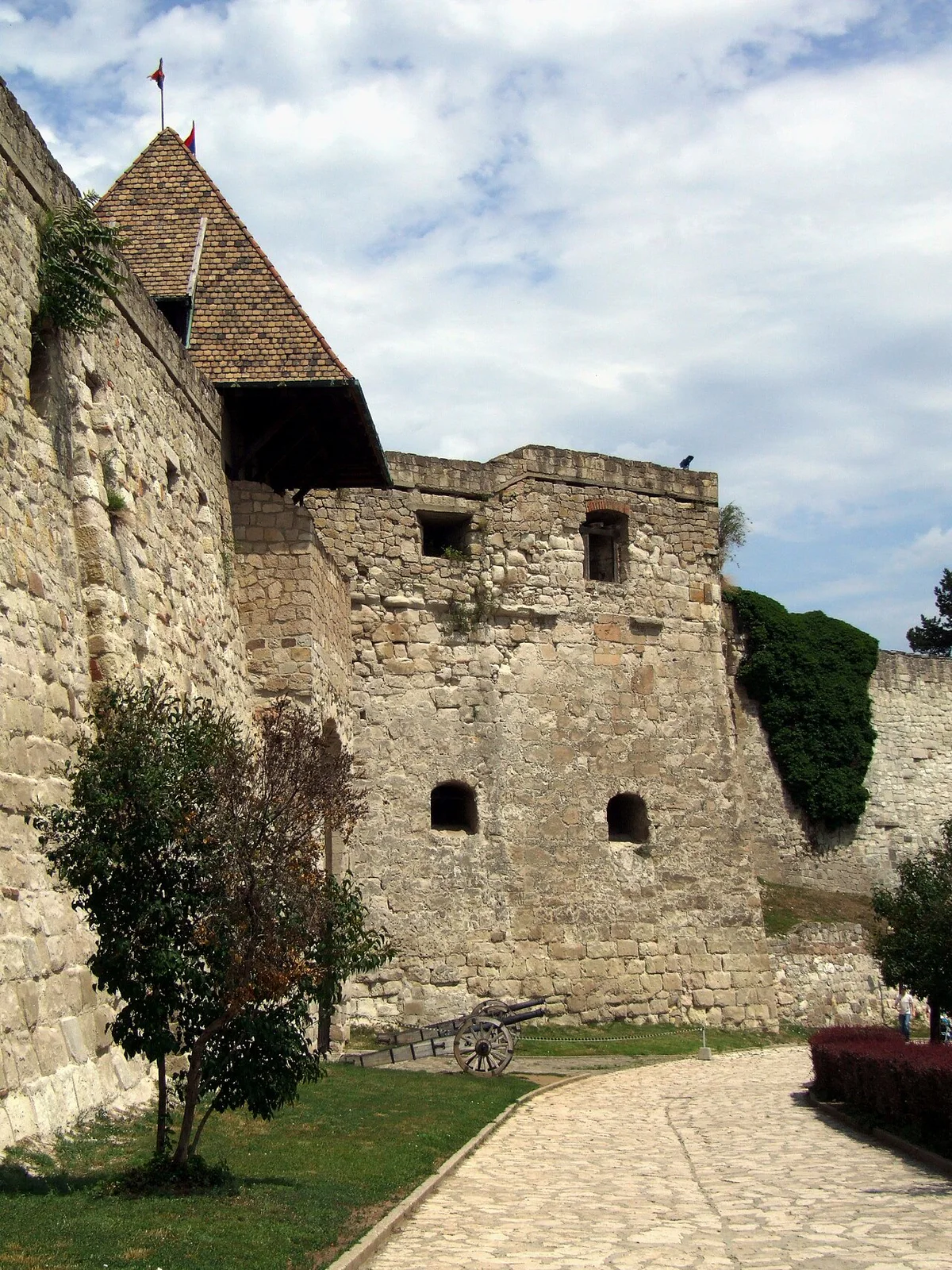
The Eger Castle is a castle located in Eger, Hungary. It is historically known for repelling the Turkish attack in 1552 during the Siege of Eger.
Download Stanza, then search for “Eger Castle”.
About the tour
One guide. Your kind of visit.
The Eger Castle is a castle located in Eger, Hungary. It is historically known for repelling the Turkish attack in 1552 during the Siege of Eger.
Ready when you are.
- 01Get the free Stanza app.
iOS & Android
- 02Find your guide.
“Eger Castle”
- 03Download before you go.
Works offline
Audio guide / 15 narrated stops
Inside the guide
Get to know a few of the stories before you go. Open a stop to read more.
01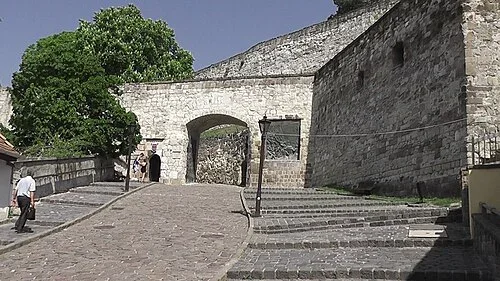 Main Approach and Southern Fortifications
Eger Castle Main Gate
Welcome to Eger Castle, the great stone fortress rising over the Hungarian town of Eger. A bishop's castle once, then a border fortress against the Ottoman Empire, today a national memorial site. Its oldest story begins on another hill altogether. The first castle stood at Felsőtárkány, on the high hill called Várhegy, a refuge for the bishops of Eger. In 1241 the Mongol invasion swept through Hungary and ruined it. So the bishop moved down to this rocky hill in the town and started again. From around 1261 the high stone walls went up here, part of the great rebuilding of the country.
Lajos Gál · CC BY-SA 3.0
02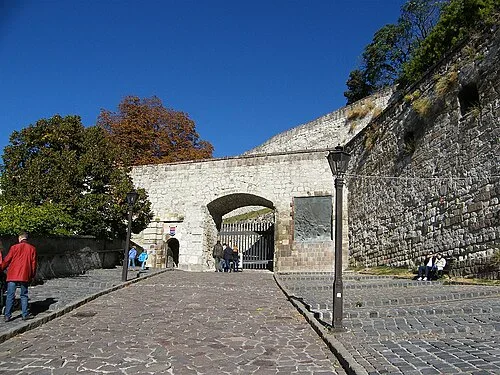 Main Approach and Southern Fortifications
Ruins of the Fortress System
The gateway is only the first layer of a defensive system rebuilt for the age of gunpowder. In the first half of the sixteenth century the castle was split in two, an outer castle and an inner castle, each with its own walls. The defenses were modernized to plans by Alessandro Vedani. The way in tells the story. The path runs between the reconstructed southern outer wall and the inner wall, then crosses through the Varkoch gate bastion, built in 1542. Work is under way to return that bastion to its sixteenth-century state, with a solid timber gate on a lifting mechanism and a period guardroom upstairs. An attacker who got past all that would still have faced the inner castle beyond.
Mykee78 · CC BY-SA 2.5 hu
03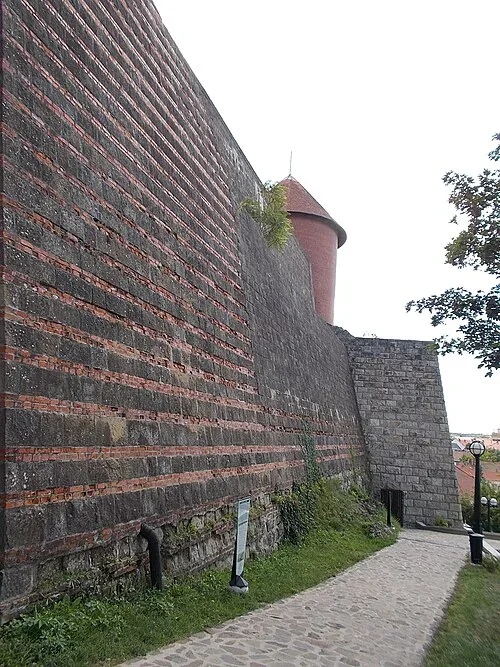 Main Approach and Southern Fortifications
Western Wall and Blacksmiths' Bastion
The bands of brick running through this wall face are the marks of repair, centuries of it. The builders raised the ramparts in massive blocks of a soft local stone, easy to carve but quick to suffer in frost. After a hard winter, whole sections could give way. So the walls were rebuilt again and again, each campaign leaving its own courses in the face. The patchwork is the point: a fortress is never built once, only maintained forever. The Blacksmiths' Bastion at the end of this stretch carries the same layered history in its stonework.
Listen in the appPhoto: Globetrotter19 · CC BY-SA 3.0
04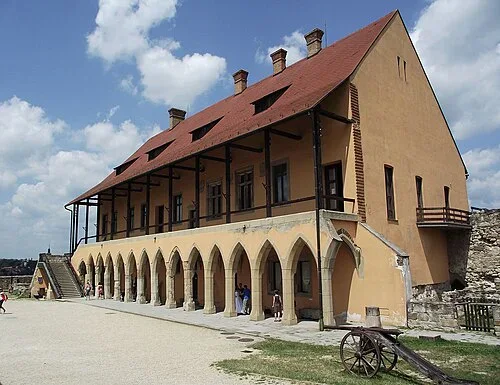 The Gothic Bishop's Palace
Few Gothic houses of this kind survive anywhere in Hungary, and this palace is one of them. Built around 1470 under Bishop János Beckensloer, it served as the residence of the bishops of Eger on the north-west side of the inner castle. Its afterlife was humbler. When the castle's military days ended, the palace was turned first into a prison and then into a granary. By the middle of the nineteenth century it was the only building left standing on a hill that had become a grassy mound.
Listen in the appAttila Brunner · CC BY 3.0
05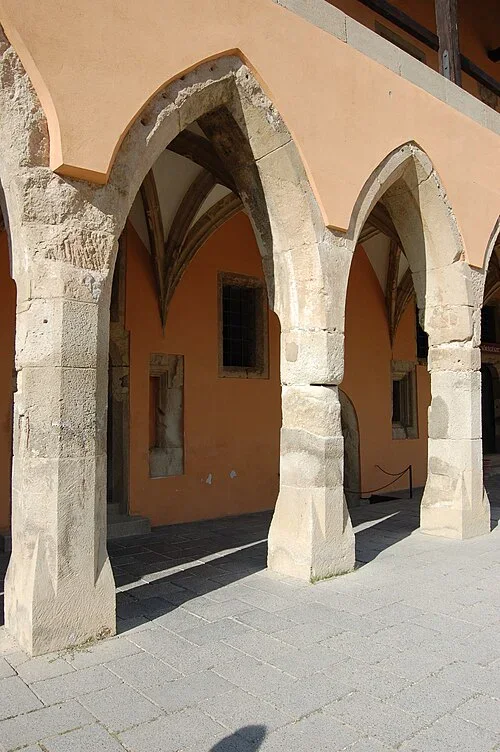 The Gothic Bishop's Palace
Arcade Gallery of the Bishop's Palace
The ground floor of the palace is an arcade: a gallery of pointed arches opening outward, roofed with cross-vaults where stone ribs cross overhead. Part of it is original fifteenth-century work, and Gothic window and door openings still survive in the wall behind the columns. A gallery like this did two jobs in a Gothic residence. The vaults carried the weight of the upper floor, and the arches sheltered the ground-level rooms and walkways from weather. The storey above is younger: an eighteenth-century rebuild, dressed with Gothic and Renaissance details. Two eras meet in a single facade.
Listen in the apph_laca · CC BY 3.0
06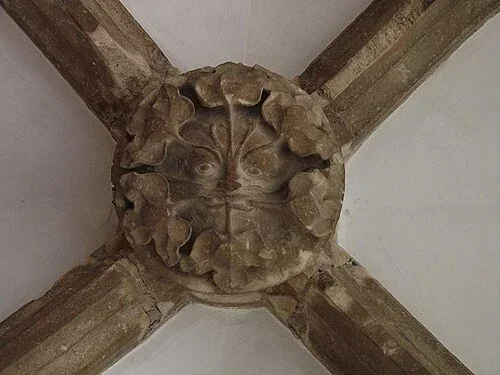 The Gothic Bishop's Palace
Carved Keystone of the Gothic Vault
Where the vault ribs meet overhead, the masons closed the junction with a carved stone boss. This one is a mask surrounded by leaves, a face peering out of foliage. In Gothic practice such bosses were structure and ornament at once: they locked the ribs together and gave the carvers a small round canvas for sculpture. A working residence did not need a carved face in its vault. Its presence says the palace was meant to impress, a lordly building and no barracks. Where exactly this stone sat originally, and whose face it shows, no one can say for certain.
Listen in the appAttila Brunner · CC BY 3.0
07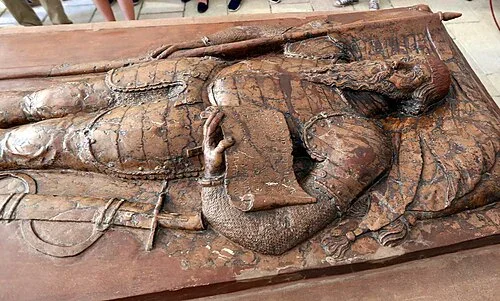 Heroes' Hall and the 1552 Siege
Dobó's Tomb in the Heroes' Hall
In the Heroes' Hall, on the palace ground floor, stands a tomb of red marble. Its effigy shows István Dobó lying in armour, the captain of this castle. Dobó was appointed castle captain in 1548 and spent his years in office strengthening the fortress for the attack everyone expected. It came in September 1552. The united Ottoman armies under the vizier Kara Ahmed numbered as many as forty thousand men. The castle held roughly two thousand defenders. Their assaults were repelled again and again, until the attackers withdrew with heavy losses. About seventeen hundred of the defenders survived. Around the tomb stand symbolic figures of the heroes of Eger. A wall plaque lists the defenders of 1552 known by name.
Listen in the appPhoto: Thaler Tamas · CC BY-SA 4.0
08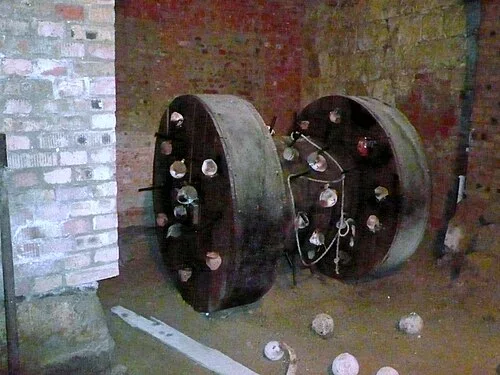 Heroes' Hall and the 1552 Siege
The Reconstructed Fire Wheel
Among the exhibits is a modern reconstruction of a weapon the defenders are said to have used: the wheel of fire. Two great wooden wheels are studded with charges and projectiles, meant to be rolled down onto the attackers. The contraption is credited to Gergely Bornemissza, an officer with a talent for improvisation who later designed fortifications of his own. How the wheel was actually built and used in the siege is hard to pin down; what stands here is a reconstruction made for the museum. Even so, it points to something true about the defense, which leaned on improvised engineering as much as on cannon.
Listen in the appThe original uploader was Tambo at Hungarian Wikipedia. · CC BY-SA 3.0
09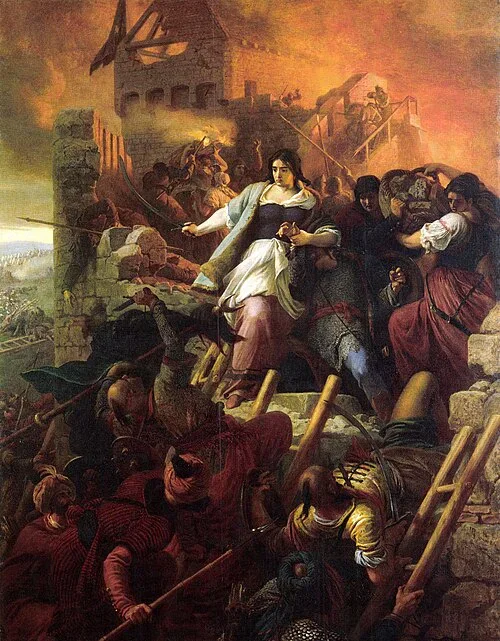 Heroes' Hall and the 1552 Siege
Painting of the Siege of Eger
One image of the siege has outlived most others: the women of Eger fighting on the breached walls. Smoke rolls over the ramparts, ladders lean against the stone, and women in ordinary dress strike out amid the fighting. It is a romantic image of the event, and it should be taken as memory rather than record. Its point holds all the same. The defense of 1552 was remembered as the work of a whole community, garrison soldiers and townspeople together, women carrying stones and powder alongside the men.
Listen in the appBertalan Székely · Public domain
10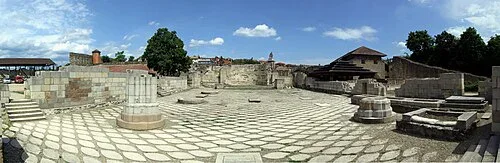 Ruins of the Medieval Cathedral
Ruins of the Romanesque Cathedral of St John
The low foundation walls in the castle garden belong to a church far older than the fortress around them. It was the cathedral of St John the Evangelist, a three-aisled Romanesque basilica, probably raised at the end of the eleventh century under King Ladislaus. It mattered so much that fourteenth-century chronicles called the whole stronghold after it: the castle of St John the Evangelist. Nearby, digs in the twentieth century brought older remains to light. An eleventh-century rotunda came up, its walls of stone set in clay, with a stone tomb at its centre that likely holds one of the first bishops. Beside it stood a long building, probably the first bishop's palace.
Listen in the appPudelek (Marcin Szala) · CC BY-SA 3.0
- 11
Statue of Saint Stephen
The 1835 statue of Saint Stephen, marking the founding act behind everything on this hill.
- 12
Gergely Bastion and the Hippolyt Gate
The Gergely bastion and the Hippolyt gate, the modernized fortress that still fell to the sultan in 1596.
- 13
The Castle Walls and the Casemates
The Kazamaták beneath the walls, the counter-mining galleries, one stretch sealed for four hundred and twenty years.
- 14
Gárdonyi Géza's Grave
The grave of Géza Gárdonyi, the novelist who made the 1552 defense a story known far beyond Hungary.
- 15
Panorama of Eger from the Bastion
From the high bastion, the town the fortress shielded, and the castle's long decline and return.
Eger Castle
Frequently asked questions
How much does the guide cost?
Free app download. Listed guide price: $0.99. Guide price shown in the app. Audio guide only. Venue admission is separate.
Can I listen without internet?
Yes. Download the guide’s audio, images, and maps in the app before your visit. Your downloaded content is then available offline.
Can I listen in my language?
This audio guide is available in 15 languages, including English.
Do I need to follow a schedule?
No. This is a self-guided experience. Choose your stops, pause whenever you like, and return to a story at your own pace.
At your own pace
Explore Eger Castle.
Download Stanza, then search for “Eger Castle”.
Free app download · Guide price shown in the app
Keep exploring
Nearby audio guides
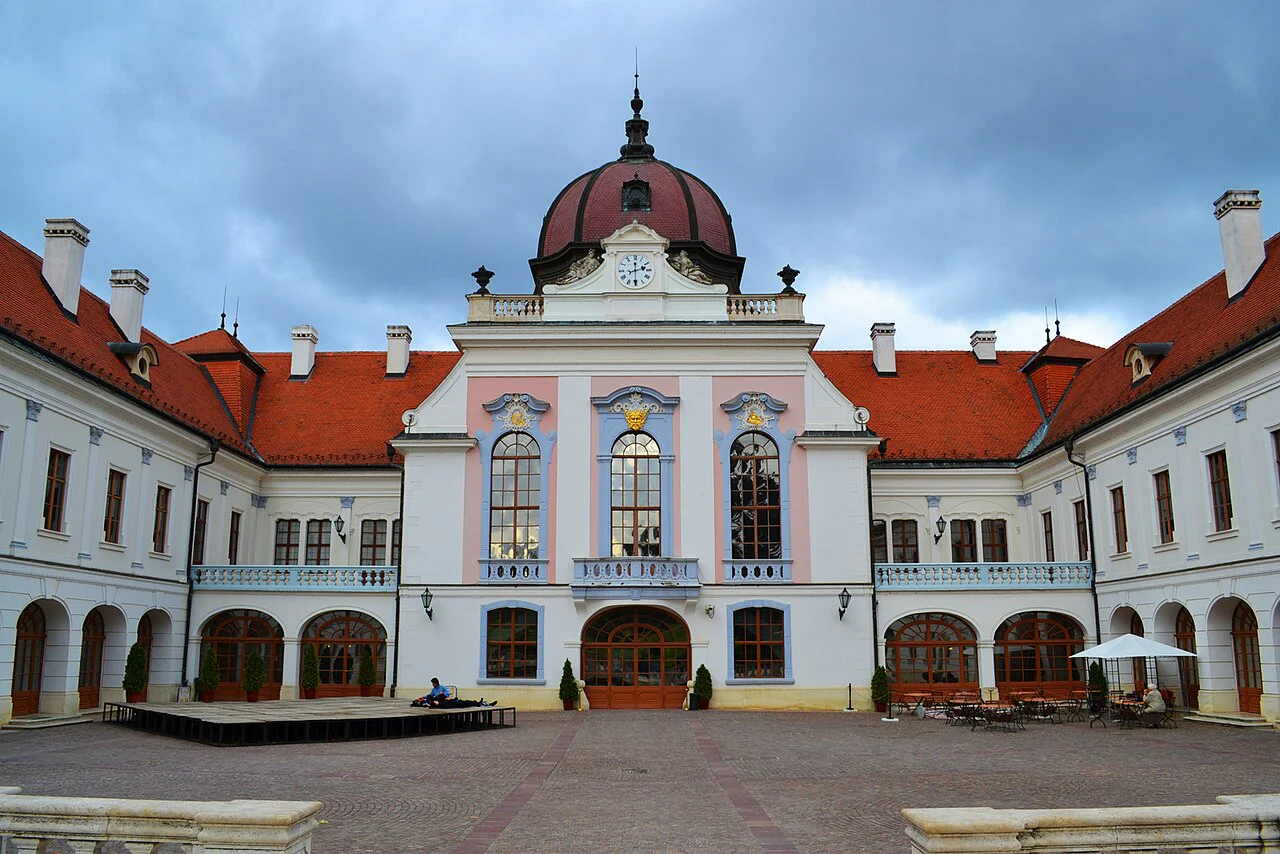
Gödöllő · 84 km
Royal Palace of Gödöllő
Content & sources
oPPÁRÉ · CC BY-SA 2.5 hu
Budapest · 106 km
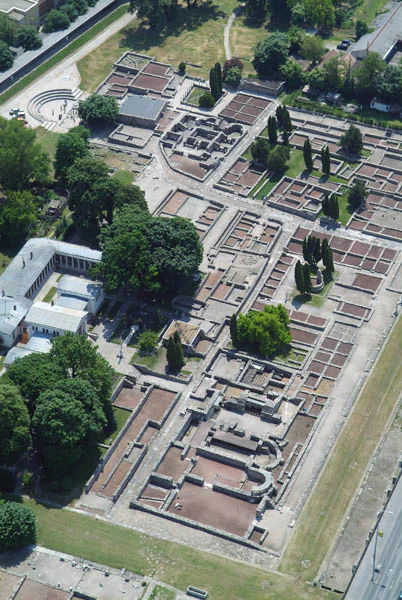
Aquincum
Content & sources
Photo: Civertan · CC BY 3.0
Budapest · 107 km
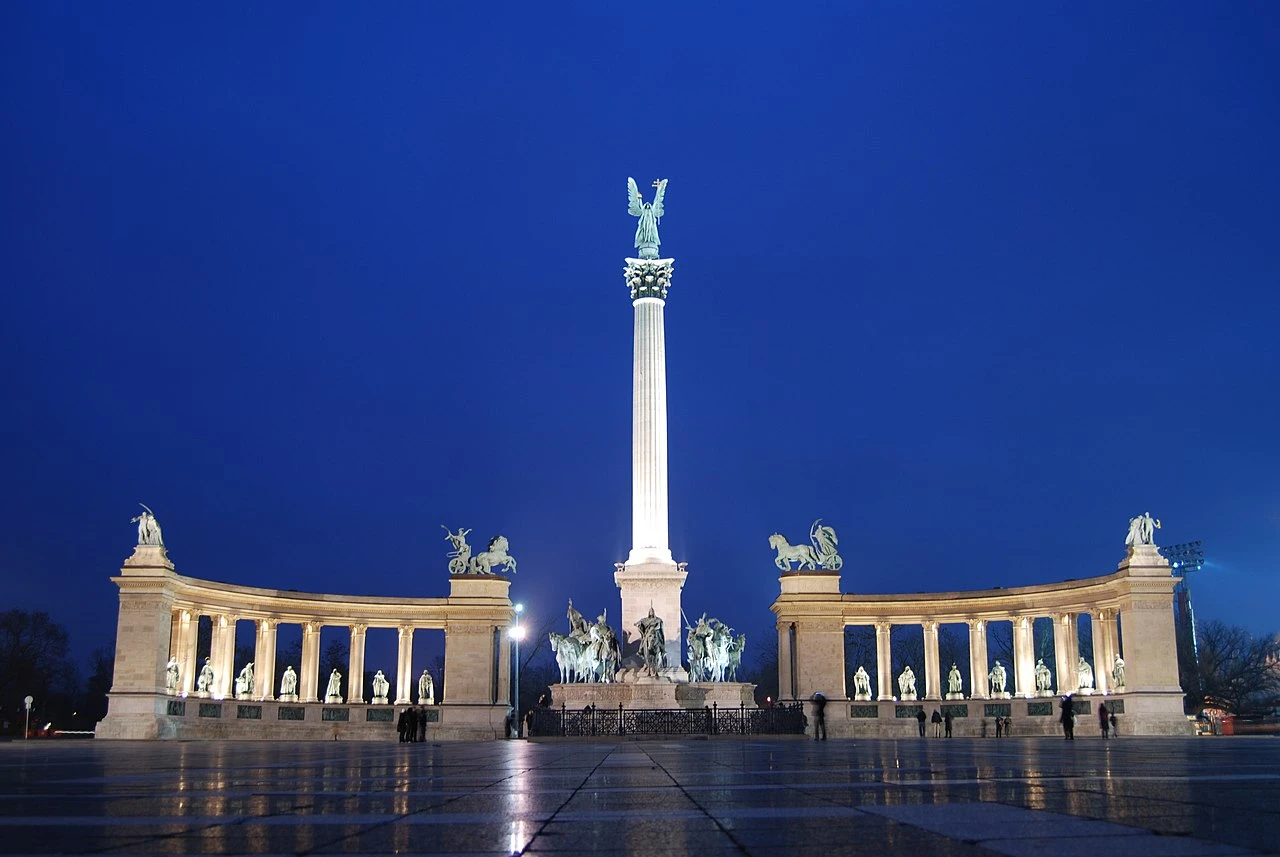
Millennium Monument
Content & sources
Paul Mannix · CC BY 2.0
Budapest · 109 km
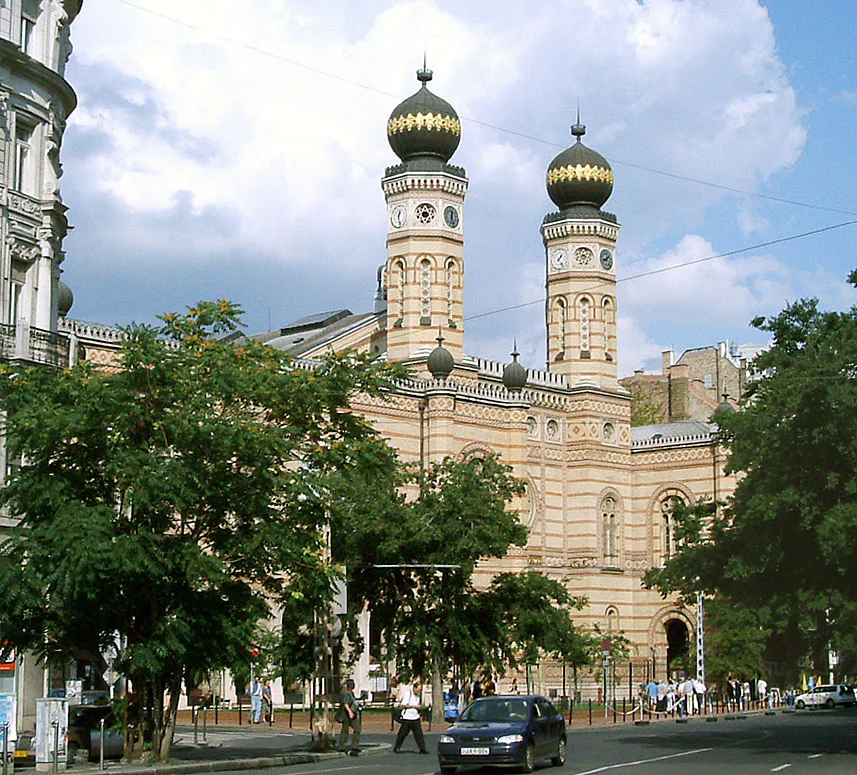
Dohány Street Synagogue
Content & sources
The original uploader was OsvátA at Hungarian Wikipedia. · CC BY-SA 3.0