Stanza · Audio guide
Airavatesvara Temple Audio Guide
A place to remember. A story to take with you.
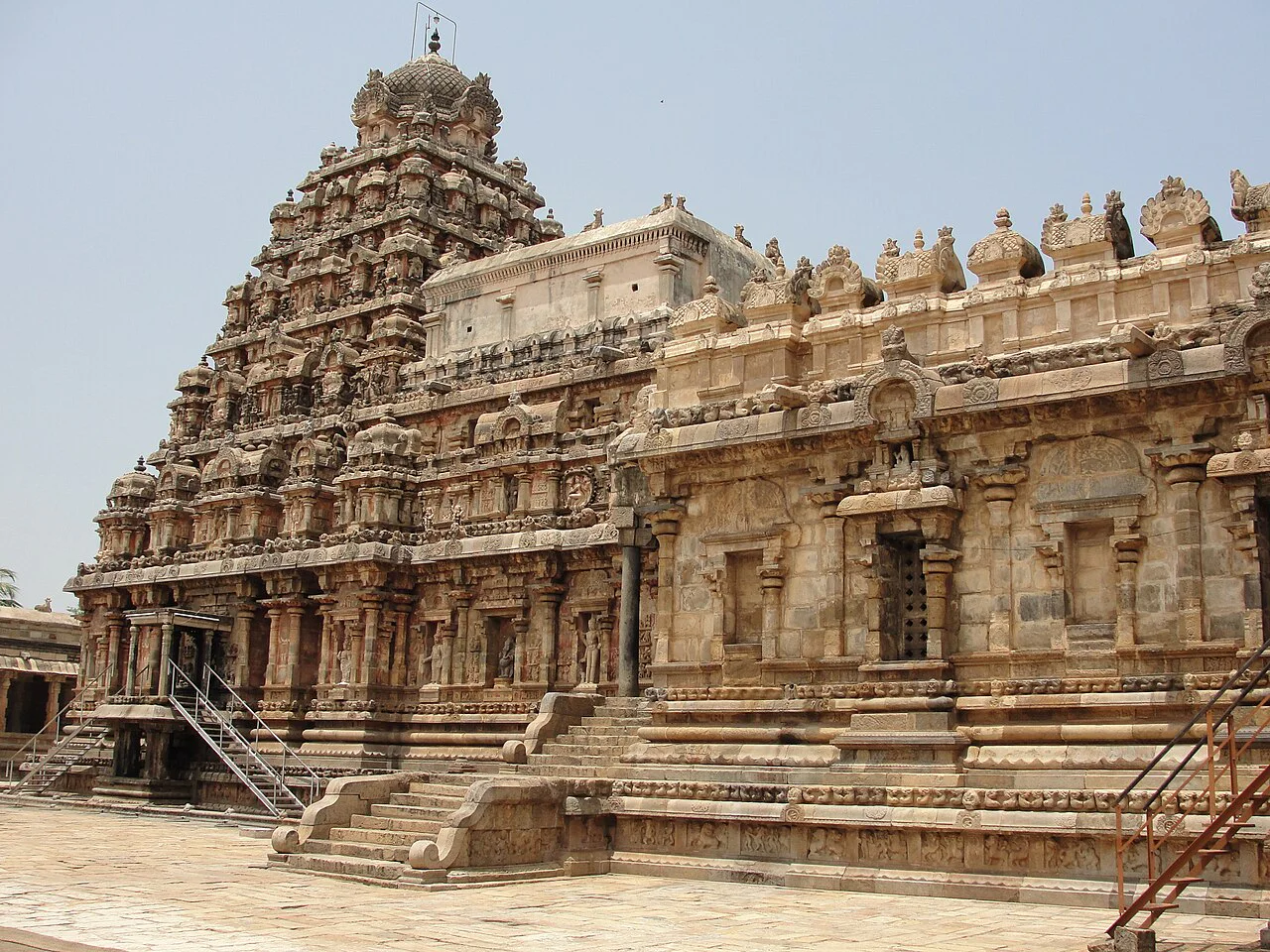
Airavatesvara Temple is a 12th-century Hindu temple built by Chola emperor Rajaraja II in Darasuram. It is a UNESCO World Heritage Site and part of the Great Living Chola Temples.
Download Stanza, then search for “Airavatesvara Temple”.
About the tour
One guide. Your kind of visit.
Airavatesvara Temple is a 12th-century Hindu temple built by Chola emperor Rajaraja II in Darasuram. It is a UNESCO World Heritage Site and part of the Great Living Chola Temples.
Ready when you are.
- 01Get the free Stanza app.
iOS & Android
- 02Find your guide.
“Airavatesvara Temple”
- 03Download before you go.
Works offline
Audio guide / 11 narrated stops
Inside the guide
Get to know a few of the stories before you go. Open a stop to read more.
01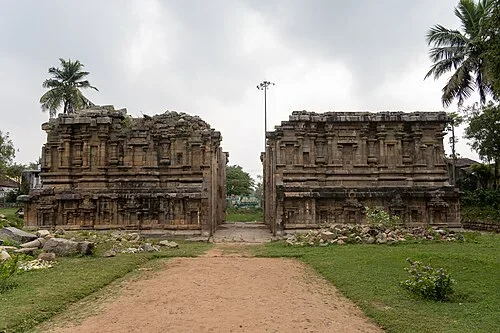 The Outer Gopuram and Yamateertham
The Ruined Eastern Gopuram
Welcome to Darasuram, and to the Airavatesvara Temple, one of the great temples of the Chola dynasty. It is a temple to Shiva, raised by Emperor Rajaraja the Second in the twelfth century, and the work was finished around the year 1166. Rajaraja ruled from Ayirattali, a royal city also known as Pazhaiyarai, and Darasuram belonged to that urban complex. This temple became the religious heart of his capital. In 2004, UNESCO listed it among the Great Living Chola Temples, alongside the great temples at Thanjavur and Gangaikonda Cholapuram. The gateway itself, the gopuram, once carried sculptures set into its niches, and inscriptions labelled each figure. Most of those sculptures are now broken or missing, so the labels are often all that remain of them. One inscription near the gate records a stranger among the images. Rajadhiraja Chola the First, an earlier emperor, defeated the Western Chalukya king Someshwara and captured the Chalukyan capital, Kalyanapura. An image taken from that city was carried home as a war trophy, and the stone by the gate tells of it. The broken towers here mark a threshold, because much of the original complex is gone. What survives lies ahead.
Photo: Rainer Halama · CC BY-SA 4.0
02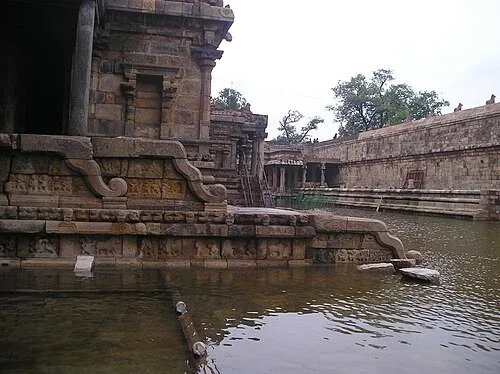 The Outer Gopuram and Yamateertham
The Temple Tank and Yamateertham
Before the temple had a name, the story goes, a white elephant lost his colour. Airavata was the elephant of Indra, king of the gods, and a curse stripped his skin of its white. He bathed in this tank, worshipped Shiva here, and rose from the water clean and white again. The legend is carved in stone in the inner shrine, and the elephant gives the temple its name, Airavatesvara. A second healing story belongs to the same water. Yama, the god of death, was said to suffer a burning affliction, and bathing in this tank cured him. From that cure the tank took the name Yamateertham. The water itself has a worldly source. A connected channel feeds the tank from the Kaveri River, the great river of this delta.
Photo: Ssriram mt · CC BY-SA 3.0
03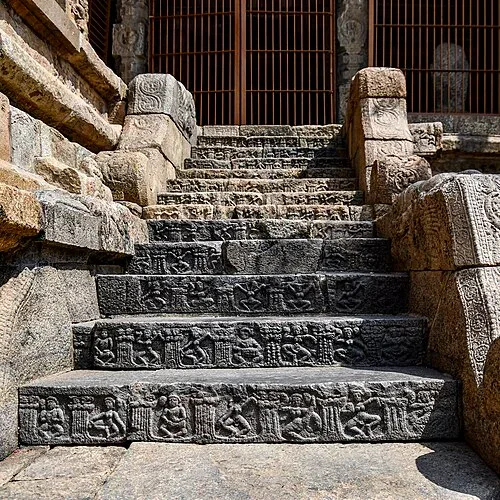 The Musical Singing Steps
The Singing Steps
Beside the sacrificial altar, the bali-pitham, stands one of the strangest pieces of masonry in the temple. The altar sits east of the main podium, and the steps leading up to the square porch run from east to west. Their treads are carved with bands of figures, worked as finely as any shrine wall. Yet these are working steps, not decoration alone. Struck, they give out a musical note, which is why they have long been called the singing steps. The balustrades are carved as ornately as the treads, all of it in stone. Whether the Chola masons tuned them deliberately or the resonance was a happy accident, no one can now say.
Listen in the appPhoto: Darshanavenugopal · CC BY-SA 4.0
04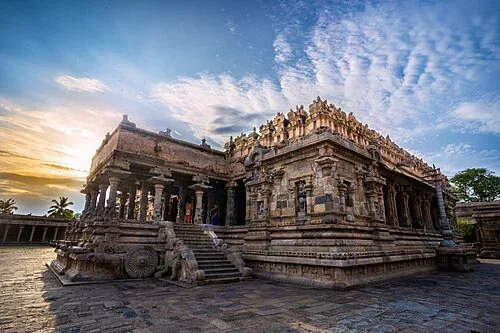 The Chariot-Shaped Rajagambhiran Mandapam
The Rajagambhiran Mandapam: A Temple as a Chariot
The front hall of this temple takes the shape of a chariot, cut entirely in stone. It is the agra mandapa, and inscriptions call it the Rajagambhiran-tiru-mandapam, named after the king himself. Carved wheels mark its sides, and stone horses once drew it, though their heads and bodies are now damaged. Chola builders classed the temple as a Karak Koil, a temple designed after the chariots that rolled through streets during festival processions. The idea had kin elsewhere. The design is similar to the dance hall of the Chidambaram temple and to the Sun Temple at Konark, far to the north in Odisha. A royal chariot in procession carried the god through the streets, and here the whole hall became that chariot, permanently. One of its wheels deserves a pause of its own.
Listen in the appShikher Singh · CC BY-SA 4.0
05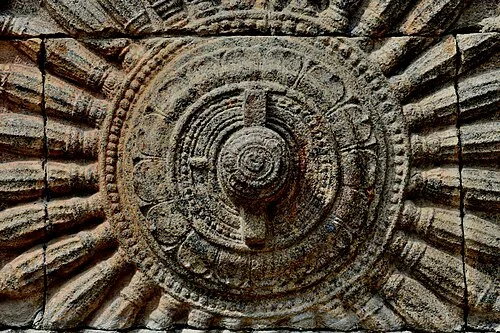 The Chariot-Shaped Rajagambhiran Mandapam
The Chariot Wheel: Sundial in Stone
A stone chariot needs wheels, and these do more than decorate. The temple has two sundials, and they are the wheels of the chariot itself, one marking the morning, one the evening. The carving runs to the faintest details, spoke by spoke and ring by ring, which is what makes the timekeeping possible. A wheel that reads the sun had to be exact, and the Chola craftsmen cut it that way. Decoration and instrument share the same stone.
Listen in the appPhoto: Sharvarism · CC BY-SA 4.0
06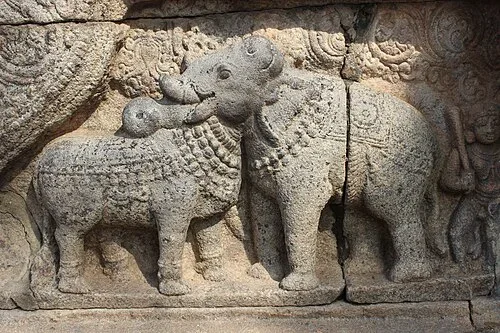 The Chariot-Shaped Rajagambhiran Mandapam
Carved Animals: Detail over Size
An elephant and a bull stand side by side in this panel, and the two animals share a single head. The head serves both bodies, an optical play cut into granite. The elephant's skin carries strings of beads, the bull wears a collar, each strand worked into the stone. This is the temple's defining character. Airavatesvara is much smaller than the Brihadeesvara Temple at Thanjavur or the temple at Gangaikonda Cholapuram. What it gives up in size, it repays in detail, and here sculpture dominates the architecture. Panels of this miniature quality run along the plinths of the main temple, turning the base of the building into a carved gallery.
Listen in the appPhoto: KARTY JazZ · CC BY-SA 4.0
07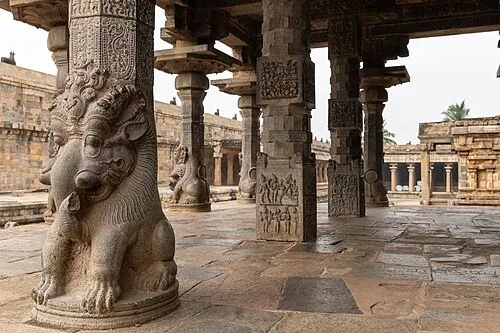 The Pillared Maha Mandapa
Forty-eight carved pillars carry the roof of the maha mandapa, the great hall of the temple. The hall is a rectangle of about twenty-four metres by eighteen, and the pillars stand in even rows across it. Every column carries reliefs and intricate carving, so the decoration continues overhead, high above the floor. The brackets at the top flare into sculpted beasts, lion-like forms leaning out over the hall. This is the gathered space of the temple, the passage between the open courtyard and the sanctum at the heart. Worship moved through this hall on its way in, under the carved figures on every side.
Listen in the appPhoto: Rainer Halama · CC BY-SA 4.0
08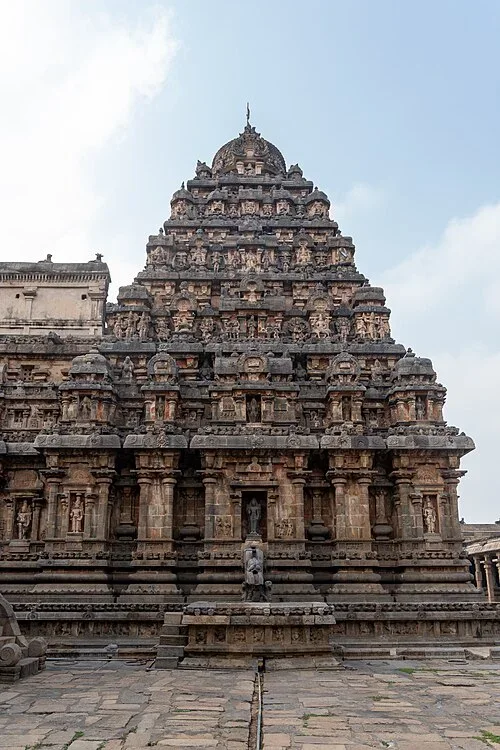 The Garbhagriha and Vimana Tower
At the heart of the temple sits the garbhagriha, the inner sanctum, a square of twelve metres to a side with walls of great thickness. From those walls rises the vimana, the pyramidal tower, climbing twenty-four metres. Tier upon tier, each band crowded with sculpture, in the classic late Chola manner. The plan holds one quiet surprise. There is no path for circling the sanctum immediately around it; devotees walk their rounds outside, in the courtyard instead. A short pillared porch, the ardhamandapa, links the sanctum to the front halls, flanked by two massive door guardians. The outer walls of the sanctum carry five sculpture niches on each side, the middle one larger than the rest, and at the centre of each side Shiva appears in a different aspect.
Listen in the appPhoto: Rainer Halama · CC BY-SA 4.0
09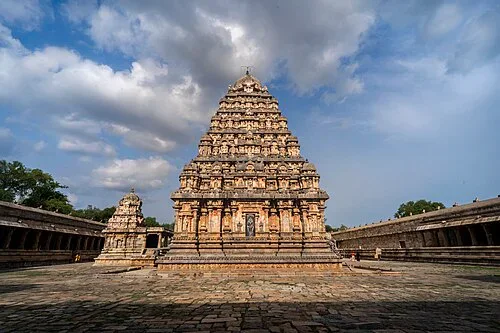 The Garbhagriha and Vimana Tower
A Living Temple: The Surviving Court
This courtyard is all that remains of something far larger. Inscriptions describe a temple with seven streets and seven courts, on the scale of the great temple at Srirangam. All of that is gone, except the single court around the main temple. Ruins of a gopuram and other structures lie at some distance beyond the visitor area, confirming that the site was badly damaged, like other Chola temples and cities of the region. What caused that destruction is debated, and the record leaves it open. The temple itself never went silent. Large gatherings of Hindu pilgrims come every year during the month of Magha, and images such as those of Durga and Shiva take part in special pujas. In 1980 the American astronomer Carl Sagan filmed here for his television series Cosmos, in the episode called The Edge of Forever, speaking about the Hindu religion and its sense of cosmic time.
Listen in the appShikher Singh · CC BY-SA 4.0
10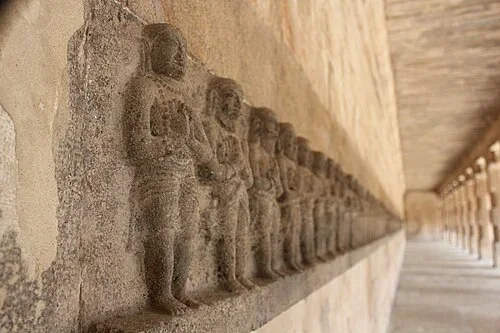 The Nayanmar Relief Wall Frieze
The Nayanmar Frieze: Saints in Stone
A long row of small standing figures runs along the base of the main temple, hands folded, each one a saint. These are the Nayanars, the sixty-three poet-saints of the Shaiva Bhakti movement, and the reliefs narrate their life stories. The source was a written one: the Periya Purana, a collection of the saints' lives by Sekkilar. The temple turned that book into stone, story by story along the walls. The north wall of the verandah carries the programme further, with 108 inscribed sections, each giving the name and description of a saint beside his image. There are sculptures here too of the Devara Othuvars, the singers who performed in the temple during Rajaraja the Second's reign. Saints, singers and their songs, all fixed in place on the temple's skin.
Listen in the appsowrirajan s from Chennai, india · CC BY 2.0
- 11
The Periya Nayaki Amman Shrine
The separate northern shrine to Shiva's consort, and what it marks in the history of South Indian temples.
Airavatesvara Temple
Frequently asked questions
How much does the guide cost?
Free app download. Listed guide price: $0.99. Guide price shown in the app. Audio guide only. Venue admission is separate.
Can I listen without internet?
Yes. Download the guide’s audio, images, and maps in the app before your visit. Your downloaded content is then available offline.
Can I listen in my language?
This audio guide is available in 15 languages, including English.
Do I need to follow a schedule?
No. This is a self-guided experience. Choose your stops, pause whenever you like, and return to a story at your own pace.
At your own pace
Explore Airavatesvara Temple.
Download Stanza, then search for “Airavatesvara Temple”.
Free app download · Guide price shown in the app
Keep exploring
Audio guides — India
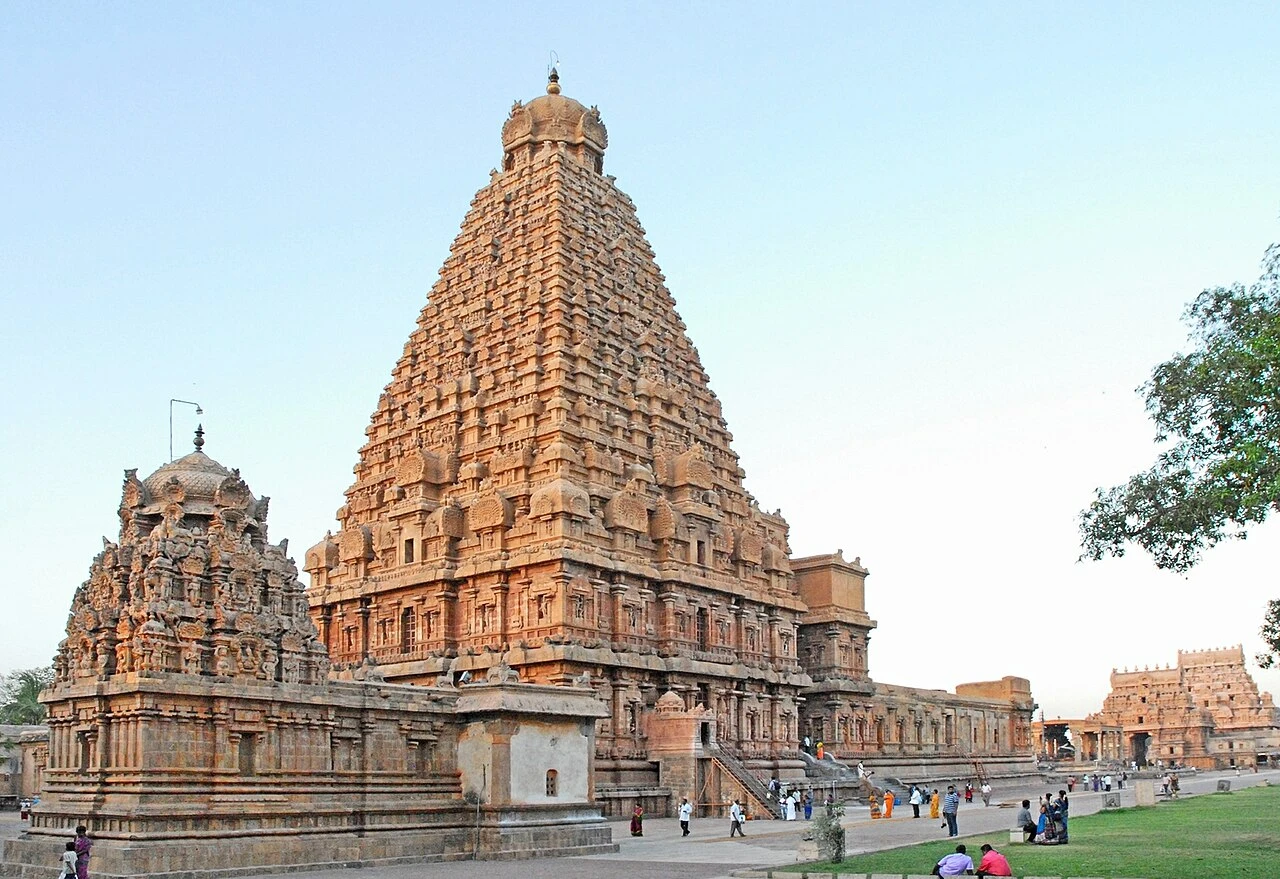
Thanjavur · 31 km
Brihadisvara Temple
Content & sources
Jean-Pierre Dalbéra from Paris, France · CC BY 2.0
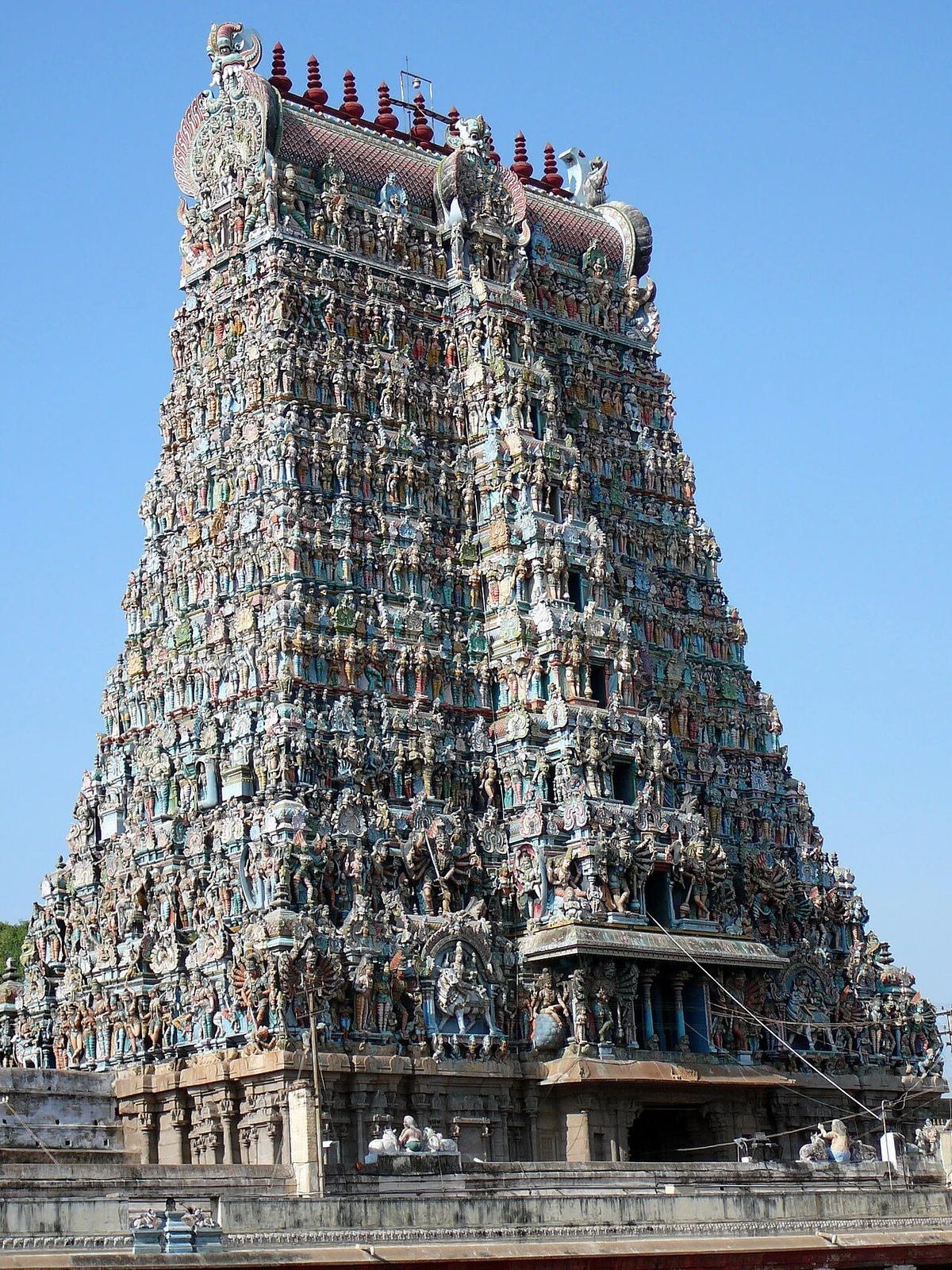
Madurai
Meenakshi Temple
Content & sources
Photo: Kumar Appaiah · CC BY-SA 2.5
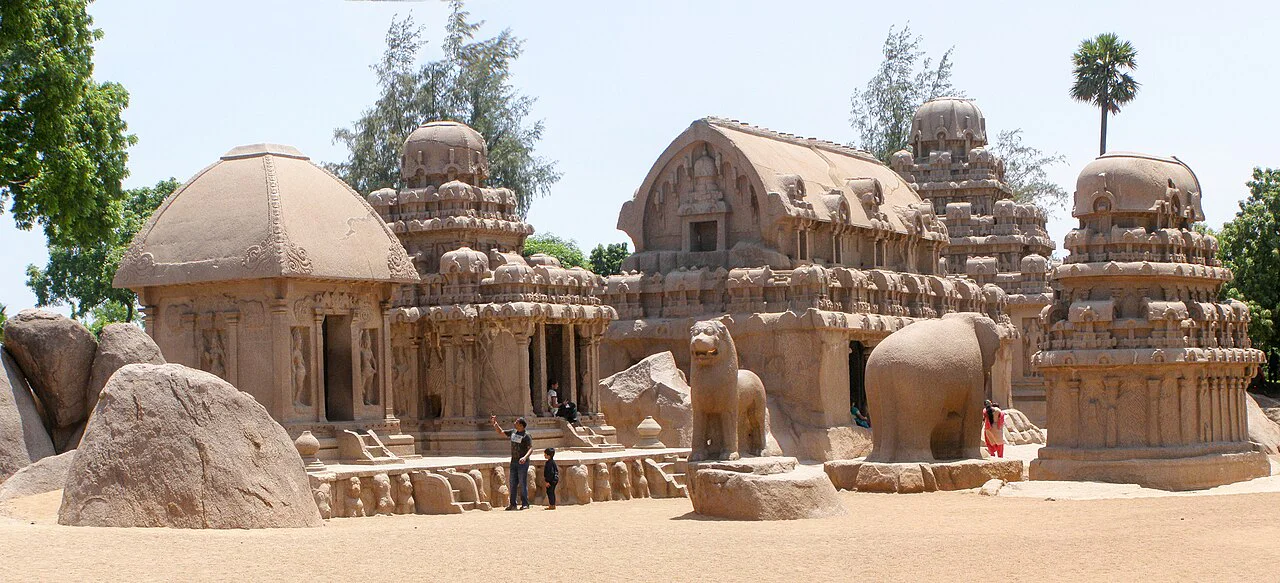
Mahabalipuram
Pancha Rathas
Content & sources
Photo: BluesyPete · CC BY-SA 3.0
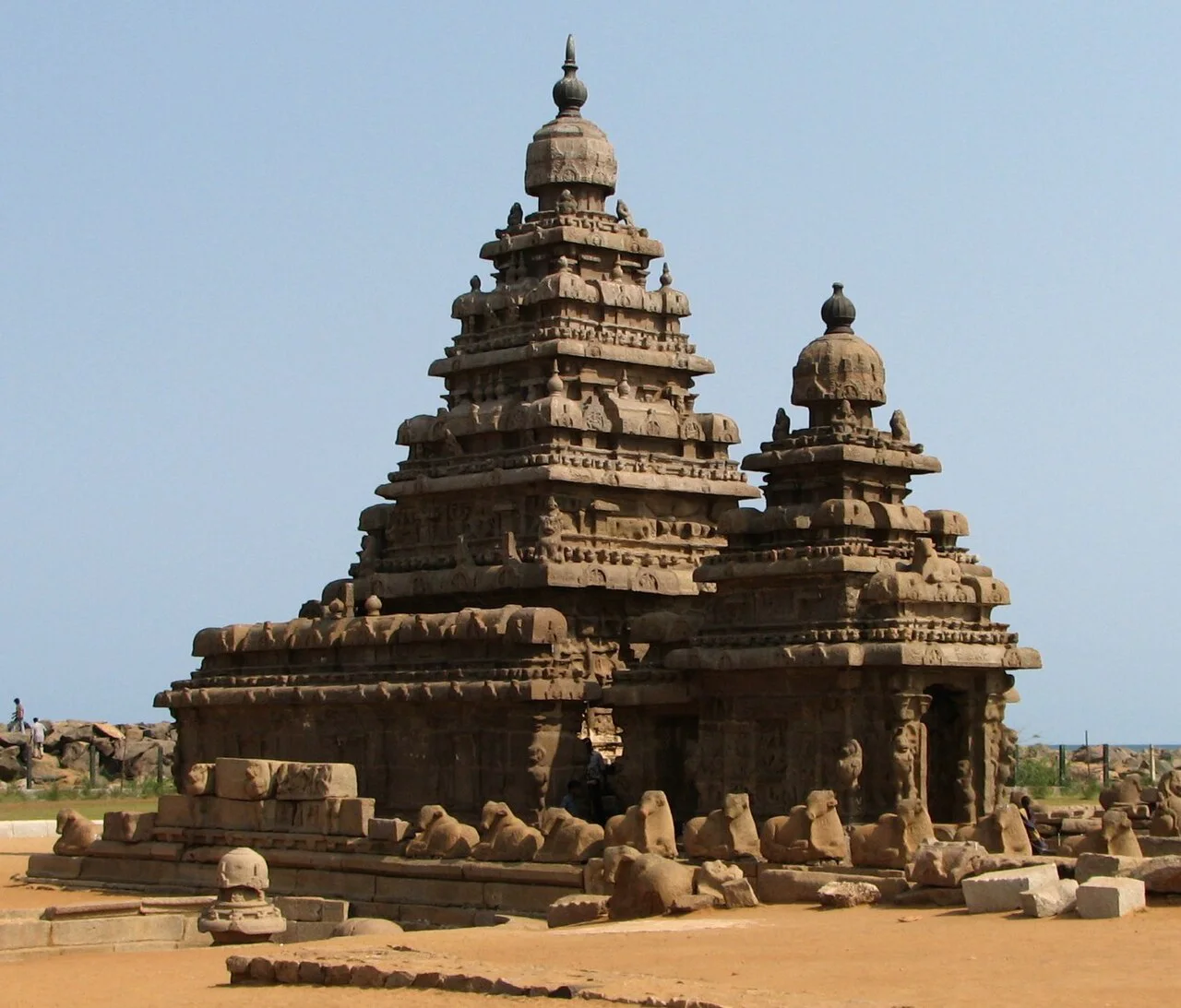
Mahabalipuram
Shore Temple
Content & sources
mckaysavage · CC BY 2.0