Stanza · Audio guide
Leh Palace Audio Guide
A place to remember. A story to take with you.
Leh Palace is a former royal palace overlooking the city of Leh in Ladakh, India. It was constructed circa 1600 AD by Sengge Namgyal.
Download Stanza, then search for “Leh Palace”.
About the tour
One guide. Your kind of visit.
Leh Palace is a former royal palace overlooking the city of Leh in Ladakh, India. It was constructed circa 1600 AD by Sengge Namgyal.
Ready when you are.
- 01Get the free Stanza app.
iOS & Android
- 02Find your guide.
“Leh Palace”
- 03Download before you go.
Works offline
Audio guide / 8 narrated stops
Inside the guide
Get to know a few of the stories before you go. Open a stop to read more.
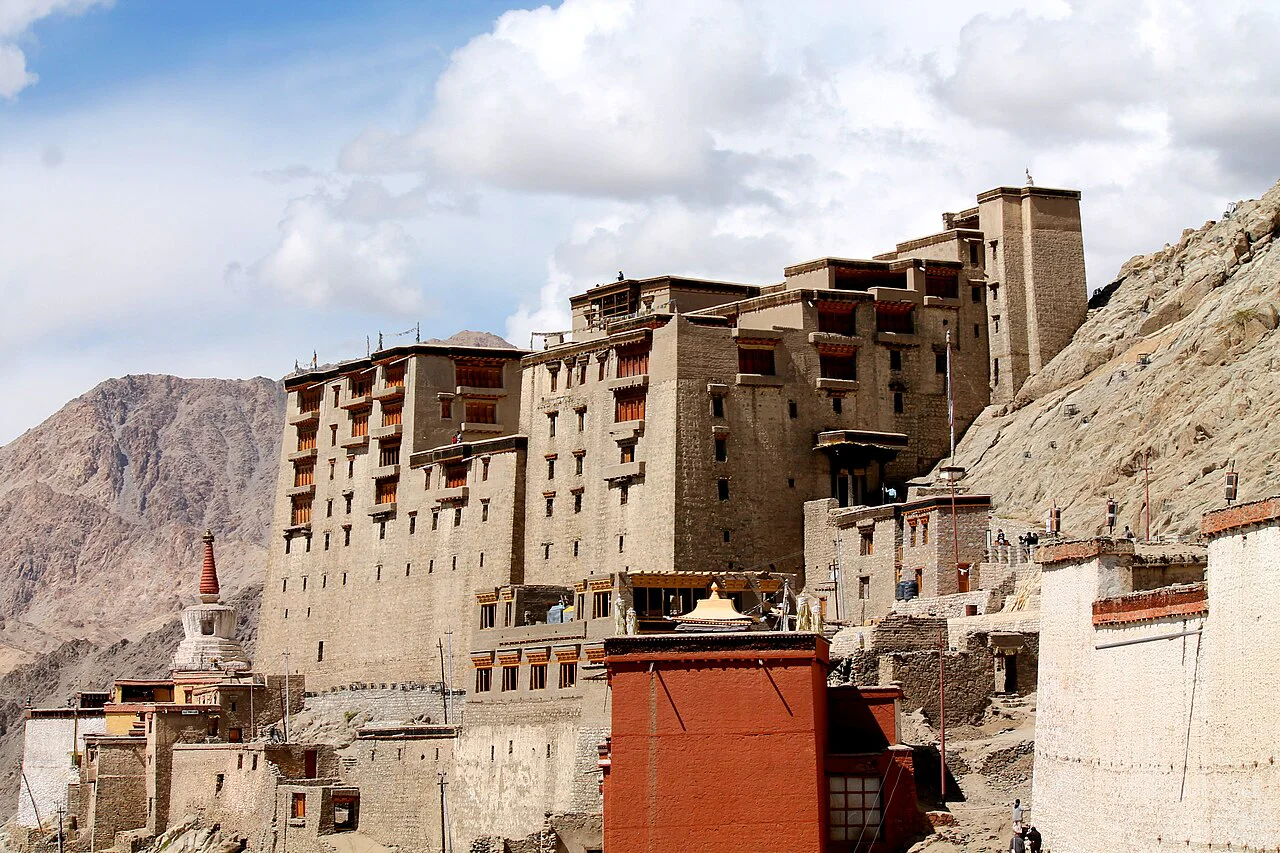
01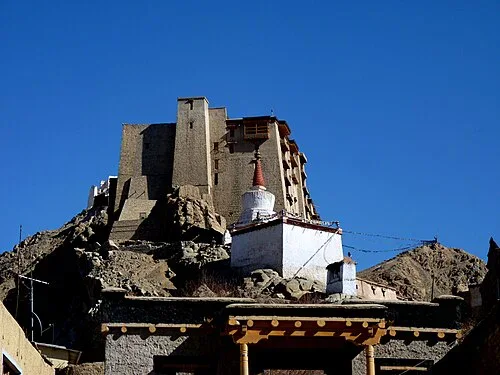 Palace Base and Nine-Storey Facade
Leh Palace and the Namgyal Stupa
Welcome to Leh Palace, the great royal seat of the Ladakhi kings, rising sheer from its rocky hill above the town. Ladakhi people call it Lachen Palkar Palace. It was completed around the year 1600 by King Sengge Namgyal of the Namgyal dynasty, the ruler who made it the seat of his kingdom. Under his line the palace presided over what is remembered as the golden era of the Ladakhi kingdom. A white stupa stands at the foot of the hill, and around the base cluster the palace's older holy neighbours. There is the Namgyal Stupa, the colourfully painted Chandazik Gompa, and the Chamba Lhakhang, a chapel of the Buddha-to-come. That chapel was built in 1430, long before any king lived on the rock above it. The shrine is older than the palace itself by more than a century and a half.
Photo: Goutam1962 · CC BY-SA 4.0
02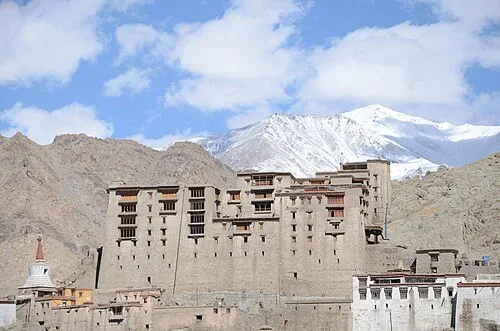 Palace Base and Nine-Storey Facade
The Nine-Storey Facade of Leh Palace
Nine storeys, stacked straight up the mountainside. This facade is the palace's whole design in a single view, and it works as a social map read from the bottom up. The lowest floors held stables and store rooms, the working mess of a royal household. As the floors rise, so did the rank of the people living on them. The topmost floors belonged to the royal family. The rows of small windows give little away to the town below; the building keeps its plain face outward and its comfort to the upper levels. Behind it all, a snow-capped range fills the horizon.
Photo: Darshancg · CC BY-SA 4.0
03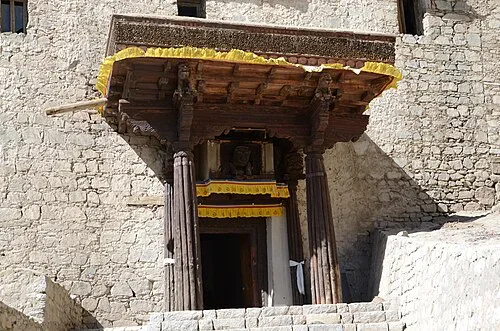 Grand Entrance Gate
The Palace Entrance Porch
The way in runs through a porch of heavy timber: thick wooden columns, carved brackets carrying the eaves, and a low doorway set deep in a thick stone wall. It is built in the traditional Ladakhi manner, wood bearing the roof above stone and earth. Crossing this threshold meant crossing from the town into the king's precinct. The yellow cloth draped across the canopy adds festive colour. And the palace is still a living ceremonial place. Every year around February, Leh celebrates the Dosmoche festival here at the palace, together with the Likir and Diskit monasteries. In winter, during the Galdan Namchot festival, the whole facade is lit at night, glowing above the dark town.
Listen in the appPhoto: Darshancg · CC BY-SA 4.0
04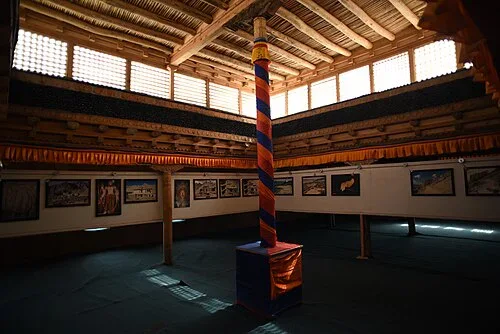 Lower Storeys and Structural Engineering
The Clerestory Gallery
Inside the lower floors, the palace shows its craft. This gallery stands on a forest of wooden columns, with a central pillar painted in red and blue spirals. Above the walls runs a raised band of windows, the clerestory, which catches daylight and throws it down into the deep interior. In a building with few openings to the outside, light had to be engineered down through the depth of the floors. Much of the building has deteriorated over the centuries. The Archaeological Survey of India is working to restore it.
Listen in the appChris Hunkeler from Carlsbad, California, USA · CC BY-SA 2.0
05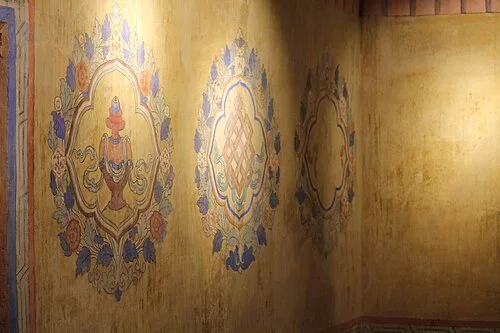 Palace Museum and Sacred Shrine Chambers
The Museum Art Gallery
The Palace Museum keeps what the royal family left behind: jewellery, ornaments, ceremonial dresses and crowns. Its most famous holdings are Tibetan thangka paintings, scroll paintings more than four hundred and fifty years old, whose colours are still bright. The pigments were ground from crushed and powdered gems and stones, which is why they have not faded with the centuries. The painted medallions on these gallery walls belong to a later hand, decorative work from the 1700s. They set the stage for the older treasures kept in the rooms around them.
Listen in the appPhoto: RPSkokie · CC BY 3.0
06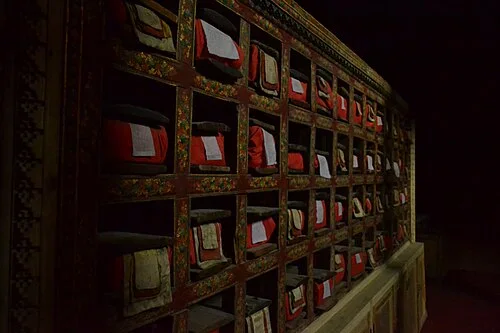 Palace Museum and Sacred Shrine Chambers
The Collection of Sacred Texts
A wall of shallow shelves, every cubby holding a bundle wrapped in red and white cloth. This is how a Buddhist court kept its sacred texts. The Namgyal kings ruled a Buddhist kingdom, and learning sat at the centre of the court's life. Manuscripts like these were stored with care, wrapped and shelved in the dim and dry of the palace. They belong to the same world of devotion as the shrines at the palace base. Shelf after shelf, the collection runs on, each bundle kept ready for the reader.
Listen in the appPhoto: Nandanupadhyay · CC BY-SA 3.0
07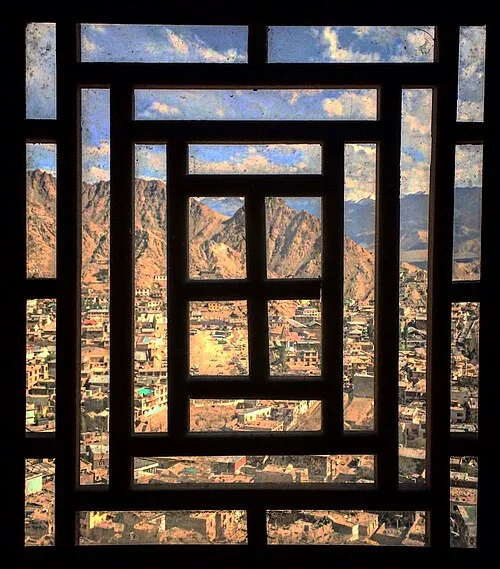 Upper Royal Residence and the Dogra Flight
From the Upper Royal Floors
From the upper floors, the royal family looked out over Leh through windows like this one, its wooden lattice breaking the town and the bare mountains into a pattern. These top storeys were the royal quarters, the rooms the family actually lived in. Then, in the mid-nineteenth century, Dogra forces took control of Ladakh. The royal family left their ancestral palace and moved to Stok Palace, across the Indus. Leh Palace was abandoned, and its chambers stood empty. The stripped and bare rooms inside today are the mark of a household that left and never came back.
Listen in the appPhoto: Aditya.arr · CC BY-SA 4.0
08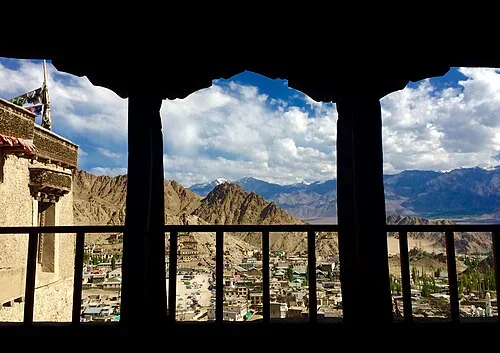 Rooftop Level Panoramic Viewpoint
The Rooftop Panorama
The roof is the palace's last room, open to the sky. From here the view runs across the town of Leh and the surrounding mountains, the sweep of peaks and valley that framed the palace on every side. It explains the king's choice of site. The seat of the kingdom was placed where it could watch the town and be watched by it. The building still defines Leh's skyline, having outlasted abandonment and restoration alike. From up here, the palace still overlooks the town it was built to rule.
Listen in the appPhoto: Aditya.arr · CC BY-SA 4.0
Leh Palace
Frequently asked questions
How much does the guide cost?
Free app download. Listed guide price: $0.99. Guide price shown in the app. Audio guide only. Venue admission is separate.
Can I listen without internet?
Yes. Download the guide’s audio, images, and maps in the app before your visit. Your downloaded content is then available offline.
Can I listen in my language?
This audio guide is available in 15 languages, including English.
Do I need to follow a schedule?
No. This is a self-guided experience. Choose your stops, pause whenever you like, and return to a story at your own pace.
At your own pace
Explore Leh Palace.
Download Stanza, then search for “Leh Palace”.
Free app download · Guide price shown in the app
Keep exploring
Audio guides — India
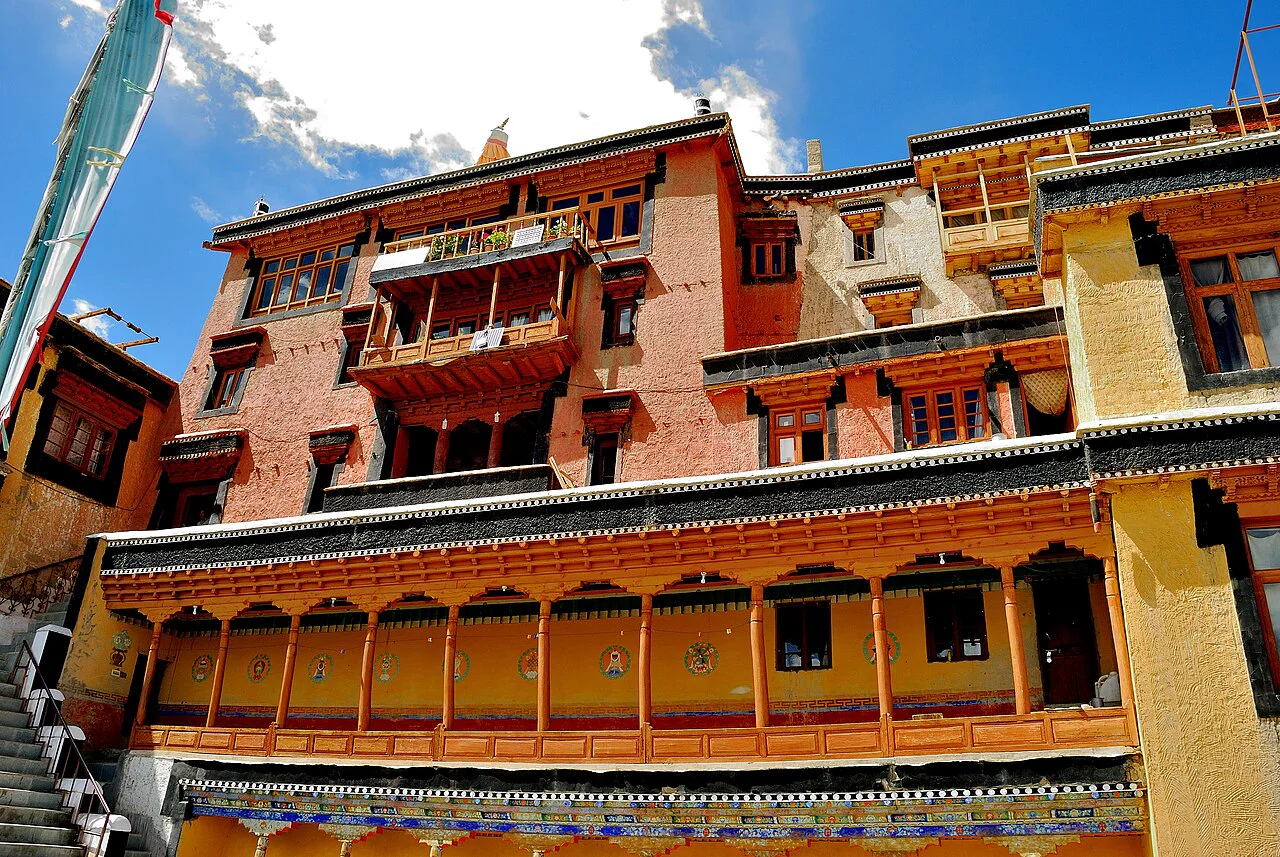
Leh district · 14 km
Thikse Monastery
Content & sources
Photo: Shashank Mehendale · CC BY-SA 4.0
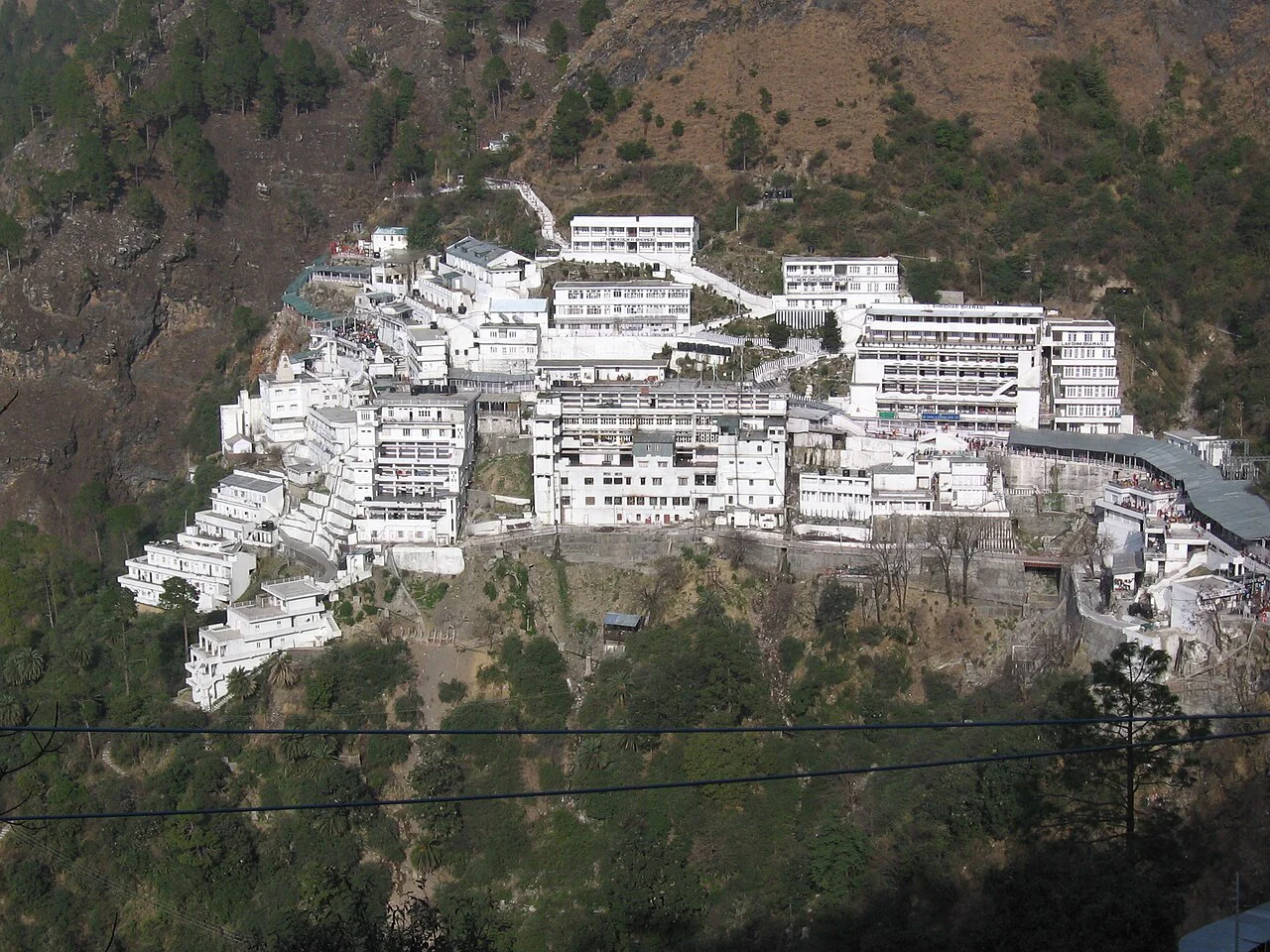
Katra
Vaishno Devi Temple
Content & sources
Abhishek Chandra · Public domain
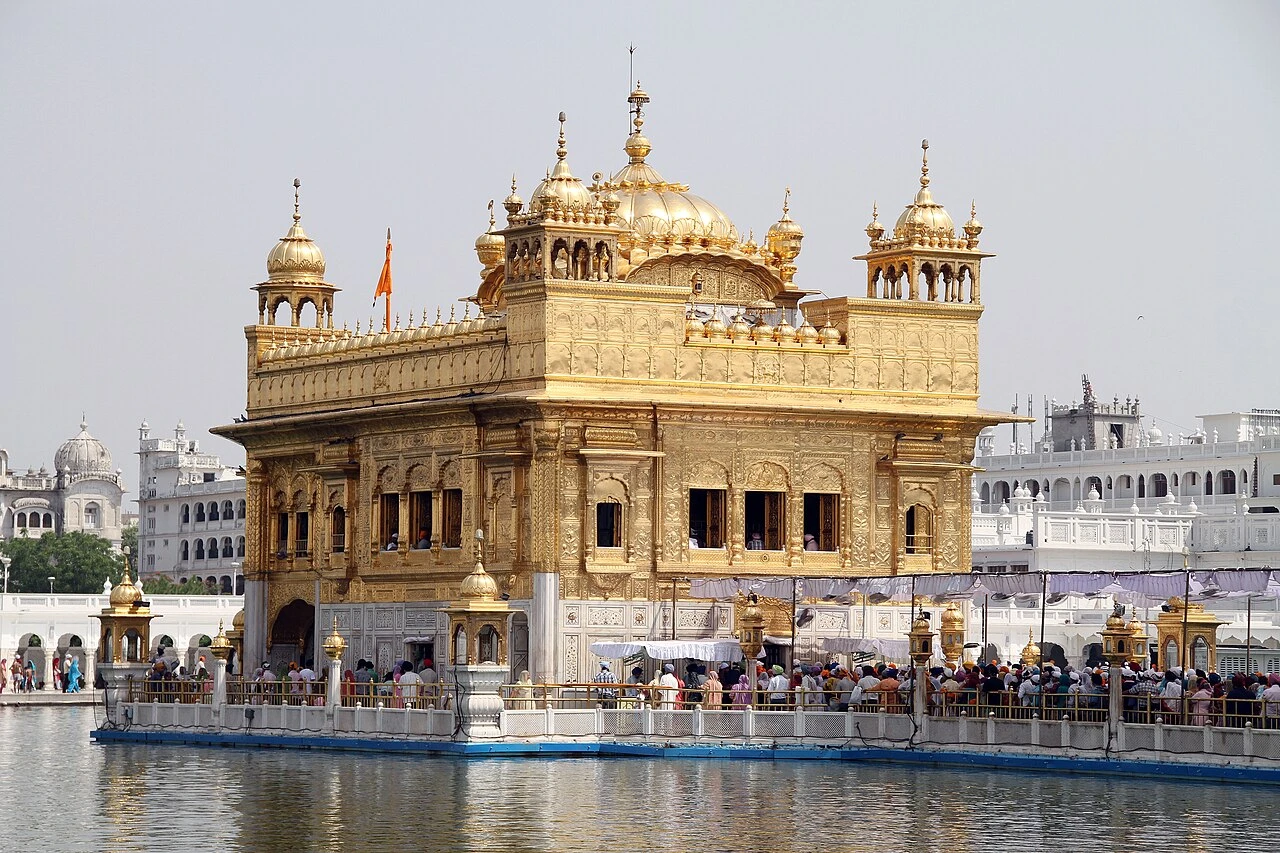
Amritsar
Harmandir Sahib
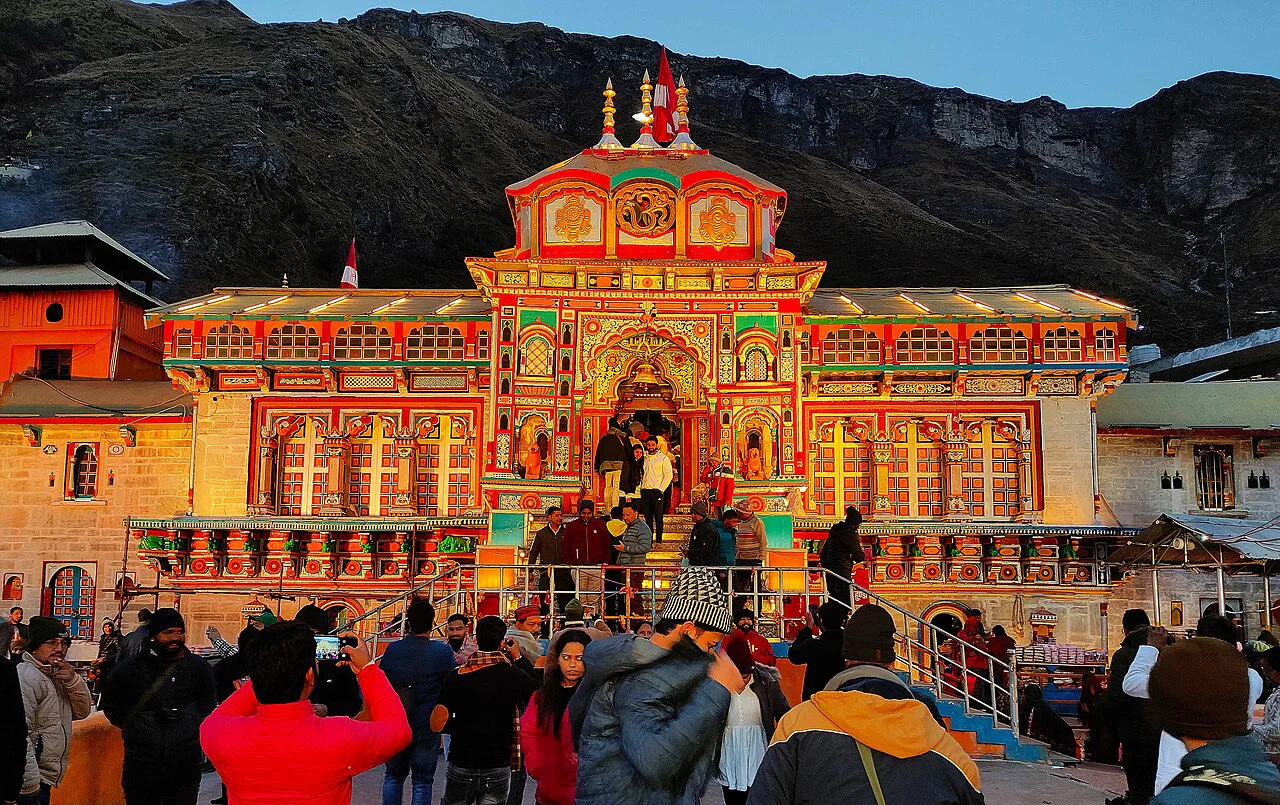
Badrinath
Badrinath Temple
Content & sources
Photo: रामेश्वर गौड़ · CC BY-SA 4.0