Stanza · Audio guide
Bara Imambara Audio Guide
A place to remember. A story to take with you.
The Bara Imambara is an imambara and mosque complex located in Lucknow, India. Built in 1784, it is the world's second largest imambara.
Download Stanza, then search for “Bara Imambara”.
About the tour
One guide. Your kind of visit.
The Bara Imambara is an imambara and mosque complex located in Lucknow, India. Built in 1784, it is the world's second largest imambara.
Ready when you are.
- 01Get the free Stanza app.
iOS & Android
- 02Find your guide.
“Bara Imambara”
- 03Download before you go.
Works offline
Audio guide / 13 narrated stops
Inside the guide
Get to know a few of the stories before you go. Open a stop to read more.
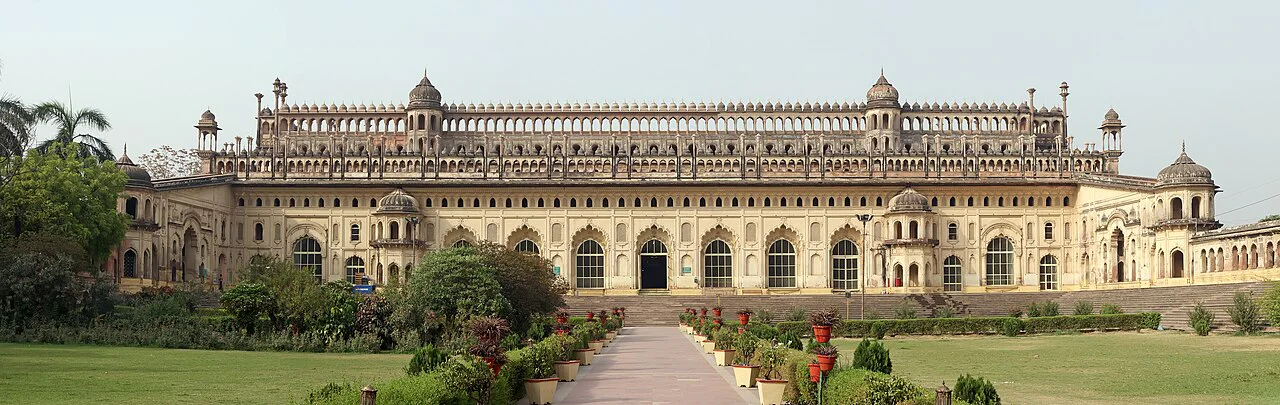
01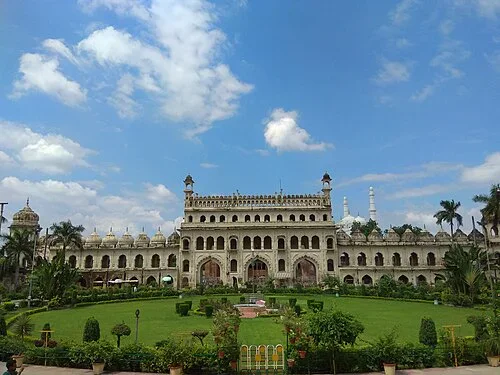 Ceremonial Gateways and Forecourt
First Entrance Gate and Forecourt
Welcome to the Bara Imambara, the great congregation hall of Lucknow. This gate opens onto one of the grandest buildings in the city, raised by Nawab Asaf-ud-Daula, ruler of Awadh. Work began in 1780, a year of devastating famine. The Nawab had a purpose beyond architecture. A project like this could keep people of the region employed through a famine that dragged on for years. The story goes that ordinary labourers built the walls by day. Then, at night, noblemen and other elites came and pulled down whatever had been raised, so that the work would never run out. It is said, and it may be more legend than record, but it captures the spirit of the undertaking. The building took four years to complete, and it fed people the whole time. The facade ahead, with its long lines of arches and parapets, shows just how much wall a project like that could raise.
Photo: Akankshachaurasia · CC BY-SA 4.0
02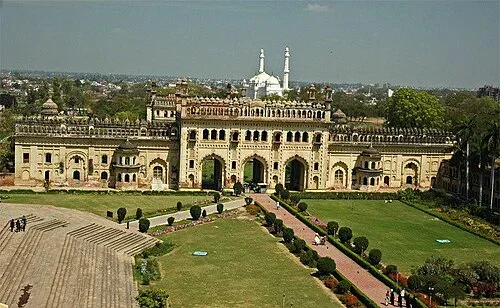 Ceremonial Gateways and Forecourt
Second Gateway and the Ceremonial Approach
The scale of this complex is easier to feel from above, where its courtyards and gateways spread out together. Two separate gateways lead to the main hall, and this is one of them. The whole undertaking was estimated to cost somewhere between half a million and a million rupees. What is more striking is what came after. Even once the building was finished, the Nawab kept spending on its decoration, year after year. The annual bill for ornament ran to between four and five hundred thousand rupees. Ambition reached outside the complex too. Asaf-ud-Daula raised the Rumi Darwaza nearby, an eighteen-metre-high portal richly carved and decorated. It served as the imambara's west-facing entrance. From the rooftop of the main building, later in this tour, the whole ensemble comes into view at once.
Faizhaider at English Wikipedia · CC BY-SA 3.0
03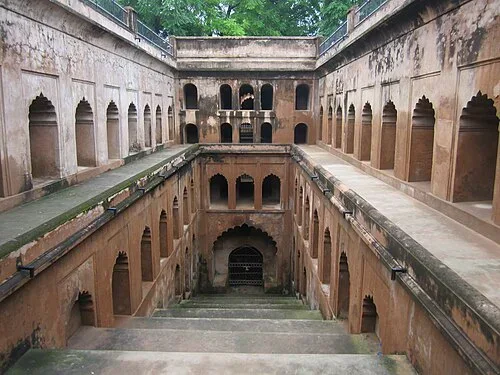 Shahi Baoli Stepwell
Not everything here was built for ceremony. Within the complex lies the Shahi Baoli, a steep well with running water, known also as the Bowli. Its galleries descend level by level below the ground, each storey lined with arches, down a central staircase toward the water. A stepwell like this reached down to the water table, so water was close at hand through the year. The deep stone also held a different kind of comfort. Shade and masonry kept these lower chambers cool in the hot plains of Awadh, a retreat when the courts above grew unbearable. Between the mosque, the halls and this well, the complex was designed to answer daily needs as much as grand ones.
Listen in the appAbhijeet Kumar · CC BY-SA 3.0
04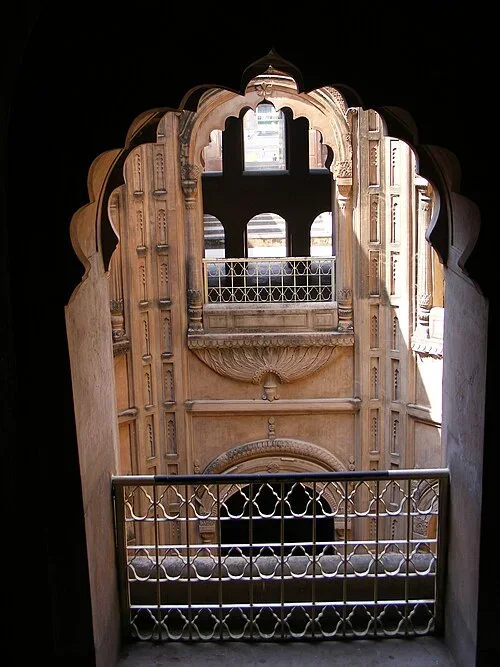 Shahi Baoli Stepwell
The Sentries' Secret Watchway
The baoli had a second life beyond water. Within its arched galleries are concealed viewpoints, remembered here as the secret watchway of the sentries. A watcher placed deep inside these openings could observe the approaches to the complex while remaining invisible himself. Anyone arriving would see only the arches and the stairway, never the eyes behind them. The idea of the hidden sightline runs all through this place, and it returns in its most famous form in the passages of the labyrinth above, where peep-windows look down on the spaces below. Here, in the quiet of the well, it began.
Listen in the appAmritamitraghosh · CC BY-SA 3.0
05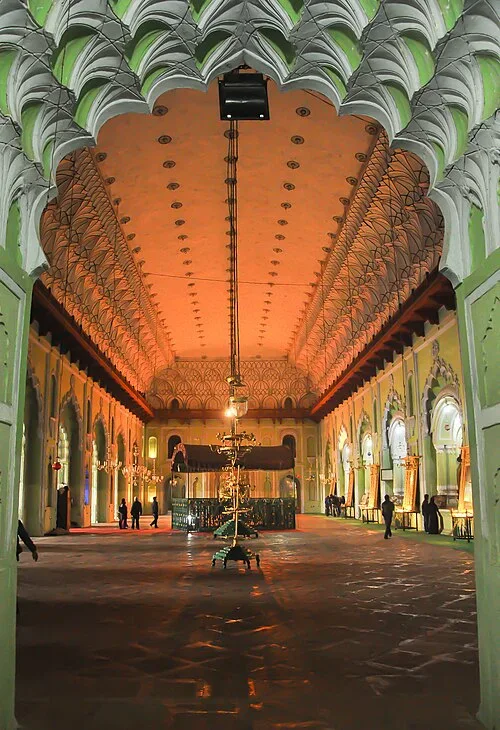 The Pillarless Vaulted Central Hall
The main chamber of the imambara is the reason architects still talk about this place. It measures fifty metres long by sixteen wide, and rises more than fifteen metres from floor to ceiling. Nothing supports that ceiling. There are no beams, no columns, no iron, nothing standing between the floor and the vault above. The roof is a single arched shell, one of the largest arched constructions of its kind in the world. The building belongs among the last major projects of its era raised without any European elements or ironwork. Everything here, the ribbed vault, the walls, the arches, was achieved within Indo-Islamic building tradition alone. Chandeliers hang from that unsupported span, and people walk beneath it, as they have for well over two centuries.
Listen in the appPhoto: Kanad Sanyal · CC BY-SA 4.0
06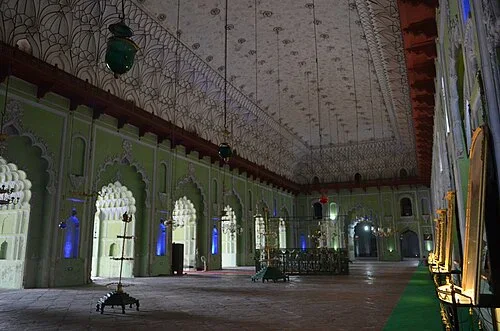 The Pillarless Vaulted Central Hall
Tombs of the Nawab and His Architect
The design of the imambara was not simply commissioned. It was chosen through a competitive process, and the winner was an architect from Delhi named Kifayatullah. His design beat the field, and he saw the great vault rise exactly as he had planned it. Then comes the part that makes this hall personal. Kifayatullah lies buried here, inside the main hall he designed. Beside him rests Asaf-ud-Daula, the Nawab who paid for it all. Patron and architect, buried side by side under the same roof. Graves of sponsors and builders are rarely found sharing one hall, and this quiet pairing is one of the building's most unusual honours.
Listen in the appMatt Stabile · CC BY 2.0
07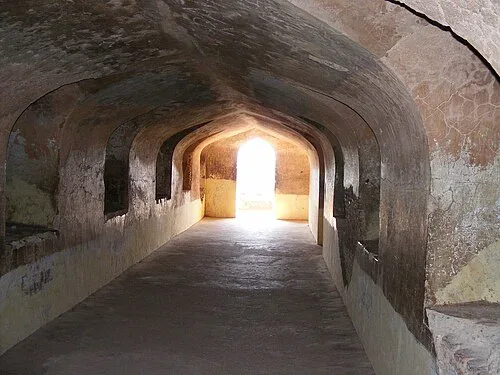 The Bhul-bhulaiya Labyrinth
Into the Bhul-bhulaiya Labyrinth
Above the halls of the imambara lies the Bhul-bhulaiya, the labyrinth. Eight surrounding chambers were built to different roof heights, and the space above them became a three-dimensional maze of interconnected passages. They join and part through 489 identical doorways, each one looking much like the last. The maze was never the plan. It came about unintentionally, as a way to spread the weight of the building, which stands on marshy ground. The tangle of passages does the structural work that solid mass would otherwise do. Entry is through a narrow flight of stone steps, and beyond them the arches repeat until direction dissolves. It is possibly the only existing maze in India, and it is a popular attraction with locals and visitors alike.
Listen in the appEkta Abhishek Bansal · CC BY-SA 3.0
08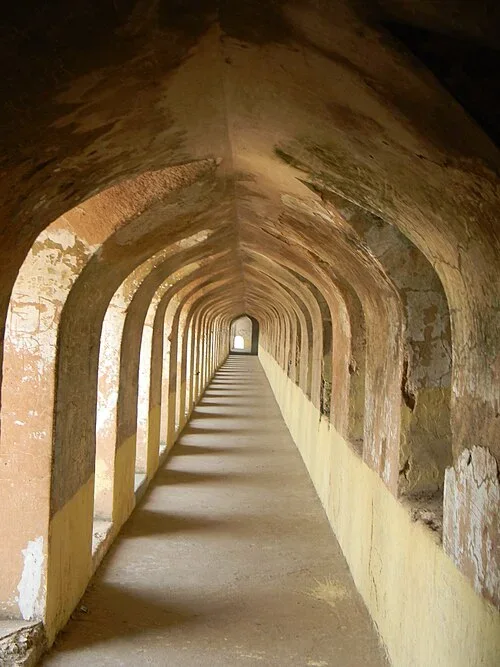 The Bhul-bhulaiya Labyrinth
Corridors of the Maze
The corridors of the Bhul-bhulaiya work on the mind slowly. Each vaulted passage repeats the same arch, again and again, and the low light filters in from openings at the sides. Floors rise and fall between levels, so a turn may lead upward or down without warning. Visitors have long relied on guides to find the way through, and the tradition holds to this day. Left to wander alone, most people meet the same arches coming and going.
Listen in the appEkta Abhishek Bansal · CC BY-SA 3.0
09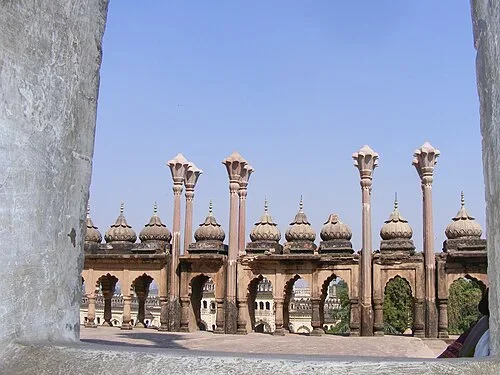 Acoustic Galleries and Secret Peep-Windows
Whispering Walls and Secret Peep-Windows
The upper passages of the building are riddled with openings. Hidden balconies and jharokhas, the carved overhanging windows, look down on the spaces and approaches below, including the way to the main gate. From within, a watcher could see everything; from outside, the openings read as plain wall. The building carries a famous acoustic reputation too. A whisper against the long hall's wall, people say, can be carried and heard at a great distance along the gallery. It is the same logic the sentries knew at the stepwell: unseen sightlines and carried sound, built quietly into the architecture.
Listen in the appPhoto: Amritamitraghosh · CC BY-SA 3.0
10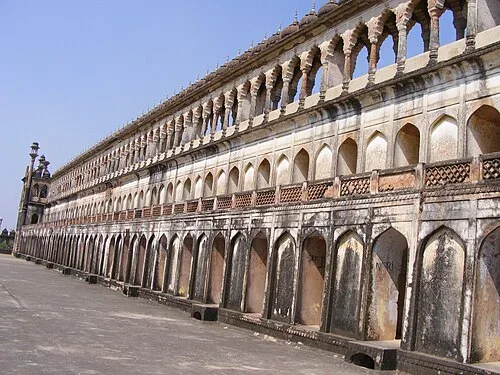 Acoustic Galleries and Secret Peep-Windows
The Nawab's Airy Balconies
Not every gallery here hides a watcher or carries a whisper. This one, remembered as a balcony of the Nawabs, exists for the plain pleasure of moving air. Its long rows of arches stand open to the sky, shaded from the sun but letting the breeze pass freely through. In the hot plains of Awadh, a gallery like this was the court's easiest luxury: coolness without machinery, comfort built into the stonework itself. The Nawab and his court could sit above the courtyards, in the shade, with the wind doing the rest.
Listen in the appPhoto: Amritamitraghosh · CC BY-SA 3.0
- 11
Atop the Labyrinth
From the roof of the maze, the whole of old Lucknow opens up.
- 12
The Asifi Masjid Dome from the Roof
A roof arch that frames the dome of the mosque like a picture.
- 13
Asfi Masjid - The Living Heart
The mosque with three domes and two minarets, where the complex still lives.
Bara Imambara
Frequently asked questions
How much does the guide cost?
Free app download. Listed guide price: $0.99. Guide price shown in the app. Audio guide only. Venue admission is separate.
Can I listen without internet?
Yes. Download the guide’s audio, images, and maps in the app before your visit. Your downloaded content is then available offline.
Can I listen in my language?
This audio guide is available in 15 languages, including English.
Do I need to follow a schedule?
No. This is a self-guided experience. Choose your stops, pause whenever you like, and return to a story at your own pace.
At your own pace
Explore Bara Imambara.
Download Stanza, then search for “Bara Imambara”.
Free app download · Guide price shown in the app
Keep exploring
Audio guides — India
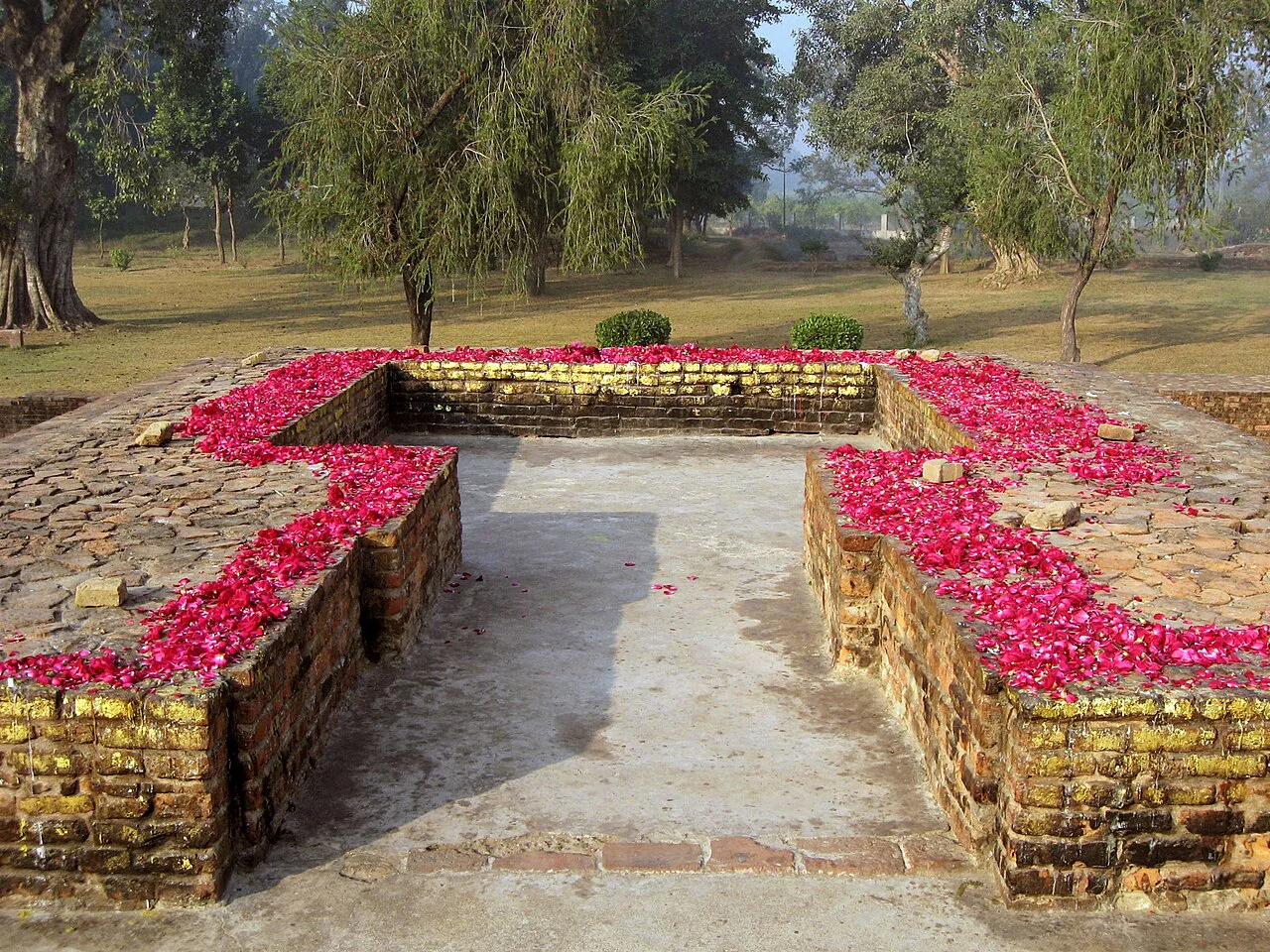
Sravasti · 132 km
Jetavana
Content & sources
myself · CC BY-SA 2.5
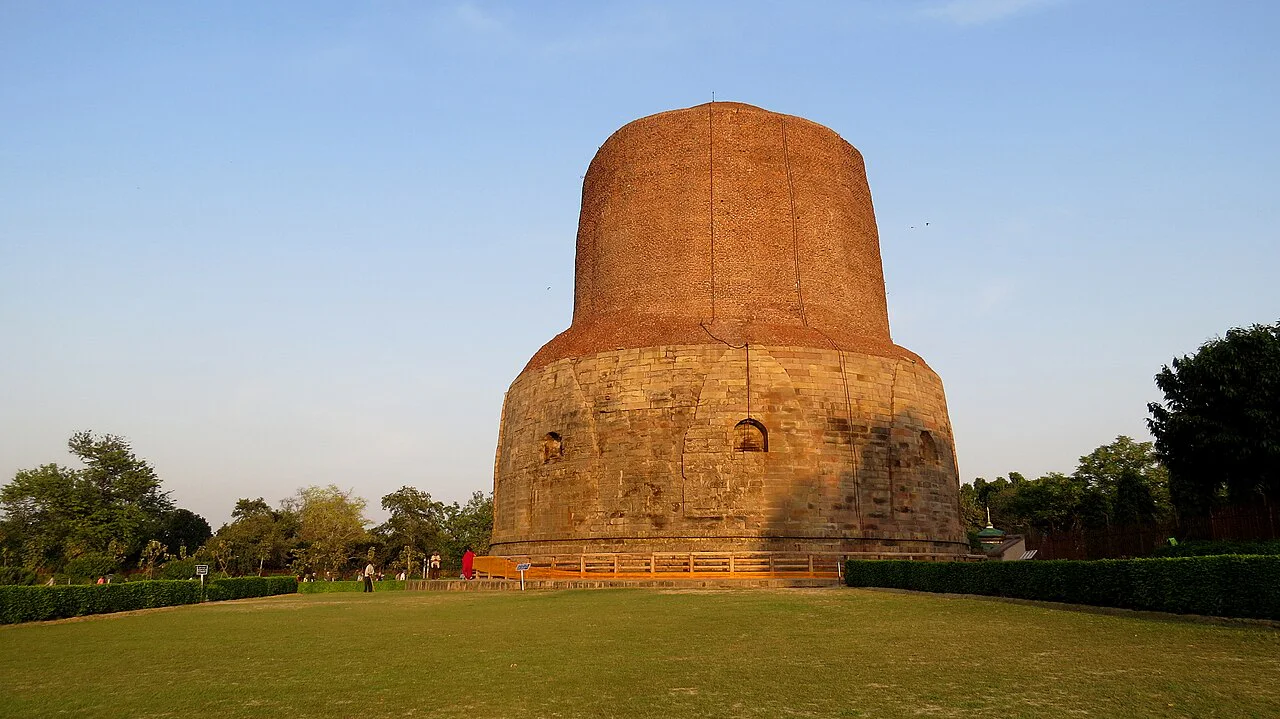
Sarnath
Dhamek Stupa
Content & sources
Photo: Preeti Prajapati · CC BY-SA 4.0
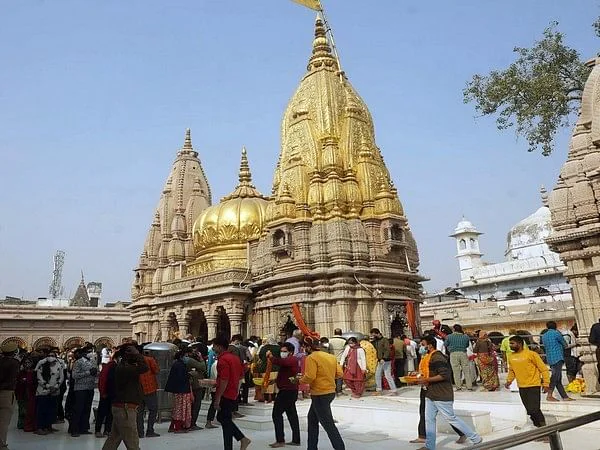
Varanasi
Kashi Vishwanath Temple
Content & sources
Photo: Das740724 · CC BY-SA 4.0
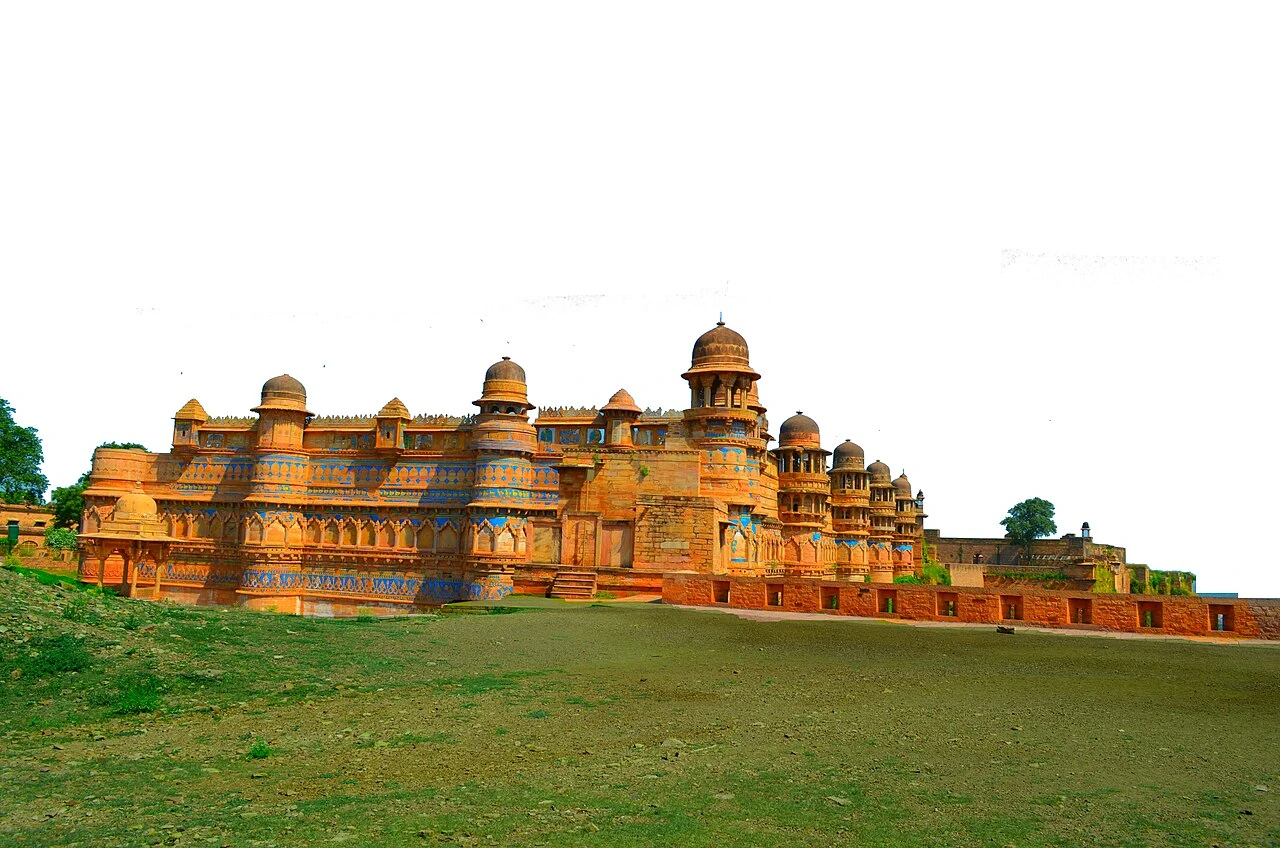
Gwalior
Gwalior Fort
Content & sources
Abhishek Dwivedi · CC BY-SA 4.0