Stanza · Audio guide
Jetavana Audio Guide
A place to remember. A story to take with you.
Jetavana was one of the most famous viharas in what is now Uttar Pradesh, India. It was the second vihara donated to the Buddha after the Venuvana in Rajgir.
Download Stanza, then search for “Jetavana”.
About the tour
One guide. Your kind of visit.
Jetavana was one of the most famous viharas in what is now Uttar Pradesh, India. It was the second vihara donated to the Buddha after the Venuvana in Rajgir.
Ready when you are.
- 01Get the free Stanza app.
iOS & Android
- 02Find your guide.
“Jetavana”
- 03Download before you go.
Works offline
Audio guide / 11 narrated stops
Inside the guide
Get to know a few of the stories before you go. Open a stop to read more.
01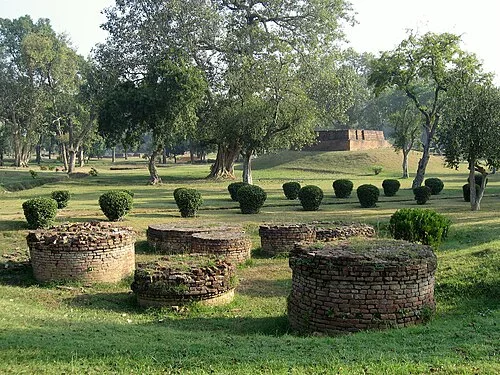 Main Archaeological Entrance and Welcome Plaza
Arriving at Jetavana: A Wooded Grove of Small Stupas
Welcome to Jetavana, one of the most famous monasteries of early Buddhism. It lies just outside the old city of Savatthi, in what is now Uttar Pradesh in India. The name means Jeta's grove, and the grounds were once so thickly covered with trees that they had the feel of a forest hermitage. That quiet, wooded character is why a wealthy merchant chose this place for the rainy-season retreats of the Buddha and his monks. Brick stupas rise from the lawns here, some small and round, others the size of low hills. Monks, merchants and kings came here for more than a thousand years. For centuries the ruins were known locally by another name, Sahet-Mahet, and their identity was uncertain. In the nineteenth century, Alexander Cunningham turned to the accounts of Chinese pilgrim-monks who had visited in ancient times. Using their descriptions, he matched Sahet-Mahet to Jetavana and Savatthi. This tour follows the monastery from its founding legend to its long afterlife.
myself · CC BY-SA 2.5
02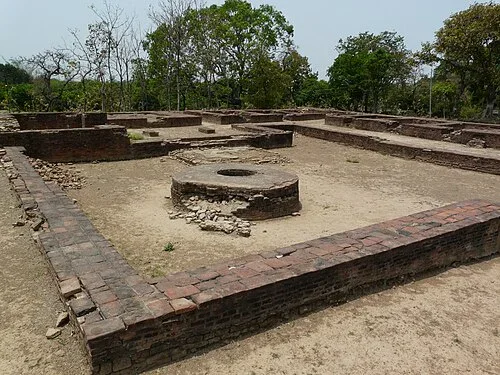 Monastery Complex Foundation Walls
How the Sangha Lived: Cells, Cloisters and Service Halls
A well sits at the center of this excavated courtyard, ringed by the low brick walls of rooms. Wells like this were part of the plan from the very start. The Vinaya, the monastic rulebook, records what was built here: dwelling rooms, retiring rooms, store rooms and service halls. Halls with fireplaces, closets, cloisters, halls for exercise. Wells, bathrooms, ponds, and sheds both open and roofed. The estate covered eighteen karisas of land, a karisa being a traditional measure of area. Tibetan sources describe the vihara as laid out on a plan sent by the devas of Tusita, with sixty large halls and sixty small ones. The first monks here needed all of it. They slept in cells, ate in common halls, and drew water from wells like the one at the heart of this courtyard.
Varun Shiv Kapur from New Delhi, India · CC BY 2.0
03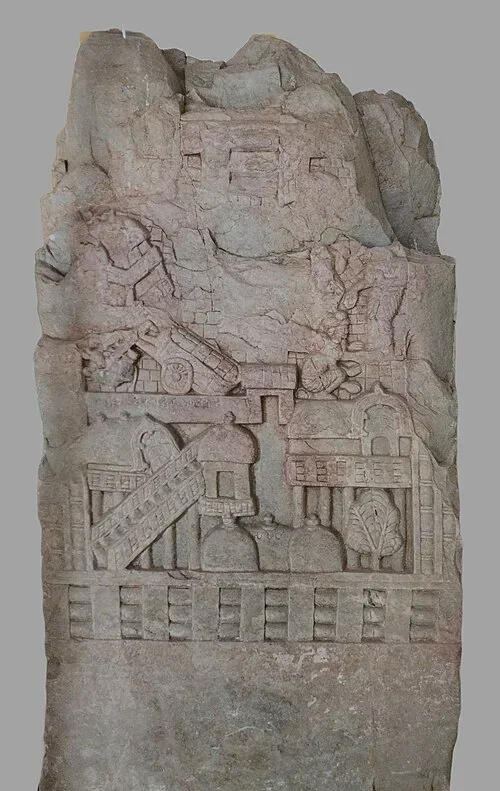 The Relief of the Golden Purchase
The Golden Purchase: Anathapindika Covers the Grove
This stone relief was carved at Bharhut, far from Savatthi, yet it shows the founding story of this very place. Anathapindika, a wealthy merchant, met the Buddha and asked to build a monastery for him and his monks in his hometown. He searched for land both accessible and secluded, and found a park belonging to Prince Jeta, son of King Pasenadi of Kosala. The prince refused to sell. When the merchant persisted, Jeta joked that he would sell only if the ground were covered with gold coins. Anathapindika agreed. Wagons of gold pieces arrived, and arbitrators ruled that the prince had to honor the price. The texts say he paid eighteen crores for the site alone. With the buildings, his spending came to fifty-four crores. One small spot near the gateway stayed uncovered. Jeta, moved by the merchant's earnestness, asked to give that spot himself, and raised an imposing gateway there with a room above it. At the Buddha's own suggestion, the monastery kept both owners in its name: in Jeta Grove, Anathapindika's Monastery. Both men's generosity was to be remembered, and imitated.
Listen in the appPhoto: Anandajoti · CC BY-SA 4.0
04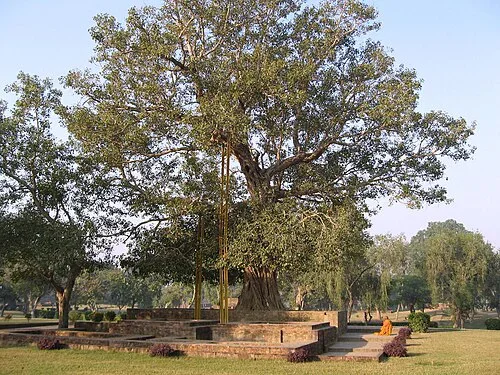 The Sacred Anandabodhi Tree
The Anandabodhi Tree: A Living Link to the Buddha
In front of Jetavana's gateway, Anathapindika planted a Bodhi tree, propagated from the tree at Bodh Gaya under which the Buddha found enlightenment. Tradition says the planting happened during the Buddha's own lifetime. The tree came to be called the Anandabodhi, and it is honored as the second-holiest tree in the Buddhist world. For pilgrims it stands as a living link to the Buddha's lifetime. Its trunk is hung with prayer flags, and its roots are enclosed by a low railed platform. Devotion here is not a memory. Monks in saffron robes often sit in meditation at its base, a practice pilgrims on the Savatthi route still keep.
Listen in the appmyself · CC BY-SA 2.5
05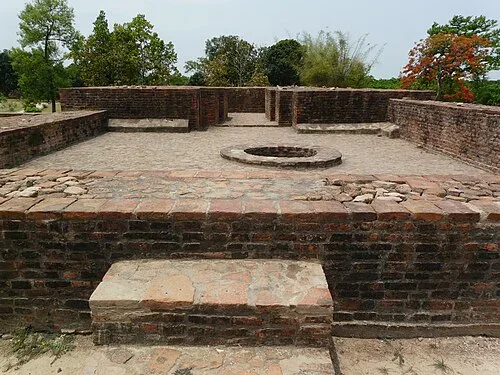 The Kosambakuti Shrine Complex
Temple 2 and the Kosambakuti: Named Halls and Old Rivalries
Ancient texts name Jetavana's chief buildings one by one. Among them are the Mahagandhakuti, the Kosambakuti and the Candanamala, each known by its own name in the commentaries. The ruins of this temple have traditionally been identified with the Kosambakuti shrine. Patronage reached the very top. King Pasenadi of Kosala, Prince Jeta's father, erected a large hall here called the Salalaghara. But Jetavana did not stand alone in its religious world. A monastery of rival teachers stood near the grounds. It was from there, the texts say, that a woman named Cinca spent her nights hatching a false accusation against the Buddha. Savatthi was a contested stage, and Jetavana held its ground in the middle of it.
Listen in the appVarun Shiv Kapur from New Delhi, India · CC BY 2.0
06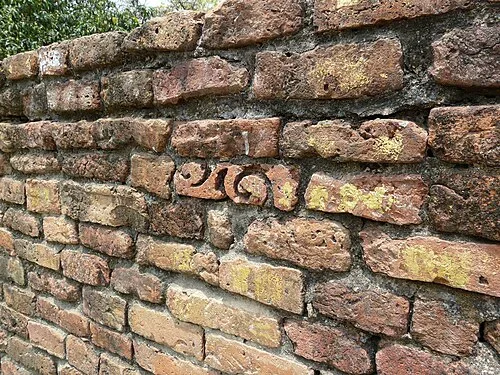 The Kosambakuti Shrine Complex
Ornament and Fire: The Seven-Storey Vihara
Even the brickwork here was meant to be beautiful. Moulded bricks like these carried the monastery's decorative scheme, described in detail in the Vinaya. The Chinese pilgrim Faxian, who traveled in India in the early fifth century, described the great vihara as standing in seven sections, perhaps seven storeys. It was filled with offerings, embroidered banners and canopies, and its lamps burned from dusk to dawn. Then, in the story Faxian records, a rat ran past with a burning lamp wick in its mouth. The banners and canopies caught fire, and all seven sections were entirely destroyed. The vihara was later rebuilt in two sections, with main entrances on the east and on the west.
Listen in the appVarun Shiv Kapur from New Delhi, India · CC BY 2.0
07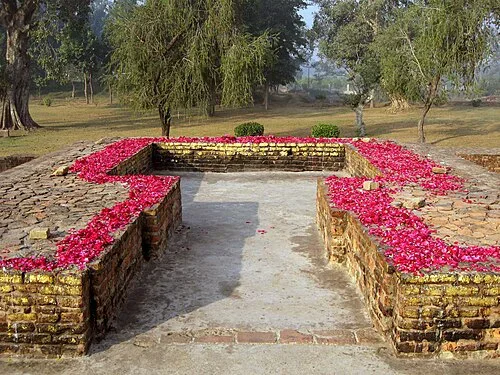 The Gandhakuti (The Fragrant Hut)
The Fragrant Hut: Most Sacred Spot of Jetavana
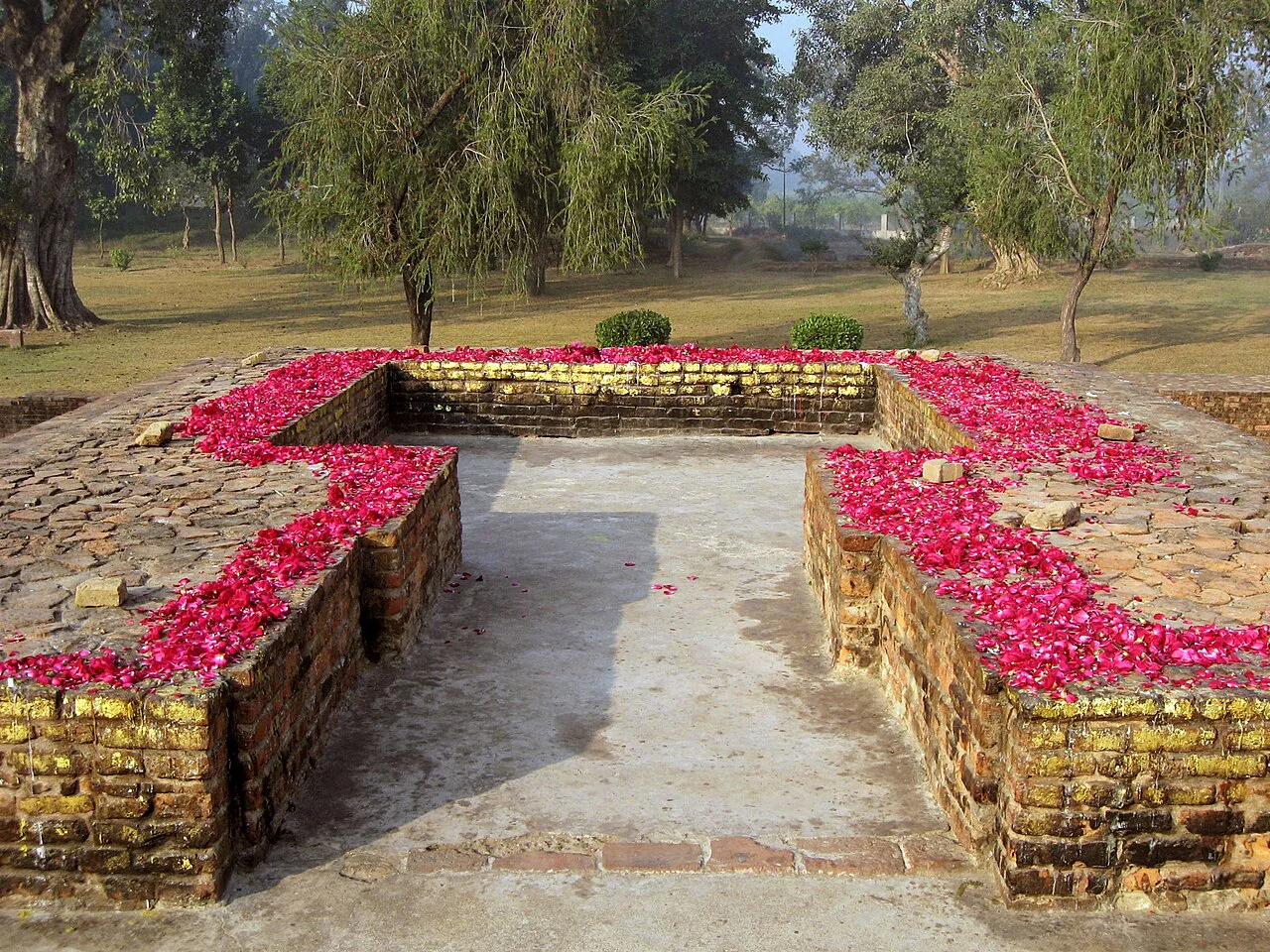
Red petals lie scattered across this low brick platform, laid there by pilgrims not long ago. The platform marks the Gandhakuti, the Fragrant Hut, the Buddha's private dwelling and the most revered place in Jetavana. Here he slept and meditated, and received visiting kings and disciples. Tradition holds that the space covered by the hut's four bedposts is one of the four immovable spots of the earth, shared by all Buddhas. The remains are also known by the name Mulagandhakuti, as the tradition records them. A visit to Savatthi and Jetavana remains part of the Buddhist pilgrim route in North India, and this is the spot where devotion gathers. The flowers on the bricks are today's offering to that continuity.
Listen in the appmyself · CC BY-SA 2.5
08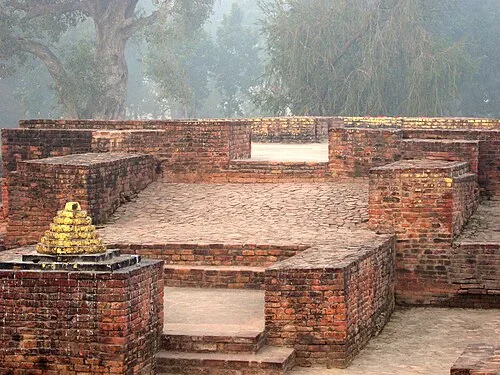 The Gandhakuti (The Fragrant Hut)
Nineteen Retreats: Jetavana as Cradle of the Teachings
The Buddha spent nineteen of his forty-five monsoon retreats at Jetavana, more than at any other vihara. It was here that he gave the majority of his teachings and discourses. When Visakha, his chief female lay disciple, built a second vihara called the Migaramatupasada at Pubbarama near Savatthi, he began to divide his time. He would dwell alternately between the two, often spending the day in one and the night in the other. The sermons that shaped the Pali Canon resounded from rooms like these. The terraces and steps before you are all that remain of them.
Listen in the appmyself · CC BY-SA 2.5
09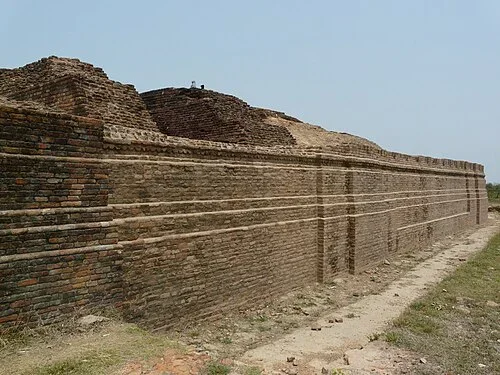 The Memorial Stupas
The Stupa of Anathapindika and the Nine-Month Festival
This massive stupa of brick is traditionally associated with Anathapindika, the merchant who founded the monastery. When the buildings were complete, he staged a dedication ceremony of great splendor. His son came with five hundred other youths. His wife came with five hundred other noble women. His daughters Maha Subhadda and Cula Subhadda arrived with five hundred other maidens. Five hundred bankers attended the merchant himself. The festivities in connection with the dedication lasted nine months. In time, the man who paid in gold became an object of memorial veneration within the very monastery he had founded.
Listen in the appVarun Shiv Kapur from New Delhi, India · CC BY 2.0
10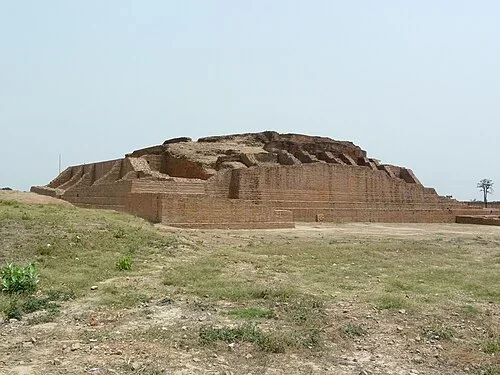 The Memorial Stupas
Stupas of the Disciples: Memory in Brick
Memory here was built in brick, stupa by stupa. According to the Divyavadana, the stupas of the Buddha's chief disciples, Sariputta and Moggallana, stood in the grounds of Jetavana until the time of Asoka. When Faxian visited, he found stupas raised at all the places connected with the Buddha, each with its name inscribed. Tradition gives this large tiered stupa a more startling name: Angulimal, the brigand who became one of the Buddha's disciples. Whatever its exact dedication, it belongs to a landscape where the community marked its saints in brick across the centuries.
Listen in the appVarun Shiv Kapur from New Delhi, India · CC BY 2.0
- 11
The Sacred Pond and the Long Twilight of Jetavana
A stepped pond where the Buddha bathed, a legend of the earth opening, and a royal grant sixteen centuries on.
Jetavana
Frequently asked questions
How much does the guide cost?
Free app download. Listed guide price: $0.99. Guide price shown in the app. Audio guide only. Venue admission is separate.
Can I listen without internet?
Yes. Download the guide’s audio, images, and maps in the app before your visit. Your downloaded content is then available offline.
Can I listen in my language?
This audio guide is available in 15 languages, including English.
Do I need to follow a schedule?
No. This is a self-guided experience. Choose your stops, pause whenever you like, and return to a story at your own pace.
At your own pace
Explore Jetavana.
Download Stanza, then search for “Jetavana”.
Free app download · Guide price shown in the app
Keep exploring
Audio guides — India
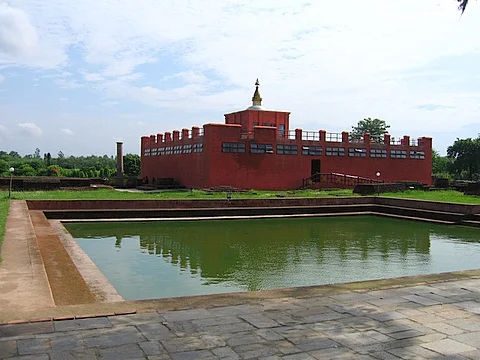
Lumbini · 122 km
Maya Devi Temple, Lumbini
Content & sources
Wes Olson · CC BY-SA 2.5
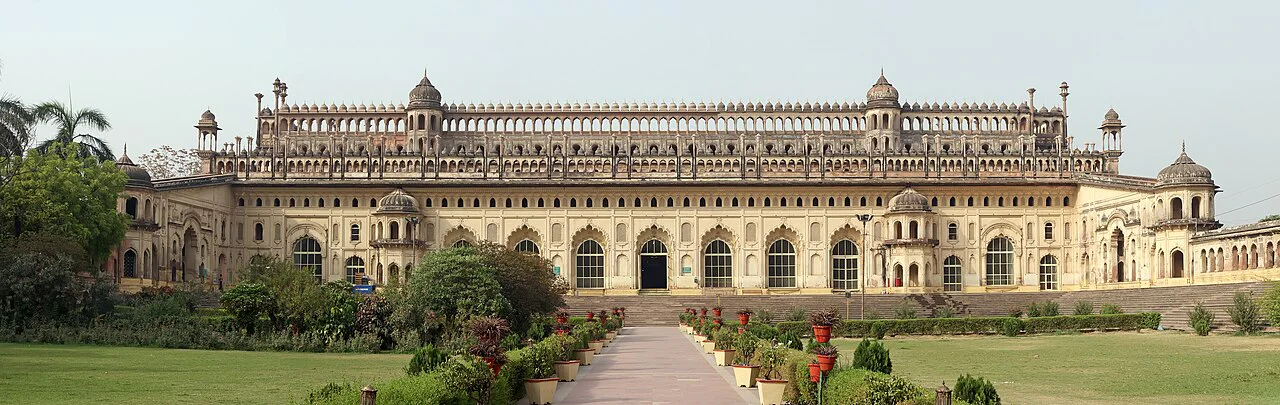
Lucknow · 132 km
Bara Imambara
Content & sources
Photo: Muhammad Mahdi Karim · GFDL 1.2
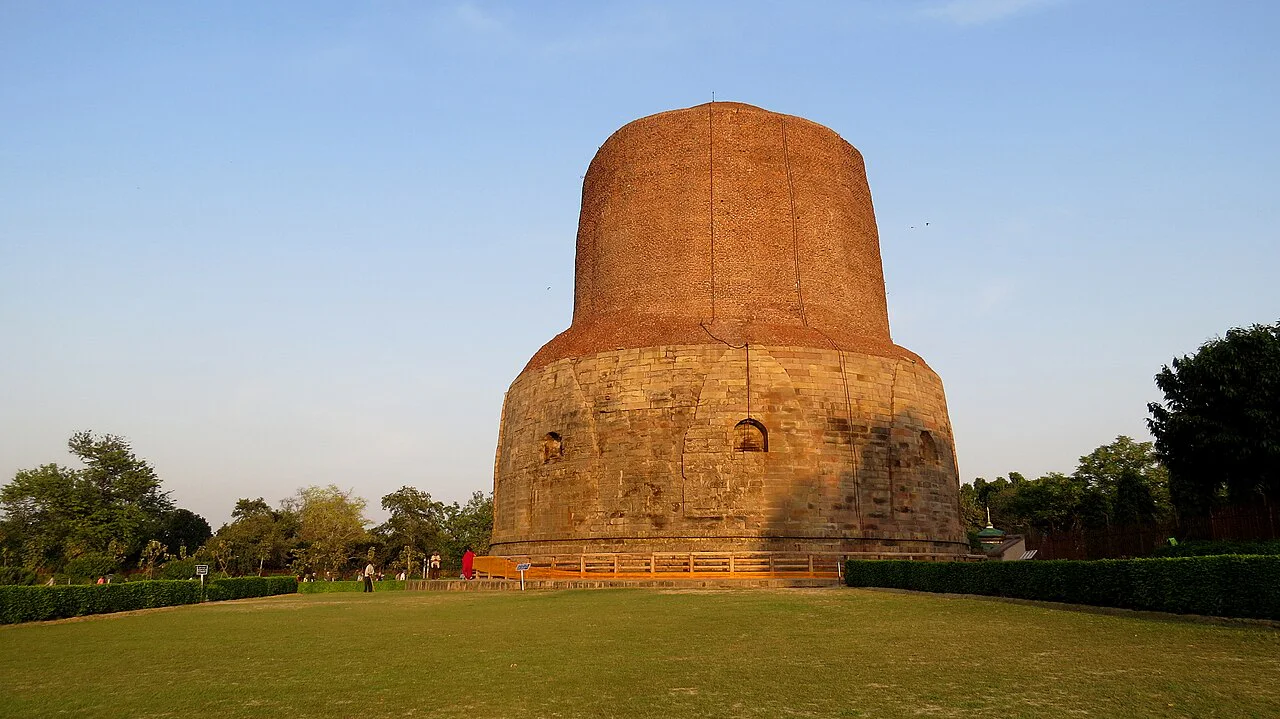
Sarnath
Dhamek Stupa
Content & sources
Photo: Preeti Prajapati · CC BY-SA 4.0
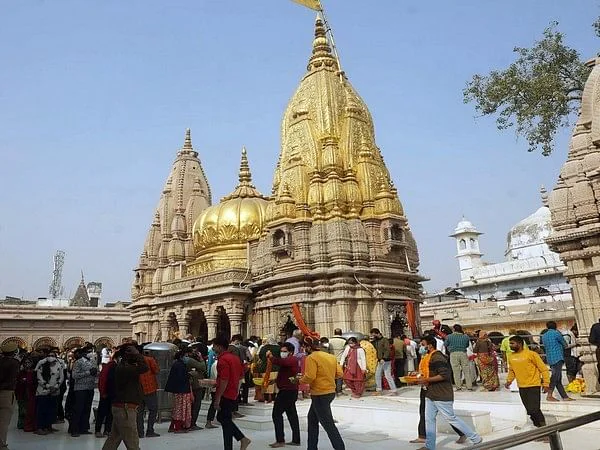
Varanasi
Kashi Vishwanath Temple
Content & sources
Photo: Das740724 · CC BY-SA 4.0