Stanza · Audio guide
Safdarjung's TombAudio guide
A place to remember. A story to take with you.
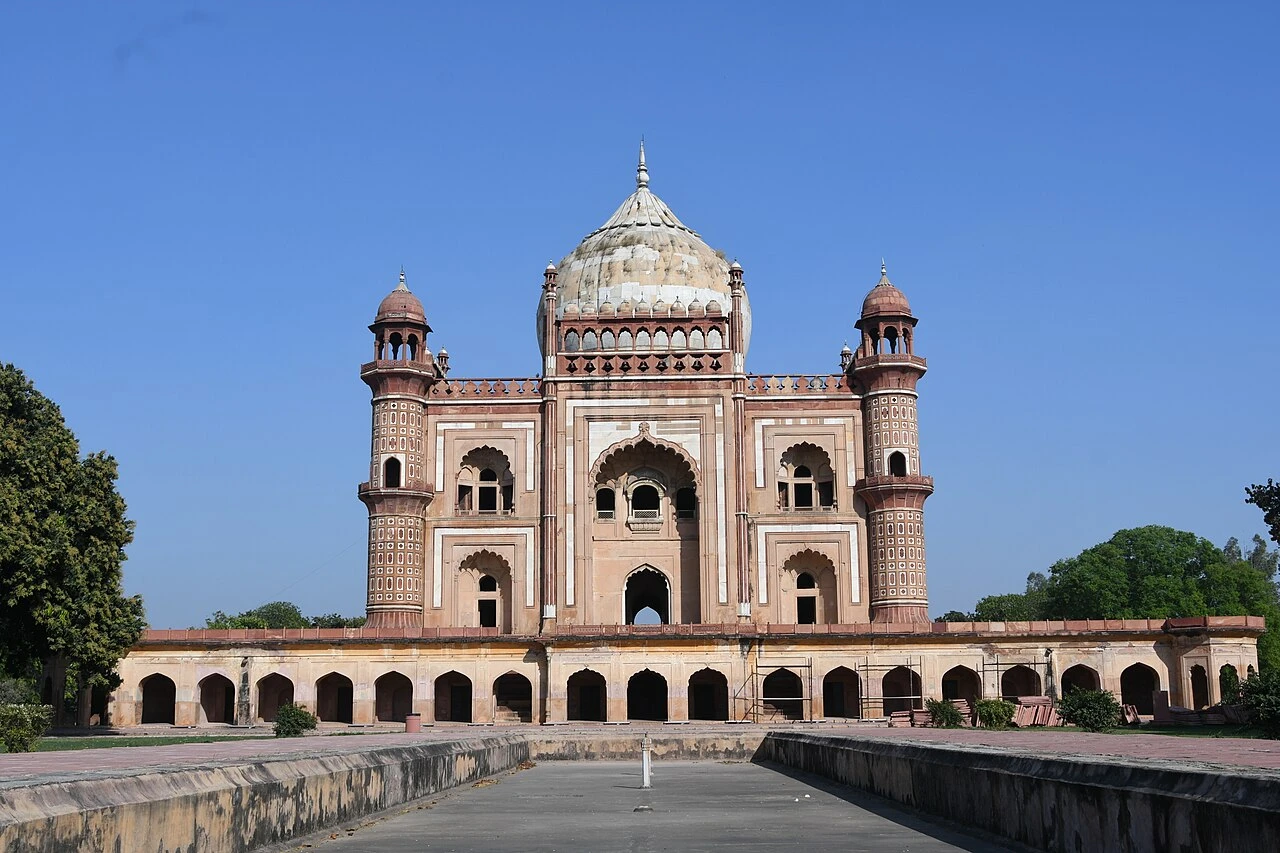
A sandstone and marble garden tomb built in 1754 for the Mughal statesman Safdarjung. It is a prominent example of late Mughal architecture featuring a central mausoleum surrounded by lush charbagh-style…
Download Stanza, then search for “Safdarjung's Tomb”.
About the tour
One guide. Your kind of visit.
A sandstone and marble garden tomb built in 1754 for the Mughal statesman Safdarjung. It is a prominent example of late Mughal architecture featuring a central mausoleum surrounded by lush charbagh-style gardens.
Ready when you are.
- 01Get the free Stanza app.
iOS & Android
- 02Find your guide.
“Safdarjung's Tomb”
- 03Download before you go.
Works offline
Audio guide / 12 narrated stops
Inside the guide
Get to know a few of the stories before you go. Open a stop to read more.
01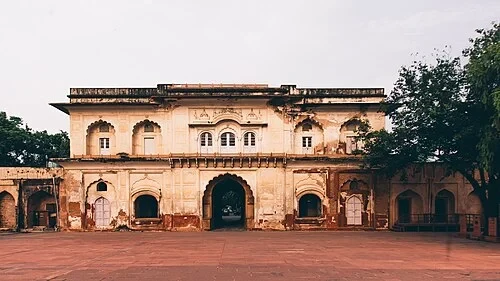 The Grand Entrance GatewayThe Grand Entrance
Welcome to Safdarjung's Tomb, the last grand garden tomb built in the Mughal style. This site commemorates Nawab Safdarjung, a powerful high-ranking official who served as the Prime Minister to the Mughal Emperor Ahmad Shah Bahadur. Upon his death in 1754, his son, Shuja-ud-Daula, commissioned this monumental project. This gateway represents a significant shift in history; it was the first time a noble, rather than an emperor, commissioned an imperial-scale garden tomb. Previously, such monumental displays of status were strictly reserved for the royal family. By building on this scale, Safdarjung's family signaled the waning power of the Mughal throne, which could no longer restrict such architectural displays of wealth to the royal bloodline. The land itself holds deep history; the fields just to the south were the site of the historic Battle of Delhi in 1386. During that conflict, the forces of Timur defeated the Tughlaq army, a defeat that permanently altered the region's trajectory. Today, this entrance stands as a transition between the modern city and a sanctuary that preserves the aesthetic ideals of a fading empire. Weathered details on the sandstone archway show the effects of centuries of Delhi's climate.
Photo: IshiSenpai · CC BY-SA 4.0
02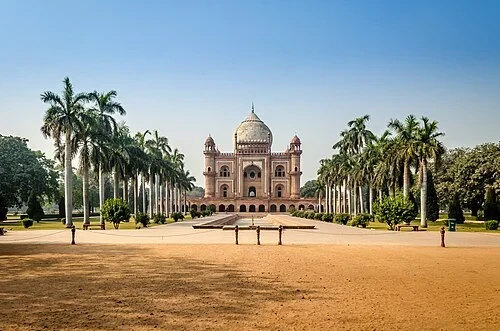 The Char Bagh Garden WalkwayThe Garden of Paradise
The expansive grounds are laid out in the classic Char Bagh style, a Persian-influenced design common in Mughal landscapes. This four-part garden is meticulously divided by intersecting water channels, creating four large squares. In Islamic tradition, these channels represent the four rivers of paradise: water, milk, wine, and honey. The layout aims to create a physical representation of heaven on earth, providing a serene environment for contemplation. Encircling this entire complex are high protective walls that stretch approximately 280 meters along each side. These fortifications do more than mark property lines; they serve as a barrier against the noise and heat of the surrounding city, ensuring the interior remains a quiet retreat. Historically, the gardens were filled with fruit trees and flowers, though the current landscaping is more open. Small fountains and stone pathways provided the framework for royal walks through the greenery. Toward the perimeter, you can see how the thick walls create a distinct boundary between the historical site and the modern urban world. Stone channels still direct water through the center of the lawn toward the main structure.
nitish saini · CC BY-SA 4.0
03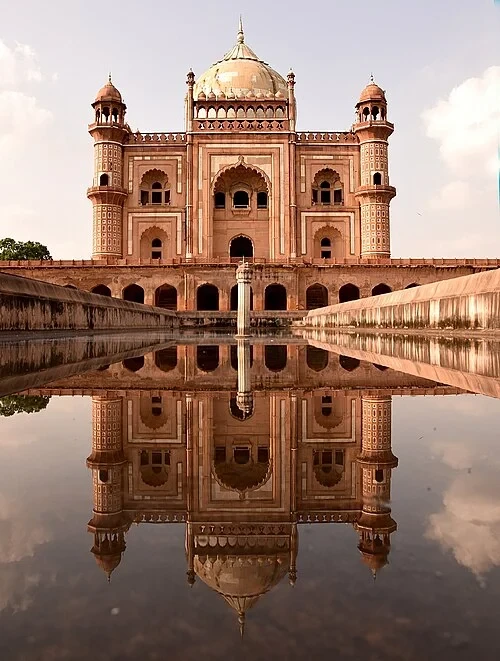 The Char Bagh Garden WalkwayThe Reflection Pool
Looking down the central water channel, the architectural precision of the mausoleum becomes clear. The entire building is perfectly centered within the garden, resting on a massive elevated podium that measures 50 meters on each side. This raised platform was a practical design choice to protect the structure from dampness and floods, but it also elevates the building to a more commanding height. The reflection pool in the foreground was an intentional design element. By using the still surface of the water, the architects effectively doubled the visual scale of the facade, creating a mirror image that emphasizes the building’s perfect symmetry. This design technique, known as bilateral symmetry, was a hallmark of late Mughal aesthetics, where every arch, window, and tower on the left side is perfectly matched on the right. The water channels and the reflecting pool are part of a gravity-fed hydraulic system that was once common in grand estates. The shallow depth of the pool ensures that even a light breeze creates ripples across the reflected image of the bulbous dome. Small stone spouts along the pool edge were once connected to a larger network of fountains.
Listen in the appPhoto: Sachin novaug · CC BY-SA 4.0
04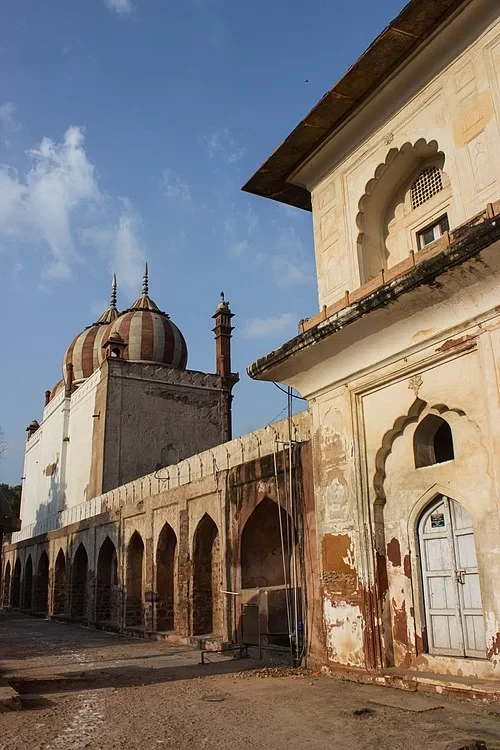 The Mosque of Three DomesThe Three-Domed Mosque
To the right of the main entrance stands a small mosque, recognizable by its three distinctive domes. These domes feature a striking pattern of red and white stripes, a decorative choice that contrasts with the more uniform colors of the main mausoleum. This mosque was not built for the public; instead, it served as a private place of worship for the Nawab’s family and the numerous staff members who resided on and maintained the sprawling garden complex. It provided a convenient location for the five daily prayers required in Islamic practice, ensuring that spiritual life was integrated into the daily routine of the estate. The interior of the mosque follows traditional architectural layouts, with a niche indicating the direction of Mecca. While modest in size compared to the central tomb, its presence reinforces the dual nature of this site as both a memorial and a living religious space. The proximity of the mosque to the gate allowed residents to pray before leaving the grounds or upon their return. Small arched windows along the upper walls allowed light to reach the prayer hall during the day. Narrow steps lead to the roof where the domes are situated.
Listen in the appPhoto: Imfamousrajat · CC BY-SA 4.0
05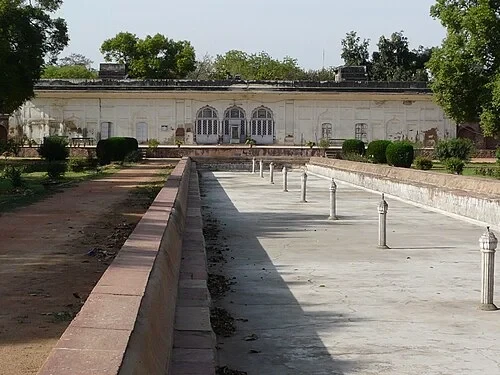 The Residential PavilionsThe Royal Pavilions
The perimeter walls are punctuated by several significant residential pavilions. These structures, known as the Moti Mahal or Pearl Palace, the Badshah Pasand or King’s Favorite, and the Jangli Mahal or Palace in the Woods, tell a story of a site that was lived in as much as it was visited. These pavilions served as seasonal retreats for the Nawab’s family, allowing them to enjoy the cooling breezes of the garden during Delhi’s notoriously hot summers. This multi-purpose design transformed the tomb complex into a functioning garden estate, where the living and the remembered occupied the same landscape. Each pavilion was named to reflect its specific character or the view it offered of the grounds. For instance, the Jangli Mahal was likely situated near more densely wooded areas of the original garden. These spaces would have been decorated with carpets, cushions, and lanterns, providing a luxurious environment for hosting guests or conducting private business. Today, these pavilions remain as skeletal reminders of the courtly life that once animated the garden. You can still see the remains of the arched openings that allowed residents to look out over the central tomb and water channels.
Listen in the appVarun Shiv Kapur from New Delhi, India · CC BY 2.0
06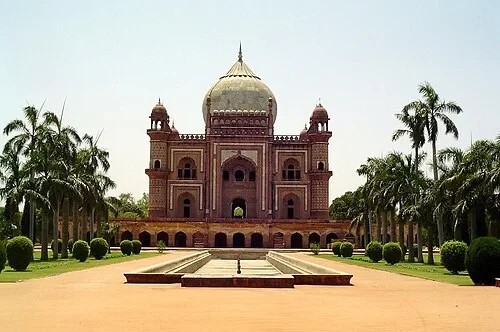 The Mausoleum FacadeA Study in Sandstone
While the iconic Taj Mahal is celebrated for its use of shimmering white marble, this tomb showcases a different palette of red and buff-colored sandstone. This shift in materials wasn't purely aesthetic; it reflected the diminishing wealth and limited resources of the late Mughal period. By 1754, the empire's vast treasury had been depleted, making the importation of high-quality marble for an entire structure prohibitively expensive. The resulting color scheme famously drew a sharp critique from the 19th-century traveler Bishop Reginald Heber. He remarked that the particular shade of the stone, with its mottled reddish tones, reminded him of potted meat. Despite this blunt assessment, the use of sandstone allowed for deep, intricate carvings that remain sharp today. Small sections of marble were used sparingly for highlights, such as the white bands that define the arches and the panels on the central dome. This pragmatic approach to construction demonstrates how architects adapted imperial styles to fit the tightening budgets of the 18th-century nobility. Looking at the corners of the main building reveals where the two different shades of sandstone meet. The lower portions of the walls show significant weathering from centuries of exposure to the elements.
Listen in the appPratheepps · CC BY-SA 3.0
07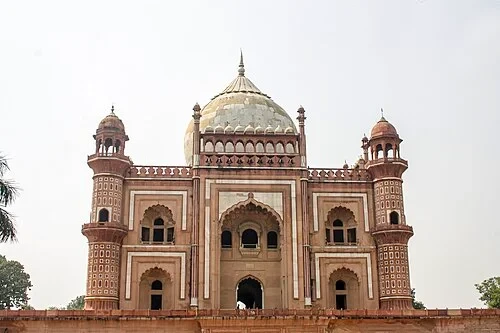 The Mausoleum FacadeThe Architect's Vision
The design of this monumental tomb is credited to the Abyssinian architect Bilal Muhammad Khan. Building the structure in 1754 required a significant investment, costing approximately three lakh rupees—a massive sum for a noble's family at the time. The mausoleum itself is a square structure, measuring about 28 meters on each side, topped by a large, bulbous dome that dominates the skyline. Four polygonal towers are positioned at each corner of the building. These towers are capped with small kiosks, or chhatris, which are traditional features of Indo-Islamic architecture designed to add elegance to the roofline. Unlike the minarets of earlier Mughal tombs, which were often freestanding, these towers are integrated directly into the main body of the building. The architect balanced the heavy sandstone base with these light, airy kiosks to prevent the structure from feeling too imposing. This blend of massive walls and delicate rooftop elements is a defining characteristic of the late Mughal style. Each chhatri is supported by slender columns that echo the vertical lines found throughout the facade. The central dome is finished with a layer of white marble that helps it stand out against the buff sandstone below.
Listen in the appIndrajit Das · CC BY-SA 4.0
08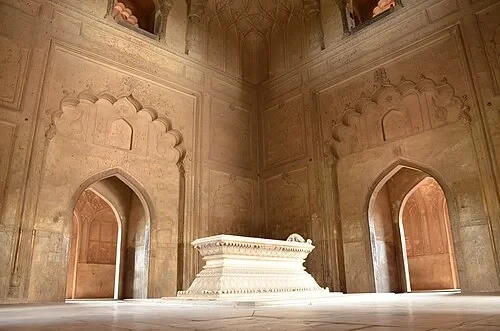 The Central Chamber and CenotaphThe Eight Paradises
Stepping inside, the interior layout follows the traditional hasht bihisht or eight paradises plan. This architectural concept features eight smaller rooms arranged in two stories around this large, central chamber. The name refers to the eight levels of heaven in Islamic cosmology, a recurring theme in Mughal funerary design. These interconnected spaces served a very practical purpose beyond their symbolic meaning. The high, vaulted ceilings and the strategic placement of arched doorways were specifically designed to facilitate air circulation. During the intense heat of the Delhi summers, this arrangement allowed even the slightest breeze to move through the building, keeping the interior significantly cooler than the outdoors. The thick sandstone walls also provide natural insulation, absorbing the day's heat and releasing it slowly at night. Moving between the side rooms, you can feel the shift in temperature and the way the acoustics change in the smaller, more intimate spaces. Each room offers a unique view of the surrounding gardens through the arched openings, further connecting the interior sanctuary with the landscape outside. The central chamber is the largest of these nine spaces, directly beneath the main dome.
Listen in the appShristi Dutta · CC BY-SA 4.0
09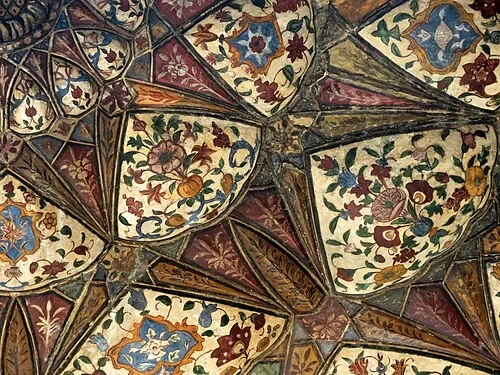 The Central Chamber and CenotaphOrnate Plasterwork
Looking up at the ceilings and the upper portions of the walls, you will see highly detailed plasterwork executed in a style reminiscent of European Rococo. This decorative approach was very fashionable among the Delhi elite in the mid-18th century and represents a departure from the strict, geometric patterns favored in earlier Mughal eras. The plaster is sculpted into delicate floral motifs, scrolls, and leafy vines, often accented with traces of gold and deep red pigments. These colors would have been much more vibrant when the tomb was first completed, creating a lavish and highly textured interior. This ornate style reflects the personal tastes of the late Mughal period, where elegance and intricate detail were used to compensate for the less expensive building materials. The transition from stone carving to molded plaster allowed for more fluid, organic shapes that were difficult to achieve in hard sandstone. These motifs often depict idealized flowers that would never wither, reinforcing the theme of an eternal garden. Fine lines in the plaster near the base of the arches show where the patterns are most concentrated. Large sections of this plasterwork remain intact, showing the high level of craftsmanship involved.
Listen in the appPhoto: Iayushjain · CC BY-SA 3.0
10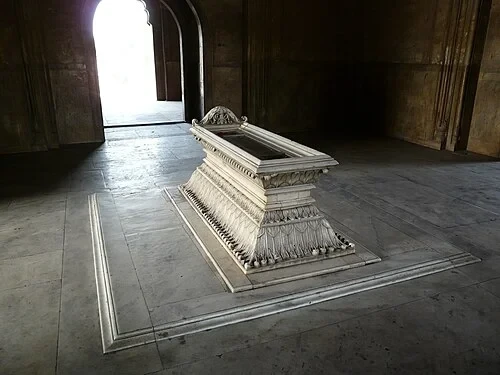 The Central Chamber and CenotaphThe Symbolic Cenotaph
In the center of this hall sits a white marble cenotaph, resting on a raised platform. This is not the actual burial site; rather, it is a symbolic marker meant for public viewing and respect. Following traditional Mughal funerary customs, the real remains of Nawab Safdarjung and his wife are located in a somber, vaulted underground chamber directly beneath this spot. This practice was intended to separate the public memorial from the privacy and sanctity of the actual graves. The cenotaph itself is finely carved, featuring a flat top that distinguishes it as a male's marker in Islamic tradition. The use of marble here, in contrast to the sandstone used for the exterior, highlights the importance of the central space. It is a quiet, dignified focal point that draws the eye as soon as you enter the chamber. The placement directly under the center of the dome was a deliberate choice, intended to focus the spiritual energy of the structure. Light from the high windows often falls directly across the marble surface during the middle of the day. The platform below the cenotaph is also decorated with simple geometric moldings.
Listen in the appVarun Shiv Kapur from New Delhi, India · CC BY 2.0
Safdarjung's Tomb
Frequently asked questions
How much does the guide cost?
Free app download. Listed guide price: $3.99. Guide price shown in the app. Audio guide only. Venue admission is separate.
Can I listen without internet?
Yes. Download the guide’s audio, images, and maps in the app before your visit. Your downloaded content is then available offline.
Can I listen in my language?
Stanza supports 15 languages. Check the app for the languages available for this guide.
Do I need to follow a schedule?
No. This is a self-guided experience. Choose your stops, pause whenever you like, and return to a story at your own pace.
At your own pace
Explore Safdarjung's Tomb.
Download Stanza, then search for “Safdarjung's Tomb”.
Free app download · Guide price shown in the app
Keep exploring
Nearby audio guides
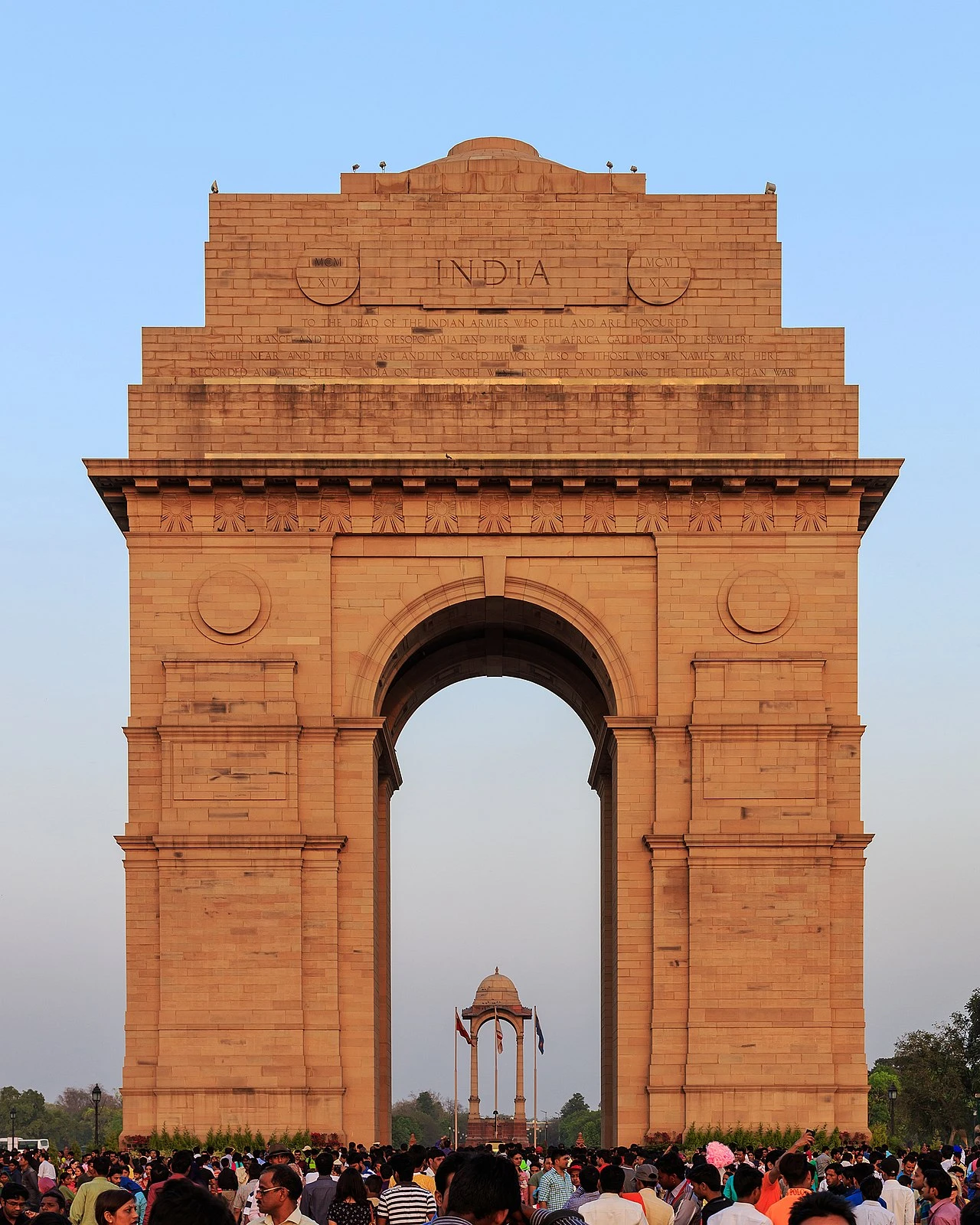
New Delhi
India Gate
Content & sources
Photo: A.Savin · FAL
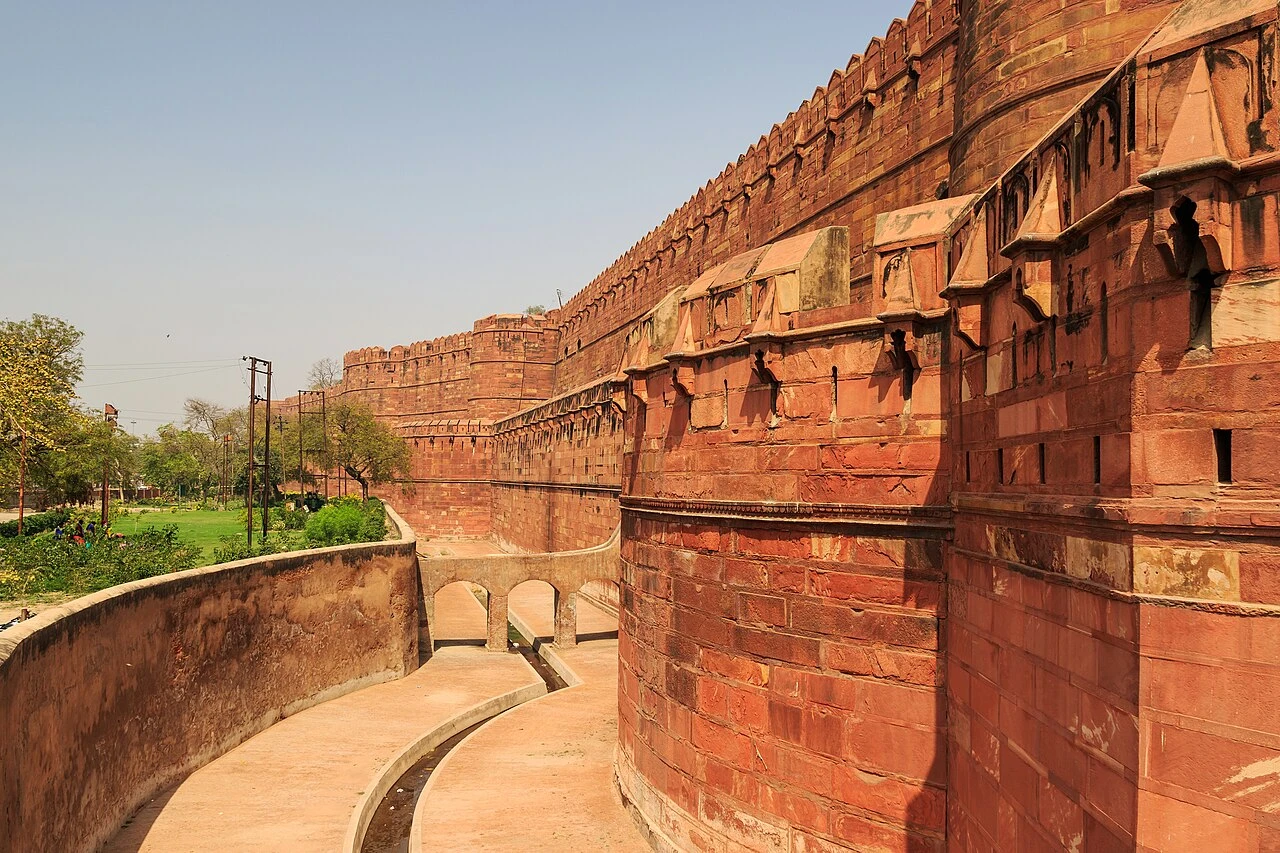
Agra
Agra Fort
Content & sources
Photo: A.Savin · FAL
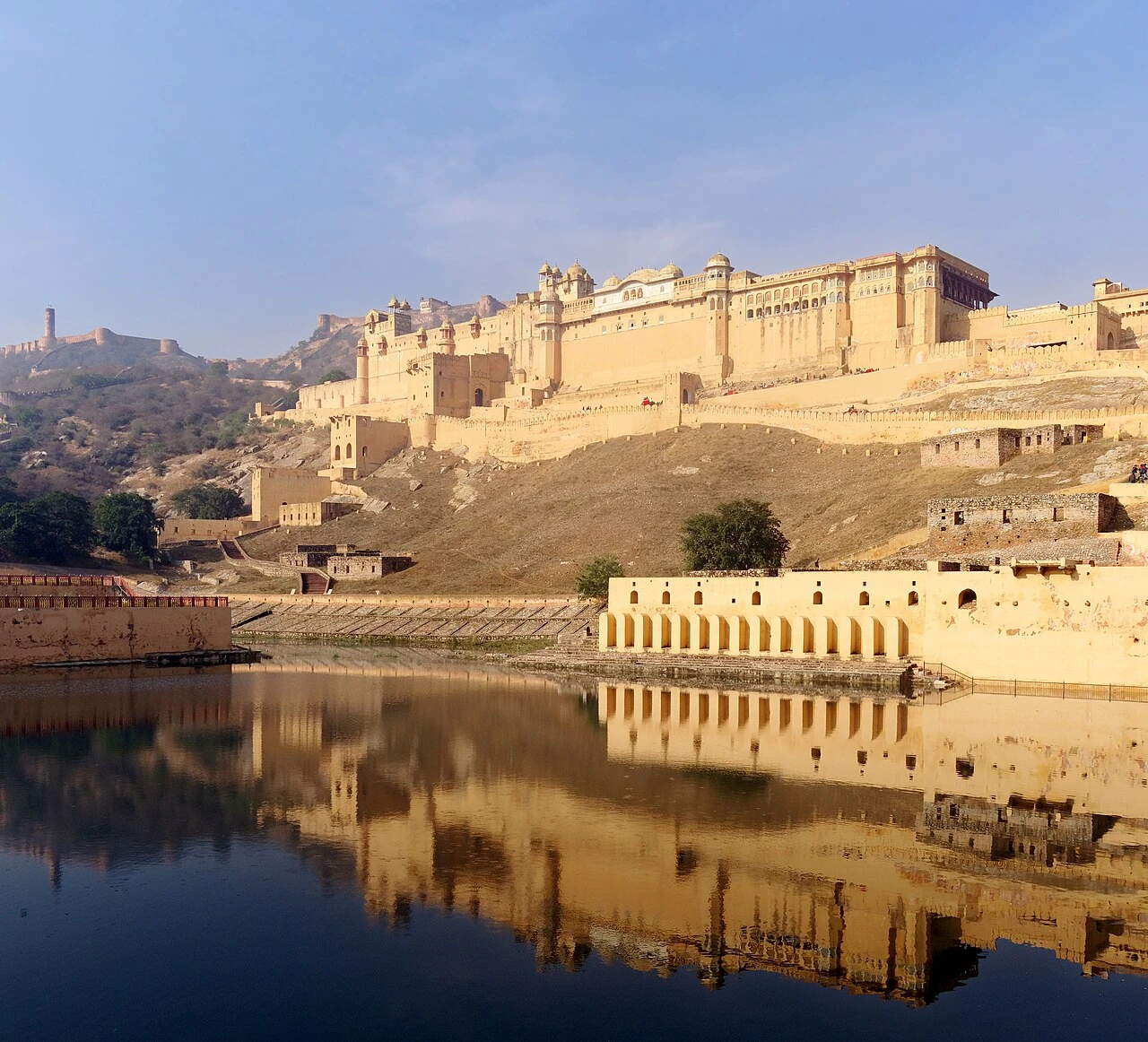
Jaipur Municipal Corporation
Amber Fort
Content & sources
Jakub Hałun · CC BY-SA 4.0
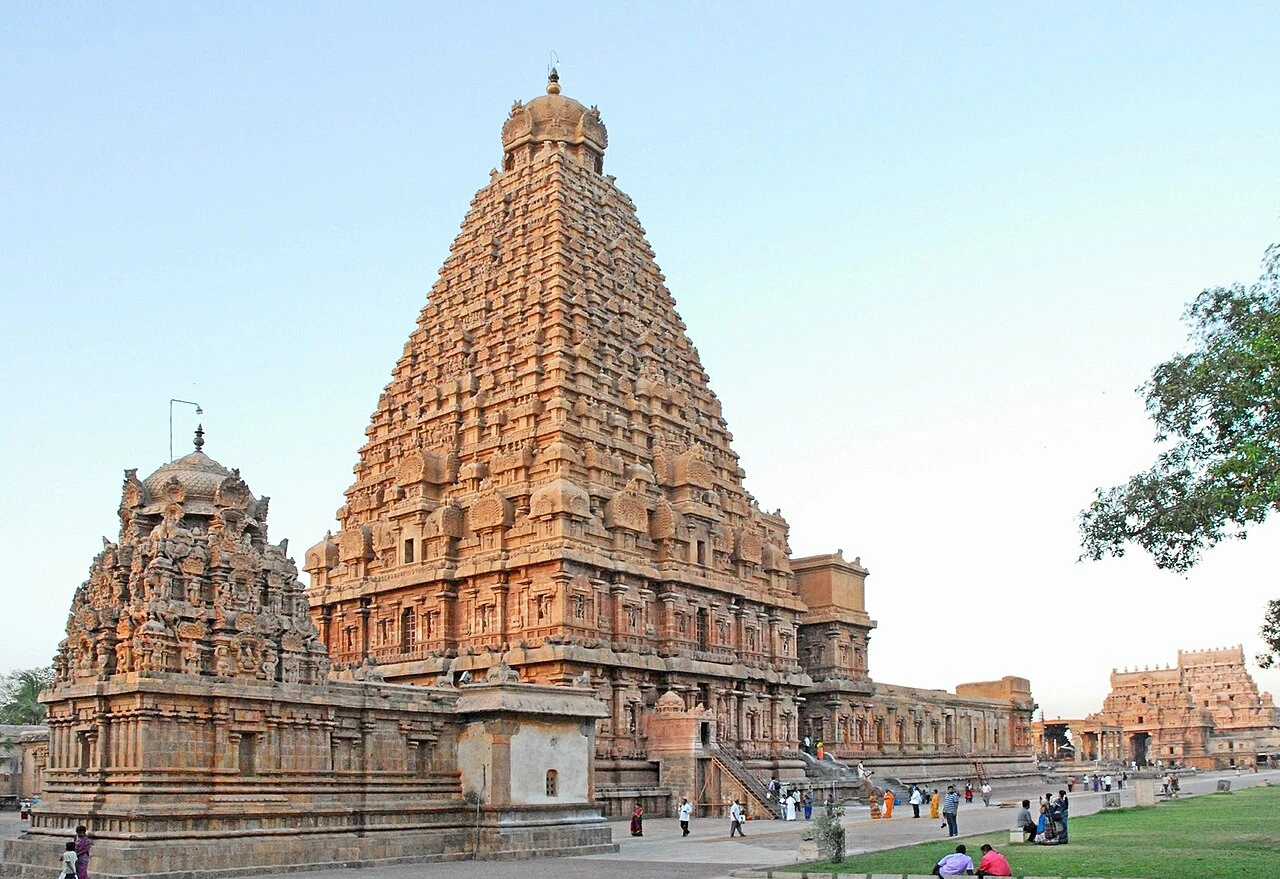
Thanjavur
Brihadisvara Temple
Content & sources
Jean-Pierre Dalbéra from Paris, France · CC BY 2.0