Stanza · Audio guide
Uluwatu Temple Audio Guide
A place to remember. A story to take with you.
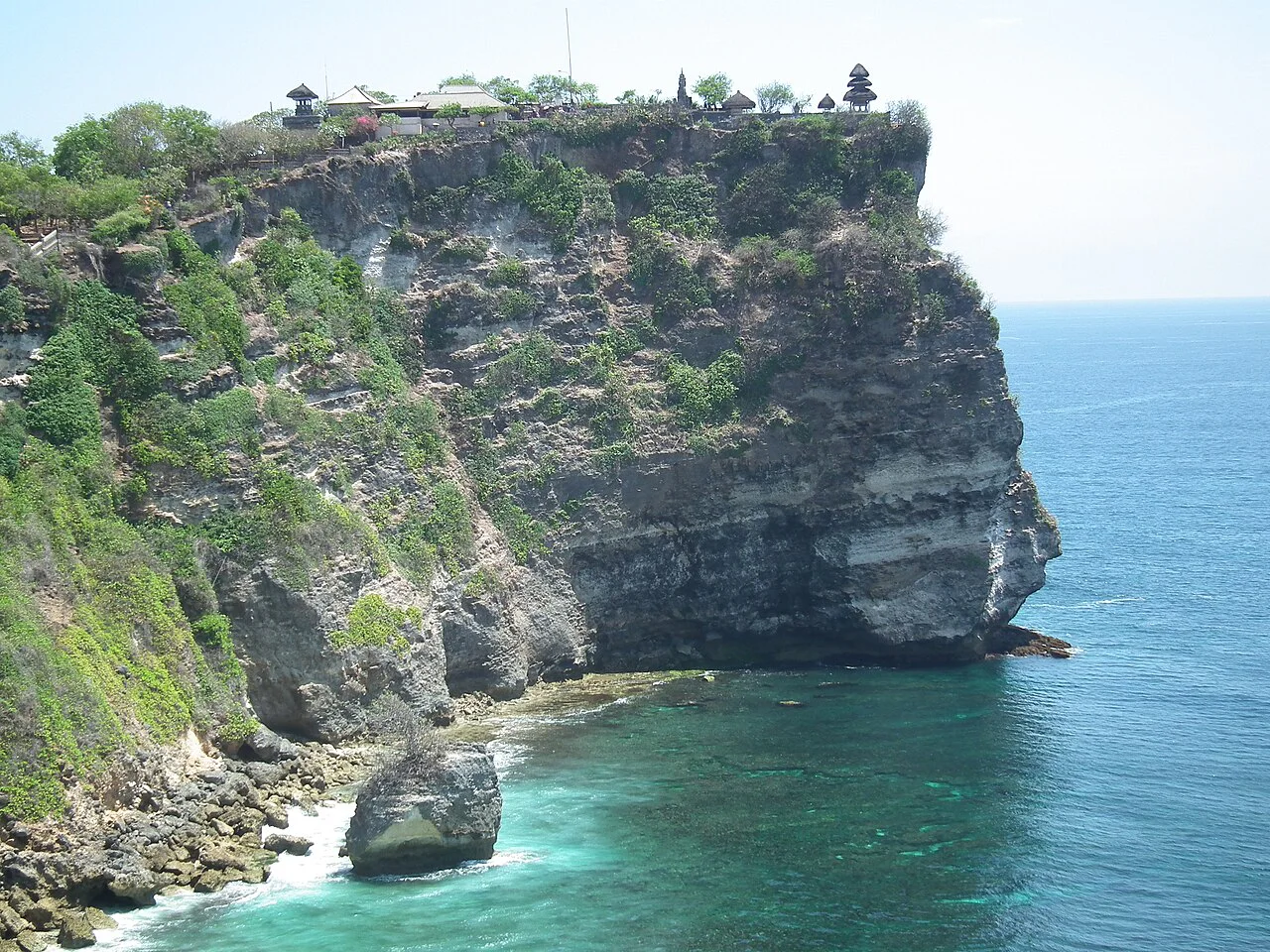
Uluwatu Temple is a Balinese Hindu temple located on the Bukit Peninsula in Bali, Indonesia. It is the only Balinese sea temple that is also one of the nine directional temples.
Download Stanza, then search for “Uluwatu Temple”.
About the tour
One guide. Your kind of visit.
Uluwatu Temple is a Balinese Hindu temple located on the Bukit Peninsula in Bali, Indonesia. It is the only Balinese sea temple that is also one of the nine directional temples.
Ready when you are.
- 01Get the free Stanza app.
iOS & Android
- 02Find your guide.
“Uluwatu Temple”
- 03Download before you go.
Works offline
Audio guide / 14 narrated stops
Inside the guide
Get to know a few of the stories before you go. Open a stop to read more.
01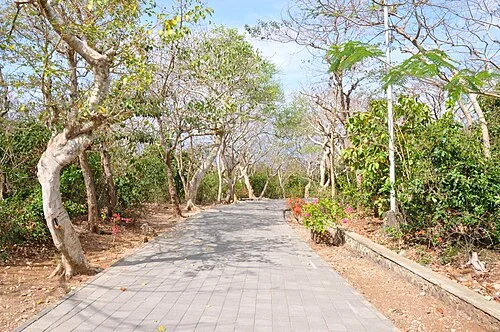 Alas Kekeran Sacred Forest Walkway
Paved Entrance Walkway through the Alas Kekeran
Welcome to Pura Luhur Uluwatu, a Balinese Hindu temple on the southwestern tip of the Bukit Peninsula in Bali. The paved path ahead runs through a small forest called the Alas Kekeran. That forest is not landscaping. Customary law of the Pecatu village treats the temple and its forest as one sacred space, with a protected radius of about three hundred and fifty meters around the sanctuary. Provincial zoning later drew much wider rings around Bali's great temples, and the two sets of rules have clashed here. So the quiet, tangled trees on either side are doing spiritual work, buffering the holy ground before the temple comes into view. This is a living temple, not a monument, and worshippers come here daily. Dress accordingly: a sarong and sash are required at the gate, and they are usually provided there. From here, the path leads on toward the cliffs.
Photo: Anandajoti · CC BY-SA 4.0
02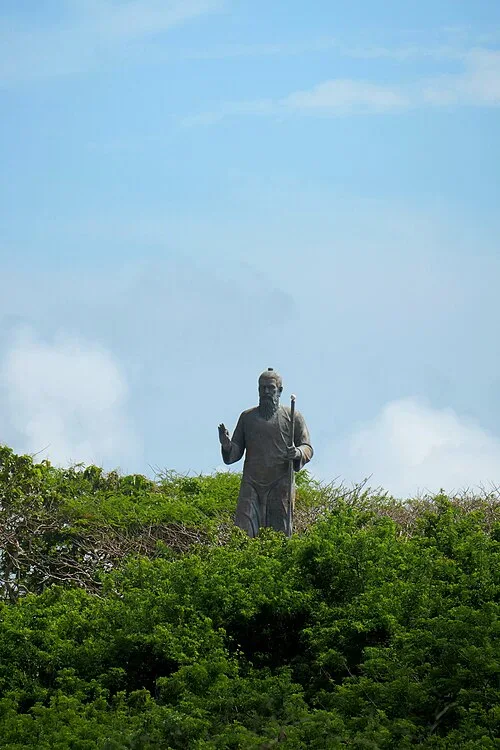 Alas Kekeran Sacred Forest Walkway
Statue of a Revered Sage above the Forest
Above the treetops stands a lone stone figure, bearded and holding a staff, looking out over the forest. A small shrine is said to have existed here before anything else. The great change came in the eleventh century, when the temple was significantly expanded by a Javanese sage named Empu Kuturan. The Indonesian tradition also credits him with bringing down the teachings of the Desa Adat, the customary village order with all its rules. Those village laws still shape this place, right down to the protected forest. Who this statue depicts is not certain; it may honor one of the sages linked to the temple. Either way, the figure watching over the trees fits a temple whose early story belongs to holy men from Java.
Photo: Anandajoti · CC BY-SA 4.0
03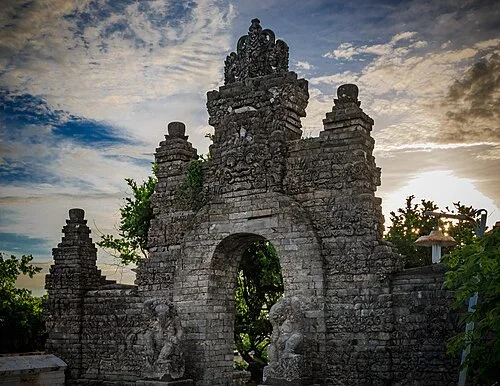 Candi Bentar Split Gateway
Candi Bentar, the Outer Split Gateway
The great gate ahead is a candi bentar, a split gateway carved in two matching halves with a passage between them. In Balinese temples this form marks a threshold: the worldly side, and the sacred side. Walking between the halves is itself a small act of crossing over. The theology behind this particular temple is what makes it remarkable. Uluwatu is dedicated to Sang Hyang Widhi Wasa, the supreme god, in his manifestation as Rudra, a fierce form. And it holds a rare double rank. It is the only Balinese sea temple that is also one of the nine directional temples, the Pura Kahyangan Padma Bhuwana. Those nine sanctuaries together guard the island from every quarter. Uluwatu's quarter is the southwest, the direction of this coast, where it stands watch over land and sea.
Listen in the appCEphoto, Uwe Aranas · CC BY-SA 3.0
04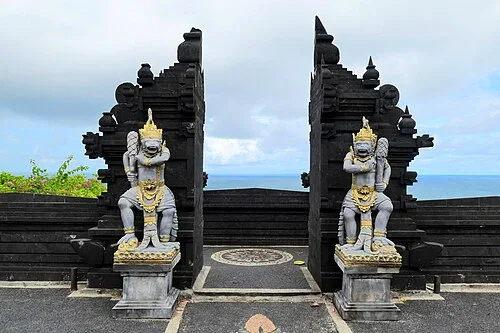 Candi Bentar Split Gateway
Guarded Gateway on the Cliff Approach
Another gateway, and this one has teeth. Two imposing guardian figures stand on pedestals flanking the stone aperture, crowned and richly ornamented, each clutching a club. Balinese temple gates rarely leave a threshold unwatched. Protectors like these are placed at the passages so that anything unworthy is stopped before it moves deeper into the temple. Through the gate, the view opens straight onto the ocean, the horizon running level with the stone. That is no accident of framing. This is a temple that faces the sea, and its gates stage that meeting, letting the water show through the very doorways. The guardians face inward as visitors pass, and the sea waits just beyond them.
Listen in the appPhoto: Anandajoti · CC BY-SA 4.0
05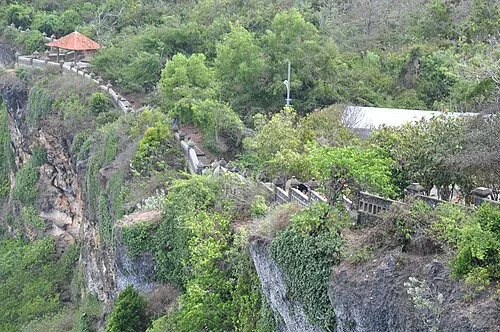 Northern Cliff Promenade and Ocean Lookout
The Clifftop Promenade Path
The path ahead hugs the rim of the cliff, winding along its whole length. The name Uluwatu is simply this place put into words. Ulu means edge or head, and watu means rock or cliff. The temple sits at the edge of a rock, and the rock is a narrow promontory jutting into the sea at the southwest tip of the Bukit Peninsula. The limestone cliff drops about seventy meters to the sea. There is no beach at the bottom of this stretch, only the surf working at the rock far below. Balinese builders chose edges like this deliberately, and here the choice is on full display. Every step of this walkway follows the rim, with the temple somewhere ahead along the curve.
Listen in the appJorge Láscar from Melbourne, Australia · CC BY 2.0
06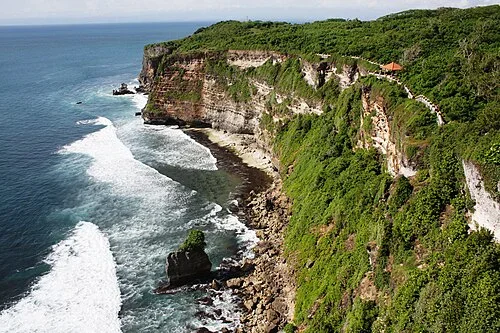 Northern Cliff Promenade and Ocean Lookout
Ocean Lookout over the Southern Cliffs
The cliffs fall away into deep blue water, and far below, a lone sea stack rises from the surf. According to local legend, the great rock the temple stands on, jutting into the ocean, is not geology at all. It is said to be part of the petrified barque of Dewi Danu, the Balinese goddess of water and lakes. A goddess's boat, turned to stone where it stands. The story is folklore, told and retold, with no recorded beginning, which is often how the oldest stories about a place survive. It fits a wider Balinese pattern all the same. Sea temples, pura segara, are placed on commanding coastal promontories around the island, facing the water they watch over. From up here, the tradition makes its own kind of sense. The rock does look like something that arrived from the sea and decided to stay.
Listen in the appSanko at Indonesian Wikipedia · CC BY-SA 3.0
07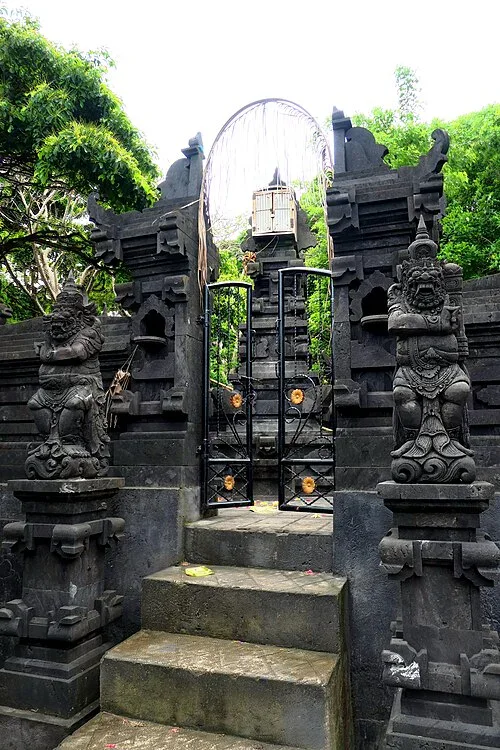 Paduraksa Winged Portal and Guardian Statues
Paduraksa Portal to the Inner Courtyards
A different kind of gate now, and the difference matters. The split gate earlier was open air, a passage for anyone crossing into the sacred. This is a paduraksa, a roofed portal with actual doors, and it marks the entrance to the jeroan, the innermost courtyards. Balinese temple space is graded, holiest at the center, and each gate type belongs to its own level. The iron doors here are closed, and the guardian figures flanking the steps make the point plainly. Entry beyond this point is for worshippers, and access for visitors stops at the threshold. That restriction is not exclusion for its own sake. It is the physical shape of Balinese ideas about sanctity, with each courtyard a step closer to the divine. The view from the steps is the visitor's share of the inner temple.
Listen in the appPhoto: Anandajoti · CC BY-SA 4.0
08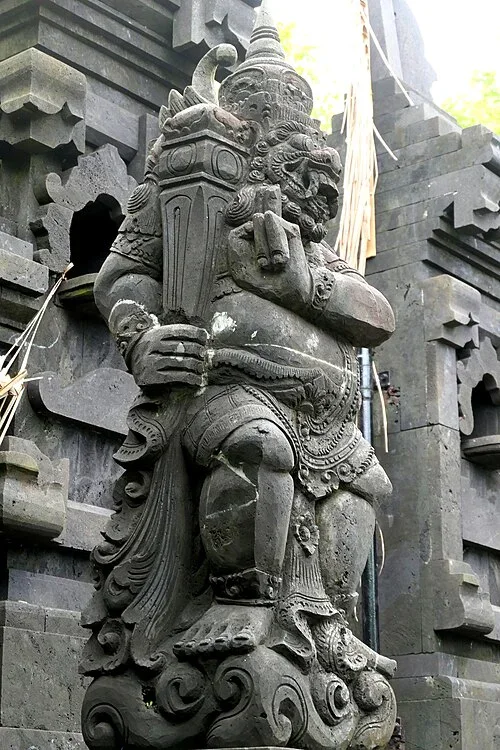 Paduraksa Winged Portal and Guardian Statues
Guardian Figure at the Gate
Up close, the guardian at the gate is all muscle and fury, a fierce face under an ornate crown, both hands gripping a heavy club. The figure is carved from dark volcanic stone, and flowers lie scattered at the base of the pedestal beside it, offerings left by people passing through. Statues like this stand at every Balinese temple threshold. Here that role has a particular resonance. Uluwatu was founded, in part, as a spiritual defense against hostile forces arriving from the sea, and its guardians face the direction such trouble would come from. The weathering in the stone suggests these figures have been on watch a long while.
Listen in the appPhoto: Anandajoti · CC BY-SA 4.0
09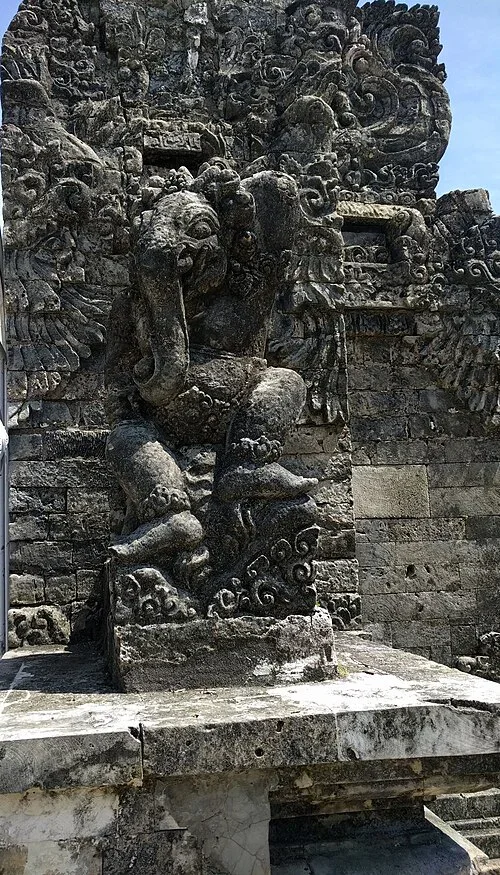 Paduraksa Winged Portal and Guardian Statues
Ganesh Statue against the Carved Gate
Set into the carved stonework sits a weathered figure with the head of an elephant: the god Ganesh. In Hindu practice across Bali, Ganesh is honored as the remover of obstacles, the son of Shiva, and a god of learning and beginnings. His presence here speaks to the breadth of the Hindu pantheon received at this temple, alongside its fierce guardian figures and its dedication to Rudra. The carving itself tells a quieter story. Lichen mottles the stone, and the details have softened under years of salt wind and tropical rain. Coastal stone ages fast, and this figure shows it. Whatever its exact date, the statue has clearly sat against this gate through many seasons of sea air.
Listen in the appPhoto: Baldersdod · CC BY-SA 4.0
10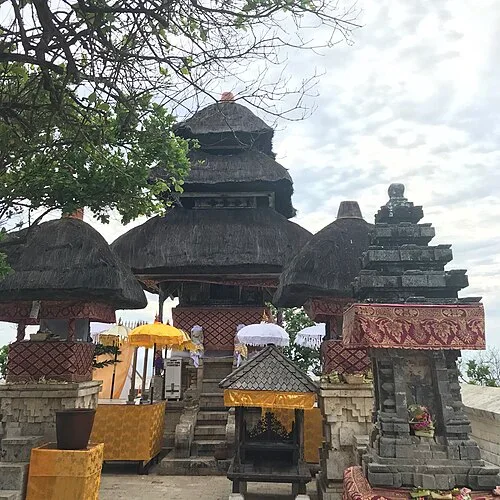 Utama Mandala and the Inner Sanctum
Utama Mandala, the Innermost Court with its Meru Shrines
The innermost court holds the temple's tall black shrines, thatched in tiers against the sky. The temple reached its modern spiritual layout at the turn of the sixteenth century, through the work of a sage from East Java named Dang Hyang Nirartha. He is credited with introducing the padmasana shrines here, and the multi-tiered meru towers in this court belong to that same sacred architecture. A meru's stacked thatched roofs count upward, the number of tiers marking the rank of the deity honored below. Worship here has never stopped. The temple's piodalan, its anniversary festival, comes around every two hundred and ten days on the Balinese calendar. On that day, several closely tied subsidiary temples celebrate alongside Uluwatu, including Pura Bajurit, Pura Pererepan and Pura Kulat. This court is where those cycles meet.
Listen in the appKetut Suryadinata Putra · CC BY-SA 4.0
- 11
Shrine on the Cliff Edge above the Indian Ocean
Here, tradition holds, the sage Nirartha attained moksha, and the temple took its honorific name.
- 12
Macaques of the Southern Clifftop
The temple's macaques have learned to steal, and researchers found data suggesting they actually barter.
- 13
Cliffside Amphitheater, Home of the Kecak Fire Dance
Every evening at six, the cliffside rings with the chanting chorus of the Kecak fire dance.
- 14
Sunset over the Temple Cliff
The sun goes down over the guarded ocean, and the temple keeps its watch at the edge of the world.
Uluwatu Temple
Frequently asked questions
How much does the guide cost?
Free app download. Listed guide price: $0.99. Guide price shown in the app. Audio guide only. Venue admission is separate.
Can I listen without internet?
Yes. Download the guide’s audio, images, and maps in the app before your visit. Your downloaded content is then available offline.
Can I listen in my language?
This audio guide is available in 15 languages, including English.
Do I need to follow a schedule?
No. This is a self-guided experience. Choose your stops, pause whenever you like, and return to a story at your own pace.
At your own pace
Explore Uluwatu Temple.
Download Stanza, then search for “Uluwatu Temple”.
Free app download · Guide price shown in the app
Keep exploring
Nearby audio guides
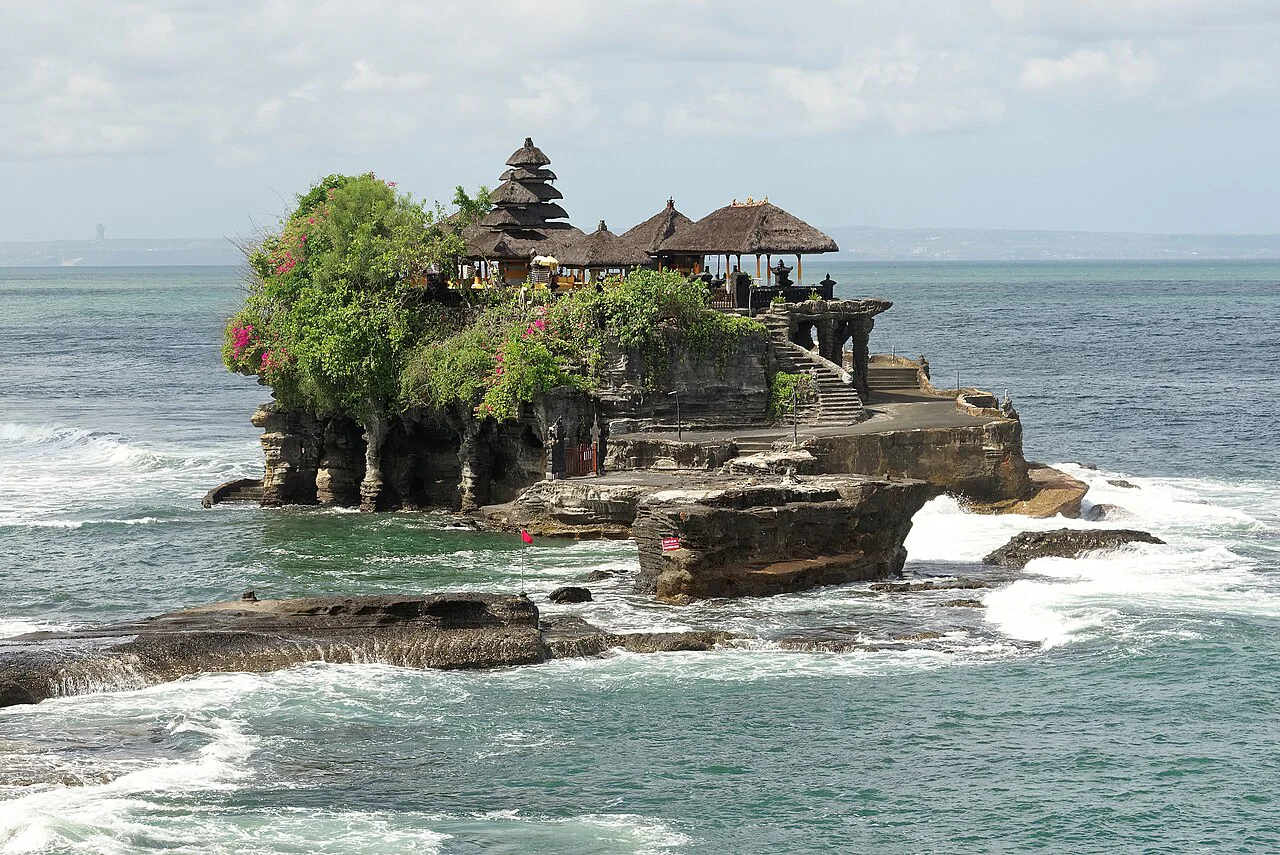
Beraban · 23 km
Tanah Lot
Content & sources
Jakub Hałun · CC BY-SA 4.0
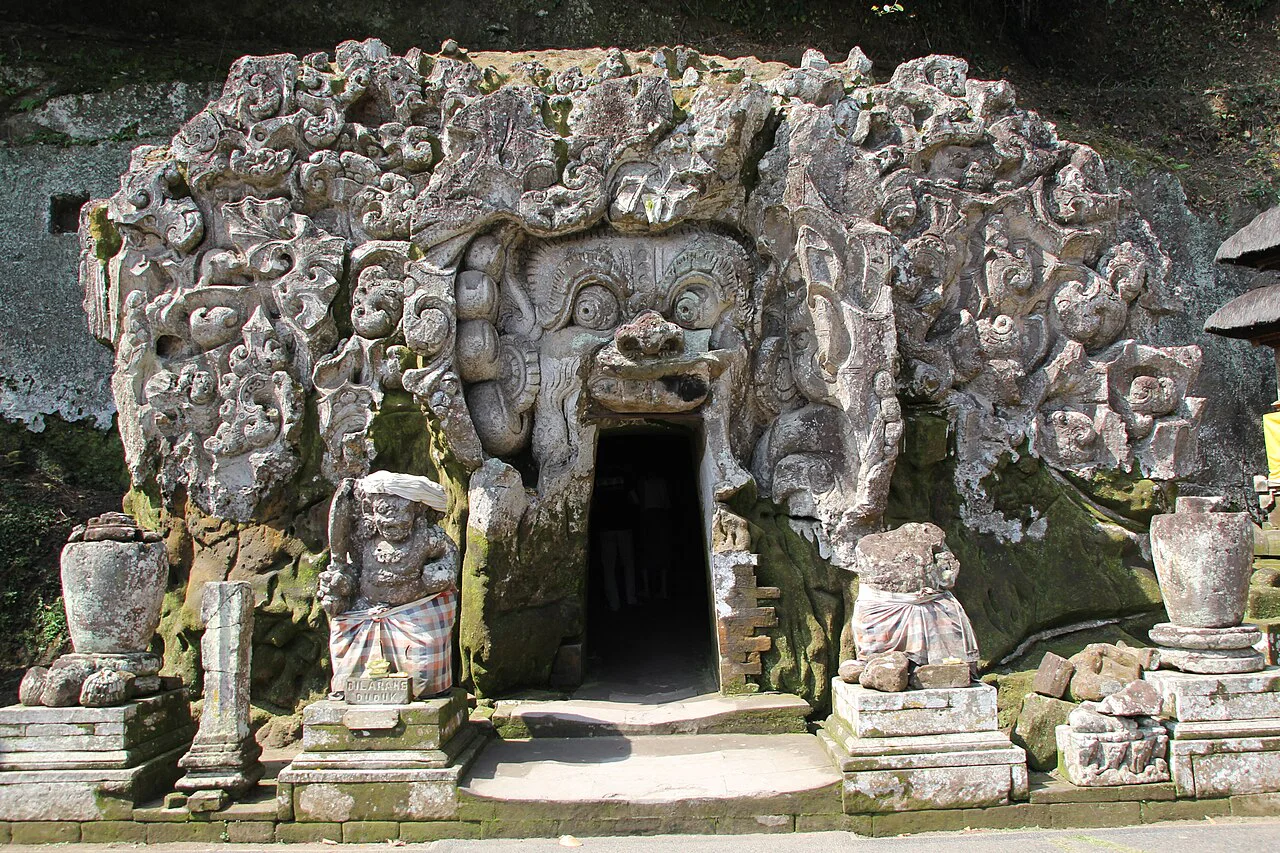
Gianyar · 41 km
Goa Gajah
Content & sources
Photo: DerGenaue Allrounder · CC BY-SA 3.0
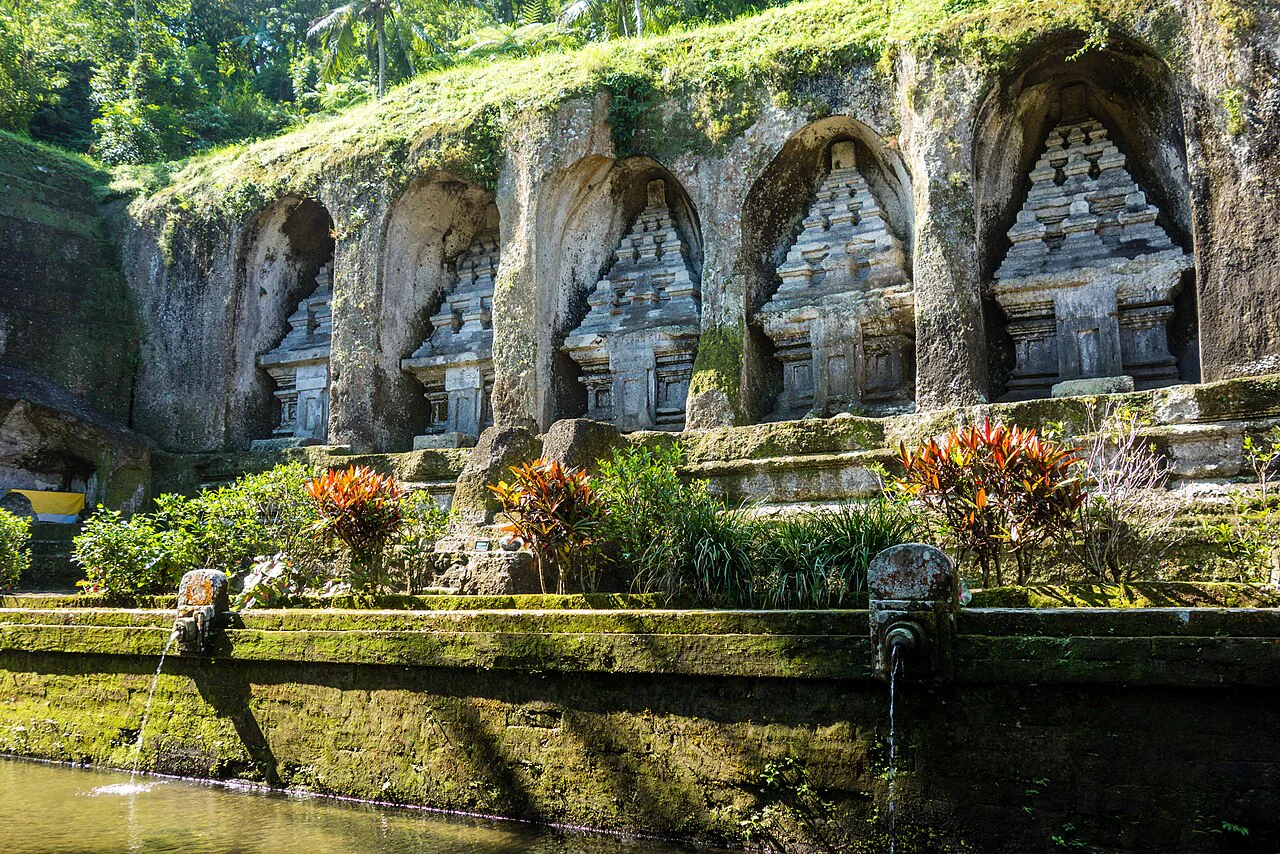
Tampaksiring · 52 km
Gunung Kawi
Content & sources
Visions of Domino · CC BY 2.0
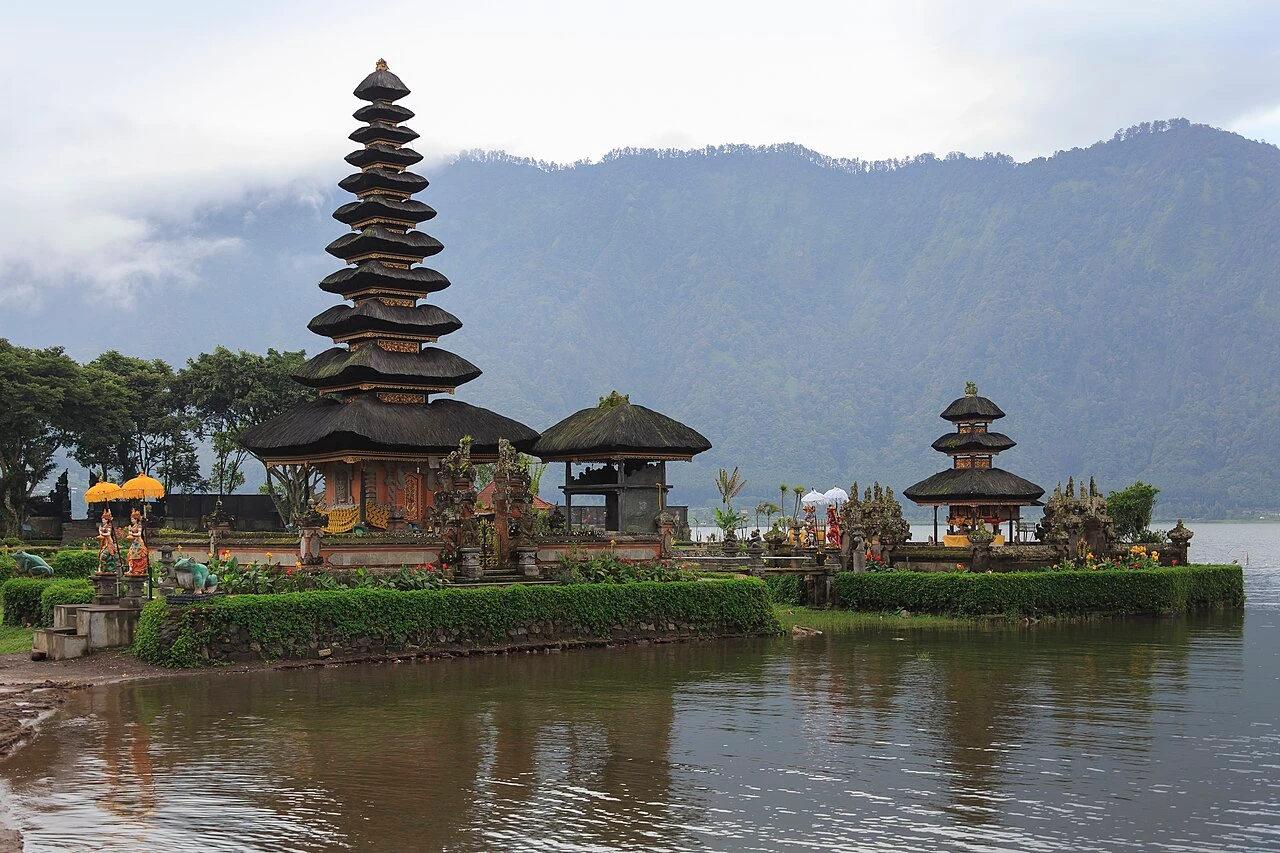
Baturiti · 63 km
Pura Ulun Danu Bratan
Content & sources
CEphoto, Uwe Aranas · CC BY-SA 3.0