 Stanza / Audio guide
Stanza · Audio guide
Accademia Carrara Audio Guide
A place to remember. A story to take with you.
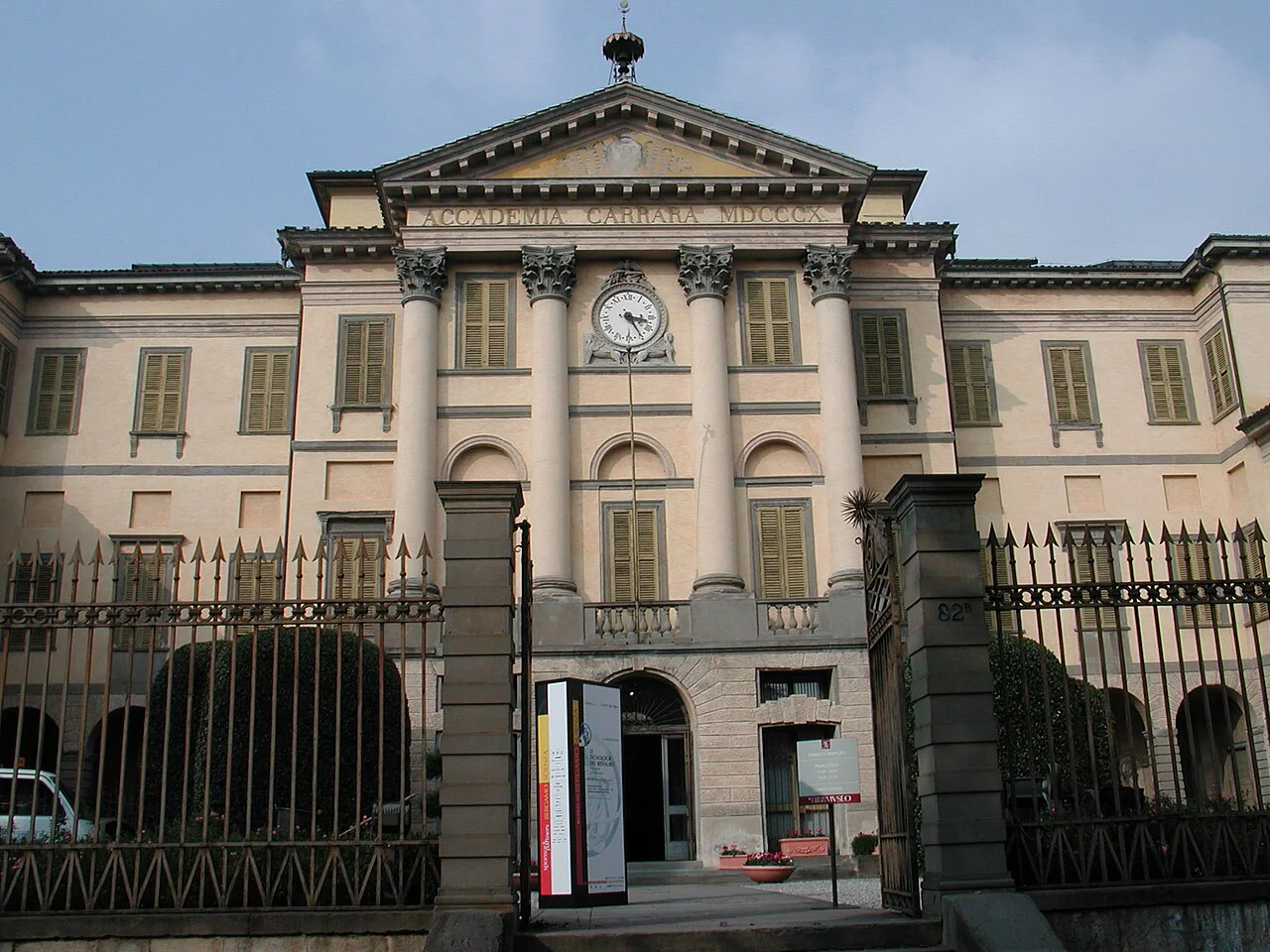
The Accademia Carrara is an art gallery and an academy of fine arts in Bergamo, in Lombardy in northern Italy. The art gallery was established in about 1780 by Giacomo Carrara, a Bergamasco collector, and the…
Download Stanza, then search for “Accademia Carrara”.
About the tour
One guide. Your kind of visit.
The Accademia Carrara is an art gallery and an academy of fine arts in Bergamo, in Lombardy in northern Italy. The art gallery was established in about 1780 by Giacomo Carrara, a Bergamasco collector, and the academy of fine arts was added to it in 1794.
The Accademia Carrara guide tells the stories of 66 artworks, including Saint Sebastian (Raphael), The Story of Virginia (Sandro Botticelli), Alzano Madonna (Giovanni Bellini), Portrait of Lucina Brembati (Lorenzo Lotto), Mystical Marriage of St Catherine of Alexandria with Niccoló Bonghi (Lorenzo Lotto), Pietà with Madonna and St. John the Evangelist (Giovanni Bellini), Portrait of Lionel d'Este (Pisanello), and Lochis Madonna (Giovanni Bellini). Every artwork is free to hear in the Stanza app until 1 January.
Ready when you are.
- 01Get the free Stanza app.
iOS & Android
- 02Find your guide.
“Accademia Carrara”
- 03Download before you go.
Works offline
Audio guide / 66 artworks
Inside the guide
Get to know a few of the stories before you go. Open a stop to read more.
01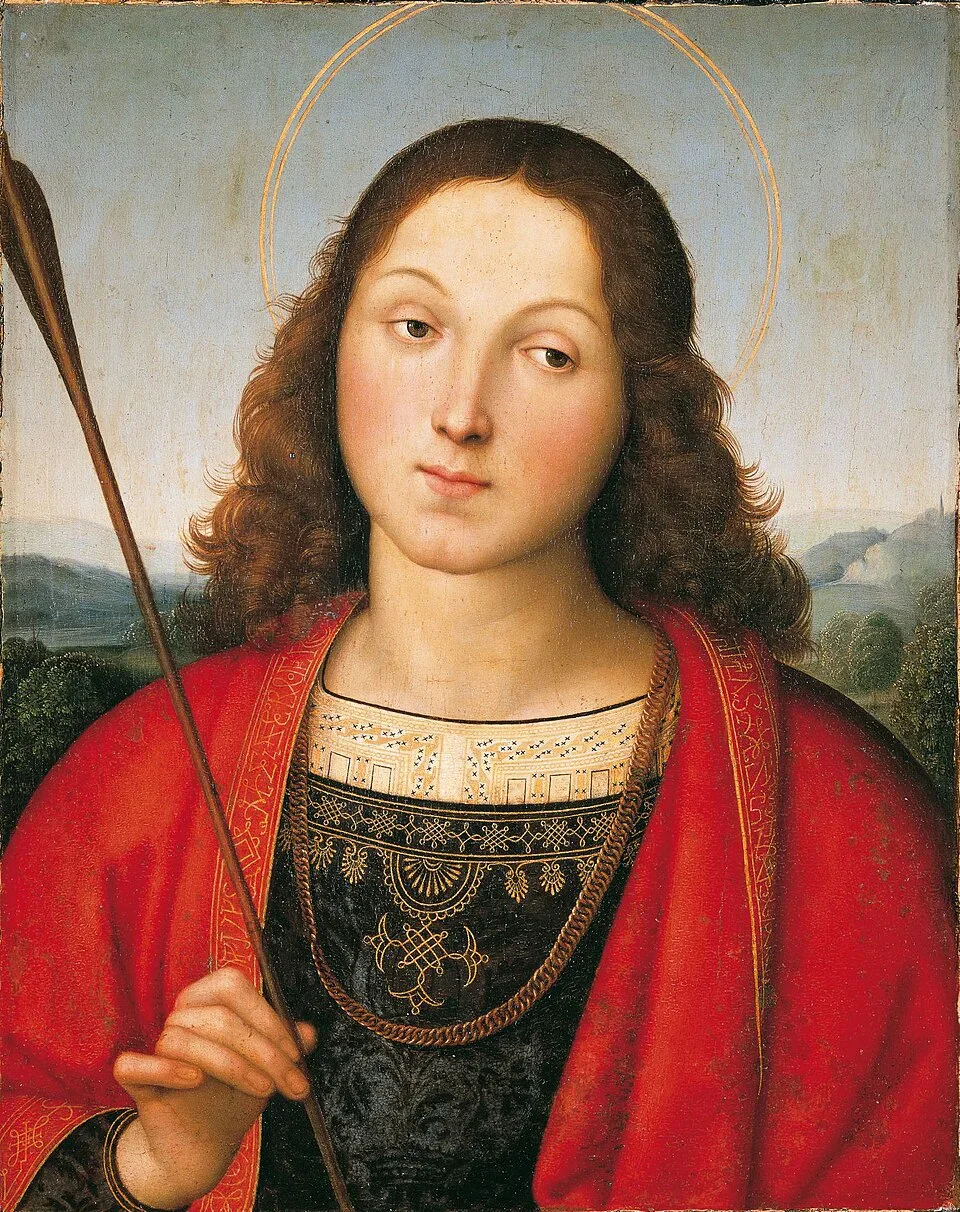
Saint Sebastian
He holds a single arrow, with one little finger lifted. That is the only sign of violence here. This is Sebastian, dressed in a red cloak and a shirt embroidered with gold. His hair is neatly arranged, and his head tilts slightly as he looks to the right. Nothing about him recalls the pain of his death. Sebastian was a soldier who secretly became a Christian under the emperor Diocletian. When his faith was discovered, he was shot with arrows but survived. He declared his belief openly before the emperor, and was beaten to death with clubs. That is the story the arrow points to. Yet here it is held delicately, and the red cloak marks him as a martyr. A very young Raphael painted this, still working under Perugino. The gentle, almost feminine face comes from that teacher. But the hand with the arrow comes forward and gives the picture its depth. The gold embroidery and the fine chain at his neck are painted with great care. It was probably made for private prayer. Where the painting was before the early nineteenth century, no one knows.
Listen in the appRaphael · Public domain
02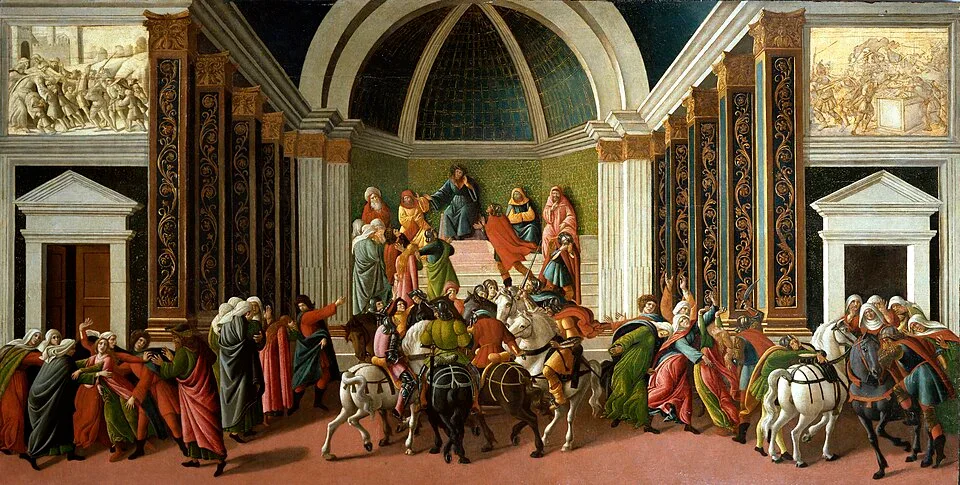
The Story of Virginia
Around 1500 this panel hung in the Vespucci house in Florence, as a pair with another panel, the story of Lucretia, another Roman heroine. About 1870 Giovanni Morelli found it in a pawnshop in Rome, and by then nobody knew what it showed. In 1891 he left his collection, this panel among it, to the Accademia Carrara. Botticelli set the story among classical architecture, and it unfolds from left to right. On the left, Marcus Claudius seizes Virginia from among the other women. He wants to force her to yield to Appius Claudius, one of Rome's decemvirs, the ten men who held power. In the middle, she is brought before Appius at his tribunal and declared a slave. Her father, in a red cloak, pleads for her, but his plea is refused and he leaves in grief. On the right, he stabs her and flees on horseback. He did it to preserve the family's honor and keep her from a life of slavery, though she was innocent. Her death sparked a revolt, already beginning in the foreground of the middle scene. It brought the decemvirs down.
Listen in the appSandro Botticelli · Public domain
03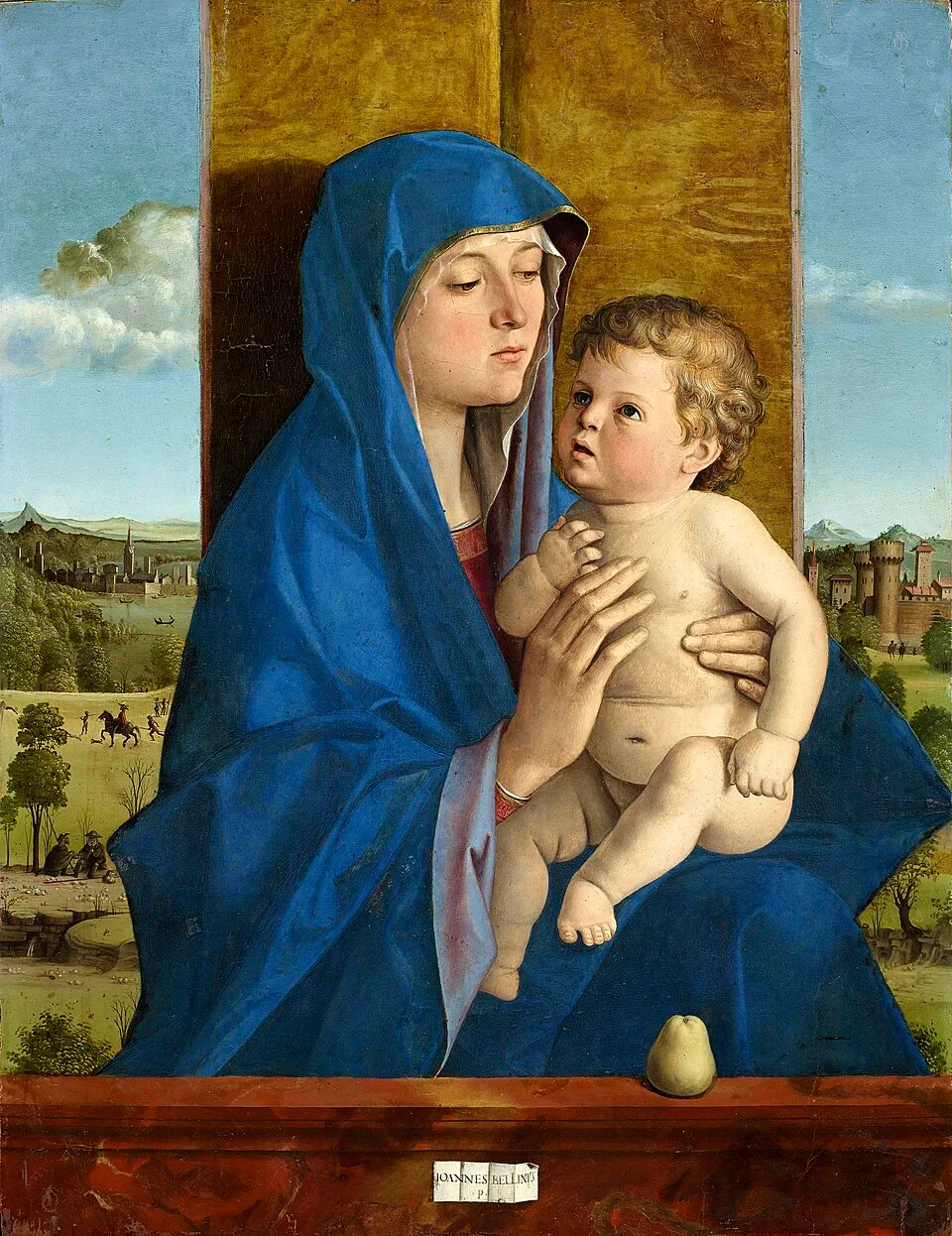
Alzano Madonna
She is not just holding the child. Mary takes him in with her eyes, and that look binds them more than the embrace does. In earlier pictures of mother and child, the two kept their eyes apart. Bellini brought their eyes together, and that was new. The child rests on her knees, close against her. Her hands are drawn with unusual care. Behind them a cloth hangs like the canopy of a throne, and it makes the pair look grand. Painters after him took up this way of showing them, with the child on the mother's knees. The model for those later paintings hung for years in a church at Alzano Lombardo. When the monasteries were suppressed, the priests and a man named Zanchi carried it away in secret. They left it with nuns who lived enclosed, and later with another priest, so that no one could seize it. The painting survived those years, and in 1891 it came to this museum.
Listen in the appGiovanni Bellini · Public domain
04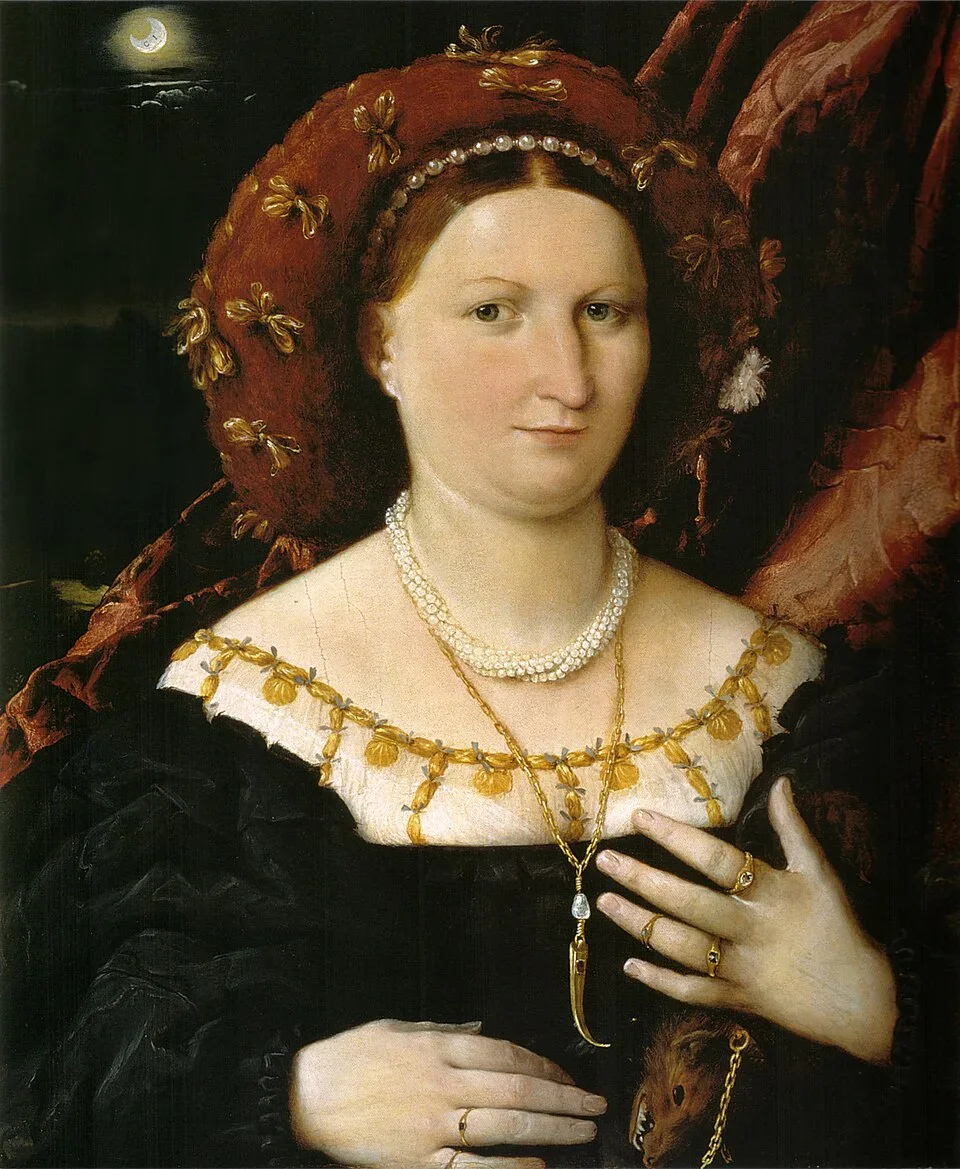
Portrait of Lucina Brembati
High in the dark night sky behind her, a crescent moon carries two small letters, C and I. The Italian word for moon is luna, and those two letters set inside it spell Lucina. Lotto put them there on purpose, to give her name away. He had also painted her husband, Count Leonino Brembati. There is a second clue closer to hand. On her left forefinger is a ring bearing the Brembati family arms. Between them, the moon and ring restored her full name. When the picture came here in 1882, she was entered as an unknown lady. Early in the last century, the clues were finally read, and she became Lucina Brembati. Her features are uneven, the chin heavy, the nose sharp. This is one particular woman, not an ideal one. Across her arm lies a dead weasel, and her hand rests on her belly. Together they may point to a pregnancy around the time of the portrait. No record shows she had another child then. Around her neck hangs a gold chain with a small horn on it. It looks like a lucky charm, but at the time it was used as a toothpick.
Listen in the appLorenzo Lotto · Public domain
05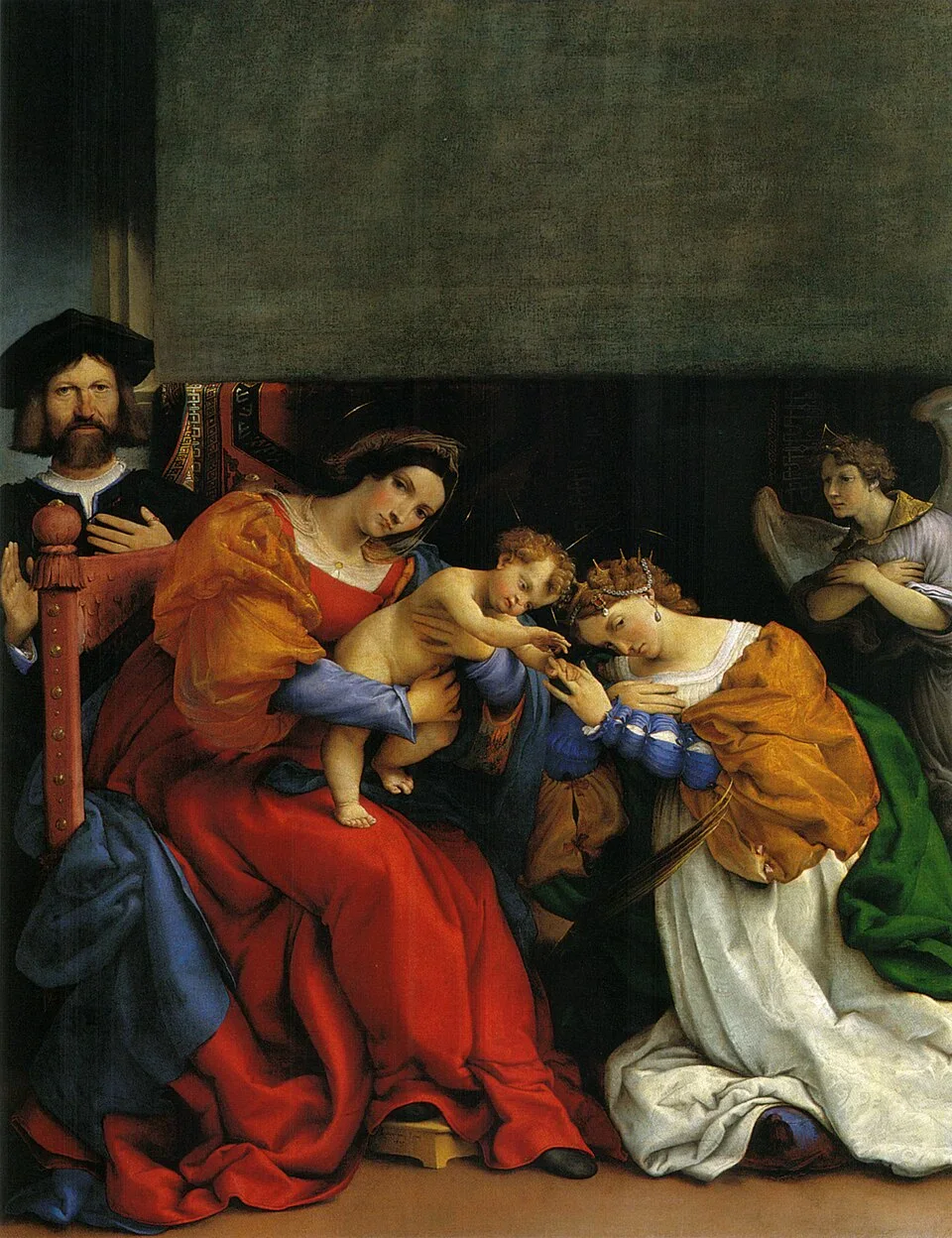
Mystical Marriage of St Catherine of Alexandria with Niccoló Bonghi
Niccoló Bonghi asked for this painting, and the man behind the Virgin on the left is him. It was meant for private devotion in his family palace. In 1523 Lorenzo Lotto was about to leave Bergamo. He owed Bonghi a year's rent on the house he had lived in, and settled it with this painting. It was valued at sixty ducats, more than the rent came to, so Bonghi paid the difference in cash. There he is, facing you, with expressive hands, a personal gift from the painter to the man who asked for it. And what Bonghi received was a wedding. Mary holds the child Jesus, and he is placing a ring on the finger of Catherine, who kneels. She had given up earthly marriage to live a consecrated life, and this union echoed the consecration of nuns. Her rich dress and jewels mark her as Christ's bride. In her hair is what looks like a crown with spokes like the wheel on which she was executed. In 1528 Dorotea Bonghi had the painting moved to the church of San Michele al Pozzo Bianco. She feared the soldiers threatening Bergamo, and believed a consecrated place would keep it safe. It was not safe. A soldier cut away the window in the upper right corner, taking with it the landscape beyond, apparently a view of Mount Sinai.
Listen in the appLorenzo Lotto · Public domain
06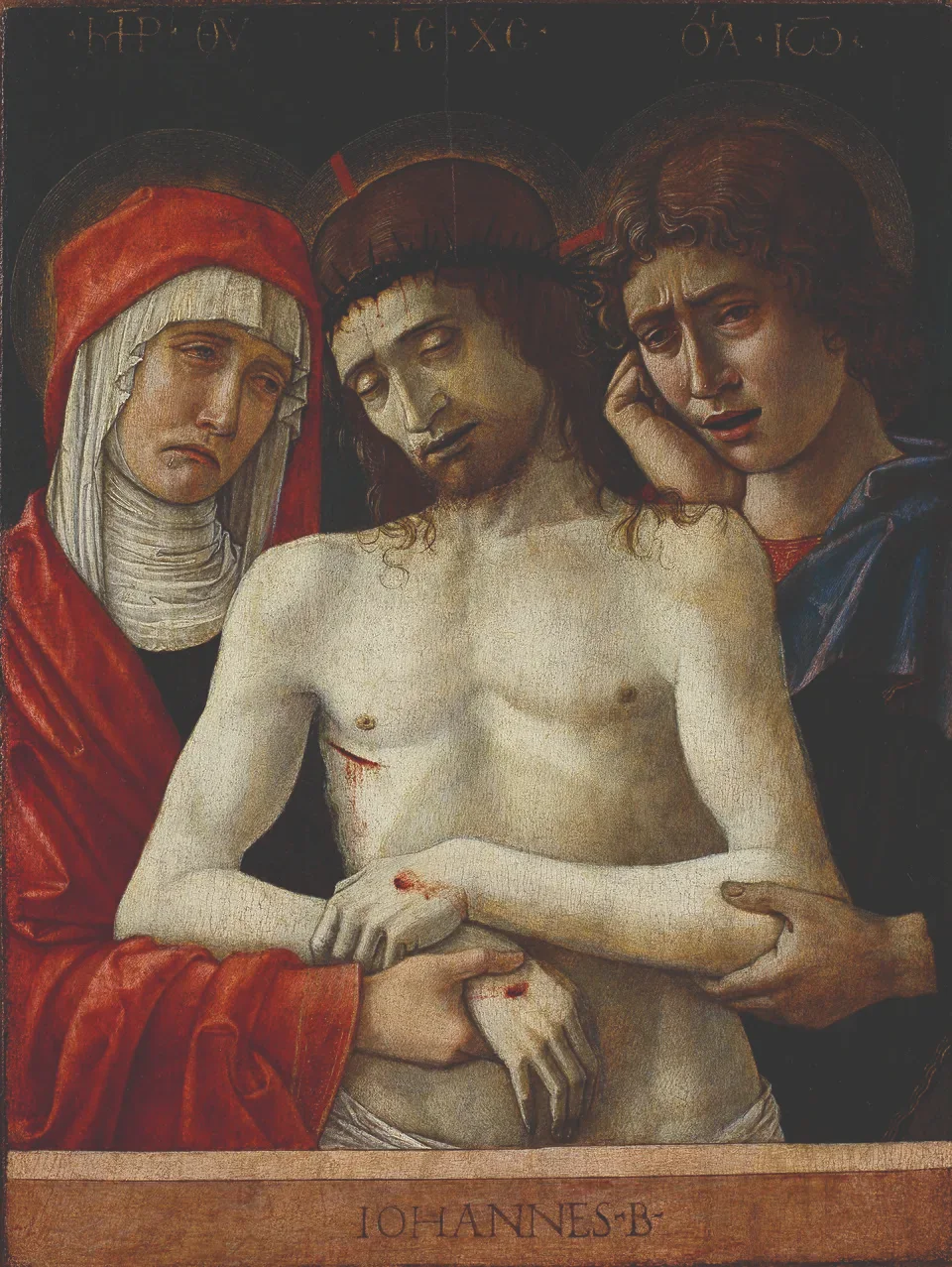
Pietà with Madonna and St. John the Evangelist
Three figures are close together behind a rail. The dead Christ is held between Mary and Saint John, his head bowed, his hands lying as they would be laid out for burial. Hands grip his arms where the wounds of the cross show. This picture was made to work on you as you stand before it. Above each head a name is written in gold Greek letters, a sign it came from Venice, so close to the Byzantine world. Christ's crossed arms repeat a mosaic icon in Rome believed to work miracles, linked to a vision Pope Gregory the Great had during Mass. Bellini let grief show on Mary's and John's faces more sharply than he usually did. He locked the hands of mother and son tightly together, joining the living to the dead. The rail before them is like the edge of a sarcophagus, a threshold between that holy scene and the person praying. As the faithful contemplated his wounds, they were moved by his sacrifice and took consolation for their own pain. The panel was probably intended for private devotion.
Listen in the appGiovanni Bellini · Public domain
07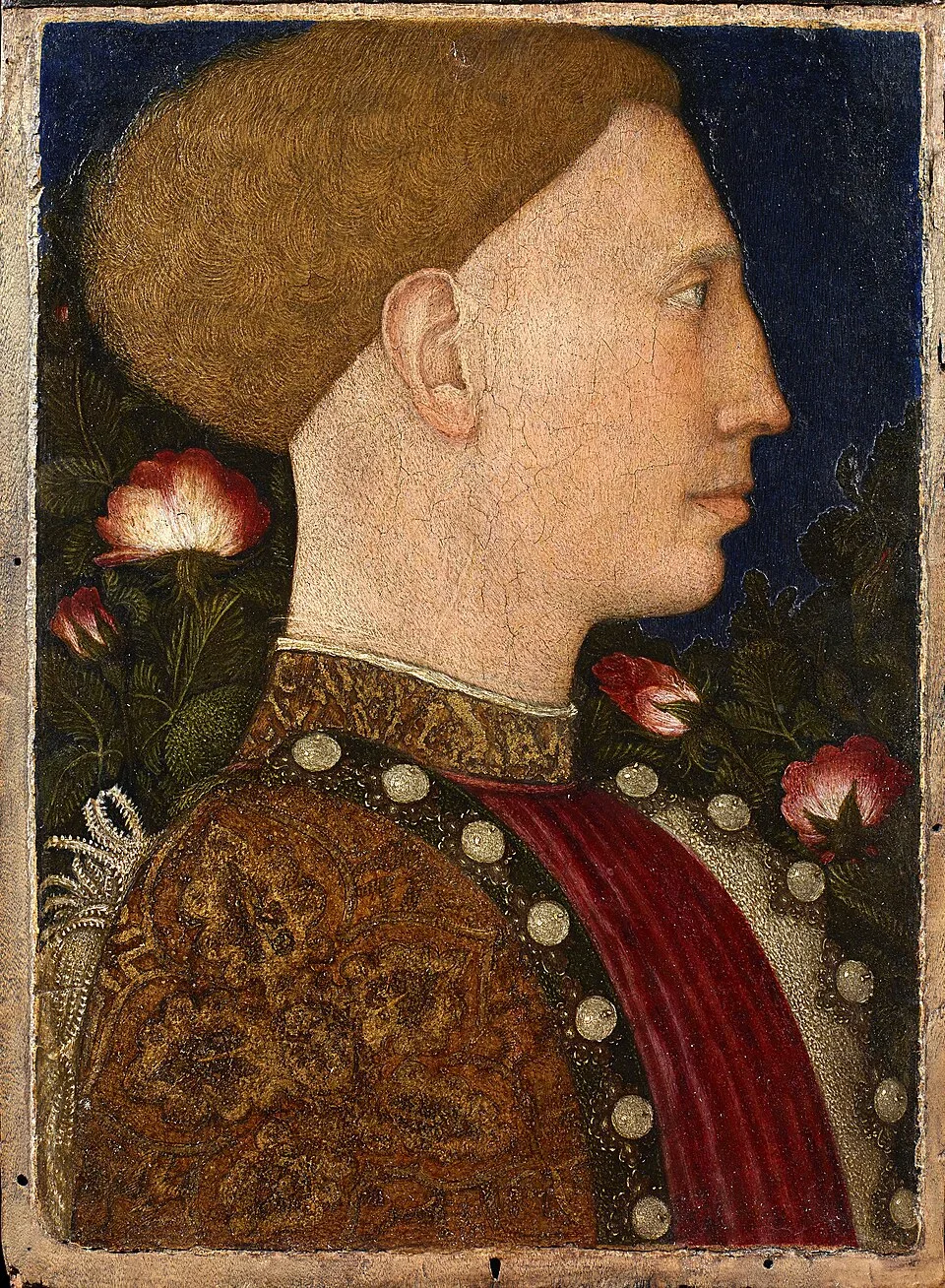
Portrait of Lionel d'Este
The face in front of you was once the prize in a contest. Two painters competed for it in 1441. Leonello d'Este sat for both, because his father Niccolò the Third wanted the better likeness of his son. The poet Ulisse degli Aleotti wrote a sonnet calling Jacopo Bellini the winner. Bellini's portrait is lost. The one that survives is Pisanello's, the painter who lost. This panel may have grown out of that contest. In 1841 it was listed in a collection in Ferrara as the only one of Pisanello's portraits still preserved. The head faces right in a strict profile, the pose of rulers in imperial Rome, meant to honour Leonello. The painter made medals, and this face has the look of one. Leonello asked him for several commemorative medals too. At the bottom a rose bush carries flowers opening and flowers already open. His teacher Guarino da Verona nicknamed him the flower of princes, and the roses may refer to that name.
Listen in the appPisanello · Public domain
08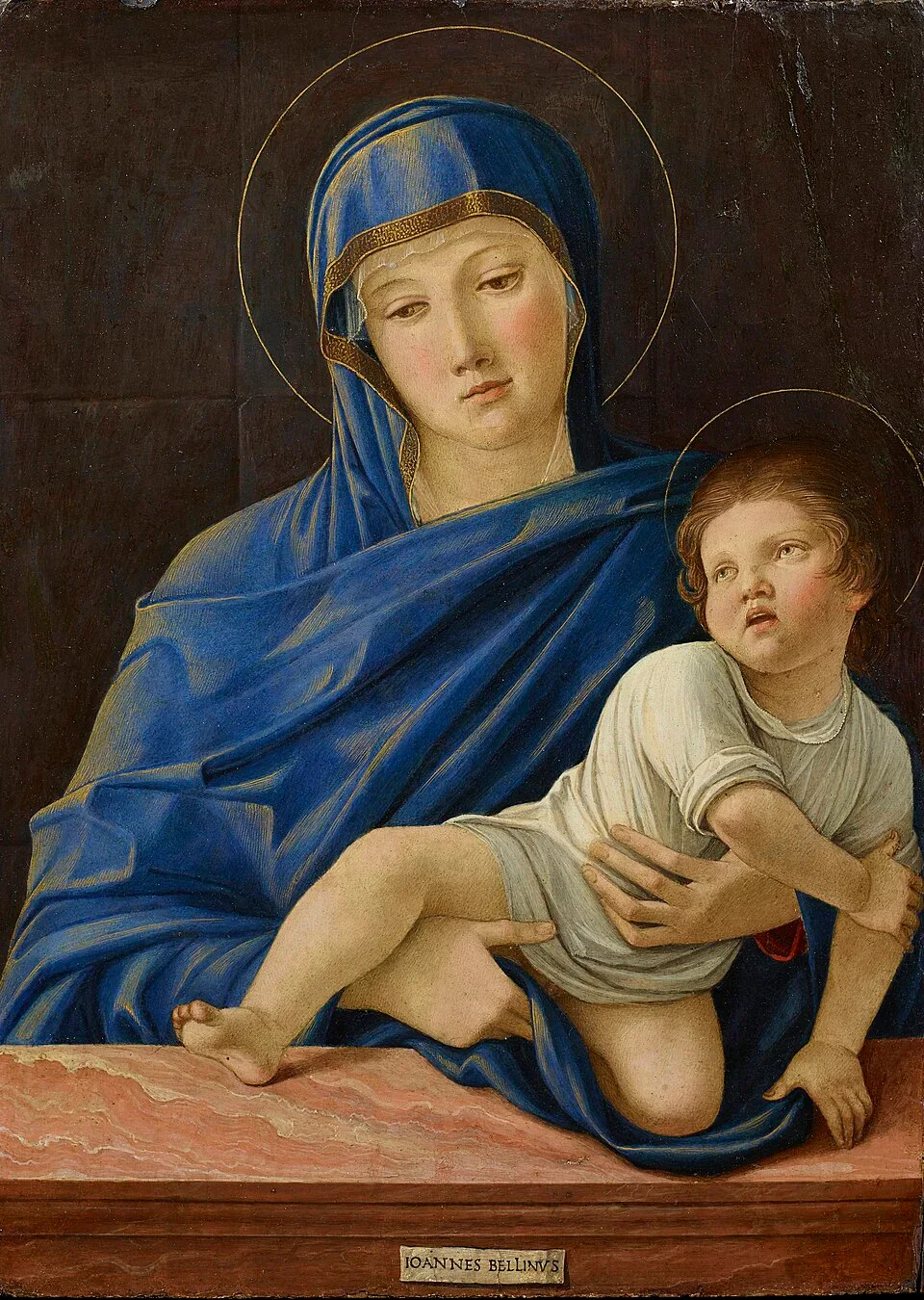
Lochis Madonna
The man who gave this picture its name had no idea what he had bought. In March 1843 Count Guglielmo Lochis took it for a painted window shutter, or a covering for a windowsill. What fooled him was the rail of rose marble across the bottom. It looks like real stone. The child rests on it, and Mary holds him with both hands behind it. On a small scroll fixed to that rail, Bellini wrote his name. Yet that rail may stand for the stone where Jesus's body was anointed, after they took him down from the cross. Mary's face is sweet and thoughtful, and her gaze turns inward, as if she already foresees the fate waiting for him. The child moves diagonally in her arms, restless, while she stays still. The count left his collection to the Accademia Carrara, and this picture came here with it.
Listen in the appGiovanni Bellini · Public domain
09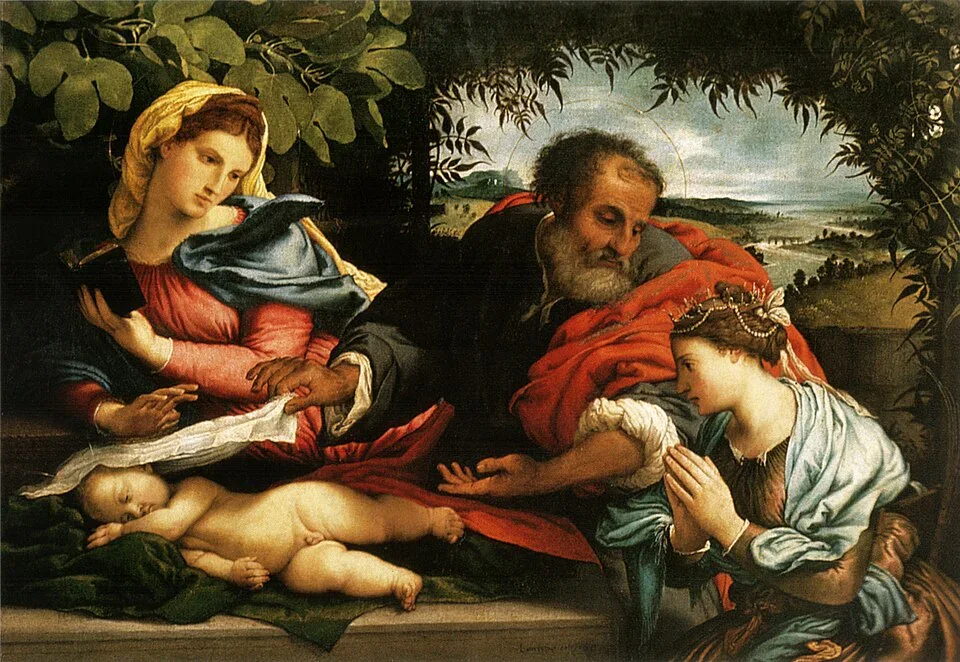
The Holy Family with Saint Catherine of Alexandria
Lorenzo Lotto painted this in 1533, the year he left Venice for the Marche, deliberately against the style that ruled there. Titian's manner was the one to follow, but he chose a cold light that lies over everything, and colors that clash. At the center, Joseph lifts a veil to show the sleeping child to a woman kneeling at the right. The child lies on cloth spread over a stone. That stone recalls Christ's tomb, and the sleep recalls his death. The gesture is a revelation, a showing of what is still to come. The kneeling woman is Saint Catherine of Alexandria, praying, and a little smaller than the others. Mary reads the scriptures and seems to find the sad prophecies about her son coming true. She makes a gesture of surprise. Notice the fig tree in the background, its leaves and fruit recalling original sin. It is the key to the sacrifice the scene points toward. Behind Joseph, the foliage opens onto a distant valley, where a winding river reaches the sea. The format says this was made for a private chapel in a palace, not for an altar in a church. Catherine was an aristocratic saint who appealed to patrons, and six later copies of the scene are known. The person who first ordered this painting is still unknown.
Listen in the appLorenzo Lotto · Public domain
10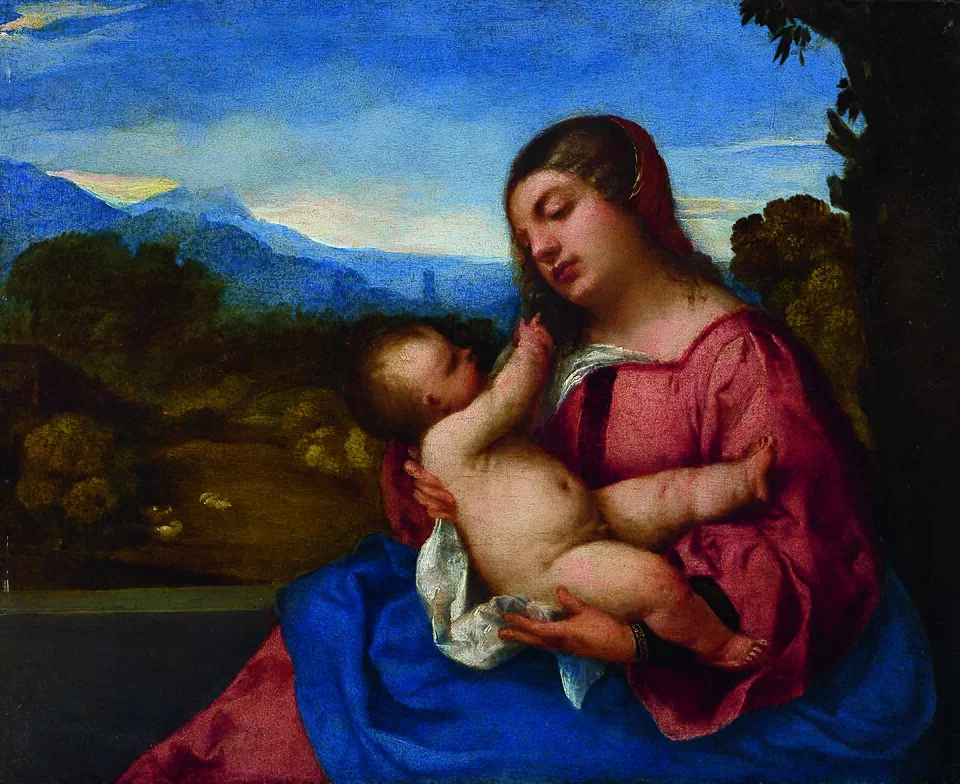
Lochis Madonna
Whose hand made this? It has been given to Francesco Vecellio, and to Sante Zago. Today it is given to the young Titian, who painted it around 1508 to 1510. The Madonna and Child are shown half length in a gentle pastoral landscape, in front of a parapet. That gentle mood still carries strong echoes of Giorgione, counted with Titian among the founders of the Venetian school. Mother and child are set off centre, an uneven balance that was the modern taste of the sixteenth century. The colour is bright and thick, as is typical of Titian.
Listen in the appTitian · Public domain
- 11
The Entombment of Christ
Lorenzo Lotto · 1513–1516
- 12
Madonna Baglioni
Andrea Previtali · 1512–1520
- 13
Portrait of Giuliano de' Medici
Sandro Botticelli · c. 1478–1480
- 14
Orpheus and Eurydice
Titian · c. 1508
- 15
Lochis Madonna
Carlo Crivelli · 1475–1482
- 16
Madonna and Child enthroned between Saints Sebastian and Vincenzo Ferrer
Andrea Previtali · 1506
- 17
Christ carrying the cross before a kneeling figure
Moretto da Brescia · 1518
- 18
Man of Sorrows
Sandro Botticelli · 1495–1500
- 19
Madonna and Child with Saints
Palma Vecchio · c. 1520
- 20
Saint Francis of Assisi receives the Stigmata
El Greco · 1567–1570
- 21
The Resurrection of Christ
Andrea Mantegna · 1492
- 22
Virgin and Child
Andrea Mantegna · 1490
- 23
Portrait of a Gentleman
Altobello Melone · 1513–1520
- 24
St Dominic Raises Napoleone Orsini
Lorenzo Lotto · 1513–1516
- 25
Martyrdom of St Stephen, division of Martinengo Altarpiece
Lorenzo Lotto · 1513–1516
- 26
Sant'Orsola in gloria
Andrea Previtali · 1520–1525
- 27
The Ridotto
Pietro Longhi · 1757–1760
- 28
Madonna and child
Andrea Previtali · 1523
- 29
Saints Ludwig of Toulouse and Saint Antonio Abate
Antonio Marinoni · 1510–1520
- 30
Deposizione di Cristo nel sepolcro
Giovanni Battista Moroni · 1566
- 31
Investiture of Saint Jane Frances de Chantal
Ponziano Loverini · 1884
- 32
Portrait of Elisabetta Piavani Ghidotti
Fra Galgario · c. 1725
- 33
Portrait of Francesco Maria Bruntino
Fra Galgario · 1737
- 34
Portrait of Bernardo Spini
Giovanni Battista Moroni · 1570–1573
- 35
Portrait of a child of the House of Redetti
Giovanni Battista Moroni · 1570
- 36
Saint Nicholas of Tolentino
Giovanni Battista Moroni · 1556
- 37
Annunciation
Francesco di Simone da Santacroce · 1504
- 38
Portrait of a young man
Lorenzo Lotto · c. 1498–1500
- 39
Portrait of Giovanni Benedetto Caravaggi
Giovanni Cariani · 1519
- 40
Christ Holding the Cross
Giovanni Cariani · 1510–1515
- 41
Musical instruments and green drape
Evaristo Baschenis · 1670
- 42
Trittico di Lepreno
Francesco di Simone da Santacroce · 1506
- 43
Icon of Saint Agatha
Ambrogio Bergognone · 1509
- 44
Polyptych of Torre Boldone
Bartolomeo Vivarini · 1491
- 45
Madonna and Child
Neroccio di Bartolomeo de' Landi · 1470–1476
- 46
Crucifixion
Vincenzo Foppa · 1456
- 47
Portrait of a Young Painter
Fra Galgario · 1732
- 48
Andrea Previtali, Madonna of the Milk
Andrea Previtali · 1512–1520
- 49
Madonna of the Milk, Bergognone Accademia Carrara
Ambrogio Bergognone · 1485
- 50
Self portrait, aged 80
Ponziano Loverini · 1925
- 51
Saint Jerome penitent
Vincenzo Foppa · c. 1460
- 52
Portrait of a seated Old Man
Giovanni Battista Moroni · 1576
- 53
Isotta Brembati
Giovanni Battista Moroni · 1560
- 54
Cristoforo Caselli, Saints Paul, James, Matthew and Sebastian, c. 1499
Cristoforo Caselli
- 55
Enea Salmeggia, Martyrdom of Saint Alexander
Enea Salmeggia
- 56
Naked Man Lying on a Rug
Ponziano Loverini · 1884
- 57
Portrait of a Man
Giovanni Battista Moroni · 1567
- 58
Loverini - The Curse
Ponziano Loverini · 1886
- 59
Fantasy Arch with Human Figures
Francesco Guardi · c. 1770
- 60
The Virgin with the Child, Saint John the Baptist and Saint James the Less - Ambrogio Bergognone
Ambrogio Bergognone
- 61
Portrait of St Sebastian with an Arrow
Albrecht Durer · c. 1499
- 62
Self-portrait
Fra Galgario · 1732
- 63
Birth of Virgin Mary
Vittore Carpaccio · 1504–1508
- 64
Flora
Carlo Antonio Procaccini · c. 1600
- 65
Madonna and Child
Cosimo Tura · 1475
- 66
Portrait of a Friar
Carlo Ceresa · 1650–1653
Accademia Carrara
Frequently asked questions
How much does the guide cost?
Free app download. Free until 1 January. Listed guide price: $1.99. Audio guide only. Venue admission is separate.
Can I listen without internet?
Yes. Download the guide’s audio, images, and maps in the app before your visit. Your downloaded content is then available offline.
Can I listen in my language?
In English for now. More languages soon.
Do I need to follow a schedule?
No. This is a self-guided experience. Choose your stops, pause whenever you like, and return to a story at your own pace.
Which artworks are in the Accademia Carrara audio guide?
66 artworks, including Saint Sebastian (Raphael), The Story of Virginia (Sandro Botticelli), Alzano Madonna (Giovanni Bellini), Portrait of Lucina Brembati (Lorenzo Lotto), Mystical Marriage of St Catherine of Alexandria with Niccoló Bonghi (Lorenzo Lotto), Pietà with Madonna and St. John the Evangelist (Giovanni Bellini), Portrait of Lionel d'Este (Pisanello), and Lochis Madonna (Giovanni Bellini). The full list is on this page.
Is this the museum’s official audio guide?
No. Stanza is an independent audio guide app and is not affiliated with Accademia Carrara. Museum admission is separate.
At your own pace
Explore Accademia Carrara.
Download Stanza, then search for “Accademia Carrara”.
Free app download · Guide price shown in the app
Keep exploring
Nearby audio guides
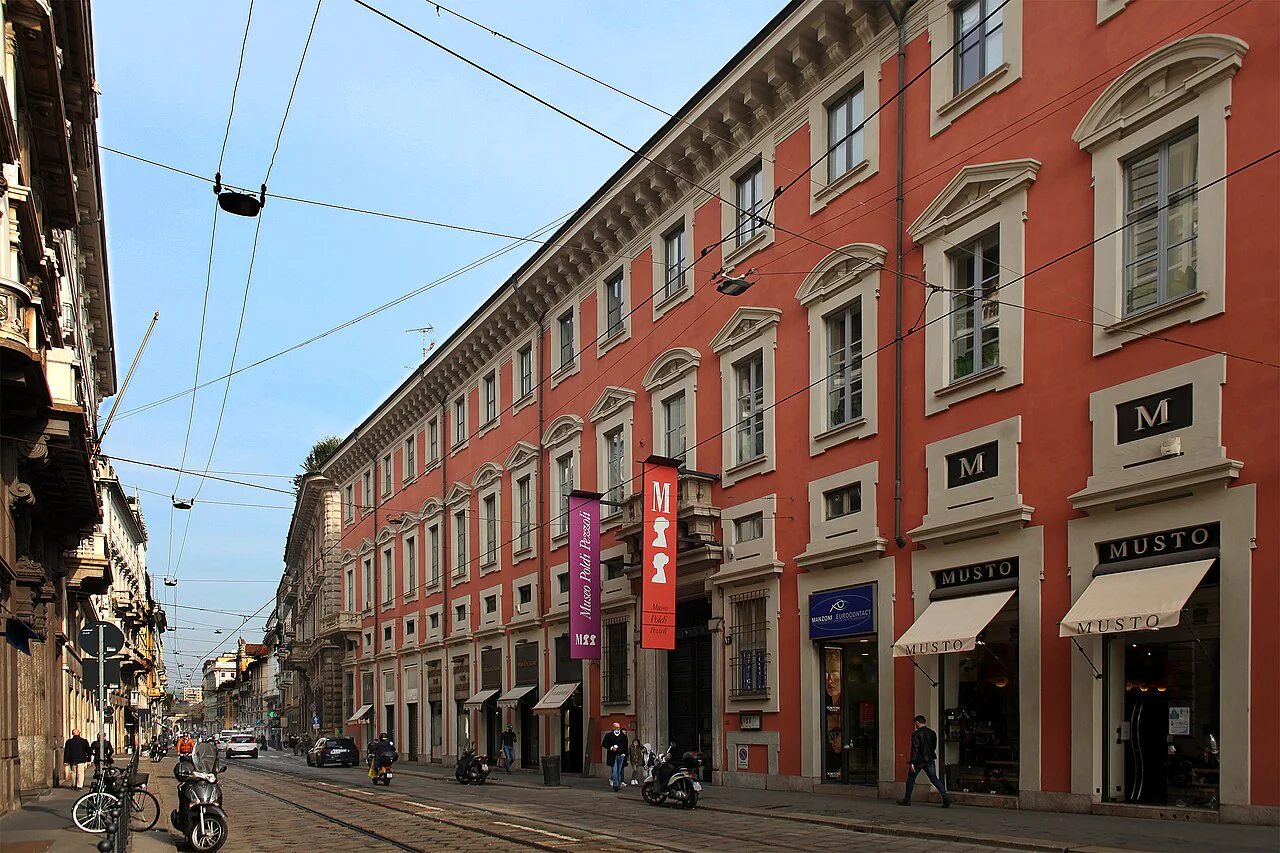
Milan · 46 km
Museo Poldi Pezzoli
Content & sources
Photo: Paolobon140 · CC BY-SA 4.0
Milan · 46 km
Pinacoteca di Brera
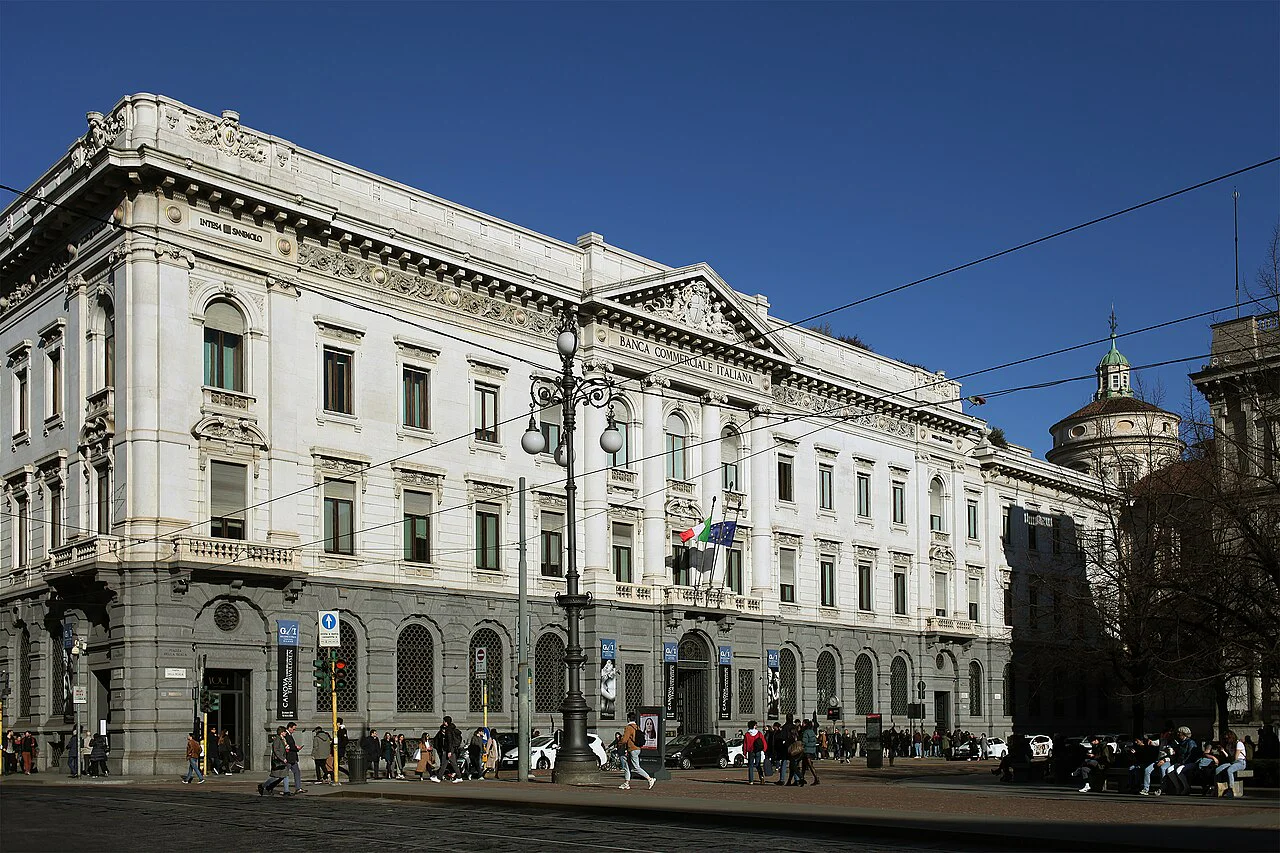
Milan · 46 km
Gallerie d'Italia - Milano
Content & sources
Photo: Paolobon140 · CC BY-SA 4.0
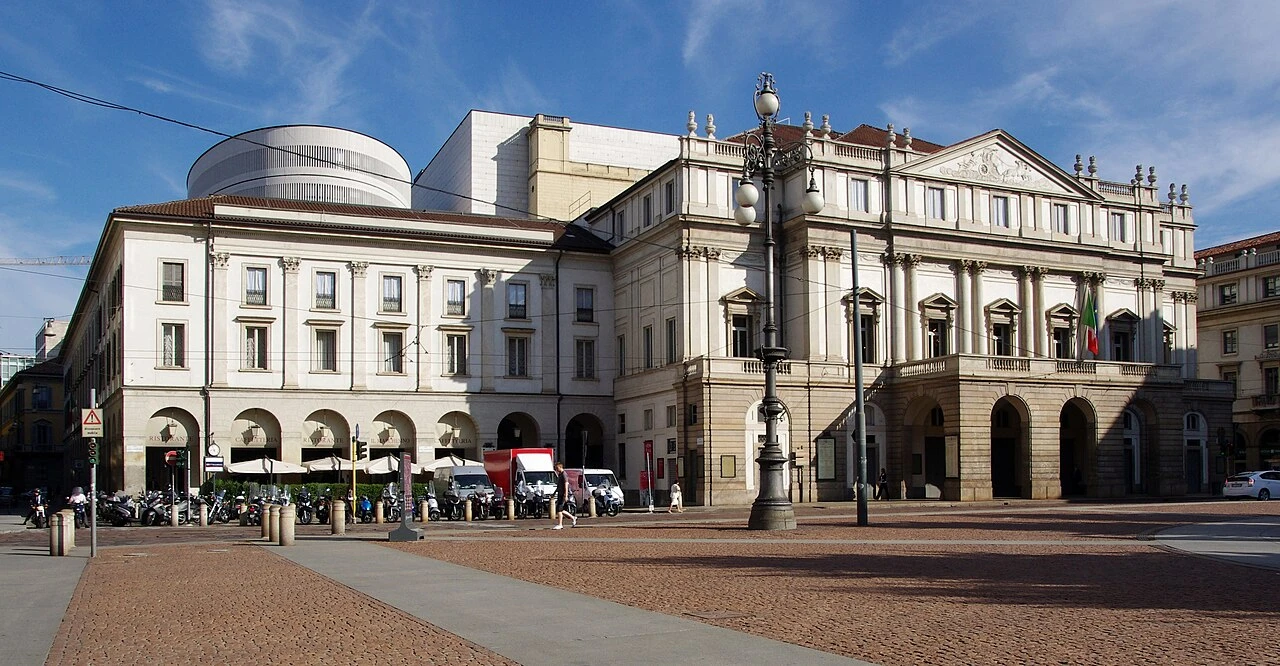
Milan · 46 km
La Scala
Content & sources
Jakub Hałun · CC BY-SA 4.0
Art museums
More art museum audio guides
Milan · 30 artworks
Museo Poldi Pezzoli
Content & sources
Photo: Paolobon140 · CC BY-SA 4.0
Milan · 137 artworks
Pinacoteca di Brera
Milan · 87 artworks
Gallerie d'Italia - Milano
Content & sources
Photo: Paolobon140 · CC BY-SA 4.0
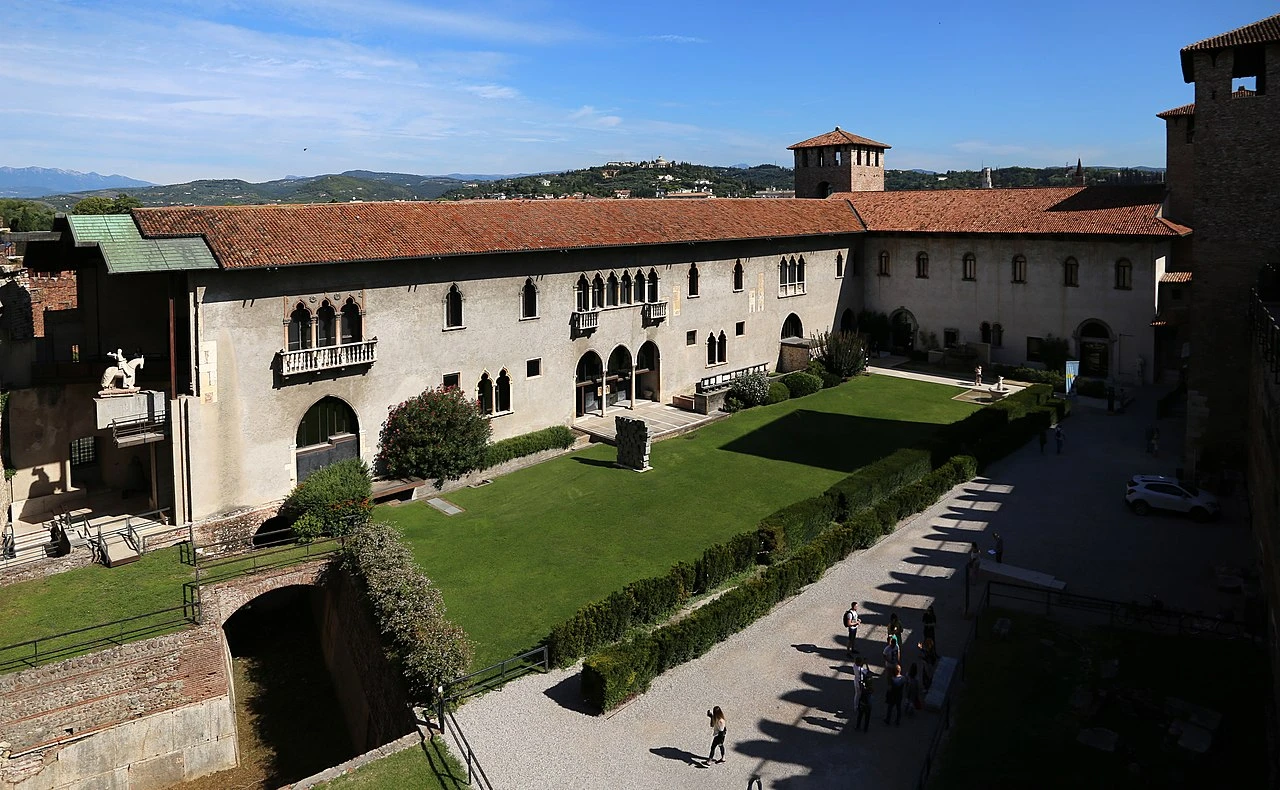
Verona · 78 artworks
Castelvecchio Museum
Content & sources
Photo: Sailko · CC BY-SA 4.0
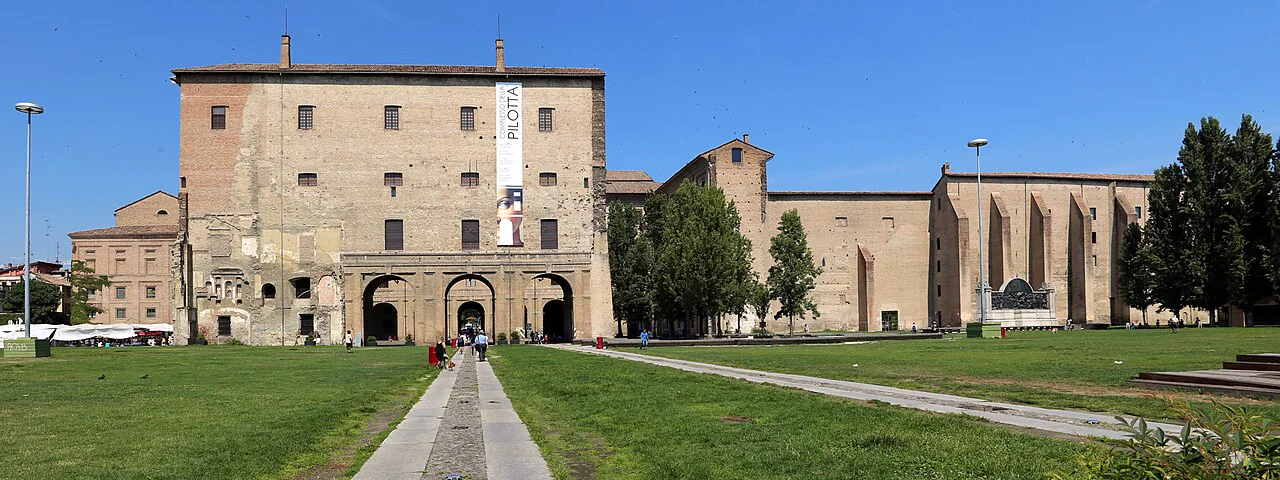
Parma · 62 artworks
Palazzo della Pilotta
Content & sources
Photo: Sailko · CC BY-SA 4.0
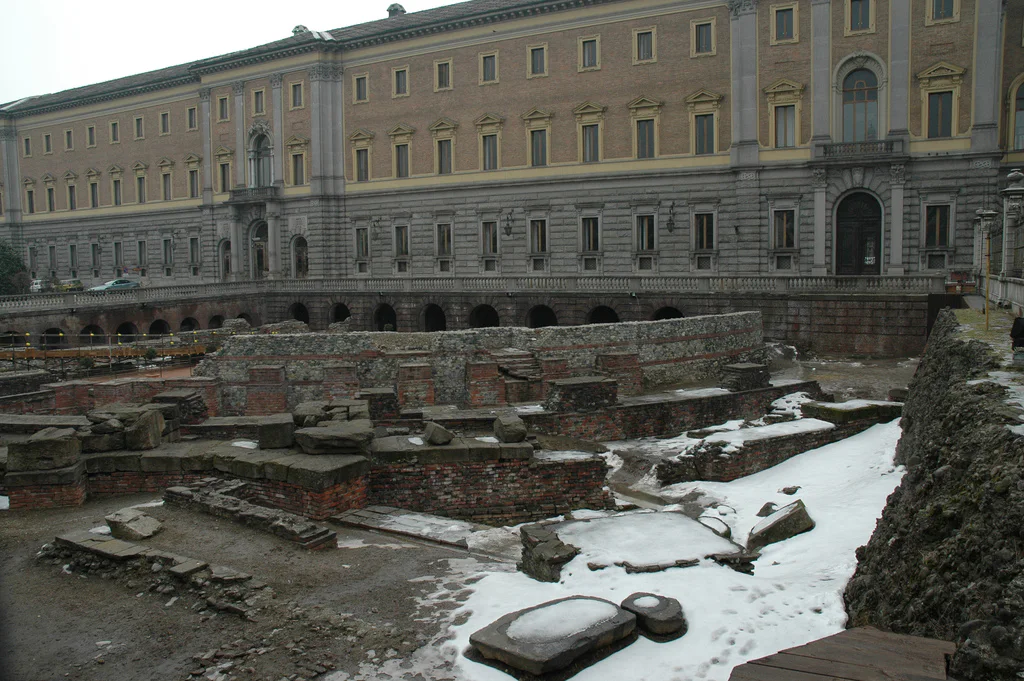
Turin · 22 artworks
Galleria Sabauda
Content & sources
Gaspa · CC BY 2.0