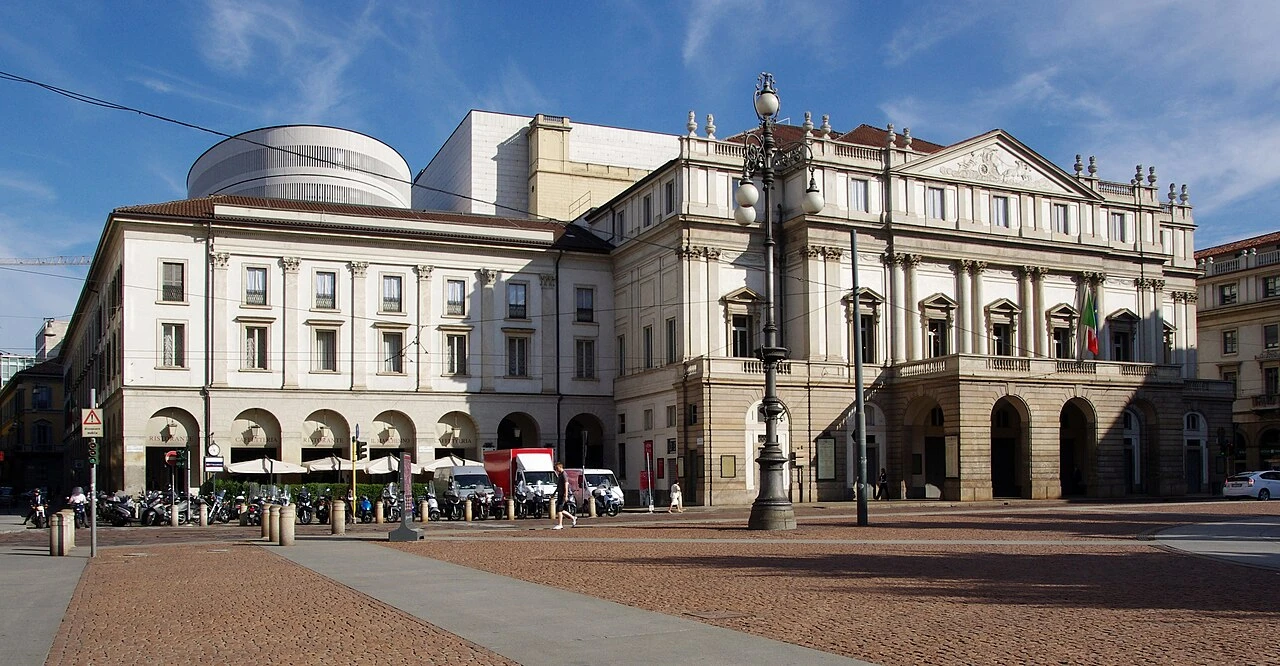
Stanza · Audio guide
Teatro alla ScalaAudio guide
A place to remember. A story to take with you.
La Scala is a world-renowned opera house located in Milan, Italy, first inaugurated in 1778. It is one of the leading opera and ballet theatres globally.
Download Stanza, then search for “Teatro alla Scala”.
About the tour
One guide. Your kind of visit.
La Scala is a world-renowned opera house located in Milan, Italy, first inaugurated in 1778. It is one of the leading opera and ballet theatres globally.
Ready when you are.
- 01Get the free Stanza app.
iOS & Android
- 02Find your guide.
“Teatro alla Scala”
- 03Download before you go.
Works offline
Audio guide / 14 narrated stops
Inside the guide
Get to know a few of the stories before you go. Open a stop to read more.
01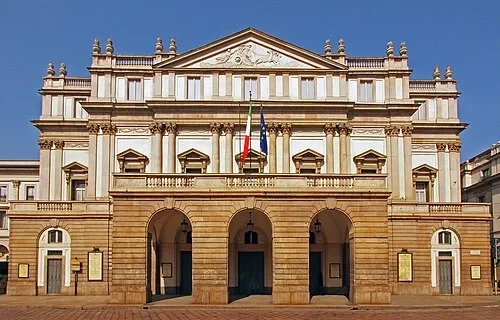 The Neoclassical Temple FacadeThe Piermarini Facade
Welcome to Teatro alla Scala, widely regarded as the premier opera house in the world. This neoclassical building was designed by architect Giuseppe Piermarini and completed in 1778. It was commissioned to replace the previous Teatro Regio Ducale, which had been destroyed in a fire. As you look at the facade, you will see a design that prioritizes sobriety and elegance over excessive ornamentation. A key functional feature is the three-arched portico at the base. Piermarini designed this specific element to allow horse-drawn carriages to drop off guests under shelter, protecting the elite from Milanese rain as they entered the theater. The balanced rows of windows and pediments above the portico reflect the rationalist aesthetics of the era, signaling the transition from the elaborate Baroque style to a more disciplined, classical approach. Since its inauguration with Salieri's Europa riconosciuta, this facade has stood as the gateway to musical history, inviting generations of performers and spectators into a space dedicated to artistic excellence.
John Picken · CC BY 2.0
02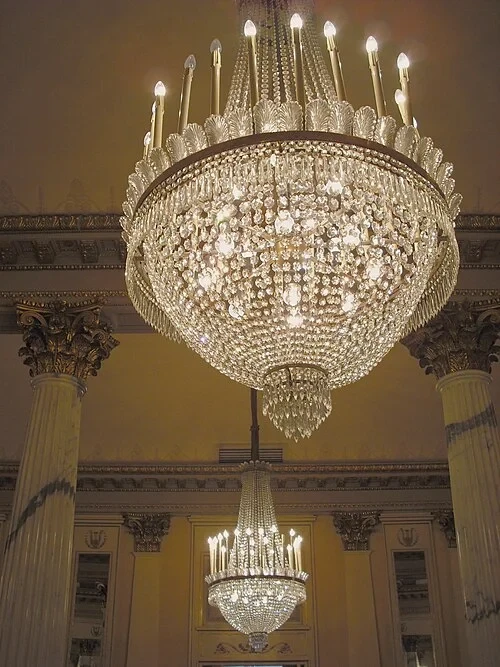 The Grand Foyer and Social HubThe Main Foyer
Stepping inside from the city streets brings you into the main foyer, a space that serves as the transition between the everyday world and the theater’s interior. This area is far more than an entrance hall; it is a vital social hub for the Milanese elite. You can see a rhythmic pattern of marble columns that supports the ceiling, creating a sense of classical grandeur that mirrors the exterior architecture. Massive crystal chandeliers hang from above, casting light on the intricate floors and walls. This foyer is the focal point every year on December 7th, the feast day of Saint Ambrose, Milan’s patron saint. This date marks the traditional opening night of the opera season, which remains the most prestigious and highly anticipated cultural event in the city. On that night, the world’s fashion and political leaders gather here, continuing a tradition that has seen the foyer act as a stage for high society for centuries. The surrounding spaces often host exhibits that connect the theater's history with its present.
Bjørn Giesenbauer from Aarhus, Denmark · CC BY-SA 2.0
03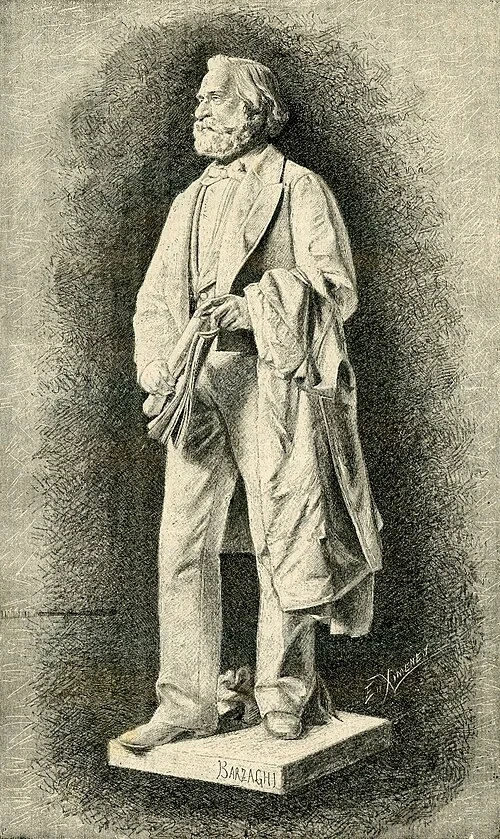 The Grand Foyer and Social HubStatue of Giuseppe Verdi
The figure represented here is Giuseppe Verdi, the composer who defines the very essence of Italian opera. His relationship with La Scala was long and deeply complex, marked by both legendary triumphs and periods of self-imposed exile. Notice the pose of the statue, with Verdi holding a musical score, capturing him in a moment of creative focus. His first major breakthrough occurred here in 1842 with the premiere of Nabucco. During that time, Italy was not yet a unified nation, and the themes of longing for a homeland in Verdi’s music resonated so strongly with the public that he became a symbol of the Risorgimento, the movement for Italian independence. While his career would take him all over Europe, La Scala remained his spiritual home. Even when he refused to let the theater produce his works for several years due to disputes over production quality, his return always signaled a momentous occasion. This statue serves as a reminder of a man whose music gave voice to the political and cultural aspirations of a nation.
Listen in the appFrancesco Barzaghi - Incisore: Ettore Ximenes · Public domain
04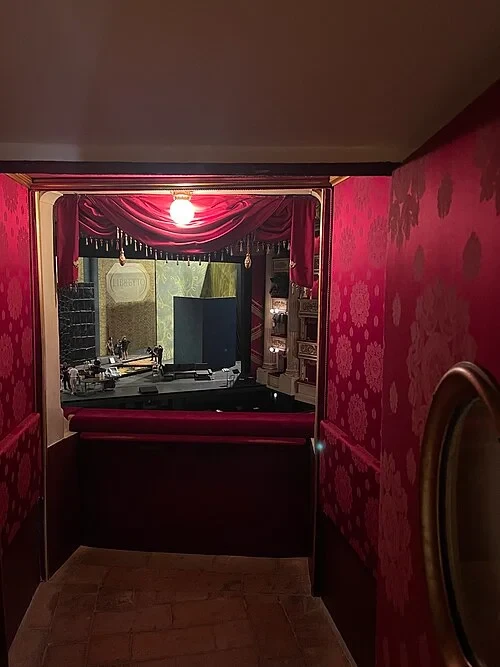 The Great Horseshoe AuditoriumView from the Boxes
Entering one of these private boxes offers a unique perspective on the historical social life of the theater. The walls are covered in a distinctive red damask fabric, a hallmark of the interior design. In the 18th and 19th centuries, these boxes were not just seats for an evening performance; they were actual private property owned by wealthy families. These spaces functioned as miniature living rooms where families would host guests, dine, and even play cards throughout the night. The opera performance on stage often served merely as a background to the social drama unfolding within the boxes themselves. Curtains could be drawn for privacy, turning each box into a secluded world of its own. This arrangement reflected the strict social hierarchy of the time, where seeing and being seen was as important as the music. Today, while the ownership has changed, the atmosphere remains. These enclosures still provide an intimate setting that contrasts with the grand scale of the auditorium, preserving a layout that was designed to accommodate the complex social needs of Milanese high society.
Listen in the appPhoto: Denisez77 · CC BY-SA 4.0
05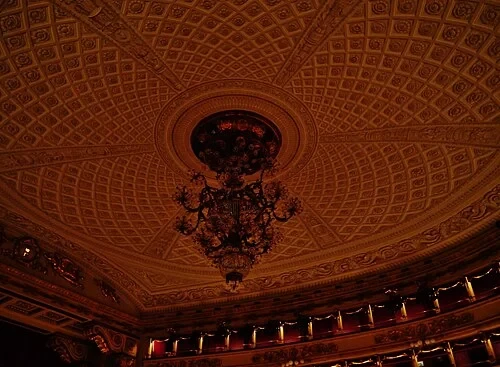 The Great Horseshoe AuditoriumThe Central Chandelier
If you direct your gaze toward the ceiling, you will see the theater's central chandelier, a massive fixture that holds 383 individual light bulbs. The piece you see today is actually a reconstruction. The original 19th-century chandelier was destroyed during the Allied bombing of Milan in 1943, which left much of the theater in ruins. Following the war, the theater was rebuilt under the strict philosophy of 'com’era, dov’era,' or 'as it was, where it was.' This meant that artisans worked meticulously to recreate the delicate plaster moldings and the intricate crystal fixture to match the original designs exactly. The light from this chandelier illuminates the ceiling’s decorative motifs, which radiate outward from the center. It serves as a focal point for the auditorium, signifying the restoration of Milan’s cultural life after the devastation of the war. The commitment to historical accuracy in its reconstruction ensured that the grand visual experience of the 18th-century theater was preserved for modern audiences, maintaining the classical elegance that Piermarini originally envisioned for the space.
Listen in the appPhoto: Zairon · CC BY-SA 4.0
06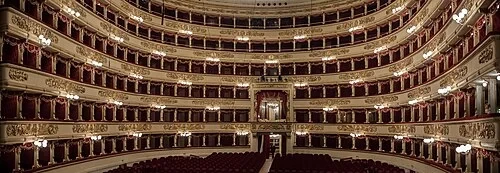 The Great Horseshoe AuditoriumThe Horseshoe Auditorium
The architectural brilliance of the auditorium is most evident in its horseshoe shape. This design was not merely for aesthetic appeal; it was a calculated engineering choice intended to project sound perfectly from the stage to all 2,030 spectators. This layout allowed for a massive seating capacity while keeping the audience relatively close to the performers. Looking around the room, you can see a clear social hierarchy reflected in the seating. There are four main tiers of private boxes reserved for the elite, while the very top contains two galleries known as the 'loggione.' This upper section is where you will find the 'loggionisti.' These are the theater’s most knowledgeable and notoriously critical fans. They are famous globally for their vocal reactions; if a singer fails to meet their high standards, they are not afraid to boo loudly, sometimes even during the performance. Many world-renowned performers have admitted to feeling more nervous about the loggionisti than the formal critics. This unique dynamic creates an electric atmosphere within the horseshoe, where the architecture itself helps maintain a centuries-old conversation between the stage and the most passionate members of the audience.
Listen in the appPhoto: Ermell · CC BY-SA 4.0
07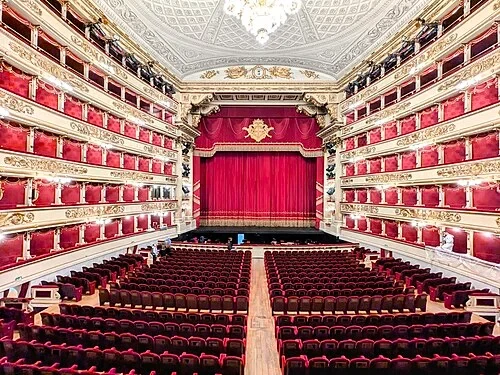 The Royal Box and the LoggioneThe Royal Box
Directly opposite the stage is the grandest enclosure in the theater: the Royal Box. Originally, this space was reserved for the Austro-Hungarian rulers who governed Milan at the time of the theater's construction, and it was later used by the Italian Royal family. Its central position offers the most balanced view of the entire auditorium and the stage. Today, it continues to serve a formal purpose, hosting visiting heads of state and dignitaries, particularly during the prestigious St. Ambrose premiere in December. From this vantage point, you can also see the orchestra pit below the stage. Interestingly, this pit was a later addition, designed in the early 20th century. In the theater's original 1778 configuration, the musicians played at the same level as the audience, and there was no physical separation between the seats and the stage. The addition of the sunken pit allowed for larger orchestral ensembles and improved the overall balance of sound between the instruments and the singers, adapting the classical space to the more demanding musical scores of the late 19th and early 20th centuries.
Listen in the appPhoto: Bramfab · CC BY-SA 4.0
08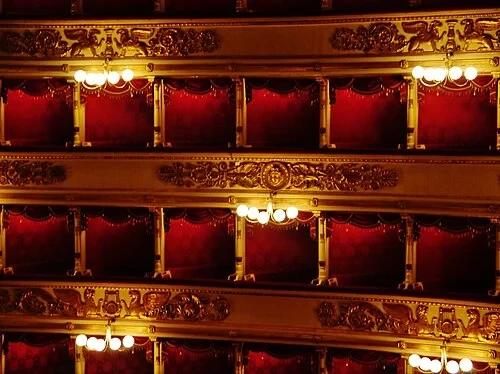 The Royal Box and the LoggioneGilded Box Details
The incredible detail you see on the boxes is the result of an extensive renovation project that took place between 2002 and 2004. During this period, artisans meticulously cleaned the 18th-century gilded wood and refreshed the deep red velvet that lines the interior. This was a delicate process aimed at restoring the theater's original luster while incorporating modern safety and comfort standards. While the visible surfaces maintain their historic appearance, much has changed behind the scenes. Behind the grand curtain, the theater now houses highly advanced stage machinery. This modern system allows massive, complex sets to be moved both vertically and horizontally with great speed, a significant technological leap from the original 1778 design which relied on manual pulleys and wooden structures. This combination of traditional craftsmanship on the outside and cutting-edge technology behind the scenes allows the theater to produce elaborate modern operas while maintaining the heritage of its classical interior. The renovation ensured that the theater could continue to host world-class productions without compromising the historical integrity that makes it a world-renowned destination for music lovers.
Listen in the appPhoto: Zairon · CC BY-SA 4.0
09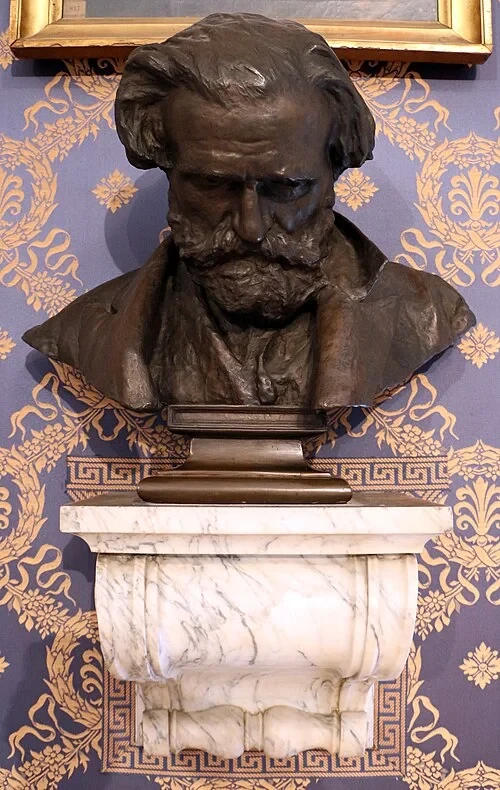 Museo Teatrale: Legends of the Baton and PenBust of Giuseppe Verdi
Look closely at the intense expression captured in this bronze bust of Giuseppe Verdi. It reflects the gravity and passion of a man who was treated almost like a secular saint by the people of Milan. Verdi spent much of his later life in the city, residing at the nearby Grand Hotel et de Milan. His presence was so significant to the local culture that as he lay dying in January 1901, the city government ordered the surrounding streets to be covered in straw. This was done to dampen the noise of carriage wheels and horses' hooves so the composer could rest without disturbance. When he finally passed, hundreds of thousands of people lined the streets for his funeral procession, singing the famous 'Va, pensiero' chorus from his opera Nabucco. This bust captures the features of the man who provided the soundtrack for the Italian unification movement. The deep lines on his face and his focused gaze suggest the relentless creative energy he poured into his twenty-eight operas, many of which had their first and most important successes right here within these walls.
Listen in the appPhoto: Sailko · CC BY 3.0
10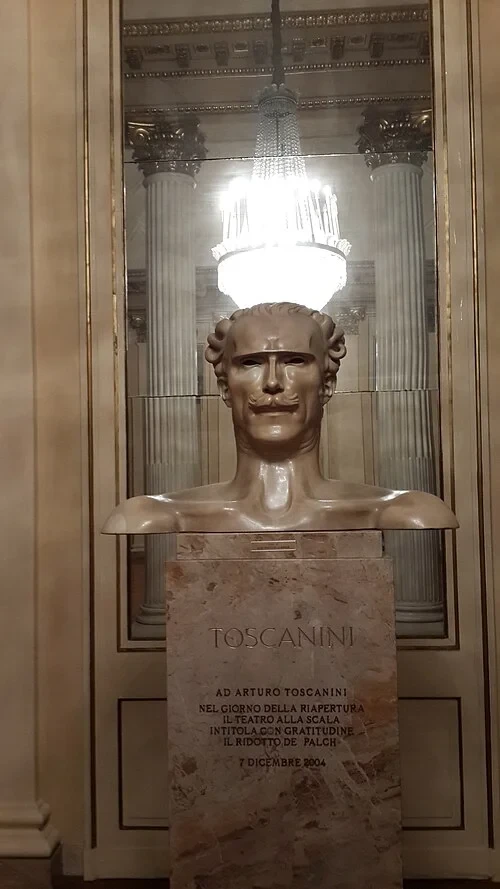 Museo Teatrale: Legends of the Baton and PenBust of Arturo Toscanini
In 1943, Allied bombs reduced the auditorium of La Scala to a roofless shell, leaving the future of the institution in doubt. This figure commemorates Arturo Toscanini, the conductor whose leadership became synonymous with the theater's recovery. Toscanini had fled Italy during the Fascist regime, but he returned in 1946 to lead a historic concert that celebrated the theater's reopening. That performance was more than just a musical event; it was a deeply emotional symbol of the city's rebirth after the war. This bust, created by the artist Adolfo Wildt, has a stylized, almost mask-like quality that emphasizes Toscanini’s legendary intensity and precision. It is located in the foyer that now bears his name, honoring his role as a guardian of the theater's artistic standards. Toscanini was known for his uncompromising demand for excellence, and his return helped re-establish the theater as a world-leading venue. His legacy continues to influence the conductors who stand on the podium today, reminding them of the theater's history of survival and its commitment to the highest level of musical performance.
Listen in the appYair Haklai · CC BY-SA 3.0
Teatro alla Scala
Frequently asked questions
How much does the guide cost?
Free app download. Listed guide price: $0.99. Guide price shown in the app. Audio guide only. Venue admission is separate.
Can I listen without internet?
Yes. Download the guide’s audio, images, and maps in the app before your visit. Your downloaded content is then available offline.
Can I listen in my language?
Stanza supports 15 languages. Check the app for the languages available for this guide.
Do I need to follow a schedule?
No. This is a self-guided experience. Choose your stops, pause whenever you like, and return to a story at your own pace.
At your own pace
Explore Teatro alla Scala.
Download Stanza, then search for “Teatro alla Scala”.
Free app download · Guide price shown in the app
Keep exploring
Nearby audio guides
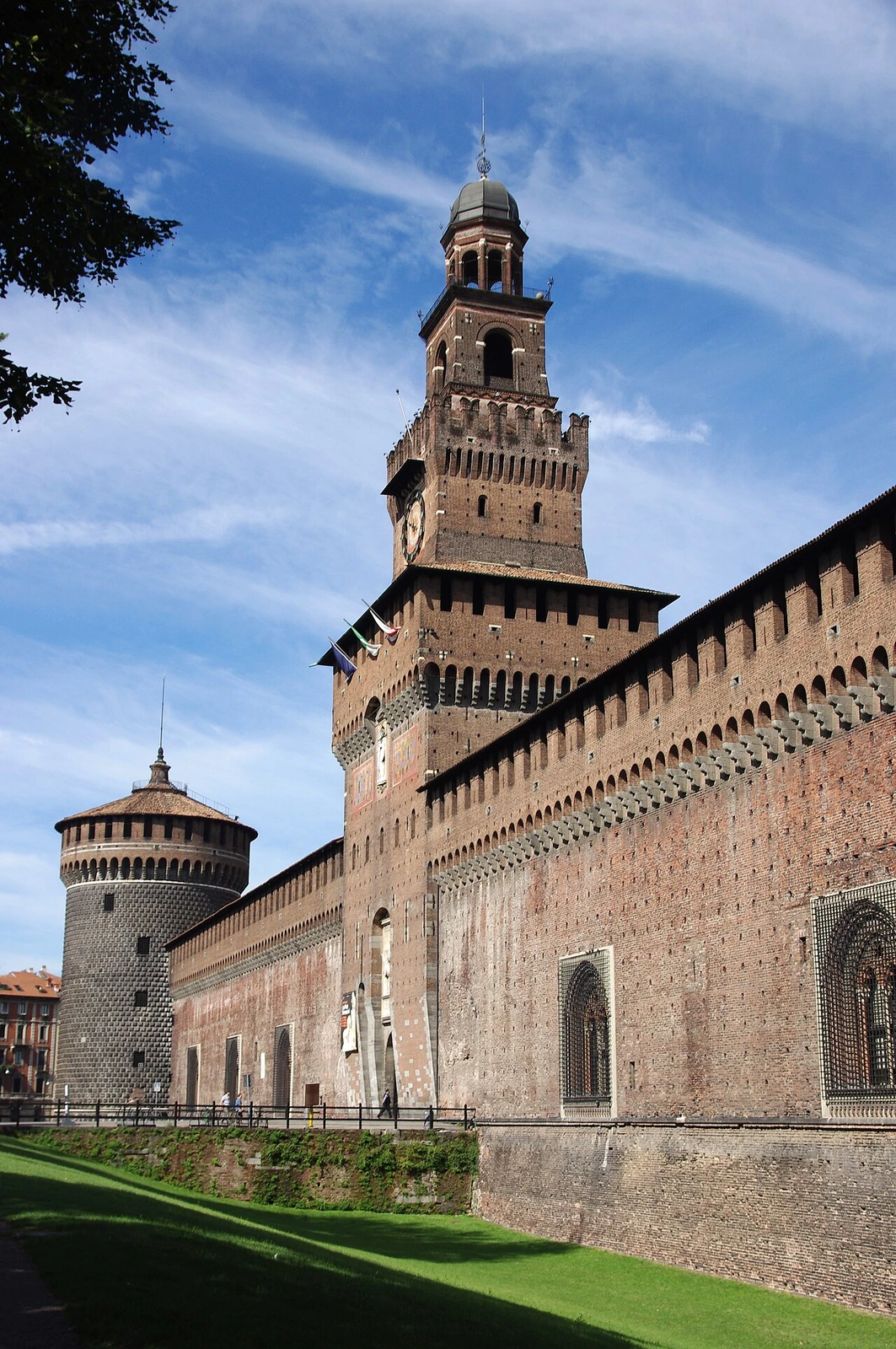
Milan
Castello Sforzesco
Content & sources
Jakub Hałun · CC BY-SA 4.0
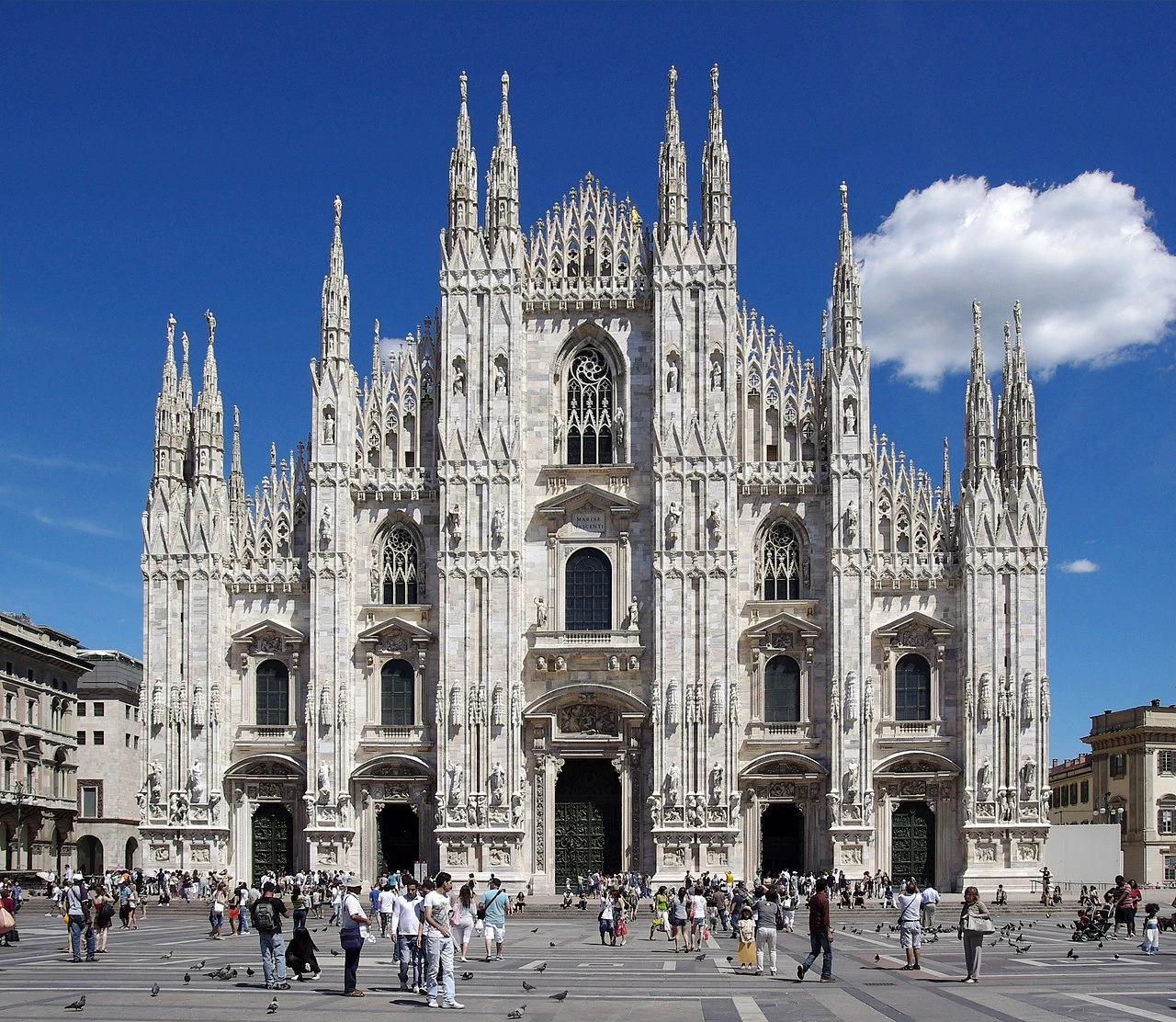
Milan
Duomo di Milano
Content & sources
Jakub Hałun · CC BY-SA 4.0
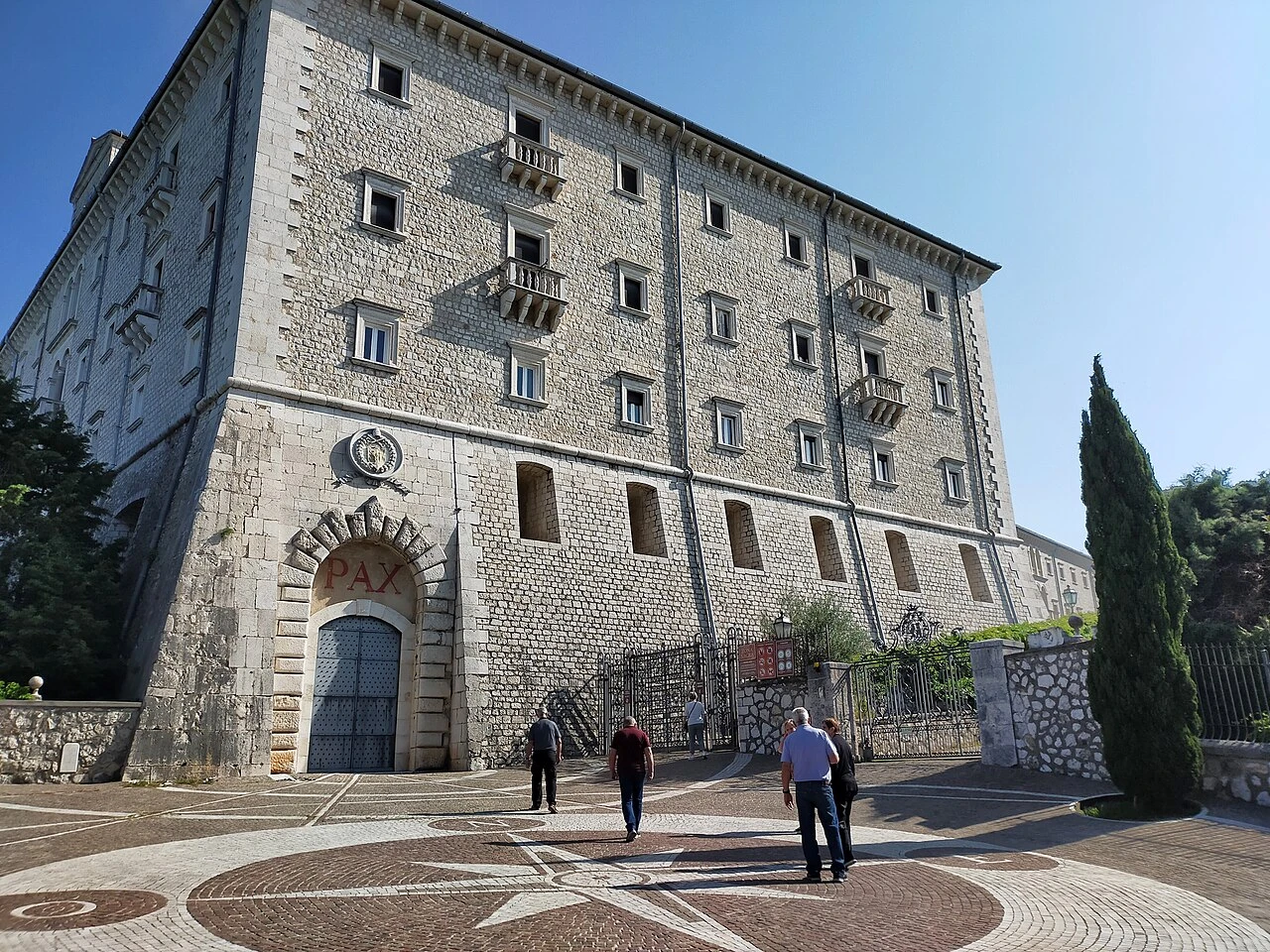
Cassino
Abbey of Monte Cassino
Content & sources
Photo: Marica Massaro · CC BY-SA 4.0
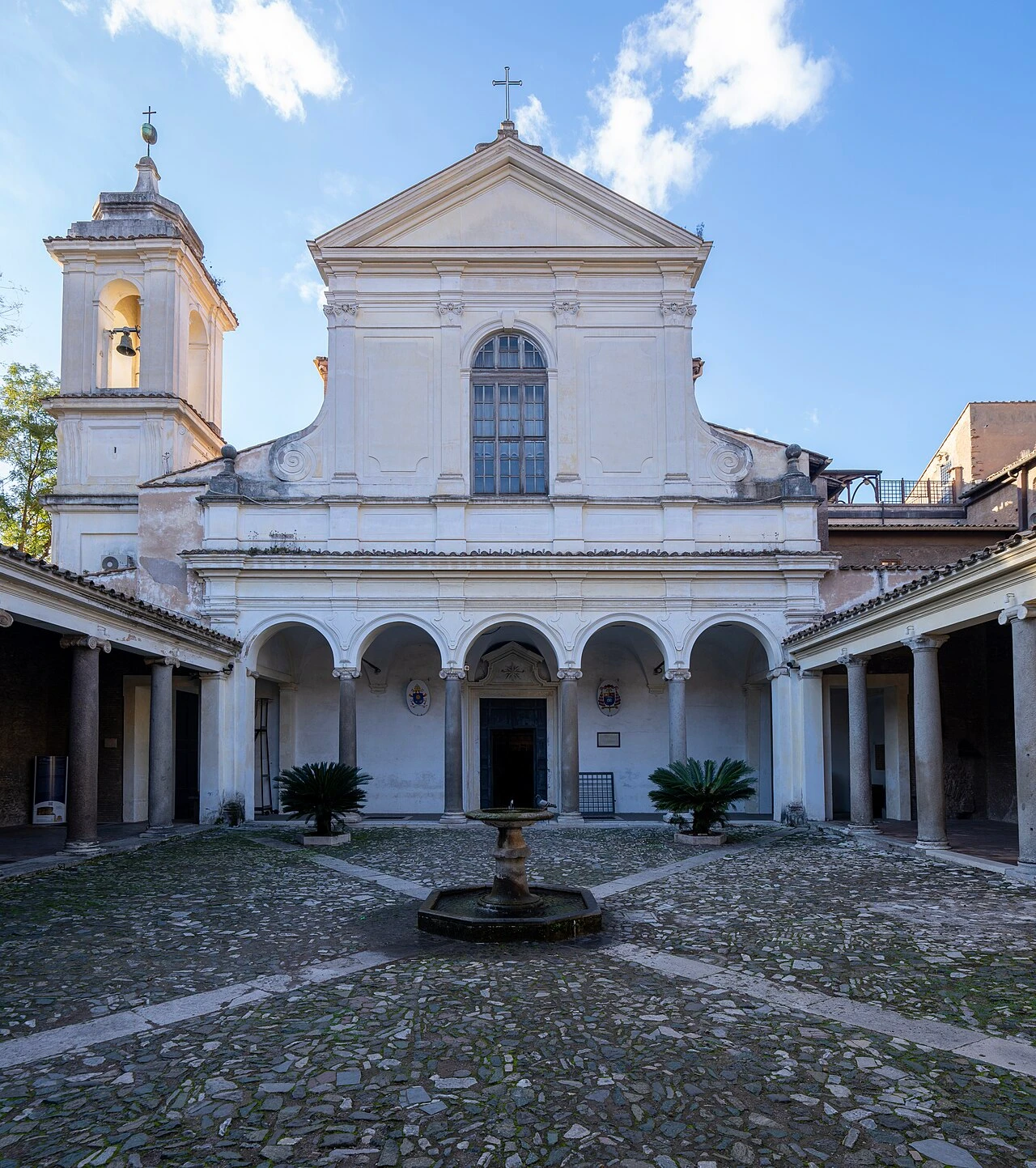
Rome
Basilica di San Clemente
Content & sources
Photo: Labicanense · CC BY-SA 4.0