Stanza · Audio guide
Museo Poldi Pezzoli Audio Guide
A place to remember. A story to take with you.
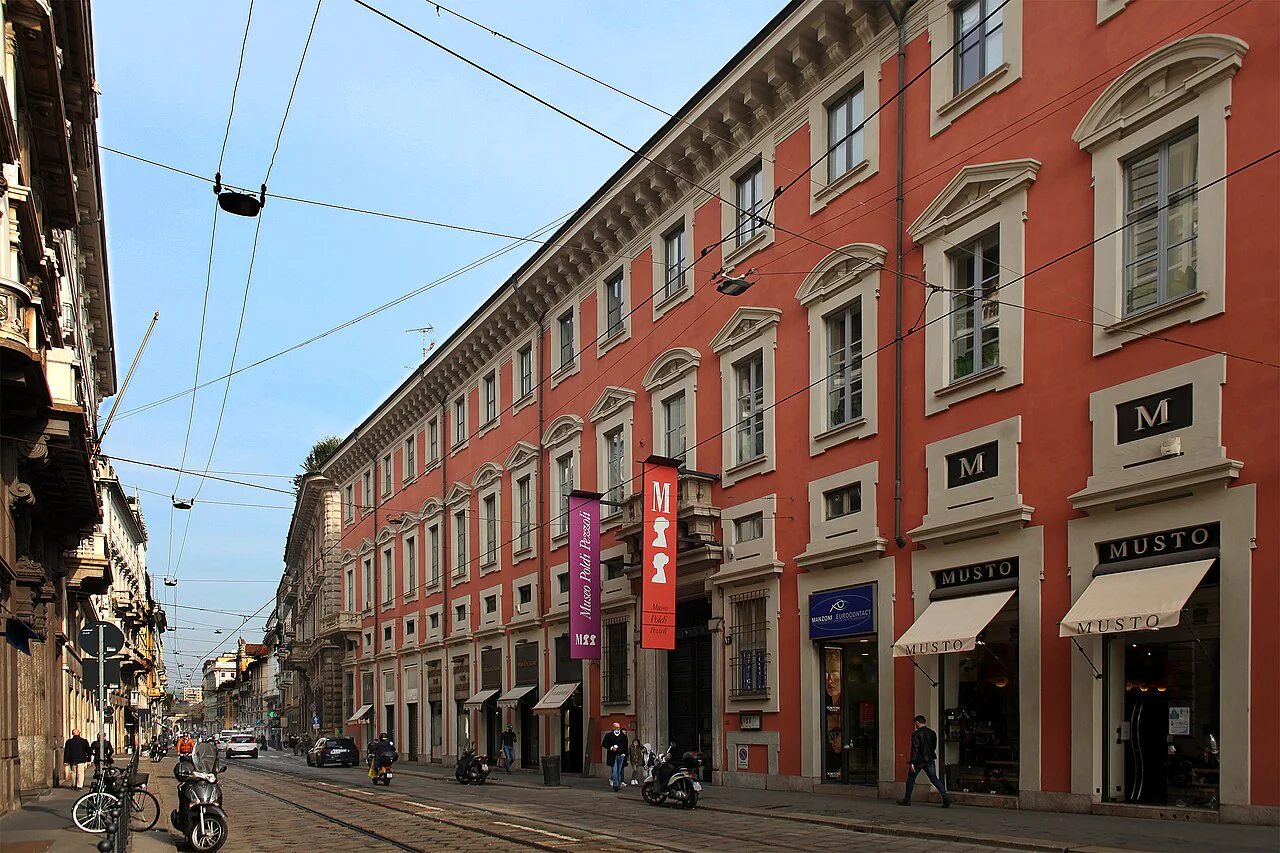
The Museo Poldi Pezzoli is an art museum in Milan, Italy. It is located near the Teatro alla Scala, on Via Manzoni 12.
Download Stanza, then search for “Museo Poldi Pezzoli”.
About the tour
One guide. Your kind of visit.
The Museo Poldi Pezzoli is an art museum in Milan, Italy. It is located near the Teatro alla Scala, on Via Manzoni 12.
The Museo Poldi Pezzoli guide tells the stories of 30 artworks, including Madonna of the Book (Sandro Botticelli), Lamentation over the Dead Christ with Saints (Sandro Botticelli), Portrait of a Girl (Piero del Pollaiuolo), Blood of Christ (Carlo Crivelli), Pra' della Valle in Padua (Giovanni Antonio Canal), Virgin and Child (Andrea Mantegna), Pietà (Filippo Lippi), and Theseus Killing the Minotaur (Giovanni Battista Cima da Conegliano). Every artwork is free to hear in the Stanza app until 1 January.
Ready when you are.
- 01Get the free Stanza app.
iOS & Android
- 02Find your guide.
“Museo Poldi Pezzoli”
- 03Download before you go.
Works offline
Audio guide / 30 artworks
Inside the guide
Get to know a few of the stories before you go. Open a stop to read more.
01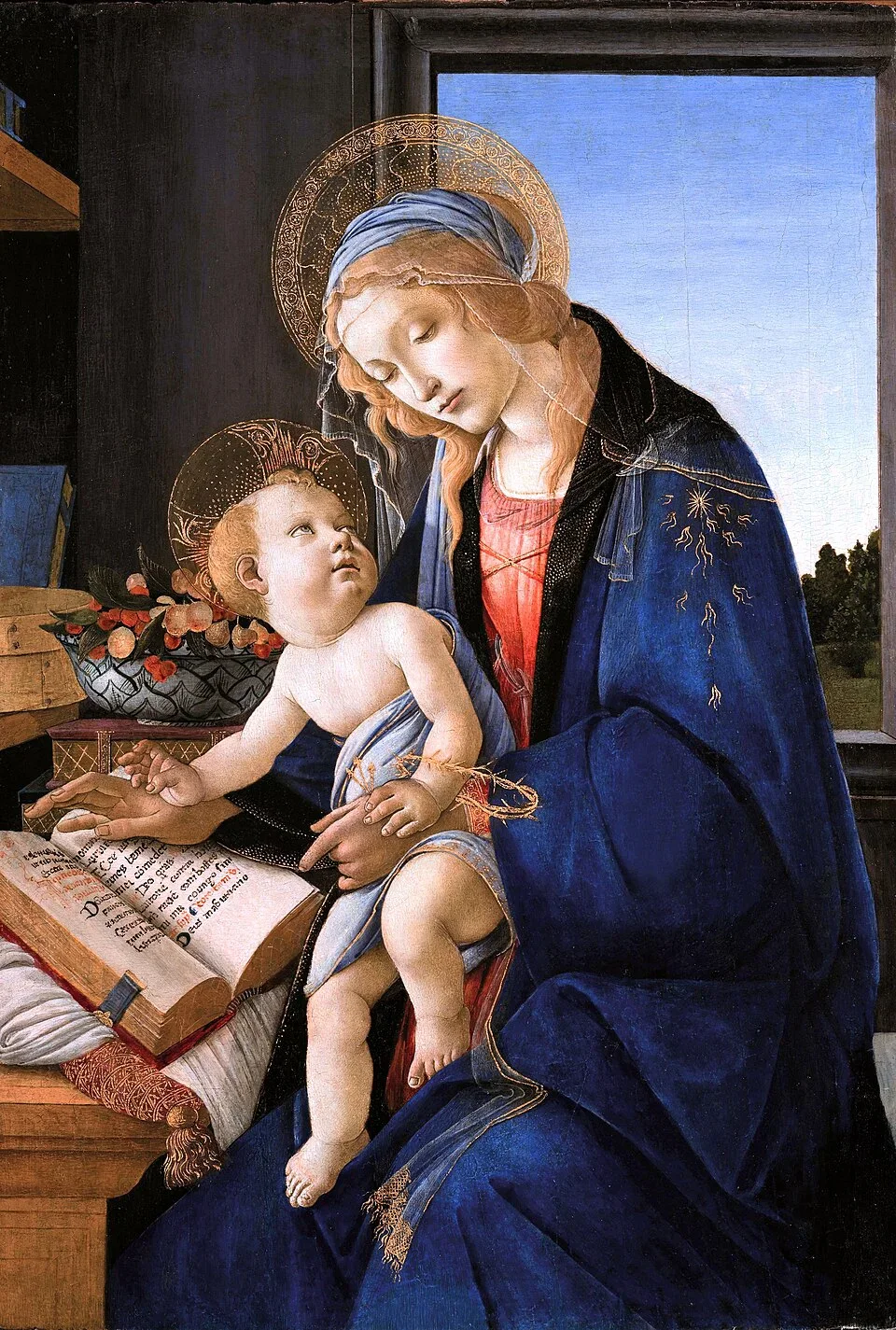
Madonna of the Book
What is she reading, and why does the child in her lap hold three nails and a crown of thorns? She is deep in a small prayer book, a Book of Hours, the sort people used for daily prayer. A few words on the open page are still legible. The child gazes at her. Those nails and thorns stand for the Passion, the death that lies ahead of him. They were probably added later, to make that message plain. Botticelli filled the corner with small everyday things. There is a box for sweets, and a bowl heaped with fruit. The cherries stand for Christ's blood, the plums for the warmth between mother and child, the figs for the Resurrection. The gold across the robes and objects was written into the contract, and included in the price.
Listen in the appSandro Botticelli · Public domain
02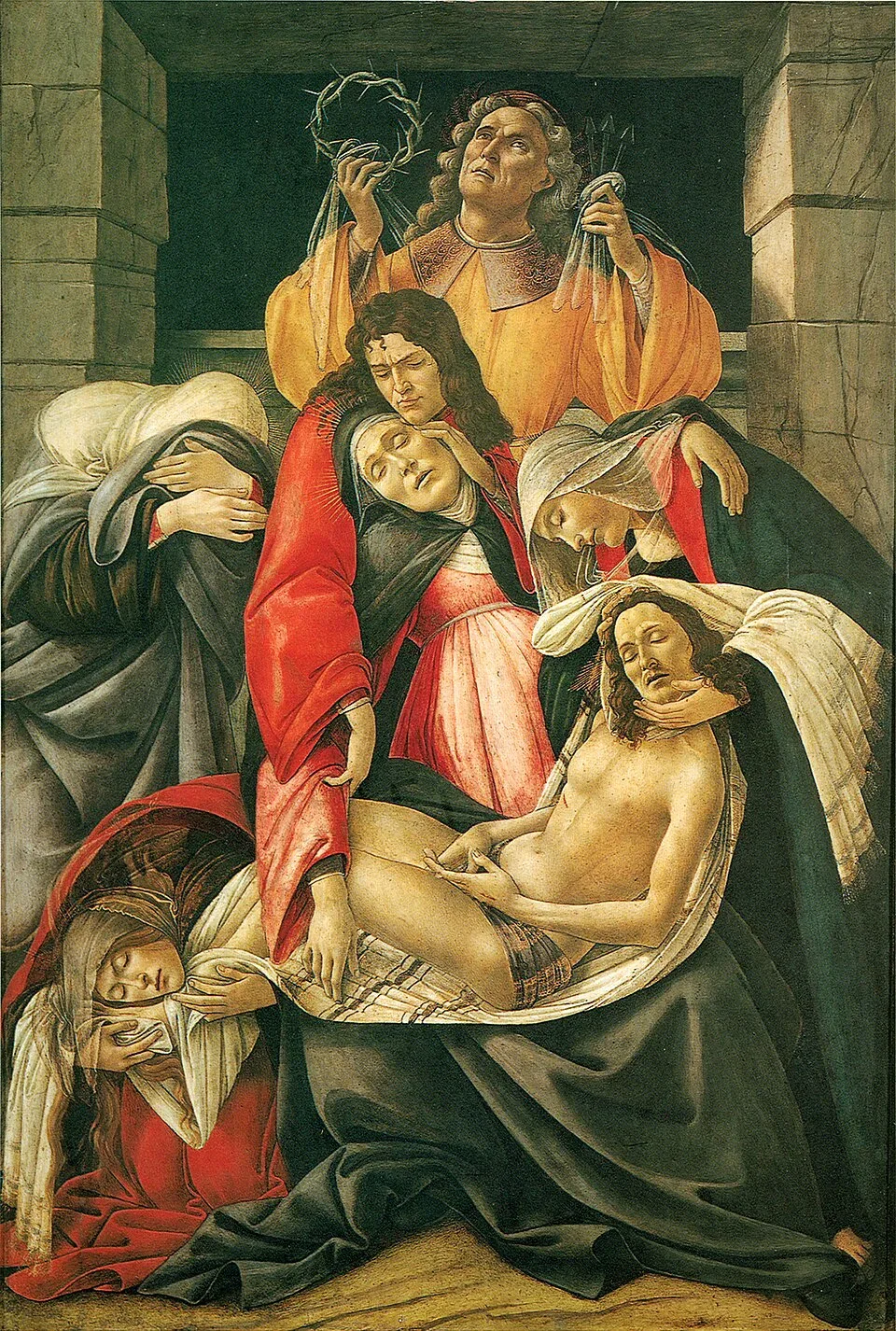
Lamentation over the Dead Christ with Saints
Almost every eye in this painting is closed, or hidden behind a hand. The mourners cannot bear the sight of the dead Christ among them. The scene was brought close to the viewer on purpose, to stir that same sorrow in you. It was painted for a small funerary altar in the church of Santa Maria Maggiore in Florence. Botticelli set lifelike form aside here. The figures are packed together, their bodies bent into strained, unnatural poses. Feeling mattered more to him than realistic shape. This is his late religious work, shaped by the religious crisis Savonarola set off. Above the group, Joseph of Arimathea holds up the crown of thorns and three nails, wrapped in transparent veils. His eyes are lifted with them. These are the instruments of the crucifixion, held toward heaven as a question. The altar was founded by Antonio Cioni, and the painting was probably ordered by his son Donato. In 1629 the altar was torn down and the picture was moved into the sacristy. It was seen there around the middle of the eighteenth century, then lost. It surfaced between 1870 and 1875 in the collection of Gian Giacomo Poldi Pezzoli, late in his life. And the Virgin holds her dead son on her lap, his body very small. The two figures together form the Pieta, the image of a mother mourning her dead son.
Listen in the appSandro Botticelli · Public domain
03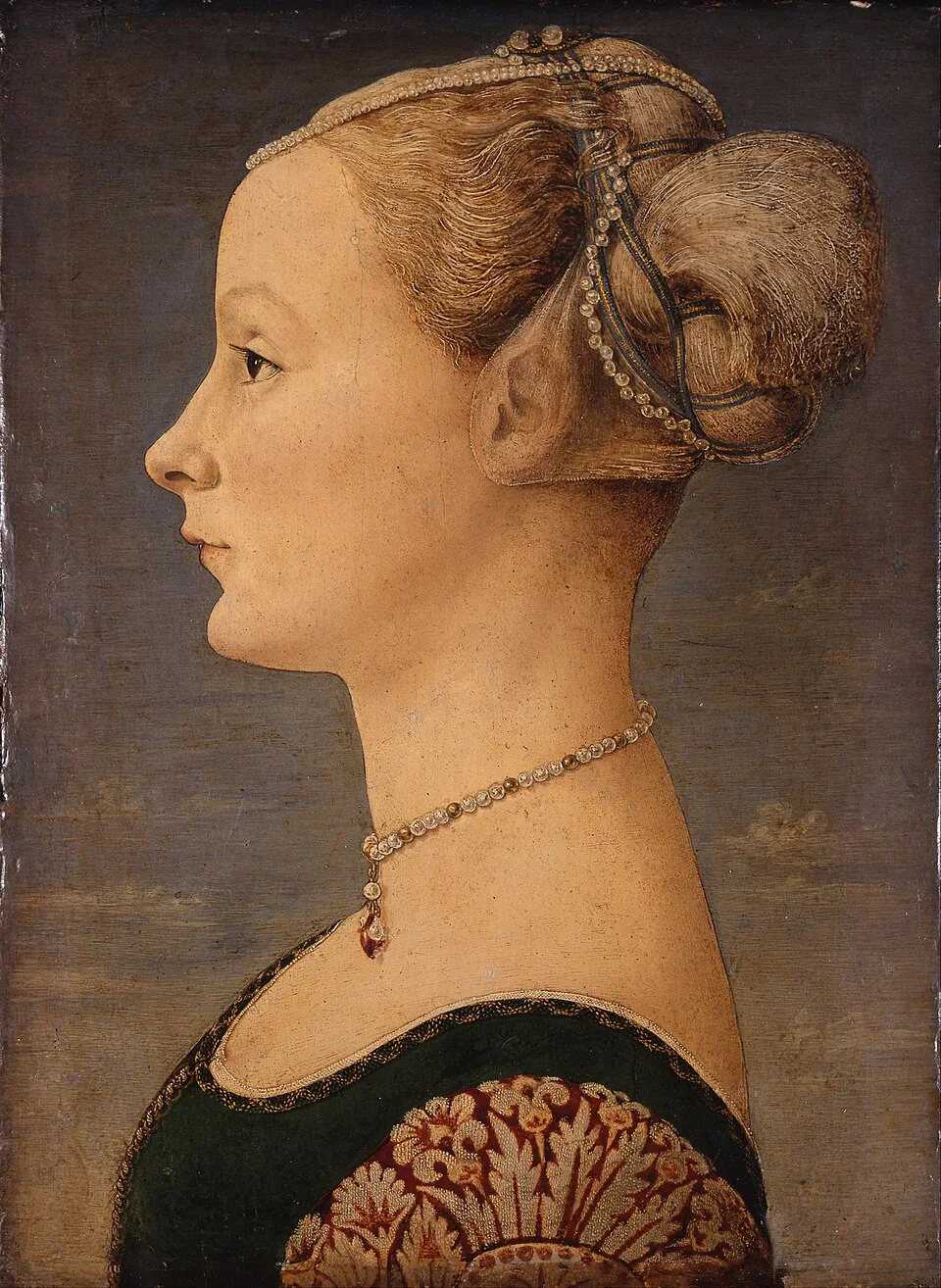
Portrait of a Girl
A young woman in profile, blue sky behind her with clouds crossing it. Pearls are threaded through her hair. At the center, precious stones hold it in a knot behind her neck, and a thin veil covers her ears. She wears a ruby, and her bodice is cut low and fitted, closing down the front with a row of buttons. Pearls stood for purity, and the ruby for the red of love. Both point toward a wedding. The portrait might have been made for a marriage, given to the groom's family or brought as part of the bride's dowry. It comes from the Florence workshop of Piero and Antonio Pollaiuolo, brothers who also made sculptures and goldsmith work. Several names have been proposed, among them the wife of the banker Giovanni de' Bardi, Marietta Strozzi, and a woman of the Belgioioso family. An inscription on the back calls her Bardi's wife, but that is likely wrong. Who she was is still not known.
Listen in the appPiero del Pollaiuolo · Public domain
04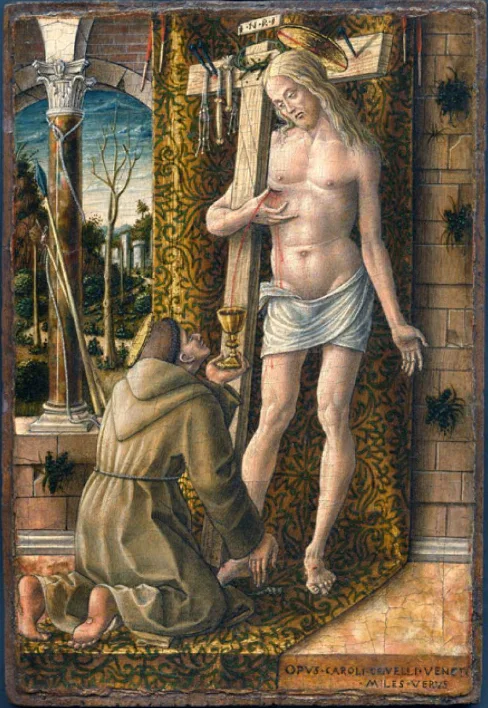
Blood of Christ
A signature lay hidden under later paint. A recent restoration uncovered it. The painter had called himself a knight. Crivelli received that title in 1490, and the word alone places this panel in the last years of his working life. Christ stands holding his cross, with nails, the crown of thorns and the whips hanging from it. His right hand points to the wound in his side, and blood pours out. Kneeling before him, Francis holds a cup and catches the stream, the stigmata clear on him. The two meet each other's eyes. A damask cloth cuts off the space behind them, and a bare tree in the landscape stands for death. Painters rarely took up this subject. In those years people argued about the nature of Christ's blood. A papal bull in 1464 ended the argument, but left believers free to keep their own personal faith. What sets this panel apart is Francis. He does not only watch. He gathers the blood himself. That was a personal idea, and it came from whoever commissioned the work, whose name is unknown. The panel was probably painted for the private devotion of a Franciscan friar.
Listen in the appCarlo Crivelli · Public domain
05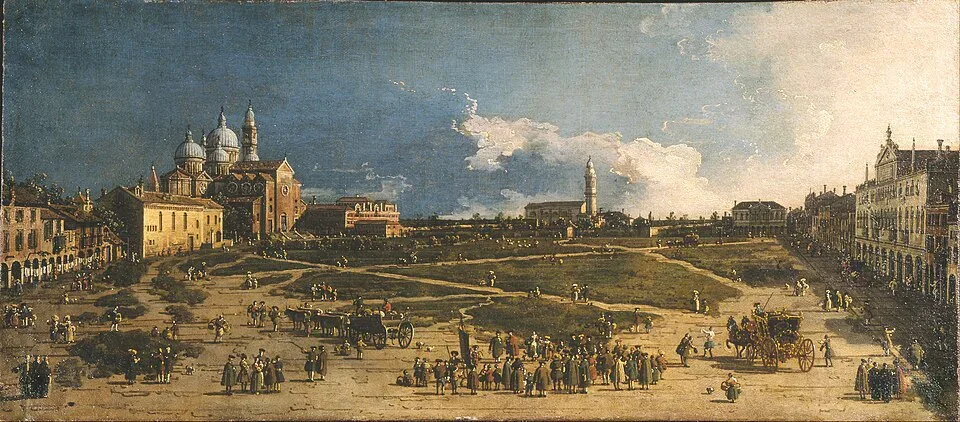
Pra' della Valle in Padua
Canaletto set out to fit this whole Paduan square into one view, at a time when it was still an open lawn. The Abbey of Santa Giustina stands at the centre, lit by afternoon sun. The porticoes on the eastern side and the bell tower of the Chiesa della Misericordia catch that same light. The large University College building sits in shadow against all that light. Small figures fill the square and bring it to life, yet the whole place stays still. The lawn, though, is gone. Grass covered this ground until the 1770s, when statues and canals took its place, and they are there today. The very name still calls it a lawn. The University College in the painting burned down in 1822, and in 1860 the Loggia Amulea went up on the spot where it had stood.
Listen in the appGiovanni Antonio Canal · Public domain
06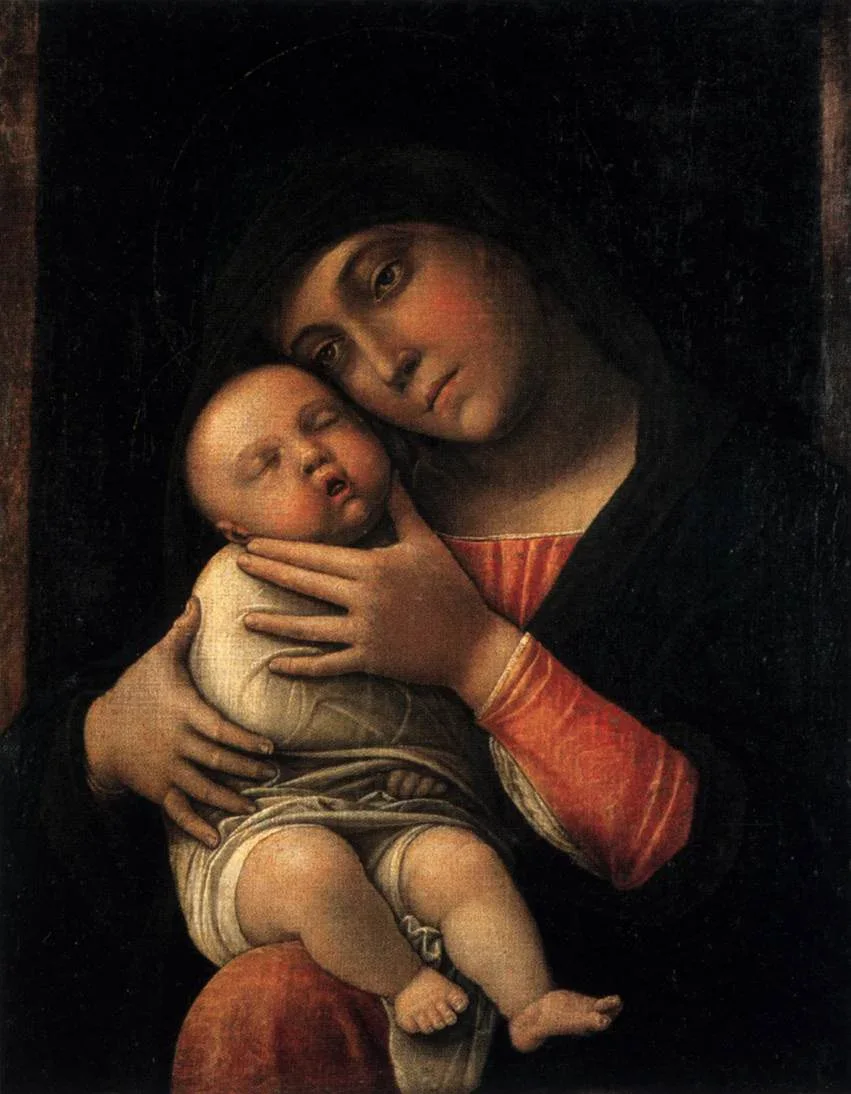
Virgin and Child
She has settled the sleeping child on her knee and touched her face to his. Her hands move over him gently. He is asleep, and perhaps she already knows what is to come. Mantegna painted this between 1490 and 1500, after he came back from Rome, as a small picture for private prayer. The white cloth around the child is not only a covering. It points to the cloth that will wrap him after he is dead. That is why her face is not happy but thoughtful and sad. The way their faces touch comes from Donatello's Pazzi Madonna. Her heavy blue veil wraps around both of them, leaving no gap, and makes the mother's protective gesture stronger. Behind her, two narrow strips are painted to look like a stone frame. They push the mother and child out toward you, so someone praying alone would feel them close.
Listen in the appAndrea Mantegna · Public domain
07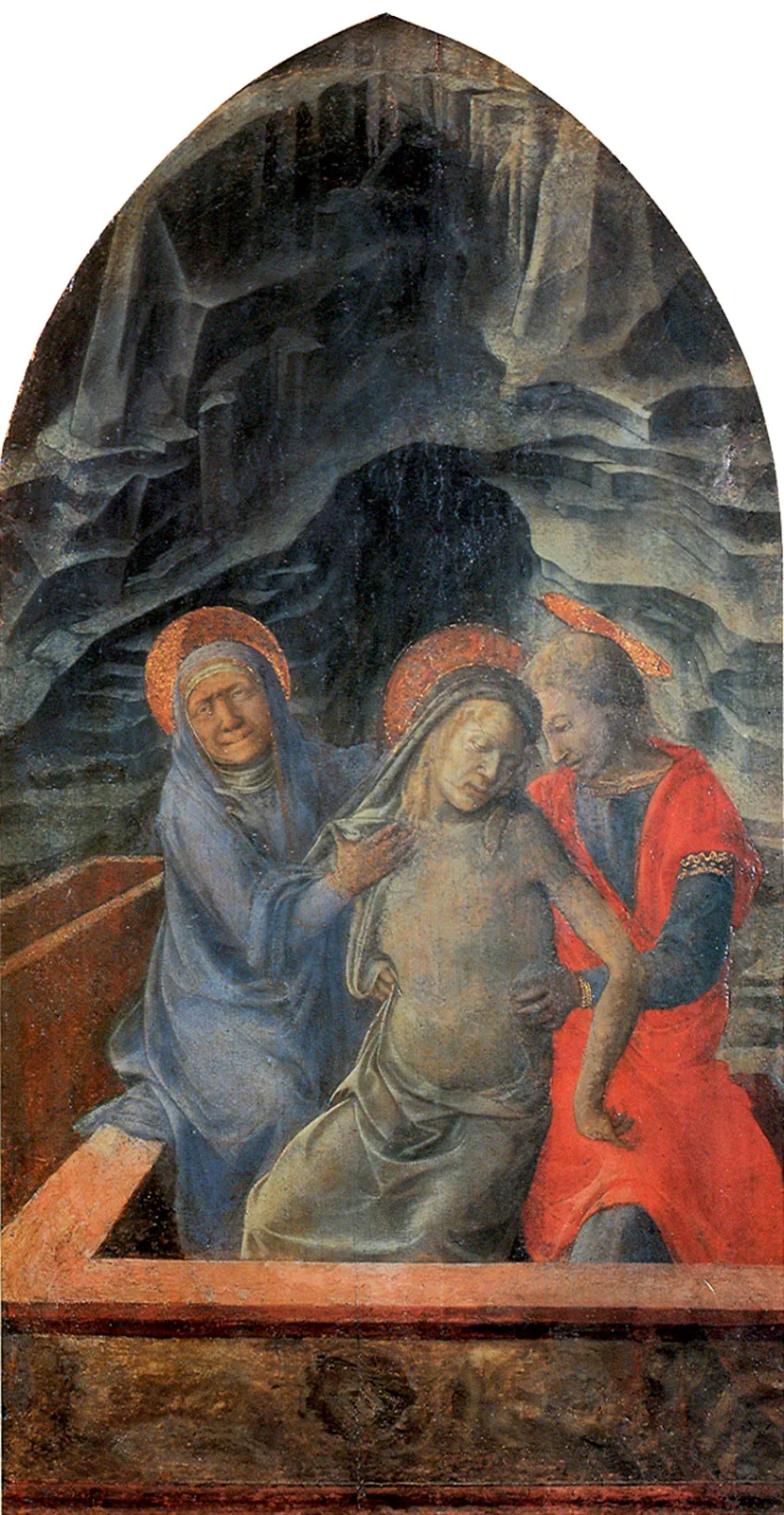
Pietà
Nobody knows where this painting came from. The first we hear of it is 1879, in the collection of the man who founded this museum. Before that, no trace. What is here is a small arched panel. Christ seems to rise from a sarcophagus, his body in a shroud that leaves his torso bare. His mother holds his head and John the Evangelist supports him at the waist. Behind them, a bare rocky landscape, and it is night. The scene is there for thinking about Christ's death. Still nothing tells us who first owned it. One guess connects it to Vasari. He wrote of a painting Lippi made for Cosimo de' Medici, meant as a gift for Pope Eugene the Fourth, then living in Florence. This could be that painting, an altarpiece for private devotion. The figures follow Donatello's reliefs, and Christ's left hand, pushed forward with the wrist bent back, may come from a Donatello sculpture now lost. For a long time it was taken for a painting from Murano. Only in 1901 was it recognized as Lippi's. Over the years it was cleaned and restored again and again, until a recent restoration brought its vivid colors back.
Listen in the appFilippo Lippi · Public domain
08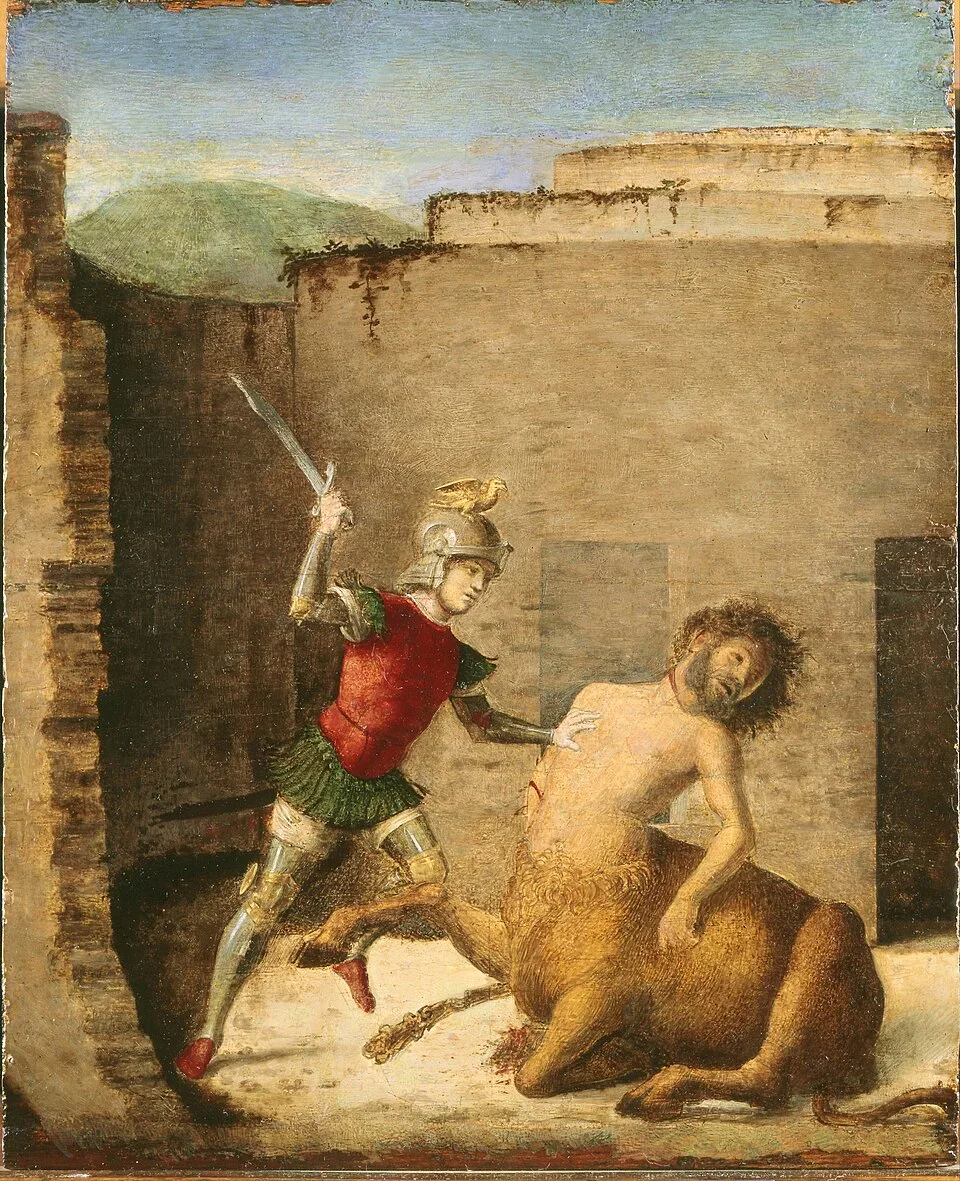
Theseus Killing the Minotaur
Theseus came to Crete to kill the Minotaur. Athens was sending seven young men and seven young women there every year as sacrifices, and he joined them to get near the beast. It lived in a labyrinth built by Daedalus. The Cretan princess Ariadne loved him and gave him a ball of thread, so he could find his way back out. There he is, over the Minotaur. The Minotaur already has a fatal wound in its neck, one knee on the ground, its upper body bent back and its face turned away. He leans further forward and lifts his sword for the finishing blow. The broken wall on the left tells you where they are. This labyrinth had no roof, only walls built in rings or a spiral. Cima gives the creature a human upper body and a bull's four legs. It looks like a centaur, not the bull-headed monster of the myth. A painted image made about twenty years before this work shows the same shape. This scene was probably painted for a wedding, on the side of a chest or the head of a bed. Theseus later took Ariadne away, but left her on Naxos, where Bacchus married her. Another panel from the same set shows that marriage.
Listen in the appGiovanni Battista Cima da Conegliano · Public domain
09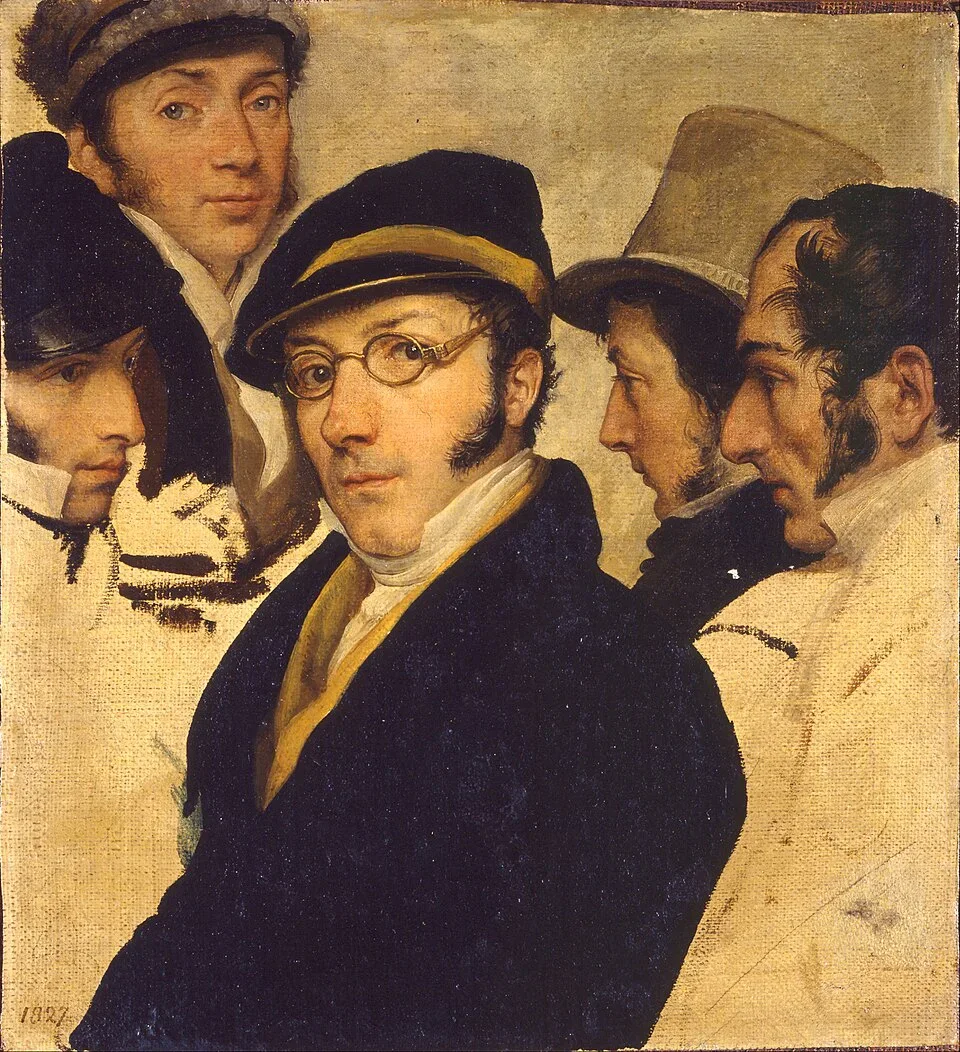
Autoritratto in un gruppo di amici
This painter put himself in the picture with four friends around him, unusual in nineteenth-century portraiture. His subject was friendship itself, and there are five people in all. The faces are where his care went. Each is worked over closely, and on his own face you can just make out the fine hair behind the shaved mustache. The clothes and bodies are barely sketched, left unfinished. The four are the painters Giovanni Migliara, Pelagio Palagi and Giuseppe Molteni, and Tommaso Grossi. They were part of the new romantic group that showed at the Brera exhibitions, and Hayez led it. Their names were only established in 1983. Palagi alone looks out toward you. That close grouping and the pose turned toward you came from a self-portrait with friends Rubens painted in Mantua between 1602 and 1604. In the lower left corner is a date written in pen, 1827, but it has traditionally not been taken as his own hand. So the year he painted this is still not known.
Listen in the appUnknown author · Public domain
10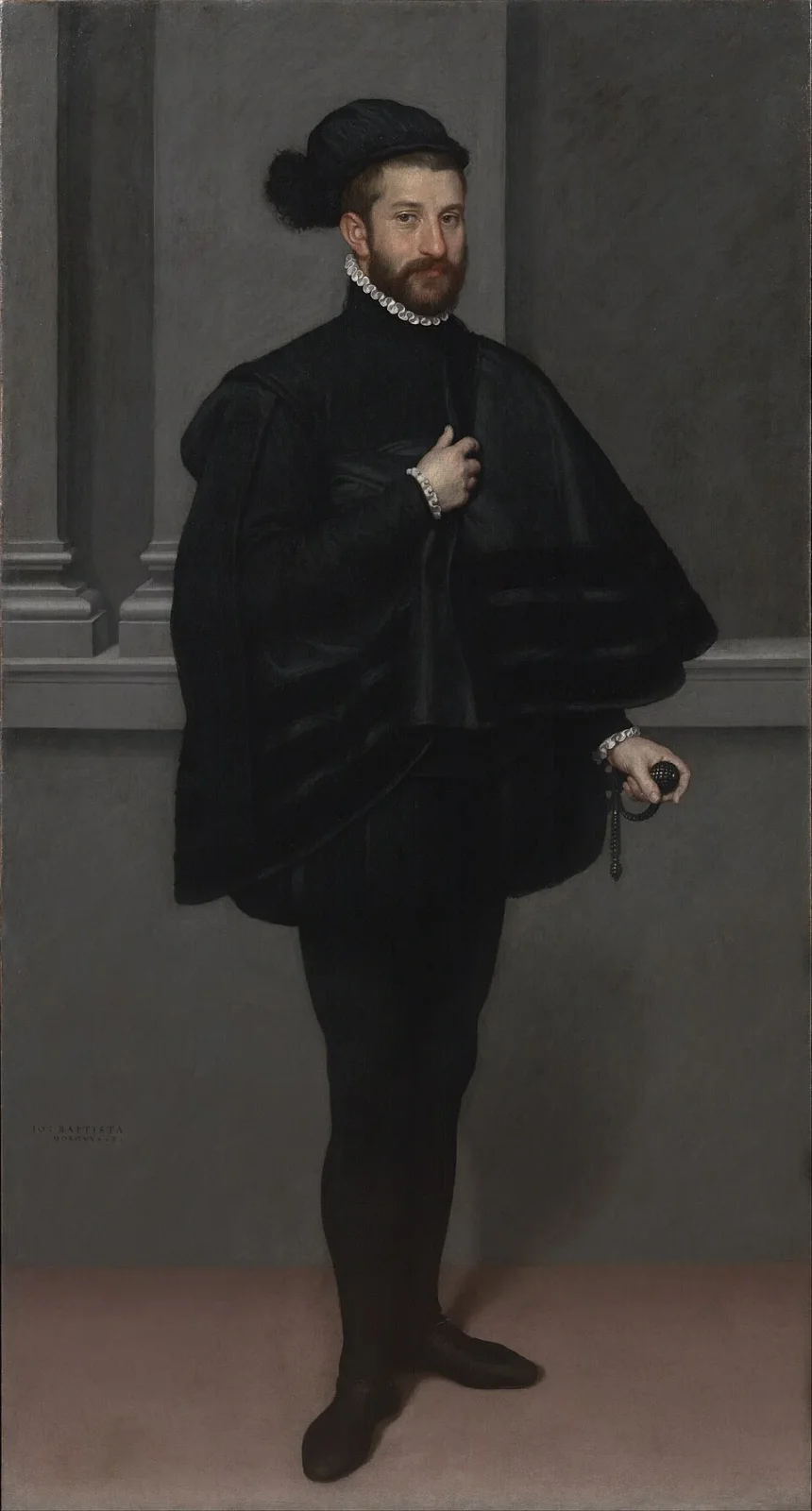
The Black Knight
On the gray wall behind him, you can just make out a shadow. It is his own, and barely there. It probably means he stands inside a house, before a wall with pilasters. He looks straight at you and smiles, with a confident air. One hand holds the hilt of a sword at his waist. The other rests on his chest. His fine black clothes follow the fashion of the time, with a white collar gathered into curls. A fine black feather on his hat shows faintly against the background. Everything about him marks a man of standing. And still, no one knows his name. This picture was carefully kept. At the end of the eighteenth century it belonged to Caterina Terzi Secco Suardo in Bergamo, and stayed in the family for years. It later went to the Moroni counts, and then to Luciano Scotti. In 1952 it came to Milan, and after ten years it was given to this museum. Through all those years, his name stayed a mystery. It was probably painted as one of a group of portraits Moroni made for the Secco Suardo family.
Listen in the appGiovanni Battista Moroni · Public domain
- 11
Profile of a Man (Mantegna)
Andrea Mantegna · 1460
- 12
Pietà
Giovanni Bellini · 1455
- 13
Portrait of a Courtesan
Palma Vecchio · c. 1520
- 14
Ritratto di uomo
Andrea Previtali · c. 1502
- 15
Portrait of a Knight of the Constantinian Order
Fra Galgario · c. 1740
- 16
Saint Jerome
Antonio Marinoni · 1520
- 17
Saint Nicholas of Tolentino
Piero della Francesca · 1454–1469
- 18
Gondolas on the Lagoon
Francesco Guardi · c. 1765
- 19
Marriage of Bacchus and Ariadne
Giovanni Battista Cima da Conegliano · c. 1505
- 20
Tersicore
Cosimo Tura, Angelo Maccagnino · 1450–1460
- 21
Trust in God
Lorenzo Bartolini · 1833
- 22
Portrait of Gian Giacomo Poldi Pezzoli
Francesco Hayez · c. 1851
- 23
The Rest on The Flight into Egypt
Andrea Solari · 1515
- 24
Madonna and Child with the Lamb of God
Cesare da Sesto · c. 1515
- 25
Portrait of a Man - Memento Mori
Andrea Previtali · c. 1502
- 26
Capriccio: Ruins and Classic Buildings
Giovanni Antonio Canal · 1730s
- 27
Self-portrait
Sofonisba Anguissola · 1550s
- 28
Portrait of a Man
Andrea Previtali · c. 1502
- 29
Porträt of Giovan Francesco Brivio
Vincenzo Foppa · 1495–1499
- 30
The Penitent St Jerome
Bernardino Luini · 1520–1525
Museo Poldi Pezzoli
Frequently asked questions
How much does the guide cost?
Free app download. Free until 1 January. Listed guide price: $0.99. Audio guide only. Venue admission is separate.
Can I listen without internet?
Yes. Download the guide’s audio, images, and maps in the app before your visit. Your downloaded content is then available offline.
Can I listen in my language?
In English for now. More languages soon.
Do I need to follow a schedule?
No. This is a self-guided experience. Choose your stops, pause whenever you like, and return to a story at your own pace.
Which artworks are in the Museo Poldi Pezzoli audio guide?
30 artworks, including Madonna of the Book (Sandro Botticelli), Lamentation over the Dead Christ with Saints (Sandro Botticelli), Portrait of a Girl (Piero del Pollaiuolo), Blood of Christ (Carlo Crivelli), Pra' della Valle in Padua (Giovanni Antonio Canal), Virgin and Child (Andrea Mantegna), Pietà (Filippo Lippi), and Theseus Killing the Minotaur (Giovanni Battista Cima da Conegliano). The full list is on this page.
Is this the museum’s official audio guide?
No. Stanza is an independent audio guide app and is not affiliated with Museo Poldi Pezzoli. Museum admission is separate.
At your own pace
Explore Museo Poldi Pezzoli.
Download Stanza, then search for “Museo Poldi Pezzoli”.
Free app download · Guide price shown in the app
Keep exploring
Nearby audio guides
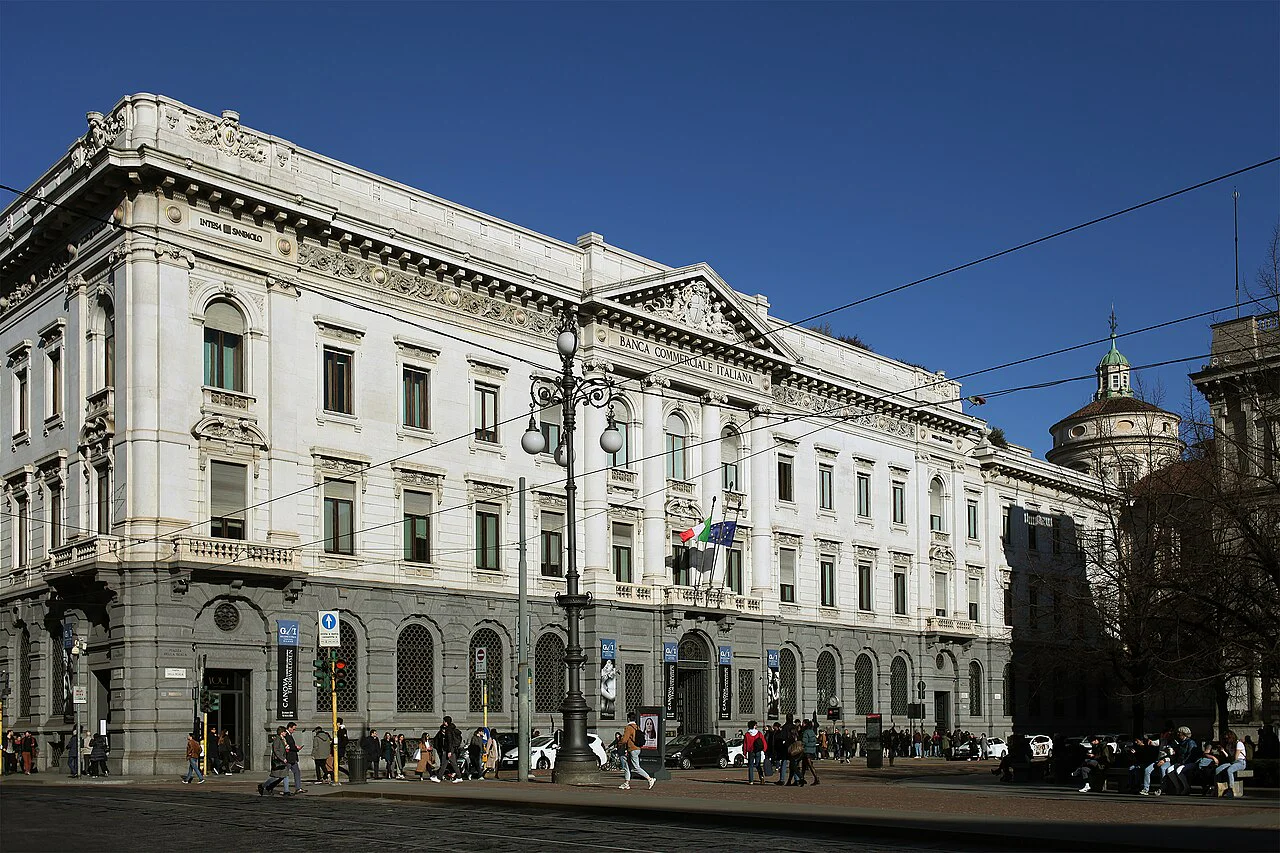
Milan · 1 km
Gallerie d'Italia - Milano
Content & sources
Photo: Paolobon140 · CC BY-SA 4.0
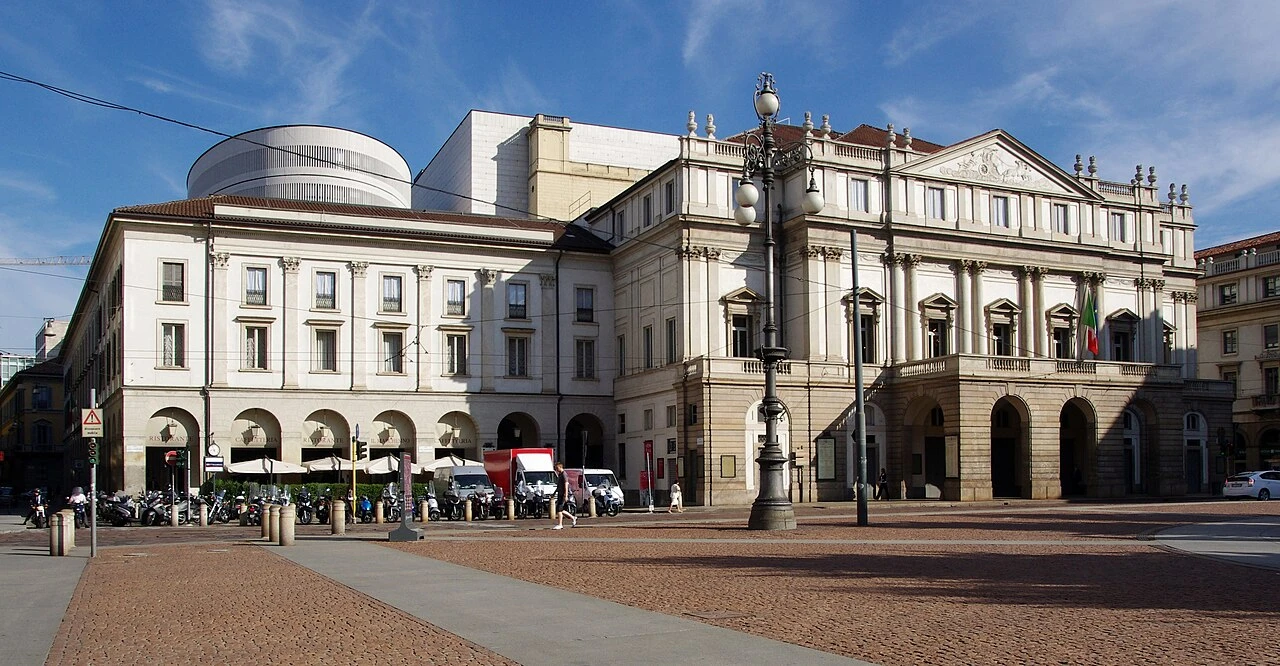
Milan · 1 km
La Scala
Content & sources
Jakub Hałun · CC BY-SA 4.0
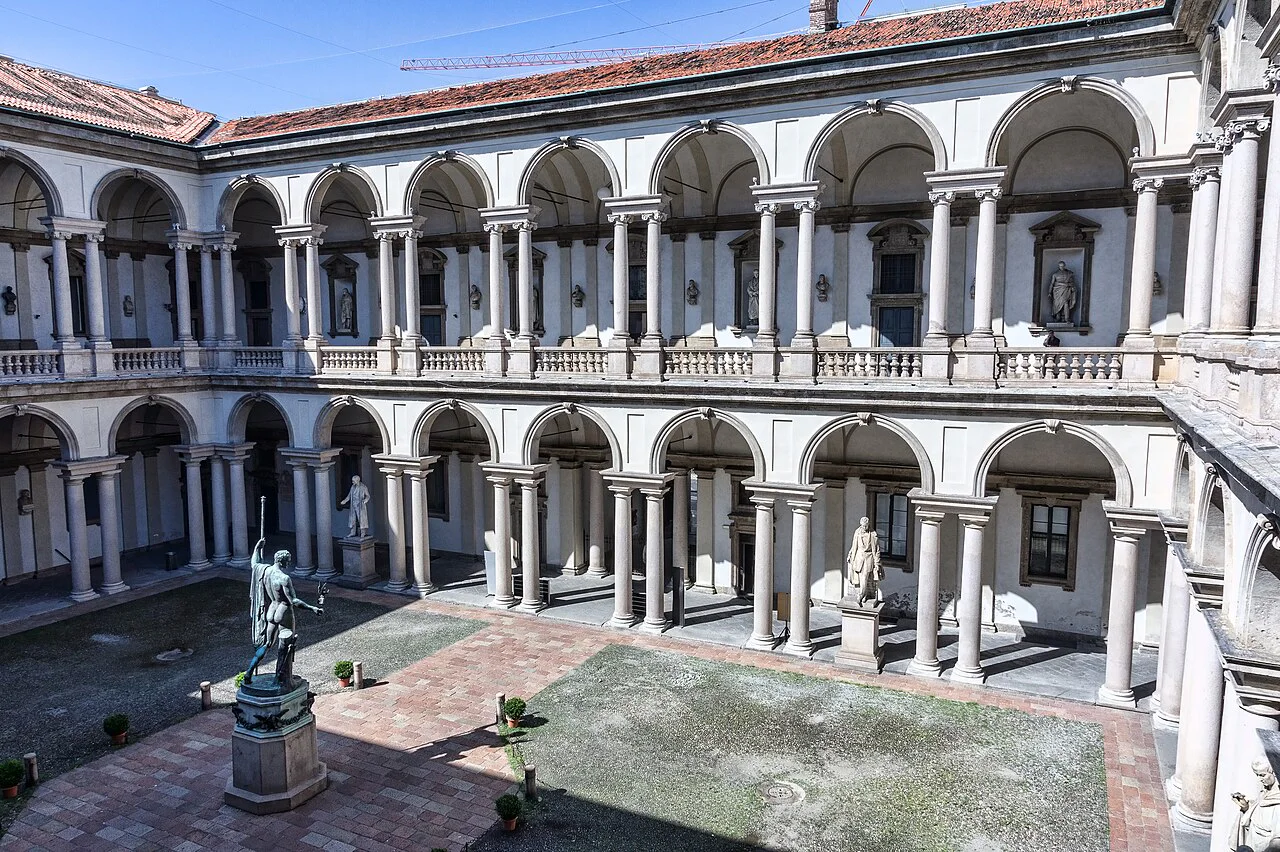
Milan · 1 km
Pinacoteca di Brera
Content & sources
Photo: Jean-Christophe BENOIST · CC BY 3.0
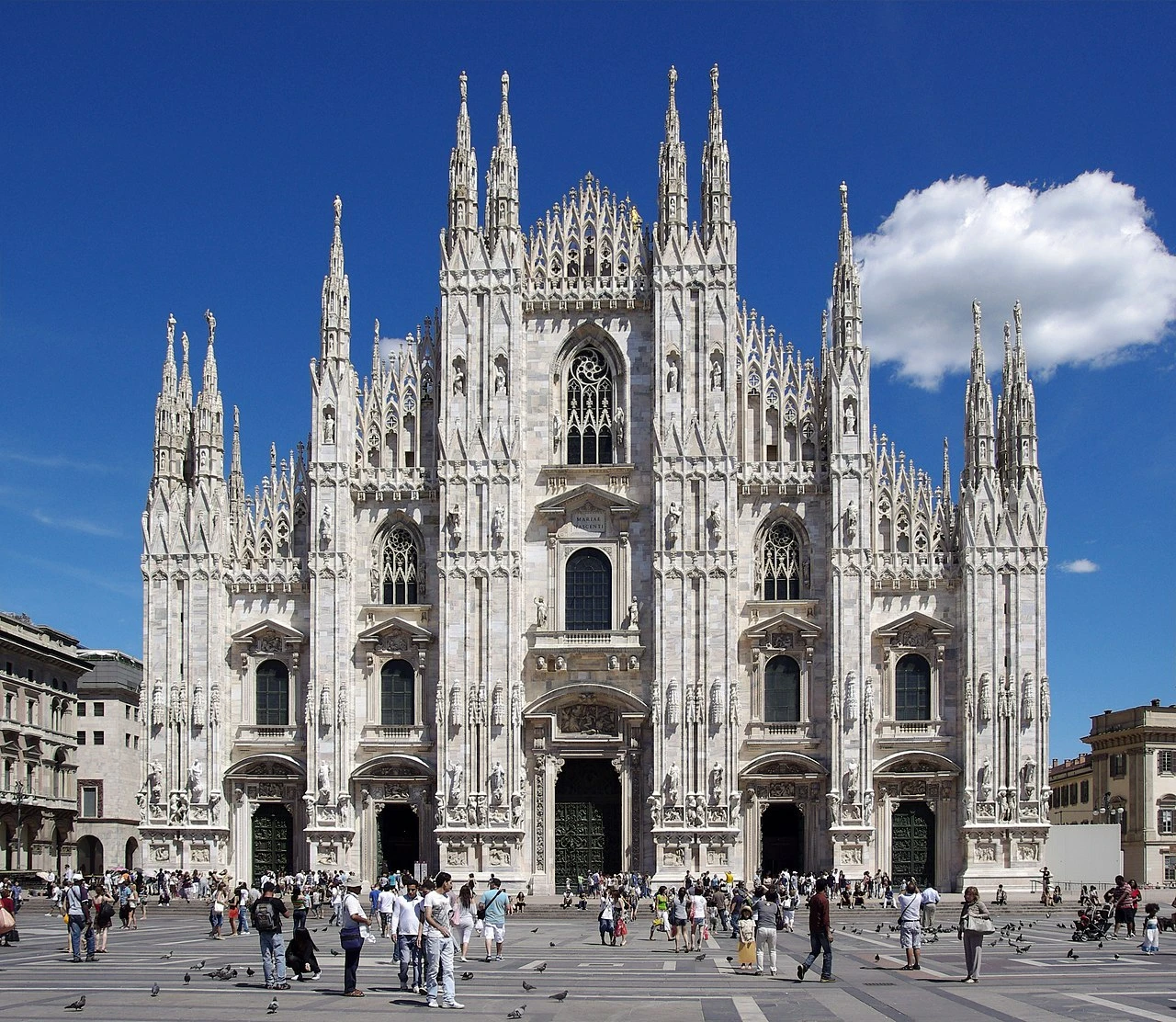
Milan · 1 km
Milan Cathedral
Content & sources
Jakub Hałun · CC BY-SA 4.0
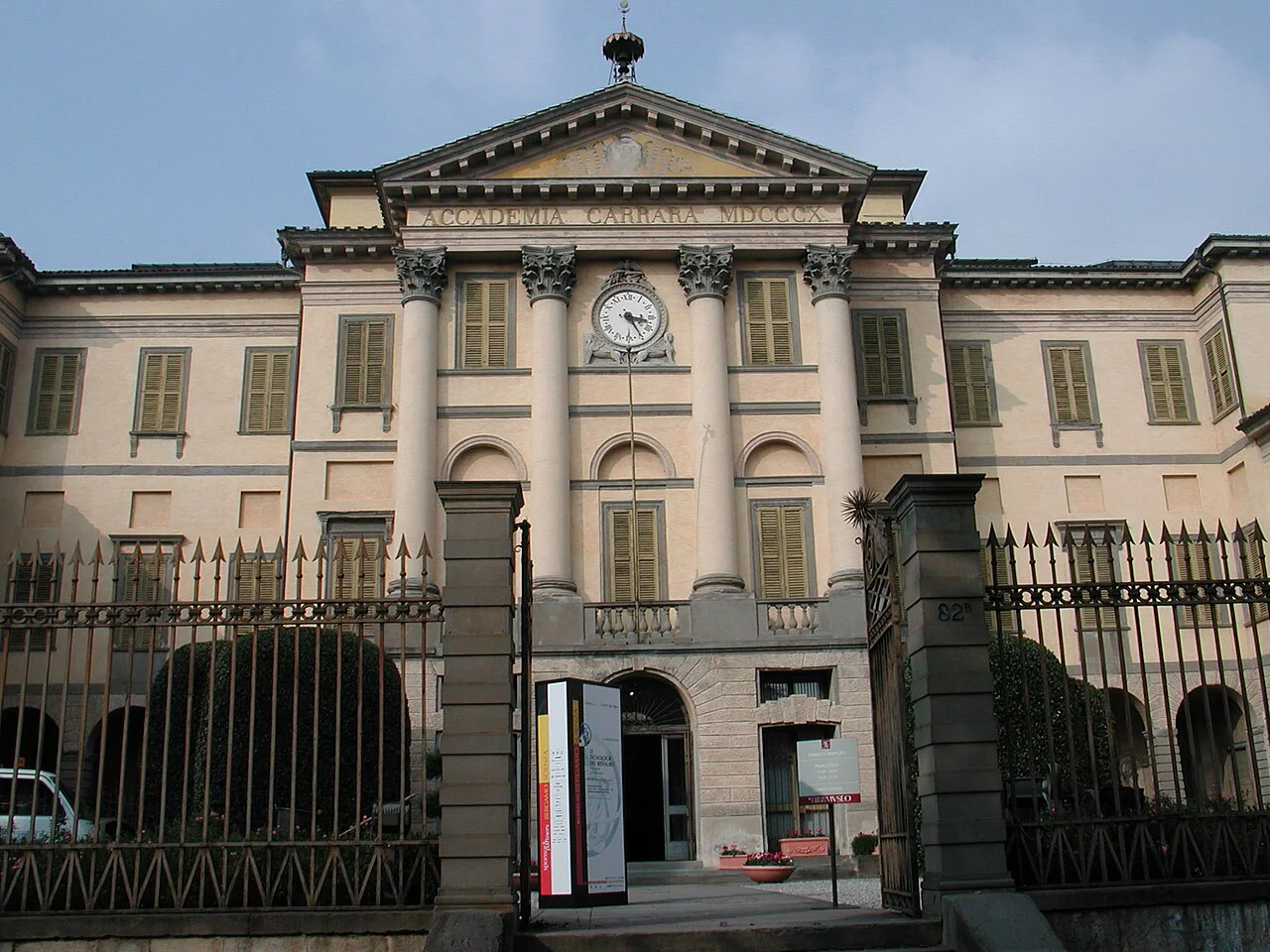
Bergamo · 46 km
Accademia Carrara
Content & sources
No machine-readable author provided. Paolo da Reggio~commonswiki assumed (based on copyright claims). · CC BY-SA 3.0
Art museums
More art museum audio guides
Milan · 87 artworks
Gallerie d'Italia - Milano
Content & sources
Photo: Paolobon140 · CC BY-SA 4.0
Milan · 137 artworks
Pinacoteca di Brera
Content & sources
Photo: Jean-Christophe BENOIST · CC BY 3.0
Bergamo · 66 artworks
Accademia Carrara
Content & sources
No machine-readable author provided. Paolo da Reggio~commonswiki assumed (based on copyright claims). · CC BY-SA 3.0
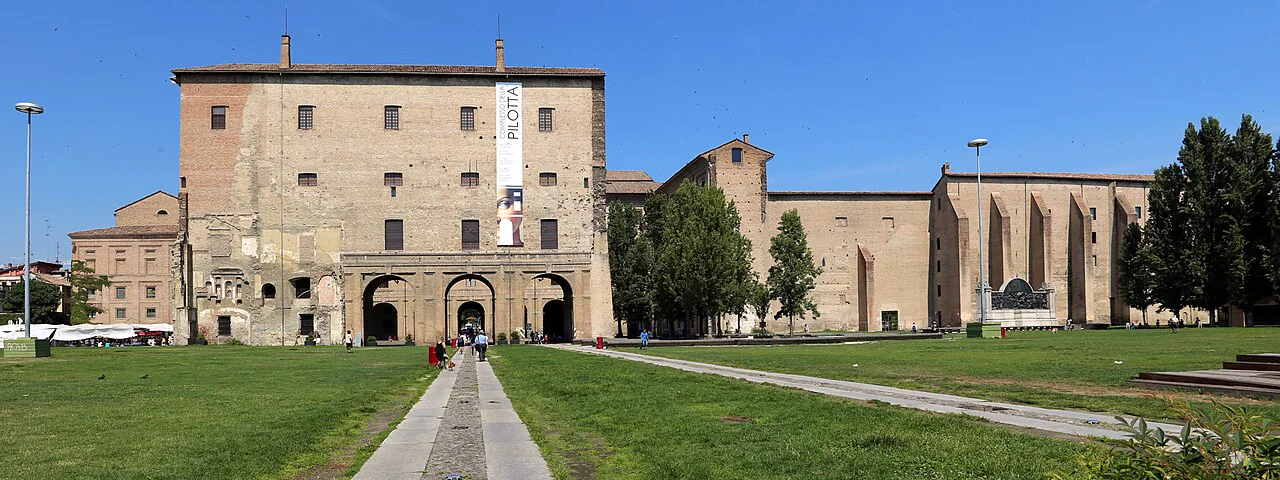
Parma · 62 artworks
Palazzo della Pilotta
Content & sources
Photo: Sailko · CC BY-SA 4.0
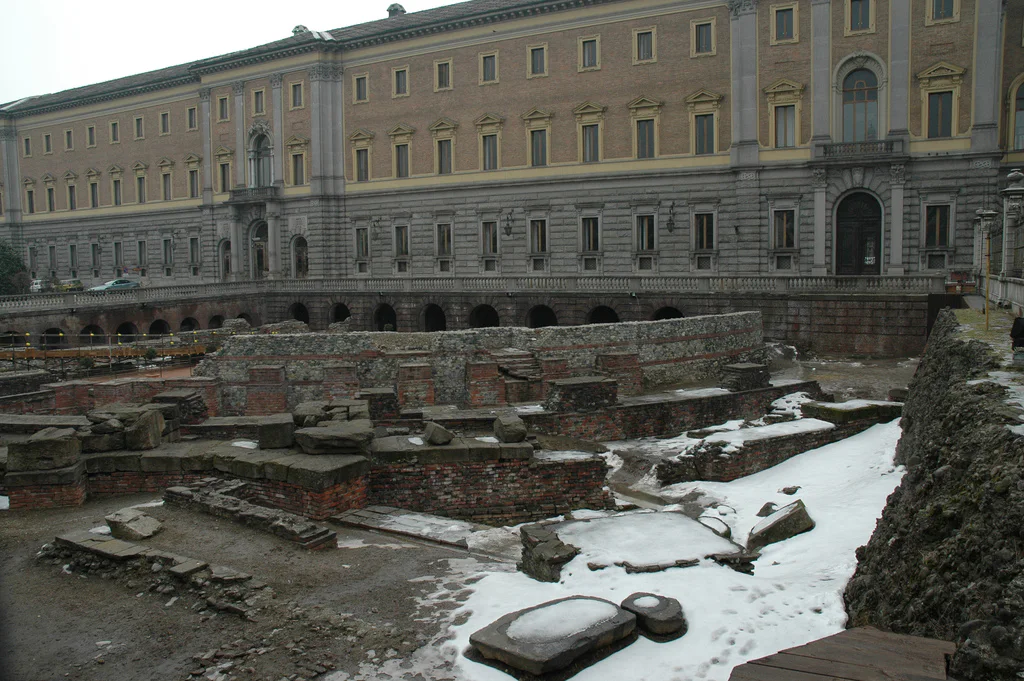
Turin · 22 artworks
Galleria Sabauda
Content & sources
Gaspa · CC BY 2.0
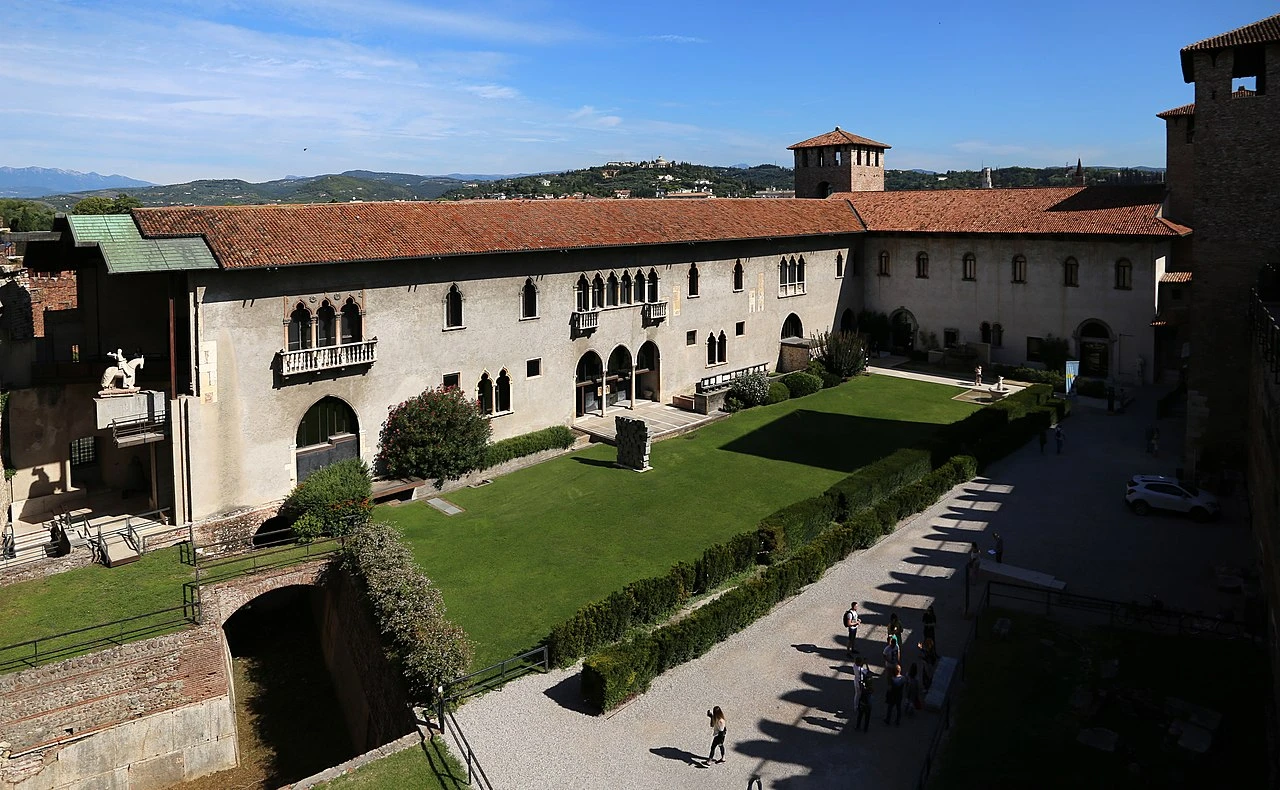
Verona · 78 artworks
Castelvecchio Museum
Content & sources
Photo: Sailko · CC BY-SA 4.0