Stanza · Audio guide
Mozia Audio Guide
A place to remember. A story to take with you.
Motya was an ancient and powerful city located on San Pantaleo Island off the west coast of Sicily. It served as an ancient Phoenician and later Greek island city.
Download Stanza, then search for “Mozia”.
About the tour
One guide. Your kind of visit.
Motya was an ancient and powerful city located on San Pantaleo Island off the west coast of Sicily. It served as an ancient Phoenician and later Greek island city.
Ready when you are.
- 01Get the free Stanza app.
iOS & Android
- 02Find your guide.
“Mozia”
- 03Download before you go.
Works offline
Audio guide / 12 narrated stops
Inside the guide
Get to know a few of the stories before you go. Open a stop to read more.
01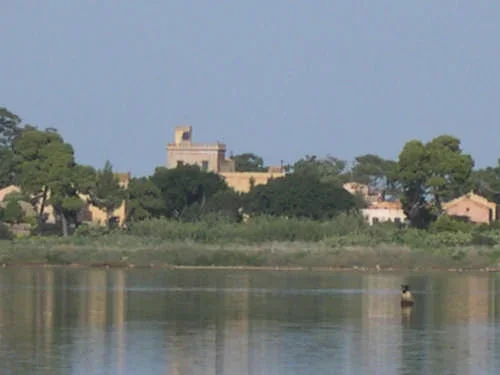 Main Boat Dock and Whitaker Villa
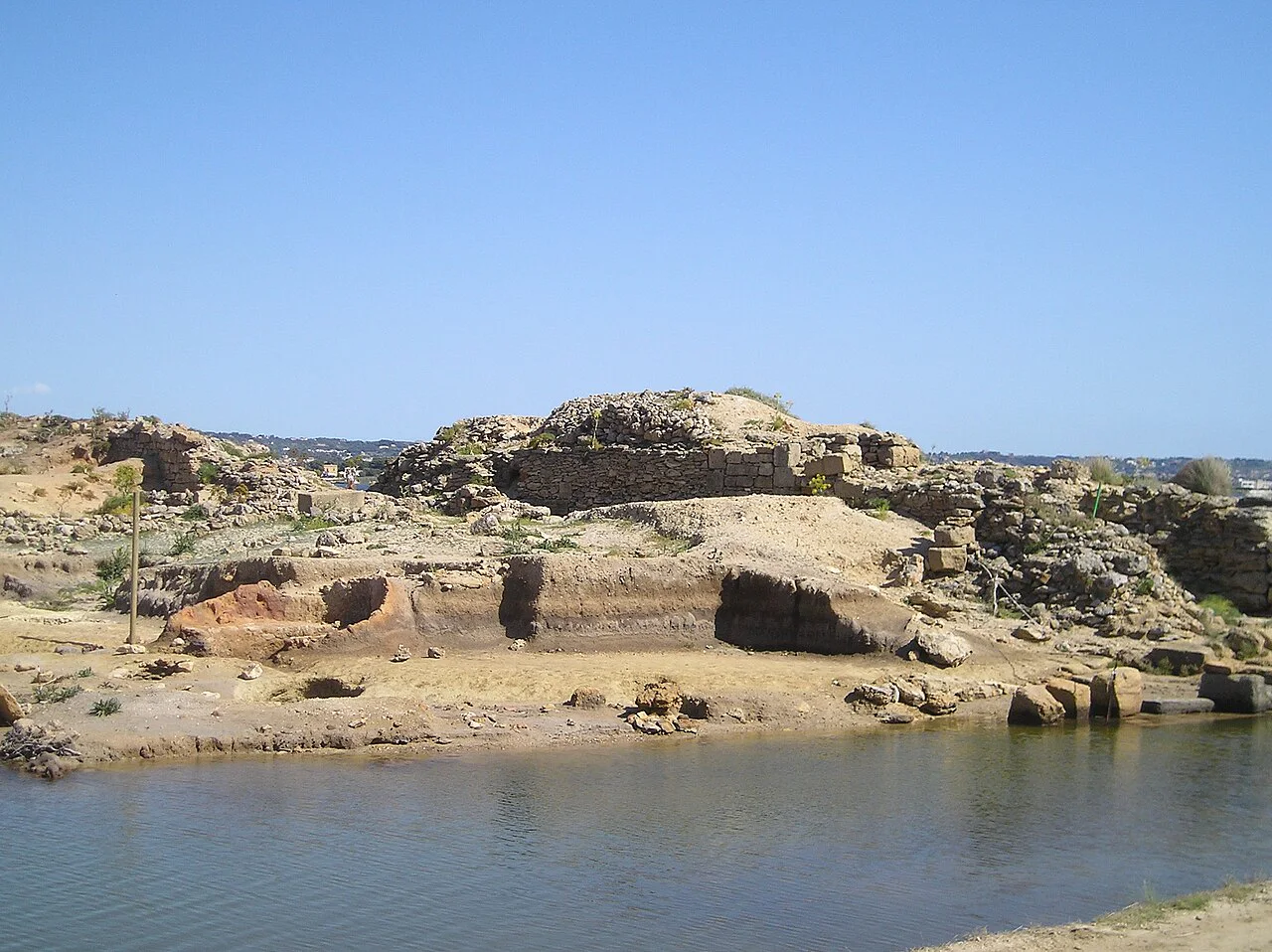
Arrival View of San Pantaleo Island
Across the water sits a low, green island, and on it the remains of one of the great trading cities of the ancient Mediterranean. Phoenician settlers founded a town here in the first half of the eighth century BC, on the island now called San Pantaleo. They were sailors and merchants from the eastern Mediterranean, and they chose the spot with care. The island lies in the Stagnone lagoon, about a kilometre from the Sicilian mainland, sheltered by a line of low islets. The shallow water made a natural defence, and the open sea beyond gave access to trade routes across the western Mediterranean. From a modest trading station the city grew into one of the wealthiest ports of its time. It raised temples, houses and fortifications, and it lasted for more than three centuries before war destroyed it in 397 BC. The lagoon that once hid the city also kept its ruins safe, and the walk ahead follows its story from the shore to the sacred heart of the island.
User:Lylybetano ? · Public domain
02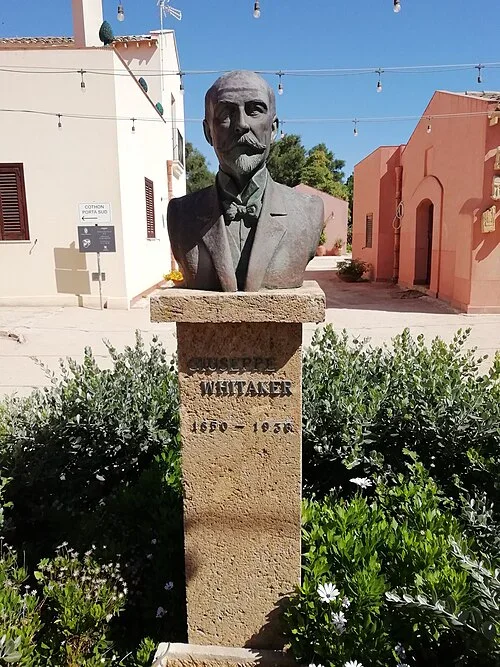 Main Boat Dock and Whitaker Villa
Bust of Joseph Whitaker
A bronze face on a stone pedestal: Joseph Whitaker, the man who brought this lost city back to light. Whitaker was an English archaeologist, heir to a family that had made its fortune producing Marsala wine in Sicily. In the early twentieth century he bought the entire island. In 1906 he launched the first proper archaeological digs here, and they ran on for more than two decades. Those campaigns brought to light the sanctuary of Cappiddazzu, part of the archaic necropolis, the House of the Mosaics, the tophet area, and the zones of the North and South Gates. Whitaker also arranged the excavated areas themselves and set up the museum on the island. Today the island and its museum remain in the care of the Whitaker Foundation, which still looks after the place his work revealed.
Photo: Luca.favorido · CC0
03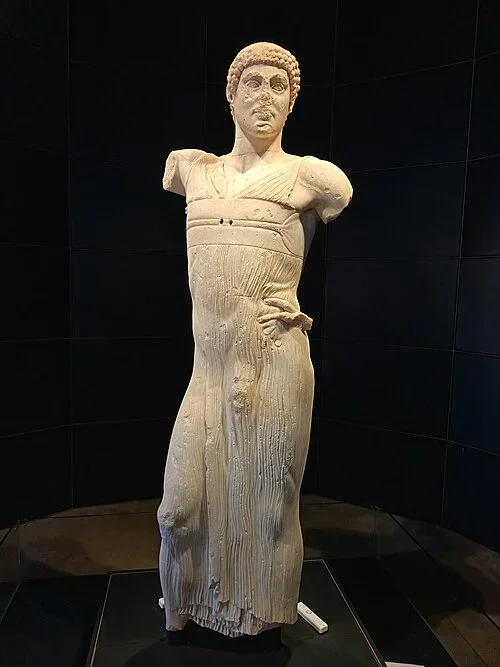 The Whitaker Museum Masterpieces
The Motya Charioteer
In clinging marble drapery stands the Motya Charioteer, a Greek statue of the fifth century BC. He shows a winner of a chariot race, a victory so costly to celebrate that only a very wealthy man could have commissioned the work. The statue came out of the ground in 1979, built into the city's fortifications. Those walls had been thrown up in haste just before Dionysius of Syracuse attacked the city. Its superb quality points to a leading Greek artist, working in the period after the Greeks defeated the Persians. Yet its style matches nothing else from that time. The likeliest explanation is that it was carried off from some Greek city that Carthage conquered in the last years of the fifth century BC. Which city it came from, and who the victor was, nobody knows.
Listen in the appDomenico_buffoni · CC BY-SA 4.0
04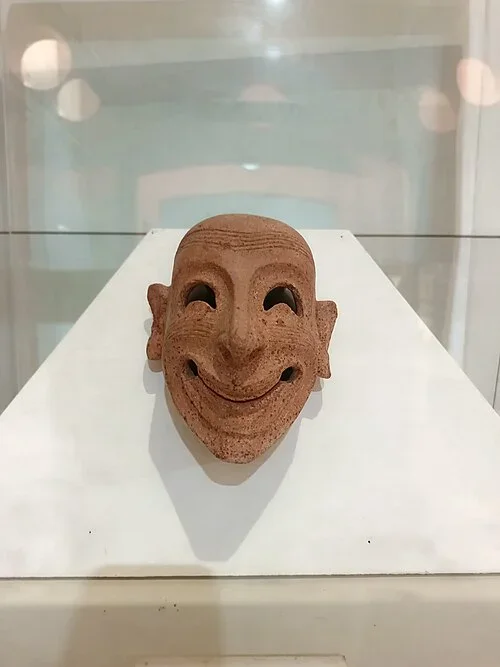 The Whitaker Museum Masterpieces
Punic Terracotta Mask
A grinning terracotta face looks out from its display case. Masks of this kind belong to the Punic world, the culture the city's people carried on from their Phoenician roots. The story of this particular piece is not recorded, but the collection around it tells a larger one. The museum holds objects showing Egyptian, Corinthian, Attic, Roman, Punic and Hellenic influences. That range is what sea trade buys: goods and ideas arriving from every shore of the Mediterranean. For one small island, it is a remarkably wide slice of the ancient world.
Listen in the appDomenico_buffoni · CC BY-SA 4.0
05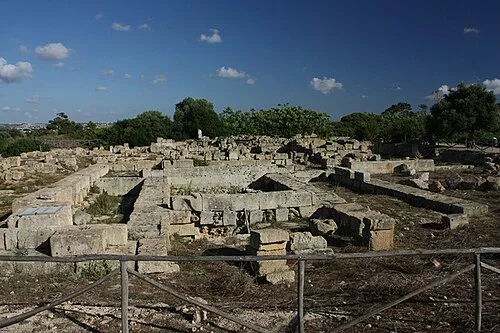 Sanctuary of Cappiddazzu and the North Gate
Sanctuary of Cappiddazzu
Out of the ground rise the low stone foundations of the sanctuary of Cappiddazzu, one of the major sacred precincts of the ancient city. The open, exposed plan gives a sense of how much ground the city's religious architecture covered. Which gods were honoured here is not settled. What is clear is the scale: a walled precinct of its own, among the first monuments cleared when serious digging began in the early twentieth century. Other sacred areas lie scattered across the island, and the largest of them all, built around a spring-fed pool, closes this walk.
Listen in the appDavide Mauro · CC BY-SA 3.0
06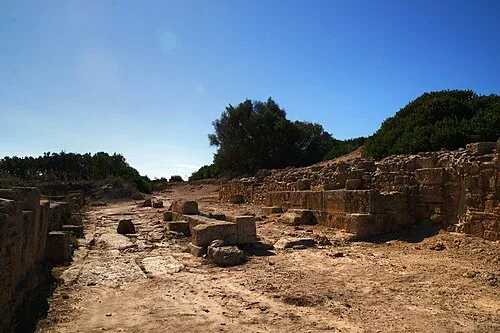 Sanctuary of Cappiddazzu and the North Gate
The North Gate
The city wall ran around the entire island, a circuit of about two and a half kilometres, best preserved along the east coast. The North Gate came to light in 1874, where a large sculpture had once ornamented a double-arched passage. It probably showed two felines attacking a bull, a sculpture now kept in the museum. The walls tell their story in four main building phases. The second phase, dated to 520-480 BC, raised the main wall on new foundations of big limestone blocks, with reddish-brown mudbrick above. Two projecting towers went up to protect the gate itself. A later phase added rectangular towers along the whole perimeter, with side staircases of carefully cut local sandstone. The wall had its limits all the same: in 397 BC it was breached, and the full story of that attack belongs down at the causeway.
Listen in the appPhoto: Mboesch · CC BY-SA 3.0
07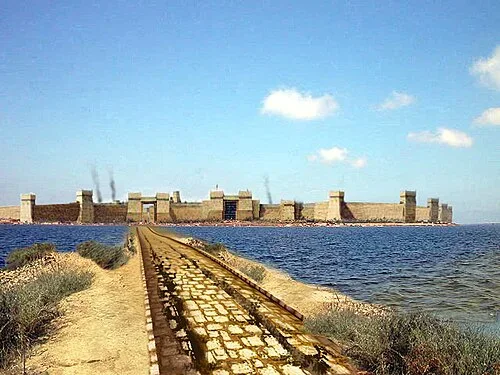 The Submerged Causeway
 and the Siege
A reconstruction shows a paved road running straight toward the walled city across open water. It pictures the ancient causeway that once joined the island to the Sicilian mainland, a road about 1.7 kilometres long over which chariots with large wheels could reach the town. In 398 BC Dionysius, the Greek tyrant of Syracuse, invaded Carthaginian territory in Sicily, and Motya stood in his path. The Motyans cut the causeway, forcing him to repair it or build a new one. He brought up his siege engines, and among them the catapult appeared in warfare for the first time. The walls and towers were breached, but the Motyans kept fighting, street by street and house to house. When Dionysius's troops finally prevailed, they put the whole population to the sword, men, women and children alike. The city fell in 397 BC, and its days as a great port were over.
Listen in the appmodificata ai sensi della licenza GFDL MM (msg) Original uploader was MM at it.wikipedia · CC BY-SA 3.0
08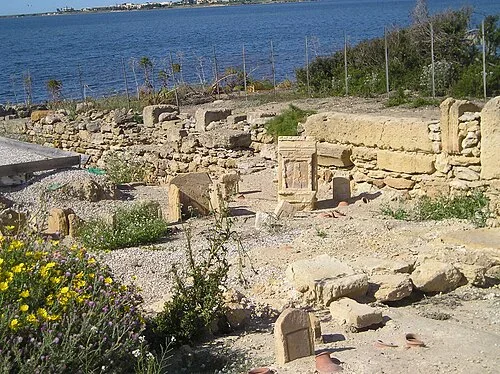 The Tophet Sanctuary and Northern Necropolis
The Tophet Sanctuary
Behind a low fence, weathered limestone stelae stand near the lagoon shore. This open-air sanctuary is the tophet, a type of cemetery where the cremated remains of children were buried, in urns set into the ground over many generations. Carved votive stelae marked the deposits. Why the children died is the oldest argument about this place. Some scholars believe they were sacrificed to the goddess Tanit or to the god Ba'al Hammon. Others hold that the tophet was simply a burial ground for infants who died naturally. The evidence does not settle the question, and archaeologists still weigh both readings. What is beyond dispute is the continuity: deposits laid down generation after generation, each one adding its urns above the last.
Listen in the appVerity Cridland · CC BY 2.0
09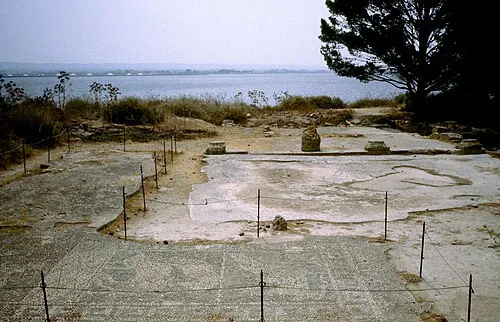 The House of Mosaics
House of the Mosaics
The destruction of 397 BC was not the end of the story. The ruins here formed a grand house on two levels, pressed right up against the city walls on the seashore. Building against the walls only makes sense if the walls no longer mattered, and by then they were ruined and out of use. Digging in 2006 at a house built against the walls brought up cooking pans, Phoenician-style vases, altars and looms. The finds showed a thriving population here long after the destruction the city is famous for, including wealthy Greeks. On the upper level of this house, a courtyard holds a floor unlike any other in Sicily.
Listen in the appNo machine-readable author provided. Samba~commonswiki assumed (based on copyright claims). · Public domain
10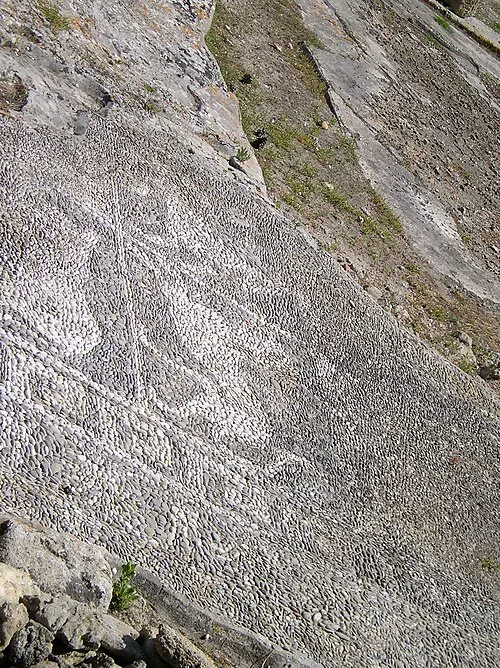 The House of Mosaics
Pebble Mosaic of the Peristyle
The courtyard of the house was paved with a pebble mosaic, the only example of its type in Sicily. It reads like a panelled carpet: a complex geometric border framing squares filled with hunting scenes. A lion attacks a bull. A bird of prey and a deer appear in other panels. The format copies mosaics known from mainland Greece and its colonies, which dates the floor to the third century BC, in the house's Hellenistic years. Whoever lived here kept the tastes of the Greek world underfoot at home.
Listen in the appVerity Cridland · CC BY 2.0
- 11
The Kothon Sacred Basin
The Kothon: a mysterious artificial lake that turned out to be the largest sacred pool of the ancient Mediterranean.
- 12
Temple of Baal by the Kothon
The temples of Baal and Astarte, sacred ground since the first Phoenician settlers arrived.
Mozia
Frequently asked questions
How much does the guide cost?
Free app download. Listed guide price: $1.99. Guide price shown in the app. Audio guide only. Venue admission is separate.
Can I listen without internet?
Yes. Download the guide’s audio, images, and maps in the app before your visit. Your downloaded content is then available offline.
Can I listen in my language?
This audio guide is available in 15 languages, including English.
Do I need to follow a schedule?
No. This is a self-guided experience. Choose your stops, pause whenever you like, and return to a story at your own pace.
At your own pace
Explore Mozia.
Download Stanza, then search for “Mozia”.
Free app download · Guide price shown in the app
Keep exploring
Nearby audio guides
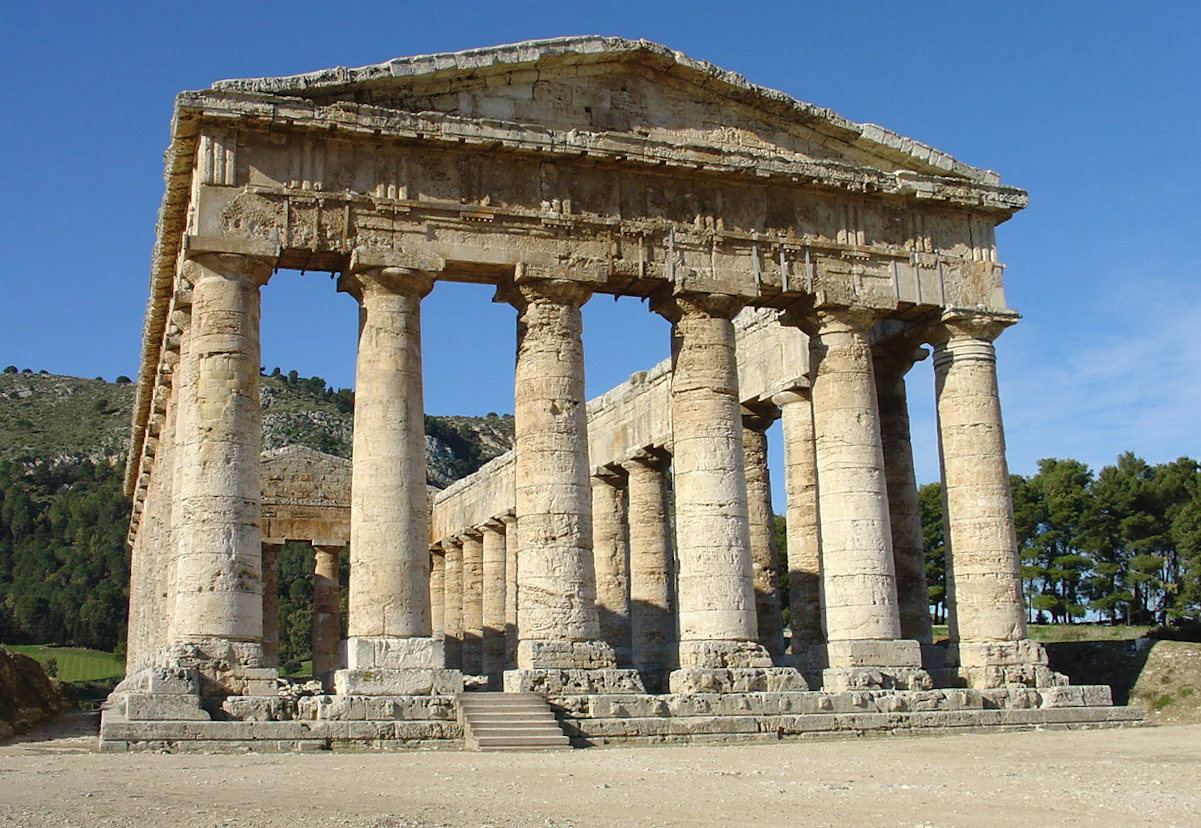
Calatafimi-Segesta · 33 km
Segesta
Content & sources
Photo: Ptyx · Public domain
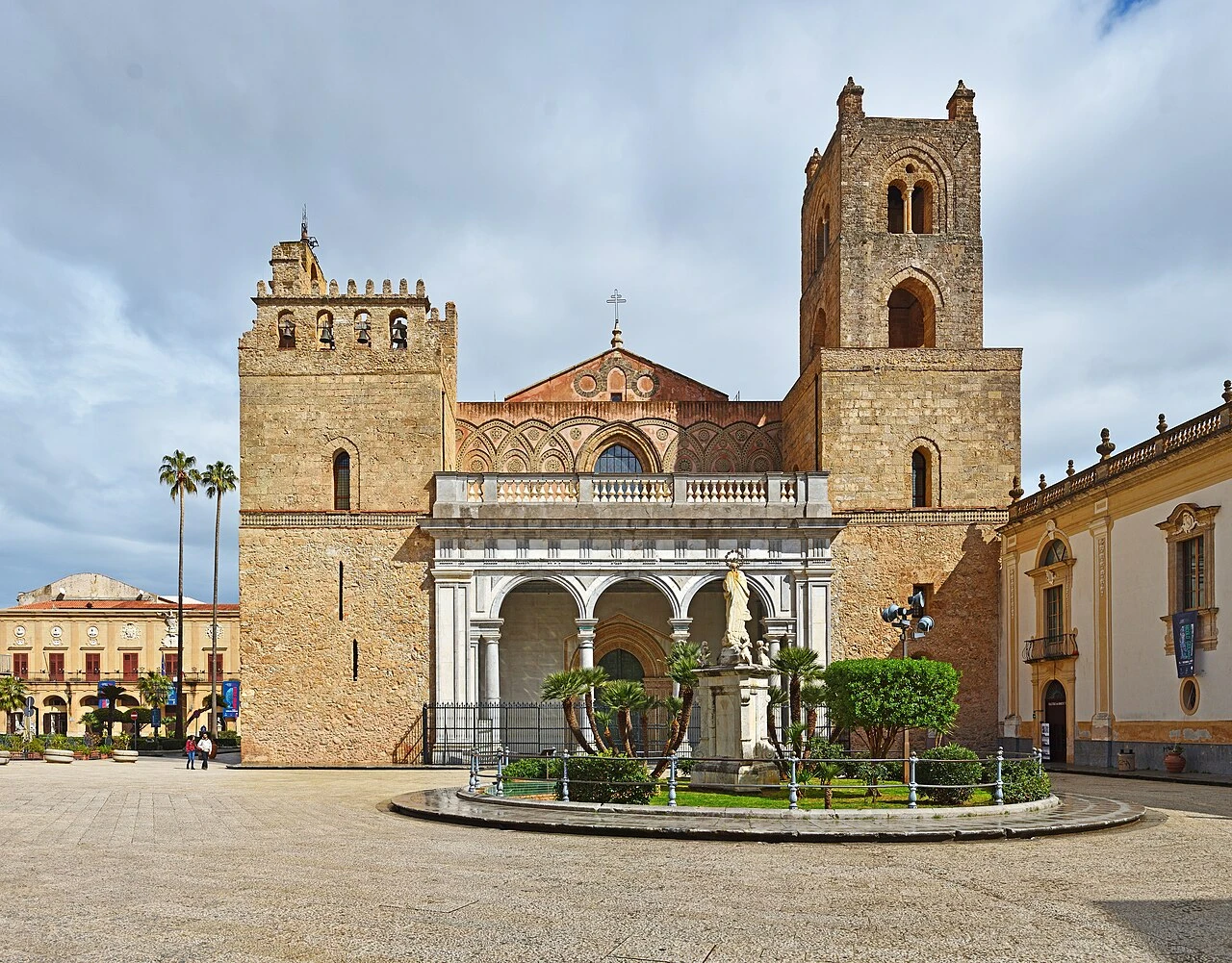
Monreale · 76 km
Cattedrale di Monreale
Content & sources
Photo: Ludvig14 · CC BY-SA 4.0
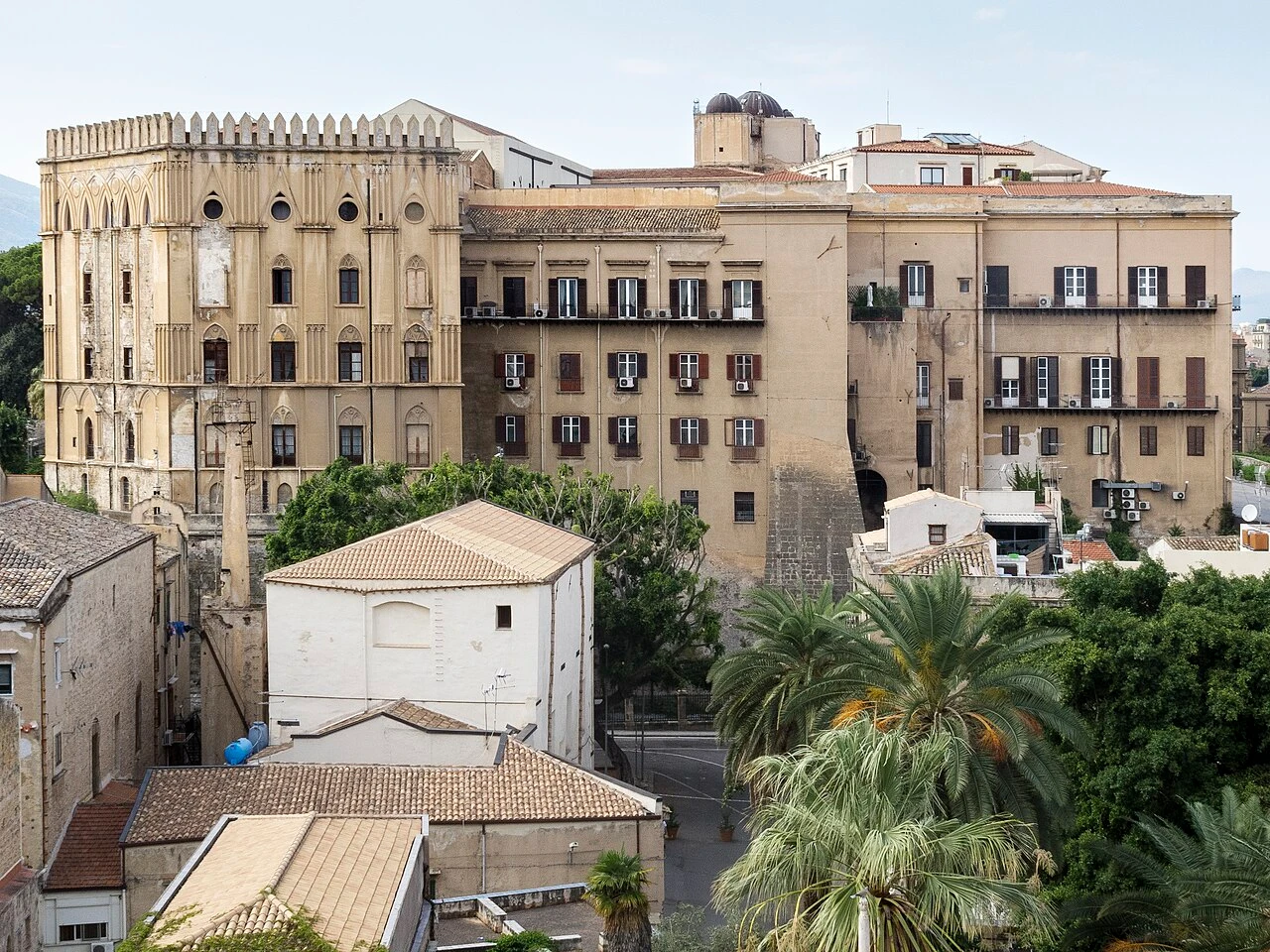
Palermo · 82 km
Palazzo dei Normanni
Content & sources
Photo: Jules Vaulont · CC BY-SA 4.0
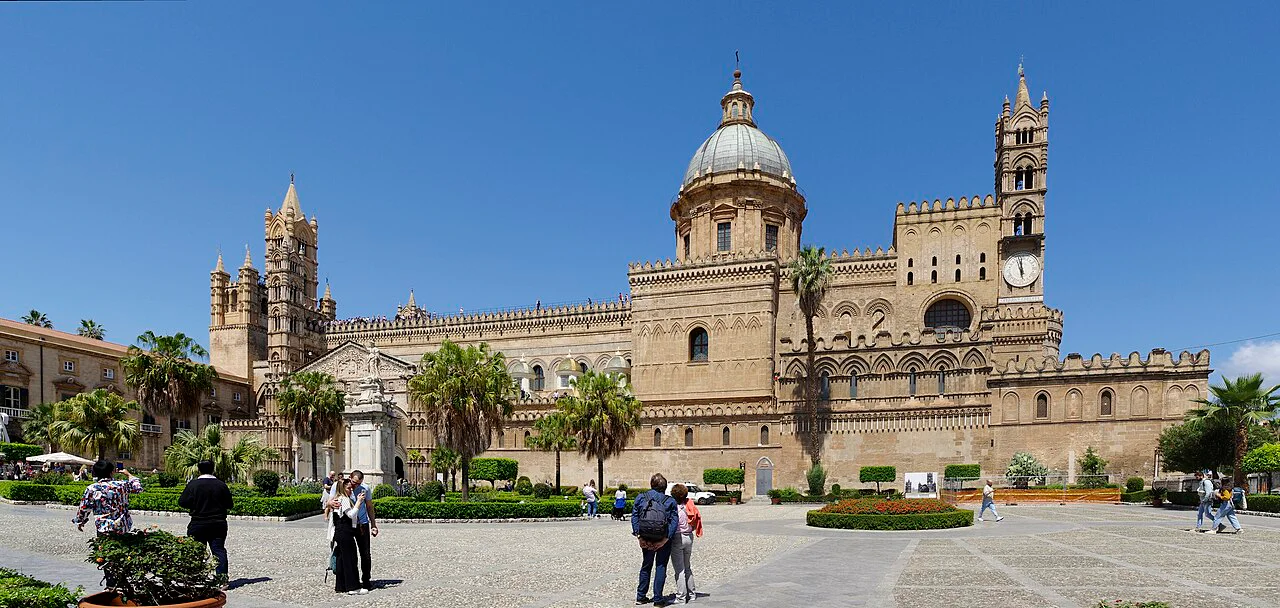
Palermo · 82 km
Cattedrale di Palermo
Content & sources
Photo: Berthold Werner · CC BY-SA 4.0