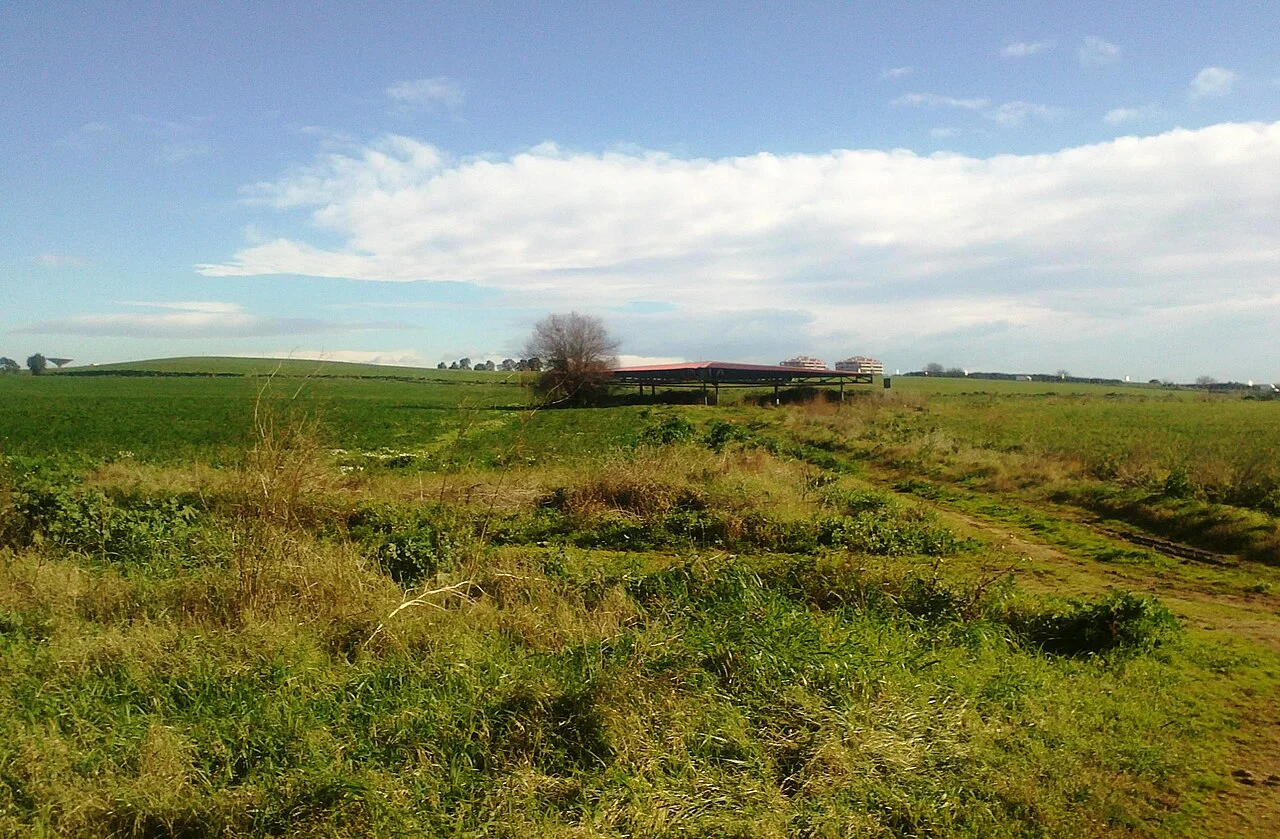
Stanza · Audio guide
Lavinio Audio Guide
A place to remember. A story to take with you.
Lavinium was a port city of Latium located 6 km south of Rome. It served as the only port between Ostia and Antium at the mouth of the Numicus river.
Download Stanza, then search for “Lavinio”.
About the tour
One guide. Your kind of visit.
Lavinium was a port city of Latium located 6 km south of Rome. It served as the only port between Ostia and Antium at the mouth of the Numicus river.
Ready when you are.
- 01Get the free Stanza app.
iOS & Android
- 02Find your guide.
“Lavinio”
- 03Download before you go.
Works offline
Audio guide / 12 narrated stops
Inside the guide
Get to know a few of the stories before you go. Open a stop to read more.
01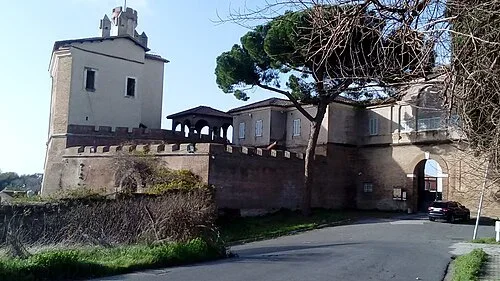 The Medieval Gate of Pratica di Mare
Welcome to Lavinio, an ancient city hiding inside a living village. The gateway and tower belong to Pratica di Mare, a walled medieval settlement built on the site of ancient Lavinium. People have lived on this spot without a real break from antiquity to today, and the remains of the old city still surface in the fields around. The castle beside the gate is the Castello Borghese, bought along with the whole village in 1617 by Marcantonio Borghese and renovated many times since. Some think the castle stands where the Roman citadel once stood, though that remains a possibility rather than a certainty. The gate carries a story of its own. Livy tells how Titus Tatius, who ruled Rome jointly with Romulus, let his relatives abuse ambassadors from the nearby town of Laurentum who had come to Rome. When the Laurentes complained, Tatius sided with his kin. Later he came here to celebrate an anniversary sacrifice, and the crowd killed him. Romulus refused to go to war, and instead renewed the treaty between Rome and Lavinium. From the very beginning, this was a city people travelled to, not one they left.
Photo: Valentino74 · CC BY-SA 4.0
02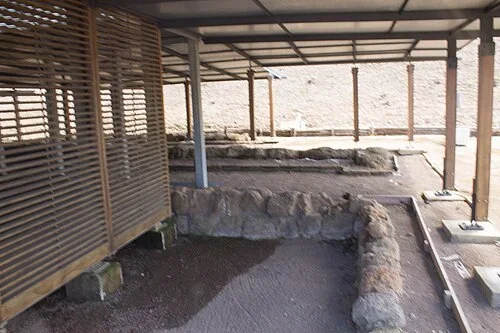 The Archaic Building and Sacred Springs
The Archaic Building on the Acropolis
Long before Rome mattered, Lavinium was already a power in Latium. Recent excavations to the south date the city to well before the legendary foundation of Rome. It was fortified by the seventh century BC, and a century later it was flourishing, one of the main centres of the Latin peoples. The building preserved under this shelter belongs to that archaic phase, when the acropolis held the city's early civic and religious life. Its exact purpose has been debated, and the excavations leave it open. The political turning point came in 338 BC. The Latin War ended, the Latin League dissolved, and Lavinium renewed a treaty with Rome. On paper it was a religious pact; in substance, it bound the Latins together under Roman leadership. Direct intervention by the Roman state followed, and archaeology shows it: the city gate was rebuilt, and the forum area was replanned on a new layout. Around the same time, scholars argue, Rome fixed its official doctrine of origins, the sequence that ran from Lavinium to Alba Longa to Rome. The old city had entered Rome's orbit, but it kept something no other Latin town had, and later stops will show what.
Photo: Saverio.G · CC BY-SA 4.0
03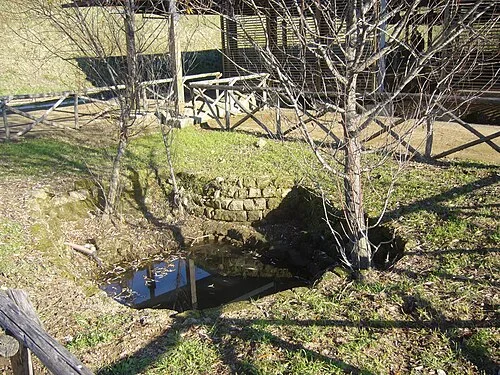 The Archaic Building and Sacred Springs
The Sacred Spring beside the Archaic Building
Beside the archaic building, a spring still holds its water in a small basin lined with stone. In the cities of archaic Italy, springs and water sources commonly sat at the heart of religious life. Water marked the places where communities met their gods, and many sanctuaries grew up around exactly such basins. Nothing is recorded about the rites or the deity attached to this particular pool. What can be said is that Lavinium was a deeply religious city. Its excavations have brought to light sanctuaries, altars and votive deposits across the site, and water was very likely part of that sacred geography. The trees now lean over the pool, and the water barely moves.
Listen in the appPhoto: Luca Paonessa · CC BY-SA 4.0
04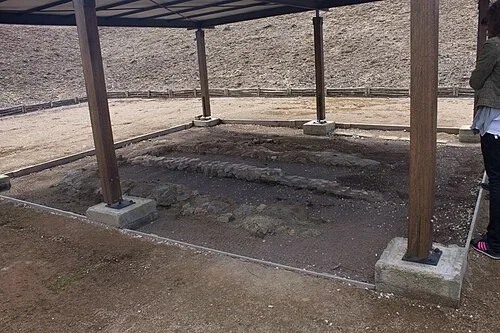 The Ancient Kilns (Fornaci)
The Ancient Kilns
Within the perimeter of the ancient city walls, archaeologists have identified a number of kilns. Their low structures of brick and stone survive under this protective shelter, laid out in long parallel lines on the bare ground. A kiln district inside a city tells you something important about how the place worked. Firing clay is heavy, hot, smoky work, and here it happened on site, close to the people who needed the finished pieces. Lavinium was a city of sanctuaries, and sanctuaries consumed enormous quantities of fired clay, from votive figures to decorated architecture. The dating of these particular kilns and the full range of goods they produced are not fixed by the evidence, so the safest reading is the plainest one: this was a working production quarter, embedded in a sacred city.
Listen in the appPhoto: Saverio.G · CC BY-SA 4.0
05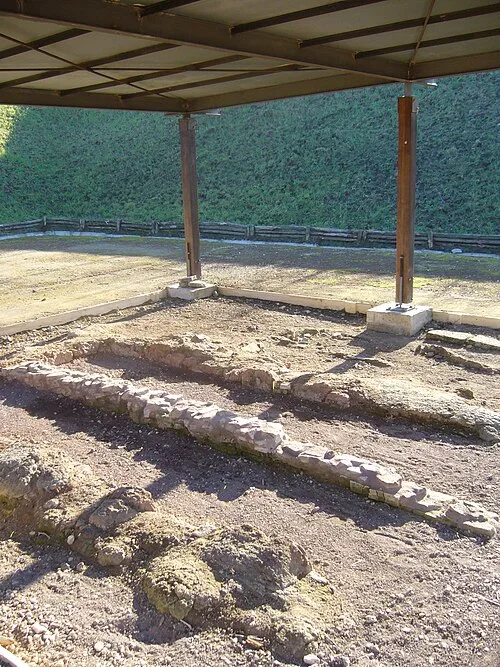 The Ancient Kilns (Fornaci)
Resti delle Fornaci - What the Kilns Made
Follow the line of these low stone walls and the production quarter comes into focus. Lavinium's sanctuaries and votive deposits have yielded an abundance of fired clay, and the quantity alone suggests a steady local supply. One caution belongs in the story: nothing in the evidence states outright that these kilns fired the terracottas found in the sanctuaries. The simplest way to hold the idea is this: Lavinium manufactured its own piety, from raw earth to offerings, within its own walls.
Listen in the appPhoto: Luca Paonessa · CC BY-SA 4.0
06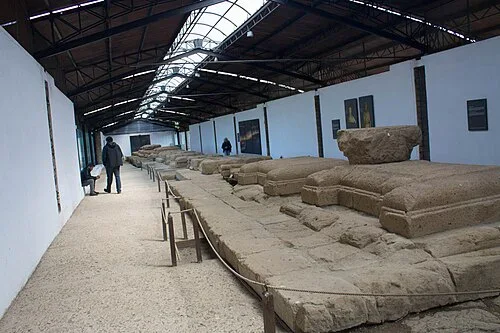 The Sanctuary of the Thirteen Altars
Thirteen altars, each cut from massive blocks of tufa, stand aligned in a single straight row running north to south. The oldest of them date to the late sixth century BC, which makes this one of the most important religious discoveries of the ancient Mediterranean. Nothing quite like it exists elsewhere. The row stretches down the length of this covered space, altar after altar, all facing the same way, all built to the same purpose. Today the whole sanctuary sits under a protective roof, with the altars preserved in their original positions. And there is a recent twist: a fourteenth altar has been identified a short distance from the original thirteen, so the row was even longer than the number in its name suggests. Why the altars were set in so precise an alignment is a question the excavations have not answered. What the stones do show is scale, order, and a great deal of shared money and effort.
Listen in the appPhoto: Saverio.G · CC BY-SA 4.0
07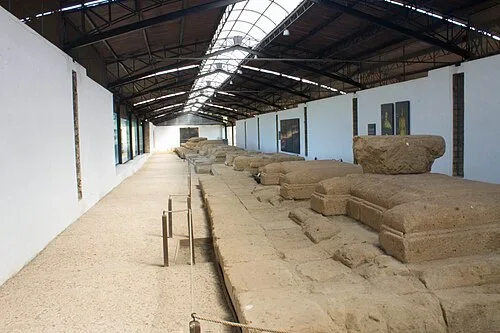 The Sanctuary of the Thirteen Altars
A Federal Sanctuary of the Latin Peoples
What were thirteen altars for? The scholar Ferdinando Castagnoli identified this sanctuary with the common Latin sanctuary of Venus, the Aphrodision that the geographer Strabo recorded near the coast. Two explanations exist for the crowd of altars, and both are scholarly hypotheses rather than settled answers. One connects the multiplicity to the federal character of the cult, with each altar serving a different community of the Latin peoples. The other points to the festival calendar: several altars would allow simultaneous sacrifices on the great holy days, when many peoples offered at once. Either way, this was worship on a shared scale. The sanctuary's most precious find is a small bronze plaque, dated around 500 BC, inscribed with a dedication to the Dioscuri, the divine twins. The archaic Latin reads Castorei Podlouqueique qurois, to Castor and Pollux, the sons of Zeus. It counts among the oldest documents of the Latin language anywhere, and it shows the cult arriving directly from the Greek world at almost the same time it reached Rome. A second bronze inscription from the area records the rules for sacrifices to Ceres.
Listen in the appPhoto: Saverio.G · CC BY-SA 4.0
08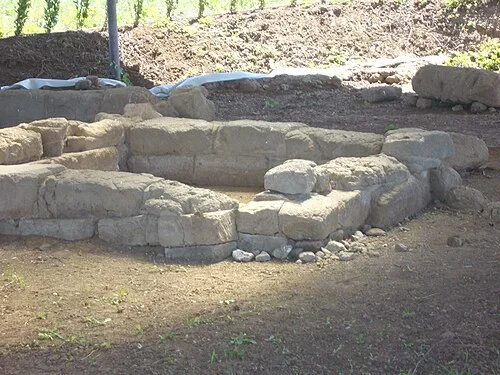 The Heroon of Aeneas
 - Building the Hero's Shrine
These weathered blocks of tufa hold one of the site's hardest questions. What became a hero's shrine began as something older: a tumulus burial of the seventh century BC, a mound raised over a grave. At the end of the fourth century BC it was remodelled into a heroon, a monument for a hero, and it came to honour Aeneas, the Trojan figure the Romans held divine. Beneath the monument lay a box tomb, a plain chest-like burial. A recent proposal by Alessandro Maria Jaia links the person buried there to the builder of the city's earliest defensive circuit, the man who raised Lavinium's first walls. It is a tempting idea, but a proposal, not an established fact. And one caution matters more than the rest: this is not properly a tomb of Aeneas. Scholars call it a cenotaph, an empty monument, because the connection with the hero grew out of a cult process that came long after the burial. Whoever was laid here first, the city later decided the spot belonged to a god.
Listen in the appPhoto: Luca Paonessa · CC BY-SA 4.0
09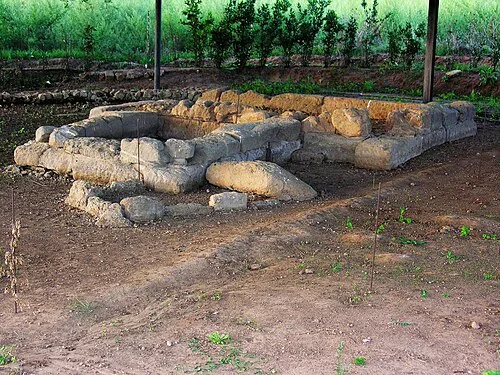 The Heroon of Aeneas
Tradition says Aeneas fled burning Troy and, after long wanderings, landed on the Latin coast. He fought a war against Turnus, leader of the local Rutuli, and founded a city in the land of the Laurentes. He named it after Lavinia, daughter of King Latinus, whom he married. From that marriage, through the kings of Alba Longa, came the line that produced Romulus and Remus. Lavinium, not Rome, was the first city of the story. The founding carried its own omen. A prophecy ran: where a white sow casts thirty piglets under an oak tree, a new city shall be built. A bronze statue of the sow stood in the forum of Lavinium, and centuries later the image appeared on Roman silver coins. This mound is the monument built for the hero at the centre of that story. Ancient sources connected it with the place where Aeneas vanished, at the river Numicus, and he was worshipped here as Pater Indiges.
Listen in the appPhoto: Gloria Galante · CC BY-SA 4.0
10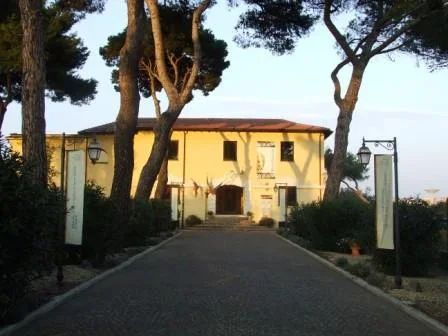 The Archaeological Civic Museum of Lavinium
Rome's highest magistrates, consuls, praetors and dictators, came to Lavinium at the start of their term of office to sacrifice to the Penates and to Vesta. The Penates were the ancestral gods of the Roman people, and this city kept them. The scholar Alexandre Grandazzi reconstructed the ritual as the final stage of a three-step inaugural route: first the Capitol in Rome, then the Alban Mount for the Latin festival, and finally Lavinium. The route retraced in reverse the mythical sequence of origins, from Lavinium to Alba to Rome. An honorary inscription of the imperial age attests a priesthood for the cult of the origins of the Roman people and of the Latin name. The city even sheltered Rome's failures. In 509 BC, after the monarchy fell, Lucius Tarquinius Collatinus, one of Rome's first two consuls, was pressed to leave the city because of his family ties to the kings. He chose exile here. This museum was founded at Pomezia in 2005, under the Lazio archaeological authority, to keep and display what the excavations have brought to light.
Listen in the appPhoto: Contewiki · CC BY-SA 3.0
- 11
Minerva Tritonia
A life-sized goddess in painted terracotta, and the votive deposit that carried her name.
- 12
The Tufa Door of the Heroon
A door carved in stone for the hero's shrine, and the city where Rome located its own beginnings.
Lavinio
Frequently asked questions
How much does the guide cost?
Free app download. Listed guide price: $0.99. Guide price shown in the app. Audio guide only. Venue admission is separate.
Can I listen without internet?
Yes. Download the guide’s audio, images, and maps in the app before your visit. Your downloaded content is then available offline.
Can I listen in my language?
This audio guide is available in 15 languages, including English.
Do I need to follow a schedule?
No. This is a self-guided experience. Choose your stops, pause whenever you like, and return to a story at your own pace.
At your own pace
Explore Lavinio.
Download Stanza, then search for “Lavinio”.
Free app download · Guide price shown in the app
Keep exploring
Nearby audio guides
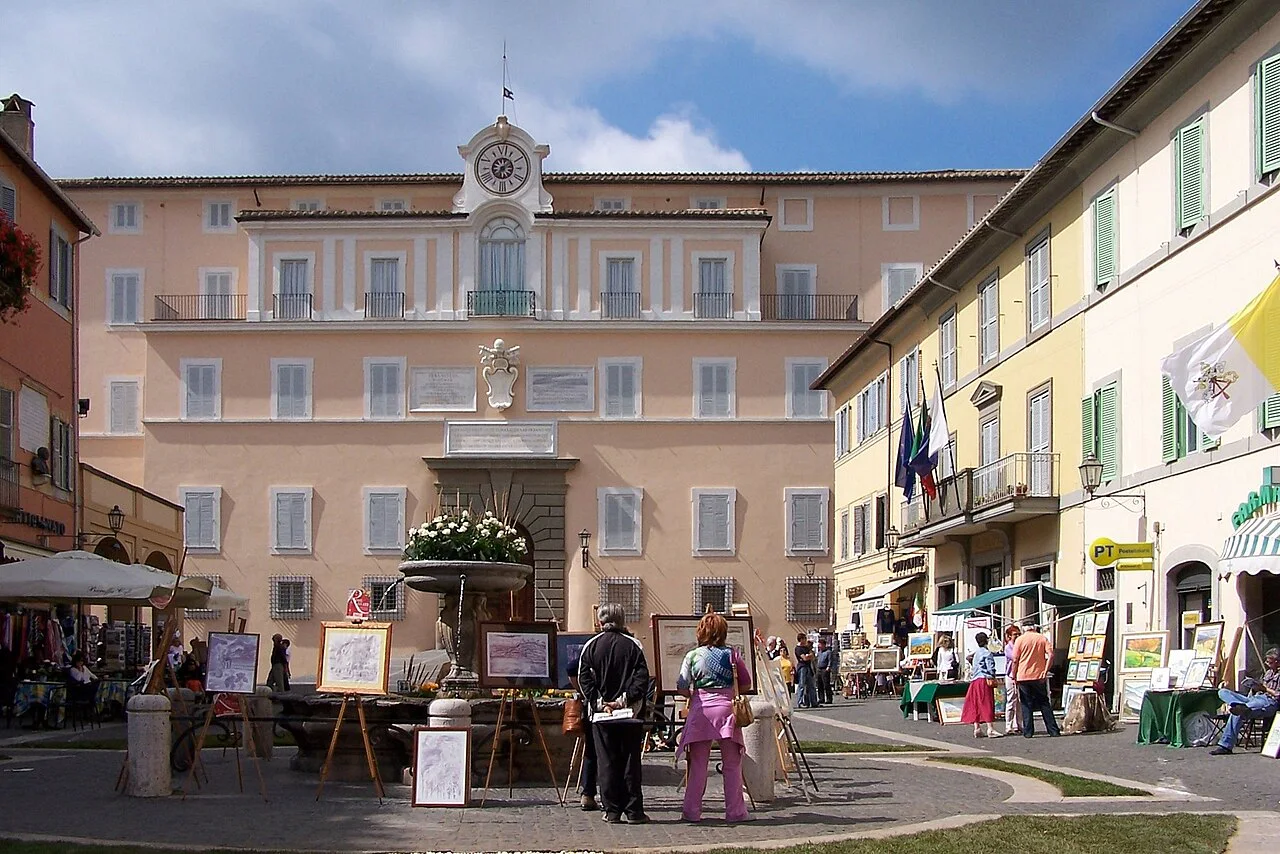
Castel Gandolfo · 18 km
Palazzo Pontificio
Content & sources
Photo: Berthold Werner · Public domain
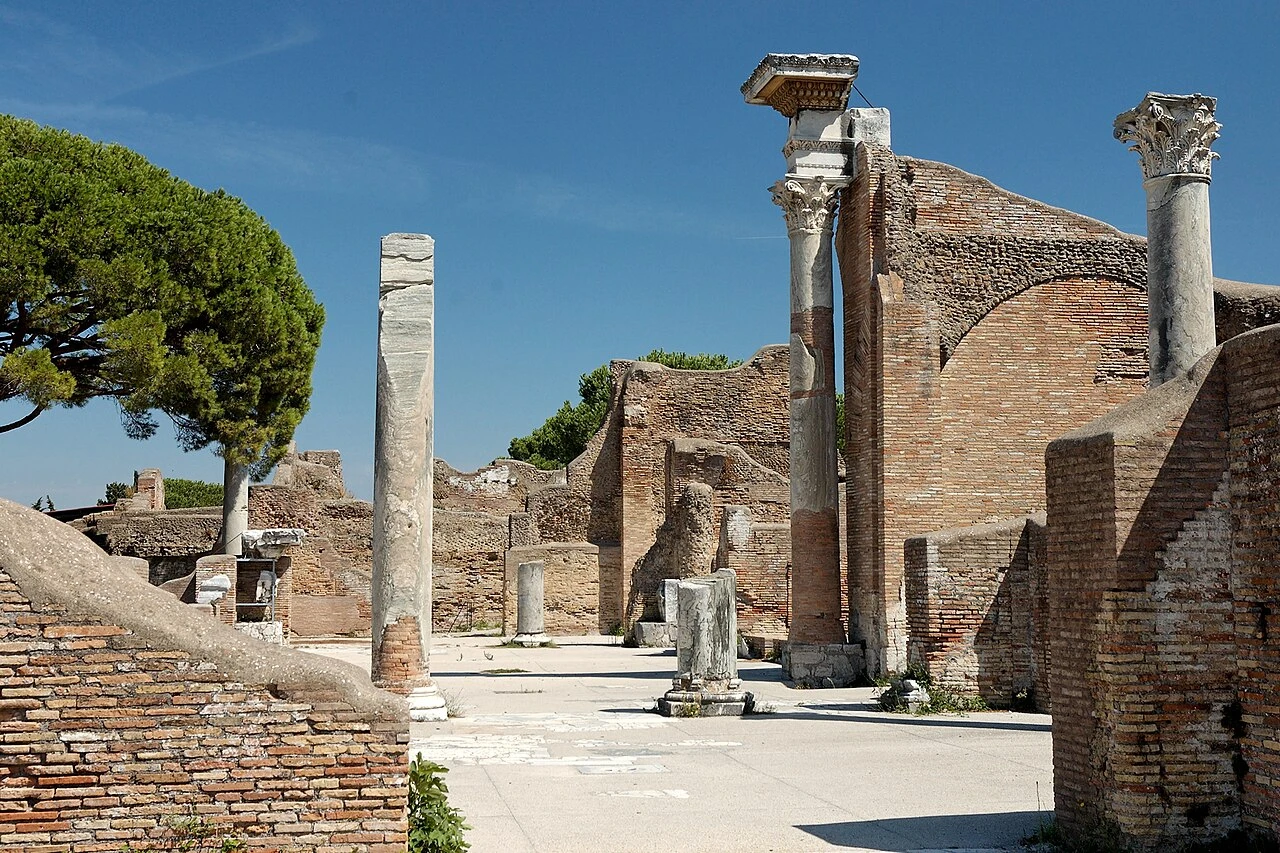
Rome · 19 km
Ostia Antica
Content & sources
Marie-Lan Nguyen (User:Jastrow) · CC BY 2.5
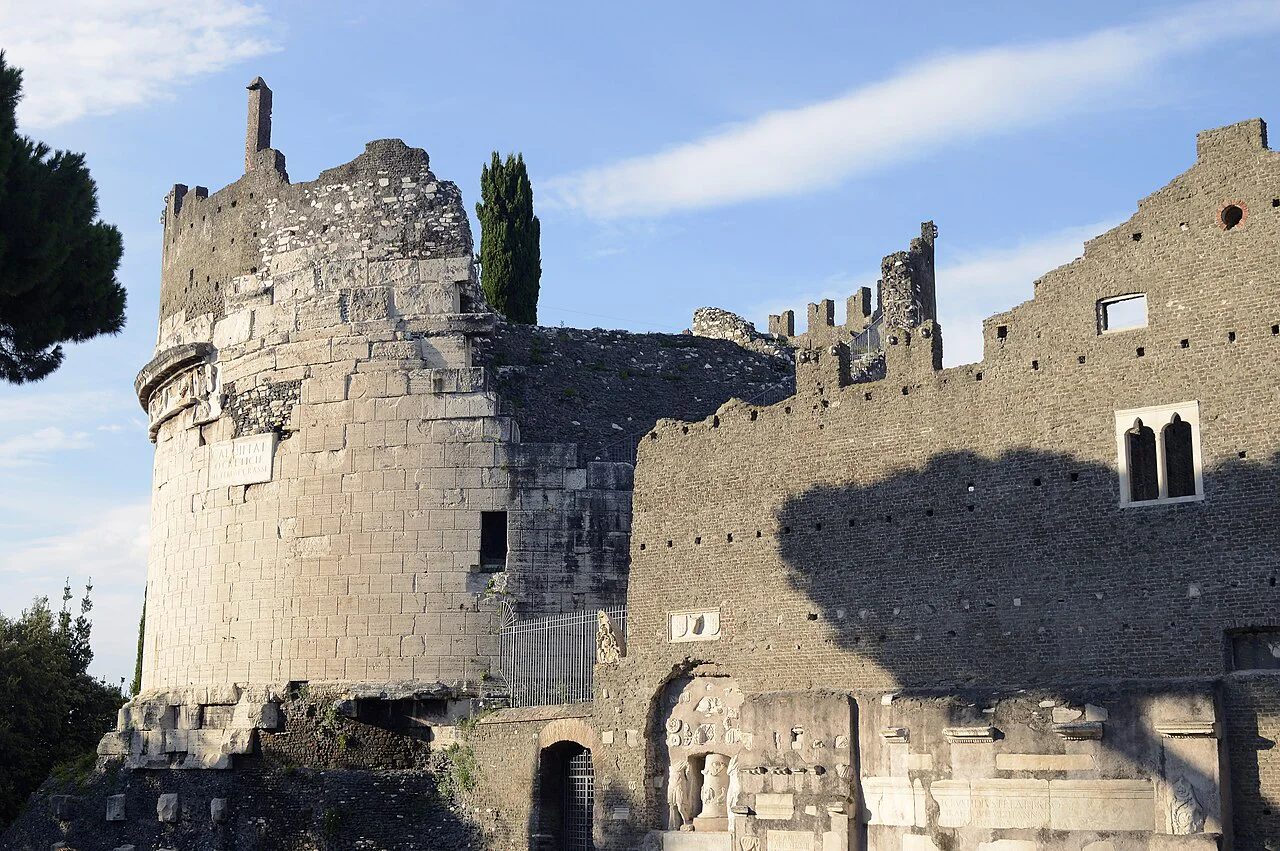
Rome · 22 km
Mausoleo di Cecilia Metella
Content & sources
Photo: Livioandronico2013 · CC BY-SA 4.0
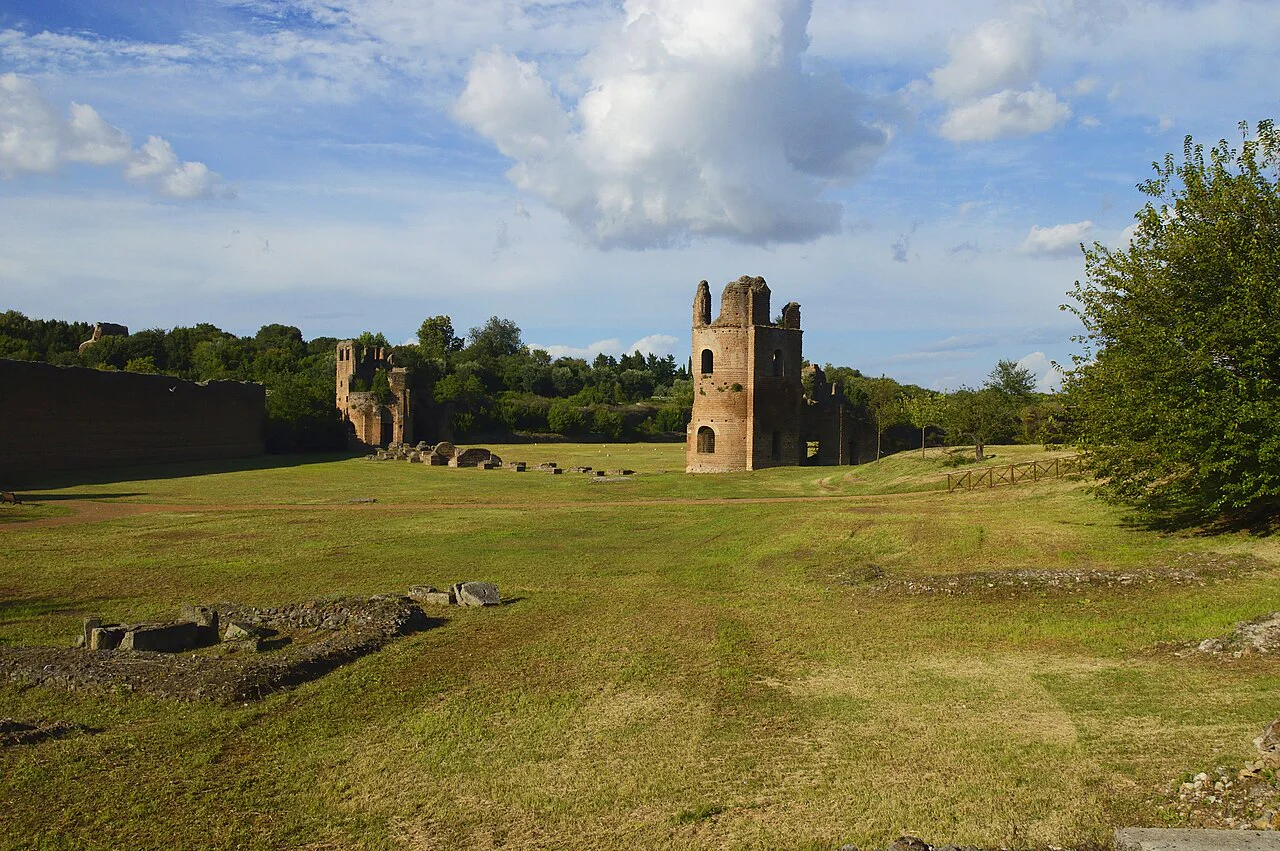
Rome · 23 km
Circo di Massenzio
Content & sources
Photo: Livioandronico2013 · CC BY-SA 4.0