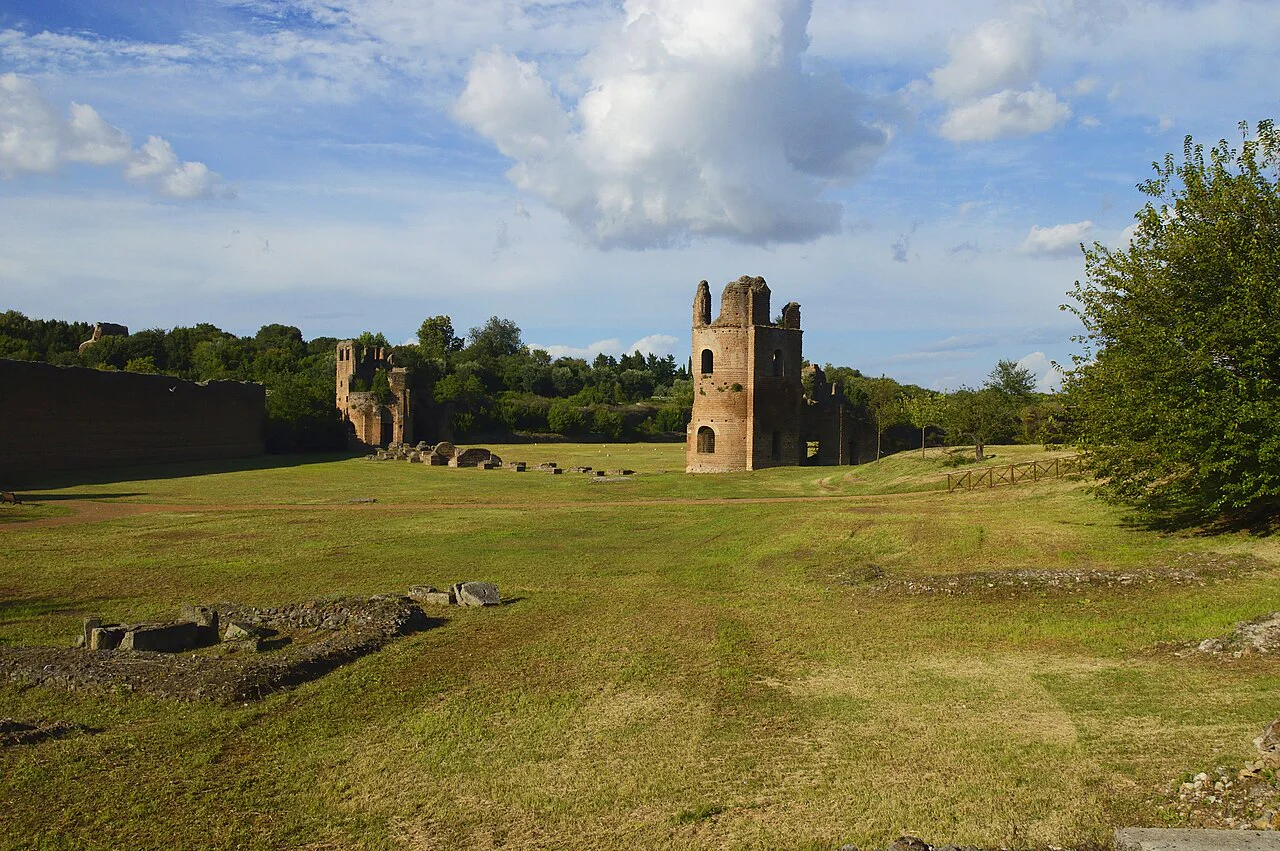
Stanza · Audio guide
Circo di Massenzio Audio Guide
A place to remember. A story to take with you.
The Circus of Maxentius is an ancient structure in Rome, Italy, built by emperor Maxentius between AD 306 and 312. It is part of a complex of buildings located on the Via Appia within the Appian Way Regional…
Download Stanza, then search for “Circo di Massenzio”.
About the tour
One guide. Your kind of visit.
The Circus of Maxentius is an ancient structure in Rome, Italy, built by emperor Maxentius between AD 306 and 312. It is part of a complex of buildings located on the Via Appia within the Appian Way Regional Park.
Ready when you are.
- 01Get the free Stanza app.
iOS & Android
- 02Find your guide.
“Circo di Massenzio”
- 03Download before you go.
Works offline
Audio guide / 9 narrated stops
Inside the guide
Get to know a few of the stories before you go. Open a stop to read more.
01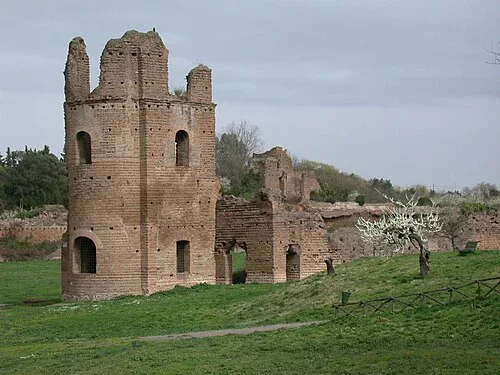 The West Towers and Starting Gates
Starting Tower of the Carceres
Welcome to the Circus of Maxentius, on the old Appian Way in Rome. Emperor Maxentius built it between 306 and 312 as part of a grand suburban villa. This is the best-preserved circus surviving near Rome, and only the Circus Maximus was larger. Yet it was a private place, reserved for the imperial family and their guests. Where the Circus Maximus held up to three hundred thousand spectators, this one had room for about ten thousand. The tall brick ruin ahead is one of two towers that flanked the starting gates at the western entrance. That very intimacy may be why the ruins survive so completely.
Photo: MM · CC BY-SA 3.0
02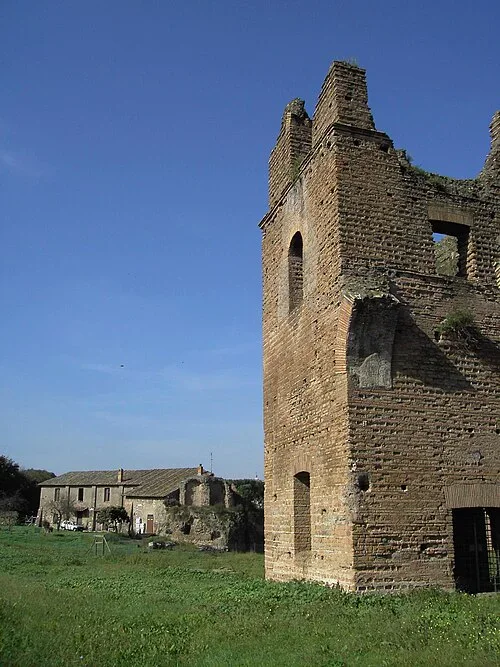 The West Towers and Starting Gates
The Carceres Starting Gates
A chariot race here began between these two brick towers. The towers held the machinery for raising the carceres, the starting gates of a Roman circus. The gates stood on a curved line drawn between the two towers, so every chariot faced the track at the same moment. When the gates lifted, the teams surged out together onto the course. Beyond the ruins, a farmhouse and fields fill the landscape today, a quiet countryside that gives no hint of the noise this place once held.
Photo: Lalupa · CC BY-SA 4.0
03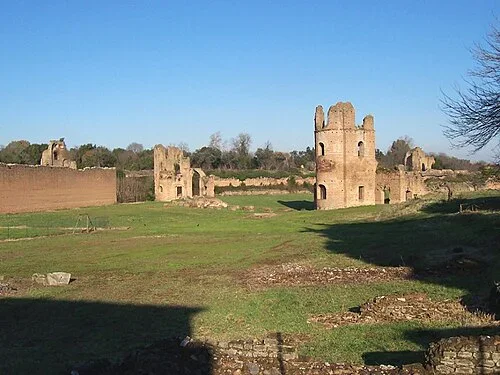 The Chariot Racing Track
The grassy hollow stretching away was once a chariot-racing track, its full length of about five hundred metres still visible. The outer walls were laid out wider at the start, so the racers could spread out before reaching the central barrier. They widened again at the turn, to give room for the chariots' turning circle. For centuries nobody knew who built this place, which was known as the Circus of Caracalla. In the nineteenth century the archaeologist Antonio Nibby excavated the track. He found an inscription to the divine Romulus, and the circus was finally identified as Maxentius's work.
Listen in the appPhoto: Lalupa · CC BY-SA 4.0
04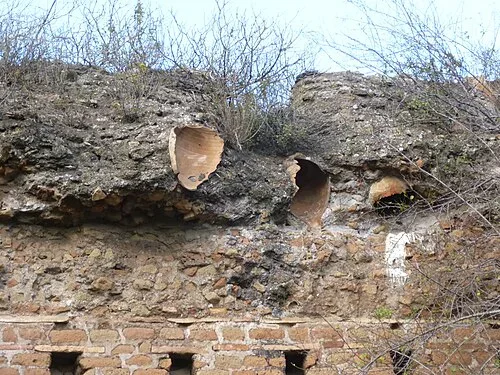 The Chariot Racing Track
The Enclosure Wall
The wall here tells how the whole circus was built. It is concrete faced with opus vittatum, small blocks laid in regular courses, a technique typical of Roman building in this period. The small holes pocking the masonry held the scaffolding poles while the walls rose. In places the walls still stand several metres high. Embedded in the stonework are terracotta vessels, their rounded mouths breaking the surface. What they were for, nobody has settled; they remain one of the wall's quiet puzzles.
Listen in the appPhoto: Lalupa · CC BY-SA 4.0
05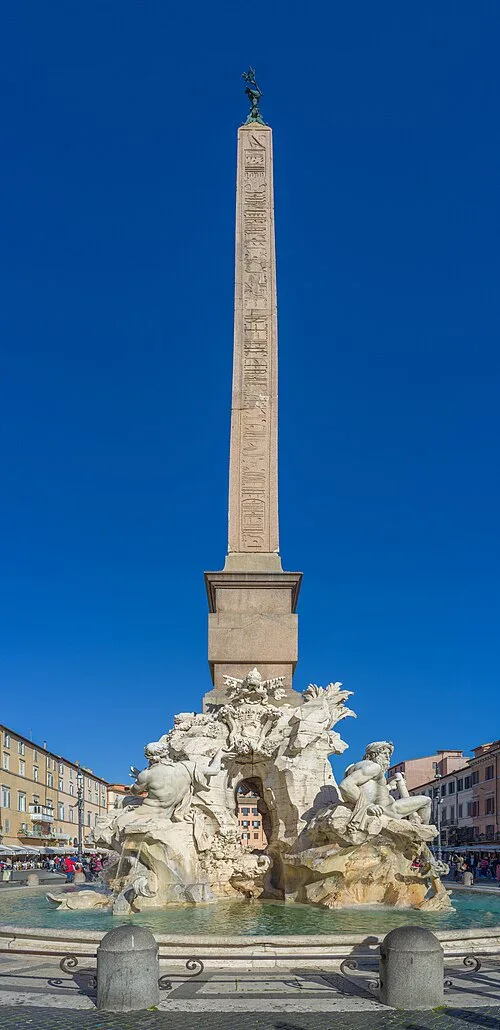 The Spina and the Piazza Navona Obelisk
The Agonal Obelisk (Obelisco Agonale)
Down the middle of the track ran the spina, the barrier the chariots raced around. It was exactly one thousand Roman feet long, close to three hundred metres, and it was once cased in marble. Cones, turning posts and obelisks ornamented it, casting shadows across the track in the late afternoon sun. At its centre stood an obelisk covered in hieroglyphs, the one now rising over a fountain in Piazza Navona. Maxentius presumably had it brought here from the Temple of Isis, as part of his tribute to his deified son. The hieroglyphs carved down its shaft are clearly visible on the stone.
Listen in the appDietmar Rabich · CC BY-SA 4.0
06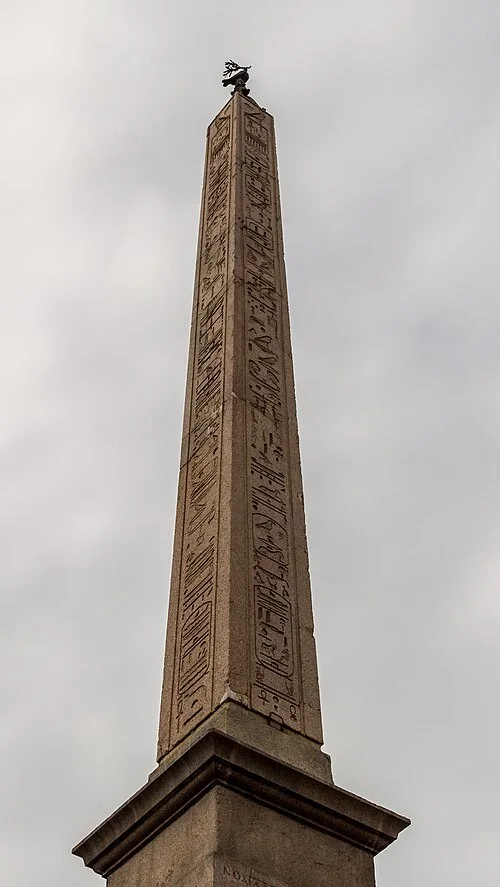 The Spina and the Piazza Navona Obelisk
From the Spina to Piazza Navona
The obelisk left this circus in pieces. It lay broken in five fragments on the site for centuries, its hieroglyphs much discussed during the Renaissance and engraved by Etienne du Perac, among others. In the sixteen-thirties the English collector, the Earl of Arundel, paid a deposit for the pieces and tried to ship them to London. Pope Urban VIII forbade the export. His successor, Innocent X, instead had the obelisk erected in Piazza Navona, set above Bernini's Fountain of the Four Rivers. So the stone that once crowned Maxentius's private racecourse now stands in one of Rome's busiest squares.
Listen in the appDietmar Rabich · CC BY-SA 4.0
07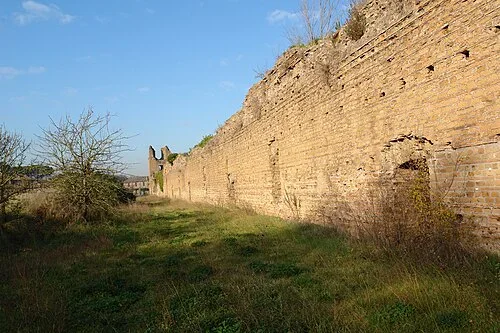 The Imperial Box and Caecilia Metella View
The Imperial Box and the View to Caecilia Metella
Along this stretch of wall stood the imperial box, placed as Roman boxes usually were, for the most dramatic views of the race. A covered portico linked it to Maxentius's villa beside the circus. The villa's remains are largely hidden under dense foliage today; only the apse of its great audience hall pokes through the treetops. Directly opposite the imperial box, a small arch opens in the southern track wall, and through it you can see the Tomb of Caecilia Metella on the hill. From the height of the box, the tomb would have been entirely visible. It has been argued that the circus, oddly placed against its neighbours, was purposely skewed to work the tomb into Maxentius's scheme.
Listen in the appPascal Reusch · CC BY-SA 3.0
08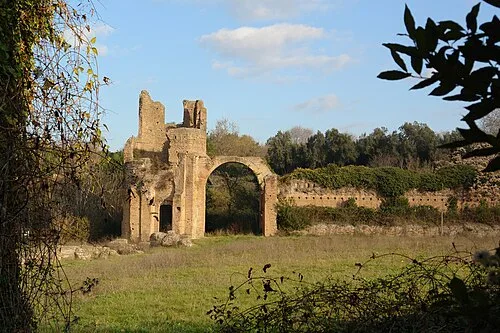 The East Triumphal Arch
The Triumphal Arch
At the far end of the track stands a small triumphal arch, the ceremonial exit for victorious charioteers, as Roman circuses generally had. Its exposed opus vittatum masonry shows how it was raised. This arch never saw many victors pass through. Maxentius died three years after his son, at the Battle of the Milvian Bridge in 312, defeated by Constantine the Great, who then seized the property. Excavations indicate the track was already covered in sand in antiquity, so the complex was probably never used again. Only the inaugural games are recorded here, and those are generally thought to have been funerary in character.
Listen in the appPascal Reusch · CC BY-SA 3.0
09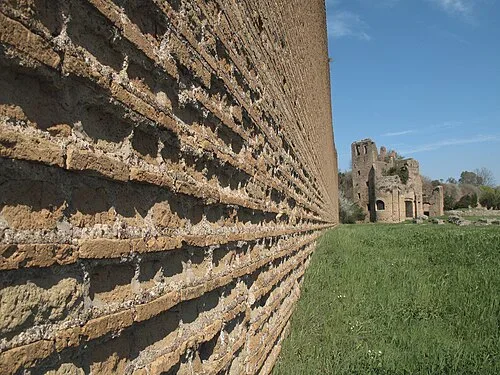 The Tomb of Romulus View
The Tomb of Romulus
The round mausoleum beyond the wall holds the key to everything here. In 309 Maxentius's only son, Valerius Romulus, died at a very young age. He was probably interred in this tomb, a boy now declared divine. The mausoleum had surely been intended for Maxentius himself, just as Galerius and Diocletian built their own mausolea while still alive. Instead it received his son. Imperial ambition, dynastic pride and a father's grief were built into the same brickwork, and Constantine's victory, the catastrophe Maxentius never foresaw, is what left it all undisturbed.
Listen in the appInstitute for the Study of the Ancient World from New York, United States of America · CC BY 2.0
Circo di Massenzio
Frequently asked questions
How much does the guide cost?
Free app download. Listed guide price: $0.99. Guide price shown in the app. Audio guide only. Venue admission is separate.
Can I listen without internet?
Yes. Download the guide’s audio, images, and maps in the app before your visit. Your downloaded content is then available offline.
Can I listen in my language?
This audio guide is available in 15 languages, including English.
Do I need to follow a schedule?
No. This is a self-guided experience. Choose your stops, pause whenever you like, and return to a story at your own pace.
At your own pace
Explore Circo di Massenzio.
Download Stanza, then search for “Circo di Massenzio”.
Free app download · Guide price shown in the app
Keep exploring
Nearby audio guides
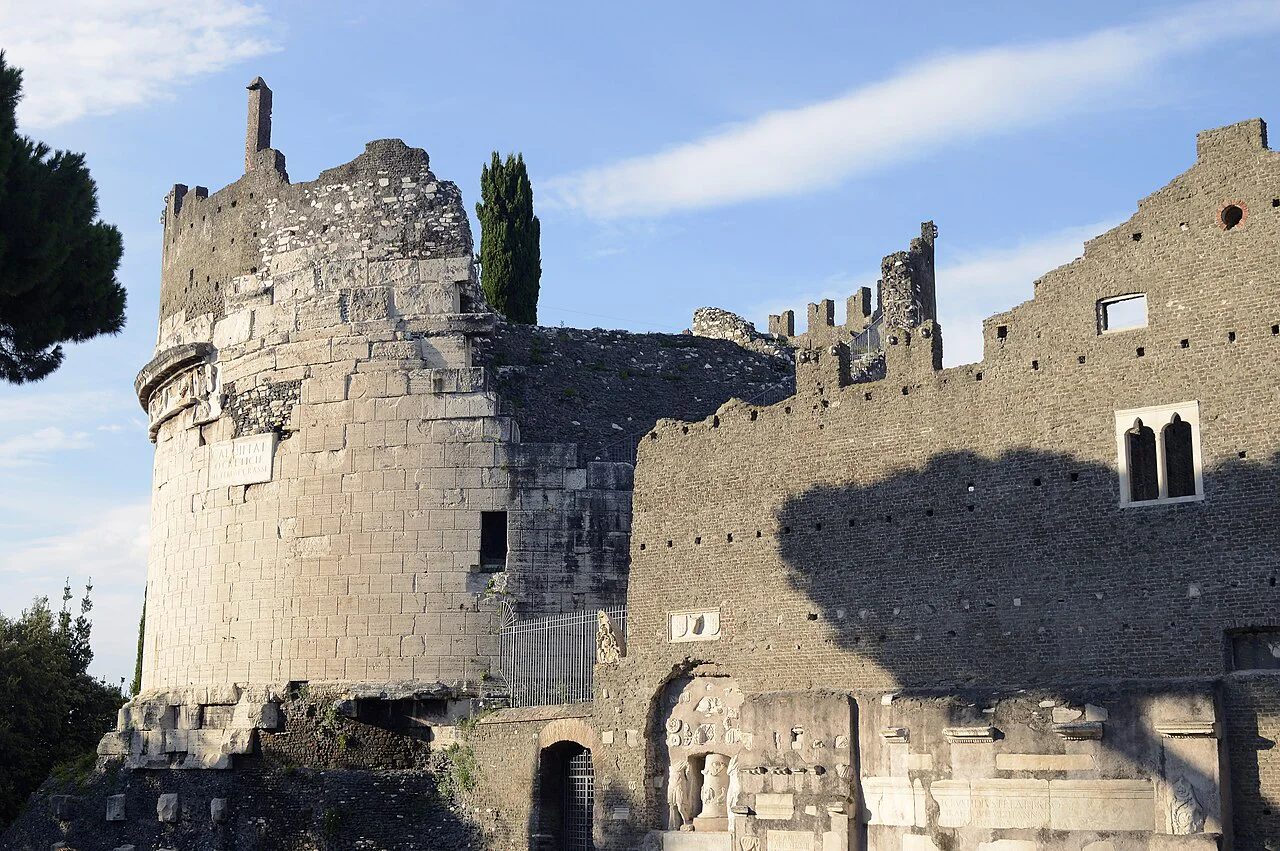
Rome · 1 km
Mausoleo di Cecilia Metella
Content & sources
Photo: Livioandronico2013 · CC BY-SA 4.0
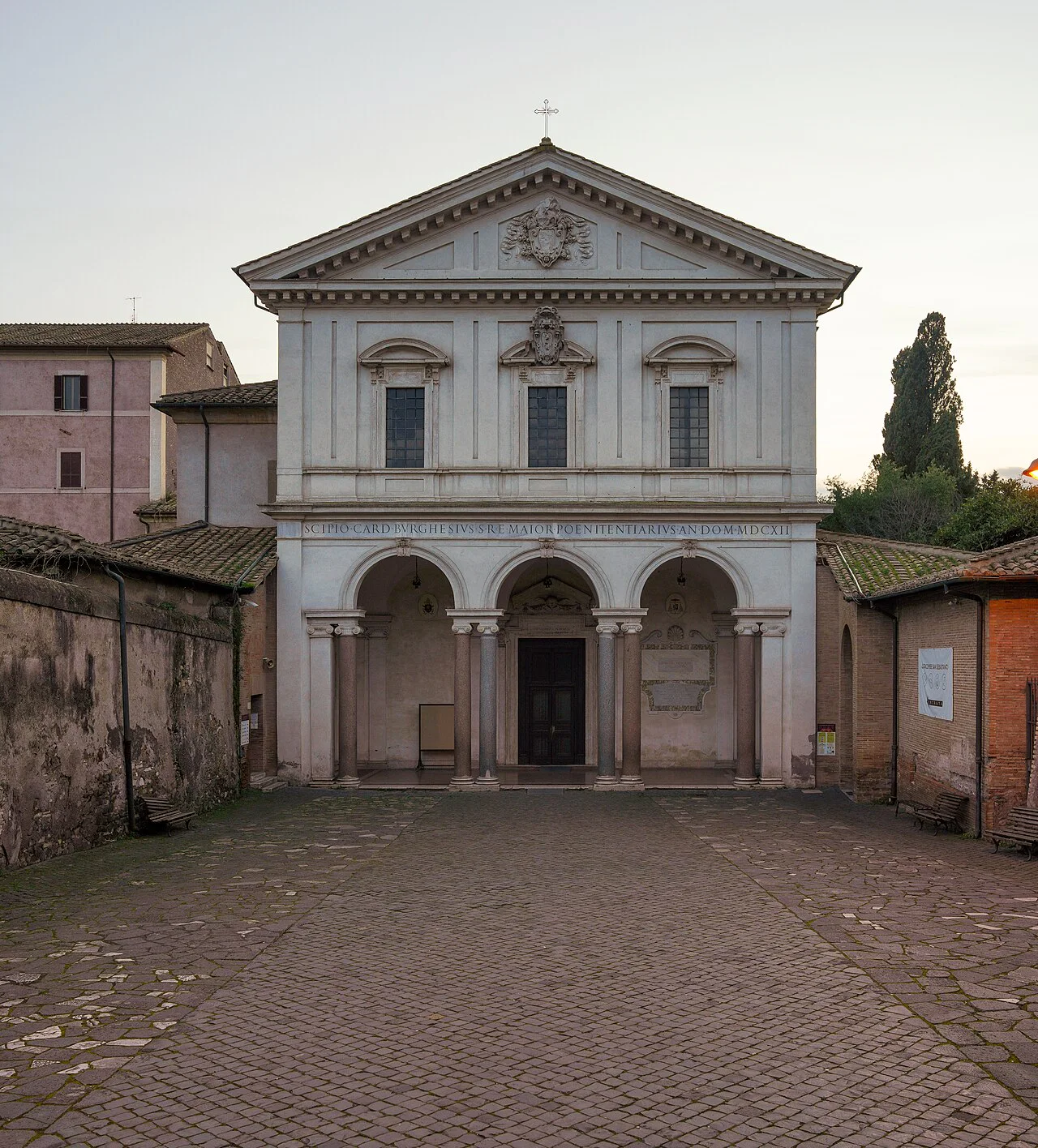
Rome · 1 km
Basilica di San Sebastiano fuori le mura
Content & sources
Photo: NikonZ7II · CC BY-SA 4.0
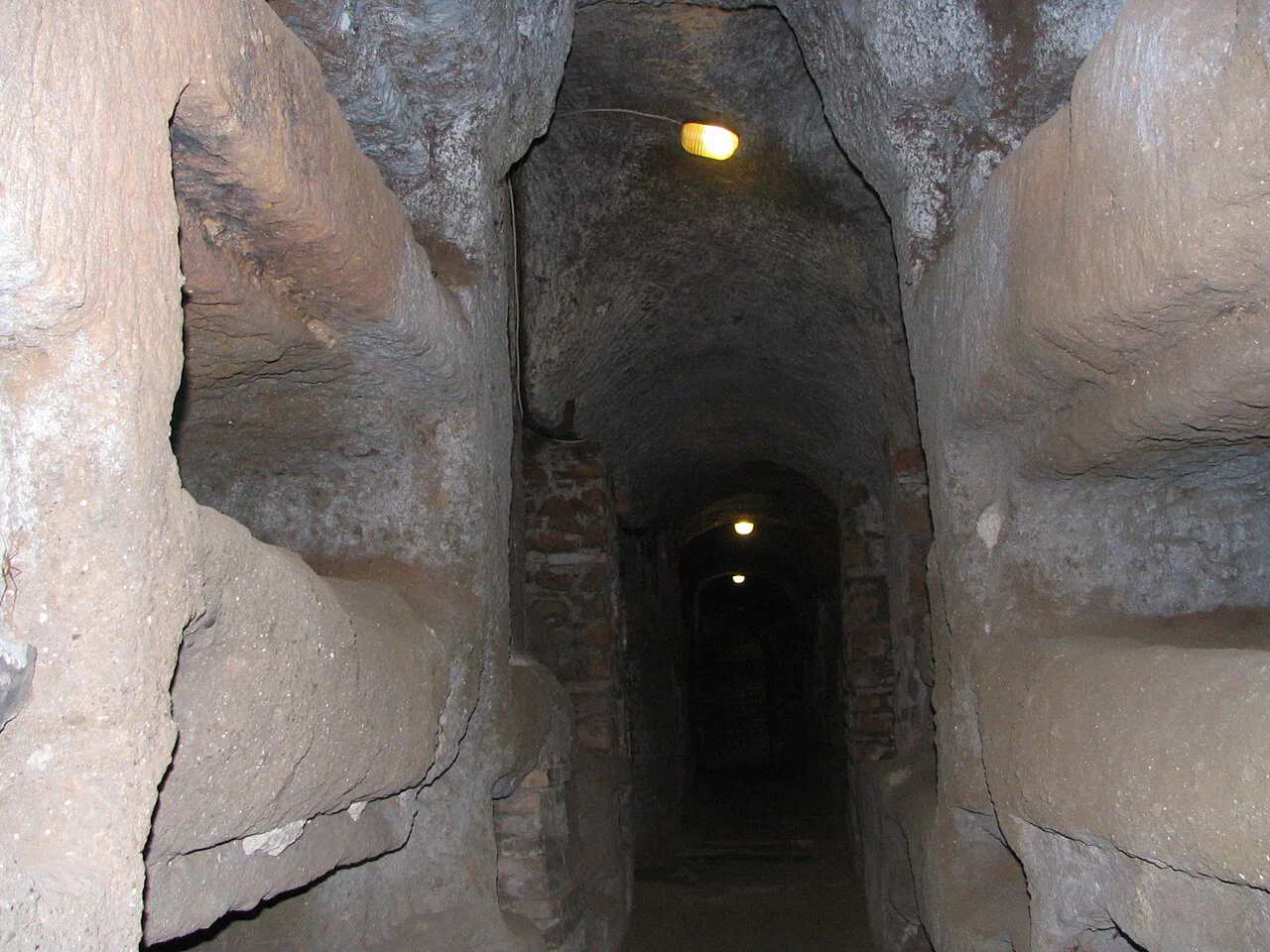
Rome · 1 km
Catacombe di San Callisto
Content & sources
User GerardM on nl.wikipedia · CC BY-SA 3.0
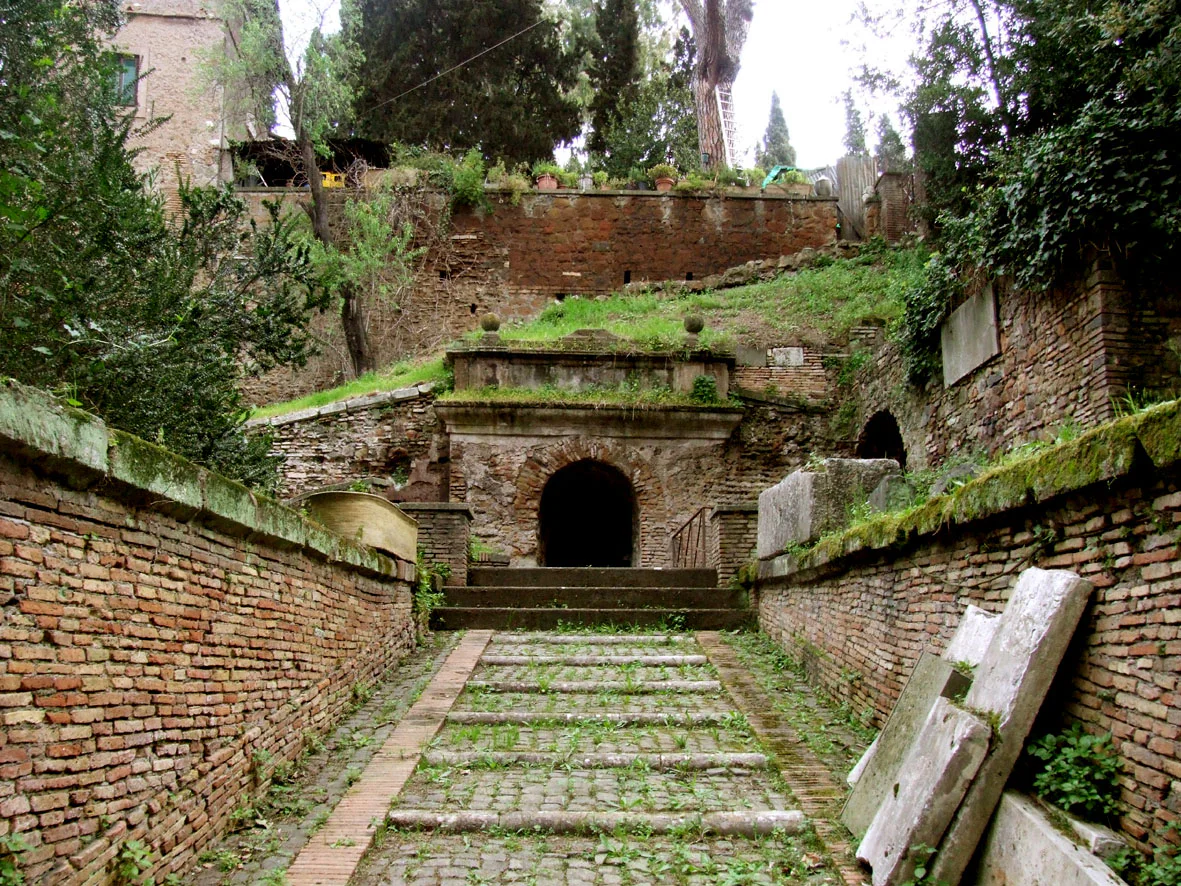
Rome · 3 km
Sepolcro degli Scipioni
Content & sources
Photo: Pippo-b · CC BY-SA 3.0