Stanza · Audio guide
Basilica dei Santi Bonifacio e Alessio Audio Guide
A place to remember. A story to take with you.
The Basilica dei Santi Bonifacio e Alessio is a basilica and rectory church located on the Aventine Hill in Rome. It serves as a titular church for a cardinal-priest.
Download Stanza, then search for “Basilica dei Santi Bonifacio e Alessio”.
About the tour
One guide. Your kind of visit.
The Basilica dei Santi Bonifacio e Alessio is a basilica and rectory church located on the Aventine Hill in Rome. It serves as a titular church for a cardinal-priest.
Ready when you are.
- 01Get the free Stanza app.
iOS & Android
- 02Find your guide.
“Basilica dei Santi Bonifacio e Alessio”
- 03Download before you go.
Works offline
Audio guide / 8 narrated stops
Inside the guide
Get to know a few of the stories before you go. Open a stop to read more.
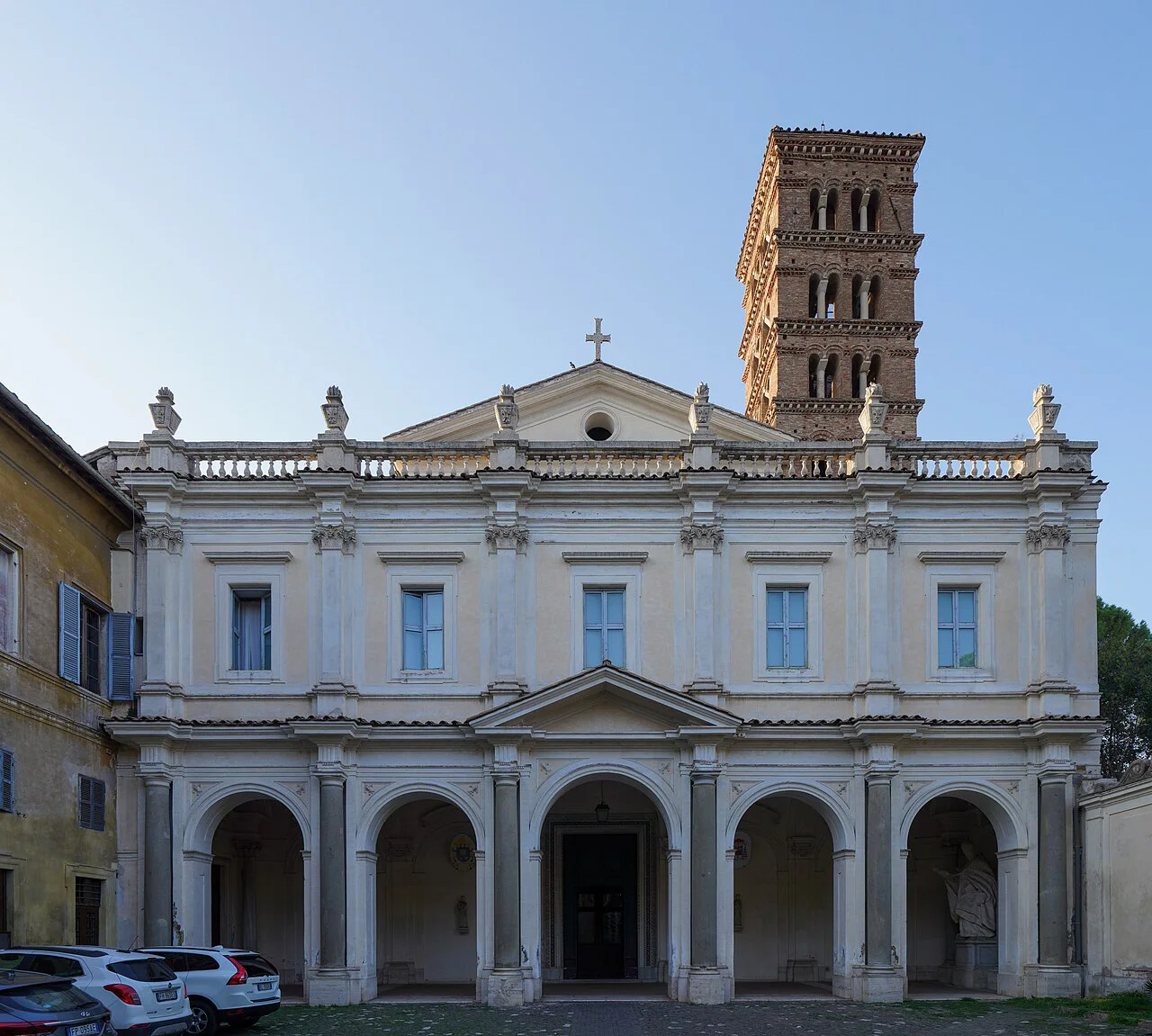
01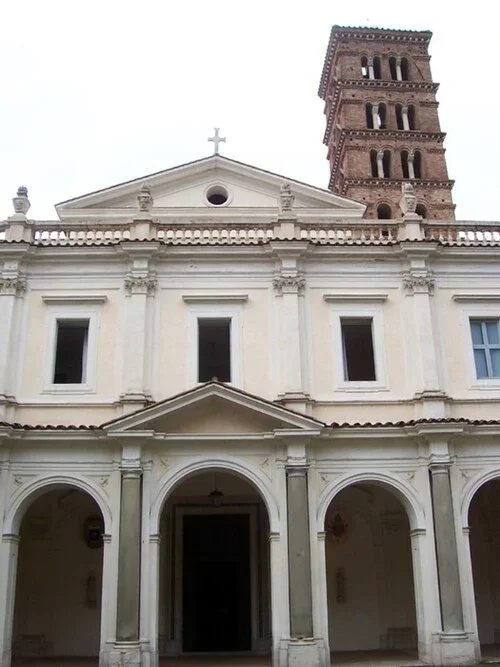 Forecourt, Portico, and Romanesque Bell Tower
Facade, Medieval Portico and Romanesque Bell Tower
Welcome to the Basilica of Saints Boniface and Alexius, on the quiet Aventine Hill in Rome. Pilgrims, monks and noble families all shaped this church, and its building shows each of them. The exact founding date is uncertain, but it began between the fourth and fifth centuries as a church honouring Boniface of Tarsus. Over the centuries it was rebuilt again and again, from the thirteenth century into the nineteenth. Its front is in the style of the sixteenth century, but it was reworked during the eighteenth-century rebuilding. It stands on an older portico in the medieval style, with open arches along its front. The tall bell tower beside it is Romanesque, built of reddish brick and stacked with arched windows. The bell tower also holds the church's most surprising story. In 1965, engineers working to stabilise the tower announced a painting hidden in a cavity in its wall. Then it was forgotten for decades. After a long restoration, the news reached the public again in 2019. The art historian Claudia Viggiani has proposed that this twelfth-century fresco shows Christ the Pilgrim with Saint Alexius. An earlier proposal had named the two saints of the church instead. The original frame has survived intact, and the fresco is in good enough condition for scholars to study how it was made.
Photo: MarkusMark · Public domain
02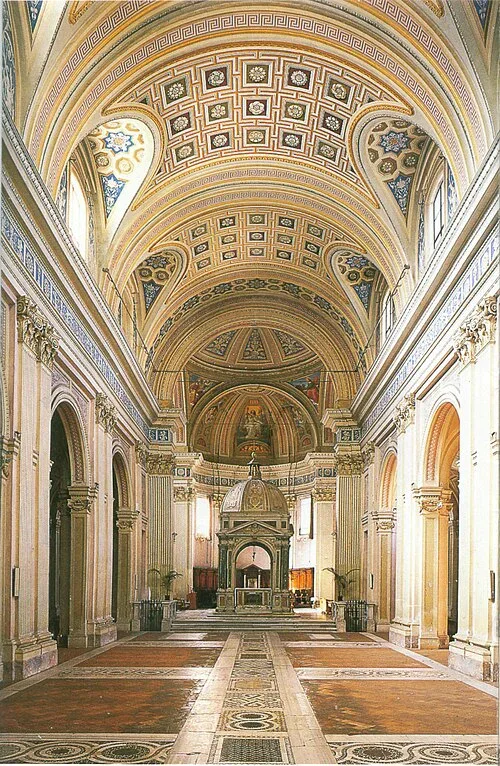 Central Nave and Baroque Reconstruction
The Baroque Nave of Nolli and De Marchis
The nave of this church was rebuilt in the Baroque style during the eighteenth century. The Hieronymites, a monastic order, began the work ahead of the Jubilee year of 1750. The first designs came from Giovanni Battista Nolli, an architect from Como. When Nolli died, the Roman architect Tommaso De Marchis completed the work, which was finished in 1755. The money came from Cardinal Angelo Maria Quirini, who held the church's title and was also bishop of Brescia. The finished church is about fifty metres long. It rises about nineteen metres high. The builders kept the older crypt and bell tower, which date from the twelfth and thirteenth centuries. Overhead, the vault is divided into square coffers, many with rosettes. Churches of that era in Rome often used stucco, coffered vaults and high windows to fill the nave with light. The floor is laid in marble with geometric patterns.
Photo: Sibeaster · Public domain
03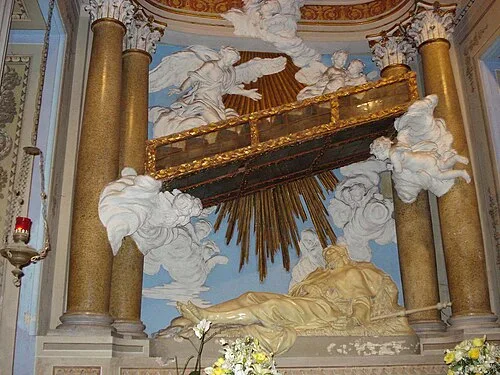 Chapel of Saint Alexius Under the Stairs
Saint Alexius was the son of a wealthy Roman family, and his parents arranged a marriage for him. He fled the match and went east to live a life of prayer and penance. According to the legend, he came back to Rome years later, unrecognised and dressed as a pilgrim. He lived for seventeen years in a cramped space beneath the staircase of his father's house. His own family did not recognise him. Only after his death was he revealed, when a parchment in his hand named him. The chapel's scene is in wood and stucco, the work of Andrea Bergondi. Gilded columns frame the scene. The dying saint lies stretched out at the base. Above him, angels hover among clouds, and the gilded wooden staircase is held in a glass case. Local tradition holds that these are the very stairs he lived beneath.
Listen in the appPhoto: Sibeaster · Public domain
04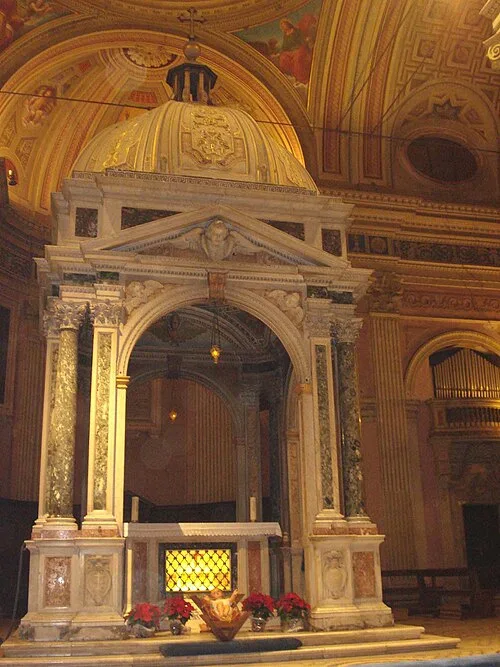 High Altar and Confessio of the Dual Saints
High Altar and the Relics of the Two Saints
The high altar is the work of Tommaso De Marchis, the architect who finished the nave. Its canopy rests on marble columns and is topped by a small dome. Beneath the altar, a small window of amber glass glows. The relics kept beneath this altar belong to the two saints the church is named for. The first of the two was the church's original patron, and the second joined him later. Beneath the church lies a Romanesque crypt. It was consecrated in 1218 by the bishop of Albano and dedicated to Thomas Becket. Some of Thomas Becket's relics are kept beneath the crypt's main altar. Its walls hold a twelfth-century fresco of the Lamb of God and the symbols of the four Evangelists.
Listen in the appPhoto: Sibeaster · Public domain
05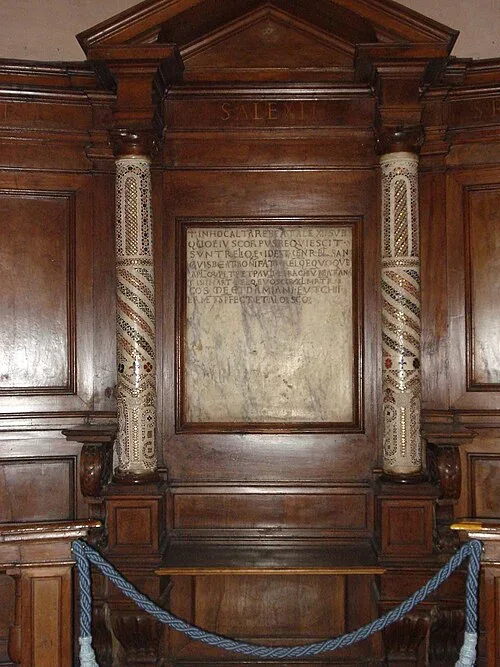 The Apse and Cosmatesque Heritage
Cosmatesque Columns and the Ancient Altar Slab
Pope Honorius the Third ordered the complex rebuilt in 1216, and some of his columns still stand in the eastern apse. The two slender columns framing this stone slab are older, and they came from elsewhere. Cosmatesque is the name for the inlaid marble mosaic that Roman craftsmen made in the Middle Ages. These spiral columns, made around 1180, once stood in the church of San Bartolomeo on the Tiber Island. They were moved to this church in 1638. The stone slab between them came from an earlier altar, and it was kept and set upright in the apse. The slab carries an inscription, set into dark wooden panelling. Seventeen identical columns stayed behind at San Bartolomeo. They vanished in the late eighteenth century, when French troops plundered that church.
Listen in the appPhoto: Sibeaster · Public domain
06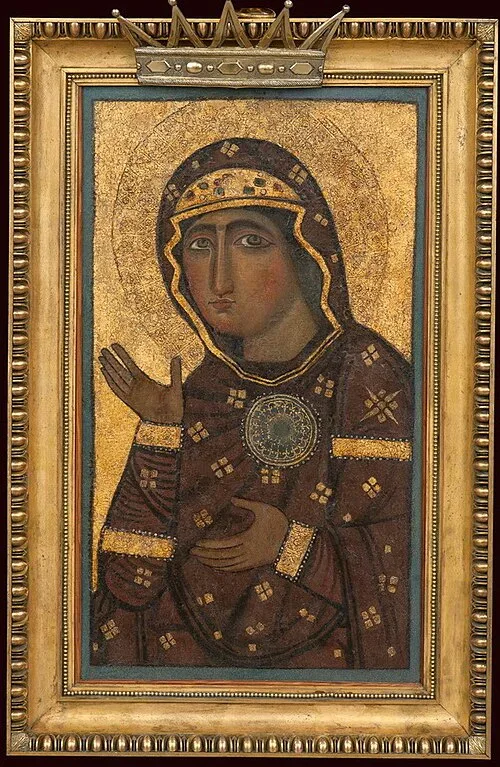 Chapel of the Blessed Sacrament and Madonna of Saint Alexius
The Madonna di Sant'Alessio Icon
The icon shows the Virgin Mary in the Byzantine style of the Eastern Christian world. Modern researchers date it to the twelfth or thirteenth century. She has no Christ Child, and one hand is raised upward while the other is stretched out toward those who pray. The gesture is one of intercession, which means praying on behalf of others. A silver crown sits above the frame. The church's Eastern connection begins in 977, when a pope handed it to Sergius, a senior bishop from Damascus. Sergius had fled persecution, and he founded a monastery here. Greek and Latin monks lived side by side in it. The Greek monks who came to the hill are linked with devotion to the church's second saint. By 986, the church was dedicated to both saints. Tradition calls the painting the miraculous icon of Edessa, a city in Mesopotamia. It holds that Saint Luke painted it from living models. Other accounts say Sergius of Damascus brought it to Rome in 977. The chapel that holds the icon was laid out in 1674 by the monastery's abbot. Charles the Fourth of Spain, living in exile in the monastery beside the church, paid for its renewal in 1814.
Listen in the appPhoto: Beloved Olga · Public domain
07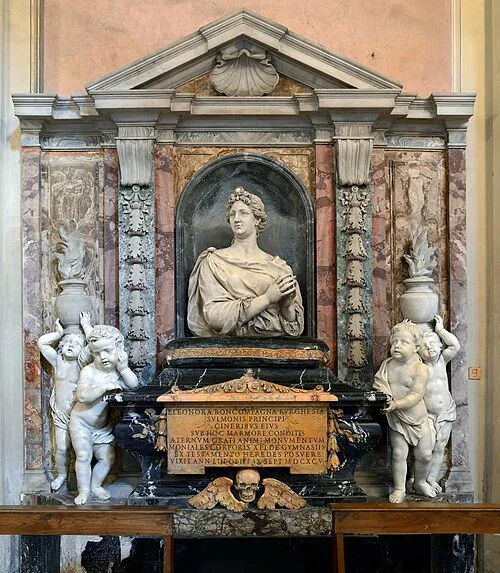 Right Aisle Funerary Monuments and Monastic Cloister
Tomb of Eleonora Boncompagni Borghese
A wall monument from 1693 honours Eleonora Boncompagni Borghese, a member of a noble Roman family. Its design is attributed to Giovan Contini. A marble bust of Eleonora sits in an arched niche, her hands folded at her chest. Two small boys, called putti, stand at the sides and hold up tall urns. A carved shell crowns the top, and a skull sits beneath the inscription. The skull is a reminder of mortality. For centuries this church drew Roman noble families as well as pilgrims and monks. Some of them were buried here. The church also keeps the tombstone of Peter Savelli, whose family was the same as that of the pope who ordered the church rebuilt.
Listen in the appPhoto: Livioandronico2013 · CC BY-SA 4.0
08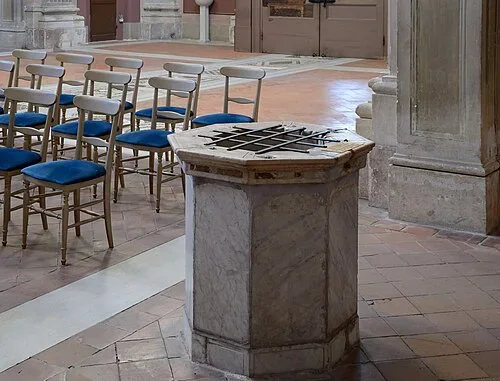 Right Aisle Funerary Monuments and Monastic Cloister
The Old Well of the Monastery
Benedictine monks once lived in the monastery beside this basilica. In the tenth century they accepted the Camaldolese reforms of Saint Romuald. In 1426, Pope Martin the Fifth gave the monastery and church to the Hieronymites. They held it for some four centuries. In the middle of the nineteenth century, the Somaschi Fathers restored the church. The monastery buildings now belong to the Italian state. The well is an octagon of marble, with an iron grille across its top. Its marble shows the wear of long use. One account identifies a well here as the well of the house of Saint Alexius's parents. Religious communities have served this church for centuries, and the Somaschi Fathers still do.
Listen in the appPhoto: Livioandronico2013 · CC BY-SA 4.0
Basilica dei Santi Bonifacio e Alessio
Frequently asked questions
How much does the guide cost?
Free app download. Listed guide price: $0.99. Guide price shown in the app. Audio guide only. Venue admission is separate.
Can I listen without internet?
Yes. Download the guide’s audio, images, and maps in the app before your visit. Your downloaded content is then available offline.
Can I listen in my language?
This audio guide is available in 15 languages, including English.
Do I need to follow a schedule?
No. This is a self-guided experience. Choose your stops, pause whenever you like, and return to a story at your own pace.
At your own pace
Explore Basilica dei Santi Bonifacio e Alessio.
Download Stanza, then search for “Basilica dei Santi Bonifacio e Alessio”.
Free app download · Guide price shown in the app
Keep exploring
Nearby audio guides
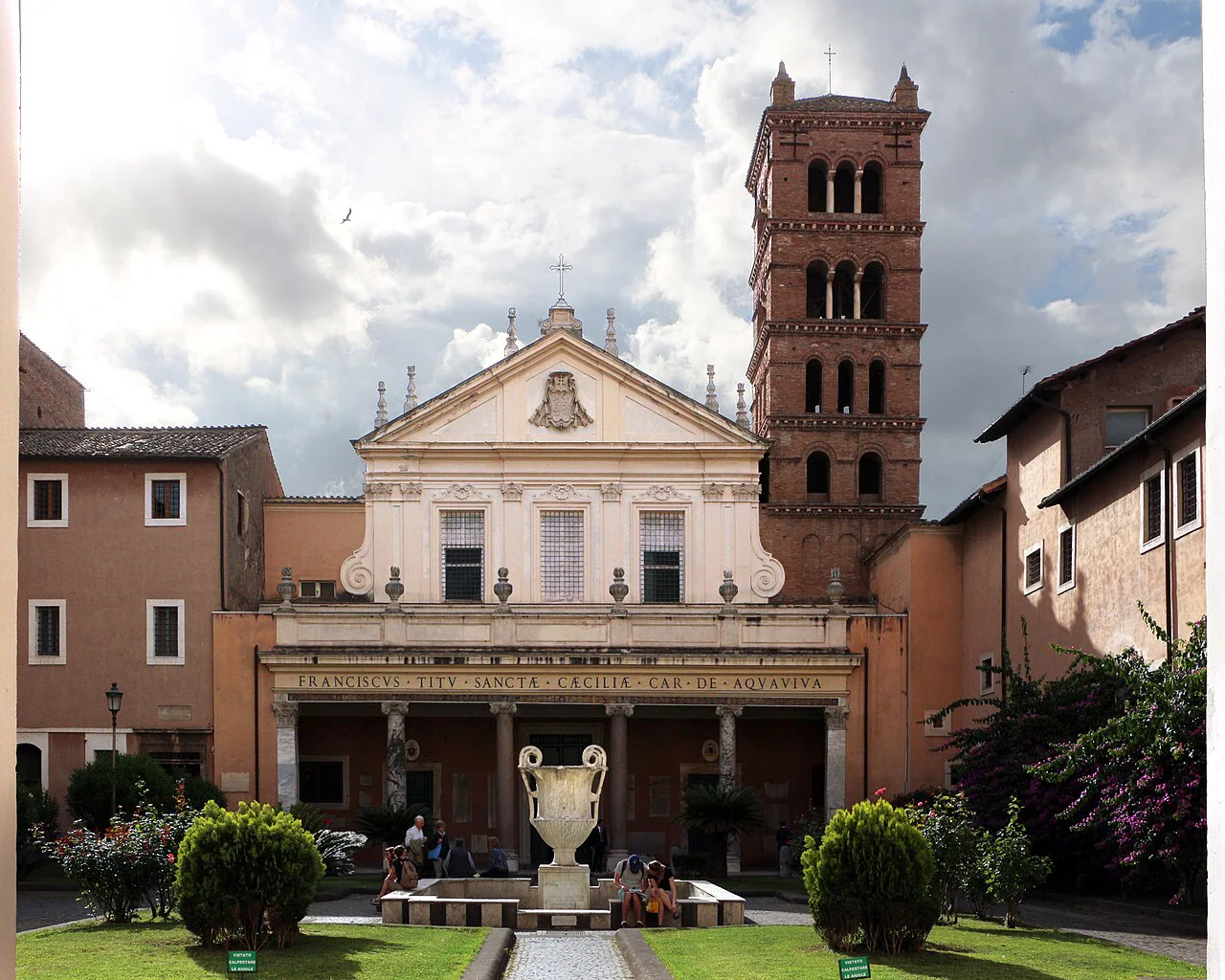
Rome · 1 km
Basilica di Santa Cecilia in Trastevere
Content & sources
Photo: Sailko · CC BY 3.0
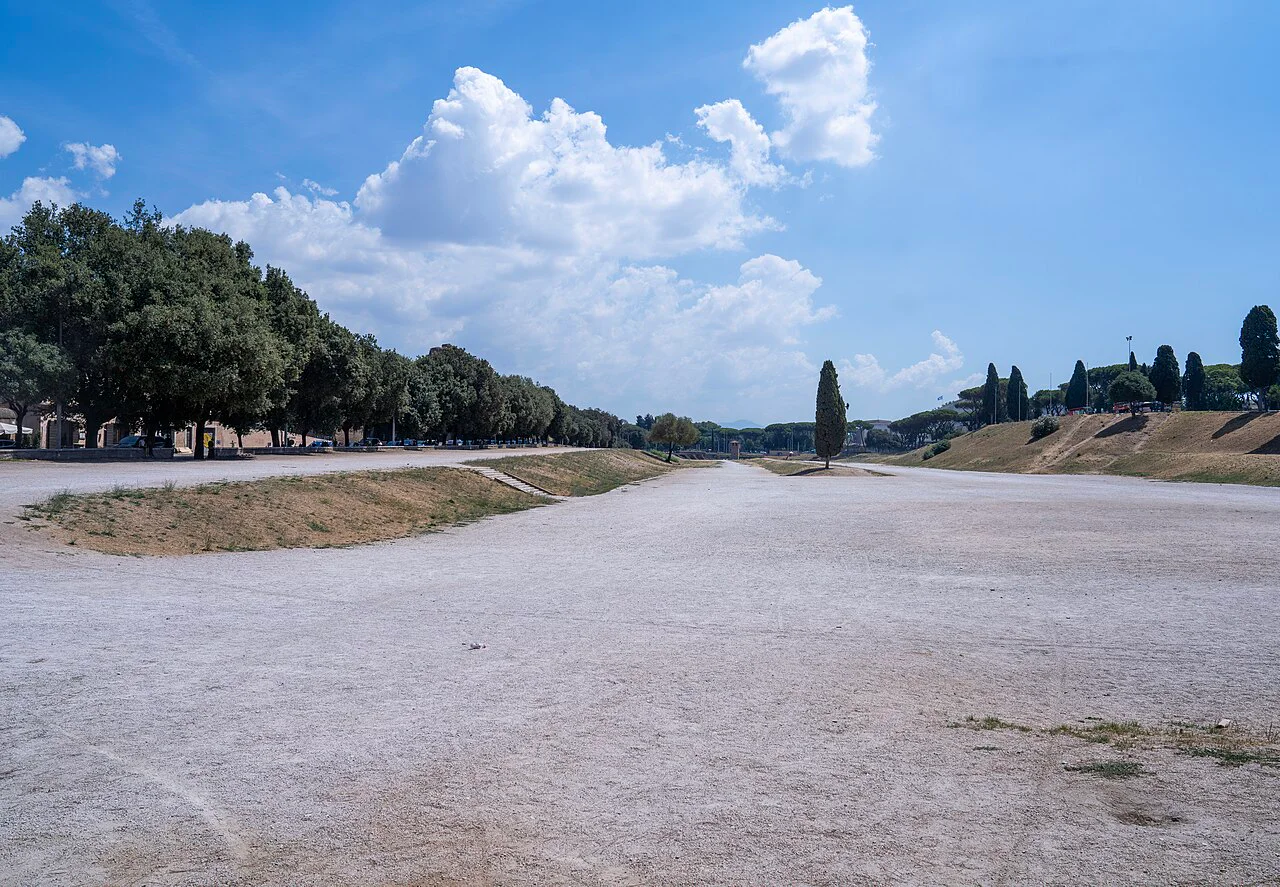
Rome · 1 km
Circo Massimo
Content & sources
Photo: Rione Colonna · CC BY 4.0
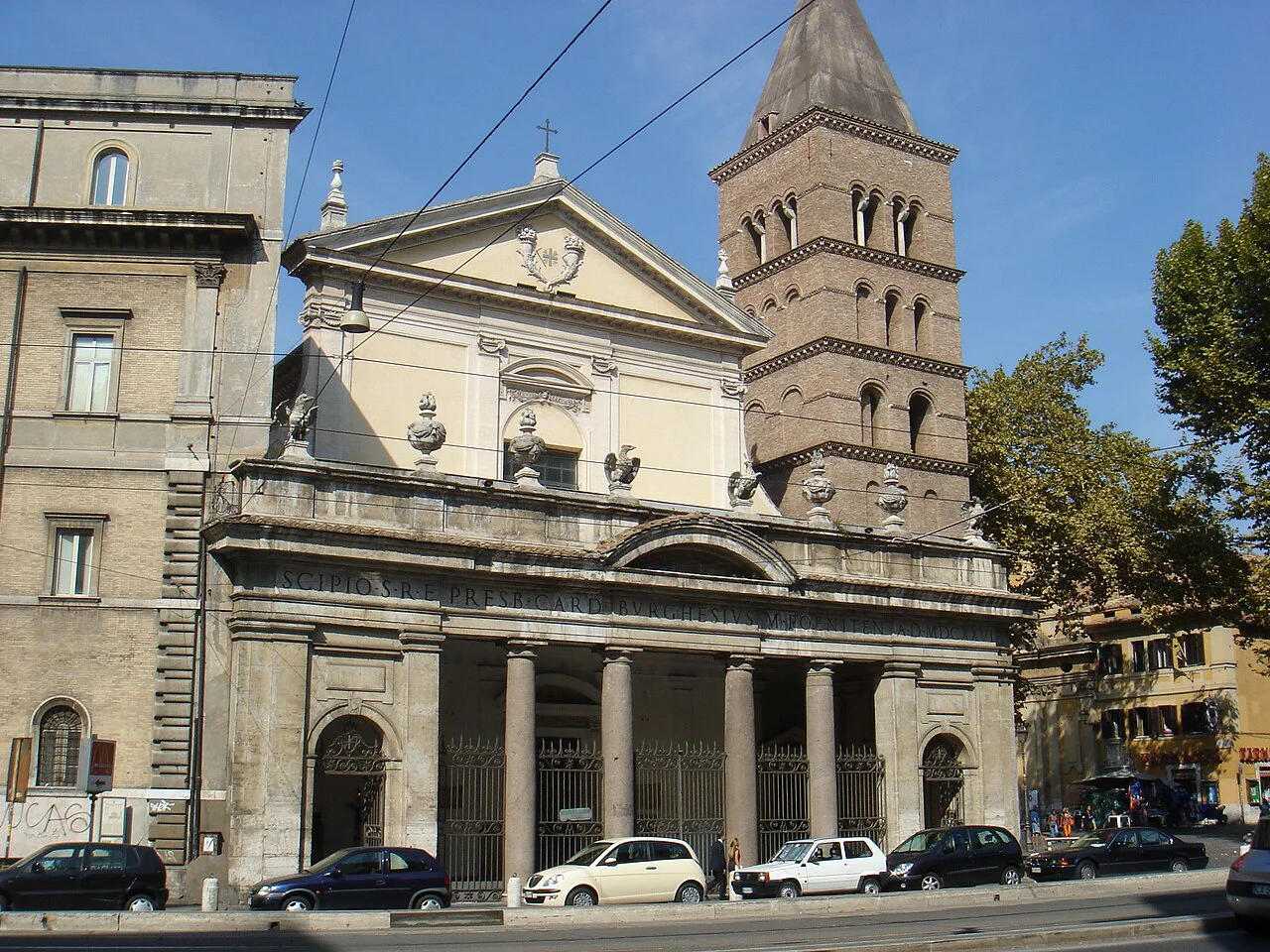
Rome · 1 km
Basilica di San Crisogono
Content & sources
Photo: Lalupa · CC BY-SA 3.0
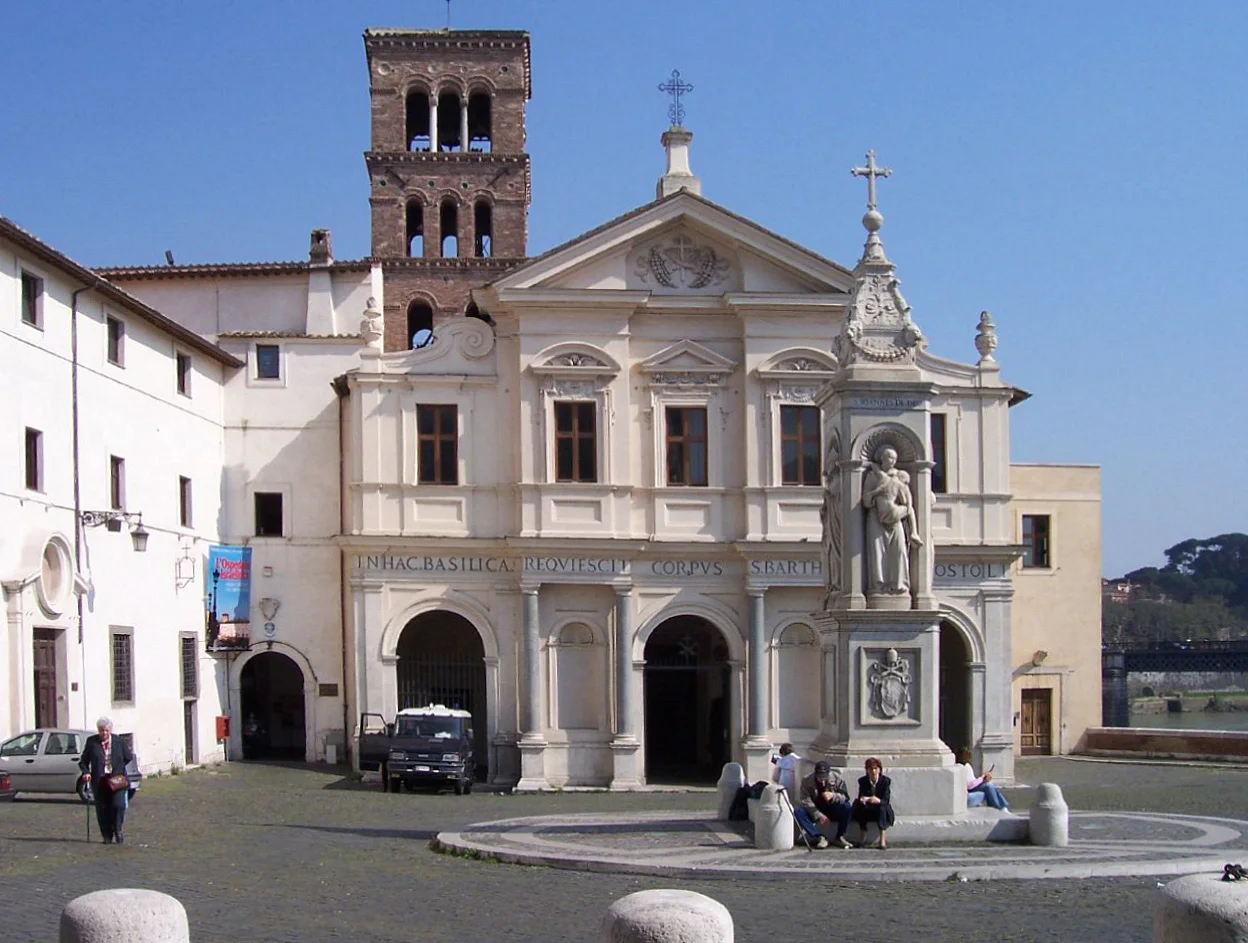
Rome · 1 km
Basilica di San Bartolomeo all'Isola
Content & sources
sonofgroucho · CC BY 2.0