Stanza · Audio guide
Basilica di San Lorenzo fuori le mura Audio Guide
A place to remember. A story to take with you.
The Basilica Papale di San Lorenzo fuori le mura is a Roman Catholic papal minor basilica and parish church located in Rome. It is one of the Seven Pilgrim Churches of Rome and serves as the shrine of the…
Download Stanza, then search for “Basilica di San Lorenzo fuori le mura”.
About the tour
One guide. Your kind of visit.
The Basilica Papale di San Lorenzo fuori le mura is a Roman Catholic papal minor basilica and parish church located in Rome. It is one of the Seven Pilgrim Churches of Rome and serves as the shrine of the tomb of Saint Lawrence.
Ready when you are.
- 01Get the free Stanza app.
iOS & Android
- 02Find your guide.
“Basilica di San Lorenzo fuori le mura”
- 03Download before you go.
Works offline
Audio guide / 10 narrated stops
Inside the guide
Get to know a few of the stories before you go. Open a stop to read more.
01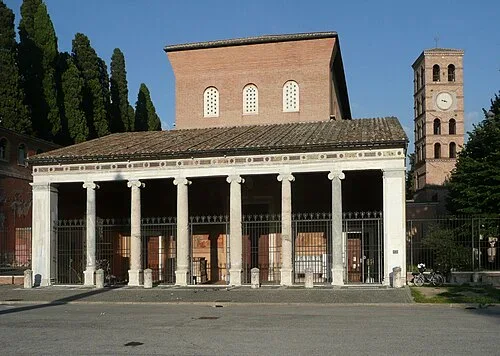 The Piazza and Romanesque Bell Tower
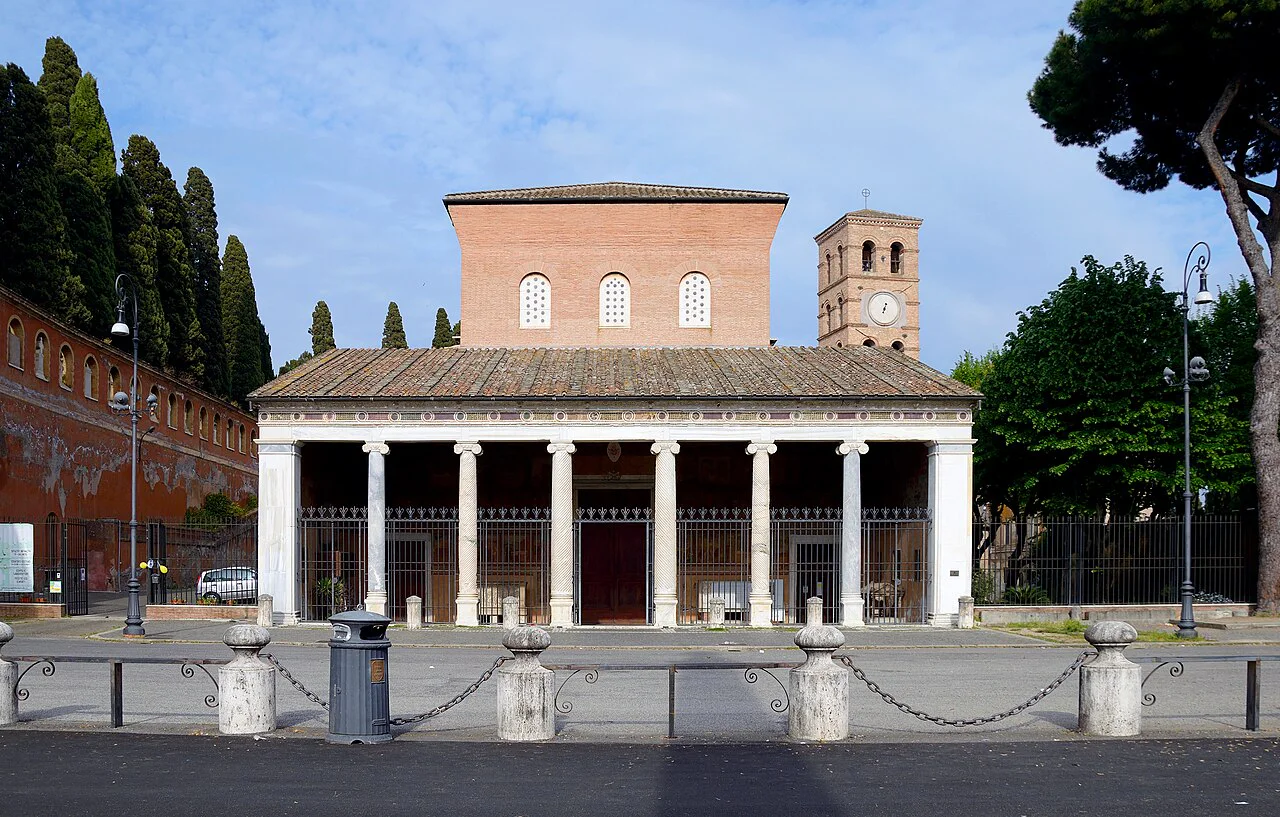
Facade and Piazza of San Lorenzo fuori le Mura
Welcome to the Basilica of Saint Lawrence outside the Walls, one of the seven pilgrim churches of Rome. People have been coming to this spot since the fourth century, when the emperor Constantine raised a small oratory on the estate where Lawrence was buried. Lawrence was one of the first seven deacons of Rome, and he was martyred in the year 258. His grave made this one of the great shrines of the city, and it still gives the basilica its purpose. The brick facade has a harder story. On the nineteenth of July 1943, American planes bombed the district during the Second World War, and the facade was devastated. Restoration went on until 1948, and the frescoes that once covered the facade were lost. A plaque by the door records that Pope Pius XII came here that same day to pray among the ruins. Beside the church rises the Romanesque bell tower, built in the twelfth century, older than the facade in front of it.
Georg Schelbert · CC BY-SA 3.0
02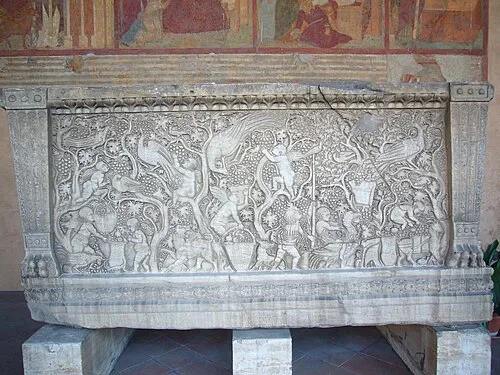 The 13th-Century Portico
Sarcophagus with Vines and Putti
The portico in front of the church was built around 1220, and almost nothing in it is new. Six ancient columns hold it up, salvaged from older Roman buildings and topped with medieval Ionic capitals. The coloured decoration is Cosmatesque work by the Vassalletto family, a dynasty of marble craftsmen who served the popes for generations. Two stone lions from the old entrance stand guard by the door. The great sarcophagus here is carved with a tangle of vines and naked children picking grapes. It is ancient Roman work, quite possibly redecorated in the seventh century on an even older coffin. Vines and grapes usually stand for the Eucharist in Christian art, but these images probably were not meant that way. Nearby lies Cardinal Guglielmo Fieschi, who died in 1256. He was buried in another ancient sarcophagus, this one carved with a pagan marriage feast, a scene its new occupant presumably did not mind.
Photo: Lalupa · CC BY-SA 3.0
03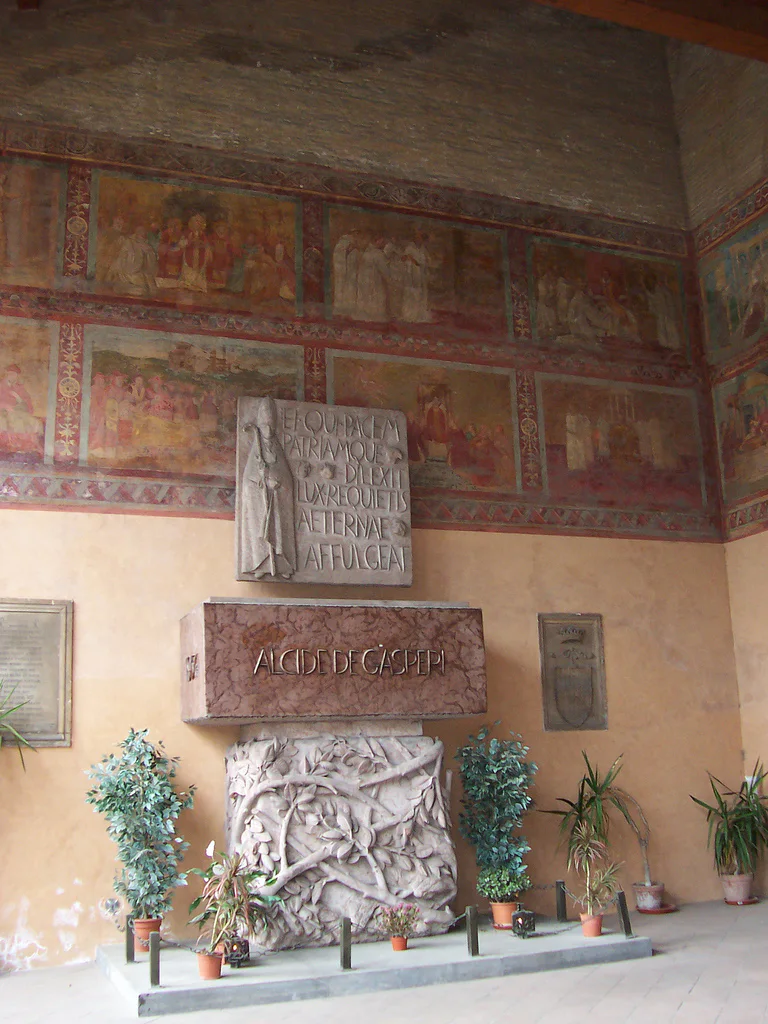 The 13th-Century Portico
Tomb of Alcide De Gasperi
On the left wall of the portico hangs a monument to a man who shaped modern Europe. Alcide De Gasperi led Italy after the Second World War and is counted among the founding fathers of the European Union. The sculptor Giacomo Manzù gave him this tomb, set against walls painted with thirteenth-century frescoes. Those paintings show scenes from the lives of Lawrence and Stephen, two young deacons who were both martyred, along with miracles credited to them after death. This basilica is still a working burial church. It stands beside the Campo Verano, Rome's great municipal cemetery, and a large number of funerals are held here. The dead of the city have gathered around the martyr's grave for centuries.
Listen in the appPanairjdde · CC BY-SA 2.0
04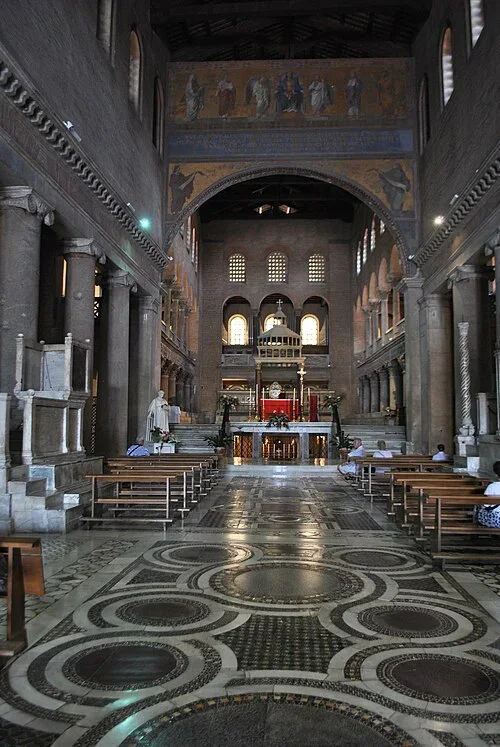 The Honorian Nave and Cosmatesque Masterpieces
The Honorian Nave
This nave holds the building's strangest secret. It is really two churches joined back to back, and they do not share a perfect central axis. In the thirteenth century, Pope Honorius III built his nave in front of an older church that already stood over the shrine. He incorporated part of the older nave and its triumphal arch into the new work, but the two halves never lined up properly. Twenty-two massive columns divide the nave from its side aisles, each one different in shape and workmanship. The thinking is that they were salvaged, with their bases and entablature, from the ancient Constantinian basilica that once stood here. In the nineteenth century the painter Cesare Fracassini covered the whole nave with frescoes. When the bombs fell in 1943, most of them went, and only two were saved in the restoration that followed.
Listen in the appPhoto: Victor Andrade · CC BY-SA 4.0
05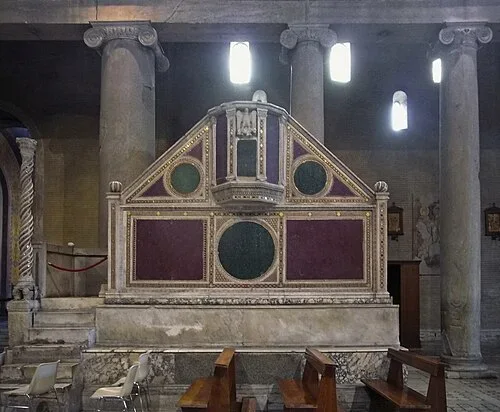 The Honorian Nave and Cosmatesque Masterpieces
The Cosmatesque Ambo
The pulpit and the choir enclosure around the altar carry Cosmatesque decoration, the speciality of Rome's medieval marble workers. They cut coloured marble into small geometric pieces and set them into pale stone in swirling patterns, like mosaic made of stone. Close by stands a Paschal candlestick from the twelfth or thirteenth century, a fine piece of the same craft. One detail rewards a patient eye. The antique Ionic capital on the column directly behind the pulpit is carved with a frog and a lizard, small animals hiding in the acanthus leaves of a capital cut long before this church was built.
Listen in the appLalupa · CC BY-SA 3.0
06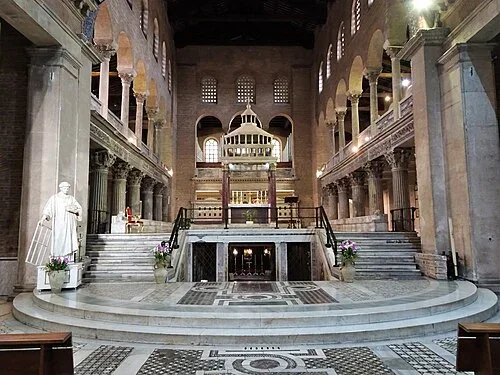 The Raised Pelagian Presbytery and Mosaics
The Raised Pelagian Presbytery
The floor rises here in a broad split, reached by stone steps at the sides. This raised upper church is the older half of the building. In the 580s, Pope Pelagius II commissioned a church over Lawrence's shrine, and that sixth-century church survives as this presbytery. Behind the high altar stands a papal altar whose inscription names its makers, the Cosmati family, and dates it to 1148. At the far end is the bishop's seat of 1254, decorated with mosaics. The chapel behind it was once something quite different: the narthex, the entrance porch, of the Pelagian church itself.
Listen in the appPhoto: Hugo DK · CC BY-SA 4.0
07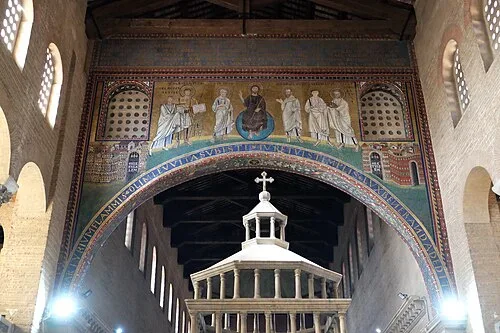 The Raised Pelagian Presbytery and Mosaics
The Triumphal Arch Mosaic
Above the arch, gold and colour have glowed for some fourteen hundred years. These are Byzantine mosaics of the sixth century, showing Christ with the saints, and they belong to the age of the older church below them. Figural mosaics from the sixth century are rare survivors anywhere in Rome, which makes this arch one of the basilica's treasures. The little tesserae of glass and stone were set at slight angles, so the surface catches the light and seems to flicker as it moves.
Listen in the appbradhostetler · CC BY-SA 2.0
08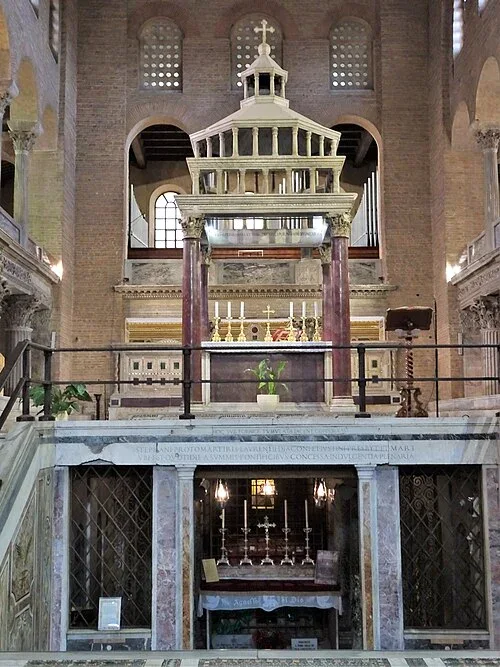 The Crypt of the Deacon Martyrs
The Confessio of Saints Lawrence and Stephen
Beneath the high altar, reached by stairs from the nave, lies the reason this whole complex exists. This is the confessio, the shrine of two deacon martyrs. Lawrence's grave here has been honoured ever since his death. Beside him rests Stephen, the first martyr, whose remains Pope Pelagius II brought from Constantinople during his restoration of the basilica. The medieval faithful told a story about that night. When Stephen's relics were lowered into the tomb beside Lawrence, the older saint's remains were said to have moved aside, making room for his fellow deacon. Whatever happened in the dark of that crypt, the two martyrs have lain together here ever since, and pilgrims still come down the stairs to their tomb.
Listen in the appPhoto: Hugo DK · CC BY-SA 4.0
09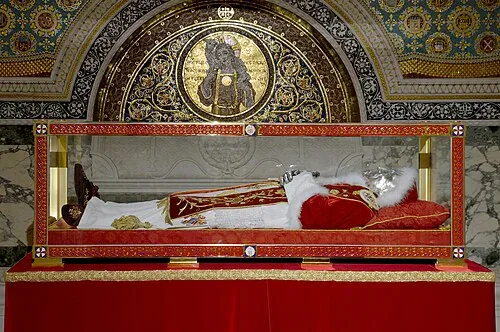 The Tomb of Pope Pius IX
Tomb of Pope Pius IX
Behind the apse sits the chapel of Pope Pius IX. Raffaele Cattaneo built it at the end of the nineteenth century, and its mosaics show moments of the pope's life. His body rests in the glass urn here, dressed in papal vestments. He is one of five popes buried in this basilica, a roll of popes that reaches back across the centuries. It was this same Pius IX who gave the church the open piazza that visitors arrive through today, laid out before the facade.
Listen in the appPhoto: Livioandronico2013 · CC BY-SA 4.0
10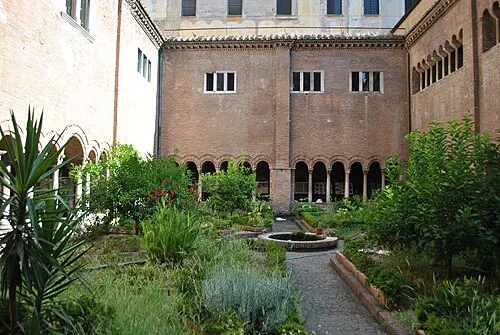 The Medieval Cloister
The Monastery Cloister
The monastery beside the basilica keeps a courtyard like a held breath: brick arcades, a fountain, and green things growing in the quiet. It is a quiet place to end a visit that began at the martyr's grave.
Listen in the appPhoto: Victor Andrade · CC BY-SA 4.0
Basilica di San Lorenzo fuori le mura
Frequently asked questions
How much does the guide cost?
Free app download. Listed guide price: $0.99. Guide price shown in the app. Audio guide only. Venue admission is separate.
Can I listen without internet?
Yes. Download the guide’s audio, images, and maps in the app before your visit. Your downloaded content is then available offline.
Can I listen in my language?
This audio guide is available in 15 languages, including English.
Do I need to follow a schedule?
No. This is a self-guided experience. Choose your stops, pause whenever you like, and return to a story at your own pace.
At your own pace
Explore Basilica di San Lorenzo fuori le mura.
Download Stanza, then search for “Basilica di San Lorenzo fuori le mura”.
Free app download · Guide price shown in the app
Keep exploring
Nearby audio guides
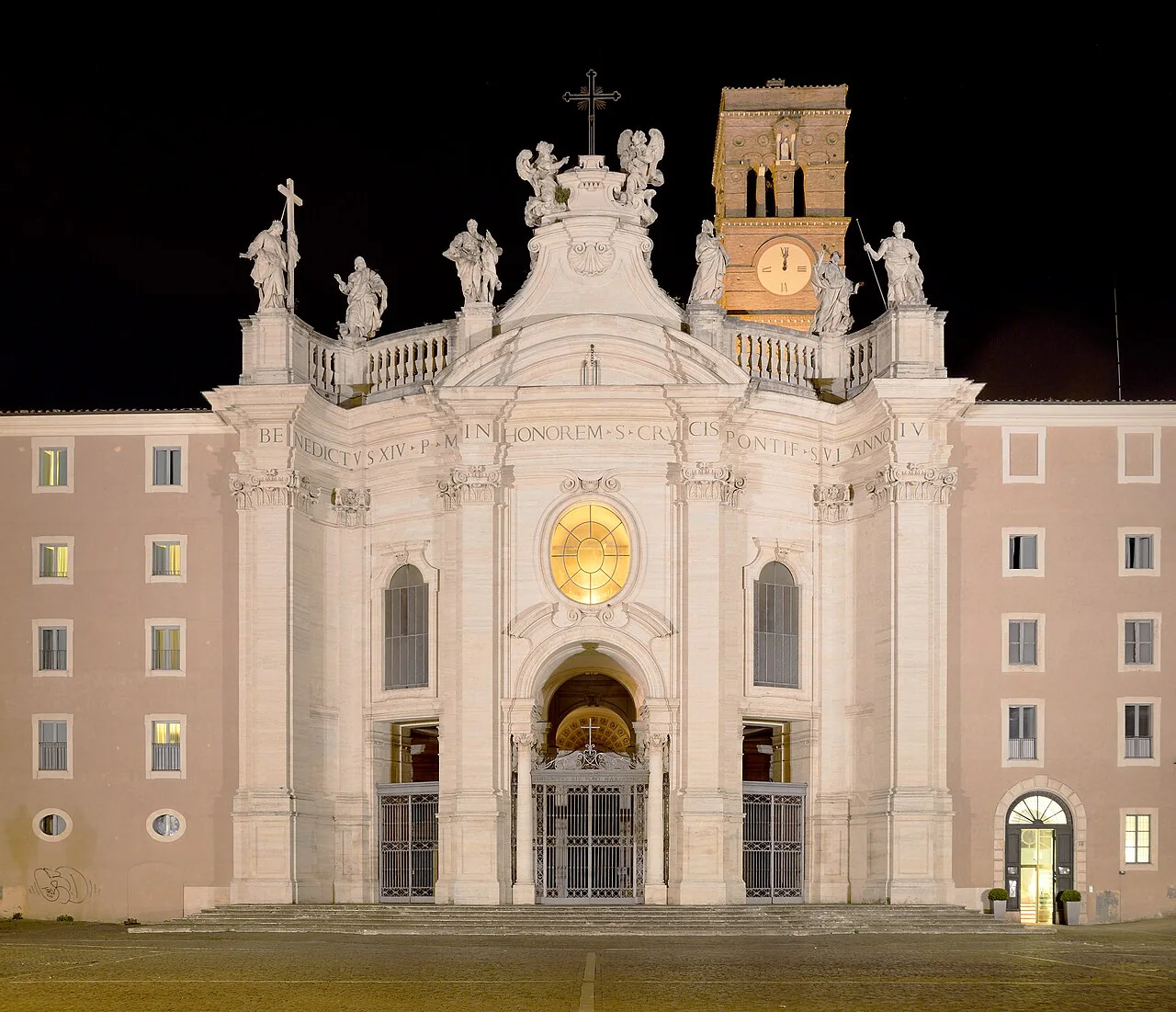
Rome · 2 km
Basilica di Santa Croce in Gerusalemme
Content & sources
Photo: Livioandronico2013 · CC BY-SA 4.0
Rome · 2 km
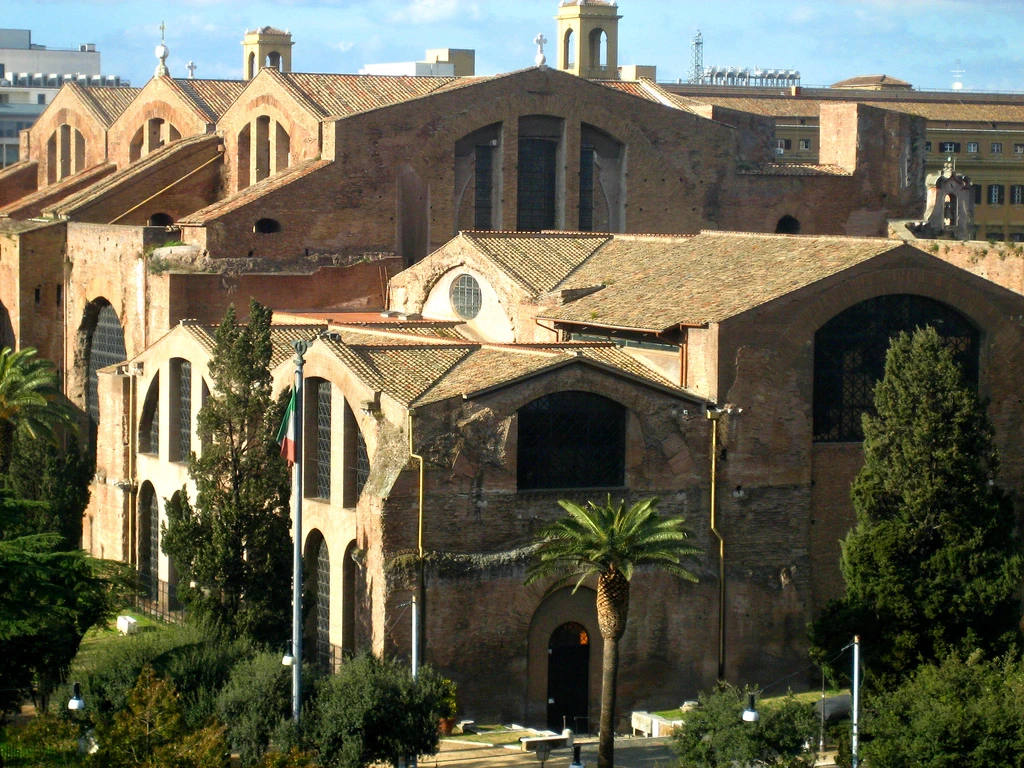
Terme di Diocleziano
Content & sources
Photo: Joris · CC BY 2.0
Rome · 2 km
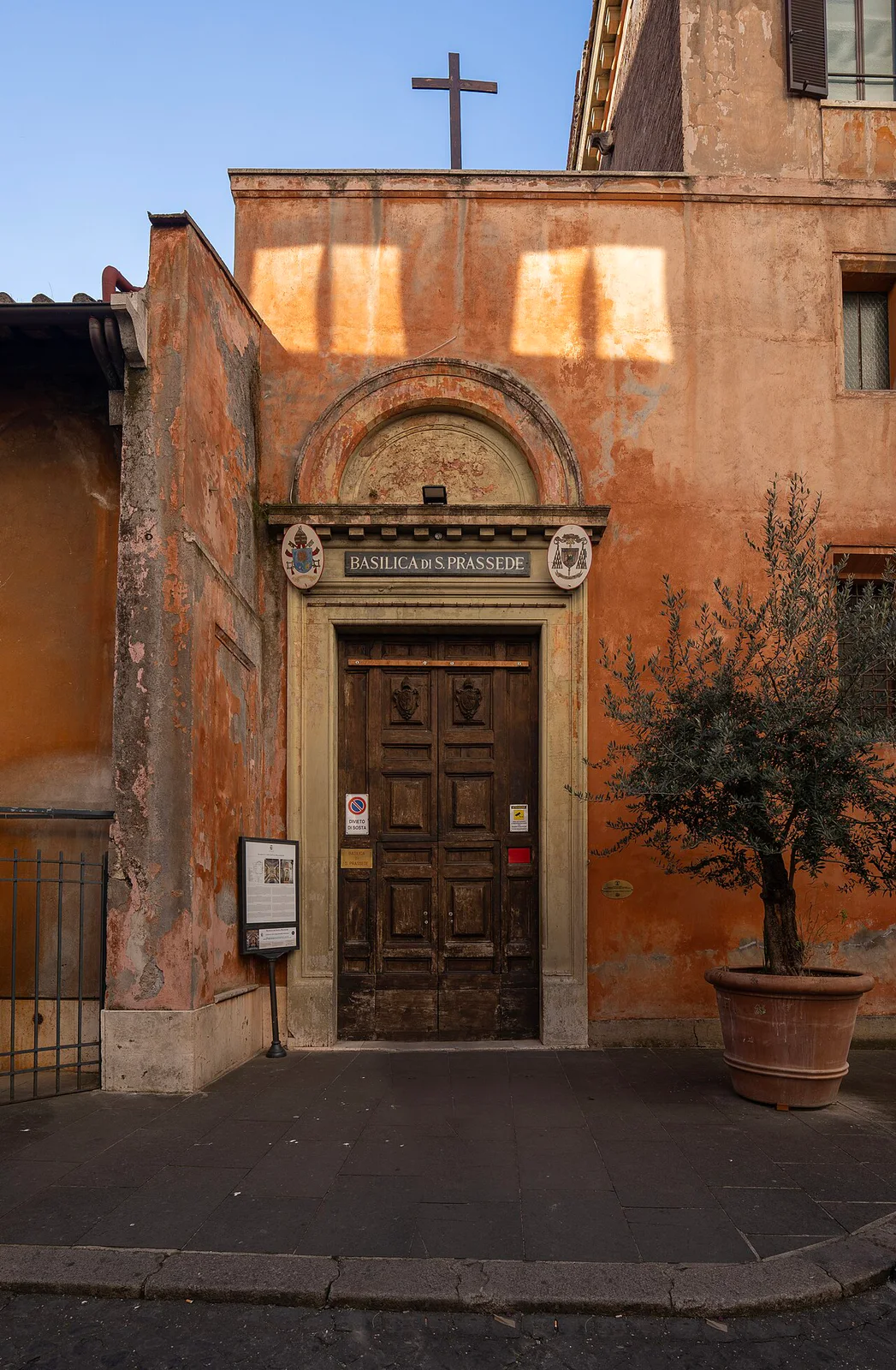
Basilica di Santa Prassede
Content & sources
Photo: Rione I Monti · CC BY 4.0
Rome · 2 km
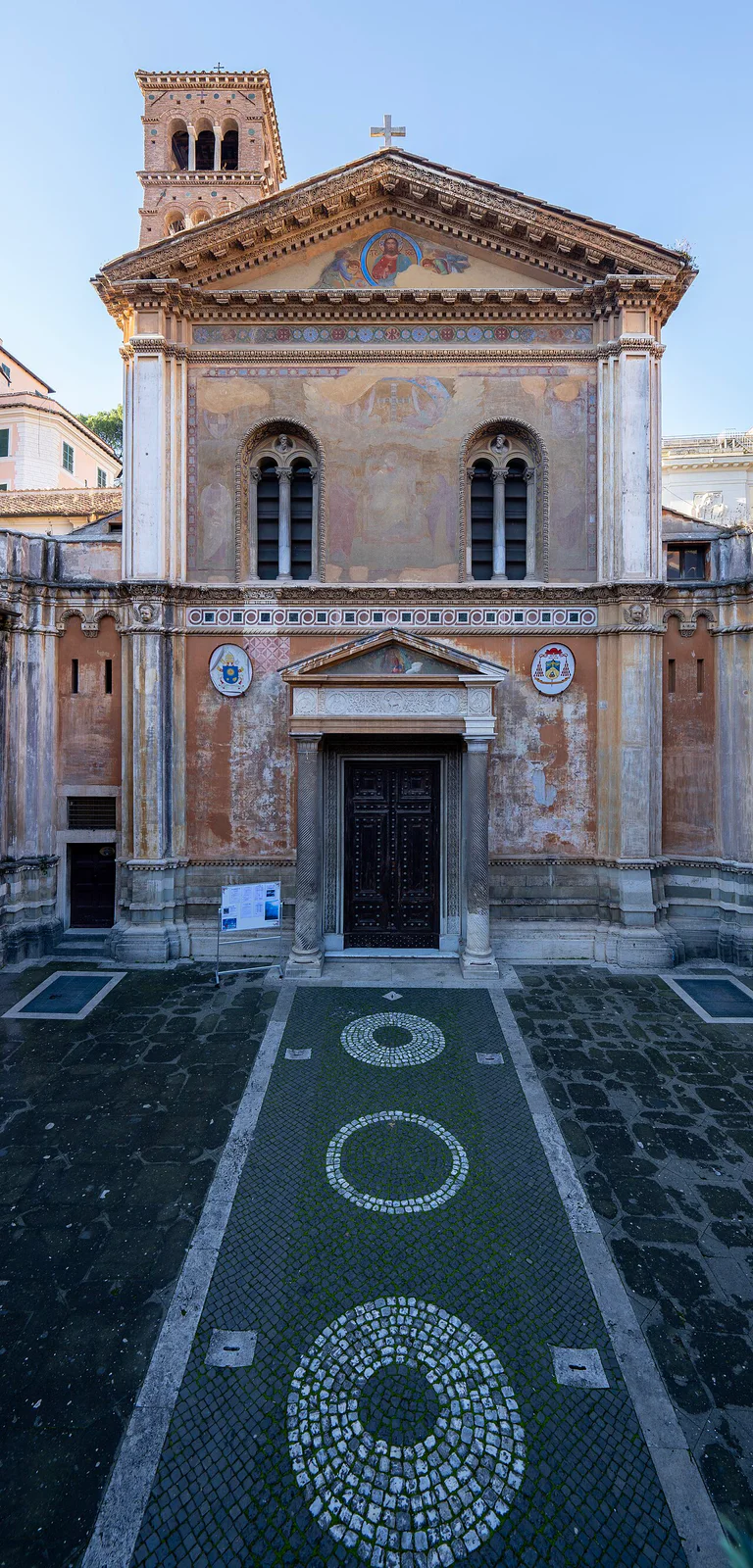
Basilica di Santa Pudenziana
Content & sources
Photo: Rione I Monti · CC BY 4.0