Stanza · Audio guide
Basilica di San Pancrazio Audio Guide
A place to remember. A story to take with you.
The basilica of San Pancrazio is a Catholic minor basilica and parish church founded by Pope Symmachus in the 6th century in Rome. It stands on the Janiculum and covers the Catacomb of San Pancrazio.
Download Stanza, then search for “Basilica di San Pancrazio”.
About the tour
One guide. Your kind of visit.
The basilica of San Pancrazio is a Catholic minor basilica and parish church founded by Pope Symmachus in the 6th century in Rome. It stands on the Janiculum and covers the Catacomb of San Pancrazio.
Ready when you are.
- 01Get the free Stanza app.
iOS & Android
- 02Find your guide.
“Basilica di San Pancrazio”
- 03Download before you go.
Works offline
Audio guide / 8 narrated stops
Inside the guide
Get to know a few of the stories before you go. Open a stop to read more.
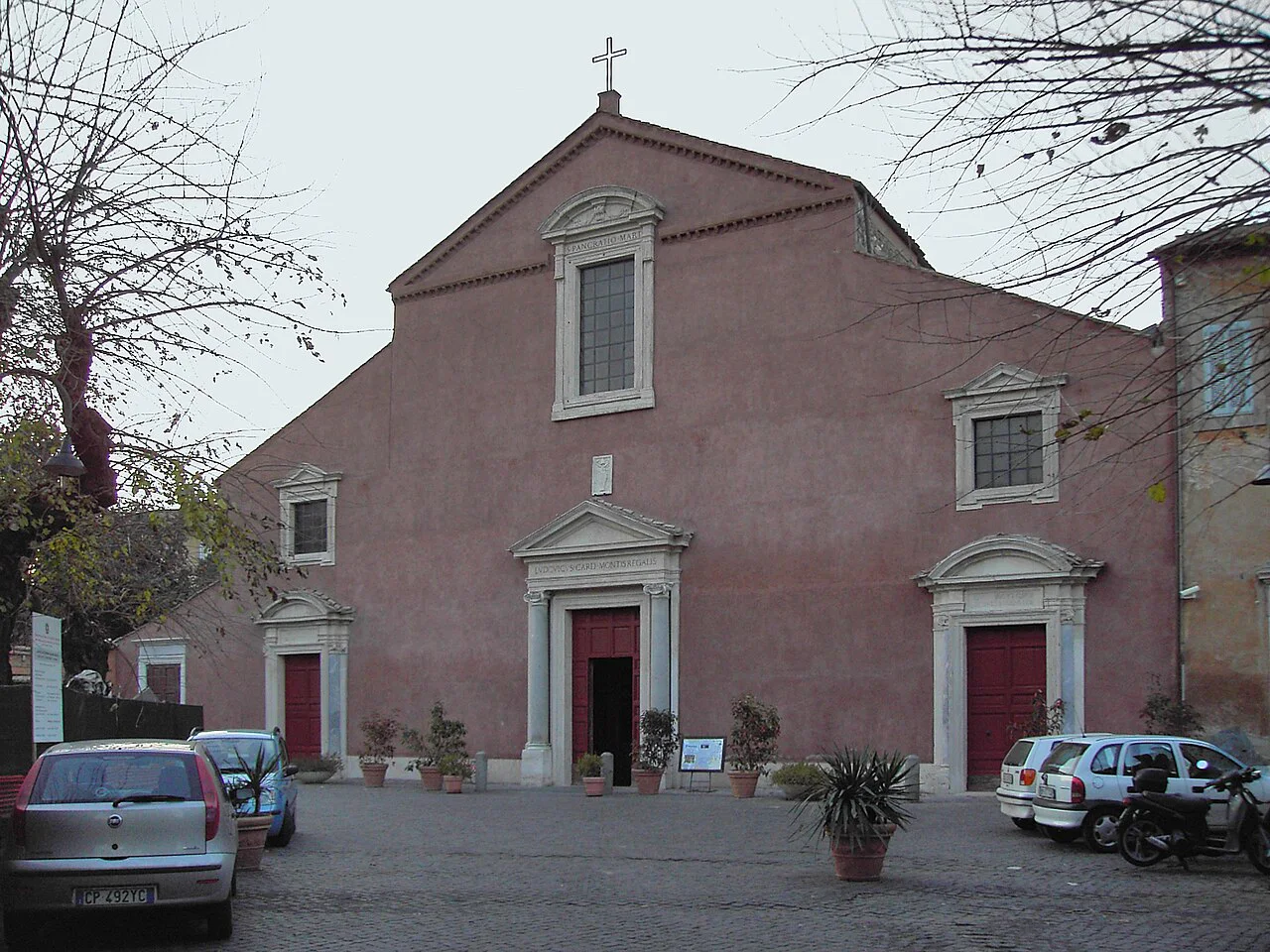
01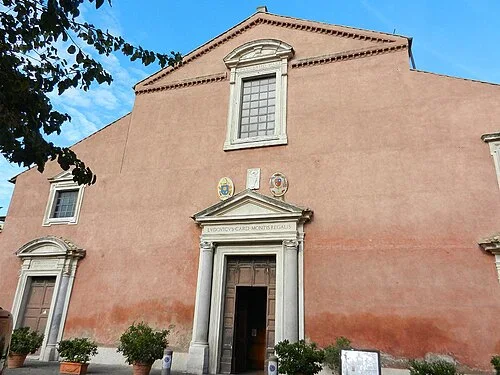 Piazza Forecourt and 15th-Century Facade
Brick Facade and Papal Arms
Pope Symmachus had the basilica of San Pancrazio built in the early sixth century. It stands on the Janiculum hill, on the spot where the young martyr Saint Pancras had been buried. That burial place lay along the Via Aurelia, at its second milestone. Today the church is a minor basilica, a parish church, and a titular church, which means a cardinal is given the church as his title. The convent beside it is home to the Discalced Carmelites. The front is the plainest part of the church. Most of it is plain brickwork, a warm pink surface with very little decoration. The front dates from the end of the fifteenth century, and it is said to carry the arms of Pope Innocent the Eighth. Above the doorway, two shield-shaped emblems flank a small tablet. In 1849, during the French attack on the young Roman Republic, the church was heavily damaged. It was rebuilt further in the nineteenth century. Yet this brick front survived.
Photo: Geobia · CC BY-SA 4.0
02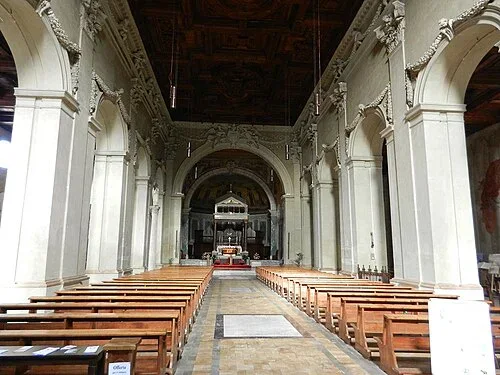 Central Nave and Coffered Ceiling
Central Nave
The church was first placed under the clergy of San Crisogono, by Pope Symmachus. Those clergy neglected the site. So Pope Gregory the First handed the church to the Benedictines, a newly founded order of monks. Their monastery at Montecassino had been sacked by the Lombards in 580. Gregory also wanted a monastery built beside the church, so its services would run regularly. That monastery was named after Saint Victor, though it is not clear which Victor is meant. The shrine was already drawing visitors. By the middle of the sixth century, the gate in the wall nearby had taken the saint's name.
Photo: Geobia · CC BY-SA 4.0
03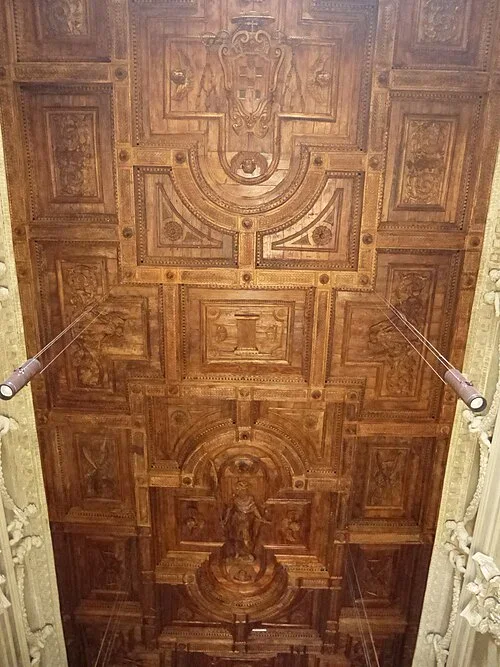 Central Nave and Coffered Ceiling
Coffered Wooden Ceiling
Carved wood covers the ceiling in a dense grid of sunken panels. Squares, crosses and arches make up the pattern, and most panels hold a small carved motif. Near the top, a shield bearing a coat of arms sits at the centre of the design. Lower down, a carved figure stands in an arched panel. The Discalced Carmelites shaped the church's later history. In the seventeenth century they were given the church, and they remodeled it completely.
Listen in the appPhoto: Lalupa · CC BY-SA 3.0
04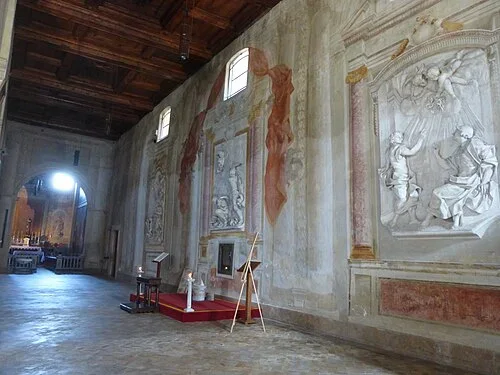 Right Aisle and Martyrdom Shrine
Right Aisle with Painted Walls and Relief Panels
Painted panels and white relief carvings cover the walls of the right aisle. A large relief on the wall shows a standing figure, with small winged figures above it. A red-carpeted platform holds lit candles, with an easel beside it. An arch opens toward the altar area beyond. In many churches, side aisles held altars or devotional images. The paint here has faded, and in places the plaster has flaked away.
Listen in the appPhoto: Lalupa · CC BY-SA 4.0
05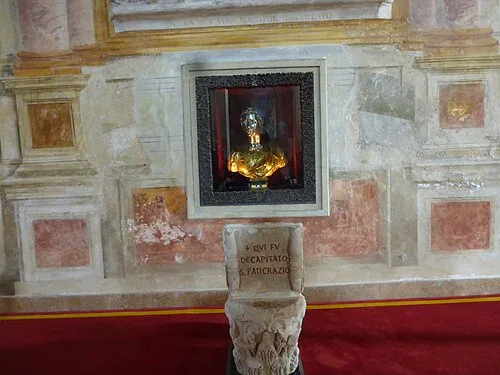 Right Aisle and Martyrdom Shrine
Reliquary and Inscribed Column in the Right Aisle
Saint Pancras was only about fourteen when he was martyred in Rome. This happened in May of 304, under Emperor Diocletian. Diocletian had launched the last and harshest persecution of Christians, and about fifteen thousand Christians died in it. A column in this aisle carries an inscription in Italian, saying that here he was beheaded. A gilded reliquary sits behind glass in a dark niche above it. The shrine marks the place the inscription names.
Listen in the appPhoto: Lalupa · CC BY-SA 4.0
06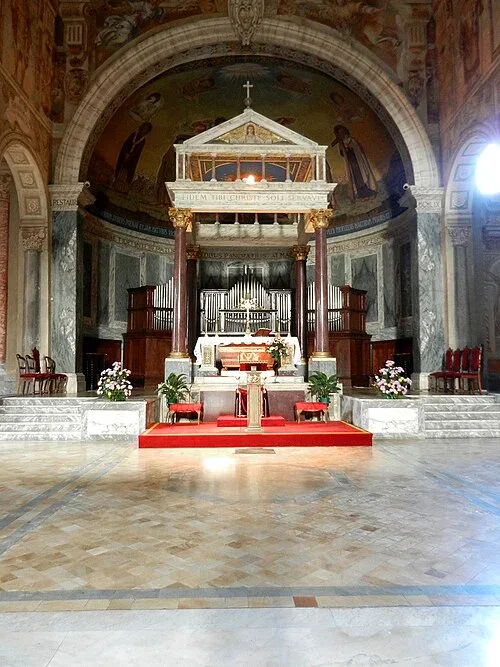 High Altar and Presbytery
High Altar and Canopy with Apse
Growing numbers of pilgrims came to the shrine, and Pope Honorius the First built a larger church for them. He did this in the first half of the seventh century. He placed the saint's relics directly beneath the high altar. A window opened from a semicircular corridor behind and below the altar, giving access to them. Four columns support a canopy over the altar, its top a triangular pediment. Behind the altar, the apse is painted, and its frescoes are attributed to the painter Antonio Tempesta.
Listen in the appPhoto: Geobia · CC BY-SA 4.0
07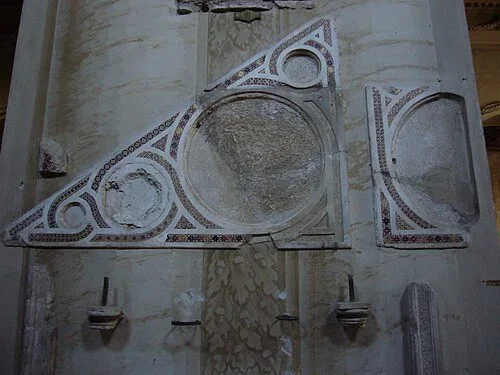 High Altar and Presbytery
Cosmatesque Marble Inlay Fragments
Cosmatesque is a Roman style of marble inlay, with small pieces of coloured stone set into geometric patterns. It was used for church furnishings. Here, thin bands of coloured stone frame round and triangular panels. The church was rebuilt and refitted more than once over the centuries, and pieces like these are one trace of that. Metal fixing brackets are still fitted to the pale stone behind the panels.
Listen in the appPhoto: Lalupa · CC BY-SA 4.0
08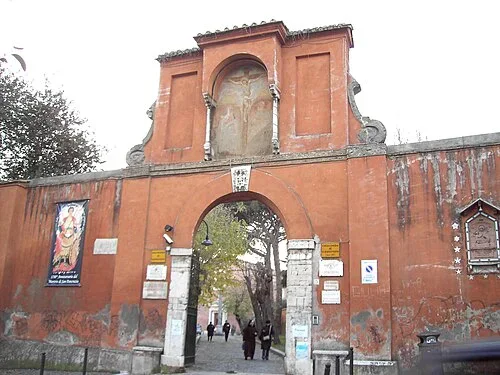 The Catacombs of San Pancrazio
Gateway in the Aurelian Wall
The basilica lies just beyond the Porta San Pancrazio, a gate in the Aurelian Wall. Beneath the church lie vast catacombs, and two entrances lead into them. It is known as the Catacomb of San Pancrazio, or of Ottavilla. The name Ottavilla honours a matron who looked after the burial of the young Saint Pancras. Visitors enter beside the small museum of San Pancrazio, which holds fragments of sculpture and inscriptions, some pagan and some early Christian. The Ottavilla entrance is kept for scholars of early Christian archaeology. The galleries are narrower than the better-known catacombs, and that narrowness gives a sense of the hardships early Christian life involved. People came here to honour their dead, and in the underground chapels they had Mass said on the anniversary of a death, a loved one's or a martyr's.
Listen in the appuser:Lalupa · Public domain
Basilica di San Pancrazio
Frequently asked questions
How much does the guide cost?
Free app download. Listed guide price: $0.99. Guide price shown in the app. Audio guide only. Venue admission is separate.
Can I listen without internet?
Yes. Download the guide’s audio, images, and maps in the app before your visit. Your downloaded content is then available offline.
Can I listen in my language?
This audio guide is available in 15 languages, including English.
Do I need to follow a schedule?
No. This is a self-guided experience. Choose your stops, pause whenever you like, and return to a story at your own pace.
At your own pace
Explore Basilica di San Pancrazio.
Download Stanza, then search for “Basilica di San Pancrazio”.
Free app download · Guide price shown in the app
Keep exploring
Nearby audio guides
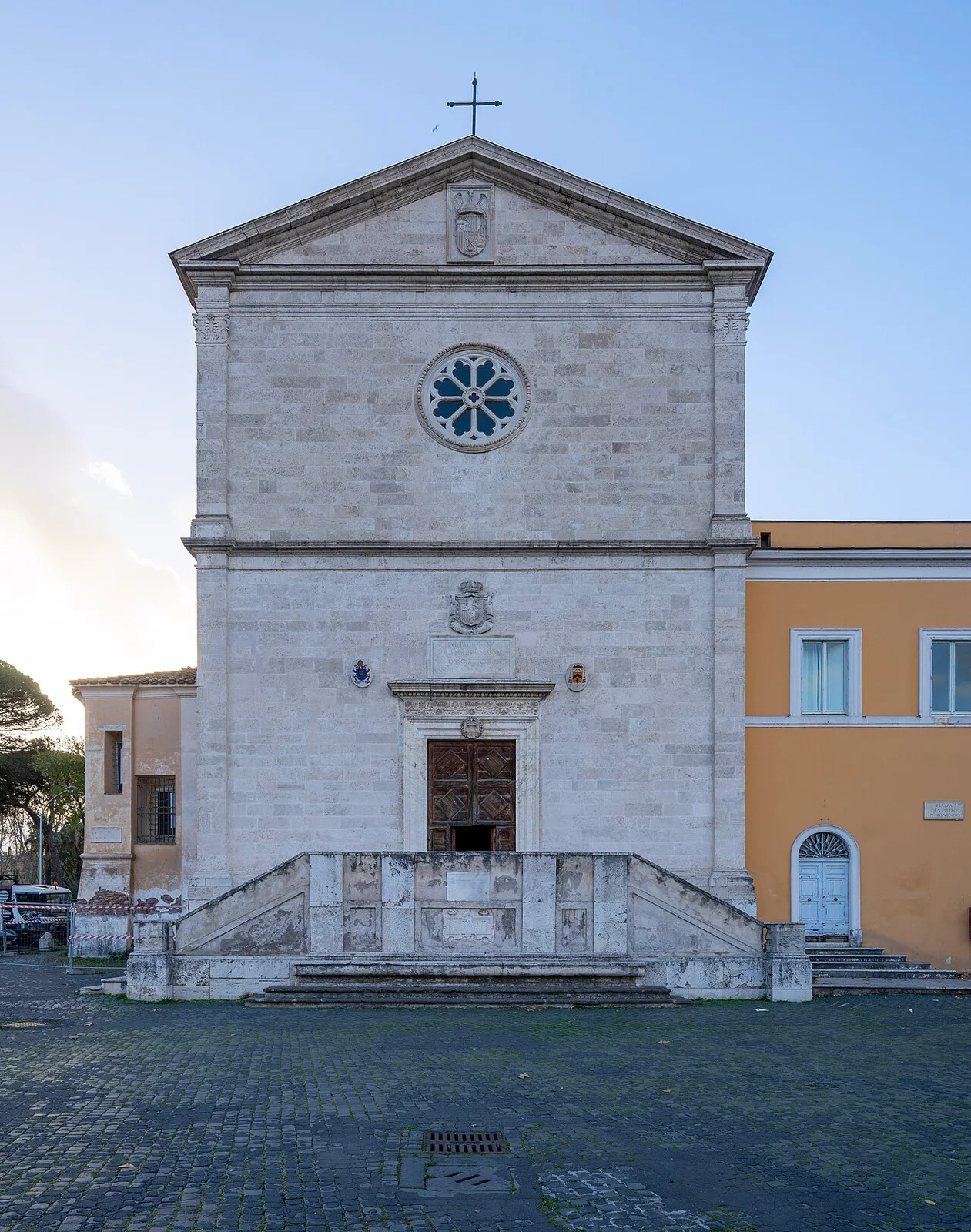
Rome · 1 km
Chiesa di San Pietro in Montorio
Content & sources
Photo: PubblicUsername · CC BY 4.0
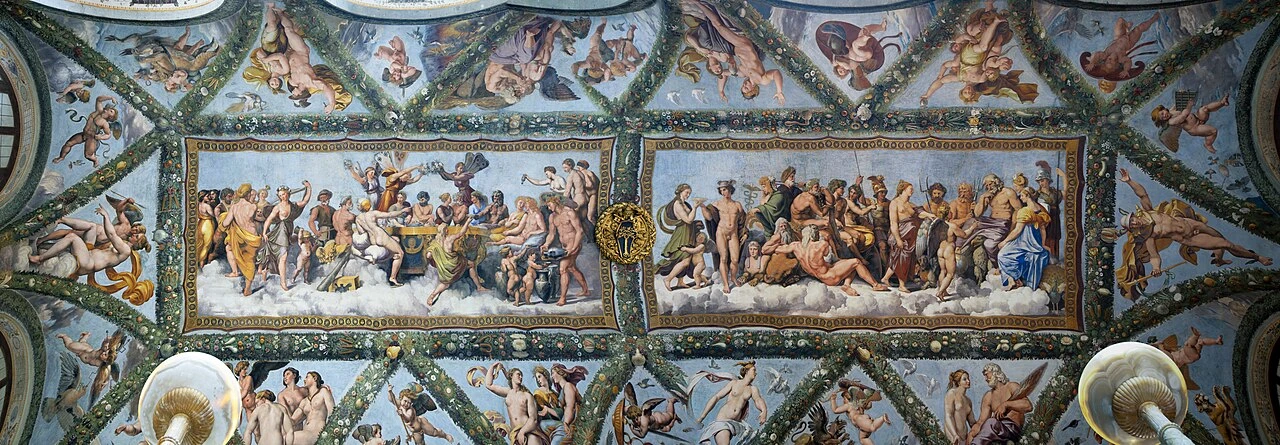
Rome · 1 km
Villa Farnesina
Content & sources
Paris Orlando · CC BY-SA 4.0
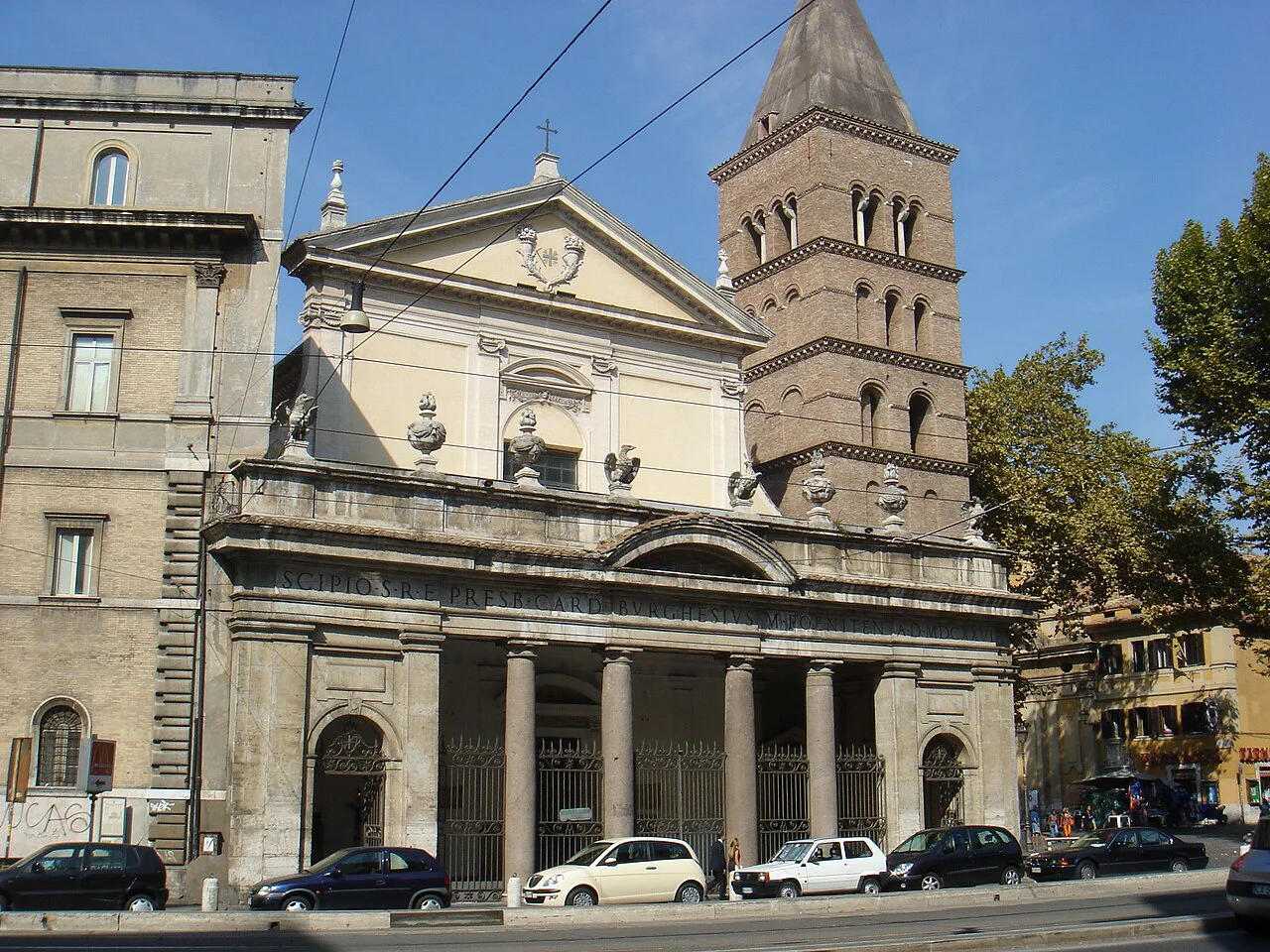
Rome · 2 km
Basilica di San Crisogono
Content & sources
Photo: Lalupa · CC BY-SA 3.0
Rome · 2 km
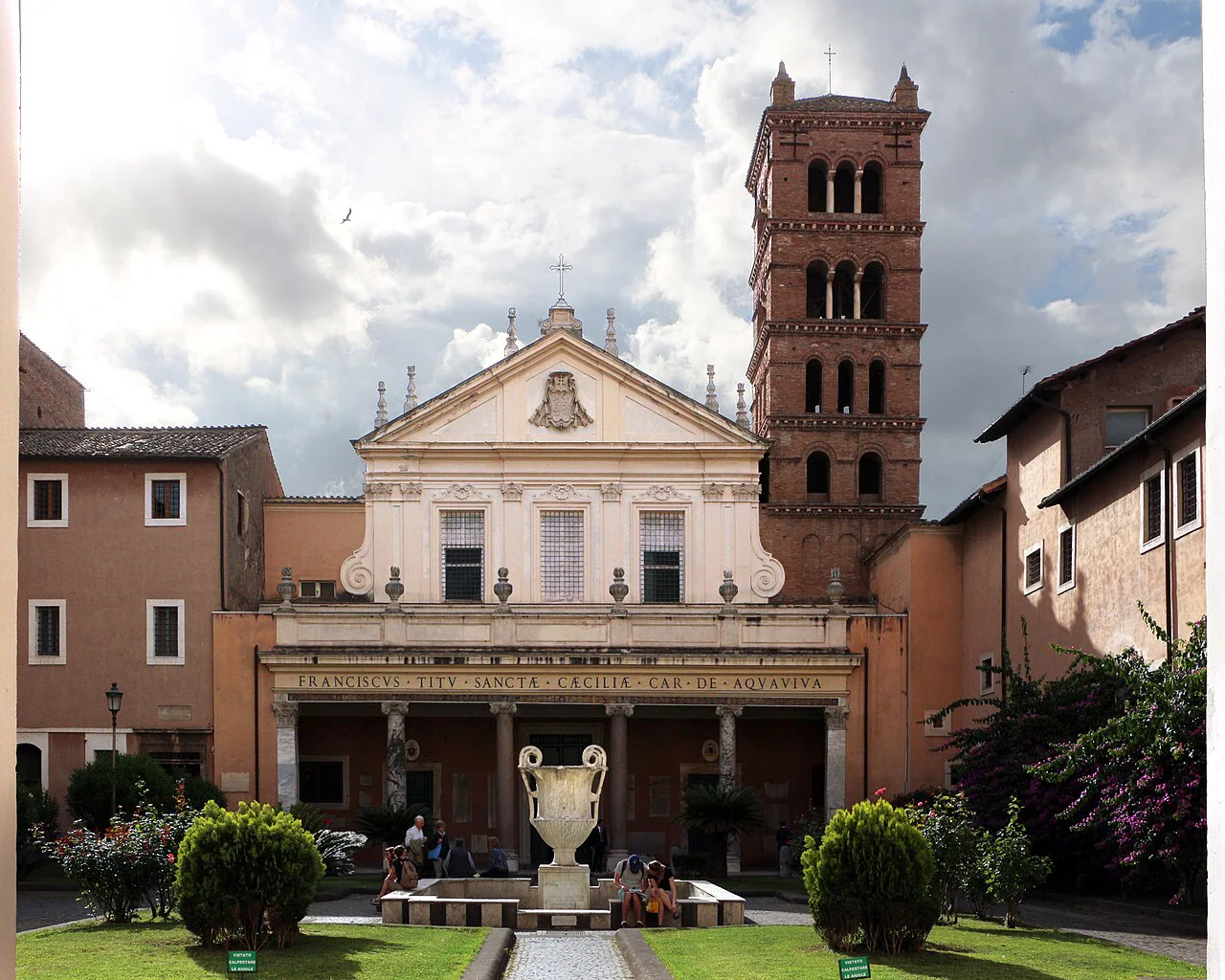
Basilica di Santa Cecilia in Trastevere
Content & sources
Photo: Sailko · CC BY 3.0