Stanza · Audio guide
Mausoleo di Santa Costanza Audio Guide
A place to remember. A story to take with you.
The Mausoleum of Constantina was built in the 4th century AD for Constantina, the daughter of the emperor Constantine I. It is located in Rome and later became a church.
Download Stanza, then search for “Mausoleo di Santa Costanza”.
About the tour
One guide. Your kind of visit.
The Mausoleum of Constantina was built in the 4th century AD for Constantina, the daughter of the emperor Constantine I. It is located in Rome and later became a church.
Ready when you are.
- 01Get the free Stanza app.
iOS & Android
- 02Find your guide.
“Mausoleo di Santa Costanza”
- 03Download before you go.
Works offline
Audio guide / 7 narrated stops
Inside the guide
Get to know a few of the stories before you go. Open a stop to read more.
01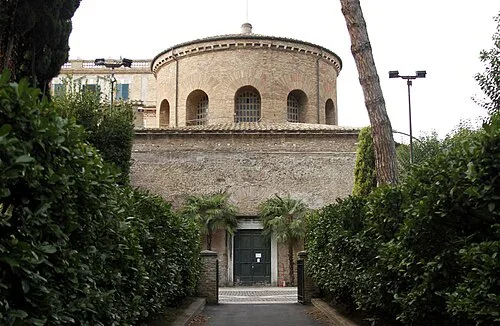 Exterior Facade and Entrance Narthex
Santa Costanza: An Imperial Daughter's Tomb on the Via Nomentana
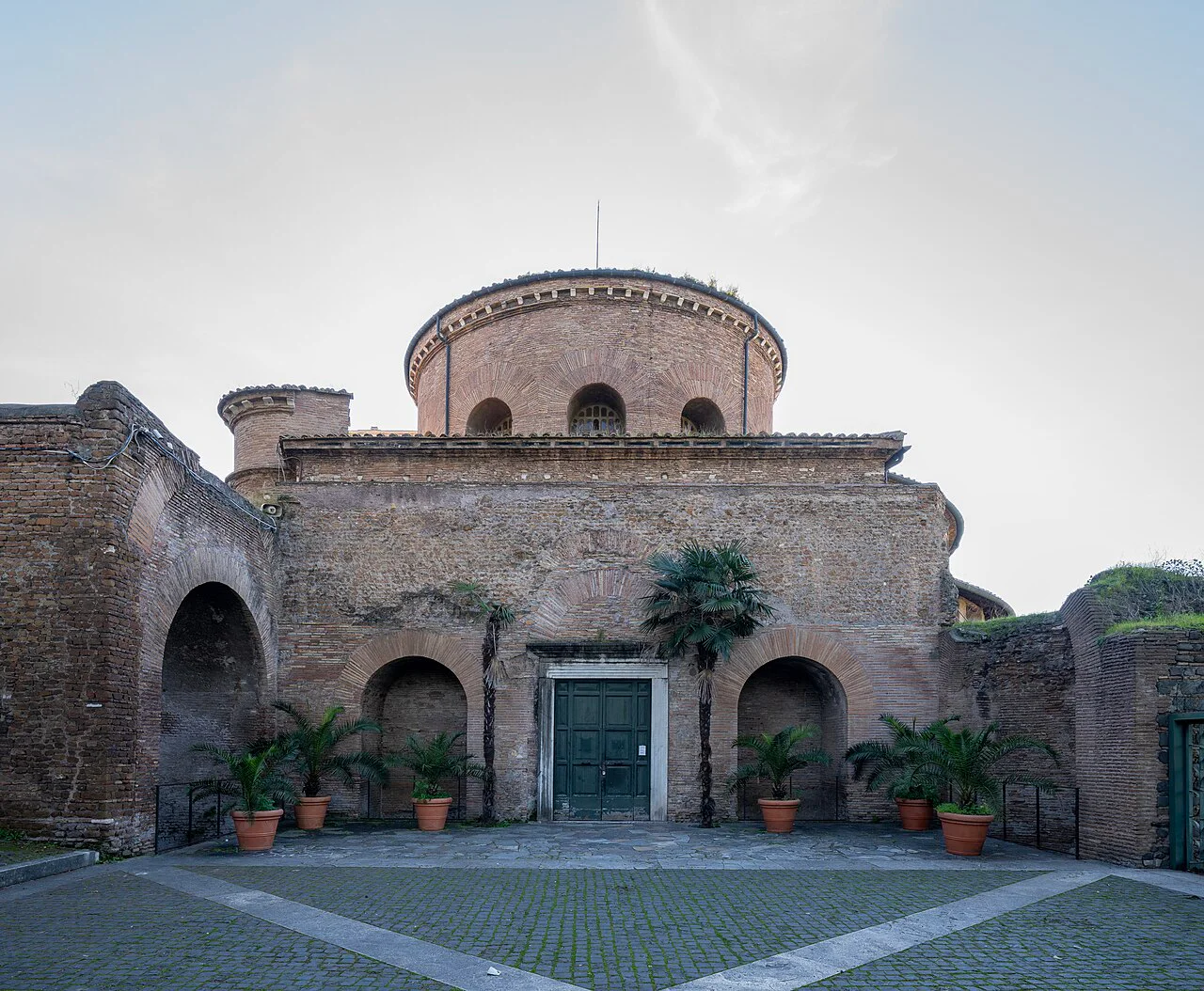
Welcome to Santa Costanza, a round brick building on the Via Nomentana, the old road running north-east out of Rome. Around the year 340, work began here on a mausoleum for Constantina, the eldest daughter of the emperor Constantine. It was finished by about 350. Constantina had a special bond with this ground. Underground, in the catacombs, lay the body of Saint Agnes, a girl of thirteen martyred for her faith, and Constantina was devoted to her. Her father had already built a great funerary basilica here from 338, beside the saint's grave; the bases of its walls survive. The mausoleum rose over part of those catacombs. Excavations in 1992 uncovered an earlier building beneath, possibly a baptistry where Constantina herself was baptised by Pope Silvester. Santa Costanza matters because so little here has changed. It is one of the best-preserved buildings of Late Antiquity left in Rome, and its ceiling mosaics are original.
José Luiz · CC BY-SA 4.0
02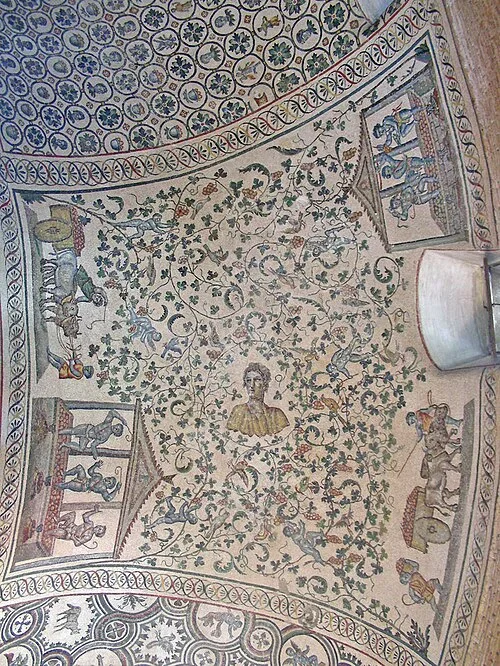 Ambulatory Vault Mosaics
The Vintage Vault: Cupids, Grapevines and the Temple of Bacchus
The barrel-vaulted passage ringing the rotunda carries mosaics as old as the building itself. One panel above has made it famous. Grapevines scroll across the vault while cupids pick the grapes, haul them on ox carts and tread them into wine. It is a scene that recalls Bacchus, the Roman god of wine. Images like these were often used on funerary monuments of late antiquity. To a Christian eye, wine pointed to the Eucharist, so the same picture could serve both faiths. The mosaics catch Rome at the very hinge between the two worlds. The grape harvest made such an impression that Renaissance scholars misread the whole building. They called it the Tempio di Bacco, the Temple of Bacchus, and believed it began life as a pagan shrine. It was never a temple at all.
Photo: MM · CC BY-SA 3.0
03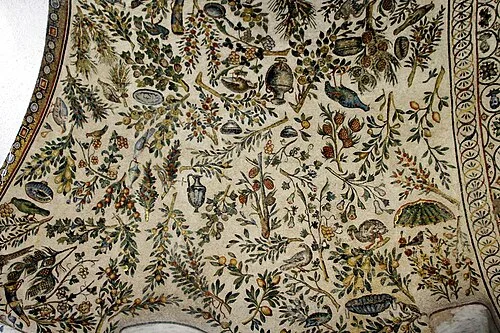 Ambulatory Vault Mosaics
Garlands, Birds and Vessels: A Palace Ceiling in Stone
Other panels along this vault leave people out almost entirely. The ceiling is divided into eleven trapezoidal panels, geometric patterns alternating with figurative ones. Boughs and greenery fill the compartments, with birds carrying foliage branches, vases and other vessels. These ornaments of beauty and abundance echo the decoration of the Early Christian catacombs, suggesting the plenty promised in Heaven after death. The craftsmen set their pieces in marble, not the glass cubes that later mosaicists preferred. Their palette is narrow too: dark green, brown, red and yellow on a light ground. That scheme matches Roman mosaics from the early fourth century, so these panels were made soon after the building was finished, not added later. In style they probably resemble the ceilings of imperial palaces of the day, and they have needed little restoration.
Listen in the appJosé Luiz · CC BY-SA 4.0
04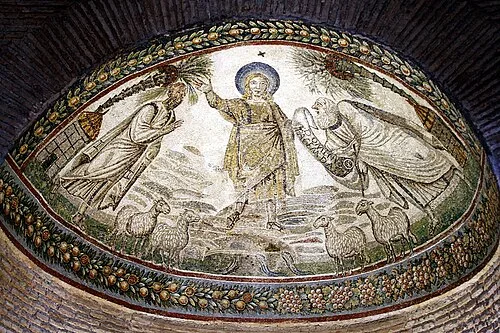 Apse Mosaics: Traditio Legis
Christ in Gold: The Traditio Legis Niche
Set into the ambulatory wall are two shallow apses, and their mosaics speak a different language from the vine scrolls. In one, Christ stands in golden robes above the paradise mount, between Saints Peter and Paul. He hands Peter the scroll of the law, beneath the inscription Dominus pacem dat, the Lord gives peace. Sheep at his feet stand for his role as shepherd of the flock. The golden robes and the commanding pose echo Roman emperors, imperial imagery turned to Christian use. These two niches hold some of the earliest surviving monumental images of the Pantocrator, Christ as all-ruling Lord. When they were made is still argued over, somewhere in the fifth century or perhaps two centuries later. Both have suffered restoration over the ages. Renaissance visitors also reported a mosaic of two women in white behind the sarcophagus. That one has vanished entirely, and no drawing of it was ever made.
Listen in the appJosé Luiz · CC BY-SA 4.0
05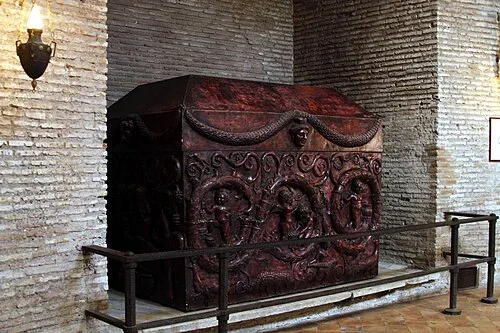 Imperial Sarcophagus Niche
Purple Stone for an Emperor's Daughter
The great sarcophagus in its deep brick niche is a cast. The original, carved from porphyry, went to the Vatican Museums in the late eighteenth century. Porphyry is a hard purple stone the Romans reserved for the imperial family alone. It was quarried from a single source in Egypt, which made it rarer still. The chest is massive, more than two metres long, and its lid carries four portrait heads, one of them very likely Constantina herself. Stylised vine stems cover the surface, woven with cherubs, and peacocks stand for immortality. A smaller companion sarcophagus was moved to Saint Peter's in 1606. The historian Ammianus tells how the two sisters came to rest here from far corners of the empire. Constantina's body was brought back from Bithynia, across the sea in Asia Minor. Her sister Helena's travelled from Gaul. Which sister lay in which sarcophagus is now doubted: the famous larger one may have held Helena, and the plainer one Constantina.
Listen in the appJosé Luiz · CC BY-SA 4.0
06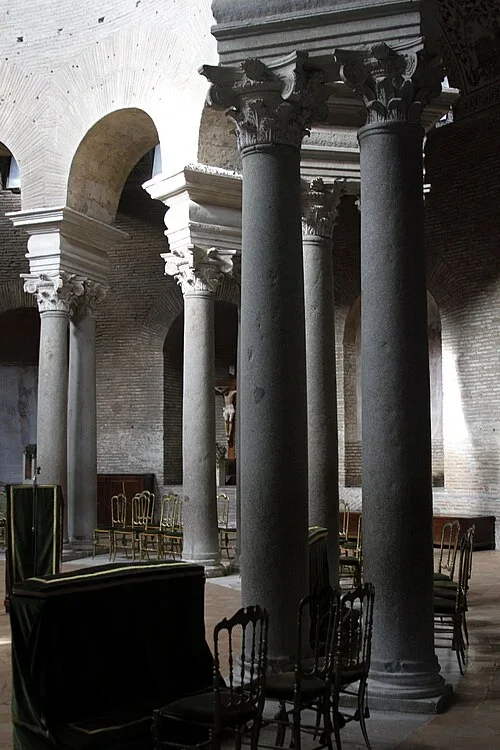 Central Rotunda, Arcade, and Dome
Twelve Pairs of Columns and the Play of Light
Twelve pairs of polished granite columns carry the whole dome. They stand in radial pairs, ringed in a circle, and their composite capitals were reused from older Roman buildings. Twelve arched windows pierce the drum above, and their light floods the central hall. The ring-shaped ambulatory beyond the columns stays dim, so one roof shelters two worlds, one bright and one in shadow. That ring passage measures about twenty-two and a half metres across. The matching counts have struck people as deliberate, a possible reference to the Twelve Apostles. The roof itself was the novelty. Earlier Roman halls were typically spanned by flat timber roofs; here a dome and vaults take their place. Inside, the walls were probably once clad in slabs of colourful marble, the usual finish for imperial buildings. Those coloured veneers are gone.
Listen in the appJosé Luiz · CC BY-SA 4.0
07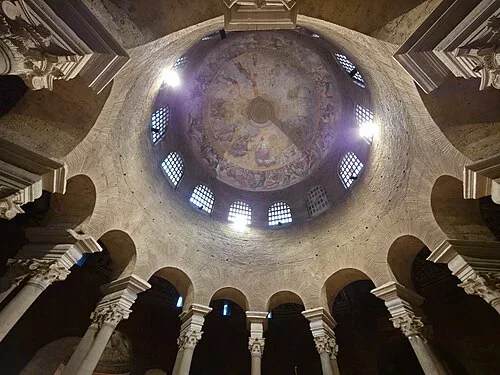 Central Rotunda, Arcade, and Dome
The Lost Dome and a Tomb Become a Church
The dome painted overhead today is not the original covering. The fourth-century dome carried mosaics of biblical scenes of salvation, close in style to the catacomb paintings of the third century. Water damage led to their destruction around 1620. What they looked like survives because a Portuguese artist, Francisco de Holanda, copied them in watercolour in the late 1530s. His sheets show Susanna and the Elders, Tobias, the sacrifice of Cain and Abel, Moses striking the rock for water, and perhaps Noah building his ark. An upper row, already largely missing by then, probably held scenes from the New Testament, among them the Miracle of the Centurion. By that time the tomb had long been a church. Pope Nicholas the First celebrated mass here in 865, the earliest appearance of the name Santa Costanza. Full consecration waited until 1254, when Pope Alexander the Fourth had remains believed to be Constantia's moved beneath the central altar. Pagan grapevines and cupids below, Christ in gold above, an emperor's daughter at the centre: Santa Costanza holds the confidence of late Roman craftsmen at the hinge between two worlds.
Listen in the appPhoto: NateBergin · CC BY 4.0
Mausoleo di Santa Costanza
Frequently asked questions
How much does the guide cost?
Free app download. Listed guide price: $0.99. Guide price shown in the app. Audio guide only. Venue admission is separate.
Can I listen without internet?
Yes. Download the guide’s audio, images, and maps in the app before your visit. Your downloaded content is then available offline.
Can I listen in my language?
This audio guide is available in 15 languages, including English.
Do I need to follow a schedule?
No. This is a self-guided experience. Choose your stops, pause whenever you like, and return to a story at your own pace.
At your own pace
Explore Mausoleo di Santa Costanza.
Download Stanza, then search for “Mausoleo di Santa Costanza”.
Free app download · Guide price shown in the app
Keep exploring
Nearby audio guides
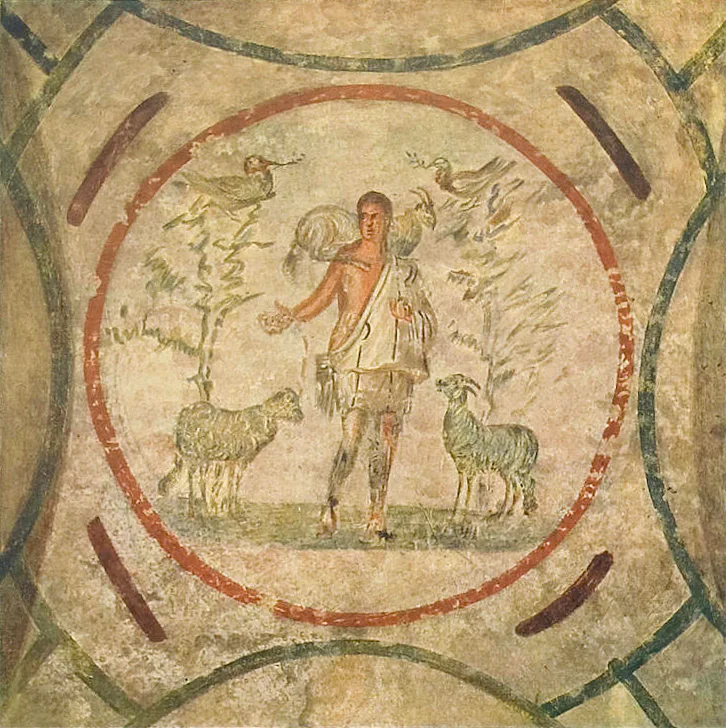
Rome · 1 km
Catacombe di Priscilla
Content & sources
Unknown author · Public domain
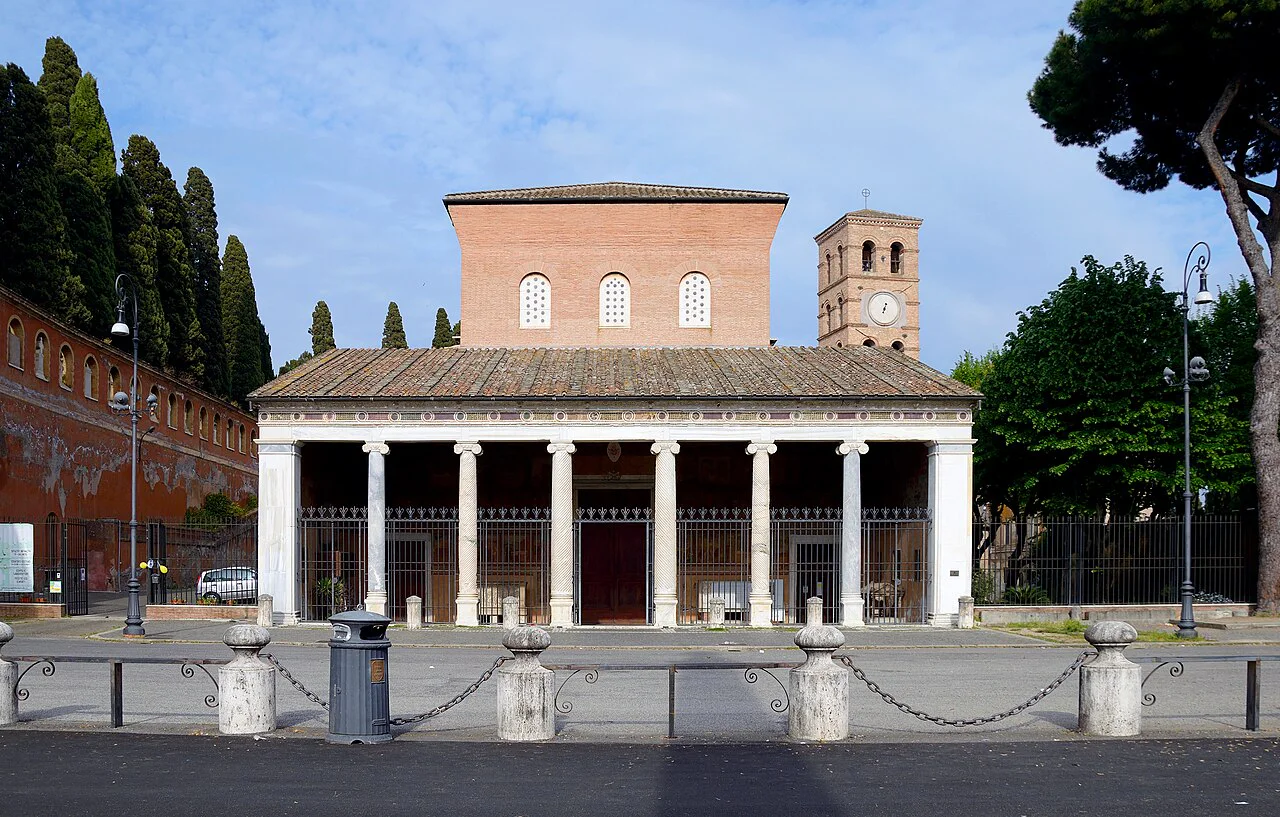
Rome · 2 km
Basilica di San Lorenzo fuori le mura
Content & sources
Photo: Livioandronico2013 · CC BY-SA 4.0
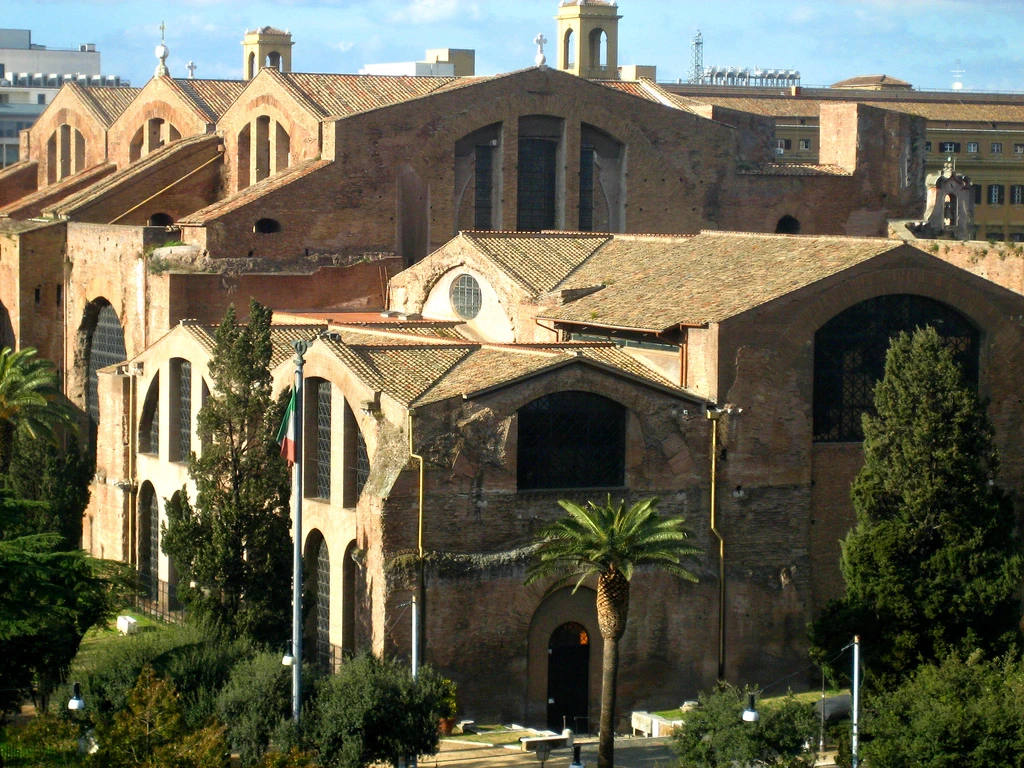
Rome · 3 km
Terme di Diocleziano
Content & sources
Photo: Joris · CC BY 2.0
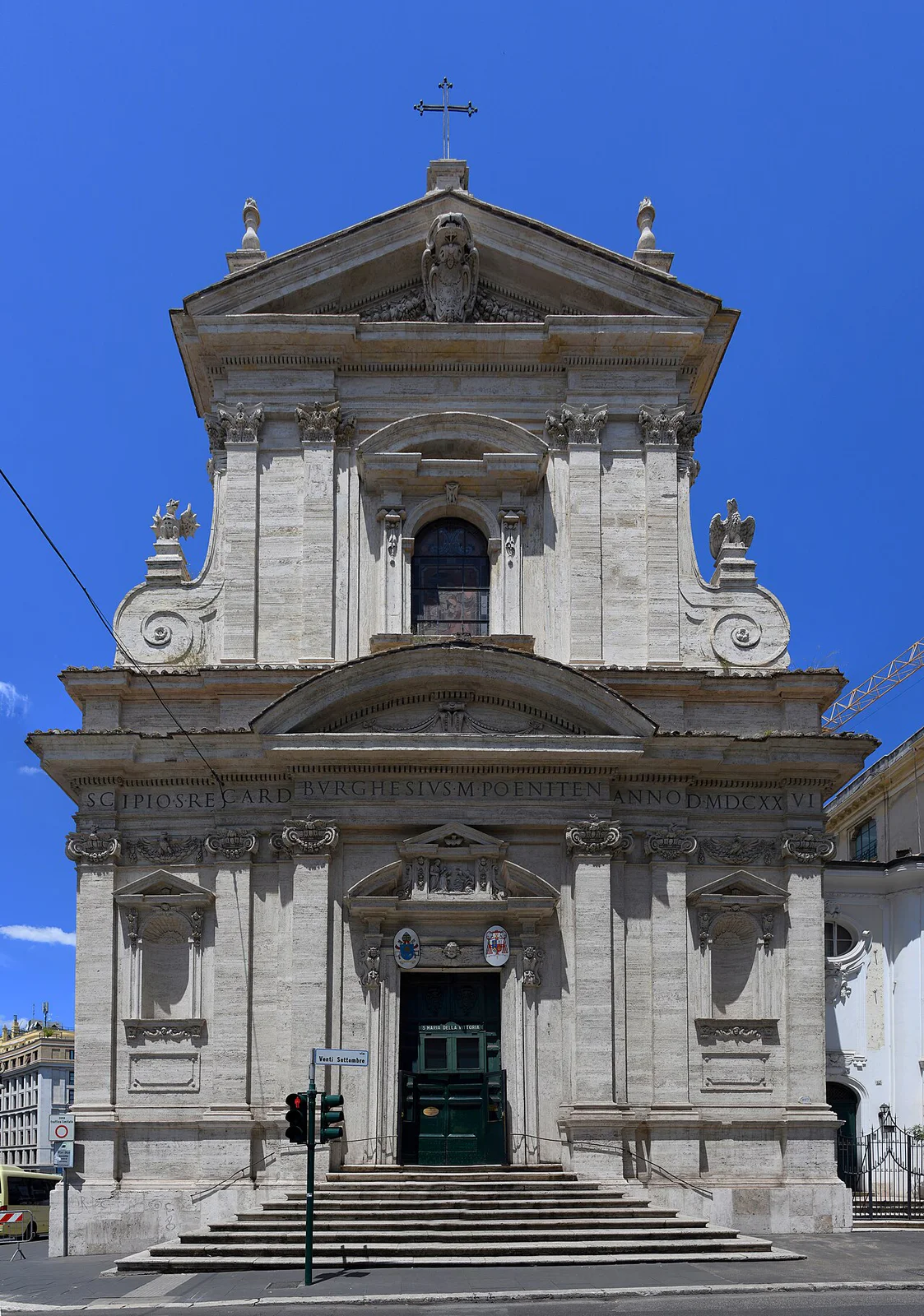
Rome · 3 km
Chiesa di Santa Maria della Vittoria
Content & sources
Photo: Architas · CC BY-SA 4.0