 Stanza / Audio guide
Content & sources
Stanza · Audio guide
Villa Poppaea Audio Guide
A place to remember. A story to take with you.
Villa Poppaea is an ancient Roman villa and archaeological site. It is located near Pompeii and Herculaneum, and is believed to have been owned by Nero's second wife, Poppaea Sabina.
Download Stanza, then search for “Villa Poppaea”.
About the tour
One guide. Your kind of visit.
Villa Poppaea is an ancient Roman villa and archaeological site. It is located near Pompeii and Herculaneum, and is believed to have been owned by Nero's second wife, Poppaea Sabina.
Ready when you are.
- 01Get the free Stanza app.
iOS & Android
- 02Find your guide.
“Villa Poppaea”
- 03Download before you go.
Works offline
Audio guide / 27 narrated stops
Inside the guide
Get to know a few of the stories before you go. Open a stop to read more.
01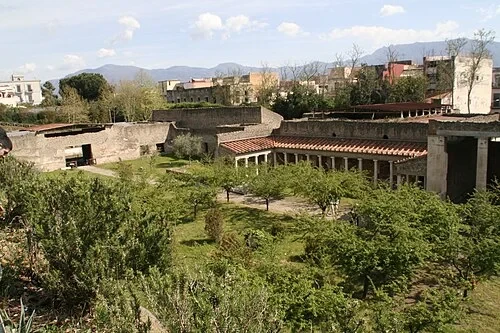 Arrival at Oplontis
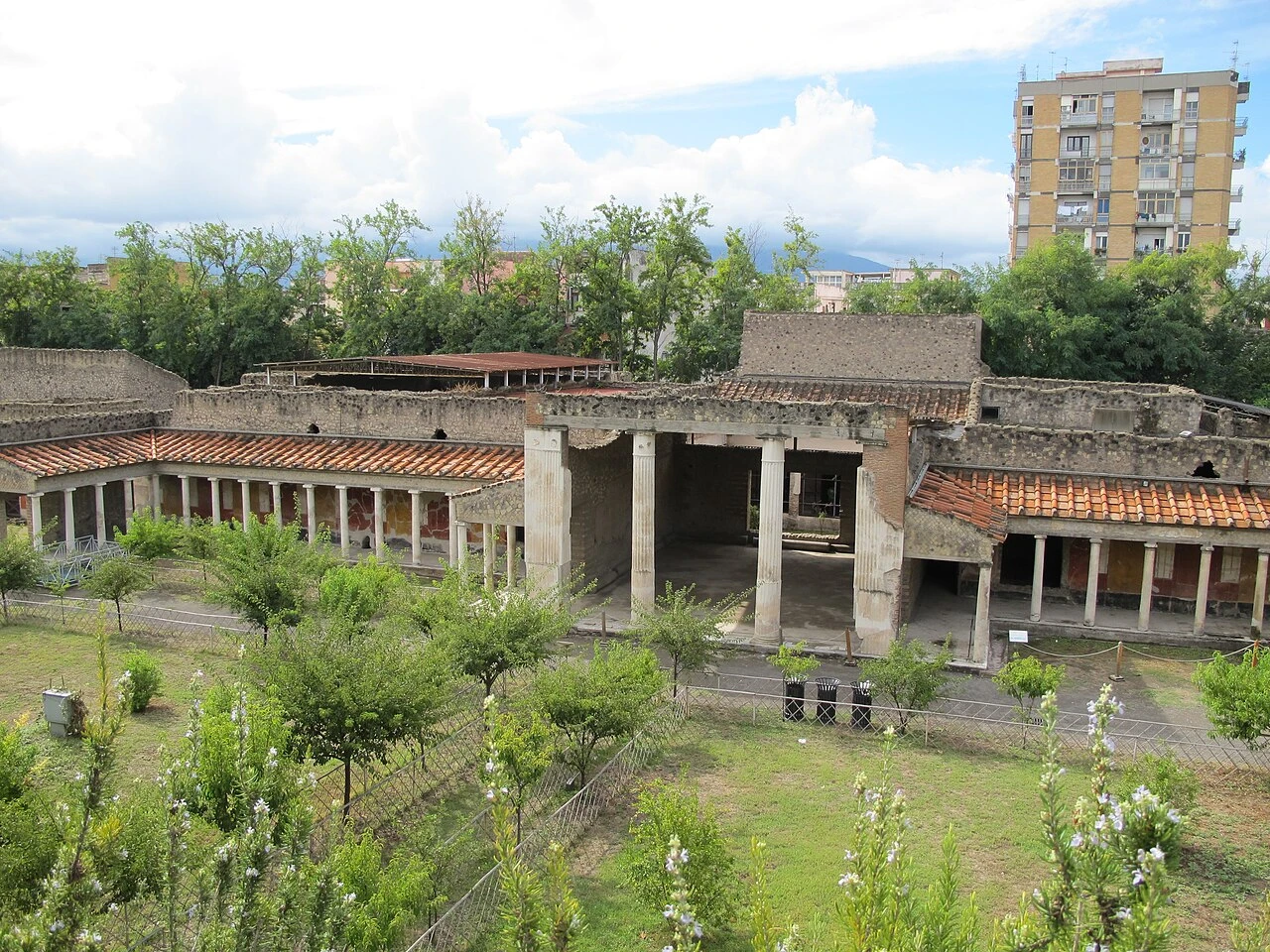
View of the Sunken Villa
Welcome to Villa Poppaea, a massive seaside retreat once belonging to the Roman ultra-elite. As you look across the site, the most striking feature is its depth. The entire structure lies approximately ten meters below the level of the modern street above. This vertical distance serves as a silent, physical measurement of the sheer volume of volcanic ash and lapilli that rained down during the eruption of Mount Vesuvius in 79 AD. The villa covers over 11,000 square meters, making it one of the largest residential complexes discovered in the region. Archeologists categorize this as a 'villa maritima,' or a luxury seaside villa. Unlike typical urban homes in nearby Pompeii, this estate was designed specifically for leisure and the display of immense wealth. Its sprawling footprint allowed for vast gardens, grand reception halls, and private thermal baths, all oriented to provide cooling sea breezes. Though now landlocked due to coastline changes over the centuries, in antiquity, the sound of the Mediterranean waves would have reached these very walls.
Photo: Domenicomarconi · CC BY-SA 4.0
02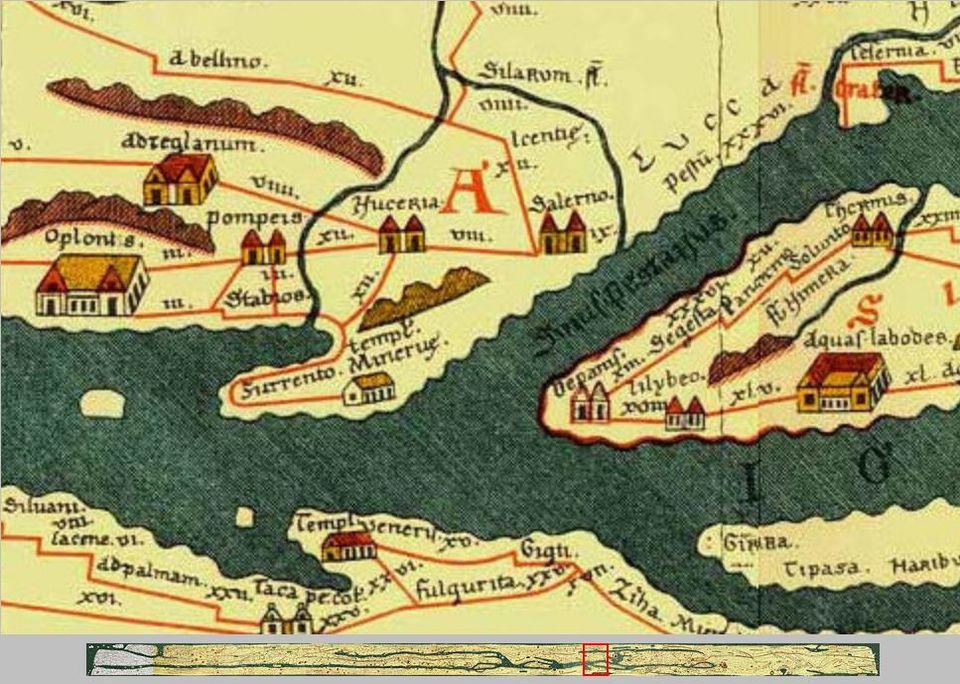 Arrival at Oplontis
The Ancient Road Map
Oplontis occupied a prime position on the Roman map, situated between the larger coastal cities of Pompeii and Herculaneum. This location made the villa more than just a private residence; it was a prominent landmark within the sophisticated road network that connected the coastal towns of the Bay of Naples. Imperial travelers moving between the administrative centers of Neapolis and the naval base at Misenum would have recognized this estate as a symbol of high status. The Bay of Naples was the equivalent of a luxury resort district for the Roman aristocracy, who sought to escape the summer heat and political pressures of Rome. By placing their villa here, the owners ensured they remained connected to the pulse of Roman high society while enjoying the natural beauty of the Campania region. The map on your screen, a medieval copy of a Roman road map known as the Tabula Peutingeriana, marks Oplontis by name and shows how these settlements were not isolated ruins but part of a densely populated and thriving economic landscape. Proximity to the sea and major roads facilitated the arrival of luxury goods and distinguished guests from across the empire. Today, this geographic context helps us understand why such an enormous investment in art and architecture was made in this specific spot.
Conradi Millieri · Public domain
03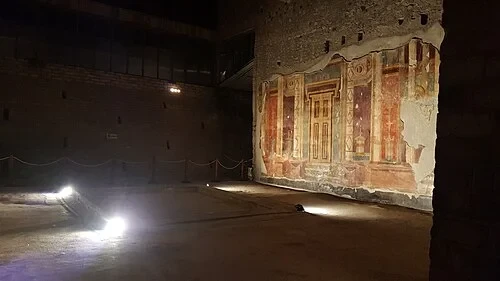 The Tuscan Atrium
Construction of this central reception hall dates back to approximately 50 BC, making it part of the villa's original core. In a traditional Roman house, the atrium served as the heart of social and political life. The shallow basin in the floor, known as the impluvium, was positioned directly beneath a rectangular opening in the roof called a compluvium. During rainstorms, water would fall through the roof into this central pool, which then drained into an underground cistern for storage. This system provided a vital source of fresh water while also helping to cool the surrounding rooms through evaporation. For the owners, the atrium was a stage for the ritual of the 'salutatio,' where they greeted clients and guests every morning. The scale of this space was a direct reflection of the master's authority and social standing. High ceilings and wide doorways created a sense of openness and airy grandeur. While many Roman homes had a single atrium, the sheer size of this one indicates that it was built to accommodate large crowds. Fragments of the original wall decorations still cling to the surfaces, hinting at the colorful environment that greeted elite visitors two thousand years ago.
Listen in the appTierceron · CC BY-SA 2.0
04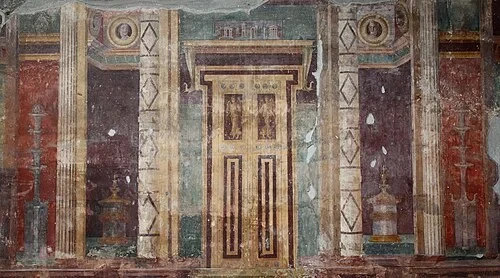 The Tuscan Atrium
The Illusionistic Doorway
The wall paintings here represent a peak in Roman artistic achievement known as the Second Style. Artists employed a technique called trompe-l’œil, which literally translates to 'deceive the eye.' Rather than painting flat patterns, decorators created the illusion of depth by depicting complex architectural elements. The painted columns, doorways, and windows appear to recede into the distance. These details were meant to make the room feel much larger and more open than it actually was, effectively breaking down the boundaries of the physical walls. The preservation of the colors is particularly remarkable. The deep, saturated reds—often called Pompeian red—and the bright, sun-baked yellows have survived the centuries with surprising clarity. These pigments were expensive and required skilled artisans to apply while the plaster was still wet, a method known as fresco. By using perspective and shadow, the painter simulated a view into a secondary space, perhaps a quiet courtyard or a temple porch. This style of decoration became a fashion among the Roman elite who wanted their homes to feel like palaces. The result is a sophisticated environment where the line between the solid wall and the painted void becomes difficult to distinguish at first glance.
Listen in the appTierceron · CC BY-SA 2.0
05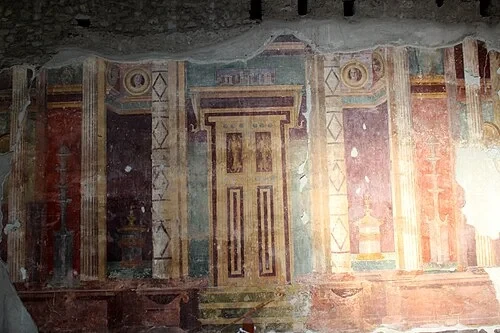 The Tuscan Atrium
Grandeur in Paint
Take in the sheer scale of the wall decorations throughout this part of the villa. Painted columns have been meticulously aligned with the actual physical architecture of the room. It is the same trick you saw at the illusionistic doorway, used here on a grander scale: to guests standing in this space, the painted vistas seemed a seamless extension of the hall, adding to the sense of grand, open-air luxury. Producing artwork on this level required not only significant financial resources but also a deep understanding of Hellenistic art and geometry. The high-quality frescoes found here are among the finest examples from the Roman world, indicating that the owner had access to the most talented workshops of the era. The choice of such elaborate decoration served a dual purpose: it provided a beautiful environment for leisure and acted as a clear signifier of the owner's cultural sophistication. Every detail, from the delicate shadows cast by the painted moldings to the intricate floral motifs, was designed to be scrutinized by guests. This environment was intended to communicate that the resident was a person of both great power and educated taste, comfortable surrounded by the highest standards of contemporary Roman luxury.
Listen in the appMiguel Hermoso Cuesta · CC BY-SA 4.0
06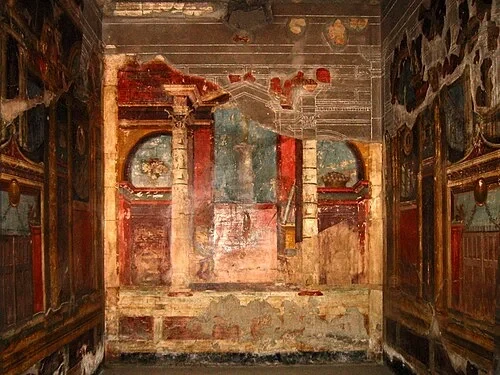 The Imperial Dining Room
The Imperial Dining Hall
This room functioned as a triclinium, the formal dining hall of the Roman elite. In such a space, guests would recline on three large couches arranged in a U-shape around a central serving table. Dining while lying down was a hallmark of Roman aristocratic life, signaling that one had the leisure and status to eat in a relaxed, social manner. However, the state of this room at the time of the eruption tells a different story. Evidence suggests that the villa was likely uninhabited when Vesuvius erupted in 79 AD. This has led to the 'Abandoned Renovation' theory among researchers. Following a massive earthquake in 62 AD that caused significant damage throughout the region, the villa appears to have been undergoing extensive repairs and remodeling. Scars on the walls and unfinished decorative work indicate that the site was a construction zone rather than a functioning household. Many of the luxury items and furniture that one would expect to find in an imperial residence were missing, likely moved elsewhere during the work. The eruption effectively froze this massive construction project in mid-motion. Instead of the sounds of clinking wine cups and conversation, the hall was probably filled with the tools of masons and painters when the first clouds of ash began to descend.
Listen in the appPhoto: AlMare · CC BY-SA 3.0
07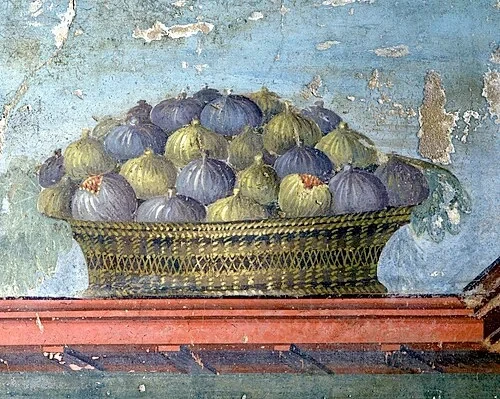 The Imperial Dining Room
The Basket of Figs
Tucked away on one of the walls is a small, masterfully executed still-life painting showing a basket overflowing with figs. The artist achieved a high level of naturalism, carefully depicting the varying colors of the fruit, from deep purples to pale greens. You can almost feel the different textures of the skins, some smooth and others slightly bruised. Such paintings served a specific cultural purpose beyond mere decoration; they were representations of 'xenia.' In the ancient world, xenia was the sacred law of hospitality, the duty of a host to provide for their guests. By decorating their homes with images of food and drink, Roman owners were visually demonstrating their generosity and the abundance their estate could provide. These images assured guests that they would be well-cared for during their stay. The figs themselves were a staple of the Mediterranean diet and a symbol of fertility and prosperity. The detail in this particular fresco, from the weaving of the basket to the way the fruit is piled high, suggests it was painted by a top-tier artist specializing in domestic themes. Even in a house of such immense scale, the Romans found beauty in the simple, natural products of their fertile volcanic soil.
Listen in the appUnknown author · Public domain
08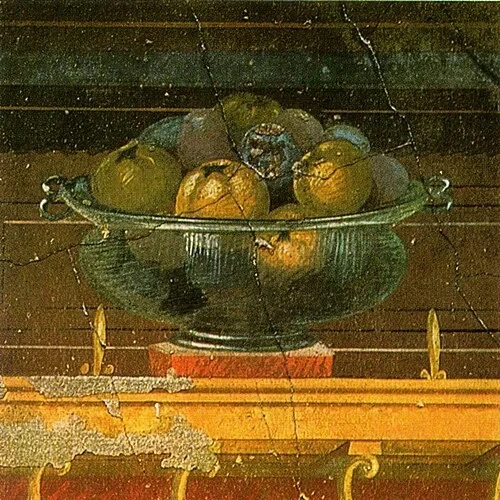 The Imperial Dining Room
Glass Bowl of Pomegranates and Apples
This still-life detail is a masterpiece of Roman observation and technical skill. It depicts a clear glass bowl filled with pomegranates and apples, resting on a flat surface. What makes this painting exceptional is the artist's ability to render transparency. Notice how the light seems to pass through the glass, revealing the shapes and colors of the fruit inside, while also reflecting off the bowl's curved outer surface. Depicting the way light interacts with different materials was one of the most difficult challenges for an ancient painter. Achieving such realism required a sophisticated understanding of highlights and shadows. Glassware was a high-status luxury item in the first century, and by commissioning a painting that featured it so prominently, the owner was showcasing their wealth in two ways: through the objects they could afford to buy and the talented artists they could afford to hire. The pomegranates themselves are painted with rich, deep tones, their leathery skins contrasting with the smooth, reflective quality of the glass. This level of artistic finesse was rare and was typically reserved for only the most expensive decorative programs in the empire. It remains one of the most famous examples of Roman still-life painting because it captures a fleeting moment of light and clarity with such enduring precision.
Listen in the appUnknown author · Public domain
09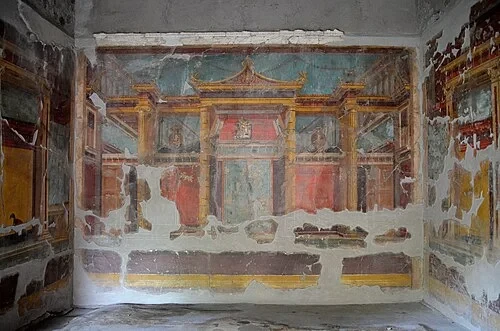 The Hall of the Peacock
The Theatre Hall
This large room, known as an oecus or grand hall, features wall decorations in a style called 'scaenae frons.' This style was directly inspired by the permanent, elaborate architectural backdrops found in Roman theaters. The paintings depict a series of multi-storied columns, niches, and doorways that create a sense of deep, receding space. By using these theatrical motifs, the owner turned the room into a stage where the drama of elite social life could unfold. When a guest entered this hall, the perspective views were designed to make them feel as though they were stepping onto an open-air platform. This connection to the theater was not accidental; the Roman elite were deeply invested in public performance and the arts. Surrounding themselves with these images was a way of aligning their private lives with the high culture of the time. The complexity of the painting, with its overlapping architectural levels and intricate shadows, shows the high degree of skill present in the villa's decoration. Like the painted vistas of the earlier rooms, these perspective scenes pushed back the physical walls, creating a sense of limitless space that echoed the vastness of the estate itself. The hall was likely used for receptions or small performances, a fitting use for a room painted as a stage.
Listen in the appCarole Raddato · CC BY-SA 2.0
10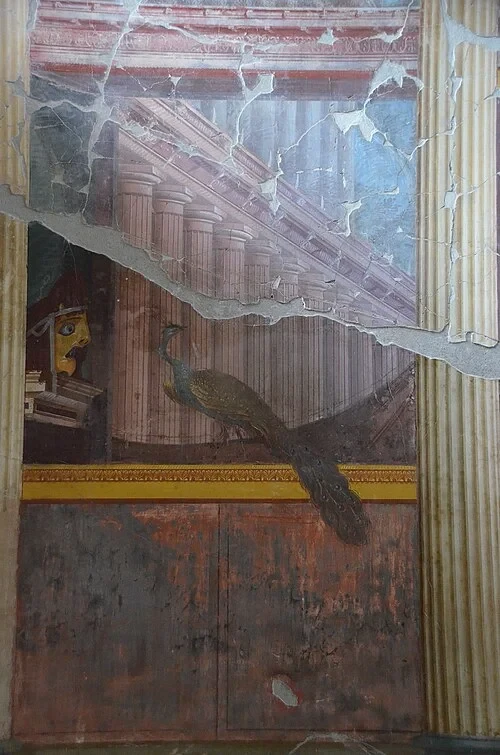 The Hall of the Peacock
The Peacock and the Mask
High up on the painted architecture of the hall, you can see a beautifully preserved peacock. Its feathers are rendered with fine detail, capturing the iridescent quality of the bird's plumage. In Roman culture, the peacock was a potent symbol of luxury, wealth, and immortality. They were often kept as exotic pets in the gardens of the elite, and their presence here in the frescoes connects the interior decor to the living landscape outside. Near the peacock, a theatrical mask is also depicted, perched as if on a ledge. This mask reinforces the 'scaenae frons' or theatrical backdrop style of the room's decoration. Masks were central to Roman drama, representing different characters and emotions, and their inclusion here highlights the owner's appreciation for performance and the arts. Together, these two elements—the exotic bird and the dramatic mask—create a rich symbolic environment. They suggest that the villa was not just a house, but a sanctuary of culture and refined leisure. Small as they are, these two images give a more intimate understanding of the tastes and aspirations of the people who once walked through these grand halls.
Listen in the appCarole Raddato · CC BY-SA 2.0
- 11
The Hot Bath Suite
Step directly into the thermal heart of the villa, where heat and art once combined to create a private and sophisticated spa experience for the owners.
- 12
Hercules in the Garden
A painting of Hercules in a mythical garden mirrors the real-world splendor of the villa’s own expansive grounds.
- 13
The Painted Garden
These 'Viridarium' frescoes brought the beauty of the outdoors inside, surrounding residents with a permanent, painted garden.
- 14
Garden Fountain Detail
This detailed painting of a garden fountain offers a rare glimpse into the exquisite craftsmanship that defined Roman outdoor furniture and decorative garden elements.
- 15
The Great Swimming Pool
The massive piscina was the ultimate status symbol of the villa, a colossal pool designed for high-end leisure and display.
- 16
Poolside Portico
Imagine the relief of cool shade as you walk beneath these long porticos, once sheltered from the Mediterranean sun by grand columns and lush greenery.
- 17
Whimsical Garden Details
Look closely at the gallery walls to find small, playful surprises like this painted frog, designed to reward the observant visitor with a touch of nature.
- 18
The Painted Menagerie
This delicate fresco of a gazelle or antelope highlights the Roman elite's fascination with exotic wildlife and the concept of a private, idyllic paradise.
- 19
Guardian Serpents
These two serpents painted on the wall were more than just decoration; they served as protective spirits meant to bring good fortune and security to the home.
- 20
The Service Gallery
These long, narrow corridors reveal the hidden world of the enslaved staff who moved efficiently through the villa without intruding upon the lives of the owners.
- 21
Zebra-Stripe Walls
The striking diagonal 'zebra-stripe' pattern on these walls served as a clear visual code, marking these corridors as practical service areas for staff.
- 22
The Villa Kitchen
This kitchen was once a bustling center of activity, filled with the heat and smoke of charcoal fires as staff prepared elaborate Roman banquets.
- 23
The Roman Latrine
This well-preserved latrine demonstrates the sophisticated, and surprisingly communal, approach to hygiene that characterized life in a grand Roman villa.
- 24
The Wine Storage
Hundreds of stacked amphorae reveal the villa's importance as an economic hub, where vast quantities of wine and oil were stored and managed.
- 25
Identifying the Empress
A small pottery shard found here provides the most compelling evidence linking this grand estate to Poppaea Sabina, the second wife of Emperor Nero.
- 26
Casts of Lost Doors
These plaster casts recreate the exact appearance of the villa's 2,000-year-old wooden doors, capturing details that would have otherwise vanished forever.
- 27
A Moment Frozen in Time
As you look out over the ruins, reflect on how the very eruption that destroyed this villa also preserved it as an unparalleled time capsule of Roman luxury.
Villa Poppaea
Frequently asked questions
How much does the guide cost?
Free app download. Listed guide price: $1.99. Guide price shown in the app. Audio guide only. Venue admission is separate.
Can I listen without internet?
Yes. Download the guide’s audio, images, and maps in the app before your visit. Your downloaded content is then available offline.
Can I listen in my language?
This audio guide is available in 15 languages, including English.
Do I need to follow a schedule?
No. This is a self-guided experience. Choose your stops, pause whenever you like, and return to a story at your own pace.
At your own pace
Explore Villa Poppaea.
Download Stanza, then search for “Villa Poppaea”.
Free app download · Guide price shown in the app
Keep exploring
Nearby audio guides
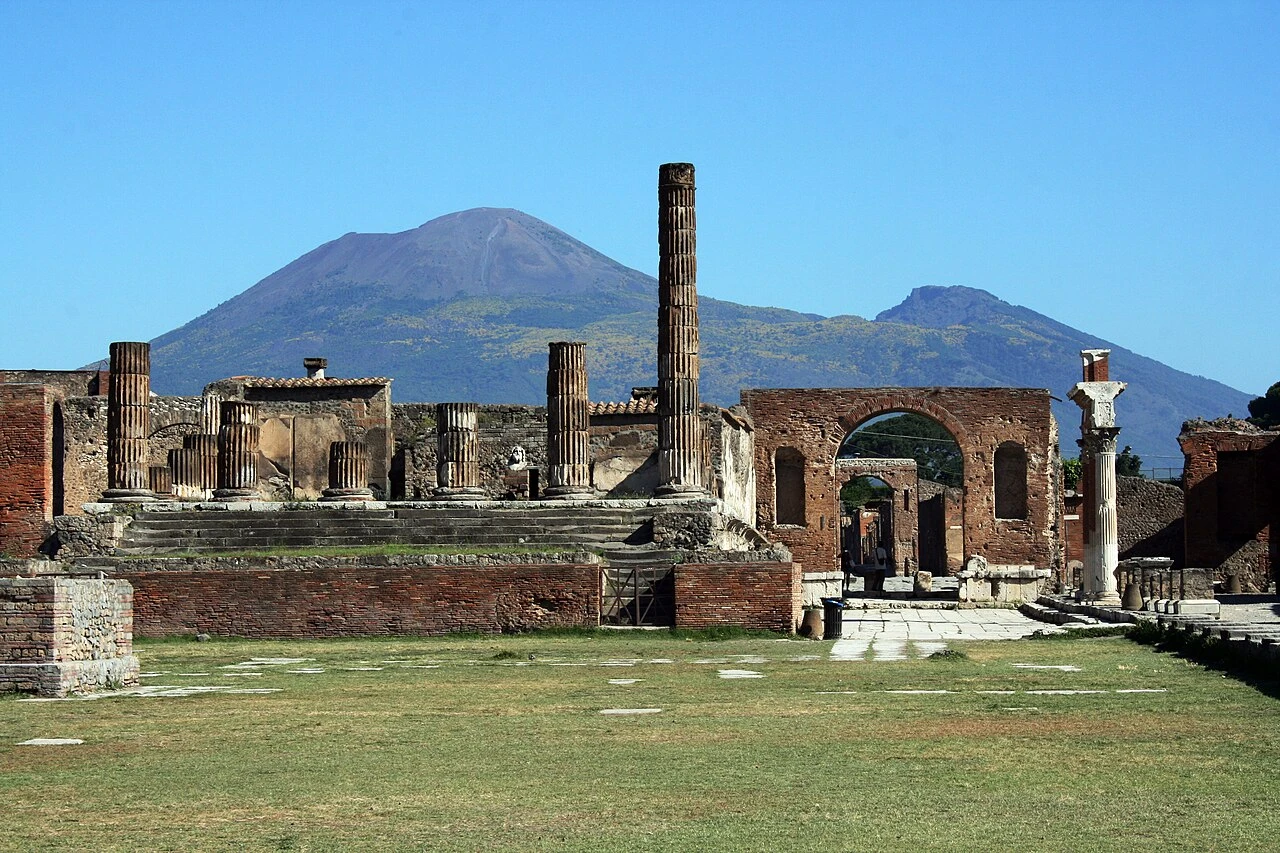
Pompei · 3 km
Pompeii Archaeological Park
Content & sources
Glen Scarborough from The Central Coast, Australia · CC BY 2.0
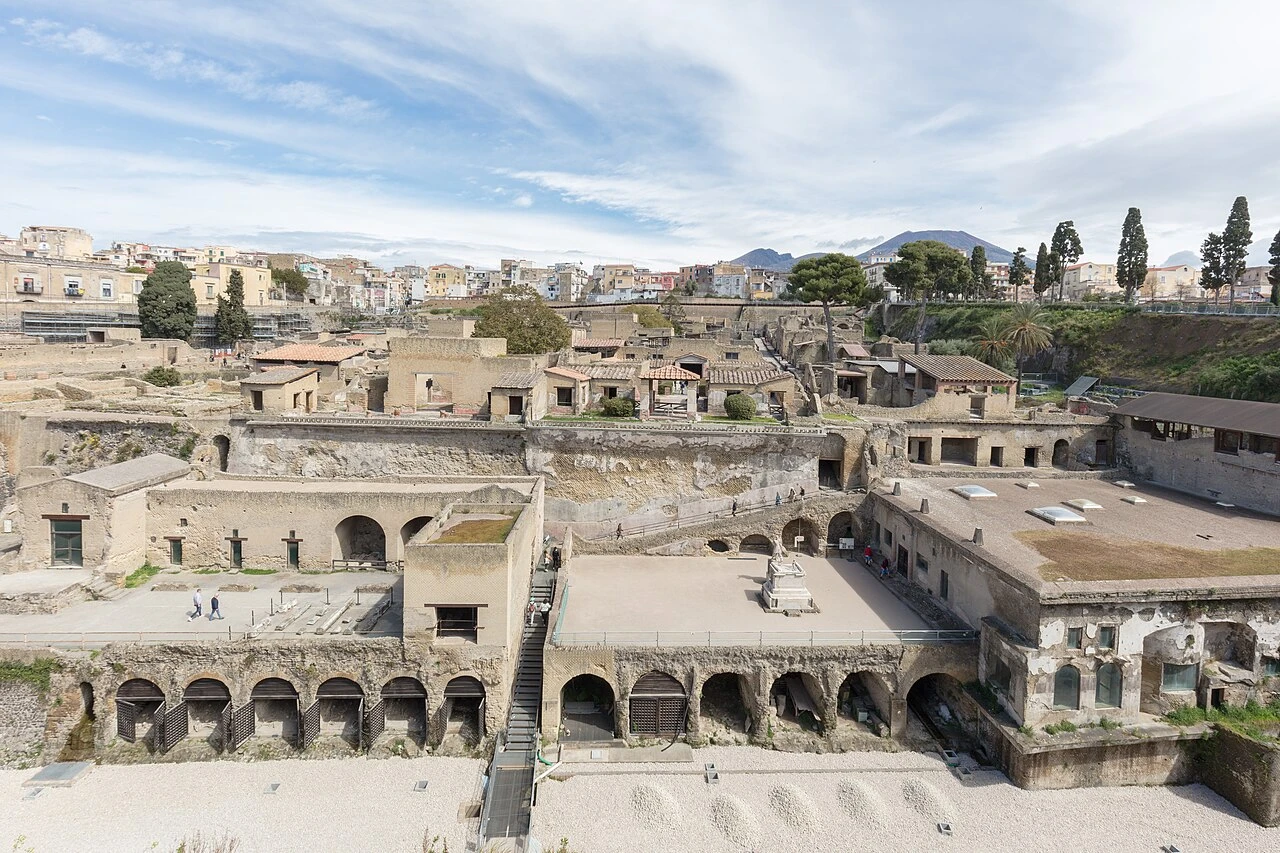
Ercolano · 10 km
Herculaneum
Content & sources
Diego Delso · CC BY-SA 4.0
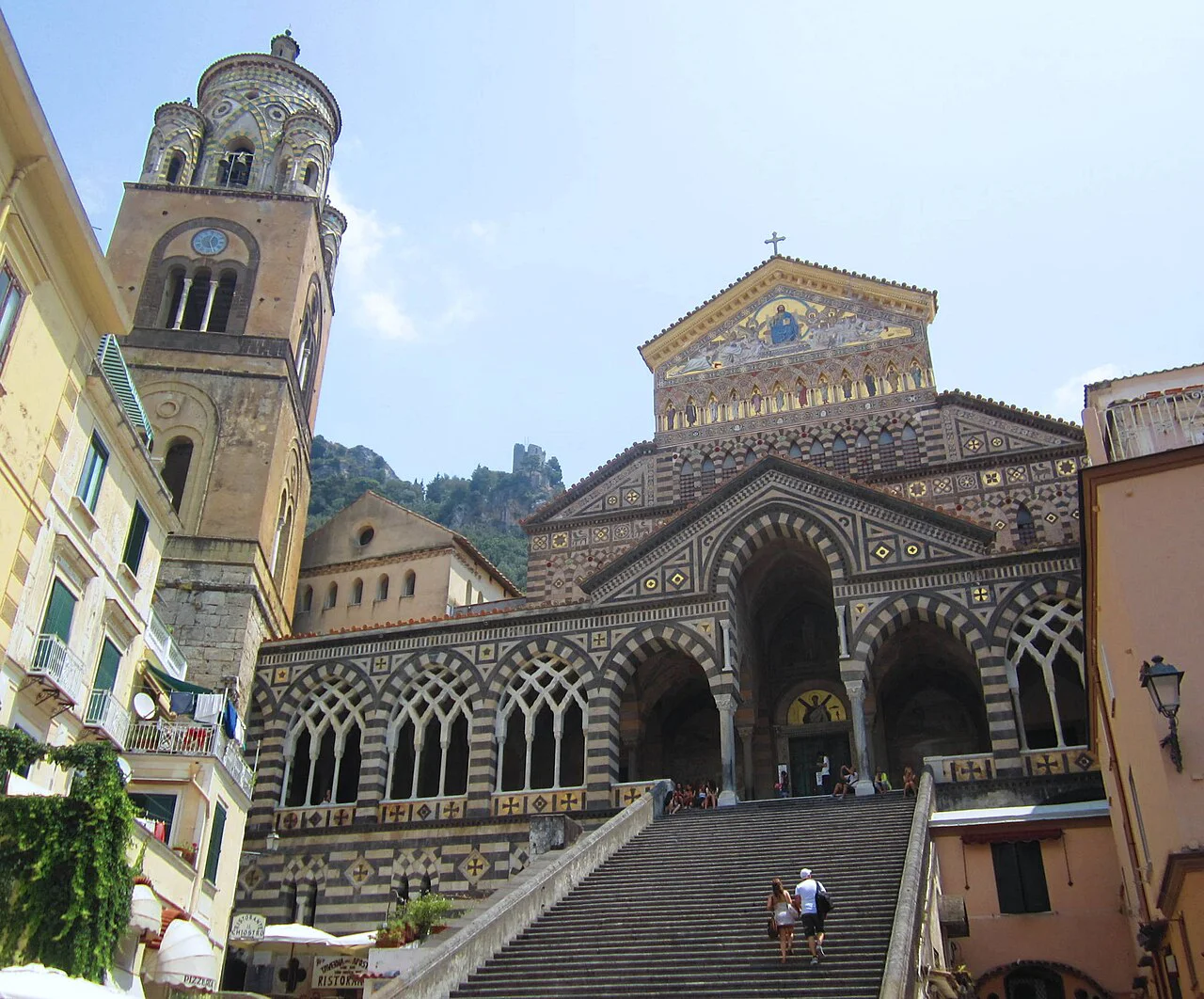
Amalfi · 19 km
Duomo di Amalfi
Content & sources
Photo: Luca Aless · CC BY-SA 3.0
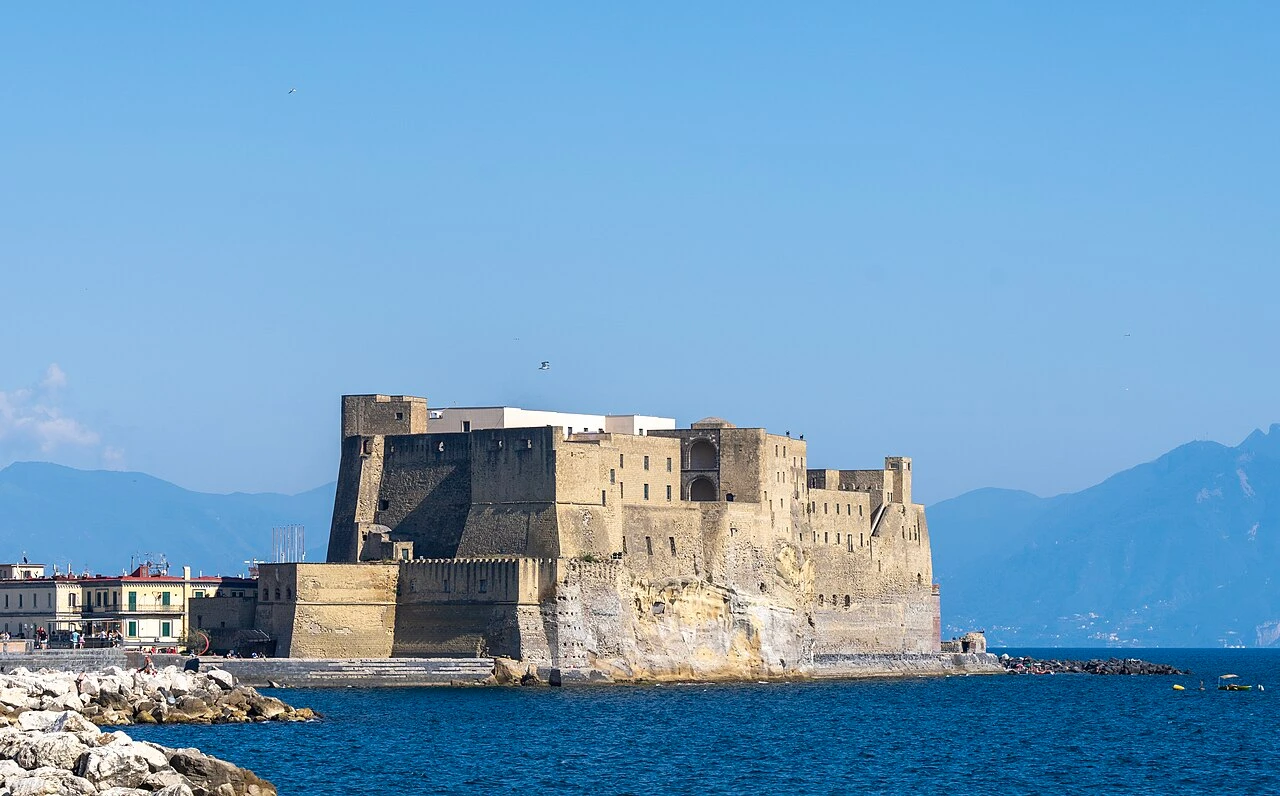
Naples · 19 km
Castel dell'Ovo
Content & sources
Paestum · CC BY-SA 4.0