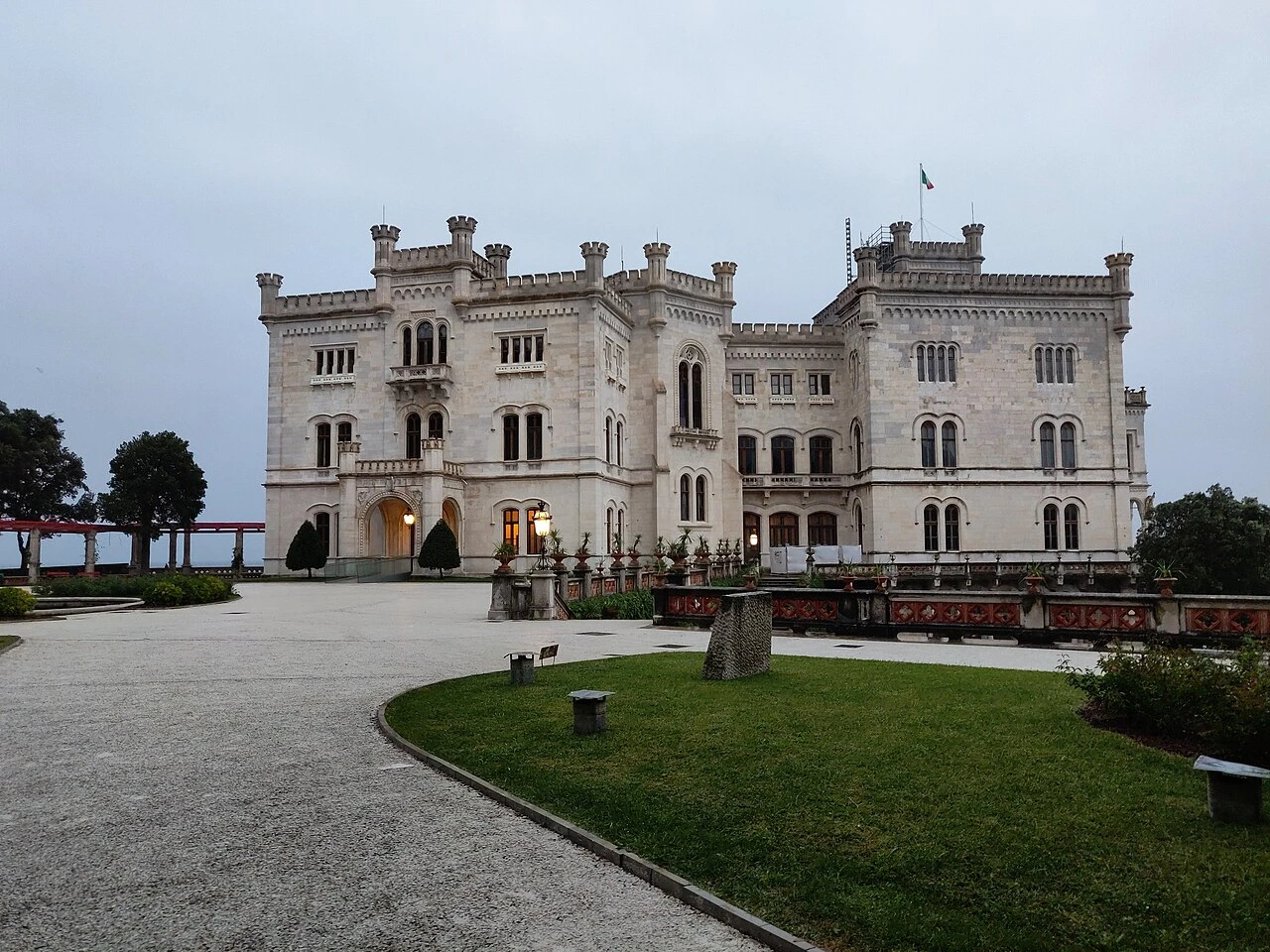
Stanza · Audio guide
Castello di MiramareAudio guide
A place to remember. A story to take with you.
Miramare Castle is a 19th-century castle located on the Gulf of Trieste, built for Archduke Ferdinand Maximilian of Austria. It is known for its eclectic architectural style and extensive cliffside park.
Download Stanza, then search for “Castello di Miramare”.
About the tour
One guide. Your kind of visit.
Miramare Castle is a 19th-century castle located on the Gulf of Trieste, built for Archduke Ferdinand Maximilian of Austria. It is known for its eclectic architectural style and extensive cliffside park.
Ready when you are.
- 01Get the free Stanza app.
iOS & Android
- 02Find your guide.
“Castello di Miramare”
- 03Download before you go.
Works offline
Audio guide / 15 narrated stops
Inside the guide
Get to know a few of the stories before you go. Open a stop to read more.
01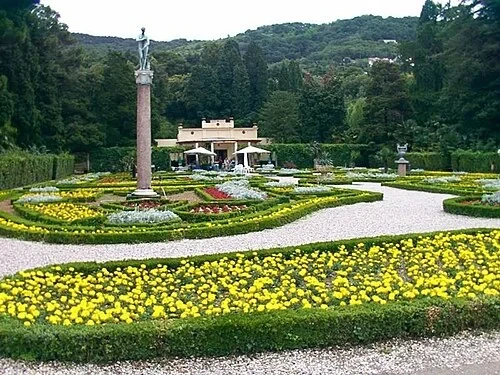 Park Entrance and Botanical GardensMiramare Castle Gardens
Welcome to the sprawling, twenty-two-hectare botanical park of Miramare Castle. Today, this green sanctuary is filled with diverse plant life, but it began as a barren rocky promontory of harsh karst limestone. Archduke Maximilian, a passionate botanist, envisioned transforming this desolate cliffside into a rich landscape. To achieve this, architect Carl Junker worked closely with Maximilian to lay out the geometric flower beds and pathways. The project required an immense logistical effort, including shipping thousands of tons of fertile soil from neighboring regions to cover the solid rock and allow the plantings to take root. In the background stands the elegant, cream-colored Coffee House pavilion. This light-filled structure served as a quiet, private teahouse where the imperial couple could relax and look out over their newly created grounds. The gardens represent a massive botanical experiment, testing which species could survive the salty maritime winds and rocky soil of the Adriatic coast.
Photo: Daniel Ventura · CC BY-SA 4.0
02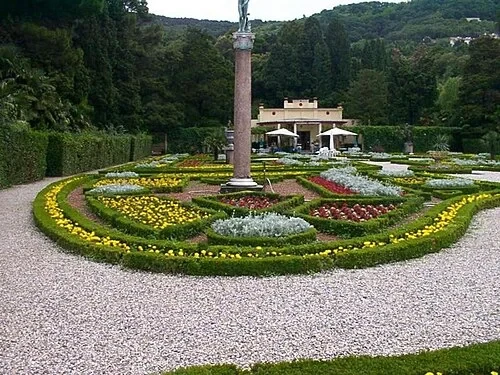 Park Entrance and Botanical GardensThe Monumental Garden Column
Anchoring the symmetry of this wing of the park is a monumental pink column topped with a classic carved figure. This area represents a formal, manicured Italian parterre, characterized by low, clipped hedges and highly structured geometric designs. It forms a sharp contrast with the much larger, wilder English-style forest gardens that cover the rest of the promontory. Maximilian utilized his career as Commander-in-Chief of the Austrian Navy to satisfy his botanical curiosity, collecting exotic trees from all over the world during his oceanic voyages. Among these global imports are giant sequoias from North America and ancient ginkgo biloba trees from Asia, which were carefully acclimated to the local climate. Walking through the pathways, you move from highly disciplined garden geometry into dense, naturalistic groves. The contrast reflects the prevailing nineteenth-century garden design philosophies, which celebrated both human control over nature and the wild beauty of natural landscapes. This section remains highly manicured, keeping its original mid-nineteenth-century layout intact.
Photo: Daniel Ventura · CC BY-SA 4.0
03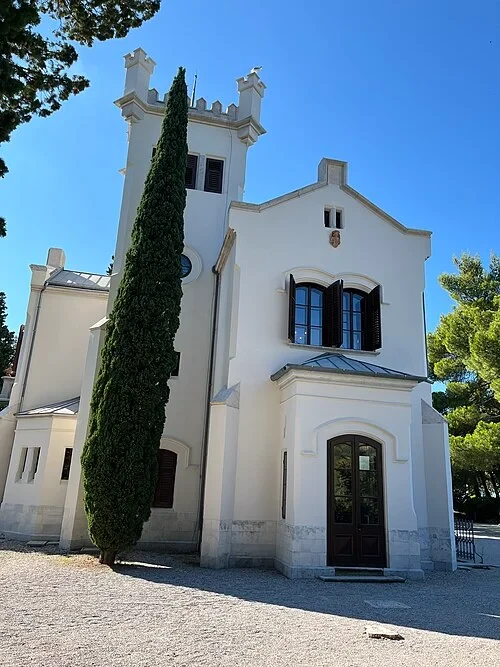 The CastellettoThe Castelletto
Known as the Castelletto, this miniature castle was completed before the main palace, allowing Maximilian and Charlotte to move here in 1859 while construction continued nearby. Built with a white limestone tower and high arched windows, its design directly mirrors the neo-medieval architecture of the larger residence. Though it began as an intimate, happy home, it eventually became a gilded cage for Duchess Charlotte. Following Maximilian's execution by a firing squad in Mexico in 1867, Charlotte’s mental health deteriorated rapidly under the weight of grief and isolation. Her family placed her under strict medical watch inside these very walls, keeping her confined and away from the public eye. Today, the quiet building stands in the shade of the park's mature trees, a physical link to the early days of the couple’s residency and the sudden, tragic end of their imperial ambitions. The exterior retains its original clean limestone facade, matching the main castle's coastal profile.
Listen in the appPhoto: Air fans · CC0
04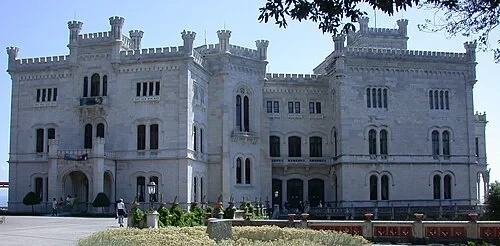 Main Castle Exterior and HarborMain Entrance of Miramare
Construction of this coastal residence began on March 1, 1856, and the main structure was officially inaugurated in 1860. Architect Carl Junker designed the facade using local white Istrian stone, which creates a sharp visual contrast with the deep blue waters of the Gulf of Trieste. Archduke Maximilian took a hands-on approach to the design, originally planning a taller, three-story castle. He later decided to reduce the height to two floors, resulting in a more balanced, sprawling profile that sits harmoniously on the rocky shoreline. The exterior features crenellated towers and stone battlements, design elements specifically chosen to mimic the look of medieval coastal fortresses. These historical flourishes reflect the romanticism of nineteenth-century architectural tastes. The entrance portal leads directly into the grand halls, welcoming visitors with the same imposing, defensive aesthetic that Maximilian crafted to establish his presence on the Adriatic coast.
Listen in the app[[User:RicciSpeziari|Photographer: Riccardo Speziari]] · CC BY-SA 3.0
05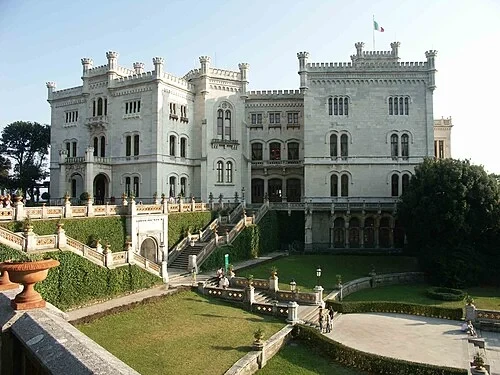 Main Castle Exterior and HarborGarden Staircase of Miramare Castle
Sweeping stone staircases and manicured terraced lawns slope directly down to the water's edge, showcasing Archduke Maximilian’s deep obsession with the sea. He wanted the castle to appear as if it was rising directly out of the Gulf of Trieste, blending the boundary between the grand architecture and the natural marine environment. Achieving this seamless connection required overcoming severe geological challenges. Laborers had to blast the solid karst cliffside with gunpowder to carve out the level garden tiers and create a safe, private mooring area for boats below. This direct sea access allowed Maximilian to board navy ships easily and receive distinguished guests arriving by water. The stone balustrades flanking the stairs are weathered by decades of salty spray, standing as a physical reminder of the relentless marine environment that the creators fought to tame.
Listen in the appNo machine-readable author provided. Žiga assumed (based on copyright claims). photo:Ziga 10:38, 16 April 2007 (UTC) · Public domain
06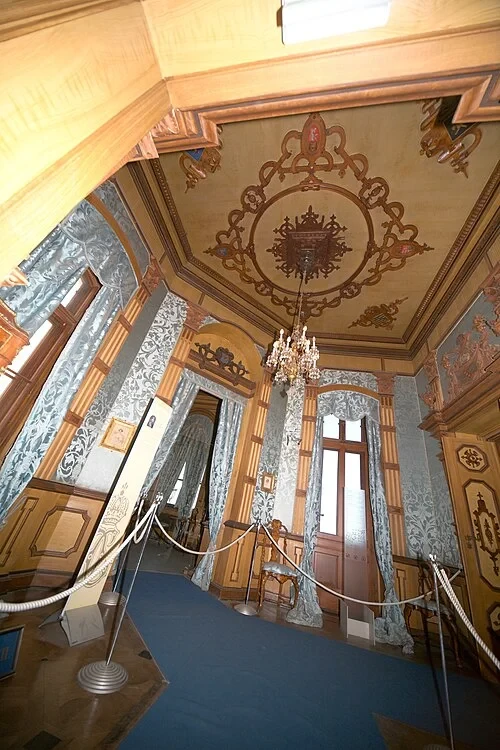 Ground Floor Living QuartersThe Duchess's Blue Salon
Located on the ground floor, this intimate room belongs to the private apartments of Duchess Charlotte. The decorative scheme is characterized by light blue silk damask covering the walls, which coordinates with the detailed geometric wooden paneling of the ceiling. These rooms on the ground floor were designed to serve as a quiet, domestic sanctuary for the couple, standing in stark contrast to the massive, formal public state rooms on the floor above. Inside the salon, original mid-nineteenth-century chairs and heavy window curtains remain virtually untouched, offering an authentic look at the imperial family's everyday environment. The low ceilings and cozy proportions of the room evoke a sense of comfortable, private living quite rare in nineteenth-century royal palaces. Looking around, you can see how the personal tastes of the Duchess were expressed through soft textures and calm colors, away from the demanding requirements of courtly protocol and official duties.
Listen in the appUser:MatthiasKabel · CC BY-SA 2.5
07 Ground Floor Living QuartersPresumed Portrait of Cesare Borgia (1475-1507)
Hanging on the corridor wall is an oil portrait representing Cesare Borgia, the notorious Renaissance commander. Archduke Maximilian was a dedicated art collector who filled the ground-floor hallways of his castle with portraits of historical figures he admired or found intellectually fascinating. This display reflected his romanticized view of history and his desire to visually connect his own Habsburg lineage with major historical dynasties and powerful rulers of the past. Borgia, known for his political ambition and military ruthless strategies during the Italian Wars, was a controversial figure who nevertheless captivated nineteenth-century minds. Maximilian curated this collection of portraits to create an intellectual and historical pedigree for his new coastal home. By surrounding himself with these powerful historical images, he sought to ground his contemporary political ambitions in the deep legacy of European history.
Listen in the appAttributed to Sebastiano del Piombo · Public domain
08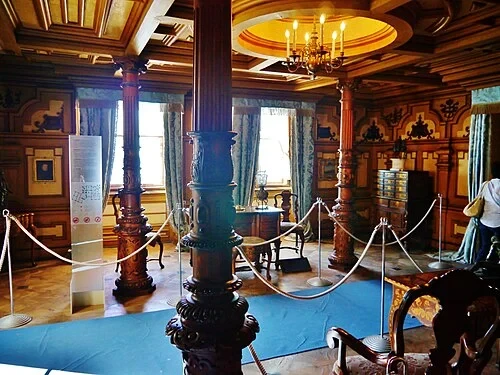 The Archduke's Nautical StudyThe Archduke's Bedroom
Designed on an unexpectedly modest scale, the bedroom of Archduke Maximilian looks remarkably different from typical royal bedchambers of the nineteenth century. This room, along with his adjoining study, was specifically modeled after a naval captain's quarters on the Austrian frigate Novara. Heavy, dark wooden columns support a surprisingly low ceiling, creating an enclosed, secure atmosphere. Blue fabric drapery surrounds the bed, repeating the maritime color scheme found throughout his private rooms. Rather than showcasing lavish imperial grandeur, this compact layout highlights Maximilian’s personal preference for the efficient, functional design of a ship. The snug proportions and built-in feel of the furnishings show how he preferred to live in a space that reminded him of his time at sea. This room served as a deeply personal retreat from his official duties, where the boundaries of the castle seemed to dissolve into the familiar structure of a navy vessel.
Listen in the appPhoto: Zairon · CC BY-SA 4.0
09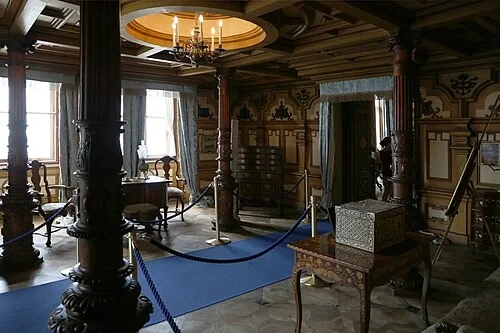 The Archduke's Nautical StudyThe Nautical Study
Replicating the stern wardroom of the Austrian navy frigate Novara, this private study reflects the deep personal connection Archduke Maximilian felt toward his military service. He served as the Commander-in-Chief of the Imperial Austrian Navy and sailed around the globe on that very vessel. The walls are covered in dark, highly detailed wood paneling, featuring custom-built cabinets designed to safely store sea maps, nautical charts, and navigation instruments. Maximilian spent long hours sitting at this desk, using this specialized space to plan and direct the sweeping modernization of the Austrian fleet. Every design element, from the low ceiling to the secure, built-in furniture, was intended to recreate the experience of being at sea. This study was not merely a decorative novelty but a fully functioning workspace where maritime policy was drafted, serving as the administrative nerve center for the empire's naval operations.
Listen in the appPhoto: Sailko · CC BY-SA 4.0
10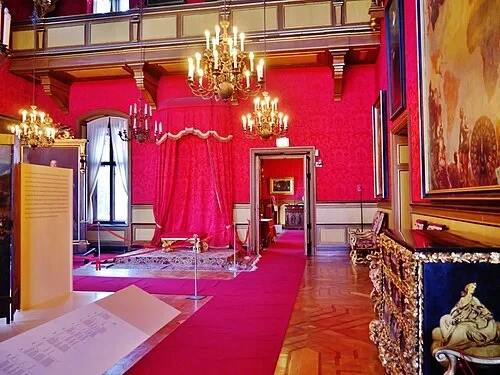 The Throne RoomThe Throne Room
Located on the upper floor of the castle, this grand state room is decorated with intense red damask wall coverings and a heavily gilded ceiling. Large crystal chandeliers hang from above, reflecting light across the formal space, while tall sea-facing windows offer panoramic views of the water outside. However, the most striking feature of the room is the empty space where a throne would typically stand. Maximilian was executed by a firing squad in Mexico in 1867, before he ever had the opportunity to rule as emperor from this grand hall. The room’s lavish decoration was designed to project absolute imperial authority and host formal audiences, yet it remains a dramatic monument to a reign that never truly began. Walking through the space, the combination of brilliant gilding and vacant official spaces highlights the sudden collapse of Maximilian’s political ambitions.
Listen in the appPhoto: Zairon · CC BY-SA 4.0
Castello di Miramare
Frequently asked questions
How much does the guide cost?
Free app download. Listed guide price: $3.99. Guide price shown in the app. Audio guide only. Venue admission is separate.
Can I listen without internet?
Yes. Download the guide’s audio, images, and maps in the app before your visit. Your downloaded content is then available offline.
Can I listen in my language?
Stanza supports 15 languages. Check the app for the languages available for this guide.
Do I need to follow a schedule?
No. This is a self-guided experience. Choose your stops, pause whenever you like, and return to a story at your own pace.
At your own pace
Explore Castello di Miramare.
Download Stanza, then search for “Castello di Miramare”.
Free app download · Guide price shown in the app
Keep exploring
Nearby audio guides
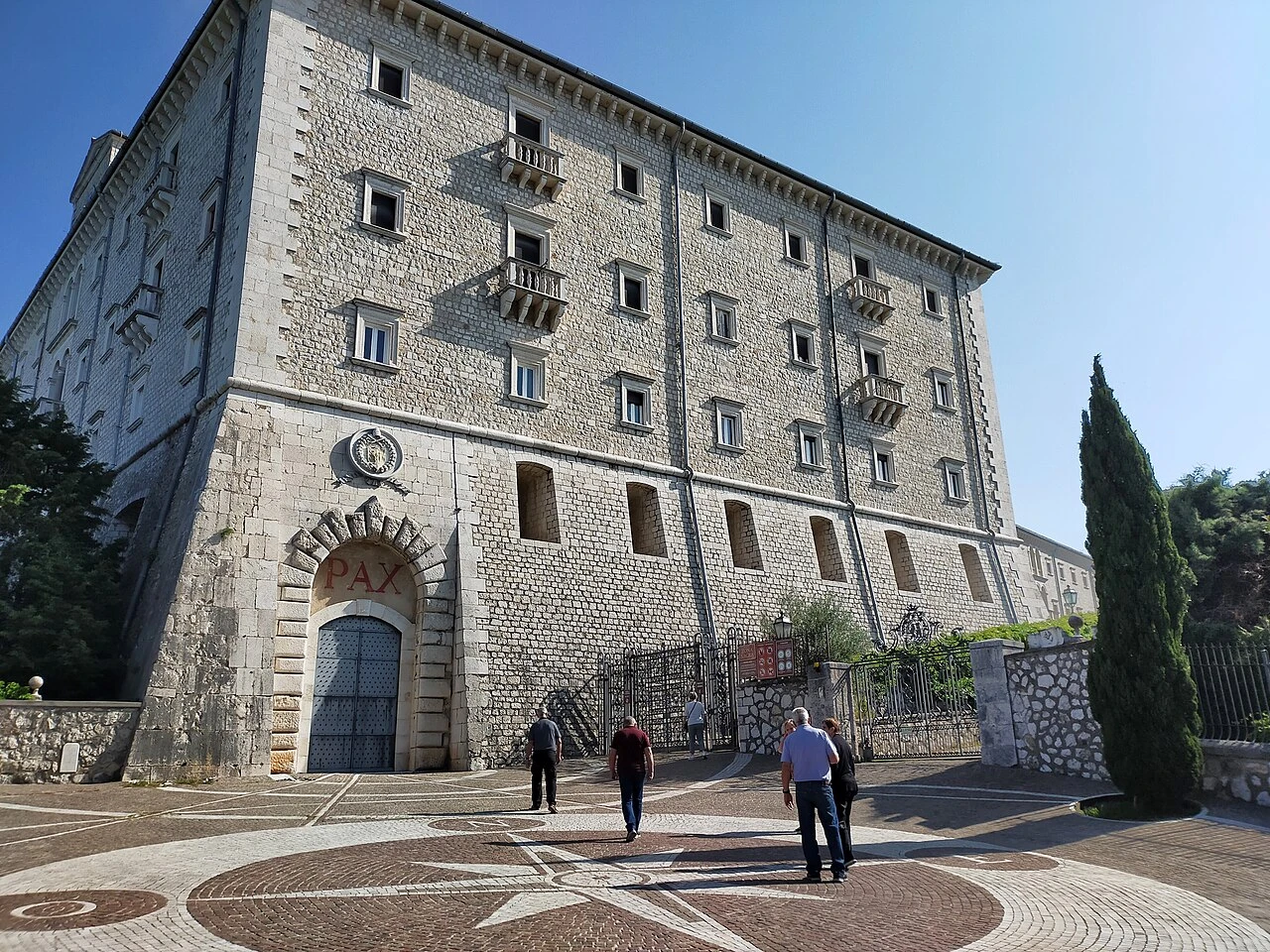
Cassino
Abbey of Monte Cassino
Content & sources
Photo: Marica Massaro · CC BY-SA 4.0
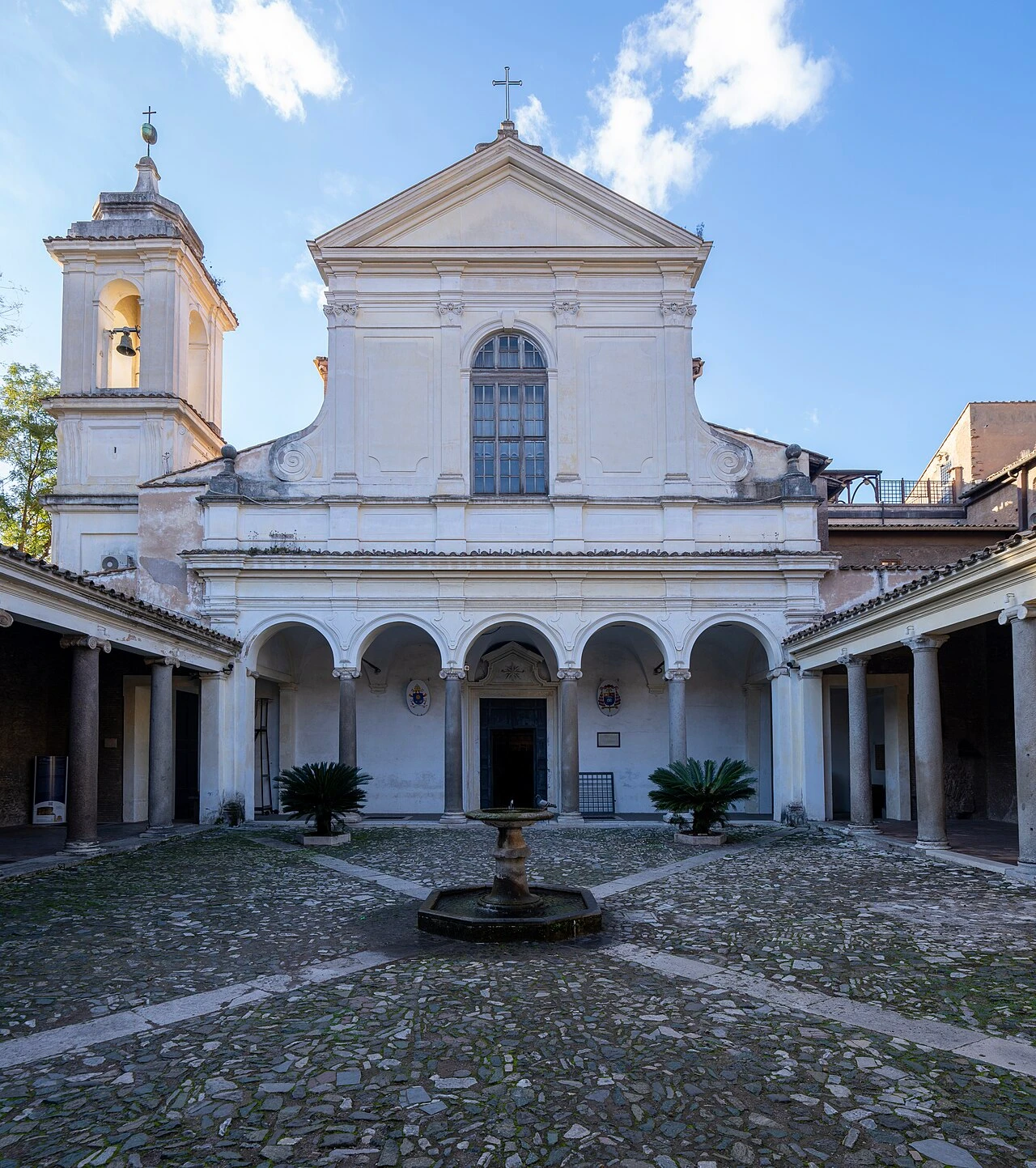
Rome
Basilica di San Clemente
Content & sources
Photo: Labicanense · CC BY-SA 4.0
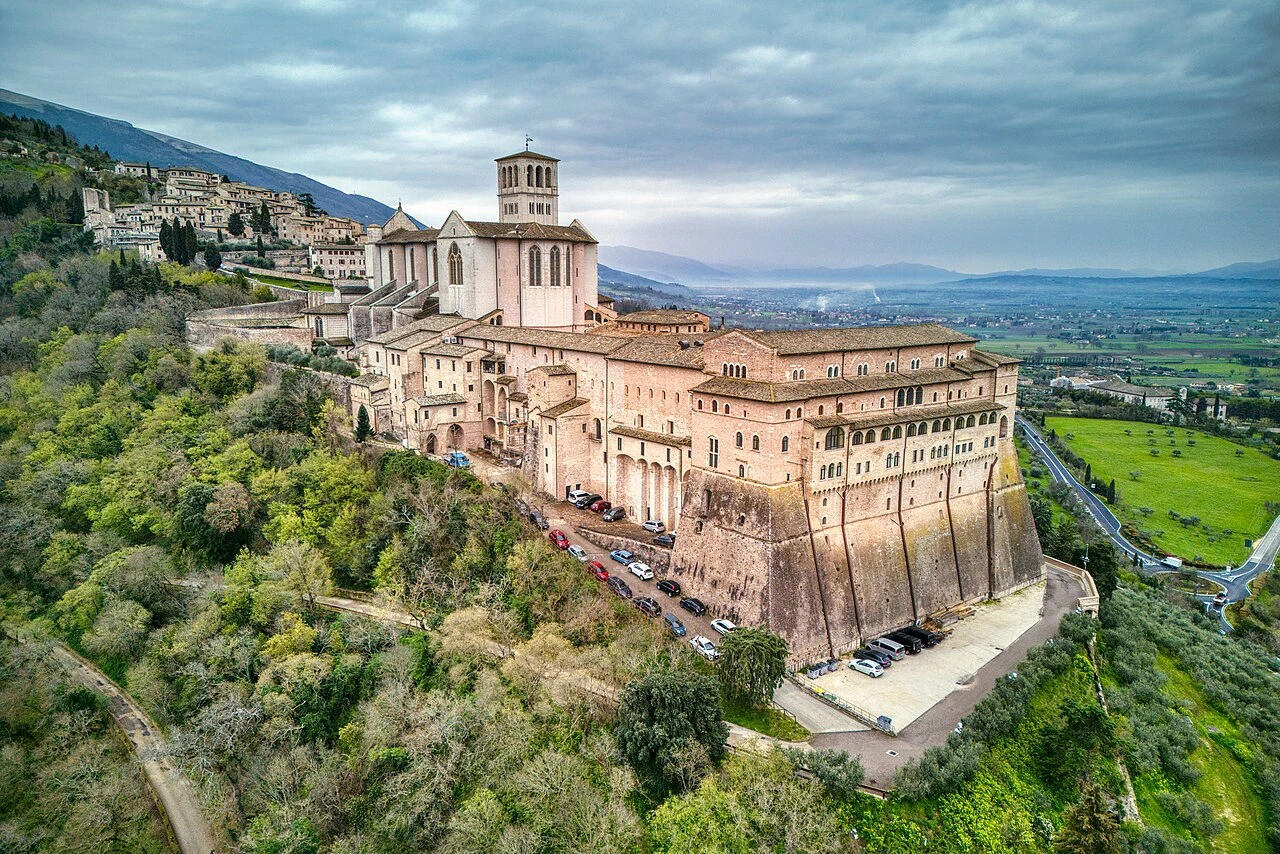
Assisi
Basilica di San Francesco
Content & sources
Hagai Agmon-Snir حچاي اچمون-سنير חגי אגמון-שניר · CC BY-SA 4.0
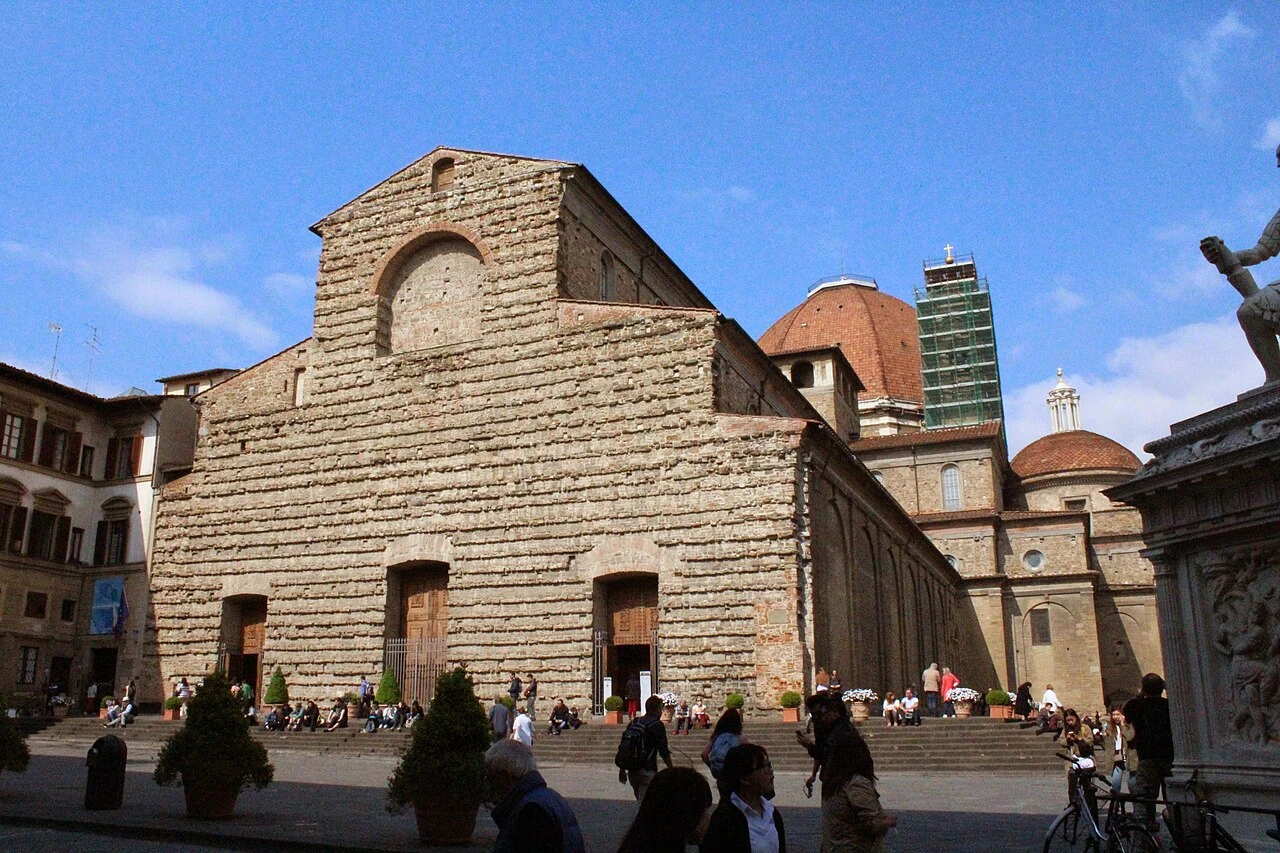
Florence
Basilica di San Lorenzo
Content & sources
Nelson Pérez · CC BY-SA 3.0