Stanza · Audio guide
Amman Citadel Audio Guide
A place to remember. A story to take with you.
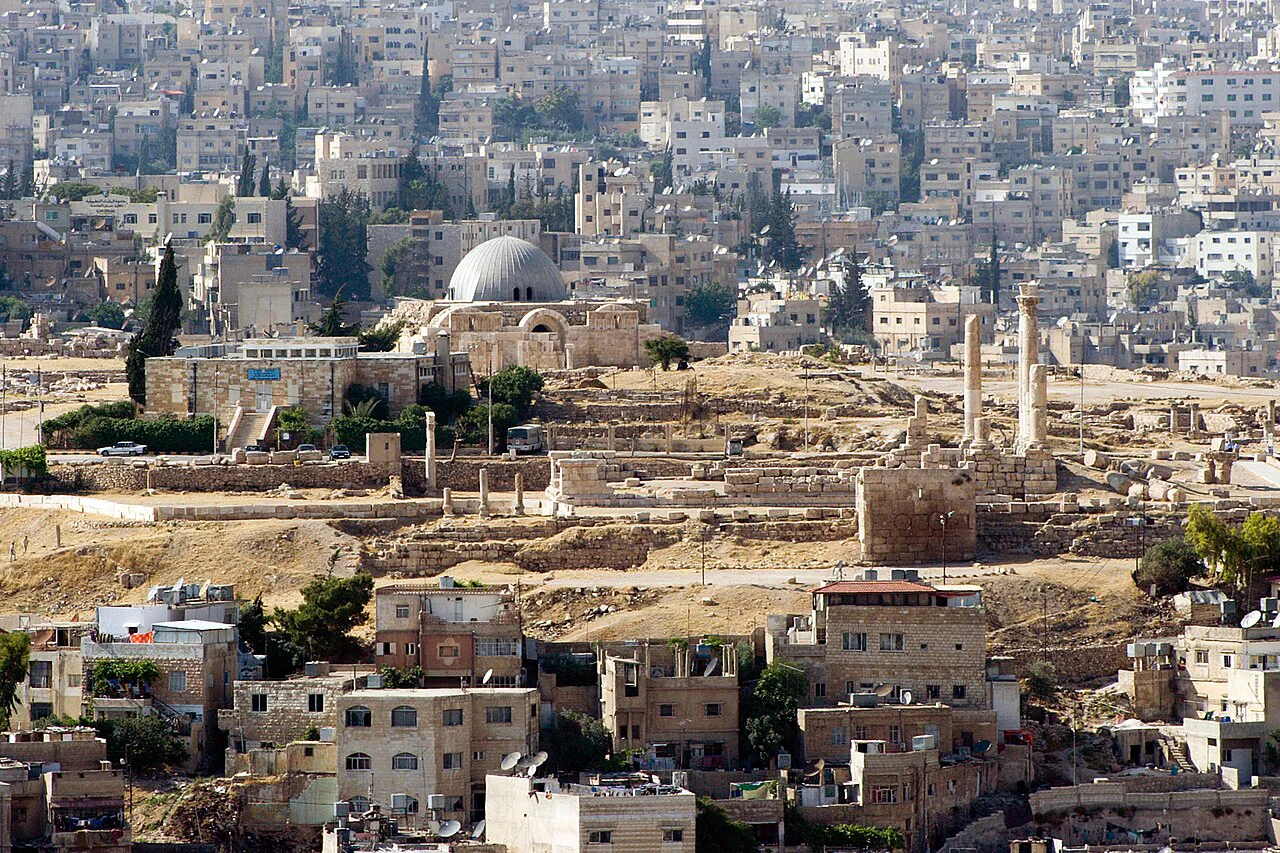
The Amman Citadel is an archaeological site located on an L-shaped hill in the central part of Amman. It towers over the downtown area of the capital of Jordan.
Download Stanza, then search for “Amman Citadel”.
About the tour
One guide. Your kind of visit.
The Amman Citadel is an archaeological site located on an L-shaped hill in the central part of Amman. It towers over the downtown area of the capital of Jordan.
Ready when you are.
- 01Get the free Stanza app.
iOS & Android
- 02Find your guide.
“Amman Citadel”
- 03Download before you go.
Works offline
Audio guide / 13 narrated stops
Inside the guide
Get to know a few of the stories before you go. Open a stop to read more.
01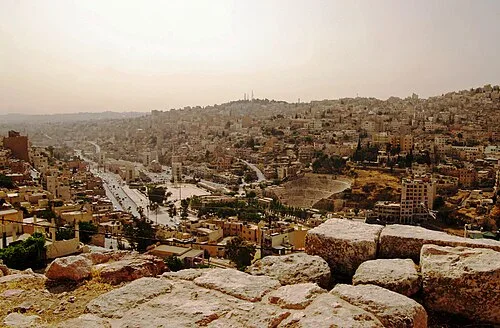 Southern Entry Plaza and City Viewpoint
View from the Citadel over the Roman Theatre and Downtown Amman
The Citadel is an L-shaped hill rising over downtown Amman, the capital of Jordan. In Arabic it is called al-Qal'a, meaning the Fortress. It is one of the seven hills of Amman. It is often counted among the oldest continuously inhabited places in the world. People fortified the hill in the Bronze Age, around 1800 BC. Later it became the capital of the Kingdom of Ammon, sometime after 1200 BC. Then it came under the sway of major powers, including the Assyrians, Babylonians, Romans, Byzantines and Umayyads. In classical times the city spread far beyond the hill. The hill then became its acropolis, a fortified high point above the town. The Roman theatre still stands on the slope beneath the hill. Much of the hill still lies unexcavated.
peuplier from Switzerland Suisse romande · CC BY 2.0
02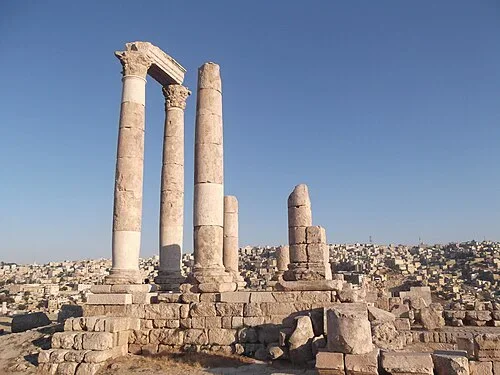 The Great Temple of Amman
The Great Temple is thought to be the most important Roman building on the Citadel. According to an inscription, Geminius Marcianus governed the Province of Arabia when it was built. His governorship began in AD 161. It ended in AD 166. The temple belongs to the same period as the Roman theatre below the hill. Many people call it the Temple of Hercules, though that name is not quite accurate. The temple stands on a high stone platform. Its front porch once had six tall columns, and some of them still stand today. Some archaeologists think it was probably not finished, since no side columns have been found. The remains suggest it was comparable in size to many temples in ancient Rome.
لا روسا · CC BY-SA 3.0
03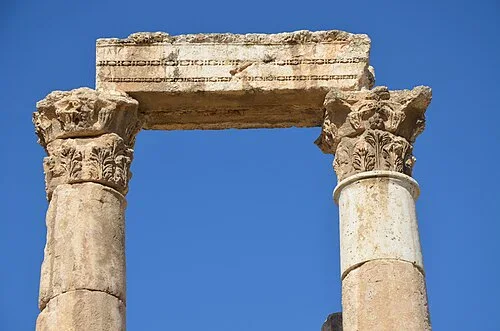 The Great Temple of Amman
Capitals and Inscribed Architrave of the Great Temple
The carved tops of these two columns are called capitals. Each one sits on a column and takes the weight above it. Both are carved with acanthus leaves, a spiny plant that ancient stonecutters often copied. Across the top runs a long stone beam called the architrave, resting on the capitals. Lines of lettering are cut into its face. Scholars believe they have rebuilt the whole inscription from several broken fragments.
Listen in the appCarole Raddato from FRANKFURT, Germany · CC BY-SA 2.0
04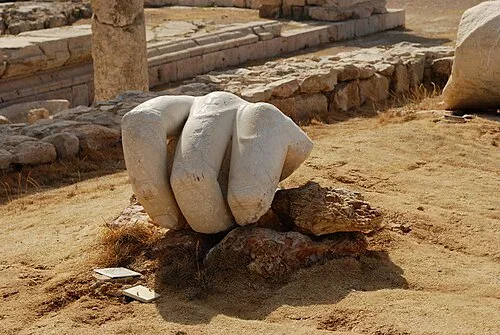 Colossal Cult Statue Fragments
Marble Hand Fragment of the Colossal Statue
Only three fingers and an elbow survive from this colossal statue. Its height is estimated at around thirteen metres. The statue was probably destroyed in an earthquake. Some people identify it as Hercules. The scholar Chrysanthos Kanellopoulos argues otherwise. He says the muscles around the elbow do not fit Hercules, the Greek Herakles. The fingers are slender, and their nails look feminine to him. He reconstructs a woman, most likely a goddess, with her right hand raised and her left hand relaxed. That pose is known from some images of Athena. Other candidates include Astarte, Demeter and Tyche, the goddess of fortune. Kanellopoulos also notes that Hercules and Astarte were the city's two dominant gods, one male and one female.
Listen in the appPhoto: Jeanhousen · CC BY-SA 3.0
05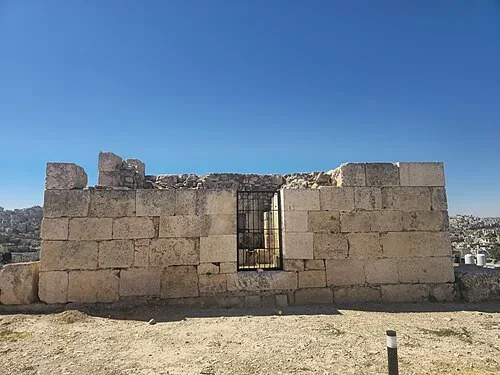 Ayyubid Watchtower and Southern Defenses
The Ayyubid Watchtower
The Ayyubid watchtower was built for observation, and it overlooks the centre of Amman. Its builders reused stone from the Great Temple. Cylindrical column blocks, round sections that stack to make a column, were used on the southern face. The tower is dated to 1220, within the Ayyubid period. That period ran from the late twelfth century into the thirteenth. Inside, the small room is about nine and a half metres long. Openings in three walls were made for shooting arrows. A staircase built into the fourth wall climbs to the roof. The tower was first attributed to the Crusaders, but it is now dated to the Ayyubids. The location of the Crusader castle is still unknown. The Jordanian Ministry of Tourism and Antiquities restored the building in the early 1990s.
Listen in the appPhoto: Mohammad hajeer · CC BY-SA 4.0
06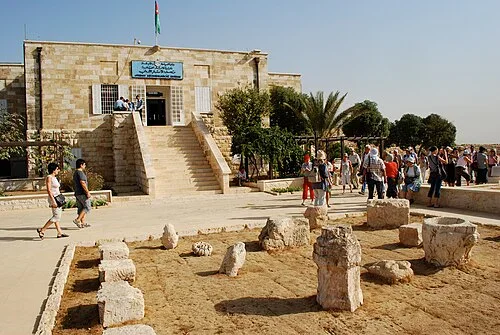 Jordan Archaeological Museum
The Jordan Archaeological Museum was set up in 1951, among the ruins on top of the Citadel. It was once the country's national archaeological museum. Its collection runs from prehistoric times up to the fifteenth century, and it includes material from the Citadel itself. A broad stairway climbs to the entrance, with old stone fragments resting on the gravel in front. In 2014 the country opened a new national museum, the Jordan Museum. The museum on the hill now plays a somewhat smaller part. Some of the pieces once shown here have moved to the Jordan Museum.
Listen in the appJean Housen · CC BY-SA 3.0
07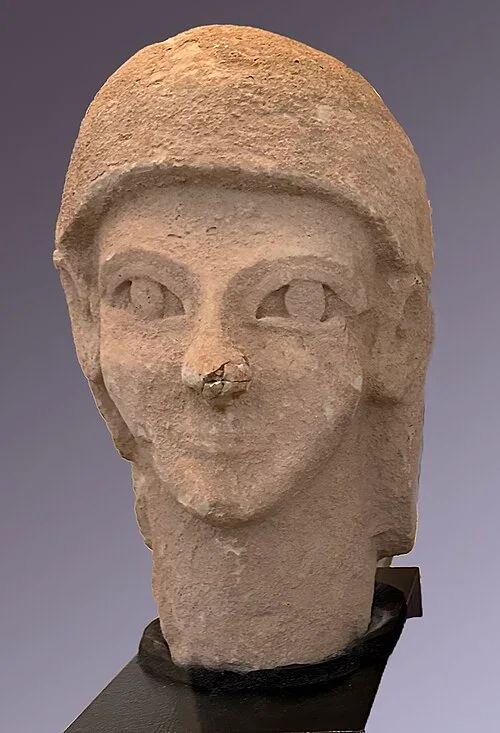 Jordan Archaeological Museum
Stone Portrait Head from the Museum Collection
In the museum, a carved stone head wears a close-fitting cap, with large eyes and a chipped nose. The hill's story reaches much further back than the Roman temple. The Amman Citadel Inscription is considered the oldest known inscription in the Ammonite language. It is written in the Phoenician alphabet. During digs in the 1990s, archaeologists found possible religious features under the Roman temple area. They also found six votive figurines, small offerings made to a god. These might point to religious use in the Iron Age. A Milkom inscription from the Iron Age was also found on the hill. It has been suggested that local worship moved from Milkom to Herakles over time. Milkom was the supreme god of the Ammonites, still worshipped in Roman times in Ammonitis.
Listen in the appAllan Gluck · CC BY-SA 4.0
08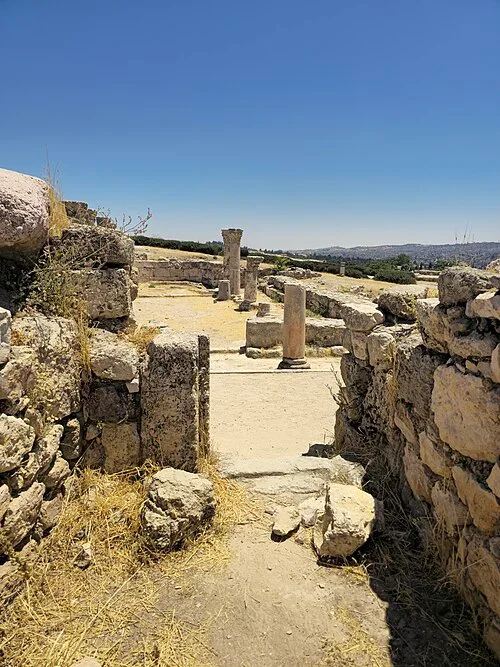 6th-Century Byzantine Basilica
The Byzantine Church
Christians built this church in the sixth century, during the Byzantine era. Its plan is basilica-like, a long hall with a central nave and aisles along both sides. At the eastern end, a section was set aside for formal ceremonies. Its Corinthian capitals, the leafy column tops, were used alongside acanthus carvings repurposed from the nearby Great Temple. Some believe the marble left over from the temple went into building this church. Flagstones pave the aisles. At the ends of the aisles, rectangular rooms were probably added later, in the Umayyad period. The church was most likely changed and improved over time. A mosaic floor survives in the central nave.
Listen in the appPhoto: Mohammad hajeer · CC BY-SA 4.0
09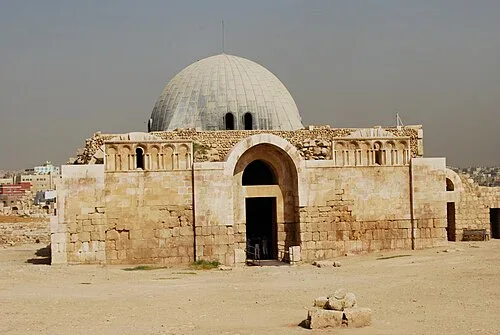 Umayyad Palace Audience Hall
The Umayyad Palace (Al-Qasr)
The Umayyad palace on the Citadel was built by the caliph Hisham ibn Abd al-Malik. In Arabic it is called al-Qasr, which simply means the palace. The palace dates to the eighth century. His reign began in 724. It ended in 743. The palace stands on the northern part of the upper hill. It is believed to have served as an administrative building, or as the home of an Umayyad official. The complex included an audience hall and four assembly rooms. Its architecture blends Byzantine, Sassanian and Islamic styles.
Listen in the appJean Housen · CC BY-SA 3.0
10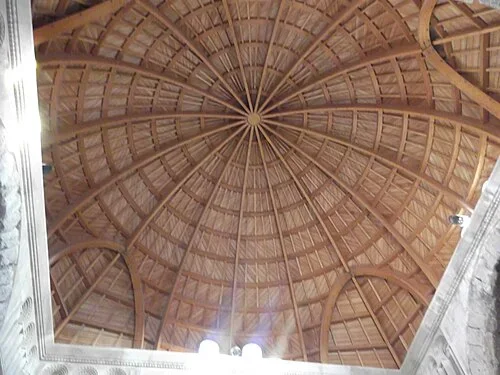 Umayyad Palace Audience Hall
Dome of the Umayyad Palace Reception Hall
The palace's central hall was used to receive visitors, and it is called the audience hall. Its floor plan is cruciform, meaning shaped like a cross. Many curved ribs sweep up from the walls toward the top of the dome. They spread out like the spokes of a wheel. All of them meet at a single point in the middle of the ceiling.
Listen in the appلا روسا · CC BY-SA 3.0
- 11
The Umayyad Colonnaded Street
A paved palace street, and the long centuries of ruin and occasional use that followed the Umayyads.
- 12
The Umayyad Cistern
A round stone cistern beside the palace, with a curving stair that leads down into its pit.
- 13
The Umayyad Mosque
A mosque whose design copies a Persian hall of many columns, a layout normally found only in Persia and Mesopotamia.
Amman Citadel
Frequently asked questions
How much does the guide cost?
Free app download. Listed guide price: $0.99. Guide price shown in the app. Audio guide only. Venue admission is separate.
Can I listen without internet?
Yes. Download the guide’s audio, images, and maps in the app before your visit. Your downloaded content is then available offline.
Can I listen in my language?
This audio guide is available in 15 languages, including English.
Do I need to follow a schedule?
No. This is a self-guided experience. Choose your stops, pause whenever you like, and return to a story at your own pace.
At your own pace
Explore Amman Citadel.
Download Stanza, then search for “Amman Citadel”.
Free app download · Guide price shown in the app
Keep exploring
Nearby audio guides
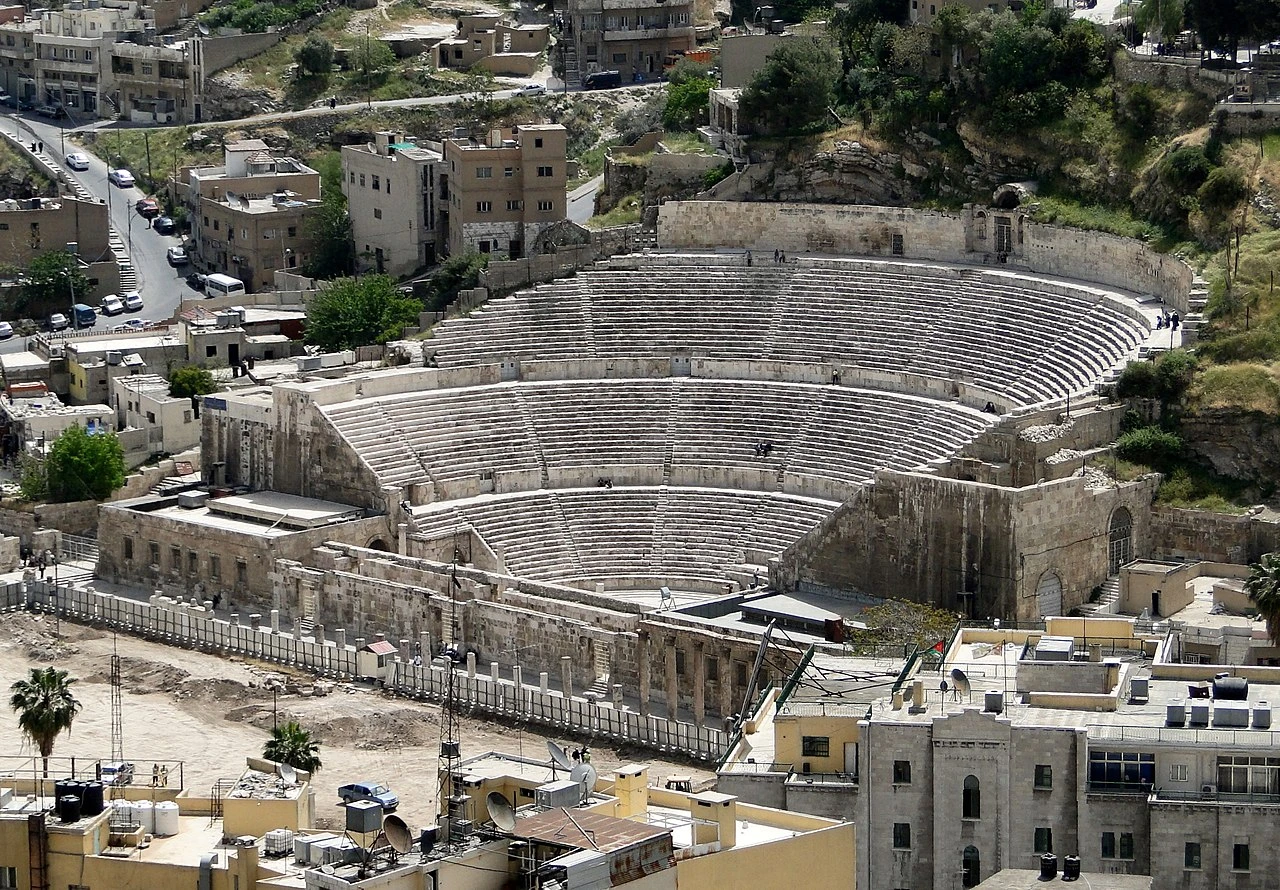
Amman · 1 km
Roman Theatre of Amman
Content & sources
Bernard Gagnon · CC BY-SA 4.0
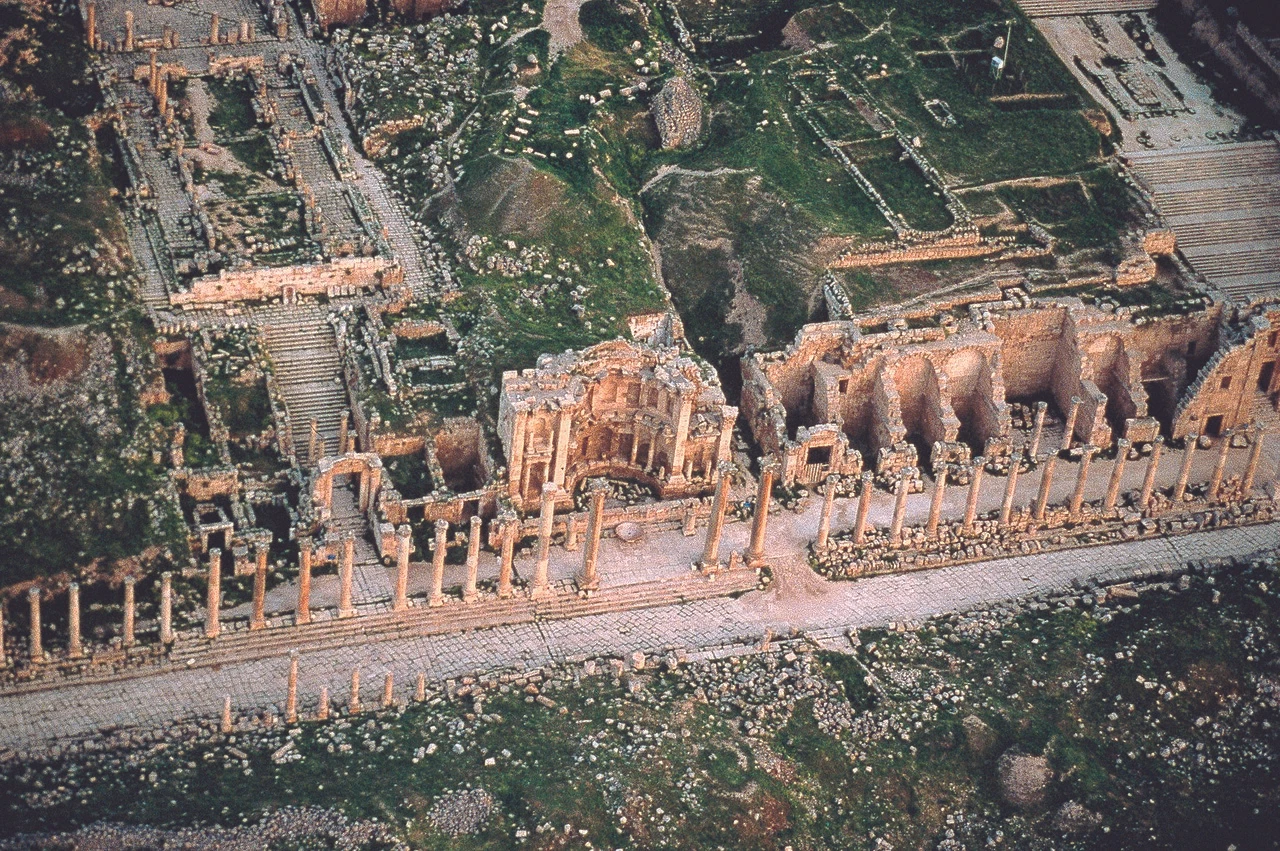
Jerash · 36 km
Jerash
Content & sources
Photo: JoTB · CC BY-SA 3.0
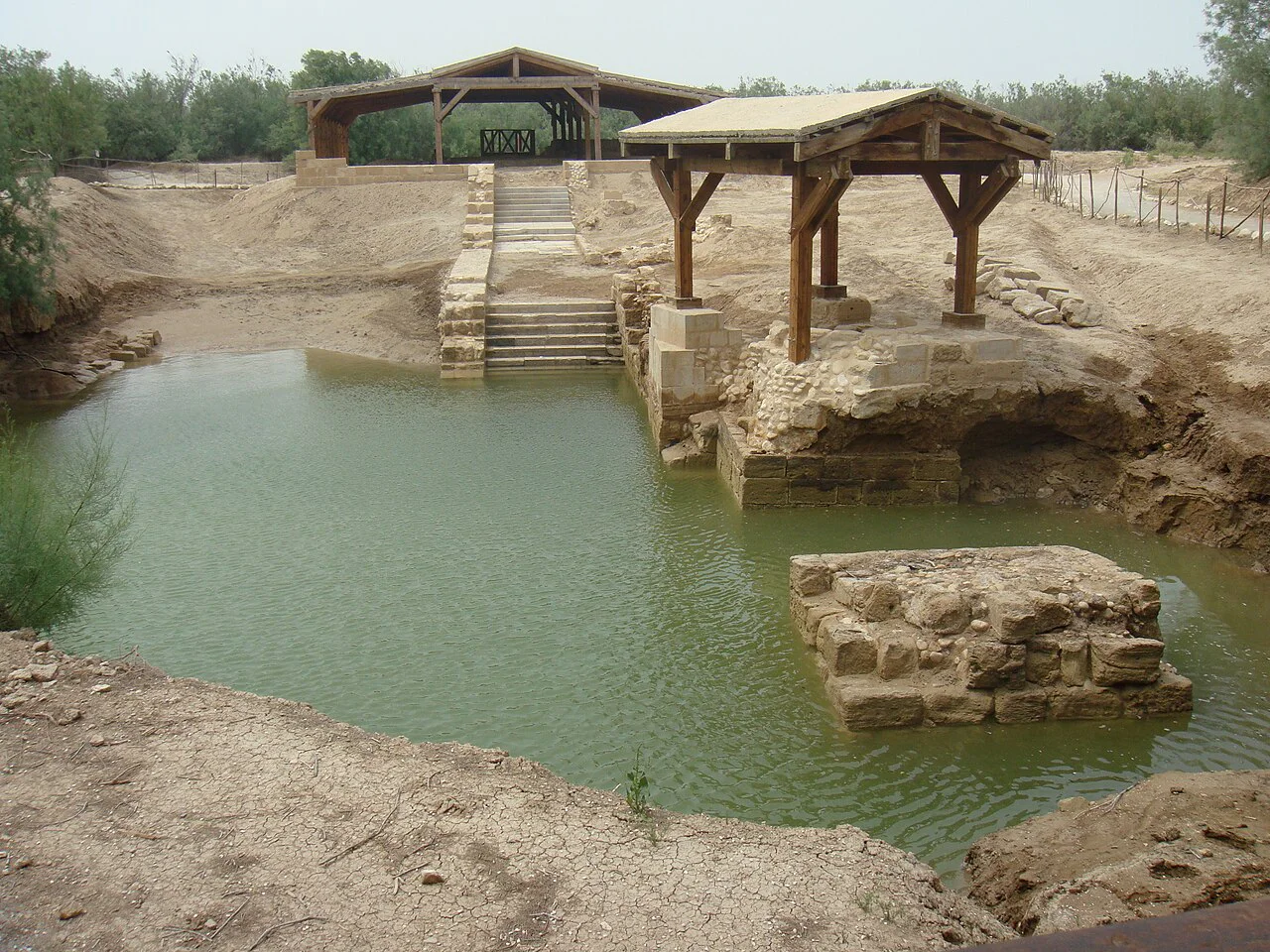
Shoonah Janoobiyah Sub-District · 39 km
Al-Maghtas
Content & sources
Producer (talk) · CC BY 2.5
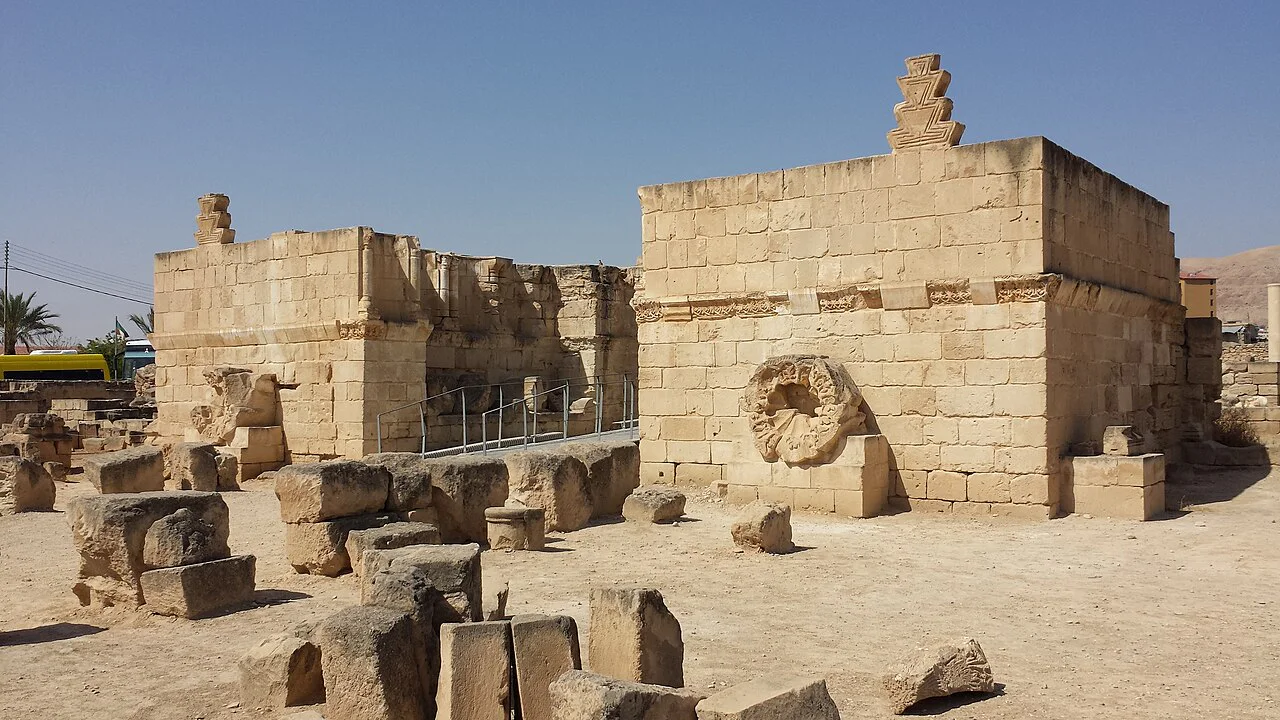
Jericho · 46 km
Hisham's Palace
Content & sources
Photo: Randa Fawzi · CC BY-SA 4.0
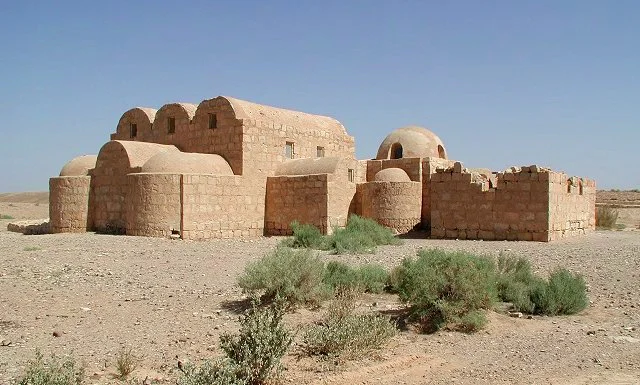
Azraq Sub-District · 64 km
Qusayr 'Amra
Content & sources
Photo: GregAsche~commonswiki · CC BY-SA 3.0