 Stanza / Audio guide
Content & sources
Stanza · Audio guide
Al-Maghtas Audio Guide
A place to remember. A story to take with you.
Al-Maghtas is an archaeological World Heritage Site located on the east bank of the Jordan River in Jordan. It is reputed to be the location of the Baptism of Jesus by John the Baptist and has been venerated…
Download Stanza, then search for “Al-Maghtas”.
About the tour
One guide. Your kind of visit.
Al-Maghtas is an archaeological World Heritage Site located on the east bank of the Jordan River in Jordan. It is reputed to be the location of the Baptism of Jesus by John the Baptist and has been venerated since at least the Byzantine period.
Ready when you are.
- 01Get the free Stanza app.
iOS & Android
- 02Find your guide.
“Al-Maghtas”
- 03Download before you go.
Works offline
Audio guide / 12 narrated stops
Inside the guide
Get to know a few of the stories before you go. Open a stop to read more.
01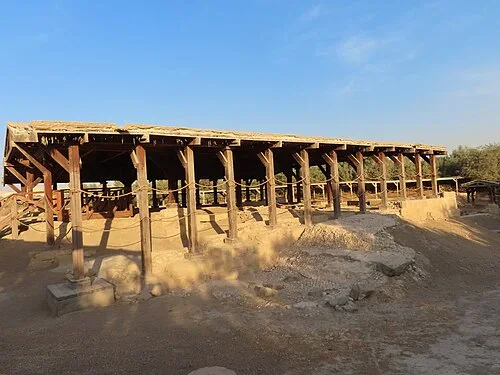 Tell al-Kharrar (Elijah's Hill and the Monastery of Rhetorios)
Elijah's Hill: The Excavated Monastery of Rhetorios
Welcome to Al-Maghtas, a name that means simply 'the immersion' in Arabic. This is the east bank of the Jordan River, officially called Bethany Beyond the Jordan. The site has two halves. One lies close to the river itself; the other is this hill, Tell al-Kharrar, also known as Jabal Mar Elias, Elijah's Hill. Ancient tradition holds that the prophet Elijah ascended to heaven from this very hill. In the fifth century, Christians built a monastery here in commemoration. Archaeologists gave it a name of their own: the Monastery of Rhetorios, after a name they found in a Byzantine mosaic inscription on the site. The great days of pilgrimage ran from the fourth to the seventh centuries, when this sheltered excavation was a busy complex of churches, pools and courtyards. Today the whole site is honoured as a World Heritage Site, and the hill remains its oldest remembered landmark.
Photo: Fallaner · CC BY-SA 4.0
02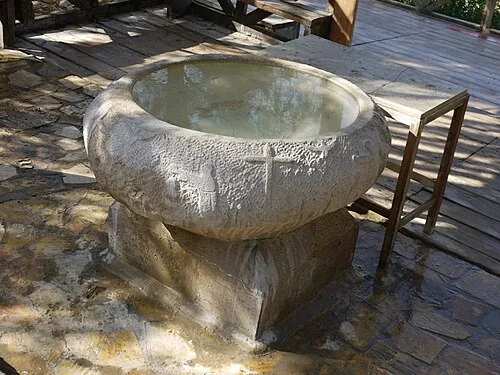 Tell al-Kharrar (Elijah's Hill and the Monastery of Rhetorios)
The Cross-Carved Stone Basin
A cross is still carved into the rim of this stone basin, which stands filled with water. Water is what made this whole site work. The digs here uncovered springs, a circular well, and a network of ceramic pipes that carried the water to the baptism places. Remarkably, that supply was found still functioning. On Elijah's Hill itself, archaeologists found three baptismal pools. These pools carry a double story. Some show the features of a Jewish mikveh, the ritual bath, resembling Second Temple period pools at Qumran. Others belong to the later Christian use of the site, with large pools made for baptism. Together they link two customs of washing that grew from the same soil. The basin by the monastery is one piece of that long water tradition, an installation shaped for a ritual of immersion.
krebsmaus07 · CC BY 2.0
03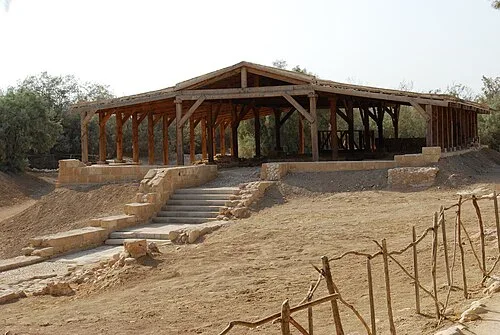 The Byzantine Basilica Complex and Marble Steps
The Riverside Basilica Complex Under Its Protective Shelter
Down by the river, in the zone called the Zor, excavation uncovered a dense complex of churches. There was a hall with columns, a basilica known as the Church of St John the Baptist, and a Lower Basilica with marble floors laid in geometric designs. The building began with an emperor. Anastasius I erected the first church dedicated to John the Baptist on the eastern bank between 491 and 518. Then nature took its turn. Floods and earthquakes destroyed the church, and it was reconstructed three times. A major flood in the sixth or seventh century finally brought it down, along with a chapel built over piers nearby. The wooden shelter rising over these foundations is part of the conservation work that followed the excavations of the 1990s, protecting what the river left behind.
Listen in the appJean Housen · CC BY-SA 3.0
04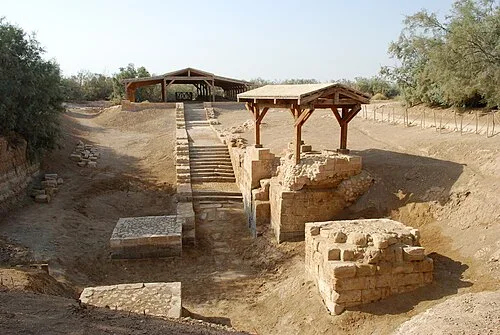 The Byzantine Basilica Complex and Marble Steps
The Marble Stairway of 570 AD
A line of steps runs down through this excavation toward the water. This ceremonial stairway was built in 570 AD. Twenty-two of its steps survive, cut from black marble. Its purpose was movement. The stairway connected the Upper Basilica directly down toward a large baptismal pool, so that clergy and pilgrims could descend in procession for the baptismal rites. The marble made the descent a ceremony in itself, a formal path from the church floor to the edge of the water. How far the original stairway ran, and how much still lies unexcavated, remains unknown. What survives is enough to show how carefully the journey from prayer to immersion was choreographed here.
Listen in the appJean Housen · CC BY-SA 3.0
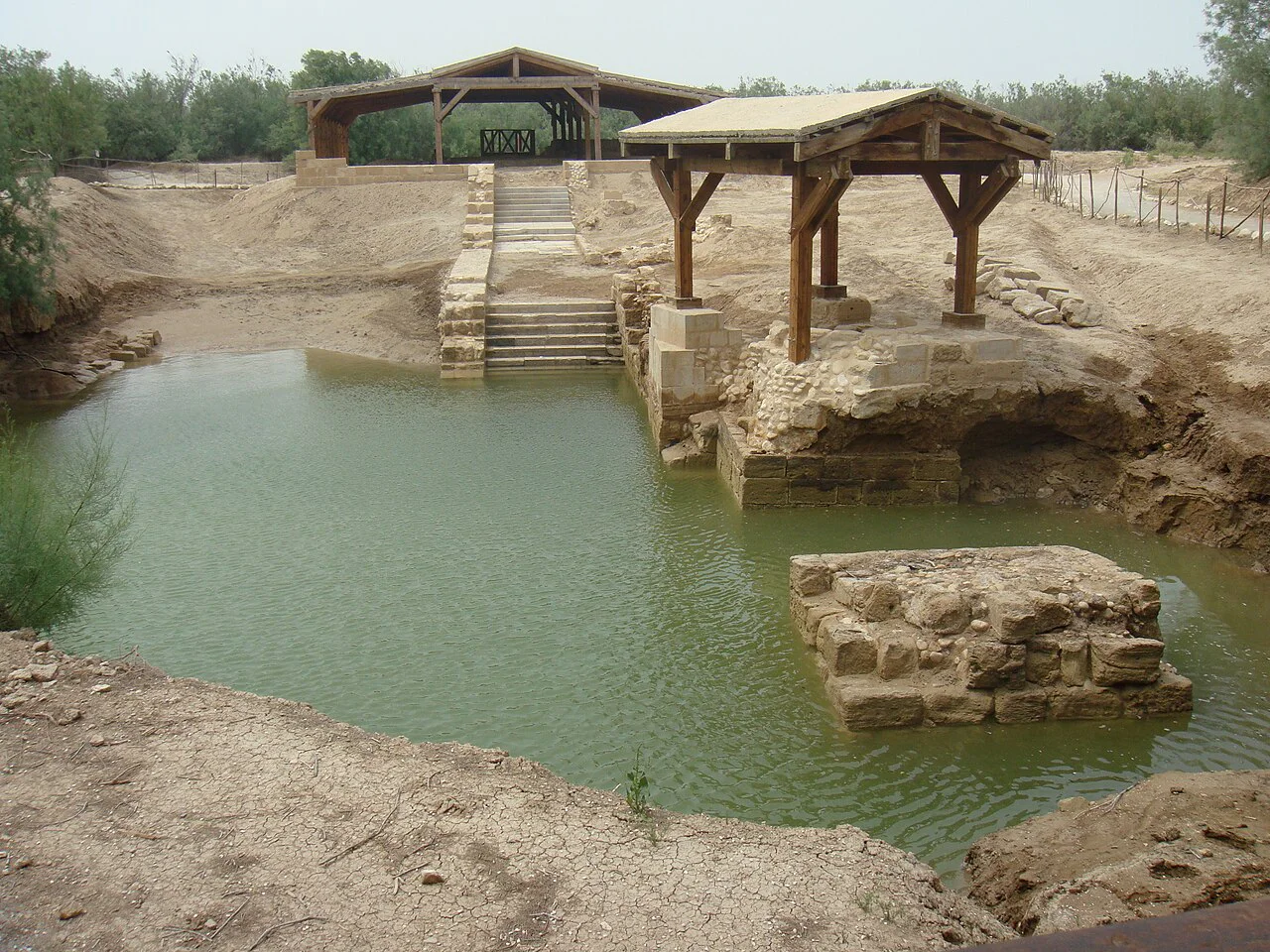
05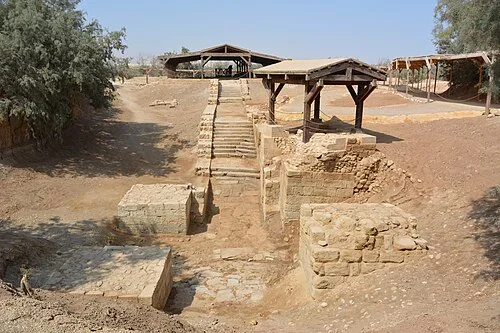 The Historic Cruciform Baptism Pool and Mantle Chapel
The Piers of the Chapel of the Mantle
Four stone piers rise from the middle of this excavated pool. They once carried a small building called the Chapel of the Mantle. The idea is striking. Rather than standing beside the sacred water, the chapel was built directly over it, suspended on its piers so that worshippers could venerate the pool itself from above. The chapel belonged to the same complex as the marble stairway, which led down to this pool from the Upper Basilica. Pilgrims descended through the church, and arrived beneath a roof held up over the very water of immersion. Why it was named the Chapel of the Mantle, and what relic or tradition the name refers to, is not recorded.
Listen in the appPhoto: Ziad Isam · CC BY-SA 4.0
06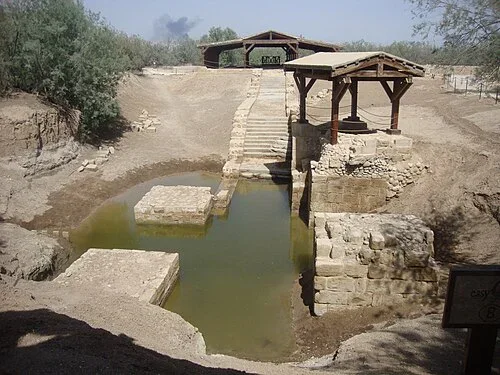 The Historic Cruciform Baptism Pool and Mantle Chapel
The Cruciform Baptismal Pool
Water fills this cruciform pool, the spiritual heart of the site. The Gospel of John gives the verse everything here rests on: 'These things took place in Bethany beyond the Jordan, where John was baptising.' It is the only mention of this Bethany, the one on the east bank, in the New Testament. Here, by this stretch of river, John is believed to have baptised Jesus, and it is this event that Christian denominations venerate at Al-Maghtas. In the Byzantine period, pilgrims came to the large riverside pools to be immersed themselves, following the rite down stairways and into the Jordan's floodplain. Major denominations have accepted this east bank as the authentic site of the baptism. Scholarship stays more careful, noting that there is no archaeological proof of the baptism in these waters, and that other sites along the river have made the same claim.
Listen in the appPhoto: Freedom's Falcon · CC BY-SA 3.0
07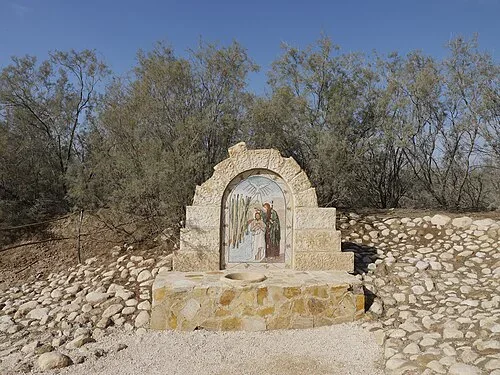 The Historic Cruciform Baptism Pool and Mantle Chapel
Shrine by the Brook: John in the Wilderness
A small stone shrine stands among reeds and desert scrub, its mosaic showing the baptism of Jesus. It is a modern commemorative marker, set within the landscape of Wadi al-Kharrar. The wilderness itself is the story here. John probably baptised in springs and brooks at least as much as in the more dangerous main river. The Gospel's own example is Aenon near Salim, a name that simply means spring. At Al-Maghtas there is a short brook, Wadi al-Kharrar, which flows toward the Jordan, and it is associated with John's baptism activity. Springs, reeds and quiet water drew him to this desert country. Later the same austere landscape drew hermits, who came to pray where the prophet had preached.
Listen in the appkrebsmaus07 · CC BY 2.0
08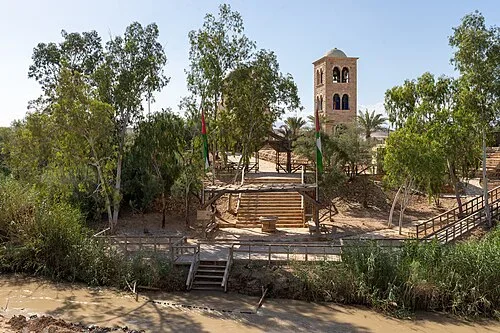 The Jordan River Bank and International Border
The River Border: Frontline and Viewing Point
The narrow river here is an international border, dividing Jordan from the West Bank. On the far side lies the site known as Qasr el-Yahud. For nearly three decades, this line kept pilgrims away entirely. After the Six-Day War in 1967, the river became the ceasefire line, both banks were militarised, and the whole area was heavily mined and abandoned. The turn came with peace. After the Israel-Jordan peace treaty of 1994, Prince Ghazi of Jordan, a man deeply interested in religious history, visited the area with a Franciscan archaeologist. When they found evidence of Roman-period habitation, that was enough to encourage demining and further work. Soon afterwards, digs led by Dr. Mohammad Waheeb rediscovered the ancient site in 1997. Jordan fully reopened Al-Maghtas in 2002, and a former frontline became a place of pilgrimage again.
Listen in the appOren Rozen · CC BY-SA 4.0
09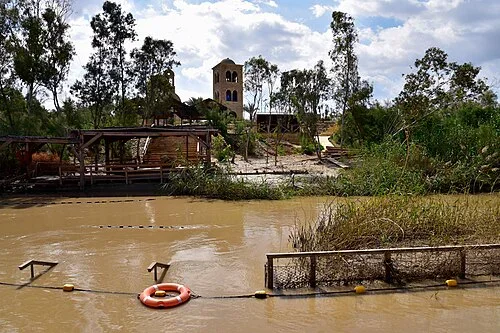 The Jordan River Bank and International Border
Baptisms on the Jordan Today
The Jordan here is a modest, reed-lined river, its muddy water strung with safety ropes and a life ring for the people who enter it. This is the water pilgrims come for. In the millennium year 2000, John Paul II became the first pope to visit the site. His two successors, Benedict XVI and Pope Francis, followed him to these banks, along with many heads of state. In 2002, Christians commemorated the baptism of Christ here for the first time since the site's rediscovery. Since then, thousands of pilgrims from around the world have marked Epiphany at Bethany Beyond the Jordan every year. The baptisms have continued at this humble stretch of brown water ever since.
Listen in the appPhoto: Bahnfrend · CC BY-SA 4.0
10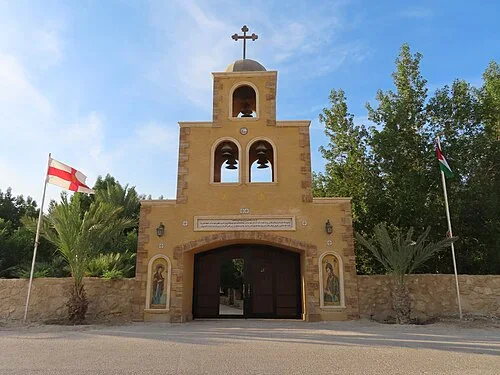 Modern Greek Orthodox Church of Saint John the Baptist
Bethabara: House of the Crossing
This gate, with its bells and its flags, opens onto one of the oldest names this place has carried. Some versions of the New Testament call it Bethabara, meaning 'House of the Ford' or 'Place of Crossing'. The name appears on the sixth-century Madaba Map and in the Jewish Talmud, though the map sets its Bethabara on the west side of the river, and the link to this east bank rests on tradition. Behind the name lies the oldest story of all. The Book of Joshua tells how priests carried the Ark of the Covenant into the Jordan, and the waters stopped their flow, so the Israelites could cross into the Promised Land. Ancient traditions identified this ford as the place where it happened. The gate leads into the continuation of that long tradition of sacred crossing.
Listen in the appPhoto: Fallaner · CC BY-SA 4.0
- 11
The Greek Orthodox Church of Saint John the Baptist
The gold-domed church that returns John the Baptist's name to the east bank.
- 12
The Frescoes: Baptism and the Fiery Ascent
Inside the dome: the baptism of Christ and Elijah's fiery ascent, painted together.
Al-Maghtas
Frequently asked questions
How much does the guide cost?
Free app download. Listed guide price: $1.99. Guide price shown in the app. Audio guide only. Venue admission is separate.
Can I listen without internet?
Yes. Download the guide’s audio, images, and maps in the app before your visit. Your downloaded content is then available offline.
Can I listen in my language?
This audio guide is available in 15 languages, including English.
Do I need to follow a schedule?
No. This is a self-guided experience. Choose your stops, pause whenever you like, and return to a story at your own pace.
At your own pace
Explore Al-Maghtas.
Download Stanza, then search for “Al-Maghtas”.
Free app download · Guide price shown in the app
Keep exploring
Nearby audio guides
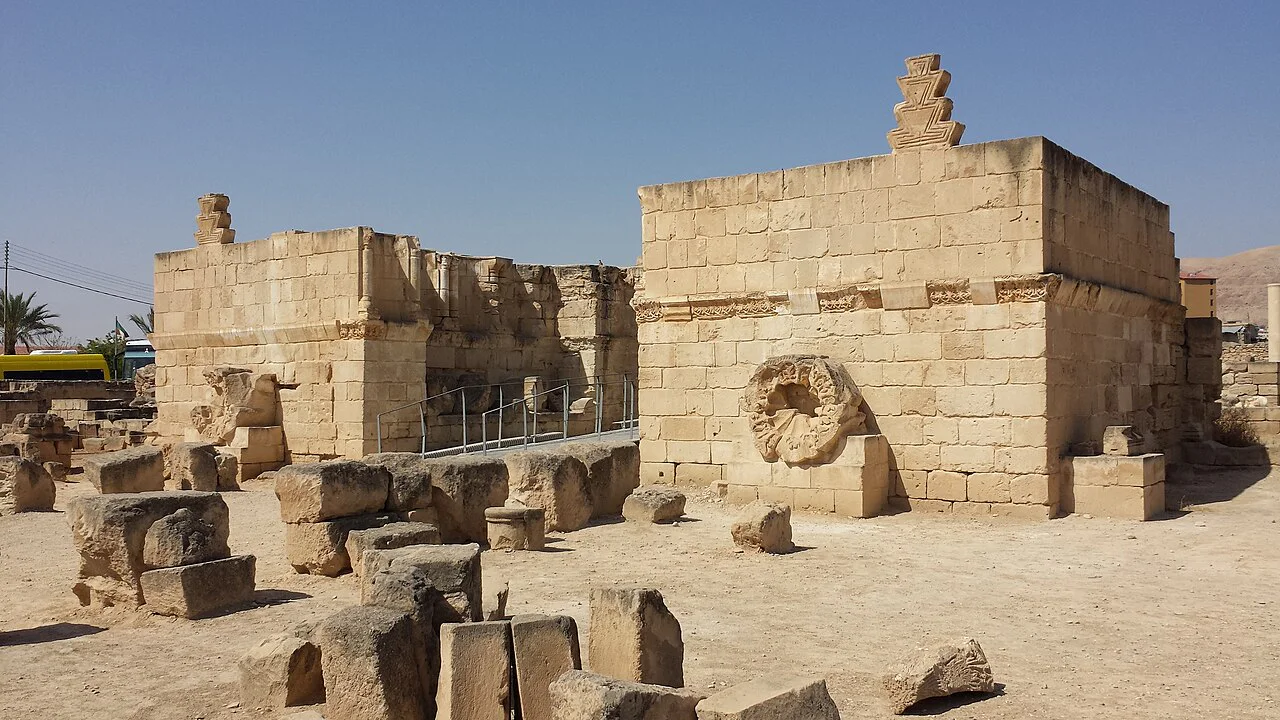
Jericho · 10 km
Hisham's Palace
Content & sources
Photo: Randa Fawzi · CC BY-SA 4.0
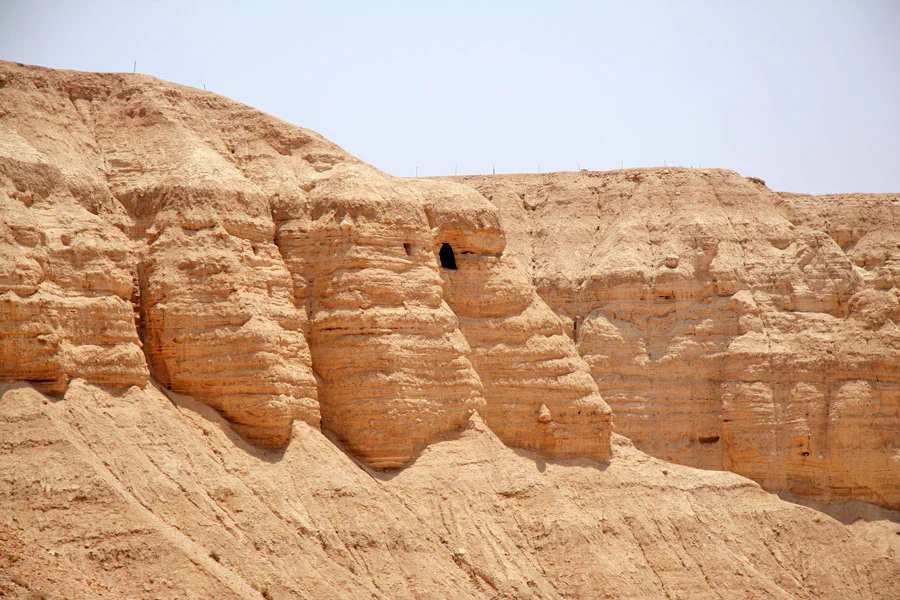
Megilot Yam HaMelakh Regional Council · 14 km
Qumran
Content & sources
Photo: Tamarah · CC BY-SA 2.5
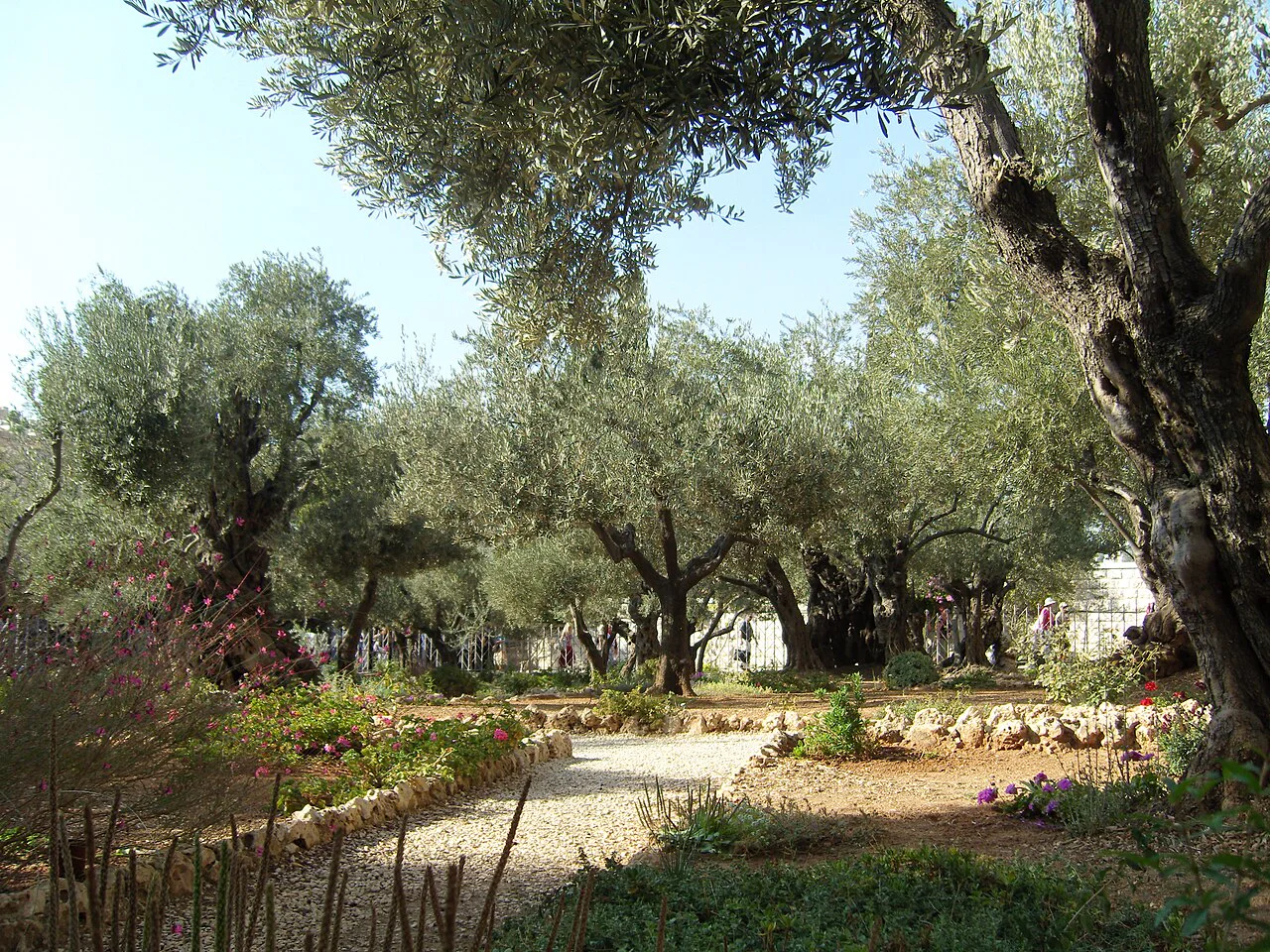
Jerusalem · 30 km
Gethsemane
Content & sources
Photo: Mewasul · CC BY-SA 3.0
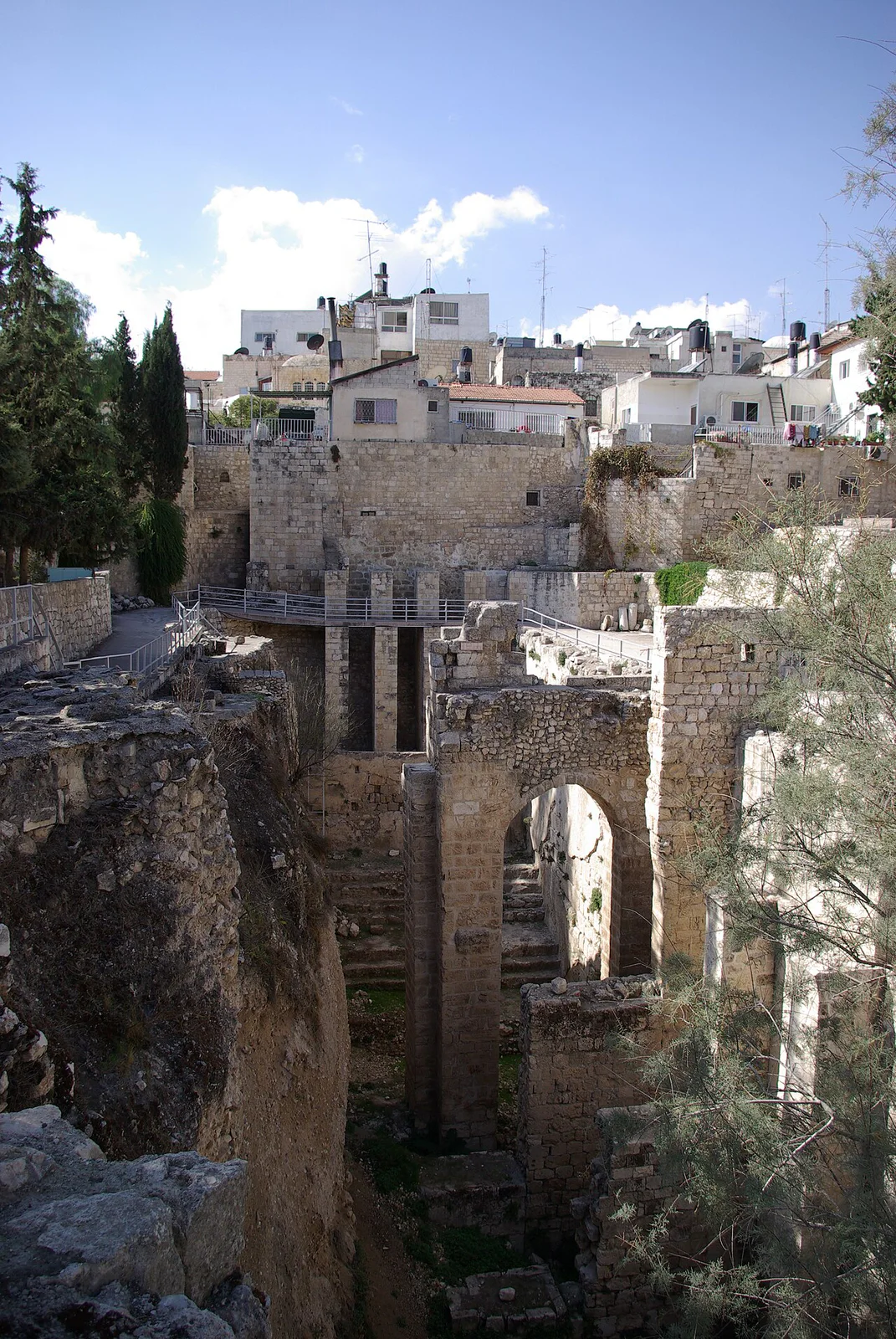
Jerusalem · 30 km
Pool of Bethesda
Content & sources
Photo: Berthold Werner · Public domain