Stanza · Audio guide
Hill of Crosses Audio Guide
A place to remember. A story to take with you.
The Hill of Crosses is a site of pilgrimage located in northern Lithuania. It is significant for the hundreds of thousands of crosses, crucifixes, and religious effigies placed there by Catholic pilgrims over…
Download Stanza, then search for “Hill of Crosses”.
About the tour
One guide. Your kind of visit.
The Hill of Crosses is a site of pilgrimage located in northern Lithuania. It is significant for the hundreds of thousands of crosses, crucifixes, and religious effigies placed there by Catholic pilgrims over many generations.
Ready when you are.
- 01Get the free Stanza app.
iOS & Android
- 02Find your guide.
“Hill of Crosses”
- 03Download before you go.
Works offline
Audio guide / 13 narrated stops
Inside the guide
Get to know a few of the stories before you go. Open a stop to read more.
01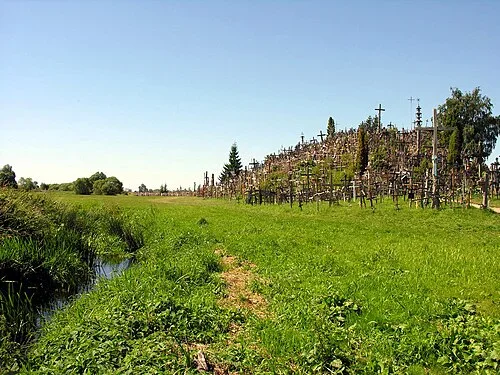 Kulpė Valley Approach and Hillfort Ramparts
The Mound Above the Kulpė Valley
Welcome to the Hill of Crosses, a place of pilgrimage in northern Lithuania, about twelve kilometres north of Šiauliai. This tour follows the mound from its earliest days to the faith that now covers it. The green slopes across the Kulpė stream hide an older story than any cross. This is the Jurgaičiai hillfort, also called Domantai, occupied from the first millennium through the fourteenth century. A castle once stood here, Kulių Castle, first mentioned in writing in 1348. The plateau on top is a small oval, roughly seventeen by twenty-five metres, ringed by steep defensive slopes. Archaeologists opened a small trench on the slope in 1999. They found only a thin layer of soil, and not a single artefact. So the old fortress keeps its secrets. How a defensive mound became the foremost symbol of Lithuanian faith is the story this hill tells.
Algirdas at Lithuanian Wikipedia · GFDL
02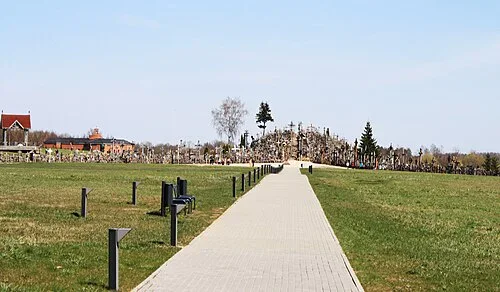 Kulpė Valley Approach and Hillfort Ramparts
The Approach Path
The paved walkway crosses the flat plain of the Kulpė towards the mound. Few memorials are made the way this one is. There is no official architect here, no landscape designer, no master plan. Anonymous pilgrims and folk artisans have shaped every metre of it. The protected monument itself is tiny, less than half a hectare. Yet it is never finished, because visitors add new crosses day after day. Since 2013, municipal rules have allowed anyone to raise a wooden cross under three metres tall without a permit. In 2019, more than three hundred thousand people came to see it. The hill ahead holds the older story.
Сергей Алексеев · CC BY 3.0
03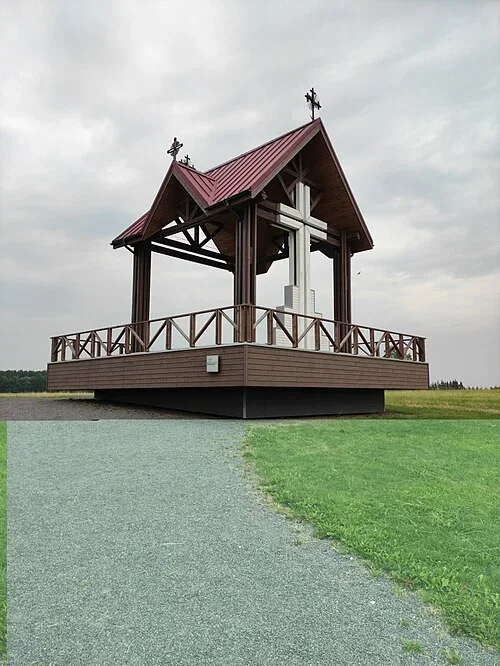 The Papal Meadow and Outdoor Altar
The Open-Air Chapel of the 1993 Papal Mass
A wooden chapel stands open to the sky at the foot of the hill, with a white cross rising beneath its red roof. It was built for a single day. On September 7, 1993, Pope John Paul II came here and celebrated Mass. Hundreds of thousands of people gathered from Lithuania and its neighbouring countries. That day the Pope called this place a Lithuanian Golgotha. The chapel has remained a place of prayer ever since, hosting services in the open air season after season. It was the moment this quiet hill became known to pilgrims far beyond Lithuania.
Listen in the appPhoto: Fry72 · CC BY-SA 4.0
04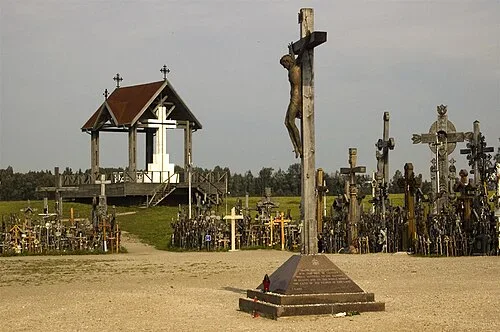 The Papal Meadow and Outdoor Altar
The Papal Altar
From this ground the story of that Mass travelled far. From the altar, John Paul II gave his blessing to Lithuania and to all of Christian Europe. Television carried it live, so millions watched a hill they had never heard of the day before. His words are kept on a stone here. Thank you, Lithuanians, for this Hill of Crosses which testifies to the nations of Europe and to the whole world the faith of the people of this land. Behind the altar, the slope rises dark with timber, the very sight that moved him to say it.
Listen in the appfotografiert von Mosiva · CC BY 3.0
05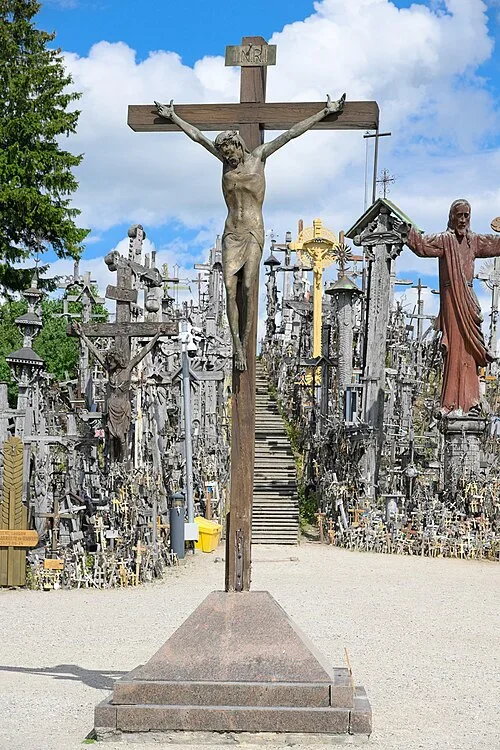 The Papal Crucifix and Sacred Threshold
The Papal Gift Crucifix
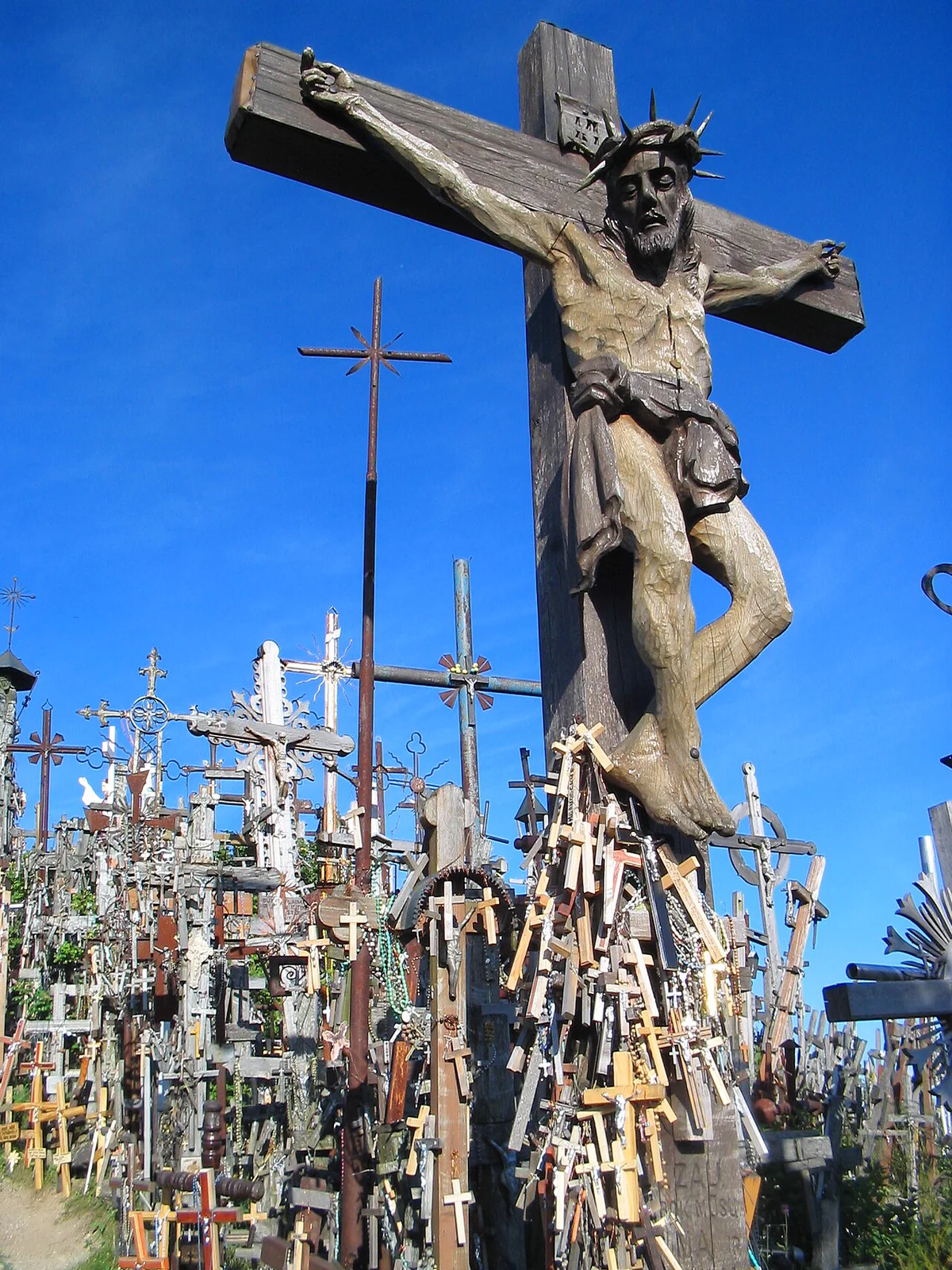
A tall wooden crucifix with a bronze figure of Christ stands at the threshold of the mound. It was not carried here by pilgrims. A year after the papal visit, this crucifix arrived as John Paul II's gift to Lithuania. It now stands on the central approach, where pilgrims pause before climbing among the crosses. Another pope followed his example. A cross from Pope Benedict XVI was raised here in September 2006.
Listen in the appdave massie · CC BY 2.0
06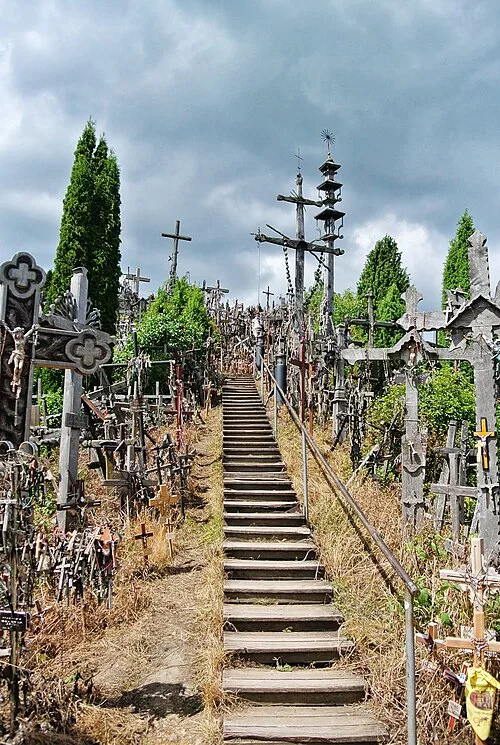 The Central Ascent and Cold War Resistance
The Ascent: Bulldozer Atheism
The wooden stairs climb onto the mound through a thicket of crosses, and this climb has a hard history. In 1961 the Soviet authorities began destroying the hill. Bulldozers swept the slopes clean. Wooden crosses were burned, metal ones hauled away to the scrap yard, stone and concrete monuments buried in the ground. The demolitions came again and again, until 1984. People began calling those years the era of bulldozer atheism. Soldiers and the KGB guarded the mound to keep pilgrims away. Authorities even considered flooding the whole area, to make the hill unreachable. The crosses kept coming back anyway.
Listen in the appBen Bender · CC BY-SA 3.0
07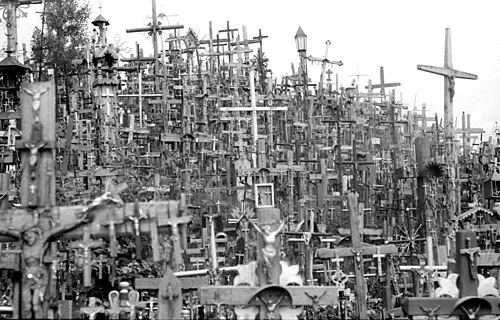 The Central Ascent and Cold War Resistance
Night Crossings, 1990
In June 1990, three months after Lithuania declared its independence again, this hill stood covered in crosses. Through the occupation years, people slipped across the surrounding fields at night, carrying crosses to plant before sunrise. Anyone caught risked fines or imprisonment, yet the hill was never left bare for long. By then, the crosses had grown dense beyond counting. Estimates put the total at about fifty-five thousand in 1990. Each one had been carried in secretly, by someone who accepted the risk.
Listen in the appRimantas Lazdynas · CC BY-SA 3.0
08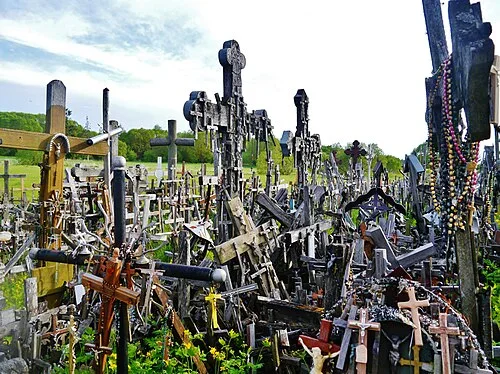 The Whispering Rosaries along the Ridge
Rosaries and Offerings
Strings of rosary beads hang over the dark timber crosses here, and when the wind moves, they clink against the wood. That sound follows visitors along the whole ridge. Over the generations, pilgrims have carried far more than crosses. There are statues of the Virgin Mary, carvings of Lithuanian patriots, thousands of tiny effigies, and rosaries beyond counting. Each offering carries a private reason. Some come to commemorate loved ones they have lost. Others are left as prayers for health or success, or as tributes to moments in the nation's history.
Listen in the appPhoto: Zairon · CC BY-SA 4.0
09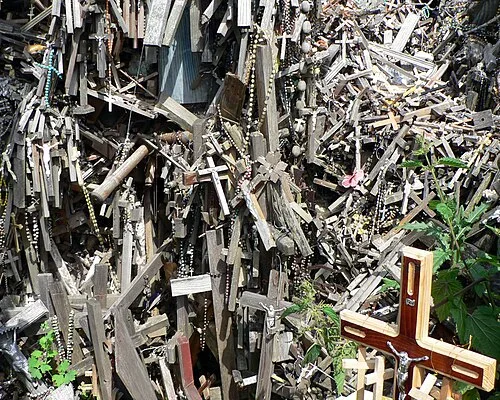 The Whispering Rosaries along the Ridge
The Forest of Crosses
Up close, the crosses press together into a solid wall of timber, with barely a gap of sky. The numbers behind that wall are startling. In 1938, the whole hill held just over four hundred crosses. By 2006, estimates had passed one hundred thousand. Today the count may approach two hundred thousand. Nobody has ever finished this hill, and nobody knows the exact number. Every single one was carried here and set in place by hand.
Listen in the appPhoto: Wojsyl · CC BY-SA 3.0
10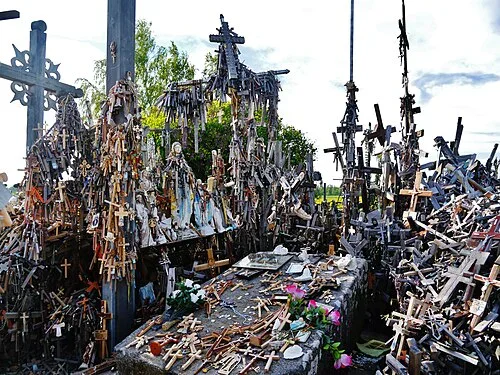 The Summit Plateau and Uprising Memorials
Summit: Crosses for the Fallen Rebels
The oval plateau at the summit is where the whole custom began. After 1795, Lithuania fell to the Russian Empire. Rebels rose against Russian rule in 1831, and again in 1863, and both uprisings failed. Families could not find the bodies of their perished rebels. So they began raising symbolic crosses here at the old hillfort, as gravestones for people who had none. The precise origin of the practice is uncertain, but it is dated to around 1831. In 1963, a memorial stone was placed on the hill for the anniversary of the 1863 uprising. A local legend tells it differently. It speaks of a grieving father whose daughter was healed after he carried a wooden cross to the Jurgaičiai hillfort. The story is folklore, but it has travelled with the hill ever since.
Listen in the appPhoto: Zairon · CC BY-SA 4.0
- 11
Kryždirbystė: The Craft of Cross-Making
Kryždirbystė, Lithuania's cross-crafting art, where Christian symbols meet much older sun signs.
- 12
The Woodcarver's Testimony
After 1990 the craft exploded, and fifty-three masterworks gained formal protection among the masses.
- 13
The Franciscan Monastery and the Meaning of the Hill
The Franciscan monastery beyond the fields, and what the hill has come to mean.
Hill of Crosses
Frequently asked questions
How much does the guide cost?
Free app download. Listed guide price: $0.99. Guide price shown in the app. Audio guide only. Venue admission is separate.
Can I listen without internet?
Yes. Download the guide’s audio, images, and maps in the app before your visit. Your downloaded content is then available offline.
Can I listen in my language?
This audio guide is available in 15 languages, including English.
Do I need to follow a schedule?
No. This is a self-guided experience. Choose your stops, pause whenever you like, and return to a story at your own pace.
At your own pace
Explore Hill of Crosses.
Download Stanza, then search for “Hill of Crosses”.
Free app download · Guide price shown in the app
Keep exploring
Nearby audio guides
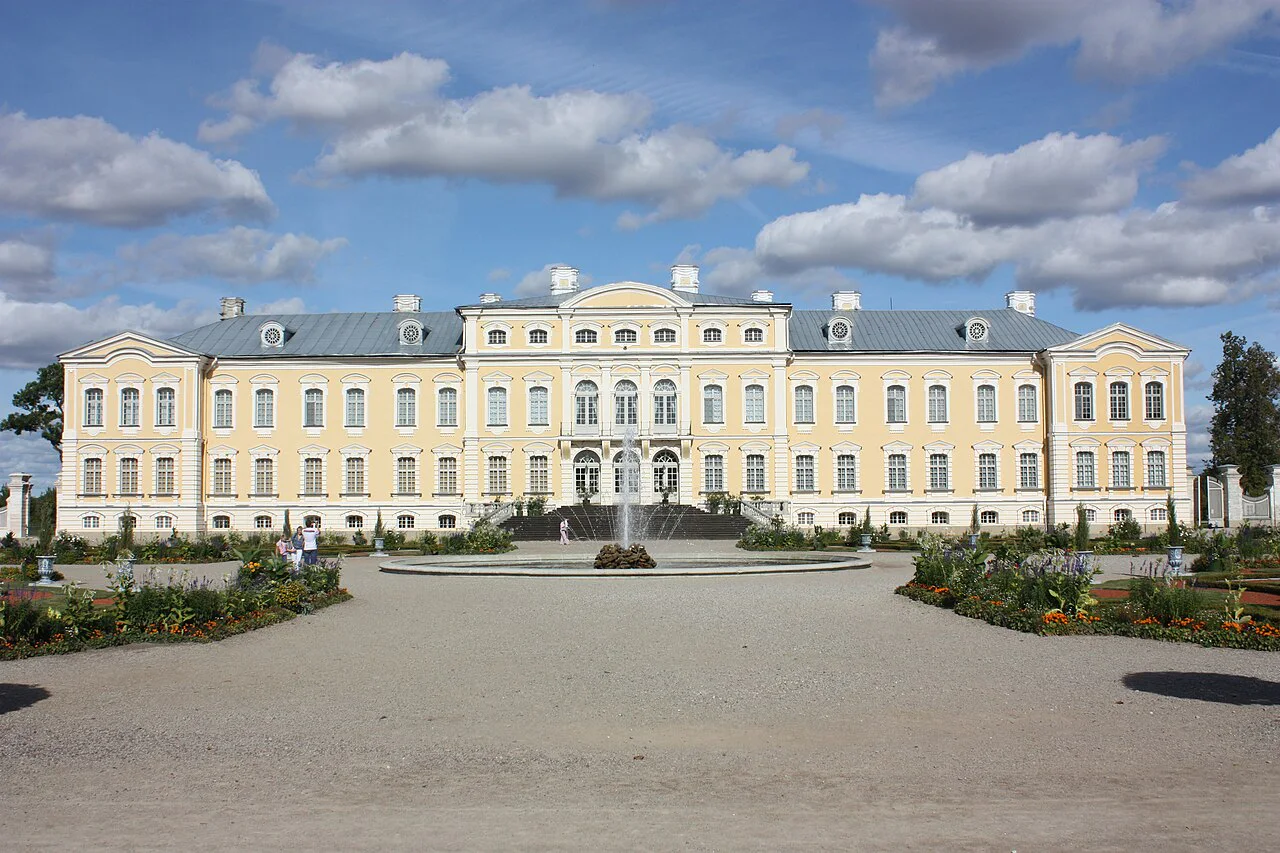
Pilsrundāle · 58 km
Rundāle Palace
Content & sources
Arian Zwegers · CC BY 2.0
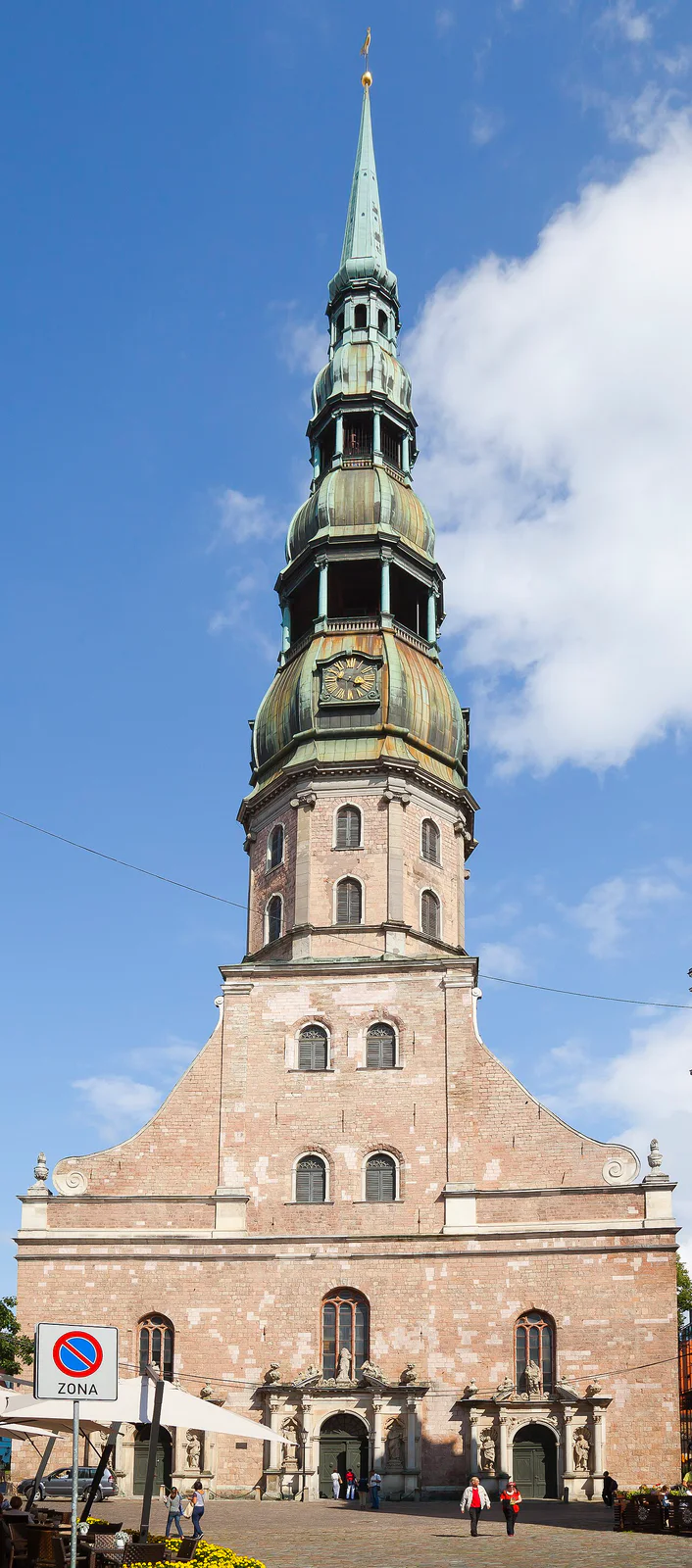
Riga · 112 km
St. Peter's Church, Riga
Content & sources
Diego Delso · CC BY-SA 3.0
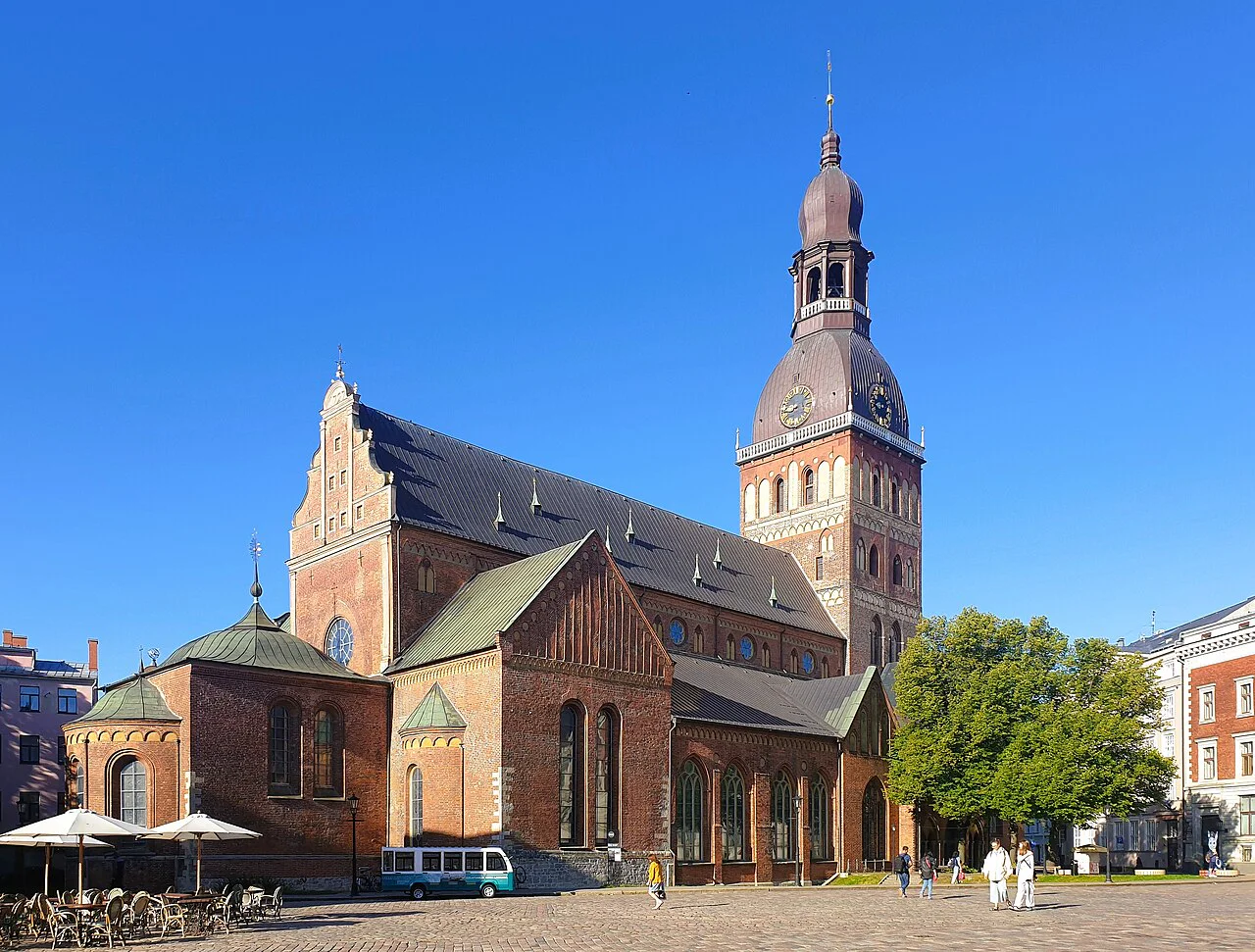
Riga · 112 km
Riga Cathedral
Content & sources
Photo: Chris06 · CC BY-SA 4.0
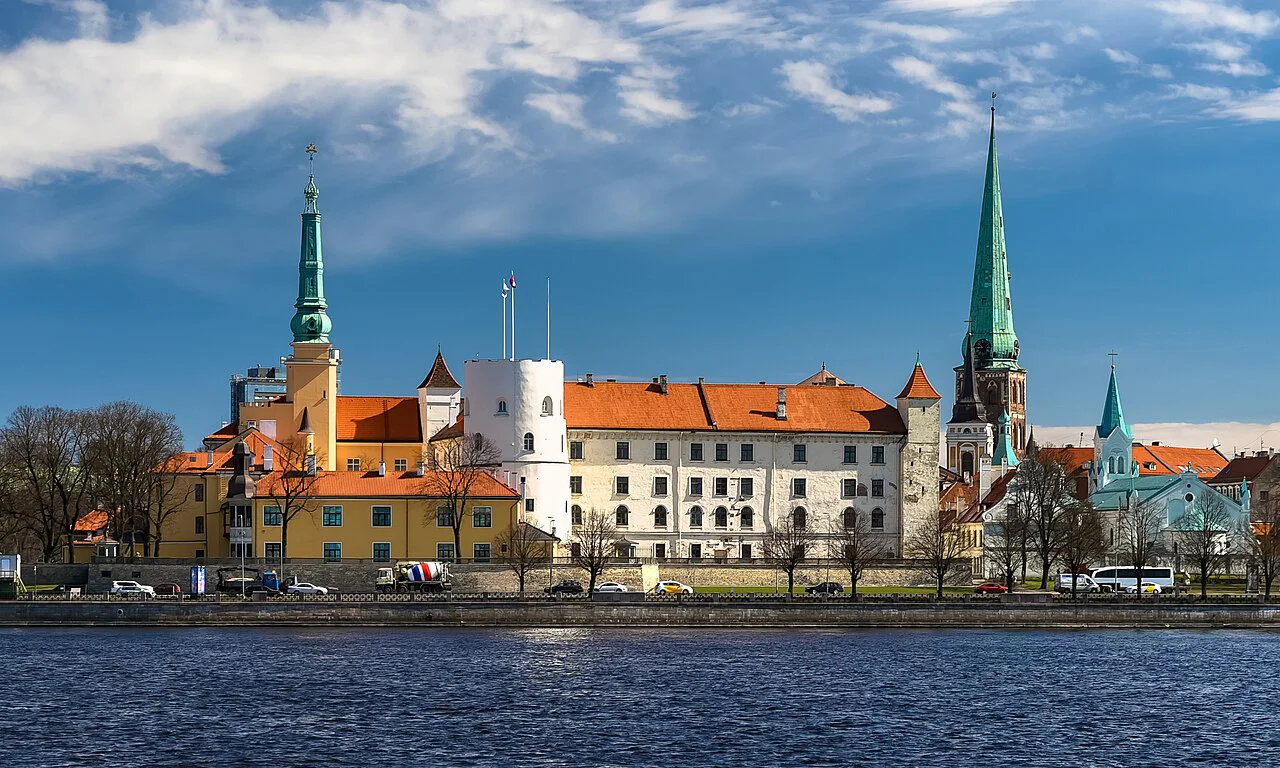
Riga · 112 km
Riga Castle
Content & sources
Jorge Franganillo · CC BY 2.0