Stanza · Audio guide
Zona arqueológica de Xochicalco Audio Guide
A place to remember. A story to take with you.
Xochicalco is a pre-Columbian archaeological site located in the Mexican state of Morelos. It is a UNESCO World Heritage Site that reached its apogee after the fall of Teotihuacan.
Download Stanza, then search for “Zona arqueológica de Xochicalco”.
About the tour
One guide. Your kind of visit.
Xochicalco is a pre-Columbian archaeological site located in the Mexican state of Morelos. It is a UNESCO World Heritage Site that reached its apogee after the fall of Teotihuacan.
Ready when you are.
- 01Get the free Stanza app.
iOS & Android
- 02Find your guide.
“Zona arqueológica de Xochicalco”
- 03Download before you go.
Works offline
Audio guide / 17 narrated stops
Inside the guide
Get to know a few of the stories before you go. Open a stop to read more.
01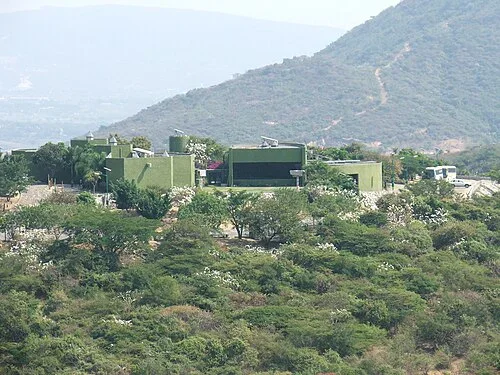 Site Museum and Orientation
Ecological Site Museum
Welcome to Xochicalco, a hilltop city in the Mexican state of Morelos. The city's name may be translated from Nahuatl as in the house of flowers. Accounts disagree about when the city began. One dates its founding to about the year 650, and credits a group of traders called the Olmeca-Xicallanca. That account describes them as Maya traders from Campeche. Other accounts push the first settlement back to about two hundred years before the Common Era, and say the city only grew large much later. The hill sat on several major trade routes of Mesoamerica. The city's rise came after the fall of Teotihuacan, the great city that had dominated Mesoamerica in the Classic period. Some have suggested that Xochicalco may have played a part in that fall. UNESCO added the archaeological zone to its World Heritage list in 1999. The green site museum, set among trees on the hillside, was built to house the finds of a large excavation programme. From its entrance hall, a wide window makes the ancient city seem part of the museum.
Miguel Angel Pérez Lázaro · CC BY-SA 3.0
02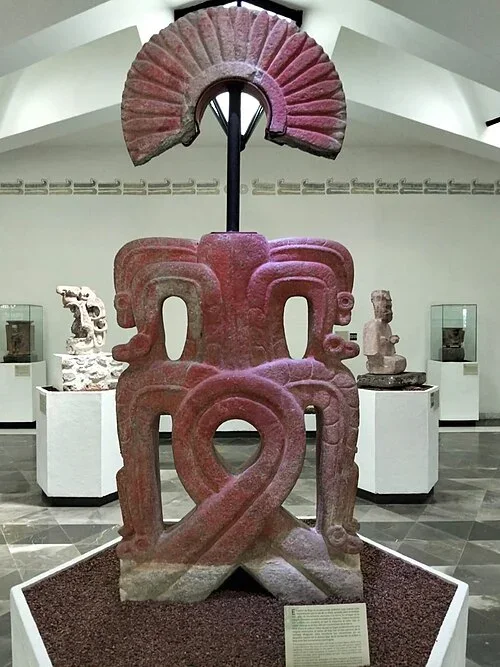 Site Museum and Orientation
Sculpture Known as the Señor de Rojo
The red figure known as the Señor de Rojo stands in a hall lit by daylight, and the hall has a story of its own. The site museum was begun in 1993, as part of a government programme marking five hundred years since Columbus's voyage. Its architect, Rolando Dada y Lemus, had to design it for a hill with no mains water, drains or electricity. Rainwater from the roofs runs into tanks that hold 556 cubic metres. Skylights with mirrors inside their shafts carry sunlight down into the halls, and solar cells add power when the light fades. The halls are six-sided, so a visitor sees three of them at once. The building was finished on 30 November 1994 and opened on 10 April 1996. Some carved monuments from Xochicalco were moved away from their original places. Certain stelae are now in the National Museum of Anthropology in Mexico City, and others are shown here.
Listen in the appPhoto: Logue 0019 · CC BY-SA 4.0
03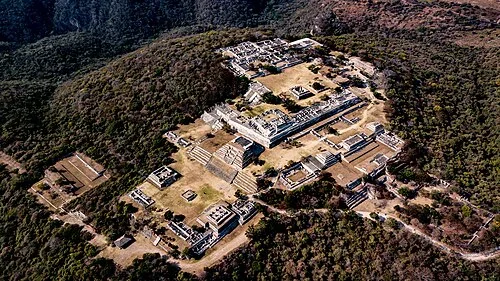 Lower Defensive Terraces and Moat Ramp
Aerial View of the Hilltop City
Seen from the air, the heart of Xochicalco is a cluster of stepped platforms and open plazas on a flattened hilltop. Builders levelled the top of the hill, and on that summit they built religious and administrative buildings that link up with one another. Below the summit, the remains of houses cover long terraces on the slopes. Most of those houses are still unexcavated. The city only became a true urban centre in what archaeologists call the Epiclassic period. That period ran from roughly the year 700 to the year 900. Nearly all the standing architecture here was built in those two centuries.
Listen in the appJuan Carlos Gomez · CC BY 4.0
04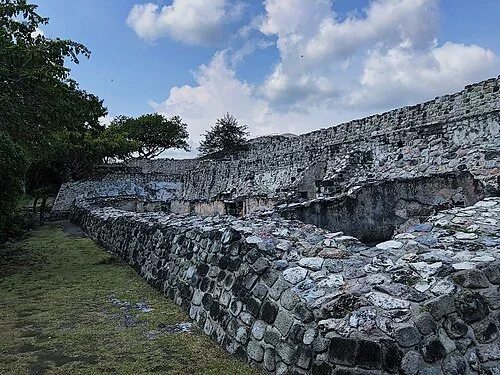 Lower Defensive Terraces and Moat Ramp
Defensive Wall around the Palace Terraces
A long stone wall tops a stepped terrace, and a higher wall rises behind it. The land around the site is poor for farming, so the site was likely built for defence and for trade. High, flat walls covered the terraces, so that the terraces could not be scaled. Ditches also ran around the lower edge of the hill. Inside the site, fortifications that watched over the entrance still survive. Walls, porticoes and stairways were used to restrict movement.
Listen in the appPhoto: Ximena Cruz Hidalgo · CC BY-SA 4.0
05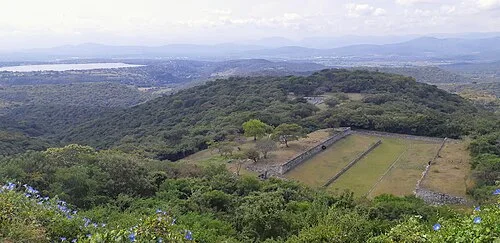 The South Ballcourt and Plaza of the Stelae
South Ballcourt (Juego de Pelota Sur)
The South Ballcourt, in an area called La Malinche, is the largest of the three ballcourts known at Xochicalco. Its long grassy court is edged by low stone walls. Beyond it, the forested slopes drop toward a valley and distant hills. Across Mesoamerica, ballgames were played on courts like this one, and scholars still debate what those games meant. Close by there are twenty round altars and a square one. They may have been used to work out the ritual calendar of two hundred and sixty days.
Listen in the appPhoto: PepeEdu2108 · CC BY-SA 4.0
06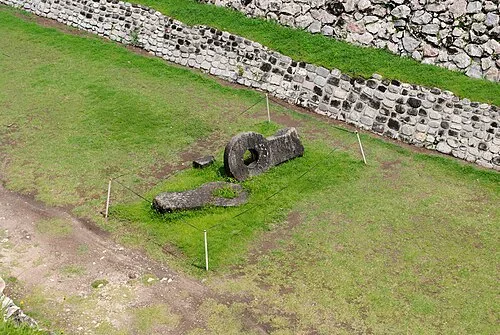 The South Ballcourt and Plaza of the Stelae
The Ballgame and the Bearer of the Universe
A carved stone ring lies here among the ballcourts, and the ballgame mattered so much at Xochicalco that the city built three courts, one in the north, one in the east and one in the south. Each follows a different plan, because they served different purposes, from rituals for drought and rain to ones tied to day and night. The game also appears in the carvings of the Feathered Serpent pyramid. There a seated priest named Two Movement is shown carrying half of a ballcourt, and he is nicknamed the Bearer of the Universe, because the ballgame is where the stars play, sometimes losing and sometimes winning. His name appears on other monuments too, so he must have been a very important ruler of the city. On the doorway of the temple that once crowned the pyramid, two standing figures wear loincloths, sandals and a band below the knee, the kind players used to kneel during the game.
Listen in the appPhoto: Magas777 · CC BY-SA 3.0
07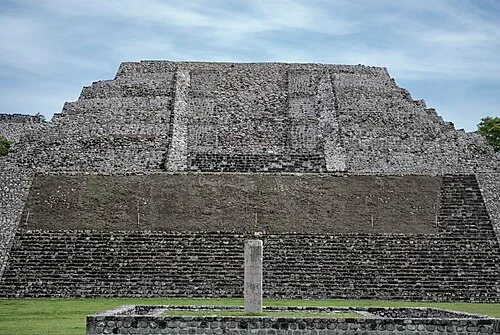 Central Plaza and the Great Pyramid
The Great Pyramid and Principal Plaza
The Great Pyramid is the largest building in Xochicalco, and the plaza around it was where people gathered to watch public ceremonies. Entry to the main plaza was tightly restricted, and the city's ranks showed in where people lived. The palaces of the ruling nobility lay to the north of the plaza, while the houses lower down the hill were smaller and built of poorer materials. Between ten and fifteen thousand people lived in the city, and many of them worked at crafts or in long-distance trade. Xochicalco controlled the exchange of sea shells, greenstone, obsidian and cacao, and that control fed its military character. The elite showed their status with luxuries brought from far away, such as marine shells and snails, greenstone and metal ornaments, mica, pyrite and turquoise.
Listen in the appPhoto: Magas777 · CC BY-SA 3.0
08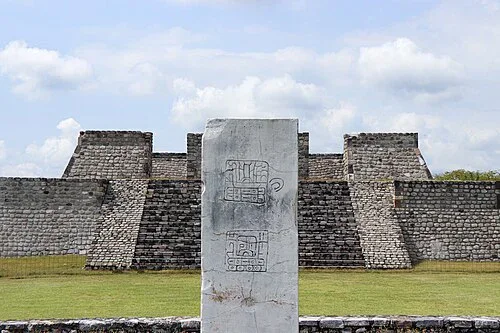 Central Plaza and the Great Pyramid
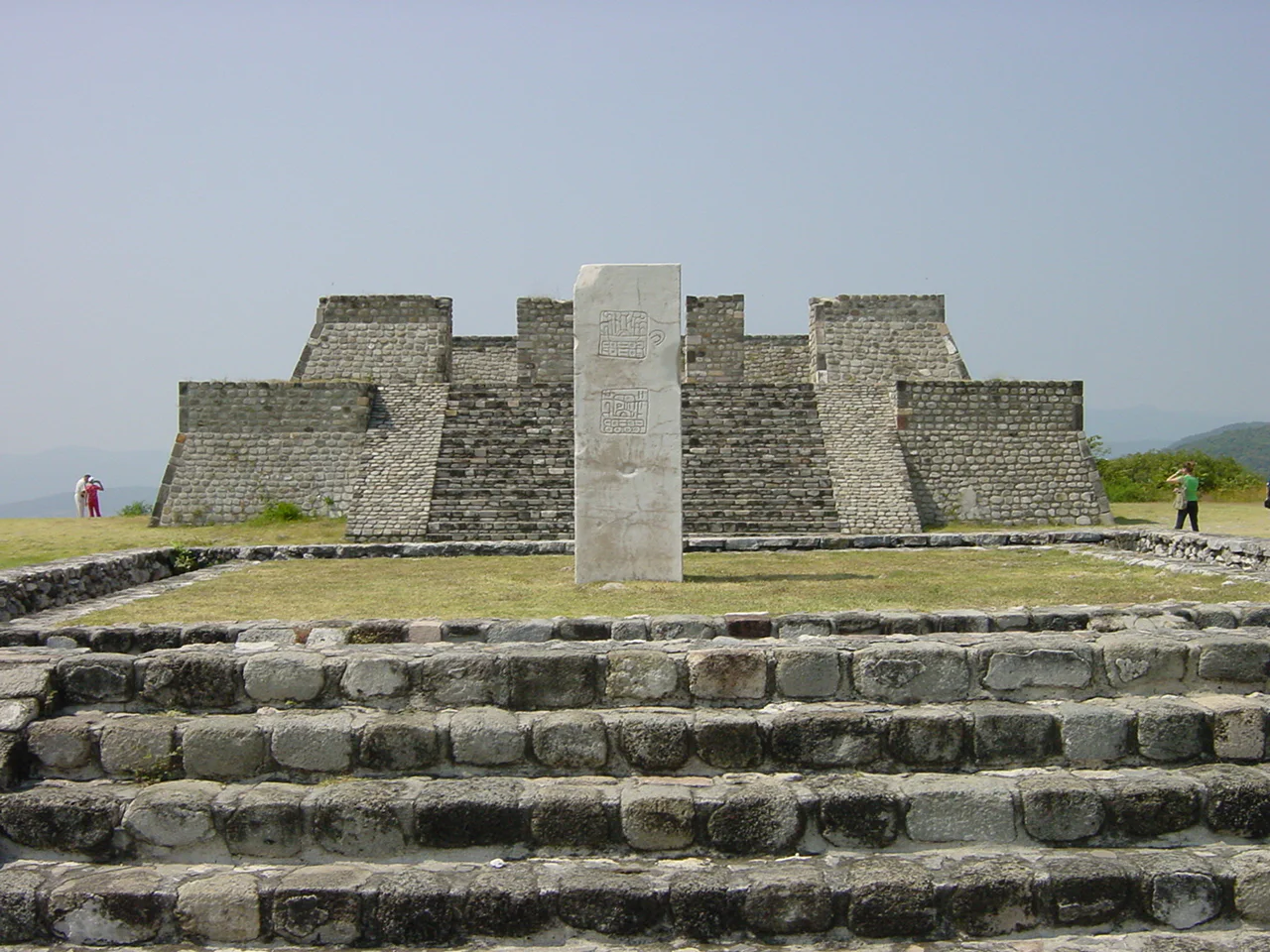
Central Stela
In 1962 the archaeologist César Augusto Sáenz found a group of square stelae on a building called Structure A. There are three of them, and each carries designs, names, numbers and calendar signs. It is not clear whether the central stone, with its glyph panels near the top, is one of those three. Stela One shows the god Quetzalcoatl coming out of a serpent's jaws. The carving tells a well-known Nahua myth about the people of the Fifth Sun, the fifth cosmic era. One reading ties Stela One to Venus, which in these myths heralds the sun as the first star to appear in the morning. Some propose that the stelae represent the gods of the sun, the earth and the rain. Others suggest they record the deeds of rulers.
Listen in the appPhoto: DannaBrito · CC BY-SA 4.0
09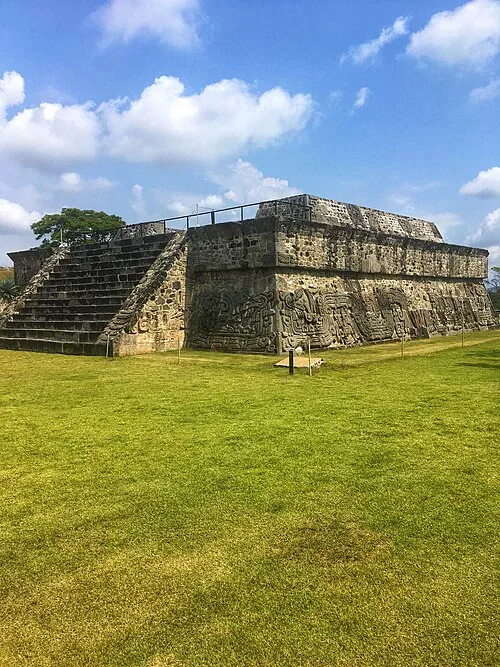 Pyramid of the Feathered Serpent
A stone stairway climbs one side of the Pyramid of the Feathered Serpent to a flat top with a railing. Its carvings relate to the worship of Quetzalcoatl, the feathered serpent. Reliefs cover all four of its sides. The sloping base carries a long band of carving showing towns that paid tribute to Xochicalco. Some accounts say estate owners took stones from the pyramid to build their estates and to install sugar-making machinery. The pyramid as we know it today is the one Leopoldo Batres restored in 1910.
Listen in the appPhoto: Jpalombo97 · CC BY-SA 4.0
10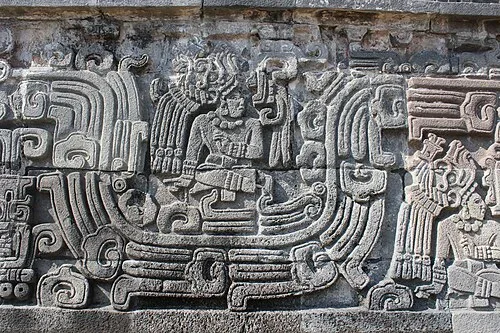 Pyramid of the Feathered Serpent
Feathered Serpent Relief with a Seated Figure
A feathered serpent curves around a seated man in this relief on the Pyramid of the Feathered Serpent. The serpent's body winds in long loops, and its feathers are cut as rounded, scroll-like forms. A carved face also appears at the right edge. The seated man wears a tall headdress shaped like a reptile's head, with long plumes falling from it. Scholars note that his head was shaped in the upright, flattened way typical of the Maya area. He is sometimes called a Maya ruler, but nothing carved here establishes who he was. The serpent itself seems to show influences from Teotihuacan and from Maya art. It has been suggested that Xochicalco hosted a community of artists from other parts of Mesoamerica.
Listen in the appArian Zwegers from Brussels, Belgium · CC BY 2.0
- 11
Debate Frieze (Mural del Debate), Rear View
A long carved frieze at the pyramid's base, whose scene and meaning remain open to debate.
- 12
The Acropolis Summit
The administrative compound on the summit that served as the palace of the city's ruler.
- 13
Palace Corner with Carved Panels
How a city that burned around the year 900 was later settled again by new people.
- 14
Sunbeam in the Observatory Cave
A beam of sunlight that enters a cave for one hundred and five days and throws the sun's shape onto the floor.
- 15
Observatory Chimney Shaft
An observatory cave whose stone chimney was made to carry sunlight down to the floor.
- 16
Ramp of the Animals in the East Complex
A paved area named for its animals, and the rainwater cistern that served a different part of the site.
- 17
Carved Animal Relief on Stone Block
A carved animal on a stone block, and the question of whether it belongs to the Ramp of the Animals.
Zona arqueológica de Xochicalco
Frequently asked questions
How much does the guide cost?
Free app download. Listed guide price: $1.99. Guide price shown in the app. Audio guide only. Venue admission is separate.
Can I listen without internet?
Yes. Download the guide’s audio, images, and maps in the app before your visit. Your downloaded content is then available offline.
Can I listen in my language?
This audio guide is available in 15 languages, including English.
Do I need to follow a schedule?
No. This is a self-guided experience. Choose your stops, pause whenever you like, and return to a story at your own pace.
At your own pace
Explore Zona arqueológica de Xochicalco.
Download Stanza, then search for “Zona arqueológica de Xochicalco”.
Free app download · Guide price shown in the app
Keep exploring
Nearby audio guides
Mexico City · 57 km
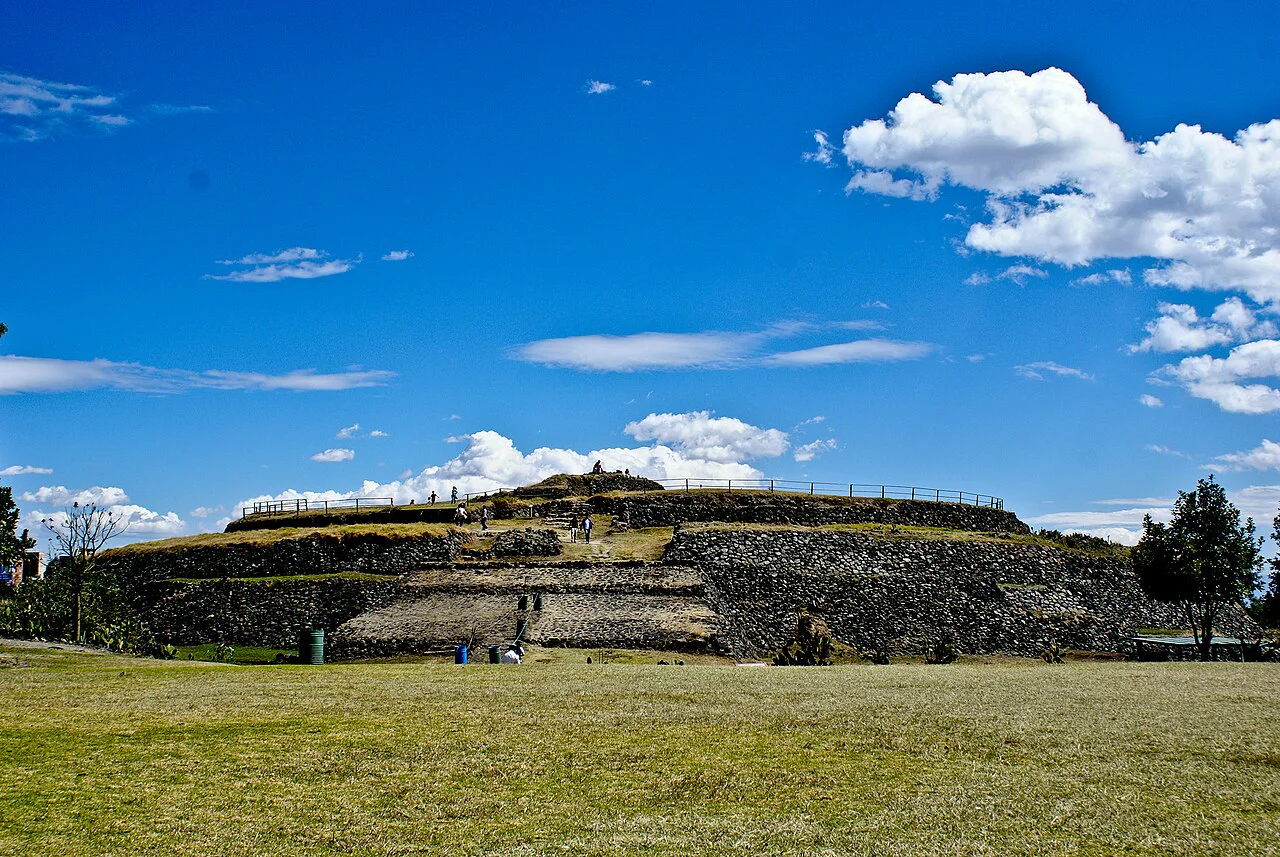
Cuicuilco
Content & sources
Photo: Felipe huerta hdez · CC BY-SA 3.0
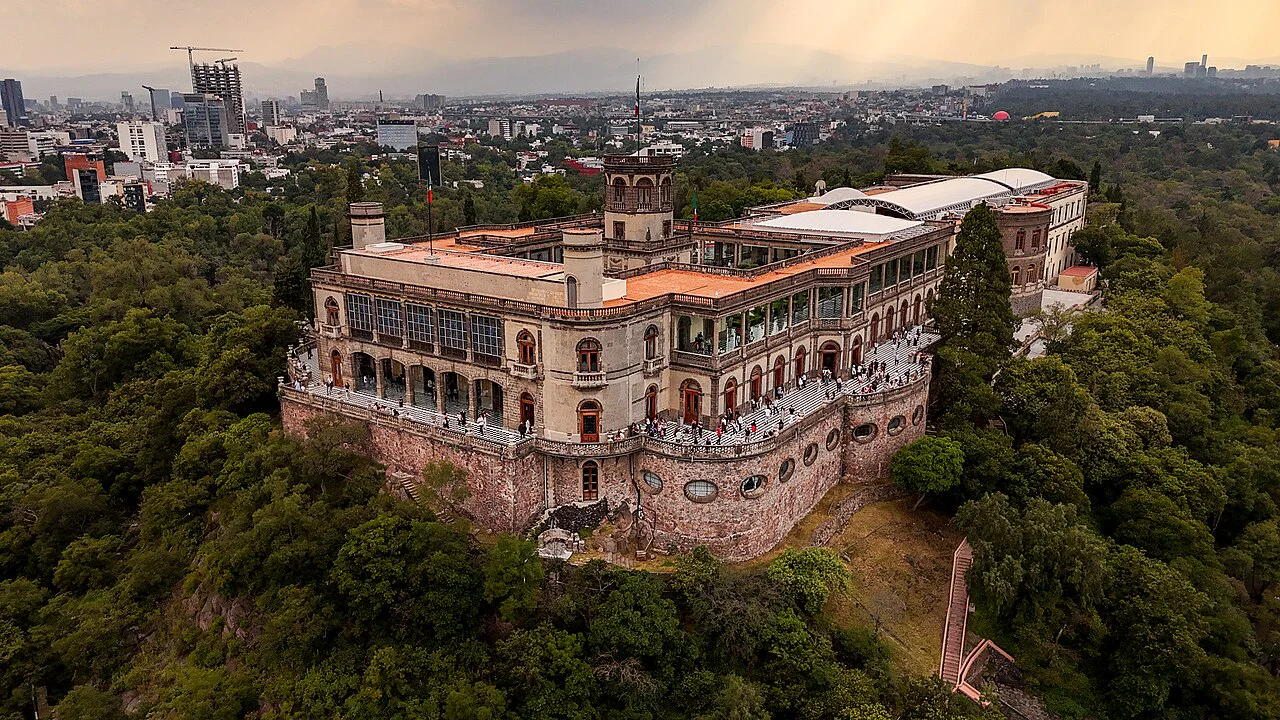
Mexico City · 70 km
Castillo de Chapultepec
Content & sources
Own work · CC BY-SA 4.0
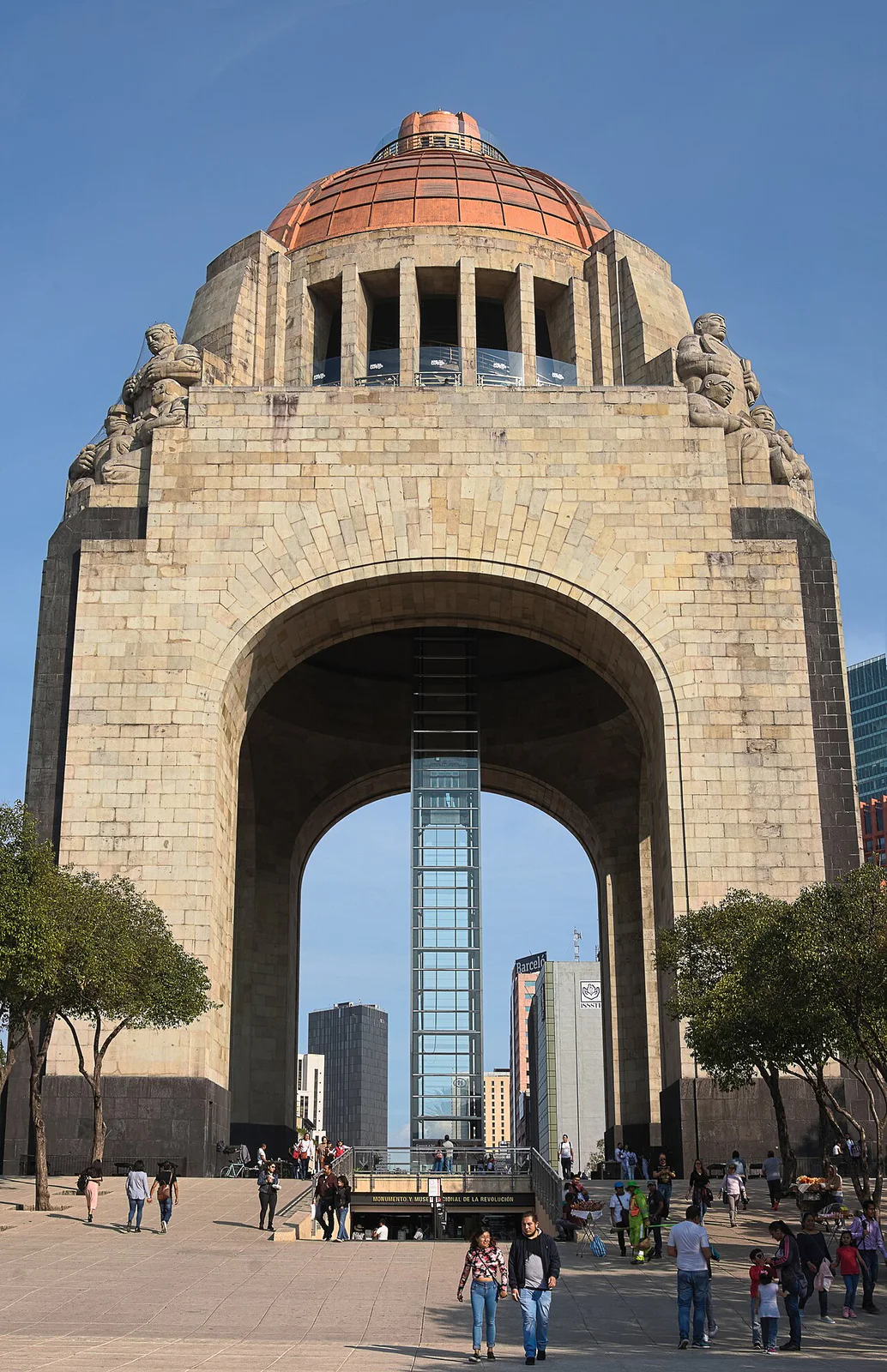
Mexico City · 72 km
Monumento a la Revolución
Content & sources
Carlos Valenzuela · CC BY-SA 4.0
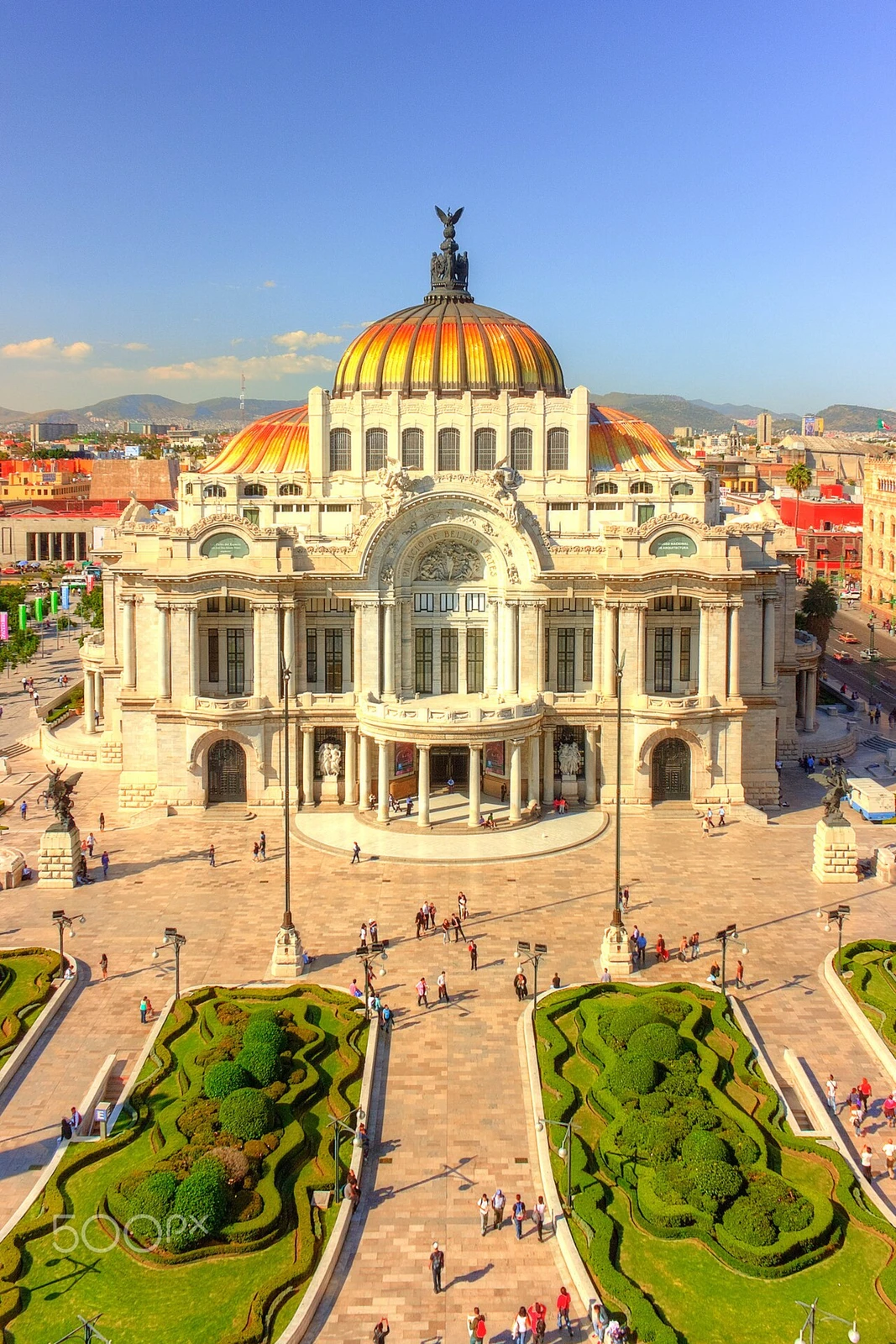
Mexico City · 72 km
Palacio de Bellas Artes
Content & sources
Octavio Alonso Maya Castro · CC BY-SA 3.0