Stanza · Audio guide
Cuicuilco Audio guide
A place to remember. A story to take with you.
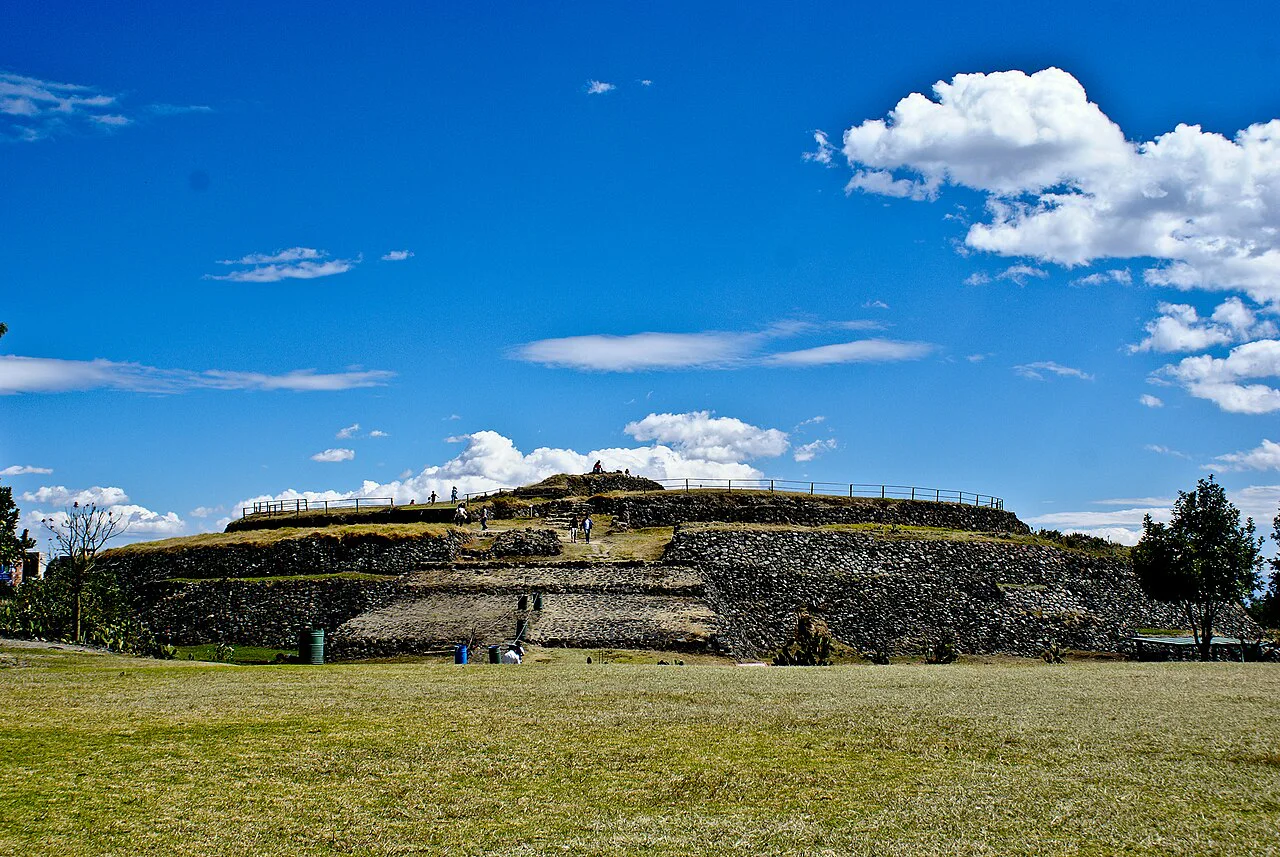
Cuicuilco is an archaeological site located on the southern shore of Lake Texcoco in the southeastern Valley of Mexico. It is situated in what is today the borough of Tlalpan in Mexico City.
Download Stanza, then search for “Cuicuilco”.
About the tour
One guide. Your kind of visit.
Cuicuilco is an archaeological site located on the southern shore of Lake Texcoco in the southeastern Valley of Mexico. It is situated in what is today the borough of Tlalpan in Mexico City.
Ready when you are.
- 01Get the free Stanza app.
iOS & Android
- 02Find your guide.
“Cuicuilco”
- 03Download before you go.
Works offline
Audio guide / 8 narrated stops
Inside the guide
Get to know a few of the stories before you go. Open a stop to read more.
01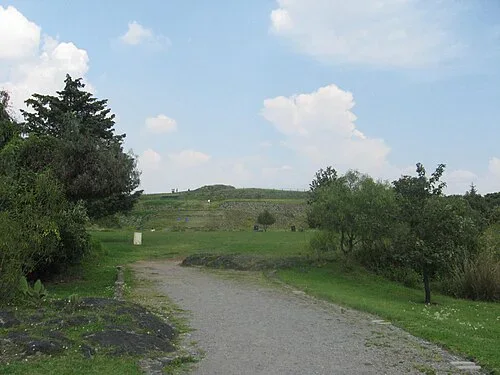 Arrival and the Volcanic Pedregal LandscapeThe Path to Cuicuilco
Welcome to Cuicuilco, an archaeological zone in the south of Mexico City. This may be the oldest city in the Valley of Mexico, founded as a farming village around a thousand years before our era. It grew into the first major civic and religious center of the Mexican Highlands, a place with all the ranks and trades of a true city. The name is a puzzle. Zelia Nuttall, an American archaeologist of the early twentieth century, believed Cuicuilco means place where songs and dances are made. Mexico's national institute of anthropology passes on her idea, though the true etymology remains unknown. The dirt path ahead leads toward the great circular pyramid, the heart of the ancient city. That mound is where this story begins.
Photo: Thelmadatter · Public domain
02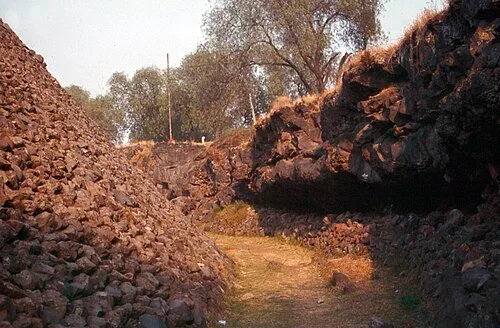 Arrival and the Volcanic Pedregal LandscapeThe Pedregal: A City Beneath the Lava
Here the ancient stonework meets the black basalt head on. In a range of years between 245 and 315 of our era, though some accounts put it near the year 400, the volcano Xitle erupted beside the Ajusco mountains. Its lava flowed over the city and hardened into the lava field called the Pedregal de San Ángel. That field covers some seventy to eighty square kilometers, from the foothills down toward the old lake shore. In places the lava reached more than ten meters deep. Excavation around the main pyramid shows a clean layer of lava separating the modern surface from the ancient one. Much of the city lay buried under it. Yet the same destruction saved what it covered. A study in 1956 concluded that this uneven blanket of stone was a major reason the ruins survived at all.
Photo: Gerd Eichmann · CC BY-SA 4.0
03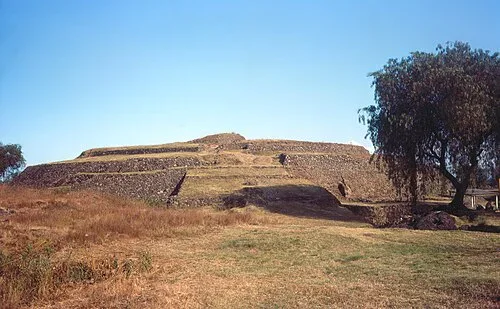 The Great Circular PyramidThe Great Circular Pyramid
A circular pyramid is a rare thing in Mesoamerica, where pyramids almost always rise in squares. This one is the oldest major pyramid in the Valley of Mexico. Around 150 years before our era, Cuicuilco stood at its cultural height. Perhaps twenty thousand people lived here, spread across nearly four hundred hectares. At that same time, Teotihuacan was a settlement of comparable size, far to the north. The two cities grew up together, one destined to vanish and one to rule. The city around this mound held plazas, avenues, terraces, fortifications and canals fed by streams from the nearby hills. Only eight of its many religious and residential buildings have been excavated, so what lies under the lava is likely far larger than what can be seen.
Listen in the appPhoto: HJPD · CC BY-SA 3.0
04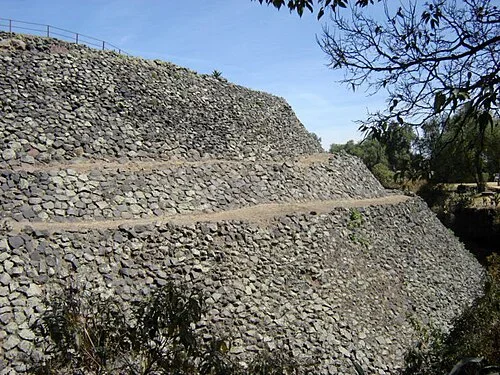 The Great Circular PyramidStone by Stone: Building the Pyramid
The facing of the pyramid shows its age in every course of stone. Work began between 800 and 600 years before our era, and builders kept adding to the mound until the city's end. The finished structure rises roughly twenty to twenty-three meters from its base. Stone by stone, this is the mark of organized communal labor, hundreds of hands working under a shared plan. One pyramid at the site was set in a strategic position, an early attempt to link religious ideas with the movements of the cosmos through building itself. Successive generations left their mark here, each layer of stone a stage in the city's long growth.
Listen in the appPhoto: Jagarmunoz · CC BY-SA 3.0
05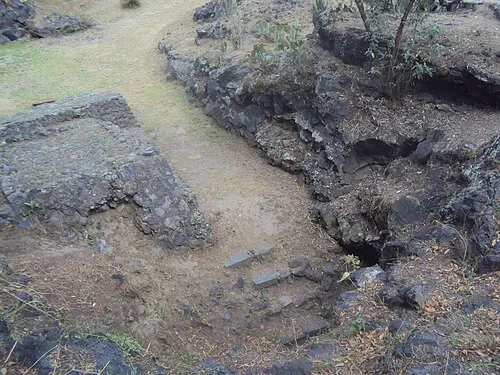 Excavated Chambers and Ritual TrenchesThe 'Kiva' and the Excavations
In 1922, the Mexican archaeologist Manuel Gamio invited the American anthropologist Byron Cummings to investigate the pyramid formally. Cummings' exploration ran in several seasons up to 1925, financed by the University of Arizona and the National Geographic Society. Near the pyramid his team uncovered a semi-buried round chamber. Cummings named it a kiva, after the round ceremonial chambers of the Pueblo peoples of the American Southwest that it resembled. The name stuck, though it describes a resemblance rather than a use. What the chamber meant to the people of Cuicuilco, and what rites happened inside it, nobody knows. Later work followed. Eduardo Noguera excavated burials near the ceremonial sector in 1939, and in 1957 Heiser and Bennyhoff refined the chronology of the main building.
Listen in the appOscar Gabriel Campos Villalobos · CC BY-SA 3.0
06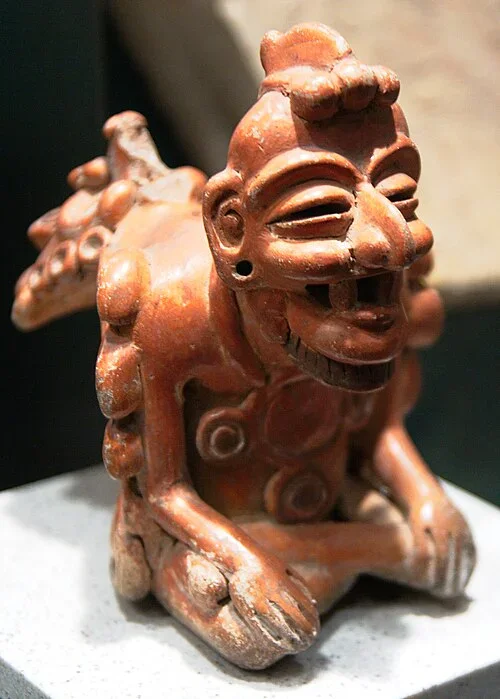 Treasures of Faith and Daily LifeThe Old Fire God
This hollow-eyed ceramic figure is Huehuetéotl, the Old Fire God. Cuicuilco is linked with the earliest development of his image, and of Tlaloc, the god of rain and earth, making this place one of the cradles of Mesoamerican iconography. Representations of the fire deity mark a modest recovery of the city between the years 1 and 150, after an earlier decline. And the gods kept receiving gifts even after the end. People continued making offerings here long after lava covered the ruins, a practice that lasted for centuries. The chronicler Sahagún recorded similar offerings at the water's edge in the Mexico of his day, rites that look like descendants of what happened here.
Listen in the appWilliam Neuheisel from DC, US · CC BY 2.0
07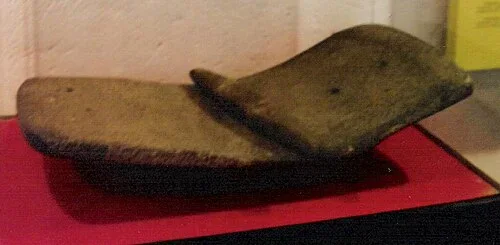 Treasures of Faith and Daily LifeGrinding Corn: Daily Life
A heavy stone like this one, a metate, was the tool that fed the city. Corn was ground on its sloping surface, meal by meal, day after day. Cuicuilco began as a farming village, and agriculture stayed the base of its economy, helped by hunting, fishing and gathering. The land made that easy. Lake Xochimilco lay about four kilometers away, with springs and streams nearby and forests close at hand for wood. Domestic pottery, pans, pots, pitchers and comales, has been found trapped in the lava and discarded near the old water. The people themselves can still be described. They shaped their heads, direct or oblique, and practiced dental mutilation. They lived on average to fifty-one years, their health worn by diseases such as osteomyelitis.
Listen in the appNo machine-readable author provided. RobAn~commonswiki assumed (based on copyright claims). · Public domain
08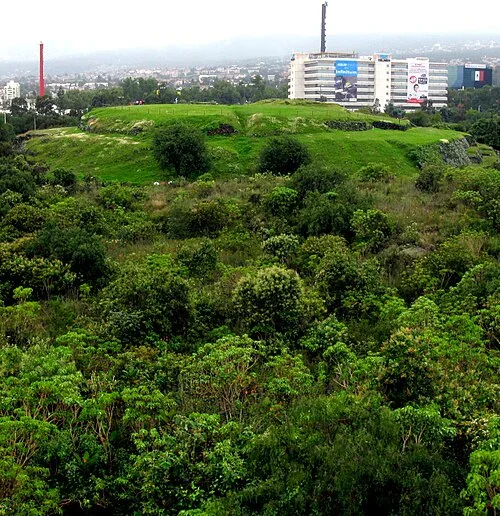 Ancient Legacy and Modern EncroachmentA Lost City in the Modern City
From this higher ground the old mound sits in its island of green, with the sprawl of Mexico City rising behind it. When the city fell, its people dispersed. Many went toward Toluca and Teotihuacan, and Teotihuacan took in a large part of the Cuicuilca population and absorbed many features of their culture. Within a few centuries it had risen to rule the Central Highlands. The old city never entirely left the land. Parts of it lie under buildings of the National University, and modern construction has destroyed ancient structures, including a circular building razed for the Elektra towers and an office complex built at Cuicuilco D. The true size of Cuicuilco may never be known. What survives is this pyramid, among the oldest in the Valley of Mexico, still at the center of a living city.
Listen in the appPhoto: Pedro Elias M.E. · CC BY-SA 3.0
Cuicuilco
Frequently asked questions
How much does the guide cost?
Free app download. Listed guide price: $0.99. Guide price shown in the app. Audio guide only. Venue admission is separate.
Can I listen without internet?
Yes. Download the guide’s audio, images, and maps in the app before your visit. Your downloaded content is then available offline.
Can I listen in my language?
This audio guide is available in 15 languages, including English.
Do I need to follow a schedule?
No. This is a self-guided experience. Choose your stops, pause whenever you like, and return to a story at your own pace.
At your own pace
Explore Cuicuilco.
Download Stanza, then search for “Cuicuilco”.
Free app download · Guide price shown in the app
Keep exploring
Nearby audio guides
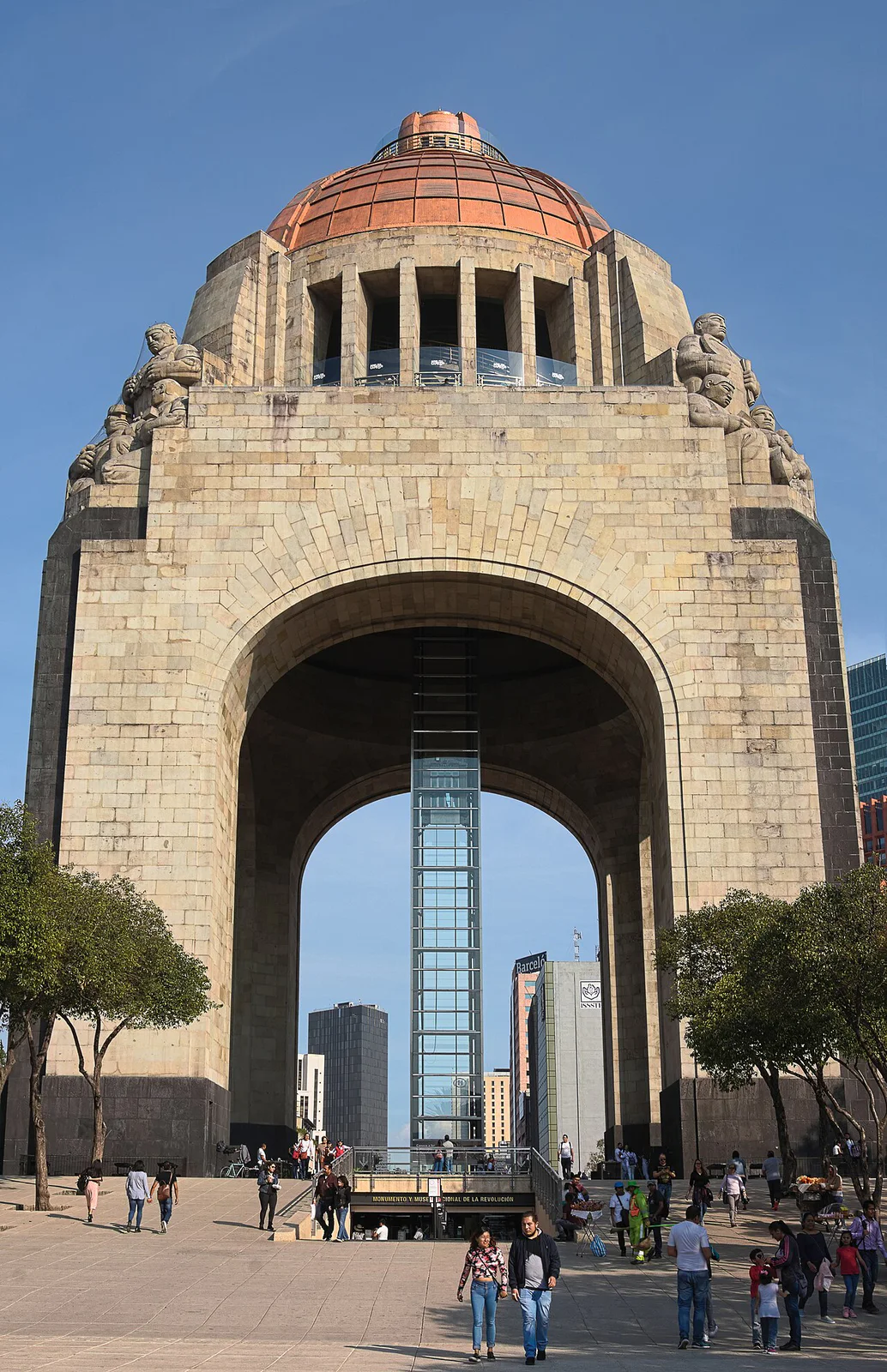
Mexico City · 15 km
Monumento a la Revolución
Content & sources
Carlos Valenzuela · CC BY-SA 4.0
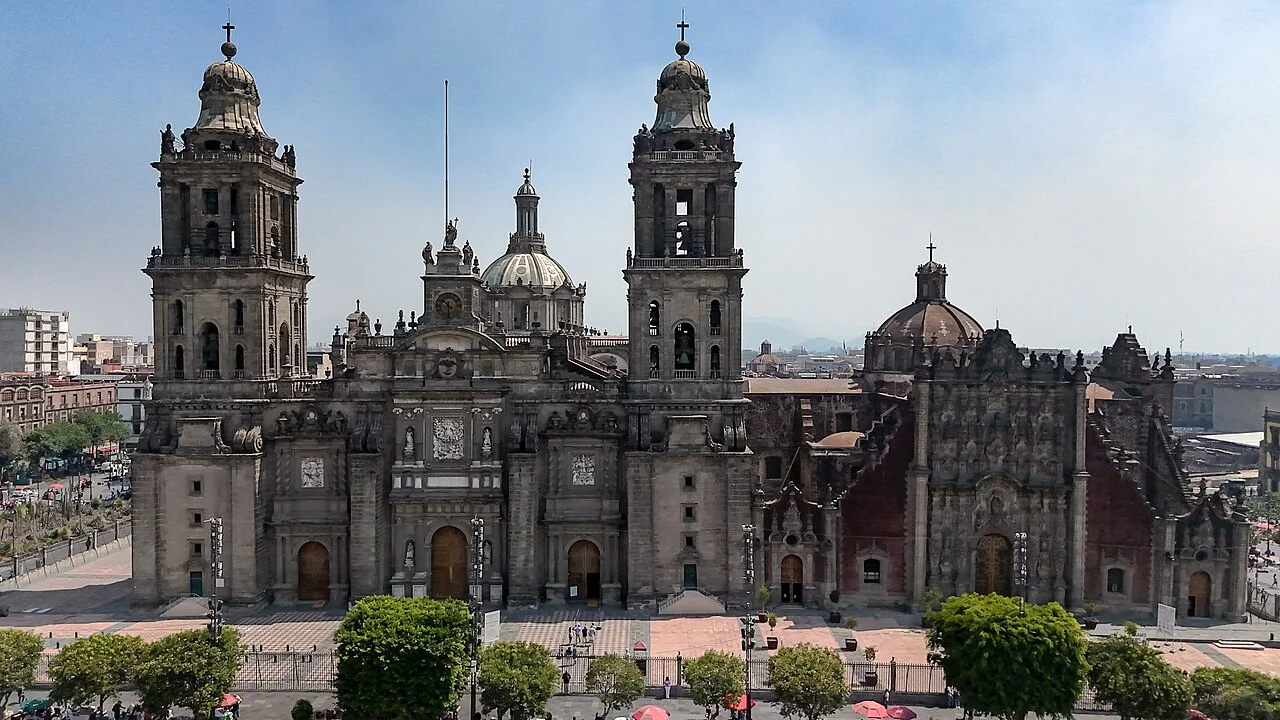
Mexico City · 16 km
Catedral Metropolitana de la Ciudad de México
Content & sources
Photo: ProtoplasmaKid · CC BY-SA 4.0
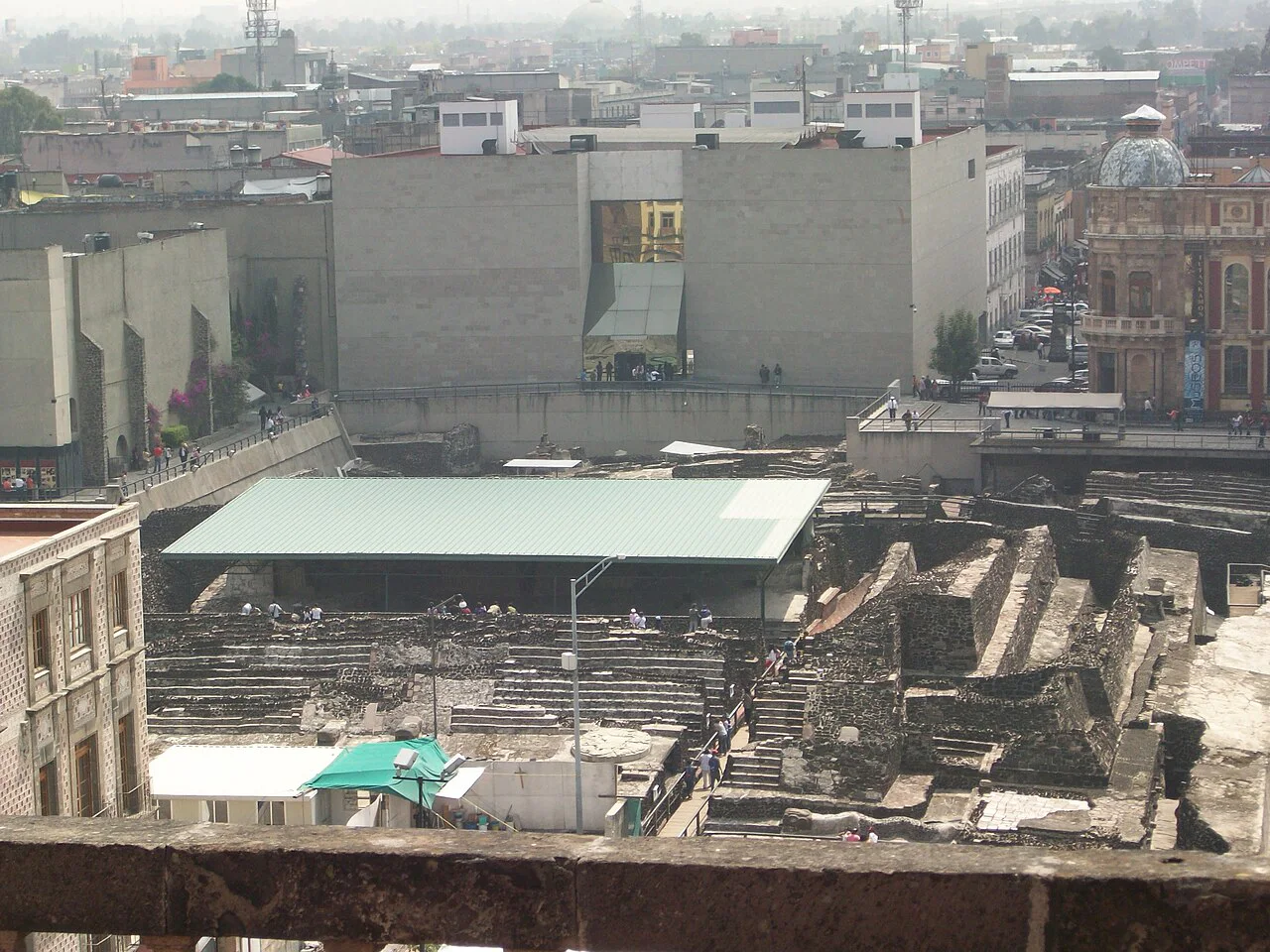
Mexico City · 16 km
Templo Mayor
Content & sources
Photo: GAED · CC BY-SA 3.0
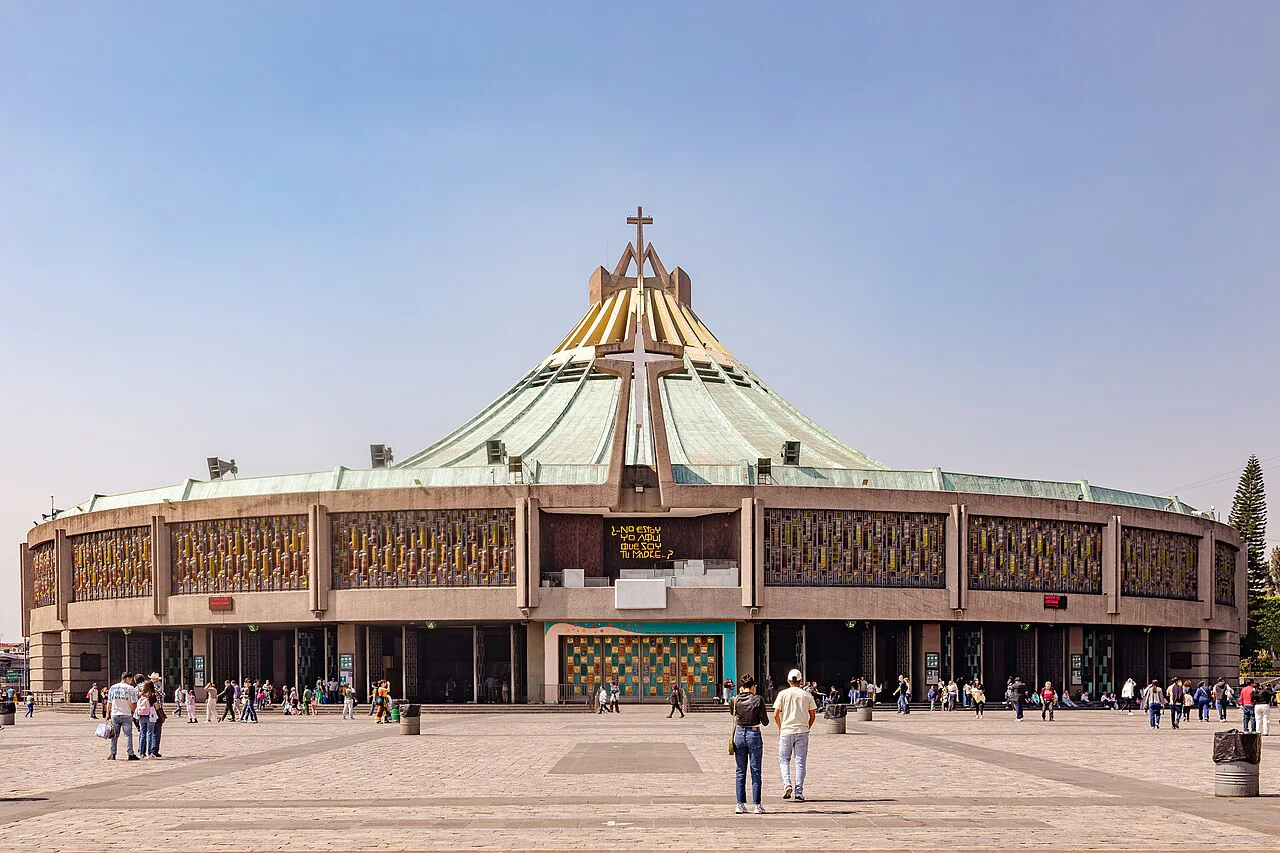
Mexico City · 21 km
Basílica de Santa María de Guadalupe
Content & sources
Photo: Arne Müseler · CC BY-SA 3.0 de