Stanza · Audio guide
Castillo de Chapultepec Audio Guide
A place to remember. A story to take with you.
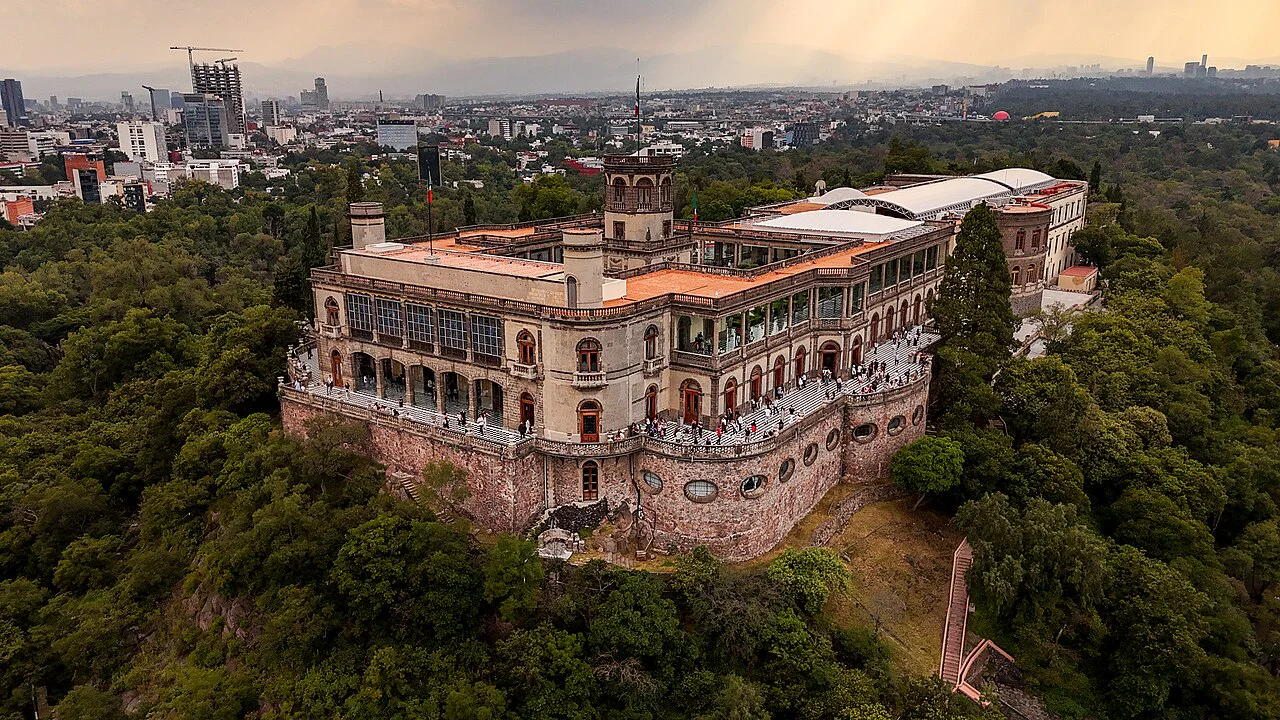
Chapultepec Castle is located on top of Chapultepec Hill in Mexico City's Chapultepec park. The name Chapultepec is the Nahuatl word for on the hill of the grasshopper.
Download Stanza, then search for “Castillo de Chapultepec”.
About the tour
One guide. Your kind of visit.
Chapultepec Castle is located on top of Chapultepec Hill in Mexico City's Chapultepec park. The name Chapultepec is the Nahuatl word for on the hill of the grasshopper.
Ready when you are.
- 01Get the free Stanza app.
iOS & Android
- 02Find your guide.
“Castillo de Chapultepec”
- 03Download before you go.
Works offline
Audio guide / 16 narrated stops
Inside the guide
Get to know a few of the stories before you go. Open a stop to read more.
01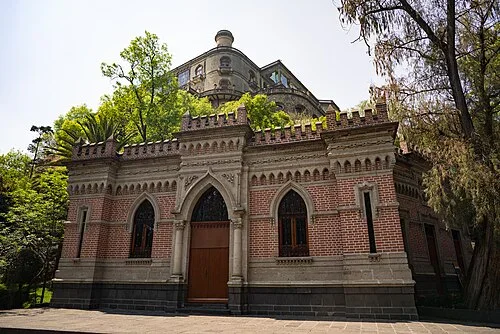 Hill Approach & Main Entrance Portico
The Guardhouse and the Sacred Hill
Welcome to Chapultepec Castle, a palace with more lives than almost any building in the Americas. Before any palace stood here, this hill was sacred ground for the Aztecs. Its name comes from the Nahuatl word chapoltepec, meaning on the hill of the grasshopper. The hilltop stands more than two thousand three hundred metres above sea level, with wide views over the Valley of Mexico, which is exactly what drew rulers to it. In 1785, Viceroy Bernardo de Gálvez ordered a stately summer house for himself at the very top. Construction began that August under the engineer Francisco Bambitelli. Then the story takes a darker turn. The engineer who took over the works, Manuel Agustín Mascaró, was accused of designing the building as a fortress for a rebellion against the Spanish Crown. Soon after, in 1786, Gálvez died suddenly, and people whispered that he had been poisoned. The story goes that the two events were connected, but no evidence for any of it has ever been found. The Neo-Gothic guardhouse on the slope came later, guarding the way up to the hilltop building.
Nan Palmero from San Antonio, TX, USA · CC BY 2.0
02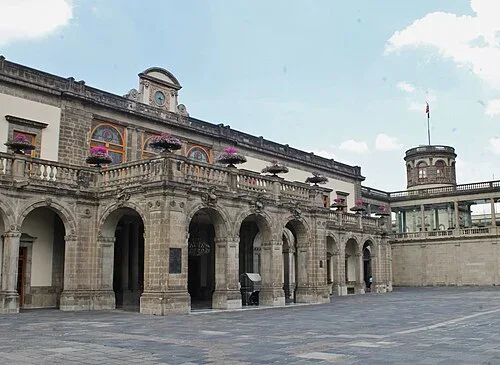 Hill Approach & Main Entrance Portico
Arrival at the Hilltop Entrance
That summer house did not stay one for long. When the money ran out, the Spanish Crown tried to auction it off and found no buyers, so it served for a time as a gunpowder warehouse. From 1841 it housed the Military Academy. Then it became an imperial residence, and later the official home of Mexico's presidents. Since 1939 it has been the National Museum of History. Here is the remarkable part. Chapultepec, along with the Iturbide Palace in the same city, is one of only two royal palaces in North America that were actually inhabited by reigning monarchs. The stone arcades and courtyard of the hilltop entrance have watched all of it pass through.
Photo: Diana du Vent · CC BY-SA 3.0
03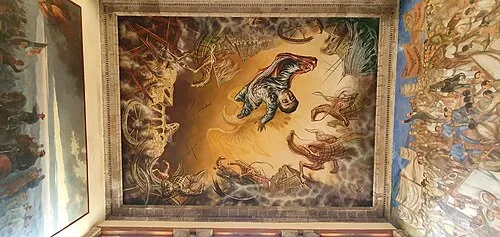 Hall of the Fallen Cadets & Entrance Murals
The Fallen Cadet Ceiling Mural
Overhead, a cadet lies wrapped in the Mexican flag. That mural above the main entrance honors the Niños Héroes, the boy heroes of Chapultepec. The young cadets of the Military Academy trained in what was then a half-finished building on a hill. On September 13, 1847, during the Mexican-American War, United States forces stormed the castle. It was the last stronghold defending Mexico City. The Mexican troops chose to fight to the death rather than surrender, and the young cadets died with them. After that day, the building was no longer just a structure. It became a national shrine. The battle entered American memory too. The Marines' Hymn opens with the line From the Halls of Montezuma, and Marine tradition says the red stripe on officers' trousers honors those killed storming this castle. One small correction to that song: the halls of Montezuma they refer to were built by Spanish rulers, more than two and a half centuries after the Aztec emperor fell.
Listen in the appJosé Luiz · CC BY-SA 4.0
04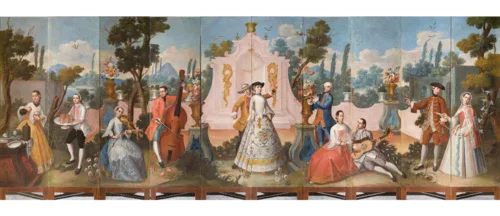 National Museum of History: Colonial Roots to Revolution
A Garden Party on the Hill: The Viceregal Biombo
Long before the castle, the viceroys came to Chapultepec simply to relax. Its woods and gardens were the escape of colonial Mexico City's elite. This folding screen, painted by an anonymous hand around 1780 to 1790, shows a sarao, a fashionable garden party. Ladies in wide silk gowns, gentlemen in powdered wigs, musicians with a cello, all gathered under trees around a garden fountain. Screens like this were imported fashion pieces from the Asian trade, adapted by Mexican painters to local scenes. Whether this party records one real afternoon at Chapultepec or an idealized garden gathering, nobody can say for certain. What it does show is the life the hill offered: shade, fountains, music, and company. Now the screen hangs in the museum that fills the castle, a picture of leisure displayed where the leisure happened.
Listen in the appUnknown author · Public domain
05 National Museum of History: Colonial Roots to Revolution
Siqueiros: From the Porfiriato to the Revolution
This wall of crowded figures carries the whole drama of modern Mexico. It is Del Porfirismo a la Revolución, From the Porfiriato to the Revolution, by David Alfaro Siqueiros, begun in 1957 for this museum wing. From right to left it shows President Porfirio Díaz and his cabinet, one of them trampling the Constitution of 1857, then dancers entertaining the aristocracy, and finally the people rising in the Revolution. The mural took nearly a decade, because Siqueiros was imprisoned for his politics from 1960 to 1964 and resumed the work three days after his release. The revolution it shows changed the castle's fate too. In 1934, President Lázaro Cárdenas found the palace too lavish for a post-revolutionary nation and refused to live in it, moving the official residence to Los Pinos. In February 1939 he decreed the National Museum of History here, and it opened in September 1944. The castle's public life did not end there. In 1945 the Inter-American Conference signed the Acta de Chapultepec on this site, a step toward the Organization of American States.
Listen in the appPhoto: Luisalvaz · CC BY-SA 4.0
06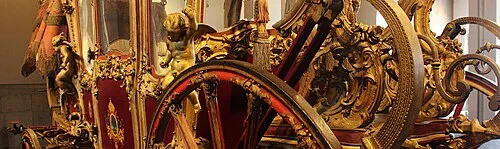 The Carriage Room
The Emperor's Carriage
Gold leaf everywhere, carved figures, a great red wheel: this is the state carriage of Emperor Maximilian. Mexican conservatives had invited the Austrian archduke Maximilian von Hapsburg to rule as emperor, and in 1864 the castle became his residence, renamed Castillo de Miravalle. He and Empress Carlota were captivated by the views over the valley from the hilltop. What they found inside was another matter. The gardener Wilhelm Knechtel described not one intact window, locks torn out, floors full of holes, walls pocked from pegs hung with cadet uniforms. Maximilian hired European and Mexican architects to remake it, among them Julius Hofmann and Carl Gangolf Kayser, who also worked on revival castles like Neuschwanstein in Bavaria. They gave the building its neoclassical symmetry, gardens, balconies, and a grand access ramp. Furniture, pianos, dishes, paintings and tapestries arrived from Europe, some as gifts from Napoleon the Third. Carriages like this golden one carried the imperial couple in style, and many of those imported treasures are still shown here today.
Listen in the appPhoto: Mario Yaír TS · CC BY-SA 4.0
07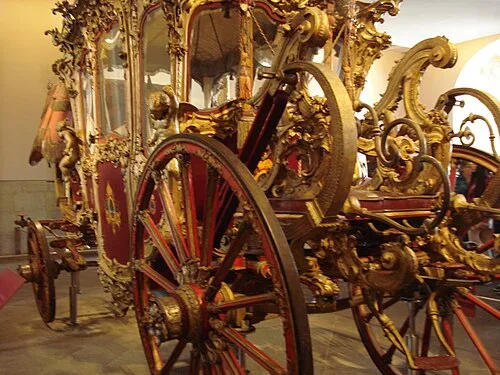 The Carriage Room
The Republican Carriage of Benito Juárez
Beside the emperor's gilded carriage stands another state coach, the one associated with Benito Juárez. The pairing tells the rest of the story. The empire Maximilian built lasted only three years. In 1867 it collapsed, Juárez restored the Republic, and the French invaders and their Mexican conservative allies were defeated. Before the end, the emperor ordered his palaces dismantled, and part of the imperial furniture was lost for good. The castle itself fell into disuse, an empty palace on a hill. An English explorer writing that same year called it unsurpassed in beauty in any part of the world, which says something about how quickly grandeur and abandonment can coexist. There is a quiet irony in this carriage room: the palace of a rejected monarch passed into the hands of the man who defeated him.
Listen in the appPhoto: Andres Suarez123000 · CC BY-SA 4.0
08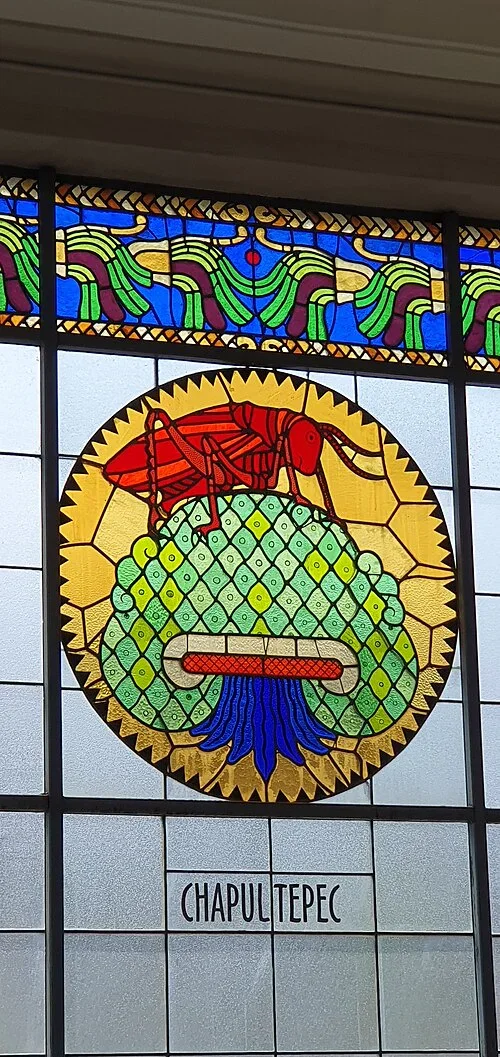 Escalera de los Leones
The Grasshopper Glass of the Lion Staircase
A grasshopper perches on a green hill in stained glass, with the word Chapultepec spelled out below. This panel on the Lion Staircase celebrates the hill's name and its oldest identity. The staircase itself was built in 1878 in Empire style, meant for receiving the guests of the presidents. It is made of white marble with brass handrails, and its lions are copies of the sculptures at the tomb of Pope Clement the Thirteenth in Rome. In 1915, under President Carranza, it was remodeled. Before that work, the staircase led straight down into the gardens of the Alcázar, the palace on the hill. Upstairs waits the royal residence itself, its halls, its glass gallery, and the rooms where an empress once slept. That is where the tour goes next.
Listen in the appJosé Luiz · CC BY-SA 4.0
09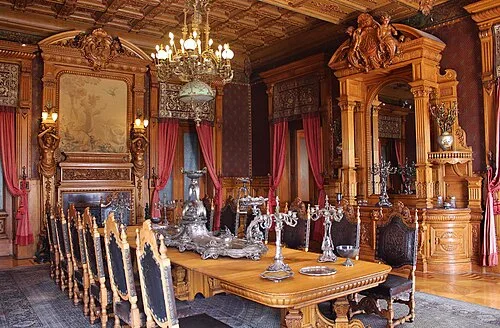 The State Dining Hall
The Presidential Dining Hall of the Porfiriato
Under the carved wooden ceiling of this dining hall, Mexico's presidents once hosted their state banquets. In 1882, President Manuel González declared the castle the official residence of the president of Mexico. His successor Porfirio Díaz treated the palace as a statement. Díaz wanted the building to be a showcase of the artistic and technological progress of Mexico. During his long years in power, workmen installed a pair of elevators, one electric with a steel and glass cage, and one hydraulic to link the garden with the base of the hill. They added a private boudoir and the glass corridor of the Galería de Emplomados. There was even a bowling alley, and in 1896 the castle showed its first film there. Díaz and his wife Carmen Romero Rubio used the palace first as a summer house, and from 1896 as their main home. When revolution drove Díaz from power, the castle remained the presidential residence. Madero, Carranza, Obregón and Calles all lived in this palace in turn.
Listen in the appPhoto: Mario Yaír TS · CC BY-SA 4.0
10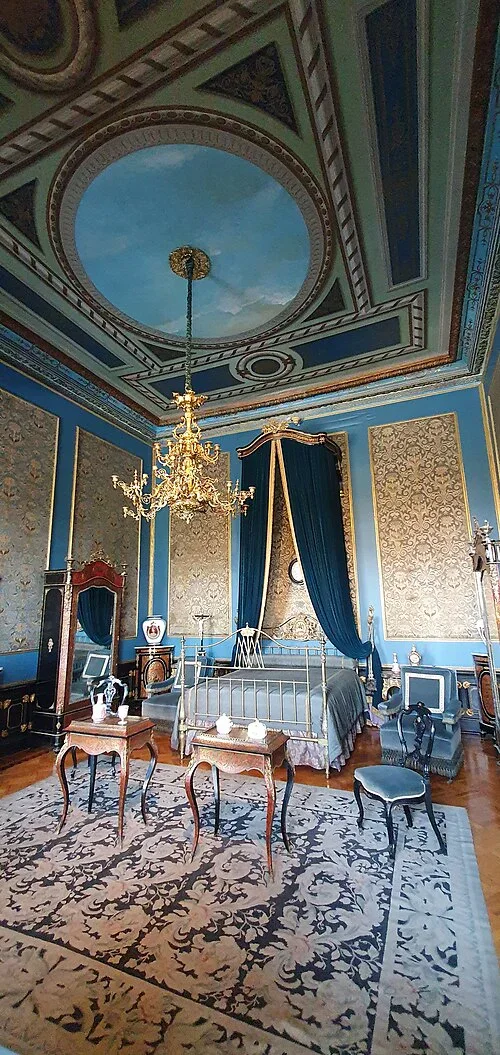 Imperial Suites: Empress Carlota's Private Apartments
Empress Carlota's Bedroom
Blue walls, gold panels, and a ceiling painted like an open sky: this chamber was made for Empress Carlota. A gilt chandelier hangs over a bed draped in deep blue fabric, and the painted oval overhead opens onto clouds. Carlota was the consort of Emperor Maximilian, and these were her private apartments during the Second Empire of the 1860s. The museum is frank about what is on show here. Most rooms of the Alcázar are scenographic arrangements, staged to show how such rooms were decorated according to the customs of the era. Neither the objects nor the layout are the originals. So this is a portrait of an empress's bedroom rather than her own belongings.
Listen in the appJosé Luiz · CC BY-SA 4.0
- 11
The Empress's Marble Bath
A marble tub and floral tiles that show how the 1860s brought palace comforts to a hilltop fortress.
- 12
Galería de Emplomados: The Stained Glass Corridor
A corridor of Parisian stained glass that exists for the plainest of reasons: to keep out the wind.
- 13
Flora and the Goddesses of the Glass
The goddesses in the glass: Flora and her Roman companions, and the artisan behind the castle's stained glass.
- 14
The Caballero Alto and the Roof Garden
The Tall Knight tower, the empress's rooftop garden, and the years when astronomers worked on the hilltop.
- 15
The Ambassadors' Reception Salon
The gilded salon where presidents welcomed diplomats, and the castle's later life as a guest house for visiting dignitaries.
- 16
The Emperor's Boulevard: Paseo de la Reforma
The straight boulevard an emperor built for his empress, now the Paseo de la Reforma running toward the modern city.
Castillo de Chapultepec
Frequently asked questions
How much does the guide cost?
Free app download. Listed guide price: $1.99. Guide price shown in the app. Audio guide only. Venue admission is separate.
Can I listen without internet?
Yes. Download the guide’s audio, images, and maps in the app before your visit. Your downloaded content is then available offline.
Can I listen in my language?
This audio guide is available in 15 languages, including English.
Do I need to follow a schedule?
No. This is a self-guided experience. Choose your stops, pause whenever you like, and return to a story at your own pace.
At your own pace
Explore Castillo de Chapultepec.
Download Stanza, then search for “Castillo de Chapultepec”.
Free app download · Guide price shown in the app
Keep exploring
Nearby audio guides
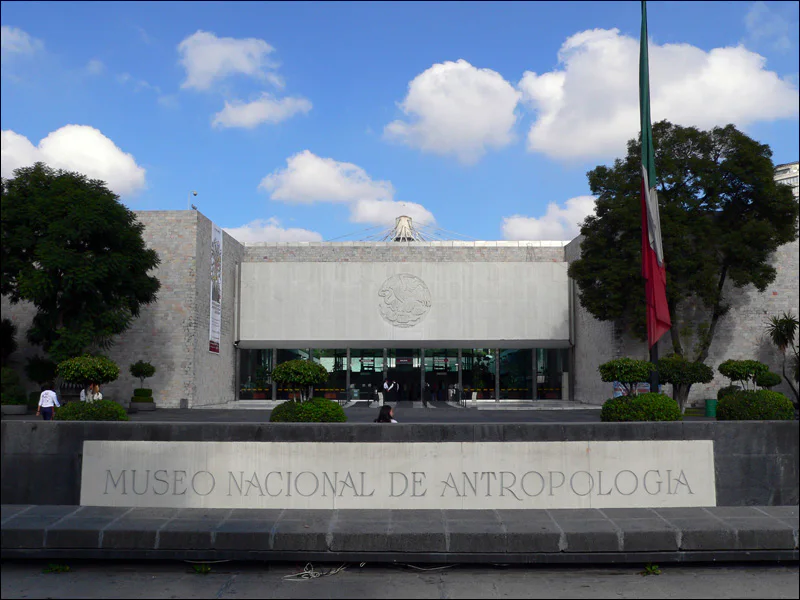
Mexico City · 1 km
Museo Nacional de Antropología
Content & sources
Photo: Kornemuz · CC BY-SA 3.0
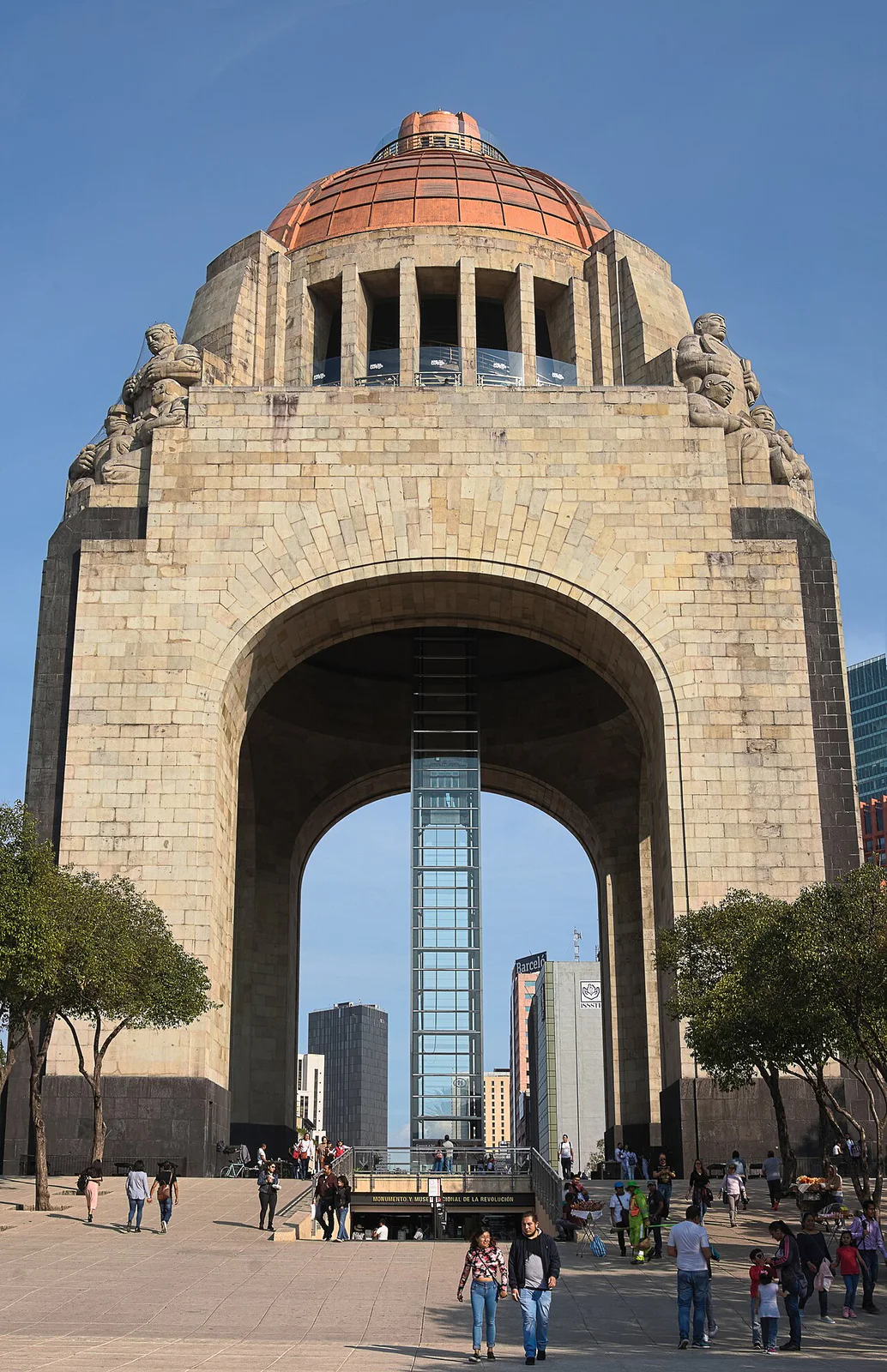
Mexico City · 3 km
Monumento a la Revolución
Content & sources
Carlos Valenzuela · CC BY-SA 4.0
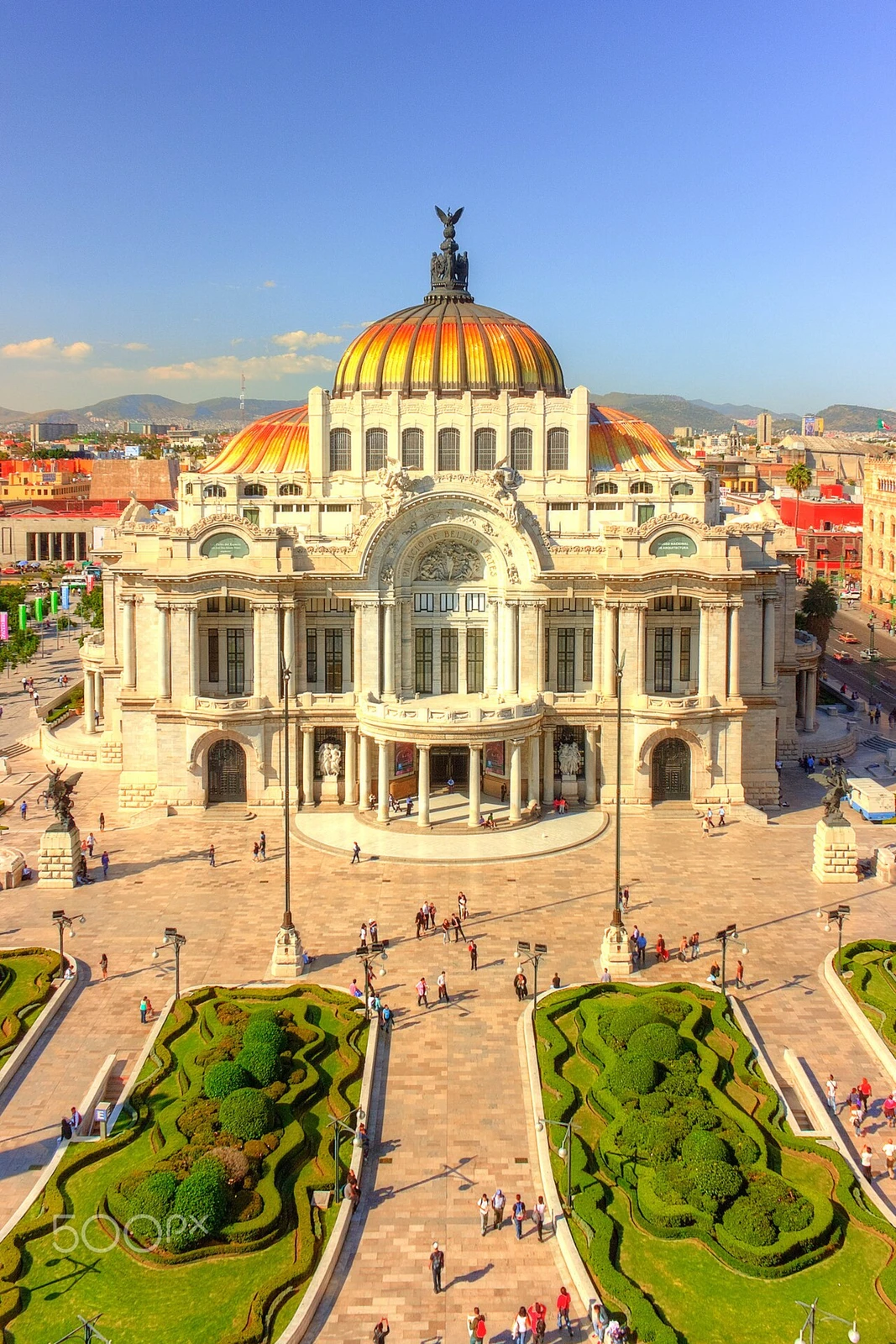
Mexico City · 5 km
Palacio de Bellas Artes
Content & sources
Octavio Alonso Maya Castro · CC BY-SA 3.0
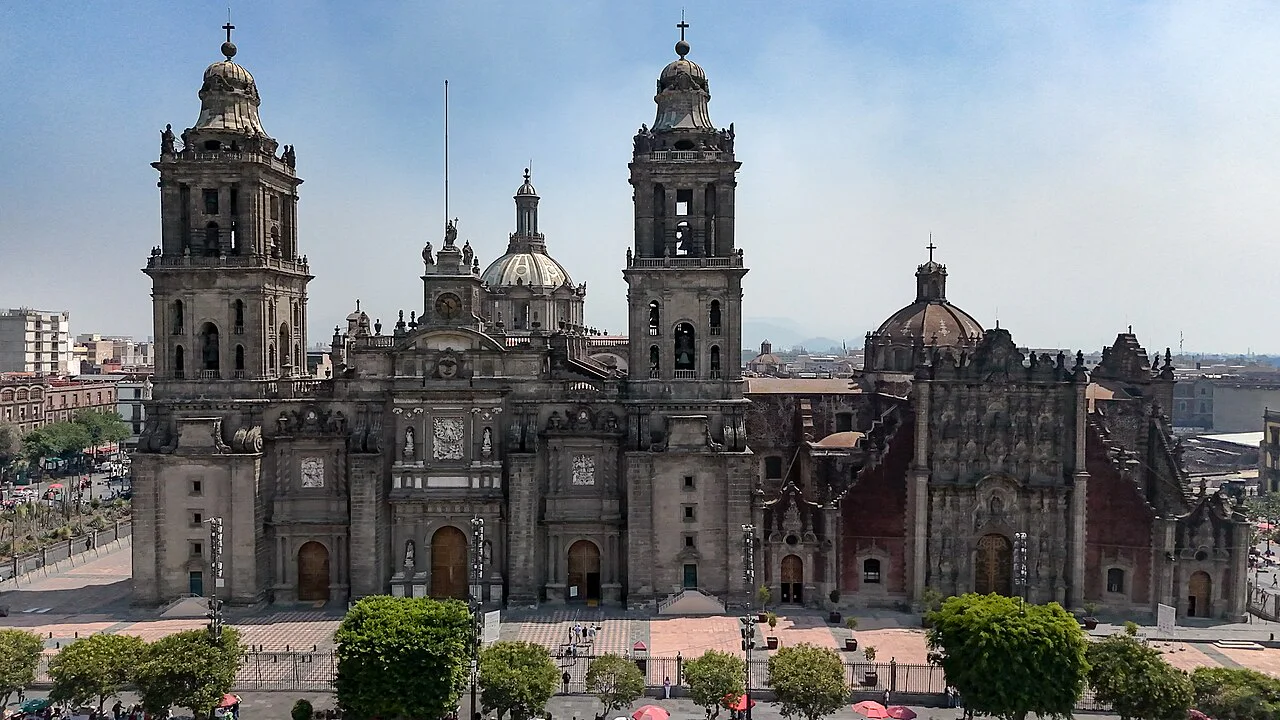
Mexico City · 5 km
Catedral Metropolitana de la Ciudad de México
Content & sources
Photo: ProtoplasmaKid · CC BY-SA 4.0
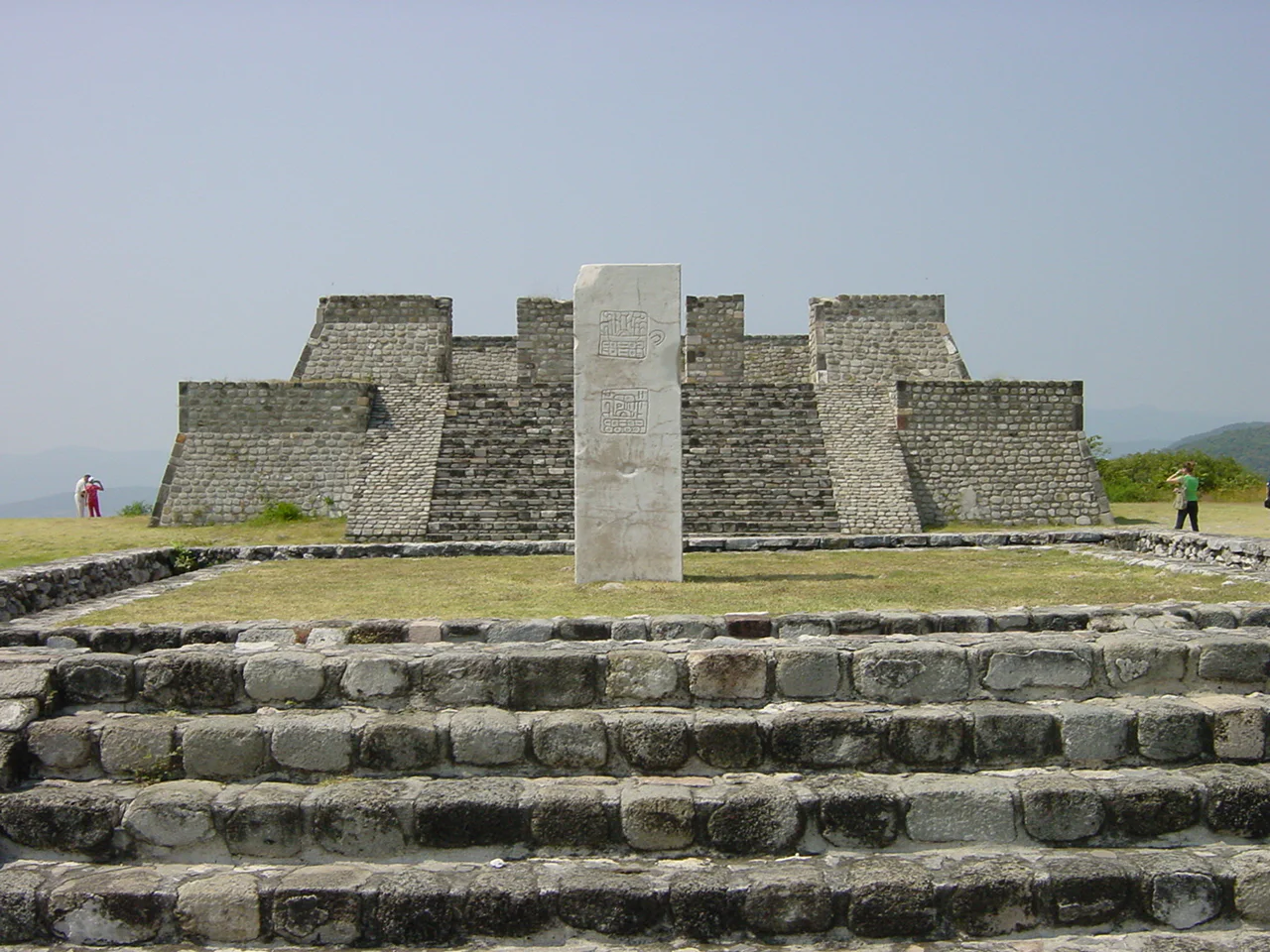
Miacatlán Municipality · 70 km
Zona arqueológica de Xochicalco
Content & sources
Maxtreiber · Public domain