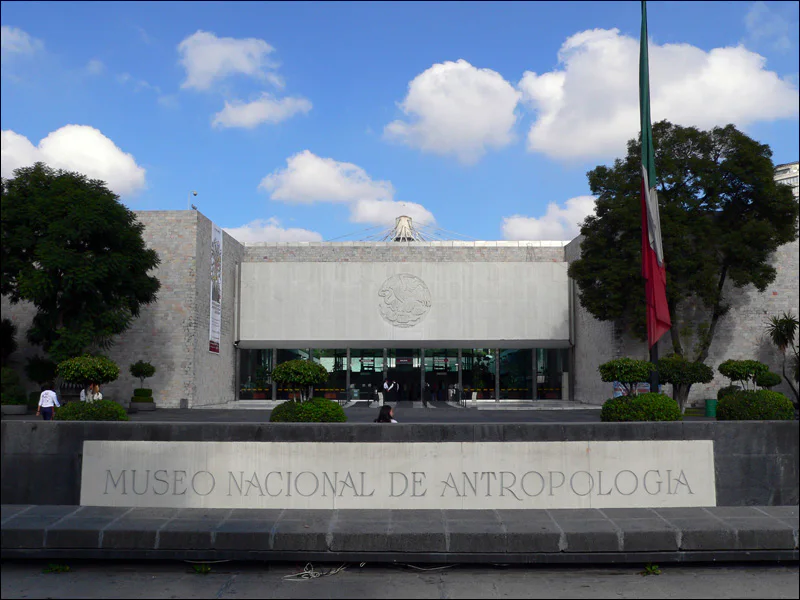
Stanza · Audio guide
Museo Nacional de Antropología Audio Guide
A place to remember. A story to take with you.
The National Museum of Anthropology is the largest and most visited museum in Mexico. It contains significant archaeological and anthropological artifacts from the country's pre-Columbian heritage.
Download Stanza, then search for “Museo Nacional de Antropología”.
About the tour
One guide. Your kind of visit.
The National Museum of Anthropology is the largest and most visited museum in Mexico. It contains significant archaeological and anthropological artifacts from the country's pre-Columbian heritage.
The Museo Nacional de Antropología guide tells the stories of 19 artworks, including Xochipilli (Unknown Artist), Coatlicue statue (Unknown Artist), Maya Codex of Mexico (Unknown Artist), Stone of Tizoc (Mexica), Codex Boturini (Unknown Artist), Duality (Rufino Tamayo), Jade mask of Pakal (Unknown Artist), and Codex Colombino (Unknown Artist). Every artwork is free to hear in the Stanza app until 1 January.
Ready when you are.
- 01Get the free Stanza app.
iOS & Android
- 02Find your guide.
“Museo Nacional de Antropología”
- 03Download before you go.
Works offline
Audio guide / 19 artworks
Inside the guide
Get to know a few of the stories before you go. Open a stop to read more.
01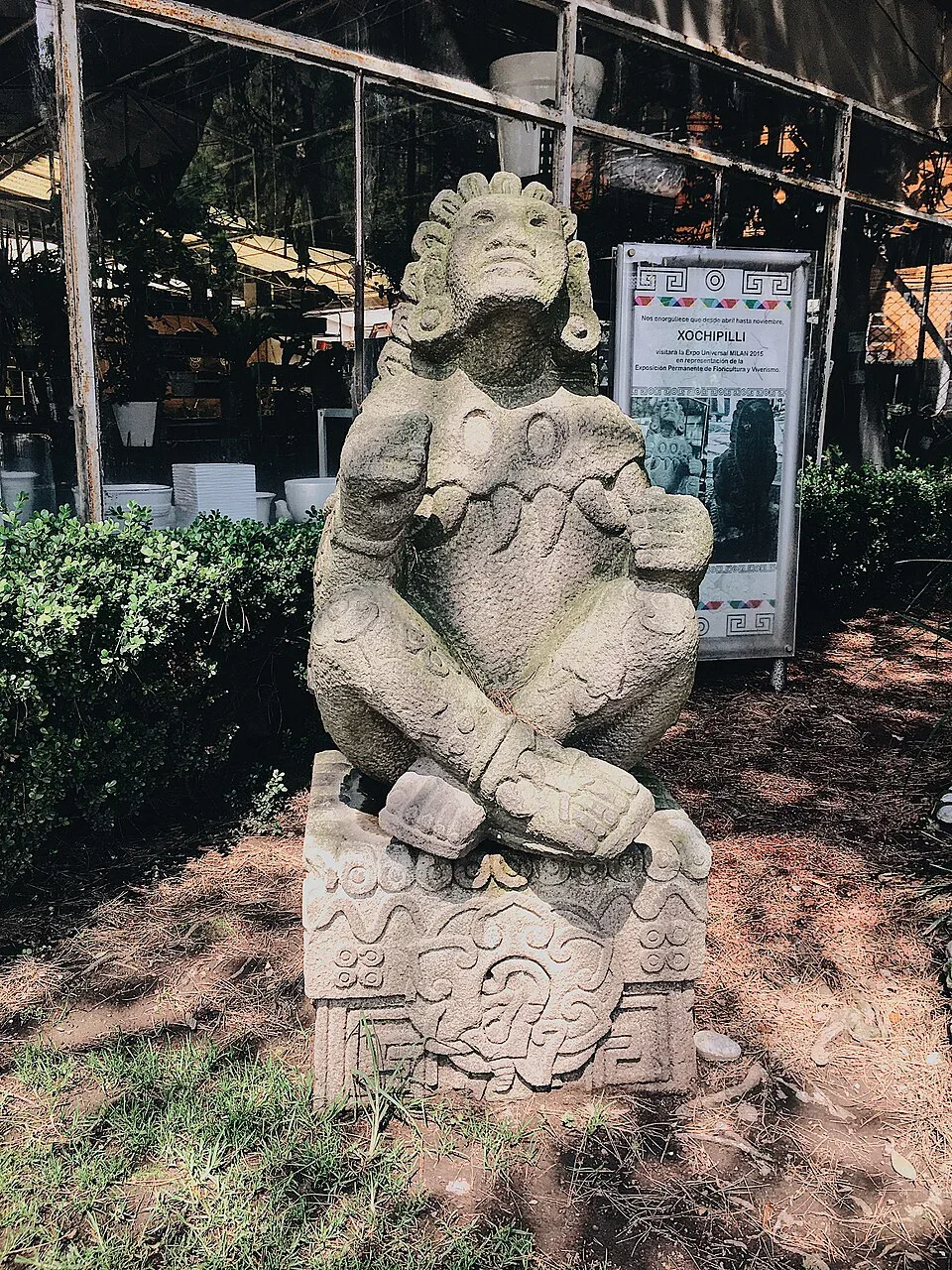
Xochipilli
No one knows who carved this figure, or just when it was made. He sits on a base shaped like a temple, his head tipped back, his eyes open. His jaw is tense, his mouth half open, and his arms are spread wide toward the sky. Both the figure and the base are covered with carvings of plants. Mushrooms are there, and tobacco, and one flower that still has no name. The Aztecs used plants like these in sacred ritual, to reach the divine. He was found in the middle of the nineteenth century on the slopes of the volcano Popocatépetl, near Tlalmanalco. And the mushrooms carved on him are a kind that grows right there on those slopes. Put the pose beside the plants, and he seems caught in a sacred ecstasy, the very state those plants were meant to bring on. His pupils look hugely wide, as if from the mushrooms.
Listen in the appPhoto: CynthiaOrduna · CC BY-SA 4.0
02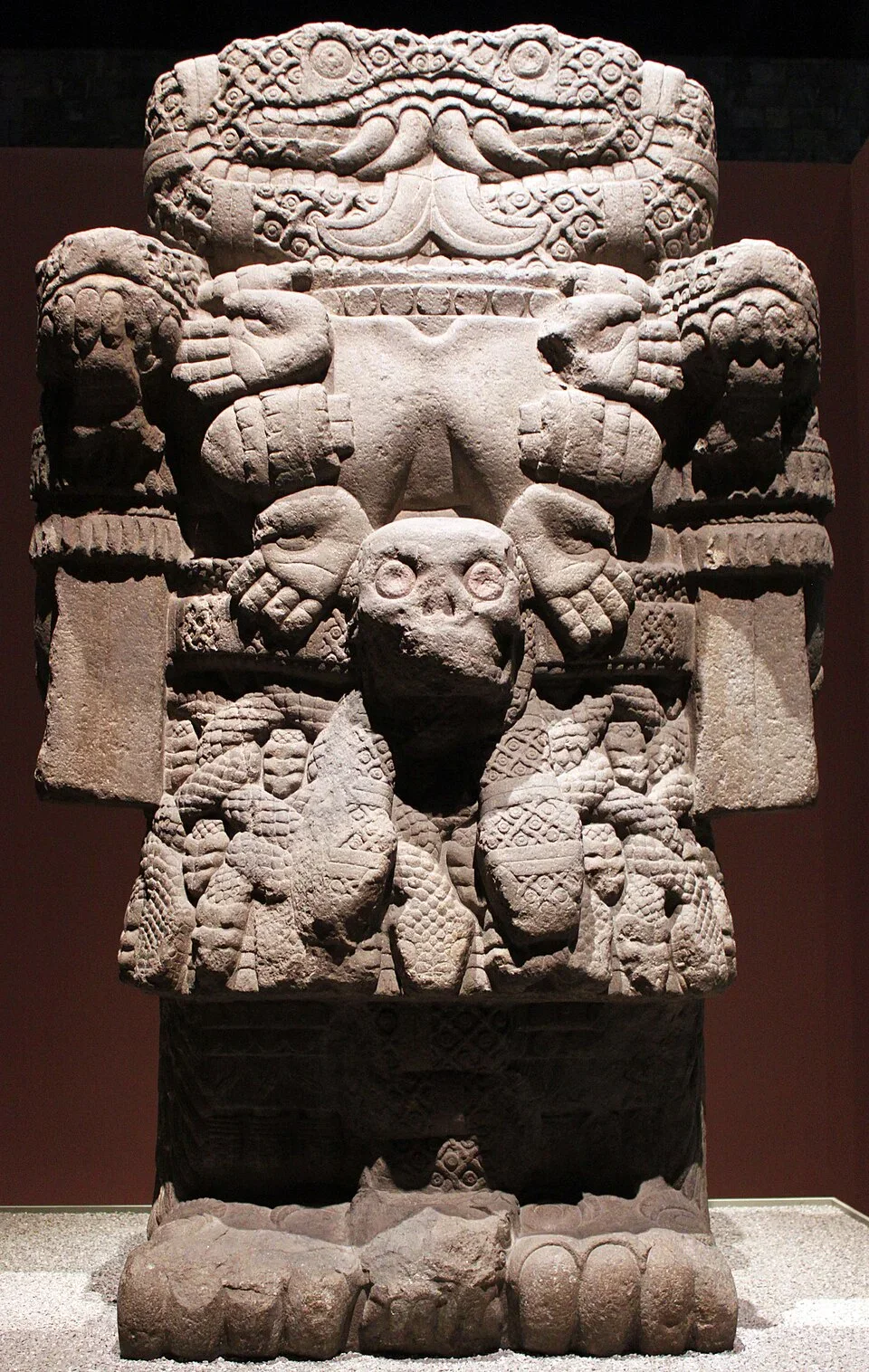
Coatlicue statue
Whoever carved this figure worked every side of the stone. The back is as finished as the front. The underside carries the earth lord, carved into a hidden base. The carver is not known. Where a face should be, two snakes rise from the neck and face each other, standing for the blood that gives life. Hands and feet end in claws. Hearts and human hands alternate around the neck, and a skull sits at the belt, front and back, above a skirt of snakes. The whole figure leans forward, as though advancing. It once stood in Tenochtitlan. When the Spanish took the city in 1521 and set about destroying its statues, this one vanished. The Mexica may have buried it below the water table rather than destroy it. It lay there until 1790, when workers digging a canal found it in the main plaza of Mexico City. It went to the university to be kept and studied. But people brought it flowers and lit candles. The clergy had it buried in the patio, out of sight. In 1803 it came up so Alexander von Humboldt could draw it and make a cast, then went back down. It was dug up once more in 1823, and a cast of it went to London the next year. No one is certain who or what the figure shows.
Listen in the appPhoto: Anagoria · CC BY 3.0
03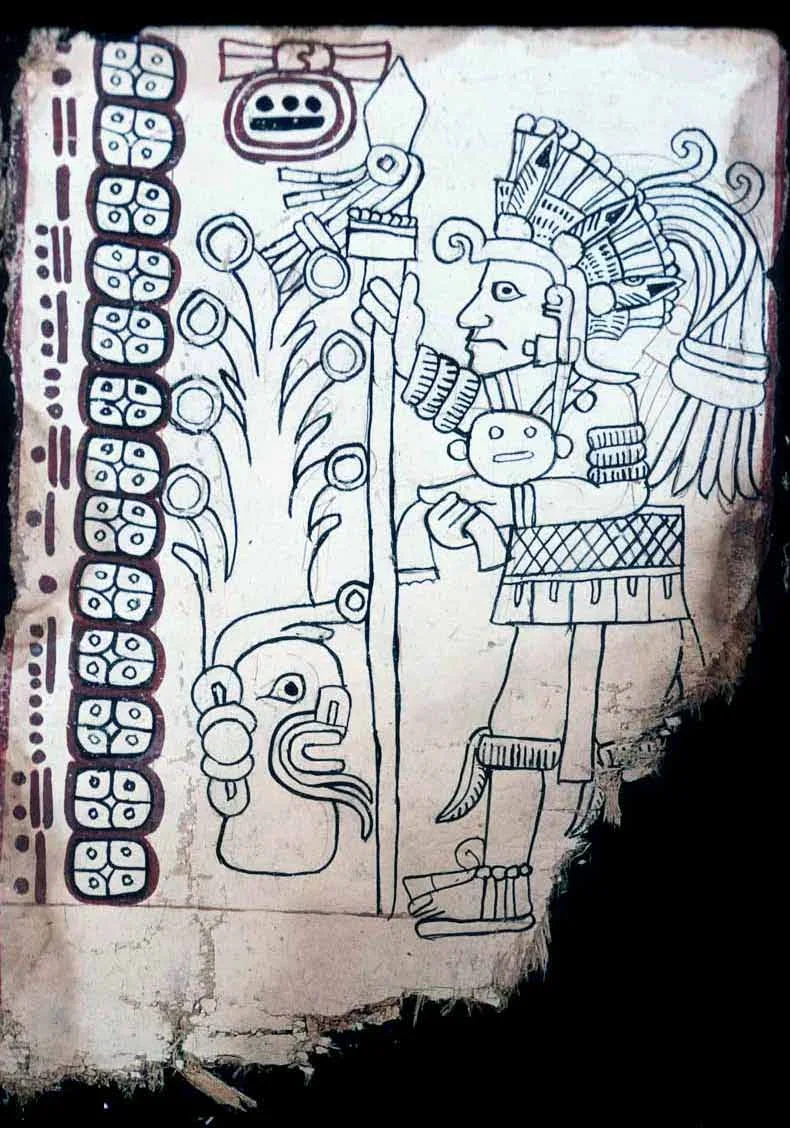
Maya Codex of Mexico
Real or fake? A Mexican collector, Josué Sáenz, said it came from a cave in Chiapas, with no archaeologists there to see it found. On each page a god stands facing left, with a column of day signs down the left side. Across the top, numbers in rings mark the movements of Venus. People here saw it as dangerous and warlike, and a Maya priest would have used the book to track it. No one knows who painted it. Tiny insects chewed the edges long ago, and the cuts came out so clean that they looked like scissors. Looters handled it roughly and tore the pages apart. Today only three pages are still joined. Doubt stuck to it for decades. The paint and the paper both proved ancient, placed between 1021 and 1154. It is the oldest surviving book of the Americas. In 2018, it was given a new name, the Maya Codex of Mexico.
Listen in the appUnknown author · Public domain
04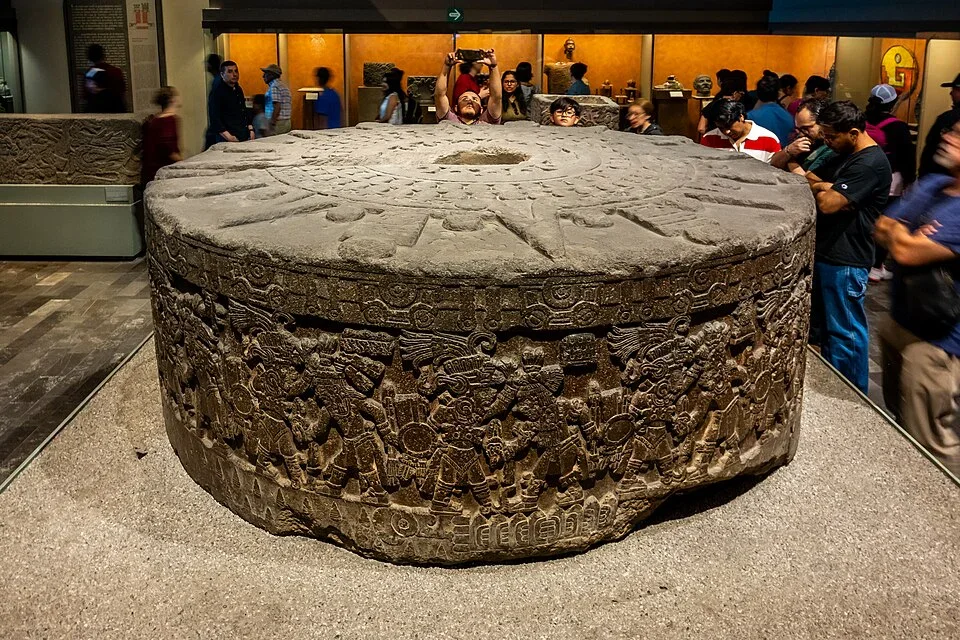
Stone of Tizoc
A rough groove runs from the centre of the top out toward the edge. It seems to have been cut after the stone was carved, and the cut is uneven. That one groove is why this stone was taken for an altar of gladiatorial sacrifice. The idea was that a captive was tied there, fighting with a feather club. Around the side run fifteen scenes. In every one, a warrior grabs another by the hair. Here, a fist in someone's hair meant that person had been beaten. One warrior wears the largest headdress, that of Huitzilopochtli, the god of war, and a sign beside him is read as the name Tizoc. Each figure he grips carries a sign naming the place it came from. Tizoc was an ordinary emperor who wanted to rebuild the Aztec pyramid, and this stone is read as his claim to those victories. Above the scenes, eyes and pieces of jade stand for Venus and the stars, and along the bottom run signs of the earth deity Tlaltecuhtli. So the stone sets his victories between the heavens and the earth, tying his rule to the divine.
Listen in the appAnonymous Mexica artist · CC BY-SA 4.0
05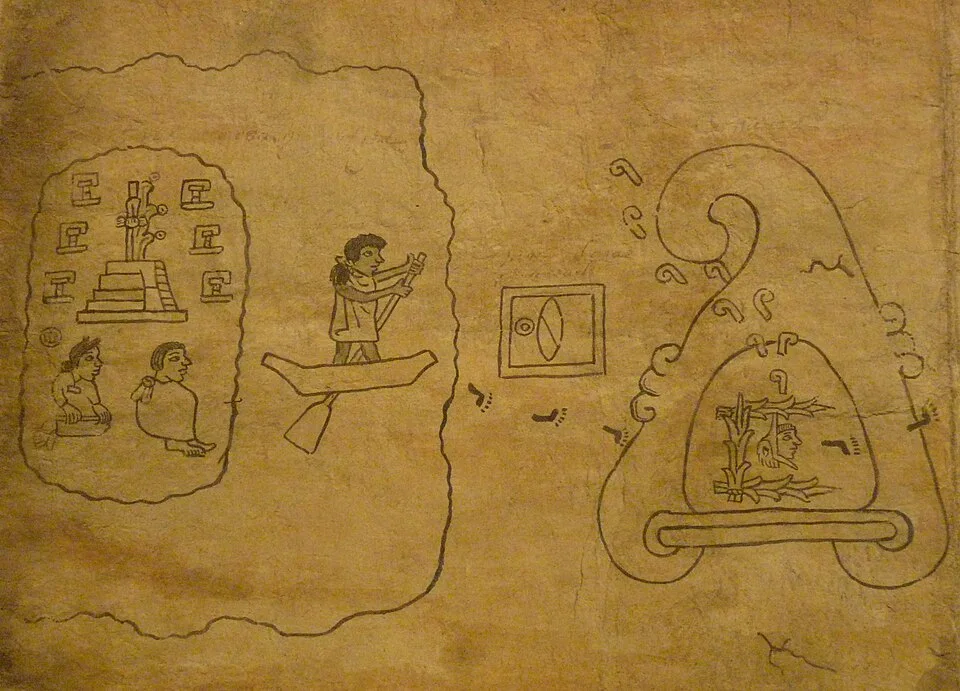
Codex Boturini
One man set out to draw a whole people's journey. This is one long sheet, folded back and forth into panels. It holds the walk the Mexica made from Aztlán, after their god Huitzilopochtli told them to leave. He joined each date in red to the place the people reached. Then, on several of the middle folds, he changed his plan. He rubbed out those links and drew black footprints instead, to carry the Mexica from one stopping place to the next. He sketched it all in pale ink first. Then he went over it in heavier black, and the pale lines still show. His erasures are still there. He never painted beyond the red, so the whole thing looks unfinished. No one knows the name of the man who drew it.
Listen in the appUnknown (codex) - El Comandante (photographer) · Public domain
06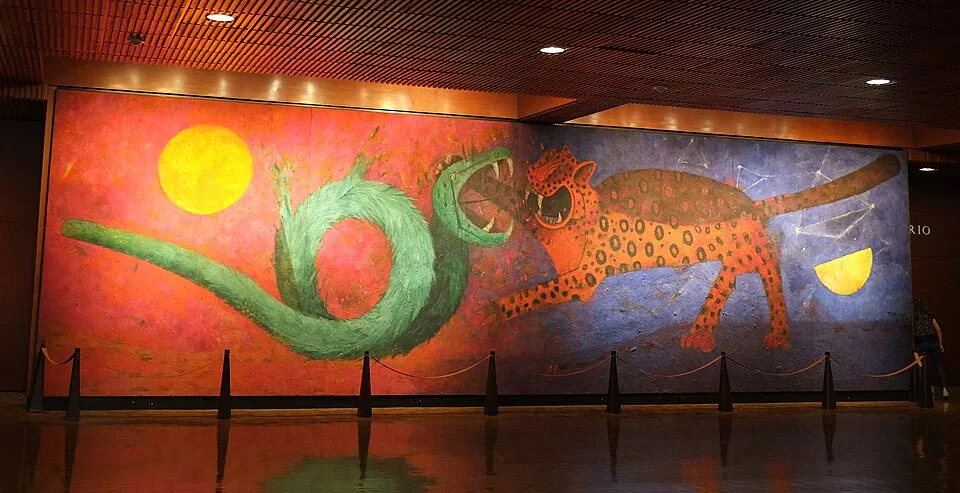
Duality
For a brand new national museum, Mexico wanted its prehispanic inheritance shown through modern art. The museum asked its leading painters to do it. Tamayo took an ancient creation myth and painted it for the lobby of the Jaime Torres Bodet auditorium, finishing it in 1964. Two sacred animals face each other across the wall in simple, open shapes. On one side, a green Feathered Serpent against orange, with the sun beside it, as ruler of the day. Opposite, an orange Jaguar outlined in black against cobalt blue, with night and the moon. They are Quetzalcoatl and Tezcatlipoca. Where they meet, at the center, the color shifts from magenta to purple and the painting gathers its force. The story is about duality, the idea that a paired principle runs through everything alive. These two gods are children of the first divine couple, Ometecuhtli and Omecíhuatl. They fight in a show of ferocity. But their struggle is the movement of the universe's essential energies. Out of it come the cosmic ages, the stars, the earth and every living thing. He had painted this idea once before, ten years earlier, in a mural called The Day and the Night.
Listen in the appNicolás Boullosa from Fontainebleau, France · CC BY 2.0
07
Jade mask of Pakal
This face was found on a dead king. In 1952, a tomb was opened inside the Temple of Inscriptions at Palenque, and a skeleton lay there wearing this mask. It had rested on the king's face since his burial. The face is made of more than three hundred and forty pieces of jade, in at least six shades of green. The eyes are shell, the pupils obsidian darkened with black pigment. Only two hundred of the jade pieces are still here. Nobody knows who made it. But for a Maya ruler, a mask like this was how he became a god after death. Jade necklaces and bracelets lay with him, and more jade in his hands. After 2000, restorers tried to bring back the face it once had, probably Pakal's own. And in the mouth, a small sign shaped like the letter T. It is an amulet, put there to protect him.
Listen in the appPhoto: Yodigo · CC BY-SA 3.0
08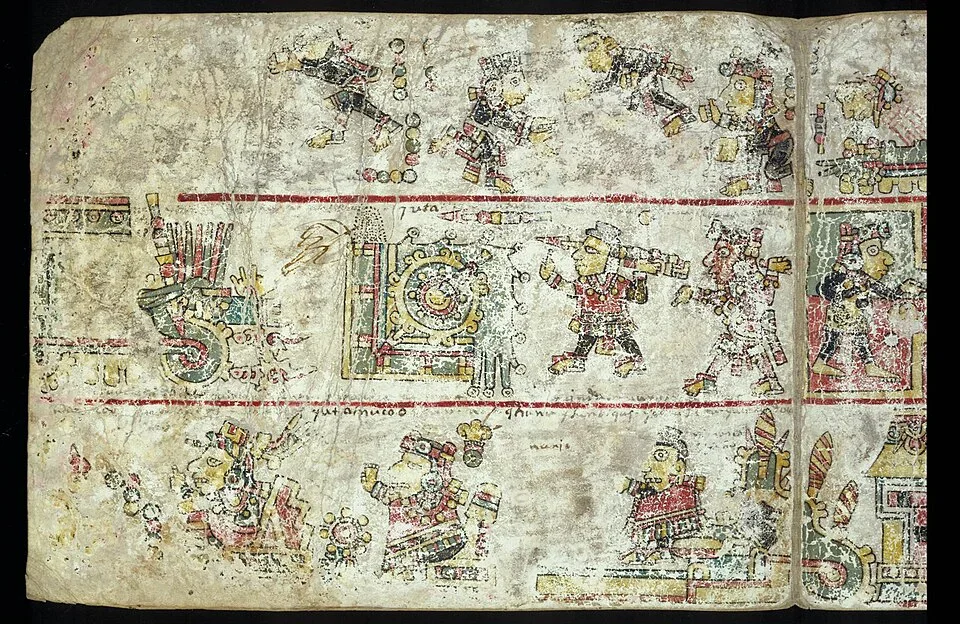
Codex Colombino
These pictures tell of a Mixtec lord named Eight Deer Jaguar Claw, his marriages and his wars. This book was once joined to another half. That other half was bought by a German collector, Phillip Becker, from a family in Acatlán de Osorio, in Puebla. It now lies in Vienna, while this half stayed in Mexico City, one of only two such books still in the country. The two were probably separated about 1541, and together they are often called the Codex Colombino Becker. The name Colombino came much later, in 1891. A Mexican commission, the Junta Colombina, acquired this half. President Porfirio Díaz had created the commission for the four hundredth anniversary of the discovery of America. The book took its name from the commission. Who made it is not known.
Listen in the appPhoto: Fæ · Public domain
09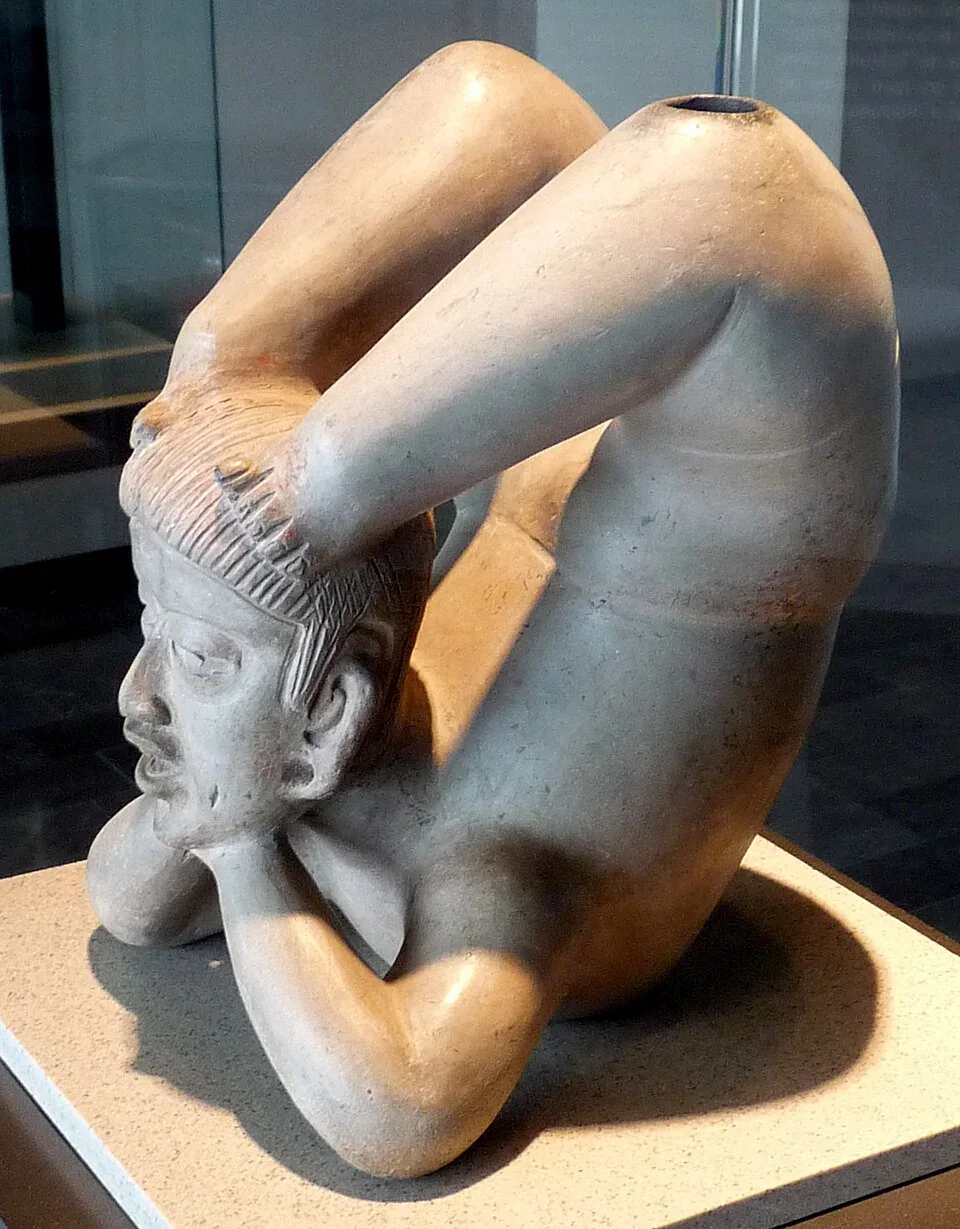
Tlatilco acrobat
His feet are tucked up beside his head, and his hands curl up just below them. The whole body folds into an almost perfect circle. He is a man, and he is also a vessel. Nobody knows who made him, only that he was found in a grave. At Tlatilco, on the banks of Lake Texcoco, he lay among the things buried with a man. That man was between forty and forty-five years old, and he may have been a shaman. The figure may show a man in a trance, a state tied to shamanic rites. His hair is half straight and half curly, a combination rare in Mesoamerica. Straight and curly together tied him to the gods of the underworld, and to a Mesoamerican belief. Life and death, in that belief, are two halves of one thing.
Listen in the appPhoto: El Comandante · CC BY-SA 4.0
10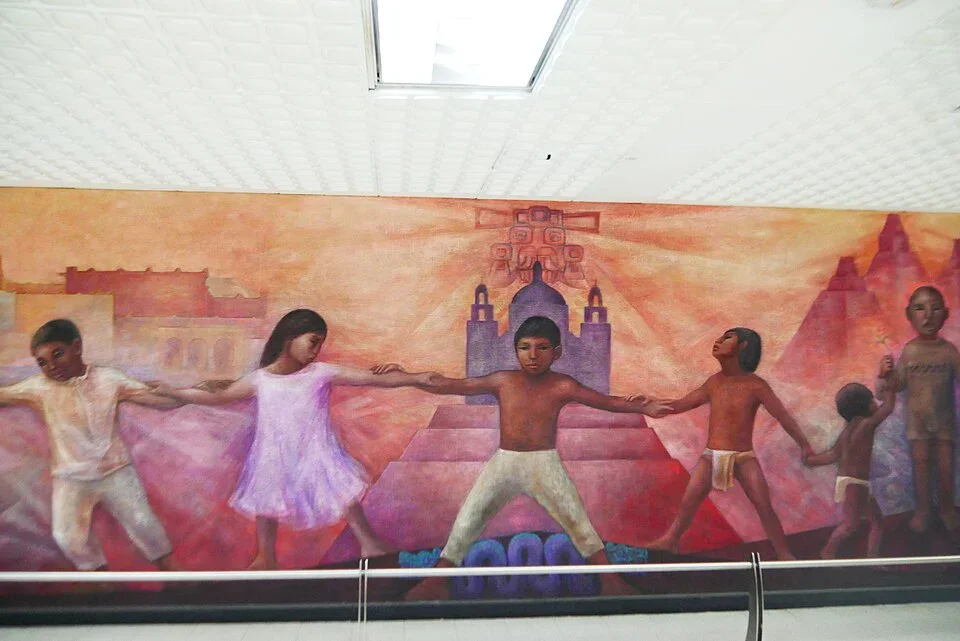
La ronda en el tiempo
Why do all these children hold hands, stretched along this wall? At one end Xipe Tótec holds up the only child who is naked. He is the god of all that is renewed, of all that refuses to die. He has a kind of flower in his other hand, and what looks like a glow of colour coming from him. Behind the children, great pyramids give way to a church on a pyramid, then a large industrial city, each from a different age. In front of them stands a mestizo boy with his arms and legs open. A serpent with two heads lies at his feet. In one hand he holds a child in ancient dress, in the other a girl in modern clothes. This museum was built to hold the country's ancient past. Twenty three artists were asked to interpret those cultures, so people could understand them and connect with the modern world. Fanny Rabel received a government commission, and she chose children. To her they were the most vulnerable part of Mexican society, and its base. This circle of children begins with Xipe and crosses time. At the far end a girl sits at a Day of the Dead stall, a sugar skull held up before her face. Through it she sees her own past and her future.
Listen in the appPhoto: Luisalvaz · CC BY-SA 4.0
- 11
Obsidian monkey vase
Mexica · 1250
- 12
Tamuin's teen
Huastec civilization · 1500
- 13
Pelota Player - Chinkultic Disc (591 CE)
Maya people
- 14
Yaxchilan lintel 26
Maya people
- 15
Collection of Mexican Codices
Martin de la Cruz · 1736
- 16
San Lorenzo Colossal Head 2
Unknown Artist · c. 1500–1000 BC
- 17
San Lorenzo Colossal Head 6
Unknown Artist · c. 1500–1000 BC
- 18
Monolith of Tlaloc
Unknown Artist
- 19
Monolito de Chalchiuhtlicue
Unknown Artist
Museo Nacional de Antropología
Frequently asked questions
How much does the guide cost?
Free app download. Free until 1 January. Listed guide price: $0.99. Audio guide only. Venue admission is separate.
Can I listen without internet?
Yes. Download the guide’s audio, images, and maps in the app before your visit. Your downloaded content is then available offline.
Can I listen in my language?
In English for now. More languages soon.
Do I need to follow a schedule?
No. This is a self-guided experience. Choose your stops, pause whenever you like, and return to a story at your own pace.
Which artworks are in the Museo Nacional de Antropología audio guide?
19 artworks, including Xochipilli (Unknown Artist), Coatlicue statue (Unknown Artist), Maya Codex of Mexico (Unknown Artist), Stone of Tizoc (Mexica), Codex Boturini (Unknown Artist), Duality (Rufino Tamayo), Jade mask of Pakal (Unknown Artist), and Codex Colombino (Unknown Artist). The full list is on this page.
Is this the museum’s official audio guide?
No. Stanza is an independent audio guide app and is not affiliated with Museo Nacional de Antropología. Museum admission is separate.
At your own pace
Explore Museo Nacional de Antropología.
Download Stanza, then search for “Museo Nacional de Antropología”.
Free app download · Guide price shown in the app
Keep exploring
Nearby audio guides
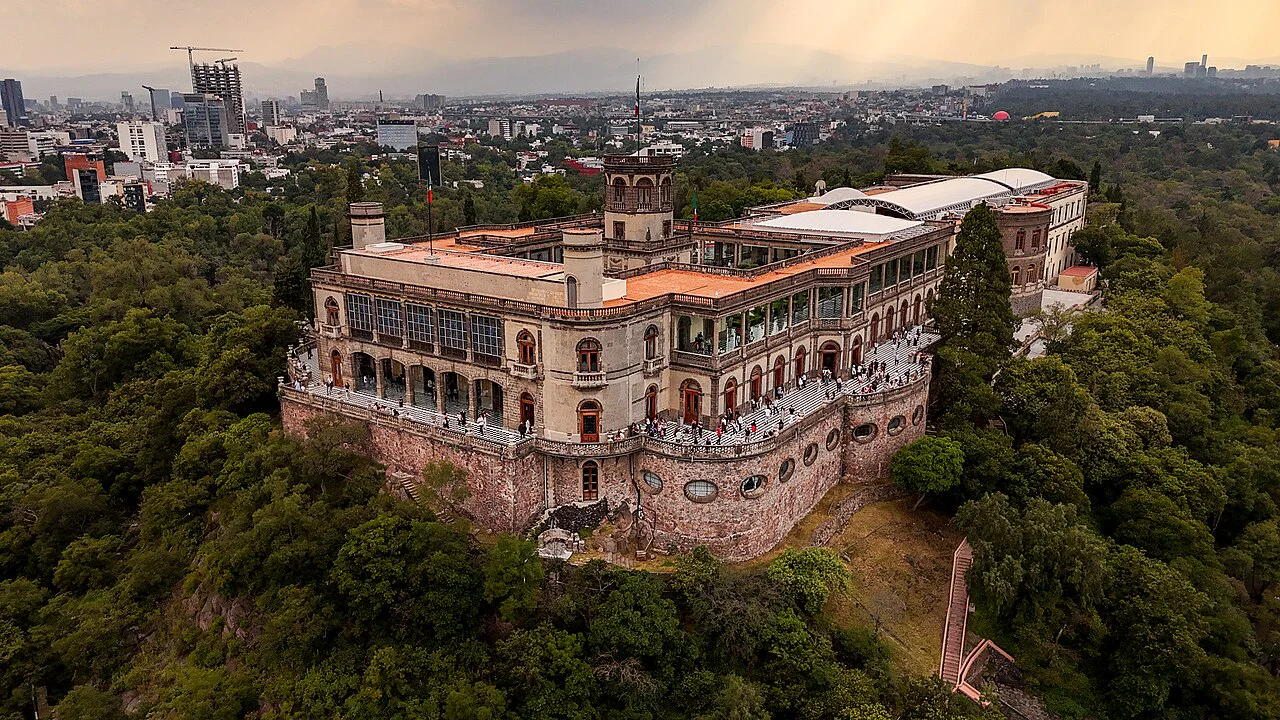
Mexico City · 1 km
Castillo de Chapultepec
Content & sources
Own work · CC BY-SA 4.0
Mexico City · 3 km
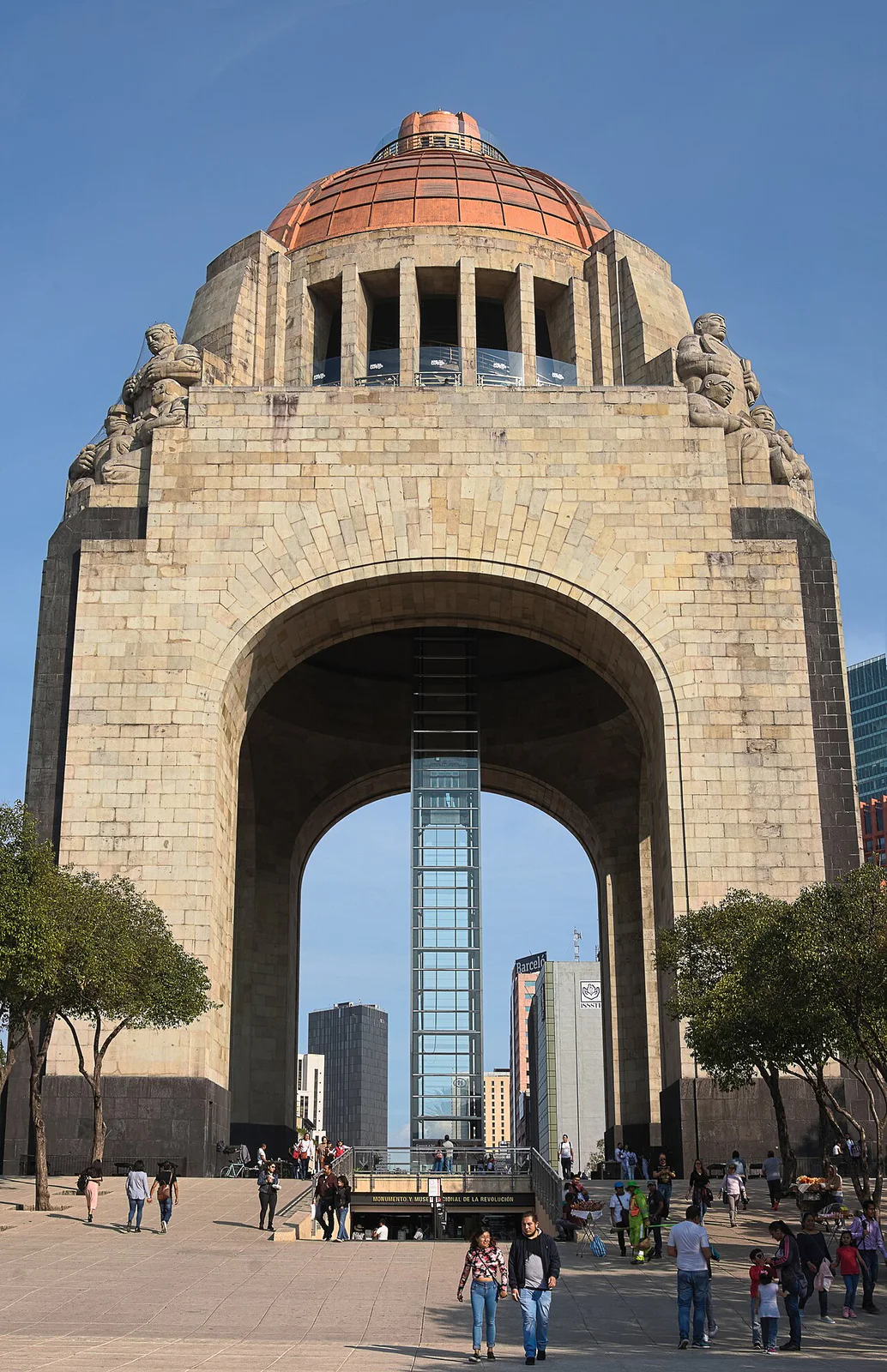
Monumento a la Revolución
Content & sources
Carlos Valenzuela · CC BY-SA 4.0

Mexico City · 5 km
Palacio de Bellas Artes
Content & sources
Octavio Alonso Maya Castro · CC BY-SA 3.0
Mexico City · 6 km
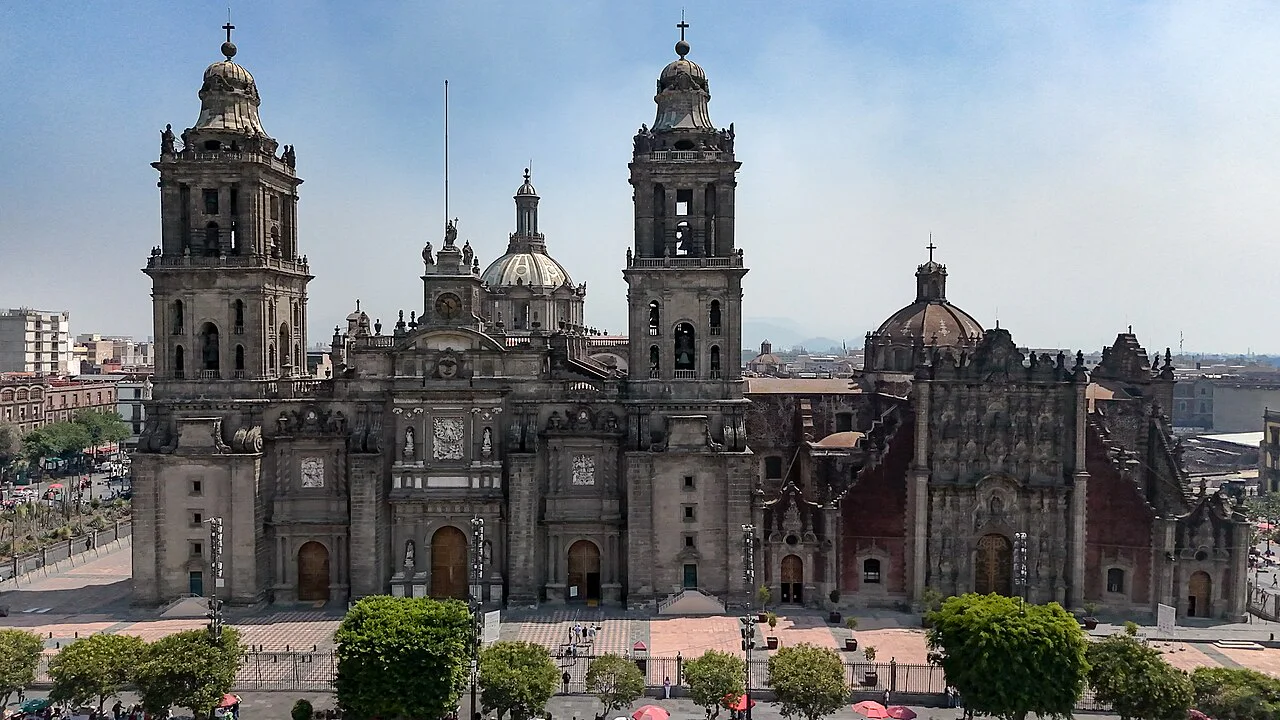
Catedral Metropolitana de la Ciudad de México
Content & sources
Photo: ProtoplasmaKid · CC BY-SA 4.0
Miacatlán Municipality · 70 km
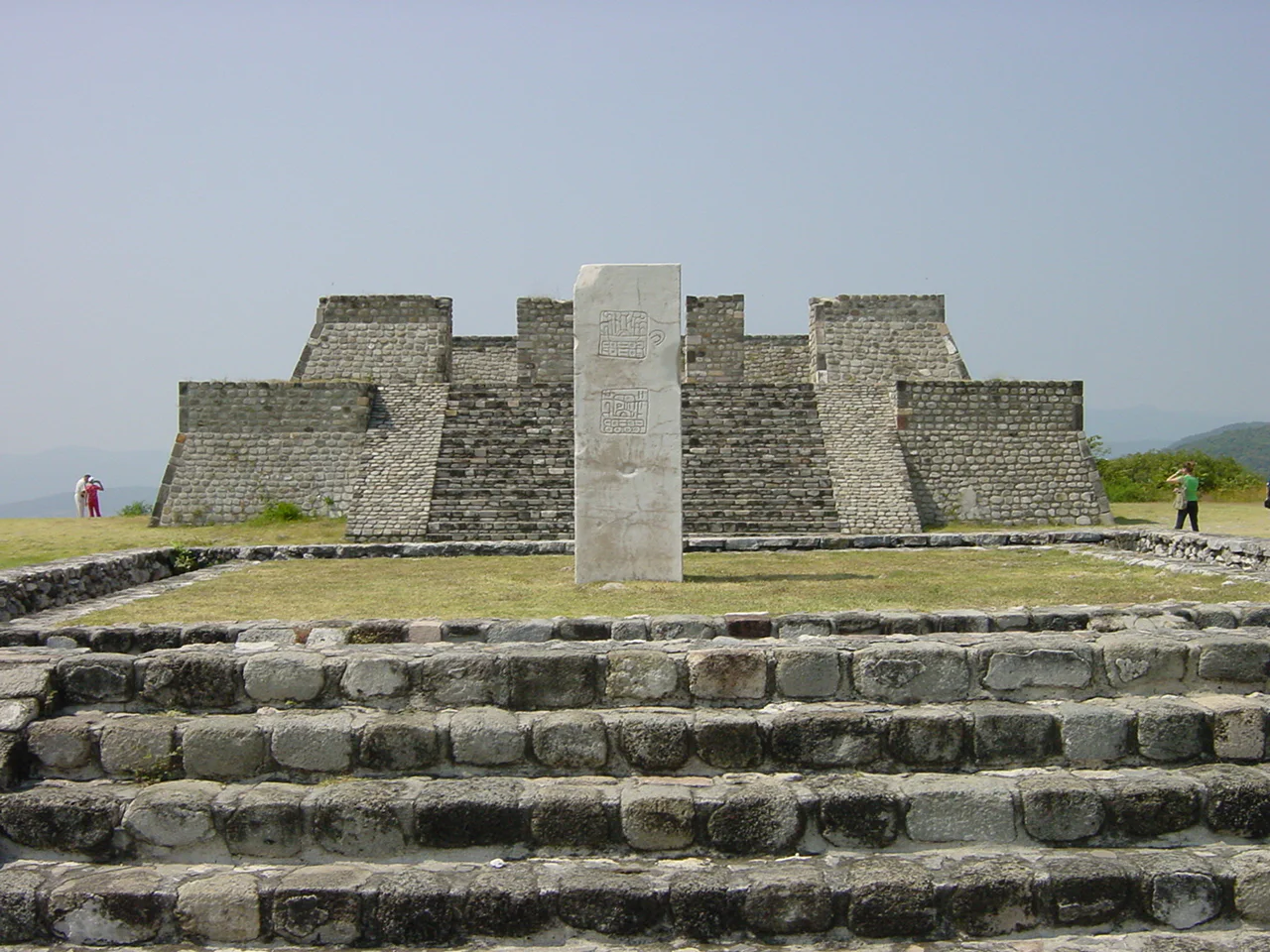
Zona arqueológica de Xochicalco
Content & sources
Maxtreiber · Public domain
Art museums
More art museum audio guides
Dallas · 31 artworks
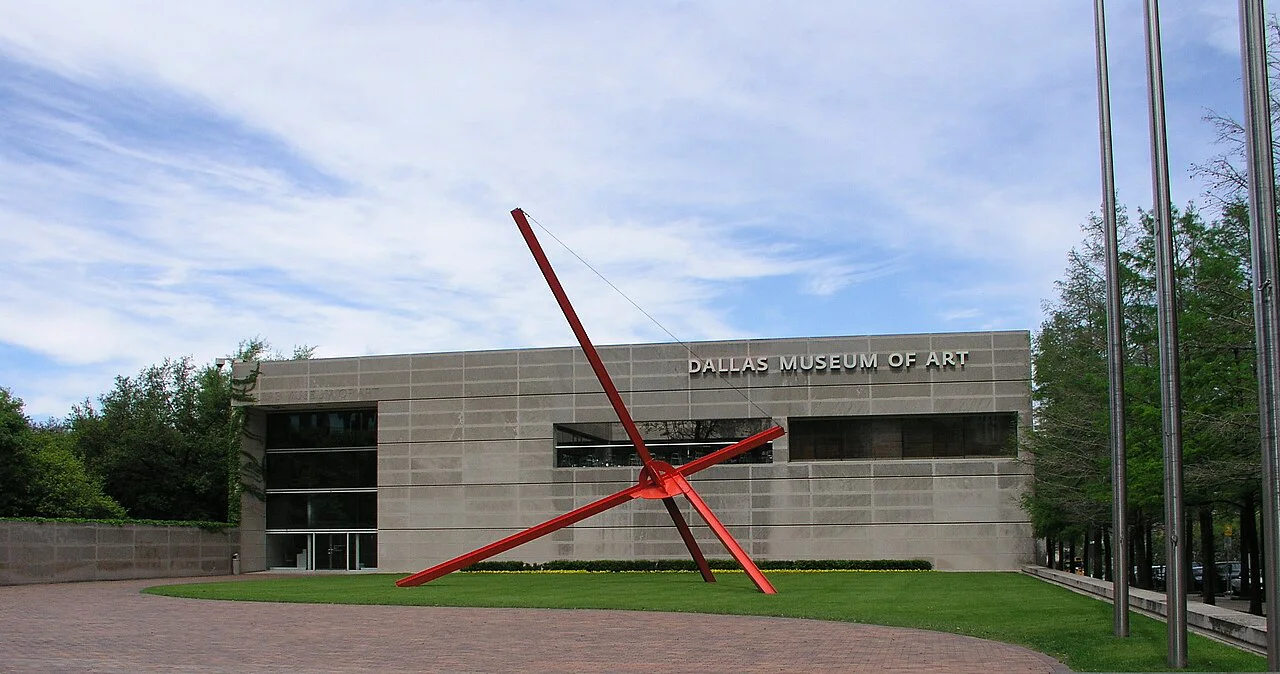
Dallas Museum of Art
Content & sources
KeithJonsn at English Wikipedia · CC BY-SA 3.0

St. Louis · 38 artworks
Saint Louis Art Museum
Content & sources
Photo: Colin.faulkingham~commonswiki · Public domain
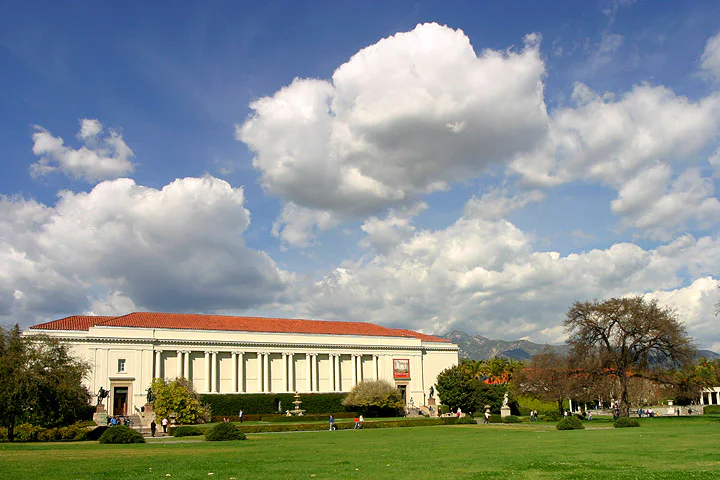
San Marino · 12 artworks
Huntington Library
Content & sources
By Aaron Logan · CC BY 1.0
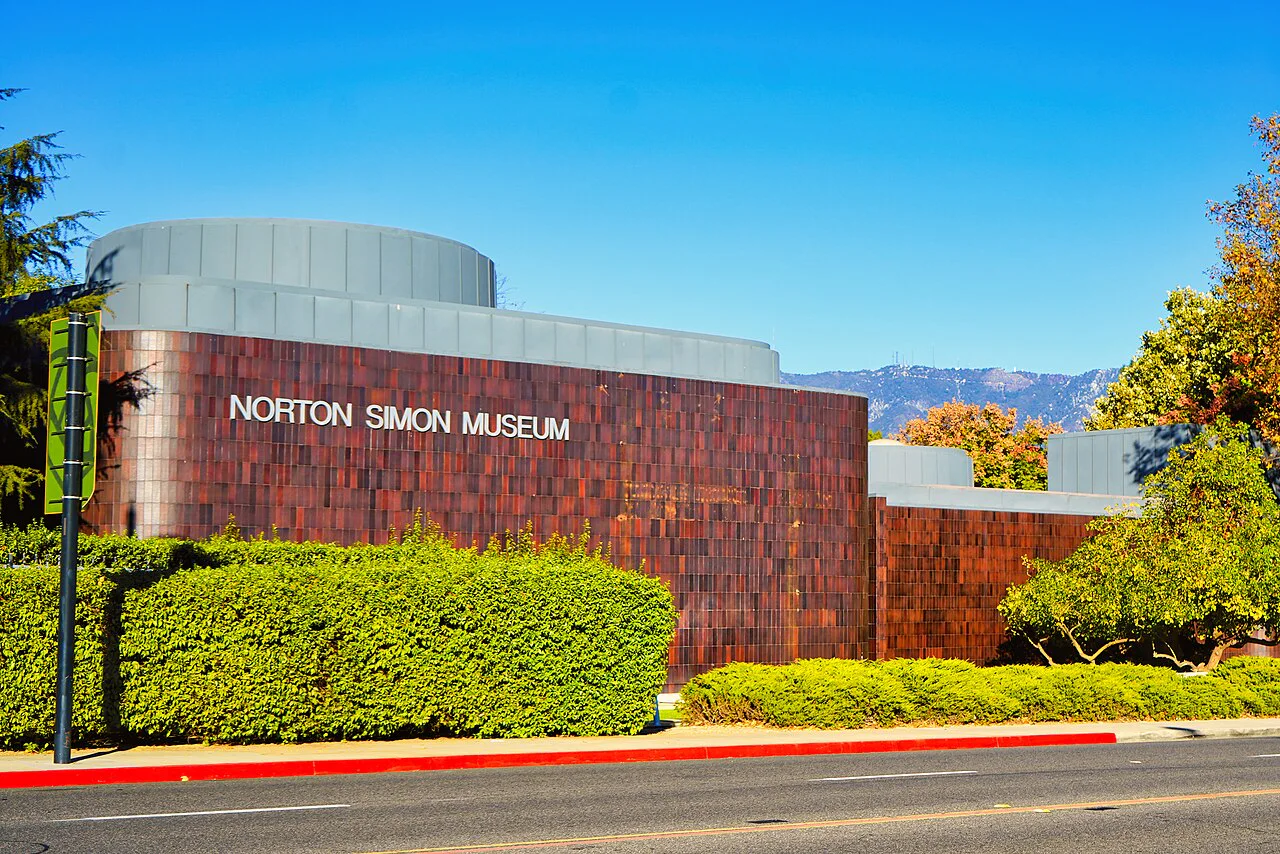
Pasadena · 29 artworks
Norton Simon Museum
Content & sources
Tony Mariotti from Los Angeles, United States · CC BY 2.0

Los Angeles · 69 artworks
J. Paul Getty Museum
Content & sources
Jelson25 · Public domain
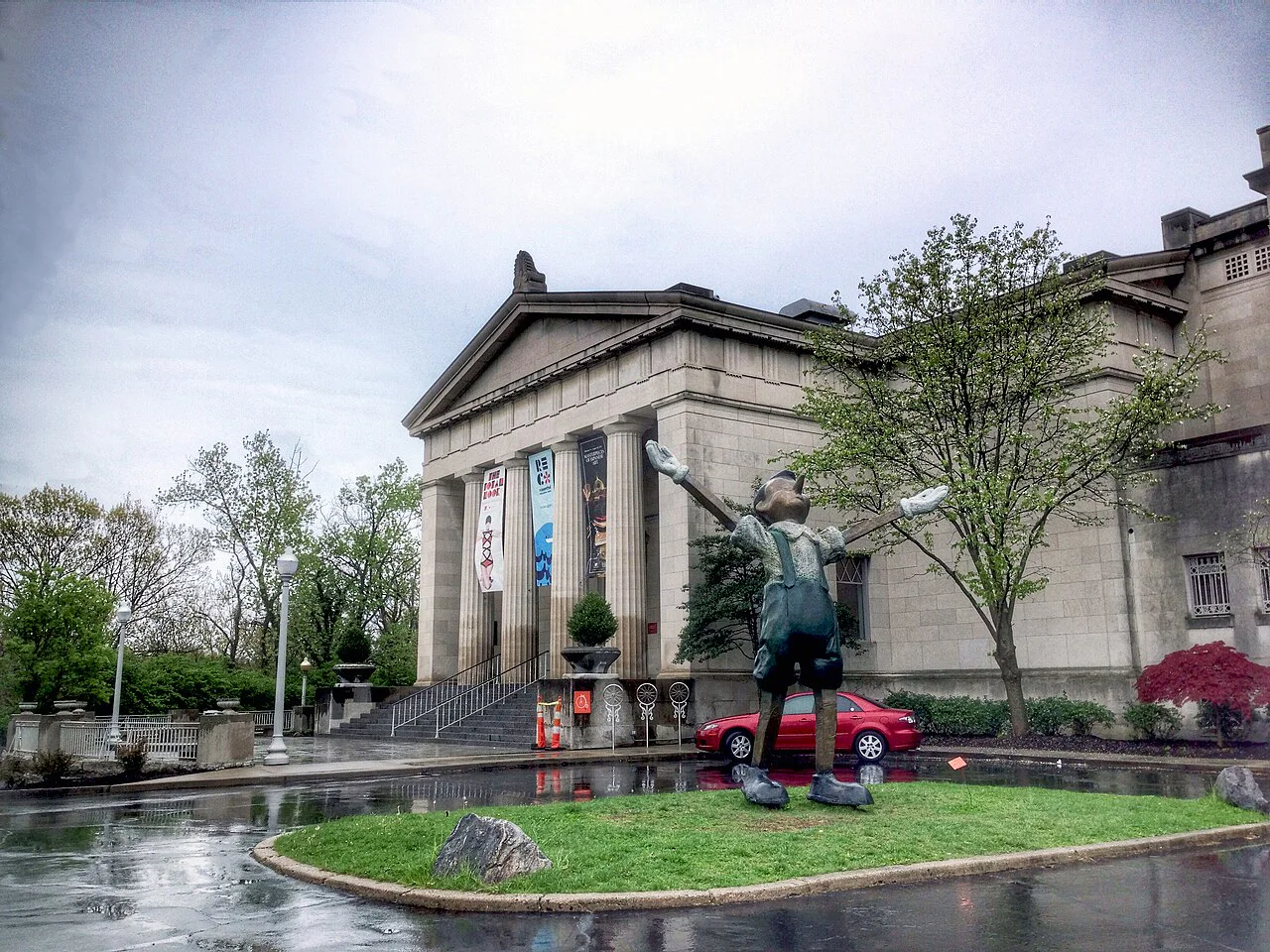
Cincinnati · 24 artworks
Cincinnati Art Museum
Content & sources
5chw4r7z on Flickr · CC BY-SA 2.0