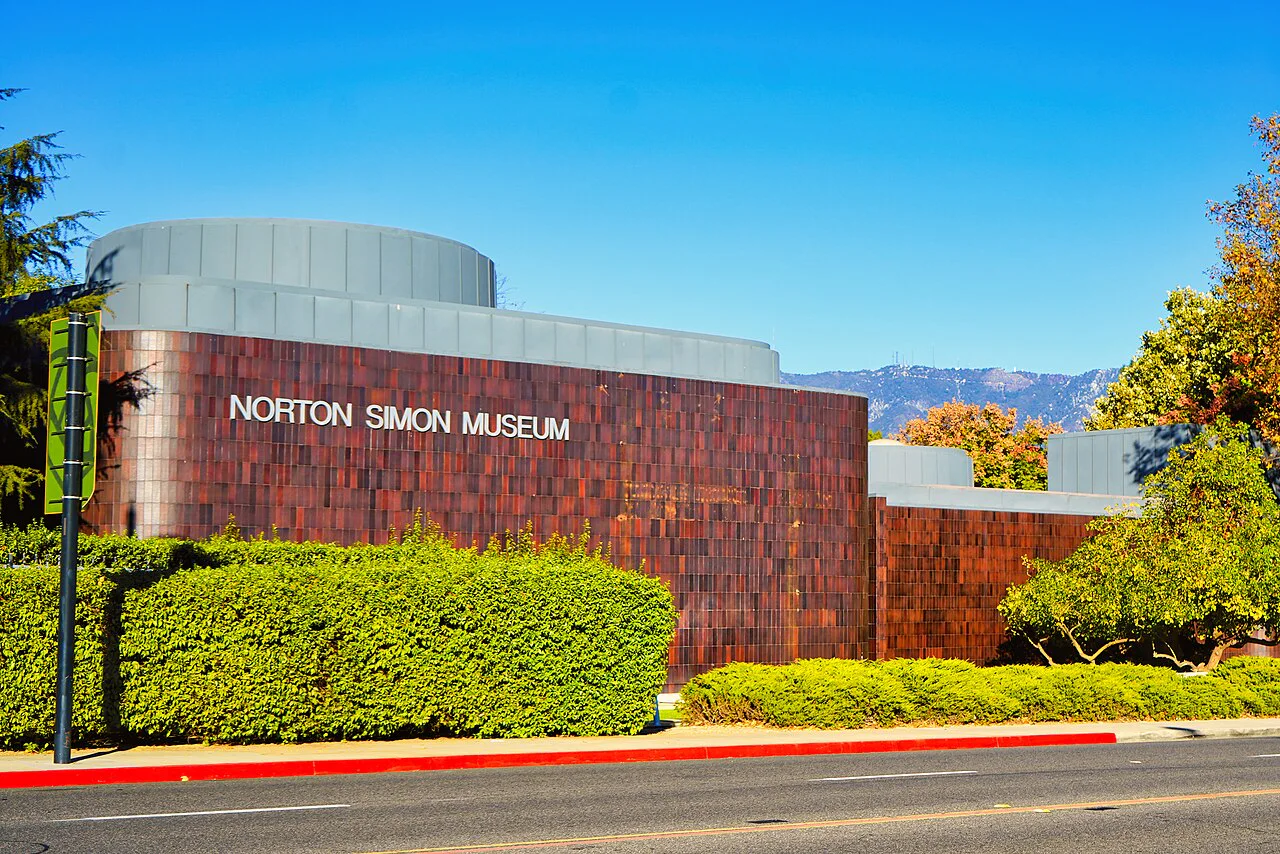
 Stanza / Audio guide
Content & sources
Stanza · Audio guide
Norton Simon Museum Audio Guide
A place to remember. A story to take with you.
The Norton Simon Museum is an art museum located in Pasadena, California. It displays numerous sculptures on its grounds and was previously known as the Pasadena Art Institute and the Pasadena Art Museum.
Download Stanza, then search for “Norton Simon Museum”.
About the tour
One guide. Your kind of visit.
The Norton Simon Museum is an art museum located in Pasadena, California. It displays numerous sculptures on its grounds and was previously known as the Pasadena Art Institute and the Pasadena Art Museum.
The Norton Simon Museum guide tells the stories of 29 artworks, including Portrait of the Artist's Mother (Vincent van Gogh), Madonna and Child with the Book (Raphael), Waiting (Edgar Degas), Still Life with Lemons, Oranges and a Rose (Francisco de Zurbarán), Monument to Balzac (Auguste Rodin), The Mulberry Tree (Vincent van Gogh), Wine is a Mocker (Jan Steen), and The Repentant Magdalene (Guido Cagnacci). Every artwork is free to hear in the Stanza app until 1 January.
Ready when you are.
- 01Get the free Stanza app.
iOS & Android
- 02Find your guide.
“Norton Simon Museum”
- 03Download before you go.
Works offline
Audio guide / 29 artworks
Inside the guide
Get to know a few of the stories before you go. Open a stop to read more.
01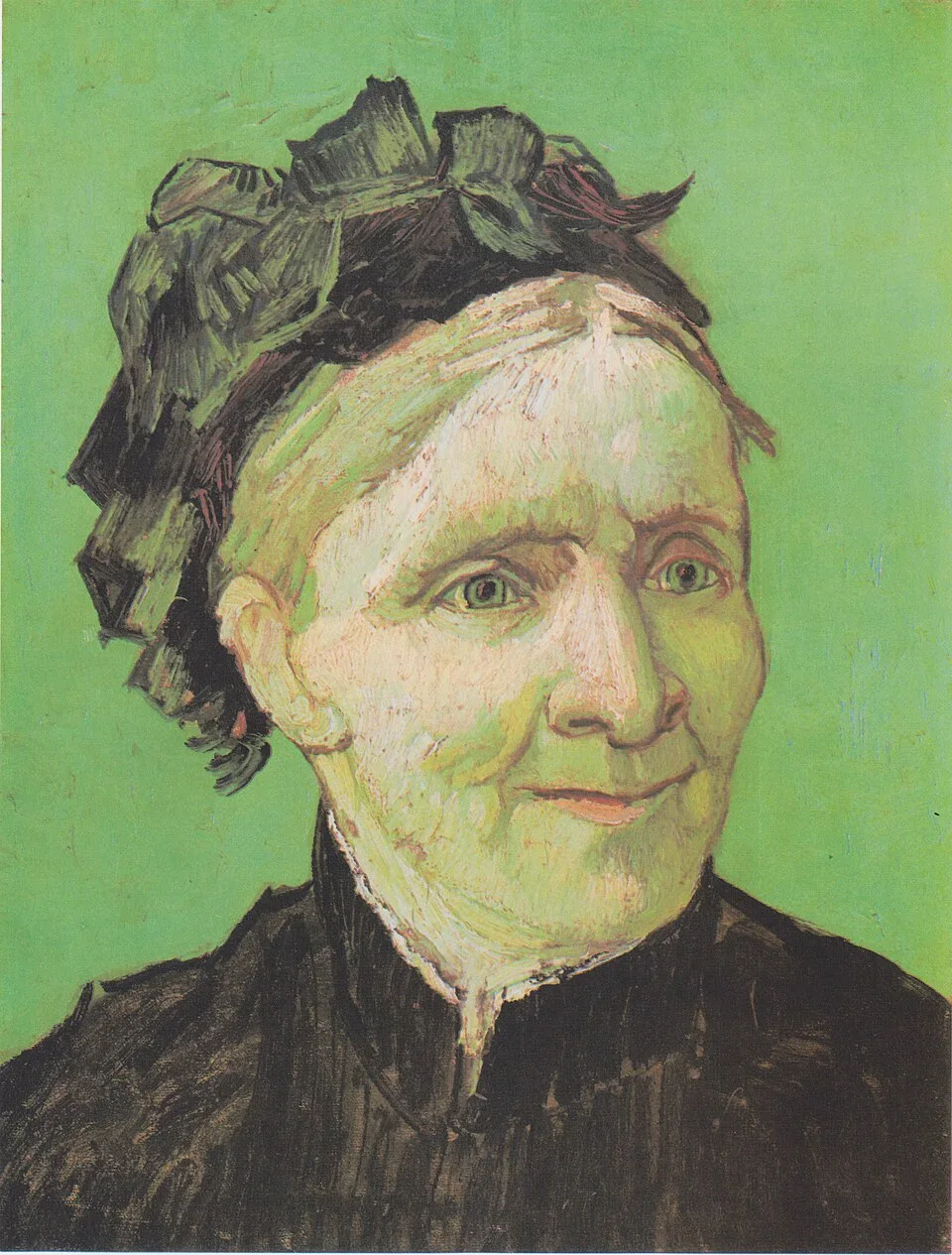
Portrait of the Artist's Mother
It began with a photograph in black and white. Van Gogh asked his sister to send him one of their mother. When it arrived, he could not bear how colourless it was. So he set out to paint her in a harmony of colour, the way she lived in his memory. But almost the whole portrait is one pale green, hardly changing anywhere, a green that does not look quite natural. That is what he made of the colourless photograph. He was painting portraits of his family, and this one he meant for himself. He and his family had been strained for years. Yet his mother was the person who first put art into his hands. She drew plants and flowers herself, and some of his earliest drawings were copies of her sketches. He had sent her paintings of flowers, sure she would like them. Her expression is attentive and proud, the look of a dignified, respectable middle class woman.
Listen in the appVincent van Gogh · Public domain
02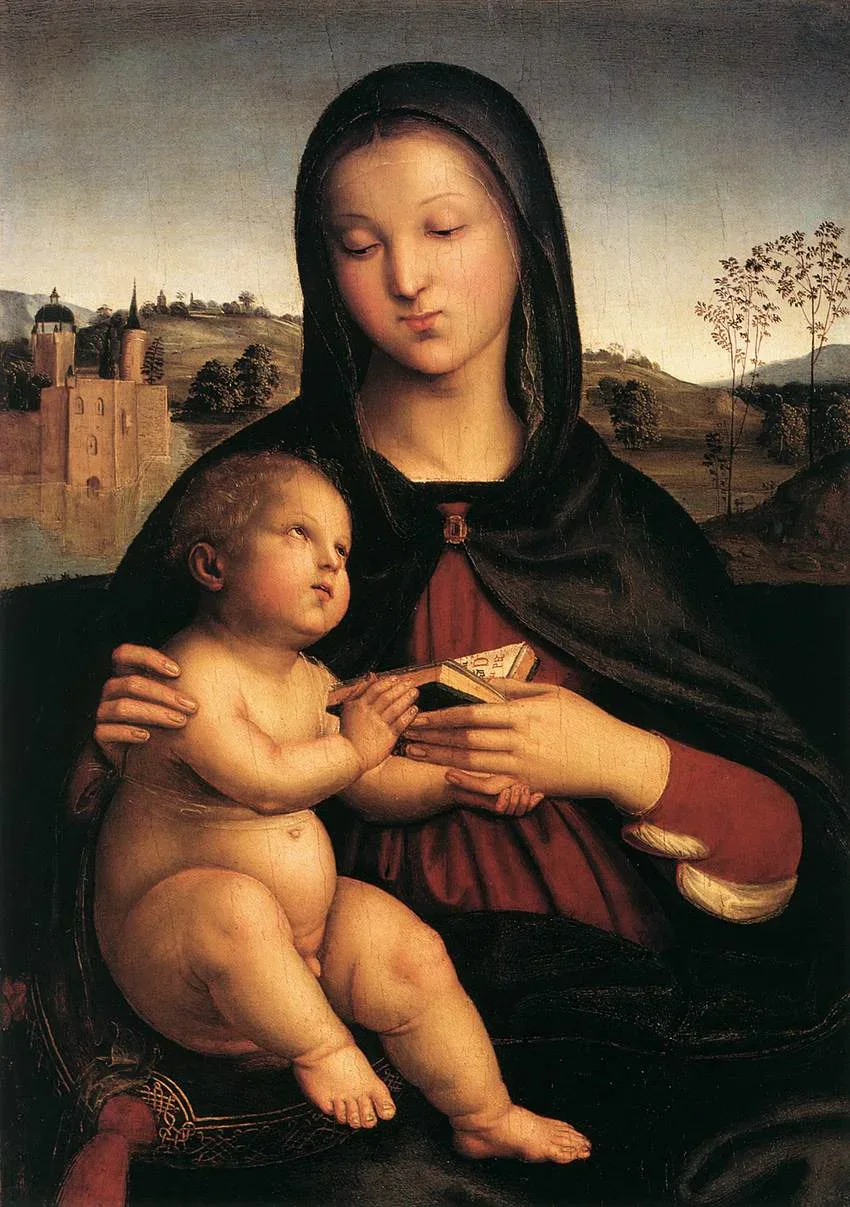
Madonna and Child with the Book
Mary holds the Christ Child tenderly, and together they read from a small open book. His hand rests on the book and on hers. She looks down at him, and he looks up at her. The book is open at a prayer called Nones, the ninth hour after dawn. That is the hour of the Annunciation, when Mary conceived her son. It is also three in the afternoon, the hour when Christ died on the Cross. One hour holds both the start and the end of his life. Mother and child have paused in their reading, thinking about the death still to come. His hand on hers and his eyes on her face say he is accepting what lies ahead and, even now, comforting his mother. Raphael made this painting for prayer and meditation. Behind them, the cloudless sky begins to darken, and shadows come over the hills.
Listen in the appRaphael · Public domain
03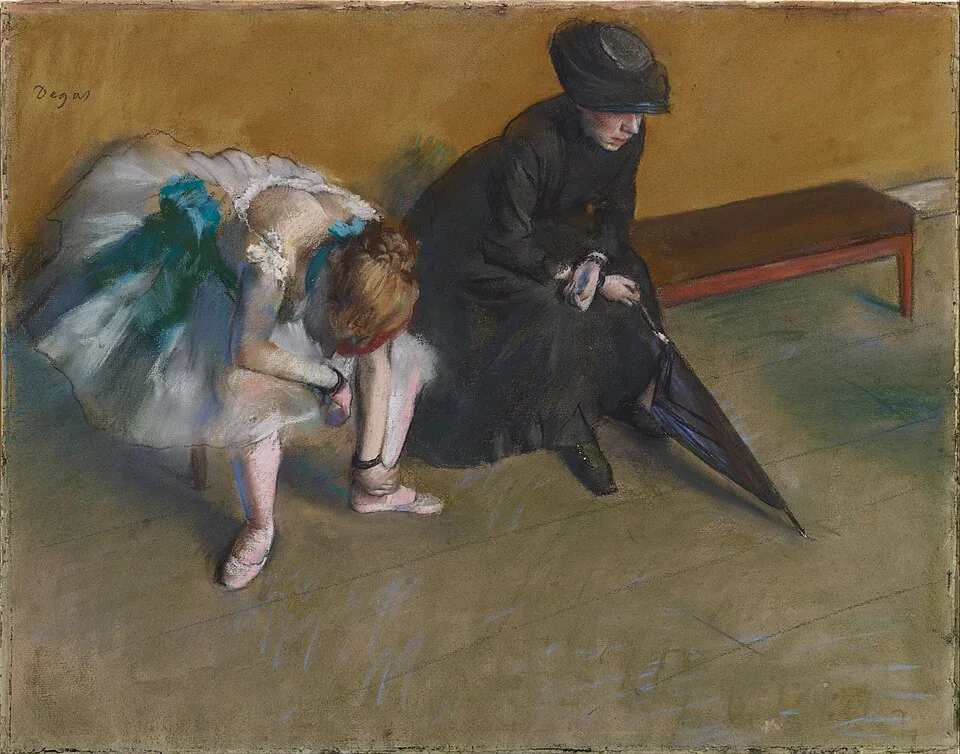
Waiting
A young dancer has just bent over her foot, as if to massage it. But that is not what is on her mind. Her whole body is tense with anticipation. In a moment she will step out onto the stage. Beside her, an older woman waits too, and for the opposite reason. The young woman waits to make her entrance. The older woman waits for her to go. Even the tip of the chaperone's umbrella points the way the dancer must take, toward the stage and away from her guardian. Degas kept returning to these private moments. Of his more than two hundred ballerina works, only fifty show the dancers performing. Most catch them rehearsing or resting, like this one. He was not even allowed backstage until 1885, and you can feel that distance in the steep angle. We seem seated high above the two women, as if in a box over the auditorium. Whether that older woman was once a dancer herself, we cannot say for certain.
Listen in the appEdgar Degas · Public domain
04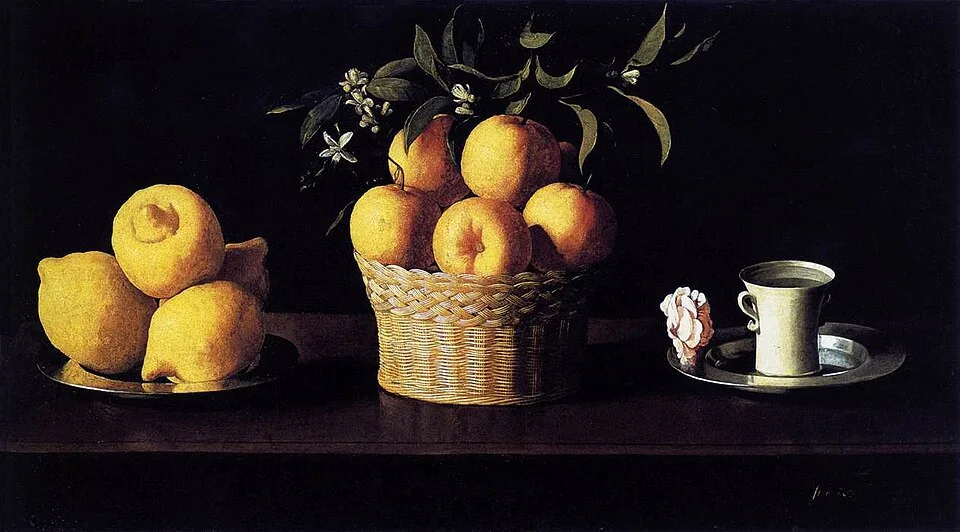
Still Life with Lemons, Oranges and a Rose
What are a few pieces of fruit doing, set out with this much ceremony? Three groups sit on a polished table, spaced almost evenly apart. Each is built like a little pyramid, and nothing about the placing feels casual. One group is a plate of four lemons. One is a basket of oranges. The third is a saucer with a cup of water and a rose. Zurbarán, who more often painted monks and martyrs, set them out this way, and it is the only still life he signed and dated. He gave these everyday things the same quiet, solemn feeling as his religious pictures. Light comes in from the left and makes the fruit solid enough to lift. But the dark behind it never lifts, so the objects seem pulled away from ordinary life. No one who might own them is here. In the Netherlands, lemons could mean wealth. In Spain, where they grow, they mean something else. They are not shown as fruit of daily life, but with the solemn feeling of an offering on an altar. On that saucer, the rose lies in full bloom. The water and the rose may stand for the Virgin Mary's love and purity, and the table may be an altar. Even the oranges keep their leaves and blossoms, which may speak of life beginning again.
Listen in the appFrancisco de Zurbarán · Public domain
05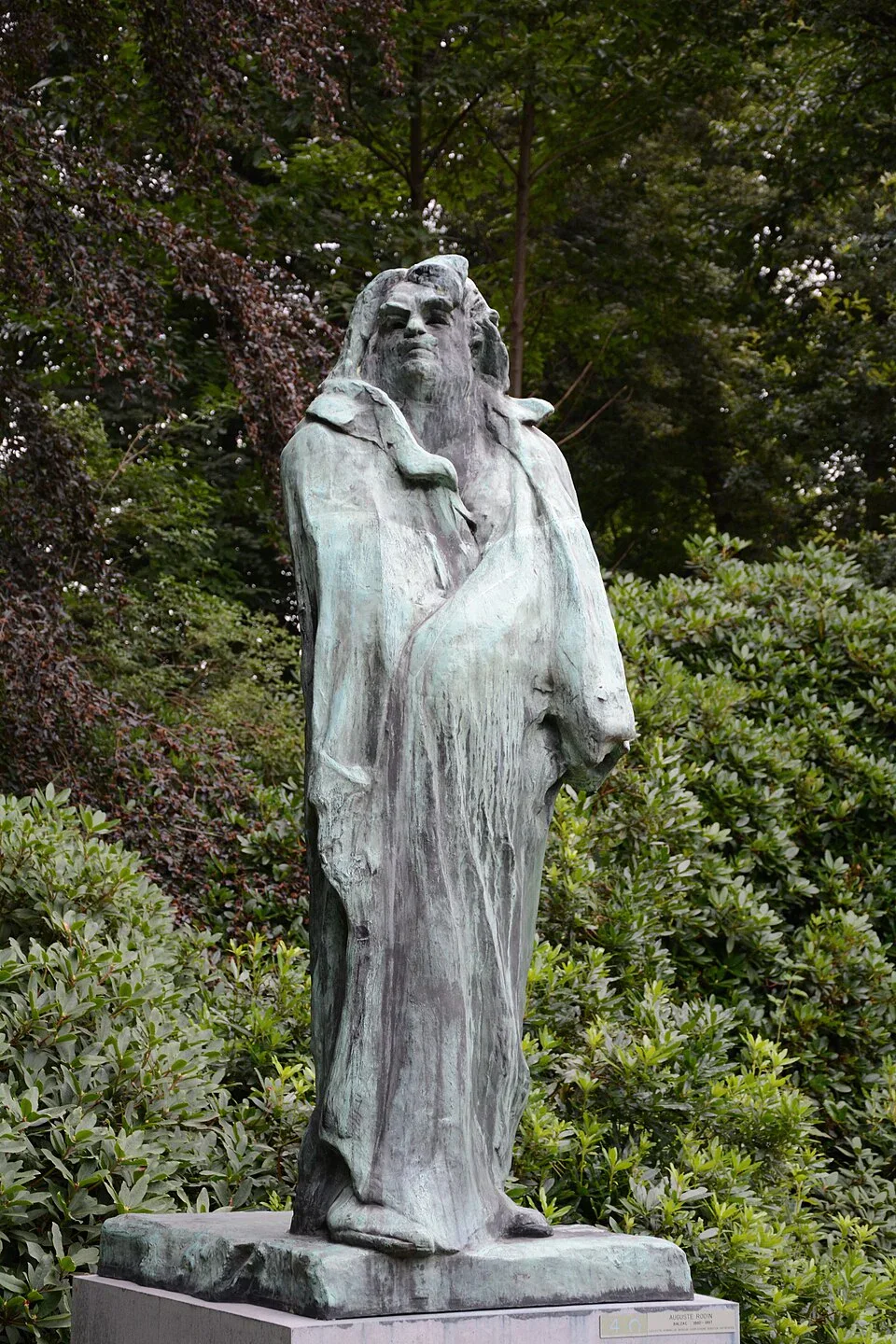
Monument to Balzac
Rodin never saw Balzac. The writer had been dead for decades when the commission arrived, so the sculptor had to build a man he had never met. A figure is almost swallowed by its dressing gown, the cloth running from the shoulders down to the feet. The arms barely show. Empty sleeves hang down, and two hands just emerge to hold the gown closed. Underneath, the body is hardly there, shaped like a column that bears the weight. The head seems separated from the body, almost alive at the very top. He was after the writer's force, not his face. He read Balzac's books and traveled again and again to the writer's hometown to model clay studies of people who resembled him. Over more than fifty studies he moved further from a plain likeness. He enlarged the neck to show strength, then admitted the execution had gone further than he meant. In 1898 he showed the plaster, and the writers' society that had ordered it turned it down. He took it home to Meudon. It was not cast in bronze until 1939, long after his death. To build the body beneath the robe, he found a tailor who had once worked for Balzac. The tailor made him clothes like the writer's own, so he could get the height and build right.
Listen in the appPhoto: Funkyxian · CC BY-SA 4.0
06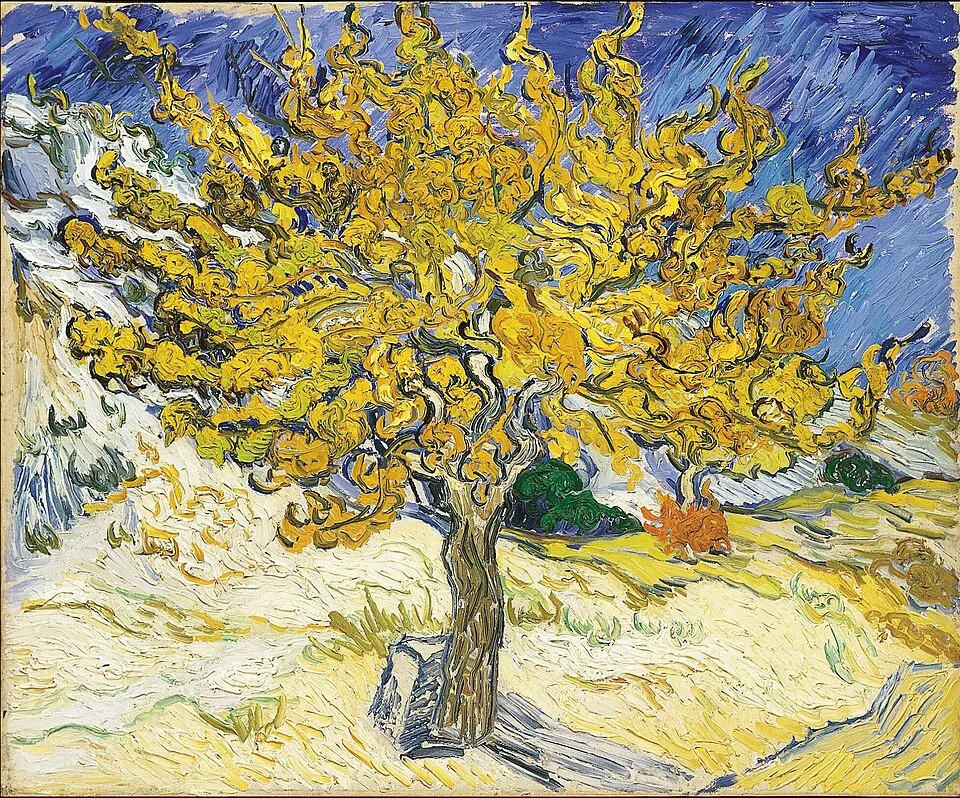
The Mulberry Tree
To paint this tree, Van Gogh tried every style he knew. Thin paint, thick paint, quick strokes and broad ones. The tree itself is small, not much bigger than a shrub. Yet its yellow and orange leaves fill the whole canvas against a blue sky. Look at the falling leaves. There he barely touched the canvas, leaving only the faintest trace of color. The bare branches are the opposite. He loaded his brush and piled on paint until they seem almost to stand out from the canvas. He was painting this in the asylum at Saint-Rémy-de-Provence. He wrote to his brother Theo about the fine autumn days and said he was making the most of them. That December, he sent Theo a parcel of paintings and singled this one out. He called it the best of his autumn studies.
Listen in the appVincent van Gogh · Public domain
07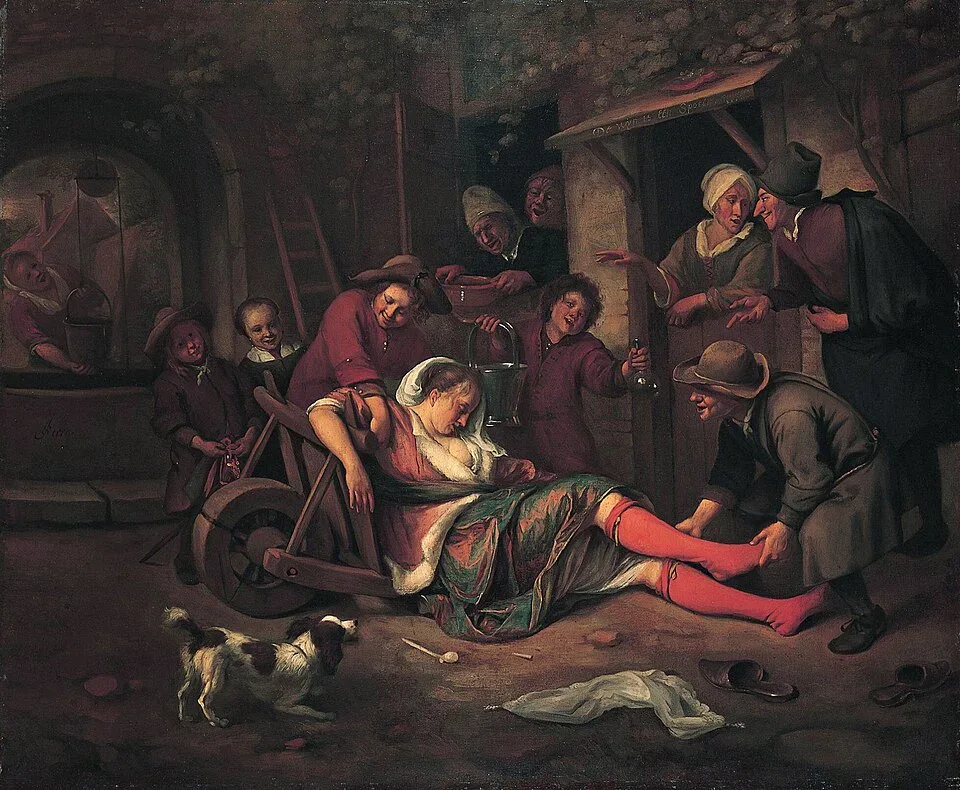
Wine is a Mocker
A little pipe lies where it fell from her hand. She was too drunk to keep hold of it. That small thing tells you how far gone she is. Now a boy and a man are lifting her into a wheelbarrow outside an inn, to carry her home. She was once finely dressed. Her hair has slipped from her handkerchief, her jacket with its fur trim has come loose, and her satin skirt is raised. Her red stockings were the kind that marked a prostitute. Drink has undone all of it. Above the door, a proverb from the Bible is written out. Wine is a mocker, it says, strong drink starts fights, and whoever is taken in by it comes away none the wiser. No one escapes it, whatever their rank. Jan Steen ran a tavern himself, so he knew such scenes firsthand. Neighbours watch with disdain. Two men laugh from an open window, and even a dog barks at her. Behind her, a girl and a boy on a hobby horse watch their mother being carried home. They are smiling, too young to take in what is happening. This is the example she is setting for her children.
Listen in the appJan Steen · Public domain
08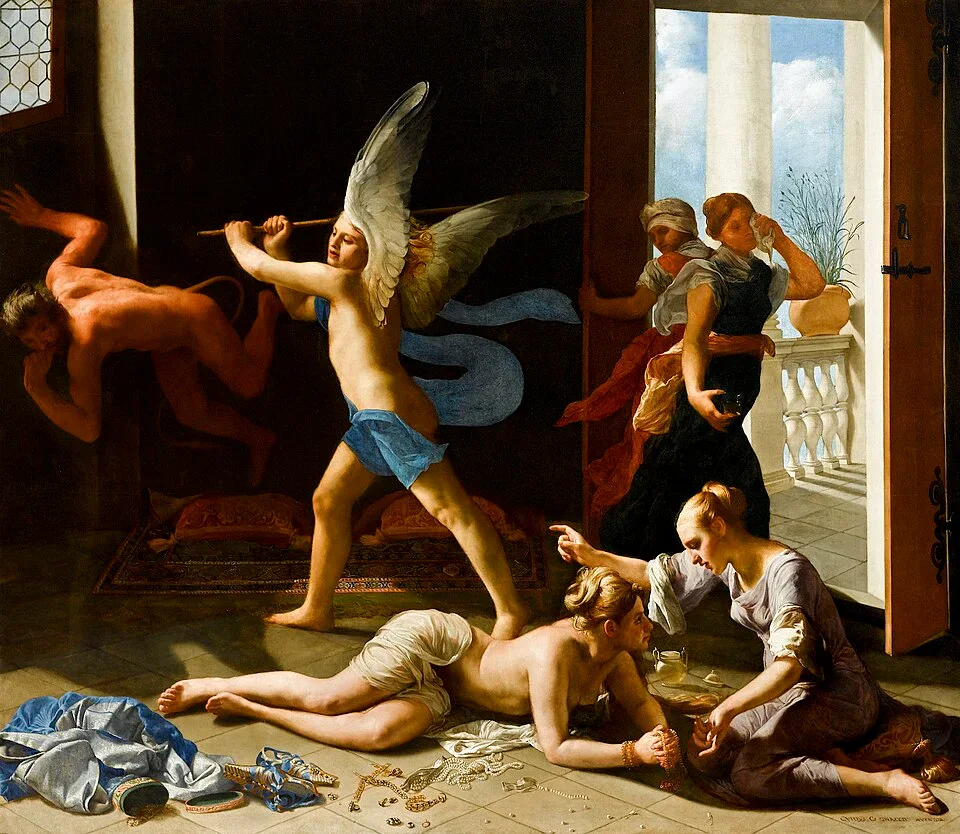
The Repentant Magdalene
Mary Magdalene wants to leave her old life behind. Jewels lie scattered around her, and a pearl necklace is partly broken, as if she tore it from her own neck. On the left, a dress and blue and gold shoes are laid out, painted down to the smallest detail. Those are the luxuries she is giving up. She lies on the ground, hands joined, covered only by a white cloth, beginning to repent. Across from her, Martha urges her sister to abandon a life of vice and sin. Behind them, a half naked angel drives a demon out of the house with a stick. The demon takes one last look at her and bites his finger. Angel and demon stand for virtue and vice, echoing the change in Mary. Cagnacci returned to this subject more than once. By 1665 it was in the Duke of Mantua's collection. In 1711 it went to England, and stayed with the Portland family for about two hundred and fifty years. Norton Simon bought it at auction in 1981. Where it was painted is not known.
Listen in the appGuido Cagnacci · Public domain
09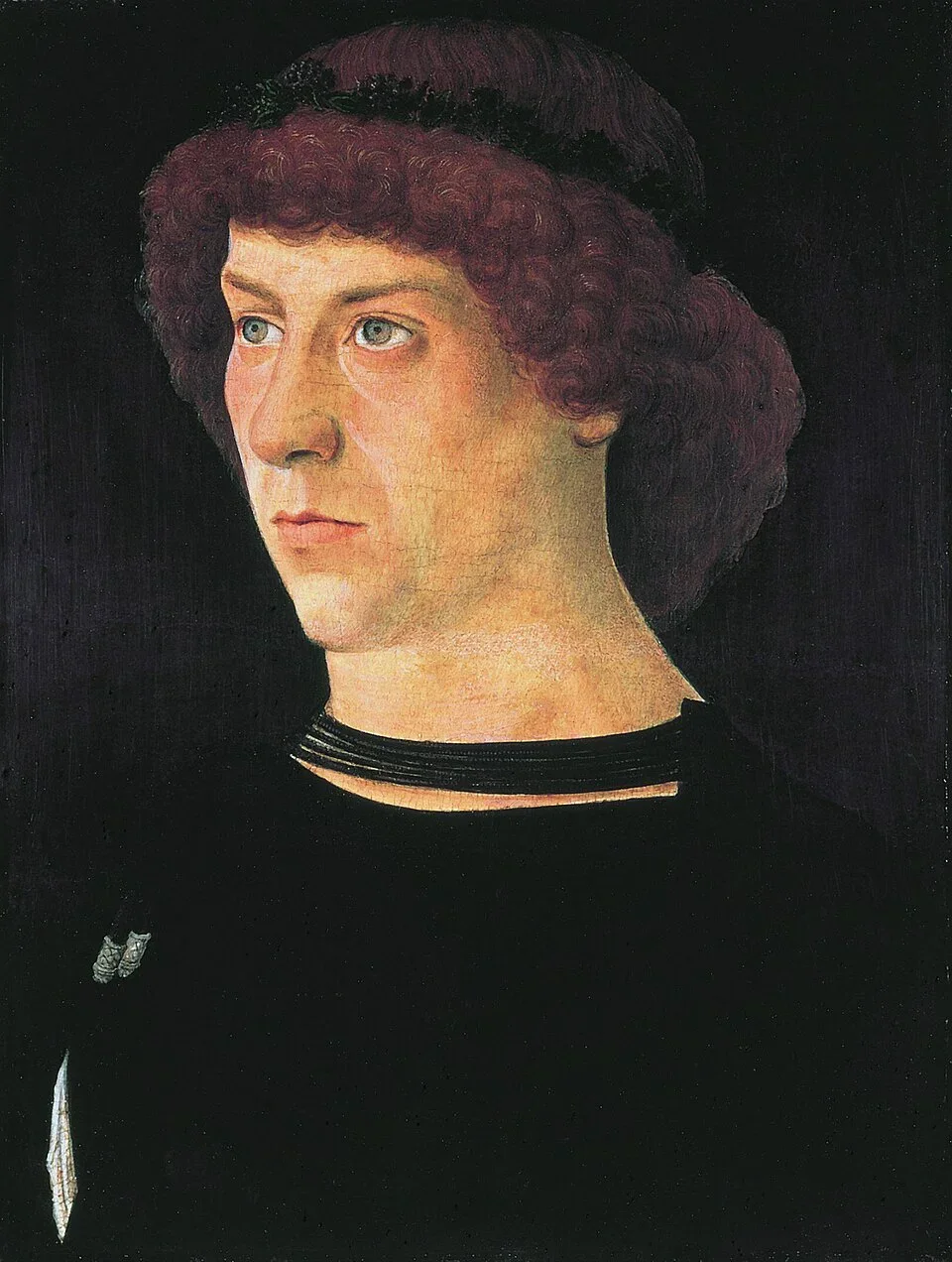
Portrait of Joerg Fugger
A young man in black, turned three quarters to the left, shown to the waist against a very dark blue background. Reddish curls and a garland crown his head. His expression stays fixed, almost turned from you. It gives almost nothing away, though every feature is there in detail, the curls and cords and bows picked out one by one. Whoever ordered this portrait wanted a face that hid private feeling. Only the garland gives something away. It tells you this young man had studied the humanities. The turned pose was new in Venice, borrowed from northern portraits. He may have asked for it himself, since he knew them. An inscription once carried his name and the day, the twentieth of June 1474, so we know exactly who sits here and when. Bellini was among the first Italian painters to work in oil. He spent his care on the shapes instead, the curve of the neck against the cheek, the garland against the mass of curls. Once in Pasadena, a horizontal crack meant the panel had to be thinned and given a new backing.
Listen in the appGiovanni Bellini · Public domain
10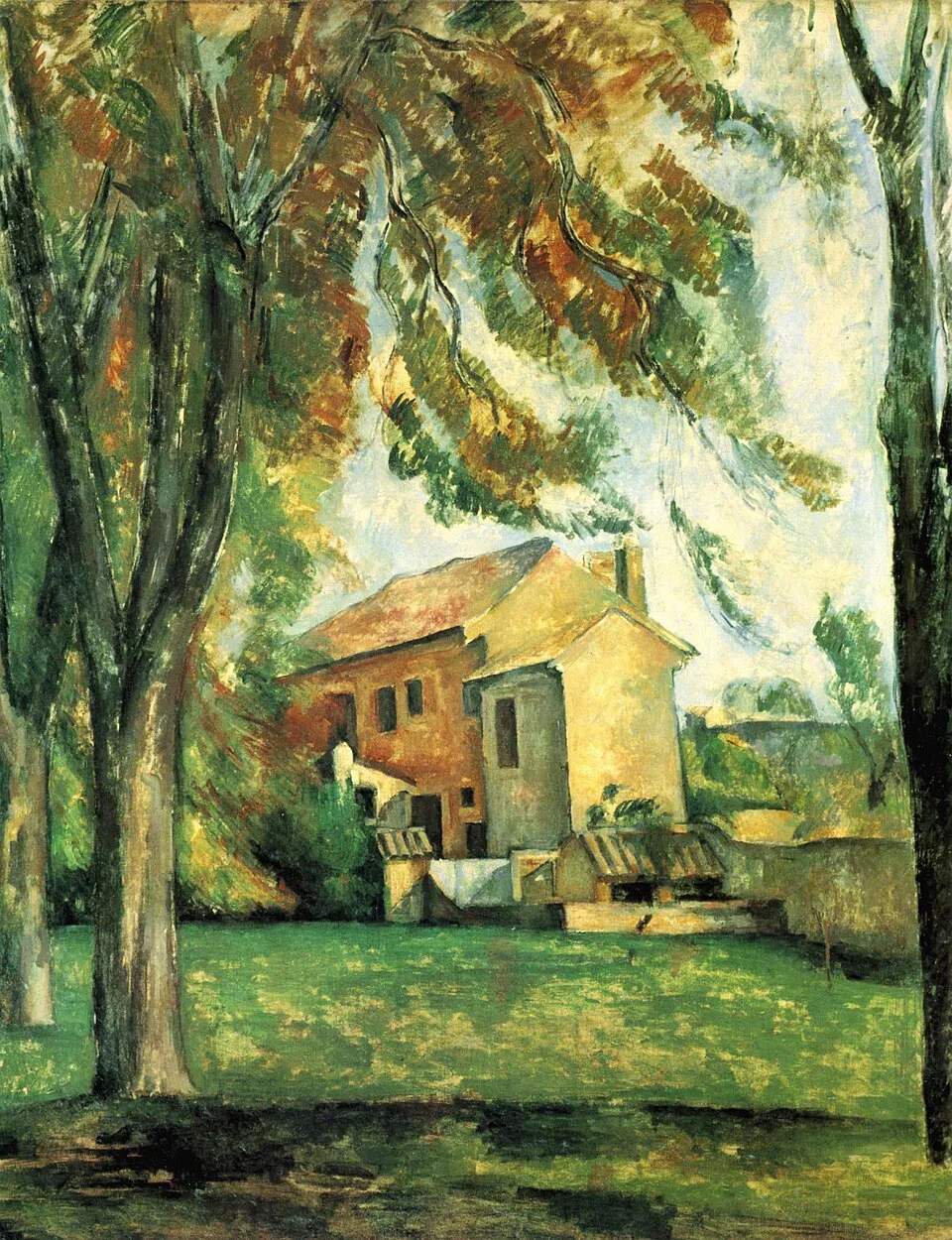
Farmhouse and Chestnut Trees at Jas de Bouffan
A farm made of plain geometric shapes sits among chestnut trees in autumn foliage. The building is all angles and solid volumes, the trees all leaves, and Cézanne set the two against each other. This is the farm on the family estate near Aix-en-Provence, standing right beside the country house at Jas de Bouffan. He painted it to give to one of his servants.
Listen in the appPaul Cézanne · Public domain
- 11
Portrait of Baron Joseph-Pierre Vialetès de Mortarieu
Jean-Auguste-Dominique Ingres · 1805
- 12
Woman in Moorish Costume
Frédéric Bazille · 1869
- 13
Manusso Theotokopoulos
El Greco · c. 1604
- 14
Portrait of Anne of Austria
Peter Paul Rubens · 1621–1625
- 15
David Slaying Goliath
Peter Paul Rubens · c. 1616
- 16
The Laundress
Edgar Degas · 1875
- 17
Still Life with a Poem
Juan Gris · 1915
- 18
Venise, La Piazetta
Jean-Baptiste Camille Corot · c. 1835–1845
- 19
Unfinished Portrait of a Boy
Rembrandt · c. 1655–1660
- 20
At Renoir's Home, rue St. Georges
Pierre-Auguste Renoir · 1876
- 21
The Pont des Arts, Paris
Pierre-Auguste Renoir · 1867–1868
- 22
Adam and Eve
Lucas Cranach the Elder · 1530
- 23
The Suicide of Cleopatra
Guercino · c. 1621–1622
- 24
Resurrection
Dieric Bouts · 1450–1460
- 25
Exotic Landscape
Henri Rousseau · 1910
- 26
The Holy Family with the Infant St. John the Baptist and St. Elizabeth
Nicolas Poussin · c. 1651
- 27
Saint Cecilia
Guido Reni · 1606
- 28
Mercury and Herse
Gerard Hoet · 1710
- 29
Still Life with Cherries, Strawberries and Gooseberries
Louise Moillon · 1630
Norton Simon Museum
Frequently asked questions
How much does the guide cost?
Free app download. Free until 1 January. Listed guide price: $0.99. Audio guide only. Venue admission is separate.
Can I listen without internet?
Yes. Download the guide’s audio, images, and maps in the app before your visit. Your downloaded content is then available offline.
Can I listen in my language?
In English for now. More languages soon.
Do I need to follow a schedule?
No. This is a self-guided experience. Choose your stops, pause whenever you like, and return to a story at your own pace.
Which artworks are in the Norton Simon Museum audio guide?
29 artworks, including Portrait of the Artist's Mother (Vincent van Gogh), Madonna and Child with the Book (Raphael), Waiting (Edgar Degas), Still Life with Lemons, Oranges and a Rose (Francisco de Zurbarán), Monument to Balzac (Auguste Rodin), The Mulberry Tree (Vincent van Gogh), Wine is a Mocker (Jan Steen), and The Repentant Magdalene (Guido Cagnacci). The full list is on this page.
Is this the museum’s official audio guide?
No. Stanza is an independent audio guide app and is not affiliated with Norton Simon Museum. Museum admission is separate.
At your own pace
Explore Norton Simon Museum.
Download Stanza, then search for “Norton Simon Museum”.
Free app download · Guide price shown in the app
Keep exploring
Audio guides — United States
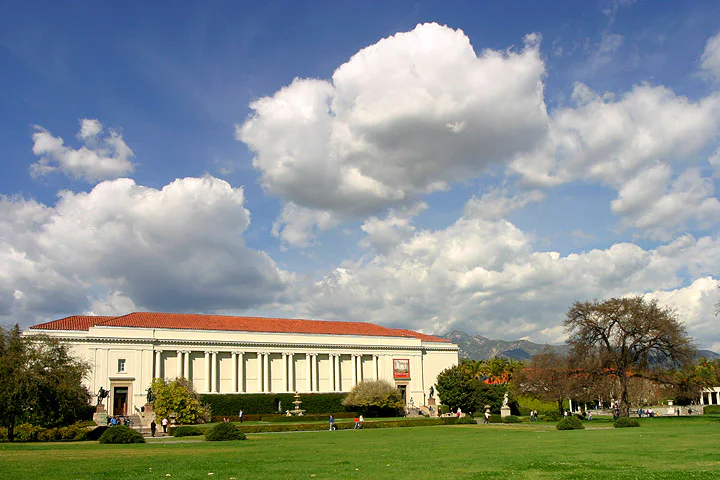
San Marino · 5 km
Huntington Library
Content & sources
By Aaron Logan · CC BY 1.0
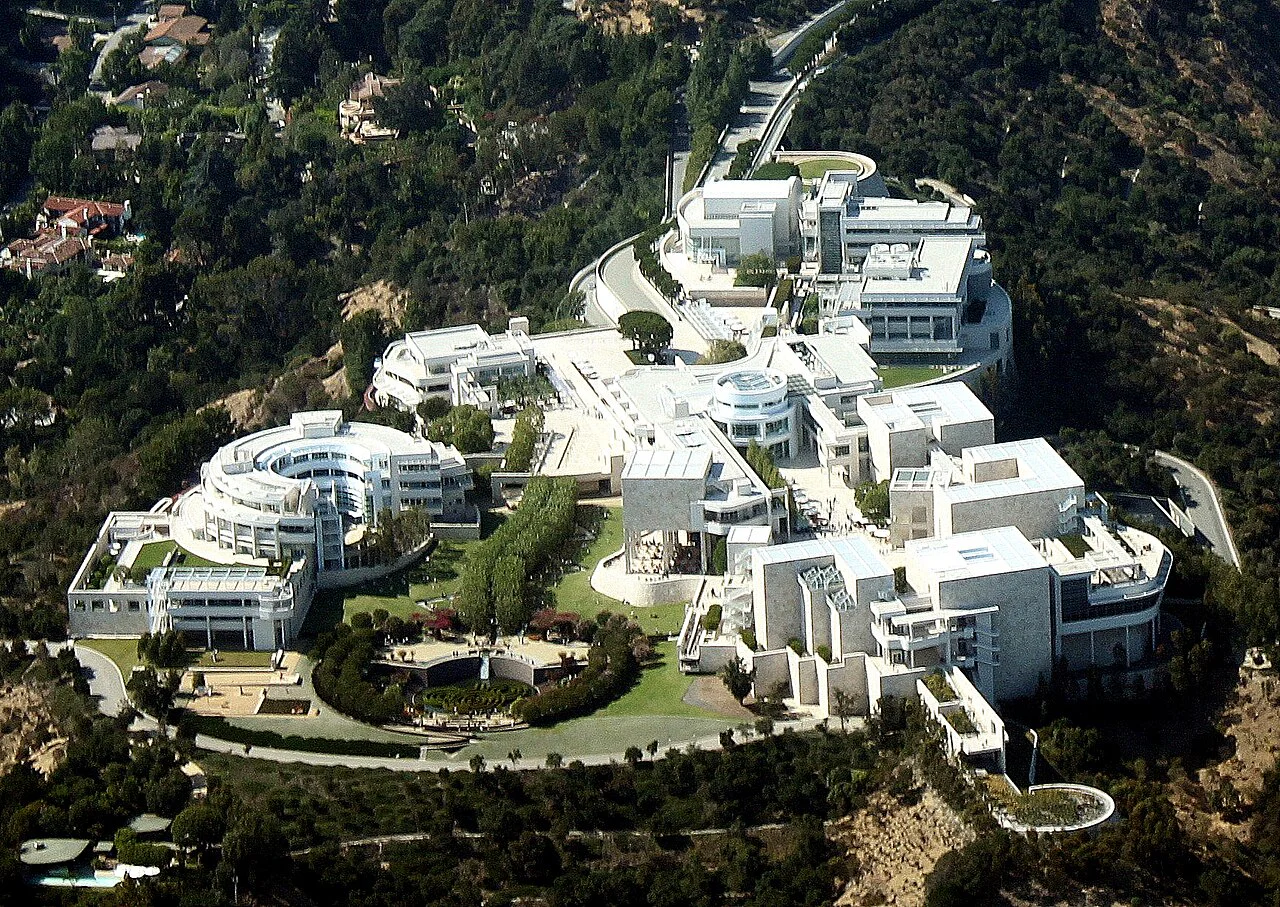
Los Angeles · 30 km
J. Paul Getty Museum
Content & sources
Jelson25 · Public domain
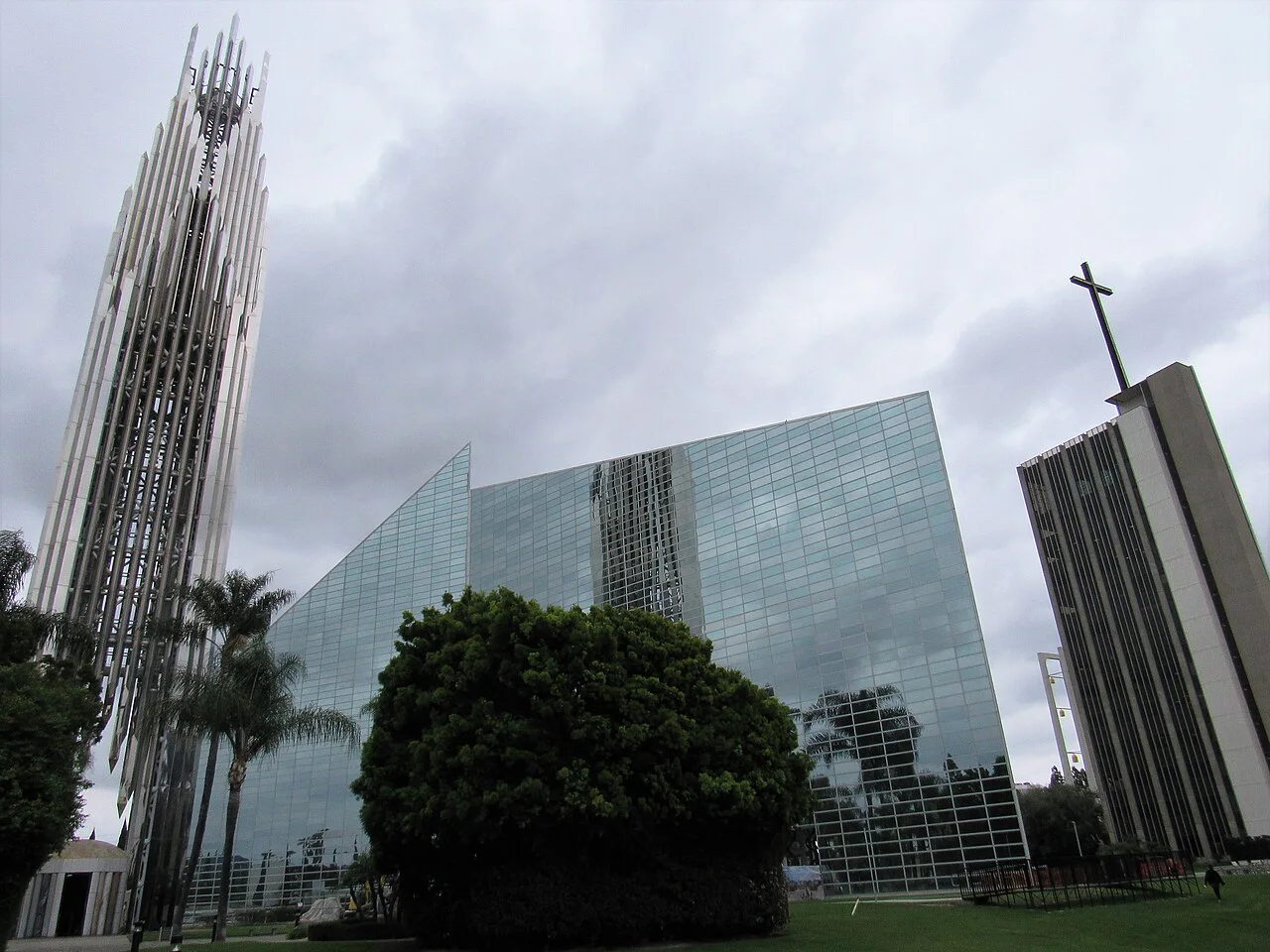
Garden Grove · 47 km
Christ Cathedral
Content & sources
Photo: Farragutful · CC BY-SA 4.0
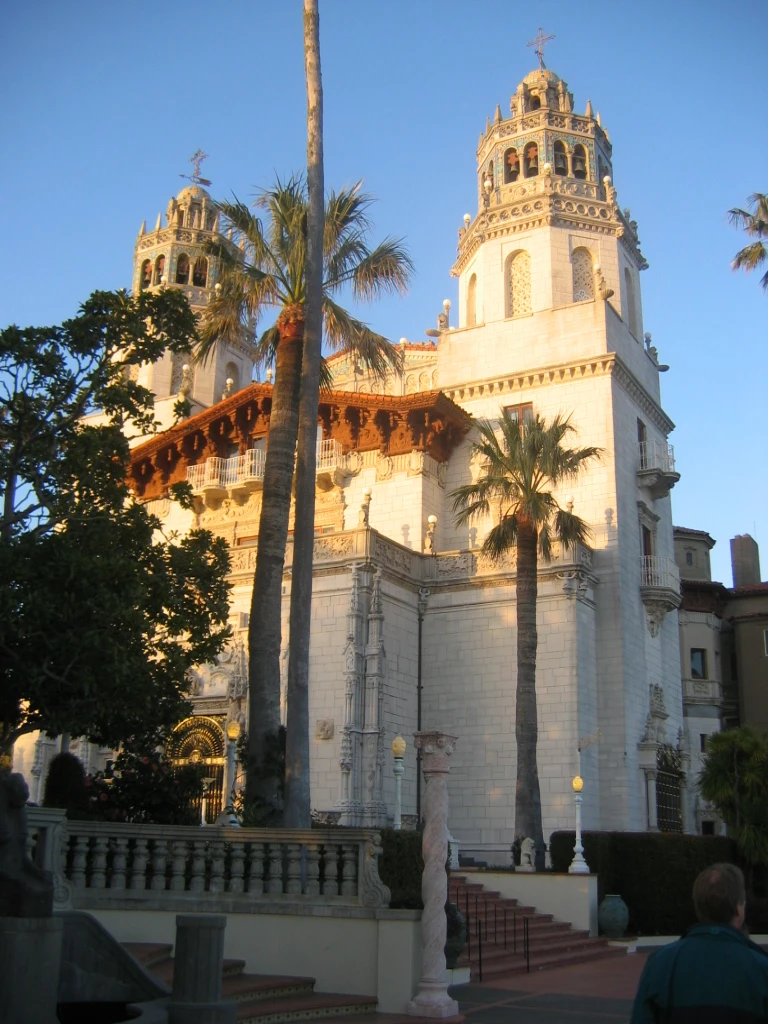
San Simeon
Hearst Castle
Content & sources
No machine-readable author provided. Urban~commonswiki assumed (based on copyright claims). · CC BY-SA 3.0
Art museums
More art museum audio guides
San Marino · 12 artworks
Huntington Library
Content & sources
By Aaron Logan · CC BY 1.0
Los Angeles · 69 artworks
J. Paul Getty Museum
Content & sources
Jelson25 · Public domain
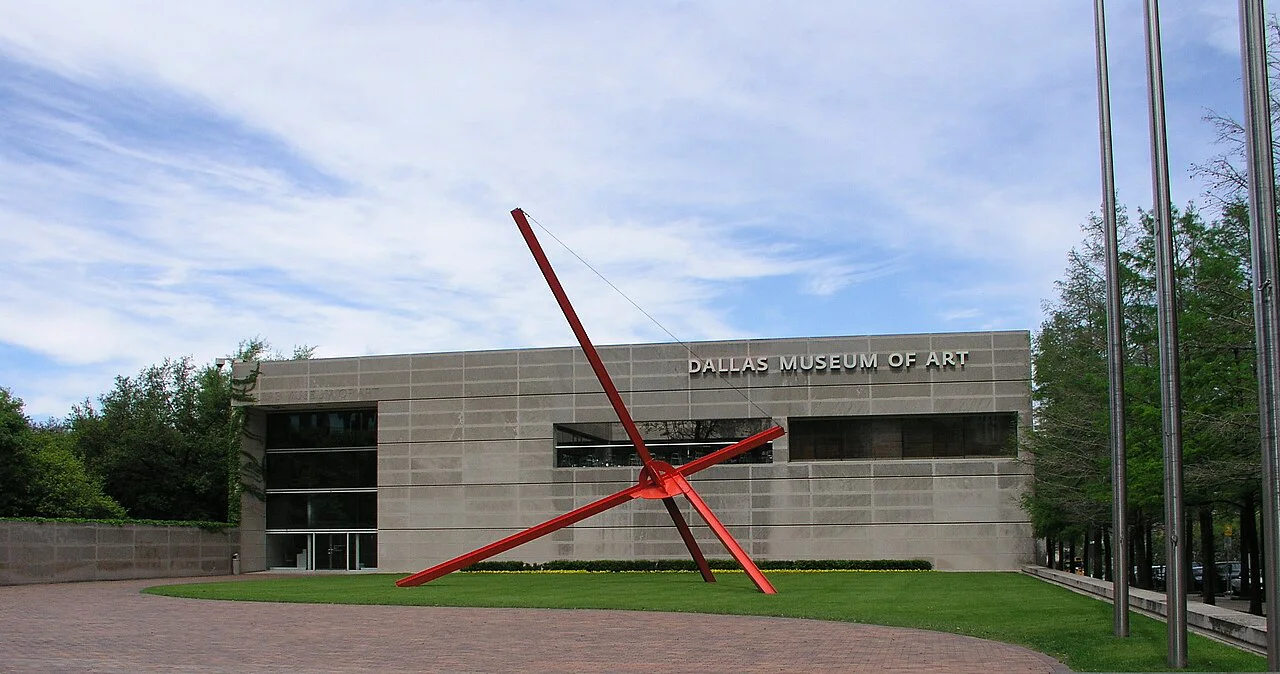
Dallas · 31 artworks
Dallas Museum of Art
Content & sources
KeithJonsn at English Wikipedia · CC BY-SA 3.0
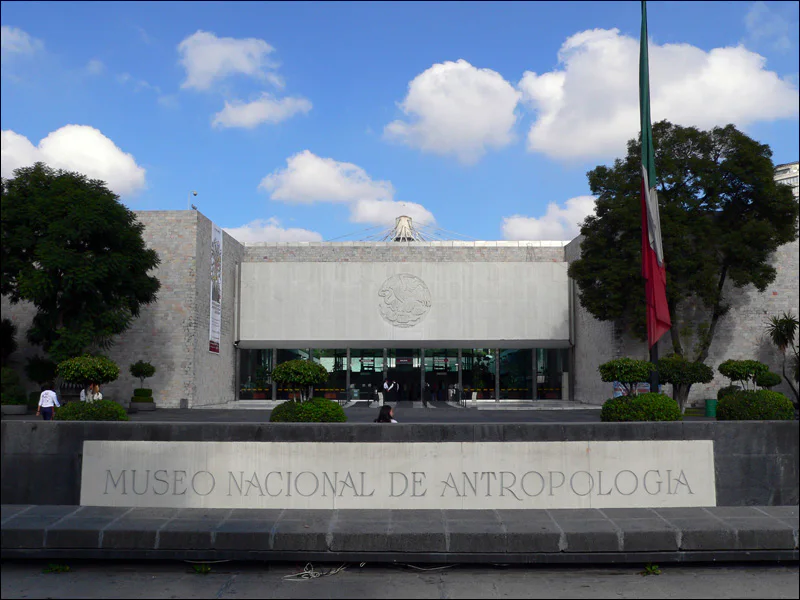
Mexico City · 19 artworks
Museo Nacional de Antropología
Content & sources
Photo: Kornemuz · CC BY-SA 3.0
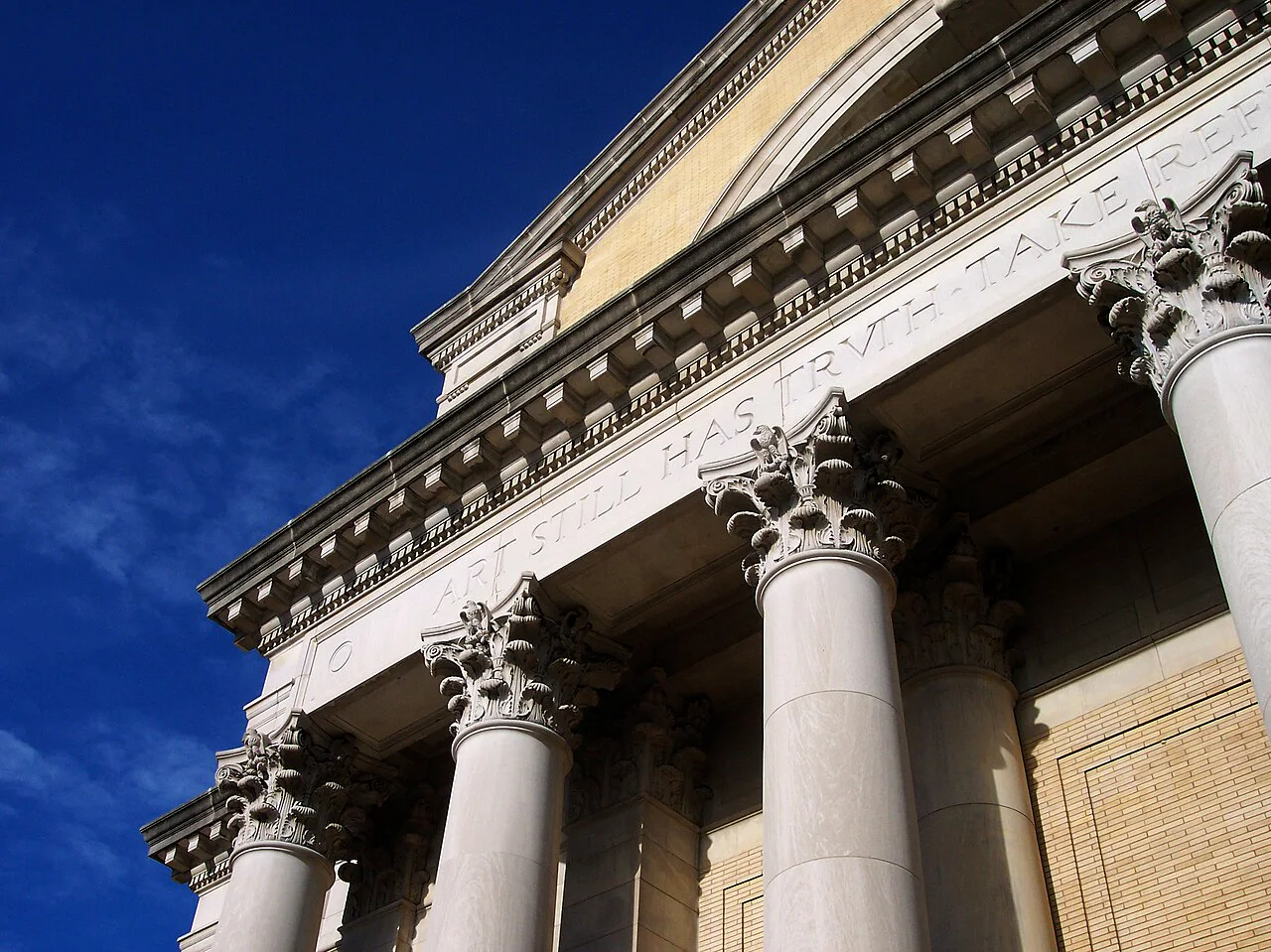
St. Louis · 38 artworks
Saint Louis Art Museum
Content & sources
Photo: Colin.faulkingham~commonswiki · Public domain
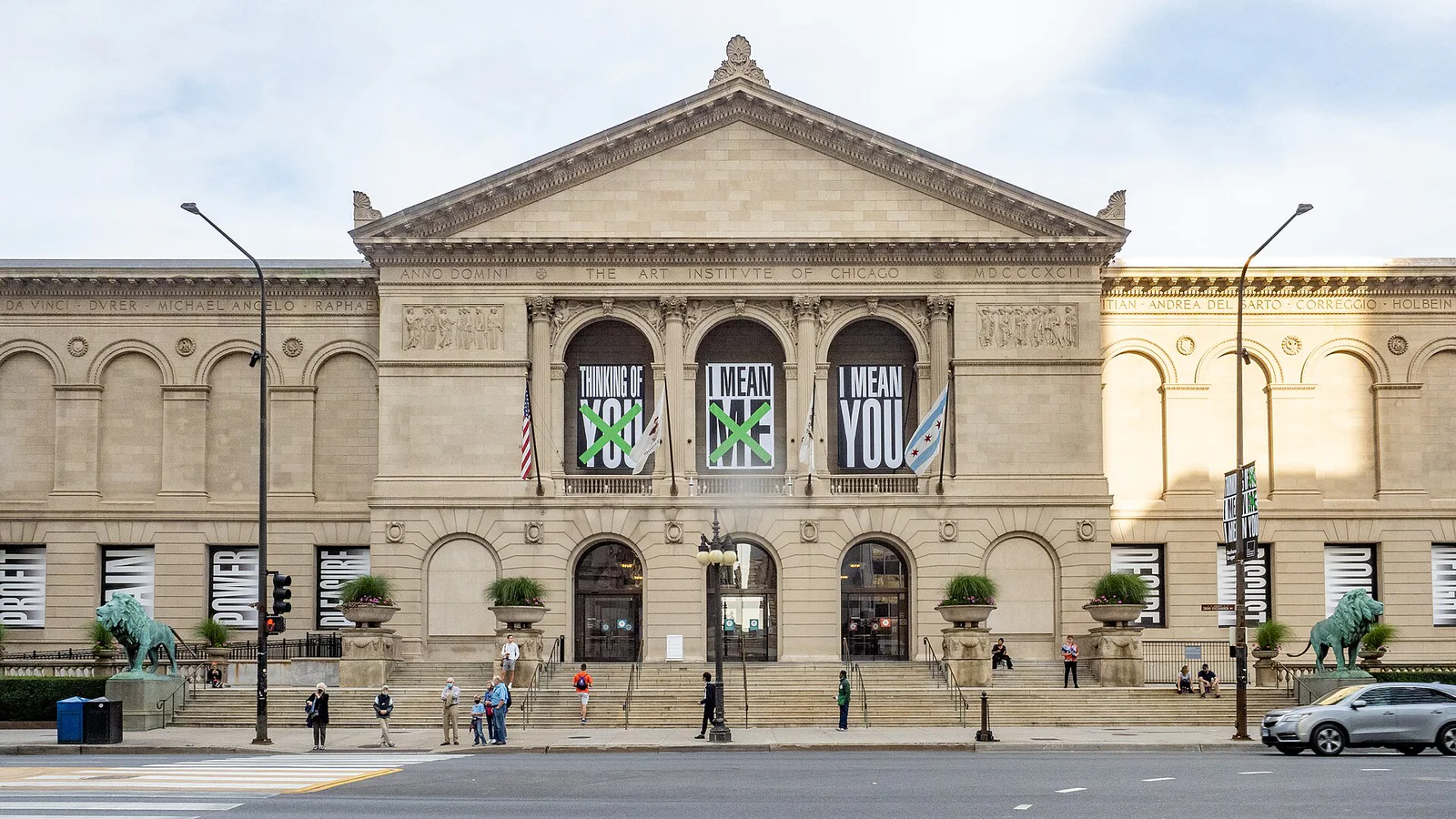
Chicago · 67 artworks
Art Institute of Chicago
Content & sources
ajay_suresh · CC BY 2.0