 Stanza / Audio guide
Stanza · Audio guide
Hearst CastleAudio guide
A place to remember. A story to take with you.
Hearst Castle is a National Historic Landmark and California Historical Landmark located on the Central Coast of California. It is a grand mansion and architectural landmark now operating as a state historic…
Download Stanza, then search for “Hearst Castle”.
About the tour
One guide. Your kind of visit.
Hearst Castle is a National Historic Landmark and California Historical Landmark located on the Central Coast of California. It is a grand mansion and architectural landmark now operating as a state historic park.
Ready when you are.
- 01Get the free Stanza app.
iOS & Android
- 02Find your guide.
“Hearst Castle”
- 03Download before you go.
Works offline
Audio guide / 21 narrated stops
Inside the guide
Get to know a few of the stories before you go. Open a stop to read more.
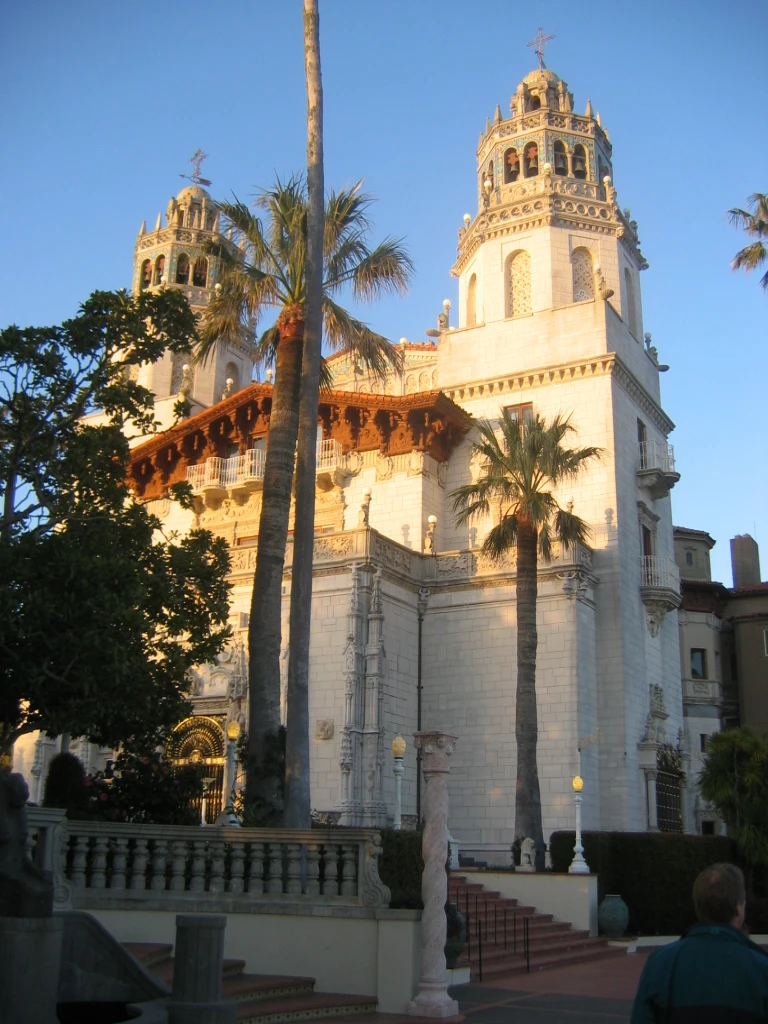
01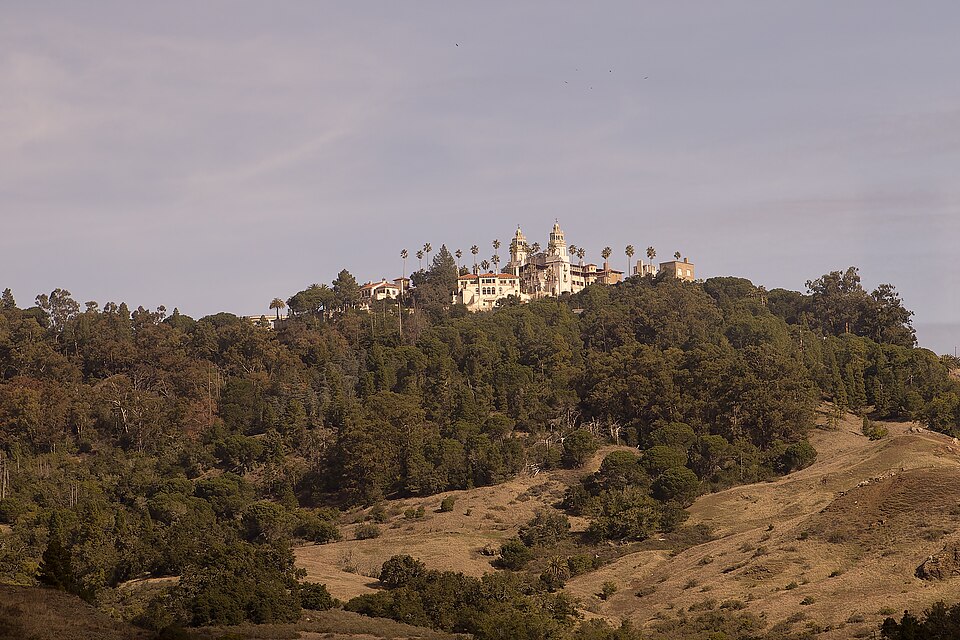 Arrival at La Cuesta EncantadaThe Enchanted Hill
Welcome to Hearst Castle, or "La Cuesta Encantada," as William Randolph Hearst called it. Perched 1,600 feet above the Pacific coastline, this sprawling estate sits on land that was once a 250,000-acre cattle ranch. What began as a simple family camping spot evolved over nearly thirty years into a massive 165-room complex. You have just completed a five-mile shuttle ride up the winding road to reach this summit, ascending from the coastal fog to the clear mountain air of the Santa Lucia range. From this vantage point, Hearst could overlook his vast holdings while entertaining the world's most famous figures. The scale of the project is difficult to grasp until you are among the buildings, where Mediterranean-style villas and a cathedral-like main house create a singular skyline against the blue California sky. Every detail, from the terraced gardens to the grand structures, reflects Hearst's ambition to create a permanent monument to his eclectic collections and his love for European architecture. As we begin our walk, consider how this remote ridge was transformed into one of the most sophisticated social hubs of the early twentieth century. These buildings remain as they were when guests arrived for weekend retreats on the California coast.
Clyde Charles Brown · CC BY-SA 4.0
02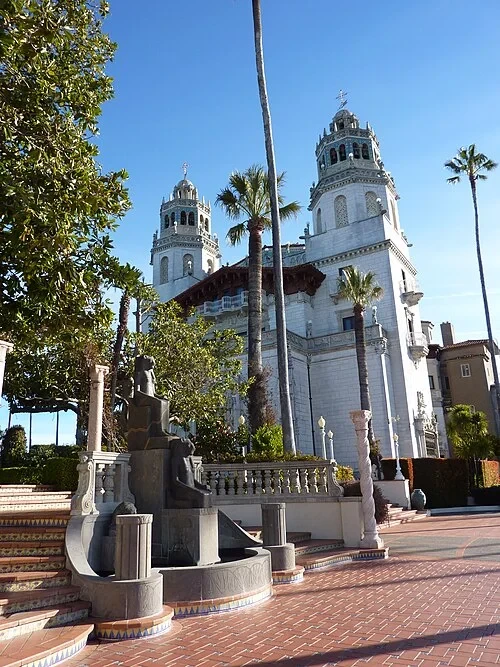 The Esplanade and GardensThe Egyptian Fountain
Behind the design of this entire estate was Julia Morgan, the first woman licensed as an architect in California. She maintained a remarkable twenty-eight-year collaboration with William Randolph Hearst, translating his grand ideas into technical reality. This fountain showcases one of Hearst's signature design philosophies: mixing vastly different historical eras in a single view. The four dark figures you see are ancient Egyptian statues of the goddess Sekhmet, known as the goddess of war and healing. These authentic artifacts were brought here from Egypt and integrated into the modern California landscape. They provide a powerful contrast to the Mediterranean and Spanish influences found elsewhere on the grounds. Morgan’s skill lay in her ability to anchor such ancient, heavy pieces within a functional and aesthetically pleasing environment. By placing these four-thousand-year-old figures around a flowing fountain, Hearst and Morgan created a space that feels both timeless and deeply personal. It serves as an early hint of the treasures waiting inside the buildings, where ancient tapestries hang near modern systems, and stone sits nestled within reinforced concrete walls designed to withstand the region's earthquakes. Hearst frequently rearranged these outdoor artifacts until the composition met his specific vision for the Enchanted Hill.
Photo: Erdrokan · CC BY-SA 3.0
03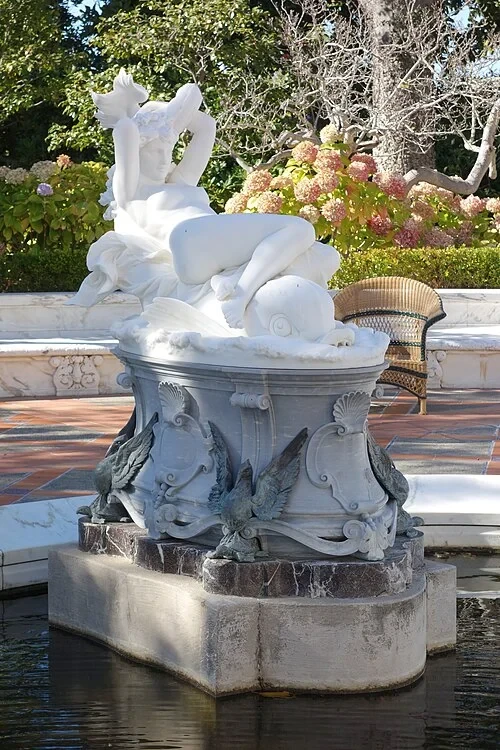 The Esplanade and GardensGalatea on a Dolphin
Standing gracefully among the greenery is a white marble sculpture titled "Galatea on a Dolphin." It was carved by the artist Leopoldo Ansiglioni and depicts a scene from Greek mythology. Galatea, a sea-nymph or Nereid, is shown in a relaxed pose atop the back of a dolphin, her hair flowing as if caught in a coastal breeze. Hearst frequently used classical European garden art like this to provide a sense of structure and history to the pathways connecting his guest houses. By placing high-quality marble works in the outdoor spaces, he bridged the gap between the untamed natural beauty of the California coast and the refined luxury of the estate’s interior. The bright stone stands out against the dark foliage and the blue of the sky, acting as a visual anchor for visitors moving between the various villas. These sculptures were not just decorations; they were part of a deliberate effort to recreate the feel of a traditional European manor garden on a remote American ridge. The choice of a sea-themed subject is particularly fitting given the estate's proximity to the Pacific Ocean, which can often be seen shimmering in the distance from this very spot. The sculpture remains an example of how Hearst utilized classical subjects to frame the modern views of the California coastline.
Listen in the appPhoto: Daderot · Public domain
04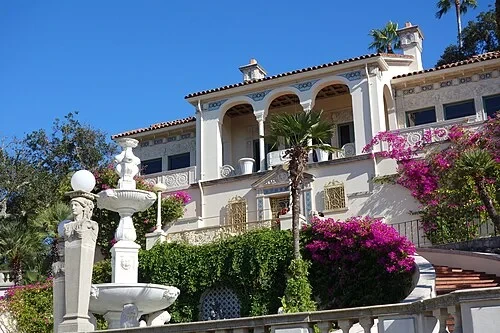 The Guest Houses: Casa del Sol and Casa del MarHouse of the Sun
Casa del Sol, or the "House of the Sun," was specifically oriented to capture the light of the setting sun over the Pacific Ocean. This eighteen-room guest house is a prime example of the Mediterranean style that Julia Morgan and Hearst favored for the estate's villas. Notice the vibrant bougainvillea that climbs across the pale walls, adding a splash of natural color that complements the intricate tilework. Much of the decorative tiling here draws inspiration from Persian designs, featuring geometric patterns and deep colors that reflect Hearst's interest in the Near East. Interestingly, while many elements of the castle are authentic antiques, others are clever reproductions. The stonework around the windows and doors often uses cast-stone—a specialized concrete mixture—to mimic the texture and appearance of aged European limestone. This allowed Morgan to create a cohesive look while ensuring the buildings could endure the California climate. The villa’s layout includes multiple levels and private terraces, providing guests with secluded spots to enjoy the coastal views. It represents the high standard of luxury for the time, offering friends and family of the Hearst family a Mediterranean escape that felt worlds away from the busy cities of the coast. Hearst and Morgan spent years perfecting the terraces to maximize the visual impact of the Pacific horizon.
Listen in the appPhoto: Daderot · CC0
05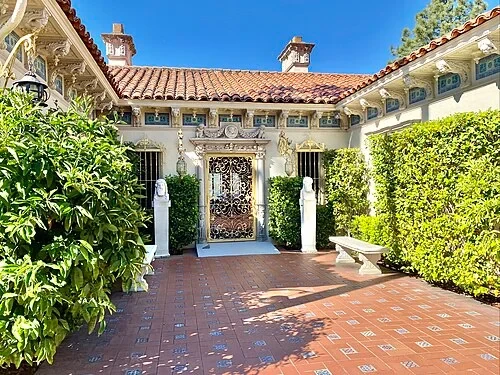 The Guest Houses: Casa del Sol and Casa del MarHouse of the Sea
Casa del Mar, the "House of the Sea," holds a special place in the history of the Enchanted Hill as the largest of the three guest houses. In fact, William Randolph Hearst lived here himself for several years while the main house, Casa Grande, was still under construction. This villa feels more like a private residence than temporary guest quarters, featuring an intimate courtyard that provides a sense of enclosure and privacy. One of its most striking features is the gold-leafed gate, which adds a touch of regal elegance to the entrance. The architectural details here are more personal, reflecting Hearst's own tastes before the grander scale of the main house took over the project. The courtyard design encourages outdoor living, with paths that lead to secluded garden nooks and viewpoints overlooking the coastline. Hearst’s presence is still felt in the proportions of the rooms and the quality of the finishes. Living here allowed him to supervise the daily progress of the massive construction site just up the hill. Even today, the villa retains a quieter, more domestic atmosphere than the cavernous halls of the main building, offering a glimpse into the lifestyle Hearst enjoyed when he was not hosting dozens of guests at once in the primary social rooms.
Listen in the appWarren LeMay from Chicago, IL, United States · CC BY-SA 2.0
06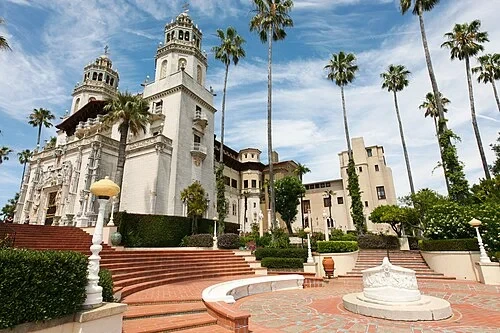 Casa Grande: The Main FacadeFacade of Casa Grande
The towering facade of Casa Grande serves as the architectural centerpiece of the entire estate. Its twin bell towers reach a height of 137 feet and were inspired by the Church of Santa María la Mayor in Ronda, Spain. This dramatic skyline gives the main house its cathedral-like appearance, a look that Hearst and Julia Morgan meticulously refined over many years. While the exterior looks like ancient stone, the structure is actually built from reinforced concrete. Julia Morgan insisted on this material to ensure the building could withstand California's frequent earthquakes. To achieve the desired historic aesthetic, the concrete was faced with limestone, blending modern engineering with traditional European materials. The bells in the towers are not merely decorative; they were a gift from Hearst's mother, Phoebe Apperson Hearst, and their ringing once signaled the start of dinner or other social gatherings. The facade is covered in intricate carvings and niches, many of which house authentic sculptures from Hearst's vast collection. This blend of Spanish Renaissance style and early twentieth-century American engineering defines the unique character of the castle. Standing before this massive structure, the sheer ambition of the project becomes clear, representing a decades-long effort to create a permanent home for a world-class art collection in a remote mountain setting. It remains California's most ambitious private residence.
Listen in the appPhoto: Proimos · CC BY-SA 3.0
07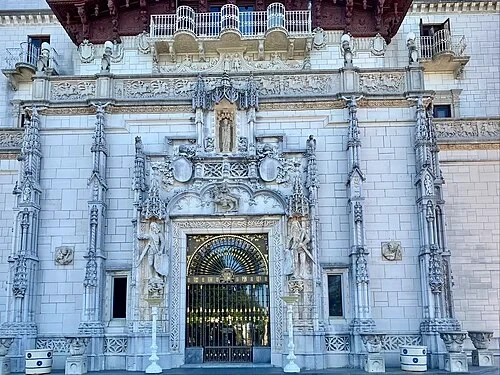 Casa Grande: The Main FacadeThe Main Entrance
Stepping toward the main entrance of Casa Grande, you encounter a perfect example of William Randolph Hearst’s "integrated antiquities" philosophy. Rather than simply displaying his art collection in a gallery, Hearst had Julia Morgan build it directly into the fabric of the building. This central portal is an authentic sixteenth-century Spanish architectural element that was shipped from Europe and carefully set into the modern concrete wall. Above the doorway, you can see intricate stone carvings depicting Mary and the Christ Child, surrounded by saints and delicate floral motifs. This portal sets the tone for the entire interior, where ancient artifacts and modern living spaces are combined. The craftsmanship of the original Spanish masons is still evident in the weathered stone, providing a sense of age and gravity that new construction alone could not achieve. Hearst believed that living with art was far superior to merely observing it, and this entrance served as the threshold into a world where history was a part of daily life. The heavy doors and the shadowed archway create a sense of transition, leading from the bright California sunshine into the grand, dimly lit halls where Hollywood stars and world leaders once gathered for Hearst's famous weekend parties. The combination of ancient craftsmanship and modern utility is evident in every stone of the archway.
Listen in the appWarren LeMay from Chicago, IL, United States · CC BY-SA 2.0
08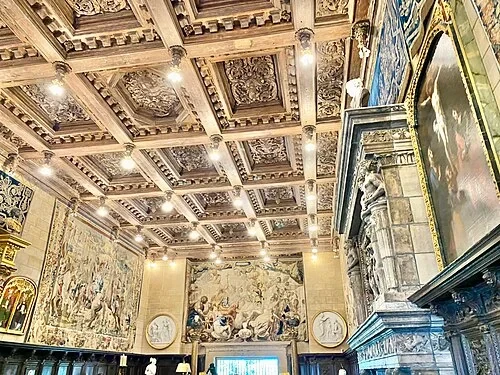 The Assembly RoomThe Assembly Room
The Assembly Room was the social center of life at Hearst Castle. At 2,500 square feet, this grand space was where guests would meet every evening for cocktails and conversation before dinner. Famous figures of the era, from Charlie Chaplin and Cary Grant to world leaders, spent their nights here, lounging on the sofas and discussing the events of the day. Looking around the walls, you see massive Flemish tapestries that add warmth and a sense of history to the cavernous room. These textiles depict scenes of mythology and history, serving as both art and decoration for the thick walls. Above you, a massive Italian Renaissance ceiling looks down on the room. Like many other features in the house, it was purchased in Europe and reassembled here to fit the proportions of the space. Despite its grand scale, the room was designed for comfort, with multiple seating areas arranged to encourage small-group socializing. Hearst himself would often be found here, moving from group to group. This room captures the essence of the San Simeon experience: a place where the most powerful and famous people in the world could relax surrounded by some of the finest art and architecture ever created. The sheer volume of the room allowed for large gatherings while maintaining an atmosphere of private luxury.
Listen in the appWarren LeMay from Chicago, IL, United States · CC BY-SA 2.0
09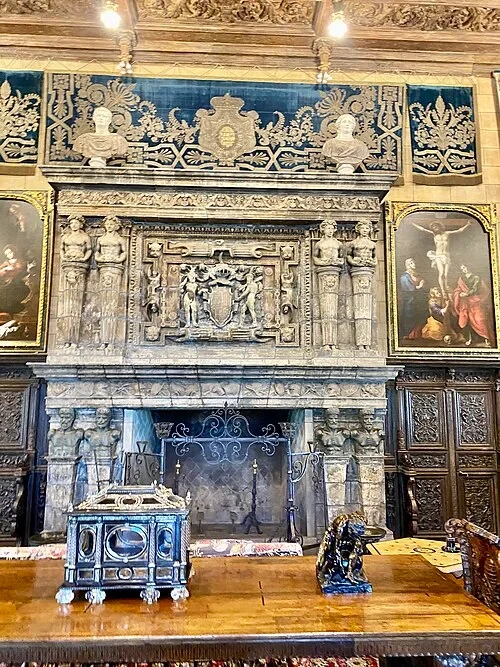 The Assembly RoomThe Great Fireplace
Dominating one end of the Assembly Room is the "Barney Mantel," a colossal fireplace that Hearst acquired from a sixteenth-century French chateau. Its massive scale is almost medieval, featuring heavy stone carvings and a deep hearth that could hold large logs. In the early days of the castle, before modern heating was fully realized, this fireplace was essential for keeping guests warm during the damp, foggy evenings typical of the Central Coast. Hearst’s guests would often huddle near the fire, creating a cozy contrast to the high-society glamour found elsewhere in the room. The mantel’s height and intricate detail make it a work of art in its own right, showcasing the exceptional skill of French Renaissance stone carvers. It serves as a reminder of Hearst’s voracious appetite for European architectural fragments. By incorporating such a significant piece into his main living space, he provided a sense of permanence and ancestral history that was rare in California at the time. The flickering firelight against the carved stone and the surrounding tapestries created a dramatic atmosphere, setting the stage for the legendary parties that took place within these walls. It remains one of the most prominent and recognizable interior features of the entire estate, often serving as the primary backdrop for photographs of the room.
Listen in the appWarren LeMay from Chicago, IL, United States · CC BY-SA 2.0
10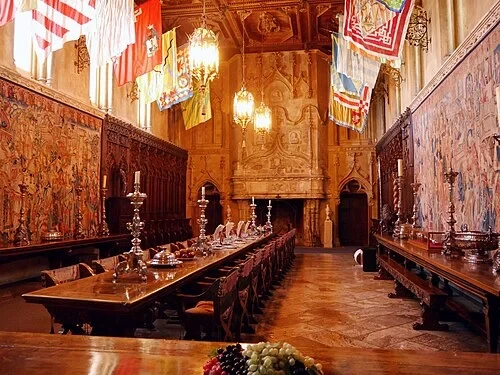 The RefectoryThe Refectory
The Refectory served as the sole dining hall for everyone at Hearst Castle, from the owner to his most famous guests. It is a long, narrow room designed to resemble a medieval monastery dining hall, complete with heavy tables and high-backed chairs. Despite the formal atmosphere suggested by the architecture, meals here were often surprisingly casual. Hearst famously insisted that condiments like ketchup and mustard be served in their original glass bottles and containers, placed right alongside priceless silver service and fine china. This reflected his preference for a relaxed ranch-style atmosphere even in a palatial setting. Another notable rule in this room was Hearst’s strict "one-cocktail" policy. This was primarily enforced to manage the drinking of his longtime companion, actress Marion Davies, ensuring that social gatherings remained lively but controlled. High above the tables, silk banners from various European cities add color to the room, while a massive fireplace at one end provides warmth. Dining in the Refectory was a mandatory part of the guest experience, with Hearst sitting in the middle of the long table to ensure he could converse with as many people as possible. It was here that the day’s activities were planned and the evening’s movies were anticipated, making it a vital hub of daily life at the ranch.
Listen in the appAnna Irene from Frankfurt, Deutschland · CC BY-SA 2.0
Hearst Castle
Frequently asked questions
How much does the guide cost?
Free app download. Listed guide price: $0.99. Guide price shown in the app. Audio guide only. Venue admission is separate.
Can I listen without internet?
Yes. Download the guide’s audio, images, and maps in the app before your visit. Your downloaded content is then available offline.
Can I listen in my language?
Stanza supports 15 languages. Check the app for the languages available for this guide.
Do I need to follow a schedule?
No. This is a self-guided experience. Choose your stops, pause whenever you like, and return to a story at your own pace.
At your own pace
Explore Hearst Castle.
Download Stanza, then search for “Hearst Castle”.
Free app download · Guide price shown in the app
Keep exploring
Nearby audio guides
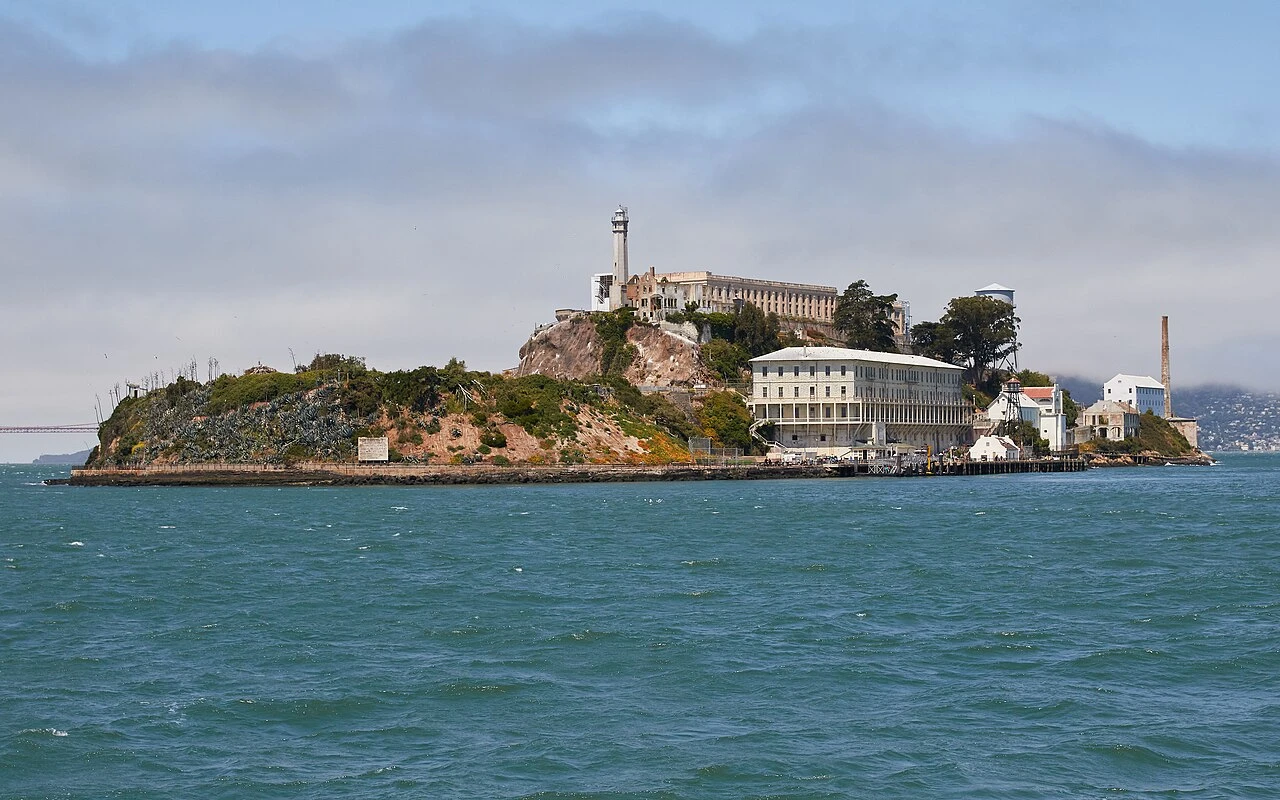
San Francisco
Alcatraz Island, Alcatraz
Content & sources
Photo: Frank Schulenburg · CC BY-SA 4.0
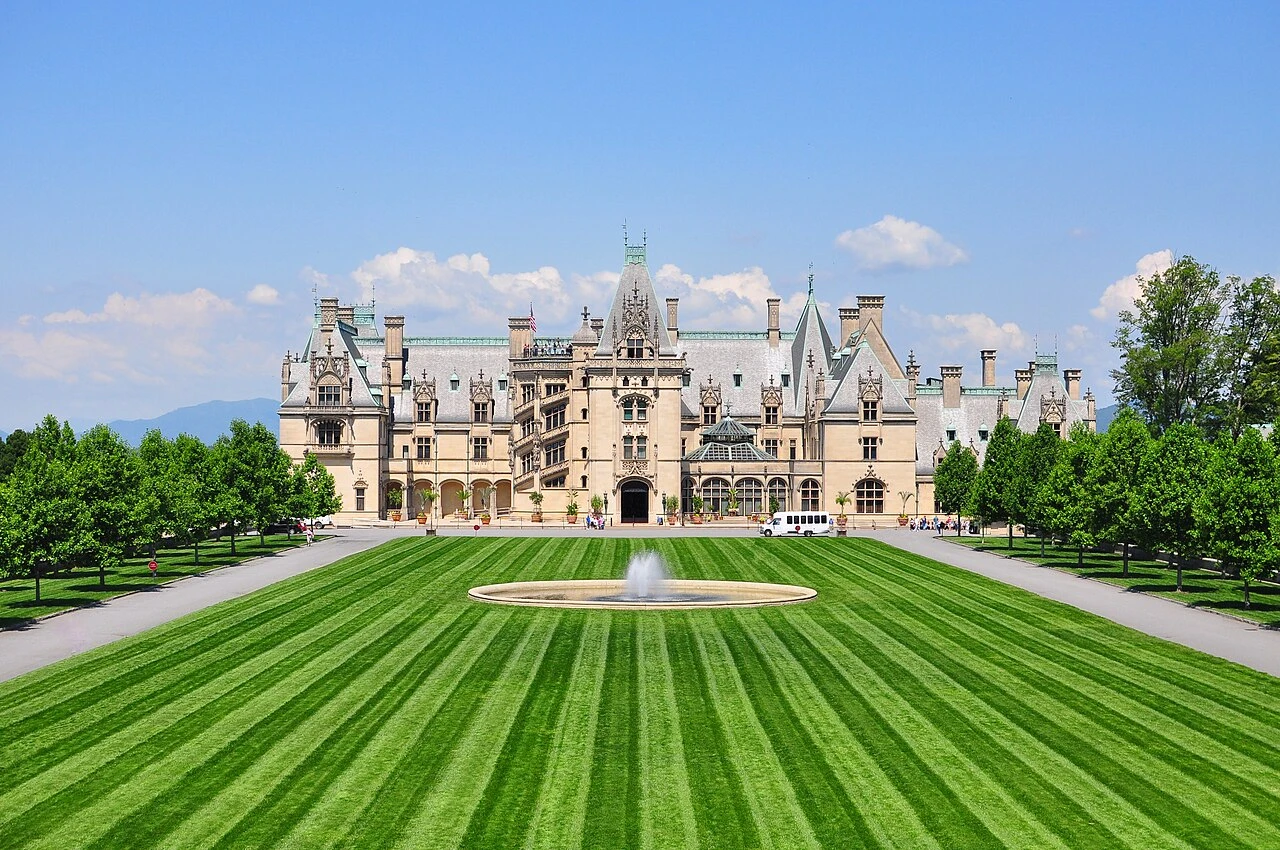
Asheville
Biltmore Estate
Content & sources
Blake Lewis · CC BY-SA 2.0
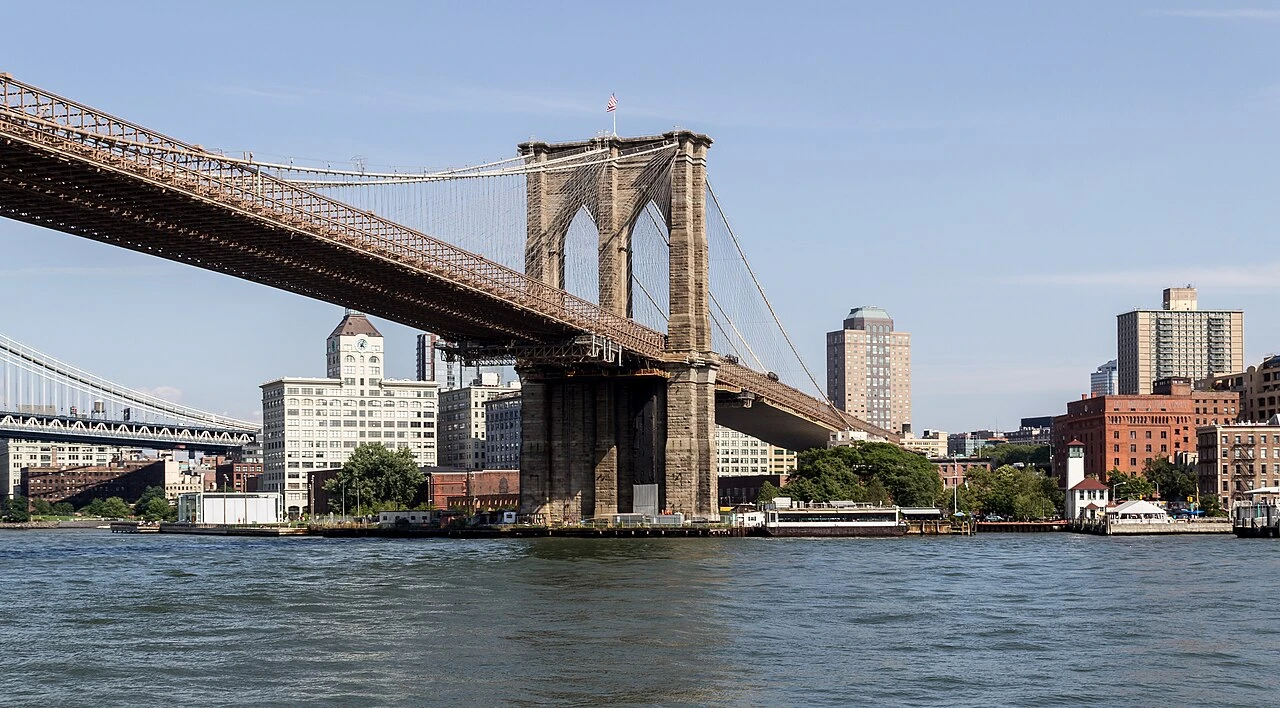
New York
Brooklyn Bridge
Content & sources
Dietmar Rabich · CC BY-SA 4.0
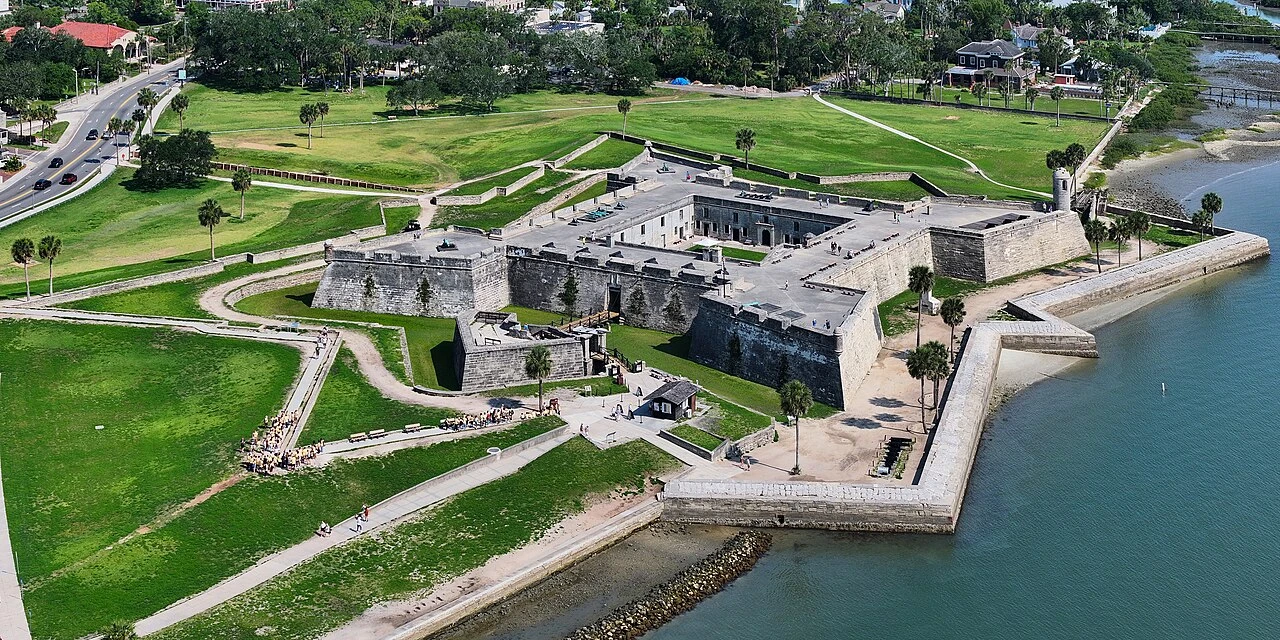
Saint Augustine
Castillo de San Marcos
Content & sources
Photo: Schwerdf · CC BY 4.0