Stanza · Audio guide
El Badi Palace Audio Guide
A place to remember. A story to take with you.
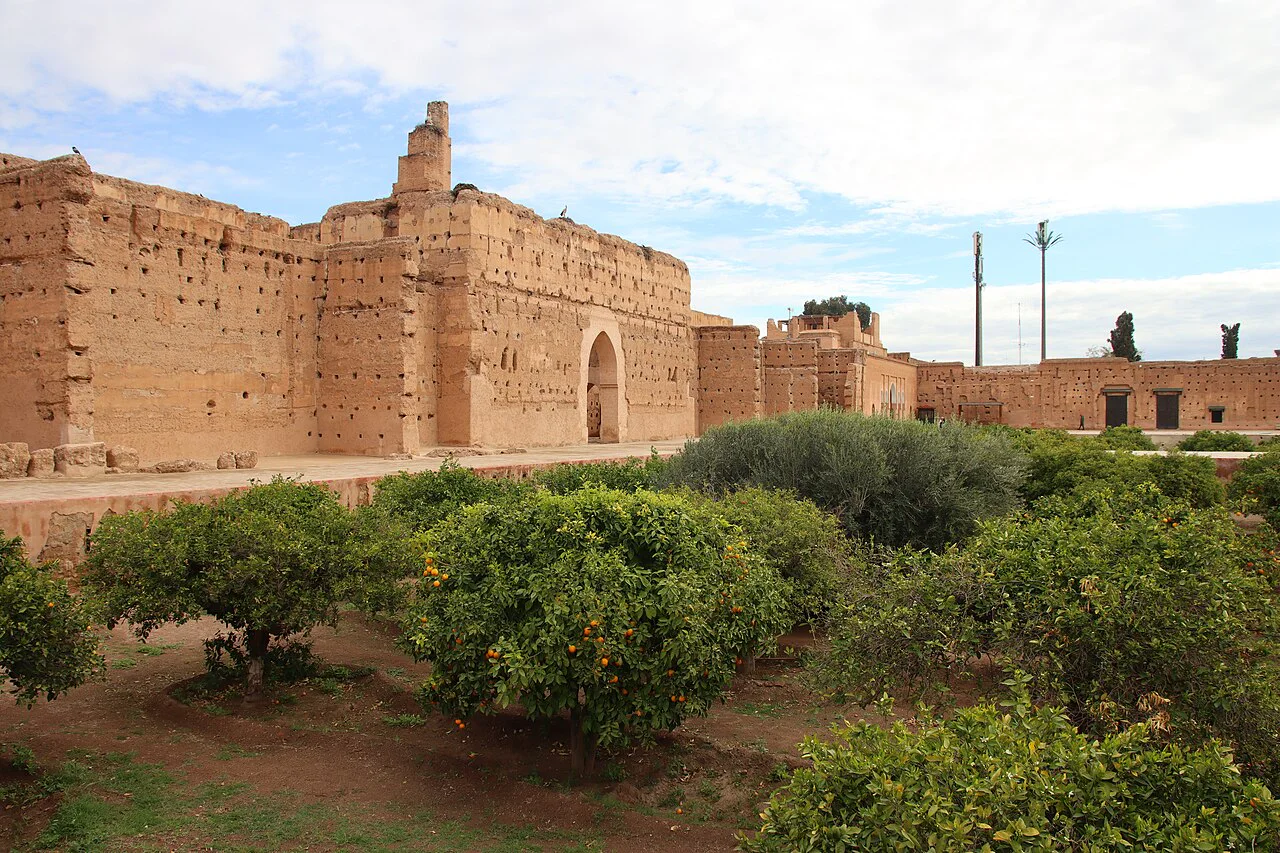
El Badi Palace is a ruined palace located in Marrakesh, Morocco. It was commissioned by the sultan Ahmad al-Mansur in 1578 to showcase his wealth and power.
Download Stanza, then search for “El Badi Palace”.
About the tour
One guide. Your kind of visit.
El Badi Palace is a ruined palace located in Marrakesh, Morocco. It was commissioned by the sultan Ahmad al-Mansur in 1578 to showcase his wealth and power.
Ready when you are.
- 01Get the free Stanza app.
iOS & Android
- 02Find your guide.
“El Badi Palace”
- 03Download before you go.
Works offline
Audio guide / 14 narrated stops
Inside the guide
Get to know a few of the stories before you go. Open a stop to read more.
01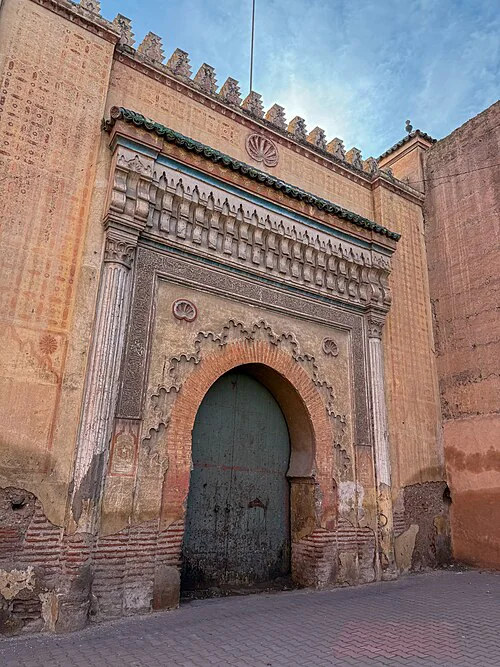 Kasbah Gate and Entrance Threshold
Bab Chkirou, Gate of the Kasbah
Welcome to El Badi Palace, on the south side of Marrakesh. The name el-Badi means the Incomparable, and it is one of the ninety-nine Names of God in Islam. Sultan Ahmad al-Mansur may have chosen it when he commissioned the palace, a few months after taking the throne in 1578. The name announced his intention: a superlative palace, built to impress his guests. It also carried an older echo, from the caliph's palace at Cordoba in Moorish Spain, where one of the pavilions bore the same title. This gate, Bab Chkirou, stands in the kasbah, the fortified citadel first laid out by the Almohad dynasty in the late twelfth and early thirteenth centuries. Later dynasties filled the district with their own palaces, and under the Saadians it became one vast royal complex.
Photo: 瑞丽江的河水 · CC BY-SA 4.0
02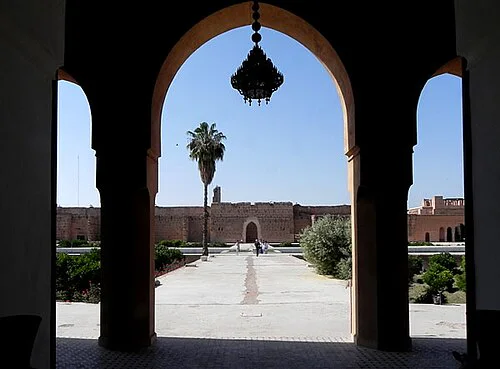 Kasbah Gate and Entrance Threshold
The Threshold onto the Palace
Through the arch, the scale of the place opens up. El Badi was built as a reception palace, where the sultan received guests and staged his wealth and power. The surviving walls are rammed earth, packed soil reinforced with lime. They were once covered in costly materials, and today they stand bare. The building of the palace was probably paid for by a single windfall. In 1578 Ahmad al-Mansur won the battle remembered as the Battle of the Three Kings, and the Portuguese paid a substantial ransom for their captives. The Saadian sugar trade, which sent sugar to Europe on a large scale, brought further wealth.
Photo: StefenettiE · Public domain
03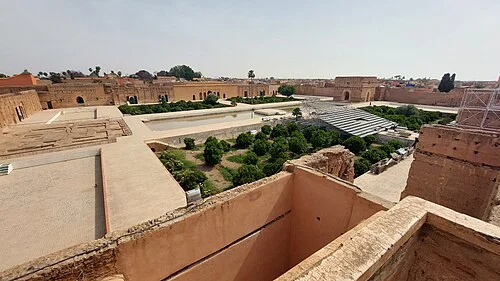 Grand Central Courtyard and Sunken Gardens
The Imperial Courtyard from Above
The design of the palace is easiest to grasp from above. The courtyard is a vast rectangle, about a hundred and thirty-five metres long. It runs a hundred and ten metres across. The layout is a riad garden, the symmetrical interior garden of Moroccan houses and palaces, scaled up to imperial size as a statement of power. The inspiration reached across the Mediterranean. The Alhambra in Granada appears to have influenced Saadian architecture generally, and the courtyard's galleries of arches with drapery-like carved profiles recall the Court of the Lions there. Each side of the courtyard carried a grand pavilion with an ornate cupola, and the two largest faced each other at the east and west ends.
Listen in the appJam Willem Doormembal from Amsterdam Haarlem Nederland, Netherlands · CC BY 2.0
04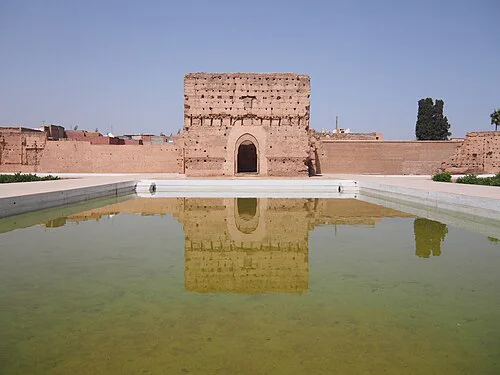 Grand Central Courtyard and Sunken Gardens
The Great Reflecting Pool
The water is the centrepiece. The central pool stretches about ninety metres from end to end. It is nearly twenty-two metres across. Around it, four enormous sunken gardens were arranged with strict symmetry. Along the east and west sides of the courtyard stood four further basins, each roughly thirty metres long. For centuries the sunken gardens lay hidden under the ground. Modern excavation brought them back to light, and the sunken plots beside the water are the result. The stillness of the pool is both a reconstruction of an old effect and a window onto what was lost.
Listen in the appPhoto: C messier · CC BY-SA 4.0
05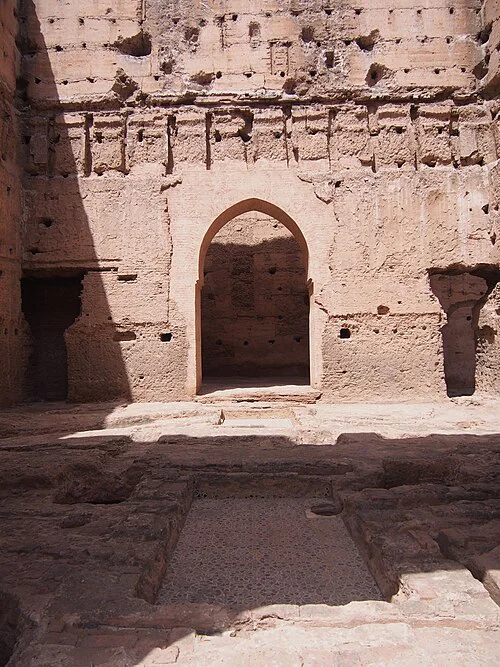 Western Throne Hall (Al-Qubbat al-Khamsiniya)
Al-Qubbat al-Khamsiniya, the Western Throne Hall
This ruined hall was the ceremonial heart of the court. It is the western pavilion, al-Qubbat al-Khamsiniya, the Dome of the Fifty. The name may come from its surface area of some fifty cubits. Or from the fifty columns that once filled the hall. It served as the sultan's throne hall, where he received guests in state. An alcove in the back wall marks where Ahmad al-Mansur sat in attendance. Above it, an Arabic inscription was carved in black marble against walls otherwise covered in white marble. At the centre of the hall stood a fountain, flanked by two basins covered in delicate zellij tilework. Water spurted from silver sculptures of animals: leopards, lions and pythons. The pavilion even had a poem to its name, written by Abd al-Aziz al-Fishtali, the poet laureate of al-Mansur's court.
Listen in the appPhoto: C messier · CC BY-SA 4.0
06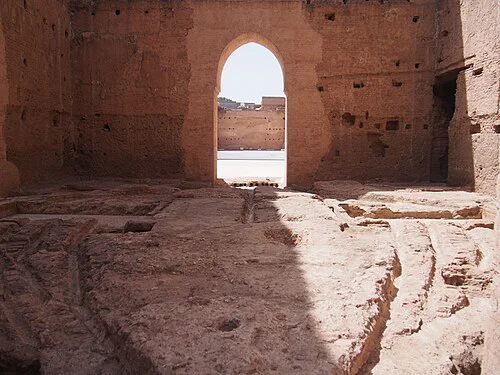 Western Throne Hall (Al-Qubbat al-Khamsiniya)
The Stripped Hall
The bare walls of this hall carry the rest of the story. Rammed earth is all that remains where marble, stucco and gilded ceilings once covered the surfaces. After al-Mansur's death in 1603 the palace was neglected, and at one point malaria plagued the grounds. Moulay Rashid, the first Alaouite sultan, lived here briefly in 1668 and 1669. Less than a decade later his successor, Moulay Ismail, refused to let ambassadors visit because of its bad state. The chronicler al-Ifrani records that in 1707 Moulay Ismail ordered the palace demolished and stripped, its materials carted off to his new capital at Meknes. In reality the dismantling was probably gradual, beginning well before that order and continuing after his reign. Saadian elements, very likely from this palace, turn up in buildings from Moulay Ismail's mausoleum in Meknes to the Zawiya of Moulay Idris II in Fez, and even in Algiers.
Listen in the appPhoto: C messier · CC BY-SA 4.0
07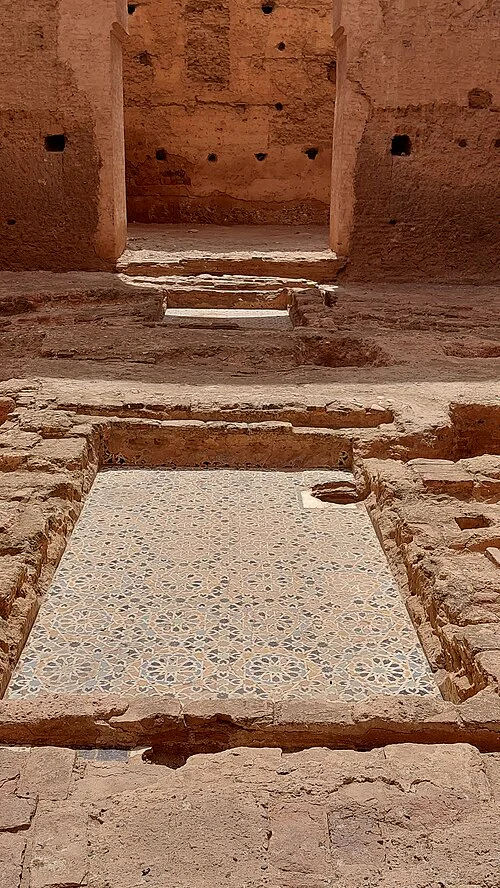 Ambassadors' Quarters and Saadian Artistry
Excavated Zellij Remains
Excavation has brought the palace's decoration back to light. The floors were once paved with marble and zellij, the mosaic tilework made from small pieces of glazed tile. Fragments uncovered in modern digs show that Saadian craftsmen pushed geometric patterns beyond anything in earlier periods, including twenty-pointed stars. Every star meant tiles cut and fitted to a fraction of the design. An excavated basin still shows remains of its zellij tilework, a trace of how these floors once looked everywhere. On the northwest side of the palace stood an annex with three residential quarters, paved with zellij, which may have served as guest quarters for foreign ambassadors.
Listen in the appJam Willem Doormembal from Amsterdam Haarlem Nederland, Netherlands · CC BY 2.0
08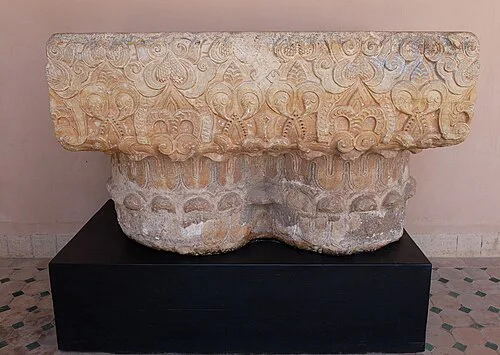 Ambassadors' Quarters and Saadian Artistry
A Marble Capital from the Colonnades
A single carved capital stands for the wealth behind the palace. This double capital, carved with floral and geometric relief, came from the marble columns of the colonnades. The marble was worked in Italy, and the story goes that the columns were traded to Italian merchants for their equivalent weight in sugar. Gold and onyx ranked among the palace's other materials, and the column capitals were gilded. Walls carried carved stucco with calligraphic inscriptions. The money came from sugar, and from the desert routes. In 1590 al-Mansur sent his armies south. They conquered Timbuktu and Gao and defeated the Songhai Empire, giving Morocco control of the trans-Saharan trade and its gold. The sugar industry itself depended on enslaved labour, part of the same economy.
Listen in the appPhoto: R Prazeres · CC BY-SA 4.0
09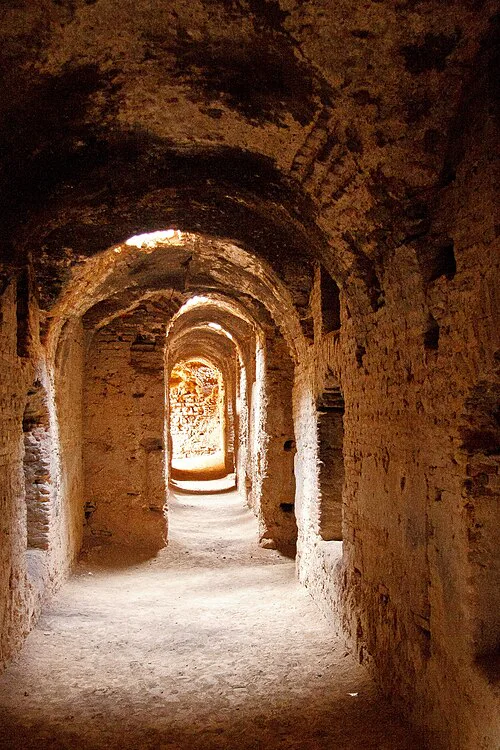 Subterranean Passages and Hydraulic Vaults
The Underground Corridors
Above the courtyard was the spectacle. Below it lay the engineering. The fountains and jets of water in the gardens and pools, echoing the water displays of the Alhambra, needed an underground hydraulic system of vaults and channels. These brick-vaulted passages belonged to it. Water moved through the vaults out of sight, so that it could rise in jets in the courtyards above. The palace's most admired effect began down here, in the quiet and the dark.
Listen in the appMike Prince from Bangalore, India · CC BY 2.0
10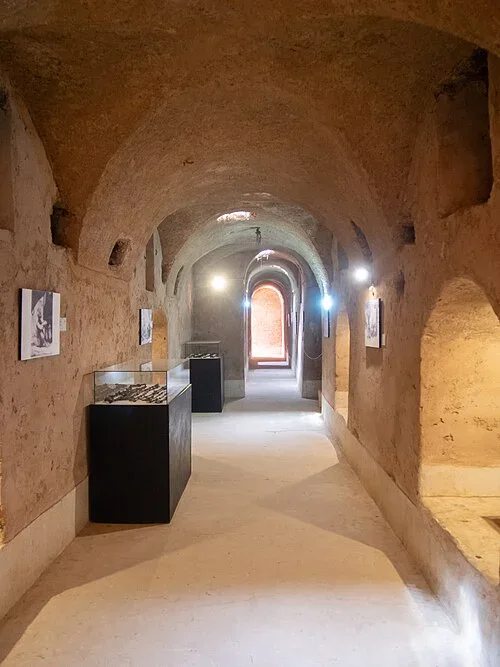 Subterranean Passages and Hydraulic Vaults
Vaults Turned Gallery
The vaults have found a second life. They now serve as exhibition space, with displays set into the historic corridors, among galleries opened in 2018. The palace remains a well-known tourist attraction in Marrakesh. In September 2023 the Al Haouz earthquake struck southern Morocco and damaged the palace significantly. An early assessment found major cracks in the walls of the exhibition rooms. The site closed temporarily for repairs, and reopened to visitors in October 2023.
Listen in the appPhoto: C messier · CC BY-SA 4.0
- 11
The Almoravid Minbar of the Kutubiyya Mosque
The twelfth-century minbar of the Kutubiyya Mosque, a masterpiece of Islamic woodcarving, under the palace vaults.
- 12
Close-Up: The Minbar's Inlaid Geometry
Up close with the minbar's inlaid stars, where the carving never breaks step.
- 13
Rampart View over Marrakesh
From the walls: the kasbah district and the skyline toward the Kutubiyya.
- 14
Storks on the Ruins
Storks nesting on the ruins, the palace's quietest afterlife.
El Badi Palace
Frequently asked questions
How much does the guide cost?
Free app download. Listed guide price: $0.99. Guide price shown in the app. Audio guide only. Venue admission is separate.
Can I listen without internet?
Yes. Download the guide’s audio, images, and maps in the app before your visit. Your downloaded content is then available offline.
Can I listen in my language?
This audio guide is available in 15 languages, including English.
Do I need to follow a schedule?
No. This is a self-guided experience. Choose your stops, pause whenever you like, and return to a story at your own pace.
At your own pace
Explore El Badi Palace.
Download Stanza, then search for “El Badi Palace”.
Free app download · Guide price shown in the app
Keep exploring
Audio guides — Morocco
Marrakesh · 1 km
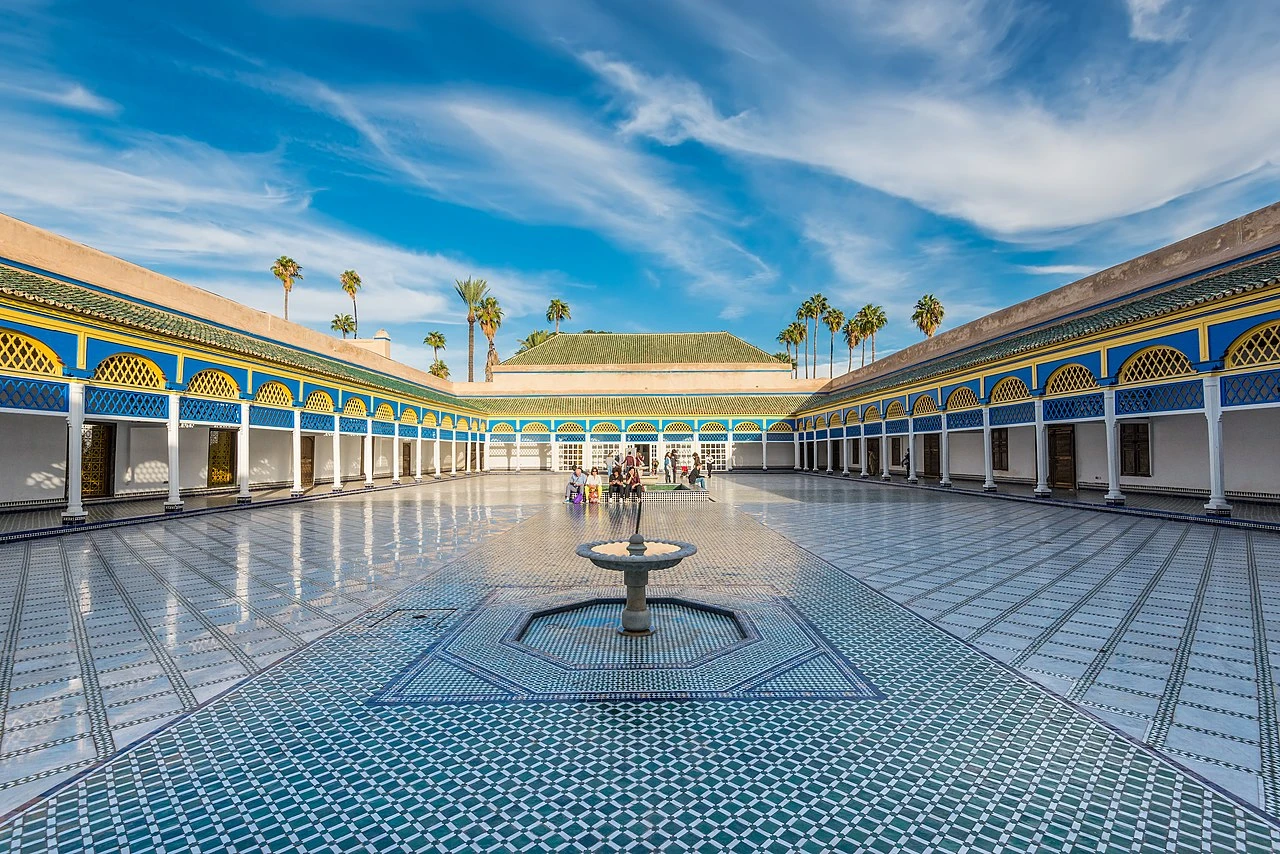
Bahia Palace
Content & sources
Val Traveler · CC BY-SA 4.0
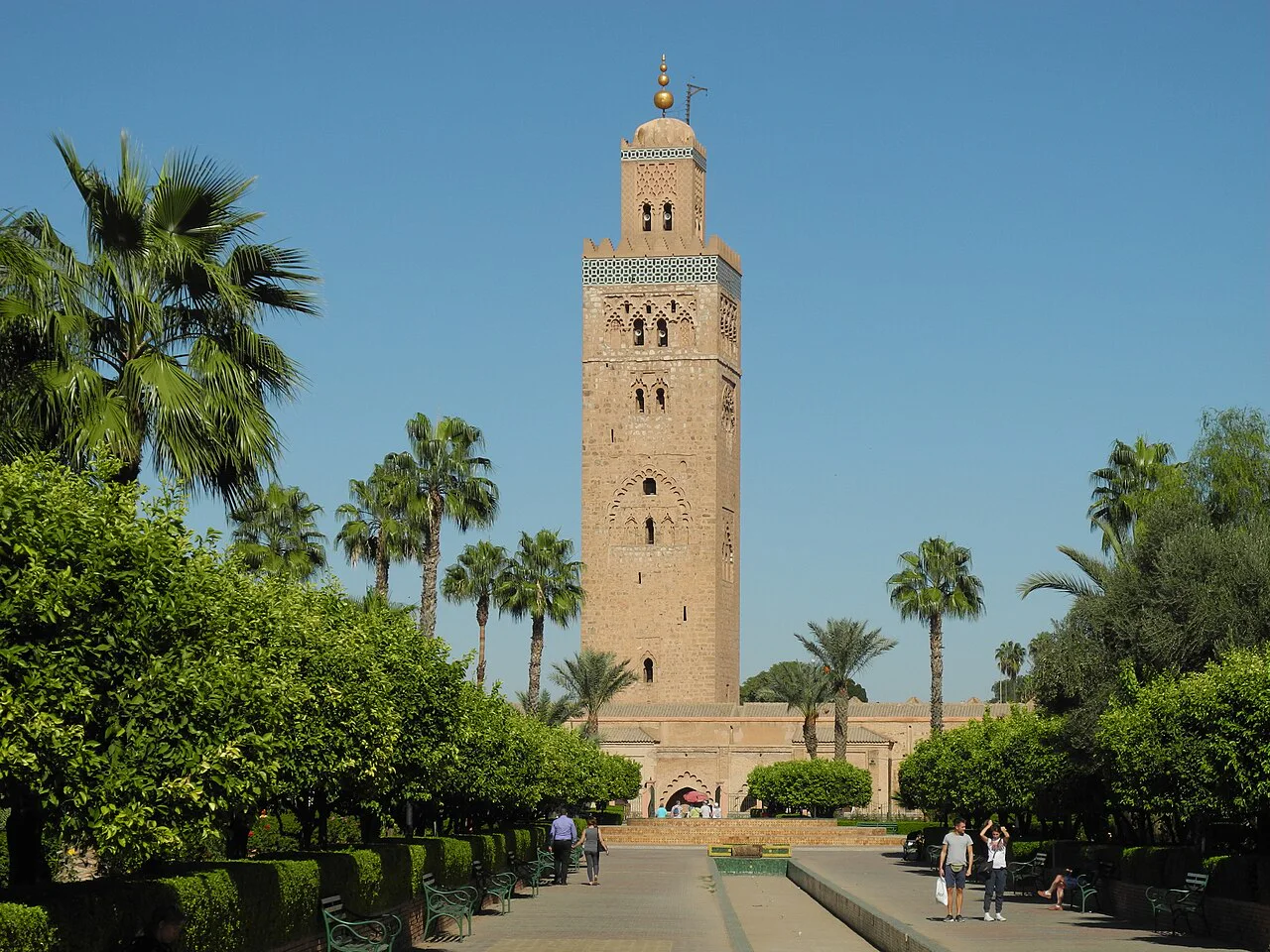
Marrakech · 1 km
Kutubiyya Mosque
Content & sources
Photo: Baca12 · CC BY-SA 4.0
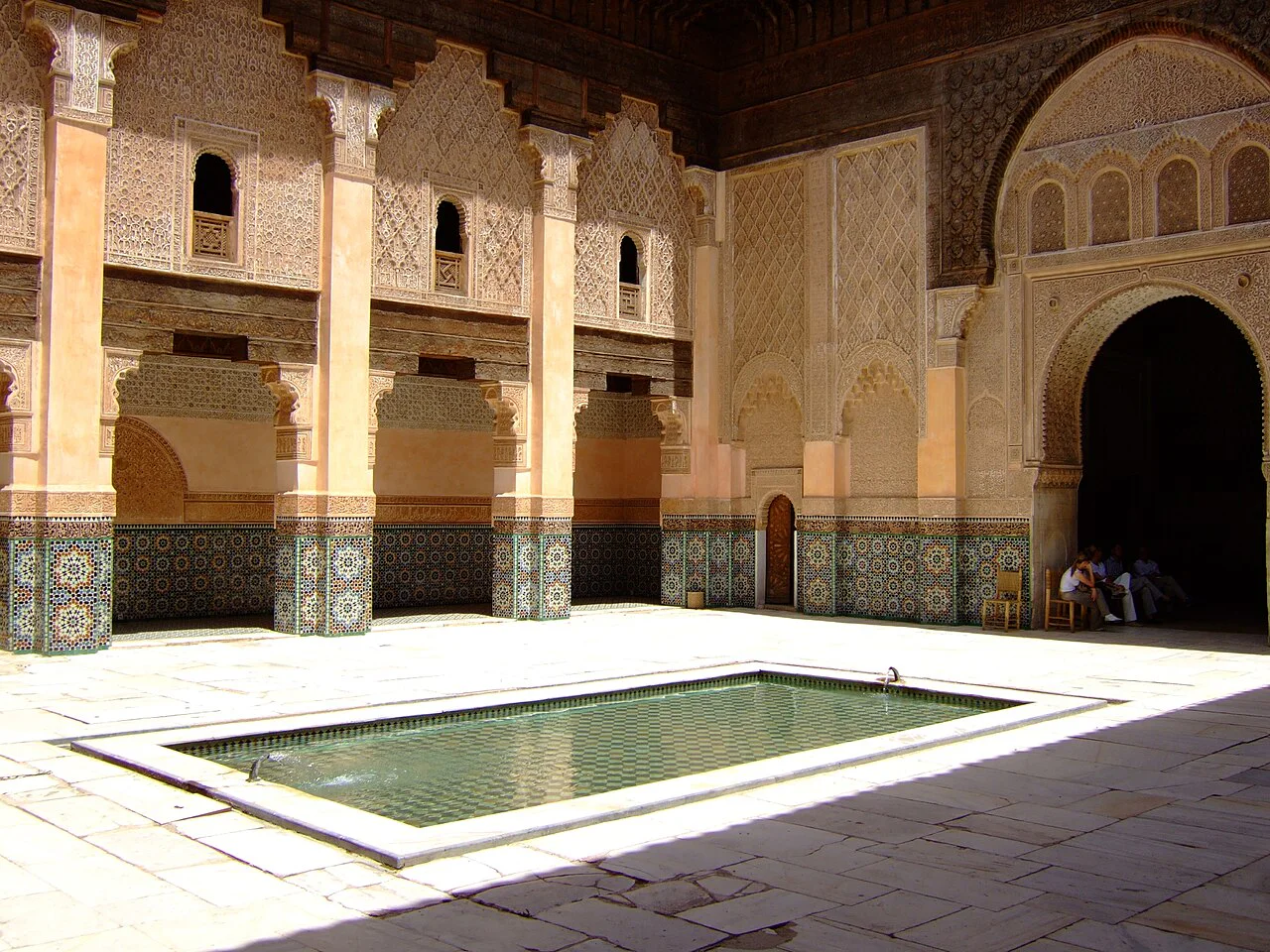
Marrakech · 2 km
Ben Youssef Madrasa
Content & sources
Lundeux · CC BY-SA 2.5
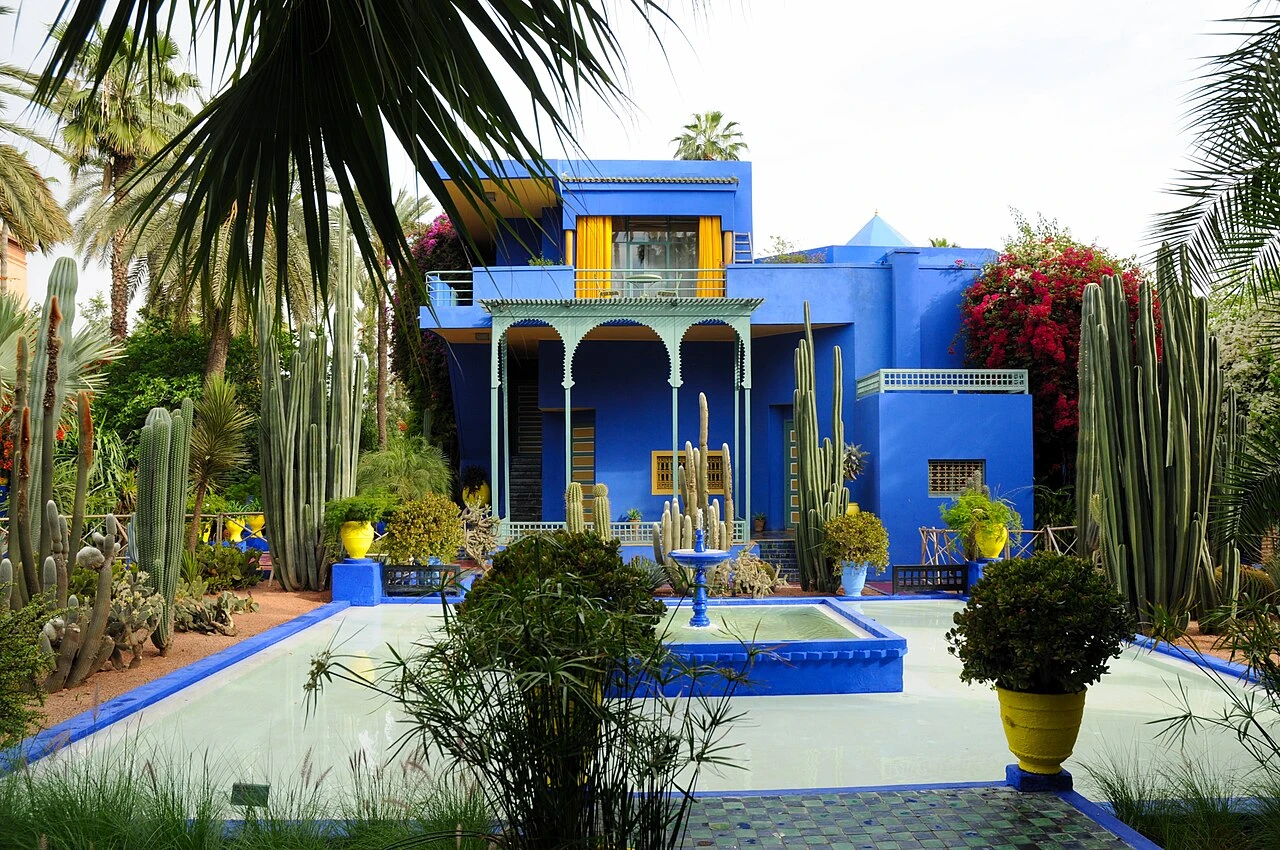
Marrakesh · 3 km
Jardin Majorelle
Content & sources
Photo: Viault · CC BY-SA 4.0
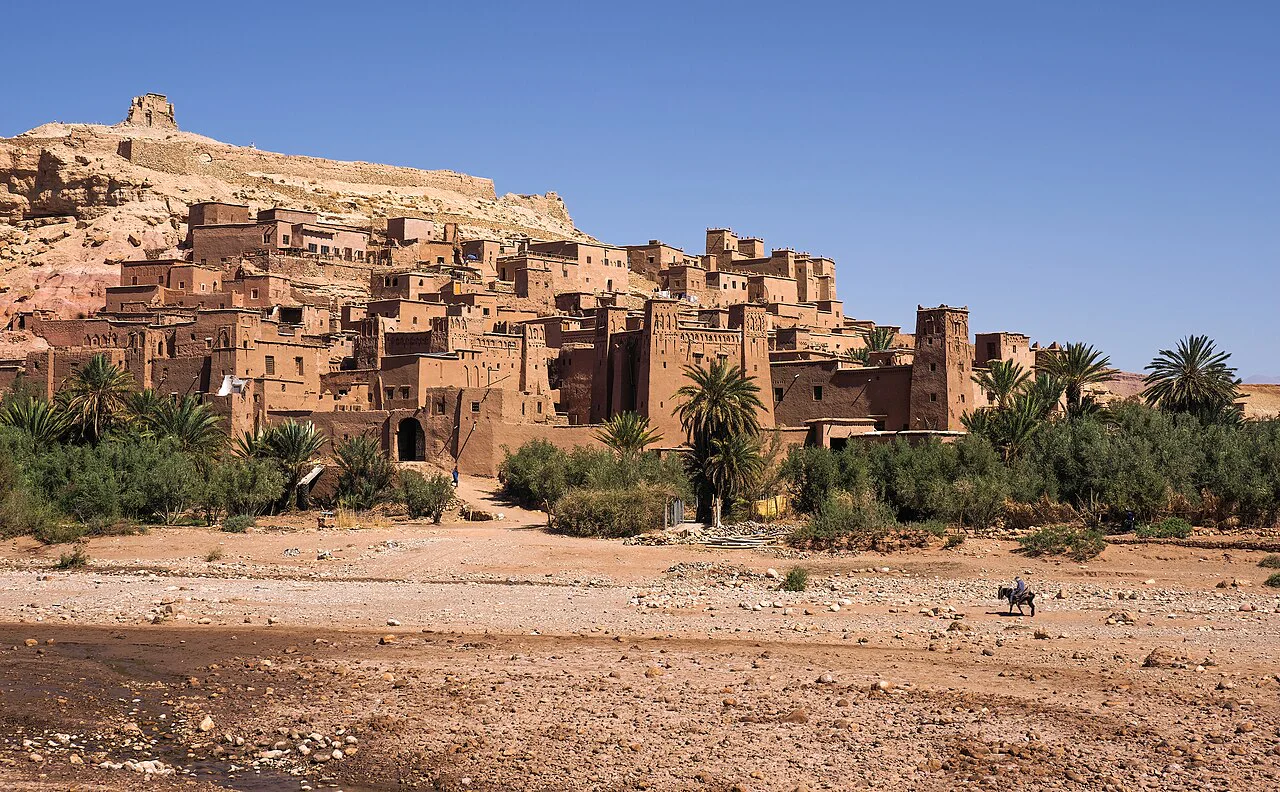
Aït Benhaddou · 103 km
Aït Benhaddou
Content & sources
Petar Milošević · CC BY-SA 4.0
Güímar
Pirámides de Güímar
Content & sources
Photo: Berthold Werner · Public domain