Languages
15Castelo de Beja Audio Guide
Castelo de Beja is a landmark in Beja, Portugal. Explore it with Stanza's GPS-triggered offline audio guide — available in 15 languages.
Quick Facts
13
Stops
15
Languages
100%
Offline
📍 Beja, Portugal · 38.0175°N, -7.8656°E
About Castelo de Beja
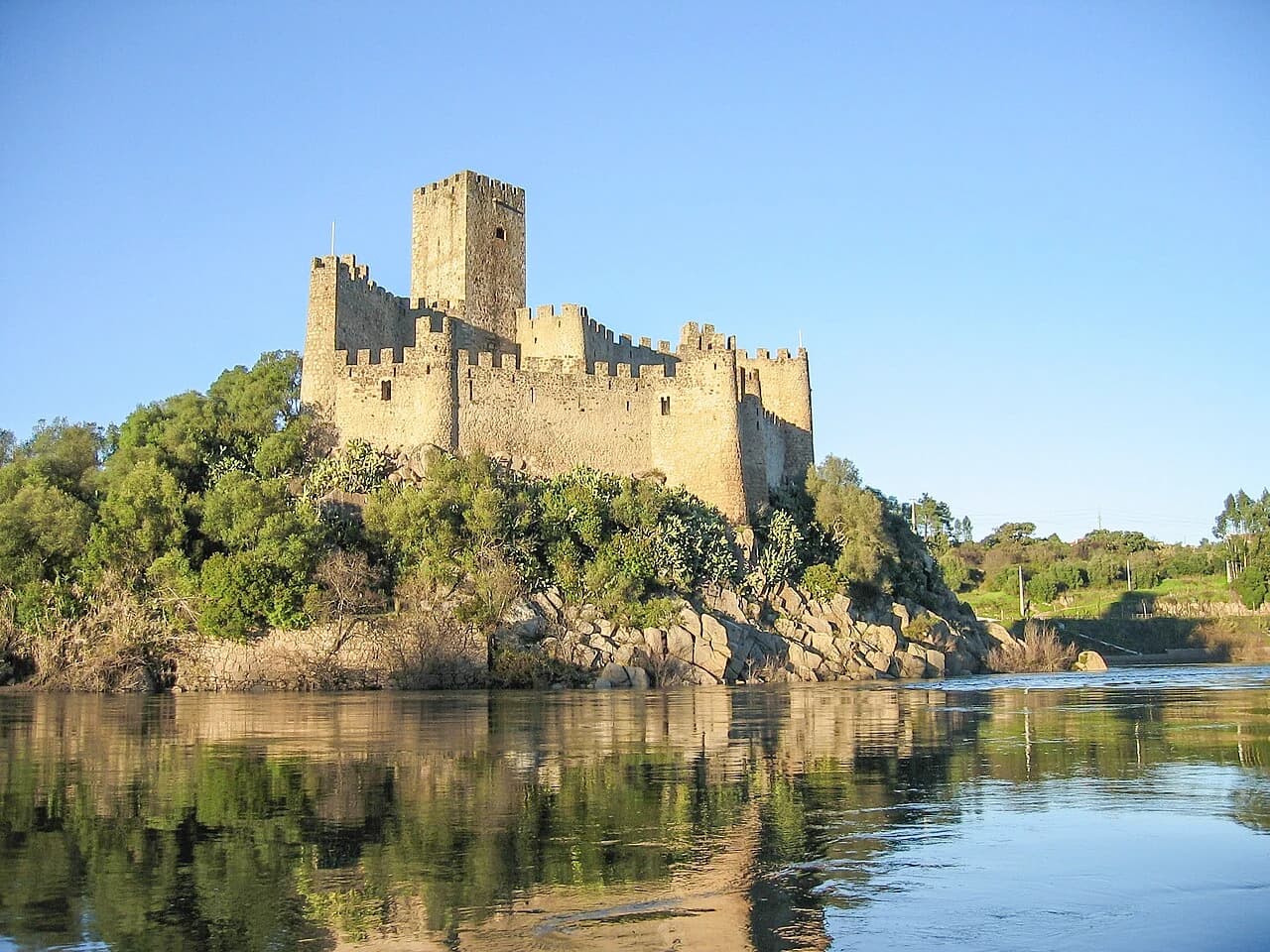
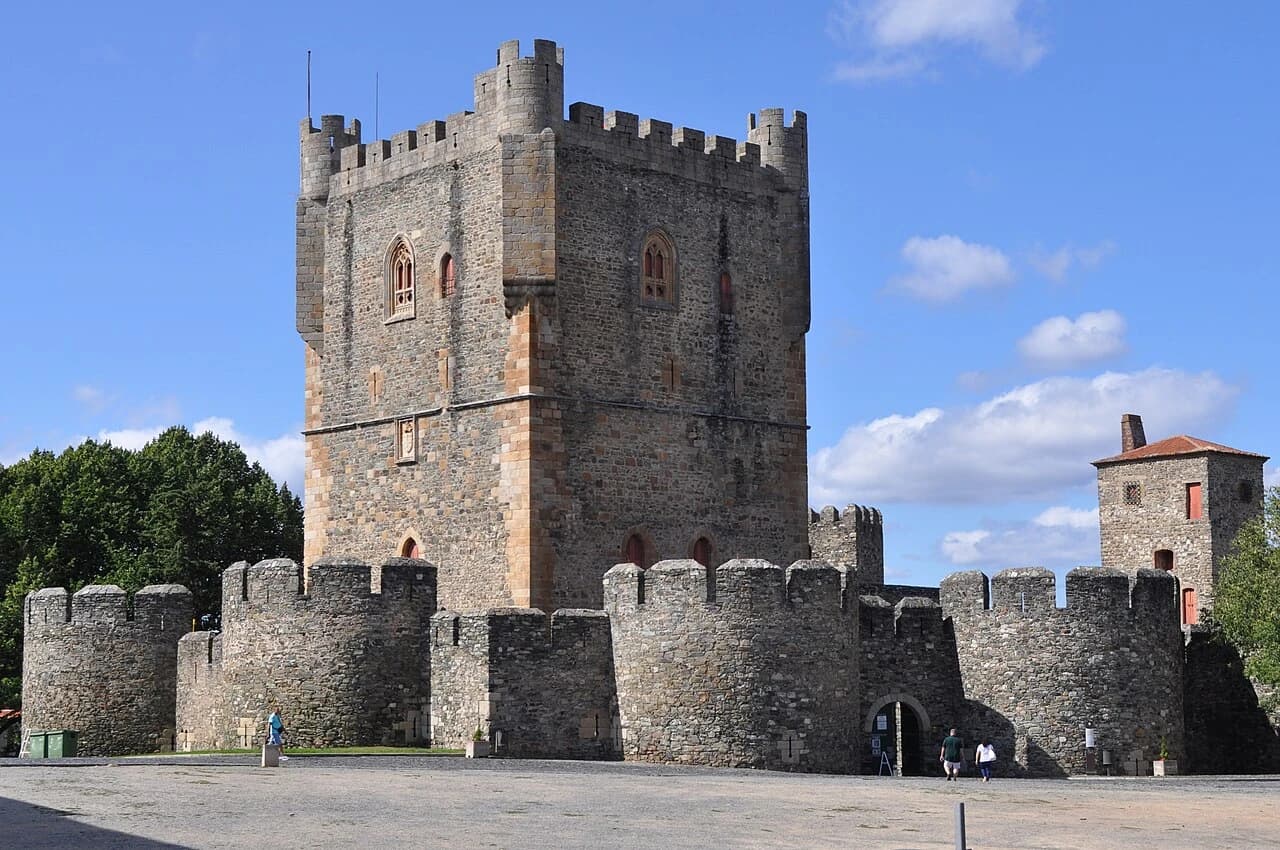
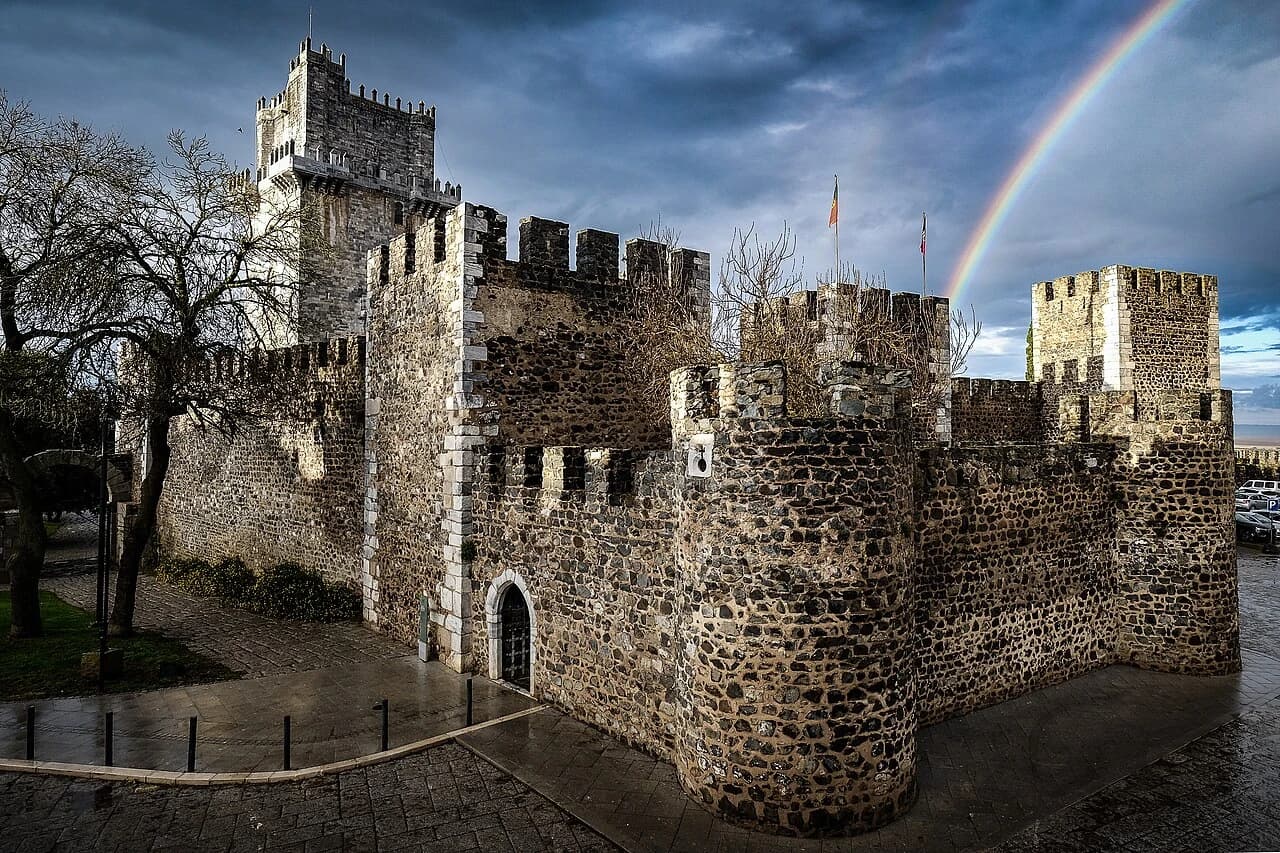
The Castle of Beja is a medieval fortification notable for its imposing 40-meter high keep, which is the tallest in Portugal. It stands as a significant example of Portuguese military architecture, featuring a mix of Roman, Visigothic, and medieval structural elements.
Castelo de Beja is also known as Castelo de Beja, Castelo de beja.
This self-guided audio tour features 13 narrated stops organized across 7 sections. As a castle, Castelo de Beja offers a unique cultural experience in the heart of Beja, Portugal.
The Stanza audio guide is available in 15 languages and works entirely offline — download the complete tour including audio narration, maps, and images before your visit. As you walk through Castelo de Beja, GPS-triggered narration plays automatically at each point of interest.
Last updated:
What you will hear
Praça de Armas Courtyard
The heart of the medieval castle where the legend of Gonçalo Mendes da Maia, 'The Lidador', is told.
Parade Grounds
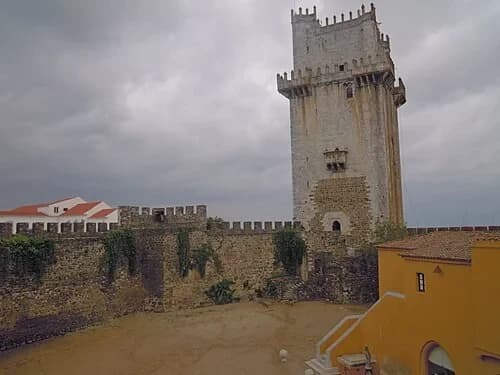
Entering the central courtyard, you find yourself in the Praça de Armas, or Parade Grounds. Looking around, the castle follows an irregular pentagonal layout, a common feature in medieval fortifications that adapted to the natural topography of the land. This open space was the true heart of daily military life within the fortress. It was here that soldiers gathered for morning inspections, practiced their drills, and received their orders. During times of peace, the grounds were used for training horses and maintaining equipment, but during a siege, the atmosphere changed completely. The courtyard became a critical logistics center where food, water, and ammunition were stockpiled and distributed to the various towers and battlements. Buildings that once lined these walls would have housed barracks, stables, and storehouses, all centered around this communal area. The dusty ground has been trodden by generations of Alentejo defenders for nearly eight hundred years. Today, the space offers a clear view of the surrounding defensive architecture, allowing you to appreciate the scale of the walls and towers that protected the garrison from every angle.
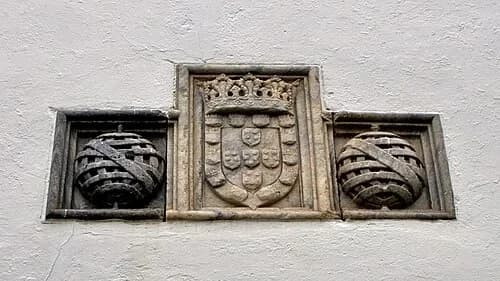
Manueline Royal Heraldry
High on the stonework, a set of relief carvings displays the signature symbols of the Manueline era. These intricate designs, featuring the armillary sphere and the Portuguese coat of arms, were commissioned during the sixteenth-century reign of King Manuel I. The armillary sphere, an early astronomical instrument used by sailors, became a potent symbol of Portugal’s global reach and its pioneering role in maritime exploration. Next to it, the royal coat of arms represents the power and prestige of the crown at the height of its influence. This decorative style, often referred to as Portuguese Late Gothic, frequently incorporated nautical themes like ropes, corals, and sea life into architectural elements. These heraldic symbols were more than just decoration; they were a political statement, reinforcing royal authority and the wealth generated by new trade routes. The crispness of the stone carving, despite centuries of exposure to the elements, demonstrates the high level of craftsmanship achieved by local stonemasons during this period. The shadows cast by the deep relief carvings change throughout the day, emphasizing the complex rings of the armillary spheres.
The Governor's Residence
Focusing on the 16th-century Manueline improvements and the current Jorge Vieira Museum.
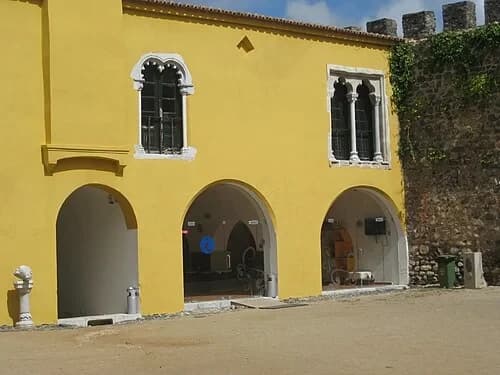
Governor's Residence
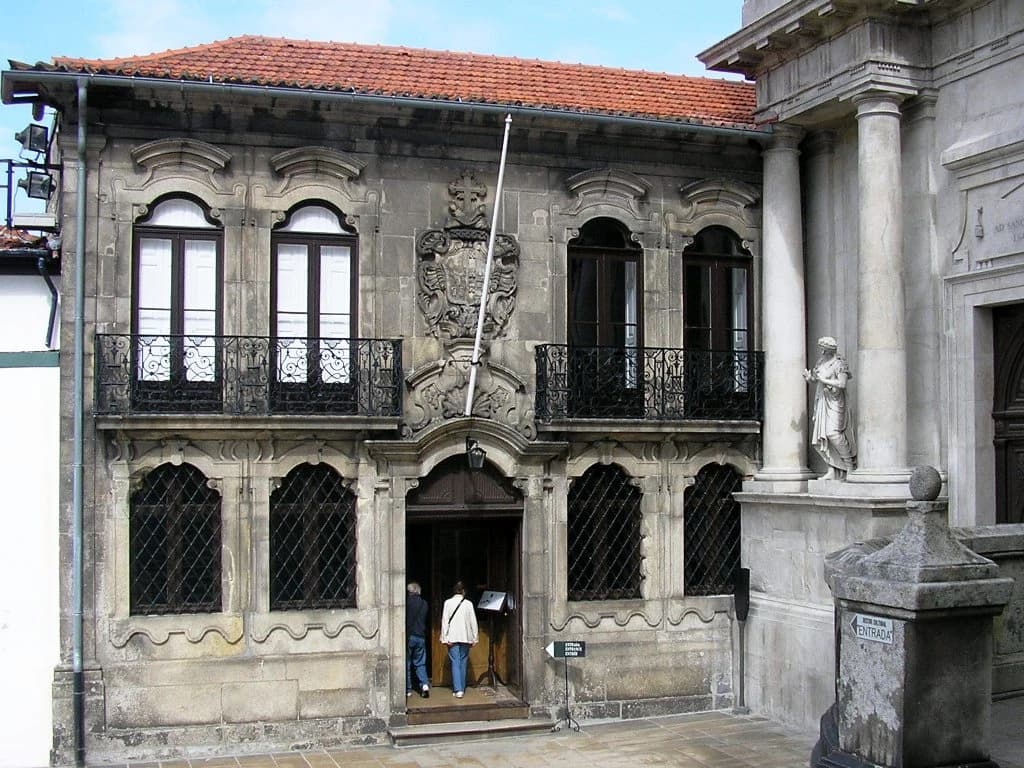
The bright yellow building standing within the castle walls served as the residence for the Governor of Beja. Its most striking features are the decorative windows on the upper floor, which exhibit the same Manueline style seen in the heraldic carvings. These twin-arched windows, with their slender central columns and ornate stone surrounds, were a sign of status, indicating that the occupants held high administrative or military rank. While the building's exterior retains its historic character, its internal function has shifted significantly. Today, it serves as the Jorge Vieira Museum. Inside, the rooms that once echoed with the business of colonial administration now display the contemporary works of Jorge Vieira, one of Portugal's most celebrated twentieth-century sculptors. The transition from a seat of military power to a space for artistic expression occurred in the late 1900s, helping to preserve the structure for modern visitors. The contrast between the building's medieval context and the modern art it protects makes it a unique cultural bridge within the fortress. The smooth plaster of the yellow facade sits in direct contrast with the rough, unpainted stone of the adjacent medieval walls.
Church of Santo Amaro
A visit to the nearby Visigothic museum, highlighting Beja's pre-medieval history.
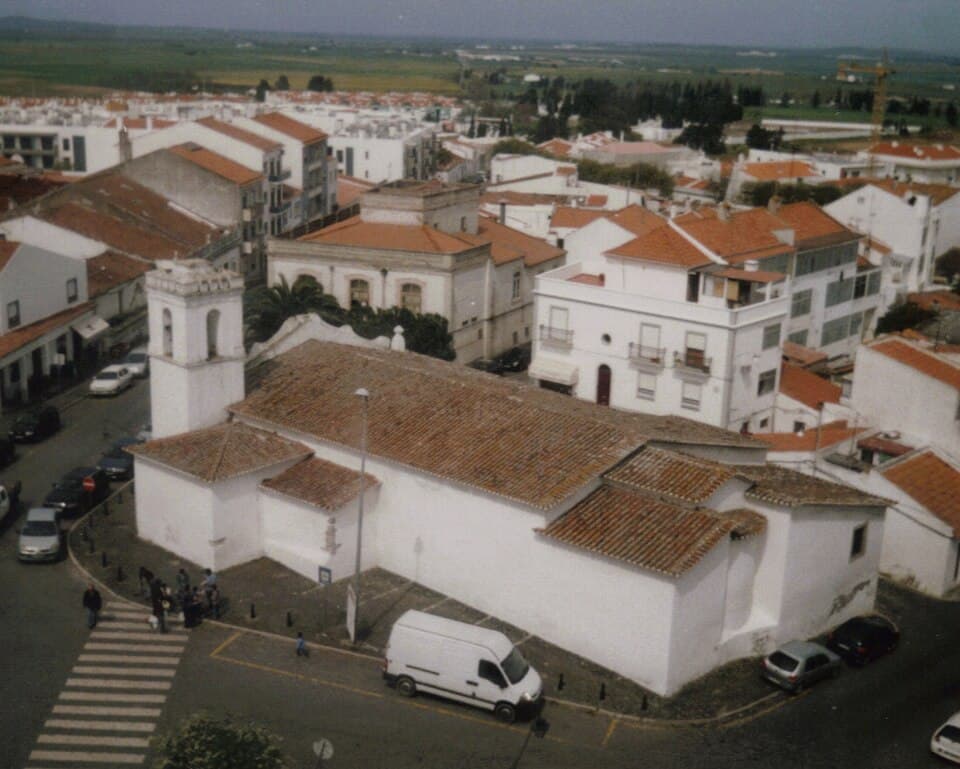
Church of Saint Amaro
Just outside the immediate castle walls lies a structure that predates the medieval fortress by several centuries. The Church of Saint Amaro is widely recognized as one of the most important Visigothic sites in Portugal, with foundations that likely date back to the fifth century. During this era, after the fall of the Roman Empire, the Visigoths established themselves as the dominant power in the region, and this church served as a center for their community. Today, the building has been converted into a regional archaeological museum, focusing specifically on the Visigothic period. Inside, you can see carved stone capitals and architectural fragments that were recovered from the site and the surrounding area. These artifacts are characterized by their geometric patterns and stylized floral motifs, distinct from the later Gothic styles. The presence of this church so close to the castle reminds us that Beja was a thriving urban center long before the current fortifications were built, with layers of history that reach back through the Middle Ages to the time of the Germanic tribes. Some of the stone columns inside the museum still show the original carvings from fifteen hundred years ago.
The Tower of Menagem Base
Approaching the tallest medieval keep in Portugal, built by King D. Dinis in 1310.
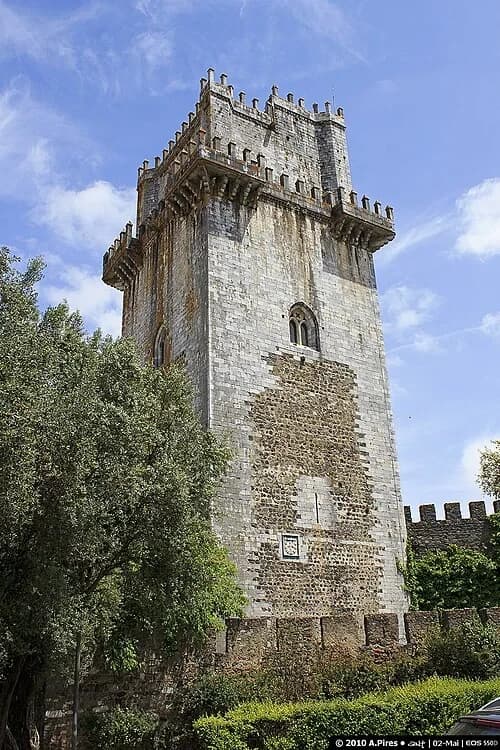
Keep Tower
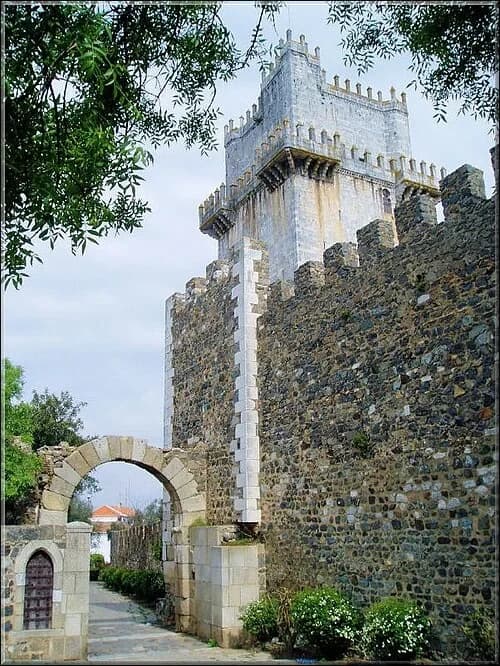
Dominating the entire fortress is the Great Keep, or Torre de Menagem. Reaching a height of exactly 40 meters, it holds the record as the tallest medieval keep in the country. Construction of this massive square tower was commissioned by King D. Dinis, one of Portugal’s most prolific castle-builders, and was finally completed in 1310. In the fourteenth century, a tower of this scale was much more than a defensive structure; it was a visible statement of royal dominance and the king's ability to project power over the Alentejo frontier. The tower's walls are exceptionally thick, built to withstand the most determined assaults of the time. Unlike many other keeps that were built mainly for defense, this one also served as a fortified palace, with multiple internal floors designed to accommodate the royal court or high-ranking military officials. Its sheer verticality and the precision of its masonry reflect the advanced engineering skills of the period. The lighter stone used for its upper sections makes it a landmark that can be seen from miles away across the flat plains. You can see the darker, older stone at the base, which provides the foundation for this towering achievement.
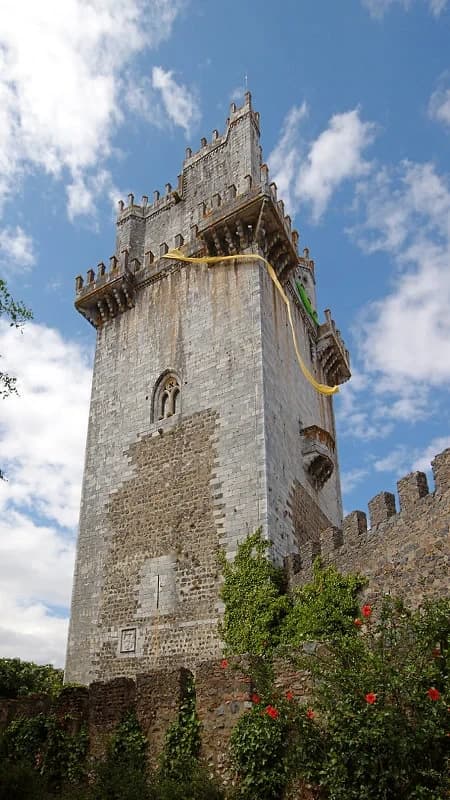
Upper Defensive Balconies
Looking toward the top of the Great Keep, notice the row of projecting stone balconies supported by heavy brackets. These are known as machicolations, a sophisticated defensive feature common in Gothic military architecture. While they may look decorative from a distance, their purpose was purely functional and defensive. The floor of each balcony contains openings that allowed soldiers to see the very base of the tower. During an attack, defenders could drop heavy stones or other projectiles directly onto enemies attempting to scale the walls or breach the entrance below. This design eliminated the blind spot at the foot of the wall where attackers were usually safe from arrow fire. These balconies provide the keep with its distinctive crenelated silhouette, topped with pyramid-shaped battlements. The complexity of these structures, with their multi-layered stone supports, demonstrates that by 1310, military architects were integrating high-level masonry skills with practical defensive needs. The shadows cast by these balconies often emphasize the height and imposing nature of the tower walls. The pyramid caps on the battlements are also designed to shed rainwater quickly, preventing erosion of the upper stonework.
The Gothic Vaults
Exploring the interior floors of the keep and the masterpiece of Gothic stone carving.
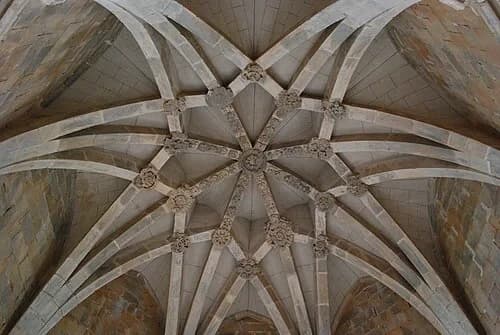
Gothic Ribbed Vaults
The interior of the Great Keep is as impressive as its exterior height. The tower is divided into three main floors, each covered by a unique stone ceiling. These Gothic ribbed vaults are considered some of the finest examples of medieval masonry in Portugal. Each floor features a different design, ranging from simpler four-part vaults to more complex star-shaped patterns. The ribs serve a structural purpose, channeling the immense weight of the stone floors down into the thick corner columns, but they also provide an extraordinary level of aesthetic beauty for what was essentially a military stronghold. Notice the central bosses where the ribs meet; many are decorated with carved motifs. This architectural refinement highlights that the keep was intended to be a prestigious residence as much as a defensive post. The quality of the stonework is remarkably preserved, allowing you to see the individual tool marks left by the fourteenth-century artisans who shaped these massive blocks. Each level feels like a separate chamber, with the vaulted ceilings creating a sense of space and grandeur rare in medieval towers. The light entering through narrow windows catches the edges of the carved ribs, highlighting their geometric precision.
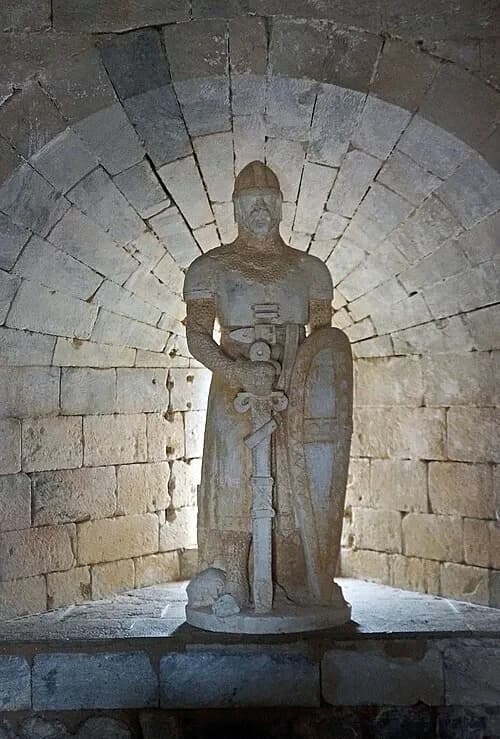
Statue of the Lidador
This statue commemorates one of Portugal’s most famous folk heroes, the knight Gonçalo Mendes da Maia, better known by his nickname, 'The Lidador.' His story is a pillar of local legend, representing the chivalric spirit of the twelfth-century Christian Reconquista. According to tradition, despite his advanced age, the Lidador remained an active and fierce warrior. The legend tells of his final battle here at Beja, where he led a charge against opposing forces at the age of ninety. It is said he died in the heat of combat, securing a victory that was crucial for the expansion of the Portuguese kingdom. While historical accounts vary, his legacy as the 'Fearless One' has endured for nearly a millennium. The figure is depicted in traditional medieval armor, leaning on a long sword, representing both his military prowess and his role as a protector of the city. For the people of Beja, the Lidador is not just a historical figure but a personification of the resilience and courage required to defend this strategic frontier city throughout the Middle Ages. The base of the statue often features small offerings or tokens left by those who still hold his memory in high regard.
The Summit and Regional Views
The climax of the visit, offering panoramic views over the Alentejo plains from 40 meters up.
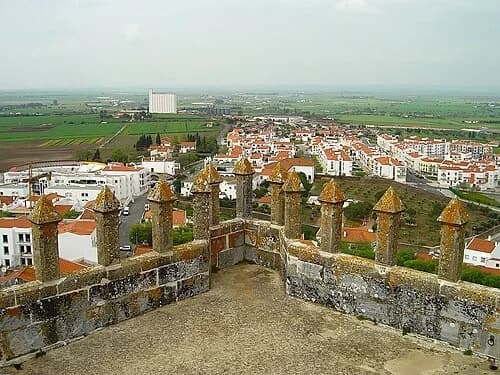
View of the Alentejo Plains
Standing on the high battlements of the tower, the strategic logic behind the castle’s construction becomes immediately clear. From this 40-meter vantage point, you have an unobstructed panoramic view of the surrounding Alentejo landscape. In the Middle Ages, this elevation turned the keep into an almost impregnable observation post. Sentries could spot the dust clouds of approaching cavalry or the glint of sunlight on armor from many miles away, giving the city ample time to close its gates and prepare for a siege. The plains below are remarkably flat, which made the castle’s height even more significant for regional control. This visual dominance allowed the garrison to monitor not only potential threats but also the vital trade routes and agricultural lands that sustained the city. Even today, you can see how the city of Beja clusters around the base of the fortress, while the fields of grain and olive groves extend toward the distant horizon. The sheer scale of the landscape visible from here emphasizes the immense responsibility of those who once stood watch on these stones. On clear days, the white-washed villages of the neighboring districts appear as small dots in the distance.
The Roman Évora Gate
Exiting through the historic Arco Romano, a remnant of Julius Caesar's Pax Julia.
Roman Evora Gate
This tour ends at the very foundations of the city’s history. This ancient stone archway, known as the Evora Gate, dates back to the Roman occupation of the Iberian Peninsula. Long before the medieval castle was envisioned, this site was a thriving Roman colony named Pax Julia. It was founded in 49 B.C. by Julius Caesar himself, intended to commemorate a peace treaty between Rome and the local Lusitanian tribes. The gate once formed part of a massive defensive wall that encircled the entire Roman city. Notice the characteristic rounded arch and the large, precisely cut stone blocks, which are typical of Roman civic engineering. While much of the gate has been integrated into later medieval and modern structures, these original stones have survived for over two thousand years. This spot serves as a reminder that the strategic value of this hill has been recognized since antiquity. From a Roman peace treaty to a medieval royal stronghold, the layers of stone here reflect Beja's enduring role as a key guardian of the southern plains. The lower stones of the arch show the most wear, smoothed by two millennia of traffic passing through this entrance.
Want to hear the rest?
Download the Stanza app to unlock all 13 stops and full GPS-guided navigation.
Frequently Asked Questions
How long does the Castelo de Beja audio tour take?
The Castelo de Beja audio guide includes 13 narrated stops. Most visitors spend 45 minutes to 1.5 hours exploring the complete tour, though you can listen at your own pace and skip or revisit any stop.
Is the Castelo de Beja audio guide available in my language?
Stanza supports 15 languages: English, Spanish, French, German, Italian, Portuguese, Russian, Japanese, Chinese, Korean, Arabic, Hindi, Polish, Dutch, Hebrew. Check the guide in the app to confirm the languages currently available for this tour.
Can I use the audio guide offline at Castelo de Beja?
Yes! Download the complete Castelo de Beja tour — including all audio, maps, and images — before your visit. The Stanza app works completely offline, so you don't need WiFi or mobile data at the venue.
How much does the Castelo de Beja audio guide cost?
The Stanza app is free to download. Free and paid audio guides are available; current prices are shown in the app.
How do I use the Stanza audio guide at Castelo de Beja?
Download the free Stanza app, search for "Castelo de Beja", and download the tour. When you arrive at the venue, the app uses GPS to detect your location and automatically plays the relevant narration as you move between points of interest — completely hands-free.
What makes the Stanza audio guide different from other Castelo de Beja tours?
Stanza offers GPS-triggered narration that plays automatically as you walk through Castelo de Beja — no need to manually select stops. The tour is available in 15 languages, works fully offline, and includes 13 expertly narrated stops with images and historical context.
What other audio guides are available near Castelo de Beja?
Stanza offers multiple audio guides in Beja, Portugal and nearby areas. After downloading the app, browse the map to discover all available tours near Castelo de Beja. Each guide can be downloaded for offline use.