Languages
15Castelo de Guimarães Audio Guide
Castelo de Guimarães is a landmark in Guimarães, Portugal. Explore it with Stanza's GPS-triggered offline audio guide — available in 15 languages.
Quick Facts
20
Stops
15
Languages
100%
Offline
📍 Guimarães, Portugal · 41.4478°N, -8.2903°E
About Castelo de Guimarães
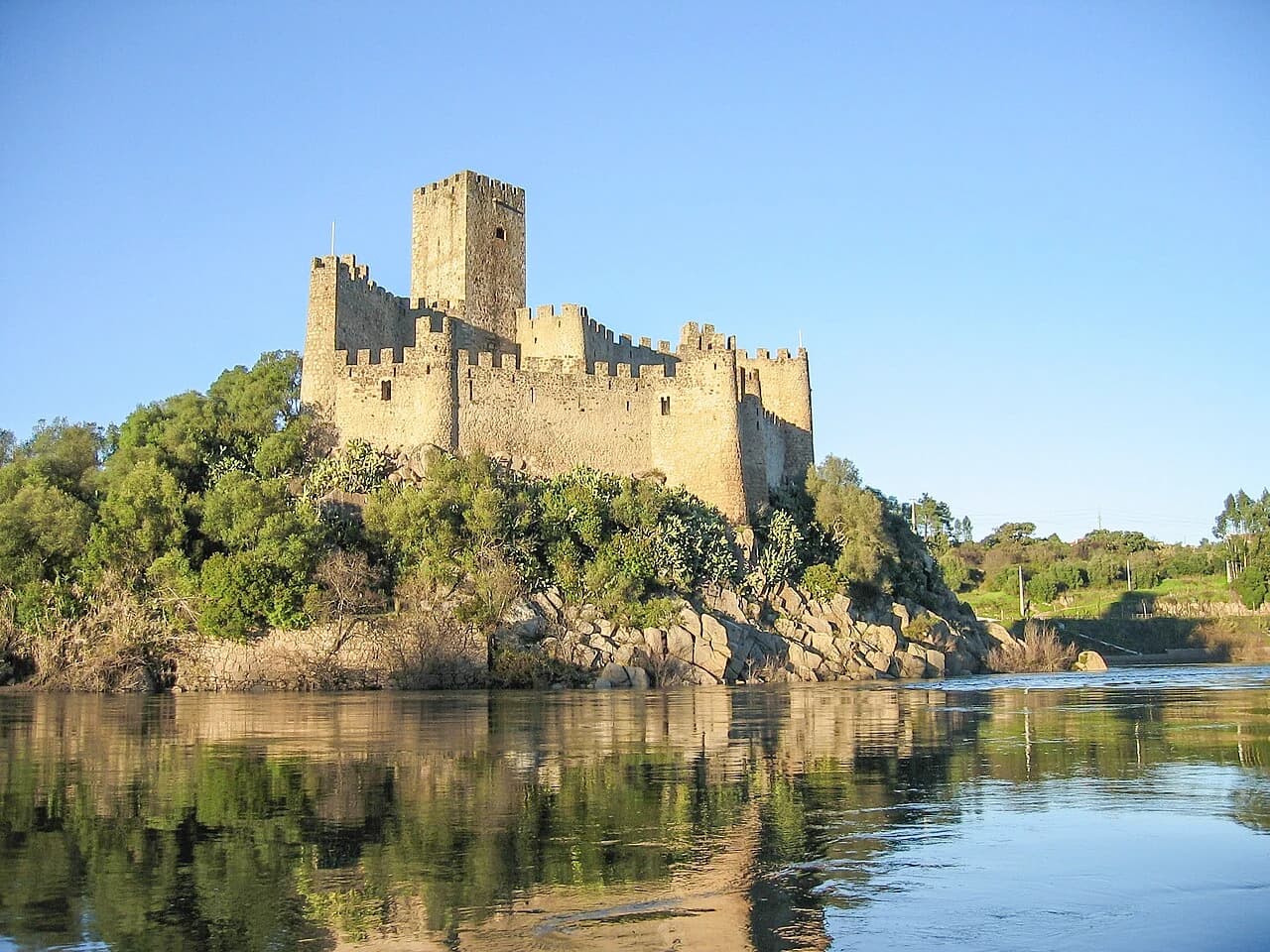
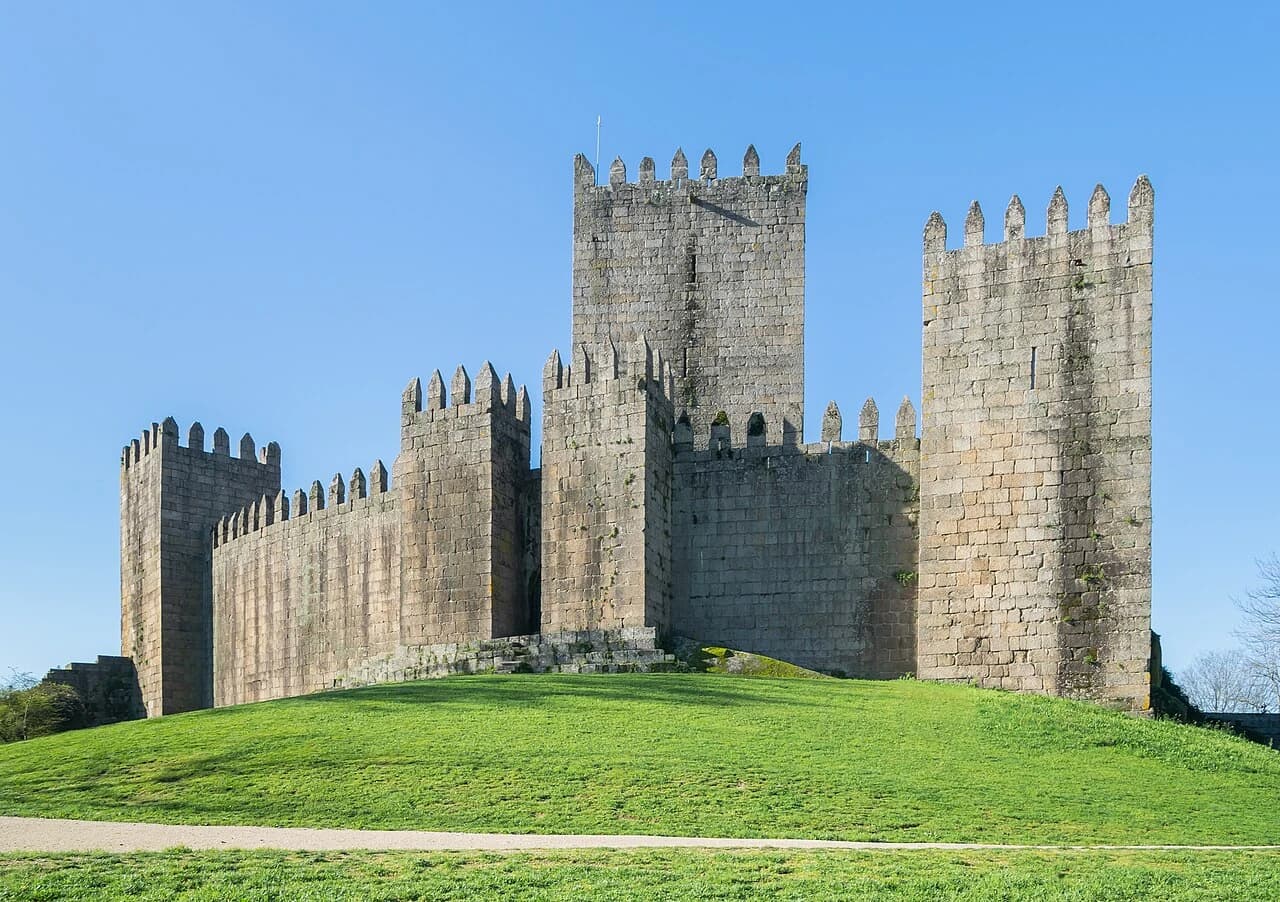
The Castle of Guimarães is a medieval castle that played a significant role in the foundation of Portugal. It is recognized as one of the most important national symbols and a primary cultural heritage site.
Castelo de Guimarães is also known as Guimarães Castle, Castelo de São Mamede, Castelo de Guimarães.
This self-guided audio tour features 20 narrated stops organized across 7 sections. As a castle, Castelo de Guimarães offers a unique cultural experience in the heart of Guimarães, Portugal.
The Stanza audio guide is available in 15 languages and works entirely offline — download the complete tour including audio narration, maps, and images before your visit. As you walk through Castelo de Guimarães, GPS-triggered narration plays automatically at each point of interest.
Last updated:
What you will hear
The Main Gate and Pentagonal Walls
Introduce the castle's unique shield-like pentagonal architecture and the formidable defensive entrance.
The Medieval Facade
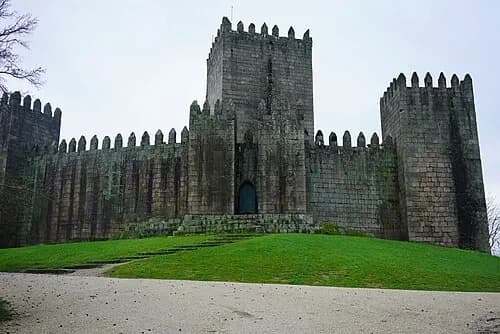
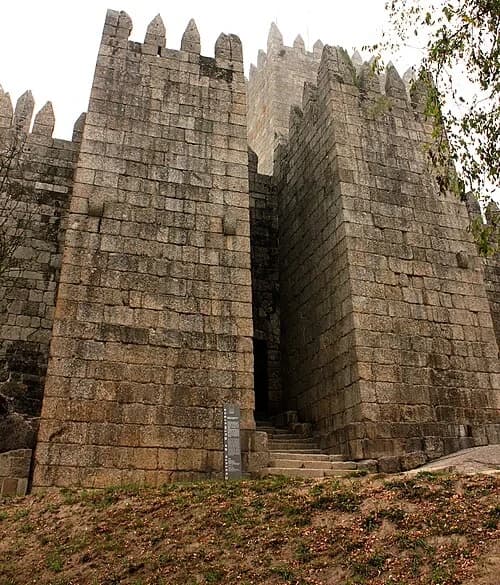
Focus your attention on the textured granite blocks that make up the castle’s outer shell. This fortress began its life between 950 and 957 AD, under the direction of Countess Mumadona Dias, one of the most powerful women in the medieval Iberian Peninsula. Her motivation was purely practical: the growing town and its wealthy monastery needed a "shield" against the frequent Viking raids from the Atlantic and Moorish incursions from the south. If you look closely at the masonry, you will notice variations in the size, color, and finish of the stones. These differences are not accidental; they reveal distinct phases of construction and repair that spanned four centuries. As different rulers expanded or reinforced the site, they used contemporary building techniques and local stone. This patchwork of granite serves as a geological record of the castle's long service as a military bastion. By providing a secure refuge, this structure allowed the local community to thrive, laying the groundwork for the future political independence of the region.
The Main Entrance
The entrance to the castle is a masterclass in defensive architecture. To reach the inner courtyard, one must pass through a narrow gate flanked by two towering rectangular bastions. This design was entirely intentional, creating a bottleneck that prevented large numbers of attackers from rushing the parade square at once. In a siege, a small group of defenders could hold off a much larger force within this cramped space. Notice the weathered granite surfaces and the complete absence of decorative flourishes or ornate carvings. Unlike later palaces designed to impress visitors with wealth and beauty, this gate was built for function. It is a purely military entrance, intended to intimidate and repel. The sheer height of the flanking towers and the thickness of the walls emphasized that this was a place of war, not residence. Even today, the entry feels enclosed and protected, reminding us that every stone was placed with the cold logic of medieval security in mind.
The Chapel of São Miguel do Castelo
Visit the Romanesque chapel where legend says the first king of Portugal was baptized, a key spiritual link to the castle's history.
The Royal Baptismal Font
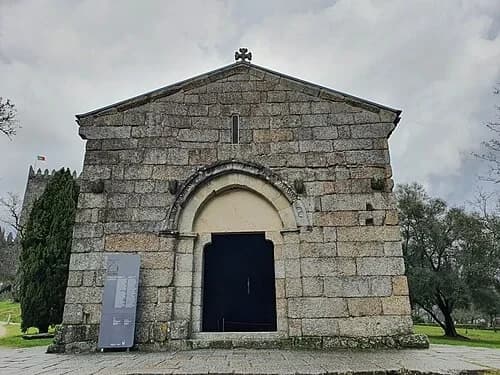
Step closer to the modest stone entrance of the Church of Saint Michael. For many, this is more than just a 12th-century chapel; it is a sacred ground of national identity. Tradition holds that within these sturdy walls, Dom Afonso Henriques, the first King of Portugal, was baptized. While modern historians continue to debate the exact date and location of the ceremony, the legend has firmly tied this building to the very origin of the Portuguese monarchy. The human scale of the chapel makes the legendary event feel grounded and accessible. Looking at the heavy stone doorway and the simple interior, one can imagine the solemn ceremony that took place here nearly nine centuries ago. This humble setting for such a significant historical figure reinforces the image of the early Portuguese kings as rugged, frontier leaders rather than distant, ornate monarchs. The chapel remains a symbolic pilgrimage site for those wishing to connect with the formative years of the kingdom, where the spiritual and the political were inextricably linked.
Church of Saint Michael
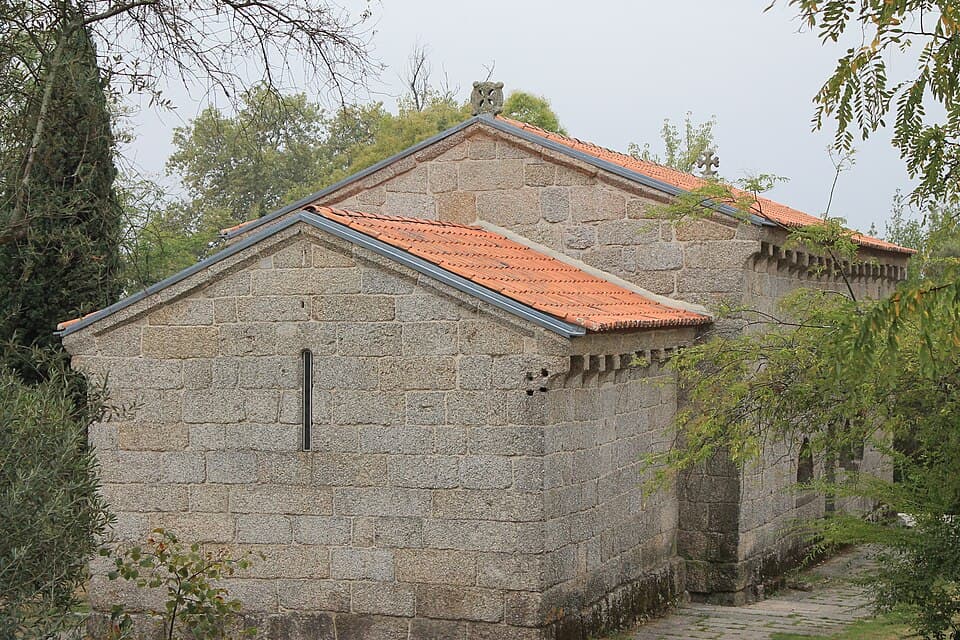
Just a short distance from the formidable stone battlements of the castle, you will find the Church of Saint Michael. This small, sturdy chapel dates back to the 12th century and is built in the Romanesque style. Its architecture is characterized by thick walls, small windows, and simple, rounded arches, echoing the ruggedness of the nearby fortress. There is a profound contrast between this quiet spiritual site and the massive military machine that looms over it. While the castle was built for physical defense, the chapel served as the spiritual heart of the local community and the nascent Portuguese court. During the era when Portugal was still a county struggling for independence, buildings like this were essential for establishing cultural and religious permanence. The weathered granite exterior shows little ornament, reflecting the practical and austere aesthetic of the period. Its enduring presence alongside the fortress reminds us that the birth of the nation was a project of both faith and force, with the chapel providing a place of refuge for the soul.
The Parade Square and 10th-Century Foundations
Step inside the central parade square to discuss the castle's 10th-century origins as a protective shield for the local monastery.
The Inner Parade Square
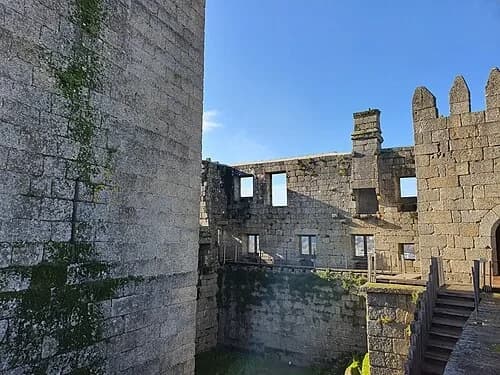
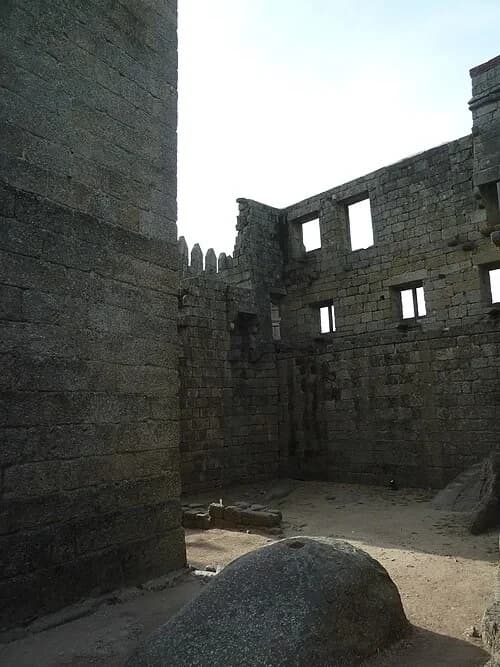
Standing in the center of the interior courtyard, you are in the heart of the medieval military operation. Today, the space is open and quiet, but in the 12th and 13th centuries, it would have been a crowded, bustling area. This parade square was once filled with wooden structures, including barracks for the garrison, stables for horses, and storage sheds for grain and weapons. Life here was governed by the rhythms of military duty and the constant threat of siege. From this vantage point, you can appreciate the sheer thickness of the surrounding granite walls, which provided a sense of absolute security for those inside. Looming over the square is the massive central keep, or Torre de Menagem. This was the final point of retreat, the strongest part of the castle where the defenders would make their last stand if the outer walls were ever breached. The square served as the staging ground for both daily chores and emergency defense, reflecting the multi-layered strategy of a fortress designed to withstand months of isolation.
Traces of the Past
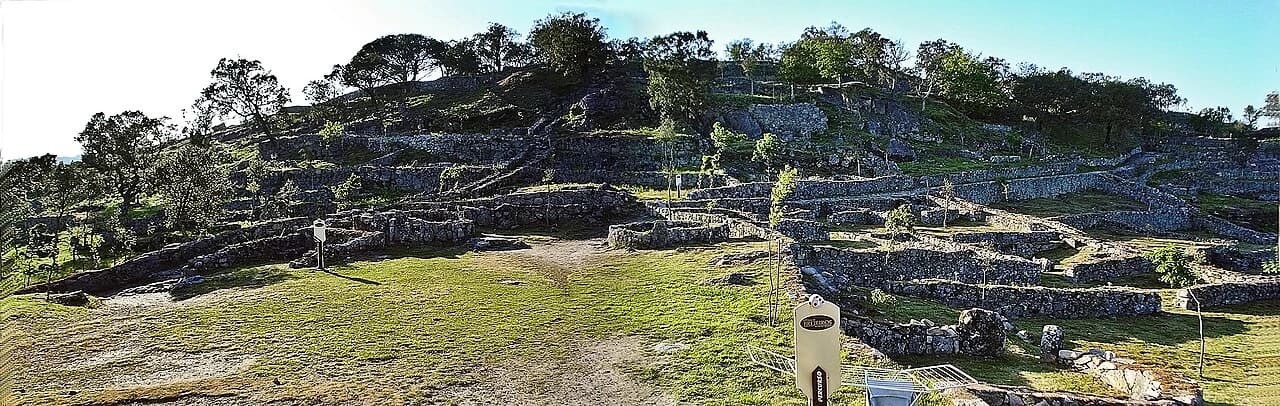
As you look around the inner perimeter, you will notice various stone foundations and seemingly random openings in the walls. These ruins are vital pieces of a historical puzzle, showing how the castle’s interior was organized before 20th-century restoration efforts cleared the space. In the medieval period, the interior was not an empty field but a densely packed village of support buildings. During a siege, these walls were the only thing standing between the local population and disaster. Hundreds of townspeople and farmers from the surrounding countryside would have crowded into this courtyard, seeking protection behind the granite battlements. They would have brought their livestock and whatever supplies they could carry, turning this military square into a cramped, desperate refuge. These remaining foundations help us visualize that crowded reality. They serve as silent evidence of the castle's primary social function: to act as a communal shield. The rugged, unpolished state of these ruins provides a direct connection to the functional, lived-in reality of a fortress on the front lines of a medieval frontier.
The Adarve (Defensive Wall Walkway)
Ascend the walls to walk the adarve, experiencing the fortress from the perspective of a medieval soldier.
The Soldier’s Path
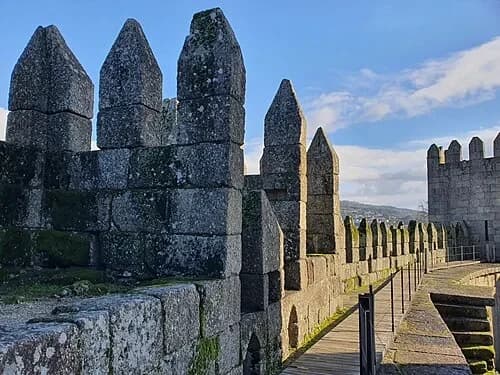
Climbing up to the defensive walkway, known as the Adarve, puts you exactly where the castle's sentries once stood. This narrow stone path running along the top of the ramparts was the primary frontline for the garrison. From here, you can see the distinctive pointed merlons, the upright stone sections, and the crenels, which are the gaps between them. This tooth-like pattern served a vital purpose: the merlons protected the soldiers from enemy arrows and stones, while the crenels provided an opening to return fire or drop projectiles onto anyone attempting to scale the walls. The physical experience of walking this path—with the wind whipping across the heights and the town laid out below—gives a sense of the constant vigilance required in the middle ages. Soldiers would have patrolled these walls day and night, their eyes scanned the horizon for the glint of armor or the dust of approaching troops. The Adarve was the nerve center of the castle's defense, connecting all the towers and allowing for the rapid movement of men during an assault.
Inside the Fortress Keep
A look at the medieval life and architectural planning preserved within the keep's thick stone walls.
The Foundation Charter
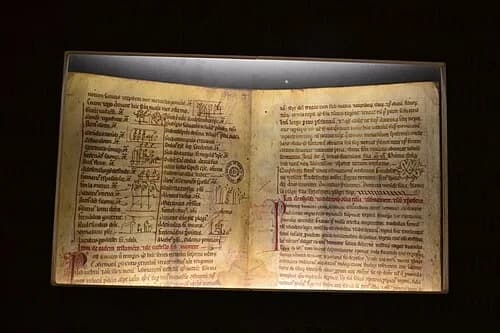
The history of this site is anchored by rare documentary evidence from the early Middle Ages. We know the castle was built between 950 and 957 AD because of the surviving testament of Countess Mumadona Dias. In this written charter, she recorded her donation of lands and her command to construct a "castellum" to protect the Monastery of São Mamede and the surrounding town. Having such specific dates for a 10th-century fortress is incredibly rare in European history. This document proves that the castle was never just a solitary military post; it was a deliberate social project intended to create a secure hub for a growing community. By providing safety, Mumadona allowed the town of Guimarães to develop into a significant political and economic center. The charter highlights the administrative sophistication of the period and the long-term vision of its female founder. This written record transforms the castle from a mute pile of stones into a well-documented monument of civic and royal development. It underscores the site's role as the foundation upon which the future kingdom was physically and legally built.
The Summit View: Palace of the Dukes
From the top of the keep, view the nearby Palace of the Dukes of Braganza, connecting the castle to the later noble history of Guimarães.
Palace of the Dukes
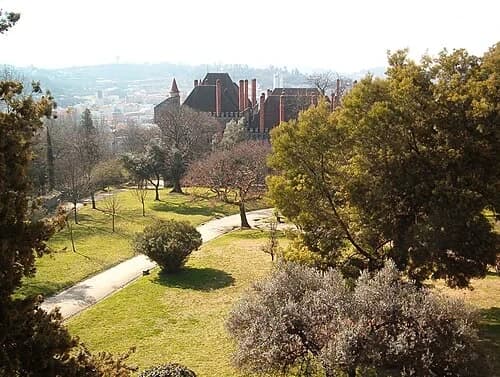
Looking across the grounds, the Palace of the Dukes of Braganza represents a major turning point in Portuguese history. By the 1400s, the brutal era of frequent sieges was beginning to fade. The nobility no longer needed to hide behind the cramped, cold, and dark walls of a military fortress like the one we just explored. Instead, they desired prestigious residences that reflected their wealth and status. This palace, built in the 15th century, showcases that transition perfectly. Notice the difference in materials and style. While the castle is built of rough, defensive granite, the palace incorporates more brickwork and features a residential layout designed for comfort and grand entertaining. Its architectural style is influenced by Northern European trends of the time, which the first Duke encountered during his travels. This building wasn't just a home; it was a statement of power and cultural connection to the rest of the continent. The shift from the Spartan life of a garrison to the luxury of this ducal residence marked Guimarães' evolution from a frontier military outpost into a sophisticated center of European nobility. Even the windows are larger here, designed to let in light rather than keep out arrows.
The Modern Heritage: IANT Dispensary
A final look at the modern cultural heritage on the hill, showing the site's continued importance into the 20th century.
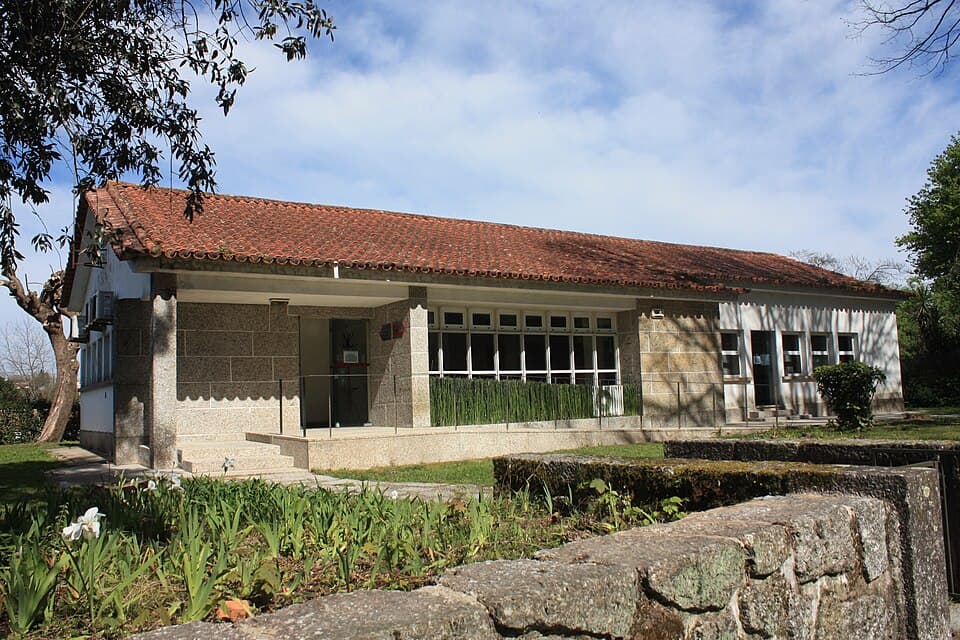
The Modern Dispensary
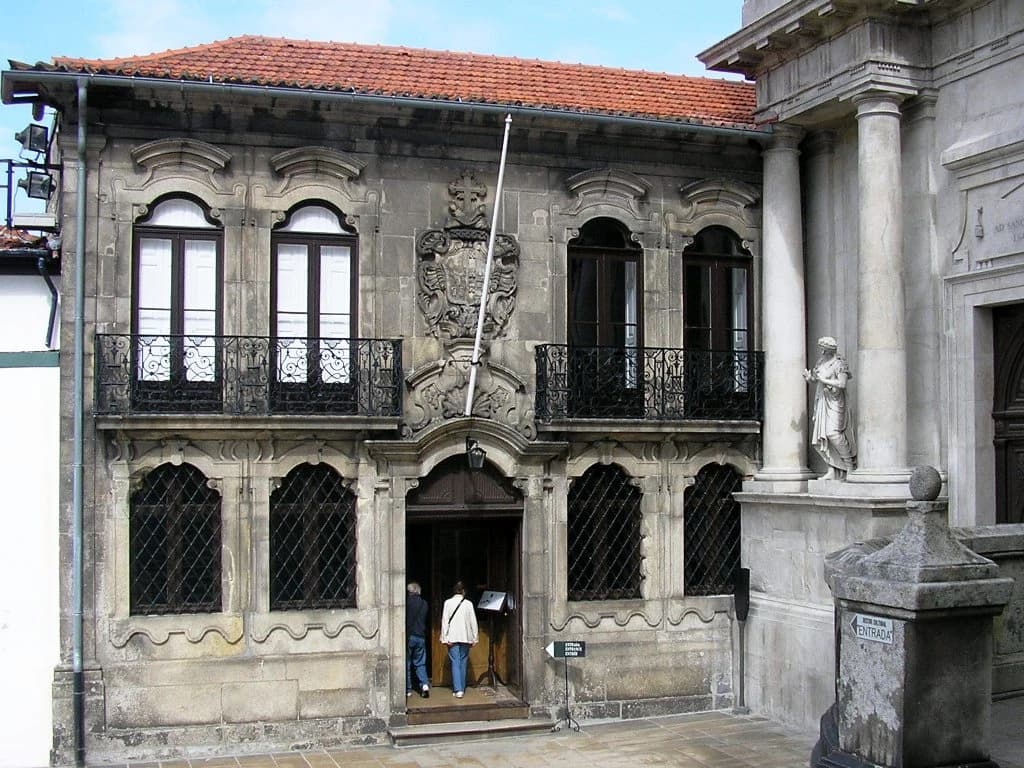
As we conclude our tour, we look at this 20th-century structure known as the dispensary. While it lacks the ancient granite of the castle or the brick chimneys of the palace, it is a crucial part of the hill’s story. Its presence here demonstrates that the Sacred Hill of Guimarães did not become a static museum once its military and royal uses ended. Instead, it evolved into a space of public utility and social care for the local community. For decades, this building served as a health facility, proving that the land donated by Countess Mumadona Dias in the 10th century continued to support the people of Guimarães well into the modern age. Today, the hill remains a site of immense cultural pride and a gathering place for both locals and visitors. The legacy of the fortress and the palace is kept alive not just through stone walls, but through the continued relevance of this ground in daily life. The modern structures here stand just steps away from the medieval foundations, linking the 10th century to the present day.
Want to hear the rest?
Download the Stanza app to unlock all 20 stops and full GPS-guided navigation.
Frequently Asked Questions
How long does the Castelo de Guimarães audio tour take?
The Castelo de Guimarães audio guide includes 20 narrated stops. Most visitors spend 45 minutes to 1.5 hours exploring the complete tour, though you can listen at your own pace and skip or revisit any stop.
Is the Castelo de Guimarães audio guide available in my language?
Stanza supports 15 languages: English, Spanish, French, German, Italian, Portuguese, Russian, Japanese, Chinese, Korean, Arabic, Hindi, Polish, Dutch, Hebrew. Check the guide in the app to confirm the languages currently available for this tour.
Can I use the audio guide offline at Castelo de Guimarães?
Yes! Download the complete Castelo de Guimarães tour — including all audio, maps, and images — before your visit. The Stanza app works completely offline, so you don't need WiFi or mobile data at the venue.
How much does the Castelo de Guimarães audio guide cost?
The Stanza app is free to download. Free and paid audio guides are available; current prices are shown in the app.
How do I use the Stanza audio guide at Castelo de Guimarães?
Download the free Stanza app, search for "Castelo de Guimarães", and download the tour. When you arrive at the venue, the app uses GPS to detect your location and automatically plays the relevant narration as you move between points of interest — completely hands-free.
What makes the Stanza audio guide different from other Castelo de Guimarães tours?
Stanza offers GPS-triggered narration that plays automatically as you walk through Castelo de Guimarães — no need to manually select stops. The tour is available in 15 languages, works fully offline, and includes 20 expertly narrated stops with images and historical context.
What other audio guides are available near Castelo de Guimarães?
Stanza offers multiple audio guides in Guimarães, Portugal and nearby areas. After downloading the app, browse the map to discover all available tours near Castelo de Guimarães. Each guide can be downloaded for offline use.