Languages
15Castelo de Bragança Audio Guide
Castelo de Bragança is a landmark in Bragança, Portugal. Explore it with Stanza's GPS-triggered offline audio guide — available in 15 languages.
Quick Facts
22
Stops
15
Languages
100%
Offline
📍 Bragança, Portugal · 41.8042°N, -6.7492°E
About Castelo de Bragança
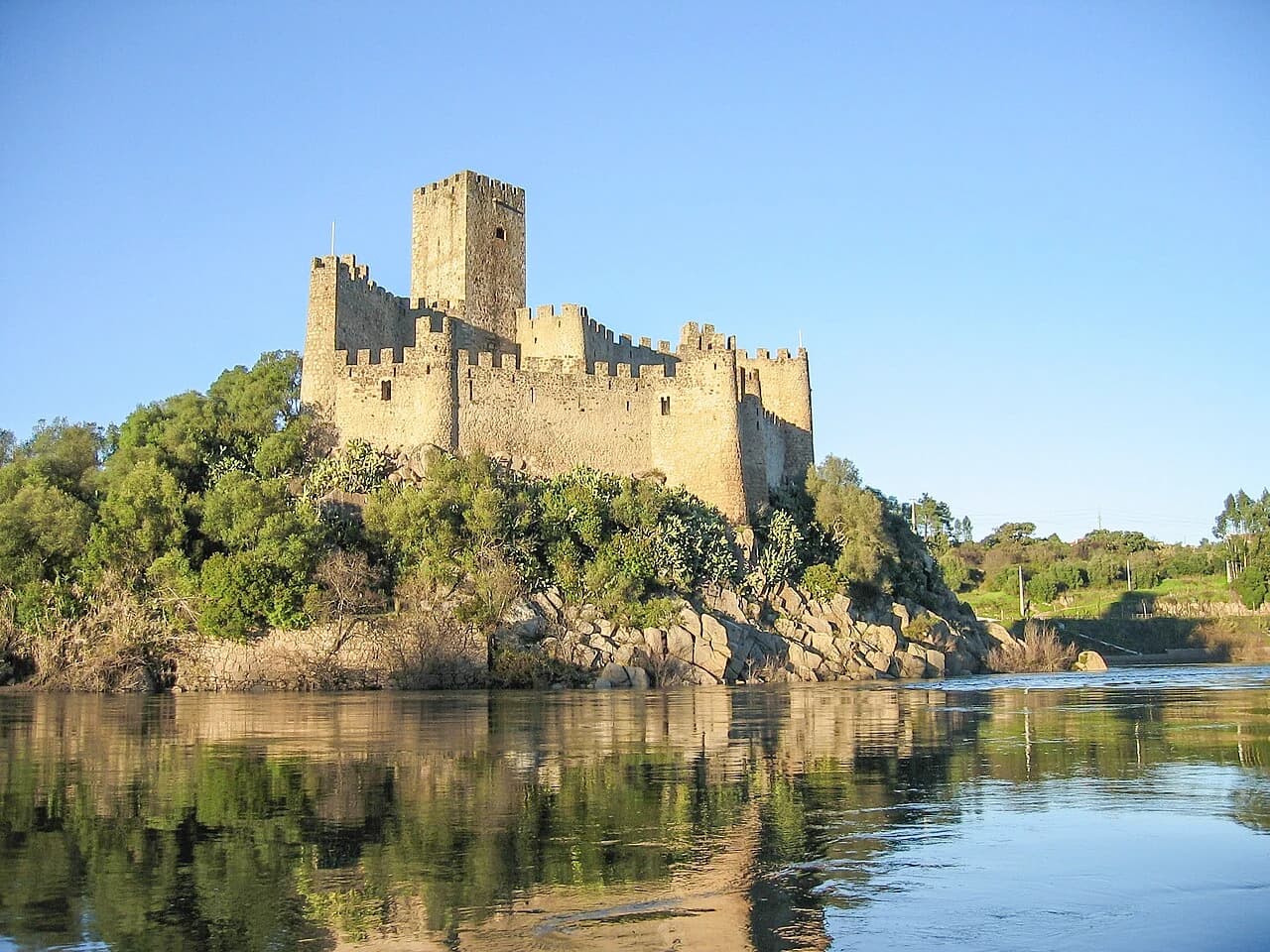
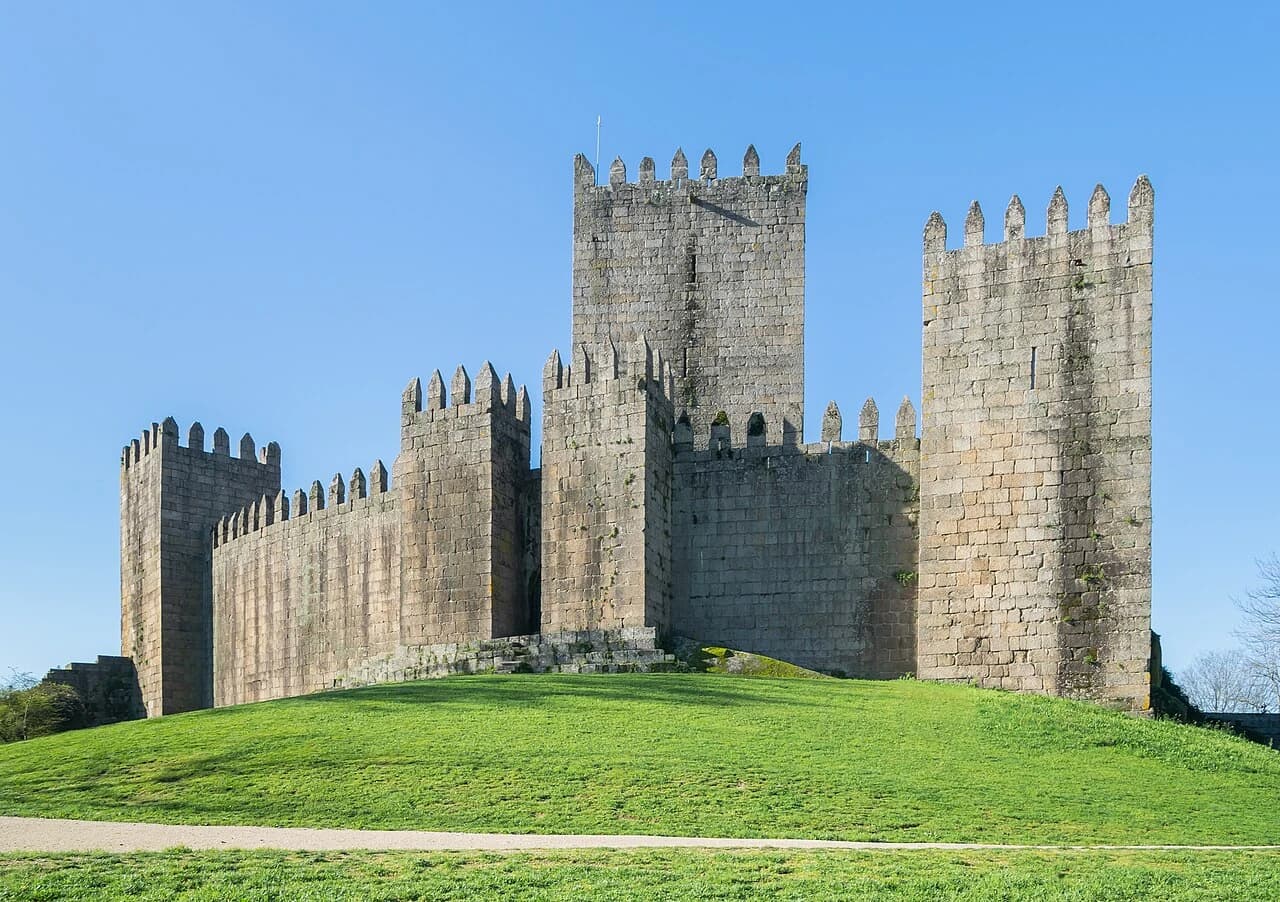
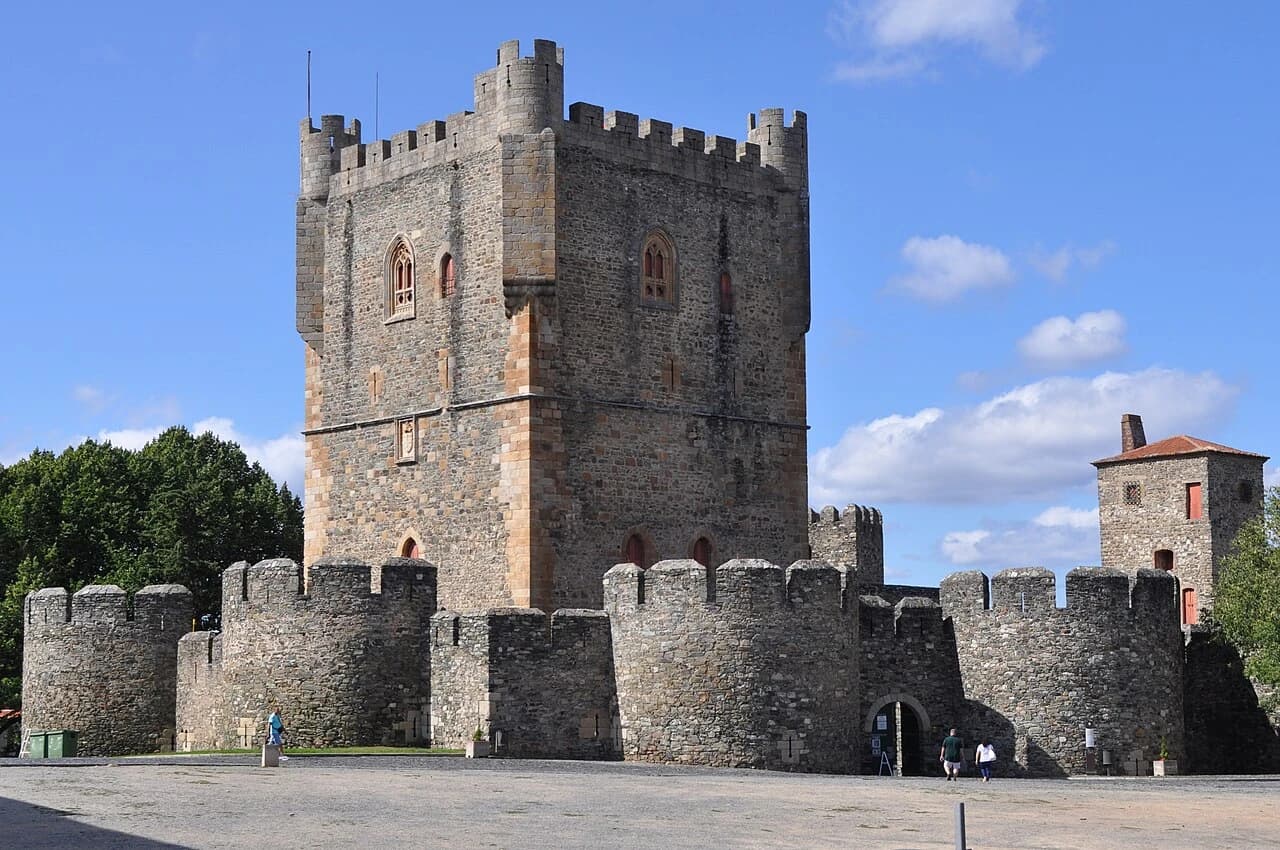
The Castle of Bragança is a well-preserved medieval fortress featuring a prominent keep and fortified walls. It is a designated National Monument of Portugal and serves as a significant example of 12th-century military architecture.
Castelo de Bragança is also known as Bragança Castle, Castelo de Bragança, Castelo de bragança, Castelo de Braganca.
This self-guided audio tour features 22 narrated stops organized across 7 sections. As a castle, Castelo de Bragança offers a unique cultural experience in the heart of Bragança, Portugal.
The Stanza audio guide is available in 15 languages and works entirely offline — download the complete tour including audio narration, maps, and images before your visit. As you walk through Castelo de Bragança, GPS-triggered narration plays automatically at each point of interest.
Last updated:
What you will hear
Porta de Santo António and the Outer Walls
The tour begins at the primary entrance to the citadel, establishing the fortress's scale and defensive architecture.
Citadel Turrets
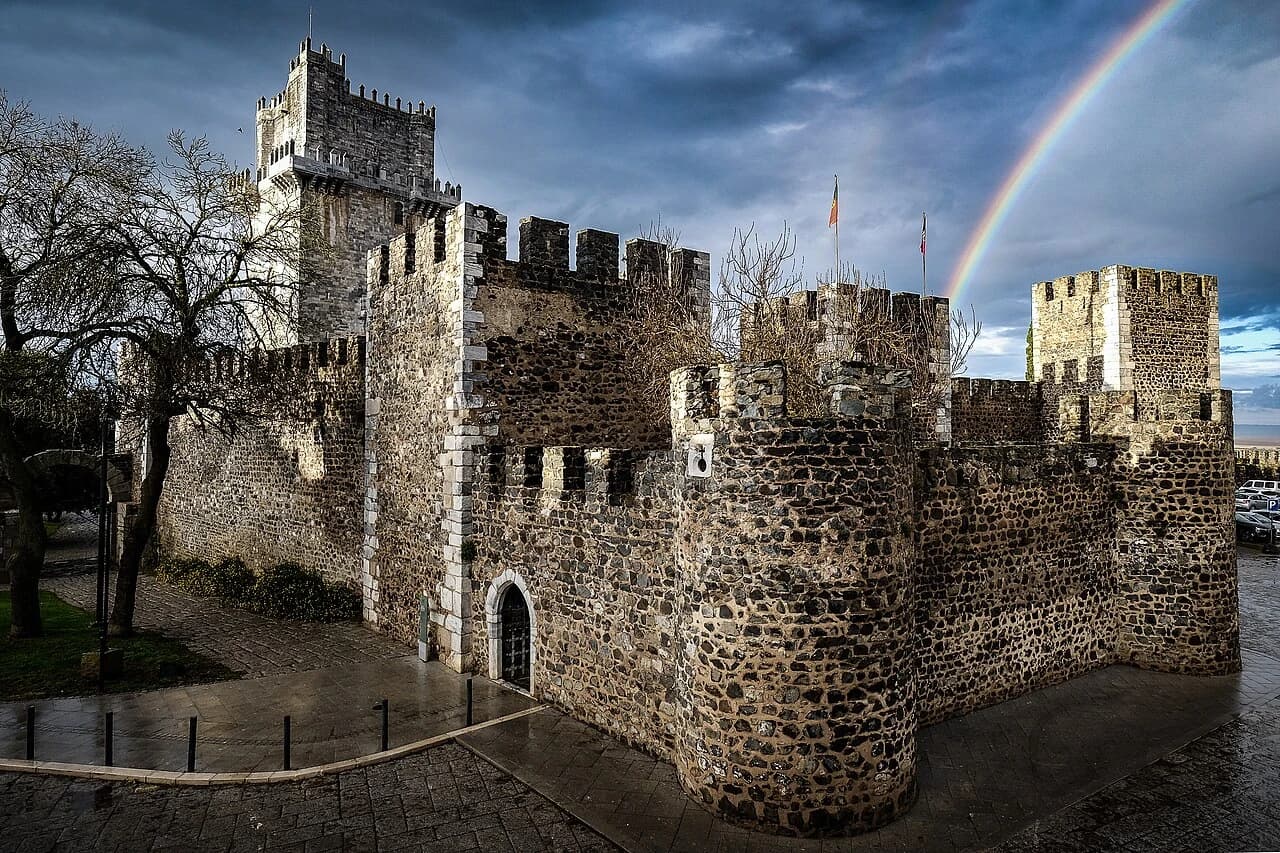
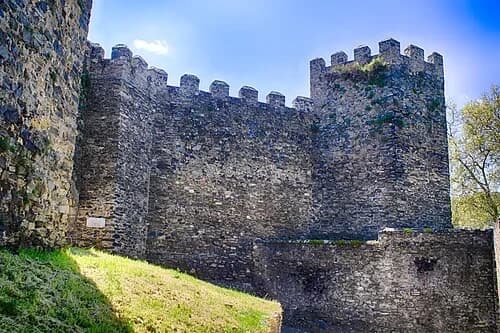
The perimeter of the citadel is reinforced by fifteen circular turrets that jut out from the main curtain wall. These towers were not merely for observation; they were tactical necessities in medieval warfare. By placing towers at regular intervals, the architects eliminated 'dead zones'—the blind spots at the base of the wall where an enemy could hide or attempt to tunnel while remaining invisible to defenders directly above them. From these rounded platforms, guards could fire arrows or drop stones along the face of the wall toward anyone attempting a climb. The circular shape was intentionally chosen over square designs because it lacked corners, making it more resistant to the impact of projectiles and harder for attackers to weaken through sapping. Each tower provided a vantage point to coordinate with neighboring sentinels, creating a continuous chain of surveillance around the entire three-hectare enclosure. The height and sturdy construction of these turrets allowed for a small number of soldiers to hold off a much larger attacking force by maintaining the advantage of superior elevation.
Within the Citadel: Rua D. João II
This area introduces the residential life within the castle walls, focusing on the preserved medieval streetscape.
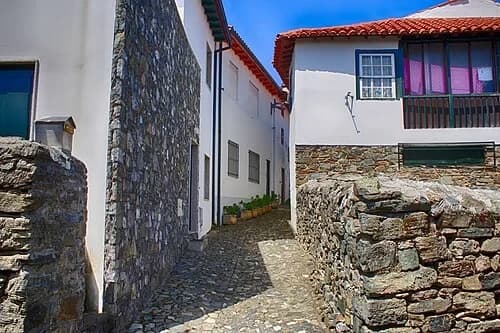
Medieval Alleyway
The streets within the citadel are a maze of narrow, cobbled alleyways that reflect medieval urban planning. Because space was limited by the fixed perimeter of the defensive walls, houses were built very close together. This density served two practical purposes: it helped retain warmth during the harsh winters on this 700-meter-high plateau and provided additional defensive barriers should an enemy ever breach the main gates. The streets follow the natural contours of the rocky terrain, leading to the irregular, winding paths you see today. There are no grand boulevards here; instead, you find intimate passages where the stone walls of homes seem to lean toward one another. Notice how the cobbles are worn smooth by centuries of footsteps, cart wheels, and animal hooves. The lack of modern vehicular traffic preserves a quiet, historic atmosphere that allows you to hear the sounds of the neighborhood. These streets connect the various layers of the citadel, from the humble residential quarters to the imposing central keep and the civic spaces that once governed the local population.
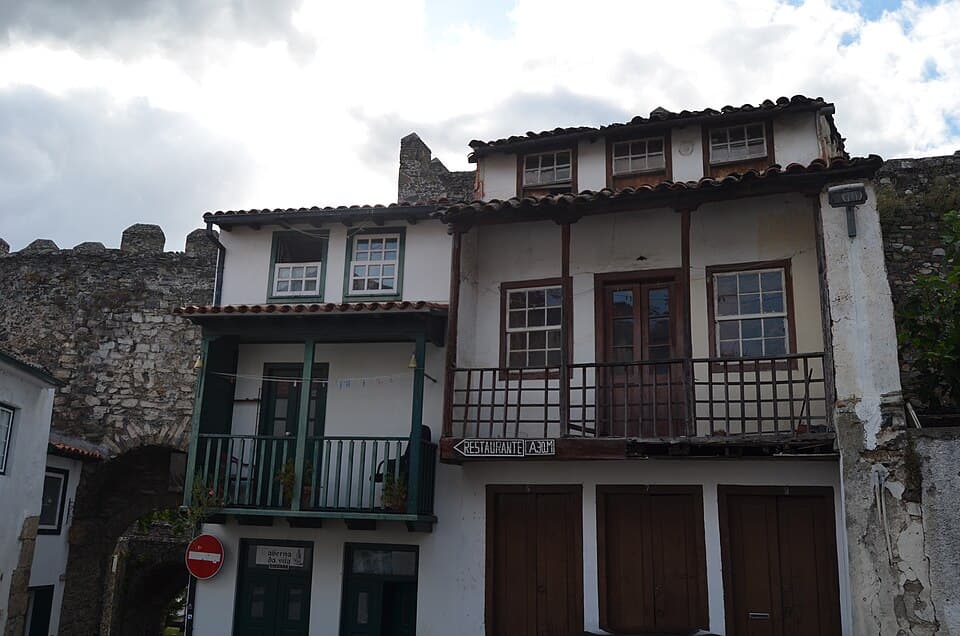
Citadel Houses
Bragança is a rare example of a medieval military fortress that successfully transitioned into a living, breathing village. The area enclosed by the walls covers approximately three hectares and has been continuously inhabited for centuries. This historic zone is a micro-community where the architecture reflects a shift from purely defensive needs to the requirements of daily life. The houses you see today are built directly into or alongside the ancient fortifications, often utilizing the thick perimeter walls as their own rear support. For the families who live here, the citadel is not just a monument; it is a neighborhood. This integration of domestic life within a military structure created a unique social environment where residents were both civilians and, historically, the first line of defense during times of conflict. The presence of laundry hanging from windows and flower pots on stone sills contrasts with the rugged, warlike masonry of the turrets. This coexistence of the domestic and the martial has preserved the citadel from becoming a stagnant museum, keeping it a vital part of the city's modern identity.
The Medieval Pillory
Located in the heart of the citadel, this stop explains the judicial autonomy and history of Bragança.
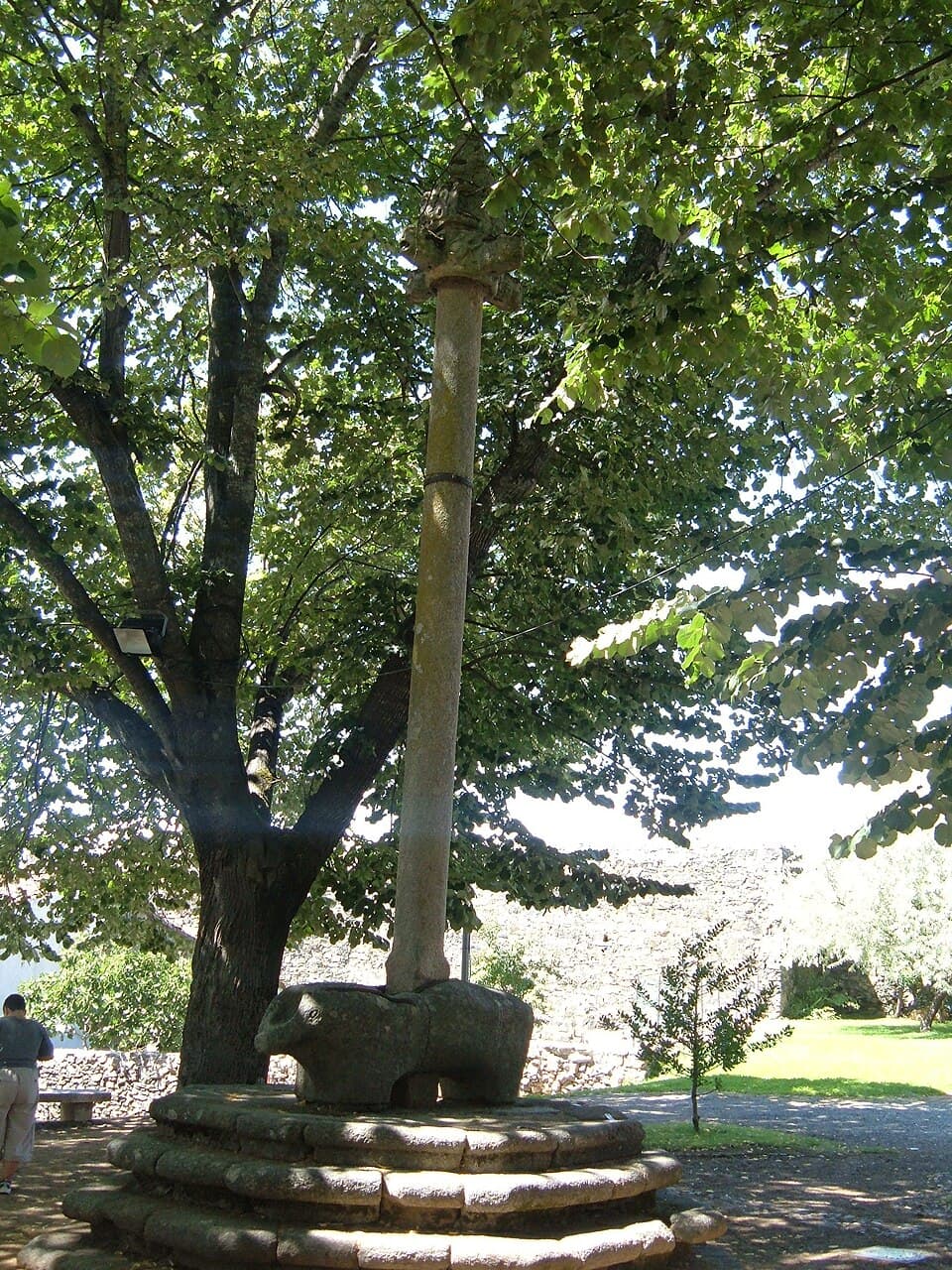
Medieval Pillory
The medieval pillory, or 'pelourinho,' is an essential symbol of the town's historical judicial autonomy. In the Middle Ages, the right to have a pillory was granted by the crown as a mark of a town's self-governance. This particular monument is unique for its base, which features a zoomorphic stone figure known as a 'berrão.' This primitive carving of a boar is believed to be of Celtic origin, dating back long before the castle was built. It was incorporated into the pillory’s design, merging ancient local symbols with medieval authority. The pillory served as the site where municipal laws were officially proclaimed and where public punishments were carried out. Petty criminals might be chained to the pillar as a form of public shaming, a common practice in medieval society to maintain order. Its central location ensured that every citizen was aware of the town's laws and the consequences of breaking them. While it may look like a simple stone column today, it once represented the absolute power of the local magistrates to administer justice within the safety of the citadel walls.
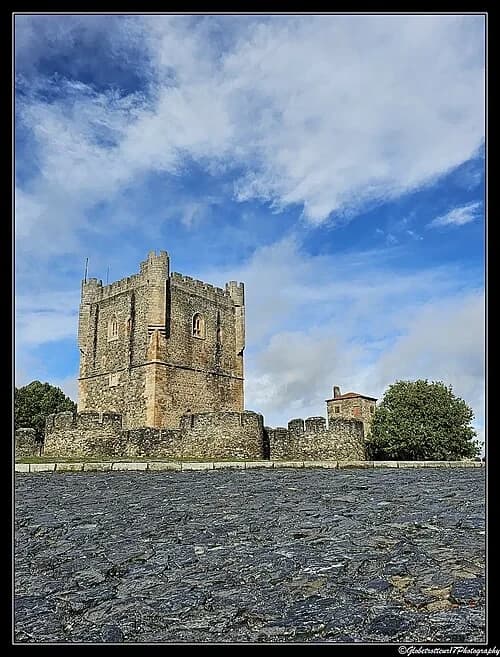
Fortress Silhouette
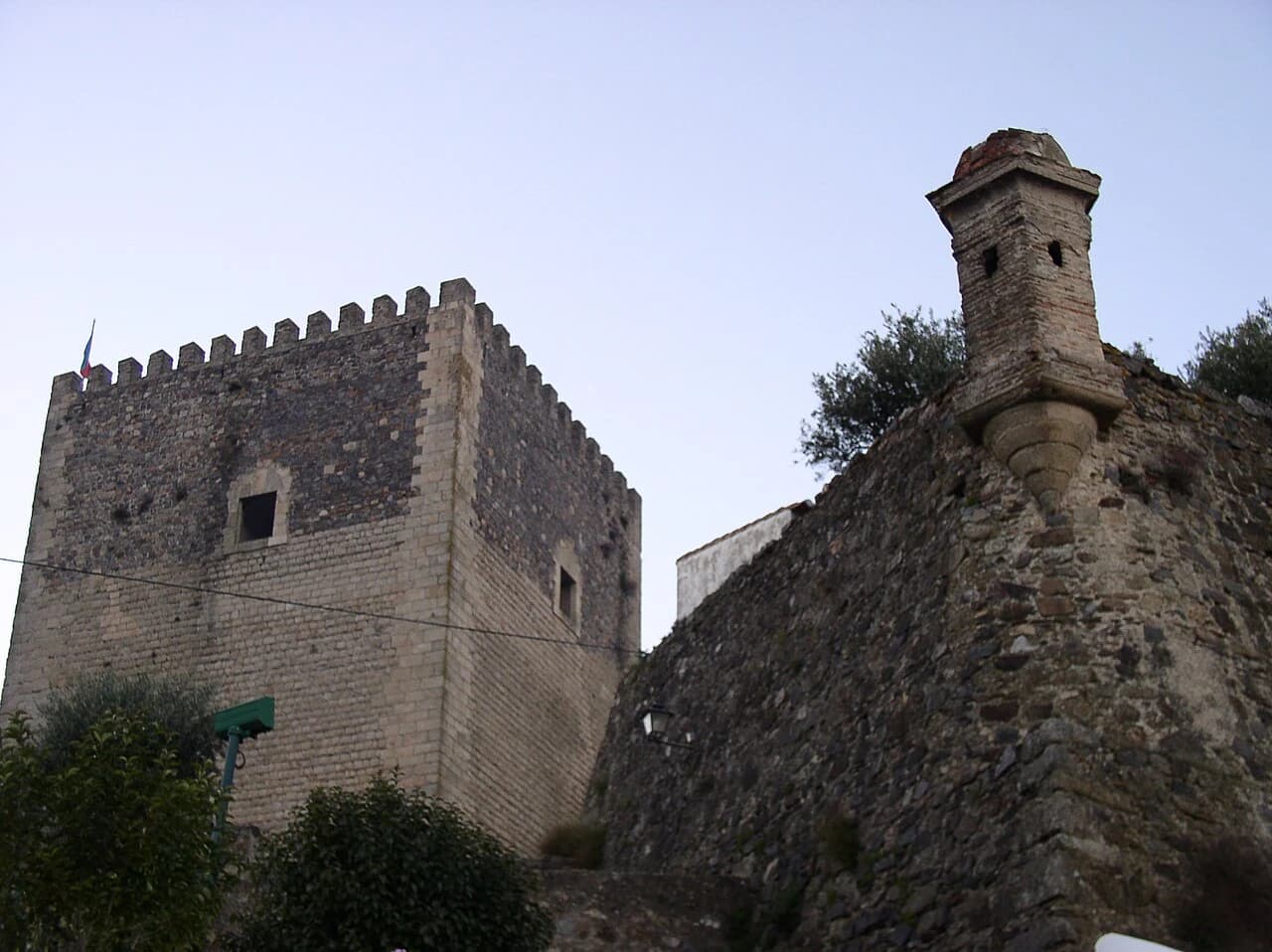
The silhouette of the Great Keep against the sky is the most iconic image of Bragança. While the fortress has 13th-century roots, the structure you see today is largely the result of extensive 15th-century updates. The keep is constructed from rugged schist stone, a local material that allows the massive building to blend harmoniously with the surrounding mountain landscape. This dark, layered stone was notoriously difficult to work with but provided excellent durability against the elements. From a distance, the square towers and crenelated battlements create a jagged profile that has intimidated potential invaders for generations. The 15th-century renovations added more refined architectural details, such as the watchtowers at the corners, which improved the defenders' ability to see in all directions. The sheer verticality of the keep serves as a landmark for miles around, signaling the presence of a powerful regional authority. As light changes throughout the day, the texture of the schist shifts from deep grays to warm browns, reflecting the natural palette of the Trás-os-Montes region and the enduring strength of the medieval builders.
Church of Santa Maria
The spiritual center of the citadel, adjacent to the Domus Municipalis.
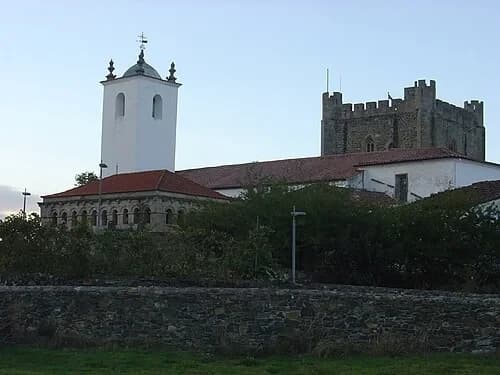
Religious and Military Union
Standing between the Great Keep and the Church of Saint Mary, you can observe a physical manifestation of the medieval concept known as 'the cross and the sword.' In the Middle Ages, religious and military authorities were inextricably linked, working together to govern and protect the population. The keep represents the military power of the lords, while the church represents the spiritual authority of the clergy. By building these structures side-by-side, the founders of Bragança ensured that the two most important institutions of the day were always in close proximity. This arrangement allowed for seamless cooperation in the administration of the frontier; the church provided moral guidance and social order, while the castle offered the physical muscle to enforce those laws and defend the territory. During times of conflict, the church could serve as an additional refuge for non-combatants, while in times of peace, it was the focal point of civic life. This visual pairing remains a powerful reminder of a time when every aspect of human life was governed by the dual necessities of physical survival and spiritual salvation.
The Great Keep: Torre de Menagem
The architectural climax of the castle, exploring the 15th-century tower's construction and noble history.
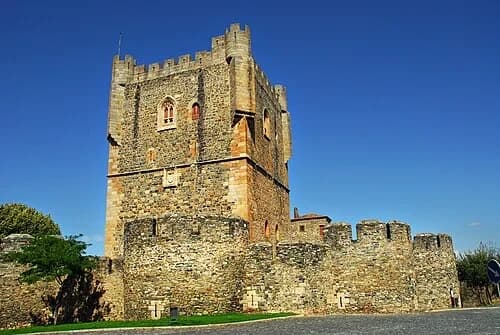
The Great Keep
The Great Keep is the architectural climax of the fortress, standing as a formidable monument to 15th-century military engineering. Completed around 1439 during the reign of King Duarte, it rises to a height of 34 meters. The tower is perfectly square, measuring 17 meters on each side, which provided a vast internal space for supplies, living quarters, and a final defensive stronghold. At the very top, notice the machicolations—the protruding stone galleries with openings in the floor. These allowed defenders to drop stones or boiling liquids directly onto attackers at the very base of the tower without exposing themselves to return fire. The keep was the last line of defense; if the outer walls were breached, the garrison would retreat here to hold out as long as possible. The thickness of its walls and the height of its battlements made it nearly impossible to capture by force. Today, the interior houses a military museum, but the building itself remains the most significant artifact, a massive stone statement of the House of Bragança’s power and the strategic importance of this border region.
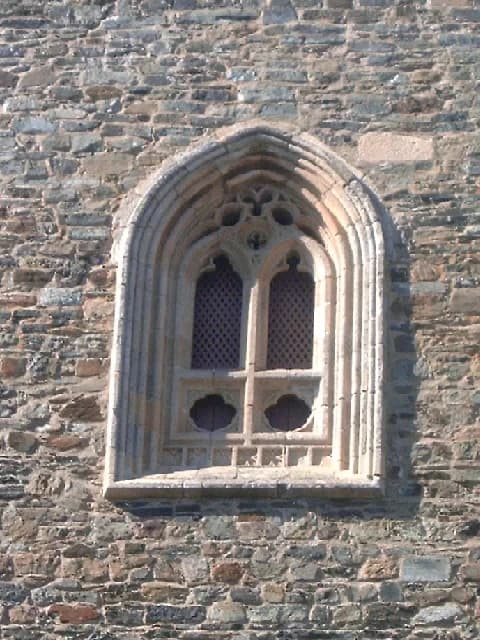
Gothic Window
High on the walls of the Great Keep, you will find an ornate Gothic window that stands out against the surrounding rugged stone. This window is not merely functional; it was a deliberate statement of wealth and prestige by the House of Bragança. It features intricate stone tracery and a pointed arch, elements characteristic of the 15th-century Gothic style. In a structure designed primarily for war, such a decorative feature served to remind both residents and visitors of the noble status of those who commanded the tower. While most openings in a keep were narrow slits for archers, this larger window provided light and a view of the surrounding landscape to the high-ranking officials who lived in the upper chambers. The contrast between the delicate, carved stone and the heavy, unadorned walls surrounding it highlights the duality of the keep as both a brutal defensive tool and a royal residence. It represents a period when the lords of the castle began to blend the harsh requirements of military life with the growing desire for architectural elegance and artistic expression.
Battlements and the Tower of the Princess
A walk along the walls to discuss defensive strategy and the famous local legend of the orphan princess.
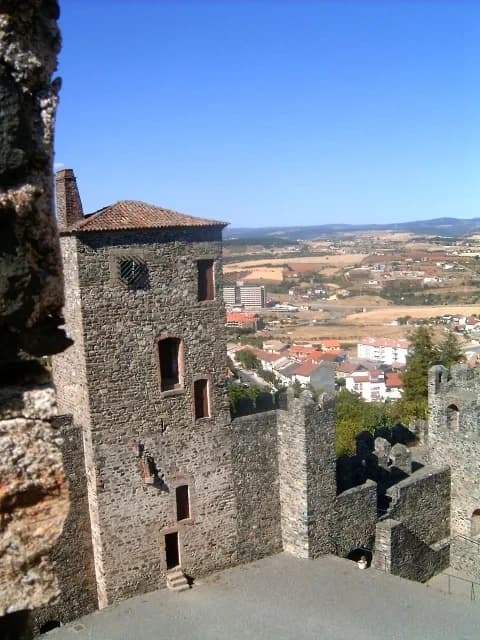
Princess Tower
One of the towers near the keep is known locally as the Princess Tower, a name rooted in a famous Bragança legend. Tradition holds that an orphan princess, Dona Sancha, was kept confined here by her uncle, who wished to force her into an unwanted marriage. To discourage other suitors, the uncle reportedly told everyone she was monstrously ugly. The story reaches its climax when a miraculous ray of sunlight suddenly flooded the dark chamber where she was being hidden, revealing her true beauty to those outside and exposing her uncle's trickery. This tale of the betrayal of the sun has become a central part of the town's identity, blending the harsh reality of medieval dynastic struggles with poetic folklore. While the tower itself served a standard defensive function, its association with Dona Sancha has transformed it into a landmark of regional mystery. It remains a popular site for those interested in the stories that live within these stone walls. As you look at the tower, notice the small windows that, according to the legend, were the only source of light for the captive princess.
Museu do Abade de Baçal (Episcopal Palace)
As visitors descend toward the lower town, this stop explores regional art and history in the former bishop's palace.
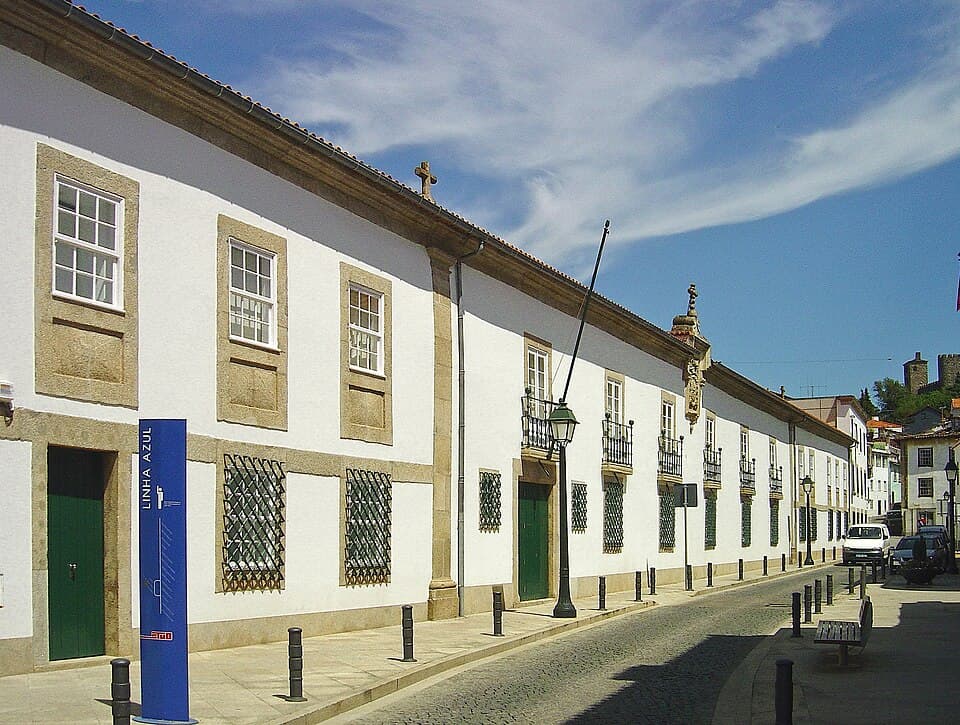
Episcopal Palace
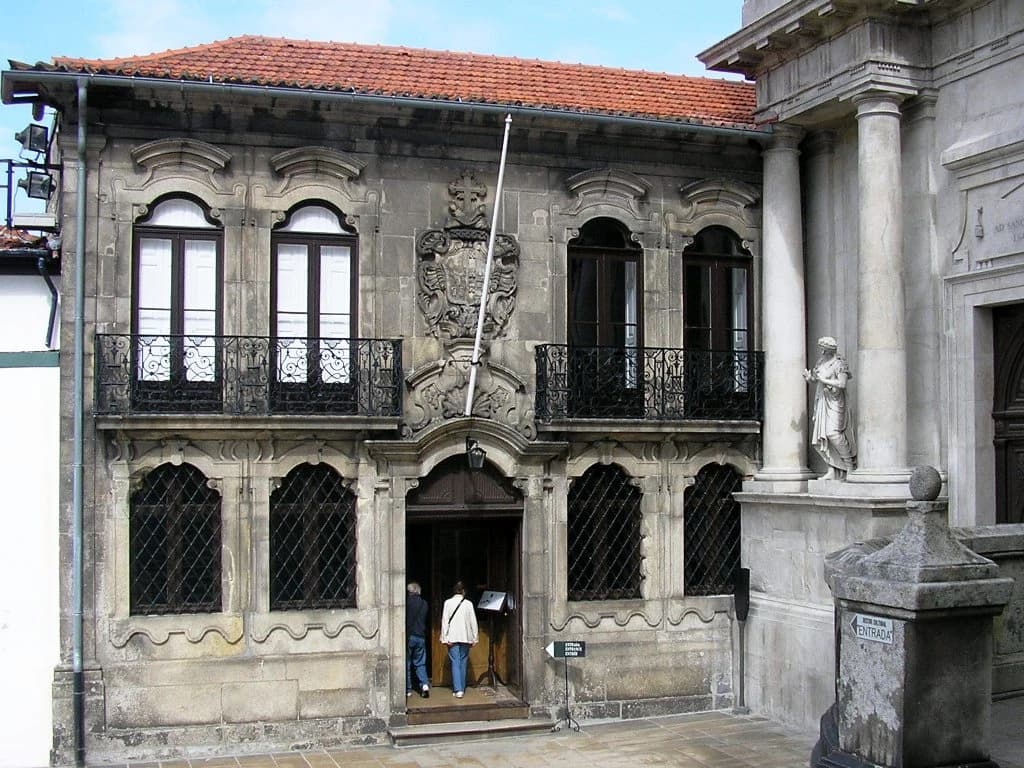
Located near the citadel, the former Episcopal Palace represents the ecclesiastical power that once governed this region alongside the military. For centuries, this building was the seat of the Bishop of Bragança-Miranda, serving as a center for religious study, administration, and local politics. Its presence emphasizes that Bragança was not just a frontier outpost, but a significant cultural and administrative capital. The architecture of the palace is more refined than the rugged defensive works nearby, reflecting the wealth and status of the church. Inside, scholars and clerics managed the vast landholdings of the diocese and educated the local elite. Today, the building has found a new purpose as the Abade de Baçal Museum. It houses an extensive collection of archaeological finds, including ancient Roman inscriptions, medieval artifacts, and traditional sacred art. Many of the stones and tools on display were recovered from the very walls and foundations you have seen during your visit. This transition from a residence of power to a public repository of knowledge allows the palace to continue its historical role as a guardian of the region's diverse identity and heritage.
Want to hear the rest?
Download the Stanza app to unlock all 22 stops and full GPS-guided navigation.
Frequently Asked Questions
How long does the Castelo de Bragança audio tour take?
The Castelo de Bragança audio guide includes 22 narrated stops. Most visitors spend 45 minutes to 1.5 hours exploring the complete tour, though you can listen at your own pace and skip or revisit any stop.
Is the Castelo de Bragança audio guide available in my language?
Stanza supports 15 languages: English, Spanish, French, German, Italian, Portuguese, Russian, Japanese, Chinese, Korean, Arabic, Hindi, Polish, Dutch, Hebrew. Check the guide in the app to confirm the languages currently available for this tour.
Can I use the audio guide offline at Castelo de Bragança?
Yes! Download the complete Castelo de Bragança tour — including all audio, maps, and images — before your visit. The Stanza app works completely offline, so you don't need WiFi or mobile data at the venue.
How much does the Castelo de Bragança audio guide cost?
The Stanza app is free to download. Free and paid audio guides are available; current prices are shown in the app.
How do I use the Stanza audio guide at Castelo de Bragança?
Download the free Stanza app, search for "Castelo de Bragança", and download the tour. When you arrive at the venue, the app uses GPS to detect your location and automatically plays the relevant narration as you move between points of interest — completely hands-free.
What makes the Stanza audio guide different from other Castelo de Bragança tours?
Stanza offers GPS-triggered narration that plays automatically as you walk through Castelo de Bragança — no need to manually select stops. The tour is available in 15 languages, works fully offline, and includes 22 expertly narrated stops with images and historical context.
What other audio guides are available near Castelo de Bragança?
Stanza offers multiple audio guides in Bragança, Portugal and nearby areas. After downloading the app, browse the map to discover all available tours near Castelo de Bragança. Each guide can be downloaded for offline use.