Languages
15Tenões Audio Guide
Tenões is a landmark in Braga, Portugal. Explore it with Stanza's GPS-triggered offline audio guide — available in 15 languages.
Quick Facts
16
Stops
15
Languages
100%
Offline
📍 Braga, Portugal · 41.5574°N, -8.3832°E
About Tenões
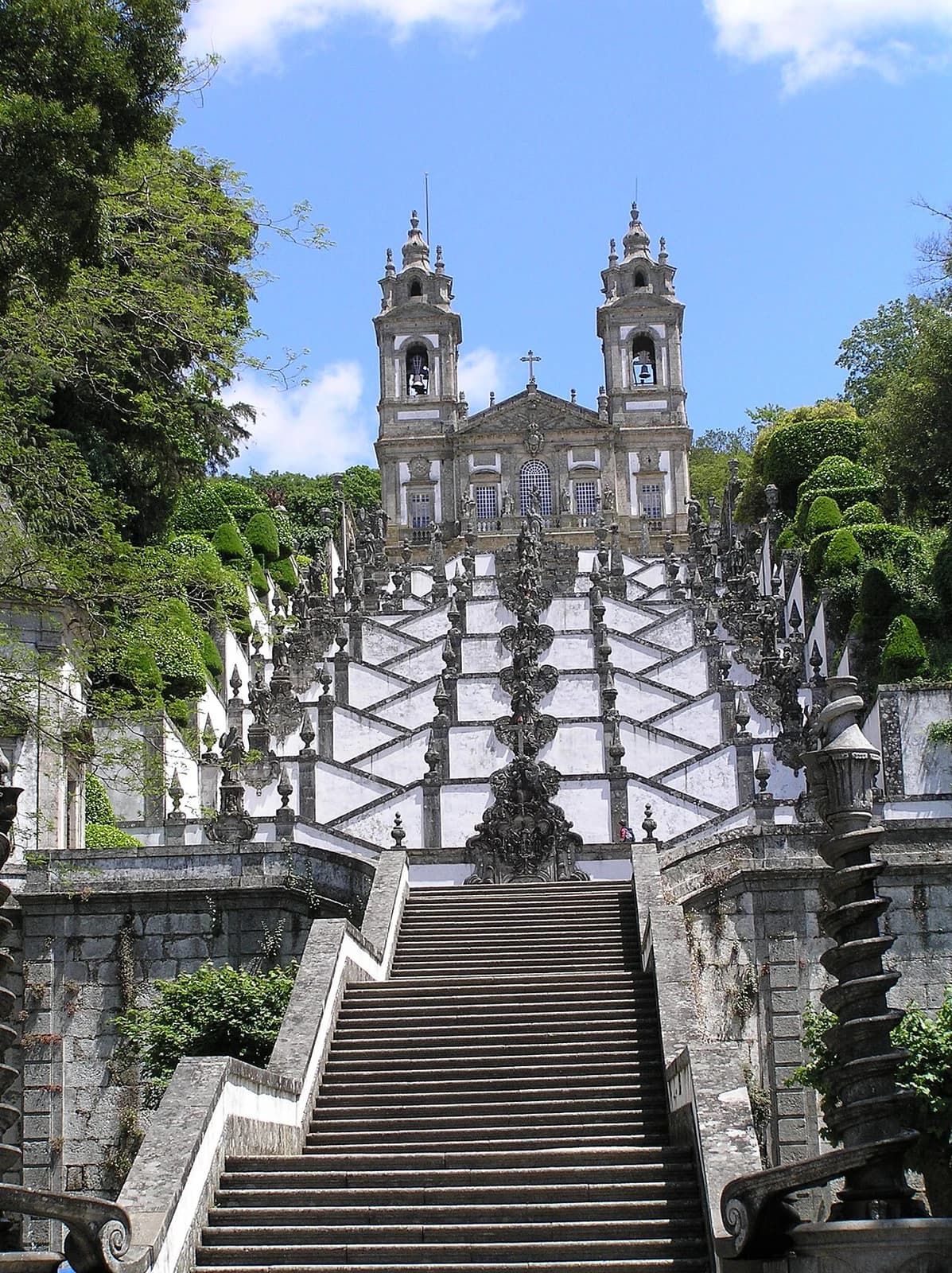
Tenões is a former civil parish located in the municipality of Braga, Portugal. It is notable for hosting parts of the grounds surrounding the Sanctuary of Bom Jesus do Monte.
Tenões is also known as Freguesia de Tenões.
This self-guided audio tour features 16 narrated stops organized across 6 sections, including The Sacred Gateway (Pórtico), The World's Oldest Water Funicular, The Way of the Cross, The Baroque Zigzag Staircase, The Stairway of the Five Senses, The Knight Overlooking Braga. in the heart of Braga, Portugal.
The Stanza audio guide is available in 15 languages and works entirely offline — download the complete tour including audio narration, maps, and images before your visit. As you walk through Tenões, GPS-triggered narration plays automatically at each point of interest.
Last updated:
What you will hear
The Sacred Gateway (Pórtico)
Introduce the formal entrance to the sanctuary grounds, marking the transition from the secular village to the sacred woods.
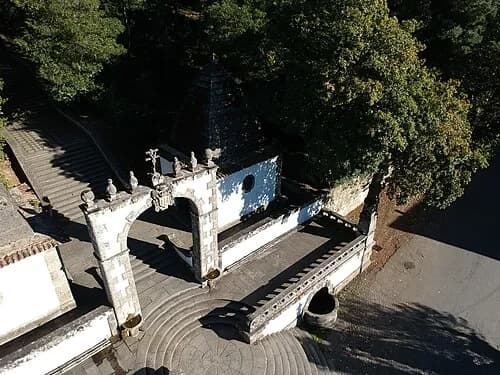
Aerial View of the Portal
Looking down from above, the strategic layout of the entrance becomes clear. The gateway sits at the center of a wide, circular pavement design that gathers visitors before funneling them toward the mountain. This open space provides a moment of orientation before the physical exertion begins. From this point, the stairs narrow significantly as they enter the dense forest that covers 1.67 square kilometers of the hillside. This wooded landscape was carefully managed to create a shaded, contemplative environment for those making the climb. The contrast between the expansive, sunlit portal area and the dark, focused tunnel of the stairs is intentional, drawing the eye naturally toward the vertical path ahead. As the staircase disappears into the trees, it follows a specific route designed to balance the steepness of the terrain with the need for meditative pauses. This aerial view highlights the sheer scale of the sanctuary grounds, where the architecture of the portal serves as a small but vital anchor for the massive natural park that rises behind it. The circular patterns on the ground echo themes of unity found throughout the site’s religious iconography.
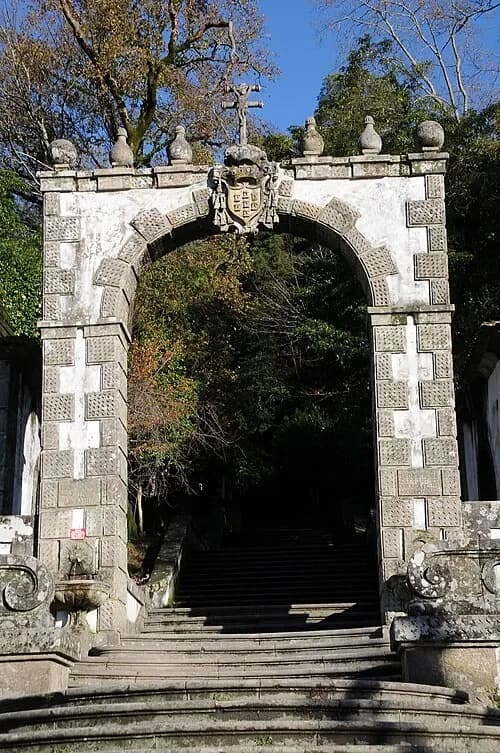
The Sacred Gateway
This impressive stone structure, completed in 1723, acts as a ceremonial threshold. It signals the official beginning of the 'Sacred Way' that leads to the summit. The significance of this entire complex was globally recognized in 2019 when it was designated as a UNESCO World Heritage site. At the top of the gateway, you can see a detailed coat of arms, signifying the ecclesiastical authority and the patronage involved in its construction. The masonry reflects the Baroque sensibilities of the 18th century, with heavy stone blocks forming a solid, imposing archway that separates the secular village life of Tenões from the religious sanctuary grounds. This portal is more than just a decorative feature; it is a physical manifestation of the boundary between the ordinary world and the sacred space pilgrims are entering. The proportions of the arch were designed to create a sense of awe, framing the start of the stairs and inviting visitors to leave the concerns of the valley behind. The mastery of the local stonework is evident in the precise joining of the granite blocks, which have supported the weight of this monumental entrance for over three centuries.
The World's Oldest Water Funicular
Highlight the site's engineering masterpiece: a 19th-century railway powered entirely by water counterbalancing.
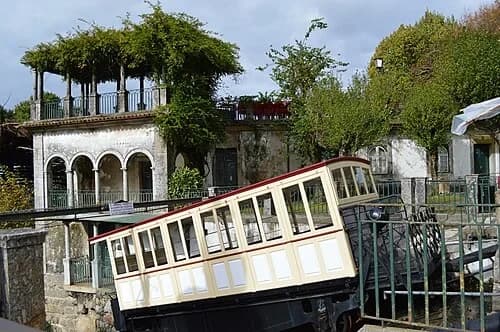
Bom Jesus do Monte Funicular
1882
This transport system represented the pinnacle of 19th-century technology when it was introduced to the sanctuary. Designed by the Swiss engineer Nikolaus Riggenbach, the funicular opened in 1882 to provide an alternative for pilgrims who were physically unable to manage the long, arduous climb on foot. It remains a rare example of Victorian-era engineering still in daily use. Unlike modern systems that rely on electric motors, this funicular operates on purely mechanical principles. Its arrival transformed the visitor experience at Bom Jesus, making the summit accessible to a much wider range of people, from the elderly to those traveling in large family groups. The cars themselves retain a classic aesthetic that reflects the era of their construction, with wooden paneling and large windows designed to offer views of the hillside during the ascent. At the time of its debut, it was a high-tech solution that balanced the spiritual tradition of the site with the burgeoning industrial progress of the age. It serves as a reminder that the sanctuary has always evolved to meet the needs of its visitors, combining historic devotion with innovative design to ensure the site remains a living, accessible destination.
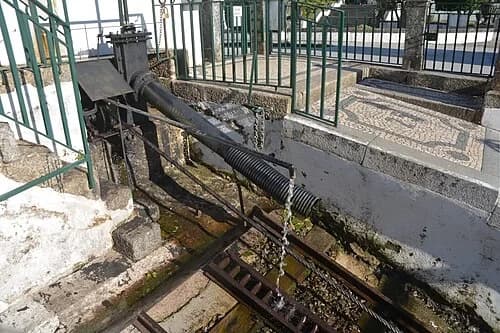
The Funicular Mechanics
The reliability of this funicular lies in its elegant, gravity-based mechanics. The system consists of two cars connected by a cable over a pulley at the top of the hill. When a car is at the upper station, its 1,200-liter internal tank is filled with water from a mountain spring. This added weight makes the top car heavier than the one at the bottom. As the operator releases the brakes, the heavy car descends along the iron tracks, its weight naturally pulling the lighter car upward. Once the heavy car reaches the bottom, the water is emptied, and the process is ready to be reversed when the other car is filled at the top. This simple physics-based loop has functioned for over 140 years without the need for an electric motor, making it a remarkably sustainable piece of historical infrastructure. The visible iron tracks are set into the steep hillside, engineered to handle the constant shifting of weight. Watching the water pour out at the lower station is a highlight for many visitors, showcasing a mechanical tradition that has remained virtually unchanged since the late 19th century.
The Way of the Cross
Explore the lower, wooded section of the ascent where nature meets devotion through a series of chapels.
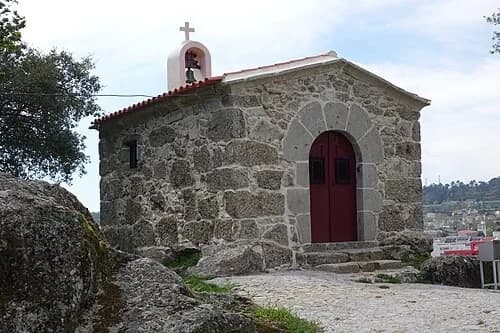
Chapel of Our Lady of Pleasures
This small structure is a characteristic example of the local architecture found along the lower slopes of the mountain. Unlike the grand basilica at the top, this chapel is built with sturdy, unadorned granite blocks, reflecting the more modest, provincial style of the early 18th century. The bright red door provides a sharp visual contrast to the grey stone, acting as a beacon for those making the climb through the trees. Inside these types of chapels, you will find dioramas that use life-sized figures to portray scenes from the final days of Jesus. These installations were a common feature of European 'Sacred Mountains,' intended to make biblical stories accessible and emotionally resonant for all visitors. The simplicity of the exterior was meant to humble the pilgrim, focusing their attention inward on the spiritual lessons depicted within. The thickness of the stone walls keeps the interior cool even in the heat of summer, providing a quiet space for contemplation. This chapel serves as a vital resting point, connecting the physical struggle of the ascent with the religious themes that permeate every level of the site.
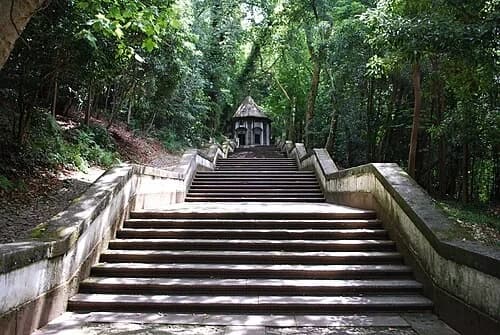
The Way of the Cross
This section of the ascent provides a physical and atmospheric transition. The lower path, known as the Way of the Cross, winds through a thick forest where the temperature drops and the sounds of the valley begin to fade. Here, the steps are often rougher and more irregular than the formal, white-walled staircases that define the sanctuary’s summit. The shade of the trees creates a somber environment, which was intended to help pilgrims focus on their spiritual journey. Along this wooded route, several small chapels are strategically placed. Each one contains detailed dioramas depicting scenes from the Passion of Christ. These figures were designed to evoke deep emotion, allowing climbers to stop, rest, and reflect on the narrative of the suffering of Jesus. The contrast between these rustic stone steps and the highly ordered, Neoclassical and Baroque structures above serves a narrative purpose, symbolizing the movement from the natural world toward the divine order of the heavens. This part of the climb emphasizes the effort and endurance required of the visitor, grounding the experience in the physical reality of the hillside before reaching the airy terraces.
The Baroque Zigzag Staircase
The most photographed part of the sanctuary, this architectural marvel represents the ascent to heaven.
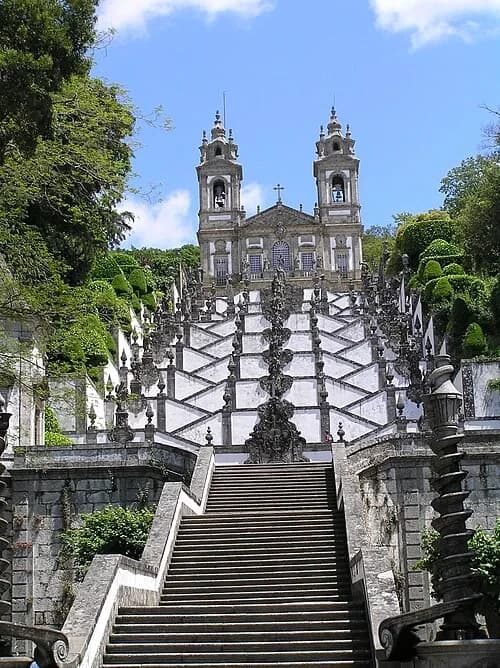
Bom Jesus do Monte Sanctuary
1772
Arriving at this section of the climb marks the most visually stunning part of the sanctuary. Built in the 18th century, these monumental stairs are a masterwork of the northern Portuguese Baroque style. The design features a series of sharp, rhythmic turns that create a dramatic zigzag pattern as the staircase rises toward the summit. The use of dark granite for the railings, urns, and fountains against the stark white plastered walls is a signature aesthetic of the region. This specific architectural arrangement was intended to symbolize the spiritual ascent of the soul toward heaven. Every turn of the stairs offers a new perspective, slowing the climber down and encouraging appreciation of the unfolding view of the architecture and the valley below. This theatrical approach to religious space was common during the Counter-Reformation, using grand scale and repetitive patterns to inspire awe and devotion. The physical effort of navigating the zigs and zags reinforces the theme of the journey being as important as the destination. The precision of the stonework, particularly in the carved urns that line the route, showcases the immense skill of the 18th-century craftsmen who transformed this steep hillside.
The Stairway of the Five Senses
Focus on the allegorical fountains where water flows from the eyes, ears, nose, and mouth of biblical figures.
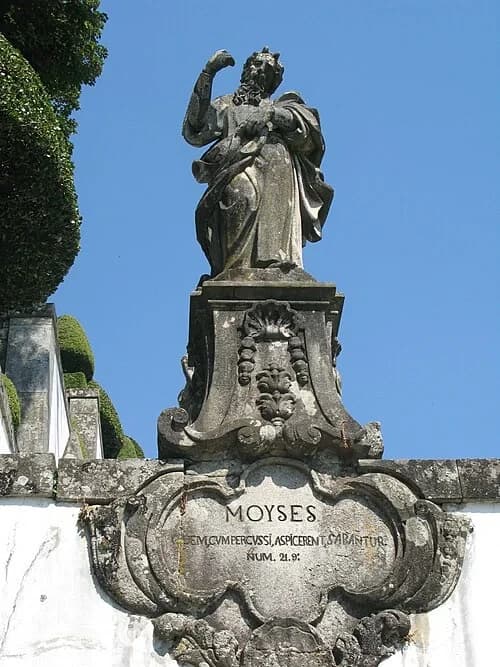
The Fountain of Vision
This specific fountain is a central part of the allegorical sequence on the staircase. It is topped by a statue of the prophet Moses, a figure closely associated with divine vision and the reception of sacred laws. In this fountain, the water uniquely pours from the eyes of the carved figures, reinforcing the theme of cleansing the sense of sight. Below the statue, you can find a Latin inscription that references biblical passages. This text connects the physical act of seeing with the concept of spiritual clarity, suggesting that once the eyes are purified, one can truly perceive divine truth. The craftsmanship required to channel water through the small openings of the stone eyes demonstrates the technical sophistication of the 18th-century fountain design. This feature was intended to provoke thought in the climbing pilgrim: as they washed their own eyes with the cool mountain water, they were invited to consider what they were looking for at the end of their journey. The placement of Moses above the fountain reminds the visitor that true vision comes from following divine guidance. It remains one of the most studied details of the sanctuary’s architecture.
The Knight Overlooking Braga
Conclude with the panoramic view of the city and the statue of the knight who guards the sanctuary.
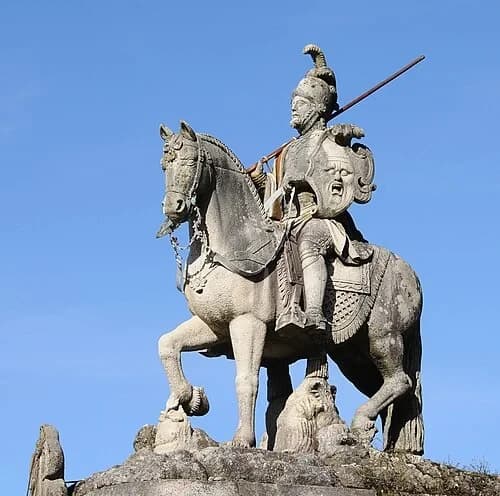
Statue of Saint Longinus
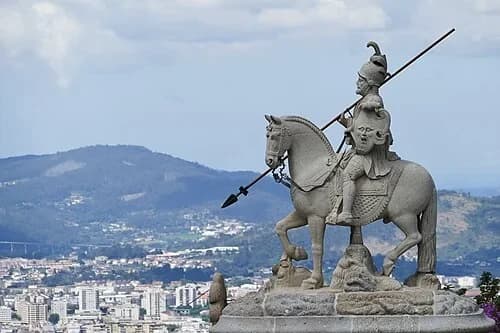
Standing prominently on the terrace is a rare and impressive granite equestrian statue, completed in 1819. It depicts Saint Longinus, the Roman centurion who, according to tradition, used a spear to pierce Jesus' side while he was on the cross and subsequently converted to Christianity. The statue is a notable achievement in stonework; local claims often highlight it as the only stone equestrian statue in all of Portugal. Carving a life-sized horse and rider from solid granite is a task of immense difficulty, requiring a deep understanding of weight distribution to ensure the massive stone does not crack. The figure of Longinus is shown in military attire, representing the intersection of worldly power and spiritual transformation. The weathered texture of the granite shows the statue’s age, yet the details of the horse’s muscular frame and the soldier’s focused expression remain clear. Its placement on this high ridge allows it to be seen from various points on the mountain, serving as a powerful symbol of the site's historical and religious layers. The sheer physical presence of the sculpture underscores the endurance of the materials used throughout the sanctuary, echoing the permanent nature of the site's stone heritage.
The View Over Braga
From this vantage point near the equestrian statue, the physical challenge of the ascent becomes clear. Looking back toward the west, the landscape drops away sharply, revealing the dense greenery of the Sacred Way and the winding paths you just traversed. Below the wooded slopes, the red-tiled roofs and modern developments of Braga spread across the valley floor. This elevation gain highlights why the funicular was such a vital addition for 19th-century pilgrims who sought to reach this height without the grueling climb. Looking down, you can spot the distant outlines of the historical core where the journey began. The sprawling cityscape contrasts with the relative stillness of the mountain air here at the summit. While the stairs and chapels are individual architectural achievements, the view provides a broader perspective on the sanctuary’s relationship with the surrounding landscape. For hundreds of years, these white walls and granite towers have dominated the city’s horizon, serving as a permanent visual anchor for the residents below. Even on misty days, the silhouette of the basilica remains visible from miles away across the Cávado valley. The layout of the city follows the paths of old routes that once connected this high ridge to the center of regional life.
Want to hear the rest?
Download the Stanza app to unlock all 16 stops and full GPS-guided navigation.
Frequently Asked Questions
How long does the Tenões audio tour take?
The Tenões audio guide includes 16 narrated stops. Most visitors spend 45 minutes to 1.5 hours exploring the complete tour, though you can listen at your own pace and skip or revisit any stop.
Is the Tenões audio guide available in my language?
Stanza supports 15 languages: English, Spanish, French, German, Italian, Portuguese, Russian, Japanese, Chinese, Korean, Arabic, Hindi, Polish, Dutch, Hebrew. Check the guide in the app to confirm the languages currently available for this tour.
Can I use the audio guide offline at Tenões?
Yes! Download the complete Tenões tour — including all audio, maps, and images — before your visit. The Stanza app works completely offline, so you don't need WiFi or mobile data at the venue.
How much does the Tenões audio guide cost?
The Stanza app is free to download. Free and paid audio guides are available; current prices are shown in the app.
How do I use the Stanza audio guide at Tenões?
Download the free Stanza app, search for "Tenões", and download the tour. When you arrive at the venue, the app uses GPS to detect your location and automatically plays the relevant narration as you move between points of interest — completely hands-free.
What makes the Stanza audio guide different from other Tenões tours?
Stanza offers GPS-triggered narration that plays automatically as you walk through Tenões — no need to manually select stops. The tour is available in 15 languages, works fully offline, and includes 16 expertly narrated stops with images and historical context.
What other audio guides are available near Tenões?
Stanza offers multiple audio guides in Braga, Portugal and nearby areas. After downloading the app, browse the map to discover all available tours near Tenões. Each guide can be downloaded for offline use.