Languages
15Sé Velha de Coimbra Audio Guide
Sé Velha de Coimbra is a landmark in Coimbra, Portugal. Explore it with Stanza's GPS-triggered offline audio guide — available in 15 languages.
Quick Facts
20
Stops
15
Languages
100%
Offline
📍 Coimbra, Portugal · 40.2086°N, -8.4269°E
About Sé Velha de Coimbra
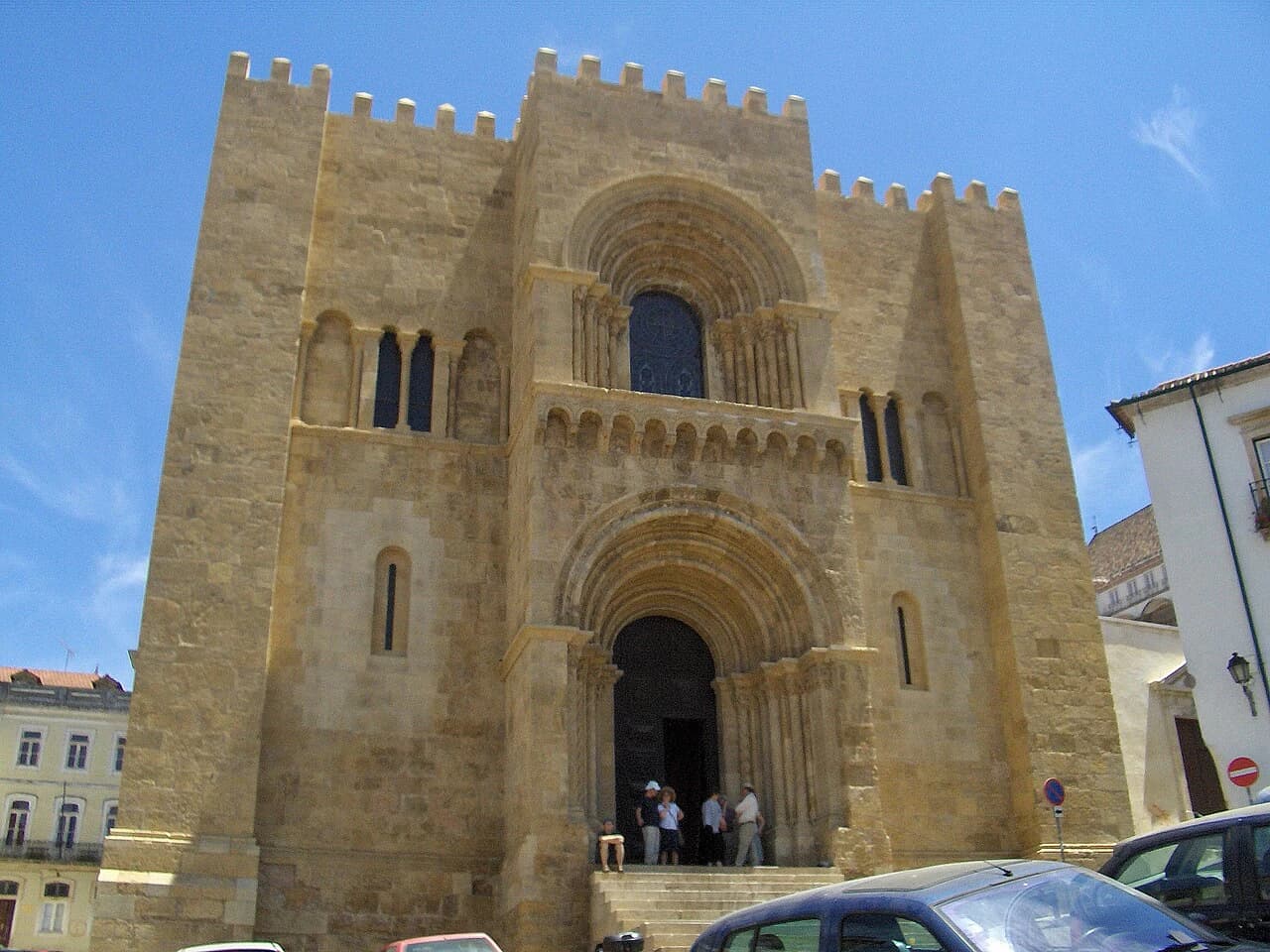
The Old Cathedral of Coimbra is a Romanesque cathedral noted for its fortress-like appearance and historical significance in the city. It served as the primary cathedral of the diocese until the 18th century.
Sé Velha de Coimbra is also known as Sé Velha de Coimbra ou Igreja da Sé Velha, compreendendo o túmulo de Sesnando Davides, Sé Velha de Coimbra, Catedral de Coimbra, Túmulo de D. Sesnando, and 6 other names in various languages.
This self-guided audio tour features 20 narrated stops organized across 7 sections. As a cathedral, Sé Velha de Coimbra offers a unique cultural experience in the heart of Coimbra, Portugal.
The Stanza audio guide is available in 15 languages and works entirely offline — download the complete tour including audio narration, maps, and images before your visit. As you walk through Sé Velha de Coimbra, GPS-triggered narration plays automatically at each point of interest.
Last updated:
What you will hear
The Fortress Facade and West Portal
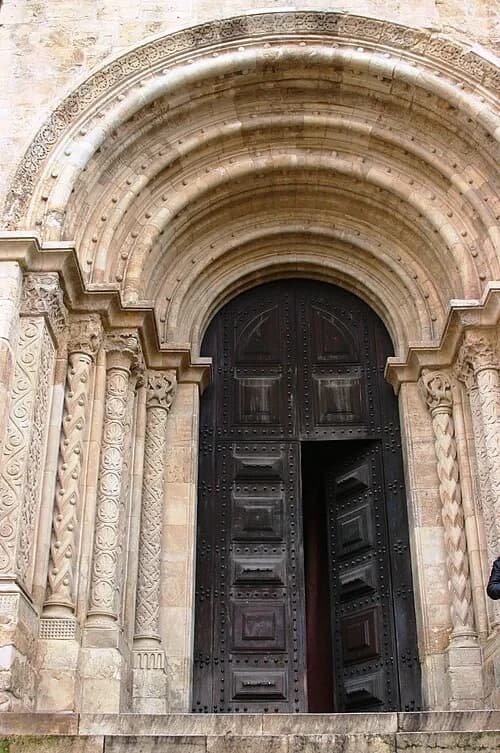
Establishes the cathedral's identity as a defensive stronghold. Includes a wide view of the crenellated walls and a detail of the main Romanesque portal.
The West Portal
This main entrance is a classic example of Romanesque design. Notice the archivolts—the series of receding stone arches that frame the doorway. Each arch draws the eye inward, creating a sense of depth and transition from the outside world into the sacred space. The columns supporting these arches are decorated with various geometric patterns and textures, many of which have been softened by over 800 years of exposure to the elements. This portal has served as the ceremonial entrance for countless worshippers and Portuguese royalty since the 12th century. The heavy wooden doors fit into the original stone framing, maintaining the site's historical proportions. The decorative motifs on the column capitals often include stylized foliage and patterns that were popular in the Romanesque era. The weathered texture of the stone here is a physical record of the cathedral's longevity, surviving through centuries of use as the spiritual heart of Coimbra. Despite its age, the portal still functions as the primary point of welcome, its sturdy design echoing the strength of the fortress walls that surround it.
The Main Nave and Lantern Tower
Introduces the interior scale and the signature lantern tower that provides natural light to the transept.
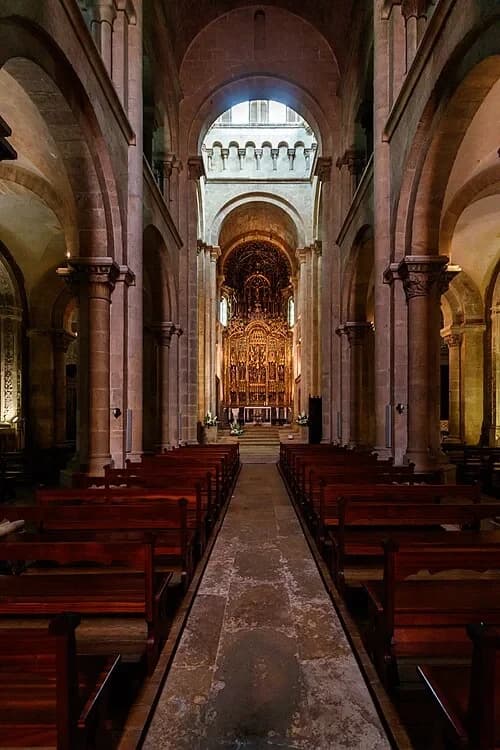
The Main Nave
The interior of the cathedral maintains the same fortress-like austerity as the exterior. The central nave is covered by a high barrel vault, a characteristic Romanesque feature that requires incredibly thick walls to support its weight. Flanking the nave are the side aisles, separated by rows of heavy columns and arches. The atmosphere here is intentionally dark and somber, emphasizing the permanence and strength of the structure. If you look toward the far end, you can see how natural light spills down from the lantern tower, drawing your eyes toward the high altar. This space has been the setting for significant historical events, including the coronation of King Sancho I in 1185, shortly after the cathedral’s completion. The simplicity of the stone surfaces throughout the nave serves as a reminder of the original 12th-century design, providing a stark backdrop for the more elaborate artistic additions that were installed in the following centuries. The massive columns have capitals carved with intricate designs, providing small bursts of detail within the otherwise severe and unadorned stone interior.
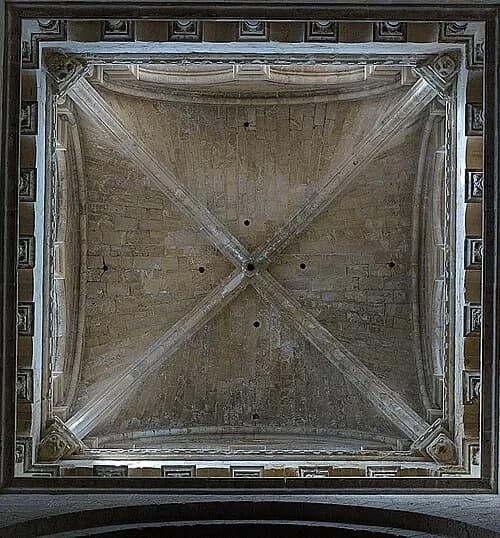
The Lantern Tower Vault
Above the intersection of the nave and the transept sits the lantern tower, or cimborrio. From this vantage point, you can see the square base transitioning into the ribbing of the Romanesque vault. This structure was a major engineering feat of the 12th century. Its primary purpose was functional: by raising the roof at this central point and adding windows, architects could flood the darkest part of the cathedral with natural light. The simple, powerful ribs create a geometric pattern against the stone, demonstrating the Romanesque preference for clear, sturdy forms. This light would have illuminated the high altar area, creating a focal point for the liturgy in an era before modern lighting. The vaulting here is exceptionally well-preserved, showing the precision of the medieval stonemasons who fitted these heavy blocks together without modern machinery. It remains one of the most structurally impressive elements of the cathedral's original Romanesque core, serving as both a source of light and a display of advanced medieval masonry skills. The height of the vault adds to the sense of vertical space, contrasting with the thick, grounded walls of the nave.
The Romanesque Capitals
Focuses on the Mozarabic influence in the cathedral's sculpture, featuring the unique collection of geometric and animal motifs.
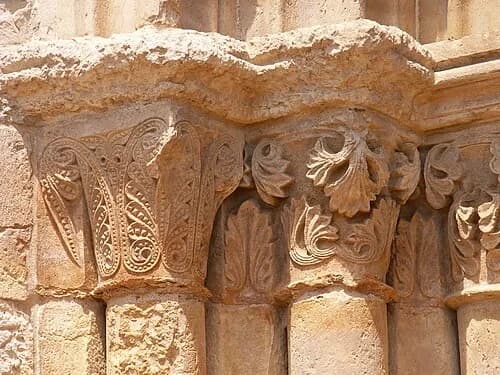
Vegetal Stone Motifs
In addition to animals, many capitals in the cathedral feature vegetal stone motifs. These foliage carvings represent a stylistic transition from strict geometric patterns toward more naturalistic representations of plants and leaves. Notice the deep undercutting of the stone; the carvers removed significant material behind the leaves to create sharp, dramatic shadows. This technique makes the heavy limestone appear light, almost as if the stone is growing organically from the column. Some capitals feature acanthus leaves, a motif borrowed from classical antiquity, while others show more local flora. The level of detail achieved is remarkable, with delicate veins and curled edges visible in the foliage. This shift toward naturalism reflects the evolving artistic tastes of the late Romanesque and early Gothic periods. These vegetal designs provided a softer, more organic contrast to the severe, massive architecture of the cathedral’s walls, demonstrating the high level of craftsmanship achieved by the medieval stonemasons. The play of light across these deeply carved surfaces changes throughout the day, constantly revealing new details in the stone leaves.
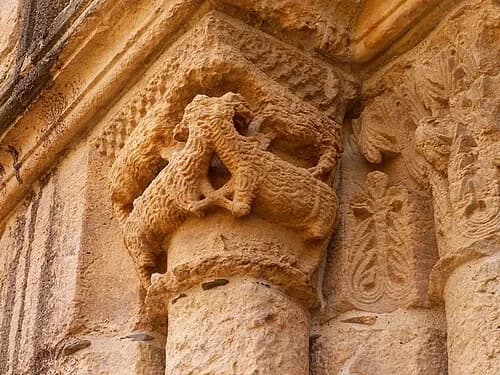
Carvings of the Wild
Throughout the cathedral, you can find approximately 380 carved stone capitals atop the various columns. Many of these feature animal motifs—intricate depictions of animals like intertwined lions, eagles, and mythical beasts. These carvings are notable for the clear Mozarabic influence they display. Mozarbs were Iberian Christians who lived under Islamic rule and adopted many of the artistic styles of their neighbors. Following Islamic artistic traditions, these local artists often avoided depicting human figures, focusing instead on complex animal motifs and stylized geometric patterns. The figures are often carved with great depth, creating shadows that bring the stone to life. This specific style of animal carving is a hallmark of the Coimbra Romanesque school. By using these beasts, the artists filled the sacred space with a symbolic world of nature and mythology that was familiar to the medieval mind while respecting the decorative boundaries of their shared cultural heritage. The repetition of these wild figures throughout the nave creates a hidden world of imagery waiting to be discovered by those who look closely at the architecture.
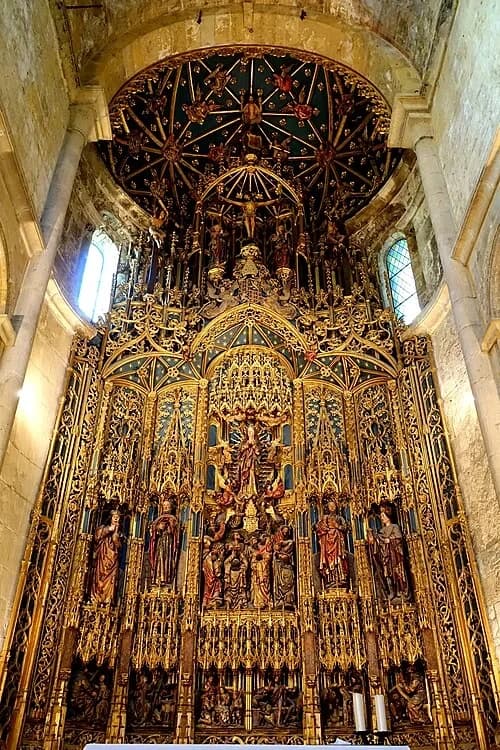
The Flemish Main Retable
The centerpiece of the main chapel, this Flamboyant Gothic masterpiece is the finest of its kind in Portugal.
The Flemish High Altar
The high altar stands in dramatic contrast to the plain Romanesque walls surrounding it. This is a Flamboyant Gothic retable, considered one of the finest examples of its kind in Portugal. It was commissioned at the end of the 15th century and created by the Flemish artists Olivier de Gand and Jean d'Ypres. These masters brought the sophisticated woodcarving traditions of northern Europe to Coimbra, resulting in this explosion of gold leaf and intricate detail. The altarpiece is divided into multiple tiers and niches, each filled with expressive figures and architectural elements like miniature spires and lace-like canopies. This style was designed to overwhelm the viewer with its complexity and richness. The transition from the massive, undecorated stone of the early cathedral to this shimmering, gilded wooden structure marks the cathedral’s evolution into a site of immense artistic wealth. It served as a visual aid for the faithful, telling sacred stories through a medium that reflected the prestige of the church and the royal patrons who funded such grand works. The sheer verticality of the piece draws the eye upward toward the roof of the apse.
The Life of the Virgin
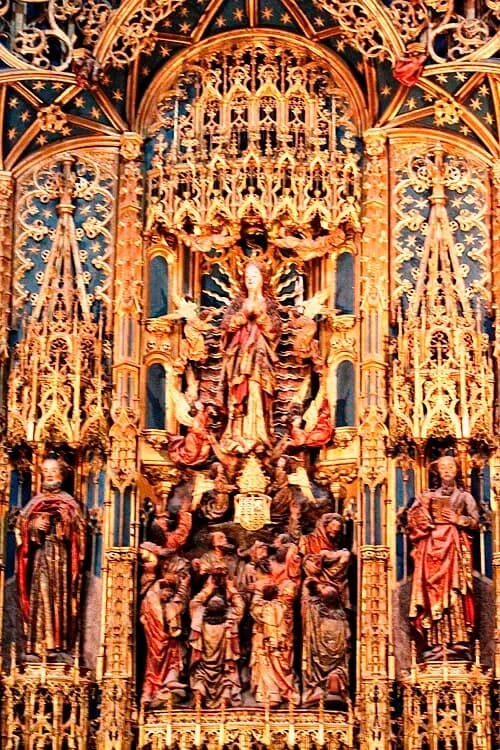
Looking closely at the central panel of the high altar, you can see the scene of the Assumption of Mary. The level of detail here is extraordinary, especially considering the scale of the entire retable. Notice the individual expressions on the faces of the figures and the complex, flowing drapery of their robes, which creates a sense of movement. The artists used a combination of gold leaf and a deep blue background to give the scene a sense of celestial depth. This color palette was intended to represent heaven, making the figures appear as if they were suspended in a divine space. Surrounding the central figure are angels and saints, each carved with the same meticulous attention to detail. The use of vibrant color and precious materials transformed this part of the cathedral into a glowing focal point for worship. Every element, from the tiny folds in the garments to the intricate architectural frames, was designed to inspire awe and convey the significance of the Virgin Mary's story. The contrast between the brilliant gold and the deep blue creates a powerful visual effect that is visible even from the back of the nave.
The Chapel of Saint Peter
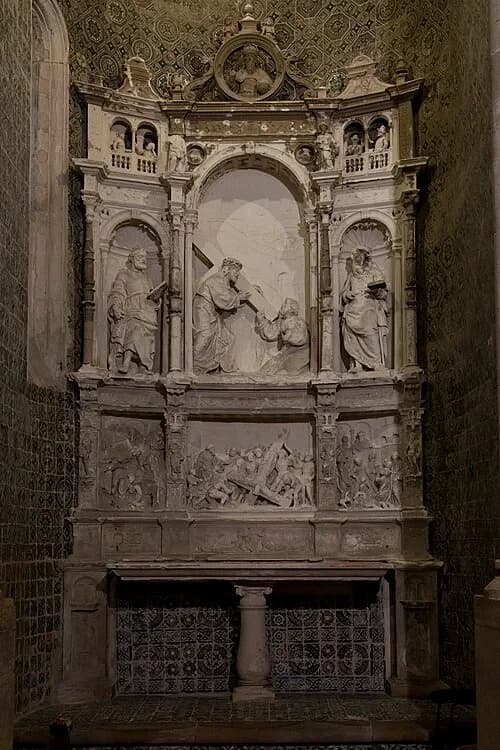
A significant side chapel featuring Renaissance stone work by Nicolau Chanterene.
Chapel of Saint Peter
In the Chapel of Saint Peter, we find a significant shift in artistic style. This retable is the work of Nicolau Chanterene, a master who was instrumental in introducing the Renaissance style to Portugal in the 16th century. Unlike the gilded wood of the high altar, this work is carved from local limestone. Notice the balanced proportions and the clear, orderly arrangement of the scenes, which are hallmarks of Renaissance design. The central focus is the life of Saint Peter, with various panels depicting key moments from his story. The figures are carved with a more realistic sense of anatomy and volume compared to the earlier Gothic styles. The architectural framing, featuring classical columns and pediments, further emphasizes the influence of the Italian Renaissance. This chapel demonstrates how the cathedral continued to be updated with the most modern artistic movements of each era. Chanterene’s work here provides a cooler, more intellectual counterpart to the emotional and decorative intensity found in the Gothic high altar. The precision of the carvings demonstrates the high degree of skill required to work with the fine-grained local stone, creating smooth surfaces and sharp details.
The Chapel of the Blessed Sacrament
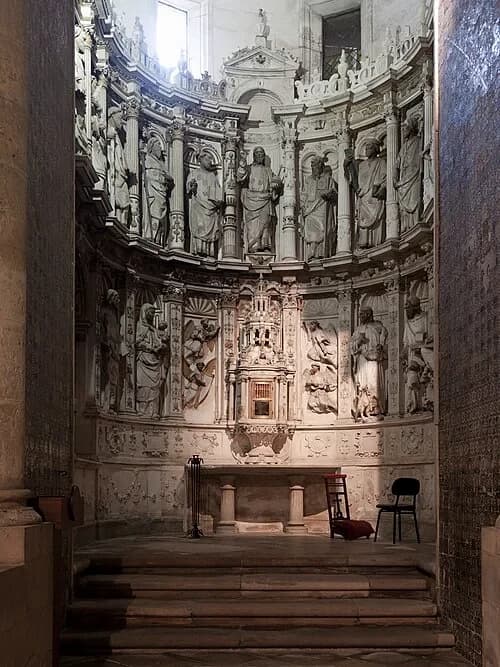
A masterpiece of the Renaissance in Coimbra, created by João de Ruão in the 16th century.
Blessed Sacrament Altar
This 16th-century masterpiece was created by João de Ruão, another influential figure in the Coimbra School of sculpture. The altar is organized into two distinct tiers of sculptures. The upper level features the Apostles, while the lower tier depicts scenes from the life of Christ. What makes this work particularly notable is the delicate, almost lace-like quality of the stone carvings that form the niches and decorative borders. Ruão was able to manipulate the limestone to create incredibly fine architectural details that mimic the lightness of fabric or metalwork. Each figure is placed within its own carefully framed space, demonstrating the Renaissance emphasis on individual clarity and symmetry. The overall effect is one of refined elegance and technical virtuosity. This altar reflects the continued development of high-quality stone carving in Coimbra during the 1500s, where local artisans mastered the ability to transform heavy material into something that appeared fragile and ornamental. Each niche contains small sculptures that are surprisingly lifelike, capturing individual expressions and characteristic poses that give the entire altar a vibrant, storytelling quality.
The Romanesque-Gothic Cloister
Explores the transition between styles, from the round arches of the Romanesque to the pointed arches of the early Gothic.
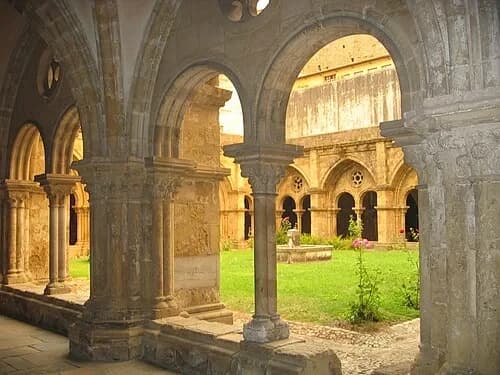
The Transitioning Cloister
The cloister of the Old Cathedral was begun in 1218 and represents a fascinating moment in architectural history. It displays an architectural identity crisis. On the lower levels, you can see the sturdy, round arches that are typical of the Romanesque style seen in the rest of the cathedral. However, if you look at the arches above, they begin to take on a more pointed shape, which is the defining characteristic of the Gothic era. This makes the cloister one of the earliest examples of Gothic influence in Portugal. The transition was not just stylistic but structural, as pointed arches allowed for taller, lighter buildings. Despite this mix of styles, the cloister feels unified by its materials and its rhythmic design. It provides a bridge between the fortress-like severity of the 12th-century nave and the more delicate, soaring structures that would dominate Portuguese architecture in the centuries to follow. This space served as the core of the cathedral's administrative and communal life, where the blend of old and new styles reflected a church in the midst of significant change.
Want to hear the rest?
Download the Stanza app to unlock all 20 stops and full GPS-guided navigation.
Frequently Asked Questions
How long does the Sé Velha de Coimbra audio tour take?
The Sé Velha de Coimbra audio guide includes 20 narrated stops. Most visitors spend 45 minutes to 1.5 hours exploring the complete tour, though you can listen at your own pace and skip or revisit any stop.
Is the Sé Velha de Coimbra audio guide available in my language?
Stanza supports 15 languages: English, Spanish, French, German, Italian, Portuguese, Russian, Japanese, Chinese, Korean, Arabic, Hindi, Polish, Dutch, Hebrew. Check the guide in the app to confirm the languages currently available for this tour.
Can I use the audio guide offline at Sé Velha de Coimbra?
Yes! Download the complete Sé Velha de Coimbra tour — including all audio, maps, and images — before your visit. The Stanza app works completely offline, so you don't need WiFi or mobile data at the venue.
How much does the Sé Velha de Coimbra audio guide cost?
The Stanza app is free to download. Free and paid audio guides are available; current prices are shown in the app.
How do I use the Stanza audio guide at Sé Velha de Coimbra?
Download the free Stanza app, search for "Sé Velha de Coimbra", and download the tour. When you arrive at the venue, the app uses GPS to detect your location and automatically plays the relevant narration as you move between points of interest — completely hands-free.
What makes the Stanza audio guide different from other Sé Velha de Coimbra tours?
Stanza offers GPS-triggered narration that plays automatically as you walk through Sé Velha de Coimbra — no need to manually select stops. The tour is available in 15 languages, works fully offline, and includes 20 expertly narrated stops with images and historical context.
What other audio guides are available near Sé Velha de Coimbra?
Stanza offers multiple audio guides in Coimbra, Portugal and nearby areas. After downloading the app, browse the map to discover all available tours near Sé Velha de Coimbra. Each guide can be downloaded for offline use.