Languages
15Castelo de Monsaraz Audio Guide
Castelo de Monsaraz is a landmark in Reguengos de Monsaraz, Portugal. Explore it with Stanza's GPS-triggered offline audio guide — available in 15 languages.
Quick Facts
19
Stops
15
Languages
100%
Offline
📍 Reguengos de Monsaraz, Portugal · 38.4432°N, -7.3807°E
About Castelo de Monsaraz
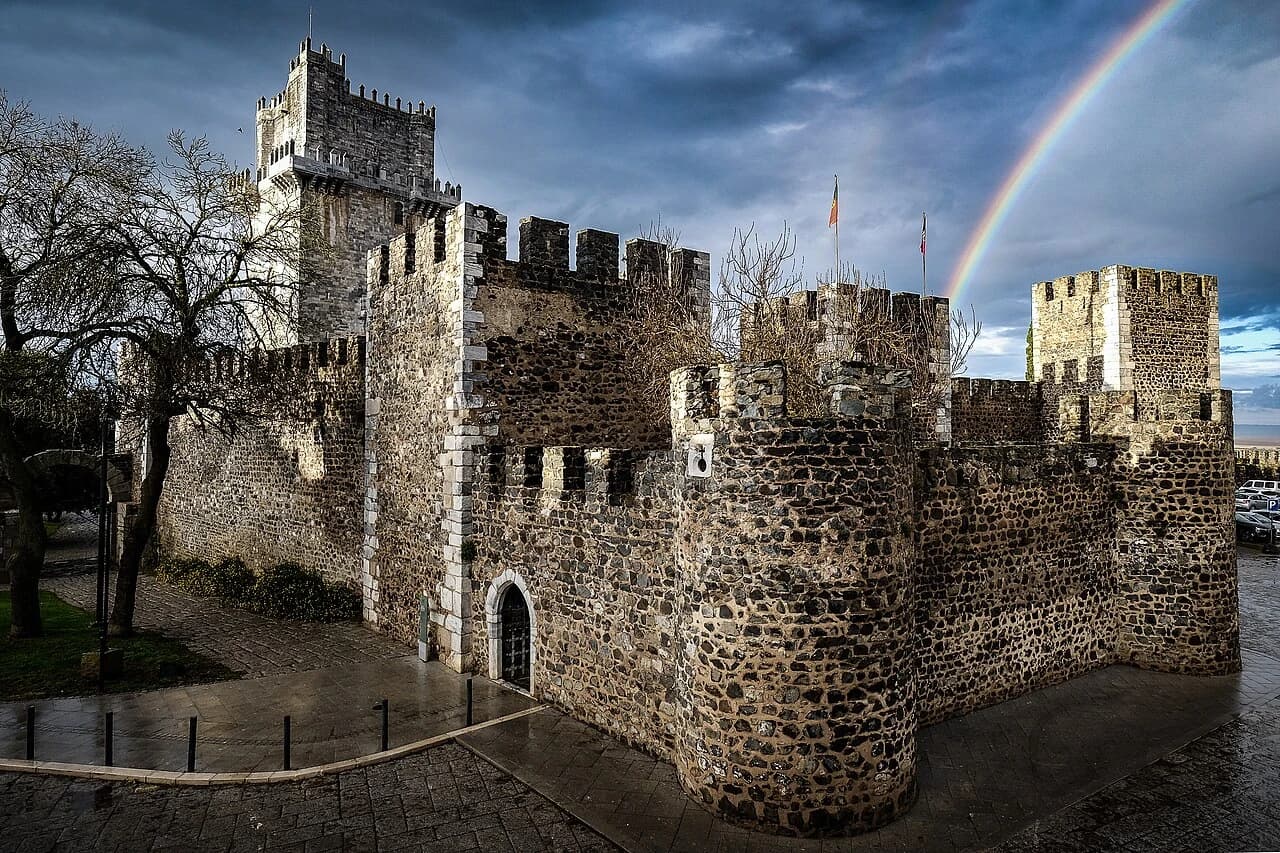
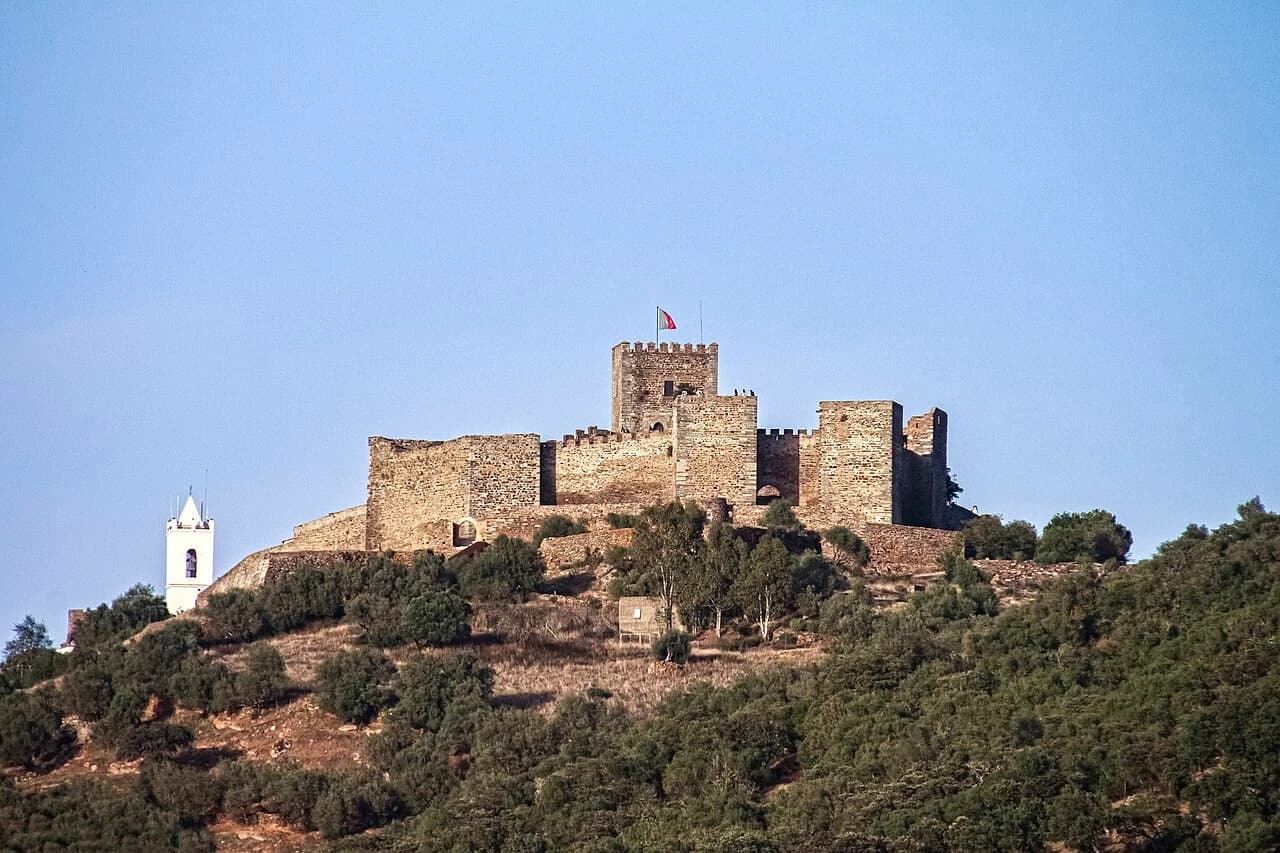
Castelo de Monsaraz is a medieval castle located in the historic village of Monsaraz, overlooking the Alqueva Dam. It features well-preserved fortifications and ramparts dating back to the 14th century.
Castelo de Monsaraz is also known as Fortificações de Monsaraz, Fortificações da Vila de Monsaraz, Castelo de monsaraz, Fortificações da vila de monsaraz, and 4 other names in various languages.
This self-guided audio tour features 19 narrated stops organized across 7 sections. As a castle, Castelo de Monsaraz offers a unique cultural experience in the heart of Reguengos de Monsaraz, Portugal.
The Stanza audio guide is available in 15 languages and works entirely offline — download the complete tour including audio narration, maps, and images before your visit. As you walk through Castelo de Monsaraz, GPS-triggered narration plays automatically at each point of interest.
Last updated:
What you will hear
Porta da Vila and the Clock Tower
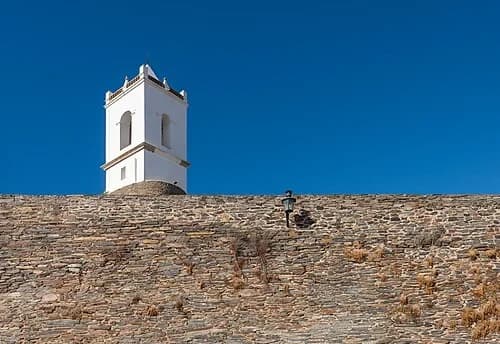
This stop introduces the primary entrance to the village. I selected images showing the ogival archway and the 1692 bell tower to illustrate the transition into the medieval fortress.
The Watchman's View
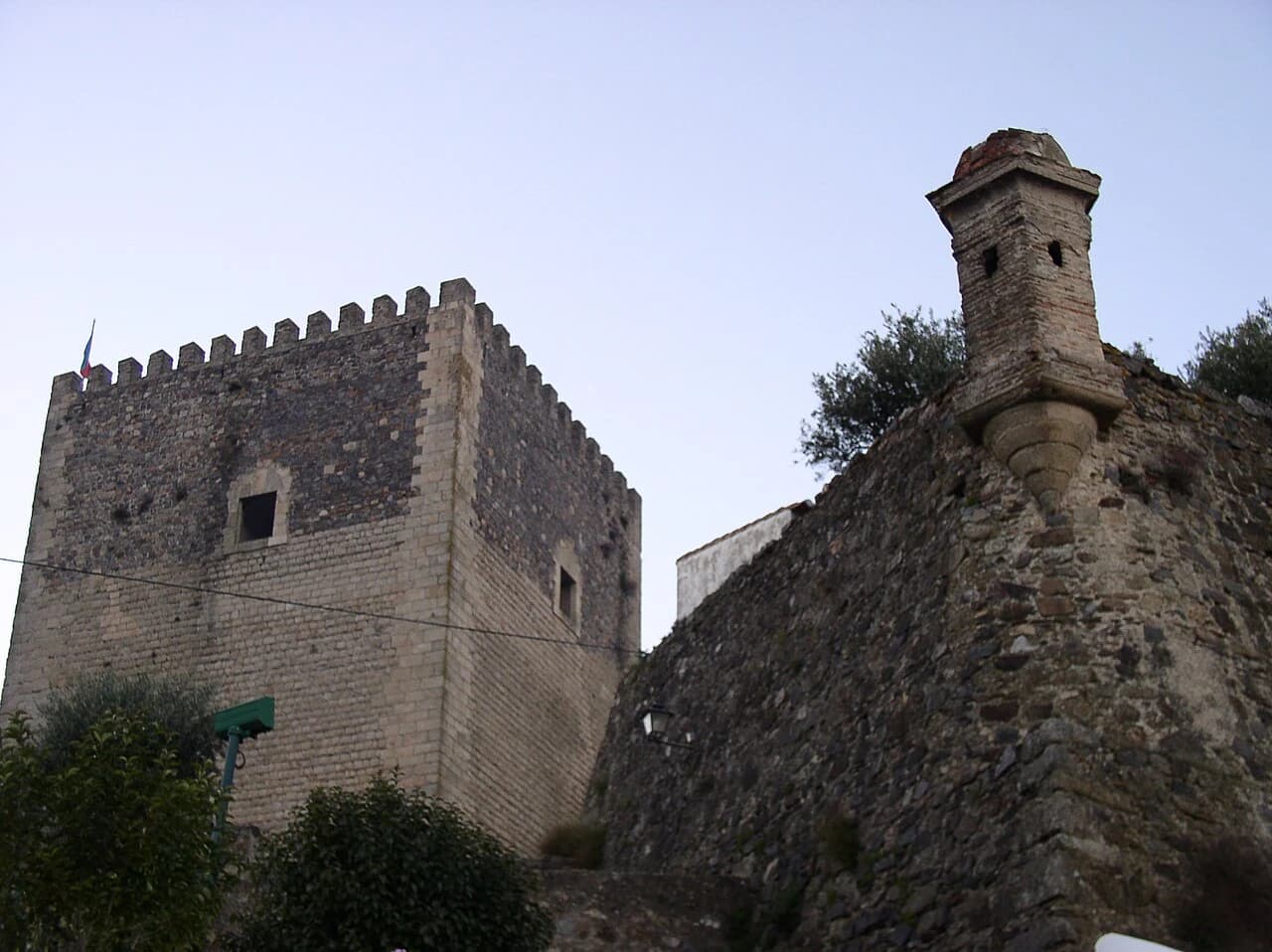
Climbing to the ramparts offers a glimpse into the life of a medieval watchman. From this elevated position, the height provided a commanding view over the vast surrounding plains, allowing guards to spot any Spanish troop movements long before they could reach the Guadiana River. Historically, this river defined the border, making Monsaraz a crucial lookout post for the Portuguese kingdom. While the top of the wall was reserved for defense, the ground level near the gate was the center of commerce. If you look closely at the stone jambs around the entrance, you can find small measurement markers carved directly into the rock. These grooves were vital tools for medieval merchants, providing a standardized length to verify cloth, rope, or grain quantities during trade. This ensured that transactions within the village were regulated and fair. These small carvings serve as a reminder that the gateway was not just a military structure, but a civic one where the law and the economy met.
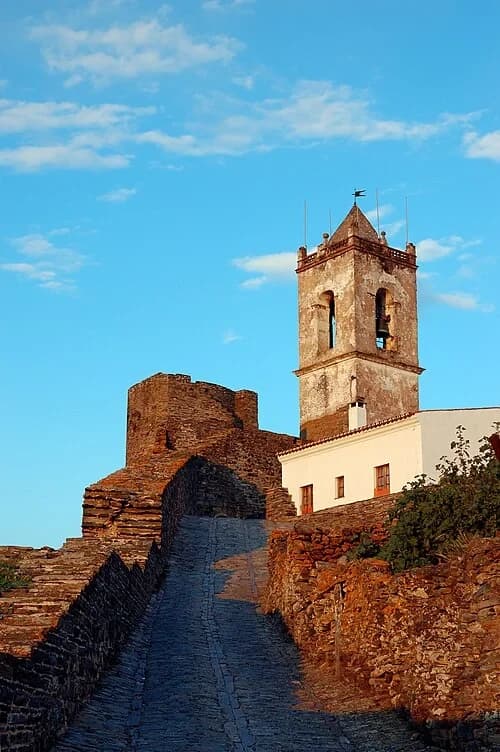
The Clock Tower Bell
Looking up from the entrance, the clock tower rises prominently into the skyline. This structure houses a specific bell that was cast in 1692 by two foreign founders, Diogo de Abalde and Domingos de Lastra. While the fortification walls were built for military endurance, the addition of the clock and bell served the community’s daily rhythm, signaling the hours across the surrounding countryside. From this vantage point, you can clearly see a defining characteristic of Monsaraz: the contrast in its architecture. The dark, weathered schist of the medieval fortification walls stands in sharp opposition to the bright, white-washed buildings of the village. This whitewashing is a practical Alentejo tradition designed to reflect the intense heat of the sun during the long summer months. The combination of military stone and domestic lime-wash creates the unique visual identity that has made this village famous. This tower effectively bridges the gap between the town's defensive past and its continued life as a vibrant local community.
Rua Direita: The Medieval Main Street
Focuses on the village's layout as a defensive extension of the castle. The images selected show the narrow, whitewashed streets and the unique atmosphere of the intramural village.
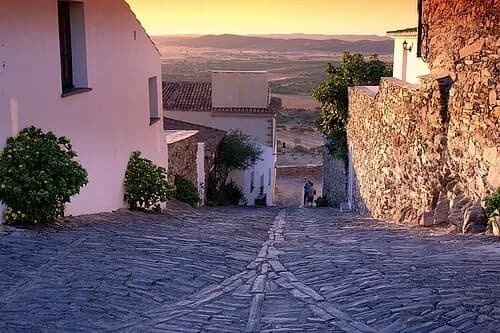
The Village Main Street
Walking along the Rua Direita, the village’s main street, you can feel how the entire town was designed as a defensive extension of the castle. The narrowness of the path and the steep inclines were strategic choices. If invaders managed to breach the main gates, these cramped conditions would quickly exhaust them and create bottlenecks, allowing the town’s defenders to strike from the windows and rooftops above. This hilltop has a deep history of conflict; it was first reclaimed from Moorish control in 1167 by Geraldo Sem Pavor, known as the 'Fearless' knight. He was a legendary figure in Portuguese history, famous for his daring nighttime raids and unconventional military tactics. The layout of the street you see today preserves that medieval tension, where every corner and rise in the road served a tactical purpose. The cobblestones underfoot have been smoothed by centuries of residents, soldiers, and travelers moving between the village gate and the distant castle keep.
Igreja Matriz and the Pelourinho
Integrates two major POIs in the main square. I prioritized the primary images of the church and pillory to discuss the village's religious and administrative history, including Templar ties.
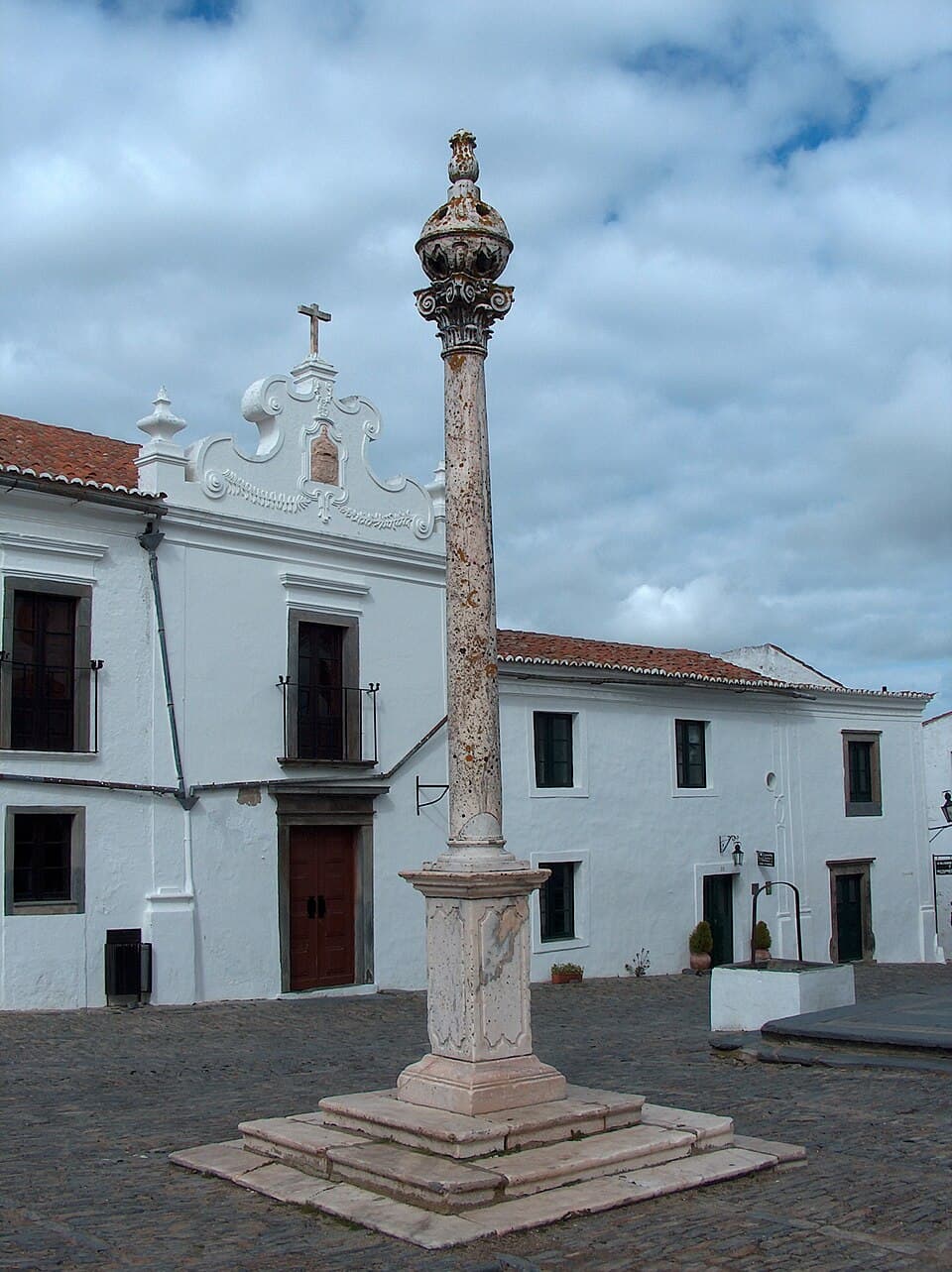
The Pillory
In the center of the square stands the pillory, an 18th-century stone pillar that functioned as a potent symbol of municipal justice and administrative autonomy. In an era when towns were granted the right to govern themselves, the pillory represented the authority of the local magistrates. It was at this spot that new laws were proclaimed to the public and where punishments for various crimes were administered. The pillar features decorative carvings at its top, adding a touch of baroque detail to the otherwise functional town square. This ornamentation creates a visual contrast with the simpler, more rugged stone church standing directly behind it. While today it is a quiet monument, it was once the site of intense public activity and a constant reminder of the consequences of breaking the town's codes. It stands as a physical marker of the transition from purely military rule to organized civic life within the village of Monsaraz.
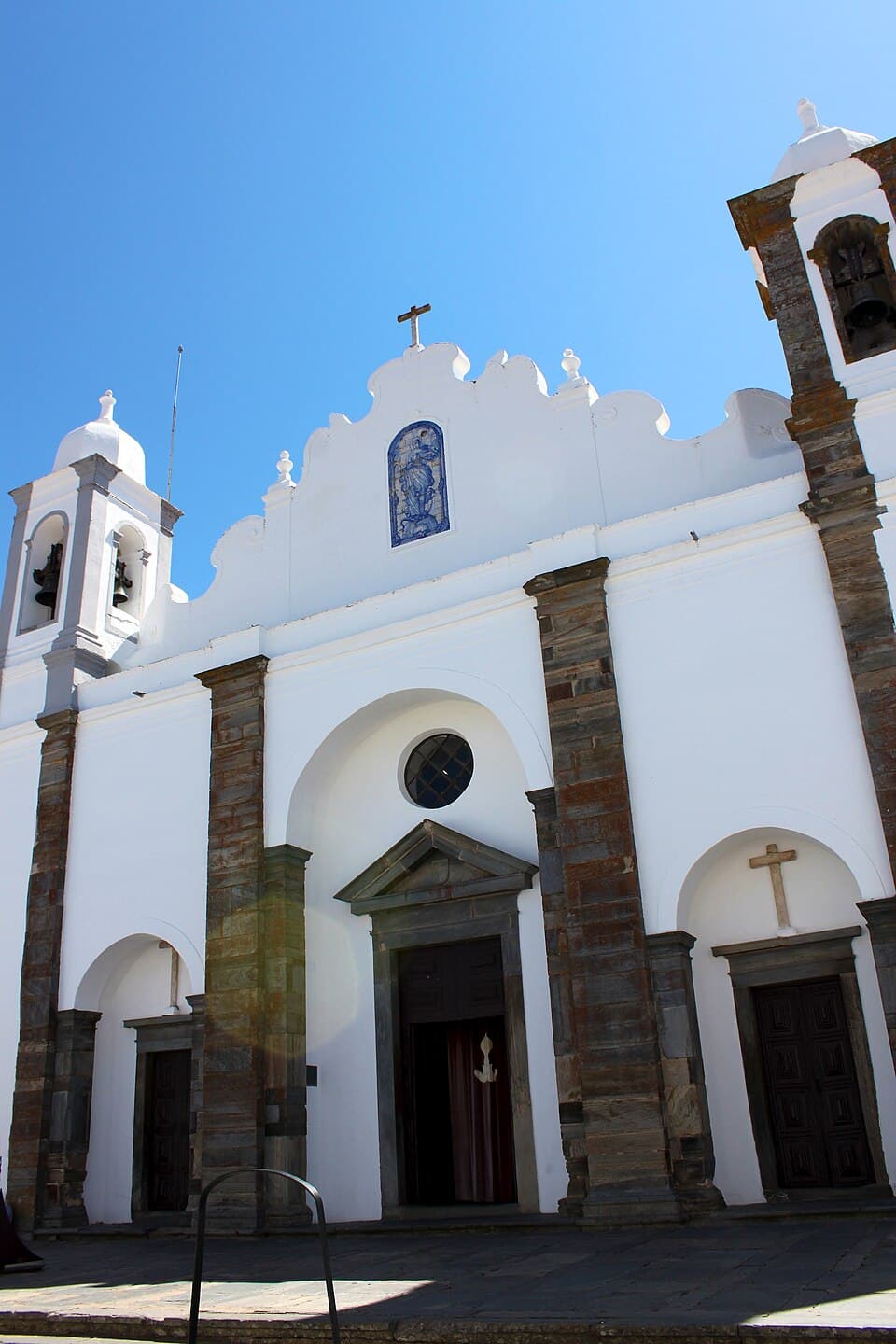
Church of Our Lady of the Lagoon
The Church of Our Lady of the Lagoon is the religious heart of the Monsaraz community. Its history is deeply tied to the defense of the realm; in 1232, King Sancho II donated this entire domain to the Order of the Templars to secure the border against the neighboring Spanish kingdoms. While the current facade reflects the 16th-century Renaissance style, the site itself has been considered sacred since the reconquest of the hill from Moorish forces. Inside, the church preserves important links to the village’s earliest defenders. Most notably, it contains the marble tomb of Gomes Martins Silvestre, the first knight appointed to govern the town. His burial here underscores the close connection between the faith and the military orders that once held this frontier. The church’s position in the central square allowed it to serve as both a place of worship and a communal gathering point. Its white facade stands in quiet contrast to the dark, rugged stone of the nearby medieval walls.
The Civic Heart: Museum and Misericórdia
Covers the cluster of civic and charitable buildings. I included the former town hall (now a museum) and the Misericórdia church to highlight the community's social history.
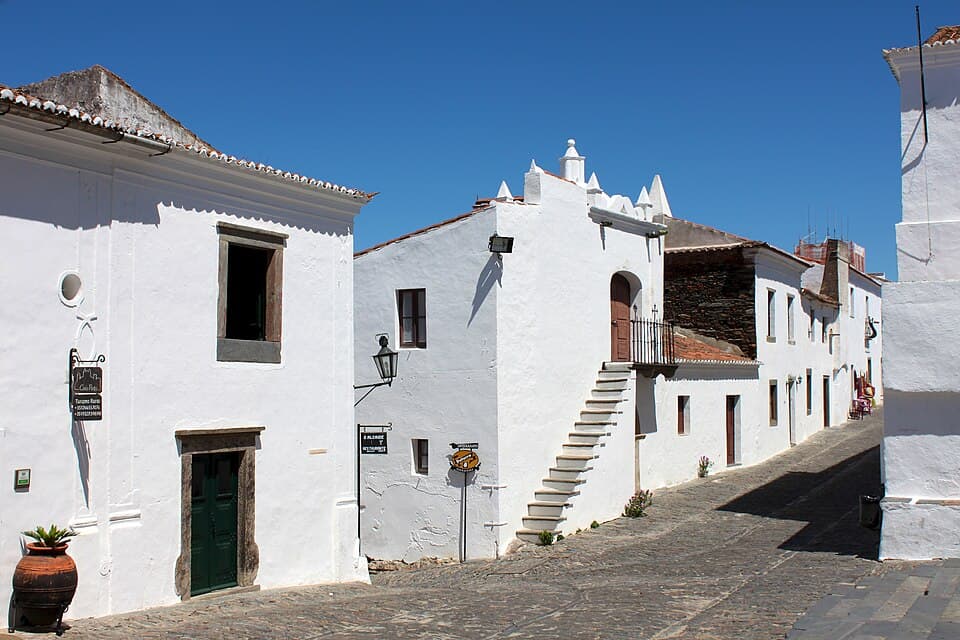
The Chapel of St. Joseph
The Chapel of St. Joseph offers a unique look at how sacred and domestic architecture were blended together in Monsaraz. One of its most distinctive features is the external staircase that leads to the upper floor, a design more commonly seen in the village's private houses than in its religious buildings. This integration was a practical necessity born from the village's tight footprint; within the defensive walls, space was a luxury, and every structure had to be as efficient as possible. The chapel shows how religious life was not separated from the daily activities of the residents, but rather woven into the fabric of their homes and streets. This stop highlights the organic way the village grew, with buildings often sharing walls or serving multiple purposes. The simple stone construction of the chapel ensures it fits harmoniously into the surrounding neighborhood, while its specific architectural quirks give it a distinct character within the town.
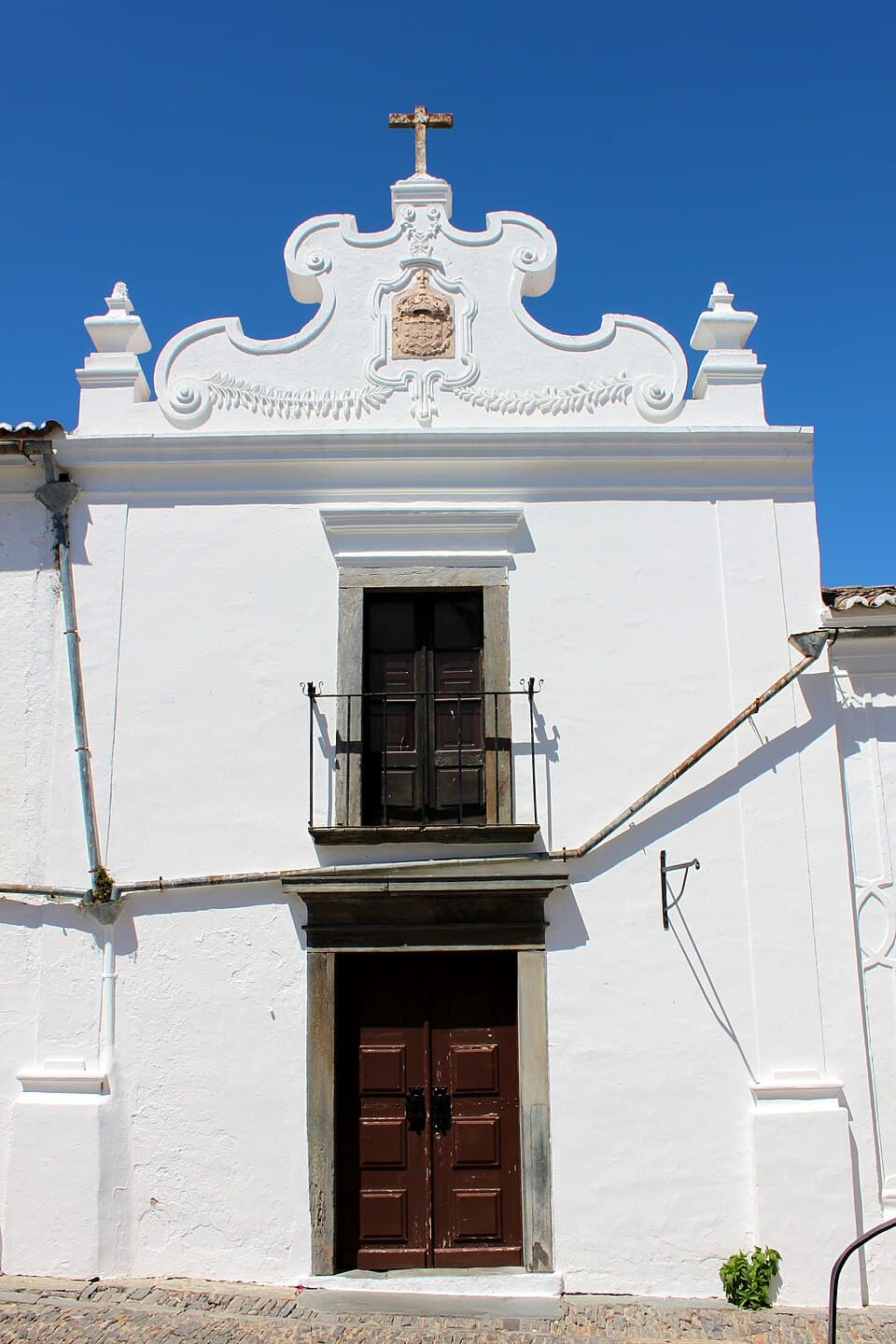
Church of Mercy
The Church of Mercy is a small, 16th-century structure that belonged to the Misericórdia, a charitable brotherhood founded to assist the poor and sick. These institutions were essential in Renaissance Portugal, providing social support, healthcare, and burials that the state often could not. Notice the simple yet elegant facade, which prominently displays the royal crown and the coat of arms associated with the brotherhood. This architectural modesty reflects the group’s focus on service and humility. Despite its small size, the church played a significant role in the daily lives of the villagers, acting as a sanctuary for those in need. It sits tightly among the other buildings of the town, illustrating how every available space within the village walls was put to productive use. The presence of the Misericórdia ensured that even in this remote frontier outpost, the most vulnerable citizens were not forgotten by the community.
The Keep: Torre de Menagem
Highlights the military core of the fortress. I used shots of the square stone keep to discuss the 13th-century construction and its role in border defense.
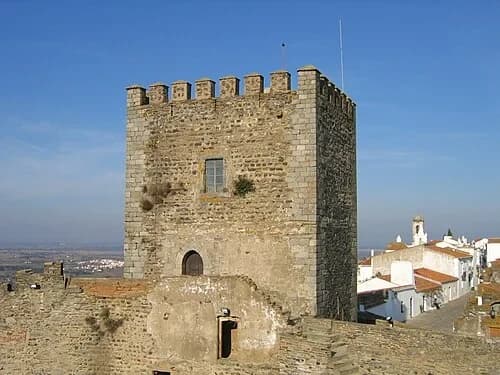
The Keep
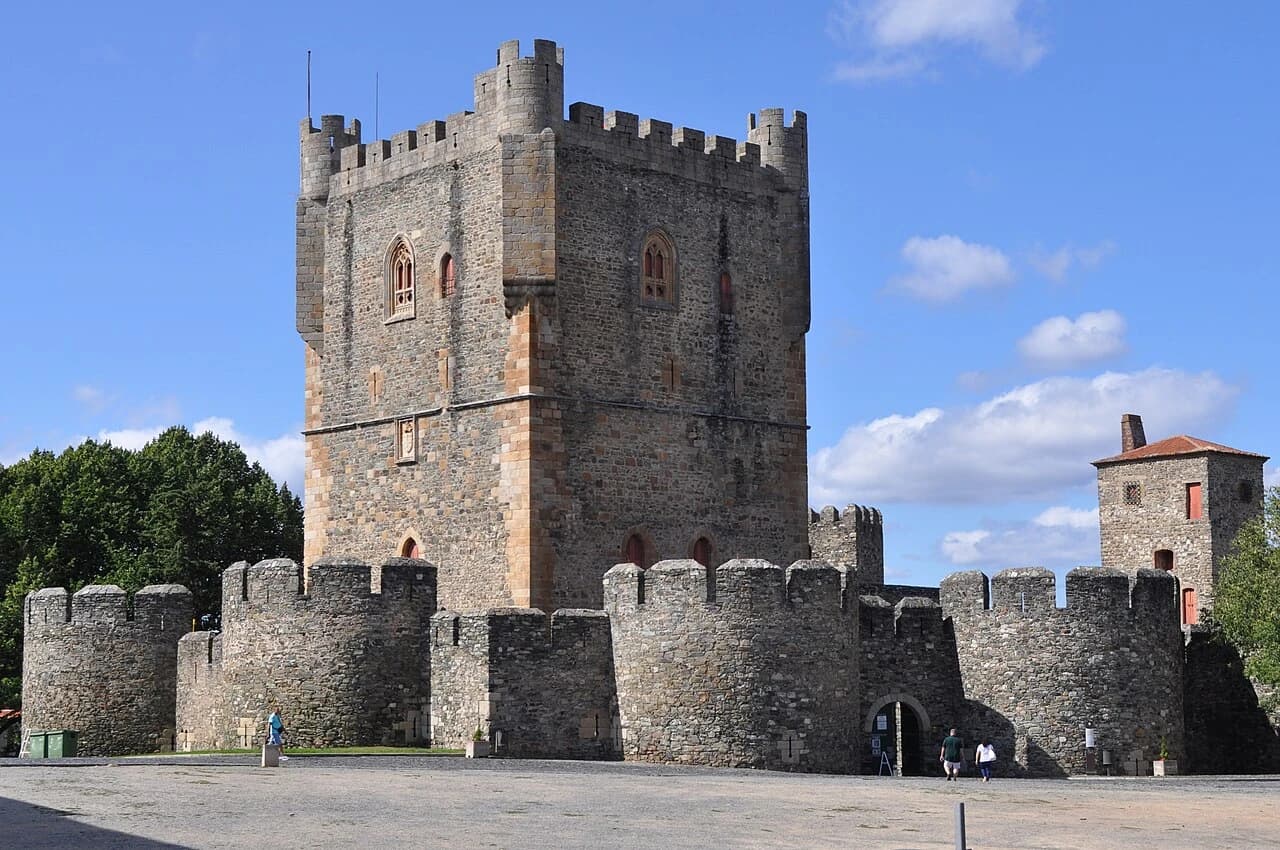
The Torre de Menagem, or keep, stands as the castle's definitive final stronghold. If the outer walls were breached and the courtyard fell, the defenders would make their last stand here. This square tower is a classic example of medieval military architecture, featuring a quadrangular shape that became standard in Portugal during the reign of King Dinis in the late 13th century. Look up at the top to see the crenelated battlements. These notched parapets were designed to allow archers and crossbowmen to fire down upon attackers while remaining mostly covered by the stone 'teeth' or merlons. The height of the keep not only provided a superior vantage point for defense but also served as a powerful visual symbol of the king's authority on the frontier. Its massive, unyielding form was meant to discourage any thoughts of assault, standing as a silent guardian over the village and the river valley below.
The Rampart Walk and Alqueva Views
Focuses on the panoramic experience. The images selected provide the best views of the Alqueva reservoir and the surrounding Alentejo plains from the high walls.
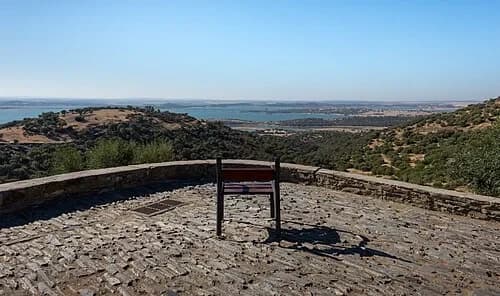
The Alqueva Reservoir
From the high vantage point of the castle walls, you are treated to a panoramic view of the Alqueva. This is the largest artificial lake in Europe, but it is a relatively new addition to the landscape. The project was completed in 2002 when the dam was closed, causing the Guadiana River to swell and submerge ancient olive groves and the old village of Luz. Before this, guards on these very walls looked down at a narrow river snaking through a dry, rugged valley. Today, the water forms the modern border between Portugal and Spain, replacing the more traditional river crossing of the medieval era. The vast expanse of water has completely transformed the local environment and economy, turning a land once defined by border conflicts into a peaceful destination for nature and water sports. The reservoir serves as a reminder that while the stones of Monsaraz are ancient, the world they oversee is constantly evolving.
Porta de Évora and the Bastion Fortifications
Covers the 17th-century additions. I chose images of the Porta de Évora and the outer walls to illustrate the transition from medieval to modern bastion engineering.
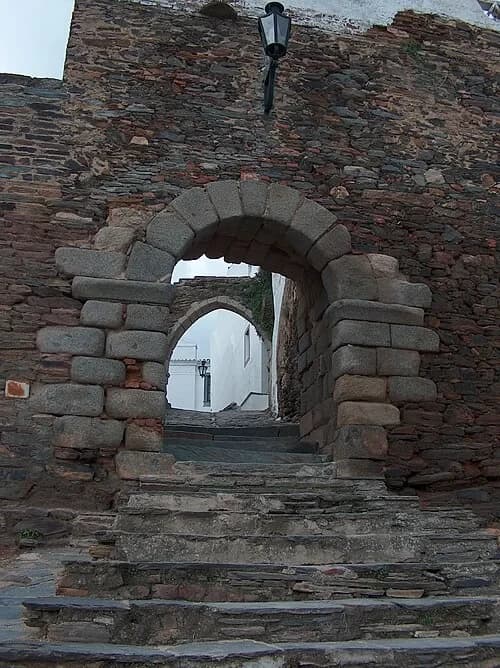
The Évora Gate
The Porta de Évora serves as the village's second major entrance, characterized by a sophisticated double-arch construction. This layout was a deliberate defensive tactic; it created a confined space, or "kill-zone," between the two gateways. If an enemy managed to batter down the first door, they would find themselves trapped in this small, enclosed area, exposed to fire from defenders positioned above. To withstand such intense pressure, the builders used massive granite blocks for the archways rather than the local schist. These heavy stones provided the structural integrity needed at such a vulnerable entry point, resisting both physical force and the passage of time. The sheer scale of these blocks, roughly squared and tightly fitted, stands as a testament to the engineering priorities of the era. This gateway faced toward the city of Évora, marking an important link in the regional communication network. Even today, the transition from the wide-open landscape into the shadowed, sturdy corridor of the gate feels like entering a different time. The weight of the stone overhead is a physical reminder of the protection once offered to those within these walls.
Want to hear the rest?
Download the Stanza app to unlock all 19 stops and full GPS-guided navigation.
Frequently Asked Questions
How long does the Castelo de Monsaraz audio tour take?
The Castelo de Monsaraz audio guide includes 19 narrated stops. Most visitors spend 45 minutes to 1.5 hours exploring the complete tour, though you can listen at your own pace and skip or revisit any stop.
Is the Castelo de Monsaraz audio guide available in my language?
Stanza supports 15 languages: English, Spanish, French, German, Italian, Portuguese, Russian, Japanese, Chinese, Korean, Arabic, Hindi, Polish, Dutch, Hebrew. Check the guide in the app to confirm the languages currently available for this tour.
Can I use the audio guide offline at Castelo de Monsaraz?
Yes! Download the complete Castelo de Monsaraz tour — including all audio, maps, and images — before your visit. The Stanza app works completely offline, so you don't need WiFi or mobile data at the venue.
How much does the Castelo de Monsaraz audio guide cost?
The Stanza app is free to download. Free and paid audio guides are available; current prices are shown in the app.
How do I use the Stanza audio guide at Castelo de Monsaraz?
Download the free Stanza app, search for "Castelo de Monsaraz", and download the tour. When you arrive at the venue, the app uses GPS to detect your location and automatically plays the relevant narration as you move between points of interest — completely hands-free.
What makes the Stanza audio guide different from other Castelo de Monsaraz tours?
Stanza offers GPS-triggered narration that plays automatically as you walk through Castelo de Monsaraz — no need to manually select stops. The tour is available in 15 languages, works fully offline, and includes 19 expertly narrated stops with images and historical context.
What other audio guides are available near Castelo de Monsaraz?
Stanza offers multiple audio guides in Reguengos de Monsaraz, Portugal and nearby areas. After downloading the app, browse the map to discover all available tours near Castelo de Monsaraz. Each guide can be downloaded for offline use.