Stanza · Audio guide
Castelo de Santa Maria da FeiraAudio guide
A place to remember. A story to take with you.
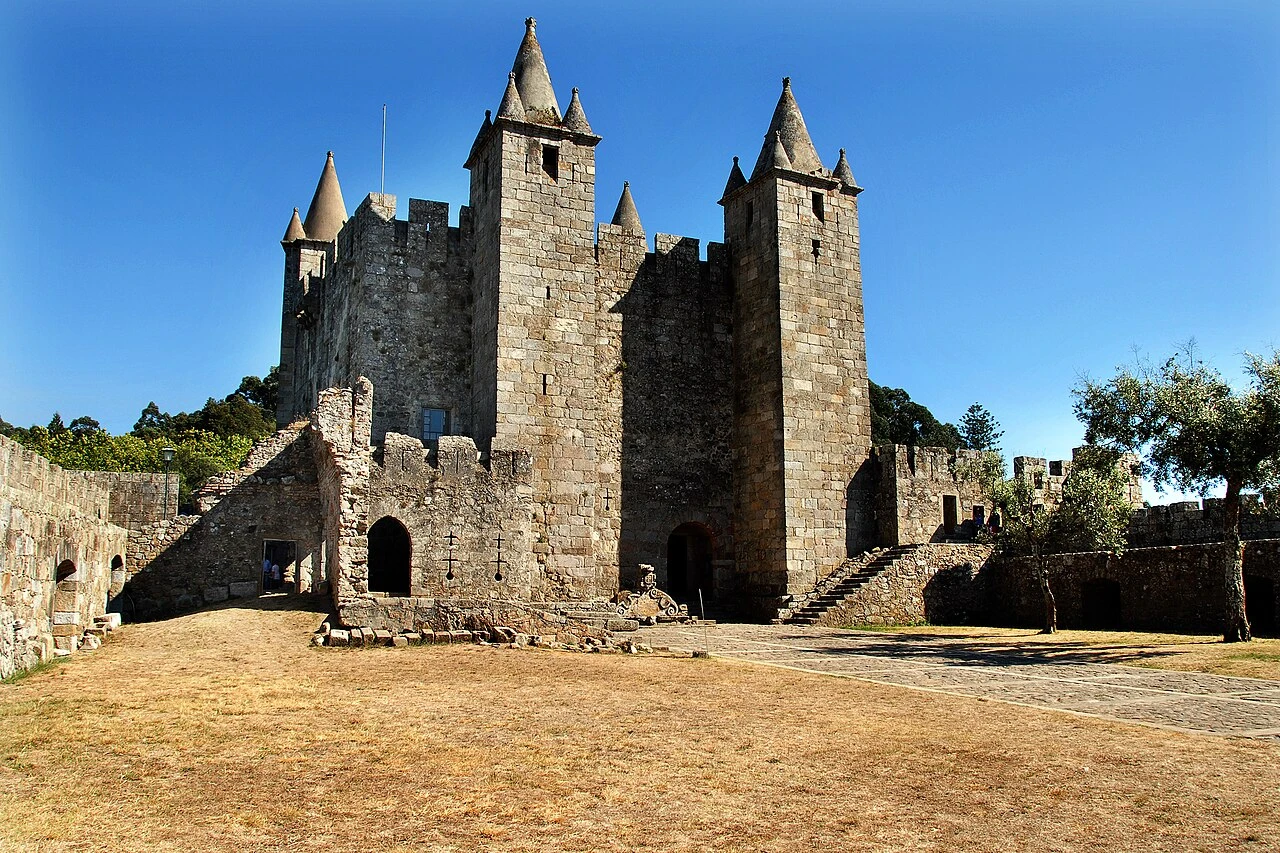
This well-preserved medieval castle features a complex defensive structure with four towers and crenelated walls. It stands as a significant example of Portuguese defensive military architecture from the…
Download Stanza, then search for “Castelo de Santa Maria da Feira”.
About the tour
One guide. Your kind of visit.
This well-preserved medieval castle features a complex defensive structure with four towers and crenelated walls. It stands as a significant example of Portuguese defensive military architecture from the Middle Ages.
Ready when you are.
- 01Get the free Stanza app.
iOS & Android
- 02Find your guide.
“Castelo de Santa Maria da Feira”
- 03Download before you go.
Works offline
Audio guide / 17 narrated stops
Inside the guide
Get to know a few of the stories before you go. Open a stop to read more.
01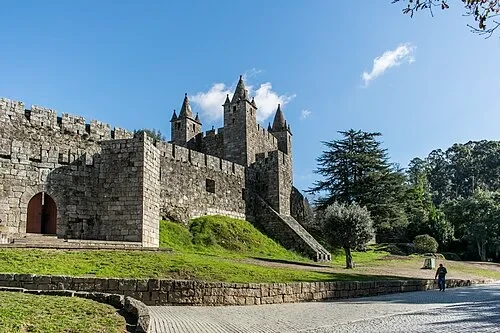 The Barbican and Main EntranceThe Barbican Gate
Welcome to one of the most complete examples of medieval military architecture in Portugal. As you look at the castle's unique silhouette, you are seeing a site that has been fortified for thousands of years. While the first written records of a castle here date back to the 11th century, archaeological evidence suggests this strategic hilltop has been used for defense since Roman times. This entrance leads through the barbican, which is the outer defensive wall visible today. In medieval warfare, the barbican served as a crucial first line of protection. It was designed to force attackers into a narrow, exposed area where they could be easily targeted by defenders on the walls above. By creating this secondary barrier, the inhabitants could protect the main gates from direct assault or battering rams. The rough granite masonry of these walls has survived centuries of conflict, standing as a physical record of the many layers of history that define this site. This structure sets the stage for a fortress that was continuously adapted to meet the changing needs of Portuguese warfare.
Jorge Lobo · CC BY-SA 4.0
02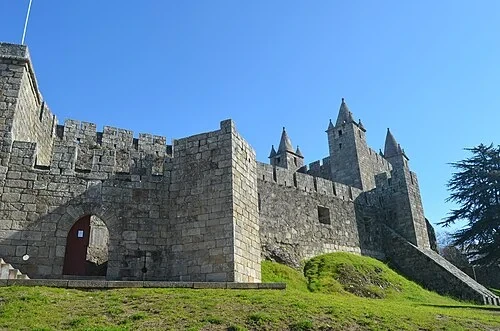 The Barbican and Main EntranceThe Main Portico
Notice the stone coat of arms carved directly above the archway. This heraldry belongs to the Pereira family, who took ownership of the castle in the 15th century. Under their rule, the fortress underwent a massive transformation to stay relevant in an era of rapidly advancing military technology. The transition from bows and arrows to gunpowder necessitated significant changes to the layout. Flanking the entrance are two substantial rectangular towers. These were not merely for show; they were strategically positioned to create a 'killing zone' in front of the gate. Any attacker attempting to reach the door would be caught in a crossfire from soldiers stationed in both towers. This design ensured there were no blind spots at the most vulnerable point of the fortress. The masonry here is noticeably precise, reflecting the wealth and power of the Pereira family during the late Middle Ages. This portico served as a statement of authority, signaling to all who approached that the castle was both a formidable military machine and a prestigious noble residence. The heavy stones above the arch were often prepared to hold mechanisms for a portcullis or other defensive measures.
Pedro from Maia (Porto), Portugal · CC BY 2.0
03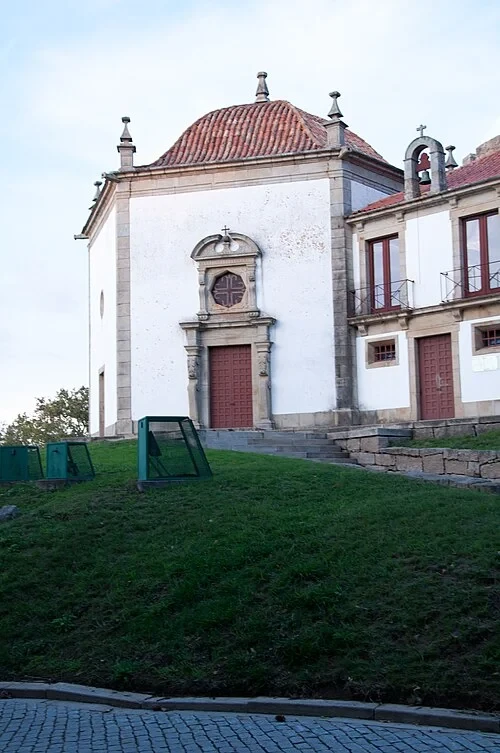 Chapel of Nossa Senhora da EncarnaçãoChapel of Our Lady of the Incarnation
The hexagonal structure standing before you is the Chapel of Our Lady of the Incarnation. Added to the complex in 1656, it represents a significant architectural shift from war to worship. By the 17th century, the castle's primary function was evolving from a strictly military fortress into a grand noble residence. The aesthetic here is distinctly Baroque, providing a sharp visual contrast to the rugged, dark granite of the medieval walls. Notice how the bright white-washed exterior and the warm red-tiled roof stand out against the surrounding stone. This decorative approach reflected the tastes of the nobility during the 1600s, who sought to bring elegance and religious devotion to their private estates. Attached to the side of the chapel is a small, modest bell tower, which would have summoned the castle's residents to daily prayer. The choice of a hexagonal shape is typical of the period's interest in geometric symbolism and centralized plans for religious buildings. While the rest of the castle was built for survival, this chapel was built for the soul, marking the softening of the fortress's grim defensive character into a place of domestic and spiritual life.
Listen in the appPhoto: Lsilva1969 · CC BY-SA 3.0
04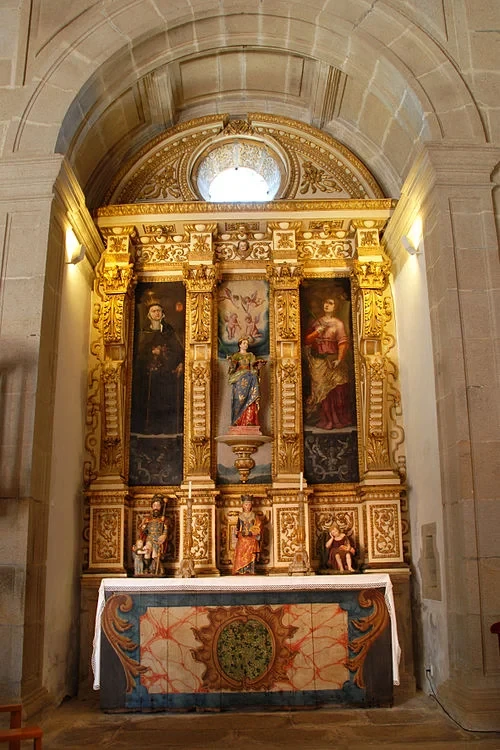 Chapel of Nossa Senhora da EncarnaçãoThe Baroque Altar
The interior of the chapel houses an ornate altar that features an impressive display of gilded woodwork, known in Portuguese as 'talha dourada.' This intricate carving style is a hallmark of the Baroque period and creates a dramatic contrast with the somber, unadorned stone exterior of the castle. In the center of the altar stands a statue of the Virgin Mary, the patroness of this space. The use of gold leaf was intended to reflect light and create a sense of divine radiance, impressing any visitor with the piety and wealth of the noble family. Local tradition holds that this castle was originally built over the site of an ancient pagan temple dedicated to a local deity. Over centuries, the site was Christianized, eventually leading to the construction of this shrine. The transition from a site of ancient ritual to a Christian chapel is a common theme in European history, but here, the physical evidence of that transition is encased in the very walls of the fortress. The craftsmanship of the woodwork is remarkably well-preserved, showing the high level of skill possessed by local artisans during the 17th century. This space offered a quiet, opulent retreat for the lords of the castle, far removed from the cold realities of the battlements.
Listen in the appAntónio Amen · CC BY-SA 3.0
05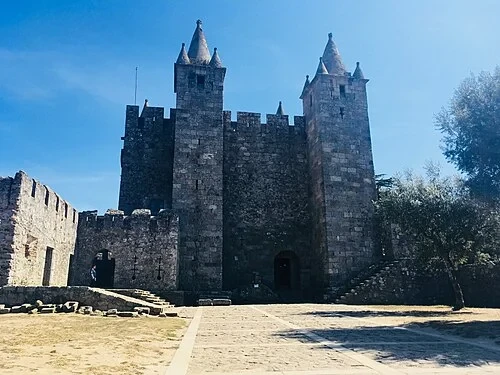 The Parade Grounds (Praça de Armas)The Parade Grounds
The central courtyard where you are standing is known as the Praça de Armas, or Parade Grounds. This area is historically significant as the 'Cradle of Portuguese Independence.' In 1128, local nobles gathered right here to launch a revolt against Queen Teresa. They threw their support behind her young son, Afonso Henriques, who would eventually go on to become the very first King of Portugal. This act of defiance in the early 12th century was a pivotal moment in the formation of the national identity. Beyond its political history, the courtyard serves a functional purpose in the castle's design. Notice that the shape of the outer walls is an irregular oval. This was not an accident; the builders followed the natural contours of the hilltop to ensure the fortress sat on the most defensible ground possible. In times of peace, this space would have been a hub of activity, filled with soldiers training, horses being groomed, and servants moving supplies between buildings. During a siege, it would have been the final gathering point for defenders. The open area allowed for the rapid movement of troops to whichever part of the wall was under the heaviest attack.
Listen in the appPhoto: Carlasfonseca · CC BY-SA 4.0
06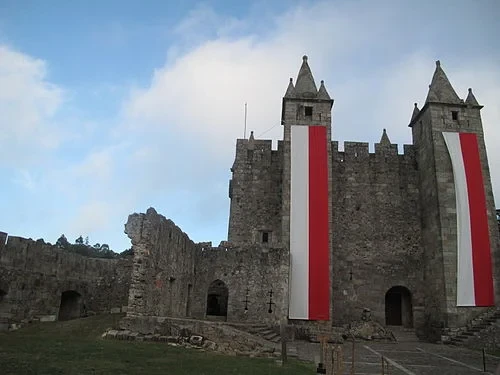 The Parade Grounds (Praça de Armas)The Medieval Festival Grounds
The banners and open spaces around you are a modern link to the castle's past. Every year, this site hosts the 'Viagem Medieval,' which is one of the largest medieval festivals in Europe. During this event, thousands of participants and visitors fill the grounds to recreate historical battles, crafts, and daily life from centuries ago. This tradition helps keep the castle's history alive for new generations, turning the cold stone into a vibrant center of cultural education. On the left side of this area, you can see the ruins of a 17th-century palacete. This was once a grand residential building where the nobility lived in relative comfort. Unlike the cramped quarters of the earlier medieval period, this palace featured larger rooms and more decorative elements. Unfortunately, over time and through various conflicts, the residence fell into disrepair, leaving behind the stone skeletal remains you see today. These ruins serve as a reminder that the castle was not just a military installation, but a home that grew and changed over the centuries. The contrast between the surviving medieval towers and these later residential ruins shows the long timeline of occupation that the hilltop has witnessed.
Listen in the appPhoto: Dafema · CC BY-SA 3.0
07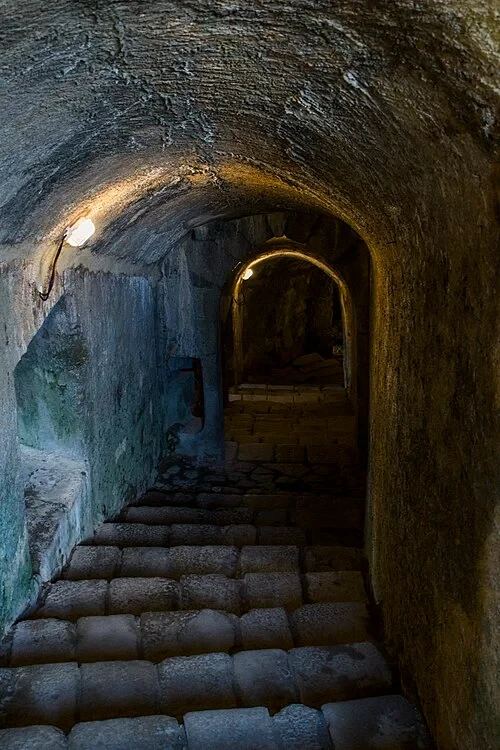 The Tower of the WellThe Secret Stairs
This narrow passage leads toward the Tower of the Well, taking you into the cooler, darker sections of the fortress. Moving through these corridors, you can feel the immense thickness of the granite walls. In a time before electricity, light was a precious commodity. Small, strategic openings in the stone were the only source of illumination, casting long shadows across the floor. Notice the steps beneath your feet; they are rough-hewn and uneven, smoothed down by the boots of countless soldiers who walked this path over hundreds of years. The layout of these internal passages was intentionally cramped and confusing to outsiders. If an enemy managed to breach the outer gate, they would find themselves in a labyrinth of dark stairs and corridors where the defenders, who knew every corner, held the upper hand. The air in these sections remains cool even on the hottest Portuguese summer days, thanks to the massive thermal mass of the stone. This passage wasn't just a way to get from one point to another; it was part of the castle's internal defensive web, designed to slow down any intruder and provide cover for those protecting the heart of the fortress.
Listen in the appJorge Lobo · CC BY-SA 4.0
08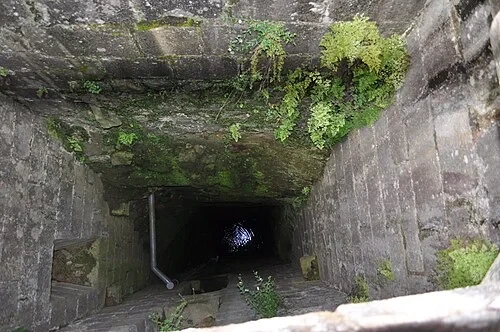 The Tower of the WellThe Tower of the Well
Look down into the shaft of the Tower of the Well, which protected the castle's most critical resource: its water supply. During a medieval siege, an army could survive without food for weeks, but they would perish in days without water. Access to a reliable spring inside the walls often determined whether a fortress would hold out or surrender. This specific tower was constructed directly over a natural spring to ensure it could never be poisoned or cut off by enemies outside. One of the most fascinating features here is the unique spiral staircase that winds down the sides of the shaft. This allowed defenders to safely descend and fetch water even if the main courtyard was under heavy fire or had been partially breached. The engineering required to dig this deep into the hilltop and line it with masonry was a massive undertaking for the time. The humidity from the spring often keeps this area damp and covered in moss, a stark contrast to the dry, sun-baked battlements above. Protecting this well was a top priority for any commander of the castle, as it was the literal lifeblood of everyone living within the fortifications.
Listen in the appPhoto: Lídia Maria Faria · CC BY-SA 4.0
09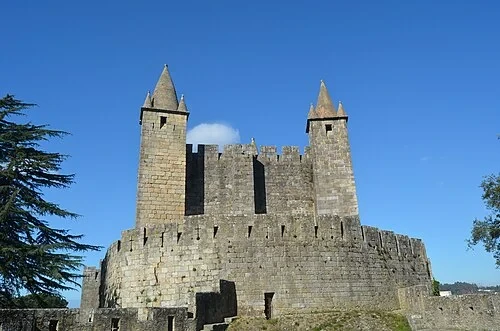 The Great Keep (Torre de Menagem)The Great Keep
Dominating the castle's vertical skyline is the Torre de Menagem, or the Great Keep. This was the strongest part of the fortress and functioned as the final refuge if the outer walls and the barbican were ever breached. The keep was designed to be self-sufficient, often containing its own stores of food and weapons. Near the top of the tower, notice the stone projections known as machicolations. These were highly effective defensive features that allowed soldiers to drop heavy stones, boiling water, or incendiary materials directly onto attackers trying to scale the base of the tower. Because the openings were at the top of the wall, the defenders were almost completely protected from return fire while they dropped their payloads. The height of the keep also provided a commanding view of the surrounding landscape, allowing watchmen to spot approaching armies miles away. In the Middle Ages, the height of a keep was a direct symbol of the lord's power and status. The taller and more imposing the tower, the more formidable the lord appeared to his subjects and his rivals. Even today, the keep remains the most recognizable part of the castle's profile.
Listen in the appPedro from Maia (Porto), Portugal · CC BY 2.0
10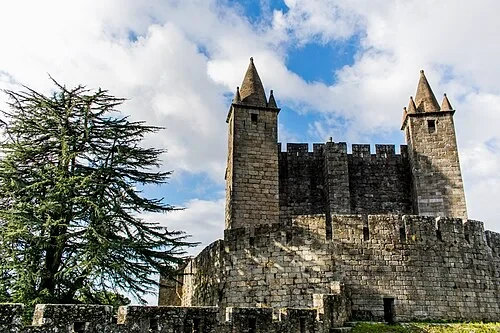 The Great Keep (Torre de Menagem)The Fortress Masonry
The construction of this castle relied heavily on local materials, primarily massive blocks of granite and limestone. The masonry you see here was not just about strength but about adapting to the new 'pirobalistic' age of warfare, which introduced the threat of early cannons. As gunpowder changed the face of battle in the late Middle Ages and early Renaissance, castle walls had to become thicker and more resilient. Notice how some of the towers are slightly angled rather than perfectly flat. This was a deliberate tactical choice; an angled surface is more likely to deflect a cannonball or stone projectile rather than absorbing the full force of a direct hit. This simple geometric trick significantly increased the lifespan of the fortifications under fire. The individual stones were carefully fitted together, often using a core of rubble and mortar for added thickness. This 'sandwich' construction allowed the walls to flex slightly under impact without crumbling. Looking at the sheer scale of these stones, you can appreciate the immense labor required to quarry, transport, and lift them into place on this hilltop. Every block was a piece of a larger puzzle designed to withstand both time and the evolving technology of destruction.
Listen in the appJorge Lobo · CC BY-SA 4.0
Castelo de Santa Maria da Feira
Frequently asked questions
How much does the guide cost?
Free app download. Listed guide price: $3.99. Guide price shown in the app. Audio guide only. Venue admission is separate.
Can I listen without internet?
Yes. Download the guide’s audio, images, and maps in the app before your visit. Your downloaded content is then available offline.
Can I listen in my language?
Stanza supports 15 languages. Check the app for the languages available for this guide.
Do I need to follow a schedule?
No. This is a self-guided experience. Choose your stops, pause whenever you like, and return to a story at your own pace.
At your own pace
Explore Castelo de Santa Maria da Feira.
Download Stanza, then search for “Castelo de Santa Maria da Feira”.
Free app download · Guide price shown in the app
Keep exploring
Nearby audio guides
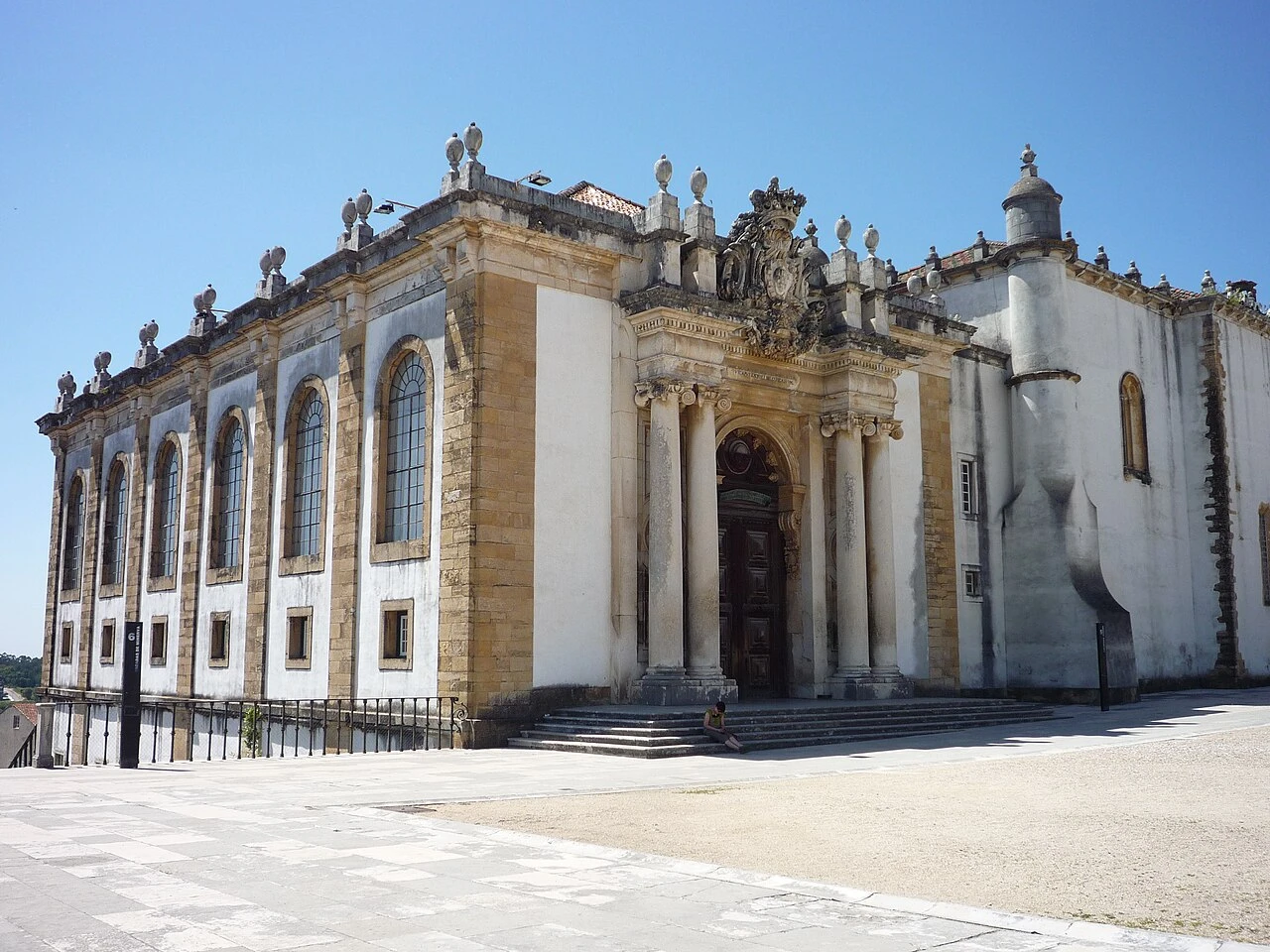
Coimbra
Biblioteca Joanina
Content & sources
Chris · CC BY-SA 2.0
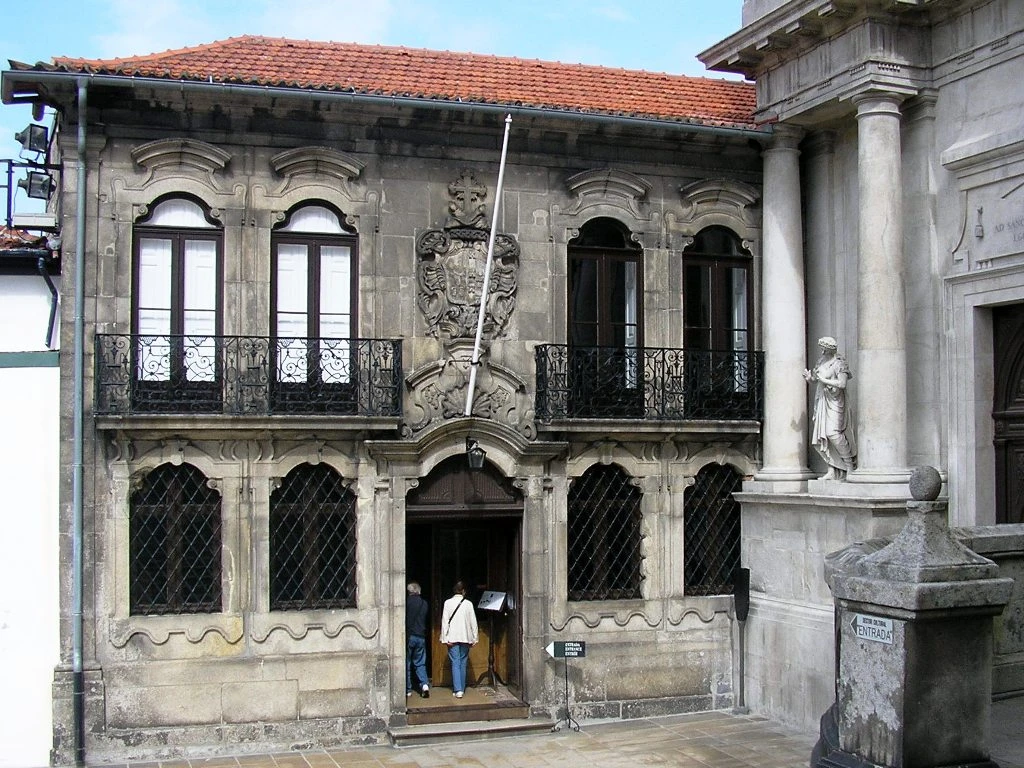
Porto
Casa do Despacho da Venerável Ordem Terceira de São Francisco
Content & sources
Photo: Manuel de Sousa · CC BY-SA 3.0
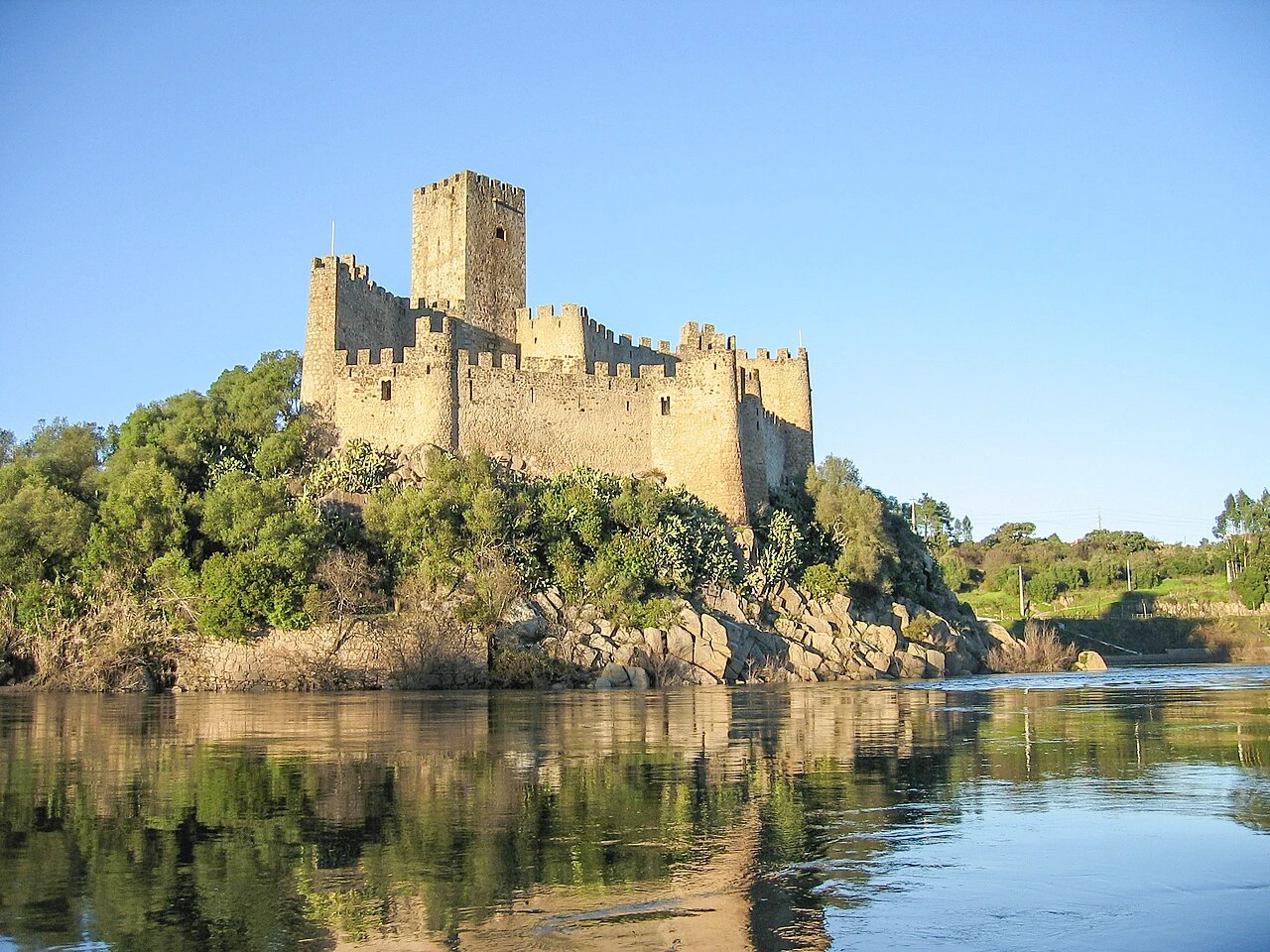
Praia do Ribatejo
Castelo de Almourol
Content & sources
Daniel Feliciano · CC BY-SA 2.5
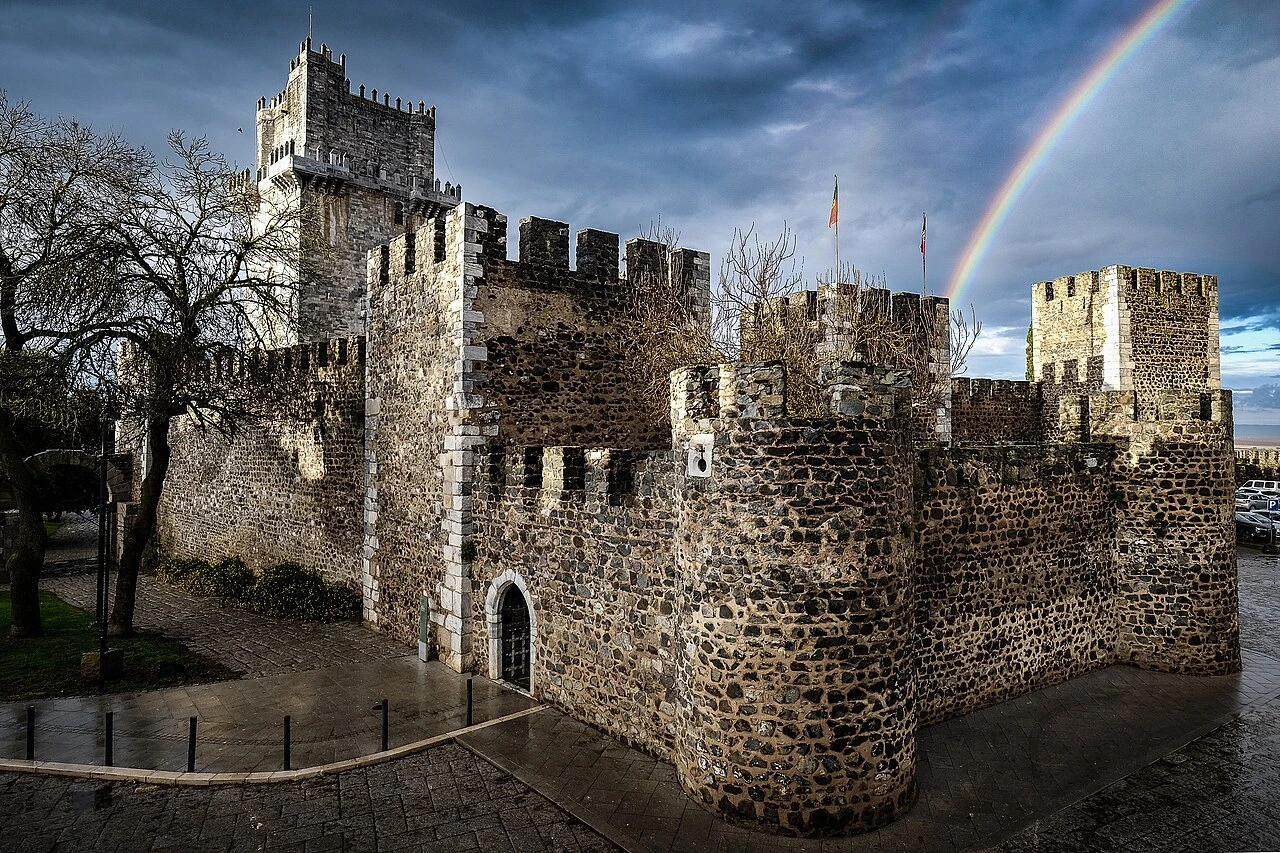
Beja
Castelo de Beja
Content & sources
Photo: Costajosemanuel.foto · CC BY-SA 4.0