Languages
15Castelo de Silves Audio Guide
Castelo de Silves is a landmark in Silves, Portugal. Explore it with Stanza's GPS-triggered offline audio guide — available in 15 languages.
Quick Facts
31
Stops
15
Languages
100%
Offline
📍 Silves, Portugal · 37.1910°N, -8.4379°E
About Castelo de Silves
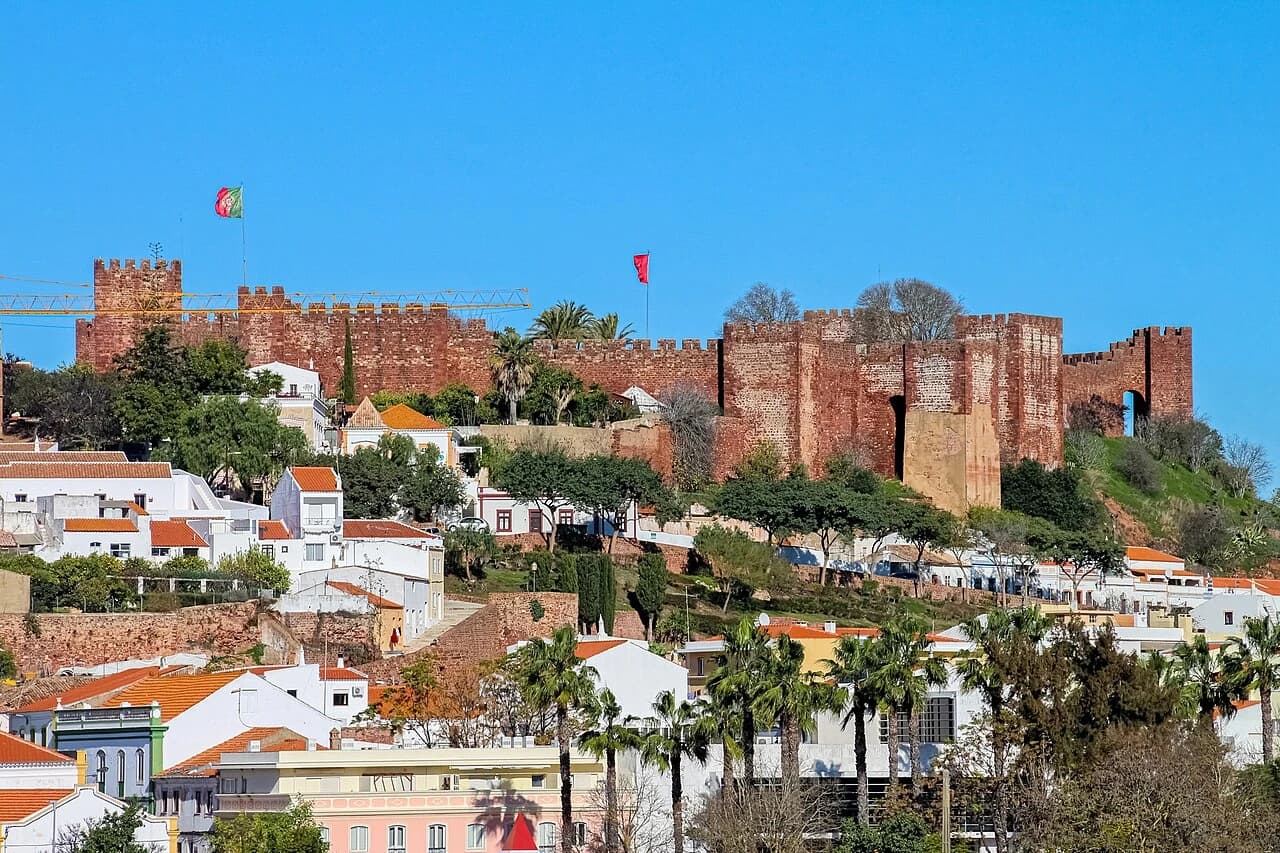
The Castle of Silves is a well-preserved Moorish fortification built of red sandstone that dominates the skyline of the city. It is one of the most important archaeological sites and defensive structures in the Algarve region.
Castelo de Silves is also known as Castelo e Cerca Urbana de Silves, Castelo de Silves.
This self-guided audio tour features 31 narrated stops organized across 7 sections. As a castle, Castelo de Silves offers a unique cultural experience in the heart of Silves, Portugal.
The Stanza audio guide is available in 15 languages and works entirely offline — download the complete tour including audio narration, maps, and images before your visit. As you walk through Castelo de Silves, GPS-triggered narration plays automatically at each point of interest.
Last updated:
What you will hear
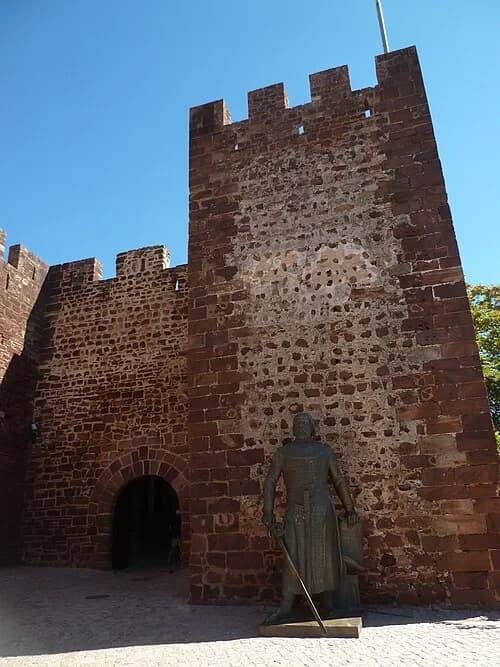
Main Gate and the Statue of King Sancho I
Establishing the arrival at the citadel and the historical significance of the first Christian conquest in 1189.
The Red Sandstone Fortress
The most visually striking feature of the fortress is the vibrant color of its walls, a hue provided by the local red sandstone known as Grés de Silves. This material was not just used for its availability; its durability was essential for reinforcing the massive ramparts that protected the city's elite. This citadel was an active military and political center for over seven hundred years, serving as a silent witness to the long transition of the region. Initially established as an Umayyad fortress, it eventually became a vital royal stronghold for the Christian monarchs of Portugal. The red stone creates a warm, almost glowing appearance, especially in the late afternoon sun, which contrasts sharply with the white-washed buildings of the town below. Throughout its centuries of operation, the fortress was constantly expanded and repaired, with each new ruler adding layers of masonry while keeping the characteristic red tone consistent. The engineering required to transport and shape these heavy sandstone blocks speaks to the resources available to the governors of Silves. As you walk along the perimeter, the sheer bulk of these structures emphasizes why this site was considered one of the most difficult to conquer in the entire Iberian Peninsula.
Military Square and Guardhouse
Focusing on the Almohad military engineering and the unique interior vaulted spaces.
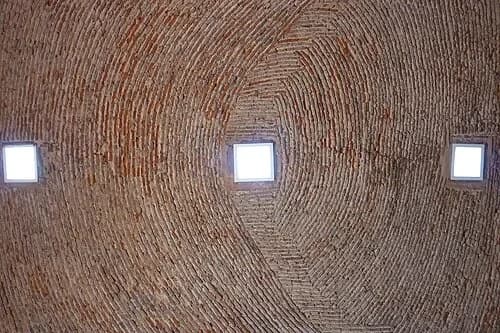
Islamic Brickwork Patterns
Looking up at the ceiling of this vaulted space, you can see intricate geometric patterns created by carefully placed bricks. This style of masonry is a signature of Almohad craftsmanship, an architectural tradition that flourished in North Africa and the Iberian Peninsula during the twelfth and thirteenth centuries. These patterns, featuring concentric circles and precisely aligned vaulted lines, were not merely decorative. The arrangement served a vital structural purpose, distributing the immense weight of the battlements and floors above more evenly across the arches. This combination of form and function is a defining characteristic of Islamic engineering from this period. The builders understood that by creating these complex brick sequences, they could achieve greater structural stability without needing excessive amounts of heavy stone. It reveals a sophisticated mastery of geometry and physics, applied to create spaces that were both visually impressive and incredibly durable. Such attention to detail in a military structure indicates the importance the rulers of Silves placed on their capital. These patterns have survived for centuries, resisting the pressure of the heavy defenses overhead and providing a lasting example of the skill possessed by the anonymous artisans who constructed the heart of this great red fortress.
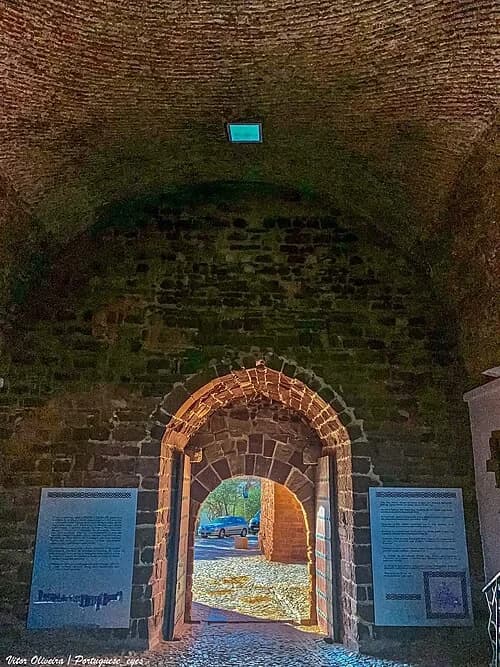
The Citadel Gatehouse
From this vantage point within the vaulted gatehouse, you can look out toward the modern town and contemplate the historical significance of this archway. This was the primary threshold of the citadel, the point where the city’s civic life met its military authority. For centuries, this passage was the gateway to the Islamic heart of the fortress, leading to the palaces and barracks that commanded the region. Interestingly, the view now includes the Silves Cathedral, which stands on the site of what was once the town's Grand Mosque. This archway has served as a transition point between different faiths and cultures as power shifted over the centuries. Notice the thickness of the stone walls surrounding you, designed to withstand the most determined assaults. The pointed arch is a characteristic element of the period’s architecture, providing both structural strength and a distinct aesthetic. Standing here, you are in a space that was once heavily guarded and restricted, accessible only to those with business in the governor's quarters. The gatehouse acted as a filter, protecting the inner sanctum of the castle from the chaos of the city. It remains one of the most evocative spots in the complex, marking the boundary between the public world of the town and the private military world of the fortress.
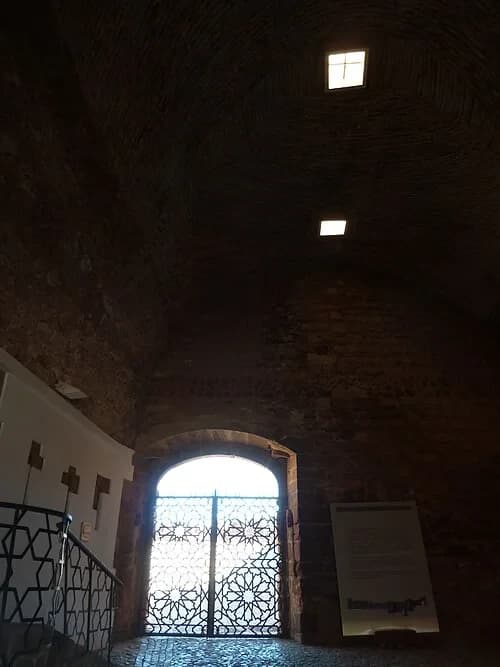
The Guardhouse Interior
As you step into the interior of the guardhouse, the environment changes immediately. The thick walls and high, vaulted ceilings create a microclimate that remains cool even during the peak of the Algarve summer. These spaces were originally designed for maximum utility, serving as the barracks and operational hub for the troops stationed at the main entrance. From here, soldiers could monitor every person entering and exiting the citadel, ensuring that access to the main courtyard was strictly controlled. The transition from the bright, open spaces outside to this dimly lit interior would have been a daily experience for the hundreds of men who served in the garrison. The architecture here is purely functional, emphasizing strength and endurance. Consider the width of the walls, which provided not only physical protection but also excellent insulation. These rooms were the first line of response in the event of an alarm, allowing troops to deploy quickly to the gatehouse or the surrounding battlements. While the furnishings and personal belongings of the soldiers are long gone, the solid stone and brickwork remain as they were centuries ago, reflecting the disciplined and structured life of the medieval military elite who lived and worked within these vaulted halls.
The Great Cistern (Cisterna da Moura)
Highlighting the massive 1.3 million liter reservoir and the legends associated with it.
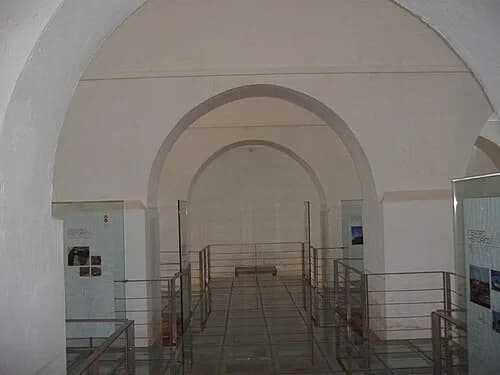
The Reservoir Gallery
The reservoir you are seeing is part of a complex and highly effective hydraulic engineering system. Rainwater was meticulously collected from the castle's rooftops and open courtyards through a network of channels and pipes. Before entering these four interconnected galleries, the water passed through stone filters to remove sediment and debris, ensuring the stored supply remained clean for consumption. This sophisticated management system was crucial for the Almohads, as it allowed them to thrive during the long, dry Algarve summers when other sources of water would fail. The galleries are linked in a way that permitted water to flow between them, maintaining a consistent level throughout the reservoir. This engineering demonstrates a deep understanding of water conservation and urban planning, skills that were highly developed in the Islamic world. The ability to manage large-scale water storage was a strategic advantage that made Silves one of the most resilient capitals in the region. Even the orientation and depth of the cistern were carefully calculated to keep the water cool and prevent stagnation. As you observe the scale of these galleries, it becomes clear that the survival of the garrison and the royal court was dependent on the success of this hidden underground infrastructure, which remained functional long after the castle's military role had ended.
The Palace of Balconies (Palácio das Varandas)
Showcasing the only known Islamic palace remains in Portugal, highlighting Almohad luxury.
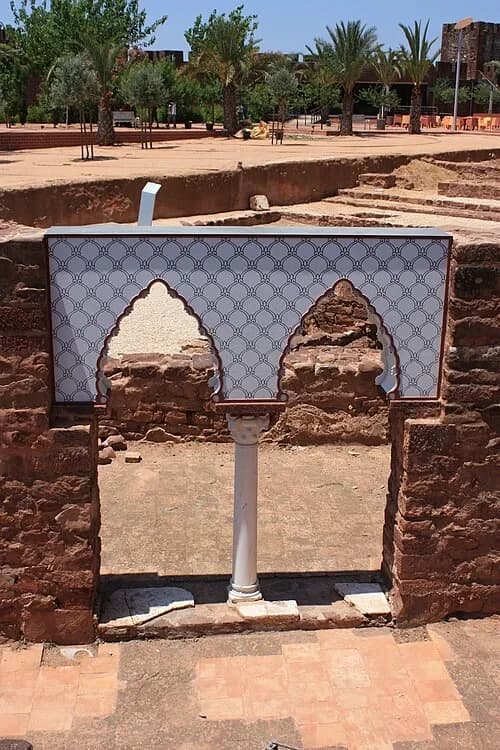
Palace of Balconies Archway
Here we find the remains of the Palácio das Varandas, or the Palace of Balconies. This site is of immense archaeological importance, as it represents the only known Almohad-period palace discovered in Portugal. The reconstructed white archway serves as a visual guide to the scale and style of the original structure, providing a rare glimpse into the opulent lifestyle enjoyed by the Islamic governors of Silves. This was not a military barracks but a refined residence, designed for comfort, administration, and the display of power. Unlike the rugged red sandstone of the fortress walls, the palace would have featured more delicate architectural details and decorative finishes. It was the center of political and social life within the citadel, where the elite gathered to manage the affairs of the kingdom. The palace was strategically placed to take advantage of the breezes and the views, emphasizing its role as a place of luxury. While only portions of the original structure remain today, the discovery of this palace has significantly changed our understanding of the cultural and administrative importance of Silves during the twelfth century. It reminds us that behind the formidable defenses was a sophisticated court culture that valued architecture as much as it did military strength.
The Governor's Garden
Explaining the Islamic tradition of 'paradise gardens' within the fortress walls.
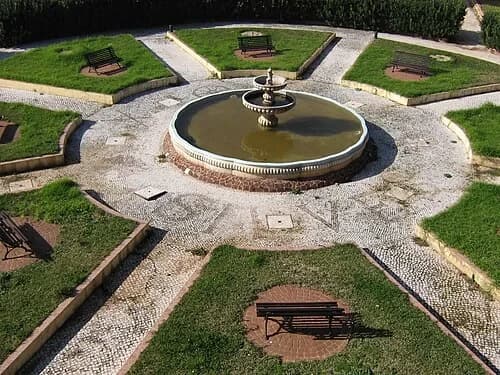
The Governor's Fountain
At the center of the garden stands a fountain that serves as a reconstruction of a traditional Islamic water feature. In the culture of the Moors who built this citadel, water was much more than a necessity; it was a central element of landscape design used to create a 'paradise garden'. These spaces were intended to provide a peaceful oasis, combining the soothing sound of flowing water with precise geometric layouts to evoke a sense of order and serenity. The use of a central fountain often marked the intersection of paths that divided the garden into four equal quadrants, a design known as a 'chahar bagh'. This arrangement reflected a symbolic representation of the celestial paradise. In the dry climate of the Algarve, such a feature was a profound luxury and a testament to the sophisticated hydraulic skills of the castle's residents. While the garden you see today is a modern interpretation, it honors the historical spirit of the site by reintroducing water into the heart of the citadel. It provides a quiet space for reflection, contrasting with the military functions of the surrounding towers and battlements. The presence of water here continues a tradition of sensory delight that has been part of this hilltop fortress for over a thousand years.
Infante D. Henrique’s Residence and Sugar Mill
Connecting the castle to Prince Henry the Navigator and the economic history of the Algarve.
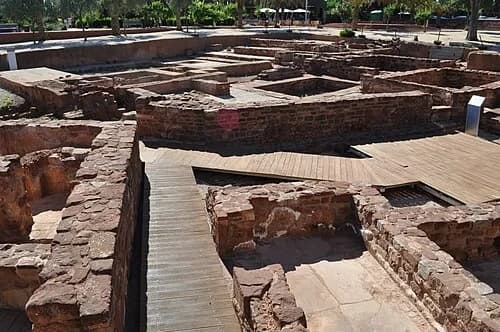
Residence of Prince Henry
While much of the castle’s history is tied to the Moorish period, these ruins on the far side of the courtyard represent a significant Christian chapter. Starting in 1457, Prince Henry the Navigator, known in Portugal as Infante Dom Henrique, served as the Governor of Silves. Archaeological excavations have revealed that his residence was likely constructed right here, utilizing the existing foundations and walls of the older Almohad palace. This layering of structures is common throughout the citadel, where Portuguese rulers adapted Islamic engineering for their own use. Living within the fortress walls allowed the Prince to maintain a direct presence in one of his most important administrative centers. From this vantage point, he could oversee the town and coordinate the maritime efforts that would eventually define the Portuguese Age of Discovery. The remains you see today consist primarily of foundation walls and floor levels, providing a silent record of how the castle transitioned from a frontier stronghold into a center of royal administration for the Algarve.
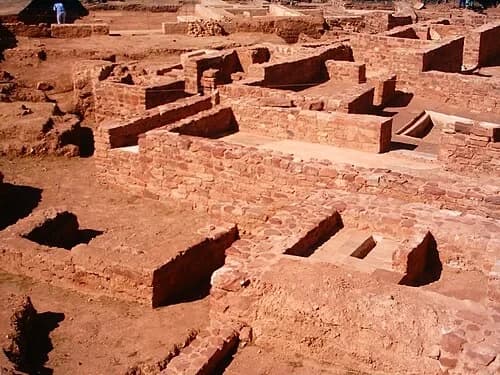
The Medieval Sugar Mill
The foundation remains visible here tell a story of industry rather than warfare. This site once housed a sugar mill, illustrating the castle's role in the early Age of Discovery. During the fifteenth and sixteenth centuries, sugar was an incredibly valuable commodity, often referred to as 'white gold.' The Algarve was one of the primary regions where sugarcane was cultivated and processed before production shifted heavily to Atlantic islands like Madeira and later the Americas. Processing sugar was a labor-intensive and complex task that required significant infrastructure, including heavy stone presses and boiling facilities. Locating such a facility within the secure perimeter of the fortress protected the valuable output from raids. This industrial activity turned Silves into a vital economic hub for the Portuguese crown. The presence of these ruins serves as a reminder that the citadel was not just a military barracks or a royal residence, but also a site of production that helped fuel the growing wealth and global reach of the Portuguese Empire.
Treasures of the Citadel
A look at the artifacts that tell the story of 700 years of military and civilian life.
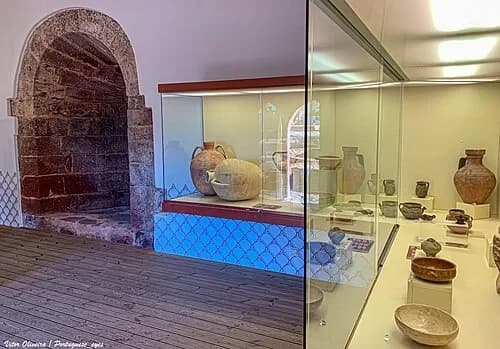
Ceramic Treasures
In the museum collection, you will find a variety of ceramic objects that were discovered during excavations within the citadel walls. Among the most notable are the large, bulbous jars used for storing oil, water, and grain. These vessels were the essential tools for daily life and survival in a high-elevation fortress. Because the castle could be cut off from the town during a siege, maintaining large reserves of food and liquid was a matter of life and death. The porous nature of some of these ceramics was even used to help keep water cool through evaporation. Beyond storage, the collection includes daily kitchenware and decorative pottery, reflecting the 700 years of residents who lived, worked, and died within these walls. These artifacts humanize the history of the fortress, shifting the focus from the grand strategy of kings and generals to the mundane realities of the soldiers and families who called this place home. The sheer quantity and variety of these ceramic finds highlight the castle's long and continuous use as a vibrant, populated center.
Want to hear the rest?
Download the Stanza app to unlock all 31 stops and full GPS-guided navigation.
Frequently Asked Questions
How long does the Castelo de Silves audio tour take?
The Castelo de Silves audio guide includes 31 narrated stops. Most visitors spend 45 minutes to 1.5 hours exploring the complete tour, though you can listen at your own pace and skip or revisit any stop.
Is the Castelo de Silves audio guide available in my language?
Stanza supports 15 languages: English, Spanish, French, German, Italian, Portuguese, Russian, Japanese, Chinese, Korean, Arabic, Hindi, Polish, Dutch, Hebrew. Check the guide in the app to confirm the languages currently available for this tour.
Can I use the audio guide offline at Castelo de Silves?
Yes! Download the complete Castelo de Silves tour — including all audio, maps, and images — before your visit. The Stanza app works completely offline, so you don't need WiFi or mobile data at the venue.
How much does the Castelo de Silves audio guide cost?
The Stanza app is free to download. Free and paid audio guides are available; current prices are shown in the app.
How do I use the Stanza audio guide at Castelo de Silves?
Download the free Stanza app, search for "Castelo de Silves", and download the tour. When you arrive at the venue, the app uses GPS to detect your location and automatically plays the relevant narration as you move between points of interest — completely hands-free.
What makes the Stanza audio guide different from other Castelo de Silves tours?
Stanza offers GPS-triggered narration that plays automatically as you walk through Castelo de Silves — no need to manually select stops. The tour is available in 15 languages, works fully offline, and includes 31 expertly narrated stops with images and historical context.
What other audio guides are available near Castelo de Silves?
Stanza offers multiple audio guides in Silves, Portugal and nearby areas. After downloading the app, browse the map to discover all available tours near Castelo de Silves. Each guide can be downloaded for offline use.