Languages
15Palácio de Monserrate Audio Guide
Palácio de Monserrate is a landmark in Sintra (Santa Maria e São Miguel, São Martinho e São Pedro de Penaferrim), Portugal. Explore it with Stanza's GPS-triggered offline audio guide — available in 15 languages.
Quick Facts
13
Stops
15
Languages
100%
Offline
📍 Sintra (Santa Maria e São Miguel, São Martinho e São Pedro de Penaferrim), Portugal · 38.7943°N, -9.4207°E
About Palácio de Monserrate
A 19th-century Romanticist palace known for its eclectic architectural style, blending Gothic, Indian, and Moorish influences. It is set within a renowned botanical garden featuring exotic plants from across the globe.
Palácio de Monserrate is also known as Parque de monserrate, Palacio de Monserrate, Palácio de Monserrate.
This self-guided audio tour features 13 narrated stops organized across 8 sections. As a palace, Palácio de Monserrate offers a unique cultural experience in the heart of Sintra (Santa Maria e São Miguel, São Martinho e São Pedro de Penaferrim), Portugal.
The Stanza audio guide is available in 15 languages and works entirely offline — download the complete tour including audio narration, maps, and images before your visit. As you walk through Palácio de Monserrate, GPS-triggered narration plays automatically at each point of interest.
Last updated:
What you will hear
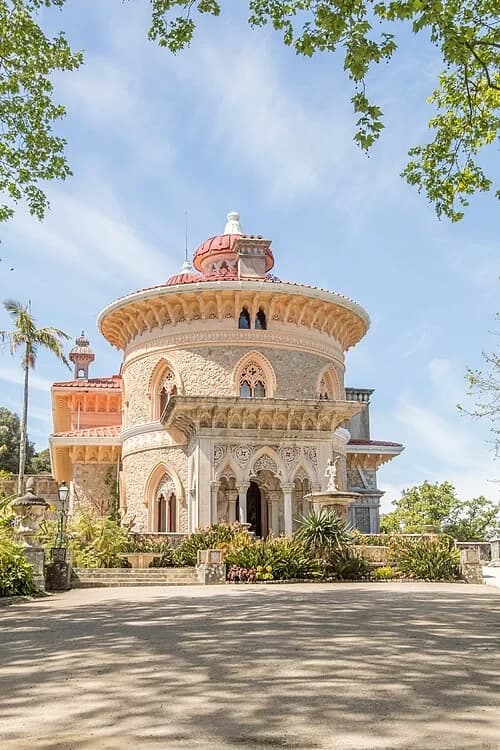
The Grand Entrance and Facade
The first stop establishes the architectural majesty of Monserrate. I chose a clear primary shot of the circular wing and a supporting approach shot to mimic the visitor's arrival through the trees.
The Main Terrace
The landscape surrounding you has long been a source of inspiration for visitors, even before the current palace was built. In 1809, the famous English poet Lord Byron visited the estate during his travels through Portugal. He was so deeply moved by the dramatic scenery and the sense of melancholy ruins on the property that he immortalized Monserrate in his celebrated poem, 'Childe Harold's Pilgrimage.' Byron's words helped establish the romantic reputation of Sintra across Europe, drawing more travelers to this hillside. This terrace serves as the crucial transition point between the highly detailed, almost theatrical architecture of the residence and the thirty-three hectares of sprawling parkland that follow. Standing here, the view opens up to show how the building sits within a carefully designed 'wild' environment. While the park may look like a natural forest, it was meticulously planned to complement the exotic themes of the palace. The stones of the terrace itself were positioned to provide the best vantage points for appreciating the way the garden's lush greenery meets the architectural curves of the wings. It remains a quiet spot to observe the interaction between human construction and the local climate.
The Octagonal Atrium
As the heart of the palace, this area features the marble fountain and Indian-inspired alabaster screens. I've included shots of the fountain, the dome, and a detail of the marble screens to cover the Must-See essential.
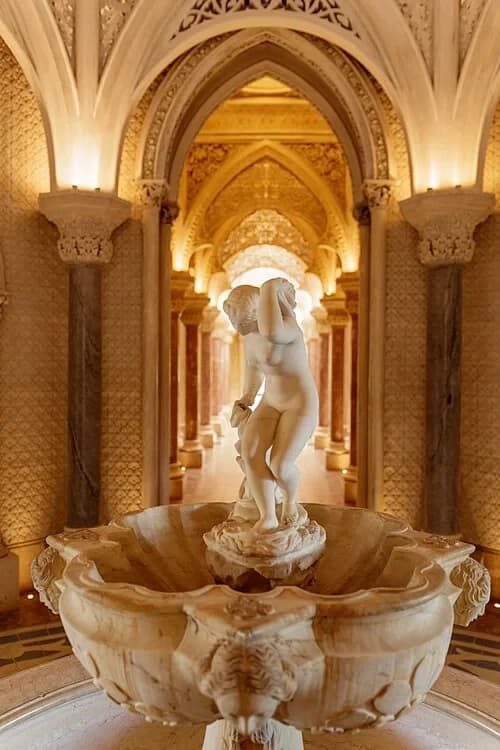
The Octagonal Fountain
Inside the heart of the palace, this white Carrara marble fountain serves as the physical and metaphorical axis for the entire interior. It sits within an octagonal atrium, a shape that allows the building's three main wings to branch out in different directions. The basin itself features refined carvings, while the central figure adds a classical touch to the space. Beyond its beauty, this atrium was designed to connect the various social rooms used by the Cook family and their guests. Look closely at the repeating arches that ring the space; they are a hallmark of the Moorish influence that permeates the design. These arches create a rhythm that guides the eye through the interior, while the white stone reflects whatever natural light filters in from above. By placing a water feature at the center of the house, the architect paid homage to traditional Islamic courtyards where water was used to cool the air and provide a soothing soundscape. The fountain's placement ensures that no matter which room you are in, the sound of trickling water is never far away, reinforcing the palace’s atmosphere as a tranquil retreat from the outside world.
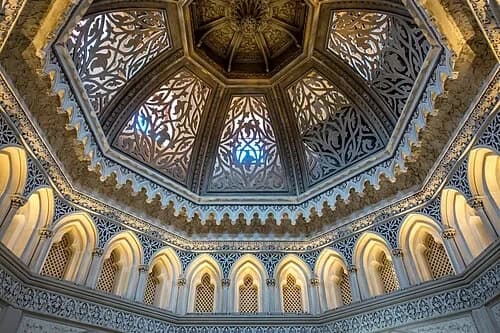
The Atrium Dome
Looking upward, the atrium reveals one of the most labor-intensive features of the palace’s interior decoration. This high dome features incredible detail in its stucco work, with patterns that interweave to create a dense, lace-like effect. It is estimated that over 2,000 people were employed during the seven-year construction period of the palace and its gardens, and much of that specialized labor was focused on creating ornamentation like this. The sheer density of the carvings reflects the wealth and ambition of Francis Cook, who wanted no surface left plain. High windows placed around the base of the dome allow sunlight to stream in at various angles throughout the day. This light catches the ridges of the plasterwork, creating shifting shadows that make the ceiling feel almost dynamic. The scale of the dome also serves a functional purpose, helping to draw warm air upward and keep the central part of the palace cool during the hot Portuguese summers. It stands as a reminder of the immense human effort required to turn a 19th-century architectural dream into a reality. The transition between the solid walls and this airy, decorated canopy creates a vertical sense of space that defines the atrium's character.
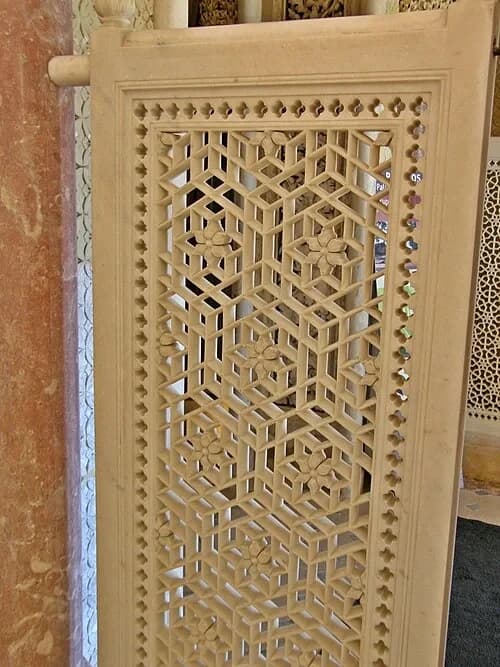
Indian Alabaster Screens
The geometric patterns visible in these screens are characteristic of 'jali,' a traditional element in Indian architecture used for ventilation and privacy. Francis Cook had these specific panels brought all the way from Delhi to incorporate into his Sintra retreat, further grounding the palace in the orientalist style popular during the mid-19th century. These screens serve a dual purpose: they are highly decorative, yet they also function as light filters. When the bright Portuguese sun hits the exterior, the jali panels break the light into soft, dappled patterns that move across the floors and walls as the sun shifts. This creates a subdued, cooling atmosphere that was highly prized by the Cook family. The precision of the geometric carvings reflects the skill of the Indian craftsmen who produced them, and their presence here is a clear sign of Cook’s desire to assemble pieces of beauty from across the globe. By using these imported elements, the architect was able to create a unique interior environment that feels far removed from the traditional Portuguese architecture of the time. The contrast between the solid columns and the perforated stone of the screens adds a layer of visual texture that is central to the palace's design.
The Library
This Enriching stop showcases the taste of the Cook family. The primary image provides a comprehensive view of the walnut bookshelves.
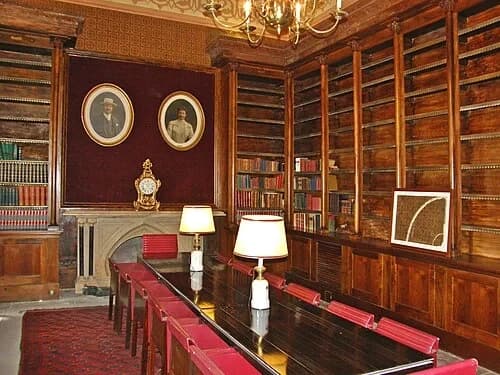
The Library
Moving into the library, the atmosphere changes significantly from the airy, light-filled atrium. This room was designed as a private sanctuary for study and reflection, characterized by its warmth and more traditional decor. The original walnut bookshelves still line the walls, and the high-relief doors add a sense of weight and importance to the space. While much of the palace draws inspiration from Moorish and Indian styles, the library is where the Cook family’s English sensibilities are most apparent. It feels like a space one might find in a grand London townhouse or a country manor, providing a comfortable, familiar environment for a family living abroad. The wood used here was carefully chosen for its rich color and grain, contrasting with the lighter plasterwork found in the social halls. This was a room for quietude, where Sir Francis Cook could manage his business affairs or delve into his collection of books. The library serves as a reminder that despite the exotic architectural shell of the building, the life lived inside was still very much informed by the Victorian values and tastes of the British elite during the height of the Empire.
The Music Room
A Must-See stop known for its acoustics. The chosen image clearly shows the piano and the ornate domed ceiling.
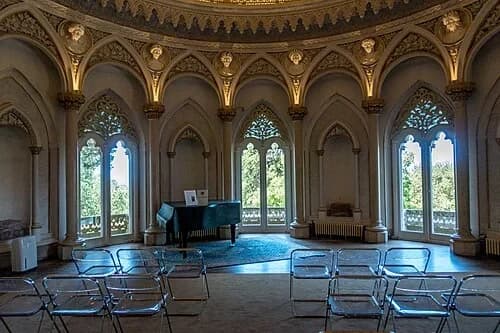
The Music Room
Designed specifically for performance, the Music Room is a highlight of the palace’s social wing. Its circular layout and high, domed ceiling were engineered to provide exceptional acoustics, ensuring that every note played here would resonate clearly throughout the space. The walls are adorned with ornate stucco decorations, including a prominent frieze that depicts the Muses, the Greek goddesses of inspiration for literature, science, and the arts. During the Cook family's residency, this room was the primary venue for evening gatherings and recitals. Renowned musicians of the era were often invited to perform here, entertaining a mix of local Portuguese nobility and the international elite. The circular shape of the room allowed for an intimate setting where guests could sit around the performers, creating a shared cultural experience. The intricate floral and geometric motifs in the plasterwork complement the room's function, adding to the sensory experience of a musical evening. Even when empty, the room's design conveys a sense of elegance and celebration. It reflects the 19th-century ideal of the 'home as a theater,' where architecture provided a grand stage for the refined social activities of the wealthy merchant class.
The Grand Corridor
This long hallway is one of the most photographed features of the palace. It perfectly illustrates the Moorish influence through its repeating arches.
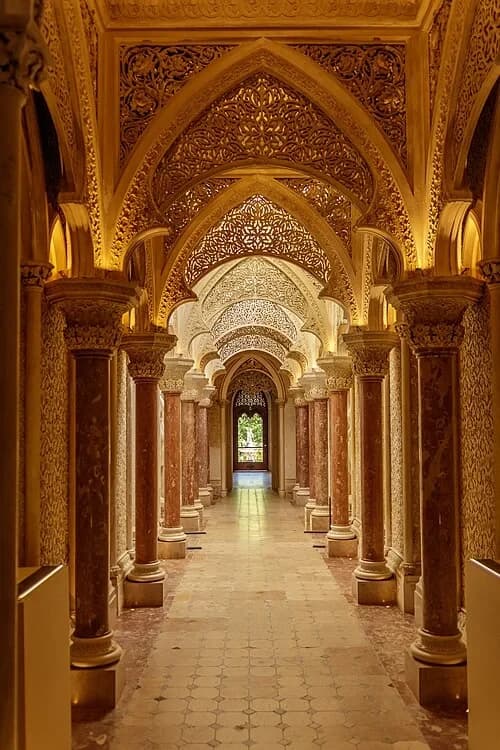
The Grand Corridor
This long corridor is often cited as one of the most successful examples of 19th-century historical revivalism. The visual impact is immediate, created by a series of repeating Moorish arches and slender marble columns that stretch away into the distance. This design technique is intended to produce a sense of 'infinite perspective,' making the interior feel much larger and more grand than it actually is. Looking down the gallery, the rhythmic placement of the arches creates a mesmerizing pattern of light and shadow. The corridor serves a practical purpose as well, connecting the three main circular wings of the palace and allowing for easy movement between the private and social areas. The choice of Moorish arches was a deliberate nod to the Islamic history of the Iberian Peninsula, blended with the Victorian obsession with the 'exotic' East. The craftsmanship required to align these arches perfectly is a testament to the skill of the builders employed by Sir Francis Cook. Walking through this space, one gets a sense of the deliberate theatricality that defines Monserrate. It is not just a hallway; it is a designed experience meant to impress visitors and reinforce the palace's theme as a cross-cultural architectural dream.
The Kitchen
To provide a complete picture of life in the 19th-century palace, this stop focuses on the service areas and the 300 staff members who maintained the estate.
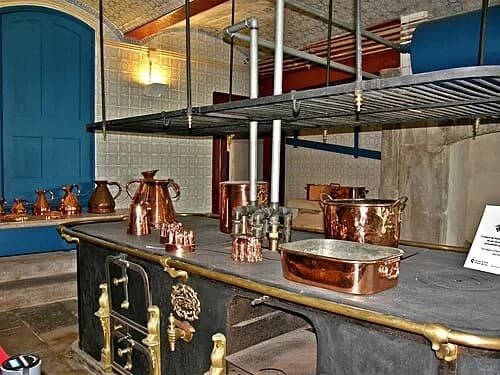
The Palace Kitchen
Behind the beautiful social rooms lay the industrious heart of the estate. The palace kitchen reveals the immense scale of daily life at Monserrate. You can see the large cast-iron stove and a collection of copper cookware that would have been used to prepare elaborate meals for the Cook family and their frequent guests. Maintaining a residence of this size and thirty-three hectares of gardens was a monumental task. Upon the palace's completion, the family employed a staff of approximately 300 people, including cooks, maids, footmen, and a small army of gardeners. This large workforce was necessary to keep the 'architectural fantasy' running smoothly. The presence of such a well-equipped kitchen underscores the immense wealth generated by Sir Francis Cook’s global textile business. While the upper floors focused on art and music, the basement was a place of constant activity, ensuring that the luxury experienced by the owners was never interrupted. The sturdy materials and functional layout of this room contrast sharply with the delicate stucco work elsewhere, providing a glimpse into the logistical realities of 19th-century aristocratic life.
The Romantic Gardens and Lawn
Moving outside, this stop uses the verified POI for the Park. It highlights the transition from the palace to the 33 hectares of landscaped grounds.
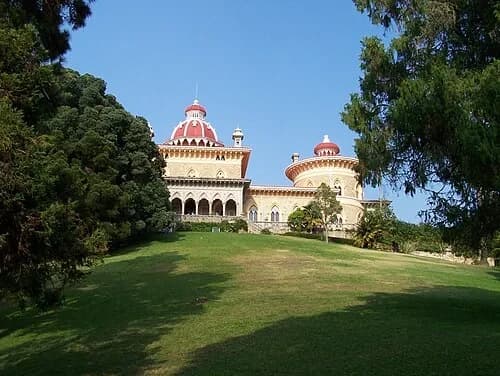
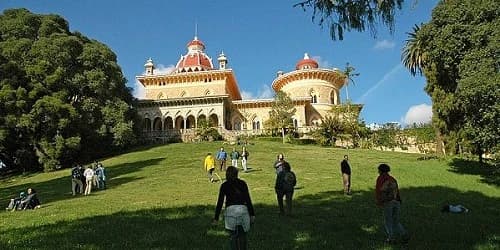
The Great Lawn
From this position on the Great Lawn, you can appreciate the full silhouette of the palace against the sky. This vast expanse of green was one of the first of its kind in Portugal, representing the 'Romantic' landscape philosophy that governed the design of the entire park. The goal was to create a scene that appeared completely natural and wild, yet was in fact a highly engineered environment. To keep this lawn vibrant during the intense heat of the Portuguese summer, a sophisticated and hidden irrigation system had to be installed. This was a major technological feat at the time, using the natural water sources of the Sintra hills to maintain a lush, green carpet that would normally be impossible in this climate. The lawn provides a sense of openness that contrasts with the dense, shadowed paths of the surrounding woods. It was designed as a place for the Cook family and their guests to gather and enjoy the temperate air, providing a clean foreground that lets the eclectic architecture of the house stand out. The balance between open grass and framing trees is a classic hallmark of English landscape gardening.
The Forest and Botanical Park
This stop covers the 'Mata' (forest) POI, focusing on the botanical diversity mentioned in the research, including the exotic species brought from around the world.
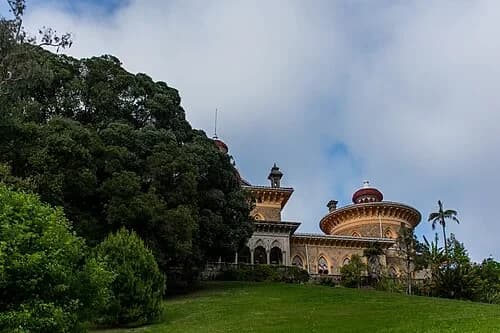
The Botanical Collection
The variety of plant life surrounding you is the result of ambitious 19th-century botanical expeditions. One of the most remarkable stories of the park's creation involves an 1867 expedition to Australia. Twelve massive tree ferns were selected from the Dandenong mountains and prepared for the long sea voyage to Portugal. They were carefully packed in large pine boxes filled with damp sawdust to keep them hydrated during the months at sea. Once they arrived, they were planted here to anchor the Australian section of the gardens. This is just one example of the lengths Sir Francis Cook went to in order to populate his estate with species from around the world. The park is organized into specific geographical zones, allowing visitors to walk from a Mexican garden to an Australian forest in just a few minutes. This organization was revolutionary for the time and required a deep understanding of micro-climates, as each plant needed specific conditions to survive so far from home. Today, the mature tree ferns continue to thrive, providing a dense, prehistoric-feeling canopy that remains one of the most distinctive features of the Monserrate landscape.
Want to hear the rest?
Download the Stanza app to unlock all 13 stops and full GPS-guided navigation.
Frequently Asked Questions
How long does the Palácio de Monserrate audio tour take?
The Palácio de Monserrate audio guide includes 13 narrated stops. Most visitors spend 45 minutes to 1.5 hours exploring the complete tour, though you can listen at your own pace and skip or revisit any stop.
Is the Palácio de Monserrate audio guide available in my language?
Stanza supports 15 languages: English, Spanish, French, German, Italian, Portuguese, Russian, Japanese, Chinese, Korean, Arabic, Hindi, Polish, Dutch, Hebrew. Check the guide in the app to confirm the languages currently available for this tour.
Can I use the audio guide offline at Palácio de Monserrate?
Yes! Download the complete Palácio de Monserrate tour — including all audio, maps, and images — before your visit. The Stanza app works completely offline, so you don't need WiFi or mobile data at the venue.
How much does the Palácio de Monserrate audio guide cost?
The Stanza app is free to download. Free and paid audio guides are available; current prices are shown in the app.
How do I use the Stanza audio guide at Palácio de Monserrate?
Download the free Stanza app, search for "Palácio de Monserrate", and download the tour. When you arrive at the venue, the app uses GPS to detect your location and automatically plays the relevant narration as you move between points of interest — completely hands-free.
What makes the Stanza audio guide different from other Palácio de Monserrate tours?
Stanza offers GPS-triggered narration that plays automatically as you walk through Palácio de Monserrate — no need to manually select stops. The tour is available in 15 languages, works fully offline, and includes 13 expertly narrated stops with images and historical context.
What other audio guides are available near Palácio de Monserrate?
Stanza offers multiple audio guides in Sintra (Santa Maria e São Miguel, São Martinho e São Pedro de Penaferrim), Portugal and nearby areas. After downloading the app, browse the map to discover all available tours near Palácio de Monserrate. Each guide can be downloaded for offline use.
Nearby Audio Guides
Castelo dos Mouros
Sintra (Santa Maria e São Miguel, São Martinho e São Pedro de Penaferrim), Portugal
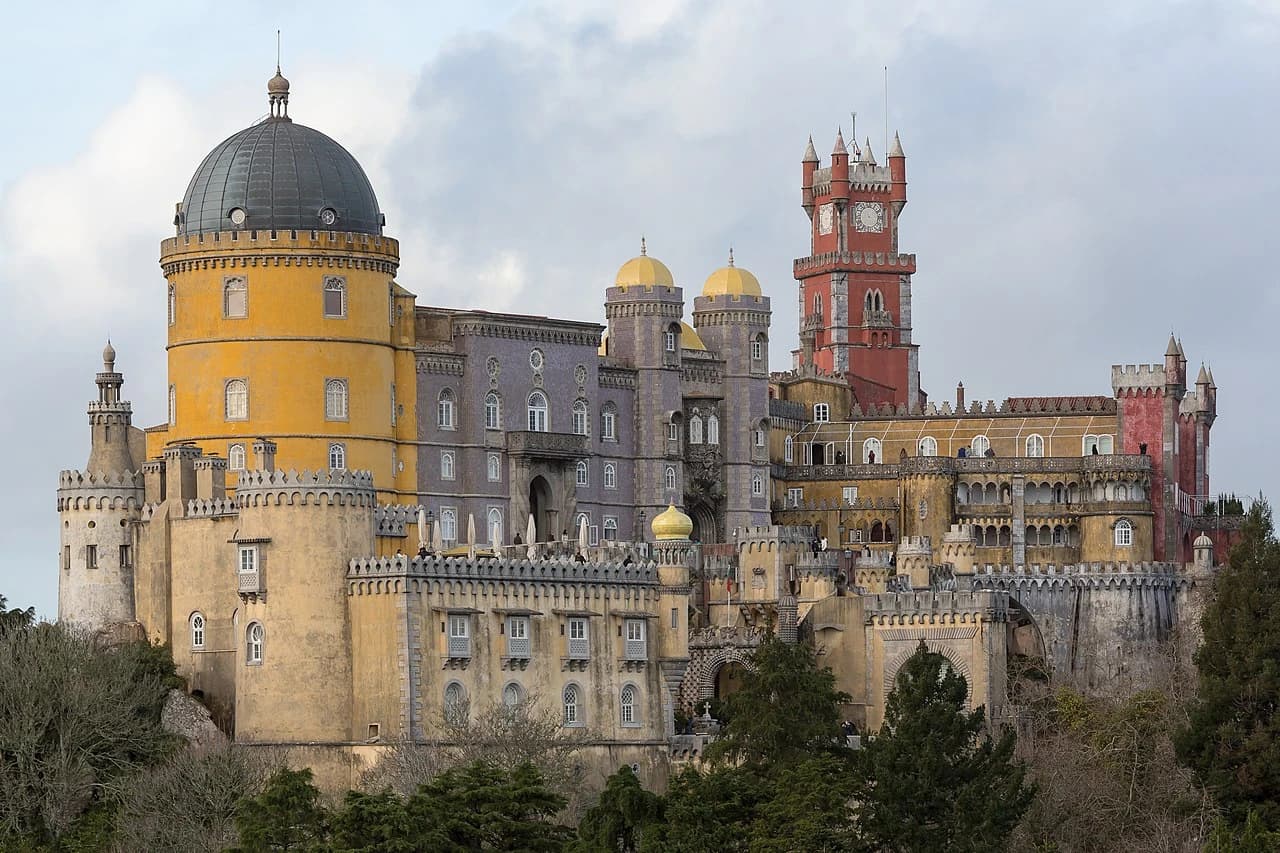
Palácio Nacional da Pena
Sintra (Santa Maria e São Miguel, São Martinho e São Pedro de Penaferrim), Portugal
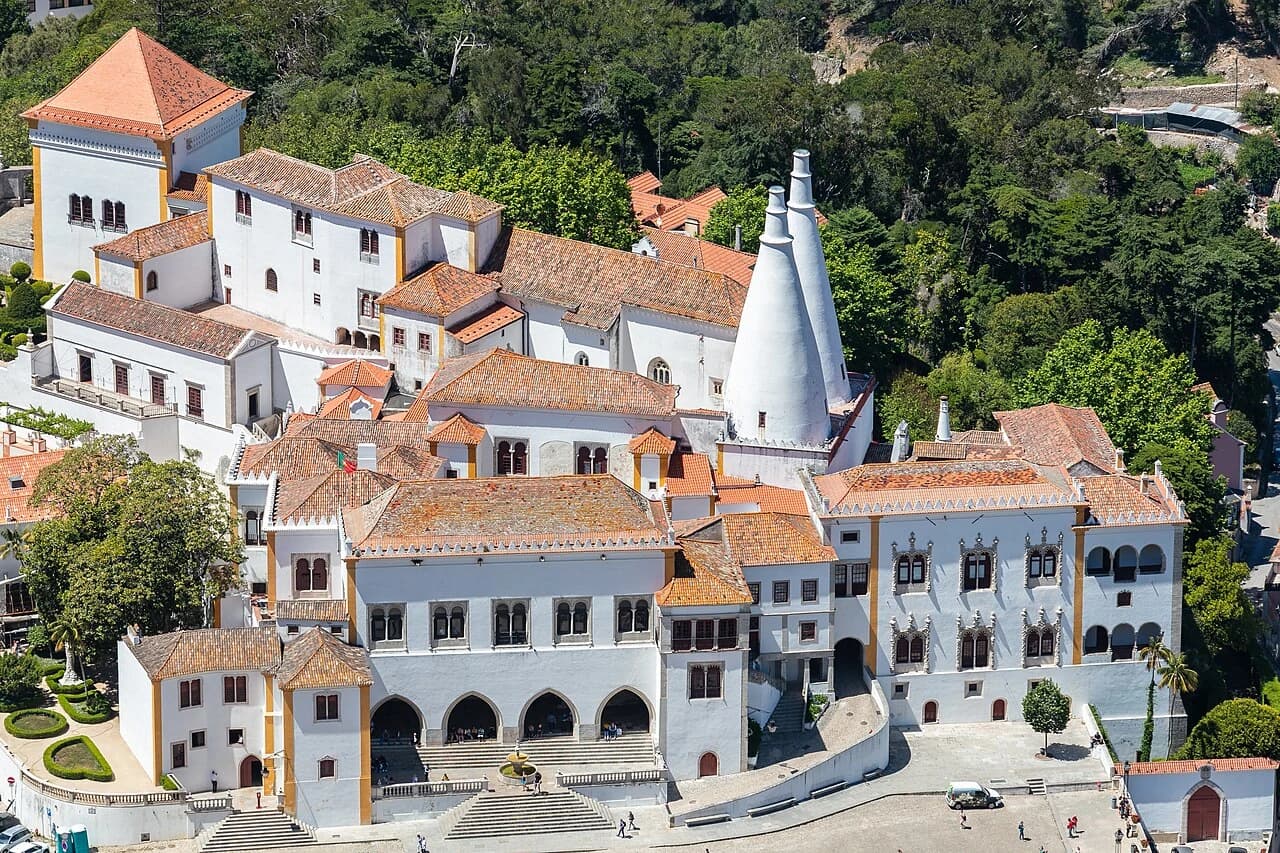
Palácio Nacional de Sintra
Sintra (Santa Maria e São Miguel, São Martinho e São Pedro de Penaferrim), Portugal
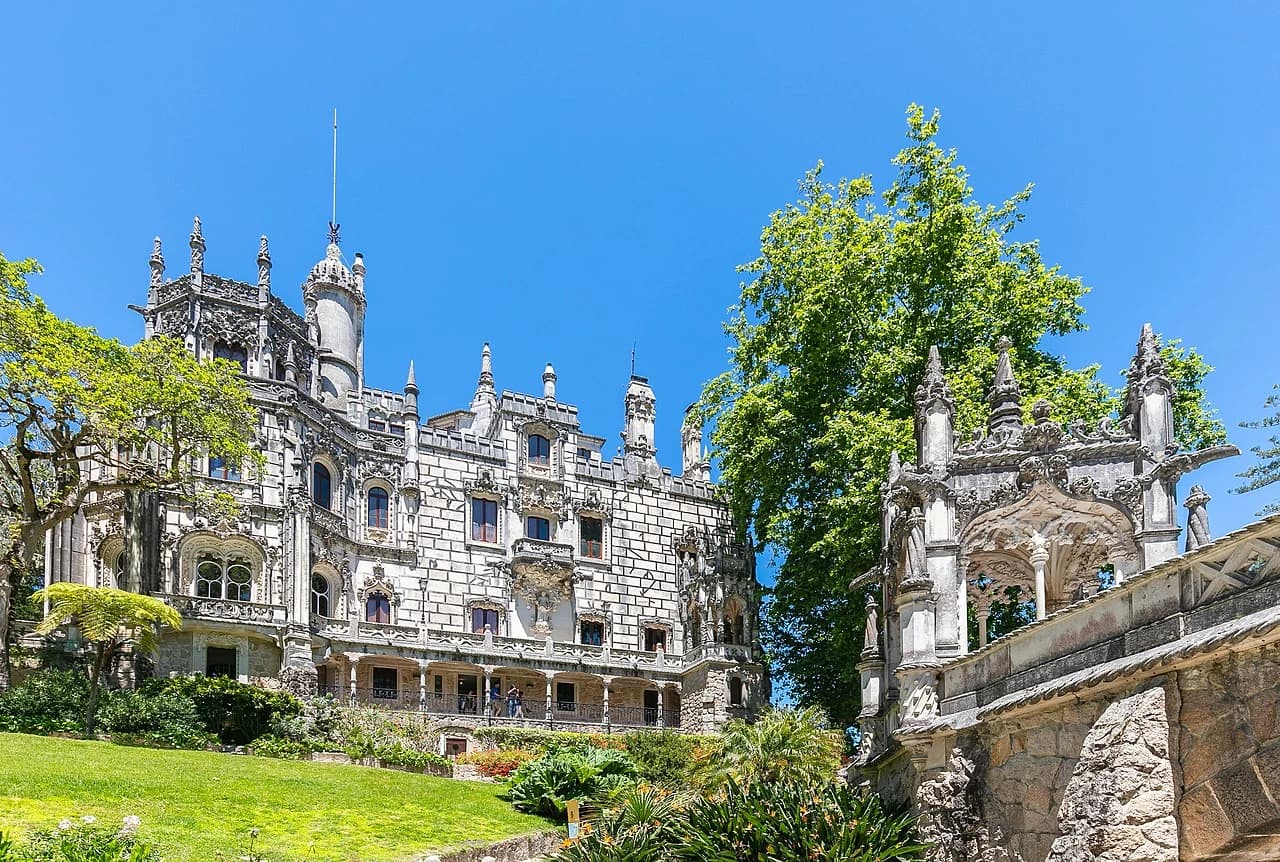
Quinta da Regaleira
Sintra (Santa Maria e São Miguel, São Martinho e São Pedro de Penaferrim), Portugal
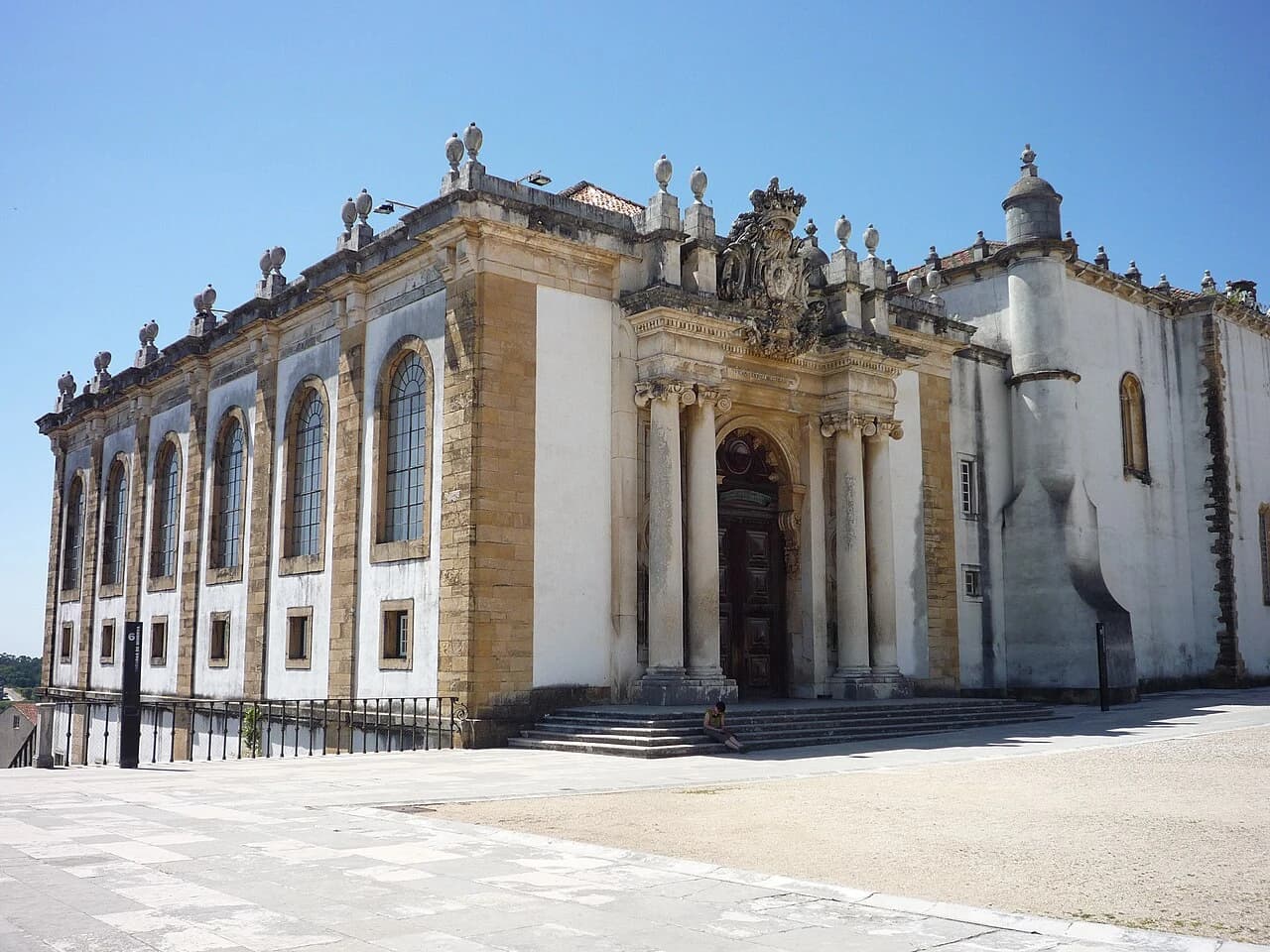
Biblioteca Joanina
Coimbra, Portugal
Casa do Despacho da Venerável Ordem Terceira de São Francisco
Porto, Portugal