Languages
15Palácio Nacional da Pena Audio Guide
Palácio Nacional da Pena is a landmark in Sintra (Santa Maria e São Miguel, São Martinho e São Pedro de Penaferrim), Portugal. Explore it with Stanza's GPS-triggered offline audio guide — available in 15 languages.
Quick Facts
31
Stops
15
Languages
100%
Offline
📍 Sintra (Santa Maria e São Miguel, São Martinho e São Pedro de Penaferrim), Portugal · 38.7878°N, -9.3906°E
About Palácio Nacional da Pena
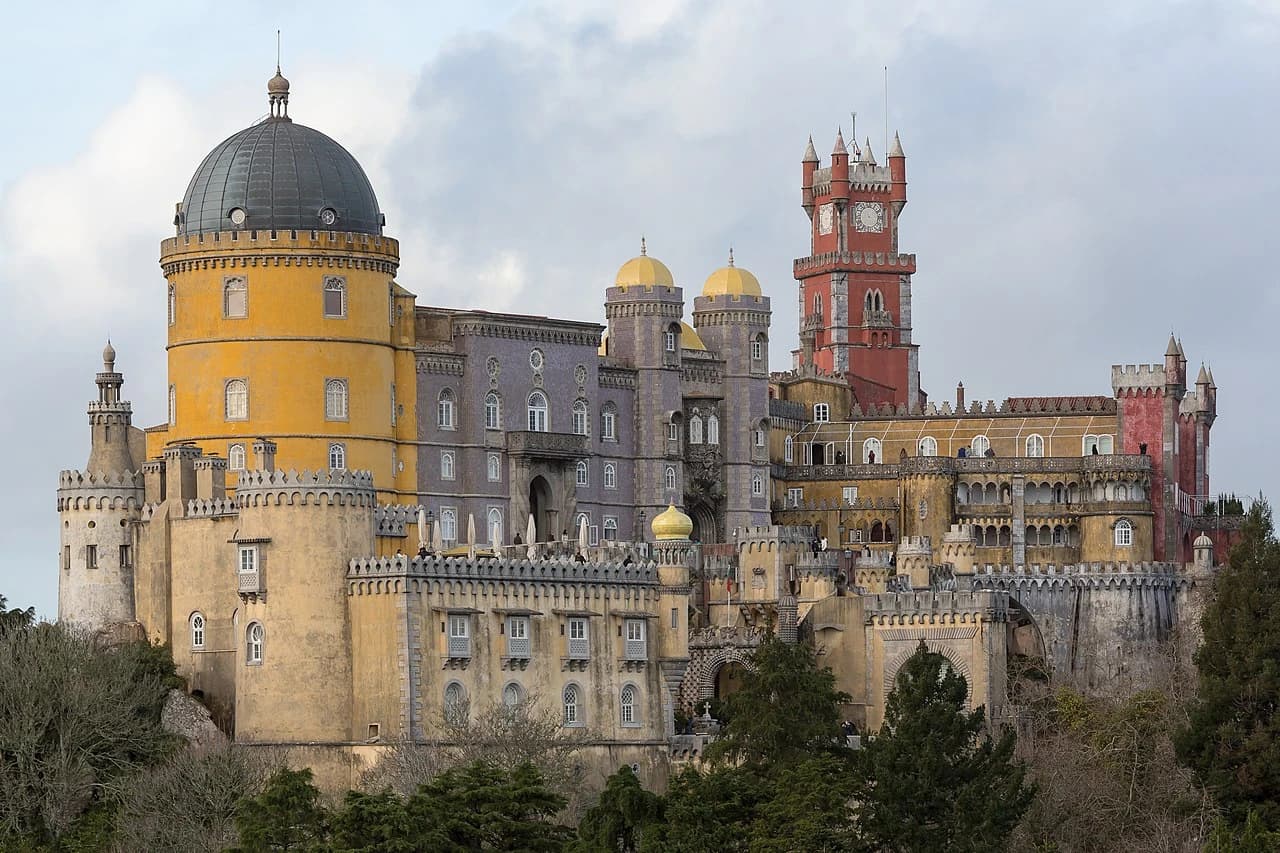
Pena Palace is a Romanticist palace in São Pedro de Penaferrim, Sintra, Portugal. It is a National Monument and one of the Seven Wonders of Portugal, famed for its vivid colors and eclectic architectural styles.
Palácio Nacional da Pena is also known as Pena National Palace, Mosteiro da Nossa Senhora da Pena, Palácio da pena, Palacio Nacional da Pena, and 1 other names in various languages.
This self-guided audio tour features 31 narrated stops organized across 8 sections. As a palace, Palácio Nacional da Pena offers a unique cultural experience in the heart of Sintra (Santa Maria e São Miguel, São Martinho e São Pedro de Penaferrim), Portugal.
The Stanza audio guide is available in 15 languages and works entirely offline — download the complete tour including audio narration, maps, and images before your visit. As you walk through Palácio Nacional da Pena, GPS-triggered narration plays automatically at each point of interest.
Last updated:
What you will hear
The Monumental Gateways
Establishing the arrival experience through the 'Iron Gate' and the Triumphal Arch, showcasing the Neo-Manueline and Neo-Moorish styles.
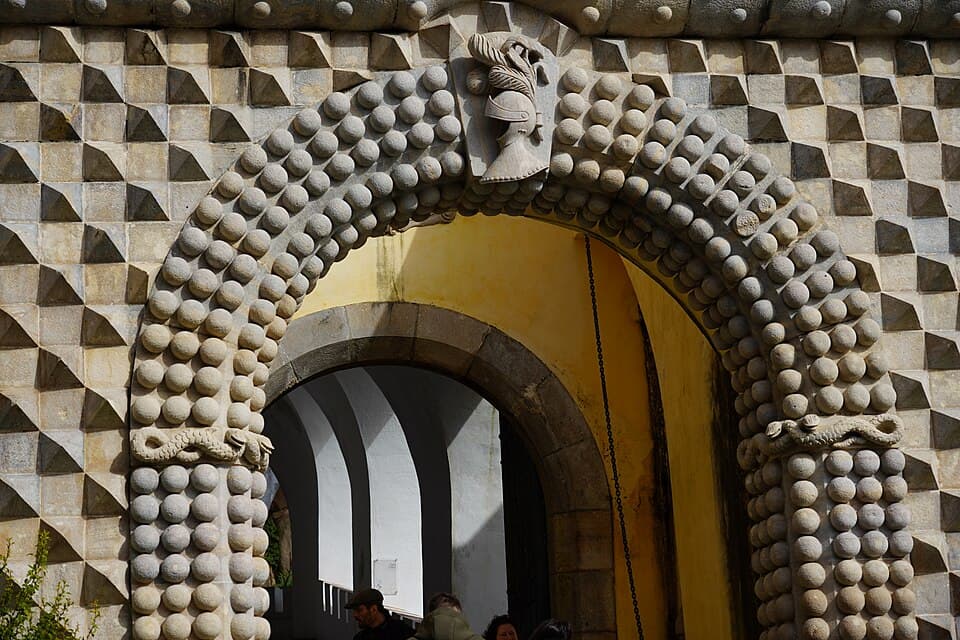
The Manueline Entrance
Notice the unique texture of the walls flanking this archway, where the stones are carved into sharp, pyramid-like shapes. This is known as 'diamond-point' stonework, a signature feature of the Neo-Manueline style. This architectural movement was a 19th-century revival of the original Manueline style from the early 1500s, which celebrated Portugal's maritime power and the Age of Discovery. By using these bold, geometric patterns, King Ferdinand II sought to connect his new palace to the glorious history of the Portuguese crown. Above the arch, look for the carved stone helmet. This symbol evokes the knightly heritage and medieval chivalry that Ferdinand found so fascinating. It acts as a protective emblem for the palace, reinforcing the idea of Pena as a romantic fortress. The play of light across this facade is particularly interesting; as the sun moves throughout the day, the shadows cast by the diamond-shaped stones shift and lengthen, giving the building an almost organic, living quality. In the morning light, the patterns are crisp and clear, while the late afternoon sun softens the edges, creating a warm, golden glow. This dynamic interaction with the environment was a deliberate choice, ensuring that the palace would never look the same way twice. It is a brilliant example of how 19th-century architects used texture and symbolism to create an emotional connection with the viewer.
The Royal Dining Room and Kitchen
Exploring the domestic life of the palace, from the grand royal table to the massive copper-filled kitchen.
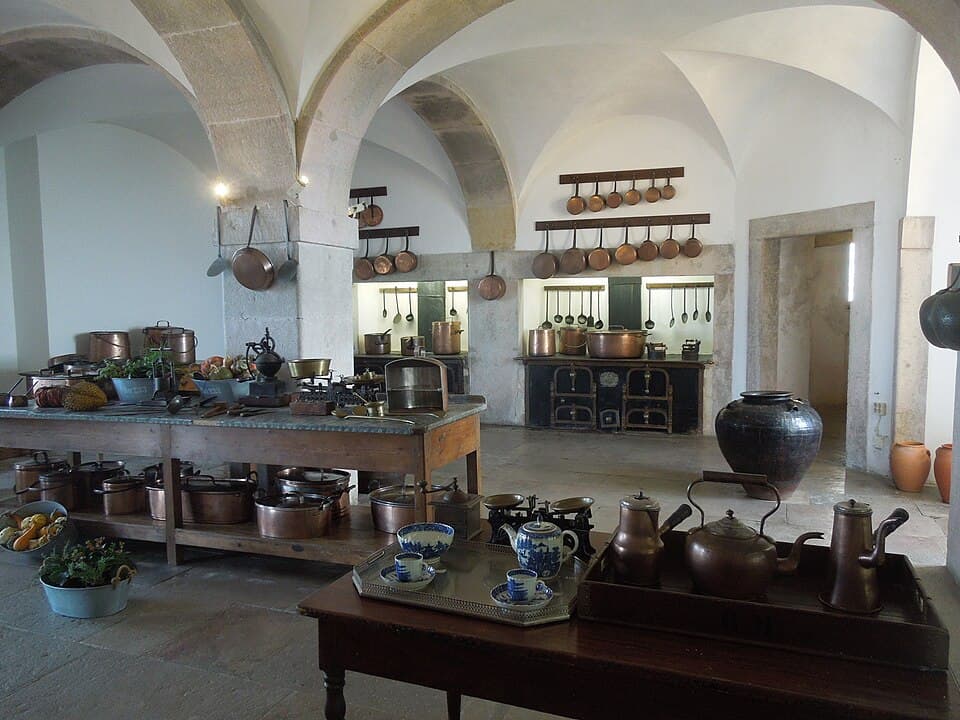
The Palace Kitchen
Stepping into the palace kitchen, you immediately get a sense of the enormous effort required to maintain a royal household in the 19th century. The room is filled with an array of massive copper pots, pans, and specialized cooking utensils, all meticulously arranged. These weren't just for show; they were the essential tools used by a small army of chefs and servants to prepare multi-course meals for the King, Queen, and their many guests. The scale of the equipment, from the giant soup kettles to the delicate pastry molds, reflects the complexity of royal dining. Notice the large chimneys that would have efficiently drawn smoke and heat away from the cooking fires, as well as the early plumbing systems visible in the stone sinks. These features highlight the modern conveniences that were integrated into the palace during its construction, making it one of the most technologically advanced residences of its time. The kitchen was the engine room of the palace, operating day and night to ensure that every banquet ran smoothly. Despite its functional nature, the room possesses a rugged beauty, with its vaulted stone ceiling and the warm glow of the polished copper. It provides a grounded, human contrast to the opulent reception rooms and private suites found elsewhere in the building, reminding us that even in a fairy-tale palace, everyday life required careful planning and hard work.
The Artist King's Legacy
Showcasing the creative atmosphere of the palace through King Carlos's atelier and historical battle paintings.
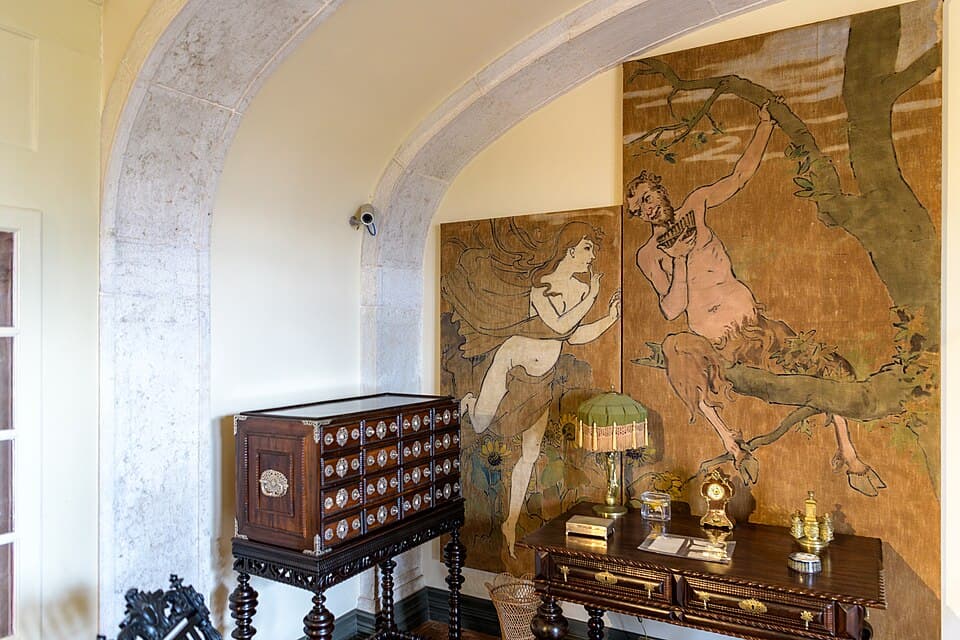
King Carlos's Atelier
Continuing the royal tradition of artistic passion, this room served as the atelier, or studio, for King Carlos I, the grandson of Ferdinand II. Carlos was a highly talented painter, particularly known for his delicate watercolors and landscapes of the Portuguese coast. Unlike the more formal reception rooms, this space feels like a true working environment. You can see canvases, easels, and tapestries that suggest a life dedicated to creative pursuits. By the time Carlos inhabited the palace at the end of the 19th century, tastes were shifting. You can see a move toward a more relaxed, turn-of-the-century aesthetic here, with lighter furniture and a less cluttered feel compared to the earlier Romantic rooms. The studio was a sanctuary for the King, a place where he could step away from the mounting political pressures of his reign to focus on his art. Carlos was particularly fond of painting the natural beauty of Sintra, and many of his works capture the same views you have seen from the palace terraces today. This room serves as a poignant reminder of the enduring creative spirit that defined the Braganza family during their time at Pena. It shows that even for a king, the simple act of painting could provide a necessary escape into a world of color and form.
The Noble Room (Salão Nobre)
The grandest room in the palace, used for official receptions and filled with symbolic architectural details.
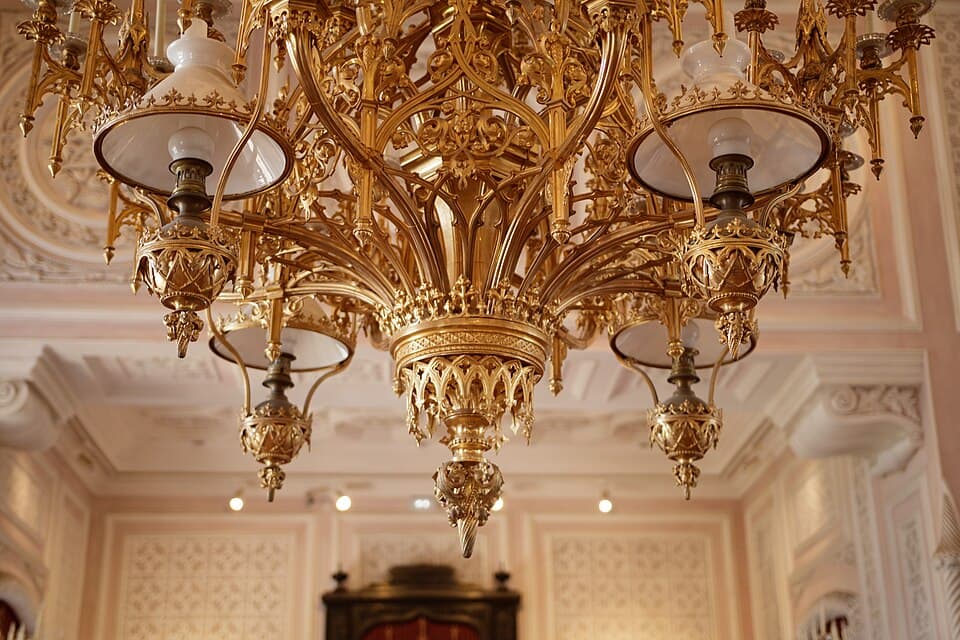
The Great Chandelier
Dominating the center of the Noble Room is the Great Chandelier, a stunning example of 19th-century metalwork. Crafted from gilded bronze, this massive fixture is designed in the Neo-Gothic style, featuring intricate spires, delicate filigree, and small figures that echo the architectural details found throughout the palace. It is not just a light source; it is a significant work of art in its own right, intended to draw the eye upward and emphasize the room's grand proportions. In the days before electricity, this chandelier would have held dozens of wax candles, which would take hours for servants to light. Once illuminated, the flickering flames would have been reflected in the room’s large mirrors, multiplying the light and creating a truly magical atmosphere during evening balls and receptions. The golden glow against the dark wood and colorful walls would have made the entire room sparkle, enhancing the fairy-tale quality of the palace. The chandelier’s weight and complexity are a testament to the skill of the artisans who produced such items for the royal court. It remains one of the most photographed features of the interior, perfectly encapsulating the Romantic obsession with medieval forms and high-end luxury. As you look up at its intricate parts, you can almost hear the music of a 19th-century waltz playing in the room below.
The Exotic Reception Rooms
Exploring the Smoking Room and the Arab Room, where trompe-l'œil art creates the illusion of vast Islamic spaces.
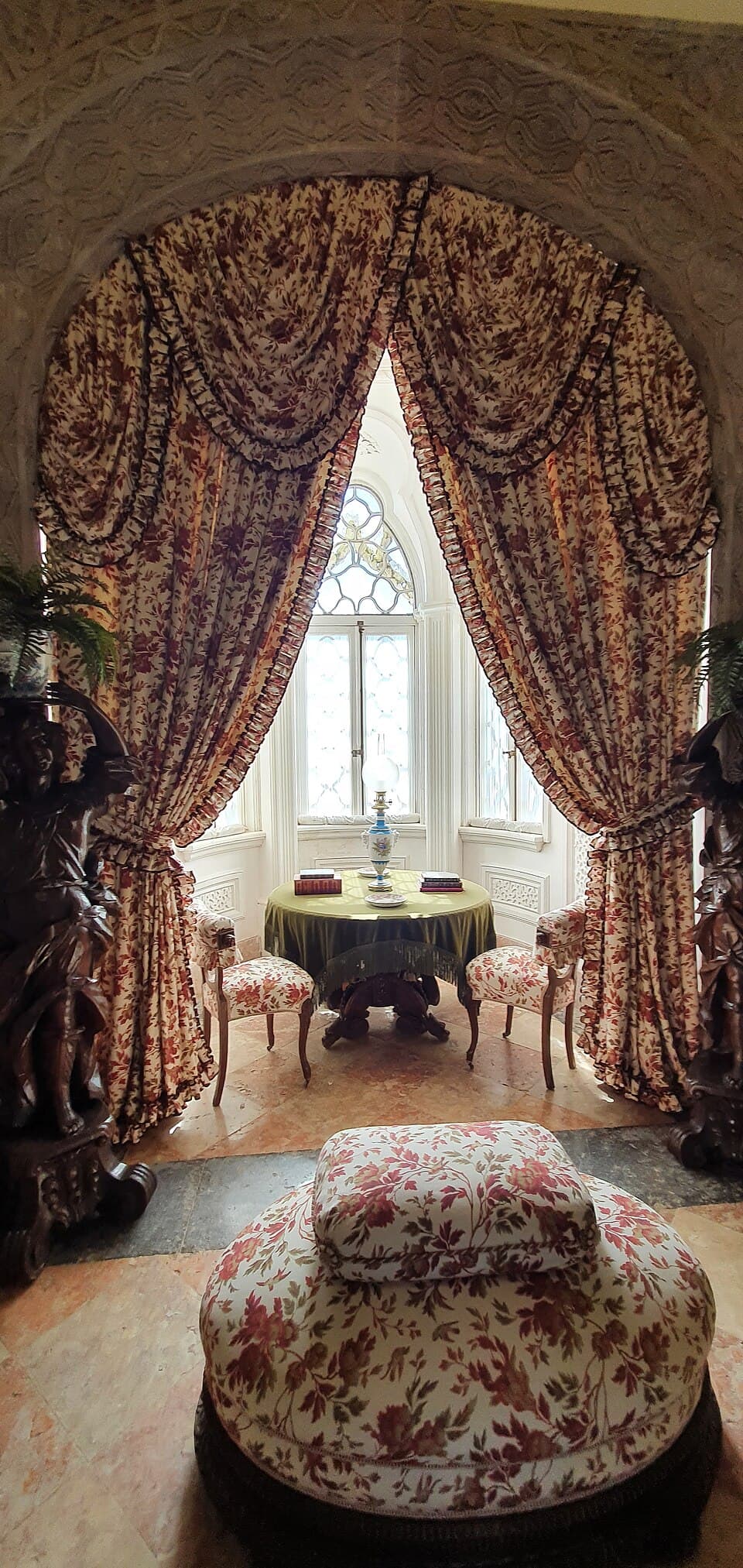
The Smoking Room
The Smoking Room is a fascinating example of 'Orientalism,' a major trend in 19th-century European art and design. This room was a masculine space, traditionally used by men for social gatherings, conversation, and, as the name suggests, smoking tobacco. The decor is entirely different from the rest of the palace, featuring low seating, rich tapestries, and incredibly intricate wood carvings that evoke the atmosphere of a Middle Eastern or North African palace. Notice the detailed patterns in the woodwork and the ornate lamps that would have cast a soft, atmospheric light. During the Romantic era, exotic travel was a symbol of status and intellectual curiosity. Since most people could not travel to distant lands themselves, they brought the aesthetic of those places into their homes. Ferdinand II, with his deep appreciation for global styles, created this room to feel like a distant escape right in the middle of Sintra. The intricate carvings and the use of deep, warm colors were designed to create a relaxed, contemplative environment. It was a place for leisure and the exchange of ideas, where the King and his guests could imagine themselves in a far-off land while enjoying the comforts of the Portuguese court. The Smoking Room remains a vivid time capsule of a period when the world was beginning to feel smaller, but no less wondrous.
The Queen's Terrace and Sundial Cannon
A strategic viewpoint for architecture and the unique noon-day firing mechanism.
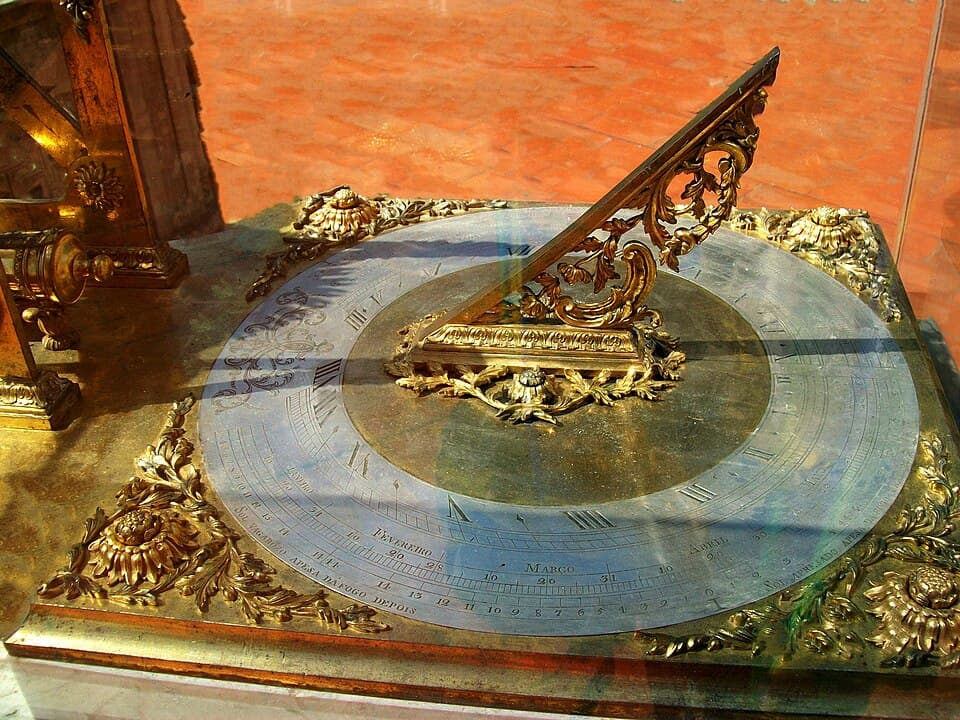
The Sundial Cannon
One of the most curious artifacts on the palace terraces is the Sundial Cannon. This small brass mechanism was more than just a decoration; it was the palace's primary timekeeper during the 19th century. The device was designed to fire automatically at exactly noon every day, provided the sun was shining. It works by focusing the sun's rays through a magnifying glass onto a small fuse connected to a powder charge inside the cannon. As the sun reached its zenith, the concentrated heat would ignite the fuse, causing a loud 'boom' that could be heard across the palace and the nearby park. This served as a signal for the royal household and the servants to set their watches and begin midday activities. It is a brilliant example of 19th-century scientific ingenuity blended with royal whim. During an era before synchronized electric clocks, devices like this were essential for maintaining an orderly schedule in large estates. The Sundial Cannon represents the perfect marriage of the King's interest in science and his love for playful, unique gadgets. Today, it remains a favorite among visitors, a small but significant piece of technology that reminds us of a time when the rhythm of life was governed directly by the movement of the sun across the sky.
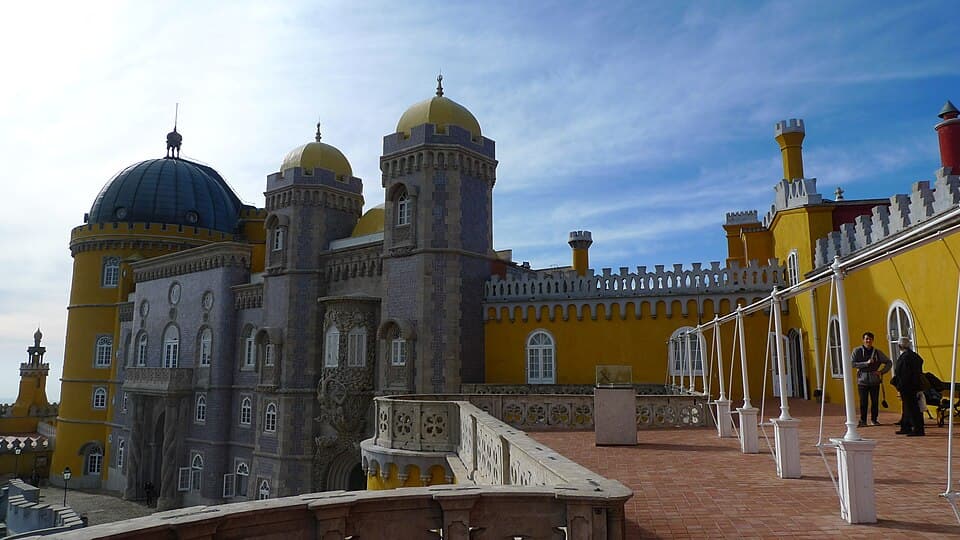
The Queen's Terrace
The Queen's Terrace is a place of great beauty, but it is also a site of profound historical finality. On the night of October 4, 1910, Queen Amélia, the last Queen of Portugal, stood on this very spot. Below her, in the distance, she could see the flashes of gunfire and the fires of the Republican revolution breaking out in Lisbon. It was here that she realized the era of the monarchy was coming to a violent end. The next morning, the Queen and her family fled the palace into exile, never to return. This terrace, which had for decades been a place of royal leisure and spectacular views, suddenly became a stage for a national tragedy. Standing here today, you can imagine the tension and uncertainty of that final night. The vast views of the Atlantic, which once represented the reach of the Portuguese Empire, were now a path toward a life of displacement in foreign lands. The terrace serves as a silent witness to the sudden shift from the opulence of the Romantic era to the modern political reality of the 20th century. It is a somber reminder that even the most fairy-tale-like palaces are not immune to the tides of history. For many visitors, this stop provides a moment of reflection on the fragility of power and the personal stories behind the grand architecture.
The High Cross and The Warrior
The highest points of the Sintra Mountains, where a bronze knight keeps watch over the palace.
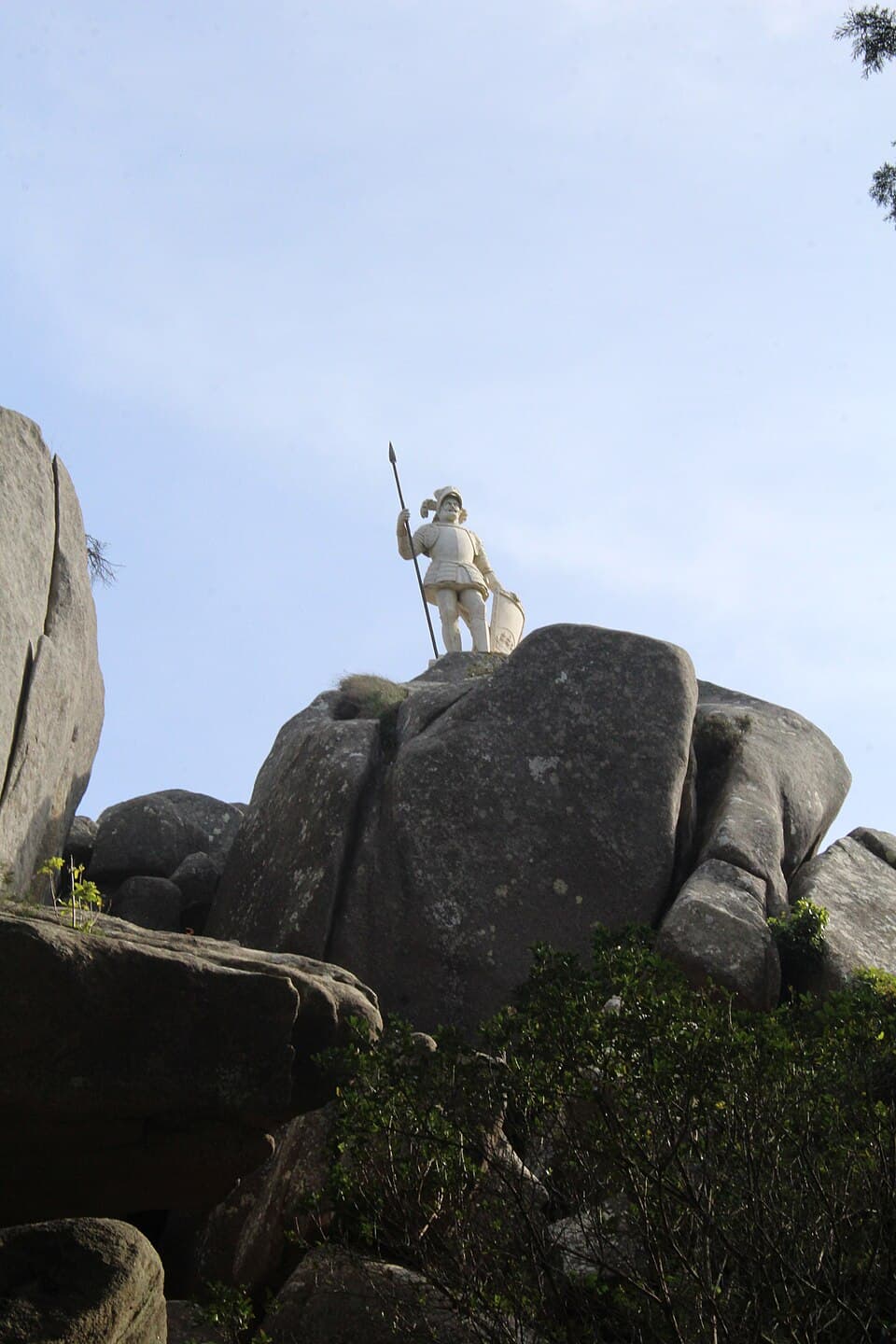
Statue of the Warrior
If you look out across the rocky peaks surrounding the palace, you will notice a solitary figure standing on a distant granite crag. This is the Statue of the Warrior, a bronze figure of a knight in full medieval armor. The statue was created by the Italian sculptor Ernesto Rusconi and was placed there by King Ferdinand II to serve as a symbolic guardian for his mountain-top retreat. Clad in armor and holding a spear, the knight stands as a silent sentinel watching over the palace and the valleys of Sintra. The placement of the statue is a classic example of Romantic landscape design. By positioning a figure on a rugged, inaccessible outcrop, the King created a sense of mystery and narrative that extends beyond the walls of the palace itself. It forces the viewer’s eye out into the wild landscape, reinforcing the idea of the palace as a romantic fortress protected by chivalric ideals. The warrior seems to emerge naturally from the rocks, a permanent part of the mountain's soul. Over time, the bronze has developed a dark patina that helps it blend into the weathered granite, making it appear even older than it is. This 'guardian' remains one of the more subtle but atmospheric features of the Pena park, a lonely figure that captures the romantic fascination with the medieval past and the heroic defense of the homeland.
The Chalet of the Countess of Edla
A private Alpine-style retreat built by Ferdinand II for his second wife, Elise Hensler.
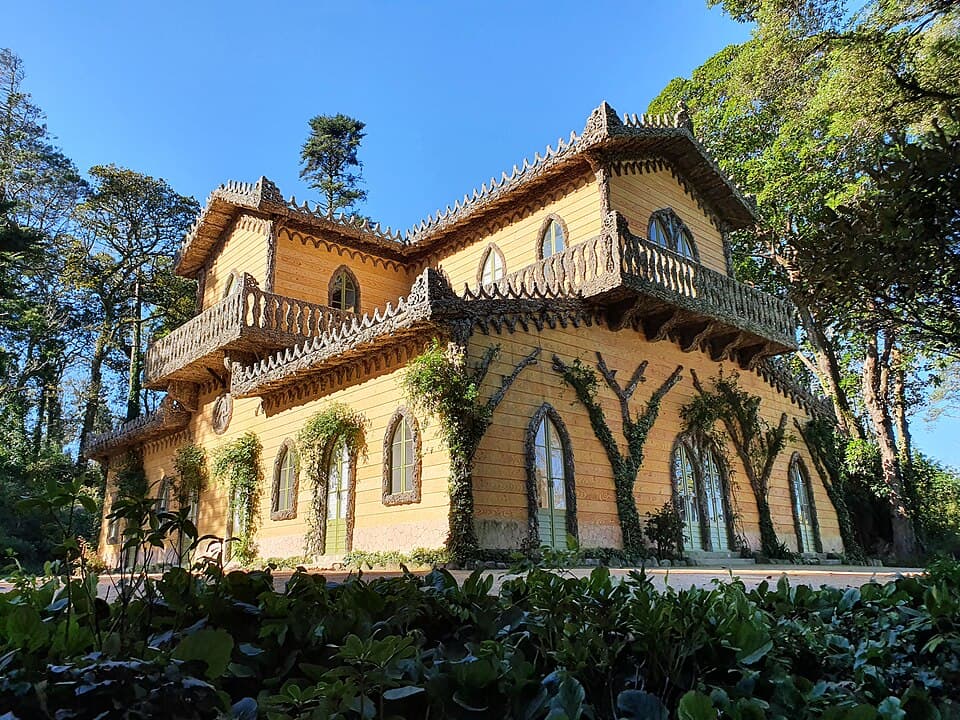
Chalet of the Countess of Edla
Deep within the forested park, away from the grand public spaces of the main palace, lies the Chalet of the Countess of Edla. King Ferdinand II built this charming, Alpine-style retreat for his second wife, Elise Hensler, a Swiss-American opera singer whom he created Countess of Edla. The building represents a more personal, intimate side of the King's life, serving as a private sanctuary where the couple could escape the formalities of the court and enjoy a simpler, rural existence. The design was heavily influenced by the mountain chalets of Switzerland, which reflected Elise's heritage and the contemporary European trend for 'rustic' retreats. Surrounded by a specialized garden known as the 'Garden of the Countess,' the chalet feels like it belongs in a different world entirely. Ferdinand and Elise spent their final years here, sharing a passion for botany and the arts. The structure itself is a beautiful example of how the Romantic movement sought to find beauty in the modest and the natural, rather than just the grand and the monumental. It provides a fascinating counterpoint to the flamboyant architecture of the main palace, showing that even the 'Artist King' valued the quiet, unpretentious joys of a life lived close to nature. Today, it remains one of the most romantic and peaceful corners of the entire Pena estate.
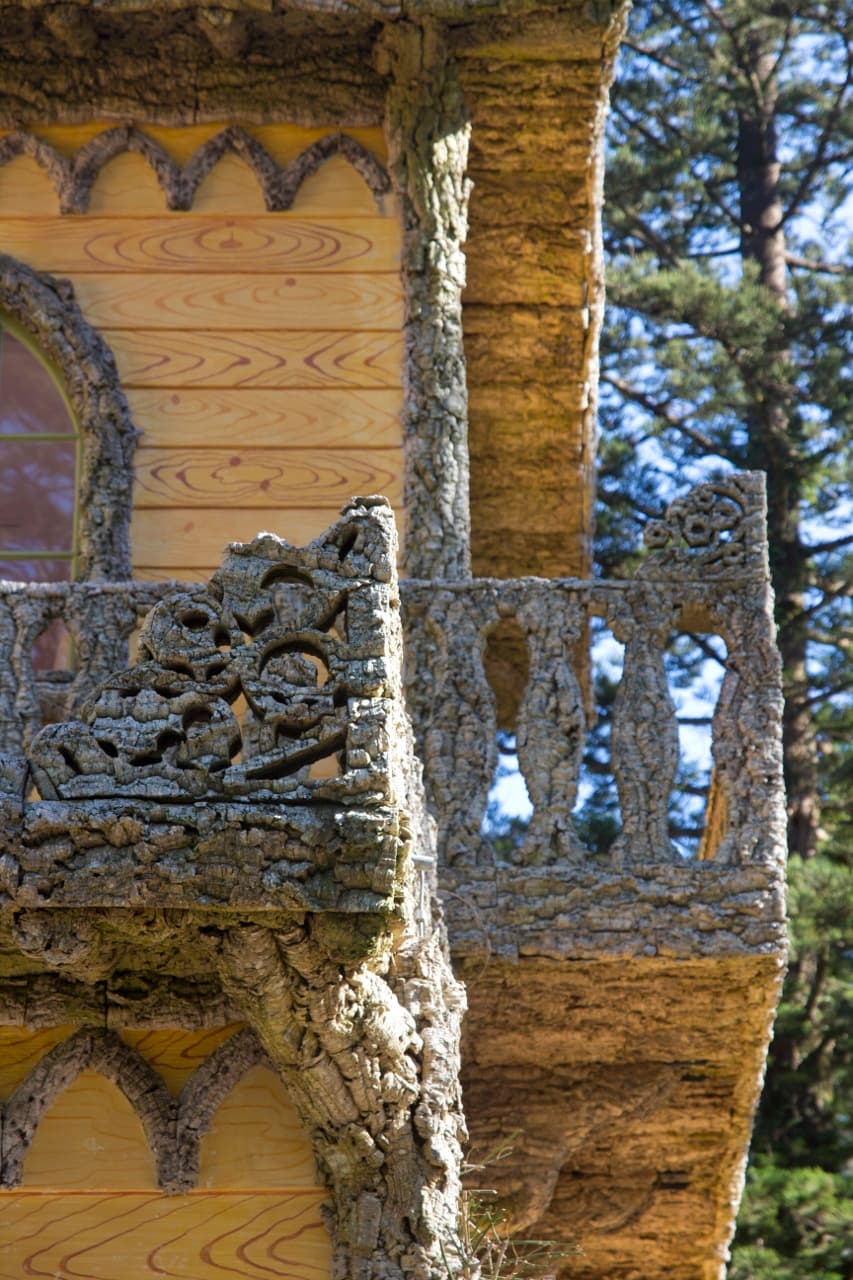
Cork Decorative Details
One of the most remarkable and quintessentially Portuguese features of the Chalet of the Countess of Edla is the extensive use of cork as a decorative material. Look closely at the window frames, door surrounds, and the intricate patterns on the balconies. You will see that they are not carved from wood or stone, but are covered in panels of natural cork bark. This innovative choice by Ferdinand and the Countess reflected his artistic vision. Cork is one of Portugal's most traditional and important natural resources, harvested from the bark of cork oak trees. By using it in this way, the builders were able to create a unique aesthetic that felt deeply rooted in the local landscape. The texture and color of the cork help the Chalet blend seamlessly into the surrounding forest, making it appear almost like a natural growth from the earth. Beyond its beauty, cork is an excellent natural insulator, providing warmth and protection against the damp Sintra climate. This functional and decorative use of a local material is a perfect example of the Romantic desire to harmonize man-made structures with their natural environment. The intricate patterns created with the bark show a high level of craftsmanship, turning a humble agricultural product into a refined architectural detail. It remains one of the most distinctive features of the Chalet, celebrated for its sustainable and locally-sourced beauty.
Want to hear the rest?
Download the Stanza app to unlock all 31 stops and full GPS-guided navigation.
Frequently Asked Questions
How long does the Palácio Nacional da Pena audio tour take?
The Palácio Nacional da Pena audio guide includes 31 narrated stops. Most visitors spend 45 minutes to 1.5 hours exploring the complete tour, though you can listen at your own pace and skip or revisit any stop.
Is the Palácio Nacional da Pena audio guide available in my language?
Stanza supports 15 languages: English, Spanish, French, German, Italian, Portuguese, Russian, Japanese, Chinese, Korean, Arabic, Hindi, Polish, Dutch, Hebrew. Check the guide in the app to confirm the languages currently available for this tour.
Can I use the audio guide offline at Palácio Nacional da Pena?
Yes! Download the complete Palácio Nacional da Pena tour — including all audio, maps, and images — before your visit. The Stanza app works completely offline, so you don't need WiFi or mobile data at the venue.
How much does the Palácio Nacional da Pena audio guide cost?
The Stanza app is free to download. The current listed price for the Palácio Nacional da Pena audio guide is $2.99; app-store region and currency may affect the final price.
How do I use the Stanza audio guide at Palácio Nacional da Pena?
Download the free Stanza app, search for "Palácio Nacional da Pena", and download the tour. When you arrive at the venue, the app uses GPS to detect your location and automatically plays the relevant narration as you move between points of interest — completely hands-free.
What makes the Stanza audio guide different from other Palácio Nacional da Pena tours?
Stanza offers GPS-triggered narration that plays automatically as you walk through Palácio Nacional da Pena — no need to manually select stops. The tour is available in 15 languages, works fully offline, and includes 31 expertly narrated stops with images and historical context.
What other audio guides are available near Palácio Nacional da Pena?
Stanza offers multiple audio guides in Sintra (Santa Maria e São Miguel, São Martinho e São Pedro de Penaferrim), Portugal and nearby areas. After downloading the app, browse the map to discover all available tours near Palácio Nacional da Pena. Each guide can be downloaded for offline use.
Nearby Audio Guides
Castelo dos Mouros
Sintra (Santa Maria e São Miguel, São Martinho e São Pedro de Penaferrim), Portugal
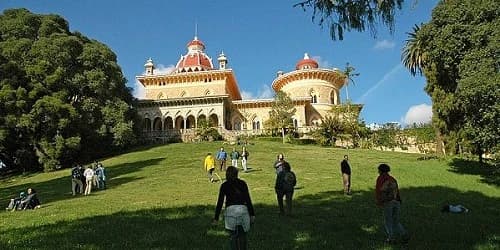
Palácio de Monserrate
Sintra (Santa Maria e São Miguel, São Martinho e São Pedro de Penaferrim), Portugal
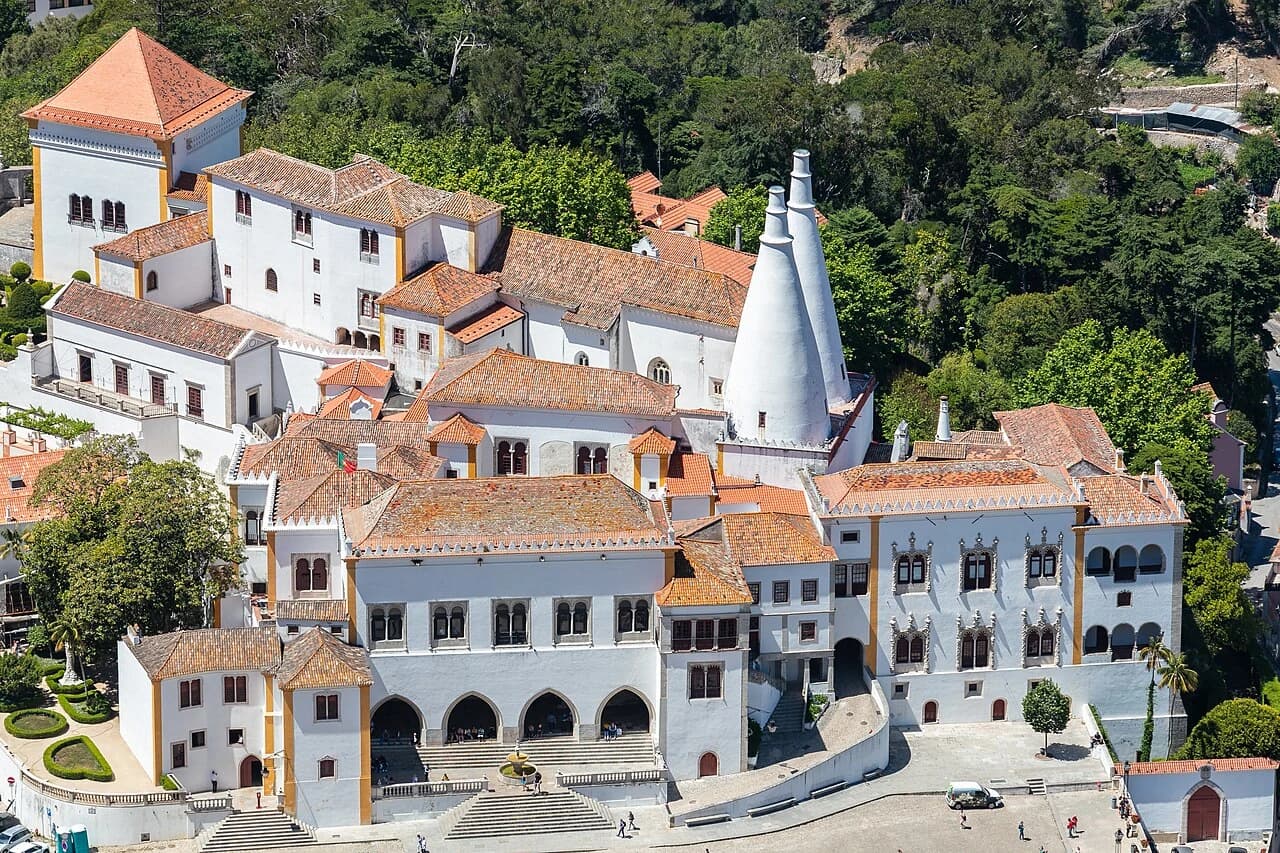
Palácio Nacional de Sintra
Sintra (Santa Maria e São Miguel, São Martinho e São Pedro de Penaferrim), Portugal
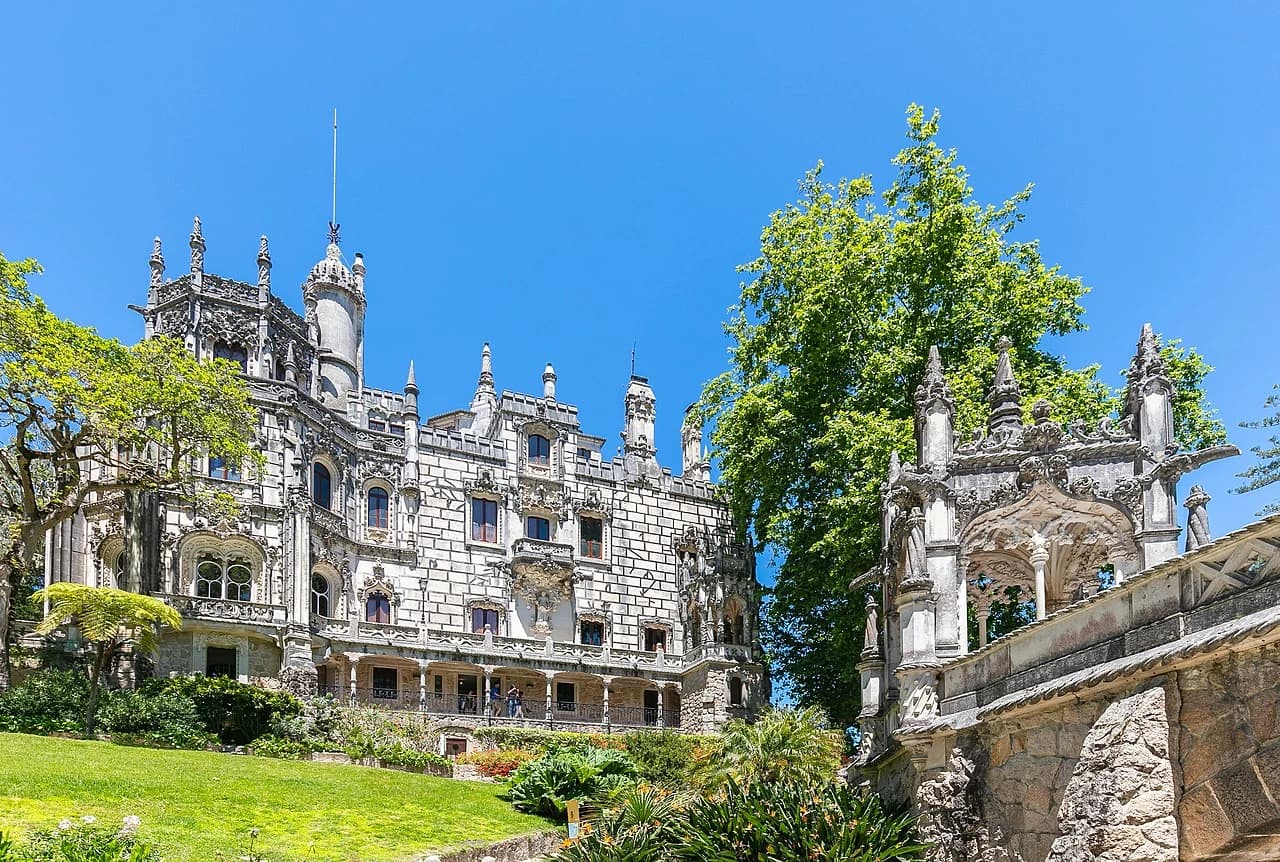
Quinta da Regaleira
Sintra (Santa Maria e São Miguel, São Martinho e São Pedro de Penaferrim), Portugal
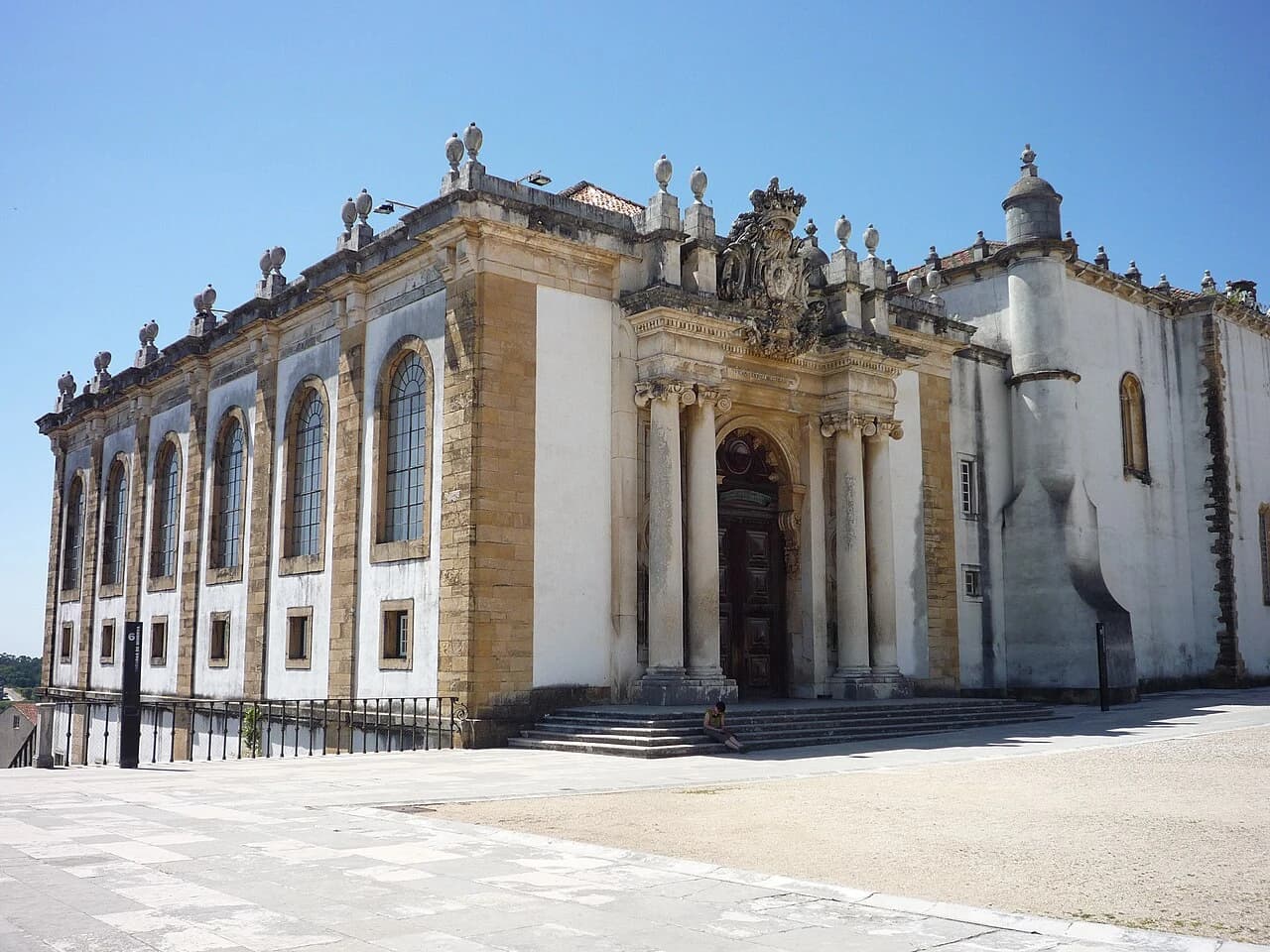
Biblioteca Joanina
Coimbra, Portugal
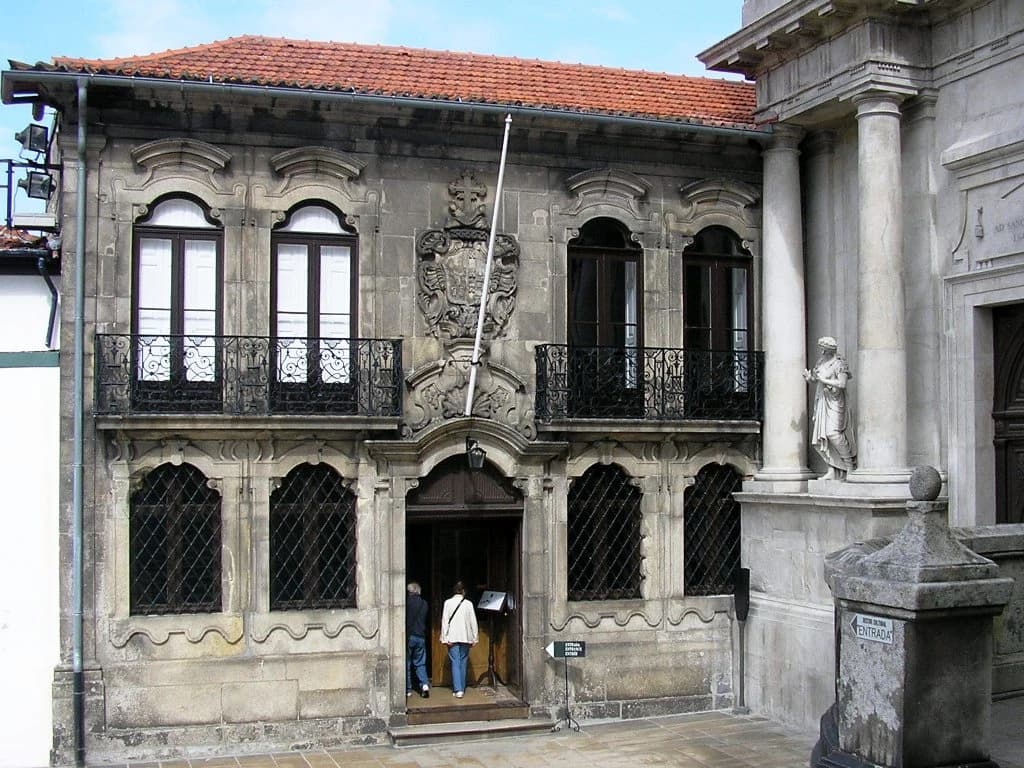
Casa do Despacho da Venerável Ordem Terceira de São Francisco
Porto, Portugal