Languages
15Palácio Nacional de Sintra Audio Guide
Palácio Nacional de Sintra is a landmark in Sintra (Santa Maria e São Miguel, São Martinho e São Pedro de Penaferrim), Portugal. Explore it with Stanza's GPS-triggered offline audio guide — available in 15 languages.
Quick Facts
26
Stops
15
Languages
100%
Offline
📍 Sintra (Santa Maria e São Miguel, São Martinho e São Pedro de Penaferrim), Portugal · 38.7978°N, -9.3908°E
About Palácio Nacional de Sintra
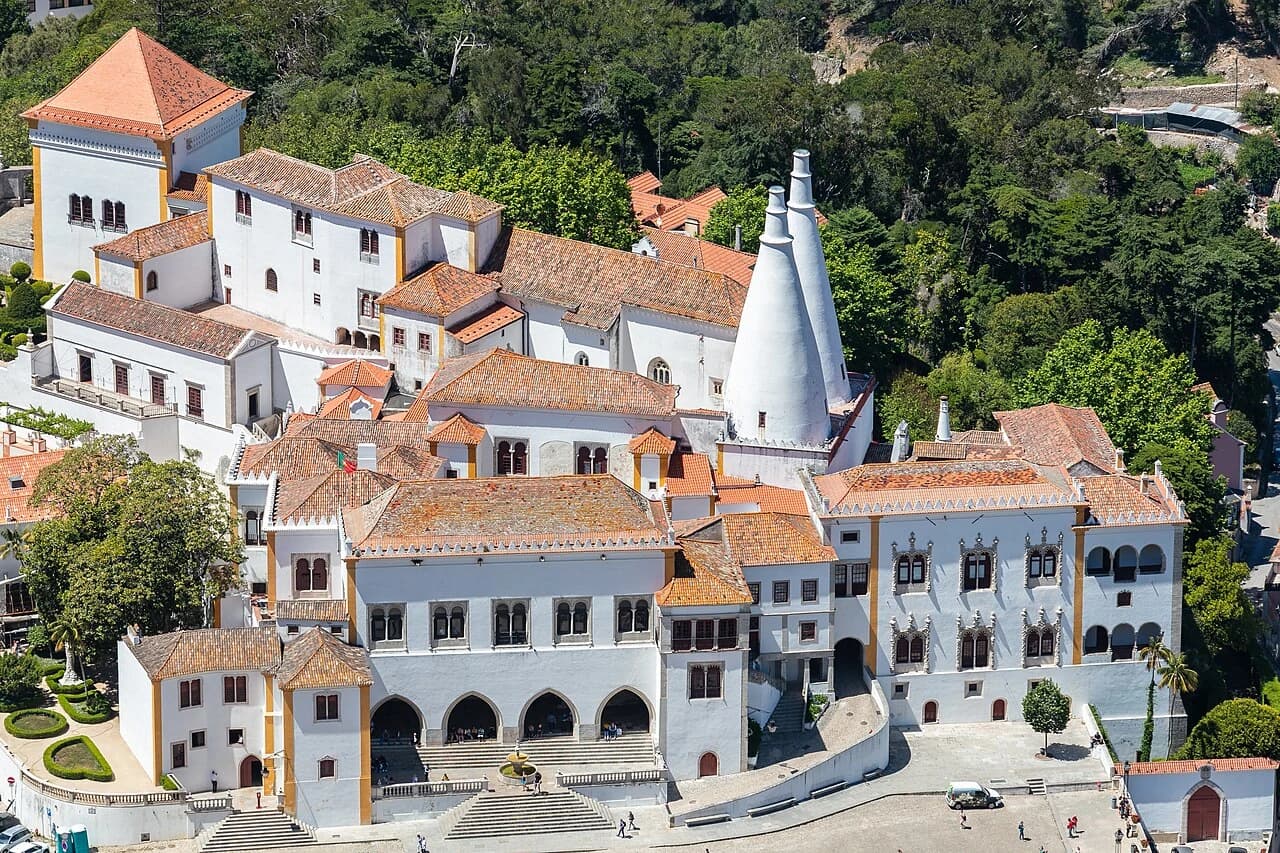
The Sintra National Palace is a medieval royal palace characterized by its two iconic conical chimneys. It served as a primary residence for the Portuguese monarchy for centuries and is a major component of the Cultural Landscape of Sintra.
Palácio Nacional de Sintra is also known as Palácio da Vila, Paço de Sintra, Paços de Sintra, Paço Real de Sintra, and 2 other names in various languages.
This self-guided audio tour features 26 narrated stops organized across 6 sections, including King Sebastian's Bedchamber: Portraits of a Lost King, The Arab Room: Moorish Echoes, The Hall of Heraldry: A Masterpiece of Power, The Royal Chapel: The Palace's Oldest Wing, The Royal Kitchens: The Iconic Chimneys, Prison of King Afonso VI: A Royal Exile. As a palace, Palácio Nacional de Sintra offers a unique cultural experience in the heart of Sintra (Santa Maria e São Miguel, São Martinho e São Pedro de Penaferrim), Portugal.
The Stanza audio guide is available in 15 languages and works entirely offline — download the complete tour including audio narration, maps, and images before your visit. As you walk through Palácio Nacional de Sintra, GPS-triggered narration plays automatically at each point of interest.
Last updated:
What you will hear
King Sebastian's Bedchamber: Portraits of a Lost King
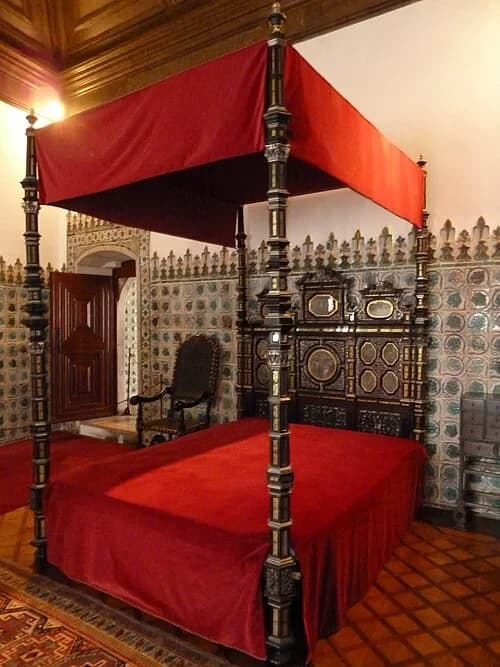
Features the historic bed and the portrait of the young King Sebastian, whose disappearance led to a national myth.
The King's Bedchamber
The King's Bedchamber offers a rich atmosphere that perfectly blends European royal comfort with local decorative traditions. The center of the room is dominated by a 16th-century four-poster bed, draped in a deep red velvet canopy. While the furniture reflects the broader trends of European nobility, the walls showcase a uniquely Iberian art form. They are covered in 'diamond-tip' tiles, created using a 16th-century Mudéjar technique. These tiles are three-dimensional, with their points protruding from the wall to catch the light and create a textured surface. This technique creates a sense of depth and geometric complexity that was a hallmark of Moorish-influenced design in Portugal. The room highlights how the Portuguese royalty lived comfortably with a combination of imported furniture styles and ancestral Moorish-inspired decoration. The warm, red tones of the fabric contrast with the cool, patterned surface of the tiles, creating a space that felt both regal and intimate. This blend of cultural influences is a recurring theme throughout the palace, but it is perhaps most personal here in the monarch's private quarters. The floor and ceiling also feature intricate woodwork that complements the textured walls.
The Arab Room: Moorish Echoes
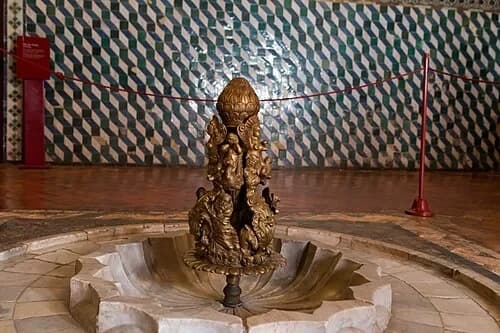
Highlights the deep Moorish influence on Portuguese architecture, featuring a central fountain and geometric tiles.
The Gilded Fountain
At the center of the Arab Room is an intricate bronze fountain, a masterpiece of metalwork that emphasizes the importance of water in palace design. In Moorish-influenced architecture, the sound of falling water was essential for creating a calm, cool environment. This fountain features carved figures and detailed ornamentation that stand out against the geometric tilework of the walls. Notice how the water basin is recessed into the floor, a design choice that keeps the focus on the sound and movement of the water. The surrounding floor tiles are arranged in patterns that resemble a woven carpet, further enhancing the room's aesthetic of luxury and craftsmanship. Water was not just a utility but a sensory experience, intended to provide cooling and a sense of serenity for the residents. The gilded details on the bronze work catch the light coming through the high windows, making it a focal point of the space. This element connects the interior of the palace to the wider tradition of Islamic garden and courtyard design, where water is the central organizing feature. It remains one of the most delicate and beautiful artifacts in the palace’s collection.
The Hall of Heraldry: A Masterpiece of Power
The artistic peak of the palace, showcasing the heraldic shields of the Portuguese nobility and expansive blue-and-white tile murals.
The Royal Shield
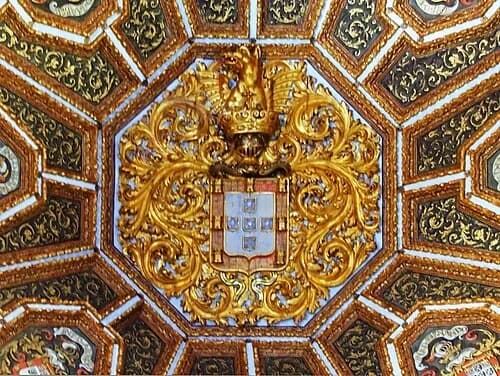
The central shield at the highest peak of the dome is the Royal Coat of Arms of Portugal. Placing it at the very top, surrounded by the shields of the nobility, was a deliberate and powerful political statement of the King's supreme authority over his subjects. This positioning emphasized that while the noble families were important to the realm, they were all ultimately beneath the crown. The shield is surrounded by masterful gilded woodcarvings, featuring elaborate scrolls and floral motifs. You can also see the stag figures that act as supports for many of the heraldic devices. The level of detail in the carving demonstrates the incredible skill of the Renaissance craftsmen who worked under King Manuel I. The gold leaf used here would have been a sign of immense wealth, much of it flowing from the new maritime trade routes to Africa and Asia. Looking straight up at this emblem, you are seeing the symbolic center of the Portuguese Empire as it was understood in the early 16th century. The repetition of the smaller shields radiating outward from the royal center creates a sense of cosmic and political order.
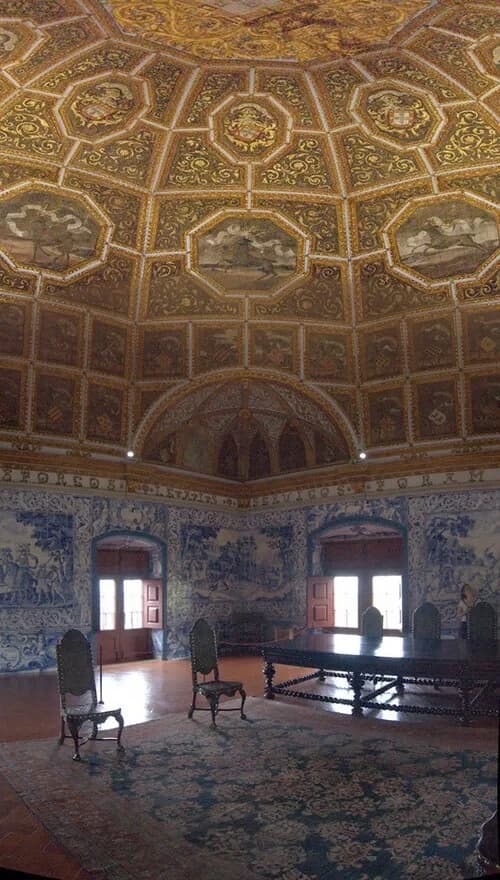
The Coat of Arms Room
The Coat of Arms Room is widely considered the artistic climax of the entire palace. Above you is a magnificent wooden dome finished around 1520 during the reign of King Manuel I. It features seventy-two individual coats-of-arms representing the King himself and the most influential noble families of the era. This vast display of heraldry served as a permanent record of the power and status of the Portuguese elite during the peak of the Age of Discovery. On the lower walls, large blue-and-white tile murals create a cool, narrative contrast to the warm gold of the ceiling. These murals depict a variety of scenes that ground the room in the artistic traditions of the 18th century, showing how the palace continued to evolve. The room’s immense scale and elaborate decoration were designed to leave a lasting impression on visitors and to demonstrate the stability and wealth of the monarchy. The light reflecting off the gilded woodwork and the ceramic tiles creates a dynamic environment that shifts throughout the day. It is a space where the history of the Portuguese state and its most important lineages are literally written on the walls and ceiling.
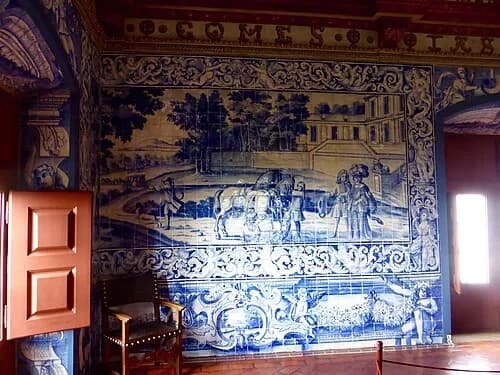
Hunting Scene Tiles
The walls of the Hall of Heraldry are lined with expansive blue-and-white tile murals dating from the 18th century. These narrative panels depict 'montaria,' or royal hunts, which were a primary pastime and social event for the Portuguese nobility. By the 1700s, the art of azulejos had moved away from the repeating geometric patterns of the Moorish era and toward these large-scale pictorial scenes. This style is a hallmark of Portuguese Baroque art, characterized by dramatic compositions and fine detail. Look for the depictions of horses, hounds, and aristocratic hunters winding through forested landscapes. These murals not only decorated the room but also served to reflect the interests and daily lives of the royals who stayed here. The cool blue tones contrast with the red tile floors and the gilded ceiling above, balancing the room's visual weight. These scenes represent a shift toward storytelling in ceramic art, where the walls became a canvas for showcasing the lifestyle of the elite. The scale of these works required immense precision from the tile painters, who had to ensure that hundreds of individual pieces fit together to form a seamless image. They remain one of the most important collections of narrative tiles in the country.
The Royal Chapel: The Palace's Oldest Wing
The spiritual heart and oldest part of the palace, featuring rare 14th-century Mudéjar tile work and a geometric wooden ceiling.
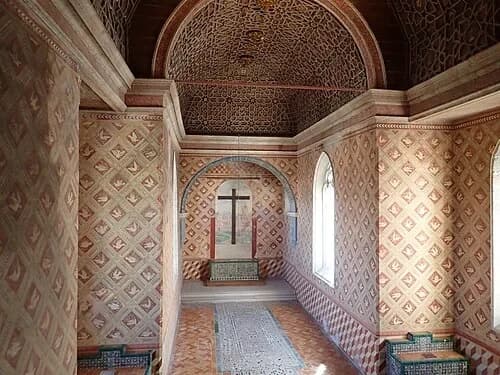
The Dove Mural
The walls of the Royal Chapel are adorned with a unique mural featuring hundreds of individual white doves. In Christian iconography, the dove is a deeply significant symbol representing the Holy Spirit, peace, and divine intervention. Here, the birds are depicted in a simple, stylized manner, repeated across the wall surfaces in a rhythmic arrangement. This choice of decoration serves a specific purpose: it creates a uniform, somber backdrop for religious services. Unlike the exuberant and colorful coats of arms found in the Hall of Heraldry, or the playful magpies in the King’s public rooms, the Dove Mural is restrained and meditative. The repetitive nature of the pattern is intended to help draw the mind inward, focusing the worshipper's attention on prayer and spiritual reflection. This visual contrast is striking; where the rest of the palace often displays the power and lineage of the Portuguese crown, this space speaks in a visual whisper. The mural remains a poignant example of how art was used in the 14th century to define the emotional and functional character of a room, bridging the gap between royal prestige and religious humility.
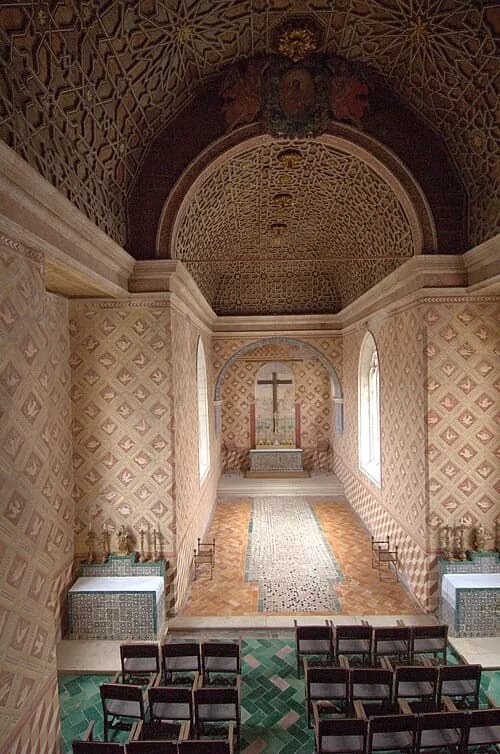
The Royal Chapel
The Royal Chapel stands as a well-preserved anchor of the palace's original medieval foundation. As you enter, your eyes may be drawn to the floor, which is covered in rare Mudéjar tile work. These tiles are arranged in intricate, repetitive patterns designed to mimic the appearance of a woven carpet, a style heavily influenced by the region’s Islamic heritage. Above, the ceiling features a stunning example of 'alfarge'—a type of interlocking geometric woodwork common in Iberian architecture during this period. The craftsmanship required to create such complex, interconnected designs without a single nail is remarkable. This chapel has remained the primary site for royal baptisms, weddings, and private prayer for over six centuries. While other parts of the palace were expanded or redecorated to suit the changing tastes of different monarchs, this space has largely retained its original, somber character. The combination of the dark wood ceiling and the geometric tile patterns creates a quiet, contemplative environment that contrasts with the grand, airy ballrooms found in the newer wings.
The Royal Kitchens: The Iconic Chimneys
Focuses on the massive pair of 33-meter-tall conical chimneys that define the palace's skyline and the scale of royal banquets.
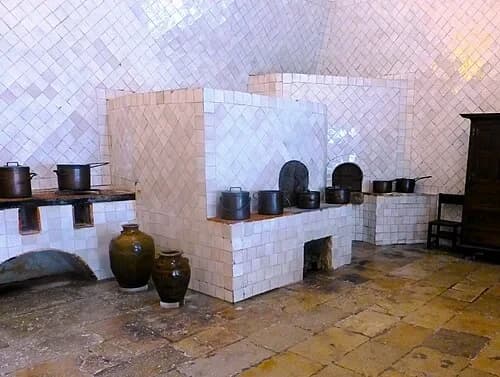
The Royal Kitchen
Entering the Royal Kitchen reveals the sheer scale of the logistical operation required to support a medieval court. This room was designed to facilitate massive banquets, with enough capacity to roast several whole oxen simultaneously over open fires. Along the walls, you can see massive stoves and heavy copper pots, some of which are original to the palace's working history. A striking feature of the kitchen is the extensive use of white tiles on the walls. While decorative elsewhere in the palace, these tiles served a practical purpose here: they were easy to clean and helped reflect the limited natural light coming down from the towering chimneys above. This kept the workspace as bright and hygienic as possible for the army of cooks and servants who labored here. The floor consists of large stone slabs, chosen for their durability against the heavy iron cookware and the intense heat of the fires. This kitchen represents a functional masterpiece of 15th-century architecture, showcasing the industrial-scale infrastructure that operated behind the scenes to maintain the grandeur of the Portuguese royal court and its international guests.
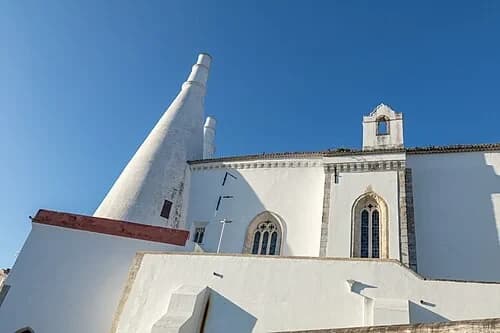
The Manueline Wing
To the right of the iconic chimneys stands the Manueline Wing, constructed between 1505 and 1520 during the reign of King Manuel I. This period is synonymous with the Portuguese Age of Discovery, a time when the nation's explorers established direct sea routes to India. The immense riches generated by the trade of spices and precious stones funded this lavish expansion of the palace. You can see the influence of this era in the windows, which feature the intricate stone carvings and Gothic arches characteristic of the Manueline style. This architectural movement often incorporated maritime motifs, such as ropes and anchors, reflecting Portugal's status as a global maritime power. The wing's design was a deliberate display of the crown's new wealth and sophistication. Unlike the more defensive, somber structures of the earlier medieval palace, this wing is defined by larger openings and more ornate stonework. It represents a transition in Portuguese history, where the architecture of the state began to mirror its expanding global influence and the unprecedented prosperity of the 16th-century royal court.
Prison of King Afonso VI: A Royal Exile
A somber look at the palace's history as a place of royal confinement, where the deposed King Afonso VI spent his final nine years.
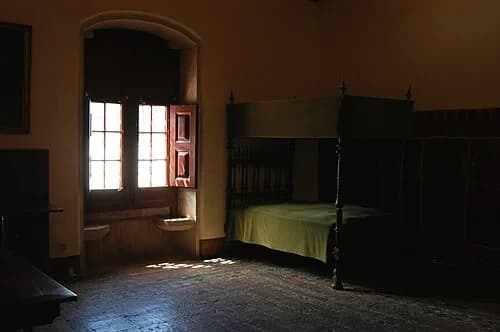
The Prison of King Afonso VI
This somber room holds the tragic story of King Afonso VI. In 1668, after a period of political instability, the king was declared mentally unfit to govern and was subsequently deposed by his younger brother, who became King Pedro II. Afonso was initially sent to the Azores, but was later returned to the mainland and confined to this specific room in 1674. He remained here under constant guard for the next nine years, never leaving the space until his death in 1683. The iron bars visible on the window were his only connection to the world outside, providing a limited view of the town he once ruled. The transition from the absolute power of the throne to the total isolation of a prison cell is starkly evident in the architecture of this space. Unlike the grand reception halls nearby, this room was designed for restriction. The story of Afonso VI highlights the often-brutal nature of dynastic power struggles within the Portuguese royal family, where a king could be reduced to a prisoner within his own family's palace.
Want to hear the rest?
Download the Stanza app to unlock all 26 stops and full GPS-guided navigation.
Frequently Asked Questions
How long does the Palácio Nacional de Sintra audio tour take?
The Palácio Nacional de Sintra audio guide includes 26 narrated stops. Most visitors spend 45 minutes to 1.5 hours exploring the complete tour, though you can listen at your own pace and skip or revisit any stop.
Is the Palácio Nacional de Sintra audio guide available in my language?
Stanza supports 15 languages: English, Spanish, French, German, Italian, Portuguese, Russian, Japanese, Chinese, Korean, Arabic, Hindi, Polish, Dutch, Hebrew. Check the guide in the app to confirm the languages currently available for this tour.
Can I use the audio guide offline at Palácio Nacional de Sintra?
Yes! Download the complete Palácio Nacional de Sintra tour — including all audio, maps, and images — before your visit. The Stanza app works completely offline, so you don't need WiFi or mobile data at the venue.
How much does the Palácio Nacional de Sintra audio guide cost?
The Stanza app is free to download. Free and paid audio guides are available; current prices are shown in the app.
How do I use the Stanza audio guide at Palácio Nacional de Sintra?
Download the free Stanza app, search for "Palácio Nacional de Sintra", and download the tour. When you arrive at the venue, the app uses GPS to detect your location and automatically plays the relevant narration as you move between points of interest — completely hands-free.
What makes the Stanza audio guide different from other Palácio Nacional de Sintra tours?
Stanza offers GPS-triggered narration that plays automatically as you walk through Palácio Nacional de Sintra — no need to manually select stops. The tour is available in 15 languages, works fully offline, and includes 26 expertly narrated stops with images and historical context.
What other audio guides are available near Palácio Nacional de Sintra?
Stanza offers multiple audio guides in Sintra (Santa Maria e São Miguel, São Martinho e São Pedro de Penaferrim), Portugal and nearby areas. After downloading the app, browse the map to discover all available tours near Palácio Nacional de Sintra. Each guide can be downloaded for offline use.
Nearby Audio Guides

Castelo dos Mouros
Sintra (Santa Maria e São Miguel, São Martinho e São Pedro de Penaferrim), Portugal
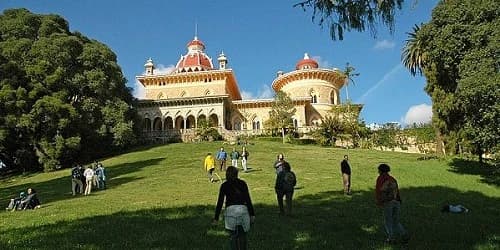
Palácio de Monserrate
Sintra (Santa Maria e São Miguel, São Martinho e São Pedro de Penaferrim), Portugal
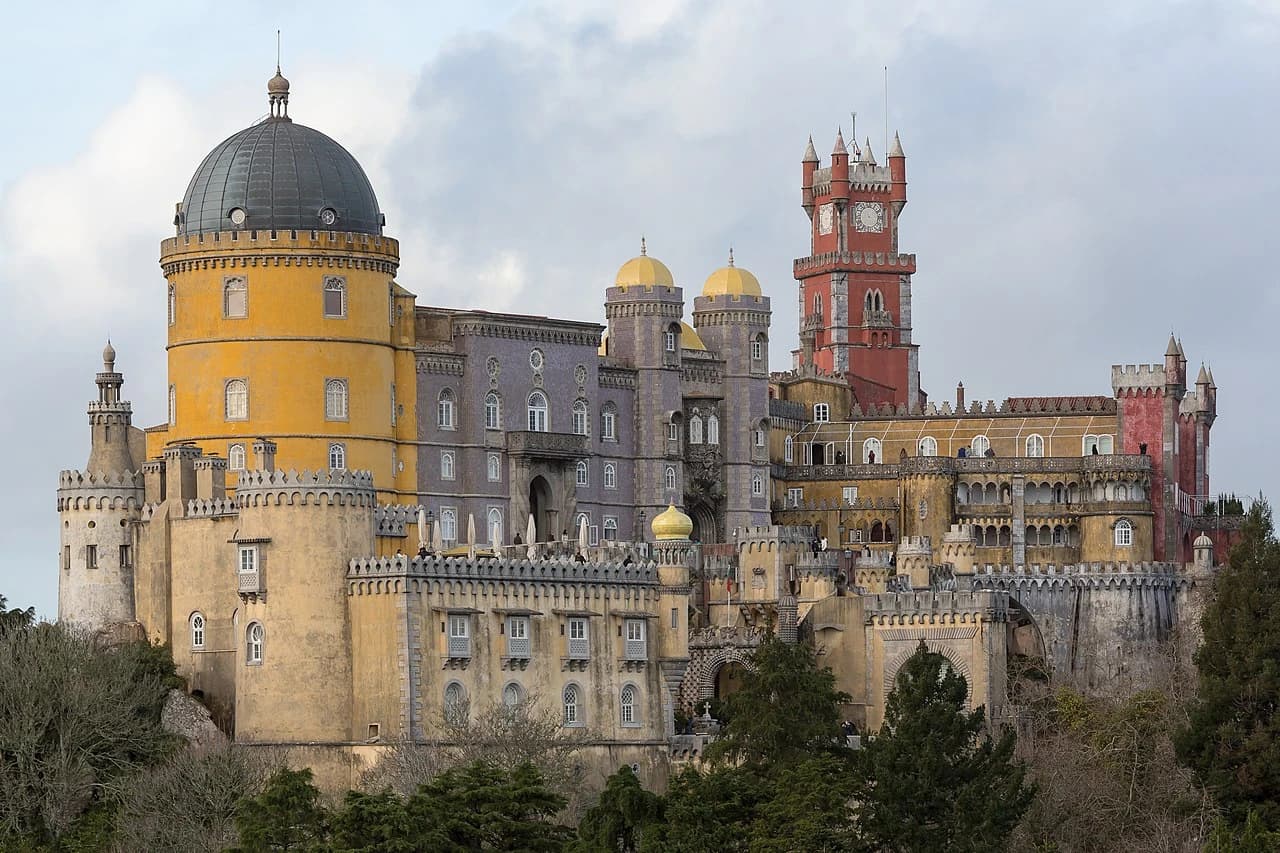
Palácio Nacional da Pena
Sintra (Santa Maria e São Miguel, São Martinho e São Pedro de Penaferrim), Portugal
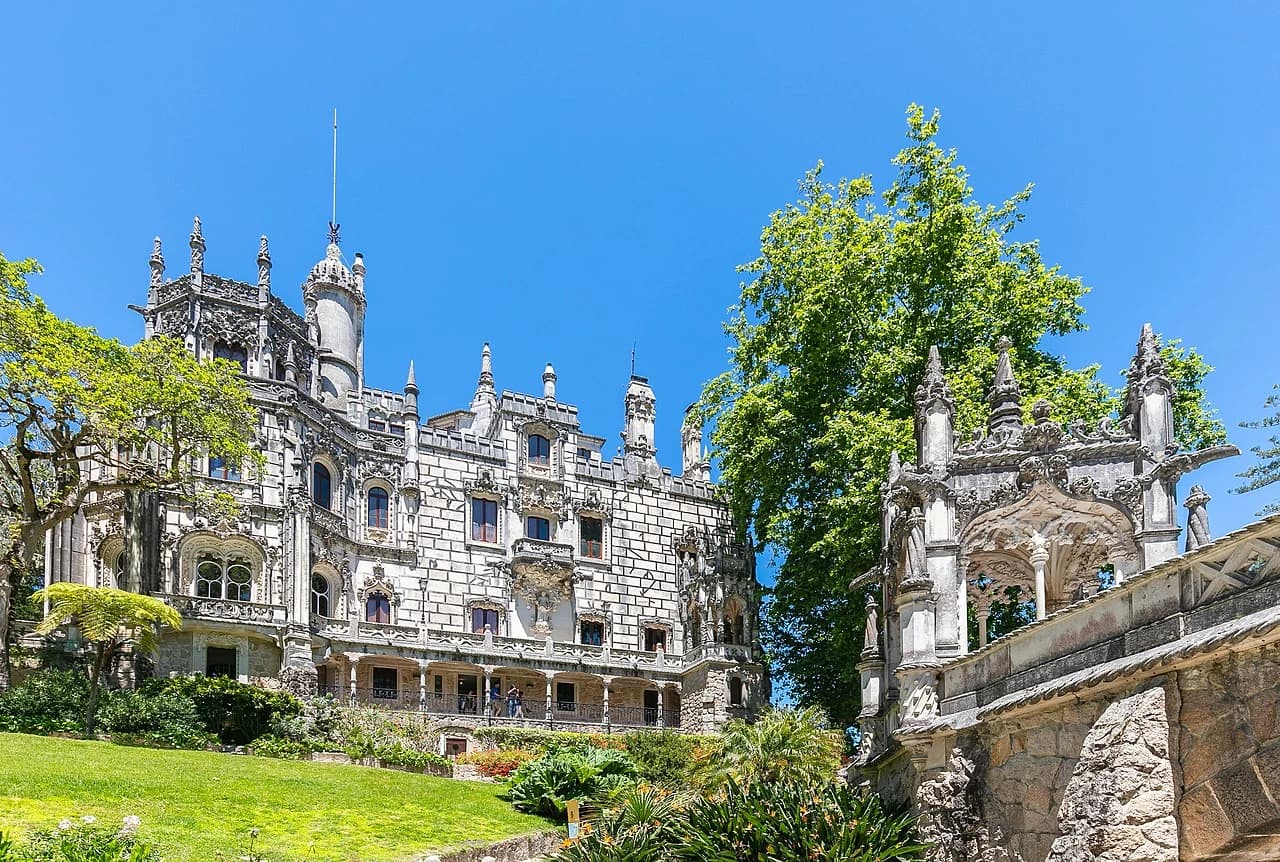
Quinta da Regaleira
Sintra (Santa Maria e São Miguel, São Martinho e São Pedro de Penaferrim), Portugal
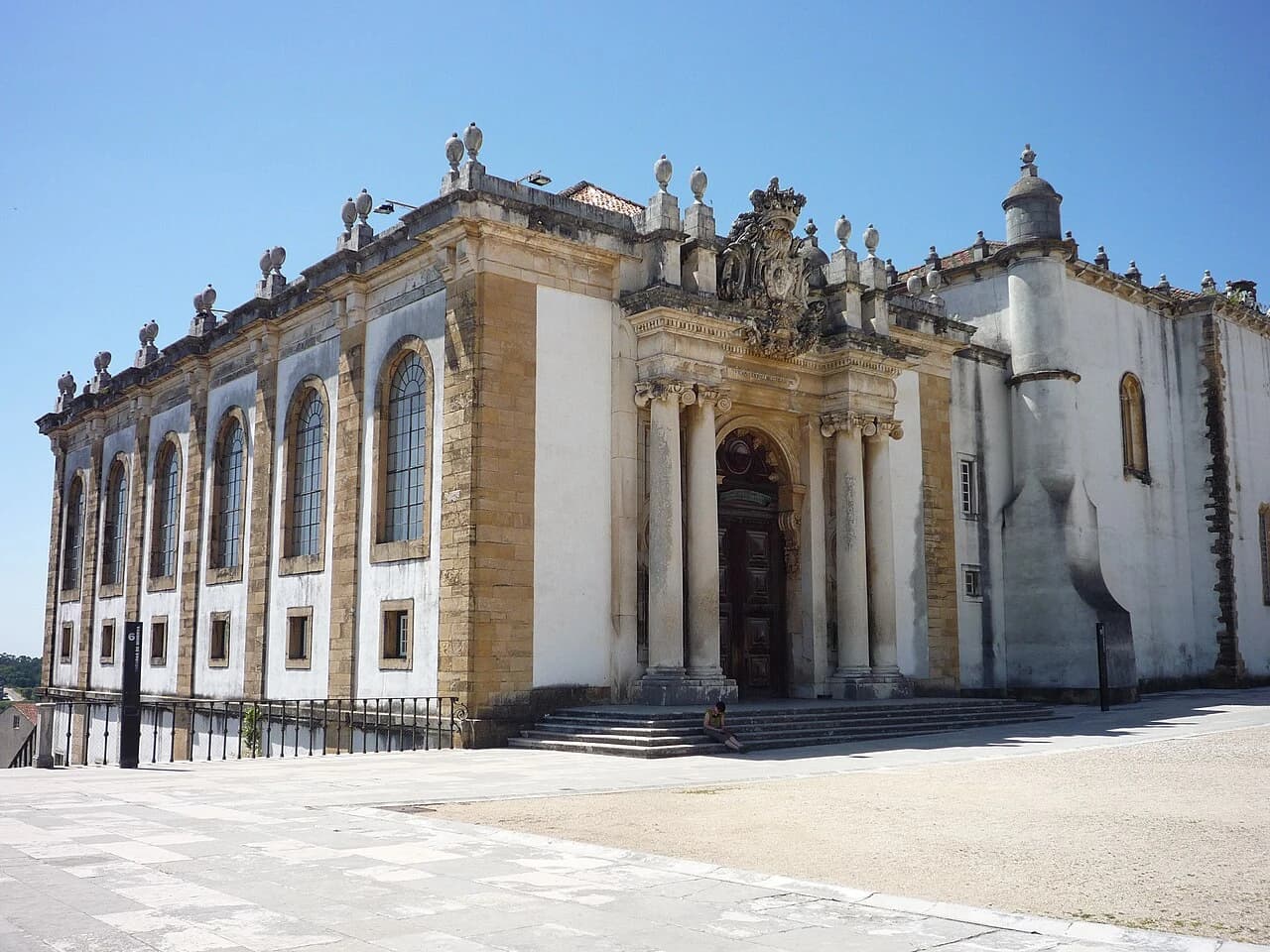
Biblioteca Joanina
Coimbra, Portugal
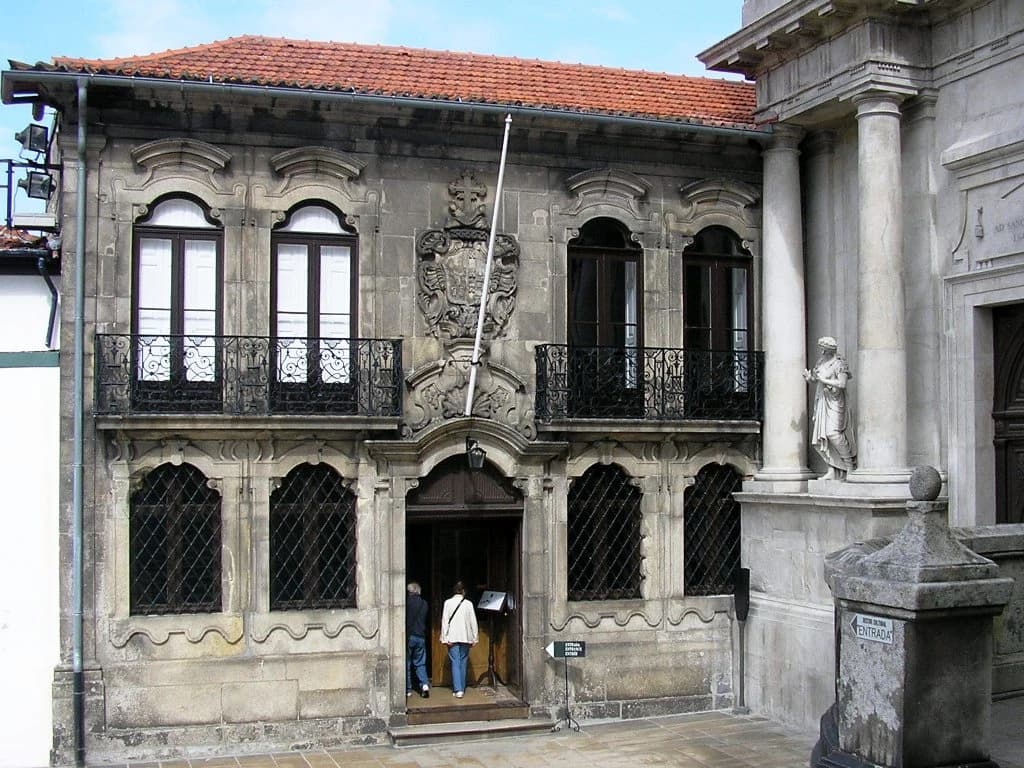
Casa do Despacho da Venerável Ordem Terceira de São Francisco
Porto, Portugal