Stanza · Audio guide
Poenari Castle Audio Guide
A place to remember. A story to take with you.
Poenari Castle is a ruined castle in Romania that served as a home for Vlad the Impaler. The site is located on a mountain and is accessible by climbing 1,480 concrete stairs.
Download Stanza, then search for “Poenari Castle”.
About the tour
One guide. Your kind of visit.
Poenari Castle is a ruined castle in Romania that served as a home for Vlad the Impaler. The site is located on a mountain and is accessible by climbing 1,480 concrete stairs.
Ready when you are.
- 01Get the free Stanza app.
iOS & Android
- 02Find your guide.
“Poenari Castle”
- 03Download before you go.
Works offline
Audio guide / 9 narrated stops
Inside the guide
Get to know a few of the stories before you go. Open a stop to read more.
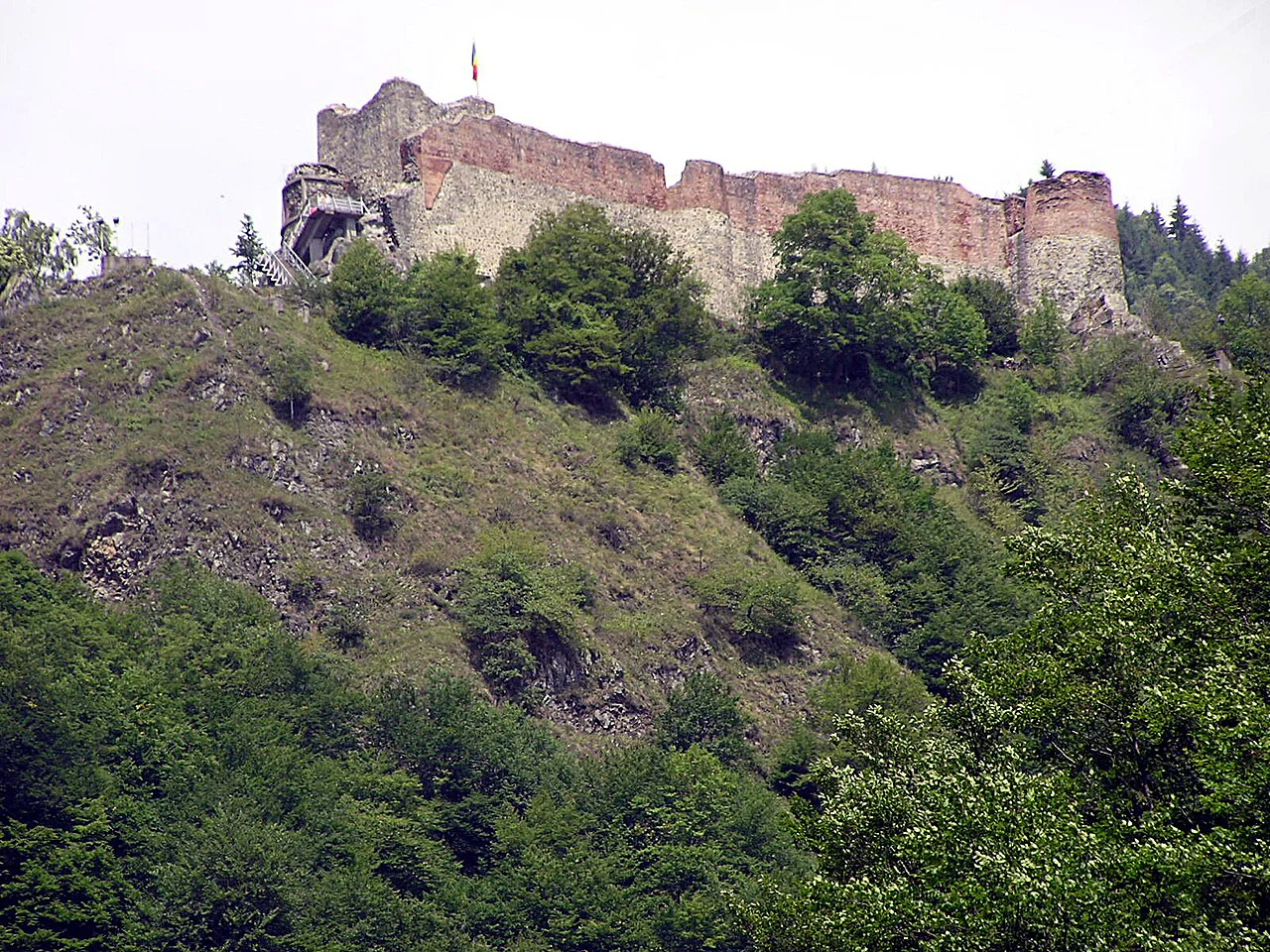
01 The Mountain Ascent and the 1,480-Step Stairway
The Fortress on Mount Cetatea
Welcome to Poenari, a ruined citadel crowning a forested ridge in the Romanian mountains. The peak is called Mount Cetatea, and its summit rises roughly four hundred meters above the Argeș valley. The river has cut a narrow gorge here, the Cheile Argeșului, close to the village of Arefu. Four kilometers downstream along the valley sits the Vidraru dam and its lake. From the valley road the ruins look small, a broken crown on a sea of trees. What survives is a medieval fortress, built as a mountain refuge and observation post rather than a residence. Its greatest defense was never a wall. It was the cliff itself, and the sheer effort of reaching it.
Photo: Kvmgz · CC BY-SA 4.0
02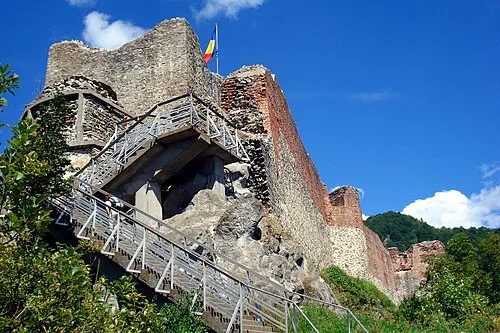 The Mountain Ascent and the 1,480-Step Stairway
The 1,480-Step Ascent
The way up is a modern concrete stairway with handrails, one thousand four hundred and eighty steps climbing through the forest. Most people need around half an hour, though slower walkers take longer. There is no road and no easier way in, and the stairway makes the site impossible for wheelchairs and strollers. That difficulty is the point, and it was so for the defenders too. The concrete stairs of today follow the approach they chose on purpose.
Listen in the appEmmanuel BRUNNER Manu25 · CC BY-SA 3.0
03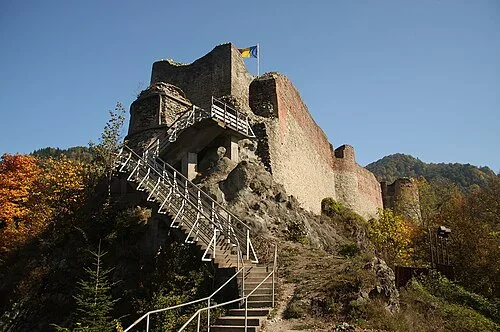 Outer Ramparts and Clifftop Threshold
Vlad the Impaler's Genuine Stronghold
Of all the castles in Romania that borrow the name Dracula, this one has the strongest claim. In 1459 Vlad the Third, known as Vlad the Impaler, saw the potential of the ruined clifftop stronghold and had it repaired and consolidated. He used stones from an older Poenari castle that stood lower, on the right bank of the Argeș. The fortress became one of his main strongholds, a strongpoint against the Ottomans. Bran Castle, the one most tourists call Dracula's Castle, has far weaker ties to the man himself. Filmmakers keep coming back to this rock. The 2013 television series Da Vinci's Demons sent Leonardo da Vinci here to meet Vlad. A 2020 documentary argued that Poenari deserves the title outright, because, as its presenters put it, it has the heart of Vlad the Third.
Listen in the appPetr Kraumann · CC BY 3.0
04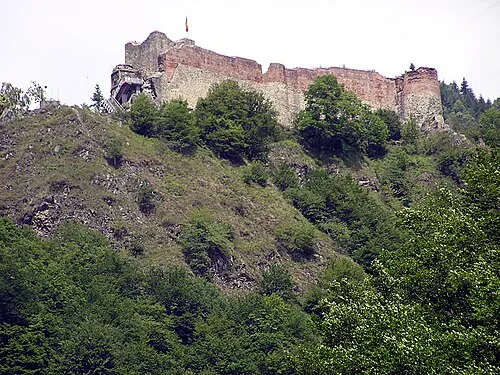 Outer Ramparts and Clifftop Threshold
Before Vlad: Castle Argeș and Negru Vodă
Vlad did not build on empty rock. A castle called Castle Argeș stood on this ridge from near the beginning of the thirteenth century, raised by the Wallachians. By the mid-fourteenth century it had become the main citadel of the Basarab dynasty, the ruling house of Wallachia. Over the following decades its name and residents changed several times, until the castle was abandoned and left in ruins. Romanian tradition gives the first tower on this ridge to a ruler called Negru Vodă. Some people also connect these mountains with the Battle of Posada in 1330, when Basarab the First defeated King Charles Robert of Anjou of Hungary during his retreat. The chroniclers never fixed the exact spot of that fight, so the ridge keeps it only loosely.
Listen in the appL.Kenzel · CC BY-SA 3.0
05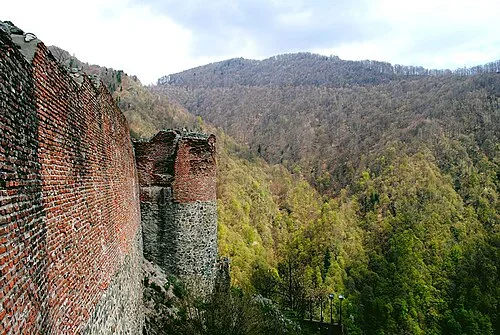 Curtain Walls and the Boyar Enslavement
The Round Tower on the Cliff Edge
The citadel is long and narrow, stretched along the mountain crest for about sixty meters. It has five towers, four of them round and one with flat sides, and they were fitted to the line of the ridge. The round tower in front of you rises straight out of the rock above the forest. Vlad the Impaler added towers, walls and outbuildings to the single tower that stood here before him, and he kept the castle as a second residence. The size and the position of the fortress made it very hard to conquer. A document issued by King Ladislaus the Fifth of Hungary, called the Posthumous, mentions the castle.
Listen in the appPhoto: Dmitryslavin · Public domain
06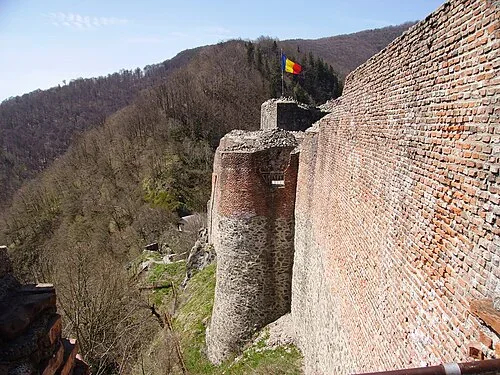 Curtain Walls and the Boyar Enslavement
Walls Built by Enslaved Boyars
The sturdiest part of this place has the darkest story. The tradition says Vlad summoned the Wallachian boyars he blamed for his father's and brother's deaths to an Easter feast. His men arrested them at the table and marched them up Mount Cetatea. The survivors and their families were forced to rebuild the fortress, in labor so brutal their clothes rotted away. The walls they raised are exceptionally sturdy, two to three meters thick, of stone and red brick. Nobody can point to a section and say their hands laid it. But the strength of the masonry tells its own story.
Listen in the appPhoto: Andrea stoica · CC BY-SA 3.0 ro
07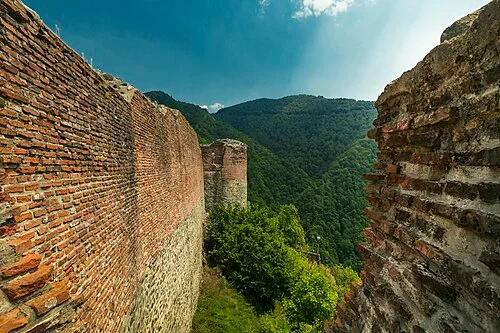 Inner Bailey and the 1913 Earthquake Chasm
Life and Afterlife of the Inner Bailey
Inside the walls, life went on long after Vlad. He died in 1476, and the fortress served for many years more. Then it was abandoned again in the first half of the sixteenth century, and by the seventeenth it lay in ruins. An earthquake in 1940 shook it further. Another in 1977 brought still more damage, before slight repairs steadied the walls and towers. Since 2009 the site has been administered by the Argeș County Museum. One visitor from the communist era left a strange account. Vincent Lee Hillyer, the husband of Fatimeh Pahlavi, spent a night among the ruins. He claimed the July cold was far lower than usual, that he smelled rotten flowers though there were none, and suffered bizarre nightmares. He also spoke of an overpowering feeling of being watched, and of bites he could not explain.
Listen in the appPhoto: Ciprian Samihaian · CC BY-SA 4.0
08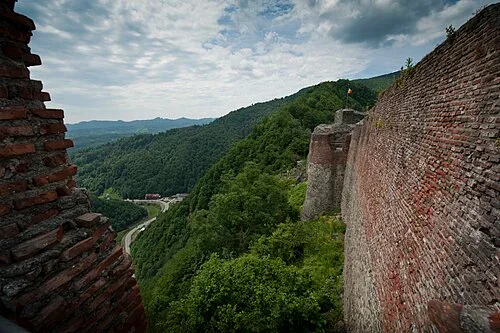 Inner Bailey and the 1913 Earthquake Chasm
The 1913 Landslide and the Watched Valley
Part of the fortress is simply gone. On the thirteenth of January 1913 an earthquake shook the mountains and set off a landslide. Sections of the walls broke away and crashed down into the river far beneath the cliff. Building on an alpine precipice always carried that risk. The reward shows in the view over the broken edge, the whole Argeș gorge, the route between Wallachia and Transylvania. From here a garrison could watch the pass through the mountains, which is why the risk seemed worth taking. The Transfăgărășan highway now threads along the same valley floor the sentries once surveyed.
Listen in the appDiana Popescu · CC BY-SA 3.0 ro
09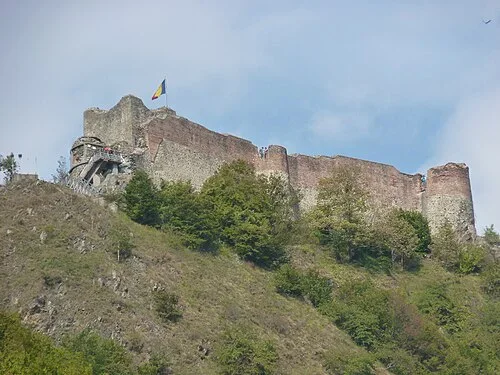 Summit Bastion and Argeș Gorge Panorama
The Escape with Reversed Horseshoes
The last story is the one locals tell best. Pursued by the Turks, the legend says, Vlad took refuge in this citadel. A blacksmith shod his horses with the horseshoes fixed backwards, so the tracks on the trail pointed away from the mountain. His pursuers read the ground and rode the wrong way, while Vlad slipped off toward Transylvania. The story survives because it fits the place, a refuge people fled to and a stronghold people feared. The citadel also has a smaller twin in the capital. In 1906 a replica was built in Bucharest's Carol Park for the Romanian General Exhibition, and it is one of the few buildings from the park's early years still standing. Today it houses the National Office for the Cult of Heroes and opens to the public only twice a year, on Heroes' Day, which falls on Ascension Day, and on the twenty-fifth of October, Romanian Army Day.
Listen in the appPhoto: Stefanmolnus · CC BY-SA 3.0 ro
Poenari Castle
Frequently asked questions
How much does the guide cost?
Free app download. Listed guide price: $0.99. Guide price shown in the app. Audio guide only. Venue admission is separate.
Can I listen without internet?
Yes. Download the guide’s audio, images, and maps in the app before your visit. Your downloaded content is then available offline.
Can I listen in my language?
This audio guide is available in 15 languages, including English.
Do I need to follow a schedule?
No. This is a self-guided experience. Choose your stops, pause whenever you like, and return to a story at your own pace.
At your own pace
Explore Poenari Castle.
Download Stanza, then search for “Poenari Castle”.
Free app download · Guide price shown in the app
Keep exploring
Nearby audio guides
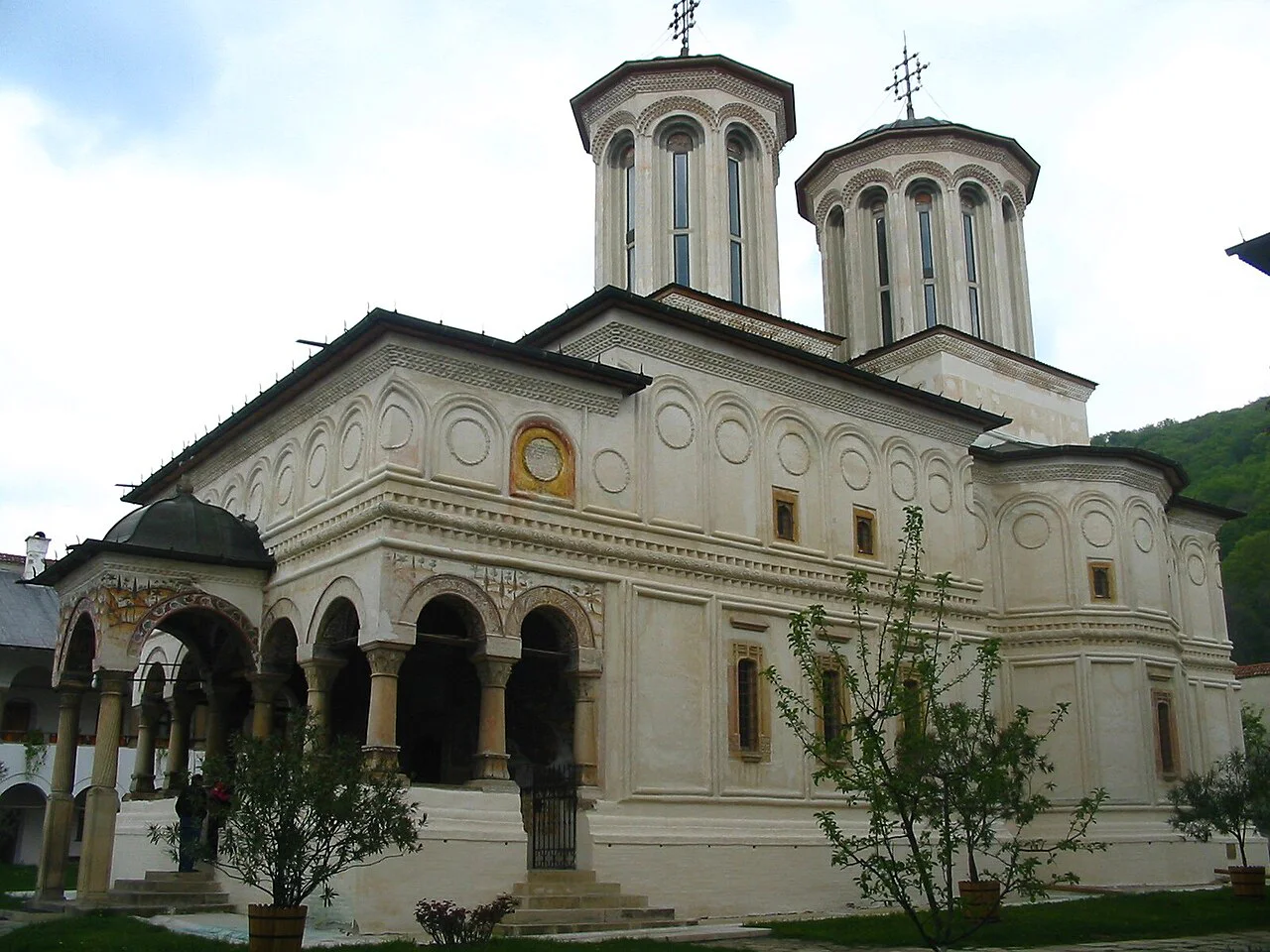
Horezu · 53 km
Horezu Monastery
Content & sources
Cristian Chirita · CC BY-SA 3.0
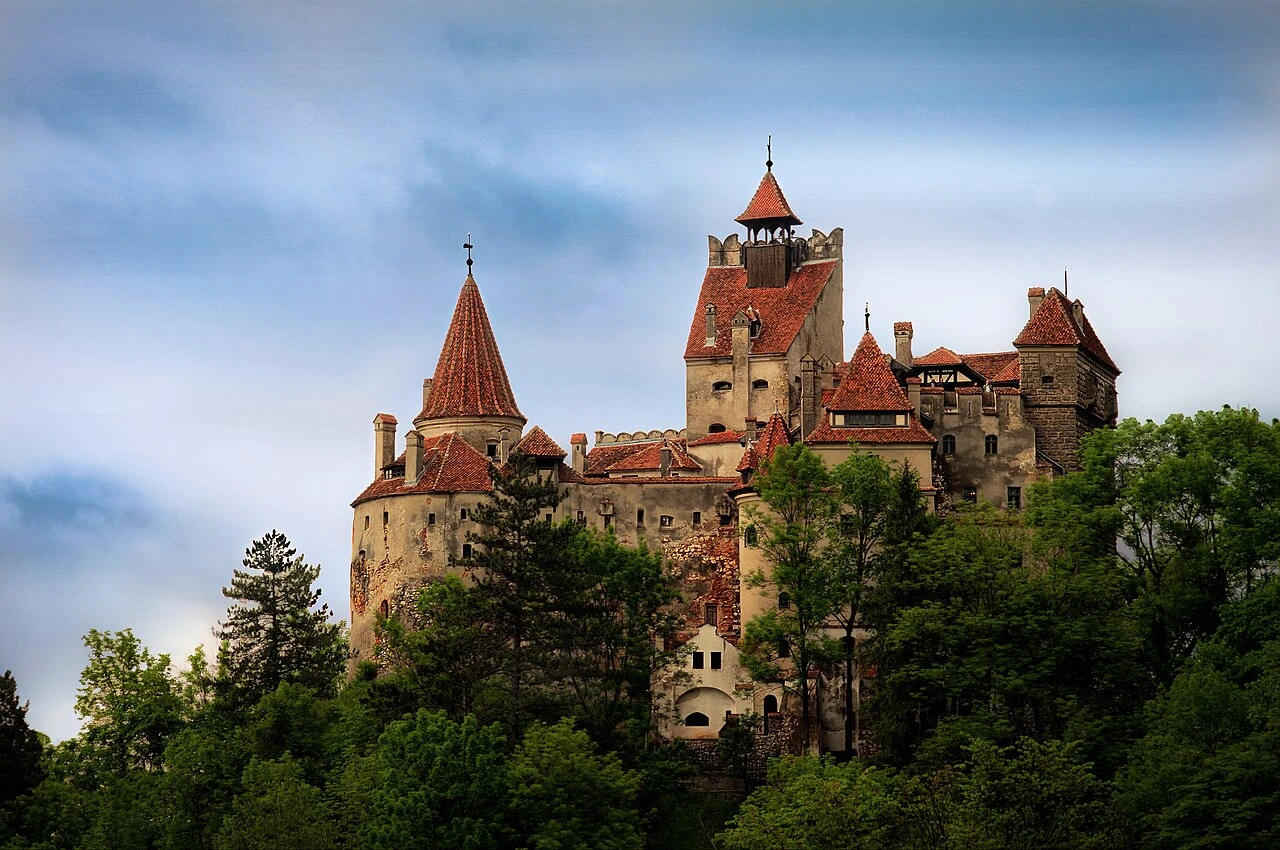
Bran · 60 km
Bran Castle
Content & sources
Dobre Cezar · CC BY-SA 3.0 ro
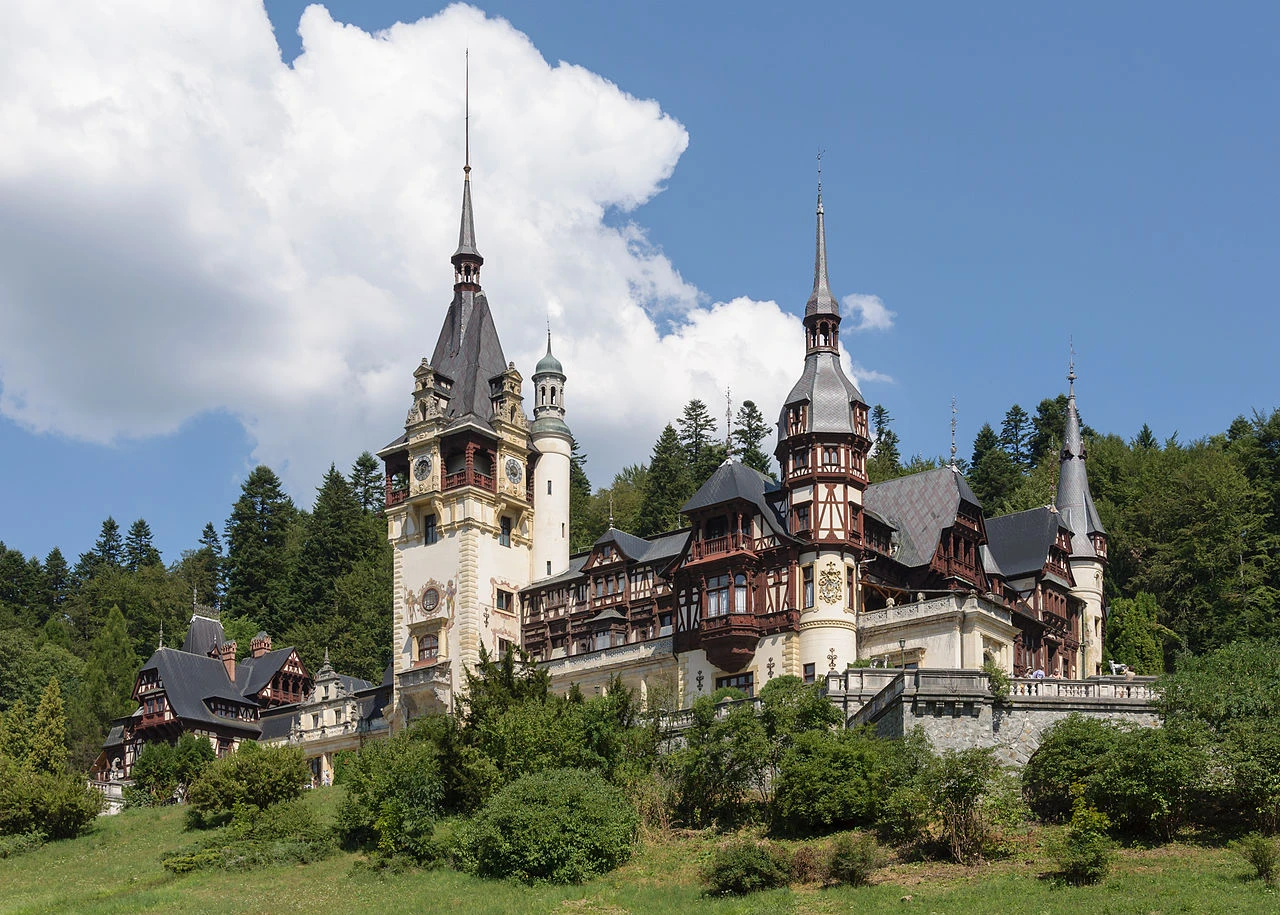
Sinaia · 71 km
Peleș Castle
Content & sources
Photo: Myrabella · CC BY-SA 3.0
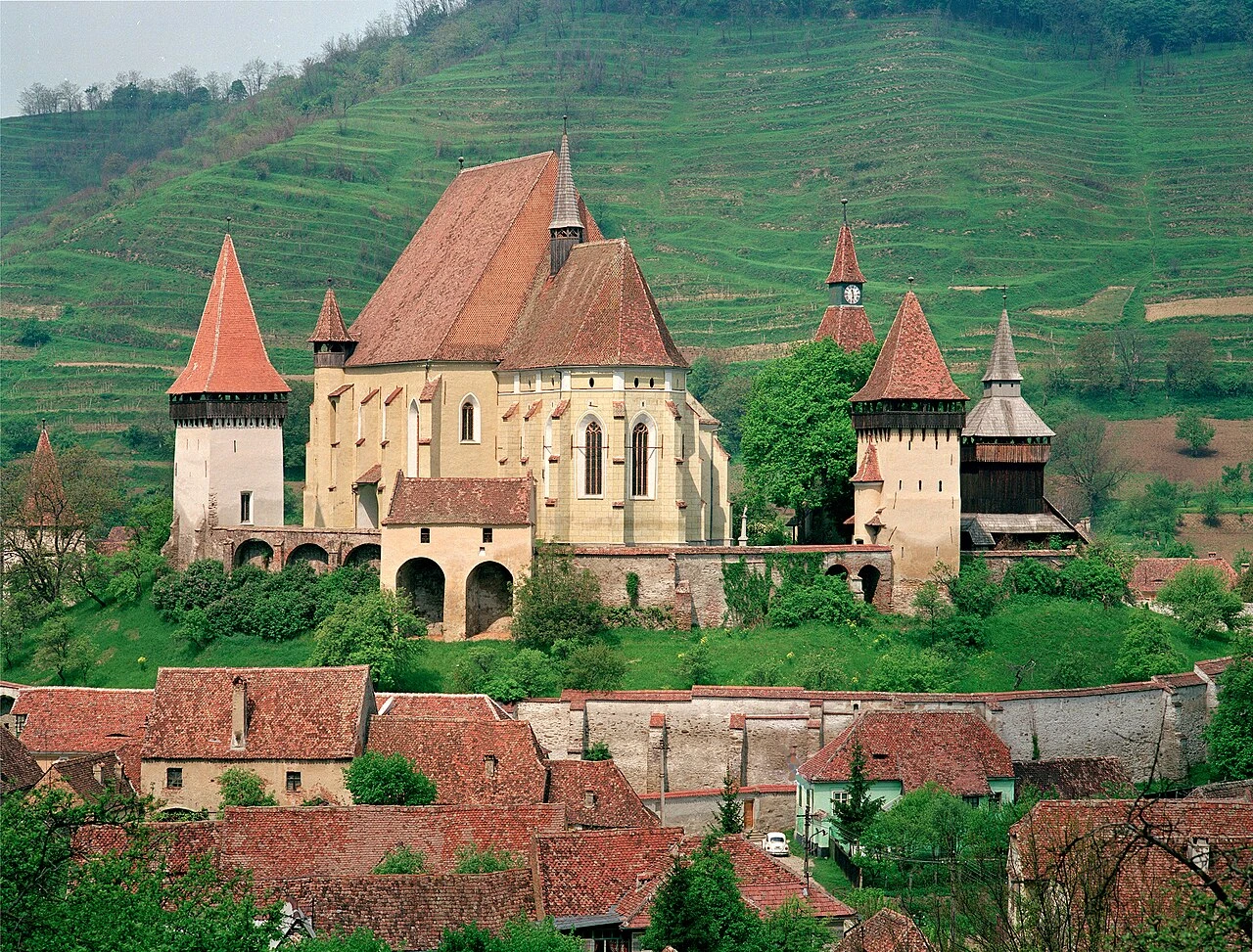
Biertan · 87 km
Biertan fortified church
Content & sources
Otto Schemmel · Public domain