Stanza · Audio guide
Mănăstirea VoronețAudio guide
A place to remember. A story to take with you.
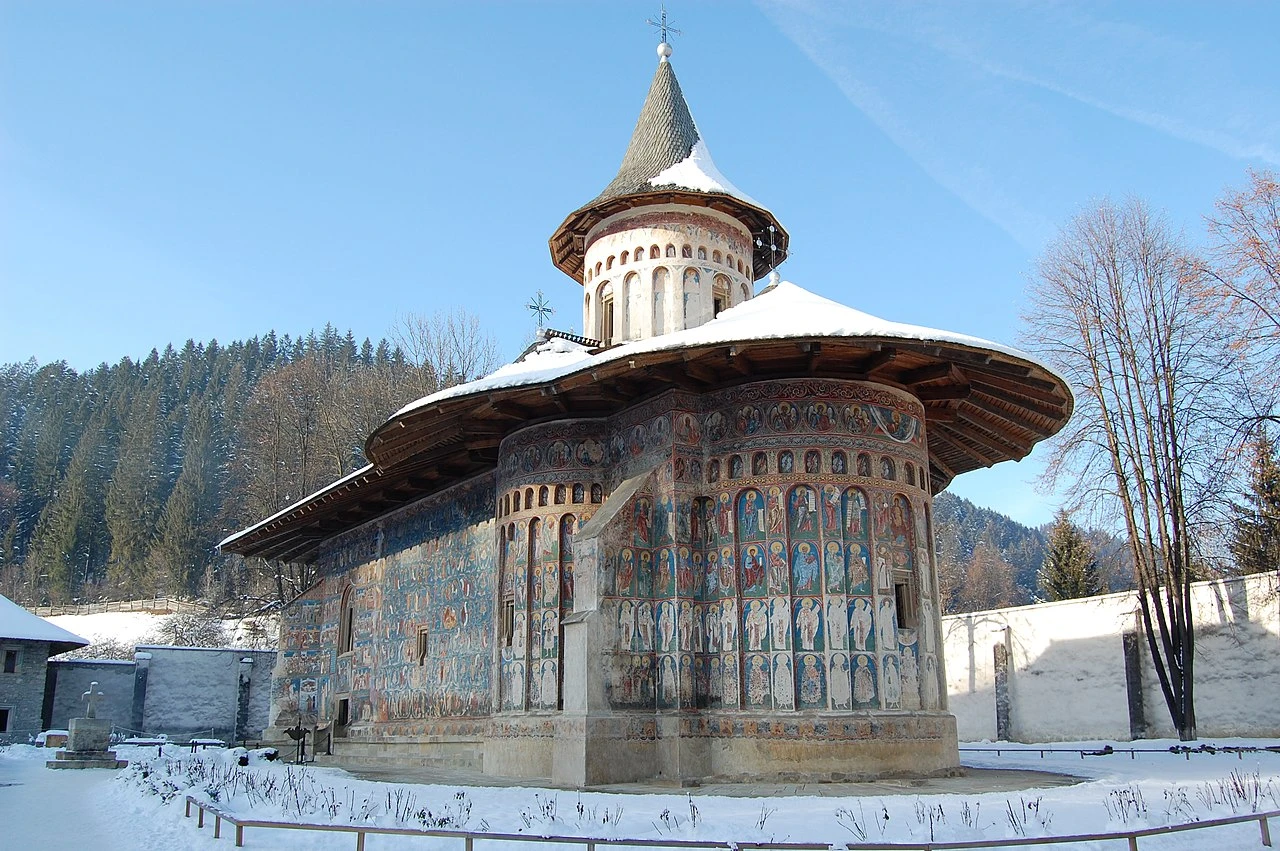
A medieval Orthodox monastery in Romania, famous for its elaborate exterior frescoes featuring an intense shade of blue known as 'Voroneț blue.' It is a UNESCO World Heritage site and one of the painted…
Download Stanza, then search for “Mănăstirea Voroneț”.
About the tour
One guide. Your kind of visit.
A medieval Orthodox monastery in Romania, famous for its elaborate exterior frescoes featuring an intense shade of blue known as 'Voroneț blue.' It is a UNESCO World Heritage site and one of the painted churches of northern Moldavia.
Ready when you are.
- 01Get the free Stanza app.
iOS & Android
- 02Find your guide.
“Mănăstirea Voroneț”
- 03Download before you go.
Works offline
Audio guide / 14 narrated stops
Inside the guide
Get to know a few of the stories before you go. Open a stop to read more.
01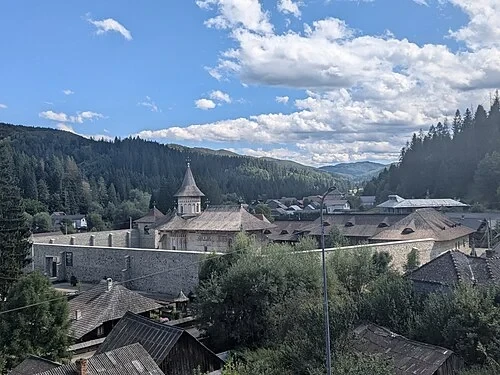 Arrival at the Voroneț EnclosureThe Monastery Walls
Construction of this church began on May 26, 1488, and was completed on September 14 of the same year. This timeline is remarkable; the entire structure rose from the ground in just three months and three weeks. Such a record-breaking pace in the 15th century was rare, reflecting the prince's urgency and devotion following a victory against the Ottomans. Look around at the surrounding stone enclosure. These walls aren't just for privacy; they were designed as a defensive measure. In an era where Ottoman threats were a constant reality, monastery complexes served as vital fortified refuges for the local community and spiritual treasures. This blend of fortress and sanctuary is a defining characteristic of medieval Moldavian sites. The monastery is often called the 'Sistine Chapel of the East,' a title it earned for the vibrant narrative scenes that completely cover its exterior. As we continue, we will explore how these walls became one of Europe’s most significant artistic achievements, protected by these same stones for over five centuries.
Photo: Balakao · CC0
02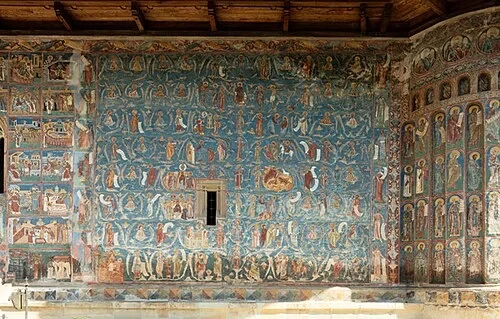 The Southern Wall and Voroneț BlueThe Tree of Jesse
The background of these frescoes is defined by a unique shade of blue based on azurite. Despite five hundred years of exposure to sun, rain, and snow, the color has retained its brilliance, making it world-famous as 'Voroneț Blue.' The central theme here is the 'Tree of Jesse,' a complex genealogical map of Jesus. It is depicted as an intricate, vine-like structure that grows and winds across the surface, physically connecting a vast array of biblical figures. Starting from the figure of Jesse at the bottom, the branches move upward, placing kings, prophets, and ancestors within a single, organic framework. This composition allows for a massive narrative to be told in a relatively compact space. Artists in the mid-16th century used this technique to illustrate the lineage that links the Old and New Testaments. While other monasteries in the region use similar themes, the depth of the azurite background here provides a contrast that makes the gold and red tones of the figures stand out with exceptional clarity against the blue sky of the mural.
Photo: PMRMaeyaert · CC BY-SA 4.0
03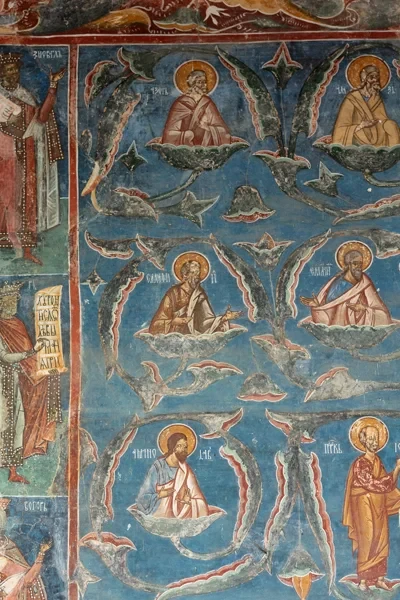 The Southern Wall and Voroneț BlueFloral Details and Prophets
Moving closer to the details, you can see a fascinating blend of religious iconography and botanical motifs. In many of these panels, prophets and saints do not simply stand; they emerge from blooming flower chalices. This artistic choice represents a specific Moldavian interpretation of sacred themes. The painters were inspired by the local flora found in the surrounding Carpathian forests and meadows, bringing a touch of the natural world into their divine depictions. By using familiar local plants as a design framework, the artists made complex theological concepts feel more accessible to the 16th-century Moldavian peasants who gathered here. It transformed the distant, heavenly realm into something that felt like an extension of their own landscape. These floral elements also serve a structural purpose, acting as decorative borders that organize the dense crowds of figures into a readable, rhythmic pattern. The fusion of the earthly and the celestial in these blooming details is a hallmark of the painters’ skill in adapting Byzantine traditions to local sensibilities.
Listen in the appPhoto: PMRMaeyaert · CC BY-SA 4.0
04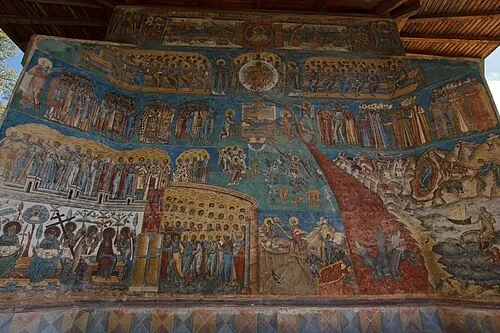 The Sistine Chapel of the EastThe Last Judgment
Often called the 'Sistine Chapel of the East,' this western wall is a singular masterpiece. Added in 1547 by Metropolitan Grigorie Roșca, the wall was intentionally left windowless to provide a massive, uninterrupted canvas for a single narrative: the Last Judgment. The composition is strictly vertical, leading through the entire Christian cosmic history. At the very top, the Holy Trinity sits in majesty, surrounded by hosts of angels. Below them, a dramatic scene unfolds as the scales of justice are prepared. Notice the river of fire that spills down the right side of the wall, leading toward the depths of hell. This placement was deliberate; as worshippers left the church, they were confronted with this vivid reminder of the consequences of their actions on earth. The sheer scale of the work, covering hundreds of square meters, was meant to overwhelm and educate. Every inch is filled with detail, from the faces of the resurrected to the chaotic scenes of judgment below, all set against that enduring, vibrant blue background that has survived centuries of mountain weather.
Listen in the appDinu Arateanu · CC BY-SA 3.0 ro
05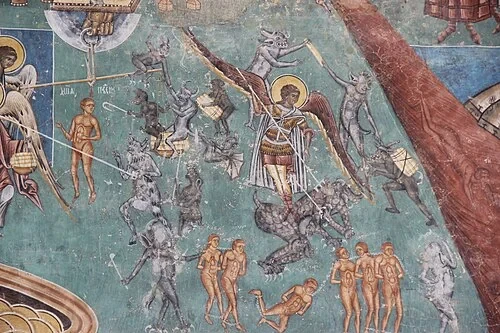 Details of Judgment: Scales and Folk ElementsThe Weighing of Souls
This specific portion of the fresco captures a high-stakes moment: the weighing of souls. Archangel Michael stands firm, holding the scales of justice that determine the eternal fate of the deceased. Opposite him, look for the grey, spindly demons. They are depicted in the middle of a desperate attempt to tip the scales in their favor. If you look closely, you can see them holding small, rolled-up scrolls. These scrolls represent the sins of the individual being judged, which the demons are trying to 'weigh down' to drag the soul toward hell. This vivid, almost comic-book style of storytelling served a vital didactic purpose. In the 16th century, when much of the population was illiterate, these murals acted as a visual Bible, teaching complex theology and moral lessons through unmistakable visual drama. The tension between Michael's calm resolve and the frantic energy of the demons would have been a powerful, relatable image for anyone visiting the monastery over the last five centuries, making the abstract concept of judgment tangible.
Listen in the appGary Todd · CC0
06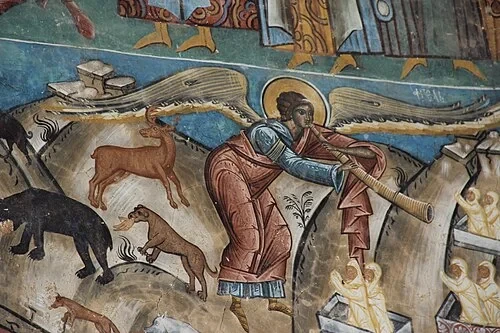 Details of Judgment: Scales and Folk ElementsThe Angel with the Bucium
One of the most characteristic details on these walls is the inclusion of the 'bucium.' This is a traditional, long wooden horn used for centuries by mountain shepherds in the Romanian Carpathians to signal across great distances. By placing this local instrument in the hands of an angel, the painters transformed a universal biblical event into a specifically Moldavian story. It is a perfect example of how local folk elements were woven into sacred Byzantine art. Seeing a heavenly figure use a tool from their daily lives helped the 16th-century community see themselves reflected in the holy narratives. It grounded the divine in the familiar reality of the mountains and sheepfolds. This cultural adaptation was likely a conscious choice by the artists to foster a deeper emotional connection between the local people and the church. Instead of distant, foreign figures, the saints and angels here share a common language of music and tradition with the very people who have stood beneath these walls for generations.
Listen in the appGary Todd · CC0
07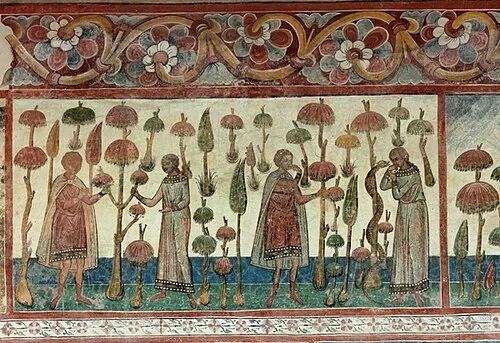 The Northern Wall: Genesis and the ElementsThe Garden of Eden
On the northern side of the church, the frescoes shift focus to the Genesis cycle, specifically the Garden of Eden. The trees representing Paradise are highly stylized, featuring flat, umbrella-like tops that give them a distinctive, mushroom-like appearance. This creative interpretation provides a soft, rhythmic backdrop for the stories of Adam and Eve. However, if you compare this wall to the south side, you might notice that the colors appear more muted. This is not due to a different painting style but rather centuries of exposure to the elements. The northern wall is directly hit by the harsh winter winds and heavy snow typical of the Bukovina region. Over five hundred years, this environmental stress has caused the pigments to fade and weather more significantly than on the protected southern face. Despite this wear, the narrative remains clear. The survival of these delicate paintings in such a climate is a testament to the skill of the original painters who mixed their colors to endure for half a millennium in these mountains.
Listen in the appPhoto: PMRMaeyaert · CC BY-SA 4.0
08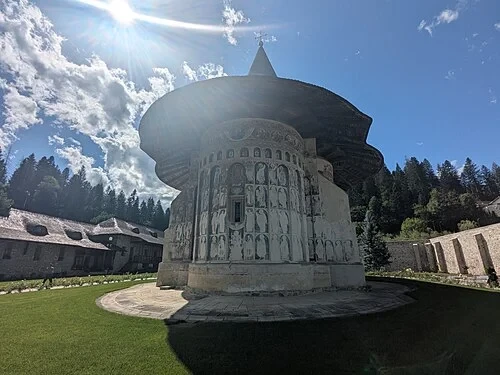 The Eastern Apse: The Prayer of All SaintsThe Eastern Apse
Looking at the architecture of the church's prayer center, you can see the trilobed plan that defines the Moldavian style. This consists of three rounded projections, or apses, that form the shape of a cross when viewed from above. The exterior of these curved walls is divided into tiers, which are covered from top to bottom with the 'Hierarchy of All Saints.' This massive, vertical procession of figures creates the impression that the entire building is wrapped in a continuous, silent prayer. The horizontal bands and niches serve to break up the verticality of the stone, providing a structured grid for the hundreds of individual saints depicted. This layout ensures that every part of the church’s exterior contributes to the theological message, turning the building itself into an icon. The way the roof hangs low and wide over these walls is another local characteristic, designed to shed the region's heavy snow and protect the precious frescoes below from the worst of the mountain weather, keeping the vibrant blue walls safe for centuries.
Listen in the appPhoto: Balakao · CC0
09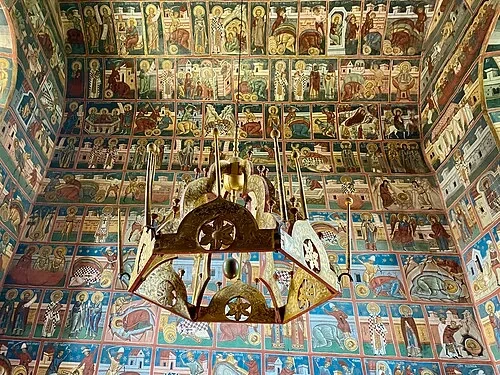 The Pronaos: Resting Place of Saint DaniilInside the Naos
Inside the naos, or the main prayer hall, you will find a space where light is carefully limited. This dim environment is necessary to preserve the interior frescoes, which are just as dense and detailed as those on the exterior. Look up to see the verticality of the Moldavian vault, a series of crossing arches that lead your eye toward the central tower. At the highest point, you will typically find the 'Pantocrator,' or Christ the Ruler, gazing down on the congregation. While the exterior of Voroneț is famous for its blue, the interior palette is often richer in reds and golds, traditionally illuminated by the soft glow of candles. Because photography is restricted inside to prevent damage to the pigments, the experience here is one of quiet, personal observation. The walls are a crowded assembly of saints, biblical scenes, and martyr stories, all designed to create an immersive spiritual environment where the worshipper feels surrounded by a dense history of faith told in color and shadow.
Listen in the appJosep Renalias Lohen11 · CC BY 4.0
10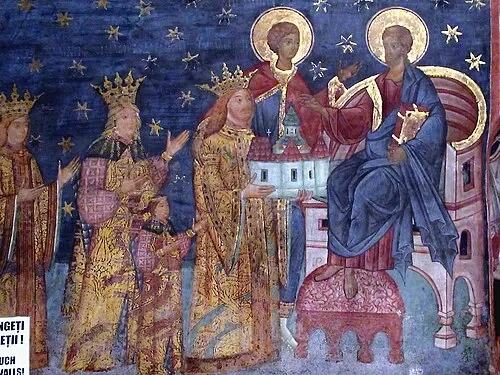 The Naos: Portrait of a Great PrinceThe Founder’s Portrait
Among the many figures on the walls, the votive portrait is one of the most historically significant. It depicts Prince Stephen the Great, the most famous ruler in Romanian history, holding a small, detailed model of the monastery. He is shown offering this model to God through the mediation of Saint George, the monastery's patron. Stephen is identifiable by his crown and traditional princely robes, providing a rare contemporary likeness of the man who led Moldavia through a golden age of construction and defense in the 15th century. His wife and children are often depicted alongside him, underscoring the dynastic nature of these foundations. This type of portrait was a standard feature of royal monasteries, serving as a permanent record of the founder’s piety and their role as protectors of the faith. It bridges the gap between the eternal saints on the walls and the real, historical figures who walked these grounds five centuries ago, rooting the monastery’s spiritual mission in the political reality of its time.
Listen in the appDavid Stanley from Nanaimo, Canada · CC BY 2.0
Mănăstirea Voroneț
Frequently asked questions
How much does the guide cost?
Free app download. Listed guide price: $3.99. Guide price shown in the app. Audio guide only. Venue admission is separate.
Can I listen without internet?
Yes. Download the guide’s audio, images, and maps in the app before your visit. Your downloaded content is then available offline.
Can I listen in my language?
Stanza supports 15 languages. Check the app for the languages available for this guide.
Do I need to follow a schedule?
No. This is a self-guided experience. Choose your stops, pause whenever you like, and return to a story at your own pace.
At your own pace
Explore Mănăstirea Voroneț.
Download Stanza, then search for “Mănăstirea Voroneț”.
Free app download · Guide price shown in the app
Keep exploring
Nearby audio guides
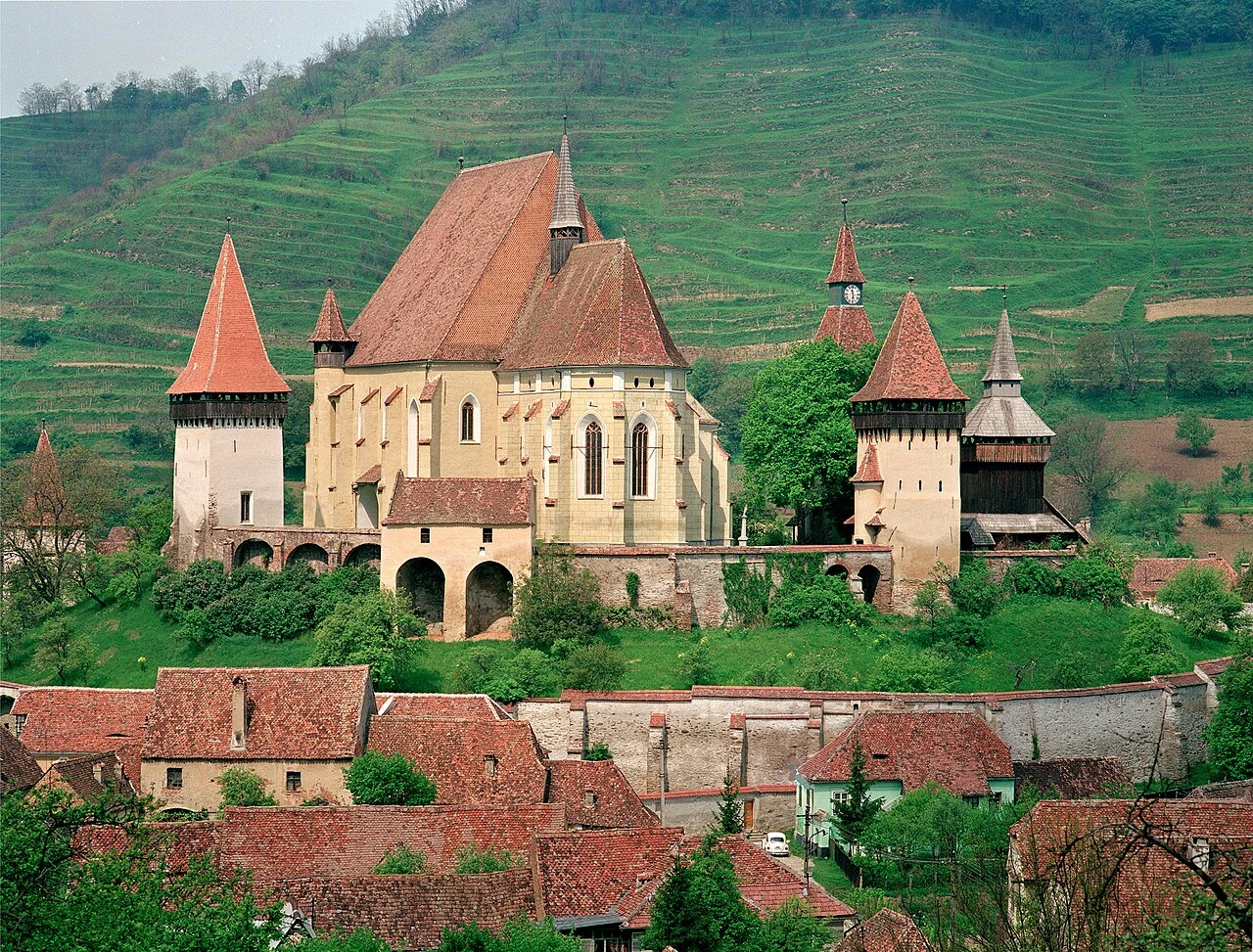
Biertan
Biertan fortified church
Content & sources
Otto Schemmel · Public domain
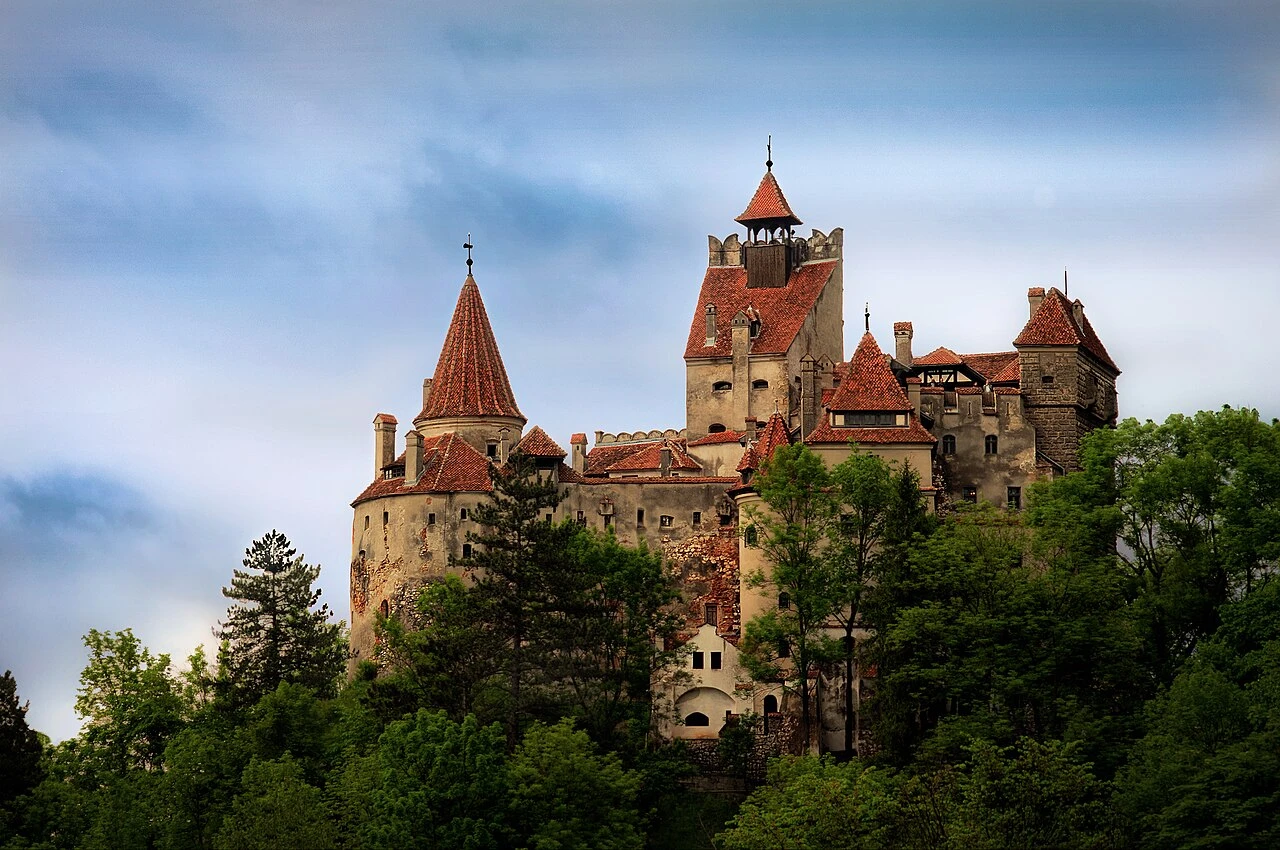
Bran
Bran Castle
Content & sources
Dobre Cezar · CC BY-SA 3.0 ro
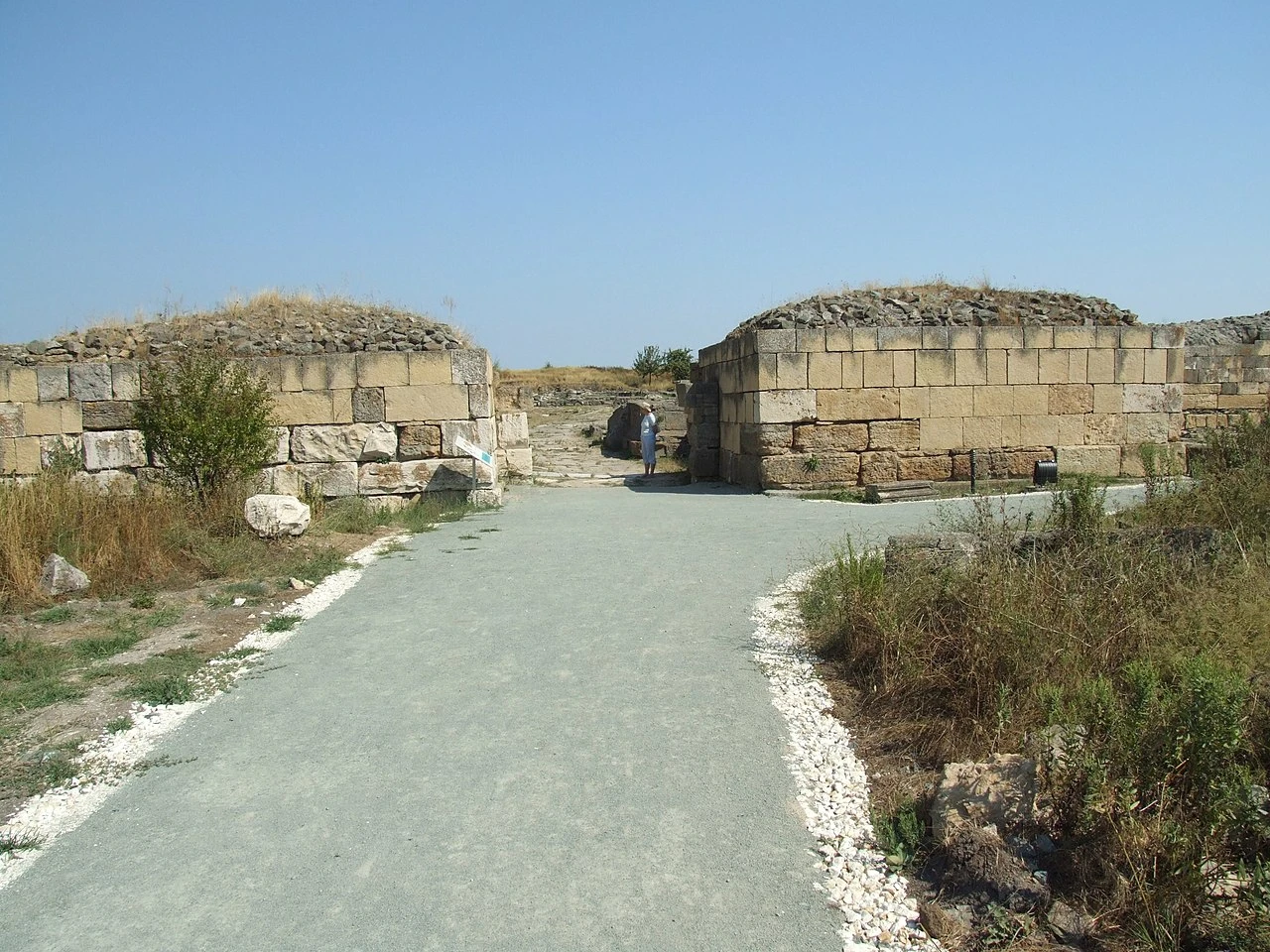
Istria
Cetatea Histria
Content & sources
Photo: CristianChirita · Public domain
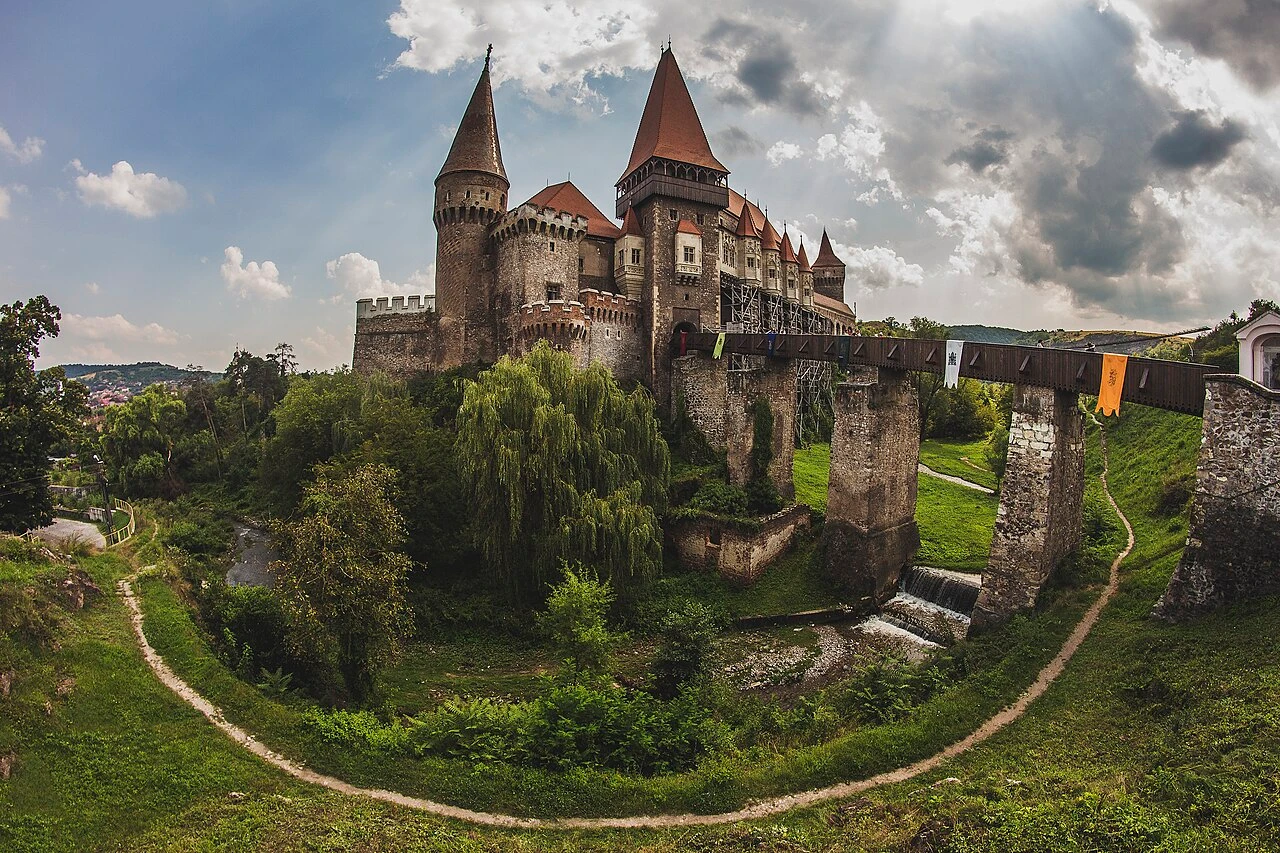
Hunedoara
Corvin Castle
Content & sources
Carcea Daniel · CC BY-SA 3.0 ro